Tag: iphone

  • Beijing tells Apple China to withdraw phone

    Beijing tells Apple China to withdraw phone

    A Chinese tribunal has ordered Apple China to stop selling its iPhone 6 in Beijing, claiming the design is too similar to a Chinese-made smartphone.

    Apple has appealed, and is continuing to sell its iPhone 6 while awaiting the decision.

    The Beijing regulator found that the iPhone 6 and iPhone 6 Plus look too much like the 100C smartphone made by Shenzhen Beili, a small Chinese brand.

    If its appeal fails, Apple will lose ground to such Chinese competitors as Huawei and Xiaomi. China accounted for more than a quarter of Apple’s revenue last year, making it the second-biggest source of income for the company.

    This dispute follows a series of problems for Apple in China. A Chinese court last month decided a company can use the iPhone trademark on its bags, wallets and other leather products, and in April, Apple had to suspend iBooks and iTunes Movies after the Chinese government said the services were breaking the rules for foreign publishers.

    Apple has also been pushing against fake Apple stores in China.

  • Apple previews iOS 10

    Apple previews iOS 10

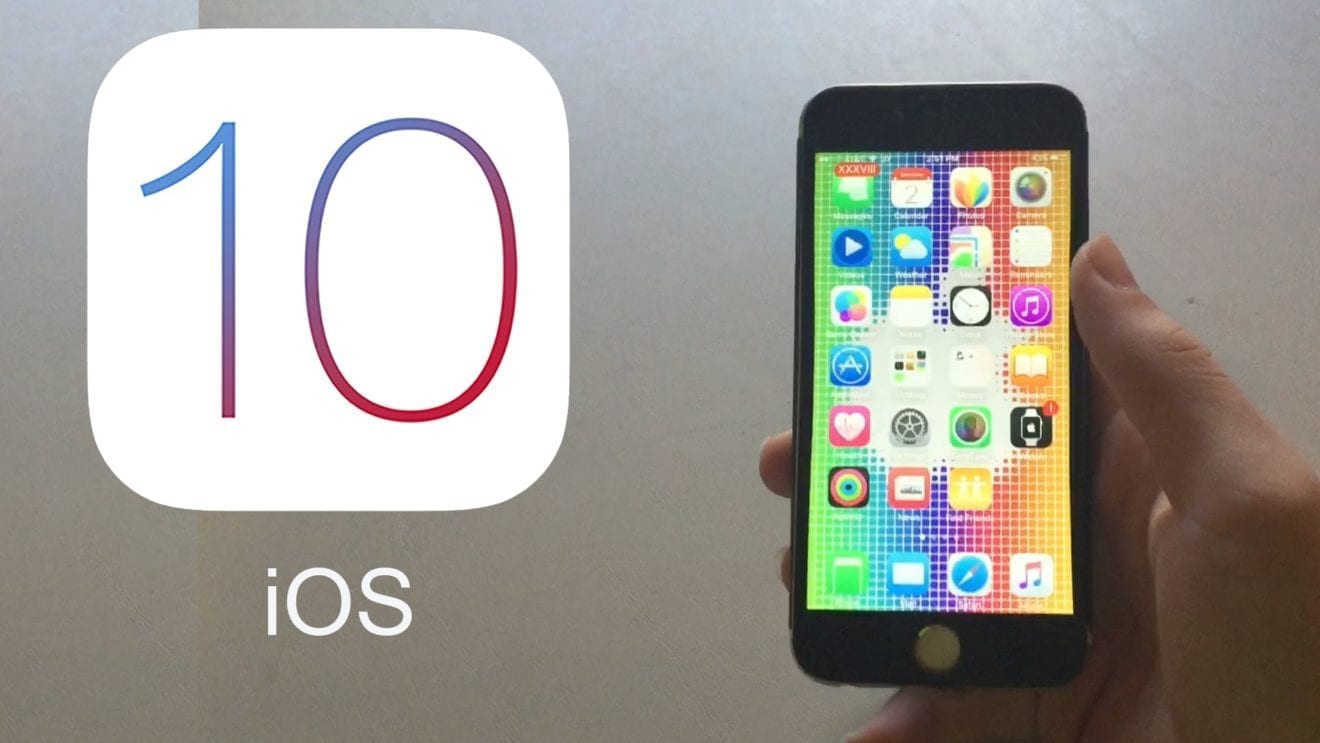
    Apple has previewed iOS 10, which the company is billing as be “the biggest release” ever of the mobile operating system.

    iOS 10 introduces the ability for Siri to do more by working with both internal apps as well as those from third parties.

    The update also includes redesigned Maps, Photos, Apple Music and News apps, and the Home app, promising to deliver a simple and secure way to manage home automation products in one place.

    “iOS 10 is our biggest release ever, with delightful new ways to express yourself in Messages, a native app for Home automation and beautifully redesigned apps for Music, Maps, and News that are more intuitive and more powerful, making everything you love about your iPhone and iPad even better,” said Craig Federighi, Apple’s SVP of software wngineering.

    “iOS 10 adds Siri intelligence into QuickType and Photos, automates your home with the new Home app and opens up Siri, Maps, Phone and Messages to developers — while increasing security and privacy with powerful technologies like Differential Privacy.”

    The update also includes updates to Messages, the most frequently used iOS app, introducing animated and personalized ways to message friends and family.

    Automatic suggestions make it easy to replace words with emoji, Tapback creates a quick and simple way to respond with just a tap and rich links lets the user see content inline and play media without leaving the conversation.

  • Central Department Store app launched

    Central Department Store app launched

    A Central Department Store app has been launched to keep customers informed about in-store promotions, aiming to drive traffic in the lacklustre market in Thailand.

    In the Thai language, Central Smart Shopper lets users key in such factors as date, store branch and budget. It then shows a list of available promotions from about 20 credit-card companies.

    Executive VP for marketing Piyawan Leelasompop says the aim is to capture younger-generation shoppers. “They are eager to change, and one day we could foster the relationship and build brand loyalty.”

    Part of retail giant Central Group, the department store has invested more than 10 million baht (US$280,000) to develop the app, and targets 100,000 downloads by year-end. It plans to further develop the app to link to online shopping.

    This follows Central Group acquiring the Thai market for online fashion marketplace Zalora, as well as a slump in Thai spending. Thailand’s retail sector slowed to 2.8 per cent growth last year, according to the Thai Retailers Association.

    Central Group will kick off a one-and-a-half-month sale on Friday at its 64 branches nationwide, including Central Department Stores. It will invest 100 million baht in the campaign to offer discounts of up to 80 per cent.

  • ZTE China plans new stores

    ZTE China plans new stores

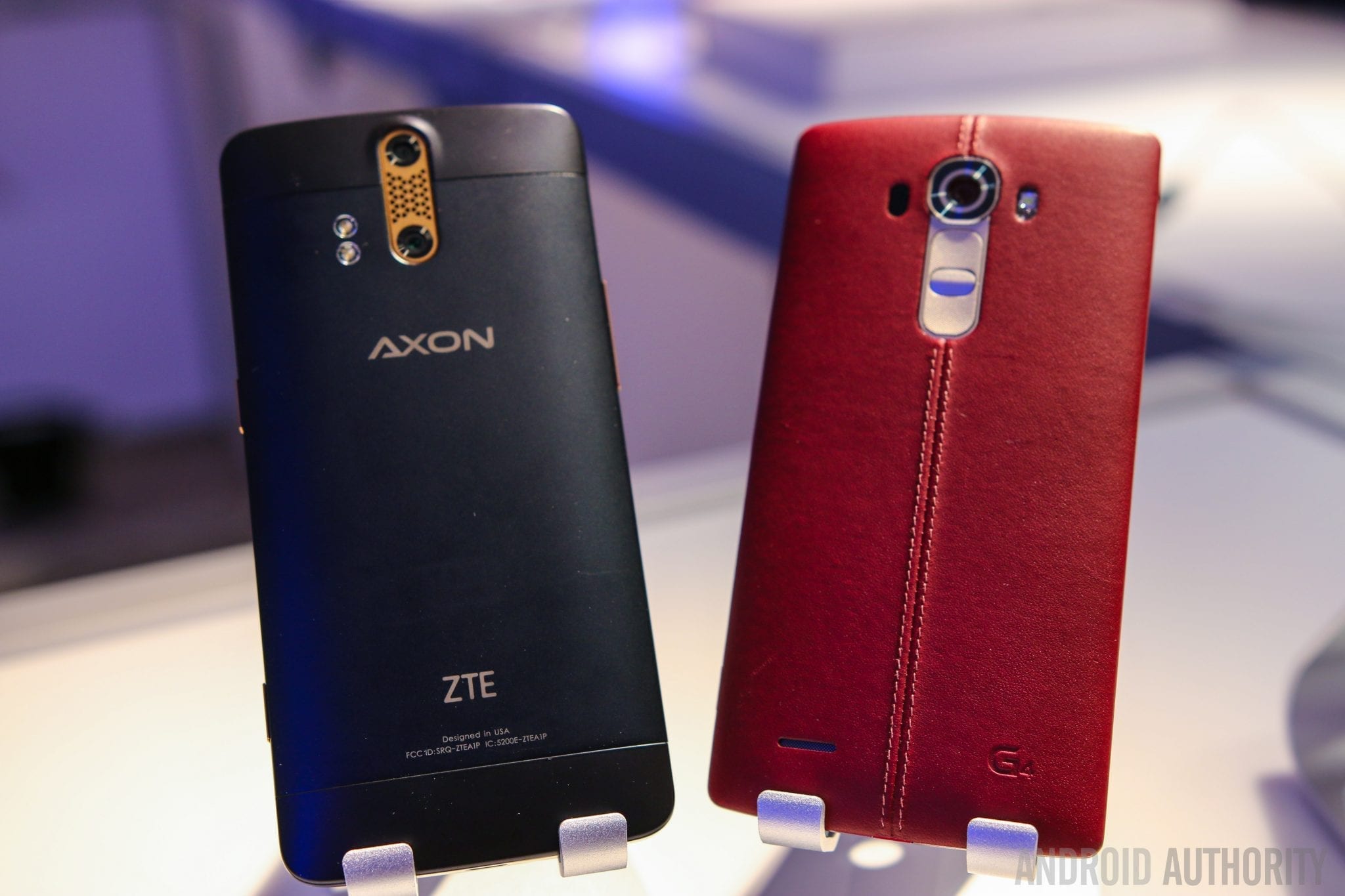
    Chinese multinational telecommunications equipment and systems company ZTE Corporation plans to open 23 stores this year, mainly in China but also Germany and Mexico.

    Meanwhile, its latest smartphone, the flagship Axon 7, will go on sale for $449 in the US next month, up against Apple’s iPhone 6s and Samsung’s Galaxy S7.

    Headquartered in Guangdong, ZTE China has three business units – carrier networks (54 per cent), terminals (29 per cent) and telecommunication (17 per cent). Its core products are wireless, exchange, access, optical transmission and data telecommunications gear, mobile phones and telecommunications software.

    ZTE China also offers video on demand and streaming media. It primarily sells products under its own name.

  • Reliance Jio said to close in on iPhone deal

    Reliance Jio said to close in on iPhone deal

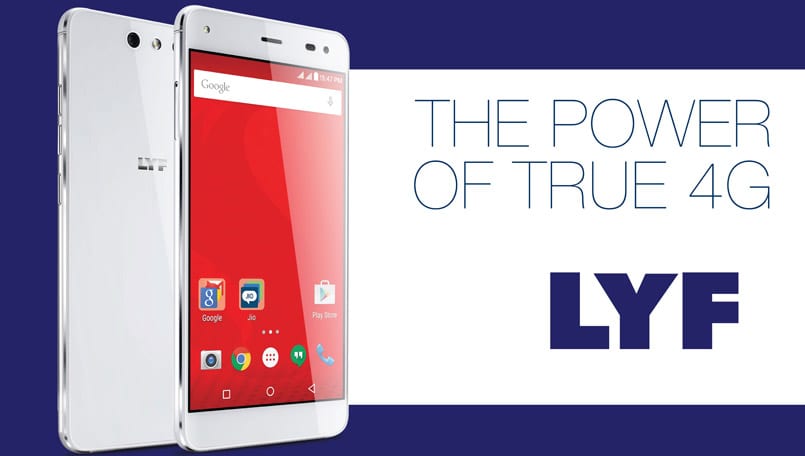
    India’s Reliance Jio Infocomm is reportedly on the verge of securing a long-term partnership with Apple covering the supply of VoLTE iPhones for the operator’s upcoming 4G network.

    Executives from Reliance Jio parent Reliance Industries and Apple recently reached an in-principle agreement at a meeting in Mumbai, citing senior executives aware of the meeting.

    The prospective deal would reportedly see Apple supplying “a couple of million” iPhones with VoLTE support that will work on the operator’s network. Reliance plans to sell bundled iPhones through its sales and distribution network covering 120,000 retailers and e-commerce companies.

    Reliance Jio also plans to adopt the enterprise retail offerings developed by Apple and IBM for its retail network, to help improve the customer experience.

    Apple CEO Tim Cook has given in-principle agreement to such a partnership with Reliance Jio, the report states.

    Cook is said to have also used the meeting to make a pitch for Reliance Jio to adopt Apple Pay in Reliance Retail stores, and the company has agreed to evaluate the possibility of such a deployment.

    Reliance Jio recently revealed it had exceeded 500,000 LTE users despite only so far launching services for its employees and those of its partners and vendors. The operator’s long-awaited public launch is expected for later this year.

  • Apple China loses trademark fight

    Apple China loses trademark fight

    A small firm that sells handbags and other leather goods has won a trademark fight with US tech giant Apple China.

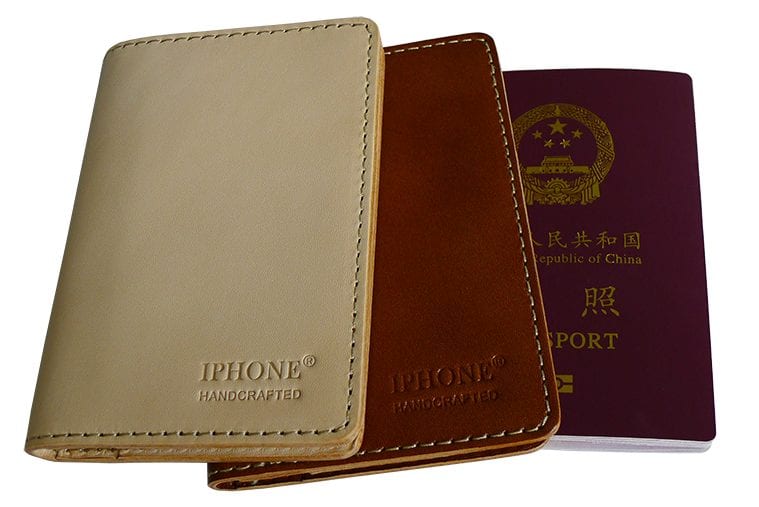
    A Beijing court has ruled that Xintong Tiandi Technology can keep using the name Iphone for its leather products, the official Legal Daily newspaper reports. The company registered the trademark in 2010.

    Apple filed a trademark bid for the name for electronic goods in 2002, but this was not approved until 2013.

    “Apple is disappointed the Beijing Higher People’s Court chose to allow Xintong to use the iPhone mark for leather goods when we have prevailed in several other cases against Xintong,” says an Apple spokesman. “We intend to request a retrial… and will continue to vigorously protect our trademark rights.”

    The Chinese firm’s products include leather phone cases, and its leather goods are branded “IPHONE” with a registered trademark symbol.

    iPhone leather China 1

    Apple first brought the case against the company to the Chinese trademark authority in 2012. When that failed, Apple filed a lawsuit in a lower Beijing court. That also ruled against Apple, which then appealed to the higher court.

    In its ruling, the higher court said Apple could not prove it was a well-known brand in China before Xintong Tiandi filed its trademark application in 2007 (Apple iPhones first went on sale in China in 2009).

    Meanwhile, Apple’s latest results show a 13 per cent drop in revenue on slower iPhone sales. Sales in China, its second-biggest market, plunged by 26 per cent.

    Apple also faces other difficulties in China. In March, Beijing passed a law requiring all content shown in China to be stored on servers based on the Chinese Mainland. As a result, Apple’s iBooks and iTunes services were shut down in China. Apple is hoping access to the services will be restored soon.

    Billionaire investor Carl Icahn has just sold all his shares in Apple over concerns about the technology firm’s prospects in China.

  • Gucci sorry for warning to Hong Kong funeral offering shops

    Gucci sorry for warning to Hong Kong funeral offering shops

    Gucci and its parent company apologized Friday after drawing heavy criticism for warning some Hong Kong shops not to sell paper offerings for the deceased that resembled the fashion brand’s luxury products.

    The brand and its Paris-based owner, Kering, also said in a statement that they regretted any misunderstanding caused by the letters, which were sent to six shops last month.

    After meeting with the shop owners, “Kering and Gucci would like to reiterate their utmost respect with regards to the funeral context,” the statement said.

    In Hong Kong and some other parts of Asia, people burn paper offerings at funerals and during grave-sweeping festivals for deceased relatives to “use” in the afterlife.

    Specialty shops near funeral parlors sell a diverse array of paper offerings, including bundles of “hell money,” mansions, iPhones, cars, cigarettes and designer handbags, cans of beer and soda, mahjong tables and dogs and cats.

    The letters, which were sent as part of the companies’ global intellectual property protection efforts, did not suggest legal action or compensation because they did not believe the shop owners intended to infringe on the Gucci trademark, the statement said.

    Gucci operates 11 boutiques in Hong Kong and is one of the brands most coveted by shoppers, including many visiting from mainland China, where luxury goods are more expensive because of higher taxes.

  • Robotics roll into Indonesian retail with launch of Sphero in Jakarta

    Robotics roll into Indonesian retail with launch of Sphero in Jakarta

    Global robotics firm Sphero has signed a distribution agreement with Halo Robotics to distribute Sphero’s full range of robotic gaming systems in Indonesia.

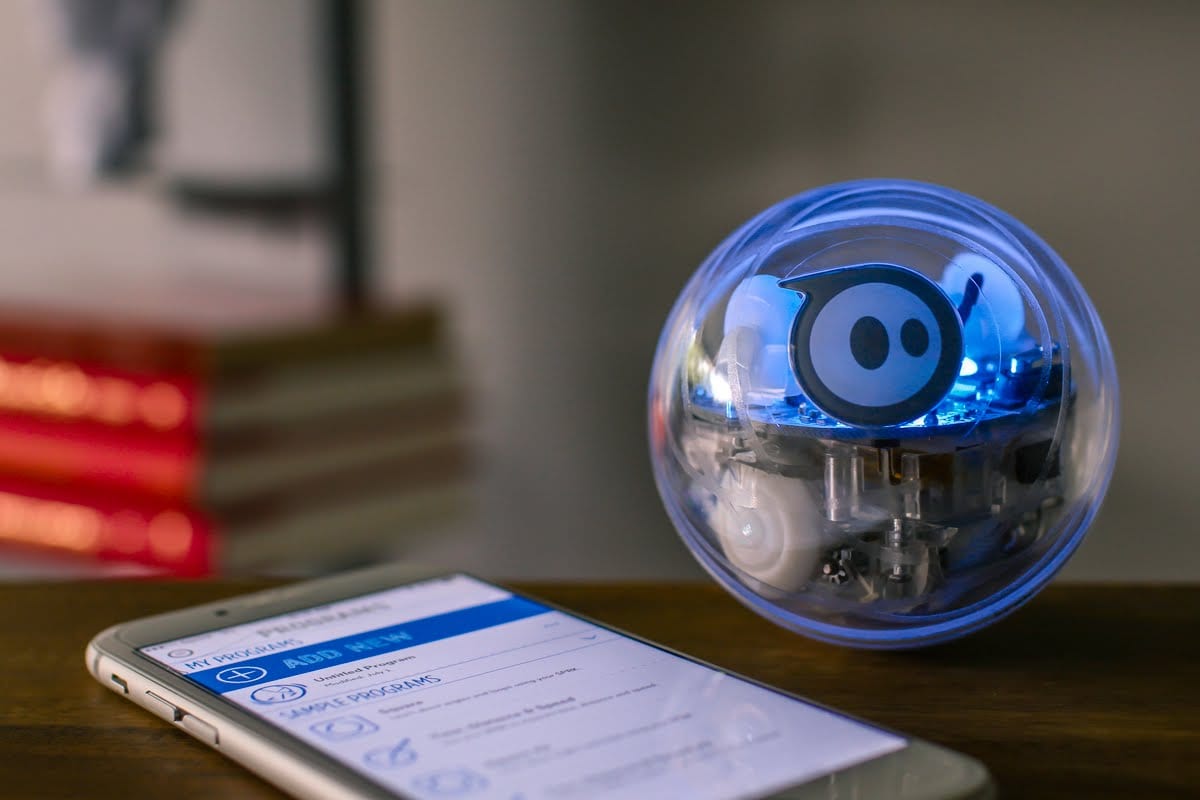
    Sphero is the creator of intuitive smartphone-controlled robots such as the BB-8 app-enabled Droid popularized in Star Wars, whose enormous popularity has defined a new product category, “connected play.”

    Sphero’s  engaging robotic toys roll and jump in response to voice and app controls, and that constantly improve with regular software updates.

    New products and apps, include Ollie, a rebellious, cylindrical robot that rolls at speeds of up to 15 mph; and SPRK, a clear shelled Sphero, that when coupled with the Lightning Lab app, teaches foundational programming through STEM activities.

    “This is an exciting time for Sphero, and we are excited to celebrate the launch of our long-term connection with Indonesia,” said Aurelien Joly, Sphero’s APAC Channel Director.

    Halo Robotics said the connected play toy market has grown dramatically over the last several years and appeals to a full range of consumer audiences.

    Nearly half of Indonesia’s population of 249.9 million are under the age of 30, with among the world’s fastest-growing consumer demographics for Sphero products. Famously tech-savvy, over 100 million Indonesians will be smartphone users by 2017, laying a strong foundation for app-controlled robots.

  • China blamed for Apple sales slump

    China blamed for Apple sales slump

    Apple sales slumped 26 per cent in Greater China in the latest quarter, driving the tech giant to its worst result in 13 years.

    CEO Tim Cook said the Hong Kong market was largely to blame, due to its currency value being pegged to the US dollar. Sales in the mainland fell by a more modest (but still alarming) 11 per cent. Greater China sales totalled US$12.49 billion, equivalent to about 24.5 per cent of its global revenues.

    Cook added that a year ago Apple sales in China soared a remarkable 81 per cent year-on-year, suggesting that made for a tough benchmark for this quarter’s results.

    But Apple cannot blame all the company’s current woes on China: sales in its US home market fell 10 per cent as well.

    Globally, Apple sales totalled US$50.6 billion, down from the $58 billion of the previous corresponding period. Its quarterly net income fell from $13.6 billion to $10.5 billion and gross margin fell from 40.8 per cent to 39.4 per cent. International sales accounted for 67 per cent of the quarterly revenue.

    Despite the sales decline, Apple is showing no sign of slowing its aggressive expansion program in Greater China which it predicts will soon become its largest single market, overtaking the US.

    During the quarter the company opened seven more stores, with five more planned in the current quarter, taking the network of large format stores to about 40.

    The company will also take a hit from the Chinese Government’s decision last week to ban Apple’s iTunes music store and its Apple Bookstore – both selling digital content to Chinese customers who have invested in iPhones, iPads or Apple computers.

    The biggest drain on sales is the iPhone, which is now struggling to keep pace with a myriad of less expensive models offering similar technology at often vastly lesser prices. Apple sold more than 51.2 million iPhones in the first three months of 2016 – nearly 10 million fewer than during the same quarter of 2015.

  • Apple is losing its charm

    Apple is losing its charm

    In a sure sign that Apple is losing its mojo, the company’s second quarter results are unrelentingly gloomy with total revenue down strongly on an overall basis and across most regions.

    This, combined with a weaker gross margin outcome, has dinted net income which fell by almost a quarter over the prior year.

    While sales were blown off course by the strong dollar, which dampened the final results in regions like China and Europe, this was only part of the reason for the decline. The fact that revenue in Apple’s home market dropped by over 10 per cent, and that the volume of devices sold slipped by double digits, testifies to a larger truth: Apple is not innovating enough on the product front to drive sales.

    Apple’s last product unveilings were lacklustre and characterised a company that – while still on the cutting edge of technology – seems to have run out of radical new ideas. This was underlined by the fact that Apple has elected to chase lower-priced parts of the market with its smaller, cheaper iPhone.

    Although there is nothing wrong with this strategy, it is a tacit admission that the company is no longer churning out the kind of leading edge devices that command a hefty premium.

    All of this leads to a problem, especially in saturated markets like North America where device penetration is already high: new product is seen by many consumers as being good, but not quite good enough to justify upgrading. This applies to the iPhone, but especially to iPads where the new line up is rather confusing with little to differentiate the various versions now on offer.

    Admittedly Apple’s task is very challenging. It has for years been the market leader, not just in terms of share, but also in terms of innovation and thinking – and this is inevitably a very difficult pace to keep up. However, Apple needs to come up with a radical new innovation or product rather than just the current incremental improvements to existing products. This is the only way in which it will reinvigorate sales growth.

    None of this is to suggest that Apple is a failing company. Despite the decline, its revenue and profit numbers are still extremely healthy and its brand remains both popular and relevant. However, without pulling something new out of its hat it is likely that revenue will continue to decline as the company moves into its third and fourth quarters.

    One of the ‘party tricks’ of the late Steve Jobs was to always have a surprise up his sleeve – that “one last thing” that made audiences gasp and consumers ache with desire for the latest Apple innovation. As competent and passionate as current management is, it is this spirit which Apple is now lacking and desperately needs to get back.

  • Apple sales fall 26% in Greater China, optimistic on China and India

    Apple sales fall 26% in Greater China, optimistic on China and India

    Apple’s double-digit growth in Greater China, which has helped fuel the huge success of the iPhone over the past few years, came to a grinding halt last quarter, with revenue falling 26 per cent as iPhone demand softened.

    Sales in the Greater China region, which includes the mainland, Hong Kong and Taiwan, dropped to $12.5 billion in its fiscal Q2 ending 31 March. The region accounted for a quarter of Apple’s total revenue, down from 29 per cent a year ago.

    Revenue in mainland China, Apple’s second largest market after the US, fell 11 per cent (7 per cent in constant currency terms) – a year ago sales surged by 81 per cent.

    Apple yesterday reported its first-ever quarterly drop in iPhone sales,which dropped 16 per cent to 51.2 million units.

    Apple CEO Tim Cook said in the earnings call he doesn’t think China is as weak as everyone says. “In China we may not have the wind at our backs that we once did, but it’s a lot more stable than what I think is the common view. So we remain really optimistic on China.”

    He noted that it opened seven stores in China last quarter, taking its total to 35, and will open five more this quarter.

    Cook talked up its services businesses, which expanded 20 per cent last quarter and represented the company’s second largest revenue-generating category in Q2. But with Apple suspending its iBooks and iTunes Movies services in China last week after the country’s video and publishing regulator imposed stricter guidelines on online content, its growth prospect in services could be severely dampened.

    Beyond China
    The company faced declining sales across the Asia-Pacific region, with revenue falling 25 per cent in Asia Pacific (ex China and Japan) to $3.16 billion.

    Japan was the bright spot in the region, reporting a 25 per cent jump in sales to $4.13 billion.

    Responding to a question about India, the third largest smartphone market in the world, Cook said infrastructure and sales channels will be key.

    The LTE networks being rolled out in the country will “unleash the power and capability of the iPhone in a way that an older network, a 2.5G or even some 3G networks, would not”, he said.

    He noted that unlike in the US, where operators sell the vast majority of phones, in India the operators in general sell virtually no phones. “So it’s through retail, and retail is many, many different small shops”.

    The company has been working on its sales channels for the last 18 months, and Cook said he is encouraged by the results that it’s beginning to see.

    “But because the smartphones that are working there are low end, primarily because of the network and the economics, the market potential has not been as great there. But I view India as where China was maybe seven to ten years ago, and I think there’s a really great opportunity there,” he said.

  • Why Is Apple Opening More Retail Stores in Emerging Markets?

    Why Is Apple Opening More Retail Stores in Emerging Markets?

    Apple continues to remain optimistic about China despite the country’s economic slowdown. As a result of this optimism, Apple plans to open a number of retail stores in emerging markets such as China and India. Apple had 28 stores in China through the end of 2015, but it plans to add 12 more by mid-2016.

    In India, Apple had depended on subdistributors for the sale of its products until now. However, Apple has sought approval from the Indian government to open its own retail stores in India.

    Apple considers India to be an important market in the coming days, as the country is now the second-largest smartphone market in the world after China. Apple’s revenues in India grew by a healthy year-over-year (or YoY) rate of 38% in the quarter ended December 2015.

    Percentage of users buying iPhones from Apple US retail stores declining

    India has some positive macroeconomic factors that make it an attractive market. It is one of the fastest-growing economies with a huge young population. According to Apple’s CEO, Tim Cook, “The population of India is incredibly young. The median age there is 27. I think of the China age being young, at 36, 37 and so 27 is unbelievable. Almost half the people in India are below 25. And so I see the demographics there also being incredibly great for a consumer brand and for people that really want the best products.”

    The focus on retail in emerging markets is big for Apple, but it’s the opposite in the US. According to a report, citing research from Consumer Intelligence Research Partners, users are increasingly buying iPhones from telecom providers such as Verizon, Sprint (S), and AT&T (T) rather than its own stores. The above chart shows this trend. The main reason for this trend is that these providers offer consumers attractive leasing, installment plans, and exchange offers.

    Apple commands only 2% share of India’s smartphone market

    In the previous part of this series, we discussed the growing focus by Apple on India. According to Counterpoint, India recently overtook the US to become the second-largest smartphone market, behind only China. However, Apple still only commands a 2% share in India’s smartphone market.

    According to that report and as the chart below shows, Samsung led the Indian smartphone market last year, with Micromax, Intex, Lenovo, and Lava taking the up the remaining four positions among the top five players in this market. Microsoft lost its place among the top five players in this market due to the declining popularity of the Lumia line of smartphones.

    Apple Aims to Increase Penetration of India’s Smartphone Market

    Apple’s initiatives in India have yet to bear fruit

    Apple released the low-cost iPhone SE in March 2016, accompanied by high expectations. It released this smartphone in India in early March, but it has so far failed to garner much interest from users. The problem with the iPhone SE is that although it costs $430 in the US, it is sold at the higher price of $586 in India.

    iPhones cost more in India because Apple currently depends on third-party distributors to sell the devices in India, adding their commissions to the phone’s price. However, as discussed in the previous article, Apple plans to open its own stores in India, which could help bring down the prices of iPhones in India going forward.

    This isn’t the first time Apple has launched a cheaper version of the iPhone. In 2013, Apple launched the iPhone 5C at around $500.

    In 2015, Apple announced that it would slash the price of the iPhone 5S from $665 to $370, according to a report from the Times of India. However, all these efforts have still not helped Apple’s penetration of the Indian smartphone market. In our view, Apple would have to do much more to achieve that goal.
  • iPhone SE hits stores in Taiwan, received mixed reaction

    iPhone SE hits stores in Taiwan, received mixed reaction

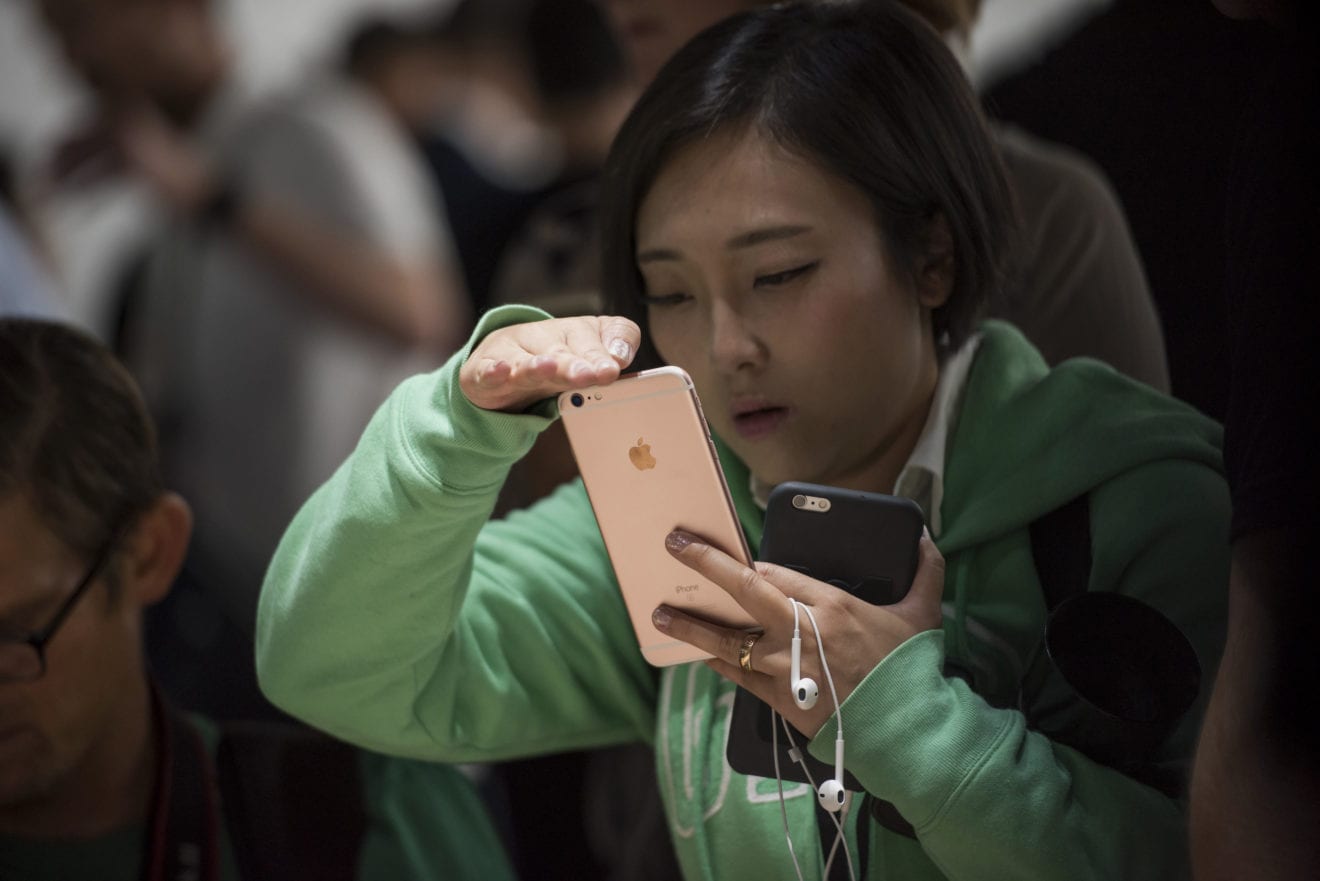
    Sales of Apple Inc.’s latest smartphone offering, the iPhone SE, began in Taiwan Thursday, last April 7, with retailers and telecom companies reporting mixed consumer reactions.

    Data Express, a chain selling Apple products and accessories, said all iPhone SE devices available across its 51 outlets were sold out on the first day, and the 64G model was the best seller.

    The 64G model, priced at NT$19,500 (US$601.32), was also the most popular at electronics chain Tsann Kuen, since the model had sold out at all 300 stores during the first hour after sales began.

    Tsann Kuen also pointed out that over 80 percent of iPhone SE smartphones sold by the chain were either the gold or rose gold versions.

    Neither chain gave their exact sales figures.

    Telecom companies, which began accepting pre-orders March 29, did not see the same enthusiastic consumer response as the retail chains.

    Taiwan Mobile Co. said initial sales of the iPhone SE were weaker than the iPhone 6S that hit the Taiwanese market last October.

    Taiwan Star Telecom Corp., a smaller player in the mobile service market, also saw weaker sales of the iPhone SE than the iPhone 6S, citing local consumers’ preference for phones with a larger screen.

    The iPhone SE features a 4-inch screen, while the iPhone 6S comes in two sizes — the standard model with a 4.7-inch screen and the Plus model with a 5.5-inch screen.

    Taiwan Star said over half of the pre-orders for the iPhone SE it received were made by people aged between 25 and 34, and this showed the new phone’s lower pricing appealed to younger consumers.

    Far Eastone Telecommunications Co. said there were consumers asking about the iPhone SE at its outlets, but buying momentum is not expected to pick up until people learn more about the new model through word of mouth.

  • iPhone SE launch date revealed

    iPhone SE launch date revealed

    The Asia-Pacific iPhone SE launch dates have been revealed.

    In Asia-Pacific, customers in Australia, China, Hong Kong, Japan, New Zealand and Singapore will be able to order the new handset model beginning Thursday, March 24, with availability beginning Thursday, March 31.

    The iPhone SE will be available “in early April” in India and Taiwan, but release dates were not given for other Asian markets.

    The new iPhone SE marks a philosophical shift into a lower price bracket for the tech giant, with the SE essentially an evolution of the old iPhone 5 product with features previously only found in the larger iPhone 6 models.

    iPhoneSE-RsGld-3Angles-LockScreen-PR_US-EN-PRINT

    Apple says the SE is the world’s most powerful phone with a four-inch display, “reinvented from the inside out, giving customers a powerful, full-featured iPhone no matter which model they choose”.

    The 64-bit A9 chip, introduced in iPhone 6s and iPhone 6s Plus, offers iPhone SE customers two times faster CPU and three times faster GPU performance compared to iPhone 5s, offering longer battery life and less energy use. It features M9, Apple’s new generation motion coprocessor and faster wi-fi.

    Pricing will start at US$399 in the US for a 16Gb model, with prices yet to be revealed for Asian markets.

    But both the tech and business community appeared underwhelmed by Apple’s launch overnight, which also included a new 9.7 inch iPad Pro and cheaper models of the Apple Watch.

    “Given the softness of Apple’s performance last quarter, today’s event was an opportunity for the company to start regaining some of the momentum it has lost,” commented Neil Saunders, CEO of retail analyst Conlumino.

    “Unfortunately, this opportunity was largely squandered with fairly mundane product updates being the sole focus of the occasion. Gone was the sense of wow, gone was the sense of excitement that makes consumers want to dash out and get the latest Apple products.”

    Saunders says the technical ability and engineering prowess of Apple is indisputable, but the launch unveiled little more than tweaks.

    “As such they will likely little to persuade consumers, especially in saturated core markets like the US and the UK, to rush out and upgrade. The one slight positive is that some of the cheaper price points, across lines like Apple Watch and the new smaller iPhone, will allow Apple to penetrate some consumer segments that have, hitherto, found its products too expensive.

    “However, that Apple should need to focus on price is a worrying sign and a reversal on the previous position that its products were so innovative and cutting edge that it was able to command a premium.”

    Saunders concluded that Apple needs to come up with “revolutionary rather than evolutionary product” this year.

    “It has failed to do so at this event, which does not bode well for future sales or market share.”


  • Apple turns to India as Chinese market weakens

    Apple turns to India as Chinese market weakens

    As red-hot sales in China show signs of cooling, Apple Inc executives are touting India’s growing appetite for iPhones.

    In an earnings call in which the company reported meager iPhone growth and forecast its first revenue drop in 13 years, the Indian market stood out as a rare bright spot for Apple.

    Sales of the company’s flagship smartphone climbed 76% in the country from the year-ago quarter, Apple CFO Luca Maestri said on the call.

    And Apple CEO Tim Cook suggested more growth is on the horizon, noting the median age in India is just 27.

    “I see the demographics there also being incredibly great for a consumer brand, and for people that really want the best product,” Cook said. “We have been putting increasingly more energy in India.”

    Growth in India is a tantalizing prospect as Apple grapples with the economic downturn in China, its second largest market. While revenue in Greater China rose 14% in the last quarter, Apple is beginning to see a shift in the economy, particularly in Hong Kong, Maestri told Reuters in an interview.

    India cannot immediately offset Apple’s woes in China, said analyst Neil Shah of Counterpoint Technology Market Research. The company averaged only about 450,000 smartphone shipments per quarter in India in 2015, compared with more than 15 million per quarter in China, Shah said.

    What’s more, nearly 70% of smartphones sell for less than $150, leaving just a sliver of the market for Apple’s high-end phones. The company’s smartphone market share stands at less than 2%, Shah said.

    But the Indian market seems to be turning in Apple’s favor. With 4G coverage spreading, Indian consumers will likely be more open to investing in smartphones, Shah said.

    Young consumers are already willing to spend heavily on the device at the center of their digital lives. As in China, Apple products are coveted status symbols.

    “The love for the iPhone is there,” said Carolina Milanesi, chief of research and head of US business at Kantar Worldpanel ComTech, a consumer research firm.

    Apple’s next task is expanding distribution in India, where its products are sold through third-party resellers. The company has filed an application with India’s Department of Industrial Policy and Promotion to open its own stores, an Indian official told Reuters earlier this month.