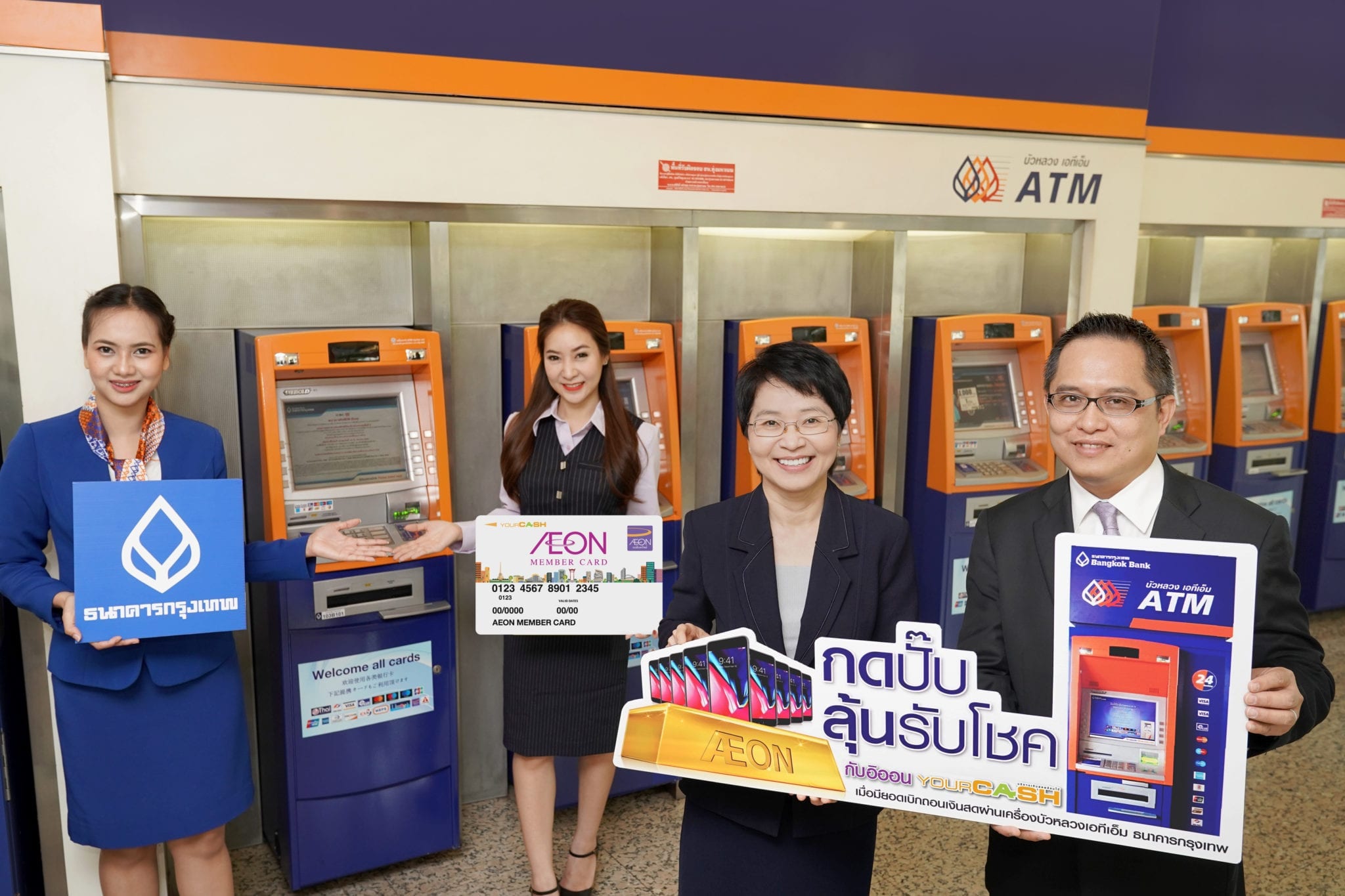
Mr. Nuntawat Chotvijit (Right), Marketing Director of AEON Thana Sinsap (Thailand) Public Company Limited, together with Ms. Prassanee Ouiyamaphan (2nd from Right), Executive Vice President of Bangkok Bank announced a campaign “Get Prizes with AEON Your Cash”. Get a chance to win, worth a total of 745,000 Baht, include a gold bar worth 400,000 Baht and 10 prizes of iPhone 8 256GBs. AEON Your Cash cardholders are eligible to participate in the campaign by making cash withdrawals at least 1,000 Baht per sales slip at Bualuang ATMs Bangkok Bank during 1 April – 31 May 2018.
Tag: iphone
-
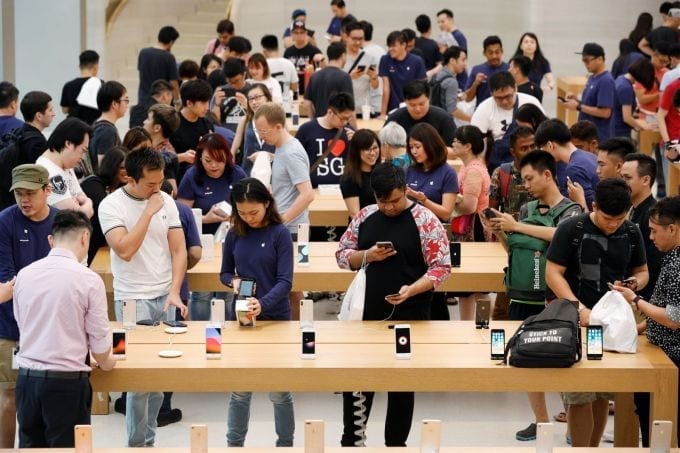
Apple sales report doesn’t look good
Apple has been quick to point out the record-breaking revenue numbers for its first quarter.
The Cupertino-based company reported first-quarter sales of US$88.3 billion and a record quarterly profit for the final three months of last year of $20.1 billion.
As much as this is praiseworthy, it also masks some more worrying trends.
First is the 1 per cent fall in unit sales of the iPhone. Although revenue for phones increased by 13 per cent, this was a function of higher prices rather than increased volume. On the surface, this may not seem like a problem, but in our view, it indicates that Apple is, once again, struggling to persuade consumers to upgrade or switch to new devices. This slowing of the upgrade cycle will likely have an impact on phone revenue in future quarters.
Moreover, the slowdown in iPhone sales is emblematic of Apple’s inability to come up with meaningful and valuable innovations that wow consumers. Even the iPhone X is an incremental product that lacks the excitement and newness earlier models brought to market. Apple is fortunate in having a strong base of fans and many consumers who are bought into its ecosystem of services; but without device innovation, even this may prove insufficient to maintain market share in the face of rising competition.
Mac sales disappoint
The second area of disappointment comes from Mac sales where both volume and revenue slipped over the prior year. Admittedly, Apple is up against a comparative from last year when its new MacBooks Pros were gaining ground, but even so, this also underlines a dearth of serious innovation in the home and professional computing segments.
We also believe that lower volumes, and the fact that Apple’s products were not at the top of everyone’s Christmas lists, put a dampener on service growth. Last quarter this segment grew by 34 per cent and by 22 per cent in the quarter before that. Over this period, the increase was a much more modest 18 per cent. Arguably, the holiday period should be a bumper time for Apple subscriptions; that it wasn’t is concerning – not least because Apple needs income from services to make up for softness in product sales.
That Apple’s HomePod wasn’t available in time for the holidays was a misstep, not least because it could have helped boost service revenue. Our data show smart speakers and smart home devices were popular gifting and self-purchase items over November and December – with both Amazon and Google growing their market shares. Although Apple will point out its product is superior to rivals’ efforts, it is a latecomer to the party, and we believe its potential sales will be crimped as a result.
For all of these challenges, Apple remains a solid and financially successful company. Indeed, its profits increased over the period. However, a lack of serious and significant innovation means it runs the risk of diluting future earnings. Apple thrives off serving a mass market; a move to providing more expensive items to fewer people will ultimately prove harmful to the bottom line.
In essence, we believe that the clear blue water that once existed between Apple and rivals is much diminished. The company has time to reopen the gap, but to do so, it needs to pull something new and unique out of its hat sooner, rather than later.
-Neil Saunders-
-
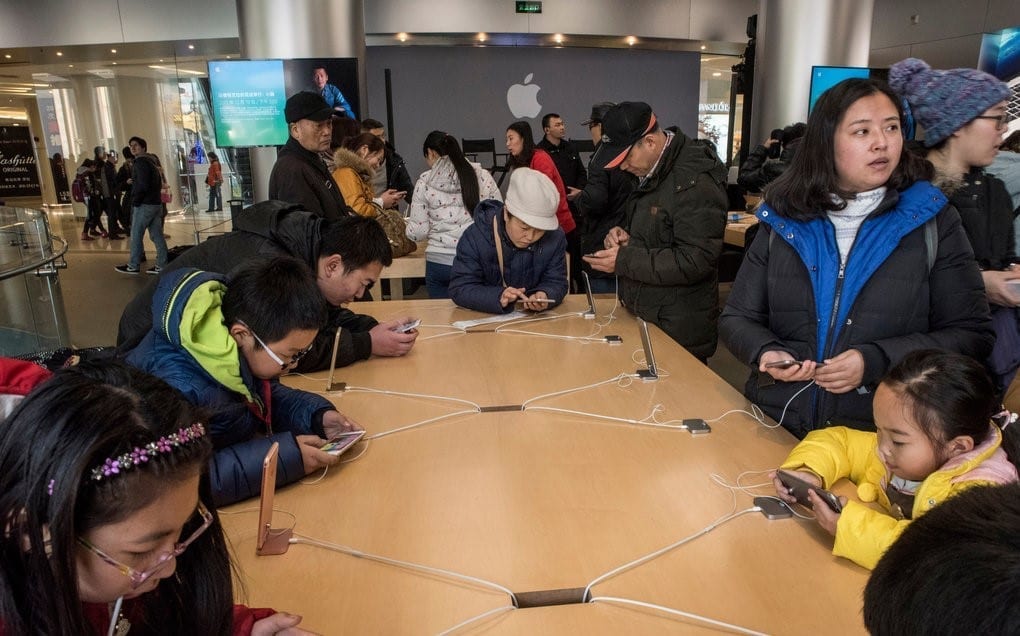
iPhone helps dial up Nov retail sales growth to 2-year high
Retail sales surged in November with their strongest growth in almost two years, reversing course from the slump seen in October possibly due to the launch of the iPhone X and improved consumer sentiment, say economists.
Total takings grew 5.3 per cent in November compared to the same month a year ago – its best showing since March 2016, according to latest data by the Singapore Department of Statistics.
This is a reversal of the 0.2 per cent decline recorded in October – revised lower from earlier estimates of a 0.1 per cent dip – and a steeper 0.6 per cent fall in September. It also beat economist forecasts of a modest 1.1 per cent rise, according to a poll by Bloomberg.
Despite the volatility usually seen in retail sales numbers, economists say that November’s data is a sign of a continued pickup in sentiment thanks to a brightening economy.
Maybank Kim Eng economist Chua Hak Bin said: “You haven’t seen this type of retail numbers for quite some time. It looks as if growth has broadened and consumers are a lot more upbeat… Generally, the feel-good factor has spread out.”
While it seems that consumer spending has finally turned the corner, one factor that could influence this recovery is a hike in taxes. Credit Suisse economist Michael Wan said: “The one risk is on policy – whether the government will change any tax rates and the magnitude of change.”
Goods and services tax (GST), which has stood at 7 per cent since 2007, is widely seen as the top contender for a hike, with e-commerce tax another likely candidate. Market watchers expect the issue of tax to be addressed at the upcoming Budget 2018.
Maybank’s Mr Chua said that the timing of a GST hike, if any, matters. For example, there could be an uptick in retail sales as consumers bring forward their spending ahead of higher taxes in the future. A possible e-commerce tax could also affect retail sales. Mr Chua explained: “Some of the international e-commerce transactions are not captured (in terms of tax). There could be some shifts as the playing field is levelled as this (an e-commerce tax) will take away some advantage that the international online players have.”
As of now, retail sales data mostly captures brick-and-mortar spending. He believes November’s stellar growth was likely driven by smartphone sales with the launch of the latest iPhone X, which would explain the surge in computer & telecommunications equipment sales.
Computers & telecommunications equipment was by far the best performing segment, going up by 16.6 per cent compared to a year ago. This was followed by supermarket sales at 9.7 per cent and petrol service station sales at 9.6 per cent.
On a month-on-month basis, the performance of computers & telecommunications equipment was even more stark, jumping 46.5 per cent compared to October. This was followed by motor vehicles at 14.6 per cent. The poorest performing segment was watches & jewellery with a decline of 3.6 per cent.
After seasonal adjustment, total retail takings went up by 5.1 per cent in November compared to the month before. Excluding car sales, it still grew a respectable 2.9 per cent.
While retail sales was much stronger than expected, sales of food & beverage services was mixed. Total takings grew 2.1 per cent year-on-year, but dipped 0.1 per cent compared to October. The total retail sales value in November was estimated at S$3.8 billion, higher than the S$3.6 billion seen last year.
Despite the uncertainty surrounding possible tax hikes, economists remain optimistic on the outlook for retail sales in 2018.
Mr Chua pointed out that even when GST was increased in the past, the backdrop of a booming economy helped offset its dampening effects.
He said: “The state of the economy and the job market – those are always the more overwhelming factors. What’s important is that the economy holds up.”
-
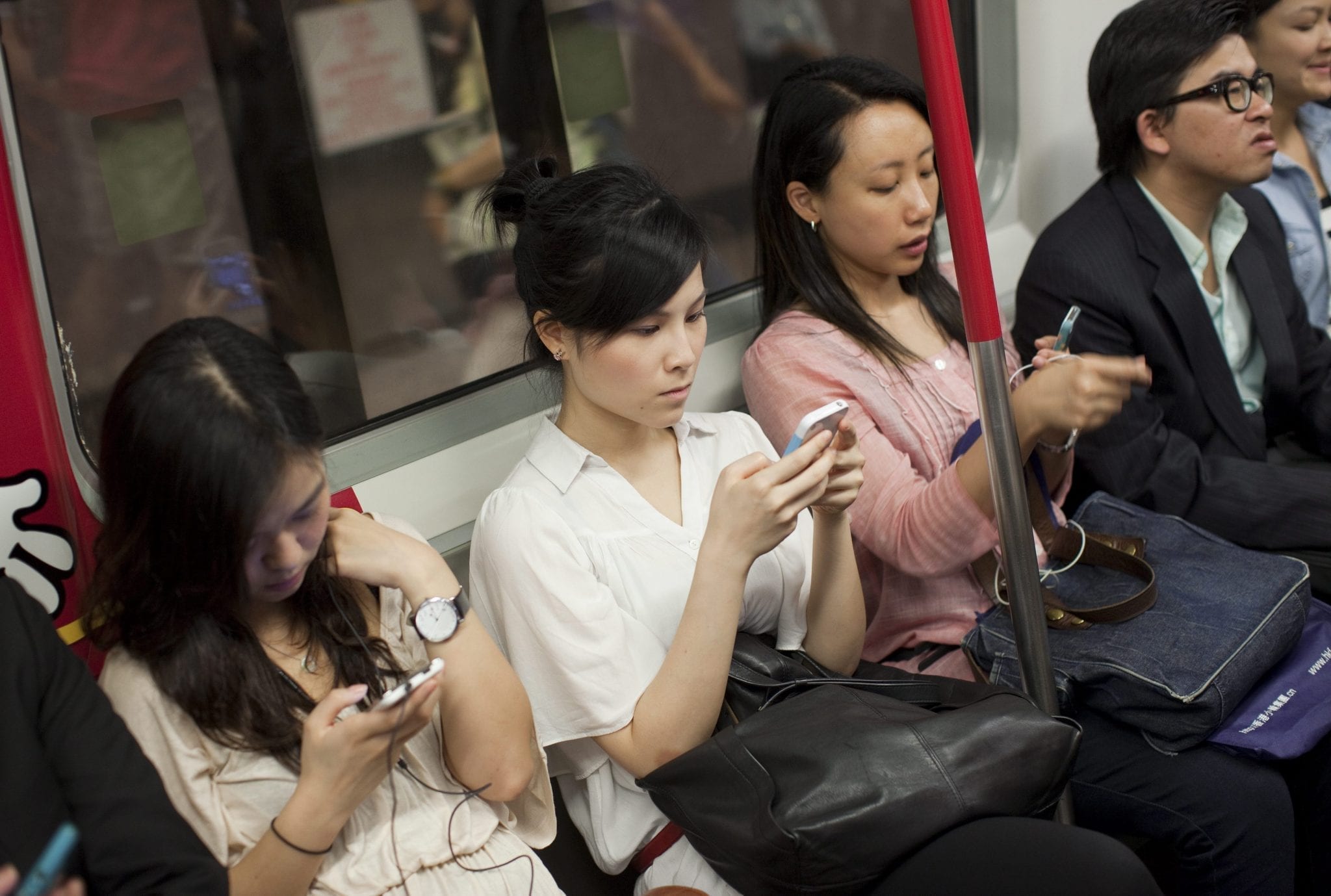
IPhone addiction may be a virtue, not a vice for investors
Apple Inc investors are shrugging off concerns raised by two shareholders about kids getting hooked on iPhones, saying that for now a little addiction might not be a bad thing for profits.
Hedge fund JANA Partners LLC and the California State Teachers’ Retirement System (CalSTRS) pension fund said on Saturday that iPhone overuse could be hurting children’s developing brains, an issue that may harm the company’s long-term market value.
But some investors said the habit-forming nature of gadgets and social media are one reason why companies like Apple, Google parent Alphabet Inc and Facebook Inc added $630 billion to their market value in 2017.
“We invest in things that are addictive,” said Apple shareholder Ross Gerber, chief executive of Gerber Kawasaki Wealth and Investment Management.
He also owns stock in coffee retailer Starbucks Corp, casino-runner MGM Resorts International and alcohol-maker Constellation Brands Inc.
“Addictive things are very profitable,” Gerber added.
Still, the investment community is increasingly holding companies to higher social standards, and there is some concern that market-leading tech companies could draw attention from regulators much like alcohol, tobacco and gambling companies have in the past.
Apple, Alphabet and Facebook could not immediately be reached for comment on Monday, but Facebook has said social media can be beneficial if used appropriately.
Apple shares traded marginally lower on Monday. CalSTRS holds $1.9 billion in Apple stock, a sliver of the company’s nearly $900 billion market value, while JANA declined to disclose the size of its smaller stake.
“Before Apple speaks, I think it’s too early to change the narrative” for investors, said Peter Jones, vice president of research for Ferguson Wellman Capital Management, which has about 350,000 Apple shares.
Social media companies, not hardware makers, are more deserving of any addiction-related scrutiny, some said.
Jordan Waldrep, who invests in alcohol, tobacco and gambling stocks as manager of the USA Mutuals Vice Fund, said blaming Apple for their customer’s addiction was analogous to blaming makers of cigarette packs instead of tobacco companies.
“The social media, the cigarettes, are the addictive product,” he said. Waldrep’s Vice fund does not own Apple but he said he would consider including social-media companies.
Kim Forrest, senior portfolio manager and vice president at Fort Pitt Capital Group, agreed that companies like Facebook, Twitter Inc and Snap Inc might be more at risk than Apple if investors and regulators push back on how much time people spend on mobile devices.
“Apple is just the delivery device,” said Forrest, who said Fort Pitt has limited Apple holdings. “It’s only compelling with software. Software is the dopamine releaser that keeps you coming back.”
Twitter declined to comment and Snap could not immediately be reached.
The letter from JANA and CalSTRS recommends Apple set up a committee of child-development experts and make more new tools available to parents.
The addiction issue gained notoriety when former Disney child star Selena Gomez said she canceled a 2016 world tour to go to therapy for depression and low self-esteem, feelings she linked to a social media addiction.
Fears about smartphone addiction have already kicked off regulatory backlash. In December, the French education minister said mobile phones would be banned in schools, and draft legislation in France would require children under 16 to seek parental approval to open a Facebook account.
Even tech insiders are among the vocal critics of social media and its addictive potential.
“Apple Watches, Google Phones, Facebook, Twitter – they’ve gotten so good at getting us to go for another click, another dopamine hit,” said Tony Fadell, a former Apple executive, on Twitter.
John Streur, chief executive of Calvert Research and Management, an Apple shareholder that focuses on social responsibility, said it is plausible that tech devices may some day be understood to hold risks we do not currently understand well.
That would hurt investors if evidence later emerged that companies intentionally built features that create dependency and had evidence that doing so was unsafe.
For the time being, John Carey, a portfolio manager at Amundi Pioneer Asset Management in Boston, said concerns over the human impacts from being glued to screens are not likely to cut into profits. The company holds Apple stock, but the funds Carey manages do not.
“I doubt there will be any impact on the use of smartphones. We’re already addicted to them,” he said.
-
Apple apologizes for secretly slowing older iPhones
Apple apologized for secretly slowing down older iPhones, a move it said was necessary to avoid unexpected shutdowns related to battery fatigue.
Many customers had interpreted the move as a way to for Apple to juice demand for newer iPhone models, their suspicions fueled by the fact that the company didn’t initially disclose the slowdowns or its reasons for them.
Apple also said it will cut the price of a battery replacement by $50 to $29 through next year. New batteries had previously cost $79 for those who didn’t purchase the Apple Care maintenance plan.
“We apologize,” the company said on its website . “We have never — and would never — do anything to intentionally shorten the life of any Apple product, or degrade the user experience to drive customer upgrades.”
The replacement plan begins in late January for anyone with an iPhone 6 or later that requires a new battery.
Apple said it will also issue an update to its operating system early next year to give users a better understanding of the health of their battery, so they can see if its condition is affecting performance.
Hostile customer reaction was swift after a report this month uncovered the intentional slowdown in speed tests. Only then did Apple acknowledge that the slowdown was due to a fix it rolled out last year. Shares dropped 2.5 percent Tuesday — also dinged by analysts predicting lower-than-expected demand for the iPhone X — and only partially recovered by Thursday.
At least five groups seeking class action status, involving consumers in Texas, Illinois, California and New York, have also sued the company in the wake of the slowdown revelation.
Ben Bajarin, an analyst with Creative Strategies, said Apple found itself in a tough spot by having to explain what it did to cope with the reality that all lithium ion batteries degrade over time.
“The error — if anything — was not being more transparent,” he said. “They were legitimately trying to make people’s iPhones last longer.”
-
Apple cuts iPhone X margins for Indian retailers
Stores in India which sell the iPhone X have complained about the reduction in retail margins by Apple from 6.5% to 4.5%. Large chains and even small-scale operators are accusing the company of wanting to scoop in massive margins while not allowing its retail partners to benefit.
Some stores, like the Bengaluru-based Sangeetha Mobiles, had stopped taking orders for the iPhone X. This comes as a supply-demand mismatch in India has led to calls for Apple to give the country a higher priority when it comes to providing stock in time. iPhone production has fallen to the extent that it has affected the bottom line of companies like Foxconn which assemble the devices.
Subhash Chandra, managing director at Sangeetha Mobiles, says: “Apple has cut margins on the iPhone X from 6.5% to 4.5% for large retailers like us, and if a customer pays by card, which is usually the case, the margin reduces to almost 1.5-2%.”
Sangeetha Mobiles has about 400 stores across India. “Apple gives the least margins… How on earth do they expect the retailer to work for them for free — our overheads are anywhere around 10%,” complained Chandra.
The margins offered by brands like Samsung and Xiaomi are more than double what Apple does – 12% to 15%. Brands like Oppo and Vivo are giving higher than usual margins in order to compete better in the burgeoning Indian market.
Quoting an unnamed chief executive of a top retail chain as saying that he would not be stocking the iPhone X at its 300-odd stores due to the reduced margins and because he had no control on retail pricing both offline and online.
Underling the supply issues, another big handset retailer said he had received only 400 iPhone X units since the launch, much less than what had been promised by Apple.
Analysts told the newspaper that if Apple did not step up supplies, it may be unable to bridge the gap with Samsung and the numerous Chinese brands that were already ahead in terms of volume sales.
India has about 350 million smartphone users, a number that is expected to grow to 500 million in the next couple of years. Many new buyers or those looking to upgrade are potential iPhone users.
One analyst, Neil Shah, the research director at Hong Kong-based Counterpoint Research, told the newspaper: “They (Apple) will have to start now because if they lose a window of opportunity in next two years to be on mind of the growing smartphone user base, it would be somewhat difficult to grow faster in the world’s second largest smartphone market.”
-
Apple delivers higher profit as iPhone X launches
Apple profits rose on the back of strong iPhone sales in the past quarter, with the U.S. tech giant on Thursday shrugging off the lofty price of its new flagship iPhone X and predicting a stellar holiday season.
“The iPhone X orders are very strong; we couldn’t be more excited to get underway,” Apple chief executive Tim Cook said during a quarterly earnings call.
“A few minutes ago the first sales started in Australia; several hundred people were waiting at the store in Sydney and there are similar reports across that region.”
Cook added that Apple is working to increase iPhone X output to catch up to demand. The wait time for online orders stretched to an unprecedented six weeks shortly after Apple began taking orders last month, but it remained unclear whether demand or supply factors were the cause.
Net profit rose 19 percent from a year ago to $10.7 billion in the fiscal fourth quarter to September 30, Apple said. Revenues were up 12 percent to $52.6 billion.
Release of the earnings figures pushed Apple shares up more than two percent to $172.54.
Apple sold more iPhones, iPads and Mac computers than it did in the same quarter a year earlier. Smartphones sales climbed by about a million units to 46.7 million in the three months winding up the California company’s fiscal year, according to the earnings report.
“We’re happy to report a very strong finish to a great fiscal 2017, with record fourth quarter revenue, year-over-year growth for all our product categories, and our best quarter ever for services,” Cook said.
“We’re looking forward to a great holiday season.”
Apple closed out its fiscal year posting a full-year profit of $48.35 billion, up 5.8 percent, on revenues of $229 billion, a rise of 6.3 percent from the previous year.
In the latest quarter Apple was able to reverse its fortunes in China, boosting overall sales by 12 percent in the “Greater China” region. Sales were up in other regions except for Japan, which saw an 11 percent revenue drop.
Analyst Patrick Moorhead, of Moor Insights & Strategy, said “Apple crushed” with a strong quarterly report showing improvements in all product categories and a 34 percent jump in services revenue.
Moorhead said concerns that iPhone sales would weaken as customers awaited the newest device were unfounded.
“Apple managed to thread the needle on iPhone sales between the giant interest in the iPhone X and what the company had to ship, which was iPhone 7 and 8,” he said.
Ambitious goal
With the iPhone X launching Friday in about 50 markets around the world, Apple is setting the ambitious goal of reinventing the smartphone as it strives to fend off fierce competition from rivals, especially in China.
The flagship handset marks the 10th anniversary of the first iPhone release.
The iPhone is the main profit driver for Apple, accounting for more than half its revenues, and is the cornerstone for the ecosystem of other devices and services.
Apple upped the ante by boosting the starting price of the iPhone X to $999 for U.S. customers, a price which will be higher in other markets and with extra options.
When asked about the high price during the earnings call, Cook pointed out that the iPhone line has models costing much less than the 10th-anniversary version.
“We tried hard to have an iPhone that is as affordable as possible for people who want an iPhone but have a more limited budget,” Cook said.
“This is the first time we have had three iPhones new at the top of the line at once, so see what happens. We are bullish.”
Two iPhone 8 models were released in September.
Cook has described the iPhone X as the future of the smartphone, packed with technology including facial recognition, cordless charging and an edge-to-edge screen made of organic light-emitting diodes used in high-end televisions.
Analysts interviewed see signs of strong demand for iPhone X, perhaps fueled by the company’s famously devoted fans who have shunned freshly released iPhone 8 models to wait for the 10th anniversary device.
-
Apple, Samsung face new iPhone damages trial
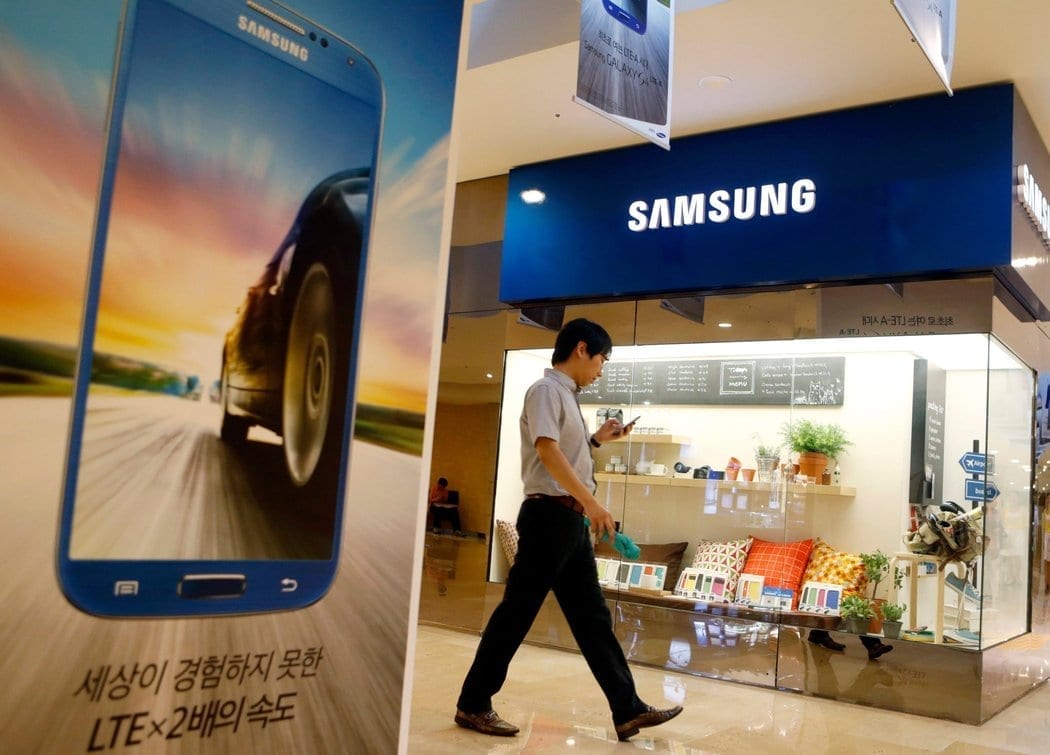
A U.S. judge has ordered a new trial to determine how much Samsung Electronics Co should pay Apple Inc for copying the look of the iPhone. U.S. District Judge Lucy Koh in San Jose, California issued her order late on Sunday, 10 months after the U.S. Supreme Court set aside a $399 million award against Samsung, whose devices include the Galaxy.
The three Apple patents covered design elements of the iPhone such as its black rectangular front face, rounded corners, and colorful grid of icons for programs and apps.
Koh’s order is a setback for Apple, which called a retrial unnecessary and said the award should be confirmed. The Cupertino, California-based company did not immediately respond on Monday to requests for comment.
Silicon Valley has closely followed the 6-1/2-year-old case.
Companies such as Facebook Inc and Alphabet Inc’s Google have said an Apple win would encourage owners of design patents to sue for huge, unfair awards on products containing hundreds of features that are costly to develop.
The $399 million represented profit from Samsung’s sales of infringing smartphones, though the South Korean company has said it deserved reimbursement if it prevailed in the litigation.
It was part of a $548 million payment that Samsung made to Apple in December 2015.
The legal dispute concerned whether the “article of manufacture” for which Samsung owed damages included its entire smartphones, or only parts that infringed Apple patents.
Without deciding that question, Justice Sonia Sotomayor wrote for the Supreme Court last Dec. 6 that “the term ‘article of manufacture’ is broad enough to embrace both a product sold to a consumer and a component of that product.”
In Sunday’s order, Koh said the jury instructions at the original 2012 trial inaccurately stated the law on that issue.
She said Samsung may have been prejudiced if jurors were prevented from considering whether any infringement covered “something other than the entire phone.”
Apple contended that the jury instructions were “not erroneous,” and said it had proved that Samsung applied its patented designs to its “entire phones.”
Jurors initially awarded $1.05 billion to Apple, which was later reduced.
Samsung, in a statement, welcomed a new trial, calling it “a historic opportunity to determine how the U.S. Supreme Court’s guidance on design patent damages will be implemented.”
The case is Apple Inc v Samsung Electronics Co et al, U.S. District Court, Northern District of California, No. 11-01846.
-
Apple slams Qualcomm suit seeking iPhone ban in China
China is a vital Apple manufacturing base and sales market.
Apple has rejected as “meritless” a legal move by Qualcomm to ban iPhone sales in China, the latest salvo in a bitter patent battle between the two U.S. tech giants.
Qualcomm had filed a lawsuit in Beijing seeking a ban on the assembly and sale of iPhones in China — a vital Apple manufacturing base and sales market.
The two California companies are fighting over Apple’s claims that Qualcomm is abusing its market power over certain mobile chipsets in order to demand unfair royalties.
Apple filed a U.S. lawsuit to that effect in January and has joined efforts in other countries where Qualcomm faces probes from antitrust authorities.
Qualcomm has countersued Apple for the royalties.
In response to Qualcomm’s Beijing suit, Apple said in a statement: “This claim is meritless and, like their other courtroom maneuvers, we believe this latest legal effort will fail.”
It was filed on September 29 in an intellectual-property court, and said the suit was confirmed by a Qualcomm spokeswoman.
It remains unclear how much chance Qualcomm’s case has in China, where huge numbers of workers are employed in the manufacture of iPhones.
The Qualcomm patents cover power management and a touch-screen technology called Force Touch that Apple uses in current iPhones, Bloomberg reported, quoting Qualcomm.
Apple dismissed Qualcomm’s claims.
“In our many years of ongoing negotiations with Qualcomm, these patents have never been discussed and in fact were only granted in the last few months,” Apple’s statement said.
-
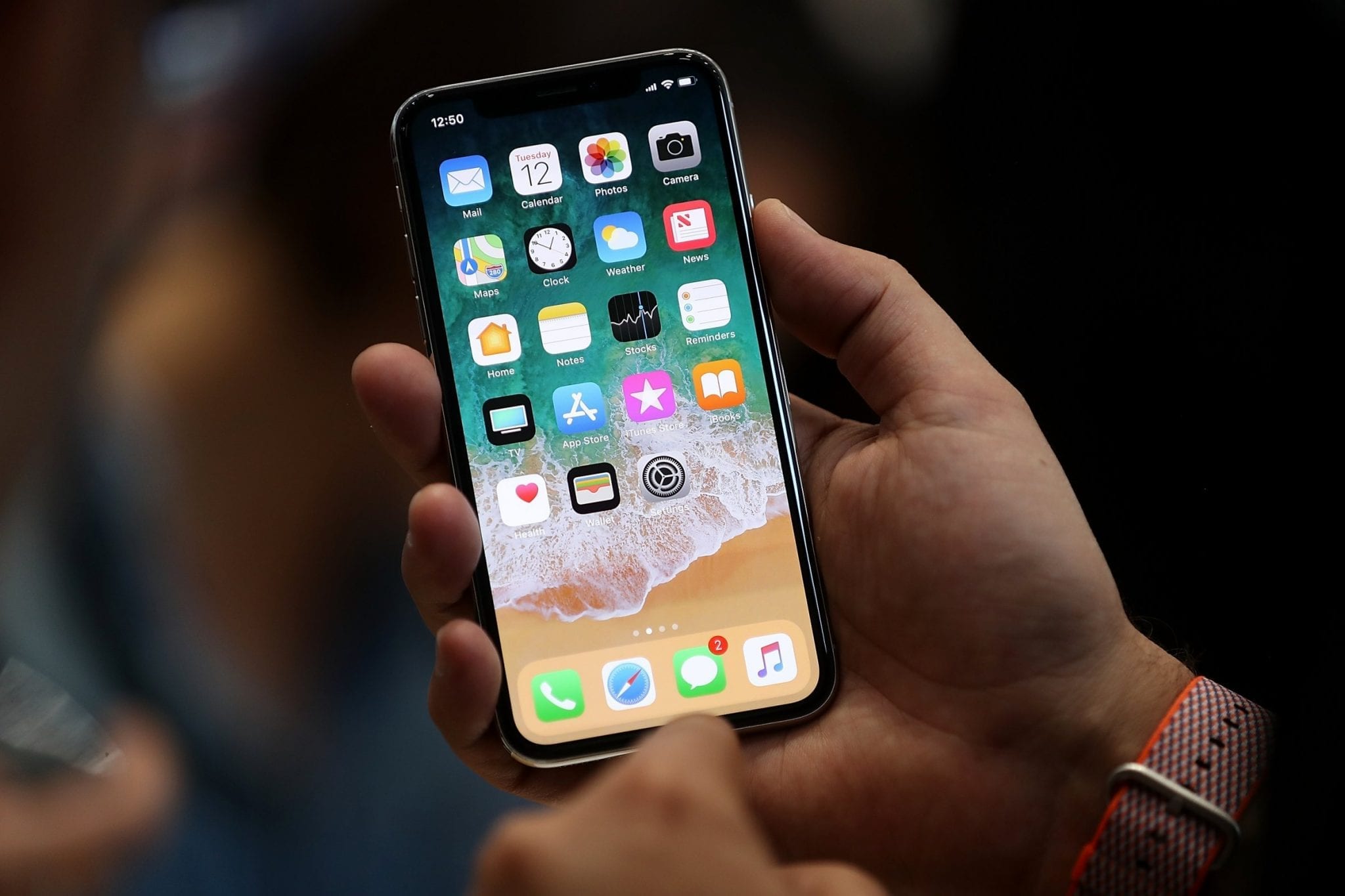
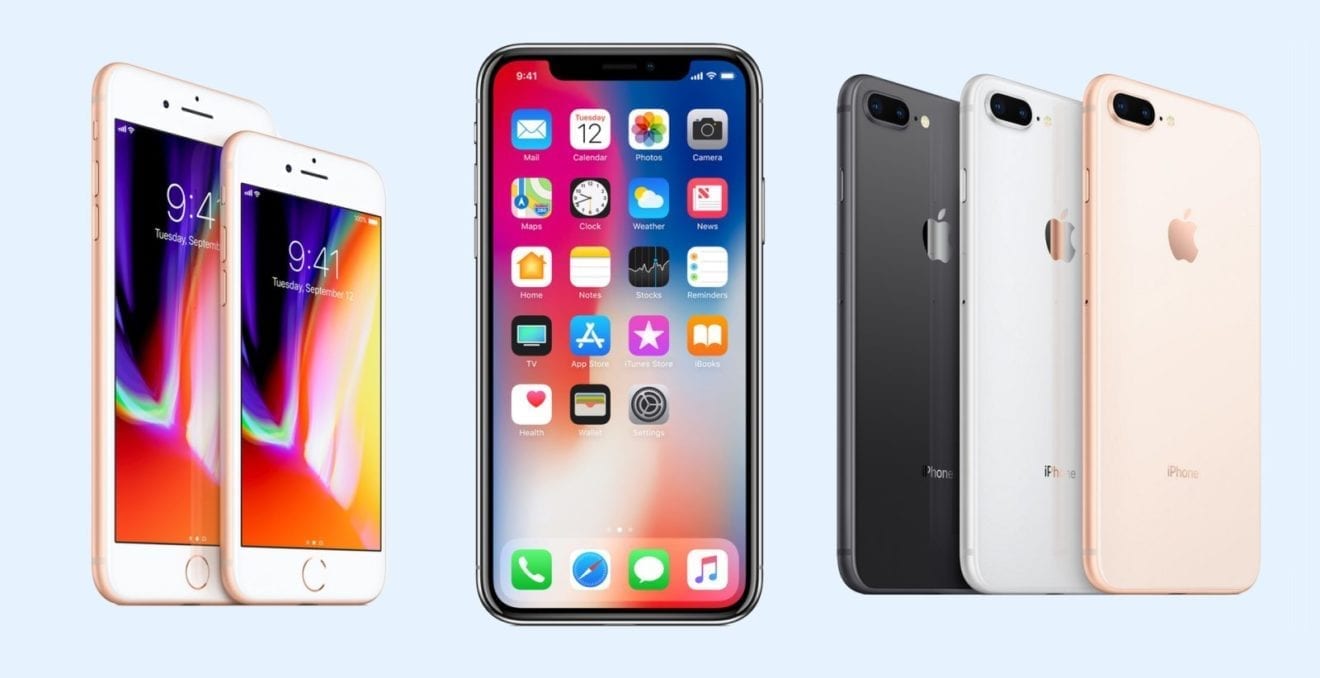
Apple iPhone X Asia on-sale dates confirmed
Apple’s most expensive and technologically advanced iPhone yet, the X, was unveiled overnight. And the tech giant has revealed the new Apple iPhone X Asia on-sale dates.
Preorders for the handset will open on October 27 with the on-shelf date November 3 in the following Asia-Pacific markets: Australia, China, Hong Kong, India, Japan, New Zealand, Singapore and Taiwan.
In the US, the phone will sell from $999 for the base model 64GB model, but regional pricing has yet to be revealed.
It was one of three major product announcements by Apple. The other two were a new cellular version of its Apple Watch, along with the new generation ‘standard’ iPhone 8. (Scroll down for more details)
The iPhone X has been described by Apple as “the future of the smartphone”, featuring full-front and rear glass design, surrounded by stainless steel frame, with a 5.8-inch ‘Super Retina’ OLED display, A11 Bionic chip, wireless charging and an improved rear camera with dual optical image stabilisation.
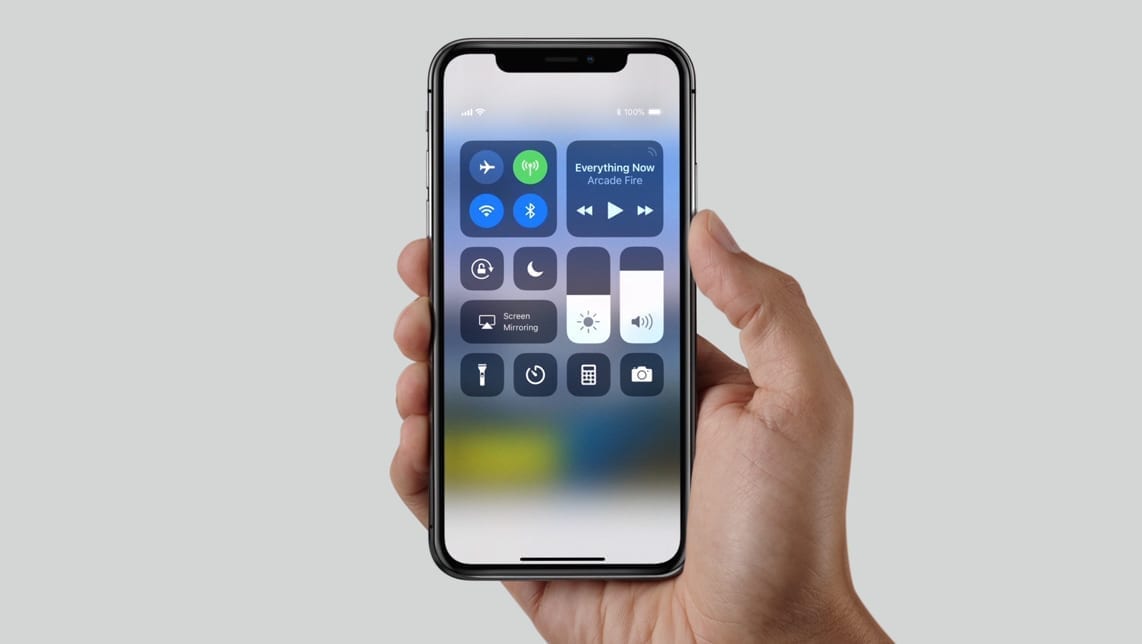
With an all-glass front the ‘home’ button has been removed. Instead of activating the phone with a fingerprint, users can unlock the phone, and make payments, using Apple’s Face ID technology – you look at it to switch it on.
The glass back enables a world-class wireless charging solution. Wireless charging works with the established Qi ecosystem, including two new wireless charging mats from Belkin and mophie, available from Apple.com and Apple Stores.
“For more than a decade, our intention has been to create an iPhone that is all display. The iPhone X is the realisation of that vision,” said Jony Ive, Apple’s chief design officer.
The home button has been replaced with what Apple describes as “fast and fluid gestures. Now users swipe up from the bottom to go home from anywhere.
Apple says the new 7-megapixel TrueDepth front camera that enables Face ID features wide-colour capture, automatic image stabilisation and precise exposure control, and brings portrait mode to the front camera for better quality selfies and a depth-of-field effect. The phone also features a redesigned dual 12-megapixel rear camera system with dual optical image stabilisation. The camera also delivers the highest quality video capture ever in a smartphone.
The iPhone X will be available in silver and space gray in 64GB and 256GB models.
The new iPhone 8
Meanwhile, the Asia onsale dates of the new iPhone 8 and iPhone 8 Plus will vary. Orders will be taken from September 15, with availability from September 22 in Australia, China, Hong Kong, Japan, New Zealand, Singapore and Taiwan. It will be available in India from September 29.
The iPhone 8 features a new glass and aluminum design in three colours – grey, silver and gold – Retina HD displays and an A11 Bionic chip. They come with 4.7-inch and 5.5-inch HD displays, and redesigned stereo speakers up to 25 per cent louder and delivering deeper bass, enabling richer-sounding music, videos and speakerphone calls.
Sold with 64GB and 256GB capacity, the base model will be priced from US$699.
Series 3 Apple Watch
The new Apple Watch Series 3 now features built-in cellular capability.
“Whether users are out for a run, at the pool or just trying to be more active throughout their day, Apple Watch Series 3 with cellular allows them to stay connected, make calls, receive texts and more, even without an iPhone nearby,” says the company.
“The third-generation Apple Watch is an amazing health and fitness companion with intelligent coaching features, water resistance 50 meters and a new barometric altimeter that measures relative elevation.”
The watch comes in two models, one with GPS and cellular, and one with GPS, both featuring a 70 per cent faster dual-core processor and new wireless chip.
“We believe the addition of cellular will transform the way people use Apple Watch, providing a new sense of freedom since they can stay connected with or without their iPhone,” said Jeff Williams, Apple’s COO.
Soon, the combination of cellular and WatchOS 4 will allow Apple Music users to stream 40 million songs from their wrist.
In Asia-Pacific, the cellular watch model can be pre-ordered from September 15, with both models in stores from September 22 in Australia, China and Japan. It will be launched in other countries next year.
Customers will be able to order the GPS-only version from September 15, with availability beginning September 22 in Australia, China, Hong Kong, Japan, New Zealand, Singapore and Taiwan and in India and Macau from September 29.
An Apple Watch Nike+ edition will be available to order on Apple.com from September 15, with limited availability on October 5 in Australia, China, Hong Kong, India, Japan, Macau, New Zealand, Singapore, Taiwan and Thailand.
An Apple Watch Hermès edition will be available to order on Apple.com from September 15, with availability from September 22 in Australia, China and Japan.
-
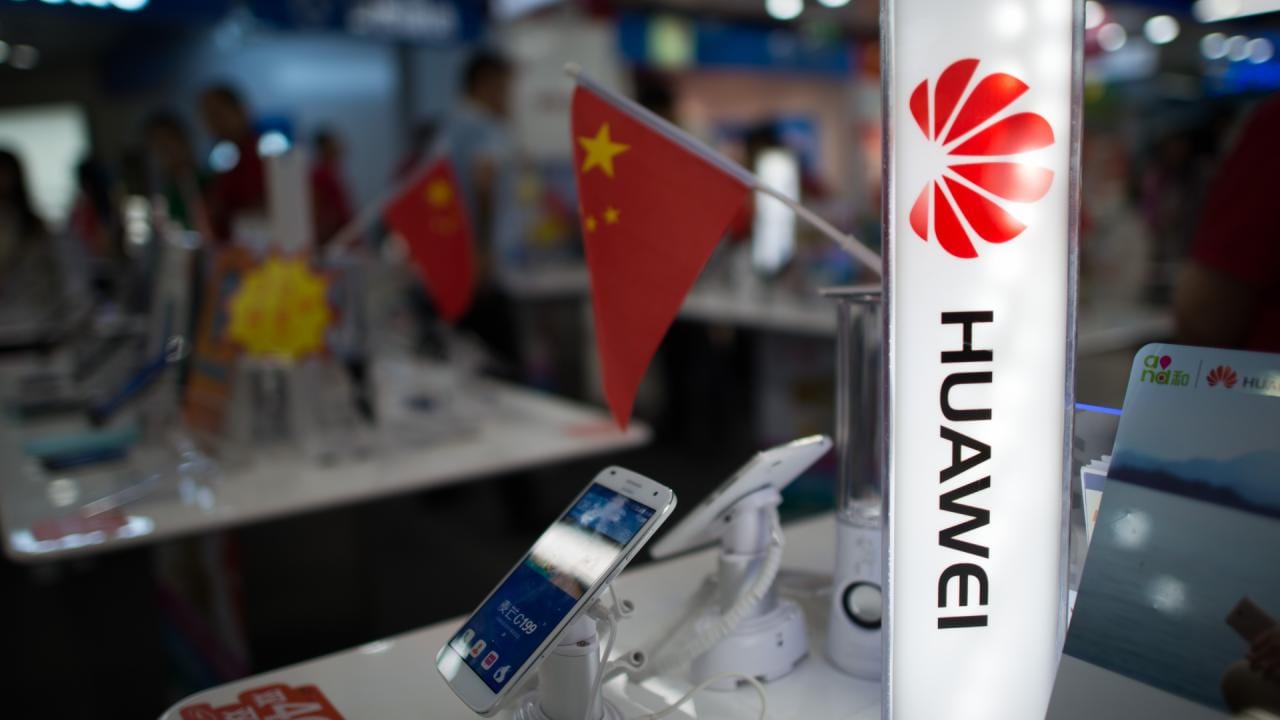
Huawei bites Apple in smartphone sales rankings
Chinese brand Huawei has overtaken Apple in global smartphone sales rankings for two consecutive months – and is set to achieve a trifecta, according to research house Counterpoint.
“With August sales looking strong for the Chinese vendor, a hat-trick for Huawei could be on the cards,”says Counterpoint research director Peter Richardson..
“This is a significant milestone for Huawei, the largest Chinese smartphone brand with a growing global presence. It speaks volumes for this primarily network infrastructure vendor on how far it has grown in the consumer mobile handset space in the last three to four years,” said Richardson.
“The global scale Huawei has been able to achieve can be attributed to its consistent investment in research and development and manufacturing, coupled with aggressive marketing and sales channel expansion.”
But Richardson cautions Apple should regain its second spot given a new edition of the iPhone is set for launch in September.
-
Apple revenue rises on iPhone boost
Apple has reported a 7.2 per cent rise in quarterly revenue, buoyed by better-than-expected sales of its iPhones ahead of the smartphone’s 10th-anniversary edition launch later this year.
On Tuessday the company said iPhone sales rose 1.6 per cent to 41.03 million in the third quarter ended July 1, above analysts’ average estimate of 40.7 million units, according to financial data and analytics firm FactSet Street Account. Apple sold 40.4 million iPhones a year earlier.
Many customers wait for Apple to launch its new smartphones before deciding on upgrading or replacing their current devices, which usually results in iPhone demand tapering in the months before a release.
The company forecast total revenue of between $US49 billion ($A61 billion) and $US52 billion for the current quarter, while analysts on average were expecting $US49.21 billion, according to Thomson Reuters I/B/E/S.
Analysts on average expect the company to sell 45.55 million iPhones in the current quarter, according to FactSet. Apple sold 45.51 million iPhones in the year-ago quarter.
Apple’s fourth quarter generally includes first-weekend sales of the company’s latest devices.
The company’s net income rose to $US8.72 billion, or $US1.67 per share, in the three months ended July 1, from $US7.80 billion, or $US1.42 per share, a year earlier.
Revenue rose to $US45.41 billion from $US42.36 billion in the quarter, typically the company’s weakest. Analysts on average had expected $US44.89 billion.
-
Apple makes iPhone screen fixes easier as states mull repair laws
Apple Inc customers will soon have more choices as the company looks to reduce long wait times for iPhone repairs at its retail stores.
By the end of 2017, Apple will to put its proprietary machines for mending cracked iPhone glass in about 400 authorized third-party repair centers in 25 countries, company executives told.
Among the first recipients is Minneapolis-based Best Buy, which has long sold and serviced Apple products. The electronics retailer already has one of the screen-repair machines at a Miami-area store and one coming soon to an outlet in Sunnyvale, California.
Fixing cracked screens may seem like small potatoes, but it’s a multi-billion-dollar global business. The move is also a major shift for Apple. The company had previously restricted use of its so-called Horizon Machine to its nearly 500 retail stores and mail-in repair centers; and it has guarded its design closely.
The change also comes as eight U.S. states have launched “right to repair” bills aimed at prying open the tightly controlled repair networks of Apple and other high-tech manufacturers.
Apple said legislative pressure was not a factor in its decision to share its technology. It allowed us to view and photograph the machines in action at a lab near its Cupertino, California headquarters. Until now, Apple had never formally acknowledged the Horizon Machine’s existence.
The initial rollout aims to put machines in 200, or about 4 percent, of Apple’s 4,800 authorized service providers worldwide over the next few months. The company plans to double that figure by the end of the year.
“We’ve been on a quest to expand our reach,” said Brian Naumann, senior director of service operations at Apple. He said repair wait times have grown at some of the company’s busiest retail stores.
Pilot testing started a year ago. In addition to Miami, a few machines already are operating at third-party repair centers in the Bay Area, London, Shanghai and Singapore. Shops in some countries where Apple has no retail presence will also be early recipients, including locations in Colombia, Norway and South Korea. Apple would not say how much its partners are paying for the equipment.
To be sure, any mall repair kiosk can replace a cracked iPhone screen. Apple says its customers can get their devices fixed at non-authorized shops without voiding their warranties as long as the technician caused no damage.
But the Horizon Machine is needed to remedy the trickiest mishaps, such as when the fingerprint sensor attached to the back of the glass gets damaged when a phone is dropped.
For security, only Apple’s fix-it machine can tell the iPhone’s processor, its silicon brain, to recognize a replacement sensor. Without it, the iPhone won’t unlock with the touch of a finger. Banking apps that require a fingerprint won’t work either, including the Apple Pay digital wallet.
“Right to repair” gaining steam
Apple has sold more than 1 billion iPhones worldwide, many to customers who don’t live near an Apple Store or an authorized third-party repair center.
For fixes, many have turned to mom-and-pop shops and independent technicians that now dominate the trade. Research firm IBISWorld estimates the global cell phone repair business generates about $4 billion in revenue per year.
Many of these entrepreneurs do good work. Some don’t. All use copycat parts because Apple, like other major manufacturers, doesn’t supply original parts or repair manuals to anyone but authorized service partners.
Big companies defend this arrangement as the only way they can guarantee high-quality repair work and keep hackers away from the proprietary software that makes their products tick.
Consumer advocates, however, say their aim is to wring outsized profits from repairs. Independent technicians often charge less than the cost of a factory fix.
Enter right-to-repair bills. New York, Massachusetts, Tennessee, Illinois, Minnesota, Nebraska, Kansas and Wyoming have introduced legislation looking to aid small shops and do-it-yourself tinkerers.
These proposed measures would require manufacturers to supply repair manuals, diagnostic tools and authentic replacement parts at fair prices to independent technicians and the general public. Apple, heavy equipment manufacturer Caterpillar Inc and medical device maker Medtronic Plc have lobbied against New York’s bill. In Nebraska, Apple sent its state and local lobbying chief Steve Kester to visit the Republican lawmaker sponsoring that state’s measure.
“Apple is telling me this is a bad thing because you’re going to have a mecca for hackers in Nebraska,” State Sen. Lydia Brasch said of Kester’s February visit.
Apple hasn’t commented on the bills, but a trade group it belongs to contends the Nebraska measure would force the company to divulge how it secures sensitive data on the iPhone.
“Think about how much of our personal lives are in this device,” said Mike Lanigan, head engineer for Apple’s service efforts.
Inside the lab
Apple got into the screen-fixing business just three years ago with the introduction of the iPhone 5. Up until then, customers whose phones were out of warranty paid a “repair” fee, but Applesimply replaced the entire phone.
Lanigan said customers have been requesting repair service since shortly after the introduction of the iPhone in 2007, but the company waited until it could perfect the process.
“We view the service aspect of this as all part of the overall Apple experience,” Lanigan said.
Apple doesn’t break out repair revenue in its financial statements. Analysts estimate it at $1 billion to $2 billion annually for all products.
As Apple’s screen mending has matured, its prices have dropped to $129 to $149, depending on screen size, from $229. That’s competitive with many independent shops for newer iPhones. Still, some technicians charge as little as $60 to fix older models.
Apple says its process aims to make the display look like it just came out of the box. To demonstrate, the company allowed us to observe the Horizon Machine at a repair lab in Sunnyvale, California.
In the cavernous, brightly lit lab painted in Apple’s signature sparkling white, two lab technicians clad in T-shirts, shorts and tennis shoes scurried between rows of long white metal tables stuffed with test equipment.
Dozens of Horizon Machines lined the tables. The contraptions, gray metal boxes the size of a microwave with a swing-out windowed door, vary slightly in shape depending on the model of iPhone they repair. Apple would not say where the machines were made or by whom.
In a smaller training room, a technician laid out the tools Apple uses to fix iPhone screens: special screwdrivers for the iPhone’s five- and three-lobed screws, a custom suction-cup for loosening the screen without tearing the delicate ribbon cables behind it, and a press to squeeze iPhone 7s to ensure waterproofing.
Once the new screen is mounted, the iPhone goes into the Horizon Machine, which allows Apple’s software to communicate with the fresh hardware. Over the course of 10 to 12 minutes, the machine talks to the phone’s operating system to pair the fingerprint sensor to the phone’s brain.
While that unfolds, a mechanical finger jabs the screen in multiple places to test the touch-sensitive surface. The machine also fine tunes the display and software to match the precise colors and calibration of the original.
“We design for a customer experience that exceeds anything our competitors try to do,” said Naumann, Apple’s service chief. “We endeavor to make it right at the same standard as when the customer bought the product.”
-
Apple has ordered 70 million OLED panels from rival Samsung for upcoming iPhone 8
Shares of Samsung Electronics got a boost on Tuesday after the report that archrival Apple had ordered 70 million display panels that the South Korean giant specializes in for the upcoming iPhone. Samsung’s stock closed at 2.1 million Korean won, posting a rise of 1.54 percent.
Citing a supply chain source, Nikkei reported that Apple has placed orders for bendable organic light-emitting diode panels for use in 70 million handsets for the year. OLED offers brighter displays and better power efficiency over liquid crystal displays currently in use.
Samsung’s OLED displays are used on its own flagship Galaxy devices, and the company is a market leader in the area. Apple is expected to launch three new iPhones later this year, with the anniversary edition iPhone 8 believed to have a slightly curved 5.2-inch OLED screen. This will be the most expensive model. The two other iPhones will have LCD displays. It would be the first time Apple has used OLED displays on its flagship device.
Quoted IHS Markit analyst David Hsieh as saying that the order for 70 million units of OLED panels is in line with his expectations. He added that Samsung is expecting to produce as many as 95 million units for Apple in 2017, in case demand exceeds expectations. Hsieh also said Samsung is likely to be the sole supplier.
“It is also possible that some of these 70 million handsets will not be shipped to customers this year and be carried over to next year depending on demand,” Hsieh told.
The 70 million unit figure gives a sense of the kind of bullish demand Apple is expecting for the anniversary model, which some analysts are suggesting could cost $900 to $1,000.
But some analysts have said it’s not likely Apple will sell all 70 million OLED iPhones this year looking at previous performance. In the fiscal first quarter, which ended Dec. 31, Apple sold 78.2 million iPhones — latest iPhone 7 and 7 Plus models and older versions.
Neil Shah, research director of devices and ecosystems at Counterpoint Research, said he expects Apple to be able to sell around 70 million iPhones in total in the final quarter of this year when it releases the new device. But again, not all 70 million will be the OLED devices.“Seventy-million units of the OLED iPhone is too high for me at this point,” Shah told.
The likelihood is Apple will sell some of the OLED phones next year, and at least have some ready in case it sees a pop in demand.
Leaks and reports suggest that the iPhone 8 could be the most advanced yet with new features such as a front-facing camera with 3-D sensor. Analysts are expecting this to kick of a “supercycle” of iPhone sales.
-
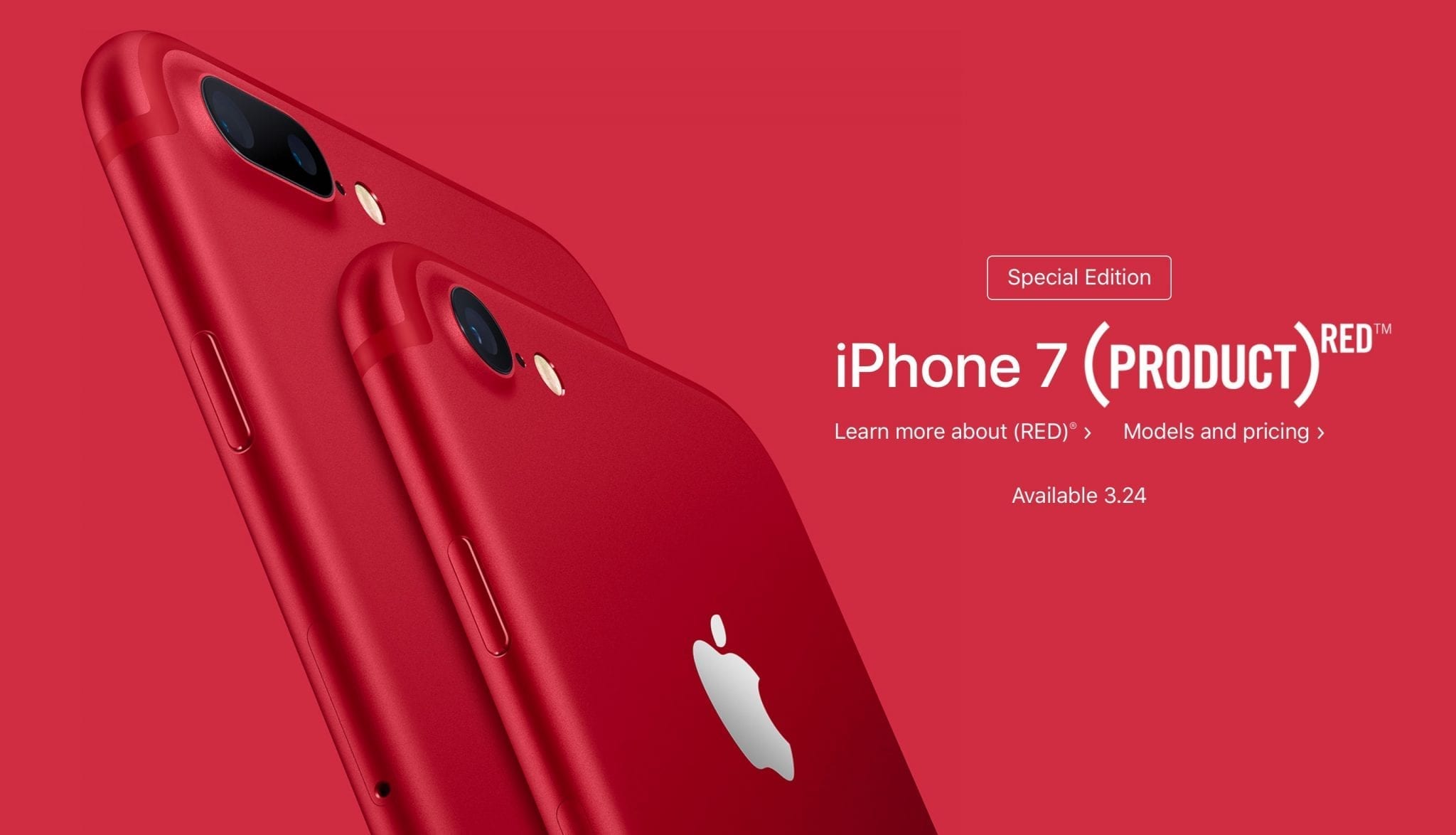
Why Apple’s red iPhones are not ‘Red’ in China
Apple’s latest iPhone might be red, but it’s not Red in China. The special-edition version of the iPhone 7 and 7plus goes on sale in more than 40 countries, but China has done it slightly differently. The BBC explains why.
What is Red about?
Red is a charity looking to combat Aids and was originally founded by U2 musician Bono and activist Bobby Shriver. It gives the money it raises to the Global Fund for HIV/Aids that doles out grants.
This includes providing testing and treatment for patients with the aim of wiping out transmission of HIV. Apple is the world’s largest corporate donor to the Global Fund.
The special-edition devices celebrate Apple’s long-running partnership with Red and a portion of the sales will go towards its relief operations in Africa.
But Apple’s Chinese-language sites don’t mention the product or cause. This left some perplexed.
Internet users were among the first to spot that there was different branding on Apple’s landing page depending on the Chinese territory.
When translated from Mandarin, Apple’s China retail website for the Red devices simply read as “now in red” while the Taiwanese site used the words “product” Red which the US and other countries have as well.
Some analysts read this as yet another example of Chinese politics interfering with Western brands looking to do business in the world’s most populous nation.
Apple had no comment on the matter.
So why the different name?
One possibility is that Apple is looking to navigate sensitivities in a state where messages are controlled: HIV/Aids and homosexuality remain taboo topics in China.
The first case of HIV in China was recorded in 1989. By 2000 the disease was found in most of China, and as it continued to spread, the government kept denying the problem.
Today discrimination against Aids patients is common.
Any other contentious issues?
Well there’s the Dalai Lama.
Earlier this year Red’s Instagram page showed a picture of the Tibetan spiritual leader, whom China considers a dangerous separatist.
This has led some to point to how the post was trolled.
How will Red do in China?
Apple has faced numerous challenges in China of late, which may be one of the reasons why it is offering the Red iPhones as a colour option as opposed to a product.
Last year Apple’s online film and book services were shut down in China. Apple was also made to pull the New York Times from the China App store following a request from the authorities.
But the red iPhones are poised to sell well because the colour is considered to be the most auspicious in Chinese culture and it is considered a prestige product there.
The tech behemoth is clearly trying to maintain relations with its fastest-growing sales region.
Apple chief executive Tim Cook has been making semi-regular trips to China and is opening four research and development centres later this year.