Tag: iphone

  • Apple cuts the prices of its devices in China

    Apple cuts the prices of its devices in China

    Earlier this year, there were quite a few reasons why Apple decided to cut the wholesale price of the 2018 iPhone models in China. First, the strength of the U.S. Dollar against the Chinese Yuan forced Apple to price the ‘more affordable’ iPhone XR higher than the premium-priced Huawei Mate 20 Pro in China. When the dollar is stronger against the Yuan, it means that Apple gets fewer dollars back when it converts the Yuans it receives from sales of its products in China. At this point, Apple has a choice; it can keep pricing the same and suffer the consequences, or it can lower its prices in China and take a hit to its margins.

    In addition, a rise of Chinese nationalism hurt iPhone sales as consumers in the country protested the U.S.-China trade war and the U.S. government’s treatment of Huawei. There was the overall sluggishness in the smartphone market due to high prices, lack of innovation and high penetration rates for smartphones. Lower sales in China of iPhone models forced Apple to cut its revenue guidance for the fiscal first quarter, leading to a selloff in the company’s stock. At the time, Apple CEO Tim Cook said, “If you look at our results, our shortfall is over 100 percent from iPhone and it’s primarily in greater China.” As it turned out, Apple ended up shipping 20% fewer iPhone units to China during the three month period, and its overall revenue in the market declined by 28% or $5 billion.

    Caixin reports today that Apple has made another bold pricing move in China, this time slashing prices of certain devices in the company’s own online and physical stores by as much as 6%. The affected products include iPhones, iPads, AirPods and Macs. For example, in China’s version of the Apple Store, the 64GB iPhone XR is now priced at 6,199 Yuan (equivalent to $924 USD at current exchange rates), a 4.6% decline from the 6,499 Yuan that the phone was listed at just a few days ago. The price cut took 500 Yuan ($74.50 USD) off the prices of the iPhone XS and iPhone XS Max.

    This is why Apple cut its prices in China today

    However, unlike the previous price cut in China, this time the reason has nothing to do with the supply-demand balance. Starting today, new regulations dropped the value-added tax (VAT) for manufacturers in China to 13% from 16%. This gives Apple some leeway to lower the pricing of Apple devices in the country. Still, consumers in China often find better pricing for the company’s products online. Prices for the iPhone XS Max and iPhone XS declined by as much as 2,000 Yuan ($298 USD) last month on these sites due to tepid sales of the phones. E-commerce firms in China such as Tmall and JD.com have now cut their prices on the 2018 iPhone models twice this year.

    It wasn’t until 2009 that a Chinese wireless provider offered the Apple iPhone to consumers. Before the iPhone 3GS became available from China Unicom, iPhone models could only be purchased from the black market.
  • Gmail users can now customize swipe actions on iPhone

    Gmail users can now customize swipe actions on iPhone

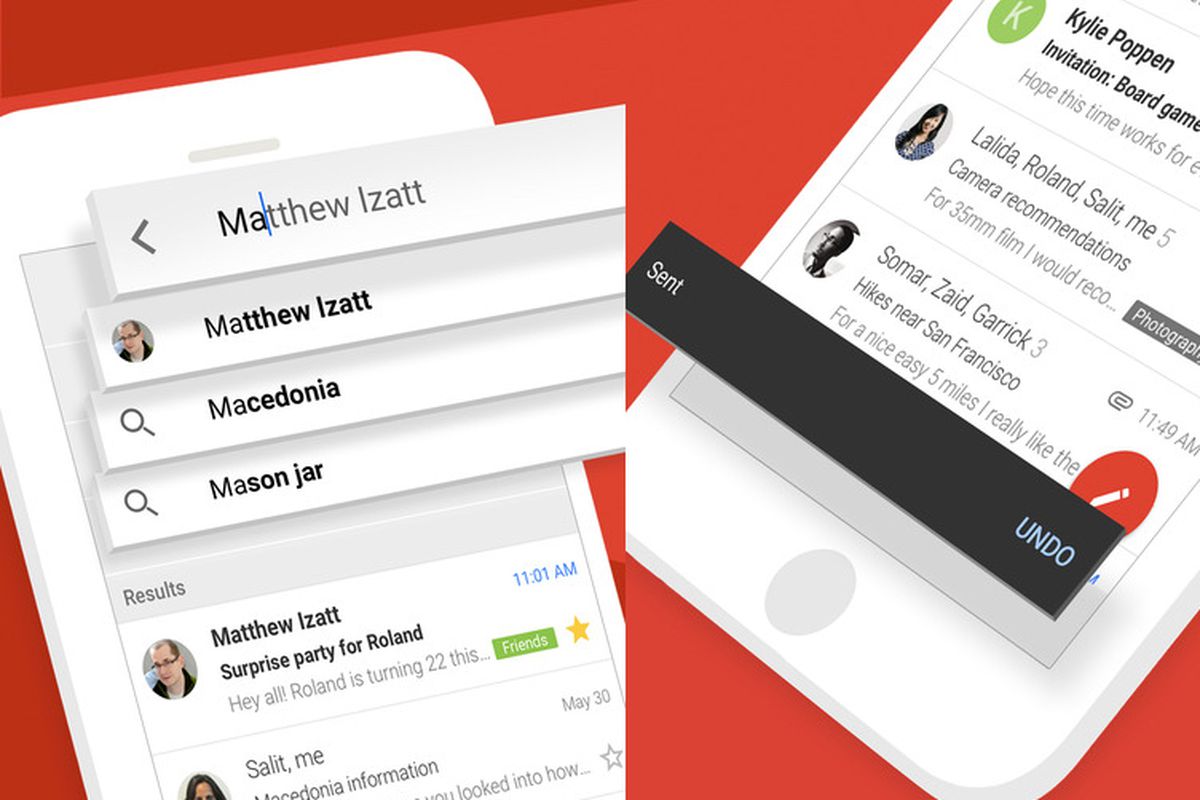
    Google has just made it official that iPhone users of its ever-growing Gmail email app can now customize a number of swipe actions. The update is clearly meant to enable Gmail users to execute certain actions faster than before, but Google also mentions the addition of the new feature matches the brand new mobile redesign of the app that added many new productivity improvements.

    You’re probably wondering what type of actions you’ll be able to customize in Gmail on iOS, so here is the full list: Archive, Trash, Mark as read/unread, Snooze, and Move to. These actions can now be executed using a single swipe gesture, but you’ll have to configure them first.

    Here is how you can do that: head to Settings / Swipe action, then, choose the swipe options that better fit your usage style. You can choose to swipe left or right on an email to archive it or directly move it to trash, but there are other options available too.

    Besides adding customizable swipe actions, the latest update makes it possible to use the same actions to sort your notifications. Whenever you want to snooze emails, you can now long press on a Gmail iOS notification or use 3D Touch, and then click on “Snooze” directly to pick the date and time when to snooze the email until.
    Keep in mind that while the update has been released on March 28, it will take more than 15 days to arrive on all iPhones out there, so if you don’t see the new feature yet, you’ll have to wait a while.
  • Apple patent application “confirms” a new feature for iPhone

    Apple patent application “confirms” a new feature for iPhone

    Earlier this month, we passed along a rumor stating that the 2019 Apple iPhone XI line will feature a new Underwater Mode that would allow users to snap pictures and navigate the screen even with the phone submerged in water. The original rumor mentioned that the Underwater Mode would be patented, and today the actual patent application was released by the U.S. Patent and Trademark Office.

    The application is titled Submersible Electronic Devices With Imaging Capabilities, and mentions a device, like an iPhone, that has the capability to capture images. This device includes an ambient light sensor to determine the lighting underwater. The device also features an image sensor to capture pictures, and sports circuitry designed to measure the depth of the image sensor. Information about the depth of the image sensor and the ambient underwater lighting would be used to adjust the color balance of an underwater photograph. Photos taken underwater by a camera that doesn’t include the patented features could result end up with a “undesired greenish color cast,” Apple says in the patent application.

    According to reliable Apple analyst Ming-Chi Kuo, both the Apple iPhone XI Max and iPhone XI will feature a triple-camera setup on back, The third camera will be a Time-of-Flight (ToF) sensor that measures how long it takes for an infrared light emitted from the camera to bounce off a subject and return to the camera. This will result in more accurate depth information that could be used for a rear-facing Face ID feature, improved bokeh effects and more AR functionality.

    Underwater Mode wouldn’t be possible without the iPhone’s Ingress Protection rating

    Of course, we wouldn’t even be writing about an Underwater Mode if the iPhone didn’t include an Ingress Protection (IP) rating. Both the iPhone XI and iPhone XI Max will most likely continue to sport an IP68 rating. This means that both models are protected from dust, and can be submerged to a depth of nearly five feet for as long as 30 minutes. At this point, with the original rumor singling out the iPhone XI and iPhone XI Max, it is not certain whether Underwater Mode will be found on the iPhone XR (2019). If all things stay the same, the latter would keep its predecessor’s IP67 rating that allows a phone to be submerged to a distance of a bit over three feet for up to 30 minutes. The 2019 iPhones most likely won’t be unveiled until this coming September.

    “A submersible electronic device such as a waterproof cellular telephone may be provided with an image sensor. The image sensor may capture images of underwater objects. Control circuitry in the submersible electronic device may adjust image contrast and color balance based on information from sensors and other information. The electronic device may have an ambient light sensor. The ambient light sensor may be a color ambient light sensor and may be used in measuring ambient lighting conditions above water and underwater. A depth sensor may be used in measuring the depth of the image sensor and other components of the electronic device underwater. Information on the depth of the image sensor, information on the distance of an underwater object to the image sensor, and angular orientation information for the electronic device and image sensor may be used in color balancing an image.”-Apple’s patent application

    Apple first filed the application for its patent in September 2017. The patent application number is 20190098179. If the Underwater Mode doesn’t make it to the upcoming 2019 iPhone models, it would seem a sure bet for 2020.

  • Apple and its partners seek billions from Qualcomm

    Apple and its partners seek billions from Qualcomm

    A trial starting in San Diego on April 15th has all the makings of a big courtroom battle. Apple and its contract manufacturers are suing chip maker Qualcomm. The firms that assemble the iPhone such as Foxconn, Compal, Pegatron, and Wistron are seeking $27 billion in damages from Qualcomm, claiming that the company violated antitrust laws and breached various contracts. You might wonder why they are involved in this battle at all. That’s because they are the companies that license Qualcomm patents for Apple. Both Apple and Qualcomm are also seeking damages.

    The trial is scheduled to run for 20 days, and a joint filing made by Apple and Qualcomm includes a witness list that names the CEOs of both companies (Tim Cook and Steve Mollenkopf, respectively), as well as executives from other phone manufacturers like Samsung and Motorola, and industry experts. Qualcomm owns patents on software used in most smartphones, and technology related to 3G, 4G and 5G connectivity. That is in addition to patents it owns for the chips that it sells. Apple instructed its contract manufacturers to stop paying royalties to Qualcomm and has claimed in other lawsuits that the chip maker failed to license its standard-essential patents in a fair, reasonable and non-discriminatory (FRAND) fashion as required. Such patents must be licensed by manufacturers to make sure that their products meet technical standards.

    Apple, and other phone manufacturers, are not pleased with Qualcomm’s “no license, no chips” policy, and claim that they are paying royalties to Qualcomm for phones they sell that don’t use any of the chip maker’s patents. And while the $27 billion claim certainly makes you take notice, we are awaiting a decision on a more important case held earlier this year. The FTC v. Qualcomm trial was a non-jury affair, and depending on how Judge Lucy Koh rules, the company might have to change the way it licenses and sells its chips.

    Qualcomm loses one of its patents

    Qualcomm has been successful in several cases where Apple has been found to have infringed on various patents related to the Snapdragon designer. Earlier this week, ITC Judge MaryJoan McNamara ruled that Apple had infringed on a couple of Qualcomm patents and recommended that an exclusion ban be imposed on the versions of the iPhone 7, iPhone 7 Plus, iPhone 8, iPhone 8 Plus and iPhone X using an Intel modem chip. That decision now goes for review in front of the entire commission, and a final decision will be announced in July. The same day that decision was announced, a final ruling was issued by the ITC in another patent infringement case involving Qualcomm and Apple. Originally, Judge Thomas Pender ruled that Apple infringed on a Qualcomm patent, but didn’t recommend a import ban on certain iPhone models. The entire commission decided that Qualcomm’s patent was invalid, which left them no choice but to uphold Judge Pender’s decision not to ban the iPhone in the U.S.

    All of these legal battles have affected Qualcomm’s relationship with Apple and has cost it business. From 2011-2015, Apple exclusively sourced modem chips for the iPhone from the San Diego based company. Over the subsequent two years, both Qualcomm and Intel shared the task of supplying Apple with this all-important part. But last year, Apple decided to drop Qualcomm and the 2018 iPhone models sport Intel modem chips only.

    One of the most interesting court cases involving Qualcomm is a class action lawsuit that can be joined by anyone who purchased a smartphone after since Feb. 11, 2011. Dubbed the biggest class action in history, more than 250 million phone owners are seeking damages ranging between $4.84 billion and $5.54 billion.

  • Google Maps is rolling out a new feature allowing public event creation

    Google Maps is rolling out a new feature allowing public event creation

    Google Maps is a staple not only for Android users but for many iPhone and PC users as well. Its rich functionality is just as helpful when you’re on the go as it is when you’re relaxing at home and want to explore another city, whether that’ll be through satellite pictures or Google Street View.  It’s no secret that the majority of the information that can be found on Google Maps has been added by the users themselves. Business owners add the locations of their offices, stores, restaurants and everything else you can think of. On the other end, customers get to add their comments, ratings and pictures to each place they’ve visited. Recently Google also introduced some of the features of Waze to Google Maps, allowing users to mark speed traps and car accidents.

    Now, even more power to add content is coming to the people, as Google has added the option for users to add public events. The new feature was noticed by SlashGear and the way it works is described on the Google Maps support page. You can add an event either from your Contribute tab, where you’ll see a new “Add a public event” button (you might need to scroll down a bit to see it) or from the Events tab. After that, you get to fill out the standard set of information: type of the event, location, time and description.

    Once you post an event, it will appear at the selected location for everyone to see, so be careful what you post. Google has a set of steps on its website for deleting public events you’ve created, but at least for us, the “Delete this event” button mentioned on the support page was nonexistent.

    It seems there’s some more work to be done on this feature, which is likely why it’s not actually available to everyone right now. We haven’t been able to pinpoint exactly who has access to it, but it appears to be just some Android users for now. If you have the Events tab on the Your contributions page, then you’re part of the early adopters.

    A new wave of unique events is coming

    Either way, this feature is a good way for people to promote more casual events that aren’t tied to a specific commercial location. For example, you might need people for a game of basketball or fellow hobby enthusiasts to join your RC car race. Or maybe you’re a street performer that has something new to show and you want to organize a premiere.

    Utility companies or city administrations can also make use of these public events to let people know when certain streets will be closed, Google has added a “Parade” category for a reason. Another helpful category is Volunteering & activism. You’re planning to clean up an area as part of the now trending #trashtag challenge? Set up a public event and gather helpers in no time.

    We see, however, a potential for this feature to be abused and people creating fake events to draw a crowd somewhere. There is a “send feedback” button for the created event that lets you report if there’s anything wrong with it. Perhaps Google will use such feedback to limit the rights of people that create fake events.

    Hopefully, there won’t be much of that going on and people will use the feature for its intended purposes. It will probably take a while before it becomes popular and we get to see more interesting events around us. Once the option to add one is available to everyone, however, it will be a matter of time before you start noticing them around.

  • New AirPower image found on Apple’s website

    New AirPower image found on Apple’s website

    It’s been over one year and a half since Apple first announced AirPower, the infamous wireless charging pad which still hasn’t been released, despite the promise of a launch during 2018. Reports and rumors about the status of AirPower have been floating around for months, with many now speculating that Apple will announce it sometime this week. Rather unsurprisingly, Apple has made no official statement on the matter, but now a new finding on the company’s website suggests AirPower could be just around the corner.

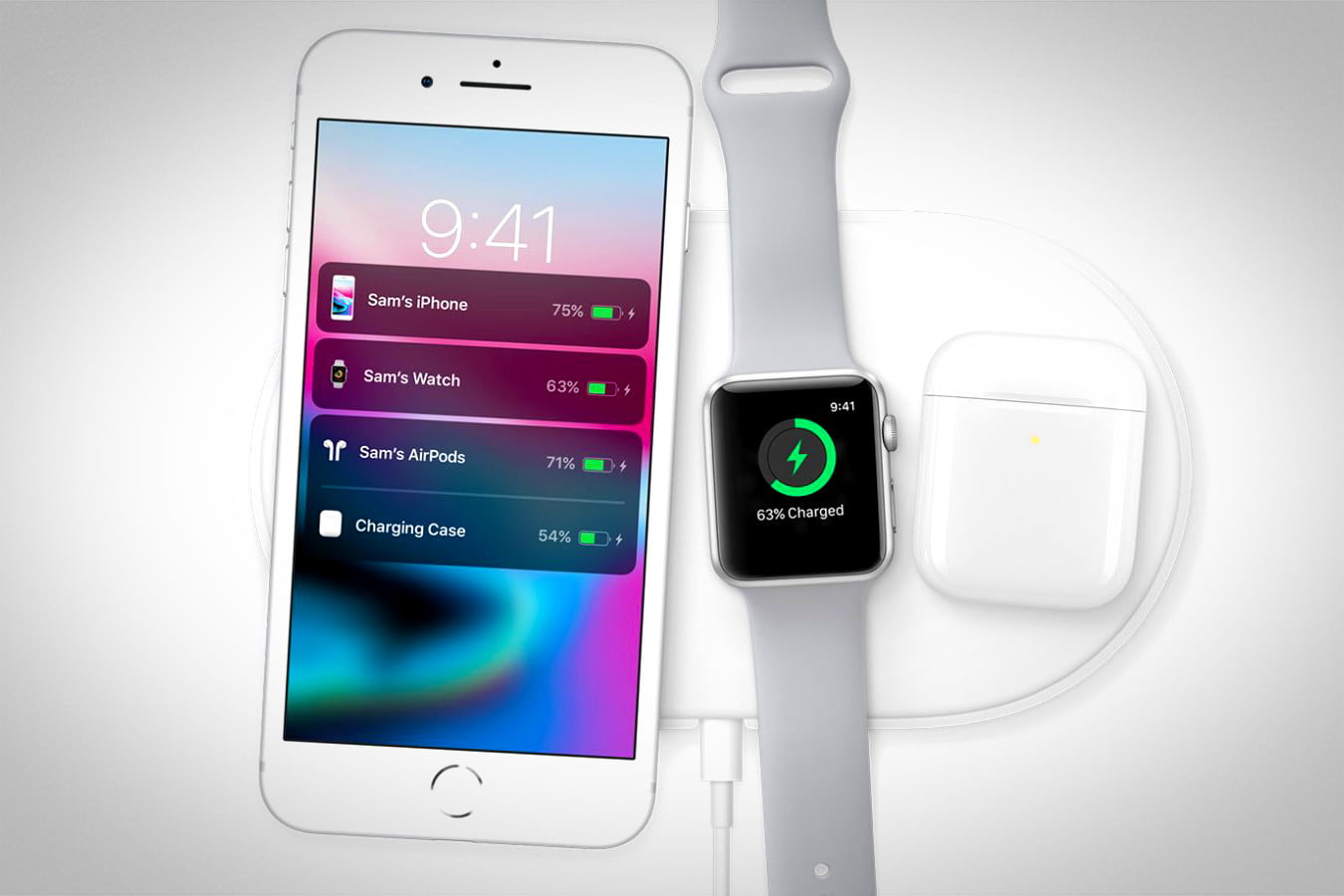
    The new AirPower image on Apple’s website

    Yesterday, when Apple updated the AirPods page on its website following the announcement of an improved pair, the company proceeded to remove all references to AirPower – it even removed the old marketing image showing AirPower charging an iPhone X and a pair of AirPods.  A replacement image is yet to be added to the page, but as it turns out, there is actually a new, never-before-seen official AirPower image hidden within the source code of Apple’s Australian website.

    Overall, the new press image is pretty similar to the original. This time around, though, Apple has replaced the iPhone X with a newer iPhone XS. Another tiny detail which has changed is the device owner’s name – it was previously Sam but is now David. Presumably, this new AirPower image will be used once the charging pad is officially introduced. The expectation was that it’d debut today, but Apple appears to have paused its announcements for the time.

    When will Apple actually release AirPower?

    At this rate, it’s unclear when Apple will announce its highly-anticipated wireless charger. There do, however, appear to be three options. The first option, and one which could be considered wishful thinking, is an announcement tomorrow. Apple successfully created hype earlier this week with iPad, iMac, and AirPods announcements on Monday, Tuesday, and Wednesday respectively. Then, earlier today a number of iPad Air and iPad Mini reviews dropped, hogging the limelight for the day. In order to complete the week, Apple could schedule an AirPower unveiling for tomorrow, guaranteeing itself another day in the headlines

    The second option is an announcement at Monday’s event. This is certainly possible but does seem pretty unlikely at this point. The focus of next week’s press event is Apple’s upcoming subscription services, and by announcing its newest hardware products this week, the company has successfully removed any potential distractions from the big day. But AirPower, rather naturally, would prove to be a pretty big one.

    The last option is an announcement later this year. When exactly remains a bit of a mystery, but the company could either launch it at WWDC or at its iPhone event in September, or choose to release it quietly on any given day.

    What key features will AirPower offer?

    In terms of what AirPower actually has to offer – aside from its integration within Apple’s ecosystem – the charging mat should offer the ability to wirelessly charge up to three devices simultaneously.

    This means that keen Apple users out there looking to purchase the charging pad will be able to charge their iPhone 8 (or newer) alongside an Apple Watch Series 3 (or newer) and a pair of AirPods – as long as the new wireless charging case has been purchased.

    As for pricing, no official details have been provided yet. However, rumors do point towards a retail price in the region of $150, although this is pure speculation at the moment and the final price could be either higher or lower.

  • Mass-production of a key component for 5G Apple iPhone about to Start

    Mass-production of a key component for 5G Apple iPhone about to Start

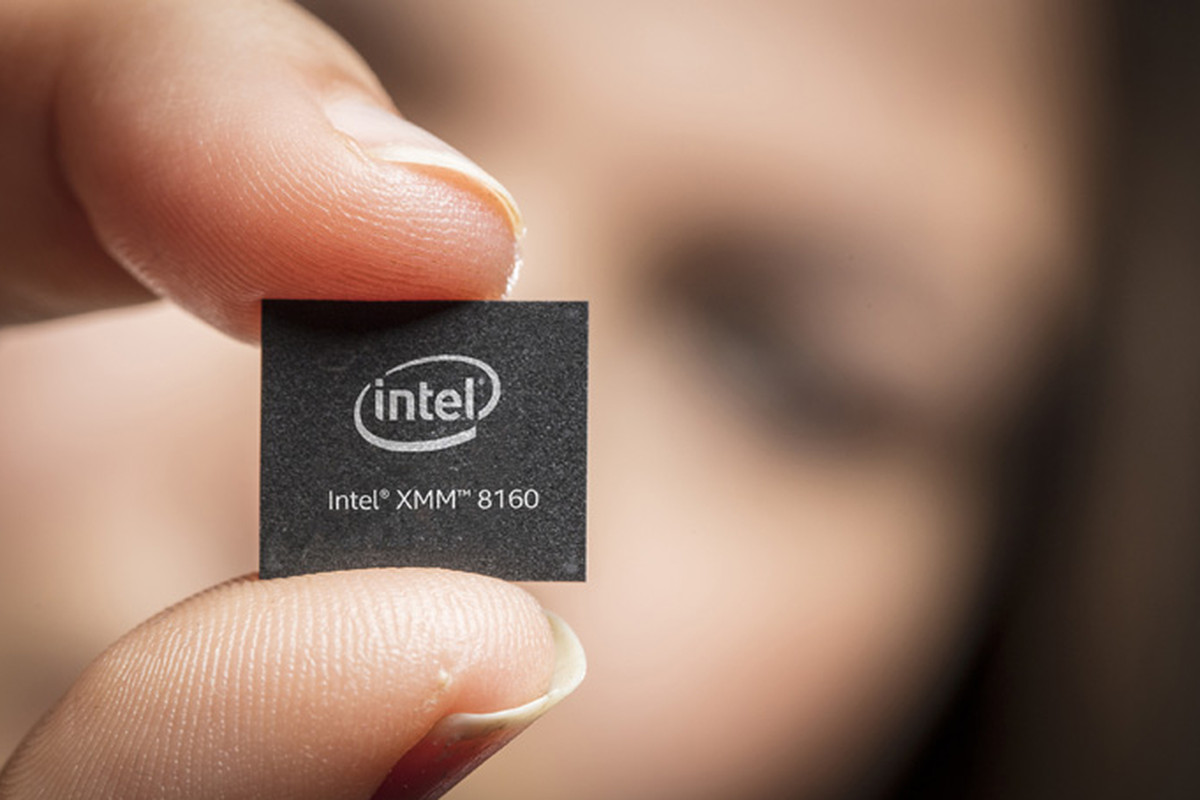
    Since Apple is expected to use Intel’s modem chips for its first batch of 5G compatible phones, we know not to expect 5G iPhones to be unveiled until 2020. That’s because Intel won’t have its modem chip for the next generation of wireless connectivity ready until next year. The chip maker will start work next quarter on the engineering projects it needs to finish in order to begin volume production of its 5G modem.

    Once Intel starts producing its 5G modem chip in 2020, it will compete with Qualcomm’s recently introduced Snapdragon X55 5G modem, the sequel to the Snapdragon X50 5G modem. The latter will be used on most 5G Android phones this year. It also will go up against the 5G modem chip designed by MediaTek. All three firms could still be in play to become the source of Apple’s 5G modem chips, although previous reports state that Intel has already won this battle. Sources cited in yesterday’s report say that Intel will also continue to generate revenue from selling its 4G modem chips to Apple for older iPhone 7 and iPhone 8 models.

    Apple currently has a contentious relationship with Qualcomm; over the last few months both sides have squared off in court on issues ranging from patent infringement to royalty payments. Just yesterday, one judge ruled that Qualcomm owed Apple close to a billion dollars in royalty payments it promised to rebate to the company (the actual figure is much. much higher says FOSS Patents). Meanwhile, a jury in San Diego yesterday ordered Apple to pay Qualcomm $31 million after it found Apple liable of infringing on a trio of patents. On March 26th, the International Trade Commission will rule on Qualcomm’s request for an exclusion order to be imposed on the iPhone in the U.S. Such an order would result in a sales and import ban of certain iPhone models in the states.

    Intel is now the exclusive source of modem chips for the iPhone

    During yet another trial held earlier this year (FTC v. Qualcomm), the plaintiffs called Apple supply chain executive Tony Blevins to the stand. Blevins testified that Apple had looked at sourcing 5G modems from Samsung and MediaTek. There is also speculation that Apple will design its own 5G modem chip, like it does for the A-series chipset that powers the iPhone and iPad. But Apple isn’t expected to deliver an in-house 5G modem design until 2021 at the earliest.

    From 2011 to 2015, Qualcomm was the exclusive provider of modem chips for the iPhone. That changed in 2016 when both Qualcomm and Intel were responsible for the modems used on the iPhone. That continued in 2017, and last year Apple sourced all of the modem chips used on the latest iPhone models from Intel.

    Apple is expected to be among the last major phone manufacturers to produce a 5G phone. Samsung has already unveiled its first 5G phone, which will debut on Verizon this summer. Huawei, LG and Oppo should also release 5G phones this year, and the 5G Moto Mod will allow the Motorola Z3 to support the faster data speeds as soon as Verizon flips the switch to turn on its new service. Once 5G service becomes more mainstream and less a curiosity, the faster data speeds will allow new services and businesses to be created. With 5G, a television series that takes 10 minutes to 15 minutes to download over 4G, will take only seconds to complete the task.

    When the industry transitioned from 3G to 4G LTE, Apple was one of the last major manufacturers to deliver a phone that supported the then-new technology. While a number of Android phones were launched with support for 4G LTE in 2011, Apple didn’t release a 4G LTE enabled handset until 2012’s iPhone 5.

  • iPhone 11 running iOS 13 with Dark Mode pictured

    iPhone 11 running iOS 13 with Dark Mode pictured

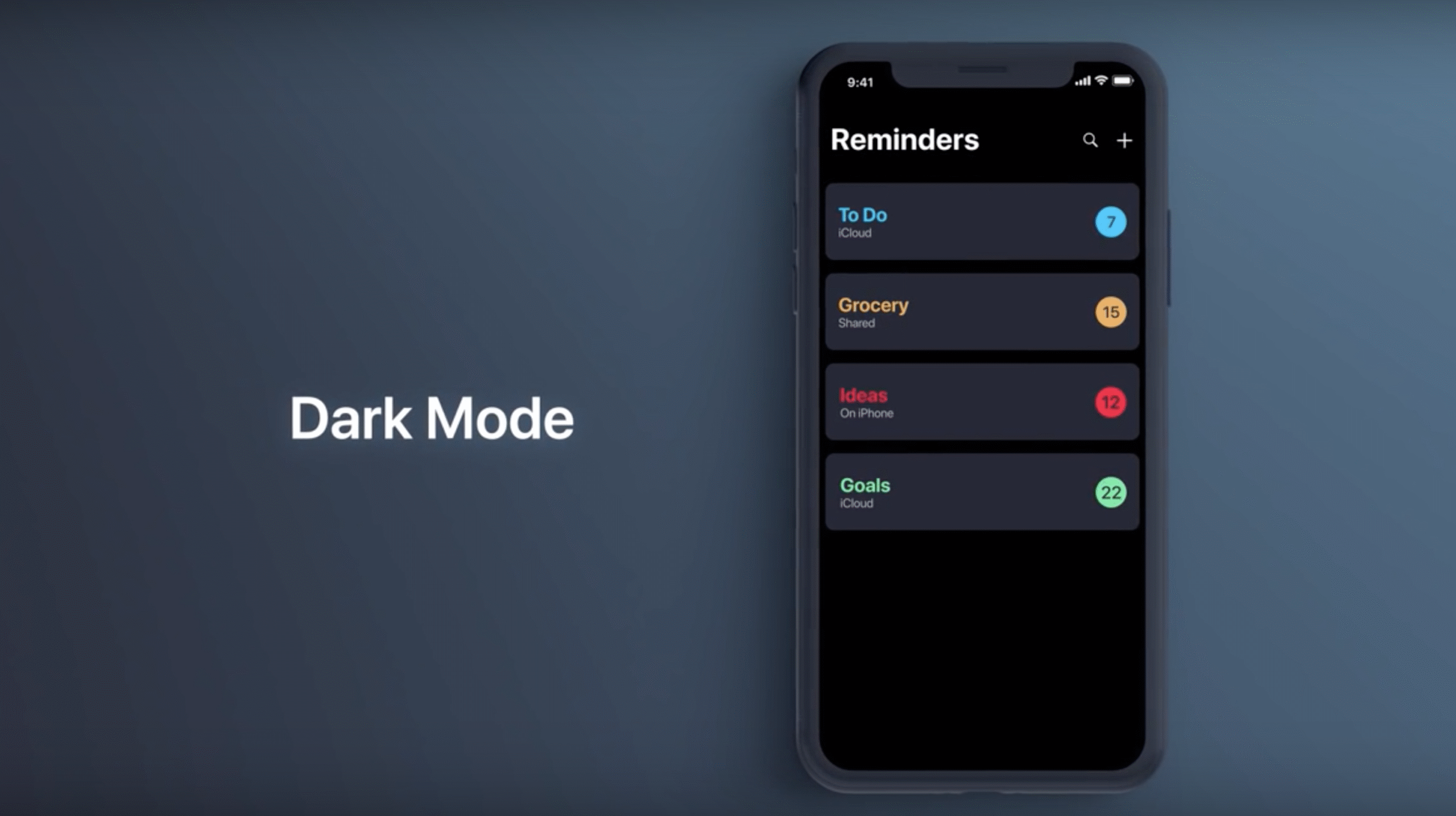
    After many years, the reign of LCD technology in the mobile world seems to be coming to an end. With the price of OLED displays steadily decreasing over the past couple of years, more and more companies are willing to implement the technology even in mid-range offerings. This hardware trend is also affecting the development of apps, games, and even the two major mobile operating systems. Thanks to the ability of OLED panels to completely turn off black pixels, more developers are realising the potential Dark Mode has when combined with the new technology. Not that there hasn’t been apps and themes in the past that have made everything on our smartphones darker, but now that OLED technology is becoming increasingly commonplace, companies are really getting into designing interfaces that are better suited for night-time use. Pretty much all major companies, including Google, Samsung, and Apple, are going to offer built-in Dark or Night modes on their devices starting this year.

    Android Pie and Samsung’s One UI have already flipped the switch, while Apple is widely rumored to be working on such a mode for iOS 13. With this in mind, and having seen the new Dark Modes on Android Pie and One UI, we thought we’d let the creative juices flow and imagine what it could look like in iOS 13, on the iPhone XI (or iPhone 11, because maybe Roman numerals were an anniversary-only thing for Apple).

    iOS 13 will have a dedicated Dark Mode

    We’ve subtly redesigned the iconography of iOS to fit in with Dark Mode. We’re sure we’ve broken some Apple design guidelines in the process.
    Looking at the standard iOS icon set, we felt like it wasn’t perfectly suited for Dark Mode. After all, it was tailored with iOS’s colorful aesthetic in mind. That’s why we decided to subtly redesign the icons to feature dark backgrounds while maintaining their color identity. For example, the Mail and Facetime icons, which otherwise feature white pictograms against a colorful background, have been imbued with color and placed against a dark background. This helps retain their color identity and makes them easier to find on the screen, all the while playing into the aesthetic of Dark Mode. Of course, we wouldn’t hold our breath for Apple to actually redesign the iconography of iOS in this way, but we think it looks good nonetheless.

    Given how often people reach for their phones before bed, right after waking up, and countless times in between, not getting your retinas obliterated by glaring white light at all times may be the way to go. Taking into account recent rumors that Apple may shift to OLED for all of its future iPhones, including “budget” offerings, building a night mode directly into iOS 13 makes a lot of sense. Users seem to agree with this sentiment, as one of our recent polls suggests. The vast majority of voters (over 91%) said that they were excited about Apple’s upcoming, system-wide Dark Mode in iOS 13, while only a tiny fraction said they didn’t care much about it.

    Apple last year introduced Dark Mode in macOS Mojave and is almost definitely going to mimic the idea in the next iteration of iOS. Speaking of that, iOS 13 is the next major update of Apple’s mobile operating system and it may debut alongside the iPhone XI in September, though there’s a chance that we may see it even earlier in beta form. The previous iteration, iOS 12, was released to the public on September 12 last year, though numerous beta versions were made available to developers and enthusiasts alike starting as early as June.
  • Apple sales and profit slip

    Apple sales and profit slip

    Tumbling iPhone demand drove an uncharacteristic decline in Apple sales in the first quarter, trimming back its profit for the period.

    Sales of its iPhone range slumped 15 per cent year on year, and although burgeoning revenue from services like digital media subscriptions – up 19 per cent to a new high of US$10.9 billion – and other products compensated, total sales were down 5 per cent to $84.3 billion.

    Sales in China slumped 26.6 per cent during the period.

    Net income fell by $100 million, from $20.065 billion in the December 2017 quarter to $19.965 billion in the latest quarter. While the company championed setting “an all-time earnings per share record” that was a consequence of a share buyback program reducing the share pool rather than an improved bottom line.

    Commenting on the results, GlobalData Retail MD Neil Saunders said while Apple is still a money-making machine, the sales decline “symbolises a company that is starting to run out of steam”.

    “In our view, this is something to be corrected, not least because Apple is a costly company to run and it relies on strong revenue growth to drive up the bottom line. As this quarter’s figures show, failure to achieve that results in profit erosion.”

    Saunders said the slowdown in iPhone sales reflected Apple’s inability to come up with meaningful and valuable innovations that wow consumers.

    “The latest iPhones might be works of art from an engineering perspective, but they are essentially incremental products that lack the excitement and newness of earlier models. With the higher price points of top-end models, consumers expect a lot more for their money. The blunt truth is, Apple’s latest line up of phones doesn’t do that much more than the generations that came before.”

    He said the slowdown in China is a problem Apple shares with many other companies.

    “The country is suffering from more sluggish consumer demand which has put the brakes on retail growth rates across many sectors. However, the issue for Apple is that this has coincided with a rise in competition from local phones and devices which has helped to eat into its own growth. In short, China is no longer the engine of growth for Apple that it once was and this makes Apple uncomfortably more reliant on mature markets to drive revenues. Some of those markets, like Europe, are also not delivering – thanks to very high price points and consumers that are hesitant to spend on big-ticket items.”

    From must have to might buy

    Saunders said Apple’s iPads and some of its Macs are good, quality items, however they are simply not impressing the market and Apple is losing its lustre in terms of producing compelling products.

    “In our view, Apple has moved from a position of ‘must have this and must have it now’ to ‘might buy this at some point in the future’. Price increases may mitigate this but, ultimately, such a shift can only ever result in a softer sales performance.”

    While services are performing well, Saunders said Apple must push much harder.

    “Amazon is successfully creating an ecosystem of services through Prime. Apple needs to do something similar by building on its Apple Music subscription and its App Store offering. Movies and television content are also needed to propel sales.

    “In our view, Apple should seriously consider a big acquisition such as Netflix. Content is a big growth area and is becoming increasingly linked to devices. Apple needs to play more heavily in this space both to generate new opportunities but also to defend its own device business.”

    While Apple remains a solid and financially successful company, he said, a lack of serious and significant innovation means it runs the risk of diluting future earnings.

    “Apple thrives off serving a mass market; at the moment its moves to provide more expensive items to fewer people will ultimately do further harm to the bottom line. The clear blue water that once existed between Apple and its rivals is much diminished. The company has time to reopen the gap, but to do so, it needs to pull something new and unique out of its hat sooner, rather than later.”

    Cook’s positive spin

    Apple CEO Tim Cook delivered a positive spin on the results: “While it was disappointing to miss our revenue guidance, we manage Apple for the long term, and this quarter’s results demonstrate that the underlying strength of our business runs deep and wide. Our active installed base of devices reached an all-time high of 1.4 billion in the first quarter, growing in each of our geographic segments. That’s a great testament to the satisfaction and loyalty of our customers, and it’s driving our services business to new records thanks to our large and fast-growing ecosystem.”

    At the end of the quarter, Apple’s net cash balance was $130 billion.

  • Apple appoints former Microsoft executive

    Apple appoints former Microsoft executive

    Apple has appointed Microsoft’s former Corporate Vice President Sam Jadallah to lead the “Home” products category at Apple. Even though Apple has not officially announced the appointment, Jadallah updated his LinkedIn bio to read – “Working on Home at Apple”, reflecting his new role with the iPhone-maker. However, along with Apple, Jadallah has also been tight-lipped over his hiring by the company.

    After Microsoft, Jadallah ran a smart lock start-up called ‘Otto’ that shut down in January 2018.

    “Hiring Jadallah is the latest signal that Apple plans to get serious about its own efforts in the ‘Home’ category,” the report said.

    Apple has a range of “Home’ products including HomeKit — its software service that connects with a variety of third-party products; and HomePod — a smart speaker for the home with voice recognition and music.

    Currently, Apple’s HomePod constitutes a small share of the home products market as compared to Amazon’s Echo and Google Home.

    Recently, Apple acquired a voicetech start-up called Pullstring to strengthen Siri against Amazon’s Alexa.

    “That purchase could help the smartphone-maker become the centre of a connected living room,” the report added.

  • Apple appoints new retail head to ramp up sales

    Apple appoints new retail head to ramp up sales

    In an effort to ramp up slow iPhone sales amid sluggish smartphone market, Apple on Wednesday appointed a new head of global retail and online stores. Deirdre O’Brien will take over as Senior Vice President of Retail and People, reporting to CEO Tim Cook, the company said in a statement. “For more than three decades, she has helped keep Apple focused on serving customers and enriching lives,” said Cook.

    “I am thrilled to work alongside Deirdre in her new role, and I know our 70,000 retail employees will be, too,” he added.

    After five years, current retail head Angela Ahrendts plans to depart Apple in April for “personal and professional pursuits”.

    O’Brien will continue to lead the People team, overseeing all People-related functions, including talent development and Apple University, recruiting, employee relations and experience, business partnership, benefits, compensation, and inclusion and diversity.

    “I am looking forward to this journey, and to continuing the important work of the People team in supporting all of Apple’s amazing employees,” said O’Brien.

    Despite slow iPhone sales, Apple posted $84.3 billion in revenue for the first quarter of its fiscal 2019 — a decline of 5 per cent from the year-ago quarter — while revenue from its other products and services grew 19 per cent.

    Apple operates 35 online stores and 506 retail stores in five continents.

    In the first quarter of its fiscal 2019, revenue from iPhone declined 15 per cent from the prior year.

    Cook said that there are several factors why iPhone sales are not picking up in the emerging markets.

    “The customers are holding on to their older iPhones a bit longer than in the past.

    “When you pair this with the macroeconomic factors, particularly in emerging markets, it resulted in iPhone revenue that was down 15 per cent from last year,” Cook told analysts.

    The Apple CEO said foreign exchange is another key factor behind the slow iPhone sales. “The relative strength of the US dollar has made our products more expensive in many parts of the world,” he added.

  • Apple again the most valuable US company

    Apple again the most valuable US company

    Apple won back its crown as the most valuable publicly listed US company on Wednesday, ending the session with a market capitalization above recent leaders Microsoft and Amazon.com. Apple edged up 0.03%, putting its market value at $821.5 billion. Microsoft’s market capitalization ended at $813.4 billion after its stock dipped 1.11%, while Amazon’s stock market value finished the day at $805.7 billion, in third place, after its shares slid 1.12%.

    Apple’s stock has risen about 13% since its quarterly earnings report on Jan 29, with investors betting it was oversold following months of concern about a slowdown in iPhone demand and the company’s rare revenue warning on Jan 2 related to soft demand in China.

    But slowing iPhone sales have led to lower expectations for Apple’s stock. The average analyst price target for Apple has fallen from $240 three months ago to $175, less than a dollar more than its current stock price of $174.24.

    After touching a record $1.1 trillion last October, Apple’s market capitalization fell gradually, and it was overtaken in December by Amazon and Microsoft, which have taken turns in the top position since then.

    Apple’s stock market value hit a low of $675 billion on Jan 3 after its revenue warning, but then steadily recovered, helped in part by a quarterly report that was better than feared by investors.

    While Apple has gained in recent sessions, Microsoft and Amazon’s shares fell after their quarterly reports. Amazon has declined almost 5% since Thursday, when it forecast first-quarter sales below Wall Street estimates and said it would step up investments in 2019.

    “That has raised some eyebrows, it’s a perception that Amazon may be settling into a more mature phase in terms of growth,” said Dan Morgan, a senior portfolio manager at Synovus Trust in Atlanta.

    Morgan owns shares in Apple, Amazon and Microsoft, but he said that if forced to choose, he would favor Amazon because of its lead in cloud-computing market share.

    Microsoft’s stock is about flat from last Wednesday, when the software maker met targets for its quarterly results and forecast.

  • Apple sales and profit slip as demand falls

    Apple sales and profit slip as demand falls

    Tumbling iPhone demand drove an uncharacteristic decline in Apple sales in the first quarter trimming back its profit for the period. Sales of its iPhone range slumped 15 per cent year on year, and although burgeoning revenue from services like digital media subscriptions – up 19 per cent to a new high of US$10.9 billion – and other products compensated, total sales were down 5 per cent to $84.3 billion.

    Sales in China slumped 26.6 per cent during the period.

    Net income fell by $100 million, from $20.065 billion in the December 2017 quarter to $19.965 billion in the latest quarter. While the company championed setting “an all-time earnings per share record” that was a consequence of a share buyback program reducing the share pool rather than an improved bottom line.

    Commenting on the results, GlobalData Retail MD Neil Saunders said while Apple is still a money-making machine, the sales decline “symbolises a company that is starting to run out of steam”.

    “In our view, this is something to be corrected, not least because Apple is a costly company to run and it relies on strong revenue growth to drive up the bottom line. As this quarter’s figures show, failure to achieve that results in profit erosion.”

    Saunders said the slowdown in iPhone sales reflected Apple’s inability to come up with meaningful and valuable innovations that wow consumers.

    “The latest iPhones might be works of art from an engineering perspective, but they are essentially incremental products that lack the excitement and newness of earlier models. With the higher price points of top-end models, consumers expect a lot more for their money. The blunt truth is, Apple’s latest line up of phones doesn’t do that much more than the generations that came before.”

    He said the slowdown in China is a problem Apple shares with many other companies.

    “The country is suffering from more sluggish consumer demand which has put the brakes on retail growth rates across many sectors. However, the issue for Apple is that this has coincided with a rise in competition from local phones and devices which has helped to eat into its own growth. In short, China is no longer the engine of growth for Apple that it once was and this makes Apple uncomfortably more reliant on mature markets to drive revenues. Some of those markets, like Europe, are also not delivering – thanks to very high price points and consumers that are hesitant to spend on big-ticket items.”

    From must have to might buy

    Saunders said Apple’s iPads and some of its Macs are good, quality items, however they are simply not impressing the market and Apple is losing its lustre in terms of producing compelling products.

    “In our view, Apple has moved from a position of ‘must have this and must have it now’ to ‘might buy this at some point in the future’. Price increases may mitigate this but, ultimately, such a shift can only ever result in a softer sales performance.”

    While services are performing well, Saunders said Apple must push much harder.

    “Amazon is successfully creating an ecosystem of services through Prime. Apple needs to do something similar by building on its Apple Music subscription and its App Store offering. Movies and television content are also needed to propel sales.

    “In our view, Apple should seriously consider a big acquisition such as Netflix. Content is a big growth area and is becoming increasingly linked to devices. Apple needs to play more heavily in this space both to generate new opportunities but also to defend its own device business.”

    While Apple remains a solid and financially successful company, he said, a lack of serious and significant innovation means it runs the risk of diluting future earnings.

    “Apple thrives off serving a mass market; at the moment its moves to provide more expensive items to fewer people will ultimately do further harm to the bottom line. The clear blue water that once existed between Apple and its rivals is much diminished. The company has time to reopen the gap, but to do so, it needs to pull something new and unique out of its hat sooner, rather than later.”

    Cook’s positive spin

    Apple CEO Tim Cook delivered a positive spin on the results: “While it was disappointing to miss our revenue guidance, we manage Apple for the long term, and this quarter’s results demonstrate that the underlying strength of our business runs deep and wide. Our active installed base of devices reached an all-time high of 1.4 billion in the first quarter, growing in each of our geographic segments. That’s a great testament to the satisfaction and loyalty of our customers, and it’s driving our services business to new records thanks to our large and fast-growing ecosystem.”

    At the end of the quarter, Apple’s net cash balance was $130 billion.

  • Apple took unfair profits: Korea FTC

    Apple took unfair profits: Korea FTC

    Korea’s corporate watchdog claimed Apple Korea has bargaining power over local mobile carriers and that it has reaped unfair profits from them in a statement Monday. According to the Fair Trade Commission (FTC), experts called in by the antitrust body said Apple Korea exploited its market position to place part of its advertising costs on local telecommunications companies.

    The statement comes after exchanges between the FTC and the iPhone maker during a deliberation on the company’s position on Jan. 16. It was the second round of hearings since the first deliberation in December.

    Apple Korea has been under investigation by the FTC since 2016 on whether it forced carriers to pay advertising and warranty costs.

    Korea’s fair trade law prohibits abuse of one’s position during a transaction.

    Apple Korea claimed through its expert witnesses, which included economists and business experts, that it does not have leverage over local carriers and defended its actions, saying that its advertisement fund was able to help all parties involved.

    The experts also argued that Apple’s involvement in advertisements was justifiable to maintain the iPhone brand.

    Expert witnesses for the FTC responded that Apple Korea can be regarded as being in a position of power over carriers and that the advertisement fund served to collect additional profit from them. They also stated that the company’s activities in taking part of carrier advertisements cannot be seen as part of their branding strategy.

    The FTC’s Economic Analysis Division provided similar analysis to those made by its witnesses.

    The hearings on the investigation will continue, with the third round of deliberations scheduled for Feb. 20.

    The antitrust body said that the third hearing will discuss specific actions made by Apple. It is unclear whether the third hearing will be the last.

    If found to have abused its position, Apple Korea could face fines worth up to two percent of its related sales.

    The iPhone maker has a history of trouble with the FTC.

    The company made corrective measures under the corporate watchdog for its product replacement policy back in 2011 and its services agreements with local companies in 2016.

  • Apple sales plummet in Greater China

    Apple sales plummet in Greater China

    “In fact, most of our revenue shortfall to our guidance, and over 100 per cent of our year-over-year worldwide revenue decline, occurred in Greater China across iPhone, Mac and iPad,” he said.

    The Apple sales decline in China, Hong Kong and Taiwan would most likely exceed $4.3 billion, roughly equal to the company’s overall drop in revenue.

    Previously, Apple had forecast revenue of between $89 billion and $93 billion. Now it expects the figure will be closer to $84 billion, but notes final figures will not be calculated for several weeks.

    Cook said the rising tension between the US and China played a part in the declining sales, with traffic to Apple stores in the region declining as the quarter progressed. This, in turn, led to lower than expected iPhone revenue in the region, which was compounded by the stalling iPhone upgrades seen in other markets.

    “We believe there are other factors broadly impacting our iPhone performance, including consumers adapting to a world with fewer carrier subsidies, US dollar strength-related price increases, and some consumers taking advantage of significantly reduced pricing for iPhone battery replacements,” Cook explained.

    In response to these trends, the business is seeking to make it easier to trade in used iPhones at Apple stores, as well as allow payments to be made over a longer period.

    “This is not only great for the environment, it is great for the customer, as their existing phone acts as a subsidy for their new phone,” Cook said.

    Despite the slowing traffic, Apple’s other categories grew over the period, with the company’s wearables category growing by almost 50 per cent due to the popularity of Apple Watch and AirPods.