Tag: iphone

  • Qualcomm might be able to continue its anticompetitive chip selling policies

    Qualcomm might be able to continue its anticompetitive chip selling policies

    Last month, Judge Lucy Koh finally issued a ruling in a case that could force Qualcomm to change the way it does business. The case, known as the FTC (Federal Trade Commission) v. Qualcomm was originally heard during a ten-day period at the beginning of this year. With no jury seated, the FTC essentially put Qualcomm’s business practices on trial in front of the judge. Qualcomm’s “no license, no chips” policy, the collection of royalties based on the retail price of a phone, and its refusal to license its standard-essential patents were some of the company’s anticompetitive behaviors that were brought up by the FTC.

    Qualcomm has asked for a stay of the ruling so that it can appeal it, although Judge Koh has yet to make a decision on the request. The chip maker points out that if it starts renegotiating contracts as ordered by Judge Koh and then wins on appeal, it might not be able to reverse these deals once again. And Reuters reports that an FTC official thinks that Qualcomm has a good chance at overturning the ruling. FTC Commissioner Christine Wilson, appointed by President Donald Trump, wrote in the Wall Street Journal last week that the ruling against Qualcomm “radically expanded a company’s legal obligation to help its competitors,” and was based on a flawed 1985 Supreme Court decision (more on that later).

    Wilson’s op-ed might give Qualcomm an idea on how to win an appeal of Koh’s decision, according to several antitrust attorneys. Others believe that the appeals courts will find it hard to overturn Koh’s ruling, which some say was based on the judge’s strong fact-finding abilities and her determination about the credibility of those who testified before her.

    The aforementioned 1985 Supreme Court decision ruled that a company that drops a business arrangement that has proven profitable over time could be guilty of violating competition law. How does this relate to Qualcomm? The company once licensed its standard-essential patents to rival chip firms. These are patents that manufacturers need to license to make sure that their products are in compliance with technical standards. As a result, they must be offered to rivals on a fair, reasonable and non-discriminatory (FRAND) basis. In the early 2000s, Qualcomm stopped offering these patents to other chip makers and only licensed them to smartphone manufacturers.

    During the trial, the company denied that it had ever offered full licenses to other chip makers and says that if forced into doing so by Koh’s decision, it would be a new business arrangement, not the resumption of an old one. And that dovetails with Wilson’s op-ed in the Journal in which she wrote that Koh’s decision means that if a company sells a product to a competitor, it would have to sell every product it makes to every competitor or else be charged with violating antitrust law. The FTC commissioner also said that Judge Koh misapplied the 1985 Supreme Court decision.  University of Southern California law professor Jonathan Barnett agrees with Wilson and says that the Supreme Court ruling was supposed to be “very narrow.” He says that there is a good chance that Qualcomm will be able to reverse Judge Koh’s ruling.

    Many investors are hoping the same thing. On April 15th, the day before Qualcomm and Apple reached a settlement on their legal issues, Qualcomm’s shares closed at $57.18. Following news of the settlement, the stock soared peaking on May 1st at $89.29. The day before Judge Koh released her decision, Qualcomm’s shares had already declined to $77.75. Following the ruling, the stock dropped to $65.37. The company’s shares closed last week at $66.82.
  • iPhones are getting too Big

    iPhones are getting too Big

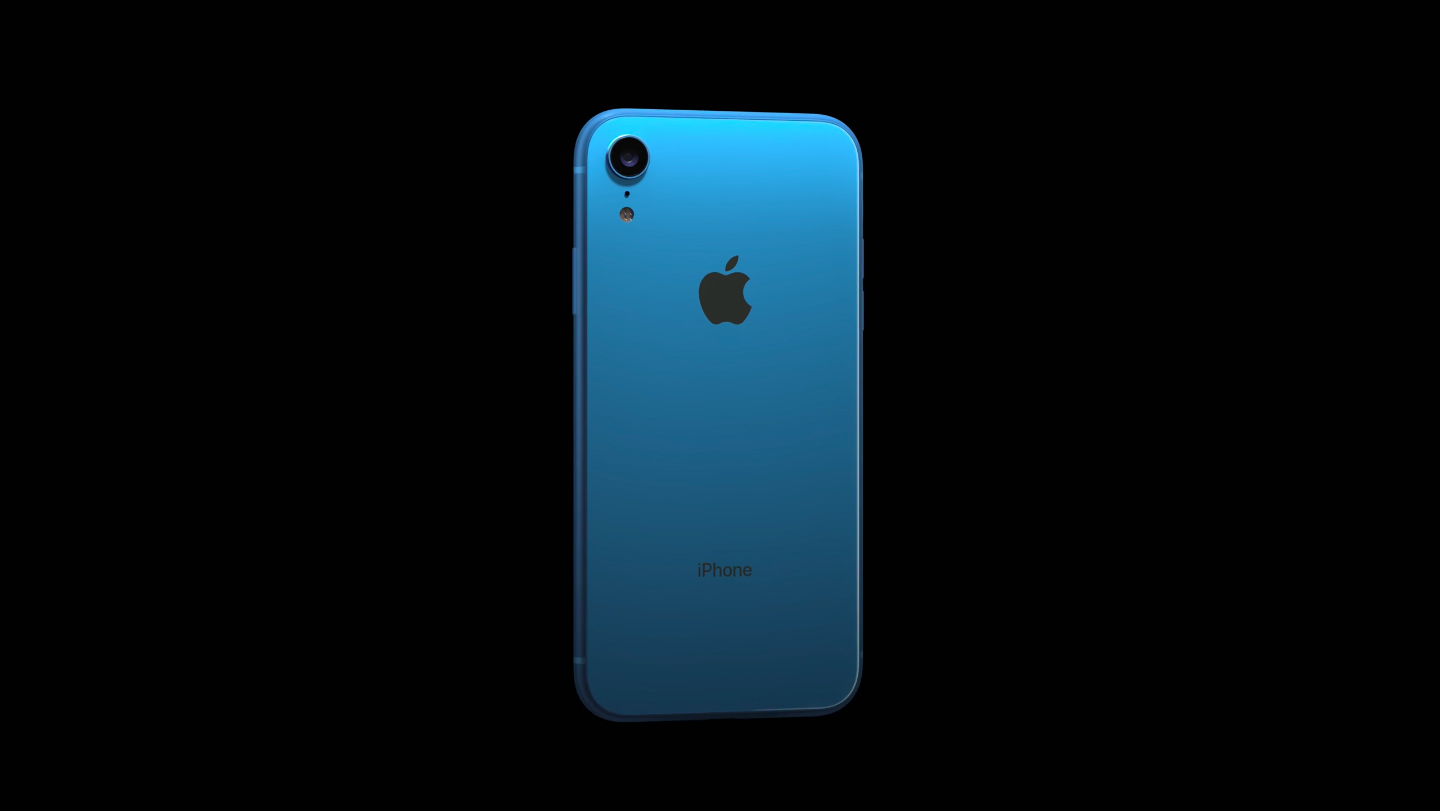
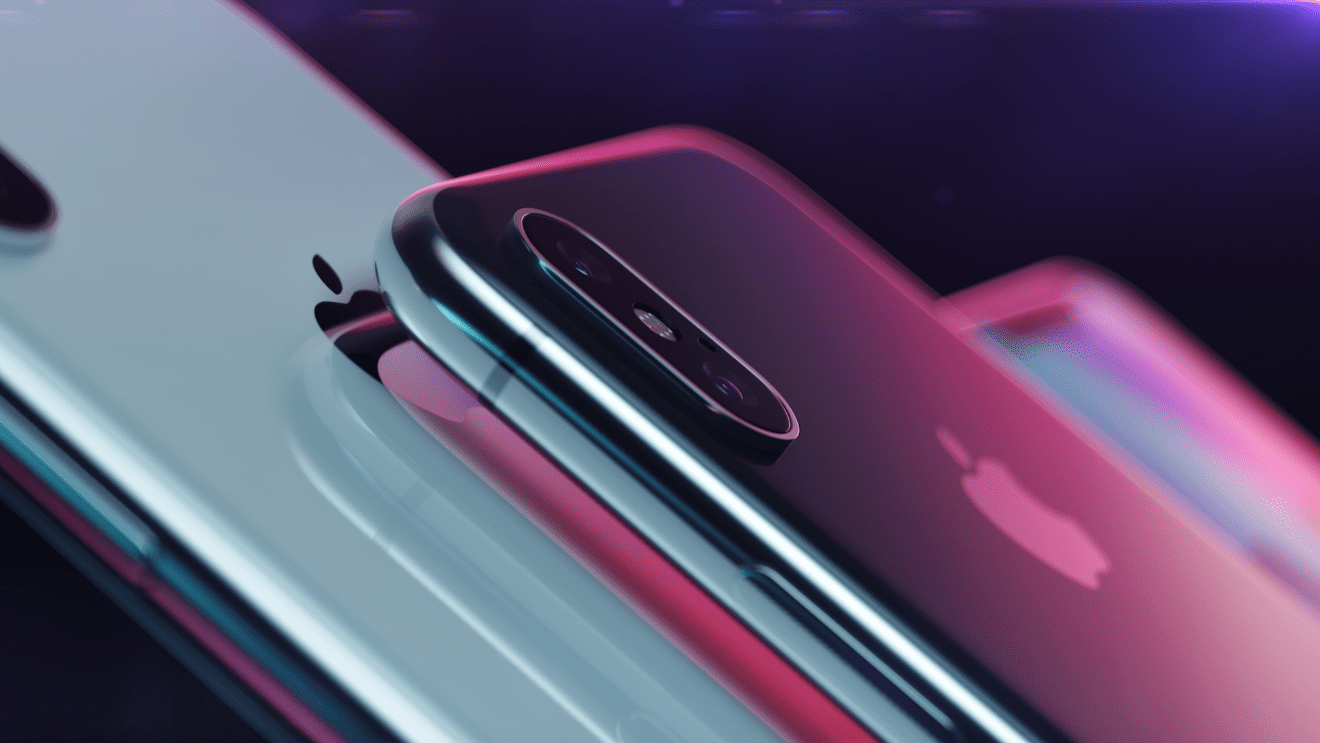
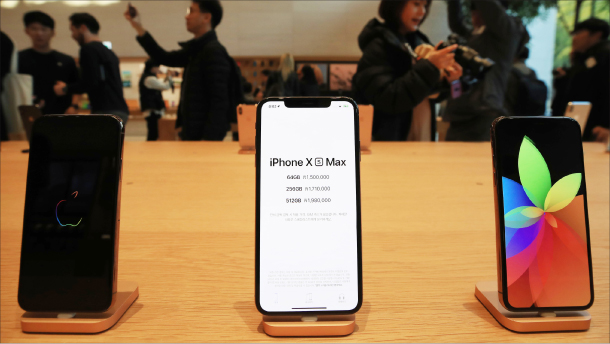
    Back when Apple’s iPhones were following the iPhone 6 design, they were considerably thinner than they are today. I remember when the immensely hyped iPhone X came out, with its brand new super-luxurious design and everything, the first thought that crossed my mind was: “Wow, that thing is beautiful!” And then that thought was quickly followed by another: “It’s also so… thick?!” because I was comparing it to the One year later, Apple kept the same exact design with the iPhone XS and XS Max, but also released the mainstream XR, which was even bulkier! The iPhone XR is my daily driver, and if I could change anything in it, making it thinner and lighter would have easily been in the top three. I think iPhones have slowly gotten a bit too fat and heavy!

    I came to this realization after playing around with the OnePlus 5T for a few days. Compared to the XR, the OnePlus 5T is about as wide and even taller, but it’s so much thinner and lighter. This made it feel surprisingly good while holding and using it. It also gets thinner towards the edges, which I think is also a good design choice, both from an ergonomic and aesthetic point of view. It’s similar to what Apple’s doing with the iMac, but the iPhone does not have such a curve – it remains “full fat” all the way to the edges. Maybe part of the reason is that iPhones have glass backs now, to facilitate wireless charging, but this also seems to be contributing to the increased thickness and weight.

    The iPhone XR is also very heavy. I wouldn’t call it excessive, but it is very substantial. Some people appreciate their phones having some heft, but there’s a line that shouldn’t be crossed because then the user starts to subconsciously avoid reaching for the phone.

    This brings us back to the beginning and the question of having a thin and light phone versus a thick and heavy phone with better battery life. The iPhone XR does have superb battery life, to the point that I pay almost no attention to my battery levels – I just put it on the charger whenever I remember to do so.

    But you know what: I’d love to trade some of that battery for reduced thickness and weight. There’s just something effortless in handling a phone like the OnePlus 5T; it makes you want to put your hands on it more often, even if you don’t have a specific reason to do so. Now, I can’t switch to OnePlus, because of my broader needs and principles, which are best answered by the Apple ecosystem (plus newer OnePlus phones are also thicker), but I think it’d be great if the next iPhone design cuts out some of the fat for that desirable elegance that was typical of previous generations. Maybe then consumers will start lusting after each new iPhone like they used to.

  • Apple agrees to notify users when iOS updates impacts performance

    Apple agrees to notify users when iOS updates impacts performance

    Following the last year debate about whether or not Apple should have informed consumers that some of its updates will slow down their iPhones, the UK Competition and Markets Authority kicked off an investigation to learn more about the matter.

    The investigation only started after Apple admitted that the iOS update it pushed in late 2017 throttled down the performance of older iPhones. Fast forward more than one year and it looks like the UK government and Apple have found common ground. Apple has officially agreed to notify consumers when an iOS update will affect the performance of their iPhones.

    To ensure compliance with consumer law Apple has formally agreed to improve the information it provides to people about the battery health of their phones and the impact performance management software may have on their phones.

    The official statement on UK government’s website also mentions that Apple has agreed to provide easily accessible information about battery health and unexpected shutdowns, which the company has already done, along with guidance on how iPhone users can optimize the health of their phone’s battery.

    Everything that Apple agreed to applies both for current and future iPhones. In case any of the commitments made by Apple will be breached at any time in the future, the company could be sanctioned by the CMA (Competition and Markets Authority).

  • iPhone sales declined in every part of the World

    iPhone sales declined in every part of the World

    As Apple confirmed in its two most recent earnings calls, iPhone sales have been consistently down year-on-year since October. The Cupertino giant blamed this primarily on weak demand in China, but recent SEC filings show this isn’t the full story.

    Apple’s recent Form 10-Q filing with the SEC (US Securities and Exchange Commission) contains a detailed breakdown of performance over the past six months by both product category and geographical region.

    iPhone sales, as mentioned above, have been down for the past six months. The Greater China region which includes China, Hong Kong, and Taiwan has undoubtedly impacted Apple’s total shipments the most, but in actual fact, the company has been experiencing “lower iPhone unit sales in all the reportable geographical segments” since October. This has resulted in year-on-year revenue declines for all regions except the Americas (North and South America), with Greater China being the most affected followed by Europe and Japan.

    In almost every geographical segment, Apple’s lower iPhone shipments were partially offset by improved performance in other product categories. For example, in Europe, the company’s Services and Wearables businesses grew significantly, while over in Japan Services and iPad were key. In the Americas, however, strong Services and Wearables performance managed to entirely offset weak iPhone shipments and push year-on-year growth to a decent 4%.

    Taking a look at the company’s performance over the past three months rather than six, it seems as though Apple’s efforts in certain regions are finally beginning to pay off. Other markets, however, seem to be in decline.

    As mentioned by Apple in its recent earnings call, the company noticed improved demand in Greater China towards the end of the quarter. It didn’t elaborate on the matter, but it seems to have translated into slightly better financial results for the brand as, for the three months ending March 31st, the year-on-year sales decline was 22%. This is still pretty major, but it represents an improvement over the -25% average Apple has experienced in the region since October.

    Another region that has improved in Japan. Over the past six months, Apple’s sales have dropped an average of 2%, but throughout the first three months of 2019 sales were actually up 1%. Similarly, the Americas continued to experience growth throughout the past quarter.

    Moving on to Europe and the Rest of Asia Pacific, these two geographical segments didn’t fare as well. Since October, Apple has experienced an average revenue decline in these regions of 4% and 2% respectively. But during the first quarter of the year, these numbers nosedived to 6% and 9% due primarily to even lower iPhone demand.

    Regarding Apple’s performance throughout the rest of 2019, the Cupertino giant now appears confident that it can improve the situation in Greater China and ultimately slow down its year-on-year decline. Nevertheless, it’s still forecasting a drop for this current quarter and, with business in Europe and the Rest of Asia Pacific seemingly struggling, it’ll remain to be seen how Apple handles the situation.

    Towards the end of 2019, Apple’s next-gen iPhones should provide a decent boost to demand. However, analyst Ming-Chi Kuo recently predicted almost no growth. Instead, Kuo expects iPhone sales to pick up towards the end of 2020 as a result of the first 5G models which should feature modems from both Samsung and Qualcomm.

  • New iPhones to feature new antenna structure For Better Indoor Navigation

    New iPhones to feature new antenna structure For Better Indoor Navigation

    With just over four months to go until Apple’s next-gen iPhones are officially introduced, renowned analyst Ming-Chi Kuo is back today with his latest research note which focuses on the antenna technology Apple will use.

    Inside the iPhone XS, iPhone XS Max, and iPhone XR there are currently two upper antennae and two lower ones, all of which are manufactured from Liquid Crystal Polymer (LCP). According to Kuo, though, the 2019 iPhone series will introduce some major changes to this structure. Specifically, it’s predicted Apple will use a single LCP and modified polyamide (MPI) unit for the upper antenna and three MPI units for the lower ones.

    The reason for this sudden switch to MPI technology reportedly has something to do with production. In his research note, Kuo explains that the current-gen iPhones are being held back by LCP manufacturing issues which cause problems for high-frequency cellular transmission and ultimately affect yield.

    The focus on the modified-PI structure this year should result in similar 4G LTE performance and fewer production problems. Theoretically, the technology is also cheaper to produce, although Kuo believes the overall antenna production costs will rise between 10% and 20% due to new ultra-wideband upgrades that will improve indoor navigation performance. Speaking of which, recent Apple patents suggested the company was working on a feature that’d allow individual store and mall apps to integrate indoor mapping and location tracking.

    Another benefit that’ll come from the switch is a more diverse set of suppliers – Apple will apparently go from having just two suppliers to a total of five. Murata, who is already one of Apple’s suppliers, will continue to supply LCP for the upper antenna, while Flexium, Avary, and ZDT will split orders for the MPI part. Regarding the bottom MPI units, orders look set to be split between Avary, ZDT, and DSBJ. Current LCP supplier Career has been cut from Apple’s order list, according to Kuo, and will not receive new orders for the iPhone, iPad, or Apple Watch this year.

    The focus on MPI this year is a pretty major move for Apple, but according to Ming-Chi Kuo, it’s only temporary. In fact, come next year the Cupertino giant will reportedly switch back to LCP once materials have been improved and production issues resolved. This technology will then be used inside the next-gen iPad Pro models that are due to arrive in Q1 2020 and Apple’s first 5G iPhones later on in the year.

    While on the topic of 5G iPhones, it’s worth pointing out that the modem situation for these has changed quite drastically over the past month. Following Apple’s legal battle with Qualcomm which resulted in the latter refusing to supply the former with modems for its 2018 iPhone series, the expectation was that the Silicon Valley-based company would continue to use Intel modems as it introduced support for the next-generation networks next year.

    Towards the middle of April, however, Apple and Qualcomm surprisingly announced that they had reached a six-year agreement for chips. This quickly led to Intel’s exit from the mobile 5G modem market and now, according to Kuo, Apple will use both Qualcomm and Samsung 5G modems next year.

    Eventually, support for the next-gen networks will also be expanded to the iPad Pro lineup. However, Kuo believes this won’t happen until the tablets are refreshed in 2021.

  • Global smartphone sales still in freefall

    Global smartphone sales still in freefall

    The global smartphone market remains in “freefall”, having experienced its sixth consecutive quarter of declining shipments during the first quarter, according to Canalys.

    Total unit shipments fell 6.8% year-on-year to 313.9 million during the quarter, the lowest result in nearly five years, the research firm said.

    Apple was the hardest hit of the big smartphone vendors, with iPhone shipments dropping 23.2% year-on-year to 40.2 million units, which marked the largest single quarter decline in the history of the iPhone.

    But market leader Samsung also experienced a 10% decline in shipments to 71.5 million.

    By contrast, Huawei had a strong performance during the quarter, with shipments growing 50.2% during the first quarter to 59.1 million.

    Huawei has publicly set its sights on overtaking Samsung as the world’s top smartphone vendor by unit shipments by 2020, but it will not be an easy battle, the research firm said, with its chance of success hinging on its ability to take customers in the low to midrange price bands.

  • Apple’s iPhone XR was the best-selling iPhone in Q2

    Apple’s iPhone XR was the best-selling iPhone in Q2

    Although iPhone sales haven’t been living up to Apple’s expectations lately, a recent CIRP report revealed that iPhones were the best-selling devices in the US throughout the first quarter of 2019. And now a new report has revealed which model was the most popular. For the second quarter running, the iPhone XR was the best-selling individual iPhone model in the United States. It accounted for 38% of all US iPhone sales throughout the recent quarter and outsold both the iPhone XS and iPhone XS Max combined by a factor of almost 2:1 – the iPhone XS series accounted for just 21% of sales.

    The remaining 41% of sales were distributed between the iPhone 8 and iPhone 7 lineups. The iPhone 8 Plus and iPhone 7 were the most popular among these, while the iPhone 8 followed closely behind. The iPhone 7 Plus was the least popular by a significant margin, but still managed to sell in numbers that are comparable to those of the iPhone XS.

    During the fourth quarter of 2018, the sales of higher storage tiers are understood to have boosted Apple’s average selling price (ASP) to new heights. But as interest in these devices declined and the iPhone XR became the dominant device, CIRP believes the ASP of iPhones dropped to around $800 last quarter.

    Looking at the second quarter of 2019, the iPhone XR is expected to continue dominating. However, iPhone sales as a whole could lose some ground to Samsung who recently launched the Galaxy S10, Galaxy S10+, and Galaxy S10e.

    During the first quarter the two brands were neck and neck – Apple held a 36% market share while Samsung accounted for 34% of sales – but during this current quarter iPhone sales are set to continue declining while Samsung should finally feel the full effect of the Galaxy S10’s popularity.

    Although Samsung is yet to release official sales figures, its latest flagship smartphones are reportedly outselling last year’s Galaxy S9 lineup by a small margin. Apparently, Galaxy S10 and Galaxy S10+ sales are on par with those of the Galaxy S9 and Galaxy S9+, while the smaller Galaxy S10e is essentially providing a nice boost to Samsung’s total unit sales.

    According to estimates, the Galaxy S10 trio will ship a combined total of 10 million units by the end of this quarter on a global scale. It’s unclear, however what percentage of these will be from the US.

    Continuing into the third quarter of the year, it seems likely that Samsung will continue to dominate the smartphone market. iPhone sales should continue to drop, while Galaxy S10 sales will have lost steam too. However, the South Korean brand is rumored to be preparing a Galaxy Note 10 and Galaxy Note 10 Pro that’ll help boost its performance significantly.

    As for the final quarter of the year, Samsung is expected to return its crown to Apple once again. The latter should release its latest iPhones towards the very end of the third quarter in September, with the full effect of sales being noticeable during the final three months of the year.

    This year, rumors suggest Apple’s iPhone XS and XS Max replacements will adopt triple-camera setups, smaller notches, reverse wireless charging, and a number of other features. The iPhone XR’s successor, on the other hand, should benefit from two rear cameras, Apple’s next-gen processor, and potentially an upgraded screen.

    All three smartphones should ship with iOS 13 straight out of the box. This will introduce a dedicated Dark Mode and a number of other features which are detailed in this article.

  • Apple’s 5G iPhone Using Samsung Modems to be released in 2020

    Apple’s 5G iPhone Using Samsung Modems to be released in 2020

    In one fell swoop, Apple cut the Gordian knot of 5G modem supply and it is smooth sailing from here, as it paid Qualcomm undisclosed amount to settle the patent litigation and secure a multi-year contract for 5G iPhones.

    “It’s personal. I don’t see anybody who can bridge this gap,” tipped the WSJ recently about Apple and Qualcomm CEOs relationship but the big boys ironed out their differences quickly. Apple could have tried Intel, Samsung or Huawei, but each of those choices comes with drawbacks.

    Intel threw in the towel on 5G modem development when it learned that Qualcomm resolved its patent issues with Apple, while America’s homeland security institutions would balk at Huawei’s involvement due to geopolitical considerations. Despite all rumors, Huawei company reps said during its Analyst Summit 2019 yesterday that they have “no communication with Apple on 5G modems.”

    Samsung, on the other hand, simply can’t make enough of its own 5G modems to exclusively supply huge customer like Apple. It recently declined Apple’s advances for its Exynos 5100 5G modem. Not only does the company need its production for the Galaxy S10 5G that is now shipping, but it could very well need it for the Note 10 Pro, too, and others down the line.  According to one “electronics industry official” there:

    Apple inquired about the supply of 5G modem chip from Samsung Electronics System LSI division. However, we know that Samsung Electronics System LSI answered that the supply volume of its smartphone 5G modem chip is insufficient.

    Well, the most renowned Apple supply chain analyst, Ming-Chi Kuo of TF International Securities, has spoken, and Apple will seemingly hedge its Qualcomm bets with Samsung as a side dish. If you are wondering why, Apple is most likely planning to use the more advanced Qualcomm modems in placed where mmWave spectrum 5G networks are being established, while Samsung’s likely cheaper solution will remain for the sub-6 GHz crowd.

    Apart from all these juicy dual supplier predictions, Ming-Chi Kuo is advocating for a fall 2020 release date of the future 5G iPhones. That’s the same timeframe as before but this time around, Apple is in a position to use the best that the 5G market can offer without triggering the NSA, CIA and other three-letter agencies’ wrath.

    South Korea just launched its nationwide 5G network, with the Galaxy S10 5G being its poster child. Upon the phone’s release there, Korea will have all of its largest networks offering 5G plans. In fact, Korea Telecom announced three 5G price tiers. Among those, there is a “Super Plan” that offers truly unlimited 5G data without speed caps, and this one will go for the equivalent of $70, a pretty good price no matter how you slice it. In fact, the Super 5G Plan is somewhat cheaper than the current unlimited 4G LTE plans in Korea, so the 5G future seems bright, and we are expecting more and more 5G handsets to enter the fray this year, especially towards the tail end of 2019.

    A true nationwide shift to 5G networks is not happening this year in the US anyway, so iPhone users won’t be missing all that much until then. Next year, however, most of the flagship phones of the spring season will probably have some sort of 5G connectivity support, be it with a Qualcomm, Samsung or Huawei modem, and Apple could feel the pinch in that regard.

    Had Apple gone alone in developing a 5G modem, either by acquiring Intel’s wireless modem assets, or starting from scratch, it would have taken it years to reach a sufficiently good unit that is worthy to put in millions of iPhones. Wireless connectivity modems are perhaps the most complex of chips in a phone, and 5G ones require so much filters and software control to avoid interference and still be backwards compatible that this option would have meant either a lot of extra expenses for Apple in order to deliver a 5G iPhone in 2020, or falling behind the competition by launching one that is a cycle or two behind.

    “Apple knows our phone number, we are still in San Diego,” tipped Qualcomm recently, giving a glimmer of 5G hope, and patching thing up with Qualcomm turned to be the smartest solution, just as we expected. There you have it – Apple resolves the bad blood between the companies, Qualcomm is likely to assist it with the 5G push, and Samsung will be its sidekick. The 5G future is so bright, we have to wear shades. According to Kuo, the launch of the 5G iPhone is expected to unleash a big upgrade cycle for Apple, and he upped his forecast for iPhones sold in 2020 to the whopping 200 million, from the current 190 million prognosis.

  • Huawei continues to close in on Samsung with impressive Sales Results

    Huawei continues to close in on Samsung with impressive Sales Results

    2018 has been something of a roller coaster for Huawei, the highly controversial telecommunications equipment vendor that also somehow managed to beat Apple for second place in global smartphone shipments for two consecutive quarters. Ultimately, the China-based tech giant ranked third overall in the mobile device market last year, selling however a colossal 206 million units or so around the world, up from “only” 153 million in 2017.

    While market research firms like Strategy Analytics and the International Data Corporation (IDC) are not yet ready to release their full Q1 2019 reports, Huawei has just confirmed another impressive new set of numbers that puts the company on track to substantially narrowing the gap to Samsung by the end of the year and possibly reaching its most ambitious goal yet in 2020.

    No less than 59 million Huawei smartphones were shipped between January and March 2019 worldwide, up a staggering 50 percent or so from the 39 million third-party estimate of Q1 2018. That should be enough to open a big gap between the Chinese company and Apple, since only around 52 million iPhones were sold globally during Q1 2018, a number most analysts expect to take a bit of a plunge when 2019’s first-quarter reports start rolling in.

    It will then be pretty much impossible for Apple to catch up to the market’s silver medalist, as iPhone shipments may need a couple more quarters to start recovering, while Huawei’s figures are expected to continue growing. In total, Huawei could sell anywhere between 250 and 260 million units in 2019, which probably won’t be enough to secure the company first place over Samsung, but it might hint at a new leader next year.

    Until then, we should point out Huawei’s substantial boost in Q1 smartphone volumes crucially contributed to overall revenues of close to $27 billion, representing a 39 percent year-on-year jump. Incredibly enough, the company reported massive growth for its carrier and enterprise business departments, as well as the consumer electronics group, expecting all three divisions to post double digit increases in revenue throughout 2019. That means both smartphone and 5G equipment sales are going well, despite strong opposition from the US government.

  • iPhone XE might be the true compact Apple phone

    iPhone XE might be the true compact Apple phone

    The iPhone SE was originally launched over three years ago, and officially discontinued in 2018. With its 4-inch display, the SE was a tiny offshoot in a world of ever-increasing screen sizes. And even though it struck success on its own terms—perhaps relative to the size of its footprint, but success nonetheless—the iPhone SE never got a second chance.

    Rumors about a successor to Apple’s tiny iPhone have been floating around basically since the first model came out. Alleged factory drawings, screen protectors, and even cases from a major brand were leaked online, all suggesting that the launch of the iPhone SE 2 was just around the bend. Unfortunately for people who wanted a smaller phone, the bend came and went and there was no sign of the SE 2. In fact, it seemed, Apple had no intentions of reiterating the concept of an ultra-compact phone with high-end specs.

    There’s a new light of hope, however, as a new report claims that Apple is actually working on a spiritual successor to the SE, dubbed the iPhone XE. The publication claims that it has a source “closely associated with Foxconn’s manufacturing facility in India,” where it’s getting the information from.

    According to said source, the iPhone XE will feature an iPhone XS-style design with a 4.8-inch OLED display, topped of with a notch. It will also have Face ID, just like its larger brethren, but no glass back. Instead, the XE will reportedly sport an aluminum back (just like in the good ol’ days), which means no wireless charging.

    PC Tablet’s source further claims that the new ultra-compact iPhone model will sport a single main camera, equipped with a 12MP sensor and an f/1.8 lens. As far as internals go, the report says that the iPhone XE will be powered by Apple’s A12 Bionic chip, but provides no other details.

    Another interesting tidbit is that the report claims that the new iPhone model will be made made in India, at a manufacturing facility of Apple’s manufacturing partner, Wistron. Though we haven’t been able to confirm all the claims made in this report, the fact that it comes from an Indian publication, combined with the claim that the information is coming from a source in Foxconn’s manufacturing facility in India, as well as the plethora of rumors that Apple is considering to start flagship production in India, give some credibility to the report.

    If the iPhone XE is, indeed, a real project that’s slated for release later this year, then we should hear a lot more about it in the coming weeks and months. Until then, are you excited at the premise of a much smaller iPhone model, or are you just fine with what’s currently on offer? Tell us in the comments below!

  • Apple could end up buying 5G modem chips from unlikely sources

    Apple could end up buying 5G modem chips from unlikely sources

    You might know that Huawei manufacturers handsets and networking equipment. At the end of last year, it was the third largest smartphone company in the world and the top provider of networking gear. What you might not know is that Huawei designs its own chips. Its Hi-Silicon unit created the Kirin 980 SoC which is currently found powering up the Huawei Mate 20 Pro and the Huawei P30 series. It also will be used to drive the foldable Huawei Mate X. While Huawei designs the chips, they are actually manufactured by TSMC.

    Now as we discussed yesterday, Apple is relying on Intel to have its XMM 8160 5G modem chip ready in time for its 2020 iPhone models. There are conflicting reports about whether Intel will deliver the component in time, and as a result, we have seen rumors that a 5G iPhone might not surface until 2021. Intel says that it will be shipping the chip later this year, but just in case there is a problem, Apple has found an unlikely friend in Huawei.

    Huawei would consider selling its 5G Balong 5000 modem chips to Apple. The report cites a source who has “knowledge of the situation.” This is an unusual thing for Huawei to do considering that an executive said earlier this year that “Balong is mainly for supporting Huawei’s smart products, such as phones and IoT products, and is currently for Huawei’s internal use only.” It also seems strange considering that Huawei is looking to leapfrog over both Apple and Samsung to become the global leader in smartphones by 2020.

    Apple could turn to Qualcomm, but that is unlikely to happen since both firms have been squaring off in court over patent infringements, antitrust claims, and royalty payments, In fact, a week from today a courtroom in San Diego will host a multi-billion dollar trial between Apple, its contract manufacturers like Foxconn and Wistron, and Qualcomm. At stake are unpaid royalties amounting to billions of dollars. Qualcomm CEO Steve Mollenkopf said back in November that his company was “on the doorstep” of resolving its differences with Apple; we now know that this was not the case.

    While it seems that Huawei would be “open” to selling Apple its 5G modem chips, the other side of the equation is whether the gang in Cupertino would be willing to buy them. During the FTC v. Qualcomm case, Apple supply chain executive Tony Blevins testified that Apple was considering the use of 5G modem chips from Samsung or MediaTekfor the iPhone. Even though Apple currently uses only Intel modem chips for its handsets, Blevins talked on the stand about “Project Antique.” This was Apple’s attempt to find a second supplier to provide it with modem chips. As Blevins noted, “No offense to (Intel) but we don’t want to be single supplier with them. We wanted both Qualcomm and (Intel) in the mix.”

    Huawei’s Balong 5000 modem chip supports both mmWave and sub-6GHz 5G networks. It also is compatible with 4G LTE, 3G, and 2G networks. The important thing about using Huawei’s modem chip is that Apple could get its hands on it earlier than Intel’s chip and have more time to test a 5G iPhone. The Balong 5000 5G modem chip will debut on Huawei’s first phone to support the next generation of wireless connectivity. That device happens to be the foldable Mate X.

    Apple wouldn’t be the only one in such a partnership to benefit. Huawei would get to widen the use of its chips beyond its own devices, and you can just imagine how much revenue would flow into the company’s coffers. It also might play well in China after U.S. government attacks on Huawei have led some Chinese consumers to unofficially boycott Apple products.

    There is a huge unknown here, and that is how the Trump administration might react. Huawei is considered a threat to U.S. national security and allies have been warned not to use Huawei’s networking gear to build out 5G networks. That’s because the law in China requires a company like Huawei to gather intelligence if requested to do so. Considering that we are talking about the modem chip, a major component in communicating voice and data, there are bound to be concerns about the use of Huawei’s component inside the iPhone.

  • 5G Apple iPhone likely to appear next year

    5G Apple iPhone likely to appear next year

    With several Android manufacturers releasing 5G enabled phones this year (and technically the Moto Z3 with the 5G Moto Mod is the first), Apple iPhone users might wonder when they will have the opportunity to buy a 5G iPhone. We don’t expect it to happen this year, and one analyst said earlier this month that it won’t happen next year either. Timothy Arcuri, who hangs his hat at the Union Bank of Switzerland (UBS), believes that Intel won’t have its 5G modem chip available in time for Apple to introduce a 5G phone in 2020.

    Sure, Apple could turn to Qualcomm to provide it 5G modem chips, but the two firms have been battling each other in court over numerous issues ranging from patent infringement to anti-trust violations. A new trial will start soon in San Diego with Apple and its contract manufacturers seeking billions of dollars from the chip maker. Besides, Qualcomm reportedly refused to sell its 4G LTE modem chips to Apple for the iPhone XS and iPhone XR.

    Those familiar with the situation say that Intel has been missing deadlines as it develops the XMM 8160 5G modem chip. In order for Apple to unveil a 5G iPhone next September, Intel would have to deliver sample parts to Cupertino early this summer and a final version of the chip’s design by early next year. But Intel says that it is fully capable of delivering its 5G modem chip to Apple in time for a 5G iPhone to be launched in 2020.

    Last November, Intel said that it expected to start shipping the XMM 8160 5G modem chip during the second half of this year, and it would appear as though no changes have been made to those plans. In a statement emailed to Fast Company, Intel wrote, “As we said in November 2018, Intel plans to support customer device launches in 2020 with its XMM 8160 5G multimode modem.”

    From 2011-2015, Apple used only Qualcomm modem chips for the iPhone. In 2016 and 2017, both Qualcomm and Intel supplied Apple with modem chips for the iPhone. Last year, with Apple and Qualcomm suing each other, Apple stuck with Intel for the part and expects to do the same this year. Apple is known to be a rather demanding customer (Intel has had three project managers handle its modem business with Apple thus far), and the profits from selling Apple these chips is not overwhelming. But Intel needs the revenue to justify the expense of building 10nm and 7nm fabrication platforms in order to keep up with TSMC. The Intel 7560 modem chips used on the 2018 iPhone models were manufactured using the 14nm process. This means that newer modem chips will contain more transistors than older versions, allowing them to have improved performance and consume less power. But this can also backfire as far as Intel is concerned. As part of its deal with Intel, Apple gets to be first in line to have its chips roll off the assembly line. That means other chip orders that might be more profitable to Intel must wait until Apple’s order is completed.

    Other chip makers like Samsung and MediaTek are apparently not being considered. UBS’ Arcuri says that if Intel’s chip isn’t ready for next year as he believes, neither company would be able to fulfill the order in time to deliver the goods for 2020. Meanwhile, rumors that Apple is designing its own 5G modem chips are apparently true. The company reportedly has 1,000 to 1,200 engineers developing such a component. Additionally, Apple has allegedly hired RF engineers from both Qualcomm and Intel who are said to be toiling away in San Diego. Any modem chip designed by Apple would have to be manufactured by a company with production capabilities like TSMC or Samsung. A self-designed 5G modem chip for the iPhone would probably not be found on the device until 2021 at the earliest.

  • Apple ‘fixed’ thousands of fake iPhones

    Apple ‘fixed’ thousands of fake iPhones

    Counterfeit goods are a big problem for any established brand, but when Apple is involved, you know that there will be both demand and supply through the roof given the iPhone role as a status symbol, especially in Asia where most of the fake goods originate from.

    Two Chinese students in Oregon,  Yangyang Zhou, and Quan Jiang, have been running a fake iPhone repair scheme since 2017, it turns out, defrauding Apple of $895,800 in total, according to the company’s estimates. They had bulk shipments of counterfeit handsets shipped to them from China, and submitted those to Apple as “iPhone won’t power on” cases, both online and in stores. The replacement phones were then shipped back to the source in China who deposited money into Jiang mother’s account he had access to in the States.

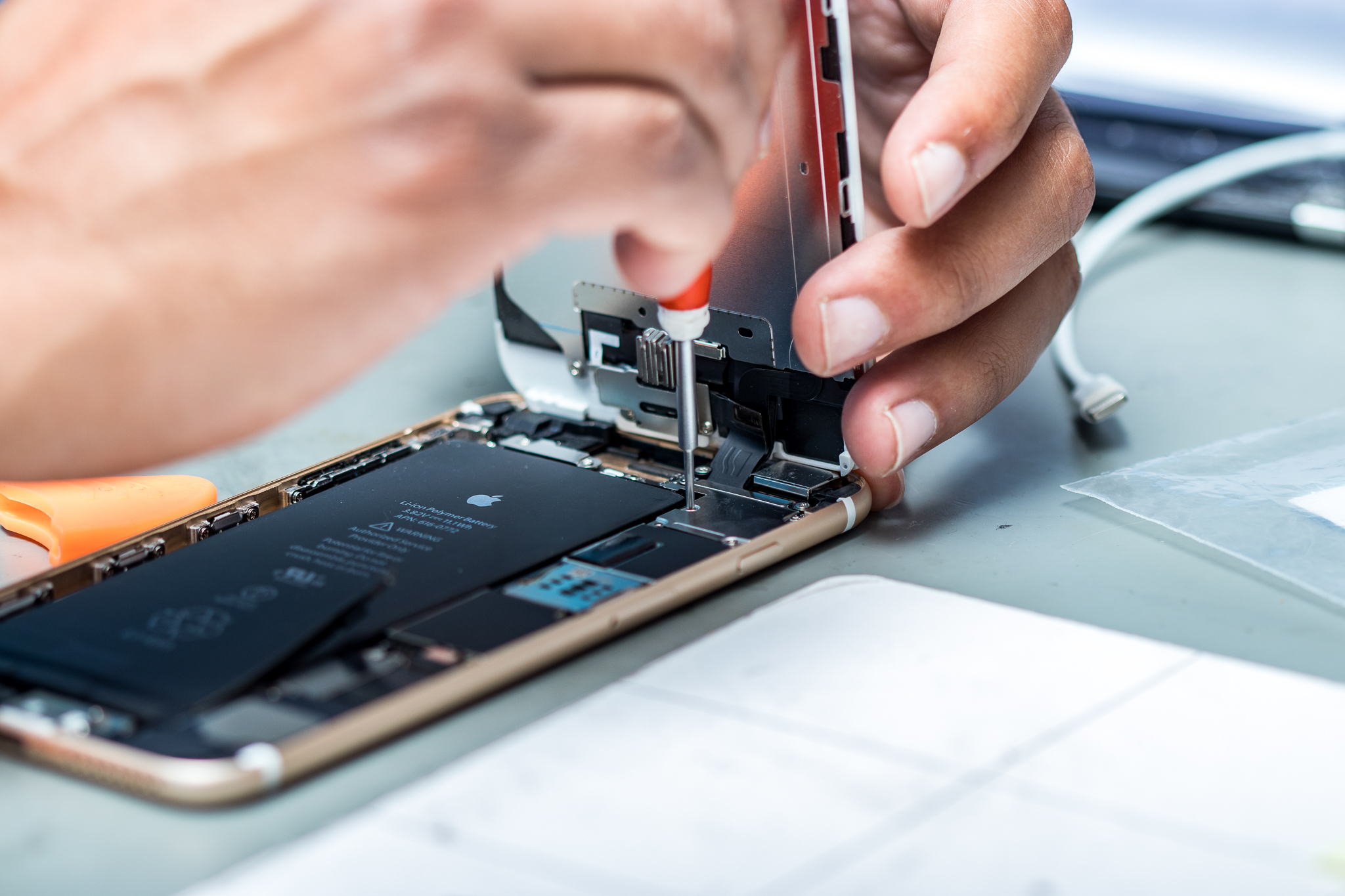
    Apple “repaired” (most likely just swapped them for refurbished ones) and returned 1,493 of the more than three thousand fake iPhones that were sent to its service before it got an alert that something was amiss on a grand scale. When the situation was raised with Apple’s fraud department in the summer of 2017, they sent Jiang two cease-and-desist orders to stop the scheme but got no response, presumably since the notices were sent to Zhou’s listed address.

    It’s not clear if the fraud alert came within Apple, or the port authorities that have been investigating suspicious bulk iPhone shipments from China since the spring of 2017 but in any case, the scheme started falling apart for the two Chinese on an engineering student visa. Zhou’s lawyer claims that his client will be “vindicated” as he did not know that the iPhones sent to him from China were counterfeit, and thought he was simply taking a cut for a service.

    Ditto for Jiang, who has been accused of wire fraud, as well as trafficking in counterfeit devices, so we’ll see if Apple manages to retrieve anything from the scheme, considering that the repaired real iPhones have already been sent to the vast Chinese prairies.

  • Android Q will bring an iconic Apple iPhone feature

    Android Q will bring an iconic Apple iPhone feature

    Introduced in 2015 with the Apple iPhone 6s and iPhone 6s Plus, 3D Touch allows iOS users to press the screen to see previews, details, and shortcuts. Some applications allow users to Peek and Pop. For example, you can get a preview of an address in the Maps app. That’s a “Peek.” Applying a little harder force will “Pop” you into the app. Note that for technical reasons related to the Liquid Retina display on the iPhone XR, that model does not feature 3D Touch.

    In Android 8 Oreo, Google added a long press gesture that allows Android users to see shortcuts related to certain apps. That feature was continued on Android 9 Pie. For example, press hard on the YouTube icon in either build, and you’ll see shortcut options that can take you to the app’s search feature, and a list of your YouTube subscriptions. Documentation for Android Q reveals that the next Android build will allow users to see the same information, only faster, with a “deep press.”

    Found inside documentation for MotionEvents is a statement that says a touch on the touchscreen can be classified as a “deep press” when a user presses harder on the screen intentionally. This will “accelerate the long press behavior.” In other words, a “deep press” will reveal the same information as a long press, only quicker. Unlike 3D Touch, it doesn’t appear that Android devices will be able to distinguish between a light press, a medium press, and a hard press.

    Google could turn to algorithms to determine whether a user is using enough force to count a touch as a “deep press.” Or, the new feature might require specialized hardware. Either way, we could hear more about this during Google I/O. The annual developer conference will run from May 7th through May 9th. During the conference, Google traditionally reveals new features that will be found on the upcoming Android build.

    Just the other day, Google disseminated the second beta preview for Android Q. This included a foldable device emulator to help developers see how their apps will look on one of the new foldable phones that will be released soon. That includes the Samsung Galaxy Fold, due out on April 26th, and the Huawei Mate X. That model will be launched sometime this summer. Another feature called Bubbles allows you to take the functionality of certain apps with you from screen to screen on Android Q.

    Google plans on releasing six beta versions of Android Q with the final version scheduled to drop during the third quarter. If you have a Pixel handset, you can quickly sign up to receive the Android Q beta versions OTA. Simply head to the Android Beta for Pixel website and click on the Devices tab. Scroll down to “Your Eligible Devices” and tap the Opt-in button. Expect to wait up to 24 hours before the update arrives. When you’re ready to return to the public version of Android, repeat the process and tap on the Opt-out button. Keep in mind that the beta versions of Android are unstable and many of the features that you might depend on could fail to work. As a result, you might want to think twice before signing up to receive the Android Q beta previews.

  • Massive iPhone XR price cut in India

    Massive iPhone XR price cut in India

    While Apple continues to dominate the paramount US smartphone market in terms of both sales numbers and profits, the company’s trouble across two other key regions seems to be intensifying rather than ameliorating. Of course, the Cupertino-based tech giant is not sitting idly by as the likes of Huawei, Xiaomi, and even OnePlus are rendering its brand irrelevant in China and India, fighting back with long overdue price cuts.

    Following an unprecedented such move in the world’s largest smartphone market a few months back, Apple is reportedly discounting the iPhone XR in India right now by the equivalent of several hundred US dollars. Namely, a whopping $250 or so (17,000 rupees), which actually doesn’t make the company’s entry-level 2018 iPhone model quite as affordable as you might imagine.

    That’s because the iPhone XR was released in the region at a starting price of Rs. 76,900, equating to more than $1,100, which sounds ridiculous even by Apple’s standards. After the new discount is applied, the LCD-sporting 6.1-incher will cost Rs. 59,900 at authorized retail partners, which converts to $870 or so. That’s still more than what US buyers are typically charged, although the comparison is obviously not entirely fair.

    At the same time, it’s definitely worth pointing out that the Samsung Galaxy S10e starts at a lower recommended price of around 56,000 rupees ($810), no deals needed. As for the OnePlus 6T, which is one of the most popular “premium” handsets in India, it’s pretty obvious Apple has no intention to go as low as 38,000 rupees ($550) anytime soon.

    Still, this regional iPhone XR price cut could be the beginning of a beautiful global comeback for a company that must find ways to stop its recent sales decline. More iPhone discounts are likely to come to India in the near future as Apple ramps up local production of both lower-end and ultra-high-end models like the XS and XS Max. Speaking of, the iPhone XS Max continues to go for a preposterous $1,600 or so (Rs. 109,900) in a 64GB configuration. No wonder a measly 1.7 million iPhones were shipped in total in India last year.