Tag: iphone

  • Apple reportedly has plans to bypass carriers and deliver data itself to the iPhone

    Apple reportedly has plans to bypass carriers and deliver data itself to the iPhone

    In five years, Apple iPhone and iPad users might be able to receive online content on their phone directly via satellite and bypass their wireless carrier. According to Bloomberg, the company has a secret team involving 12 engineers currently working on such a project. Sources cited by Bloomberg caution that the project is in its early stages and could still be dropped. But with company CEO Tim Cook taking an interest in the project, it is clear that satellite delivery of online content is high on Apple’s to-do list.

    Besides using satellites to beam the internet directly to iPhone units, Apple could be looking into the use of satellite technology to provide iPhone owners with improved navigation and mapping capabilities. It is unclear whether the company plans on developing its own satellites, which would be a rather costly endeavor, or will use the equipment on the ground to send data obtained by a satellite and send it to iPhones and iPads.

    The project might not be limited to Apple’s mobile devices and could actually be a workaround allowing Apple to become a wireless operator. This would allow the company to take on the carriers worldwide. While this was something that the late Steve Jobs was hoping to accomplish, back in 2016 Tim Cook said that the company didn’t have the expertise on a network level. But using satellites might be a different story. However, this won’t be easy. “The lessons of prior failures like Iridium, Globalstar and Teledesic are that it’s really hard to find a viable business plan for multibillion-dollar satellite communications projects,” said satellite expert Tim Farrar, a principal at TMF associates. But Apple must feel confident that it can turn a buck with this technology. Apple isn’t the only tech company looking at the sky; Amazon plans on deploying more than 3,000 satellites that will first be sent into space in 2021. In a regulatory filing, Amazon said that it hoped to connect “tens of millions of unserved and underserved consumers and businesses in the United States and around the globe.”

    Some have noticed that Apple is looking for software and hardware engineers that have worked on designing components for communications equipment. Pair that with recent hires made by Apple of people with experience in the aerospace and wireless data delivery industries and it all starts to become a little clearer. The team working on the project is led by aerospace engineers Michael Trela and John Fenwick. The pair worked on a satellite imaging firm that was eventually sold to Google five years ago and they ended up running Google’s satellite and spacecraft operations before leaving for Apple in 2017. After spending 18 months examining whether Apple could benefit from satellite technology, the team has started work on making this a reality. Both Trela and Fenwick report to Apple’s iPhone engineering group.

    Apple’s work on the use of satellites to deliver content to mobile devices is one of several special projects that the company is reportedly working on. Virtual reality and augmented reality headsets are said to be in the works with launches expected in 2021 and 2022 respectively. Bloomberg also mentions that Apple continues to work on technology for the Apple Watch that will allow the timepiece to provide non-invasive blood glucose readings for diabetics. This is a project that we have mentioned from time-to-time. And the company is also planning to design its own modem chips which will allow it to replace Qualcomm. Even though Apple spent $1 billion to purchase Intel’s smartphone modem business earlier this year, it will still be several years before an Apple-designed modem chip is found inside the iPhone.
  • iPhone 11 orders double that of iPhone X in Vietnam

    iPhone 11 orders double that of iPhone X in Vietnam

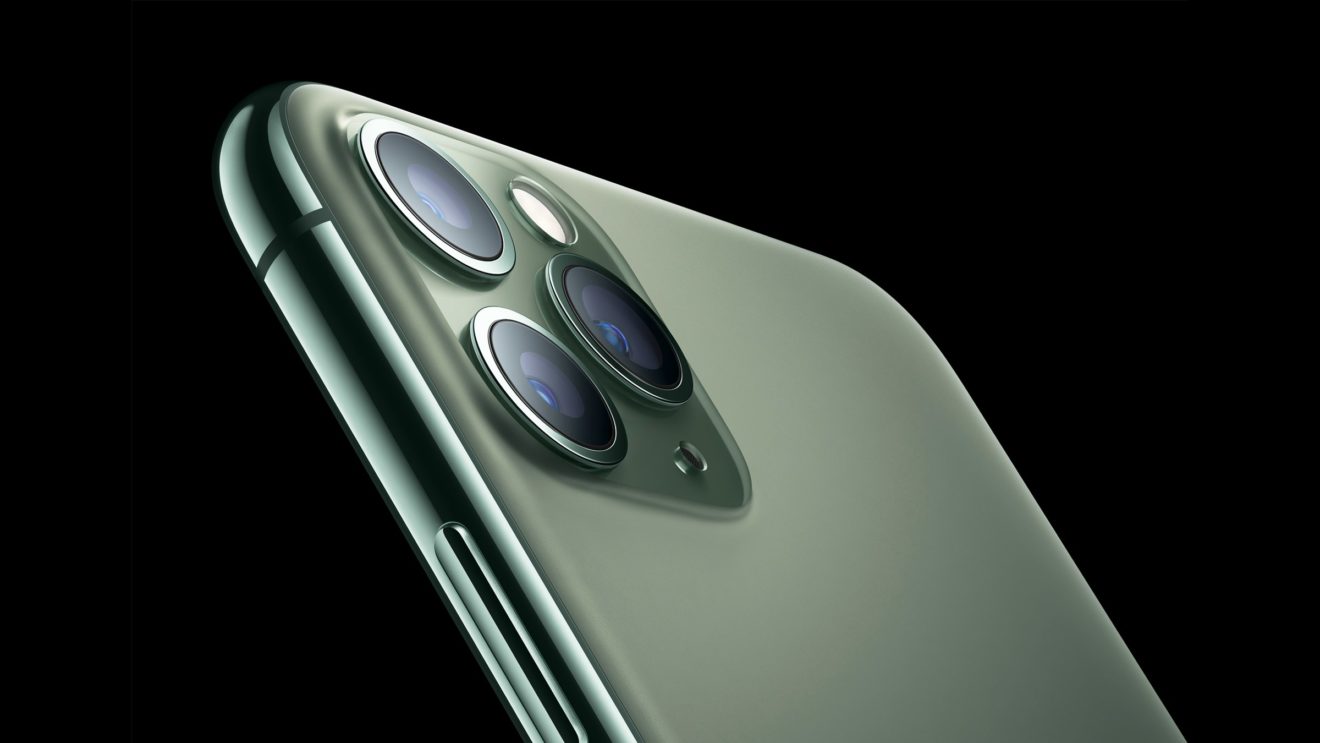
    Orders for iPhone 11 models soar to twice that of iPhone X last year, with more customers preferring authorized resellers for post-sale services. As of October 31, data from electronics chain FPT showed that customers have put down deposits for 12,300 iPhone 11 models, 2.5 times that of iPhone XR, XS and XS Max last year.

    In major chain Mobile World, customers have put down a deposit for 6,000 new iPhone 11 models, three times that of iPhone X last year. Another chain, CellphoneS, received 2,500 orders with deposits, twice that of last year.

    The iPhone 11 was officially released in Vietnam on Friday via authorized resellers. FPT said it could deliver up to 5,000 devices on Friday alone. Industry insiders say official iPhone 11 orders have reached a new peak in Vietnam, with the total number of these three major chains already surpassing 20,000 devices, higher than in previous years.

    Many Vietnamese are used to buying iPhones via unofficial channels, mostly hand-carried on overseas flights. There is a change in this trend, with the increase in official channel orders showing customers care more about post-sales services such as the one-year warranty from Apple. Data from the chains also show that iPhone 11 Pro Max is the most favored model, accounting for half of all orders, followed by iPhone 11. Only 10 percent of buyers ordered the iPhone 11 Pro.

    At authorized resellers, the iPhone 11 is priced from VND22 million ($951), the iPhone 11 Pro, VND31 million ($1,340) and the iPhone 11 Pro Max, VND38 million ($1,643). Apple’s market share in Vietnam fell to 5.6 percent in September, its lowest level this year, with buyers apparently waiting for the new iPhone 11 models, according to a report by market research firm GfK.

  • Instagram gives iPhone users more control over data they share with other apps

    Instagram gives iPhone users more control over data they share with other apps

    Instagram is doing what Facebook did a long time ago, it gives users more control over the data they share with third-party apps. New in-app features are available starting today for iPhone users, which allows them to protect the data they share on Instagram.

    Many third-party apps ask you to connect with your Instagram account to provide you with services or additional features. After connecting your account to a third-party service, you may grant them access to some of your profile information, including usernames and photos.

    With the new features introduced today, Instagram is making it easier for people to manage all of the third-party services they connect to their accounts. You can do that by going to Settings in the Instagram app, then Security, tap Apps and Websites and should you see a list of any third-party services that are connected to your Instagram account.

    The list includes the option to remove any third-party service that you no longer wish to have access to new data on your Instagram account. Apart from the option to remove third-party services, Instagram also added an updated authorization screen that lists all the info that these apps request to access. You will then have the option to “cancel” or “authorize” the access directly from the authorization screen.

    Instagram announced these updates will be rolling out gradually over the next six months, so it looks like it will take quite a lot of time for everyone to be able to use them.

  • Hulu update brings offline downloads to iPhone users

    Hulu update brings offline downloads to iPhone users

    After making its mobile app more accessible to users, Hulu announced another important update that brings a much-requested feature: offline downloads. Whether you’re planning to travel or just want to be sure that you have your favorite TV shows with you at all times, you can now watch Hulu whenever you wish with this new feature.

    The bad news is it’s only available for iOS users, but Hulu says that offline downloads will come to Android users “soon,” so we’re confident that it won’t take too long for the company to bring the feature to a larger audience.

    So, available today on iOS for views on Hulu (No Ads), the new feature allows you to download thousands of shows and movies, including past seasons of hits series like Family Guy, Desperate Housewives, and ER, as well as Hulu Originals such as The Handmaid’s Tale.

    To use the new feature simply head to the Downloads tab at the bottom of the screen and you should be able to access any downloaded content. Make sure to tap the “See What’s Downloadable” tab to browse through all the titles that you can take with you on the go.

    Keep in mind that not all content on Hulu is available for download, so if you’re looking for a specific title, you’ll see a download icon on the details page if it’s available for download.

    Hulu also confirmed that users can download up to 25 titles across 5 different devices. Also, you’ll have up to 30 days to watch the content that you downloaded. Finally, for watched content, the download will expire two days after starting playback, but you’ll be able to renew an expired download when online if the content is still available on Hulu.

  • Apple unveils cheaper iPhones to combat market decline

    Apple unveils cheaper iPhones to combat market decline

    Apple this week unveiled a cheaper generation of smartphones after several consecutive quarters of declining iPhone sales.

    So far this fiscal year, iPhone sales have fallen 15 per cent in Apple’s first quarter, a further 17 per cent in its second quarter and 12 per cent in its third quarter.

    The cheapest version of the new iPhone 11 model starts at $1199 – below the retail price of its predecessor, the iPhone X, which at full price sells for almost $1500. Customers can trade in their old model phone at Apple stores to receive a discounted price of $849.

    Apple is also launching a ‘pro’ version of the phone with extra features, which starts at $1749, or $1899 for the ‘pro max’ version with a larger screen.

    While the pro and pro max phones are geared toward high-end buyers, the comparably cheap iPhone 11 could go some way toward converting customers who have postponed purchasing a new phone for the past year or two.

    Australian retailers have been feeling the sting of falling consumer spending, as shoppers become more selective about how they spend their money, and are scrutinising high-cost, low-margin products that fail to move.

    Myer stopped selling Apple phones in May as part of its shift towards profitable sales.

    “Myer has made it clear that it will not chase unprofitable sales, and has made this decision as we could not reach acceptable commercial terms that were in the best interest of the company and shareholders,” a Myer spokesman told SMH at the time.

    “This decision is also about ensuring space in our stores is utilised in the most productive and effective way for the company.”

    Apple earlier this year said slowing sales of its flagship phones were largely due to economic weakness in some emerging markets, noticeably Greater China.

    According to Apple chief executive Tim Cook, while the retailer anticipated challenges, it didn’t foresee the magnitude of economic deceleration seen in these markets, and experienced lesser sales even in larger markets.

    “While Greater China and other emerging markets accounted for the vast majority of the year-over-year iPhone revenue decline, in some developed markets iPhone upgrades were also not as strong as we thought they we would be,” Cook said.

    “While macroeconomic challenges in some markets were a key contributor to this trend, we believe there are other factors broadly impacting our iPhone performance, including consumers adapting to a world with fewer carrier subsidies, US dollar strength-related price increases, and some customers taking advantage of significantly reduced pricing for iPhone battery replacements.”

    Apple also announced revisions of its iPad and Apple Watch products, alongside the announcement that its TV streaming service, Apple TV+, will be available November 1st.

    Apple’s stock price rose 1.1 per cent after the announcements to US$216.7 per share.

  • Apple’s taking a conservative approach to 2019 iPhone production orders

    Apple’s taking a conservative approach to 2019 iPhone production orders

    The iPhone 11 series is just one week away and analysts from Cowen and Rosenblatt Securities believe Apple is adopting a pretty conservative approach this year when it comes to orders.

    The overall number of units ordered this year from Apple’s assembly partners isn’t thought to be much higher than what was requested twelve months earlier. Specifically, Cowen’s source suggests Apple is planning to manufacture a total of 65 million units for the fourth quarter of 2019 which is considered “flat” year-over-year. This figure consists of 47 million iPhone 11 units and 18 million combined units of older models such as the iPhone XS and iPhone 8.
    Looking at the entire second half of 2019 in terms of manufacturing volume, it’s believed Apple has ordered 79 million iPhone 11 units which is actually down 7% from the 85 million iPhone XS & XR units it ordered last year. Cowen believes the lower production rate is an attempt to better handle excess inventories as Apple heads into 2020.
    From what can be gathered, Apple’s biggest focus right now in terms of production seems to be successfully serving the North American market before mid-December when tariffs on Chinese imports are set to be applied. According to Rosenblatt, the California-based company is yet to make any changes to iPhone 11 Pro and iPhone 11 Pro Max manufacturing levels because it’s “already been aggressive enough to build inventory for the North American market.” However, Apple reportedly sped up production for the iPhone 11 (R) in August because of anticipated higher sales.
    Once December passes both new and old iPhone models imported from China will automatically be subject to the new 15% import tariff. The impact of this should be split between Apple and its supply chain partners although the “rapid depreciation” of China’s currency that’s gradually lowering manufacturing costs should help offset the added cost for Apple slightly. Nevertheless, it’s still expected to impact the company’s bottom line and may result in weaker Chinese iPhone sales as local customers retaliate.
    Consumers in the US aren’t presently expected to see any price increases but the threat certainly exists. This could lead to a sudden spike in demand by consumers attempting to avoid the tariffs which may result in a “stronger than seasonally normal” quarter for Apple, according to Rosenblatt.
    The iPhone 11 (R), iPhone 11 Pro, and iPhone 11 Pro Max or whatever Apple chooses to call them will all be announced next Tuesday, September 10. Last year Apple opted for a staggered release wherein the iPhone XS Max series arrived in September and the cheaper iPhone XR followed in October but this year all smartphones are expected to launch simultaneously on Friday, September 20. To ensure an early delivery, Apple should open up pre-orders a week earlier on Friday, September 13.
    When it comes to pricing the 2019 iPhone lineup is rumored to be no different to last year’s. The cheaper iPhone 11 will apparently stick to the $749 price tag while the premium iPhone 11 Pro looks set to land at $999. The iPhone XS Max’s replacement, on the other hand, should retail at $1,099. The standard models should feature 128GB of storage although 256GB and 512GB variants that retail at higher prices are to be expected too.
    Finally, in regards to colors, the iPhone 11 will reportedly be sold in black, white, red, yellow, green, and lavender. The iPhone 11 Pro and Pro Max, on the other hand, may launch in Gold, Space Gray, Silver, and a new dark green shade.
  • The success of the iPhone keeps Apple from moving production out of China

    The success of the iPhone keeps Apple from moving production out of China

    With U.S. President Donald Trump willing to tax U.S. companies and consumers into a recession, Google apparently is ready to move the production of its Pixel handsets and smart speakers out of China and into Vietnam and Thailand respectively. Apple has yet to announce a move away from China although reports earlier this year indicated that it was looking to shift 30% of its manufacturing out of the country. And yes, Vietnam is one of the regions that many believe will end up home to some of Apple’s manufacturing facilities-eventually. But this won’t happen overnight; finding a trusted supply chain and trained workers take time.

    Apple does have an incentive to move its production out of China; starting on December 15th, the iPhone will be included in a group of products from China that will be taxed at 15% when imported into the states. Originally, the tariff was supposed to start on September 1st, but President Trump didn’t want the Christmas holiday season marred by slower growth due to the tariffs. However, the Apple Watch and the AirPods face a 15% tax starting on September 1st.

    Apple could decide to eat all or some of the tax or pass all or some of it on to consumers in the form of higher prices. Considering that 13.8% fewer iPhones were sold to consumers globally during the second quarter (year-over-year), Apple might decide to absorb the additional costs for now.

    While Apple does produce a small number of iPhones in India, this was originally done to escape an Indian import tax that might have made it hard for consumers in the country to buy an iPhone; while it is the second-largest smartphone market in the world, India is a developing country after all. But what is frightening to consumers worried about higher iPhone prices is that the tech giant is becoming more reliant on its manufacturing facilities in China. According to Reuters, Apple has added far more factories inside the country than out of it. It’s main contract manufacturer Foxconn has expanded from 19 Chinese factories in 2015 to 29 this year. And Pegatron, another company paid by Apple to assemble its products, has gone from 8 plants in the country to 12 over the same time period.

    And supply chain data calculated by Reuters shows that Apple is pretty much still committed to China. 44.9% of Apple’s suppliers were in China back in 2015, a figure that has actually risen to 47.6% this year.

    “The vast majority of our products are kind of made everywhere. There is a significant level of content in the United States, and a lot from Japan to Korea to China and the European Union also contributes a fair amount. … I think that will carry the day in the future as well.”-Tim Cook, CEO, Apple

    If you’re wondering why Google can easily shift Pixel production from China to Vietnam and Apple can’t, it is a matter of scale. Even after doubling the number of Pixel handsets to be assembled this year, Google is building only 8 to 10 million phones in 2019 which is a drop in the bucket compared to the number of iPhones that Apple churns out in the course of a year. So Apple needs a larger supply chain with companies that it can trust to deliver in the quantity and quality it needs for the iPhone. But the company might have no choice but to keep iPhone production in China. According to Dave Evans, CEO of San Francisco supply chain firm Fictiv, there are only a few places outside of China that can produce 600,000 phones a day. In other words, the success of the iPhone is what is keeping Apple in China despite the tariffs.

  • Apple sold 13.8% fewer iPhones during the second quarter

    Apple sold 13.8% fewer iPhones during the second quarter

    The global smartphone market continued to languish during the second quarter according to the latest report from Gartner. 367.9 million units were sold to end-users during the three month period from April through June, down 1.7% from the 374.3 million units rung up during the same period last year. The analytical firm’s senior research director Anshul Gupta notes that high-end models have experienced a harsher slow down in demand than low and mid-range handsets. To generate upgrades, Gupta says that manufacturers are trying things like bezel-less displays, multi-camera setups in back and front and larger capacity batteries.

    Samsung remains King of the smartphone world after selling 75.11 million handsets during the quarter. The company’s market share rose year-over-year from 19.3% to 20.4%. Huawei’s sell-through of 58.06 million phones gave it a 15.8% slice of the global smartphone pie. The company had hoped to be on top of this list by the fourth quarter, but its placement on the U.S. Entity List makes that a long shot. Huawei is not allowed to access its U.S. supply chain, although U.S. suppliers have a second 90-day window to help the company service its existing customers and update certain smartphone models. Despite the ban, Huawei sold 16.5% more units during the period, compared to the same quarter last year.

    Gartner’s data shows Apple selling 38.52 million iPhones during the quarter, down 13.9% from the 44.72 million units it sold during last year’s second quarter. The company no longer reveals this data during its quarterly earnings report but does release a breakdown of revenue. For the calendar second quarter (Apple’s fiscal third-quarter), iPhone revenue declined 12% and represented less than 50% of the company’s total revenue for the first time since 2012. According to Gartner, the iPhone accounted for 10.5% of smartphone sales during the three-month period.

    If Apple continues to struggle with iPhone sales, it will soon be surpassed by Xiaomi. The latter sold 33.19 million phones globally from April through June, representing 9% of the market. Oppo finished fifth after selling 28.11 million phones in the quarter, giving it 7.6% of the smartphone market.

    “Strong demand for Samsung’s new Galaxy A series smartphones and the revamp of its entire entry-level and mid-range smartphone range helped this positive performance. Demand for Samsung’s flagship Galaxy S10 started to weaken during the quarter, however, indicating that achieving growth in 2019 as a whole will be a challenge…too few incremental benefits are preventing existing iPhone users from replacing their smartphones”-Anshul Gupta, senior research director, Gartner

    The struggling smartphone industry is a worldwide phenomenon. Gartner points out that of the top five smartphone markets in the world, only China and Brazil showed growth on an annual basis. China remains the top market in the world for connected handsets with sales of 101 million units during the quarter, a small gain of 0.5% Sales in the country benefitted from lower prices as vendors looked to get rid of their inventories of 4G LTE phones with more 5G models made available. The 10.8 million smartphones sold in Brazil from April through June was 1.8% more than the number rung up in the country during the same time period last year. In India, the world’s second largest smartphone market, 35.7 million phones were sold during the quarter. That was a 2.3% decline on an annual basis as fewer consumers in the country decided to upgrade from a feature phone to a smartphone.

    Gartner says that smartphone sales will remain weak for the rest of the year and that a total of 1.5 billion handsets will be sold to end-users during 2019.

  • Apple iPhone 11 suppliers are reporting low component orders

    Apple iPhone 11 suppliers are reporting low component orders

    Despite recently setting a revenue record for the April-June quarter, Apple’s iPhone business hasn’t been doing too well lately. The arrival of new iPhones in September will inevitably help improve the situation but suppliers are receiving low orders for the iPhone 11.

    Citing “industry sources,” today’s report says the order momentum for touch panels and other iPhone components has so far “been weak.” Apple is currently gearing up for mass production but the “low order visibility” ultimately suggests the company is forecasting combined iPhone 11 sales that could either be on par or below those of the iPhone XS and XR devices.

    Bloomberg recently reported a similar situation. According to Mark Gurman, Apple has ordered an initial batch of 75 million combined iPhone 11, iPhone 11 Max, and iPhone 11R units. The figure is roughly the same as a year earlier and suggests Apple is preparing for flat year-on-year sales. But if everything goes to plan, overall revenues should be up thanks to better performance by the Wearables, iPad, and Mac businesses.

    Apple often diversifies its supply chain as much as possible but this year it’s expected to take things to the next level in light of the current trade war between the US and China. Because of this, there’s no guarantee these reports about orders paint the entire picture. However, considering the iPhone 11 lineup isn’t expected to bring any groundbreaking changes, there’s also no reason to believe there will be a sudden boost in demand.

    For those of you that aren’t yet aware, all 2019 iPhone models will be virtually indistinguishable from their direct predecessors when it comes to the front panel. Reports suggest Apple has plans to retain the 5.8-inch and 6.5-inch OLED displays used on last year’s iPhone XS series and the 6.1-inch LCD found on the iPhone XR. As a direct result of this, Apple’s controversial notch will remain unchanged for another year.

    Despite the lack of physical changes upfront, reports suggest there will be some important upgrades. Specifically, the 7-megapixel selfie camera will be replaced by an all-new 12-megapixel sensor and Face ID will benefit from updated components that’ll allow it to work at shorter distances and wider angles. It is, however, still unclear if Apple’s new Face ID system will support horizontal or upside-down unlocking like the upcoming Pixel 4.

    Moving over to the rear, numerous leaks suggest Apple will be adopting a totally redesigned camera setup. Both the iPhone 11 duo and the iPhone 11R will feature square-shaped modules in the top-left corner which house the new cameras. All three smartphones will feature a main 12-megapixel sensor and a second one of the same resolution that boasts a 2x telephoto zoom lens. These shouldn’t differ too much from the iPhone XS cameras.

    To help make the iPhone 11 and iPhone 11 Max more competitive, Apple is also planning a third camera. This sensor should also offer a 12-megapixel resolution but it’ll reportedly arrive paired with a new super-wide-angle lens that’ll permit a new feature called Smart Frame. This captures the area around the framed area in pictures and videos, therefore giving users the ability to adjust framing or perform crop corrections after a photo has been taken. The extra information will be retained for a short period of time and eventually deleted automatically.

    The iPhone 11 series is expected to go official in early September alongside the Apple Watch Series 5 and 10.2-inch iPad. Pre-orders are expected to kick off Friday, September 13. As for the release date, Apple’s previous launch schedules suggest the new models will be available on Friday, September 20.

  • Apple iPhone revenue drops significant

    Apple iPhone revenue drops significant

    Apple this afternoon reported its fiscal third-quarter earnings covering the three month period from April through June. The company said that iPhone revenue hit $25.99 billion during the quarter, down from the $29.47 billion it recorded one year ago. That is a 12% decline on an annual basis and was lower than Wall Street expectations. For the nine months ended in June, Apple rang up $109 billion in handset revenue versus the $128.1 billion it took in over the same period in 2018.  It was the first time since 2012 that Apple’s iPhone sales failed to make up 50% or more of the firm’s revenues for a quarter. During the fiscal third quarter, sales of the iPhone contributed 48.3% to Apple’s total revenue of $53.8 billion.

    Sales of the Apple iPad continue to do better than the tablet market as a whole. During the company’s fiscal third quarter, revenue attributed to the device rose from $4.63 billion to $5.02 billion. Last quarter, the iPad recorded its strongest revenue growth in six years. The turnaround started with the release of two new iPad Pro models last year and a new iPad Air and new iPad mini this past March.

    Apple is expecting its Services unit to help make up for the sluggish performance of the iPhone. The tech giant is banking on a large number of active iPhone users to take this unit to $50 billion in revenue next year. For the latest quarter, the division grossed a record $11.5 billion compared to the $10.2 billion it generated last year. This unit, Apple’s second-largest and it’s most profitable, includes recurring subscription services such as Apple Music, Apple News+ and the upcoming Apple Arcade. It also includes AppleCare, ApplePay, the App Store, iCloud and more.

    Led by the AirPods wireless earbuds and the Apple Watch, the Wearables, Home and Accessories segment was extremely strong with sales of $5.53 billion during the three month period. During the same quarter last year, this unit took in $3.73 billion.

    Sales backed off in China as expected due to the strength of the dollar and the current trade war between the U.S. and China. And we can’t forget that some Chinese consumers are individually boycotting Apple to protest the placement of Huawei on the U.S. Commerce Department’s Entity List. The manufacturer’s inclusion on the list prevents Huawei from accessing its U.S. supply chain. For the quarter, Apple had sales of $9.16 billion in the country, down from last year’s $9.55 billion. Revenue also declined slightly in Europe to $11.93 billion while rising in the Americas ($25.06 billion), Japan ($4.08 billion) and the rest of the Asian Pacific Market ($3.59 billion).

    “This was our biggest June quarter ever — driven by all-time record revenue from Services, accelerating growth from Wearables, strong performance from iPad and Mac and significant improvement in iPhone trends. These results are promising across all our geographic segments, and we’re confident about what’s ahead. The balance of calendar 2019 will be an exciting period, with major launches on all of our platforms, new services, and several new products.”-Tim Cook, CEO, Apple

    “Our year-over-year business performance improved compared to the March quarter and drove strong operating cash flow of $11.6 billion. We returned over $21 billion to shareholders during the quarter, including $17 billion through open market repurchases of almost 88 million Apple shares, and $3.6 billion in dividends and equivalents.-Luca Maestri, CFO, Apple

    After the results were released, investors rushed to buy the stock. In after-hours NASDAQ trading, Apple is up $9.16 or 4.4% to $217.94. Once again, the company is closing in on a valuation of $1 trillion. Almost exactly one year ago, Apple became the first publicly traded U.S. company to reach such a lofty valuation.

    For its fiscal third quarter, Apple reported a net profit of $10.04 billion, down from $11.52 billion last year. Earnings per share on a diluted basis (all convertible shares accounted for) declined from 2018’s $2.34 to $2.18.

  • LG to supply flexible OLED displays for the iPhone XII in 2020

    LG to supply flexible OLED displays for the iPhone XII in 2020

    LG is being fast-tracked to become Apple’s second OLED display supplier for the iPhone XII models in 2020, breaking Samsung’s current monopoly. The E6 line in its Korean factory has reportedly been cleared for operation, and Apple hoped to get whatever quality yield LG can muster.

    Those would increase the average selling price of LG’s displays by 10% which is not an insignificant amount as far as these things go. Unfortunately, the number of OLED panels with the needed quality that LG’s conveyor belts are currently able to churn out is not very large.
    So far, LG panels have been used for repairs of the new iPhones, and with the inauguration of the E6 plant we might see some of the top quality batches make it in the 2019 iPhones. LG apparently won’t be fully ready to supplement Samsung before the 2020 crop, however. According to Jeong Seo-hee, chief financial officer of LG Display:
    In any case, with the help of Apple’s credit lines, LG should quickly be able to ramp up production, as the team from Cupertino is in a desperate need of at least one more OLED screen supplier to avoid the monopolistic prices that Samsung is charging.
    Rumors pegged an iPhone X panel to cost about $100, or about a third of the handset’s bill of materials, and we can only guess how much Samsung charges for the 6.5″ iPhone XS Max display, given that its Apple Repair charge alone comes up to $329.
  • iPhone loyalty drops to its lowest level in a long time as users flock to Samsung

    iPhone loyalty drops to its lowest level in a long time as users flock to Samsung

    Like many other major mobile device vendors, from Samsung to LG, Apple has seen its sales numbers decline recently, a trend that’s unlikely to be reversed anytime soon. But the Cupertino-based tech giant has largely relied on two things when maintaining a positive outlook. Namely, profit margins and loyalty rates.

    While companies like Samsung and Huawei still have a long way to go until catching up with Apple’s major cash cow, a new report compiled by BankMyCell suggests brand loyalty among iPhone owners might not be as impressive right now as just a couple of years back.

    Before sinking our teeth into this data collected from over 38,000 people in the last nine months, we should probably highlight brand and OS loyalty are significantly harder to measure objectively and accurately than things like shipment figures and profit margins. That’s why staggering differences can sometimes be found between similar reports released just six months apart.

    Case in point, iPhone loyalty sits at 73 percent today, according to BankMyCell, compared to 91 percent back in January, as per research conducted by CIRP (Consumer Intelligence Research Partners). Essentially, these numbers vary widely depending on who you ask and especially the sample size of your survey. Although the 38,000 aforementioned people represent a small piece of the US trade-in market, CIRP extrapolated its figures from a sample of only 500.

    With all that out of the way, let’s see if we can understand exactly what that 73 percent rate means. Basically, it means only 73 percent of those who traded in their iPhones since October 2018 chose a new model from Apple, with the other 27 percent instead picking an Android device. If that doesn’t sound too bad, you may want to contrast the number with the 92.3 percent loyalty rate of Samsung smartphone users.

    What’s even worse for Apple is that a whopping 18 percent of iPhone trade-ins migrated to a Samsung handset in June 2019 alone, presumably contributing to the box-office success of the Galaxy S10 family. Meanwhile, by using a combination of first and third-party data, BankMyCell claims iPhone loyalty has fallen to its lowest level in no less than eight years. The slide from as recently as 2017 is outright shocking, as 92 percent of iPhone users expected to stick with Apple just two years ago.

    While things might not be as bad in reality as this new report suggests, the enthusiasm of long-time iPhone owners to immediately upgrade to the next version has undoubtedly declined in recent years to a greater or lesser extent. You don’t have to dig very deep for a reason either, as the iPhone X, XS, XS Max, and XR have all racked up sales below expectations, failing to impress the masses with their designs and largely lacking groundbreaking new features.

    Of course, competition has also stiffened, as Samsung and other top Android brands have managed to make headlines with sleeker high-end designs and excellent price/quality ratios. Apple may need a major redesign to bring iPhone loyalty rates and sales numbers back up, but alas, it looks like we’ll have to wait until 2020 for that to happen.

    In the meantime, this fall’s iPhone 11 lineup will try to stand out primarily with a bunch of camera enhancements, although the new shooter arrangement remains just divisive enough to pose a big problem for Apple in terms of mainstream popularity.

  • New app blocks spam calls to your Apple iPhone

    Considering that 50% of the calls you receive on your smartphone this year could be from spammers trying to scam you, would you pay $3.99 a month to make the insanity stop? That’s how much a new app called Firewall charges to block spammers and scammers without these calls even reaching your voice mail. And the app provides users with an unlimited supply of fake numbers to trick spammer’s Caller ID if you decide to return a call.
    The Firewall website offers a two-week free trial for iOS users (an Android version is being prepped and you can arrange to be notified via email when it is ready). It uses the whitelist approach, which it says is the only way to guarantee that 100% of unwanted calls are blocked. Users will prepare the list of numbers that are allowed to go through, including the numbers on their contacts list.
    Subscribers forward their phone number to Firewall. When they receive an incoming call, Firewall determines whether it should go through to their phone or go to Firewall’s own voice mail feature. This determination is based on a member’s whitelist and Firewall’s multiple databases of known phone numbers used by spammers. If a call goes to Firewall’s voice mail, users get to read a transcription of the message left by the unknown caller just in case they want to call them back. If the subscriber does decide to return a call, Firewall will give them a fake number that will show up on the other party’s screen. And if members don’t want future calls from a particular number to be screened, that number can be easily added to their whitelist. If a subscriber is expecting an important call, Firewall can be paused for 10, 30 or 60 minutes with the tap of a button.
    Google gives Pixel, Moto G7, and Motorola One users the option of using the Call Screen feature. When a call comes in from an unknown number, those with these Android handsets can have Google Assistant answer a call while they read a transcription of the conversation in real time on the phone (or adjust the volume to hear the conversation between the Assistant and the caller). Users can join in the call at any time. And iOS 13 will be adding a new “Silence unknown callers” toggle that when enabled, will only ring through calls from numbers in iPhone users’ contacts list, email and Messages apps. For many smartphone owners, these features might be enough to help them combat spam calls without having to make monthly payments. But for those who want,/need the extra protection of using Firewall’s databases, fake numbers and voice mailbox, the service is now available.
    Firewall works with all four major U.S. carriers. But members do need to be mindful of the possibility that they will end up screening legitimate calls from companies not on their whitelist.
  • Apple Singapore to open in Jewel Changi

    Apple Singapore to open in Jewel Changi

    Apple Singapore is set to open its second store – at Jewel Changi on July 13.

    No other information, including the size of the store, was released. However, the company revealed that visitors can expect some brand new programming developed exclusively for the Jewel store, including a Magic of Jewel Changi Airport Photo Walk.

    This pathway will be around 500 meters and will allow attendees to explore Jewel’s attractions, such as its modern architecture, indoor gardens and its 40m waterfall.

    Attendees will learn how to take photos or videos of these attractions using an iPhone or iPad.

    A third Apple Singapore store will open at Marina Bay Sands, most likely late this year.

  • The iPhone XR 2 may have the best battery life of any iPhone

    The iPhone XR 2 may have the best battery life of any iPhone

    Tucked in an electronics industry report about the supplier of batteries for the upcoming iPhone XR sequel we find the actual capacity of the pack in the tentatively named XR 2. The source muses that Apple may be done with hardware and iOS optimizations, and seems to be now betting on larger battery packs to make its phones last longer on a charge, just like Samsung or Huawei are doing.

    The iPhone XR 2 battery pack orders are reportedly granted to China’s ATL (Amperex) which are the same guys that got the order for non-exploding Galaxy Note 7 packs after the infamous Samsung SDI batteries started catching on fire. The new battery capacity is said to be 3110 mAh, which would make the iPhone XR’s successor with the largest single-cell battery pack in an iPhone ever.
    While this is just a 5% increase over the 2942 mAh capacity in the iPhone XR, the XR 2 is also expected to come with Apple’s A13 processor made with a second generation 7nm process that should reduce battery draw further.
    Coupled with the new pack and the frugal display resolution, the iPhone XR (2019) should therefore last longer on a charge than the already best in that regard iPhone XR. It scored more than 11 hours of screen-on time in our grueling test, ahead of any iPhone we have tested so far. The XR 2 may very well break the 12-hour mark which would place it in a special endurance club of its own, and not only among phones in the iOS camp.
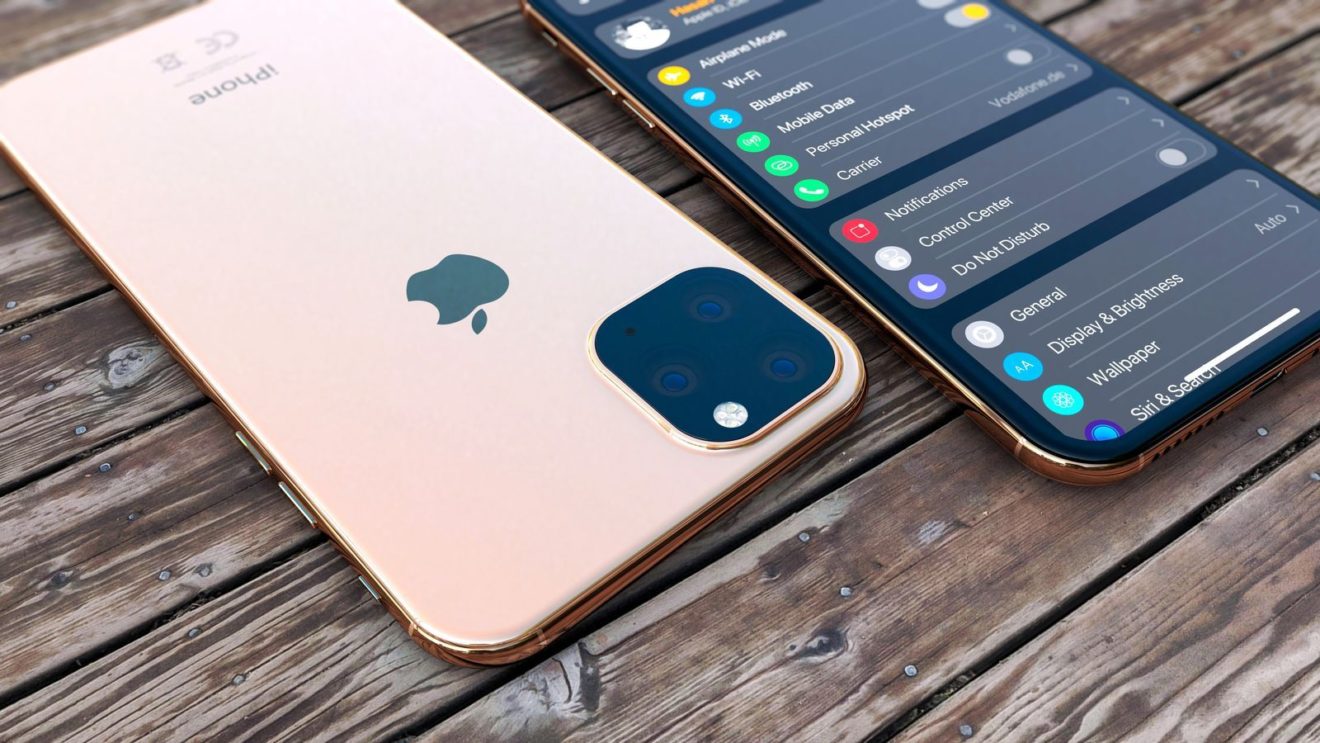
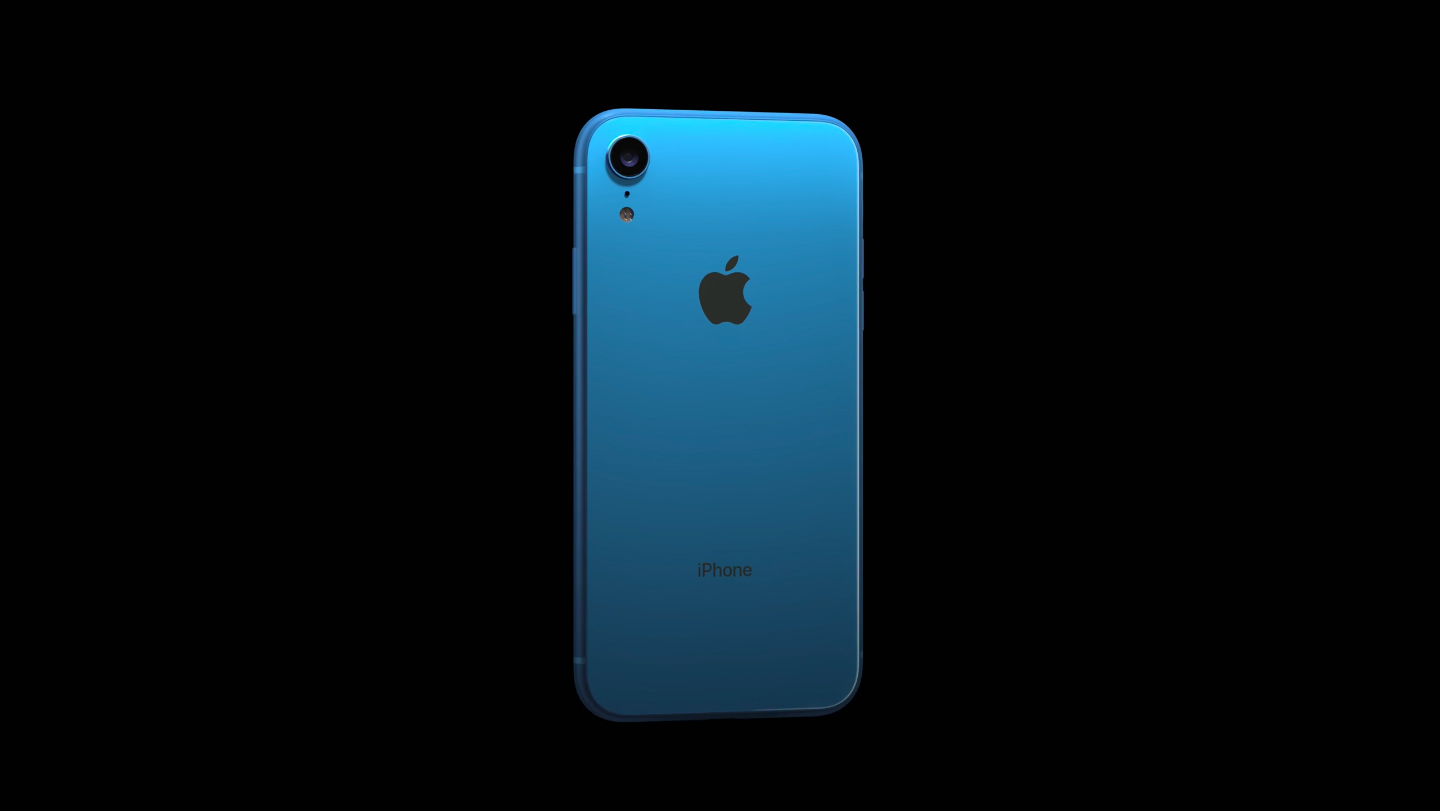
    Here’s how the iPhone XR (2019) may look like, as rendered by graphics artist Hasan Kaymak based on rumors, leaked CAD drawings, and analyst expectations.