Retail News CRM

Tag: iphone

  • Tim Cook slams Facebook in an interview, iOS 14.5 is coming to iPhone this month

    Tim Cook slams Facebook in an interview, iOS 14.5 is coming to iPhone this month

    Kara Swisher, “Silicon Valley’s most feared and well-liked journalist”, is back with another interview, part of the Sway podcast, produced by The New York Times Opinion Audio.

    This time, she spoke to one of the most powerful men in the world, who isn’t a Disney character, Tim Cook. The majority of the conversation revolved around data privacy and security, but the two also discussed tech, politics, Steve Jobs, Apple’s failed social media platform, Ping, as well as Tim Cook’s successor.

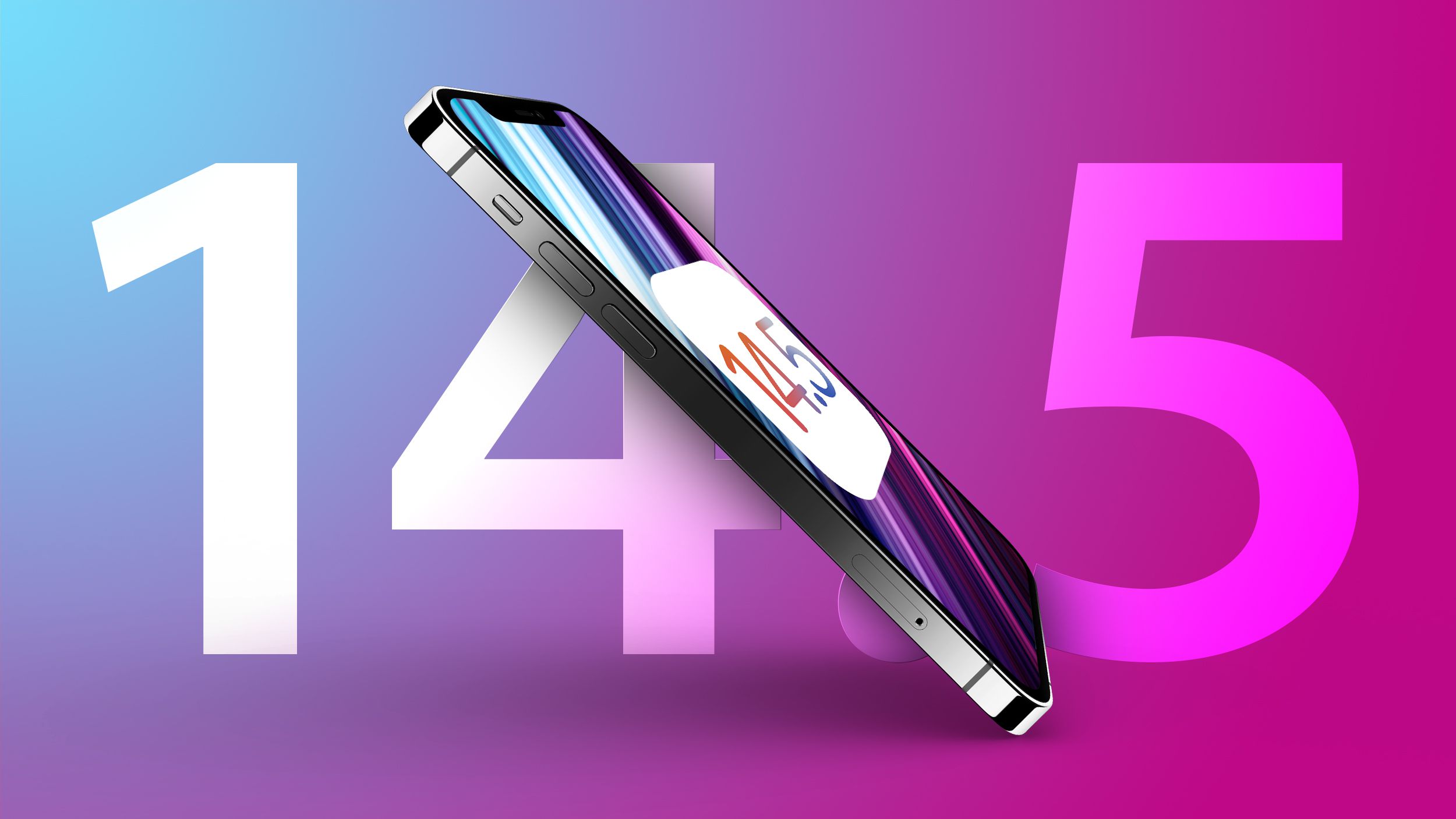
    The important news for the end-user, at least in the short term, is that iOS 14.5 is definitely coming out in just a few weeks (before the end of April), as promised by the company’s CEO.

    Cupertino is expanding on their already existing security features with ‘Privacy Nutrition Labels’, which will come to third-party apps. Cook explained what Privacy labels are, by comparing them to a nutrition label on foods, except Apple’s will tell you what kind of data the app developer wants to gain access to, instead of how much sugar it contains.
    His rationale was based on the fact that all privacy agreements are a few pages long, and people never read them. Privacy labels are supposed to solve this inconvenience, and we are fully on board for that!

    In fact, PL already exists within Apple’s own apps. You’ll see them upon setting up your iPhone, iPad, Mac, Apple Watch, or Apple TV, as well as before you start using an app for the very first time. Here’s a full list of them on Apple’s official website.

    Cook also talked about Apple’s relationship with Facebook, and app developers. He stated that he doesn’t see the social media giant as competition, and laughed when Swisher reminded him of Apple’s failed social network platform, Ping, which lasted two years between 2010-2012.

    In case you didn’t know, Apple’s being sued by a few big companies, such as Facebook, and Epic Games. Mark Zuckerberg and the company are suing in relation to the above-mentioned privacy features, which will become part of iOS very soon.

    Facebook isn’t happy with the fact that users will be ‘encouraged’ to turn off tracking, upon launching the Facebook app. Cook said he views privacy as ‘a basic right’, and wants to let people choose which information to share, and which not to.
  • Apple is moving up to 10% of iPhone 12 5G production to India

    Apple is moving up to 10% of iPhone 12 5G production to India

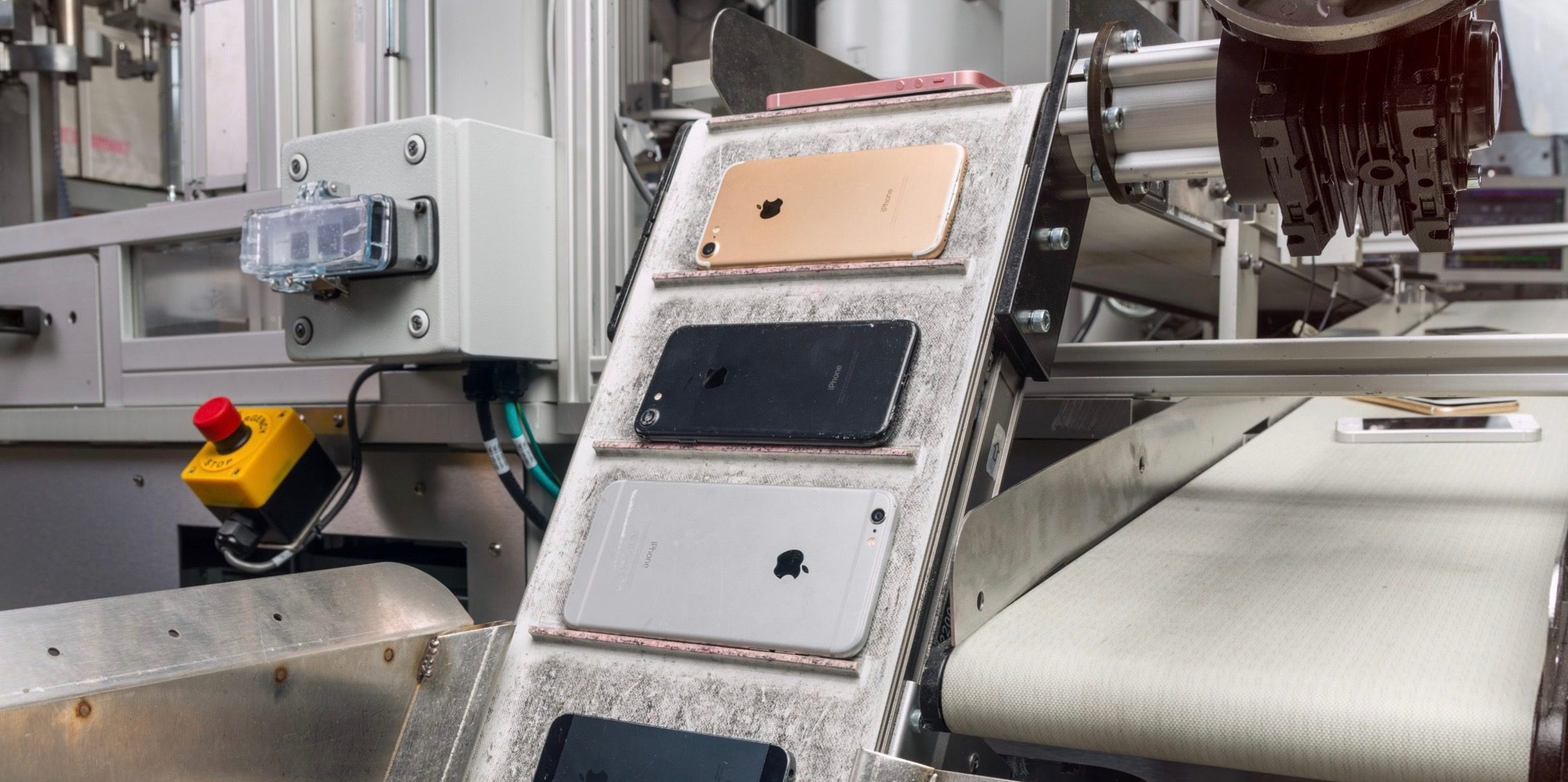
    Apple and its partners have already moved some iPhone 11 and iPhone XR production to India, and the iPhone 12 could too be manufactured in the region as the company looks to further reduce its dependence on China.

    iPhone 12 production is soon going to start in India, where devices for both the domestic market and export will be manufactured.

    The move means Apple will be able to avoid India’s hefty smartphone import tariffs. It might be able to lower the starting price of its flagship iPhone 12 in India as well, in turn providing a much-needed boost to its business.

    Apple doubled the size of its Indian business in the final quarter of 2020, but Tim Cook himself admitted that the company’s presence in the market is still very small considering its overall size.

    Apple’s initial goal is to shift between 7-10% of total iPhone 12 production to India from China. The Silicon Valley-based giant has discussed moving iPhone 12 mini production to India too, but a final decision is yet to be made.

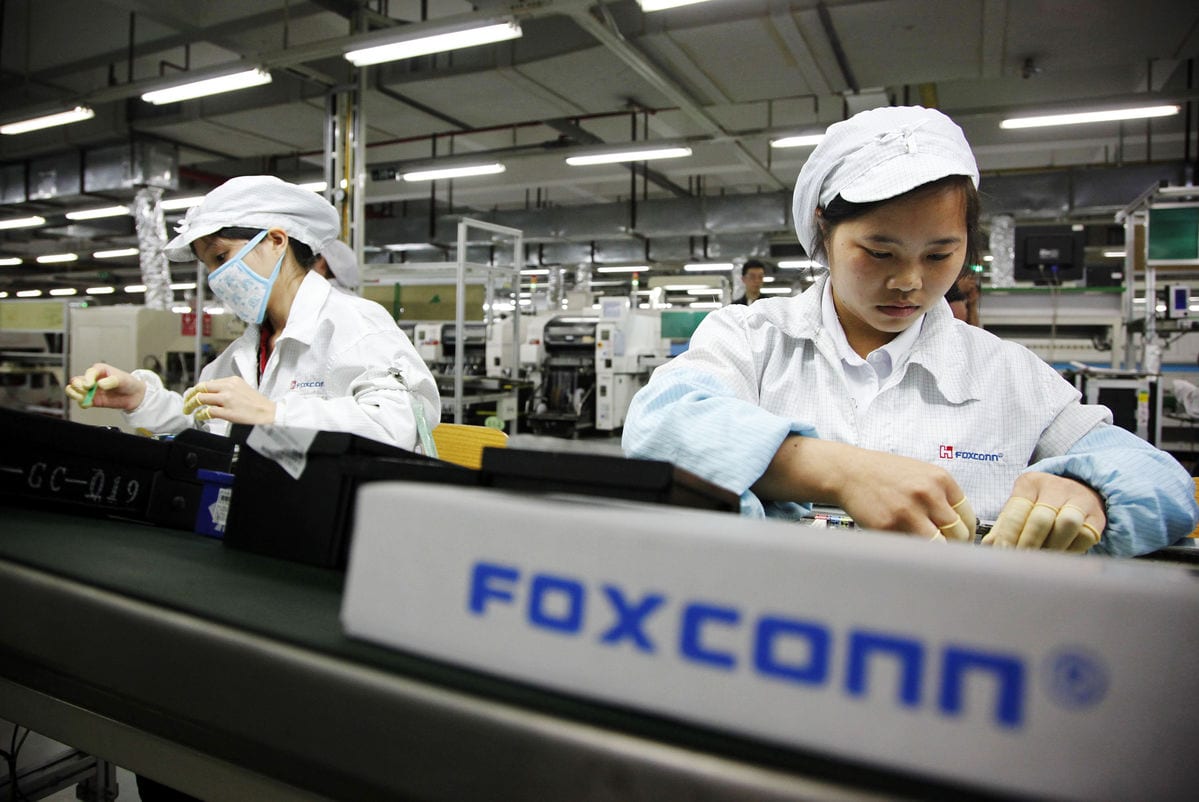
    Foxconn is leading these local efforts and is planning an expansion to its factory in Tamil Nadu, where two of the best cheap iPhones — iPhone 11 and iPhone XR — are assembled, to accommodate for Apple’s iPhone 12.

    Later in 2021, Pegatron is expected to start manufacturing the iPhone 12 in India too. However, partner Wistron doesn’t seem to be involved at this stage, likely due to recent riots at an Indian factory that led to it being put on probation by Apple.

  • Time to update your Apple iPhone, iPad, and Apple Watch

    Time to update your Apple iPhone, iPad, and Apple Watch

    Apple today released several updates including iOS 14.4, iPadOS 14.4, and watchOS 7.3. With the iPhone and iPad updates, the “Find My” app adds a feature called “Find My Items.” This allows users to find misplaced accessories made by third-party manufacturers who build this capability into their products. The only compatible device available at the moment is Belkin’s SoundForm Freedom true wireless earbuds.

    In addition, the update allows smaller QR codes to be read by the iPhone’s camera, the ability to put Bluetooth connections into categories and headphone type in order to prevent eardrums from getting blown out with audio notifications and delivers a notification when the camera on your iPhone 12 series model cannot be verified as a genuine Apple camera. It also uses the U1 chip in the iPhone 11 series and iPhone 12 series to determine the distance between your iPhone and HomePod mini to allow an improved transfer of music between devices.

    The update also exterminates several bugs including one that allowed image artifacts to appear on photos snapped with an iPhone 12 Pro model using HDR. Another bug fixed by the update prevented the Fitness+ widget from including updated Activity data. One issue that the new iOS 14.4 update solves is one in which the keyboard would appear with the wrong language in the Messages app. A pair of bugs that prevented word suggestions from appearing on the keyboard and delayed the results of typing on the keyboard are both gone after the installation of iOS 14.4.

    The latest iOS build also eliminates an issue that prevented phone calls from being answered on the Lock Screen when Switch Control in Accessibility was enabled. And lastly, iOS 14.4 gets rid of a bug that did not allow stories from CarPlay’s News app to resume after being placed on pause to hear spoken directions or a response from Siri. The update is available to compatible iPhone and iPad models and can be received by going to Settings > General > Software Update. It weighs in at 344.3MB.

    Apple also pointed out that the iOS and iPadOS updates include security patches that eliminated three zero-day security flaws. Apple believes that these flaws might have been exploited in the wild. A Kernel flaw might have allowed attackers to give permission for the affected phone to run certain apps. A WebKit flaw could have allowed the hackers to make an iPhone do just about anything. The watchOS update rid the device of a security flaw that could have elevated privileges on a unit under attack.

    Apple also released watchOS 7.3 today which includes a new Unity watch face based on the colors of the Pan-African flag (Black, Red, Green, and the Pan-African colors which includes the prior three hues and yellow). The shapes of the colors change throughout the day as you move thus creating a unique look. Apple Fitness+ subscribers will receive the “Time to Walk” feature that plays inspirational audio in the Workout app as you walk. The electrocardiogram (ECG) monitor that checks for abnormal heart rhythms on the Apple Watch Series 4 and later is good to go in Japan, Mayotte, Philippines, Taiwan, and Thailand following the update. Those with abnormal readings in those countries will receive a notification. And a bug that makes the Control Center and Notification Center unresponsive when Zoom is enabled will be exterminated.

    To update your Apple Watch, open the Apple Watch app on your iPhone and tap on My Watch > General > Software Update and Install. The timepiece needs to be on the charger for the update to take place and the watch needs to be in the range of your iPhone connected to a Wi-Fi signal.

  • Apple doubles iPhone sales in India during the calendar fourth quarter

    Apple doubles iPhone sales in India during the calendar fourth quarter

    With Apple set to report its fiscal 2021 first-quarter earnings report tomorrow (check-in around 5 pm ET), it looks as though things are off to a good start. According to research firms Counterpoint and CyberMedia, Apple delivered over 1.5 million iPhone units in India during the fourth calendar quarter (from October through December). This was a 100% improvement on a year-over-year basis.

    The increase doubled the iPhone’s market share in the world’s second-largest market for smartphones to 4%. Despite its ranking behind only China, India is a developing country where the average person earns an annual salary of $2,000 USD; this means that consumers are looking for value and explains why Xiaomi has been doing so well in the country with its value for money strategy.

    Apple saw higher sales in India during the quarter for its 2019 iPhone 11, 2018 iPhone XR, this year’s 5G iPhone 12, and the “more-affordable” iPhone SE (2020). For all of last year, iPhone sales in India rose 60% year-over-year to 3.2 million units. Apple has been beefing up its operation in the country and has started manufacturing newer models in India. It also opened its online Apple Store and is offering AppleCare+ to Indian Apple device buyers. It also used some attractive promotions to jump-start iPhone sales with a free pair of AirPods wireless Bluetooth earbuds to those purchasing an iPhone 11. It hopes to open India’s first physical Apple Store later this year.

    The iPhone models that Apple makes in India are not impacted price-wise by an import tax. But models that are assembled in other countries have the tax added to the price of the device making the price prohibitive for the average Indian consumer. For example, the starting price of the iPhone 12 Pro Max in the U.S. is $1,099 compared to the equivalent of $1,781 in India. The $249 AirPods Pro is $341 in the country while the AirPods Max cost an Indian consumer $815 compared to the $549 price tag in the states. Surprisingly, some prices have been adjusted downward.

    For example, Apple Music costs $9.99 per month in the states but is only $1.35 monthly in India. The Apple One bundle including Apple Music, Apple TV+, Apple Arcade and 50GB of iCloud, costs the equivalent of $2.65 a month in India compared to $14.95 monthly in the U.S.

    Jayanth Kolla, chief analyst at Convergence Catalyst, told TechCrunch, “Unlike most foreign firms that offer their products and services for free in India or at some of the world’s cheapest prices, Apple has focused entirely on a small fraction of the population that can afford to pay big bucks.

  • Key Apple supplier is one step closer to building its new U.S. factory

    Key Apple supplier is one step closer to building its new U.S. factory

    Back in May, the world’s largest foundry, Taiwan Semiconductor Manufacturing Co. (TSMC), was going to announce that it was building a U.S. based chip manufacturing facility. The U.S. facility moved one step closer to reality. Taiwan’s ministry of economic affairs gave the go ahead for TSMC to proceed with the first phase of building the factory in Arizona with an investment of $3.5 billion. The total cost of the facility is expected to be close to $12 billion.

    The country’s ministry of economic affairs has the job of authorizing major investments made overseas by Taiwan companies. TSMC’s application has been approved by the ministry according to an announcement made earlier today. The plant is expected to be operating by 2024 and churn out chips made using the 5nm process. By that year, the most cutting-edge integrated circuits will be made using the 3nm process. TSMC’s Arizona factory will turn out 12-inch wafers with as many as 20,000 a month rolling out of the facilities.

    The factory was originally planned by President Donald Trump as a sign that the U.S. would become a leader in tech production. While many U.S. companies design their products in the states like Apple does, the actual manufacturing is usually done overseas in Taiwan or China. For example, the iPhone is designed in Cupertino but is assembled by three Taiwan firms. Trump had asked TSMC to announce its plans prior to the U.S. election as he figured that his chances for re-election would get a shot in the arm if he could announce that the world’s largest chip manufacturer was building a plant in the states. However, it looks as though Trump will be out of office by the time the factory in Arizona starts volume production.

  • Chinese smartphone shipments continue to fall although iPhone deliveries rose last month

    Chinese smartphone shipments continue to fall although iPhone deliveries rose last month

    Brokerage firm Goldman Sachs analyzed smartphone data compiled by the China Academy of Information and Communications Technology (CAICT). The numbers revealed that November smartphone shipments in China amounted to 29.6 million units last month, down 15% from last year. On a sequential basis, shipments rose 13% from October. Shipments of international brands, of which Apple is believed to be the leader, were up a whopping 99% to 6.9 million units last month from the same month in 2019. From October 2020 to November 2020, international shipments rose 18%.

    The aforementioned 15% decline in November smartphone shipments in China compares to year-over-year declines of 13%, 36%, and 27% for August, September, and October respectively. Goldman’s Rod Hall said that despite strong demand for 5G enabled phones, the overall smartphone market was weak in the country. Hall told clients, “We see these ongoing weak trends as interesting given Chinese 5G units have been better than we expected but not enough to offset the very weak overall demand environment.”

    According to Goldman Sachs, Apple iPhone deliveries in China were up during November. In the investor note, Hall stated, “In our opinion, the overall market weakness that we continue to see in China may be beginning to translate into higher-end demand stagnation at Apple. We also note that lower-end market strength in China is important for the absorption of refurbished/2nd hand iPhones which could have a negative effect on device resale pricing and the trade-in value that new iPhone buyers experience.”

    Hall is bearish on Apple and expects the price of the stock to drop from the current $122.10 to $75 over the next 12 months. That would be a 39% decline; the analyst maintains his “sell” rating on the stock. While the consensus expects Apple’s first 5G iPhone models to generate growth in China, Hall says that year-over-year growth “may not be as pronounced as many investors believe it will be in the iPhone 12 cycle.”

  • Apple Services to outperform the iPhone by 2024

    Apple Services to outperform the iPhone by 2024

    In the first quarter of 2017, Apple iPhone sales peaked at 78 million units worldwide. Worried that sales of the device were dropping off, Apple decided to start focusing on selling services to the 728 million iPhone users worldwide as the second quarter of 2017 started. Apple set a goal to double its services related revenue to $50 billion from $25 billion by 2020. This was best accomplished by having iPhone users sign up to make recurring monthly payments for subscription services such as Apple Music, Apple News+, and more. And for fiscal 2020, which ended in September, Apple generated $53.77 billion in services revenue topping its goal right on time.

    Within the next four years Apple will be generating the majority of its revenues from Services instead of the iPhone. This will take place even though the growth in Services revenue will decline to 11% a year from the 22% growth rate that the division has enjoyed over the last four years. By Fiscal 2024, the services unit will bring in $81.5 billion says Forbes as Apple relies on the growth of both subscription titles and the apps purchased from the App Store. While Apple’s Services businesses continue to grow, iPhone gross should grow at an annual rate of only 5% per annum over the next five years to approximately $167 billion. Between 2016 and 2020, iPhone revenue was flat.

    Also interesting is a word that Apple’s Services units are now experiencing stronger profit margins than what Apple’s hardware has been generating. During the fiscal year 2020, profit margins for Apple’s hardware products came to 31.5% compared to a much stronger 66% for services. If margins remain at current levels, gross profits for Services would be $54 billion in the fiscal year 2024 topping the iPhone’s $53 billion gross profit for the same year.

    Some of these forecasts are dependent on what happens with the Justice Department’s suit against Google. The latter pays Apple to be the default search engine on iPhone models and if the DOJ blocks Google from making these payments, the result could negatively impact Apple’s Services growth.

  • Apple suppliers have started testing foldable iPhone prototypes

    Apple suppliers have started testing foldable iPhone prototypes

    Samsung and Motorola have been selling foldable smartphones to the public for quite some time, but Apple is still in the development phase. However, according to one report, Apple’s foldable prototype testing has now started.

    Economic Daily News claims Apple recently sent out prototype foldable iPhone units to assembly partner Foxconn with the aim of releasing the final version of the device as soon as September 2022, presumably alongside the iPhone 14 series.

    The focus of testing, per sources familiar with the matter, is the foldable display. Apple is evaluating the use of either OLED or micro-LED tech, as well as their respective assembly methods.

    Before heading into mass productions, laptops like the MacBook Pro need to be opened and closed between 20,000 and 30,000 times. With the foldable iPhone, Apple has asked Foxconn to evaluate everything over 100,000 opening and closing tests.

    Apple has relied on Samsung for recent iPhone OLED panels and it appears the South Korean company has been chosen to supply foldable iPhone panels too. Whether there will be other suppliers too remains to be seen.

    The overall design of the product wasn’t described in today’s report. However, tipster Jon Prosser previously revealed that early prototypes offer a Microsoft Surface Duo-like design with separate displays and a slim forehead for Face ID.

  • This is why iOS app developers are not happy with Apple

    This is why iOS app developers are not happy with Apple

    While Apple iPhone users were excited today about receiving the update to iOS 14, iOS developers were not; in fact, many were fuming. That’s because in announcing on Tuesday during the “Time Flies” event that iOS 14 would be unveiled today, Apple did not give its developers enough time to test their apps before releasing the next build of its mobile operating system.

    All the developers could do was send out tweets to alert users that the features they hoped to launch with the launch of iOS 14 would not yet be available. One example of this approach was seen in a tweet disseminated by podcast app Overcast (@OvercastFM) which read, “Sorry, my iOS 14 features aren’t ready yet. Since it’ll be a while before most of my customers use iOS 14, I spent the summer prioritizing bug fixes and my family’s pandemic/school logistics (we’re OK, just busy). Like you all, I’m just doing what I can this year. More soon. Since it’ll be a while before most of my customers use iOS 14, I spent the summer prioritizing bug fixes and my family’s pandemic/school logistics. Like you all, I’m just doing what I can this year. More soon.”

    Nintendo noted that its Animal Crossing: Pocket Camp game won’t work following the update to iOS 14, so the company told game players to hold off on updating to iOS 14 until it has time to update the game. How many iPhone users do you think will heed that suggestion.

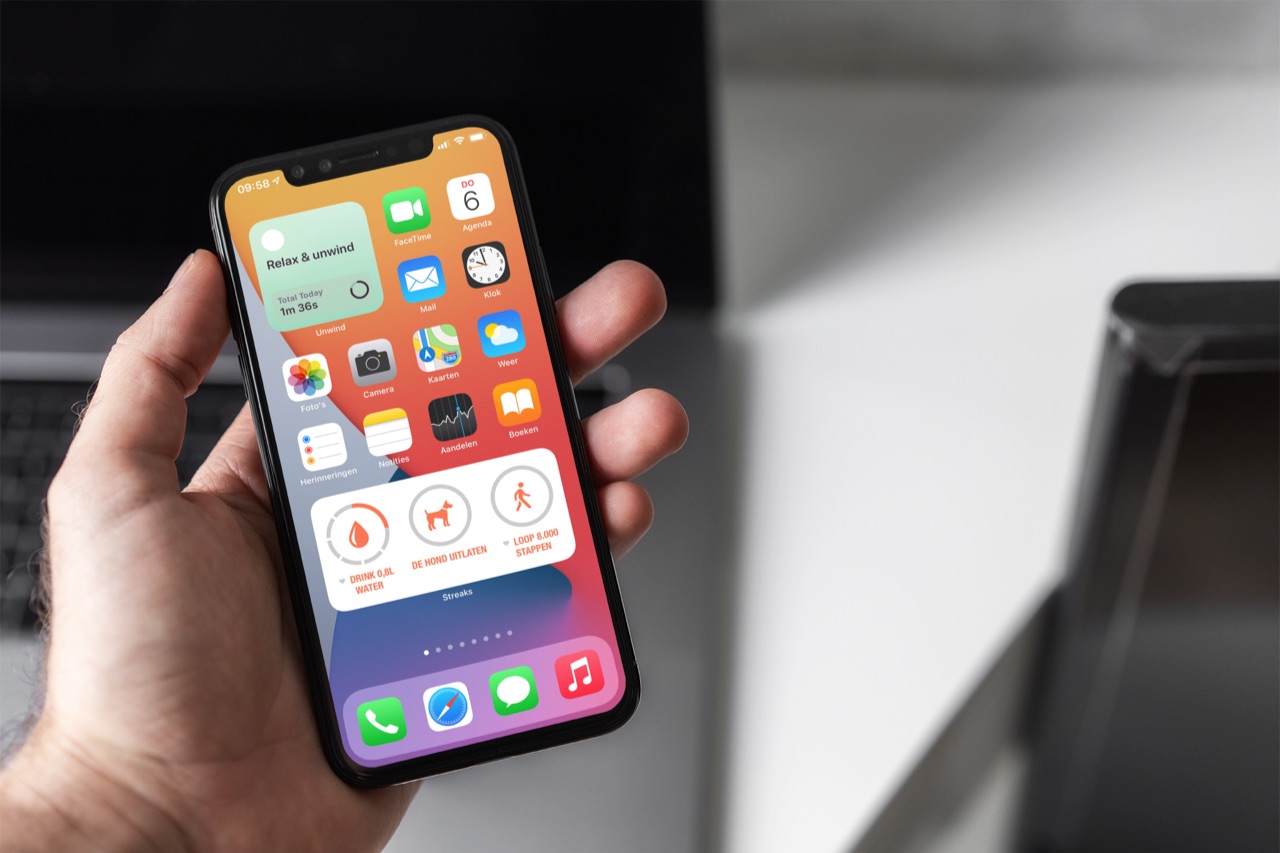
    In addition, many third-party apps don’t have a widget yet because of Apple’s surprise release of iOS 14. As you might know, Apple is adding Android-style widgets to iOS 14. You can choose different sizes depending on where you want the widget to fit and how much information you want it to contain. As time goes on, more developers will create widgets for their apps. You can see which apps are offering them now by touching and holding the home screen until you see the “+” icon inside a circle on the upper left side of the screen. Tap on it, tap on a widget from the gallery, and then select the size you want.

    Have you installed iOS 14 on your iPhone yet? Go to Settings > General > Software Update if you have yet to do so.

  • NYC commuters with an iPhone are risking COVID exposure just to unlock their devices on the subway

    NYC commuters with an iPhone are risking COVID exposure just to unlock their devices on the subway

    Apple iPhone users worldwide started to get frustrated when global agencies suggested that face masks be worn as a preventative measure against the spread of COVID-19. That’s because those iPhone models using Face ID couldn’t verify the identity of the person holding the phone because of the mask. As good as Face ID is in matching a person’s face even if he/she grows a beard, wears glasses, or gets a haircut, Apple couldn’t anticipate when developing the feature that users would be wearing a mask when going outside.

    Mask wearing iPhone users would have to wait to get the passcode screen, eating up valuable time. So in iOS 13.5, Apple added an algorithm that quickly detects when the phone’s owner is wearing a mask and brings up the passcode screen after a swipe up from the bottom of the display. But apparently, the faster transition time from Face ID to the passcode screen is not fast enough for some New York City commuters.

    Patrick Foye, the chairman of the Metropolitan Transportation Authority (MTA), sent a letter to Apple CEO Tim Cook that was obtained by the Associated Press. In the letter, Foye says that he has seen commuters removing their masks to log-in to their iPhones. During a pandemic that continues to infect and kill Americans, removing your face mask to satisfy Face ID is not suggested, especially on a crowded subway platform or on the train itself. Apple also added Apple Pay Express Transit which allows riders of some subway and bus lines to use an iPhone or Apple Watch to pay without having to wake the device.

    In New York City, all bus and train riders must wear masks and maintain social distancing. The MTA says that 90% of its customers are wearing some type of face covering which means that quite a few iPhone users could be exposing themselves to the virus by lifting or removing their masks to get Face ID to work (if you’re familiar with the New York City subway system, you know that they might be exposing themselves period).

    In his letter to Cook, Foye wrote, “We understand Apple is working to address the issue and know that Apple has a range of technologies at its disposal as a global leader among tech companies. We urge Apple to accelerate the deployment of new technologies and solutions that further protect customers in the era of COVID-19.” The MTA chairman added that he would be willing to work with Apple on a promotional campaign to alert riders about the changes made in the latest iOS update.

    Apple responded by sending an emailed statement. “There’s nothing more important to us than the health and safety of our customers,” the tech giant wrote. “We are fully committed to continuing to work with the MTA to support their efforts to prevent the spread of COVID-19.”

    The MTA isn’t asking Apple to develop new technology or update the passcode screen. It merely wants to work with the tech company to put up display ads or otherwise inform riders on MTA vehicles and subway cars that they don’t need to take off their masks even for just the short time it takes Face ID to work.

    While subway ridership in New York City plunged by 90% at the pandemic’s peak, the numbers are rising although they are still well below pre-pandemic levels. New York City was once the global COVID-19 epicenter, the city has not seen over 1,000 new cases on a daily basis since May 30th. New York City’s success in beating back the virus’ spread might leave commuters less diligent which would also be a good reason for the MTA and Apple to collaborate on a message that can be promoted to commuters riding the MTA bus and subway lines.

  • WhatsApp upcoming feature lets you use the same account on multiple devices

    WhatsApp upcoming feature lets you use the same account on multiple devices

    WhatsApp is testing new features all the time and we often learn about them before release. One of the important features that we hope to see coming to WhatsApp is the option to use the same account on multiple devices.

    A new report coming from WABetaInfo confirms WhatsApp is now testing this new feature that allows users to have the same WhatsApp account on up to four devices. In that regard, a new UI that will manage all linked devices is now in the works at WhatsApp.

    The new UI is meant to enable users to add new devices to their WhatsApp account or remove them if they need to. To add new devices to your WhatsApp account, you must use a code that will sent to you via SMS or WhatsApp Chat. The procedure hasn’t been finalized since the feature is still in the works, but it’s probably the easiest and most secure way at the moment.

    The new option to add multiple devices on the same WhatsApp account is not yet available in any of the beta versions of the app, but the new Linked Devices UI does show up in one of the beta iterations.

  • Apple is assembling a top-of-the-line iPhone in India for the first time

    Apple is assembling a top-of-the-line iPhone in India for the first time

    Two weeks ago we told you that Apple’s largest manufacturing partner Foxconn plans to invest the princely sum of $1 billion to increase the production of the iPhone in India. The latter is the second-largest smartphone market in the world after China, although it does remain a developing country. As a result, lower-priced phones sell the best including Xiaomi’s value for money handsets and Samsung’s Galaxy A series. The iPhone? It’s considered a luxury item in the country.

    By producing the iPhone in India, Apple avoids paying a hefty 22% import tax on units shipped into the country from China. And locally made iPhones fit in with Prime Minister Narendra Modi’s Make in India initiative that favors products made in, well, India. In the country, contract manufacturer Wistron assembles 2016’s iPhone 7 in Bengaluru while in Chennai, Foxconn makes the iPhone XR. By sticking with older models, Apple is able to sell iPhones to Indian consumers at a more affordable price.

    For some years there has been talk about Apple producing some of its higher-priced current models in India and India.com notes that on Friday, India’s Commerce and Industry Minister Piyush Goyal said that the tech giant has started to make the iPhone 11 at a Foxconn facility in India. While the phone is the lowest priced among Apple’s current flagship phones, Goyal proudly said in a tweet, “Significant boost to Make in India! Apple has started manufacturing iPhone 11 in India, bringing a top-of-the-line model for the first time in the country”

    In India, some iPhone 11 units that were produced in the country are available in retail stores. The lockdown that was ordered due to the coronavirus delayed these units from reaching store shelves but they are now slowly making their way there. However, the locally made iPhone 11 still has the same prohibitive (for Indians) manufacturer’s retail price listed as found on the units imported from China. Anonymous sources say that Apple has asked its supply chain in China to ship components to India for the iPhone SE (2020). The most affordable phone in the iPhone lineup, the device is tailor-made for Indian consumers who cannot afford any model in the iPhone 11 line.

    An import tax and the Phase One agreement signed by both countries saved Chinese manufacturers (and companies that assemble their phones in China-like Apple) from having to eat a tax or pass it on to their customers in the form of higher prices. While moving some production out of China was a subject that Apple reportedly had on the table for some time, last year there were some reports stating that the tech giant was looking to move 20% of handset production out of China. India would be the obvious choice although there are questions about whether Apple can put together a supply chain that can provide it with parts in the quantity and quality that Apple needs. The second-largest iPhone assembler, Pegatron, will join Foxconn and Wistron in India according to the latest rumors.

    There are over half-a-billion smartphone users in India, but the country had a Gross National Income per capita of $7,680 as of 2018 according to the World Bank; which compares to over $63,000 in the U.S. Thus, premium handset sales are far fewer in India. Apple is the leader in that category while Xiaomi is the top smartphone manufacturer in the country. During the second quarter, the top five smartphone vendors in India were Xiaomi, Vivo, Samsung, Oppo, and Realme. Because of the COVID-19 pandemic, the number of handsets delivered to the country declined almost in half from 33 million in the second quarter of 2019 to 17.3 million during this year’s quarter.

  • Opening date revealed for Apple Thailand’s second Bangkok store

    Opening date revealed for Apple Thailand’s second Bangkok store

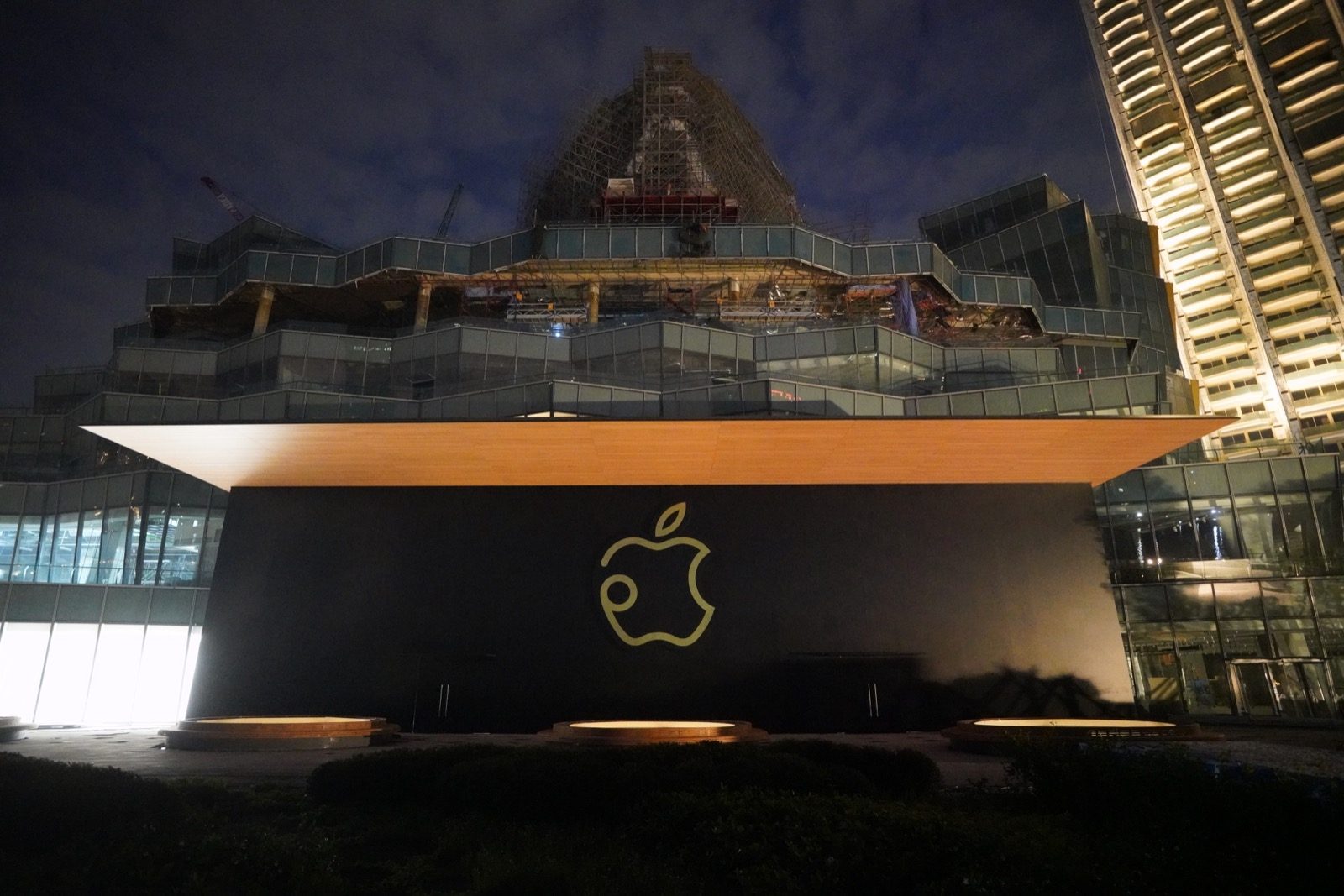
    Apple Thailand’s second retail store in Bangkok will open at the CentralWorld shopping center this week. A reliable local source says the opening date is scheduled for Friday, July 31. However, Apple’s Thai website has posted a colorful version of the brand’s logo with Thai lettering inside, teasing that the Apple CentralWorld store is “coming soon”.

    The website also features a tagline ‘Intersection of the creative idea and inspiration’, which refers to the Ratchaprasong intersection where Apple’s new space is located.

    Earlier this year, photos of the Apple Thailand’s second store were leaked on Twitter, showing a preview of what the store will look like. Apple Thailand’s second store features a unique design with a whirling cylinder of glass and curved timber radiating in concentric circles. It is located on part of a large courtyard outside the mall.

    The Apple CentralWorld store reflects the brand’s confidence in the Thai market, despite the Covid-19 situation in the country.

    Apple Thailand opened its first store at the IconSiam shopping center in Bangkok in November 2018.

  • Apple iPhone production in India shuts down due to dispute with China

    Apple iPhone production in India shuts down due to dispute with China

    Battles along the India-China border last month left 20 Indians dead, and as we told you at the time, negatively impacted iPhone production in and shipments to India. Indian authorities were blocking shipments from China into India. This left Apple iPhone components held up at Indian ports and a lobby group representing U.S. companies in India wrote the country’s commerce minister to state that holding up shipments from China could dissuade U.S. firms from doing business in the country.

    India continues to make things difficult and is still blocking exports from China. Three sources inside India told Reuters that because Apple contract manufacturer Foxconn cannot receive supplies to its two factories in South India, hundreds of Foxconn employees had no work to do this week. Apple started manufacturing certain iPhone models in India starting with the OG iPhone SE. It now makes newer phones like the iPhone XR in India; by producing handsets in India, Apple is able to keep the country from imposing an import tax on them. Keeping the price of these phones down is important to the average Indian consumer; while it is the second-largest smartphone market in the world, India remains a developing country and for the most part, consumers there need to limit their phone purchases to low and mid-range models. Saving $100 to $200 by avoiding an import tax is a big deal to consumers in the market

    More than 150 shipments to Foxconn’s Indian facilities from its factories in China said to contain smartphones and other electronic parts, have been stuck at the port of Chennai and some are being cleared now. The manufacturer’s two plants in India are located in Tamil Nadu and Andhra Pradesh state. Besides assembling certain  Apple iPhone models in the country, the factories assemble some Xiaomi handsets; the latter’s value for money pricing plays very well in India. The plants have thousands of Indians on the payroll and many of them live in accommodations provided to them by Foxconn.

    One source discussing the matter with Reuters said, “Foxconn was in a very bad state … lots of workers stayed at the dormitory because there was no work.” Meanwhile, the Indian foreign ministry did not respond to a request by Reuters for comment. Two ministry officials did say that the extra scrutiny given all shipments imported into India are only temporary and will soon come to an end. One official in India said, “We cannot keep checking 100% of shipments forever … Shipments of non-Chinese companies being impacted will be cleared on priority.” Interestingly, customs has held back these shipments without a formal order.

    The delays to imports from China are hitting India at a time when the supply chain is still impacted by the coronavirus. U.S.-India lobby groups are asking the government to intervene. Today, China’s commerce ministry said that it hoped that India would stop its discriminatory action against Chinese companies ASAP. The country recently banned 59 Chinese apps including wildly popular short-form video app TikTok.

    As the planet’s second-largest smartphone market, the border battle between the two countries might have a negative impact on some of the top Chinese smartphone brands in India. Xiaomi’s 30% slice of the Indian smartphone phone might not be hurt that much because the brand delivers handsets at a good price and with good specs. Samsung could be the biggest beneficiary of this squabble since it is not a Chinese brand and the Galaxy A models feature viable cameras and long battery lives at a very reasonable price. The Samsung Galaxy A10 with 2GB of memory and 32GB of storage is priced at the equivalent of $109 USD.

    For now, production of iPhone models in India are held up by this dispute as Foxconn employees get an extended vacation.

  • Foxconn eyes development of $319 million workers housing

    Foxconn eyes development of $319 million workers housing

    Taiwan’s Foxconn wants to build housing for workers in northern Vietnam and has made a proposal to the government. The world’s largest contract manufacturer, a contractor for Apple and other global giants seeks to develop three housing projects at a cost of about VND7.4 trillion (nearly $319 million), and has apprised the Ministries of Construction and Planning and Investment of its interest.

    Foxconn wants to build them near industrial parks where it has its plants so that its own workers can also be housed in them.

    If approved by authorities, a project in Viet Yen District in Bac Giang Province will be the largest at 16.7 hectares and have the highest investment of VND3.42 trillion (about $147.4 million).

    Up to VND2.93 trillion ($126.3 million) will be invested in a 6.3-hectare project in Bac Ninh Province’s Que Vo District and the rest of the total investment will be poured into a 9.9-hectare project in Vinh Phuc Province.

    The company said besides apartments they would also have healthcare facilities, schools and shops.

    Since current policies pose certain hurdles, it plans to sell the houses to companies in the industrial zones for them to lease or sell to their employees.

    Foxconn came to Vietnam in 2007, and has been operating mainly in the northern provinces of Bac Ninh, Bac Giang and Vinh Phuc, manufacturing computers and other electronic products and car parts. Last year it expanded to the northern province of Quang Ninh.

    Last week it said for the first time that Vietnam is its largest manufacturing hub in Southeast Asia.

    This year Foxconn expects its exports from Vietnam to double to $6 billion.