Retail News CRM

Tag: iphone

  • iPhone doubles Vietnam market share

    iPhone doubles Vietnam market share

    iPhone’s market share in Vietnam increased from 4 percent in 2020 to 9 percent last year, making it the fifth-largest smartphone seller.

    The growth of 119 percent was the highest for any brand, Counterpoint Research said in a report.

    Apple was behind Samsung (34 percent), OPPO (19 percent), Xiaomi (13 percent), and vivo (11 percent).

    Strong growth in Apple products was seen in the last quarter of the year, with sales doubling year on year, the report said.

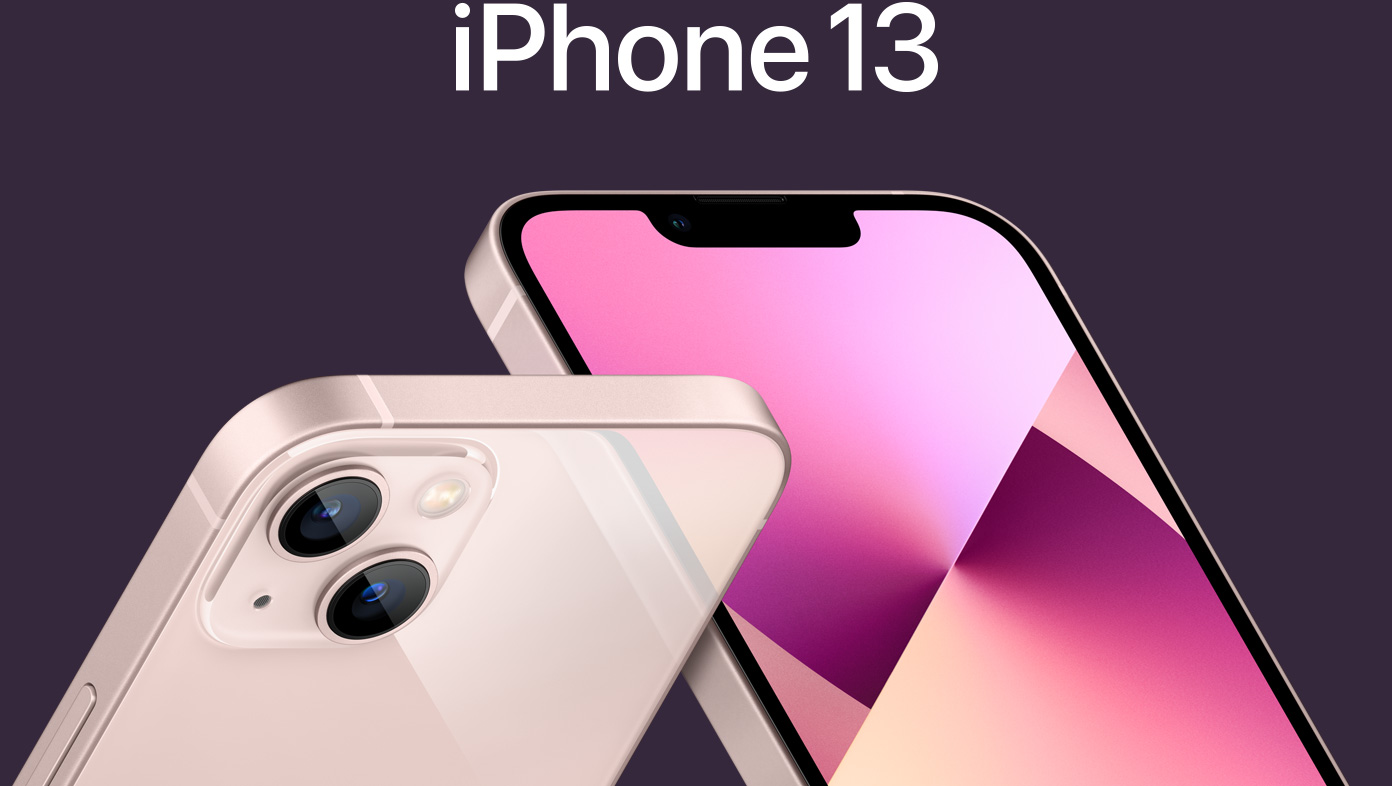
    This was when the company launched iPhone 13.

    Last year, taking advantage of the rising demand, several stores were set up to exclusively sell Apple products like FPT’s F.Studio, TopZone, and Lazada Apple Flagship Stores.

    Counterpoint analyst Ivan Lam said: “Apple has always had a place in Vietnamese consumers’ hearts. Last year it expanded its distribution campaign in Vietnam.”

    The overall smartphone market grew by 7 percent last year, the report said.

  • iPhone 12 Pro, Pro Max out of stock in Vietnam

    iPhone 12 Pro, Pro Max out of stock in Vietnam

    Major iPhone authorized resellers in Vietnam have stopped importing iPhone 12 Pro and Pro Max models, seeking to boost iPhone 13 sales.

    “Most retail chains told me iPhone 12 Pro and Pro Max are out of stock. Some chains still sell them but in only a few stores,” said Que Chi in Hanoi.

    The salespeople she talked to all referred her to the new iPhone 13 models, which are readily available.

    iPhone 12 Pro Max, the best-selling iPhone model in Vietnam last year, is now marked as “out of stock” on the websites of major retail chains.

    A media representative of FPT shop said iPhone 12 Pro and Pro Max are sold out and the chain does not plan to import more.

    The same comment was given by other chains like ShopDunk and Minh Tuan Mobile.

    Although there is still high demand for these products in Vietnam, most buyers now only have the option to buy used phones or pay more for the latest iPhone 13, a media representative of Minh Tuan Mobile said.

    Nguyen Lac Huy, the media representative of CellphoneS, said the chain still has iPhone 12 Pro and Pro Max but in low quantity.

    “We cannot buy more as Apple does not have plans to continue production of these models.”

    iPhone 12 Pro Max with a storage of 128 gigabytes is being sold at around VND28.5 million, while the iPhone 13 Pro Max with the same storage is on sale for just VND2 million higher, which explains why distribution chains are focusing on the newer model.

  • iPhone dominates smartphone market in China

    iPhone dominates smartphone market in China

    Someone over at Apple is popping the champagne as an extremely successful holiday season for the iPhone 13 made Apple the top brand in the world’s largest smartphone market — China. We’ve known that the new iPhone models (minus the iPhone 13 mini) have been doing extremely well there, but now that the numbers have been crunched, we have definitive stats.

    Apple outsold giants such as Oppo, Vivo, Xiaomi, and Huawei on their own turf, which probably stings a little bit. The market used to be dominated by Huawei, but the company has sadly been in a freefall in the past couple of years, and we can see it falling all the way down to the sixth spot in Q4 of 2021.

    This isn’t the first time that Apple sells crazy amounts of iPhones in China. Back in 2014, the iPhone 6 Plus made huge impact in Asian markets, since it was a long-awaited big-screened iPhone. Up until then, Apple simply refused to upsize its screens, despite the fact that phablets were the obvious future trend — especially in Asia. When the iPhone 6 Plus and iPhone 6s Plus launched, they became the new craze in China. No joke — some retailers would bundle the iPhone 6 Plus with free tailor services to enlarge pants pockets!

    At the height of the iPhone 6 / iPhone 6s craze (2015), Apple was the top smartphone brand in China. The No1 spot was later taken by Vivo, then Huawei. Now, six years later, Apple is back with a vengeance, taking 23% of the market share — that’s the highest it has ever had.

    As per Counterpoint’s report, Apple rose to the top as soon as the iPhone 13 series launched and held the top spot for most of Q4 2021. The reasons for the wild success are a perfect storm of Huawei customers jumping ship, good pricing strategy by Apple, the 5G implementation in the new iPhones, and the new camera, which is highly praised.

  • Apple says the pink screen iPhone 13 Pro issue is a software problem

    Apple says the pink screen iPhone 13 Pro issue is a software problem

    Several iPhone 13 series owners are continuing to report an issue with the screen on their phones. The display on affected models turns pink or purple and these handsets cannot be used.
    Posts in the Apple Communities Forum about this problem started in October when a user named DPigar wrote that “I use an iPhone 13 pro for a two day (sic) and my screen turns pink for a few seconds and then reloads. It happens all the time, so I can’t use my iPhone. Why?” Two images were attached to the post showing the user’s iPhone 13 Pro with a fully purple display,
    That message was followed up by one from another iPhone 13 Pro user claiming to have the very same problem. Apparently, Apple did some maneuvering behind the scenes to replace these malfunctioning phones since a post from the company added to both messages said, “The issue has been resolved. Replacement of the device (authorized service conclusion).”
    But here’s the thing. Many more iPhone 13 users complained about this problem and not all of them were lucky enough to get a replacement from Apple. Check out this sad story posted in the Forum by an iPhone 13 Pro Max user who goes by the name “Calisthrone.” He owns an expensive handset for less than two months when the device starts performing unexpected restarts with the screen off, randomly his screen turns pink, and the device becomes unstable.
    Apple diagnosed the problem as being a faulty motherboard. But here is where Apple drops the ball. It promises to give the owner a “Back System Replacement” which means that the owner keeps the screen and the camera system and the faulty parts are replaced.
    This should not be acceptable because this man spent good money on Apple’s top-of-the-line handset and now he will get back from Apple (after being left without a phone for 7 to 14 business days) a Frankenstein handset put together by the mad scientists at Apple. “Calisthrone” writes, “Problem is the phone is only active for less than 2 months and I would be so happy if they can offer a brand new replacement unit.”
    Now here is one of the main reasons why what Apple is doing is not fair. Returning to the post, the iPhone 13 Pro Max owner says, “It is not so nice to have my iPhone guts out after this brief amount of time. And my iPhone would be marked as “fixed” so I will lose the value of my device when trying to sell it in the future.”

    His final thought does not present Apple in a good light. “Apple customer care is not as wonderful as before. I’m now with no decent device in my pocket and I paid a premium device expecting to find a premium kind of service. Something very natural is a replacement unit.”
    The list of similar stories goes on and on. “Disappointed_User8” wrote a long post in which the pink screen surfaced on his device after just six days. After exclaiming that it was a hardware device and having the owner bring the phone into the nearest service center, Apple reversed its position and had the owner pick up the device after doing nothing but charging it.
    While charging it did stop the issue, it was a temporary cure. Forced to set up his phone from scratch after Apple had reset the device, the problem started all over again. Here is this disappointed iPhone owner’s take on the situation:”The phone is very expensive but unreliable. The stress that it is causing me and its effects on my mental health thinking about how I trusted Apple and paid a hefty amount for a malfunctioning unit but not getting proper post sales support is very very disappointing.”
    The latest date on the thread is January 16th of this year which means that this is an ongoing problem. Because most of the pink screen issues occurred in China, MyDrivers noted that Apple made a statement on Weibo this past weekend which said, “We didn’t notice relevant problems in the hardware of the devices because this situation [pink screen] is caused when the system is locked.”
    Apple recommends that users backup their data, join the iOS Beta Software Program and install the latest iOS 15.3 beta update in case the pink screen is being caused by an incompatibility between an app version and the iOS version. However, it appears that the changelist for the latest beta version of iOS 15.3 doesn’t mention a fix for a pink screen bug. Hopefully, Apple gets to the bottom of this and issues a fix. And if that is impossible, replacing affected models with new replacements would be the proper thing to do.
  • iPhone 14 Pro rumored to replace notch with dual pill and hole cutouts

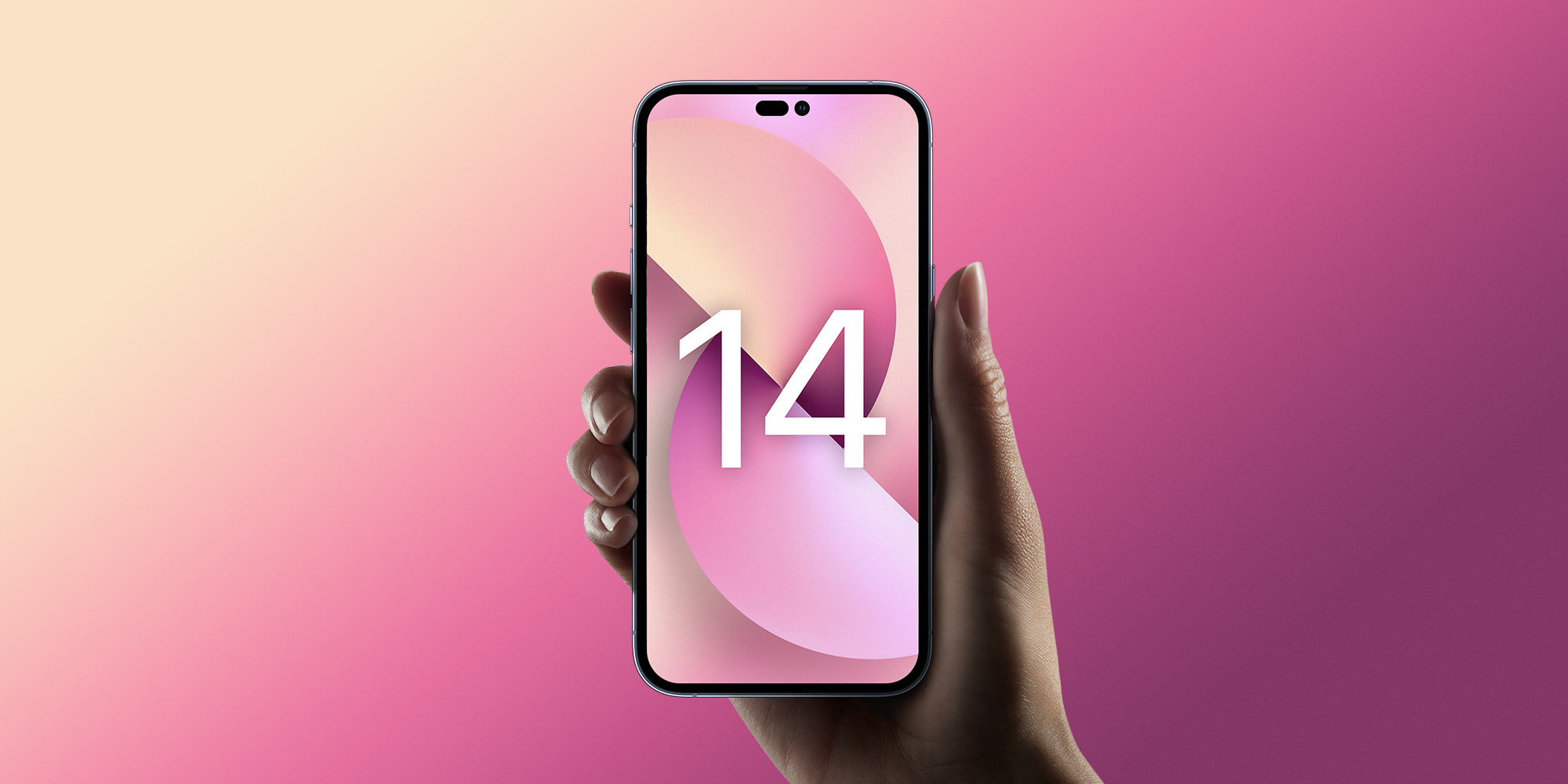
    iPhone 14 Pro rumored to replace notch with dual pill and hole cutouts

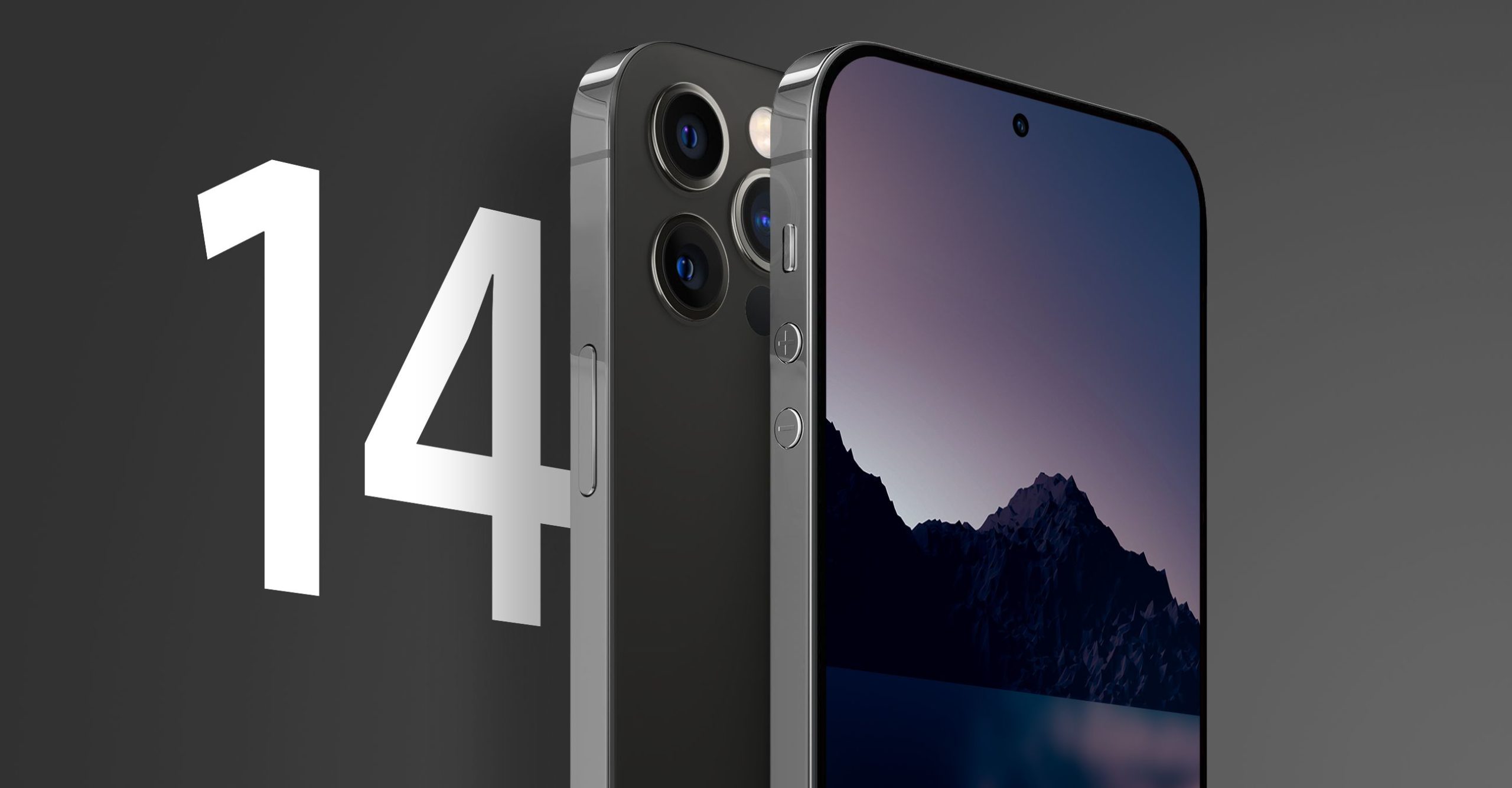
    It can now be said with a fair amount of certainty that Apple’s next premium iPhones – the iPhone 14 Pro and iPhone 14 Pro Max – will ditch the notch that debuted on 2017’s iPhone X in favor of a hole-punch cutout.

    That’s only part of the mystery solved, as, unlike Android flagships, the iPhone also features a complex Face ID system that requires a lot of modules and sensors. Display Supply Chain Consultants’ CEO Ross Young, who has an impressive track record when it comes to leaks, seems to know how Apple plans on going about it.

    In September of last year, Twitter leaker ShrimpApplePro, who tweets from the handle @VNchocoTaco, shared a concept image visualizing what the screen could look like from behind. Young also believes that that’s what the front of the Pro models will look like, meaning a pill-shaped cutout on the center-left will house the front camera and the infrared camera, and the circular hole will have the dot projector.

    If that sounds like a lot of holes, keep in mind that they will still take up less screen estate than the notch. Assuming the leak is legit, it puts to rest a recent rumor that claimed Apple would place the Face ID hardware beneath the display.

    ShrimpApplePro, the leaker who first talked about the design, had also said if Apple managed to put the Face ID system under the screen, it would do the same with the camera. Young thinks that we shouldn’t expect to see an iPhone with an under-display camera until at least 2024, which is not bad news at all, given that the handful of Android phones that feature the tech has failed to impress.

    iPhone 14 Pro’s screen design will not simply be a cross between the Galaxy S10 Plus, which has two hole-punch cameras, and Huawei models with a pill-shaped cutout, but will rather be unlike anything we have seen, or so implies Young.

    This year’s lineup will reportedly consist of two standard models – 6.1-inches iPhone 14 and 6.7-inches iPhone 14 Max- and two Pros – 6.1-inches iPhone 14 Pro and 6.7-inches iPhone 14 Pro Max. The Pro models will reportedly replace the current versions’ 12MP main camera with a 48MP main camera. The series will likely be powered by the slightly more powerful A16 Bionic chip.

    Given how relatively rare it is for Apple to introduce design changes and new camera sensors, it’s safe to assume most fans will love the new phones and make them one of the top smartphones of 2022.

  • European carriers seek to block one key iPhone privacy feature

    European carriers seek to block one key iPhone privacy feature

    Last year Apple announced one new key privacy feature for iOS called Private Relay. This new feature is currently in beta in iOS 15, iPadOS 15, and macOS Monterey, and it is available only for users enrolled in the Apple beta software program.

    Even though the feature is still in beta, some major European telecom operators have signed an open letter to protest its future rollout. Carriers including Vodafone, Telefonica, and T-Mobile have voiced concerns that “Private Relay cuts off networks and servers from accessing vital network data and metadata” thus having “significant consequences in terms of undermining European digital sovereignty”.

    The open letter has raised more than a couple of eyebrows since its publication, mainly because Private Relay is a feature not much different from a regular VPN, and those have been around for ages. But let’s see what Private Relay is in more detail.

    When you browse the internet some information can be seen and recorded by your network provider – this includes DNS records, IP addresses, and more. Normally this information is used to build a profile of your browsing activity to be potentially used at a later date (usually for advertising purposes).

    The Private Relay feature is designed to hide all this information from third parties when you browse the net on your Apple device (you must use Safari browser for the feature to work, though). According to Apple, no single party – not even Apple itself – can see both your IP address and the sites that you’re visiting.

    This is done by using two internet relays – the first encrypts your DNS records (the sites you’re visiting), and the second generates a temporary IP address to connect you to the site you want to see. The first relay doesn’t have your DNS records, and the second relay doesn’t have your IP address.

    By using such a method Apple is able to effectively protect users’ privacy from third parties while still managing to offer a fast browsing experience. At the moment, you need to be enrolled in the Apple Beta Program to be able to use this feature. Follow the instructions on the site in order to participate. If you’re already a beta member, you can turn on Privacy Relay by following the next steps.

    How to turn on Private relay on iPhone, iPad, or iPod touch

    • Go to Settings
    • Tap on [your username]
    • Select iCloud
    • Then tap Private Relay.

    Private Relay is off by default in all beta releases so far but Apple has officially announced that when the feature reaches the final rollout phase it will be switched on by default. You can always turn off the Private Relay feature for specific networks by following the next steps: on you iPhone or iPad, go to Settings > Wi-Fi, then tap the More Info button next to the Wi-Fi network, then tap on “Turn off Private Relay.”

    The Telegraph says that telecom operators in the UK also support the open letter, with O2 filing official complaints to regulators in the country. Private Relay is highly dependent on local laws and regulations, and Apple has already restricted the availability of the feature.

    Private Relay won’t be offered in China, Belarus, Colombia, Egypt, Kazakhstan, Saudi Arabia, South Africa, Turkmenistan, Uganda, and the Philippines. It remains unclear whether any European countries will be added to this list.

  • Google executive accuses Apple of using peer pressure and bullying to sell iPhones

    Google executive accuses Apple of using peer pressure and bullying to sell iPhones

    Back in October, Google Senior VP Hiroshi Lockheimer suggested that Apple end the blue bubble vs. green bubble battle by incorporating Google’s Rich Communication Services (RCS) into the iOS Messages app. As you might know, features found on iOS such as end-to-end encryption, are broken when an Android user is part of a group chat. Lockheimer, whose official title at Mountain View is Senior Vice President of Platforms and Ecosystems, has more to say about RCS.

    First, for those uncertain what RCS is, it is Google’s attempt to build an SMS/MMS platform to compete with Apple’s Messages app. With RCS, Android users could send larger text messages, share larger media files, and have privacy thanks to end-to-end encryption. Google was even talking about using the platform as an e-commerce system allowing companies to get in touch with customers.

    RCS also gives Android users read receipts, and would allow them to send messages over Wi-Fi and mobile data. With iOS support for RCS, the Google executive notes that there would be less pressure among American youths to purchase an iPhone. With RCS, messaging an Android user would be a more modern and similar experience.

    Before RCS, Google had an Android messaging app and most U.S. carriers also loaded Android phones with their own messaging app bloatware leading to a confusing mish-mash of features on different carrier apps.

    Lockheimer, who is a strong supporter of RCS, tweeted comments related to a Wall Street Journal article about iMessage’s domination among texting teens. This had led young Android users to feel left out when texting iOS users. Lockheimer wrote, “Apple’s iMessage lock-in is a documented strategy. Using peer pressure and bullying as a way to sell products is disingenuous for a company that has humanity and equity as a core part of its marketing. The standards exist today to fix this.”

    Not all Twitter users took Apple’s side of things. A subscriber named Remon (@TheGreatUsurper) stated, “Typical iPhone user missing the point. Android has an iMessage equivalent, it uses a protocol to replace SMS. All major carriers already support the standard. Android users text over wifi & data, (receive) read receipts, great group chats, (and) reactions. Apple intentionally hurts communication.”

    ion not to support RCS is being done so that Apple continues to benefit from the vendor lock-in effect. Back in 2016, Apple’s Phil Schiller said “moving iMessage to Android will hurt us more than help us.” Apple’s software head Craig Federighi stated that “iMessage on Android would simply serve to remove [an] obstacle to iPhone families giving their kids Android phones.”

    The Google SVP believes that with iOS support for RCS, there would be less pressure on teens to buy an iPhone. Along those same lines, there also would be less pressure on the parents of teens to buy them an iPhone instead of an Android phone. And since some Android handsets are much cheaper than iPhone models, not allowing Apple’s Messages platform to integrate with RCS is theoretically costing consumers a large amount of money every year.

  • Food poisoning and protests shut Foxconn plant building iPhone 12 5G in India

    Food poisoning and protests shut Foxconn plant building iPhone 12 5G in India

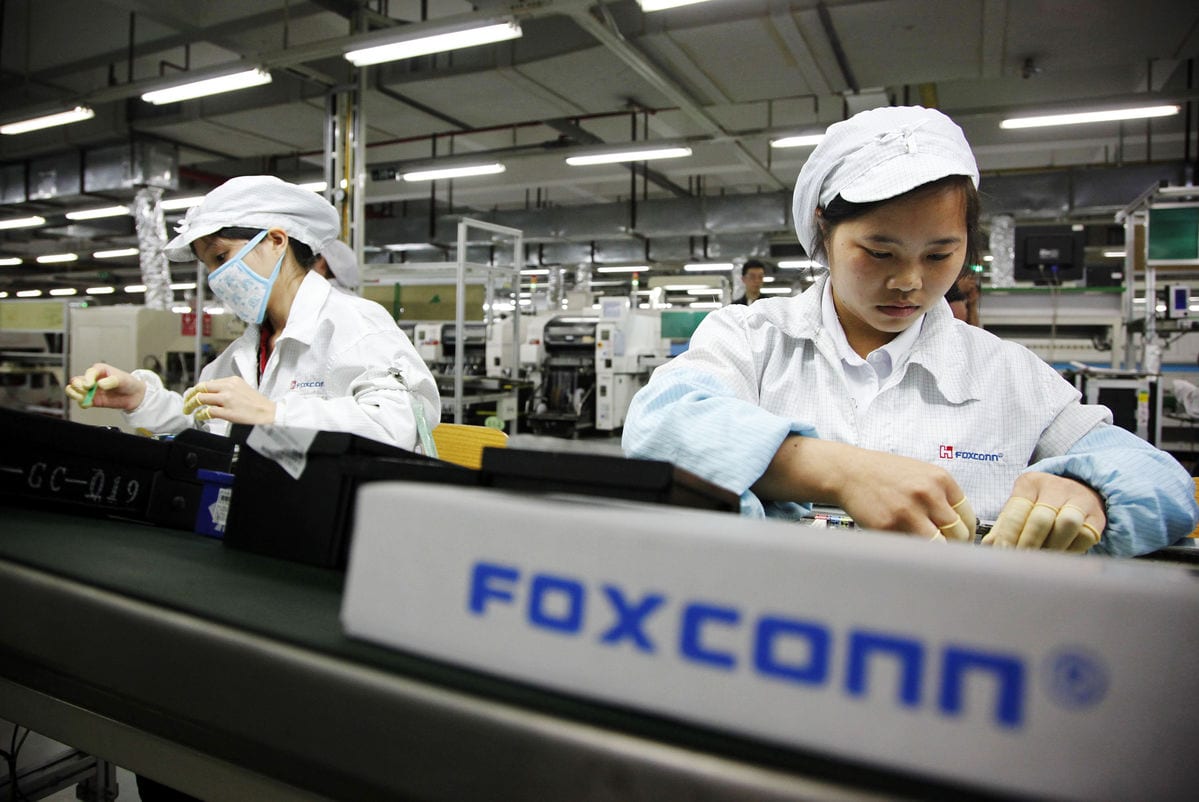
    News that the Foxconn factory near the city of Chennai in Southern India has closed means that iPhone production in the country will be negatively impacted. The plant churns out iPhone 12 models and factory workers have suffered through a bout with food poisoning which will leave the assembly lines shut down for the remainder of the week. With 150 employees in the hospital, the healthy workers started to protest the incident which also disrupted production.

    A senior official at the directorate of industrial safety and health in Tamil Nadu (which calls Chennai it’s capital) said, “The factory has been shut since Saturday and will be shut till coming Sunday.” Confirming the shutdown, two more senior state officials reiterated that the plant is not running.

    Protesters were arrested after blocking an important highway following the food poisoning incident. Yesterday, those arrested were released. While the factory, as we noted, currently produces the iPhone 12, Apple has been testing iPhone 13 assembly at the facility, and with the factory closed, that testing has been stopped.

    The decision to close the plant was made by Foxconn according to a police officer from the office of the Superintendent of Police in Kancheepuram. This police officer also said that employees at the factory who have been complaining for months about food poisoning and other issues should lodge their complaints with the state labor ministry.

    According to Navkendar Singh, India research director at market research firm IDC, “The impact on Apple is expected to below as it is a lean period … until at least February. In (the first half of 2022) we expect sales to pick up from new product launches and much-needed easing of supply chain issues.” Besides the iPhone, the factory also manufactures the Amazon Fire Stick and some devices for Xiaomi.

    This is the second incident in India over the last year that saw worker unrest at a factory that builds Apple products. Last December, a Wistron factory hosted a riot when 2,000 workers complained that they did receive their wages, and the incident caused $60 million in damages.

    India is the second-largest smartphone market in the world after China and the three contract manufacturers building the device for Apple, Foxconn, Wistron, and Pegatron, have budgeted $900 million over five years to make iPhone units in the country. But because India is a developing market, Apple has focused its Indian production of the iPhone on less expensive older models.

    Apple also plans on building some iPad tablets in India as the country, along with Mexico and Vietnam, have become alternative supply chain centers for Apple as the company seeks to lessen its reliance on factories in China. Apple is afraid that with tensions between the U.S. and China so high, getting access to factories based on the mainland won’t always be a sure thing.Those employees working on the assembly lines usually pay some of their wages for room and board in facilities found near the factory. The riot last year started when Wistron promised an engineering graduate Rs 21,000 ($285) per month, but instead, he was paid Rs 16,000 ($217) the first month which was reduced to Rs 12,000 ($163) over the last three months.

    Considering that Foxconn workers, like the ones toiling for Wistron, are paying their employer for food, the fact that many of them contracted food poisoning was enough of an issue to spark the protests that shut down the highway near the factory, and the factory itself.

    Apple had to get involved in last year’s riot because of the damage to the equipment at Wistron’s factory. This year, it appears that Foxconn was able to keep its production facilities intact.

  • Use “Erase iPhone” to reset a locked iPhone without connecting to a computer

    Use “Erase iPhone” to reset a locked iPhone without connecting to a computer

    With the iOS 15.2 update, iOS now has the ability to erase and reset a locked iOS device without connecting it to a computer.

    To reset a locked Apple iPhone or iPad before iOS 15.2, you had to connect it to a Mac or PC first. After you had connected the device, you had to put it into recovery mode. After that, you had to update or reset the locked device using your computer, and then you had to set up your device again.

    With iOS 15.2, Apple simplified the recovery process for a locked iOS device. If the locked Apple device is running iOS 15.2, you will need only an active internet connection to reset it.

    After a few failed attempts to unlock your phone with your password, the new “Erase iPhone” option introduced with iOS 15.2 will appear at the bottom of the screen. Tap on it to confirm that you want to reset your phone. Enter your Apple ID password to sign out of your account. Tab Erase again to erase the phone. After that, the device will reset itself, delete all data, and restart. Follow the on-screen instructions to restore your data from a backup and set up a new passcode.

    With iOS 15.2, Apple made the recovery of a locked device easier. But if the device doesn’t have an internet connection or isn’t running iOS 15.2, you’ll have to use the older method instead.

  • Adobe Creative Cloud Express just launched, and it’s free for iPhone

    Adobe Creative Cloud Express just launched, and it’s free for iPhone

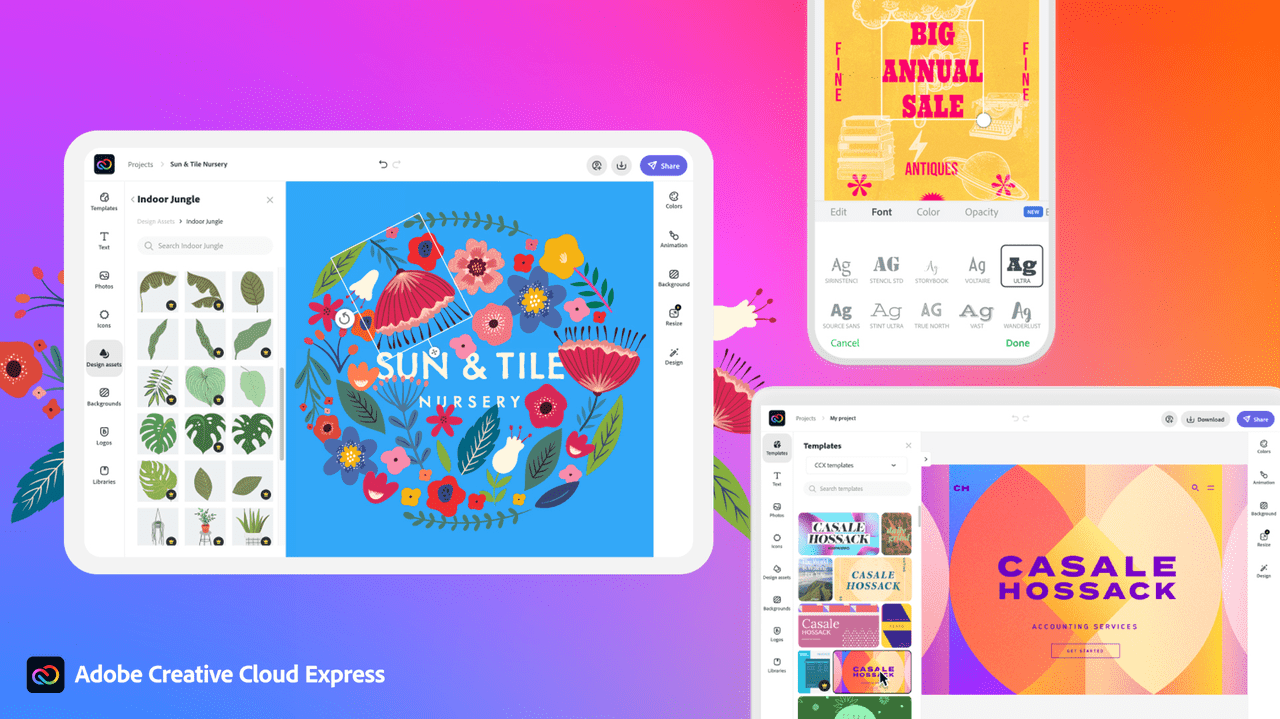
    Adobe has announced the launch of Creative Cloud Express as the newest member of its Creative Cloud Suite, and some of its enticing features will also be made available for iPhone and iPad, as well as accessible from any browser.

    Creative Cloud Express appears to come as a direct competitor to Canva, and aims to provide digital graphic design creators with the best canvas and tools to do their job. This includes thousands of Adobe templates, fonts, and stock images to choose from, with the ability to create presentations, slideshows, logos, banners, and all other kinds of visual content right from your browser.

    The company made the announcement today through a press release:

    Adobe today launched Creative Cloud Express, a unified task-based, web and mobile product that makes it easy to create and share beautiful rich multimedia content – from social media posts and stories to invitations to marketing materials like logos, flyers, and banners. Creative Cloud Express enables drag-and-drop content creation, empowering every user to express their creativity with just a few clicks.

    What’s more, users will be able to easily share their work, or specific elements of it, with other colleagues via the Creative Cloud Libraries, without having to export anything outside of the platform first.

    Here is a rundown of the range of features that will be available on Creative Cloud Express, as published by Adobe:

    • Simple drag-and-drop functions to quickly customize thousands of beautiful templates.
    • 20,000 premium Adobe fonts and 175 million royalty-free licensed Adobe Stock images.
    • Advanced search and discover capabilities, powered by the Adobe Stock Marketplace.
    • “Quick Actions” powered by Adobe Sensei to remove background features from photos, trim and merge videos, turn videos into GIFs, and convert/export PDFs in a few clicks.
    • Shared Templates and Shared Brands to ensure brand consistency across teams.
    • Seamlessly manage social media publishing workflows with ContentCal features, once integrated with Adobe.
    • Integration with Creative Cloud Libraries.

    While the full feature load of Creative Cloud Express is evidently most efficiently used on a computer with a screen, much of its content is also already available in Apple’s iOS App Store for iPhone and iPad, under the name Creative Cloud Express: Design. Despite barely being up for 24 hours, the app has already garnered a full five-star rating from nearly two hundred thousand users.

    While both the app and browser version are completely free, Adobe also offers a Creative Cloud Express premium plan, which brings a bunch of extra features to users for $9.99 per month.

  • Apple warns of weak demand for iPhone 13 lineup

    Apple warns of weak demand for iPhone 13 lineup

    Apple has told its parts suppliers to demand the iPhone 13 lineup has slowed, Bloomberg News reported on Wednesday, a move that signals a declining interest among consumers for the usually coveted latest upgrades.

    The company had cut production of iPhone 13 by as many as 10 million units, down from a target of 90 million, due to a global chip shortage, but now it has informed vendors even those numbers look unlikely, the report said.

    Apple’s shares fell over 3%, dragging down those of iPhone component and semiconductor suppliers Qualcomm, Skyworks, Europe’s ASML, and Infineon.

    The holiday season is Apple’s biggest quarter and typically so, for its most important product, the iPhones, which start at $699 and go as high as $1,600.

    Analysts had expected demand to remain steady for new products but lowered shipping estimates as supply-chain issues burdened the company as well as many retailers who faced inventory shortages.

    Consumers, who splurged on new phones and laptops during the peak of the pandemic as they stayed indoors, are now spending more on vacations and outdoor activities.

    “As lockdowns eased, spending returned on these experiential activities, so maybe less for the new iPhone. We believe that (iPhone) demand is likely to be pushed out in 2022,” Counterpoint Research analyst Tarun Pathak said.

    IDC analyst Ryan Reith believed it is not so much as demand for smartphones was drying up, but U.S. consumer spending was slowing due to the pandemic.

    Apple Chief Executive Officer Tim Cook warned in October that the impact of supply constraints, which cost the company $6 billion in sales in the fourth quarter, will be worse during the holiday quarter even as demand for the new lineup was robust.

  • Apple releases iOS 15.2 beta 4 for developers and the public

    Apple releases iOS 15.2 beta 4 for developers and the public

    Apple has started sending out iOS 15.2 beta 4 (build: 19C5050b) to both developers and public beta testers who are subscribed to Apple’s beta program. Also dropping today for developers and public beta testers are iPadOS 15.2 beta 4 (build: 19C5050b), watchOS 8.3 beta (build: 19S5050c) and tvOS 15.2 beta.

    As we get closer to the final build of iOS 15.2, you might recall that it refreshes the Notification Summary feature, which allows you to avoid being interrupted by notifications from your apps filling up your display. Instead, all of your non-urgent notifications are bundled together in a summary that is sent to you at a scheduled time. Direct Messages (DMs) and Time Sensitive messages are always sent immediately, so keep that in mind.

    With iOS 15.2 installed, the Notifications Summary no longer appears as a list, but is seen as separate blocks on your Lock Screen.

    The latest iOS and iPadOS builds will introduce the App Privacy Report which will show users which data is being accessed by Apple and third-party apps via privacy permissions granted by them. These permissions may allow apps to access their iPhone’s location, camera, contacts, camera, microphone, and photos.

    The iPhone 13 Pro models have a feature called Macro Mode which automatically turns the ultra-wide camera into a Macro camera for taking extreme close-ups whenever the device is placed within 10 cm (3.94 inches) of an object. Macro photography will help you shoot photos of insects, flowers, and other subjects that are no closer than 2 cm (.79 inches) away. Apple is adding a toggle in iOS 15.2 that will allow users to disable Macro Mode.

    And iOS 15.2 will also make iPhone users feel safer by allowing users to scan their surroundings for AirTags and other devices used with the Find My app that can track them without their knowledge. The feature is found in a new section of the Find My app that will appear when iOS 15.2 is installed on an iPhone and is called “Items That Can Track me.” Any nearby items that do not belong to you but do contain Apple’s tracking technology will surface under this section.

    Additionally, any AirTags that are away from its owner for 24 hours and longer will make a warning sound. This helps alert iPhone users that they are potentially being tracked by an AirTag that doesn’t belong to them.

    And if you come across an AirTag tracked item that does not belong to you, the renamed “Help Return Lost Items” will give you information about how to contact the owner of the item so that it can be returned. The previous name of the feature was “Identify Found Item.” This is perfect for all of you good samaritans who don’t feel that the universe is okay unless every misplaced item has been returned to its rightful owner.

    If you want to get in early on iOS updates, you can join the iOS Beta Software Program by tapping on this link. Keep in mind that Beta versions of iOS are unstable (like that little old lady with the 55 cats that lives next door) and certain features and apps might not work when you have a Beta build installed. Additionally, battery life could be diminished until the final version of the build is released.

    These things might not bother you, but it is something you need to concern yourself with if you plan on joining the iOS Beta Software Program. Once you install a beta version of iOS on your iPhone, you can leave easily if the phone is running an official version of the software. To do that, go to Settings > General > Profile & Device Management. Select the iOS Beta Software Profile, then tap on Delete. Confirm your decision and that is it.

    Now it is a little tougher to leave if your phone is currently running a beta version of iOS. If that is the case, we recommend waiting for the next official version of iOS to arrive, and then you should follow the directions above. Otherwise, you will have to restore to an older backup version of the operating system using your PC or Mac. And that means losing all the data added since your last backup.

    By the way, if you already are a member of the iOS Beta Software Program, you can install iOS 15.2 beta 4 by going to Settings > General > Software Update.
  • Update to Shazam makes the app more useful

    Update to Shazam makes the app more useful

    It is hard to believe that nearly four years have passed since Apple paid a reported $400 million for the music recognition app Shazam. Whether this was a move made by Apple to compete with Pixel’s Now Playing feature is unknown. At the time that the deal was announced, Apple said that it ” has exciting plans for Shazam which was one of the first apps in the App Store.

    Apple did add Shazam to the iOS Control Center in iOS 14.2, which is not really exciting. In iOS 14, Apple added a feature allowing Shazam to recognize music playing inside an app. Again, excitement is in the eye of the beholder and we’re not sure that this would qualify as such. We noticed that Shazam had received an update that will, according to the release notes, allow the app to listen “longer” and “harder.”

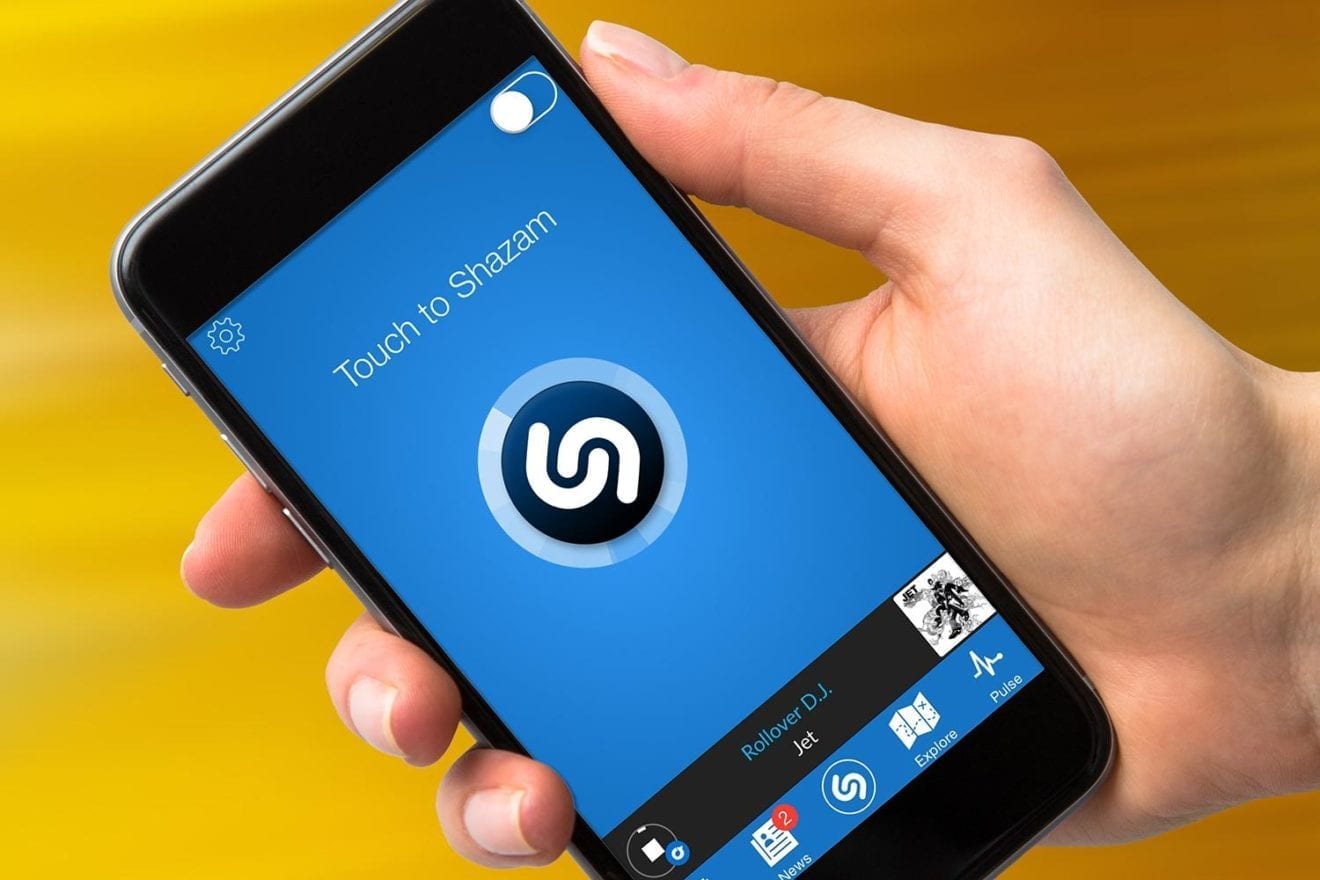
    Apple says that by working harder, Shazam will find more songs. The company stated, “Shazam now finds more songs by trying harder, for longer. Tap to Shazam to give it a go.” While Shazam is supposed to be able to match just a few seconds of a song with that tune’s title, sometimes the app can be stumped at first and that is why hearing just some additional seconds of a tune could make the difference between being unable to learn the name of that song you just heard or Shazam finding out the name of that song you can’t get out of your head, and the artist.

    You might have been unaware that Apple offers a widget for Shazam. Depending on which size widget you choose, you could see up to four songs recently discovered by Shazam. To add the widget, long-press on an empty space on your iPhone screen. That puts the phone into “jiggle mode.”

    While in “jiggle mode,” tap the “+” button in the top-left corner and search for the Shazam widget which showed up first when we looked for the widget (see accompanying photo). Select which size widget you want and tap on “Add Widget.”

    Apple is currently running a promotion now through January 31st. Simply visit this website and use the camera on your iPhone to scan the QR code and redeem the offer. The five free months are available to new Apple Music subscribers only.

    The Shazam app is also available for the Apple Watch.

  • Grammarly update brings major improvements to iPhone and iPad apps

    Grammarly update brings major improvements to iPhone and iPad apps

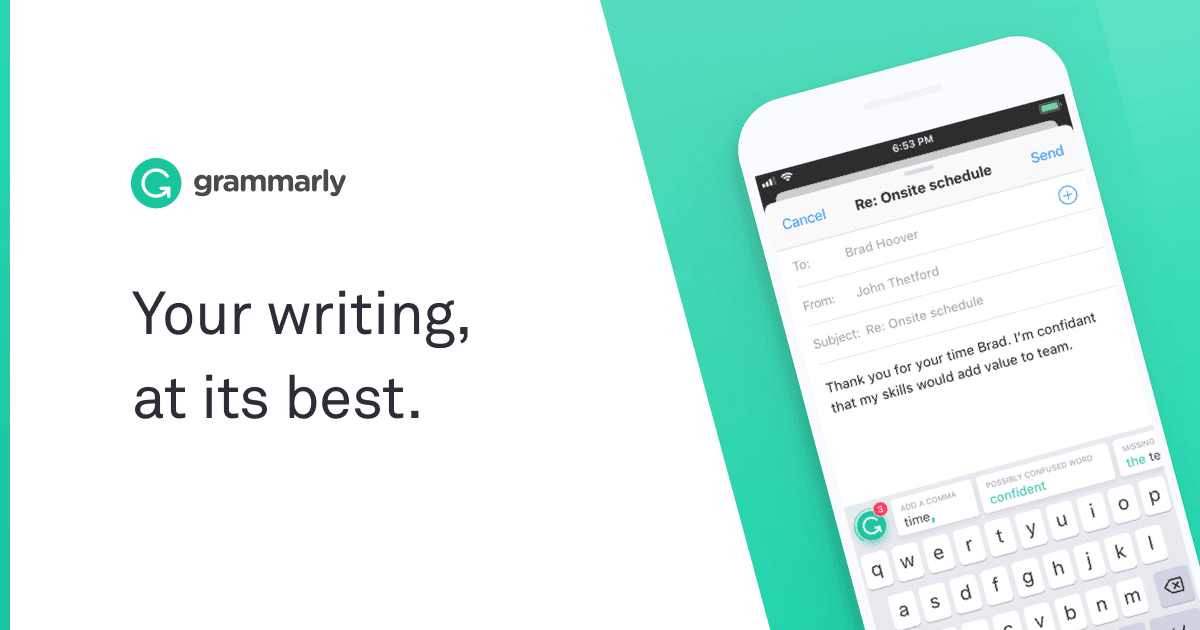
    Grammarly, the cloud-based app that checks your spelling, grammar, punctuation, and clarity to suggest better solutions for your writing style is getting an important update, which adds important features to iPhone and iPad apps.

    Apart from bumping the app to version 2.0, Grammarly developers introduced a brand-new editor for iPhone and iPad, which promises to offer users writing feedback on long-form documents, as well as personal statistics and milestones to help them improve while using the app. More importantly, the new editor is compatible with hardware keyboards too.

    Next in line, we have support for Safari extensions, which allows users to bring the app to just about any mobile web app. Last but not least, Grammarly Keyboard, one of the several apps included in Grammarly, now allows users to access the service’s writing suggestions in any mobile app.

    Of course, the usual bug fixes and performance improvement changes are included in the update too, so if you’re a long-time Grammarly user, then you’ll probably notice some of these too. Keep in mind that Grammarly requires a monthly subscription, but it will considerably improve your writing style, as well as highlight mistakes and makes suggestions for non-native speakers.

  • Soaring demand delays iPhone 13 delivery in Vietnam

    Soaring demand delays iPhone 13 delivery in Vietnam

    A global chip shortage and rising demand is delaying iPhone 13 delivery in Vietnam, with distributors reporting shortages in the Pro models.

    “We do not currently have the iPhone 13 Pro Max model you have ordered and you might have to wait until next month at the earliest,” a salesperson with a smartphone distribution chain in Vietnam told Thuy Linh, who is planning a smartphone upgrade.

    Linh, an English teacher in Hanoi, has tried several stores in Hanoi but the 128-gigabyte option is either out of stock or does not have the color she wants.

    The model she desires is available in the unofficial market, but prices are around 20 percent higher, the 28-year-old teacher said.

    Duc Anh, who works for a marketing company in HCMC, is also finding it difficult to get his hands on the latest Apple smartphones. Several stores have informed him that it would take weeks until the next delivery.

    “Gold and Sierra Blue models are not available in most of the shops I’ve contacted. Some have pushed up prices so I am waiting for the market to cool down.”

    The most expensive iPhone 13 models, Pro and Pro Max, are in short supply in Vietnam as the ongoing global chip shortage hampers Apple’s production.

    Apple is expected to cut its iPhone 13 production by as many as 10 million units this year due to the global chip shortage, Bloomberg reports.

    Apple CEO Tim Cook admitted last week that chip shortage and supply chain problems related to Covid-19 have cut sales by $6 billion in the last fiscal quarter.

    But another reason for the delay in delivery in Vietnam is the high demand, distributors say.

    The supply of iPhone 13 in Vietnam only meets half of the customers’ orders, according to estimates by CellphoneS. The company has only received 20 percent of the total it has ordered from Apple.

    “Demand has risen by 50 percent compared to the same period last year, and it does not seem to have been affected by the pandemic,” a media representative for the company said.

    CellphoneS estimate iPhone 13 sales to rise 50-60 percent over that of iPhone 12 in the same period last year.

    FPT Shop, with over 700 outlets nationwide, saw sales of iPhone 13 in the launching week double that of iPhone 12 last year, and the same percentage is likely to be maintained throughout the last quarter, a representative said.

    The iPhone 13 Pro Max, the biggest and most expensive of the four new models, accounted for 72 percent of iPhone 13 sales in October, the company said.

    Sierra Blue and Gold are the most sought-after colors for the Pro Max and the Pro models at FPT Shop, which explains the shortage, industry insiders say.

    They also say that the large number of incentives that Apple is offering users this year is motivating more buyers to go to authorized stores instead of buying them from stores that pick up the devices in other countries and sell them in Vietnam.

    Apple accounted for around 7 percent of the smartphone market share in Vietnam in the second quarter, ranking fifth behind Samsung, Xiaomi, Oppo and Vivo, according to Counterpoint Research.