Retail News CRM

Tag: iphone

  • Huge iPhone 7 sales reported in Vietnam

    Huge iPhone 7 sales reported in Vietnam

    Vien Thong A retailer said they would do their best to meet demands for 8,000 orders. FPT Shop in HCM City said they about 4,000 devices should be sold in the morning when the shop started the ceremony to transfer the pre-ordered phones.

    Doan Van Hieu Em, CEO of The Gioi Di Dong Store in District 1 also said they had seen a surge in customers. Em said they wouldn’t hold the transfer ceremony but make sure that the service is fast.

    “We’ll hold a product introduction and customer appreciation programme for buying the iPhone 7 tonight,” he said. “We expected to sell 10,000 devices today.”

    Meanwhile the atmosphere at smaller retail shops such as Hnam Mobile or CellPhoneS was quieter. Big retailers had hoarded most of the products so there’s not much left for them. Major mobile network operators are also selling the iPhone 7. Viettel said they would transfer 3,000 pre-ordered phones to customers on November 11.

    Most retailers confirmed the popularity of Apple products, especially iPhone 7 Plus this year. 70% of their orders are for iPhone 7 and iPhone 7 Plus. According to FPT Shop, the order for iPhone 7 Plus in the first day was four times higher than the iPhone 6 Plus.

    Retailers are reporting a shortage of iPhone 7 in jet black. Customers also favour matte black colour followed by gold and rose gold.

    It is predicted that by the end of November, nearly 100,000 iPhone 7 and iPhone 7 Plus would be sold in Vietnam.

  • iPhone7 hits Korean stores in Note 7’s absence

    iPhone7 hits Korean stores in Note 7’s absence

    The Apple iPhone 7 went on sale in South Korea on Friday, seeking to fill a void left by arch-rival Samsung on its home turf following a damaging recall fiasco over the Note 7 smartphone.

    The South Korean electronics giant discontinued the Note 7 — one of its key iPhone challengers — on October 11 following reports that replacements for combustible models were also catching fire.

    The decision is set to cost Samsung billions in lost profits, and there are already signs that Apple is reaping some of the benefits.

    An official at mobile carrier Korea Telecom (KT) said the first batch of 50,000 iPhone 7s they put up for pre-order a week ago sold out in 15 minutes.

    “I would attribute part of that to the Note 7 effect,” said the official, who declined to be identified because he was not authorised to talk to the media.

    Customer defection is one of Samsung’s biggest concerns, especially as the Note 7 was specifically aimed at taking on the iPhone in the premium handset market.

    In the hope of retaining customer loyalty, Samsung had offered Note 7 users a 70,000 won ($60) phone bill credit if they swapped their faulty phones with another Samsung handset.

    The half-dozen customers buying the new iPhone at a KT store in central Seoul on Friday were all long-time Apple users who had pre-ordered their handsets.

    Office worker Lee Kyung-Hee, 34, said she had moved fast when the pre-order service opened, fearing a surge of interest from unhappy Note 7 owners.

    “I set an alarm and was very quick,” Lee said.

    In South Korea, retail prices for the iPhone 7 and 7 Plus start from 869,000 won and 1.02 million won respectively, for their basic 32GB models.

  • Apple’s AirPods set to launch by year-end, sources say

    Apple’s AirPods set to launch by year-end, sources say

    Apple‘s AirPods will ship before the end of this year, AppleInsider’s sources have confirmed, dismissing a bogus supply chain report that surfaced early Tuesday, November 1.

    Supply chain monitor Economic Daily News reported on Tuesday that manufacturer Inventec would see quarterly profits jump in the quarter starting in January 2017 because of a shifted launch date. At the same time, the publication said that the fourth quarter 2016 profits would not be changed from the third quarter.

    When asked about the report, Apple told AppleInsider that it doesn’t comment on “rumors or speculation.”

    However, sources familiar with the company’s plans indicated that internally, there is no official delay until January for shipment of the wireless earbuds, AppleInsider says.

    One person briefed on the matter said plainly that there was “no way that these are getting pushed to January.”

    In addition, contacts at Apple retail noted that AirPods demonstration units are already available in some stores. Out of 10 stores polled by AppleInsider, six of them had demo units.

    Where demo units are available, staff have already received training on the product. At those locations, employees are just awaiting notification from management to start showing the AirPods to shoppers.

    “We’re ready to go any time,” one retail source said. “We’ve got a few pairs for customer demonstration that we’re just waiting on the word to start with.”

    Several venues have also received hardware for review. Those arrived prior to the quiet reveal that the AirPods wouldn’t ship in time to meet an original “late October” ship date.

  • Price of New iPhone 7 in Indonesia Will Be Among Highest Worldwide

    Price of New iPhone 7 in Indonesia Will Be Among Highest Worldwide

    Indonesia is predicted to be the country in Southeast Asia with the second-highest price for Apple’s new iPhone 7, according to a recent price study by iPrice Indonesia, local arm of online shopping startup the iPrice Group.

    The iPhone is manufactured in China, which neighbors Southeast Asia, but according to the iPrice Indonesia study, the iPhone 7 will be significantly more expensive in the region compared to the United States, due to shipment export costs, import duties and taxes, and other fees imposed by governments.

    According to iPrice, the iPhone in Indonesia will be one of the most expensive worldwide.

    “For countries where the iPhone 7 has not yet been officially launched, such as Thailand, Vietnam, Indonesia, Malaysia and the Philippines, the tech savvy have resorted to going abroad in the hope of being the first to own it,” iPrice said in a statement e-mailed to the Jakarta Globe by Andrew Prasatya, the company’s content marketing executive.

    “Unauthorized retailers are purchasing the iPhone 7 from Singapore and Hong Kong [where the iPhone 7 has already been launched] and selling them in their home countries at higher prices, which can go up to 14 percent in Vietnam and 49 percent in Thailand,” iPrice said in the statement.

    Apple has not yet announced the official release date for the iPhone 7 in Indonesia.

    How Expensive Can It Go?

    The study estimates that an iPhone 7 with 128 gigabytes of internal storage will cost about $1,268 when it arrives in Indonesia, making it nearly $500 more expensive than in the United States, from where it originates.

    As for neighboring countries, buyers in Thailand are expected to pay the most, where a new iPhone may cost up to $1,340.

    The cheapest is in Singapore at $897, where the iPhone 7 has been available since last month.

    The study said middle-income Indonesians, with an average salary of $1.80 (or Rp 23,900) per hour, have to work at least 87 days to afford an iPhone 7, assuming that the whole salary is spent on the phone.

    They may likely think twice before purchasing a 128 GB iPhone since the price is equivalent to the latest automatic scooter by Japanese manufacturer Honda. The price would also be equivalent to three-months’ rent of an apartment located in the heart of Jakarta, or 32 bags of rice at 50-kilograms per bag.

    Highly Anticipated

    Still, the iPhone 7 is eagerly awaited in Indonesia. And despite negative reaction around the replacement of audio jack with Apple AirPods, the latest model is in demand because of innovations such as increased storage, a new home button and water-resistance, according to reports from various local media and online tech-focused news portals.

    IPrice said regardless of its fairly high price, the iPhone generally remains popular in Indonesia.

    It referred to industry data showing that about 61.2 million units of the previous generation iPhone 6 and 6s were sold in the country during the first quarter of 2015.

    “In addition to the innovation of the iPhone 7, the iPhone is a status symbol in Indonesia where the owners are perceived as being rich, successful and living in luxury,” iPrice’s statement said.

  • Terry O’Connor courting omni-channel future for Courts

    Terry O’Connor courting omni-channel future for Courts

    Cashing In on the demand for Apple’s latest product, the iPhone7, retail giant Courts Asia recently announced that it would offer a competitive one-year service package that covers accidental damage and data recovery and a guaranteed 50 per cent trade-in value, if customers buy the phone from its shops.

    This is one example of efforts being made by the furniture-to-electronics departmental store to differentiate itself and be the “store of choice” for Singaporeans. It also fits into its long-term objective of transforming itself into an omni-channel retailer.

    Mainboard-listed Courts has a long relationship with Singapore, particularly in the heartlands. With roots as a furniture retailer in the UK, Courts was established here in 1974. It opened its first store in Malaysia in 1987 and recently started operations in Indonesia in 2014. In the three countries, Courts operates more than 80 stores in multiple store formats spanning over 1.6 million sq ft of retail space.

    In the first quarter which ended on June 30, 47.8 per cent of its revenue came from electrical products, which included major white goods, audio and small appliances. IT products, including computers, smartphones and cameras, made up 27.7 per cent of its sales while furniture accounted for 17.9 per cent. Services, such as warranty sales and telecommunication subscription plans, accounted for the remaining 6.6 per cent of its revenue, which was S$196.3 million for the quarter. The company’s last reported full year revenue was S$770.4 million, with two-thirds (S$505 million) of that coming from Singapore.

    Speaking to The Business Times, Terry O’Connor, Courts Asia’s executive director and group chief executive officer, says the departmental store looks to provide low prices, large ranges, full service and financial options “in terms of any way to pay from every credit card in the market to cash; to our own payment plans and an extensive loyalty programme which is being boosted with the NTUC link points partnership”.

    Giving an example of how Courts is trying to differentiate itself, Mr O’Connor cites the iPhone. He notes that buyers can choose to buy online or go to a exclusive Apple retailer if they are sure that’s the phone they want.

    At other times, buyers may not be sure whether the choice is the iPhone or a phone made by some other manufacturer, Mr O’Connor says. Maybe they want to compare the iPhone with Samsung’s offerings but at the same time they want a full customer experience in which an agent will show them how to use both phones and discuss the merits of both, he says.

    “An Apple store can do that for only Apple products but they don’t do that for Samsung products or the other brands in the market. We want to be that player in the market which can do that for all major brands,” Mr O’Connor says.

    He acknowledges the fact that many technology savvy Singaporean shoppers are shopping online and Courts needs to have a strong online presence as well.

    Courts Singapore relaunched its online store in 2012 with 7,000 product offerings, which has grown to more than 14,000 today. Both the online and physical stores are at the centre of Courts’ omni-channel retail offerings, which also include the deployment of tablets and digital kiosks on the shop floor, use of QR codes and “click and collect” counters in-store.

    Despite this, Mr O’Connor is sure that physical stores will still remain an important component of the shopping experience. “The overall shopping experience will have to be an omni-channel experience.”

    Noting that the mass middle income market is the core customer group for Courts, Mr O’Connor observes that shoppers feel “we are local and, therefore, there is a deeper relationship, maybe because of our history in the heartlands. We have been serving multi-generation of families and we reinvented ourselves just as Singapore has done so over the years.”

    This has ensured that Courts is more connected to customers than many of the international players, he adds. “We ourselves have been thought to be an international player but now headquarters is effectively here and we are listed here.”

    Mr O’Connor adds that the megastore’s approach is to “outrange” and “outprice” its competition. “I think that’s what kept us ahead of the pack. When I look back, I’ve been here for 23 years and virtually none of the competitors I started with exist anymore.

    “Many of them have changed hands, many have been subsumed in other organisations and others have gone out of business.

    “The point is retailers always have had to deal with disruption, generally it’s disruption from other retailers. Now pure plays are just another form of retail.” Pure play stores are those which only have an online presence with no physical brick and mortar outlets.

    Mr O’Connor adds that Courts will “move with the speed and agility” of a pure play online store. “At the same time, we want to develop our physical stores as experience centres.

    Mr O’Connor says that market factors are helping Courts’ push to reinvent itself.

    “We didn’t ask for the Funan Centre to close but it did. We didn’t ask the Sim Lim centre to get the reputation it did, but it got it. And so we think there is an opening in the market and we are pushing hard into services and the store experience.

    Mr O’Connor notes that many international retailers are seeing increased business online. “John Lewis (departmental store) in UK is doing 25 per cent of their business online but in Singapore it’s only 3-5 per cent. When you talk about shopping online it somehow conjures up an image of somebody sitting at home with a laptop on the coffee table. But fundamentally it’s not that. It’s increasingly people on their mobile devices. This is the first year mobile has overtaken computers as the online shopping platform of choice,” he notes.

    He is confident that the share of online sales in Singapore will go up significantly and Courts would be ready to cash in on that.

    Mr O’Connor notes that the Singapore online purchasing market is skewed by international purchase of apparel and products that are not sold in Singapore. “If you actually look at the goods that are bought online and shipped within Singapore, we are a market leader among regular stores. Citing a Bain report, he says that the top 10 online stores in Singapore by number of visits were all pure plays but Courts was number 11 on the list. This makes Courts the top omni-channel player in the Republic.

    Courts is also looking at upgrading its stores with digital features that help shoppers go online and make it easy to shop. “At the moment we have digital kiosks but I wouldn’t say they are popular; they have become a bigger phenomenon in other markets. I think in the future they will become more popular in the same way that people initially didn’t like to use digital checking counters at airports, but eventually got used to it.”

    He adds that one could envisage a situation where 100 per cent of the business is online. “Maybe 50 per cent was physically transacted in the store. I think what’s key is making sure that stores are still relevant. And I think that there are lots of changes coming in terms of disruption in the real estate sector. I think the real estate will be more disrupted than the retail sector.

    “So fundamentally in the future do we say I have a 20,000 sq ft store? Or do I go for 10,000 sq ft for my store, where I pay a retail rent and the other 10,000 sq ft is a fulfilment centre where I pay warehouse rent?”

    He adds that such shifts are already happening in the UK. “That’s going to happen here and that has implications for Reits; it has implications for how malls set themselves up. Do they have two-thirds of the mall as retail space and the rest as a combination of fulfilment centres? And POP (pick your own parcel) stations for the entire mall?

    “We have to be fluid and agile in our thinking and be led by the consumer.”

  • Apple stops returns & exchanges for retail purchases in Hong Kong

    Apple stops returns & exchanges for retail purchases in Hong Kong

     In parallel with the iPhone 7 and 7 Plus launching in Hong Kong, Apple has simultaneously halted all returns and exchanges for Apple and Beats products bought at the company’s local retail stores.

    The change is noted on the company’s website. Previously, people were able to return or exchange products within 14 days, so long as they had their original receipt and packaging.

    Why Apple would clamp down the same day as a major product launch is unclear, but the decision might be related to China’s black and gray markets, which take advantage of Hong Kong’s lower import duties and taxes. Smuggling iPhones into mainland China can be lucrative, even though Apple has launched iPhones there simultaneously for several years.

    Hong Kong is likely to see a crush of iPhone sales in the next few weeks, in no small part because of scalpers and smugglers. By stopping returns and exchanges, it may be able to better manage the chaos involved and deter anyone from trying to commit fraud.

  • Vietnamese camp outside Singapore shops in wait of iPhone 7

    Vietnamese camp outside Singapore shops in wait of iPhone 7

    Demand among tech-geeks is soaring since Apple’s release of the iPhone 7 and 7 Plus last week, and unhinged Apple fans in Vietnam are no exception.

    Many are determined to be the first to buy the new device. However, Apple doesn’t have a direct retail presence in the country, so the eager fans have to go the extra mile to get their hands on a new phone.

    Vietnamese dealers and resellers have quickly spotted a lucrative business opportunity here and are willing to pay line-sitters who may have to camp outside outlets in Singapore for a couple of days leading up to the iPhone’s launch there this Friday.

    Some Vietnamese living in Singapore have posted ads on Facebook asking for VND2 million ($90) to camp out overnight to be the first in line for the new phone.

    “It seems long to wait in line for 24 hours. But you will stay occupied playing card games, shooting the breeze with your fellows and even shopping in the mall,” a Facebook account named Son Le said in an advertising status.

    Any time that Apple launches a new product, there is an influx of such requests posted in the online technology community, and this time Apple’s true aficionados in Vietnam are still impatient to get those phones.

    “We will handle paying the bills. All you have to do is to be the first in line. And more importantly, you can get paid much higher for an iPhone 7 Plus in the new color Jet Black,” Thang, a reseller in Hanoi, told VnExpress.

    Quang, a dealer in Ho Chi Minh City, said the interest in line-sitters has been growing in the weeks leading up to the launch this weekend. He said due to the whopping demand, people will ask to be paid much more than than they were last time and securing a spot in the line is important, so Quang decided to fly his staff to Singapore.

    “This time we will probably have to wait in line for a couple days,” said Quang. “The business is also quite risky. The price could slump heavily by a few million dong. There is a chance we could make a loss on this,” he said.

    vietnamese-apple-fans-pay-people-in-singapore-to-buy-iphone-7s

    A group of Vietnamese camp outside a reseller store in Singapore during an iPhone launch in 2015.

    As many have witnessed during the last couple of iPhone launches, a growing number of resellers in Vietnam have been hiring line-sitters in Singapore to sell the phones on the domestic market.

    A retailer in Hanoi, after careful consideration, chose to turn to Vietnamese students in Singapore who want to make some cash to cover their tuition fees.

    “It costs much more to fly from here to Singapore,” said a Hanoi-based re-seller, adding that it is about $100 cheaper to take a direct flight from Ho Chi Minh City to Singapore than it is from Hanoi.

    “We have no choice but pay people who are currently living on the island to queue up and send just one person from here over with the money,” he explained, adding that he has five Vietnamese students working for him.

    In addition to camping out for the new iPhone, there are other opportunities to earn some money for anyone who is about to travel from Singapore to Vietnam next week. They can make a quick buck of about $25 for a phone just by taking it back with them on board.

    Shops in Hanoi are charging consumers double the price quoted by Apple for an iPhone 7 Plus 256 GB, with a promise that buyers will be the first Vietnamese to get their hands on a new iPhone.

  • Chinese retail prices on the new iPhone 7 may drag down sales

    Chinese retail prices on the new iPhone 7 may drag down sales

    This is clearly a big change in the industry, and as big changes oftentimes go, people aren’t immediately excited about it. People also seem frustrated with Apple’s new wireless headphone option, the “AirPods”, which will retail for around $160. That’s even more impressive when you consider Apple Watch was only on sale for 8 months of the year. It means for all those who sit at their desks,charge the phone and plug in their headphones to listen to music, Apple’s latest smartphone isn’t going to cut the mustard -you simply can’t do both. Apart from having aLightning input at the rear of the dock, there is a 3.5mm output jack as well.

    We expect more third-party solutions to arrive in the next few weeks to make this less of a pain in the rear. This is only slightly more useful than the one port on the phone. AirPods auto-pair with all your iCloud-connected devices except Apple TV.

    Schiller mentioned that the Lightning adapter Apple includes with every iPhone 7 is a way the company is helping ease the transition from the 3.5 mm jack. Apple killed the 3.5mm audio port with the iPhone 7 and iPhone 7 Plus.

    Apple initially quoted shipping dates of two to three weeks after September 16, but the company quickly pushed ship dates back to four to six weeks for some versions of the black iPhone 7s. And, these standalone left/right AirPods only play music when they detect that they’re in your ear.

    They’re just standard Bluetooth, with a little bit of “secret sauce” for easy pairing with Appledevices. When Apple unveiled the iPhone 7, people took issue with its lack of a headphone jack.

    “Apple has a very long history of removing features we all thought were necessary, and then convincing us that we didn’t need them”, said Ask, noting that Apple paved the way in phasing out the use of floppy discs and optical drives in computers.

    The Bluetooth or Lightning allow for the transfer of audio signals to the headphones digitally.

  • Apple said to plan iPhone for Japan that supports FeliCa

    Apple said to plan iPhone for Japan that supports FeliCa

    Apple is reportedly planning to launch an iPhone in Japan that supports FeliCa, the contactless mobile payment standard widely used in the market.

    Sources told that a future iPhone designed for the market will include a FeliCa chip to support payments using the Sony-developed standard.

    FeliCa is used in multiple public bus and train pass payment systems across Japan. The standard dominates in Japan over the NFC standard used in Apple Pay – there are an estimated 1.9 million FeliCa payment terminals in the country handling around $46 billion worth of transactions per year.

    According to the report, Apple plans to work with multiple transit card providers on the launch, and is currently planning to store virtual representations of transit passes within the iPhone’s wallet app.

    Apple is said to currently plan to introduce the FeliCa functionality into the next iPhone models bound for the market, although the introduction could be held back to next year if talks with Japanese payment networks stall.

    One hurdle that could complicate the plan is the fact that FeliCa chips are designed to process transactions in a tenth of a second to accommodate Japan’s very busy transit system, whereas transactions using Apple Pay currently go through servers and require bank approval.

  • Apple Pay, Android Pay purchases may hit $8b by 2018

    Apple Pay, Android Pay purchases may hit $8b by 2018

    In-app purchases and website retail payments are projected to drive annual spend via Apple Pay and Android Pay up to $8 billion in 2018, up from $540 million this year, Juniper Research reveals.

    The company also projects that the value of digital and physical goods purchased through mobile ‘OS-Pay’ platforms will increase by fifteen times in the next two years.

    Meanwhile, despite the continued contraction of the consumer tablet market, more than 85% of remote goods payments are forecast to be made using mobile devices in 2021.

    The new study, “Mobile & Online Remote Payments for Digital & Physical Goods: Opportunities & Forecasts 2016-2021,” found that the integration of OS-Pay into apps will be standard for developers looking to reduce buyer friction, where password entry on smartphones remains cumbersome.

    “It is clear that even in markets where PCs and laptops have a high installed base, the smartphone is playing an increasingly important role where remote goods purchases are concerned,” noted research author Steffen Sorrell. “For merchants, this means that the buyer experience must be made as frictionless as possible – from product search and discovery to purchase.”

    Apple has recently signalled its intent to offer Apple Pay to online merchants by the end of 2016, offering a similar payment mechanism to PayPal. Juniper anticipates that this move will be welcomed by most merchants as long as integration into their storefronts is made simple and rates are competitive.

    The research firm also expects the entry of Android Pay into this space as it expands to more countries. This will no doubt boost the market further in terms of merchants who may have been undecided where Apple Pay is concerned.

    Juniper believes that these OS-Pay solutions are likely to pose a threat to PayPal’s Western dominance, although it said it does not anticipate that combined sales via Apple Pay and Android Pay will approach those via PayPal within the next five years at least.

  • Apple To Build Its First R&D Center in China

    Apple To Build Its First R&D Center in China

    Apple plans to open its first research and development centre in China this year, the latest in a series of steps to bolster its presence in a vital region as sales slow down.

    Tim Cook, Apple’s chief executive, revealed the plans to increase investment in local R&D during a meeting this week with Zhang Gaoli, China’s vice premier.

    The move comes after Apple reported that revenues fell one-third in the latest quarter in Greater China, where Apple faces growing competition from local smartphone makers such as Huawei and Oppo as well as tougher economic conditions.

    The new R&D centre will be made up of both new and existing staff. Apple already has 9,000 staff in China, roughly half of whom work in its 42 retail stores. In the past four years, Apple has doubled the number of corporate offices in China to 45.

    “We look forward to expanding our operations in China with a new research and development centre as we continue to grow our talented team here,” Apple said, without specifying the scale of staffing or financial investment in the effort.

    “The centre will open later this year, bringing together our engineering and operations teams in China as we develop advanced technologies and services for our products, both for our customers in China and around the world,” Apple added.

    Even as revenues slide, Apple is increasing its investment in future products and international expansion. Last month, the US tech group revealed a 26 per cent increase in its quarterly R&D spending to $2.6bn, a record 6 per cent of revenues. Its annual R&D spending is now approaching $10bn.

    In May, Apple invested $1bn in Didi Chuxing, a Chinese car-hailing service — an unusual move for a company that has typically favoured much smaller deals. As well as providing a strategic partnership as a secretive Apple team works on developing its own car, the investment was widely seen as an attempt to build goodwill with the Chinese government after a series of setbacks in the region.

    Earlier this year, Apple’s iTunes films and iBooks services were blocked in China as part of a wider crackdown on foreign content. Apple also lost a patent case in Beijing that threatened to block sales of the iPhone 6.

    “The new centre is also aimed at strengthening relationships with local partners and universities as we work to support talent development across the country,” Apple said.

    China has also become a growing focus for Apple’s environmental efforts as it pushes its supply chain partners to use more renewable energy. On Wednesday it said that Lens Technology, a glass manufacturer, would obtain 100 per cent of its electricity from wind power by the end of 2018 — the first Apple supplier to make such a commitment.

    In last month’s earnings call Mr Cook stressed the “long-term opportunity” in China, where sales grew 55 per cent to $40bn during the first three quarters of Apple’s fiscal year. Revenues from its books and movies stores in China were “less than $1m” before they were blocked, he added.

  • Is Apple Inc Losing Ground in China?

    Is Apple Inc Losing Ground in China?

    Apple Inc reported its third quarter of fiscal year 2016 (2QFY16) results after the closing bell on Wednesday. The company managed to beat both earning per share (EPS) and revenue consensus estimates. However, things aren’t as bright as it may seem since the tech giant witnessed declining iPhone sales for the second consecutive quarter.

    The company reported revenue of $42.4 billion, down 14.5% on a year-over-year (YoY) basis. Moreover, EPS came in at $1.42, surpassing the consensus estimate of $1.38.

    However, Tim Cook, Apple’s CEO seemed quite pleased with the results and said: “We are pleased to report third quarter results that reflect stronger customer demand and business performance than we anticipated at the start of the quarter.” Mr. Cook also added that the company was able to reduce its channel inventory by almost $3.6 billion, well above its own guidance of $2 billion inventory reduction.

    Net income for the quarter came in at $7.8 billion, down 27% compared to the same quarter last year. In 2015, Apple’s net income stood at $10.7 billion.

    Mr. Cook highlighted that sales of iPhone accounted for a major portion of channel inventory reduction. Similarly, he also stated that iPhone SE, Apple’s newly launched smartphone, also performed better-than-expected.TheSE contributed for almost 23% of the total iPhone sales made in the quarter.

    During the earnings conference call, the CEO commented: “At its launch, we said that the addition of the iPhone SE to the iPhone lineup placed us in a better position to meet the needs of customers who love a four-inch phone and to attract even more customers into our ecosystem.”

    Overall, the company’s top management seemed satisfied with the earnings results. It generated about 63% of its total sales from international markets. However, the result from its Asia Pacific region, especially from greater China, paints a completely different picture.

    Apple Greater China Performance

    Greater China sales for the quarter stood at $8.8 billion, down 33% YoY. In the same period last year, the company generated about $13.23 billion in sales from the greater China market. Similarly, on a sequential basis, sales in the region dropped by about 29%. Greater China, which was considered the company’s second largest market after the US, has been becoming a major concern amid stiff competition from domestic smartphones makers and a consistent economic slowdown. Moreover, Apple’s sales dropped more than 20% to $2.37 billion from $2.95 billion reported in 3QFY15 in other Asian countries.

    The company has faced quite a lot of problems in one of its strongest market in the past few years, ranging from regulatory issues and domestic competition to an economic slump. Apple, which used to generate more than 50% of its revenue from the mainland territory, has now lost a significant portion of its market share to home grown smartphone makers including Huawei Technologies and Xiaomi Technologies.

    Earlier this week, Huawei released its financial results for the first six months of 2016. The Chinese smartphone giant reported $36.67 billion (245.5 billion yuan) in revenue, well above the consensus estimate. In 2015, it reported about 175.9 billion yuan in revenue for the first six months. In addition, the company also said that it aiming to achieve the target of 140 million smartphones shipments by the year-end and looks set to achieve that milestone based on the first half results. In the first half, Huawei sold about 60 million smartphones, representing a 25% increase compared to first-half results of 2015.

    However, Mr. Cook seemed quite pleased with company’s progress in the emerging markets, especially in China. During the earnings conference he said: “We remain very optimistic about the long-term opportunities in Greater China and we continue to invest there. We opened our 41st Greater China retail store during the quarter, and we also made a $1 billion investment in Didi Chuxing.” Didi Chuxing is China’s largest ride hailing start-up backed by the Chinese e-commerce giant Alibaba Group Holding Ltd and Tencent Holding Ltd.

    He also highlighted that company’s installed base of iPhones in the Greater China region has surged 34% YoY. In addition, according to the data released by China Mobile, iPhone users on its network ranked the highest both in terms of data usage and loyalty.

    In addition, Luca Maestri, Apple CFO and Senior Vice President also highlighted that the company’s performance in the quarter was affected by some serious challenges in the Greater China region, including an economic slowdown and regulatory concerns.

    Apple China Challenges

    China has always been a key strategic hub for the iPhone maker, however, recent performances clearly indicates that the tech giant is losing ground in its second largest market in terms of revenue. Even in the second quarter, the company’s revenue from greater China fell 26% year-over-year (YoY).

    Beside a decline in iPhone sales, the regulatory issues are also haunting the Silicon Valley based smartphone maker. Earlier this year, Apple’s iTunes Movies and iBooks Store services were banned by the Chinese regulatory authorities, after only being available in the country for six months.

    Recently, Shenzhen Baili, a little known Chinese startup, won a surprise lawsuit against Apple. Shenzhen Baili accused the tech giant of violating a design patent. The Chinese court granted Baili a sales sanction against the tech giant. Apple was prohibited from selling its flagship iPhone 6 and 6 Plus in some Chinese cities where Baili operated. However, the sales sanction was lifted.

    In addition, Apple ranked third in terms of market share in China last year with about 13.4% of the market, according to the data released by International Data Corporation (IDC). Xiaomi ruled the Chinese market with about 15% share, closely followed by Huawei Technologies with 14.5% market share.Huawei is expected to surpass both Apple and Xiaomi this year to lead the smartphone market both locally and internationally.

    Tim Cook’s Optimism about China:

    Though the company’s overall financial results didn’t live up to its reputation, however, the company’s CEO is still optimistic about its long term growth prospects both locally and in the Greater China territory.

    With respect to the ban on Apple’s i iTunes Movies and iBooks Store, Mr. Cook indicated that those stores weren’t even making $1 million so the band is not a major problem. However, he also added: “we’re working very closely with the appropriate government agencies, and we hope to make books and movies available again to our customers there. And so we’ll see how that goes, but we’re optimistic there.” The company’s CEO says that China is a long-term investment and Apple is doing its best to give the Chinese customers the best product.

    Apple’s Alliance with Native To Fight Back in China:

    Back in May, Apple announced a strategic partnership with China’s biggest ride-hailing app, Didi Chuxing, as it invested $1 billion in the company. Analysts believe that the venture could boost Apple Pay in China by offering payment services to Didi’s 14 million drivers. In addition, the iPhone maker could also use Didi’s vast road data for its upcoming autonomous car project. Mr. Cook said about the partnership: “We are extremely impressed by the business they’ve built and their excellent leadership team, and we look forward to supporting them as they grow.”

    The partnership could assist Apple in growing its other services in the mainland territory; however, declining iPhone sales in the country is still a cause of concern.

    Future Outlook:

    Apple expects its fourth quarter revenue to come in between $45.5 billion and $47.5 billion. The increase in revenue guidance reflects the company’s aim to grow and give its investors solid returns. In 3QFY16, Mr. Maestri said: “We returned over $13 billion to investors through share repurchases and dividends.”

    We believe Mr. Cook’s optimism coupled with the company’s long term plans to expand in the Greater China region is yet to face a complete discontentment. However, if things move forward in the same trend, Apple’s long term hold over the Chinese market will come to a complete end. It is vital for the company to implement new strategies, build healthy relations with the regulatory authorities and give the Chinese customers something new and innovative.

  • Beijing tells Apple China to withdraw phone

    Beijing tells Apple China to withdraw phone

    A Chinese tribunal has ordered Apple China to stop selling its iPhone 6 in Beijing, claiming the design is too similar to a Chinese-made smartphone.

    Apple has appealed, and is continuing to sell its iPhone 6 while awaiting the decision.

    The Beijing regulator found that the iPhone 6 and iPhone 6 Plus look too much like the 100C smartphone made by Shenzhen Beili, a small Chinese brand.

    If its appeal fails, Apple will lose ground to such Chinese competitors as Huawei and Xiaomi. China accounted for more than a quarter of Apple’s revenue last year, making it the second-biggest source of income for the company.

    This dispute follows a series of problems for Apple in China. A Chinese court last month decided a company can use the iPhone trademark on its bags, wallets and other leather products, and in April, Apple had to suspend iBooks and iTunes Movies after the Chinese government said the services were breaking the rules for foreign publishers.

    Apple has also been pushing against fake Apple stores in China.

  • Apple previews iOS 10

    Apple previews iOS 10

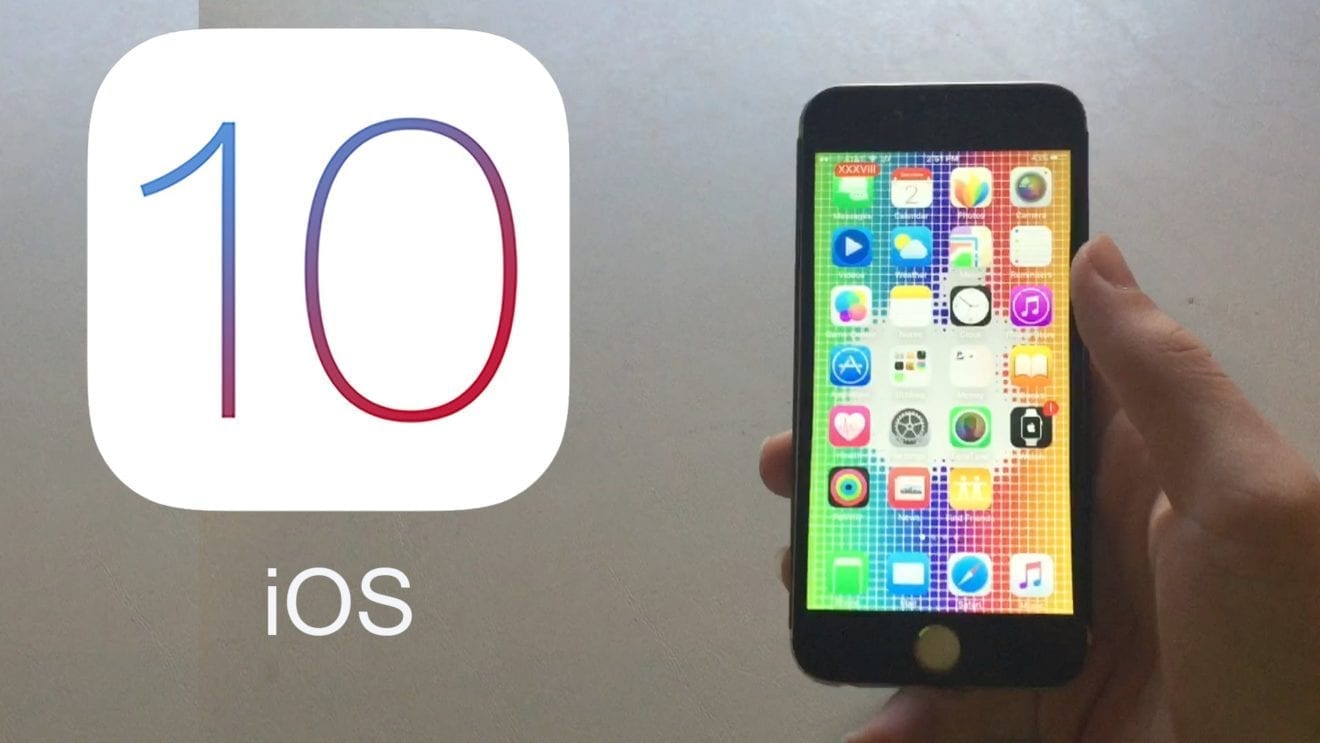
    Apple has previewed iOS 10, which the company is billing as be “the biggest release” ever of the mobile operating system.

    iOS 10 introduces the ability for Siri to do more by working with both internal apps as well as those from third parties.

    The update also includes redesigned Maps, Photos, Apple Music and News apps, and the Home app, promising to deliver a simple and secure way to manage home automation products in one place.

    “iOS 10 is our biggest release ever, with delightful new ways to express yourself in Messages, a native app for Home automation and beautifully redesigned apps for Music, Maps, and News that are more intuitive and more powerful, making everything you love about your iPhone and iPad even better,” said Craig Federighi, Apple’s SVP of software wngineering.

    “iOS 10 adds Siri intelligence into QuickType and Photos, automates your home with the new Home app and opens up Siri, Maps, Phone and Messages to developers — while increasing security and privacy with powerful technologies like Differential Privacy.”

    The update also includes updates to Messages, the most frequently used iOS app, introducing animated and personalized ways to message friends and family.

    Automatic suggestions make it easy to replace words with emoji, Tapback creates a quick and simple way to respond with just a tap and rich links lets the user see content inline and play media without leaving the conversation.

  • Central Department Store app launched

    Central Department Store app launched

    A Central Department Store app has been launched to keep customers informed about in-store promotions, aiming to drive traffic in the lacklustre market in Thailand.

    In the Thai language, Central Smart Shopper lets users key in such factors as date, store branch and budget. It then shows a list of available promotions from about 20 credit-card companies.

    Executive VP for marketing Piyawan Leelasompop says the aim is to capture younger-generation shoppers. “They are eager to change, and one day we could foster the relationship and build brand loyalty.”

    Part of retail giant Central Group, the department store has invested more than 10 million baht (US$280,000) to develop the app, and targets 100,000 downloads by year-end. It plans to further develop the app to link to online shopping.

    This follows Central Group acquiring the Thai market for online fashion marketplace Zalora, as well as a slump in Thai spending. Thailand’s retail sector slowed to 2.8 per cent growth last year, according to the Thai Retailers Association.

    Central Group will kick off a one-and-a-half-month sale on Friday at its 64 branches nationwide, including Central Department Stores. It will invest 100 million baht in the campaign to offer discounts of up to 80 per cent.