Retail News CRM

Tag: ipo

  • Alibaba Hong Kong IPO postponed due to city unrest

    Alibaba Hong Kong IPO postponed due to city unrest

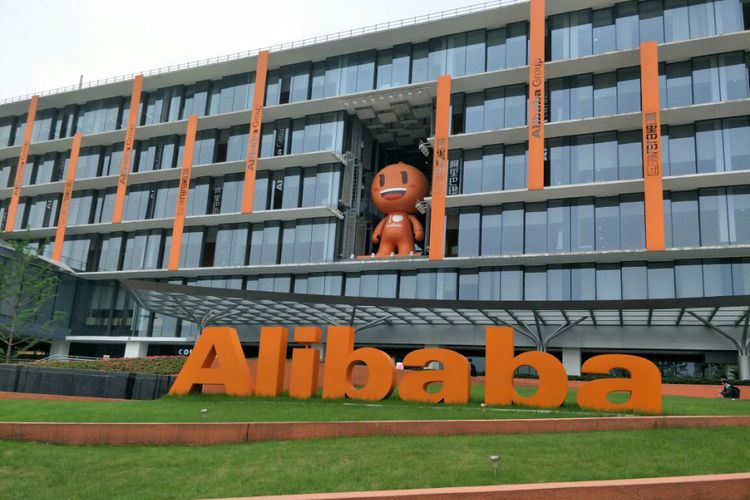
    The planned US$15 billion Alibaba Hong Kong IPO has been postponed due to continuing political unrest in the city.

    The firm’s stance towards the issue is being taken by observers as indicative of the general mood of both mainland businesses and the Beijing administration towards Hong Kong.

    Alibaba made the decision at a board meeting last week noting financial and political instability in the area. A new schedule for the listing has yet to be established, pending an improvement in the situation.

    “It would be very unwise to launch the deal now or anytime soon,” said an anonymous source familiar with the board’s thinking on the matter. “It would certainly annoy Beijing by offering Hong Kong such a big gift given what’s going on in the city.”

    The Alibaba Hong Kong IPO would likely be the world’s largest listing this year when it proceeds. It follows the sale of an 11-per-cent stake in Alibaba by Yahoo offshoot Altaba earlier this year.


  • Thailand’s Dohome launches compact ToGo Store chain

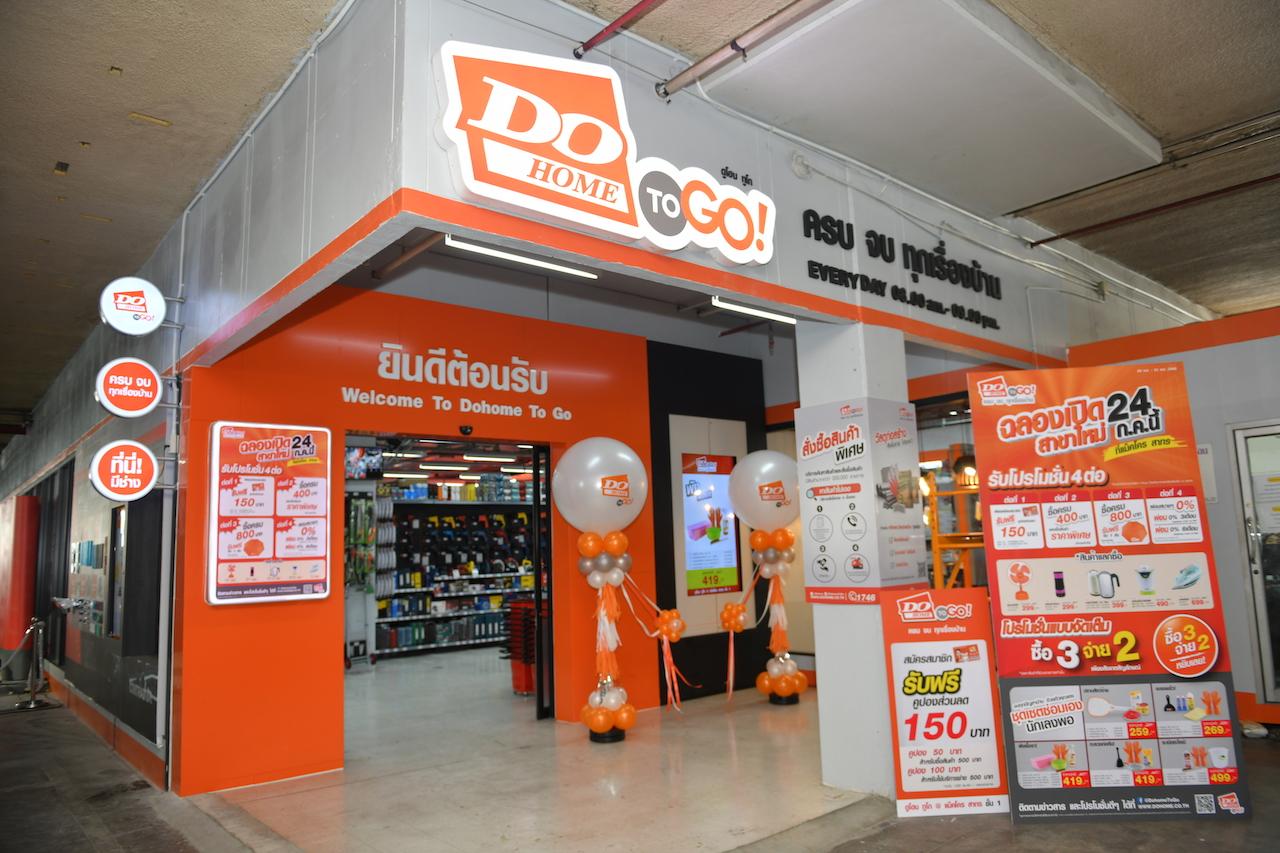
    Thailand’s Dohome launches compact ToGo Store chain

    Thai construction materials and home renovation equipment retailer Dohome is set to expand within the territory by an additional 90 branches by the end of next year.

    The move, partially in response to strong demand from DIY consumers, will introduce the firm’s Dohome ToGo brand with a smaller store format of 300–1000sqm.

    “Do-it-yourself is a rising trend,” said COO Puthada Teravetchakarn. “People want to renovate or repair the home by themselves if they can. It is very easy to use Google or YouTube to find out how to repair something or what materials should be used.”

    The firm is currently seeking suitable locations at department stores, supermarkets and hypermarkets for the new small-concept format, with a budget of up to THB2 million (US$64,650) per branch. The stores will stock around 10,000 SKUs, compared to more than 135,000 SKUs at its nine regular branches.

    “We will survey people living within a radius of three kilometers of proposed locations to ensure demand,” said Puthada. “We will review each month which items are best sellers and revise the selection.”

    Ten new Dohome ToGo branches will open this year, including two locations that have already launched in Bangkok.

    Dohome is in the midst of an IPO, offering 465.04 million shares at THB7.80 each, with a trading opening on August 6.

  • Hong Kong and New York options for US$1 billion Miniso IPO

    Hong Kong and New York options for US$1 billion Miniso IPO

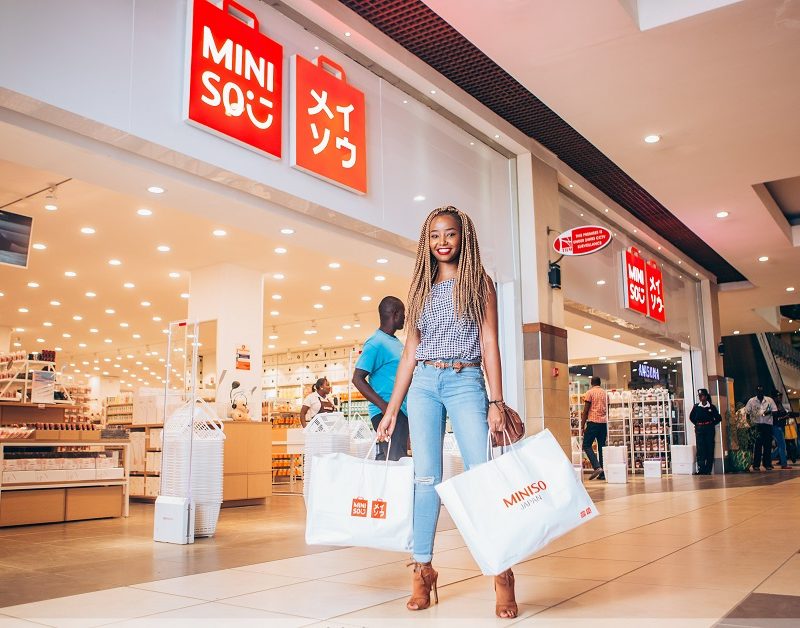
    Chinese discount merchandise chain Miniso is reportedly planning an IPO raising as much as US$1 billion to continue its rapid expansion.

    A Miniso IPO was first mooted by the company in January last year but there has been no further activity until now.

    Citing “people with knowledge of the matter,” Bloomberg has reported that Miniso executives are pitching banks to participate in the public offer.

    Miniso was founded by a Japanese designer and a Chinese entrepreneur in 2013. While it has since attempted to pass itself off as a Japanese brand, its products are predominantly sourced from Mainland China and it is a Chinese-headquartered business.

    The company has around 3500 stores in 80 markets across the world. Late last year Chinese e-commerce and tech giant Tencent and Hillhouse Capital invested RMB1 billion (US$146 million) into the business.

    According to Bloomberg’s sources, both Hong Kong and the US are being mulled as options for the Miniso IPO and a timeline has not yet been set.

    Last year Miniso achieved sales of US$2.5 billion.

  • Ecmoho Pharmacie plans US$100 million IPO

    Ecmoho Pharmacie plans US$100 million IPO

    Chinese online pharmacy Ecmoho is seeking to list on the New York Stock Exchange in order to raise US$100 million for expansion.

    According to sources cited by Bloomberg, the IPO may take place as early as this year.

    The company has declined comment on the matter and sources say the exact timing and the target to be raised may yet change.

    Based in Shanghai, Ecmoho distributes supplements and pharmaceuticals online. As well as selling direct it has stores on JD and Alibaba’s platforms.

    Ecmoho launched in 2002 as an online marketing service, transitioning into e-commerce in 2006, before sharpening its focus on the health sector in 2011. It sells products from domestic manufacturers and global brands.

    Besides Mainland China and Hong Kong, the company operates in the US, Europe and Asia Pacific.

  • Big Expectations for Alibaba’s IPO in Hong Kong

    Big Expectations for Alibaba’s IPO in Hong Kong

    There is growing expectation of an Alibaba IPO in Hong Kong which could raise as much as US$20 billion.

    The plan, if it proceeds, would be the sixth-biggest follow-on share sale in history and succeed the firm’s $25 billion New York float of 2014. It is likely to fuel a renewed surge in technology investment for the firm at a time of escalating trade war between China and the US.

    Spokespeople for the company have refused to provide further information on the tentative deal, which would allow investors in Hong Kong direct access to the Chinese e-commerce behemoth for the first time.

    However, there have been widespread media reports of an Alibaba IPO in Hong Kong from reputable media, with the story originally broken by Reuters.

    Alibaba was previously precluded from a Hong Kong listing due to its rules governing board appointments, however, the Hong Kong exchange has since relaxed its regulations.

    The firm’s direct competitor Tencent Holdings currently trades at 26 times expected earnings in Hong Kong, compared to Alibaba’s New York trading at 22 times expected levels.

    Some onlookers have speculated that Alibaba is looking overseas in response to a perceived maxing out of its potential user base within the mainland.

    Alibaba is expected to apply for a listing confidentially.

  • Malaysian bubble-tea chain Tealive Eying IPO

    Malaysian bubble-tea chain Tealive Eying IPO

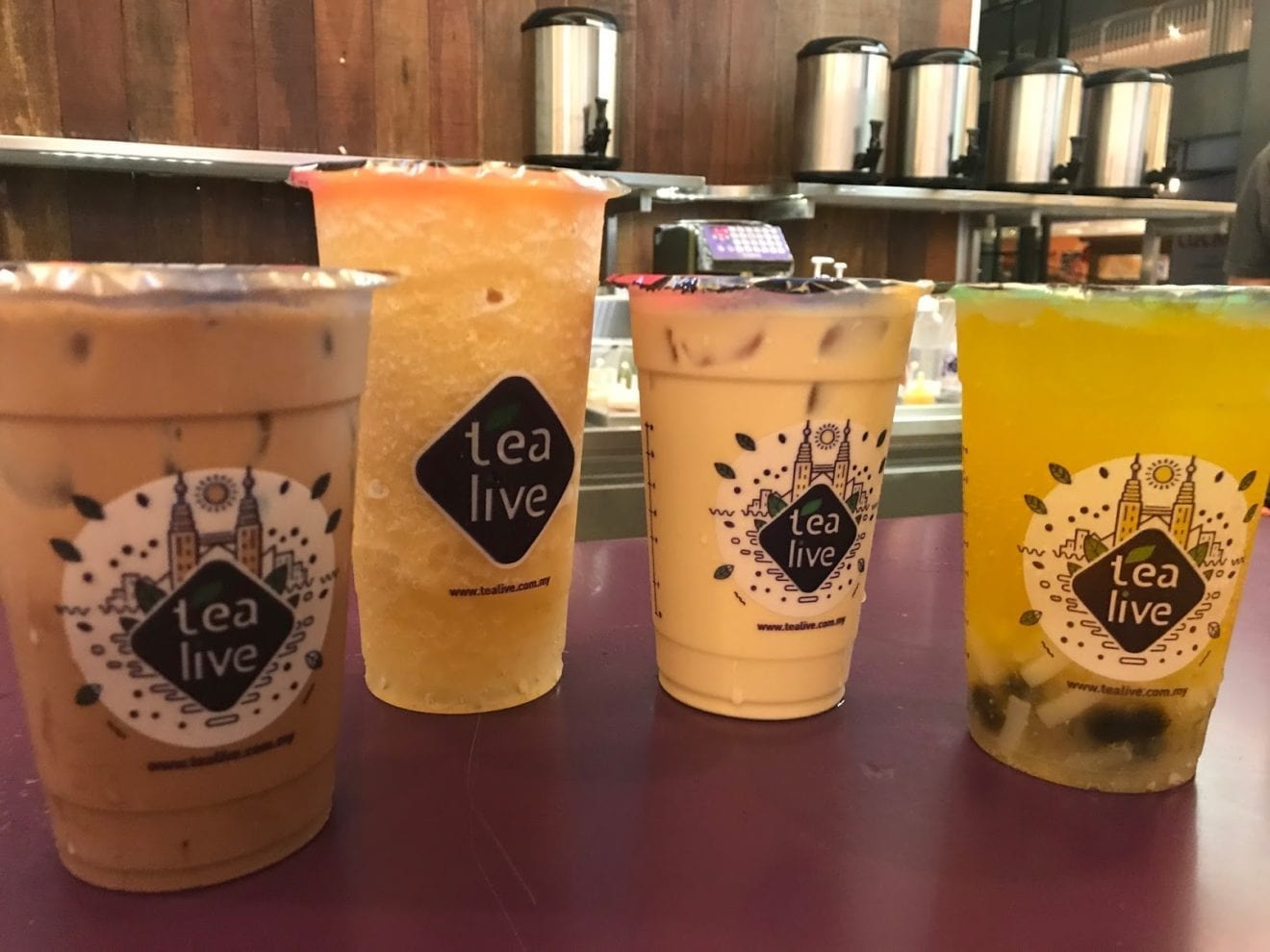
    Loob Holding, parent of Malaysian bubble-tea chain Tealive, is preparing an IPO in Malaysia with a view to raising MYR300 million (US$72 million).

    The firm, which operates more than 200 food-and-beverage outlets in the territory, has reportedly hired advisors to facilitate the process and is seeking a valuation of up to MYR1 billion.

    “We have engaged corporate advisers for this exercise,” said Loo’s CEO Bryan Loo. “We cannot confirm the valuation sought nor the IPO portion, pending final recommendations from our advisers.”

    New listings have been slow off the mark this year, with only $9.4 million in first-time sales so far compared to $47.8 million during the same period last year. Several retail businesses are expected to list shortly, including Malaysia KFC operator QSR Brands and home improvement chain Mr DIY.

  • Indian Drivers Face The Heat As Uber Plans IPO

    Indian Drivers Face The Heat As Uber Plans IPO

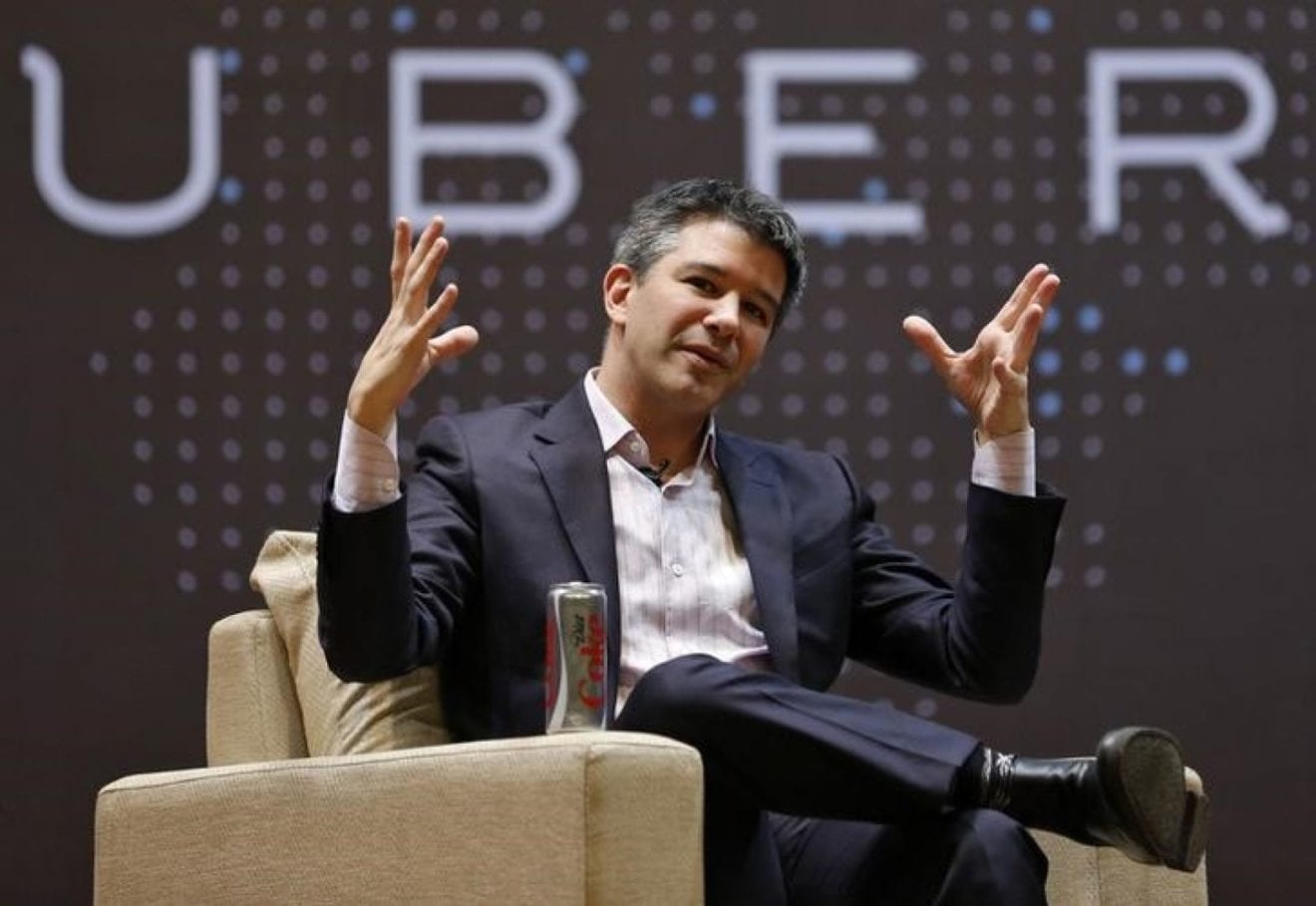
    As Uber drivers planned a global strike on Wednesday ahead of the ride-hailing giant’s massive initial public offering (IPO), Uber drivers in India said they are facing the heat as cash incentives have considerably gone down while work hours have gone up. Drivers in cities like Los Angeles, New York City, London and Tokyo were to join the strike and log off from the apps on Wednesday.

    According to Santosh, an Uber driver in Delhi-NCR, the initial adrenaline rush is over and it has been difficult to run the family as income is low, incentives are down and stress levels are high owing to the pressure to pay monthly EMIs towards car and home loans.

    “When I joined Uber, things were just going fine. Now, with low cash incentives, I have to drive for long hours to make the ends meet,” Santosh told IANS.

    Dharam and Shamu, both Uber drivers, also echoed Santosh’s view.

    An email sent to Uber India for comment went unanswered.

    Uber launched its services in India in 2013 with its UberBLACK service and launched its premium UberX service in 2014.

    Uber currently operates in 31 cities in the country and aims to take its services to other, deeper parts of the country.

    The global ride-hailing platform in January announced the appointment of Indian Institute of Technology (IIT)-Kharagpur alumnus Pavan Vaish as the new Head of Central Operations.

    Uber filed its IPO process last month. It would be listed on the New York Stock Exchange (NYSE) under the symbol “UBER”.

    The company is seeking a market value just above $90 billion in its IPO, according to documents filed with regulators. The ride-hailing company has also announced a one-off bonus for drivers as it prepared to go public.

    As of December 31, 2018, it had 91 million, or 9.1 crores, monthly active platform users. There were 3.9 million, or 39 lakh, drivers on the platform by the end of 2018.

    Uber and Lyft drivers in cities, including Los Angeles, New York City, and London, were set to join the strike and log off from the apps (from 7 am to 9 am ET) on Wednesday.

    “Wall Street investors are telling Uber and Lyft to cut down on driver income, stop incentives and go faster to Driverless Cars,” Bhairavi Desai, Executive Director of the New York Taxi Workers Alliance, was quoted as saying by the CNET.

    “With the IPO, Uber’s corporate owners are set to make billions, all while drivers are left in poverty and go bankrupt,” she added.

    In a statement to CNET, an Uber representative said: “Drivers are at the heart of our service — we can’t succeed without them — and thousands of people come into work at Uber every day focused on how to make their experience better, on and off the road”.
  • Shandong Ruyi seeks $500m

    Shandong Ruyi seeks $500m

    Chinese textile and retail investment company Shandong Ruyi will list an IPO for its recently acquired The Lycra Co in the hopes of raising around US$500 million.

    The group is currently exploring a listing in the US as it works with Goldman Sachs, according to those familiar with the prospective deal.

    Progress has been slow for Shandong Ruyi since regulatory delays held up its $2 billion purchase of Lycra for more than a year, which it finally completed in January. Plans for the IPO are now at early stages and are subject to significant changes before listing, which is scheduled for sometime within the next three years.

    Shandong Ruyi has previously been reported as having ambitions to become “the LVMH of China” and has acquired numerous overseas fashion brands. It is now focusing on consolidating its holdings rather than pursuing new deals.

    Shandong Ruyi Investment Holding is the largest textile and apparel company in China, and ranks among the Top 100 Chinese multinational enterprises. It is headquartered in Jining, Shandong and operates 13 domestic industrial parks.

  • Oppo request patent on new slider design

    Oppo request patent on new slider design

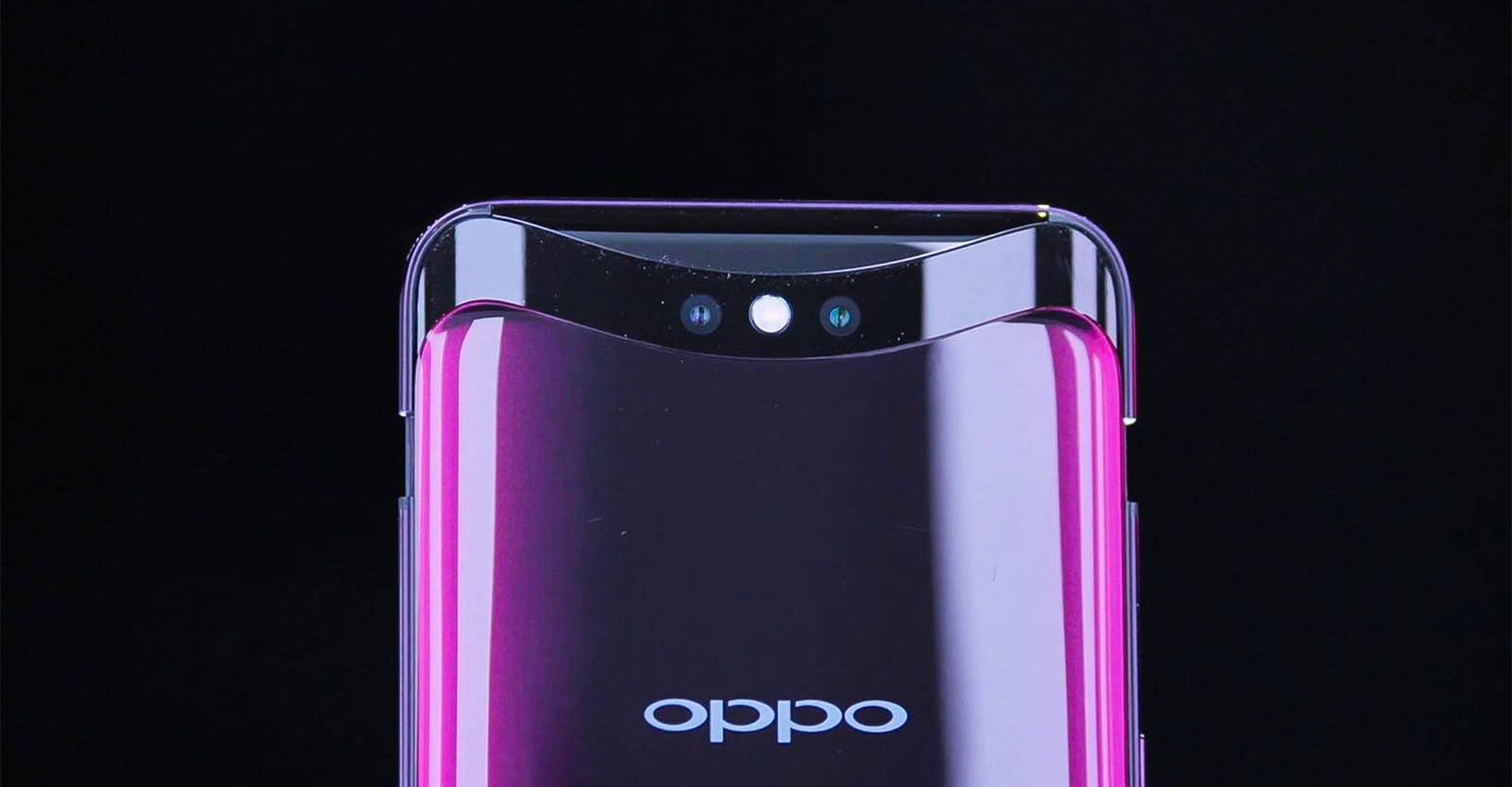
    The European Union Intellectual Property Office (EUIPO) has published a patent awarded to Chinese phone manufacturer Oppo. The company’s Oppo Find X was the first smartphone to feature a slider design; the slider hides the front-facing camera and dual rear cameras until needed. Now, Oppo’s new slider design includes dual cameras that are mounted on the back of the phone, never hidden from view. Meanwhile, the slider holds a pair of front-facing selfie cameras.

    Just the other day, we showed you a case render for a phone called the Oppo Reno, which will be unveiled on April 10th. To give the phone a high screen-to-body-ratio without relying on a notch (which is really the reason for all of the sliders, punch-holes, pop-up cameras and side panels we’re seeing on new handsets these days), the Oppo Reno uses a wedge that mechanically rises from the top of the device.

    The illustrations that accompany the patent show a phone using the newly patented slider, but also don’t show a fingerprint scanner. This could be related to the fact that the patent has nothing to do with that feature, or it could indicate that Oppo plans on equipping a phone using the patented new slider design, with an in-display fingerprint scanner.

    The patent was initially filed in January, was registered and published today. It expires on January 30, 2024.

  • Oliver’s founder and former CEO takes up mantle again

    Oliver’s founder and former CEO takes up mantle again

    Less than a year after exiting Oliver’s Real Food, Jason Gunn is once again chief executive and an executive director on the board of the company he founded.

    The decision follows the departure of Gunn’s replacement, Greg Madigan, who resigned earlier this month after ten months in the role.

    The news drove up the business’s share price from 0.022 cents per share to 0.029 cents per share, a 31.8 per cent increase.

    The announcement was part of a broader leadership change that saw Nicholas Downer named chairman and non-executive director, Steven Metter named company secretary and non-executive director and Amanda Robson Gunn named operations manager and executive director.

    Downer said to shareholders that the brand’s head office had become bloated, and was no longer focused on performance at the cash register.

    After investigating the business’s expenditure, the incoming board found a weekly cash burn rate of approximately $100,000, as well as a number of fees related to consultants and advisors which have now been ceased.

    “The focus of the board and management will be to return calm and confidence to our employees, a relentless focus on implementing [our] cost savings…, returning the business to the successful formulae from it’s pre-IPO stage, all designed to increasing turnover and profits, and rebuilding shareholder value,” the chairman said in his address to shareholders.

    According to Downer, Gunn returns to the business “invigorated, relaxed and ready for this challenge.”

    “As founder and creator, Jason is undoubtedly the right person to drive the business through this turnaround process, as he did while Oliver’s grew at the rate it did over the last 10 years,” Downer said in a note to investors.

    The changes come after Oliver’s suffered a difficult holiday period, having dropped its expectations for the remainder of the year to an EBITDA loss of between $1 and $4 million.

  • Zen Corporation Thailand completes IPO

    Zen Corporation Thailand completes IPO

    Thai restaurant operator Zen Corporation secured THB975 million (US$31.35 million) via an IPO issued last Wednesday. The firm sold all 75 million shares on offer, representing 25 per cent of its registered capital, at THB13 each. Its stock price grew 17.69 per cent over the course of its trading debut, as strong demand pushed the value per share up to THB15.30 on the first day.

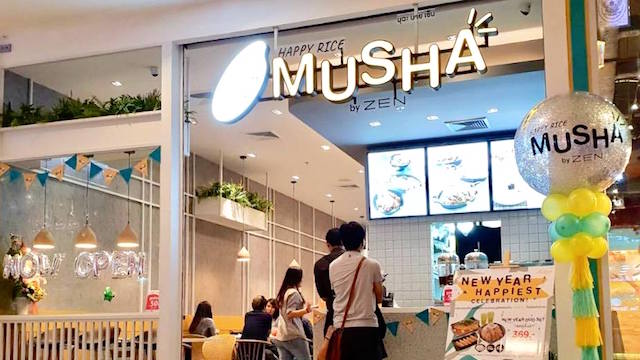
    Zen Corporation is known for its various restaurant chains, including its eponymous brand as well as Musha by Zen, Sushi Cyu Carnival Yakiniku, AKA, On the Table Tokyo Cafe, Tetsu and de Tummour.

    The firm also operates food delivery, catering, restaurant management and consultancy services, as well as food retail operations.

  • Zen Group Thailand prepares to go public

    Zen Group Thailand prepares to go public

    Thailand’s Zen Group is planning to list an IPO to fund expansion of its restaurant chains. With designs to become the leader in Thailand’s food service industry, the company plans to sell 75 million shares in the firm. The proceeds are expected to fund new restaurants in both domestic and international markets, as well as improving existing venues and increasing efficiency.

    While the Japanese-themed chain Zen is the group’s best-known chain, it also operates a string of Thai-branded restaurants including Tummour and Khiang, along with Japanese brands Aka, Musha, On the Table, Vietnamese chain IWO Pho and a Singaporean-style Granny’s Chicken Rice.

    “This year, we plan to add 36 of our owned branches and 87 franchise branches, and in 2020, we plan to expand by a further 50 of our owned branches and 175 franchise branches”, said CEO Boonyong Tansakul.

    The group expects its total revenue to reach THB10 billion (US$315.55 million) by 2022.

    “In the past two years, the group has invested in the management system within the organisation, including increasing personnel and investing in information systems to support business expansion both domestically and internationally”, said Tansakul.

    “This has led to increased administrative expenses, but the result is that at present the group stands ready to expand business and can use the support base that it had prepared beforehand to fully support growth”.

  • Mothercare Malaysia retailer seeks IPO

    Mothercare Malaysia retailer seeks IPO

    Kim Hin Joo, operator of ELC and Mothercare Malaysia, is preparing for an IPO on Bursa Malaysia’s ACE Market. The move, expected to generate funding for the group’s further expansion and expenditure, will see a public issue of 76 million new shares (20 per cent of its enlarged share capital) and an offer of 57 million existing shares (15 per cent of its enlarged capital). Of those shares, 47 million will be reserved for selected investors. Pricing has yet to be decided.

    The firm’s non-executive chairman Pang Kim Hin will see his personal stake reduced to 62.3 per cent after the IPO from his current 90.3 per cent.

    Kim Hin Joo has 16 Mothercare locations and 11 ELC SIS in several major Malaysian centers, with 599 distribution points nationwide and 10 overseas. It plans to open four to five new Mothercare stores within the next three years in Kuala Lumpur, Johor Bahru, and outside the Klang Valley area.

    “We are in the midst of finalising a development agreement with toy retailer The Entertainer UK which will grant us the exclusive rights to open and operate The Entertainer toy outlets, and sell a broad range of toys,” the company said in a statement.

    “We target to conclude the discussions and sign the development agreement by the first half of 2019.”

    The group is also planning to concurrently revamp and upgrade its e-commerce platform by replacing its back-end IT infrastructure system and to expand its distribution portfolio.

  • Vietnam’s PV Power to list with billion-dollar market cap

    Vietnam’s PV Power to list with billion-dollar market cap

    PV Power, the country’s second largest power producer, will list on the Ho Chi Minh bourse this month with a market capitalization of $1.5 billion. The Ho Chi Minh Stock Exchange (HoSE) has approved that the firm lists 2.34 billion shares (trading code POW) on January 14 at VND14,900 (64 cents) per share. This would bring the market capitalization of PV Power to VND34.9 trillion ($1.5 billion).

    PV Power finished its last transaction on UPCoM, the market for unlisted public companies, on December 27 at VND16,000 (69 cents) per share.

    PV Power was established in 2007 with 100 percent capital from the state. The company finished equitization in the middle of last year with a charter capital of VND23.42 trillion ($1 billion).

    State-owned oil and gas giant PetroVietnam remains PV Power’s largest stakeholder, with 79.94 percent of its charter capital. Foreign investors currently own 14.3 percent. The company is subject to a foreign ownership cap of 49 percent.

    PV Power produces and sells electricity. It also imports and distributes coal and operates five electricity plants. It is the second largest power producer in the country after national utility Vietnam Electricity.

    In the 2016-2018 period, PV Power’s revenues were VND28-30 trillion ($1.2-1.29 billion), 96 percent of which came from selling electricity.

    As of September 30, 2018, its total asset value was VND61.4 trillion ($2.64 billion) and its equity was VND26.55 trillion ($1.14 billion).

    Its dividend rate for last year is expected to be 3 percent and is set at 6 percent this year.

  • Mr DIY mulls US$362 million float

    Mr DIY mulls US$362 million float

    Malaysian home improvement brand Mr DIY is considering an IPO to raise about MYR1.5 billion (US$362 million). An industry source has revealed that the firm intends to list its domestic operations later this year on either the Malaysian or Hong Kong exchange with backing from Malaysian private equity firm Creador, which invested in the brand over two years ago.

    A report stated the IPO could bring Mr DIY to a market value of MYR10 billion (US$2.426 billion).

    Mr DIY operates around 600 locations in Southeast Asia. Last October, the company revealed plans to open at least 1000 branches by 2020.

    Head of marketing Andy Chin said then: “We feel that our home improvement retail business model, offering a variety of goods at affordable prices, is suitable for better business growth in the country as well as the Asean market. At the end of this year, we target 700 global branches, and the number may reach 1000 or more by 2020. These will be based on an organic growth.”

    He added that the company’s prospect of Asean-level expansion will be focused on Indonesia, Thailand and the Philippines”.

    Mr DIY is the largest home appliance retailer in Malaysia with more than 20,000 SKUs.