Tag: ipo

  • The Body Shop Malaysia franchisee plans IPO

    The Body Shop Malaysia franchisee plans IPO

    Rampai-Niaga, The Body Shop Malaysia franchisee, is planning an IPO that could raise RM200 million (US$48 million). The company is considering submitting a listing application to the local securities regulator shortly, targeting a presence on Bursa Malaysia by the second quarter of next year at the earliest, according to a source close to the firm. As yet, the company has refrained from commenting on the proposal.

    The company’s website says Rampai-Niaga is the sole franchisee for The Body Shop Malaysia. It opened the beauty products brand’s first outlet in the country in 1984.

  • Vietnam Airlines eyes stock market listing in 2019

    Vietnam Airlines eyes stock market listing in 2019

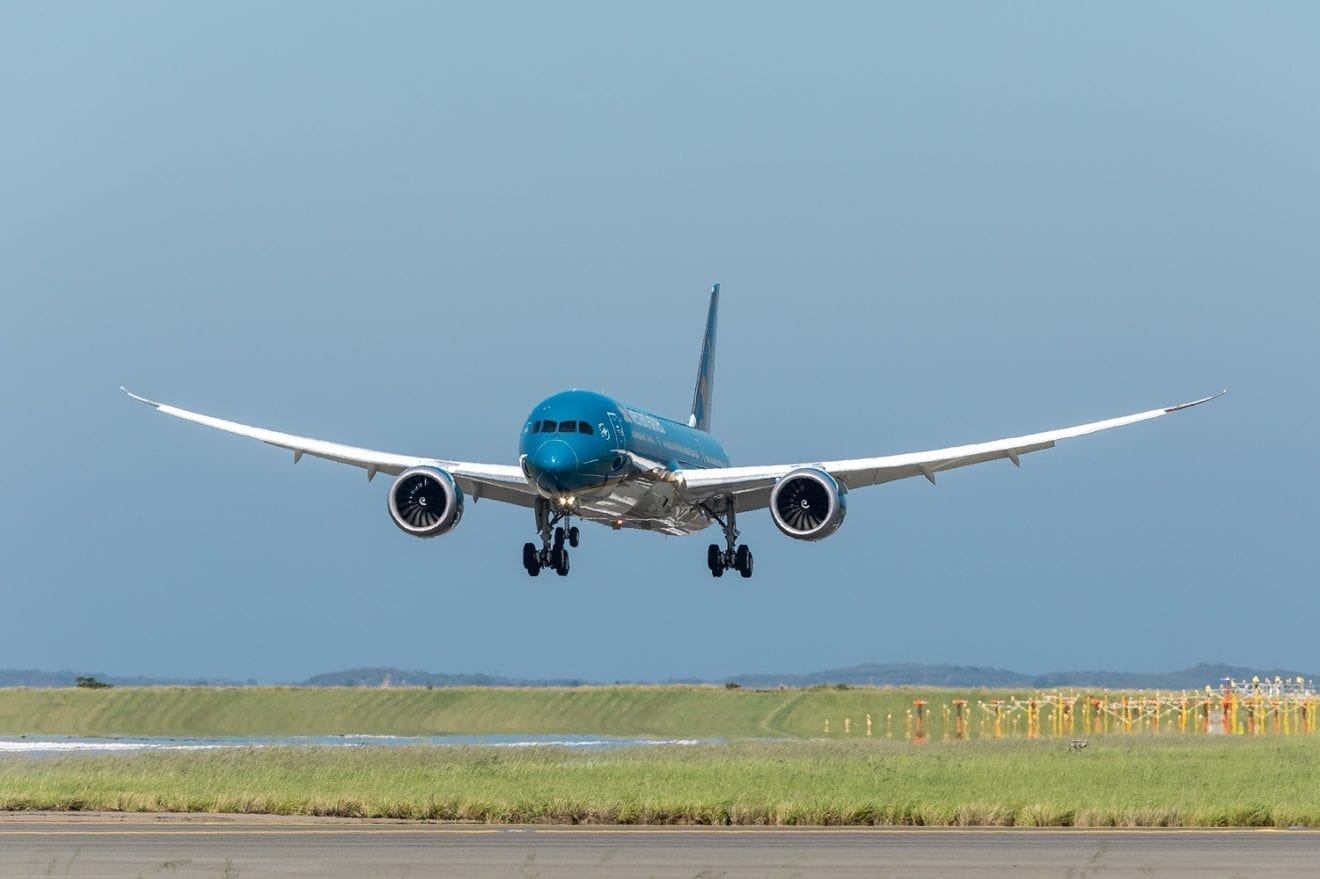
    Vietnam Airlines plans to list its shares on the Ho Chi Minh City Stock Exchange next year amidst rising competition of low-cost carriers. “Vietnam Airlines will go public in the first quarter of next year,” its chief executive, Duong Tri Thanh said. “We are making our target the first quarter of next year, and I think it is feasible.”

    But he admitted the final decision rests with the government.

    The carrier’s shares are traded on Hanoi’s Unlisted Public Company Market (UPCoM) and it has a market capitalization of more than $2 billion.

    The government currently owns around 86 percent of Vietnam Airlines, but has said it wants to reduce this to 51 percent by 2020.

    The country’s largest airline by passengers carried now faces rising competition from budget carrier VietJet Aviation and others. Last month Vietjet became the second most valuable airline in Southeast Asia by market cap behind only Singapore Airlines.

    With the domestic market showing signs of saturation, Vietnam Airlines seeks to expand overseas. In October it started a daily service from central Da Nang City to Osaka City to add to the 70 weekly flights from Vietnam to Japan. In 2020 it plans to begin a direct service to the U.S.

    Vietjet launched a daily service from Hanoi to Osaka last month to take its total number of international routes to 64 in 11 countries. It plans to add two more routes to Japan by next month.

    Other airlines are also jostling for market share. Bamboo Airways, Vietnam’s newest airline, received a license last month and is set to make its maiden flight on December 29.

    Experts said the listing of Vietnam Airlines would allow it to compete with other carriers by attracting more investors.

    “This would be a major Vietnamese company joining the stock exchange, which would interest international investors and potentially enable Vietnam Airlines to raise funds more easily to compete with the likes of VietJet and Bamboo,” the Financial Times quoted Tony Foster, a partner at Hanoi law firm Freshfields, as saying.

    Vietnam’s international aviation market, driven by the rapid growth in tourism, has been expanding at more than 30 percent a year, according to the CAPA Centre for Aviation, an Australian consultancy.

    Vietnam welcomed 14.1 million international tourists from January to November, up 21.3 percent year-on-year, according to the General Statistics Office. As many as 11.4 million of them came by plane, up 15.3 percent, it added.

    Vietnamese carriers transported 45.1 million passengers between January and November, up 11.9 percent year-on-year, and 369.2 million tons of goods, up 18.6 percent, according to the General Statistics Office.

    There are five carriers in Vietnam: Vietnam Airlines, Vietjet Air, Bamboo Airways, Jetstar Pacific and VASCO. Vietnam Airlines owns VASCO and has a 70 percent stake in Jetstar Pacific.

  • Troubled Mr. Pizza heads for Kosdaq delisting

    Troubled Mr. Pizza heads for Kosdaq delisting

    Troubled pizza company MP Group may soon be delisted from the Kosdaq after nine years on the exchange. Korea Exchange announced Monday that a committee on corporate evaluation agreed to delist the company, which operates pizza franchise Mr. Pizza, from the secondary board. Another committee, which is specifically responsible for Kosdaq listings, will reach a final decision by Dec. 24 on whether to delist MP Group or grant it time to its improve performance.

    Chances are high that the MP Group will face delisting by the end of this month. The company had already been given 12 months last October to address issues of concern, but was unable to turn its finances around.

    MP Group recorded 11.14 billion won ($10.07 million) in net losses last year, according to the Financial Supervisory Service (FSS). The situation only improved somewhat this year, with the company reporting 1.04 billion won of net losses in the first three quarters of 2018.

    At the height of its popularity, Mr. Pizza was Korea’s largest pizza chain, with around 433 franchisees in 2014. Though the Mr. Pizza brand started off in Japan, it was in Korea where it became a huge success, riding a wave in the domestic pizza market.

    Jung Woo-hyun, a former chairman, introduced the first Mr. Pizza store in Korea in 1990 and eventually bought the Japanese parent in 1996. By August 2009, MP Group was listed on the Kosdaq.

    The pizza company’s affairs took a dramatic turn for the worse in 2016 when Jung made headlines for a series of alleged offenses, ranging from the physical assault of a security guard to fair-trade violations.

    As accusations continued to surface of Jung and the MP Group’s gapjil, or abuse of power, consumers turned their backs on the franchise. The reaction took a toll on MP Group’s profits, and the number of Mr. Pizza stores quickly dropped.

    The biggest blow came last July when Jung was arrested for embezzlement and breach of trust.

  • Hyundai AutoEver plans IPO

    Hyundai AutoEver plans IPO

    Hyundai AutoEver, an ICT affiliate of Hyundai Motor Group, plans to go public on the Korean stock market, a move seen as a preliminary step to the group’s restructuring. The company said it submitted an application for preliminary screening to the Korea Exchange on Thursday. NH Investment and Securities will oversee the deal. “In time for the paradigm shift such as the fourth industrial revolution, [the initial public offering (IPO)] is to enhance the company’s competitiveness in digital technology as well as the company’s awareness, in addition to further secure investment for research and development,” the company said.

    Hyundai AutoEver was established in 2000 as a B2B company that develops a range of auto software systems related to connected and cloud services. It posted 1.1 trillion won ($971.4 million) in revenue last year with 52.1 billion won in net profit.

    In addition to fortifying the company’s competitiveness, the IPO is expected to relieve more than one risk at Hyundai Motor Group once it restarts its governance restructuring scheme. The company’s internal trade with other Hyundai affiliates accounted for more than 80 percent of its revenue last year.

    Kim Sang-jo, head of the Fair Trade Commission, has been pushing chaebol to eliminate trade among affiliates.

    Domestic fair trade law regulates family members of chaebol from owning more than 20 percent of the group affiliate’s shares. Hyundai Motor Group Executive Vice Chairman Chung Eui-sun slightly missed the spot by owning a 19 percent stake in Hyundai AutoEver, yet the latest push for an IPO is seen as a move to eliminate any possible risk of controversy.

    The public listing of the company is also expected to help Chung secure more funds required for the future governance restructuring as it will encompass numerous spinoffs and mergers.

    Hyundai Motor Group initially released a restructuring scheme back in March that never got off the ground due to a negative response from the market.

  • Burger King cancelled IPO plan

    Burger King cancelled IPO plan

    TFI TAB Food Investments, the exclusive operator of Burger King in the Turkish and Chinese markets, has withdrawn its expected US$220 million IPO in the US. Citing market volatility, TFI TAB withdrew the filing nine months after postponing the Burger King IPO following instabilities in Wall Street trading. The filing had already been scaled back from an initial ask of $400 million, offering 22 million shares for between $9–11. Plans were to use raised funds to pay off debts and for general business purposes.

    The Istanbul-based firm is the world’s largest Burger King franchise, operating 1822 locations – of which 766 are within China.

    According to the firm, “moving into China was bold. We entered this huge and vastly different market later than our competitors. We and our partners invested significant upfront capital as we signed on as the exclusive master franchisee and developer for Burger King in China.”

    In a  statement on the withdrawal the company said it would continue to evaluate the timing for a  Burger king IPO “as market conditions develop”.

  • Bank proposals value Uber at US$120b in possible IPO: Report

    Bank proposals value Uber at US$120b in possible IPO: Report

    Uber Technologies Inc could be valued at US$120 billion (RM498 billion) when it finally goes public next year according to recent proposals made by US banks, citing people familiar with the matter. The ride-hailing company’s most recent valuation was pegged at US$76 billion, following a US$500 million investment from Toyota Motor Corp in August.

    As reported in late September that Goldman Sachs and Morgan Stanley were in pole position to secure top roles in Uber IPO.

    Goldman Sachs and Morgan Stanley last month delivered the valuation proposals to Uber, the report said.

    Uber and smaller rival Lyft have been actively preparing to go public next year. While Lyft has hired IPO advisory firm Class V Group LLC, Uber is behind in its preparations.

    Uber hired Nelson Chai as its chief financial officer in August, filling a long-standing vacancy and clearing the way for its much-anticipated IPO.

  • Softbank said to pick banks to lead $27b mobile IPO

    Softbank said to pick banks to lead $27b mobile IPO

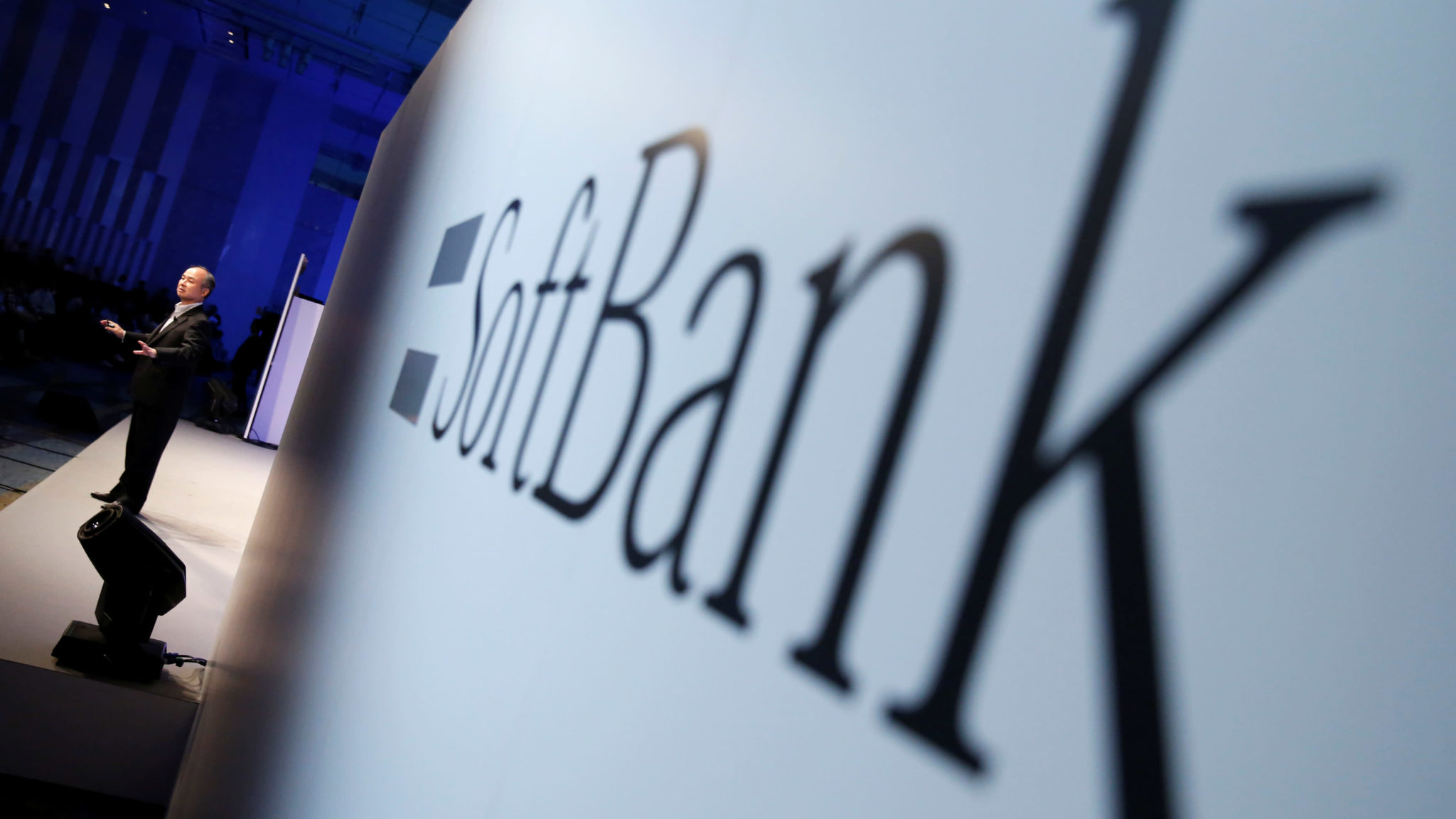
    Japan’s Softbank has reportedly selected the banks that will serve as lead underwriters for the IPO of its domestic mobile business. The operator has picked banks including Nomura Holdings, Mizuho Financial, Sumitomo Mitsui Financial, Goldman Sachs and Deutsche Bank to underwite the offer for around 3 trillion yen ($26.82 billion) worth of shares, citing unnamed sources. This would make the IPO the largest ever, beating Alibaba Group’s $25 billion IPO from 2014.

    According to the sources, Softbank currently plans to start marketing the IPO next month and could list shares on the Tokyo Stock Exchange by mid-December, but this timing is subject to change.

    Softbank’s founder Masayoshi Son is seeking to squeeze value from its telecoms assets to raise funds for his Vision Fund, which aims to raise $100 billion from global investors every two to three years to invest in promising startups and emerging technologies.

    The operator is expected to market most of the shares on offer to Japanese investors.

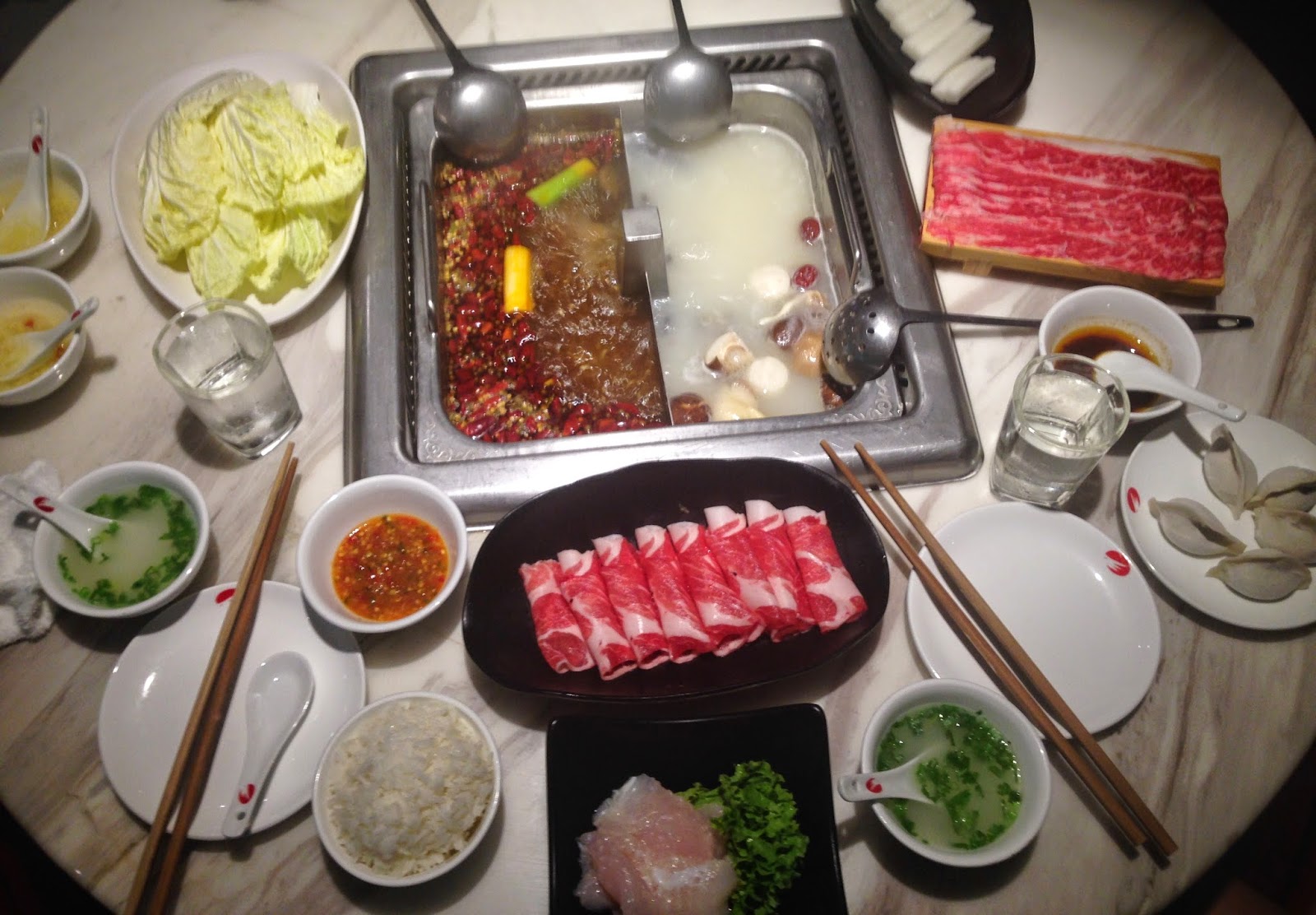
  • Chinese hotpot giant Haidilao preparing for Hong Kong IPO

    Chinese hotpot giant Haidilao preparing for Hong Kong IPO

    The Beijing-based firm, known for serving Sichuan-style spicy hotpot, is in the process of the pre-deal investor education (PDIE), during which analysts discuss the company’s valuation with potential investors.

    It will take orders from institutional investors today, according to people familiar with the matter. The IPO will be opened to retail investors on Wednesday.

    The hotpot company generated a first-half revenue of 7.3 billion yuan (US$1 billion) this year, up 54.4 per cent year on year, its listing prospectus showed. Net profit increased 17 per cent to 647 million yuan during the six month period.

    Funds raised from the IPO would be used to finance the company’s next three years of expansion, develop new technology and projects to enhance food safety and customer experience, as well as repay debt, it said.

    Haidilao, which owns 362 restaurants, has expanded its operations rapidly to cater to a growing middle class population whose consumption is considered an integral part of the country’s new economy sector.

    Recent volatility in the Hong Kong stock market, no thanks to the US-China trade war, currency turmoils in emerging markets and fear of further interest rate hikes, have dampened interest for new listings. This compared with the boom in the first eight months in which funds raised from IPOs totalled HK$187.6 billion (US$23.9 billion), representing a 161 per cent surge from the year-earlier period, according to data from the city’s stock exchange.

    By Friday’s market close, the 10 biggest IPOs in the past year – including China Tower, Xiaomi, ZhongAn Online P&C Insurance – all traded below their offer prices. The Hang Seng Index fell on Friday, posting a weekly loss of 3.3 per cent as a new round of US tariffs that could hit US$200 billion of Chinese goods looms.

    Other upcoming IPOs include investment bank China Renaissance, which aims to raise as much as US$400 million. It will begin its PDIE next week.

    Meituan Dianping, China’s largest on-demand online service platform, launched its offering this week in an attempt to raise US$4.4 billion. The stock is expected to start trading on September 20 on Hong Kong’s main board.

  • Biscuit maker Cookies Quartet applies for IPO

    Biscuit maker Cookies Quartet applies for IPO

    Hong Kong biscuit maker Cookies Quartet is planning an IPO to raise funds for expansion into Canada and Taiwan.

    The company, founded by former Miss Hong Kong Tse Ning, pastry chef Yiu Man Wong and food writer Yuen Tung Kwan in 2008, now has eight stores in Hong Kong and a bakery in San Po Kong.

    In a filing with the stock exchange, Cookies Quartet said it has an agreement with distributors in both new international markets and also plans to expand distribution in Mainland China where it has been selling online for two years.

    Of Hong Kong’s 32 biscuit retailers, Cookies Quartet claims a market share ranking it second in revenue terms with sales of HK$80.7 million giving it 13.6 per cent of the market.

    The company stated its profits at HK$24.7 million (US$3.1 million) this year, and $29.5 million last year.

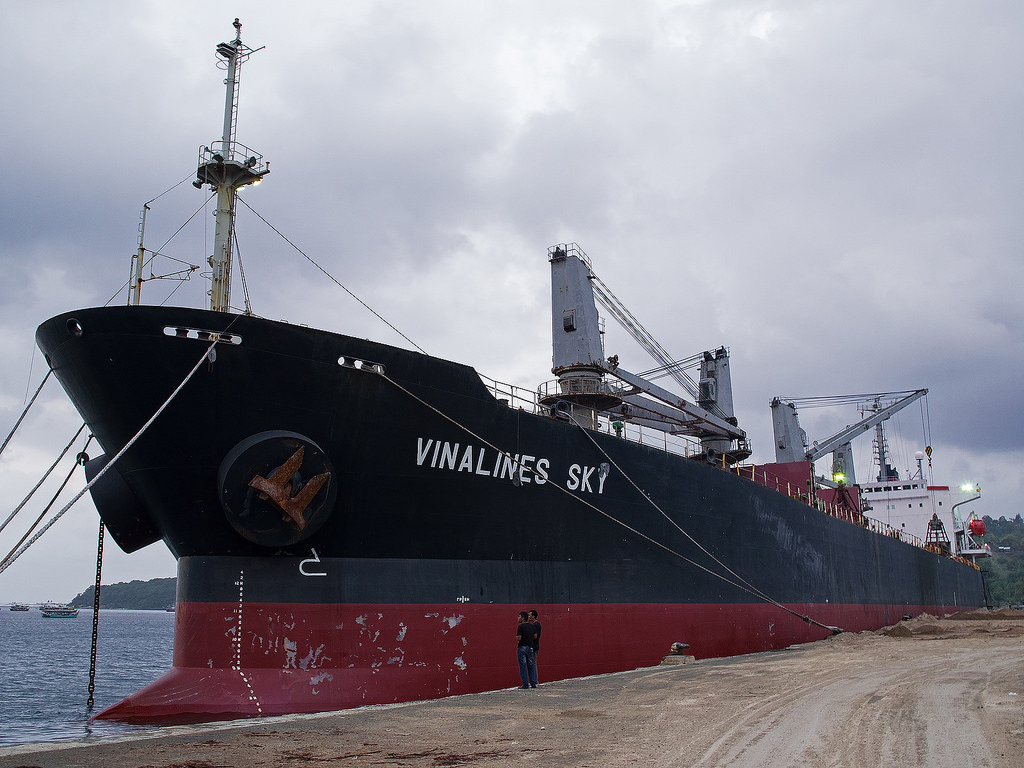
  • Vietnam’s Vinalines raises fraction of target in IPO

    Vietnam’s Vinalines raises fraction of target in IPO

    Vietnam National Shipping Lines, a state-owned shipping firm, raised VND54.3 billion ($2.33 million) from an initial public offering (IPO) on Wednesday.

    The figure was far below its target of VND4.89 trillion, the Hanoi Stock Exchange said on Wednesday.

    The company, better known as Vinalines, sold 5.43 million shares or only 1.11 percent of the shares offered at the IPO at an average price of VND10,002 apiece.

    Vinalines sold the shares to 39 individual investors and two corporate investors. Foreign investors bought 6,200 shares.

    Last month, bookrunner Saigon Securities Inc had said that Vinalines was seeking to raise around $210 million from the sale of 488.82 million shares, or a 34.8 percent stake, at the IPO.

    $1 = 23,313 dong

  • Uber hires CFO on the road to IPO

    Uber hires CFO on the road to IPO

    Uber on Tuesday named a news chief financial officer as the smartphone-summoned ride service remained on the road to a stock market debut next year.

    Nelson Chai came on board from Chicago-based insurance firm Warranty Group, where he was chief executive, according to Uber.

    “I’m incredibly excited to bring on someone as experienced and thoughtful as Nelson,” Uber chief executive Dara Khosrowshahi said in a release.

    “He will be a great partner for me and the entire management team as we move towards becoming a public company.”

    Uber, which operates in 65 countries and has disrupted local transport in many locations despite regulatory hurdles and resistance from taxi operators, has expressed plans for an initial public offering of shares late next year.

    Chai has more than a decade of experience at firms including CIT Group financial holding company and Merrill Lynch & Co, according to Uber.

    “I look forward to working closely with Dara and team as we build on the company’s strong growth and forward momentum,” Chai said in the release.

    Uber last week disclosed that its second-quarter loss jumped despite taking in more money, as it invested in scooters and other “big bets.”

    The San Francisco-based smartphone ride star reported it lost US$891 million on net revenue of US$2.8 billion, while overall bookings rose to US$12 billion.

    He added that Uber is investing in “big bets” including restaurant take-away delivery service Uber Eats and “environmentally friendly modes of transport” including e-bikes and scooters.

    The company, with a valuation by investors of more than US$60 billion, is also devoting resources to what it sees as high-potential markets in India and the Middle East, according to Khosrowshahi.

  • Farfetch prepares for IPO

    Farfetch prepares for IPO

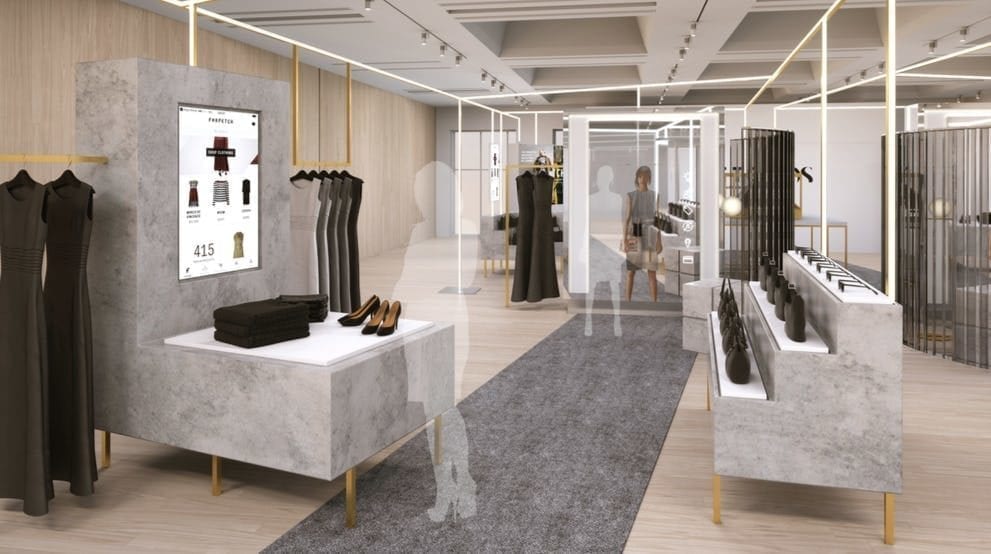
    Fashion marketplace Farfetch has filed an F-1 form with the US Securities and Exchange Commission with the intention of proceeding with a public flotation of its Class A ordinary shares on the New York Stock Exchange under the ticker symbol “FTCH.”

    The number of shares to be offered and the price range for the proposed offering have not yet been determined.

    Goldman Sachs & Co., J.P. Morgan, Allen & Company and UBS Securities are acting as joint lead book-running managers for the proposed offering. Credit Suisse Securities (USA), Deutsche Bank Securities Inc. and Wells Fargo Securities are acting as joint bookrunners. Cowen and Co. and BNP Paribas Securities Corp are acting as co-managers.

    Reports of the company’s plans to IPO first surfaced in June 2017. Farfetch founder and chief executive Jose Neves had been reticent to lay out a timetable for an IPO, but he acknowledged that it was the logical next step for the company.

    The listing could value the company at up to $5 billion.

    The fashion e-commerce platform, which connects consumers with a curated global network of boutiques and brands, cleared $800 million in gross merchandise value in 2016, generating an estimated $150 million in revenue (Farfetch takes 20 to 25 percent commission from partners).

    So far this year, the platform has acquired a Chinese digital marketing agency in a bid to boost its presence in the world’s second-largest luxury market; inked a strategic partnership with Chanel to enhance the French luxury house’s boutique experience; entered into a joint venture with Chalhoub Group, one of the biggest distributors of fashion and luxury goods in the Middle East; and struck a deal with Burberry to expand its global e-commerce distribution and launch a “show to door” London delivery service in a drumroll of announcements designed, in part, to prime the market in advance of its IPO.

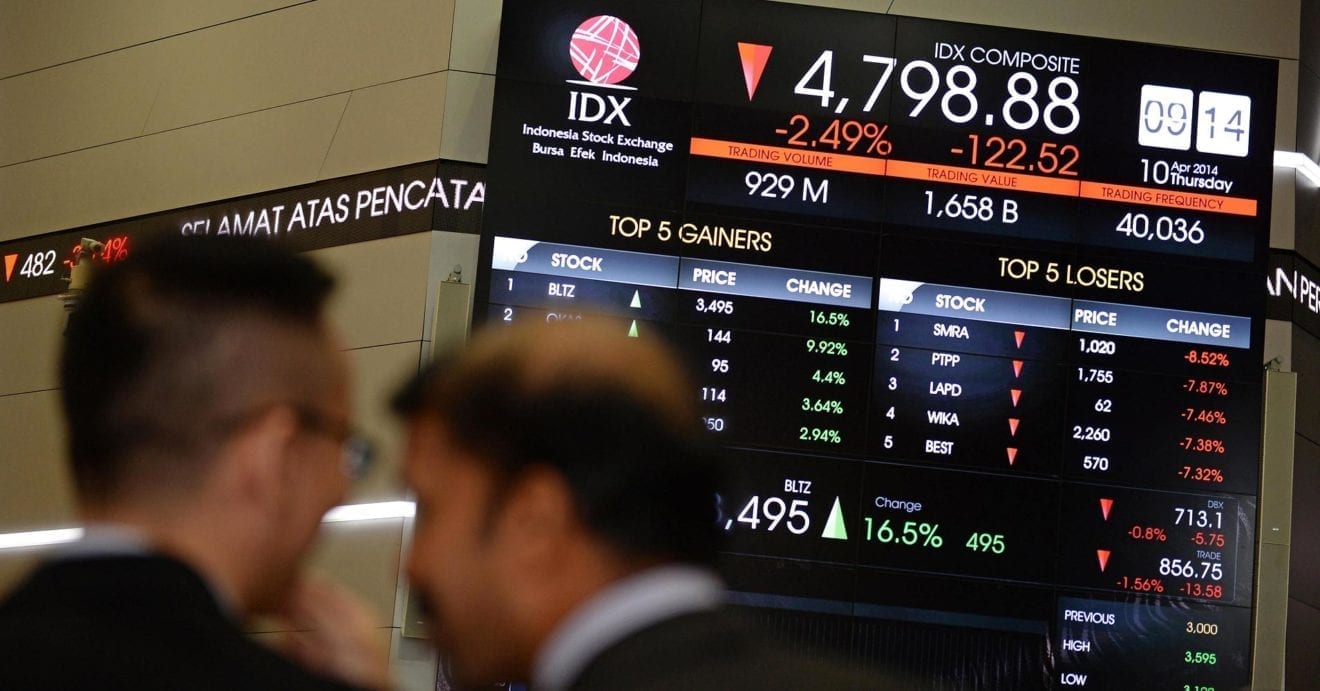
  • Indonesia Companies Rush to List Before Upcoming Election Year

    Indonesia Companies Rush to List Before Upcoming Election Year


    Companies are rushing to go public this year in search of fresh funds despite volatility in the market and investors likely to maintain a tight grip on the purse strings ahead of Indonesia’s 2019 general election.

    Thirty companies have listed on the Indonesia Stock Exchange (IDX) between Jan. 1 and July 12, raising a total Rp 11.5 trillion ($790 million). In contrast, 20 companies undertook initial public offerings in the same period last year, raising about Rp 3.8 trillion in fresh capital.

    The bourse expects 16 more companies to list during the rest of this year, among them Garuda Food, MD Pictures, Arkadia Digital and Media Net Visi Media, better known as Net TV. That would bring the total for the year to a record 46.

    Kiswoyo Adi Joe, an analyst at Narada Kapital Indonesia, said prospective companies are hurrying for early listings on the IDX this year rather than wait for next year because of the uncertainty associated with an election year.

    “They seem to worry about the upcoming election year, which would be more difficult and uncertain. While the JCI [Jakarta Composite Index] is flashing green, these companies will rush to list on the IDX,” Kiswoyo said.

    Most of the public listings so far this year were by small and medium firms, such as digital exchange platform NFC Indonesia, palm oil producer Mahkota Group and property firm Sinergi Megah Internusa.

    Among them were subsidiaries of state-owned companies, such as insurance firm Asuransi Tugu Pratama Indonesia, shariah-compliant lender BRI Syariah and logistic firm Indonesia Kendaraan Terminal, which raised more than Rp 1 trillion.

    These companies prefer to seek funding through IPOs because it is cheaper than borrowing from banks or issuing bonds and medium-term notes, said I Gede Nyoman Yetna Setia, newly appointed company valuation director at the IDX.

    “Banks require guarantees and companies usually only qualify for loans of up to 30 percent of their guarantee value. At a certain point, when they need loans for big expansions, they do not have any guarantees left,” Nyoman said.

    However, companies seeking to raise capital will find themselves in a volatile market.

    The benchmark JCI has slipped more than 7 percent since the beginning of the year, with foreign investors dumping Rp 51 trillion in shares. The rupiah has meanwhile lost 6.9 percent of its value since the beginning of the year and currently trades at 14,487 against the US dollar.

    “Whenever the US Federal Reserve raises interest rates, it affects our stock market and bonds. There are also other factors, including the current geopolitical situation, especially the heated trade war between the United States and China,” said Ari Pitojo, chief investment officer at asset management firm Eastspring Investments.

    While the uncertainty will force some investors to adopt a wait-and-see approach, others will perceive the valuations of these companies as low and scoop up their stocks at bargain prices. This will shore up demand for the IPOs this year.

    “Market volatility has little effect on any particular IPO because it is mostly about a company’s fundamentals,” said Nafan Aji, an analyst at Binaartha Sekuritas.

    “But this year, the stock market is perceived as relatively cheap, so many want to hold IPOs.”

  • Korea’s M Corset listing for IPO to boost awareness

    Korea’s M Corset listing for IPO to boost awareness

    South Korean underwear retailer M Corset is going public on the Kosdaq secondary bourse.

    The IPO has been announced as a move to improve the firm’s brand awareness in Asia. Its initial share price is being set at KRW10,100 to KRW11,500 (US$9–$10.35) per share, or up to 29 billion won (US$26 million) based on the top-end price.

    A spokesperson for the company at the press conference for the IPO said “We will use our IPO momentum to make inroads into Asian markets, including China.”

    The brand, which has an almost 20-year history, made the leap from TV home-shopping channels to brick-and-mortar stores through the success of its 19 underwear brands for men and women under 19 – the most popular of which is Wonderbra, which made up 43 per cent of its total sales of KRW124.3 billion (US$112 million) last year.

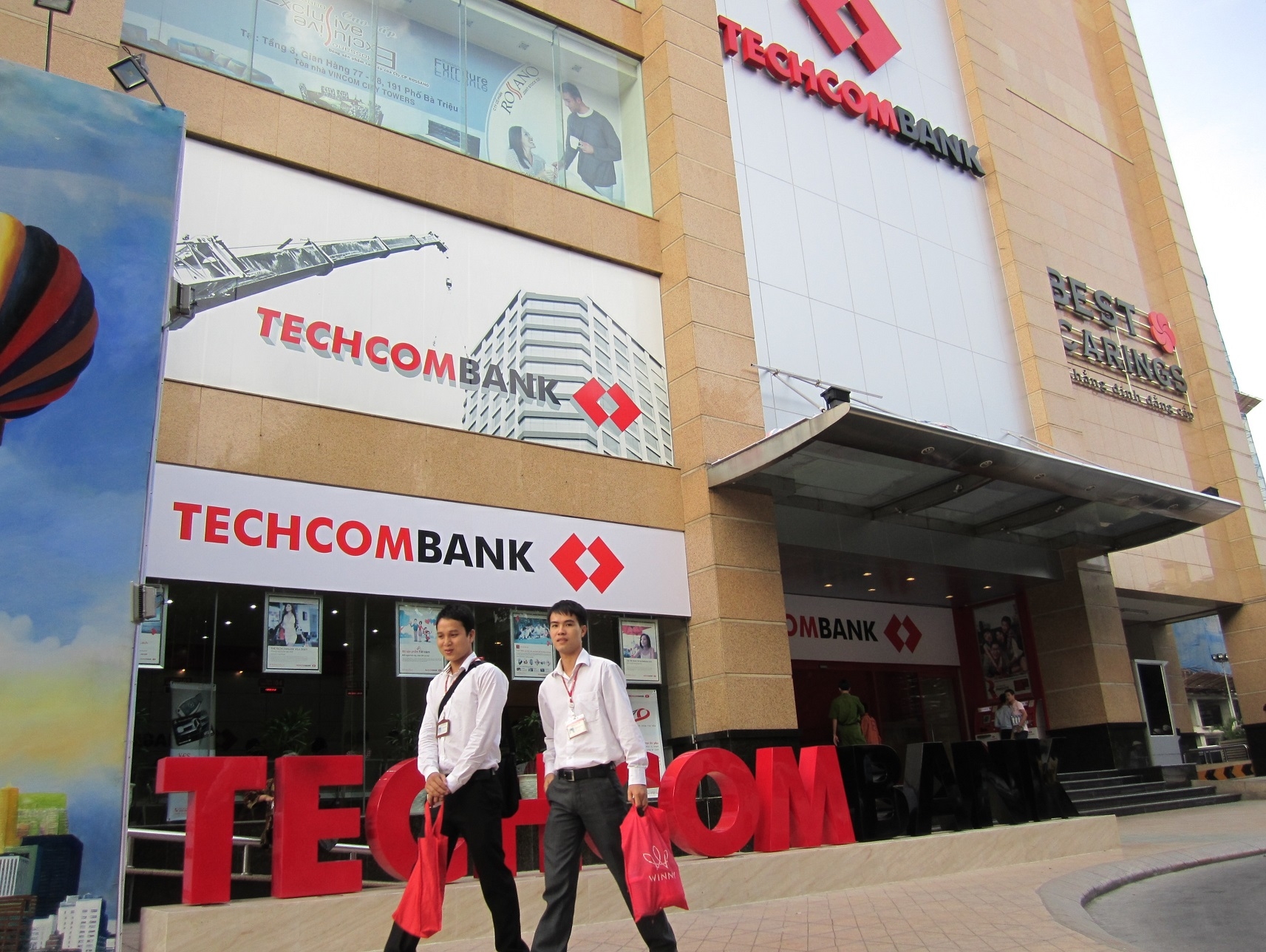
  • Vietnam’s Techcombank shares drop 20 pct on debut

    Vietnam’s Techcombank shares drop 20 pct on debut

    Vietnam’s Techcombank saw its shares fall as much as 20 percent from their reference price on Monday, hitting the lowest trading limit allowed on a stock’s maiden day of trading.

    Techcombank, formally known as Vietnam Technological and Commercial Joint Stock Bank, raised $922 million in April in one of Vietnam’s biggest offerings, aiming to expand aggressively into retail banking to capitalise on booming demand for an array of financial services.

    The shares are allowed to move 20 percent higher or lower than the reference price on the first day of listing, according to exchange trading rules. In morning trade, Techcombank hit a low of 102,400 dong ($4.49), falling from its 128,000 dong reference price.

    Vietnam’s benchmark VN Index dropped 10 percent in April after touching a record high, prompting fund managers and strategists to warn valuations may have peaked. The index lost a further 7.5 percent in May.

    “We obviously can’t select what’s happening at the market when we come to listing,” Chief Financial Officer Trinh Bang said last week.

    The 25-year-old bank is seeing strong growth in services such as credit cards, auto loans and bancassurance. Its cornerstone investors included Singaporean sovereign wealth fund GIC Pte Ltd, Fidelity Management & Research and domestic fund Dragon Capital.

    Techcombank’s appeal stems from a boom in financial services while the economy expands at record rates.

    Vietnam reported annual credit expansion of about 18 percent for the past two years, with banks posting strong profit growth. A manufacturing boom spurred the export-dependent economy to grow 7.4 percent in January-March – the fastest first-quarter pace in a decade – after growing 6.8 percent in all of 2017.

    ($1 = 22,790 dong)