Retail News CRM

Tag: ipo

  • MyRepublic planning IPO by end-201

    MyRepublic planning IPO by end-201

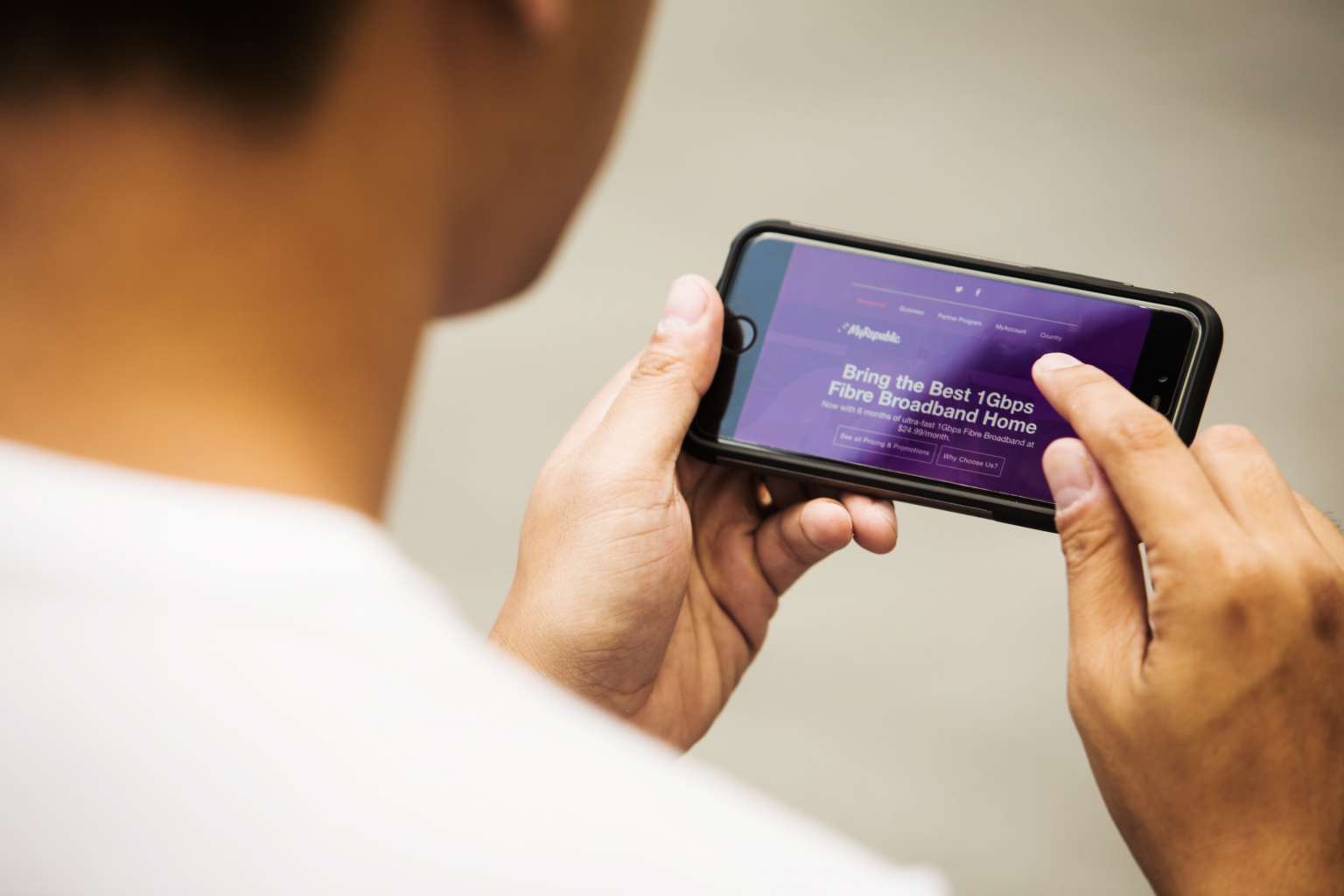
    Singapore-based MyRepublic is gearing up to conduct an IPO by the end of next year, and use the funds to expand its operations to cover at least 10 countries in the next five years.

    In a media briefing, MyRepublic said it is currently exploring listing on the Singapore, Hong Kong and/or Australian stock exchanges.

    MyRepublic is meanwhile planning an entry into the Singapore mobile market in the fourth quarter and expects to subsequently expand its mobile operations to other parts of the region by next year onwards.

    The company is likewise planning to launch TV services in the region, bcoming a quad-play provider.

    MyRepublic currently operates in Singapore, Indonesia, Australia and New Zealand, and is evaluating expanding to Myanmar, Sri Lanka, Vietnam, Myanmar, the Philippines, Thailand, Cambodia and Malaysia. By June, the company reached 200,000 broadband subscribers across the region.

    The company leverages NBN rollouts in the markets with strategic deployment of passive infrastructure to remain infrastructure agnostic and enable rapid expansion at a low cost of market entry.

    MyRepublic said it can enter a new market in 60 days and launch new products in three months. The company has entered a new market every year since 2014 and turns ebitda-positive within two years of entering each new market.

    At the briefing MyRepublic also denied reports that the company is pursuing an acquisition of Singapore’s M1. While the operator has put in a bid, it is not pursuing the acquisition, the company said, noting that while M1 is a traditional telco, MyRepublic is an “internet platform company.”

  • Singtel launches $1.89b IPO for NetLink Trust

    Singtel launches $1.89b IPO for NetLink Trust

    Singtel has launched an up to S$2.63 billion ($1.89 billion) IPO for its fiber broadband subsidiary NetLink NBN Trust.

    NetLink NBN Trust is the holding company for NetLink Trust, the company operating the passive infrastructure for the next generation nationwide broadband network (NG-NBN).

    NetLink NBN Trust has filed a preliminary prospectus with the Monetary Authority of Singapore ahead of the planned IPO and listing of the company on the Singapore stock exchange.

    In its role as the NetCo for the NG-NBN, NetLink Trust designs, builds, owns and operates the ducts, manholes, fiber cables and central offices and other passive infrastructure for the network. Its assets include around 76,000km of fiber cable.

    The company sells wholesale dark fiber services to licensees including Singtel itself, StartHub, M1 and MyRepublic. It recorded revenue of S$299 million and net profit of NZ$79.4 million in the most recent financial year ending in March.

    The IPO is expected to give NetLink Trust an initial market capitalization of between S$3.09 billion and S$3.59 billion.

    It will also fulfill Singtel’s regulator-mandated requirement of divesting at least 75% of the trust before next April, as part of the structural separation requirements for the state-led NG-NBN project.

    The IPO is on track to become Singapore’s largest public float since the S$7.6 billion listing of Hutchinson Port Holdings Trust in 2011.

  • Singtel gets conditional nod for NetLink Trust IPO

    Singtel gets conditional nod for NetLink Trust IPO

    Singtel has secured conditional approval to list its wholly-owned subsidiary NetLink Trust on the SGX as part of its obligations to the government under the state-owned Next Generation National Broadband Network (NG-NBN) project.

    NetLink trust builds and operates the passive infrastructure for the NG-NBN. As a condition of Singtel winning the NG-NBN tender, Singtel agreed not to have effective control in NetLink Trust. In February, the company announced it has committed to regulator IMDA to divest its ownership to less than 25% by April next year.

    The structural separation arrangements formed part of the IMDA’s open access requirements for the NG-NBN project.

    Singtel said Singapore Exchange Securities Trading Limited (SGX-ST) has issued a conditional eligibility-to-list letter for NetLink Trust.

    The listing will be contingent on market conditions, obtaining the required regulatory and other approvals as well as other prerequisites, Singtel said.

    Once up and running, market watchers expect the IPO to raise at least S$2 billion, making it one of the largest offerings in Singapore in years. Singtel has appointed DBS Bank, Morgan Stanley and UBS to advise on the IPO, which could be complete as early as July, according to recent reports.

  • Vietnam’s online gaming firm VNG eyes IPO in US

    Vietnam’s online gaming firm VNG eyes IPO in US

    It is now in a race with budget carrier VietJet to become the first Vietnamese company to list abroad. Vietnamese online gaming and messaging firm VNG Corp said Tuesday that it has signed a preliminary agreement with U.S. bourse operator Nasdaq Inc to explore an initial public offering, a move that could make it the first Southeast Asian firm to be listed overseas.

    The agreement, which could see Nasdaq help VNG prepare for the listing, was signed on the sidelines of Vietnam Prime Minister Nguyen Xuan Phuc’s visit to the U.S.

    Founded in 2004, VNG provides online games, music streaming and messaging applications. Its statement did not disclose details about the IPO plans.

    The company was not immediately available for comment.

    In his Tuesday meeting with Robert H. McCooey Jr, vice president of Nasdaq, PM Phuc hailed the agreement between Nasdag and VNG. According to a government report, he said that Vietnam’s government always encourages the cooperation between local firms and U.S. partners.

    In a report on Sunday, VietJet Aviation Joint Stock, which controls almost half of Vietnam’s domestic airline market, is in talks to become the first company in the Southeast Asian nation to list its shares in an overseas stock exchange.

    “We’ve been approached by some foreign stock exchanges including London, Hong Kong and Singapore, which expressed their interest in our stock,” Nguyen Thi Phuong Thao, VietJet’s founder and chief executive officer, was quoted as saying. She added that she will meet exchange officials in New York later this week.

    VietJet reportedly received shareholder approval in April to boost its foreign ownership limit to 49 percent from 30 percent. The increase will need to be approved by the government because foreign ownership in the industry is currently capped at 30 percent.

    “We don’t want to hide our hope to become the first Vietnamese company to list shares overseas,” Thao reportedly said.

  • Under Armour braces for first loss since IPO

    Under Armour braces for first loss since IPO

    Under Armour is poised to report its first quarterly loss since going public in 2005, a setback for a high-flying growth company that’s already had a tumultuous start to the year.

    The sports-apparel maker in January cut its growth forecast, sending the stock plummeting. Soon after, Chief Executive Officer Kevin Plank’s favorable comments about President Donald Trump sparked a consumer backlash. Plank, who founded the company, also raised eyebrows this month when a proxy filing showed that businesses he controls received $73 million in payments from Under Armour.

    “Under Armour has gone from being an incredibly loved stock to now having a lot of concern around it,” said Simeon Siegel, an analyst at Instinet LLC. Negative sentiment on Wall Street, he said, “has hit a fever pitch.”

    On Thursday, the athletic brand will probably post a loss of about 4 cents a share in the first quarter, according to the average of analysts’ estimates. Revenue projections call for 5.9 percent growth to $1.11 billion. That would mark the company’s first dip below double-digit gains since the height of the recession in 2009.

    Under Armour’s prospects have done an about-face as it struggles to recapture the rapid growth that saw revenue double about every three years. Plank has blamed the company’s woes on overall retail weakness and store closings, including the liquidation of key customer Sports Authority. The result has been a glut of merchandise, meaning profit margins took a hit as discounting was needed to clear it. In January, the company lowered its forecast of 2017 revenue growth to as much as 12 percent from the low-20-percent range.

    Under Armour shares have fallen 33 percent this year after dropping 30 percent in 2016. They slid 0.5 percent to $19.44 at 9:35 a.m. in New York on Wednesday, with its price trading at about half the level of seven months ago.

  • Market readies for a year of record IPOs

    Market readies for a year of record IPOs

    Last week, Korea’s largest mobile game developer, Netmarble, applied for its highly anticipated public listing on the Korea Exchange.

    The IPO has generated buzz not only because of the promising investment it’s set to raise but also because it will be the first major mobile game developer to list on the Korean market’s main index, the Kospi. Investors are already speculating that Netmarble could raise as much as 2.7 trillion won ($2.4 billion) by the time it debuts, likely in early May. The company is selling 17 million shares at a price band of 121,000 won to 157,000 won per share, and if it succeeds, Netmarble’s value is expected to be 13.3 trillion won.

    This would make the IPO the most lucrative so far on the Korean market since 2010 when Samsung Life Insurance raised 4.9 trillion won. Netmarble has the potential to even exceed rival NCsoft, which currently holds the largest market capitalization among Korean game companies with 6.4 trillion won as of Friday.

    Netmarble is certainly not the first company to go public this year, but its listing is sending positive vibes in the local market for other major companies that are also planning IPOs this year. The Korea Exchange is expecting 2017 to have the highest number of IPOs and biggest amount of investment raised in seven years.

    Last year, 13 newly-listed companies, including major industry players like drug maker Samsung Biologics and construction equipment supplier Doosan Bobcat, were able to collectively raise 4.3 trillion won. This year, the market expects more than 20 companies to raise between 10 and 13 trillion won. Whether the value hits its peak depends on whether Lotte successfully lists its hotel business, the de facto holding company of Korea’s fifth-largest conglomerate.

    The last time such a large number of companies went public was 2010, when 22 companies listed on the Kospi and raised 8.7 trillion won. But since peaking seven years ago, the number of IPOs has largely been falling, as weak economic growth has also limited upward momentum on the stock market.

    Expectations are high for a rebound this year. Starting with Netmarble, major companies including ING Life Insurance, E-Land Retail and two major state-run energy companies are lining up for a public debut on Seoul’s main bourse.

    Year of the IPO

    While last year’s IPOs were mostly concentrated on biopharmaceutical and health care companies, Park Jong-seon, an analyst at Eugene Investment & Securities, believes 2017 will be the year of energy and IT.

    So far this year, two companies have already succeeded in listing on the Kospi. Hojeon, a supplier of sportswear and outdoor outfits for global brands like Nike and The North Face, was the first to list on the index this year. It went public on Feb. 2, raising 41.6 billion won. A medical device manufacturer, Dentium, went public on March 15 and raised 81.4 billion won.

    But the big ones like Netmarble are expected to be concentrated in May, including ING Life Insurance, Korea South-East Power, Korea East-West Power and shoe retailer ABC Mart.

    ING Life Insurance is in a unique position considering that if it succeeds, it will be the first case of a company entirely owned by a private equity fund listing on the Korean stock exchange. In June 2014, the government relaxed regulations to allow private equity funds to recollect their investment through IPOs in hopes of boosting the merger and acquisition market.

    In 2013, the Dutch life insurer sold its 100 percent stake in the Korean branch that was first founded in 1991 to MBK Partners. The IPO is expected to raise 1 trillion won.

    Also debuting in May are Korea South-East Power and Korea East-West Power. This will be the first listing of a state-run energy company in seven years since Korea District Heating Corporation. They will mark the beginning of a government plan to list eight state-run energy companies by 2020. The country’s deputy finance minister, Jo Kyu-hong, said in January that the IPO of the energy companies was necessary to secure investment for long-term projects that will reduce carbon emission by 25 percent.

    Each of the two energy companies is hoping to raise roughly 1 trillion won.

    Korea’s largest shoe retailer, ABC Mart, is expected to try for an IPO by May. The company received a preliminary evaluation approval in November that is only effective for six months. The market estimates ABC Mart Korea will raise between 200 and 300 billion won.

    This isn’t the first time the shoe retailer has shot for an IPO. Its first attempt was in 2008, but the company walked back from it as the global crisis unfolded with the bankruptcy of Lehman Brothers. The retailer then tried again in 2011 but had to back out due to a scuffle between the then-Korean CEO and management of Japan’s ABC Mart.

    Last year, ABC Mart Korea made their latest attempt. The company was hoping to go public within the last three months of 2016 but had to again push that back because of unfavorable market conditions, including a bearish stock market and weak consumption that affected sales.

    Public offerings on the Kospi’s little cousin, the tech-heavy Kosdaq, are also improving this year.

    The market expects the Kosdaq to raise the largest amount of investment from IPOs, between 3 and 4 trillion won. Last year, 70 companies succeeded in listing on the secondary index. This year, that figure is expected to increase to 100 or so, including several attractive companies that investors have been anticipating.

    One of them is CJ E&M’s entertainment production affiliate Studio Dragon, which was responsible for several hit shows, including the recent television drama “Guardian: The Lonely and Great God,” which saw high ratings both here and abroad including in China.

    The production company, in which CJ E&M holds a dominating stake of 91 percent, has been preparing for its IPO since the third quarter of last year. Although the exact date of the launch hasn’t been set, once it goes public, the valuation of the company is estimated to be 600 billion won.

    “Until the end of the first half, there will be abundant IPO choices, while in the second half, the market will be more stabilized,” said Choi Jong-kyeong, an analyst at BNK Securities. “Many of the companies are those that have postponed past attempts and are taking another shot.”

    Choi said IPO activity is higher on the Kosdaq because large companies trying to list on the Kospi usually pull back when they are face situations that lead to a lower offering price. They especially have reservations because they usually have larger cash holdings than smaller companies.

    In just the first three months, 11 companies have been listed on the stock market.

    Debut from abroad

    Even foreign companies are gearing up to list on the Korean stock market, a trend that started to gain momentum last year.

    Chinese companies, especially, are making moves despite tension between China and Korea over deployment of a controversial American missile shield in Korea. Korean brokerage firms have increased their marketing efforts in China as managing IPOs for Chinese clients has proven more lucrative than working for local companies. Underwriters usually get 1 to 2 percent commission from a successful IPO, but in the case of Chinese clients, the average rate goes up to 5 percent.

    Last year, 6 out of 10 foreign companies that were listed on the stock market were Chinese. This year, more than 10 to 13 foreign companies are said to be preparing for a Korean IPO. Of that, 60 percent is said to be Chinese.

    But it’s not all about China. Last year, American cosmetics company Englewood Lab listed on the Kosdaq in October. It was the second company from the United States to be listed on the Korean stock market after Access Bio in 2015.

    Among the Korean underwriters, Shinhan Investment is said to be the most aggressive, leading the IPO of five foreign companies and trying to get them listed by the first half. Most of the companies Shinhan Investment is managing are Chinese, including health care companies Triplex International Biosciences and Hong Kong-based Kang Fu International Medical.

    Yuanta Securities Korea is another brokerage firm aggressively pursuing the underwriting of Chinese IPOs, marketing its strength as a Taipei-based company. This year, the brokerage firm is working with two Chinese companies, one of which is a major oolong tea manufacturer. The Taipei-based company entered the Korean market by acquiring Tongyang Securities in 2014.

    The nation’s first underwriter of a Chinese company, Shinyoung Securities, is planning to apply for preliminary evaluation of a Chinese company.

    Daishin Securities has recently made changes within its organization to expand its portfolio of foreign IPOs. Although it has no past experience underwriting Chinese companies, it has created teams that will be in charge of foreign IPOs and hire Chinese experts.

    “The biggest obstacle for Chinese companies getting listed on the Korean stock market has been the low perception of Chinese companies or the ‘China discount,’” Choi of BNK Securities said.

    The China discount refers to Chinese companies being traded on the Korean stock market at a lower value despite strong performances because of mistrust from Korean investors.

    “In fact, some of the companies being traded on the local stock market have shown strong profitability,” Choi said.

    Rothwell International, which was listed last year, had an operating profit rate of 22.3 percent last year and Heng Sheng Holding Group had 19.6 percent.

    Riding a wave of good feelings

    This year’s rising excitement in IPOs is largely contributed by improvements in market conditions and eased regulations from the government. The Korean government has been encouraging more companies to secure investment by going public.

    The positive sentiment surrounding IPOs boosted the Kospi to its highest in nearly six years. When compared to the beginning of the year, the index has risen 7 percent as of Friday. The Kosdaq, on the other hand, has fallen over the same period by 3.8 percent.

    This is a stark contrast to the past couple of years when movement on the Kospi was limited, and investors have been less aggressive in pursuing IPO shares.

    Lee Eun-tae, president of the Kospi market, cited IPO activity as the reason behind Seoul’s main bourse breaking free from its up-and-down fluctuation during a press conference in February.

    “Last year, despite uncertainty in the local economy, low growth and the global IPO market shrinking, IPOs on the Kospi continued to expand,” Lee said. “IPOs raised the largest amount since 2010.”

    Additionally, the government last year changed regulations to allow even small companies with deficits to apply for an IPO when it meets so-called Tesla requirements of high potential and exceptional technology, in reference to the California-based electric car company.

    “Tesla, which is now the world’s major electric vehicle maker, was able to grow based on an IPO on the Nasdaq even when it suffered losses,” said Yim Jong-yong, chairman of the Financial Services Commission, during a press conference last October. “In order to foster future growth industries through the capital market, we need to allow these companies to be listed if the companies’ deficits have been created in the process of building up growth potential, such as expanding production bases or investing in R&D.”

    But not every IPO is expected to go through smooth sailing. One such company is Lotte. The market has been waiting for the public listing of Hotel Lotte since October 2015, when the conglomerate’s chairman, Shin Dong-bin, publicly announced it would try to improve transparency by offering up the hotel unit, the de facto holding company of Lotte.

    However, the retail giant has faced numerous controversies that have forced Lotte to repeatedly push back its IPO attempts. Last October, Shin again announced the group’s intention of listing the hotel business. But it was one of the Korean companies swept up in the bribery scandal that brought down President Park Geun-hye.

    The market expects Lotte’s latest IPO attempt in the second half might raise more than 3 trillion won. But at this stage, with the retail giant under investigation for bribery, it is unclear if that will be possible.

    E-Land Retail, which owns two major retailers, NewCore Outlets and NC Department Store, submitted a preliminary evaluation on Dec. 28, but the Korea Exchange has yet to approve it. One of the biggest issues the company faces is controversy over unpaid payments to its part-time employees in the retail group’s food business division. The company is estimated to owe nearly 8.4 billion won in unpaid wages including overtime pay. On top of that, E-Land has been selling off its assets, including 180 billion won worth of real estate in the first two months of this year, in hopes of improving its balance sheet.

    But with the company at risk of having its credit score downgraded, it is unclear if E-Land Retail will reach its goal of listing within the first half of this year.

    On the Kosdaq, the biopharmaceutical company Celltrion Healthcare is expected to be the biggest IPO on the index this year. The company was planning to apply for an IPO next month but is being audited by the Korean Institute of Certified Public Accountants on suspicion that the company overstated 10 billion won profit of its Rituximab biosimilar Truximain 2015.

    The market estimates that if the company goes public, the IPO will raise maximum 1 trillion won.
     

  • Malaysian stocks likely to inch higher next week

    Malaysian stocks likely to inch higher next week

    Bursa Malaysia is likely to trend higher next week, with the benchmark index inching towards the 1,780-level, supported by positive local economic news and the return of calmness after the sharp drop on Wall Street early last week.

    Affin Hwang Investment Bank Vice-President and Head of Retail Research, Datuk Dr Nazri Khan Adam Khan, said FTSE Bursa Malaysia KLCI (FBM KLCI) maintained its bullishness and stayed in higher territory as equity bulls remained largely unfazed by the increases in the US interest rate.

    “For the year-to-date, FBM KLCI recorded a total gain of 116 points, or 7.1 per cent, signalling more resilience and upside in the near term despite imminent Federal Reserve rate increases and doubts on US President Donald Trump’s fiscal reforms,” he told Bernama.

    On the local news, he said, Prime Minister Datuk Seri Najib Tun Razak’s statement that Malaysia gross domestic product would be higher than 4.2 per cent this year should be supportive for market sentiment.

    Nazri said this showed that the economy was growing more than double the rates the International Monetary Fund had predicted for advanced economies while showing that Malaysia was firmly on the path to become a high-income nation.

    On the technical front, he said, immediate uptrend supports for the index were at 1,700 and 1,730.

    However, a convincing breach above 1,760 resistance would mean that the FBM KLCI would aim for the 1,780 and 1,800 levels.

    On a week-to-week basis, the FBM KLCI increased 0.55 of-a-point to 1,745.75 from 1,745.20 last Friday.

    The FBM Emas Index rose 24.52 points to 12,365.86, FBMT 100 Index was up 20.7 points to 12,017.00 and the FBM Emas Syariah Index gained 45.52 points to 12,772.75.

    On a sectoral basis, the Finance Index added 8.08 points to 15,748.07 and the Industrial Index rose 8.43 points to 3,272.24.

    The Plantation Index was 4.94 points weaker at 8,156.67.

    Weekly turnover surged to 22.23 billion units worth RM15.24 billion from 19.39 billion units worth RM17.22 billion last week.

    Main Market volume narrowed to 14.74 billion shares valued at RM15.16 billion from 15.10 billion shares valued at RM16.53 billion previously.

    Warrant turnover rose to 1.23 billion units worth RM149.62 million from 1.22 billion units worth RM148.94 million last week.

    The ACE Market increased to 5.98 billion shares worth RM897.82 million from 3.0 billion shares worth RM523.39 million previously.


  • Kimly aims to raise $40m in first kopitiam IPO

    Kimly aims to raise $40m in first kopitiam IPO

    Kimly is in line to become the first operator of traditional coffee shops to be listed in Singapore. The company – reported last month as eyeing a listing – tabled its initial public offering yesterday. It is offering 173.8 million new shares at 25 cents apiece, comprising 170 million placement shares and 3.8 million shares for the public.

    The offer closes at noon on March 16, with trading expected to start on the Catalist board on March 20.

    Kimly is a household name for its “kopitiams” offering food and beverage. It has nearly 500 stalls across 64 outlets – 56 coffee shops, five food courts and three industrial canteens.

    The network includes 121 stalls that carry the company brand, selling dim sum, seafood zi char and mixed vegetable rice, among other things. These are managed under the company’s food retail division.

    The rest of the stalls are leased to tenants paying rent and management fees that go to Kimly’s outlet management division. This division accounted for around 57 per cent of Kimly’s total revenue last year.

    The business is highly resilient, with strong cash flows and healthy earnings growth, executive director Vincent Chia said yesterday.

    “We are in a defensive industry that serves a very fundamental market need. This is really a grassroots business – everyone can walk in and have a nice meal at a very affordable price. We don’t talk about income brackets,” he added.

    And despite its size, Kimly only commands a 5.8 per cent market share, “so we have plenty of room to grow”, said Mr Chia.

    Kimly’s revenue expanded from $148.9 million in 2014 to $172.2 million last year – a compound annual growth rate of 7.6 per cent.

    Net profit racked up compound annual growth of 9.9 per cent over the same period to hit $24.2 million last year, implying a price-to-earnings ratio of 12.02 for the stock, while cash flow from operating activities remained steady, from $21.8 million in 2014 to $28.4 million in 2016.

    Cash and bank balances amounted to $29.4 million last year, with no outstanding borrowings.

    “We intend to pay out no less than 50 per cent (of net profit) for dividend,” said Mr Chia.

    He said the listing will not lead to food price hikes, aside from the usual inflation-related adjustments.

    Kimly is looking to raise about $40.4 million of net proceeds from the IPO, with the bulk earmarked for potential acquisitions and joint ventures, with a focus on adding more offerings to its brand. Some funds will also be used to boost productivity, with plans to expand its central kitchen to double the capacity.

    “Last November we launched online delivery service for our dim sum, something that we’re looking to extend to more products. We may be kopi boys, but we are forward- thinking kopi boys,” said Mr Chia.

  • Garuda Indonesia’s Subsidiary to Launch IPO

    Garuda Indonesia’s Subsidiary to Launch IPO

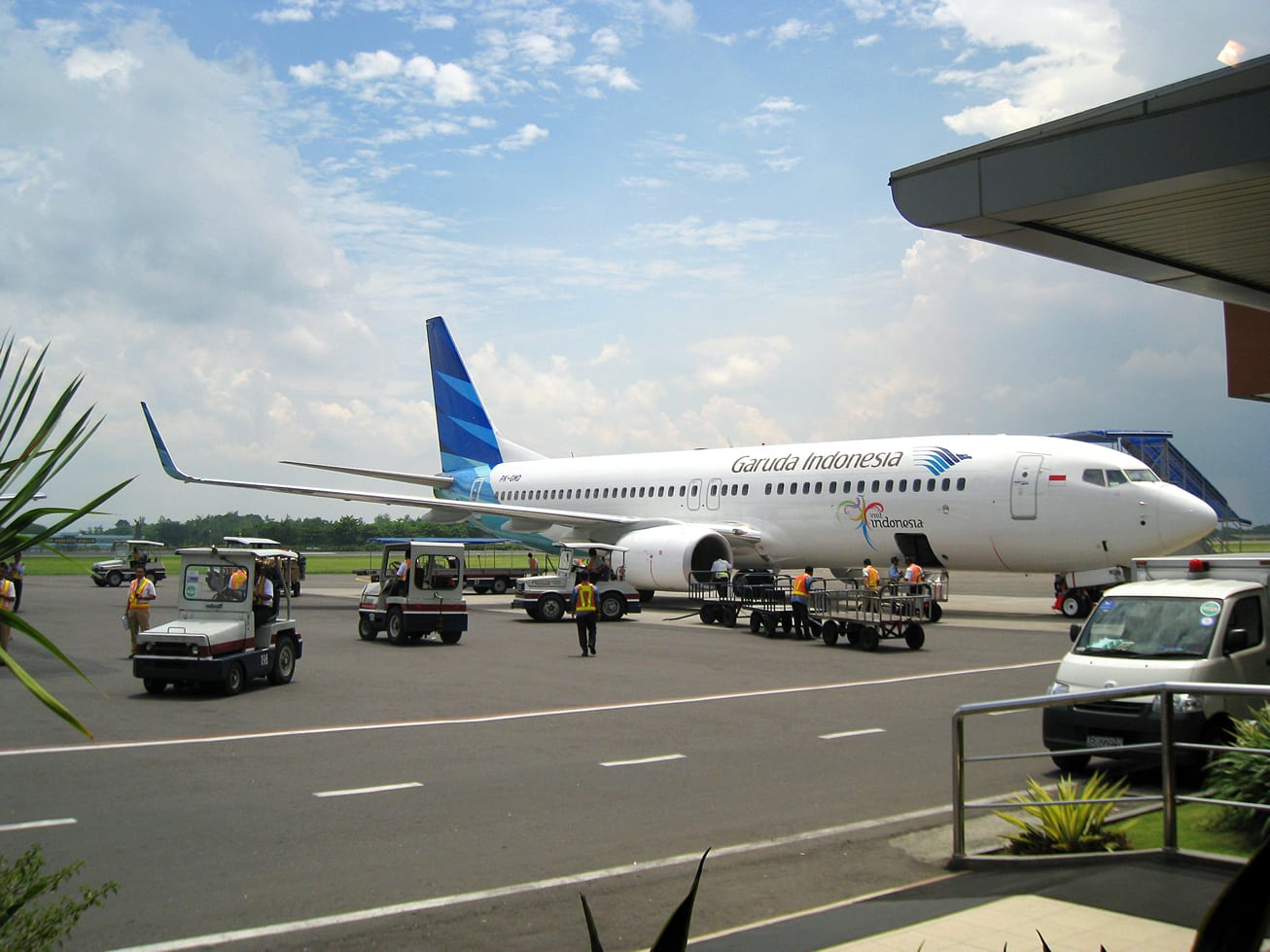
    PT Garuda Indonesia is pushing PT Garuda Maintenance Facility (GMF) AeroAsia, one of its subsidiaries, to release some of its shares to the public through the Initial Public Offering (IPO) scheme.
    “As shareholders, we aspire to strengthen the subsidiary’s capital, and one of the efforts is through the IPO,” CEO of Garuda Indonesia Arif Wibowo stated in Jakarta, Monday.

    He further stated that GMF AeroAsia, which operates in the field of integrated aircraft maintenance and repair services, holds huge business potential, as it has a strong capital already. “It is currently one of the biggest Maintenance and Overhaul companies in Asia, especially in South-East Asia,” he noted.

    He estimated that a total 20 percent of the company’s shares will be released to the public, and it is hoped to materialize this year, as it will contribute to the Indonesian economy.

    “We hope that the IPO would take place in 2017 and next year, as it would be the best milestone for our economy,” he remarked. In terms of non-organic aspects, the company can grow even faster if several measures are taken, including undertaking joint ventures or acquiring some repair stations locally or globally.

    “By releasing 20 percent of its shares, GMF AeroAsia will already be able to grow non-organically, while organic growth will depend on the entire advancement of Garuda Indonesia.” He also pointed out that PT Garuda Indonesia will add nine more aircraft this year, which will support not only operational activities but also its other subsidiary company, Citilink.

    “Five Airbus 320 aircraft will be added to further advance Citilik, which is hoped to boost its domination in the domestic market, especially in the middle- to lower-class segment. A Boeing 737 MAX and three ATR aircraft will also be added to the fleet.”

  • Vietjet to list on HoSE

    Vietjet to list on HoSE

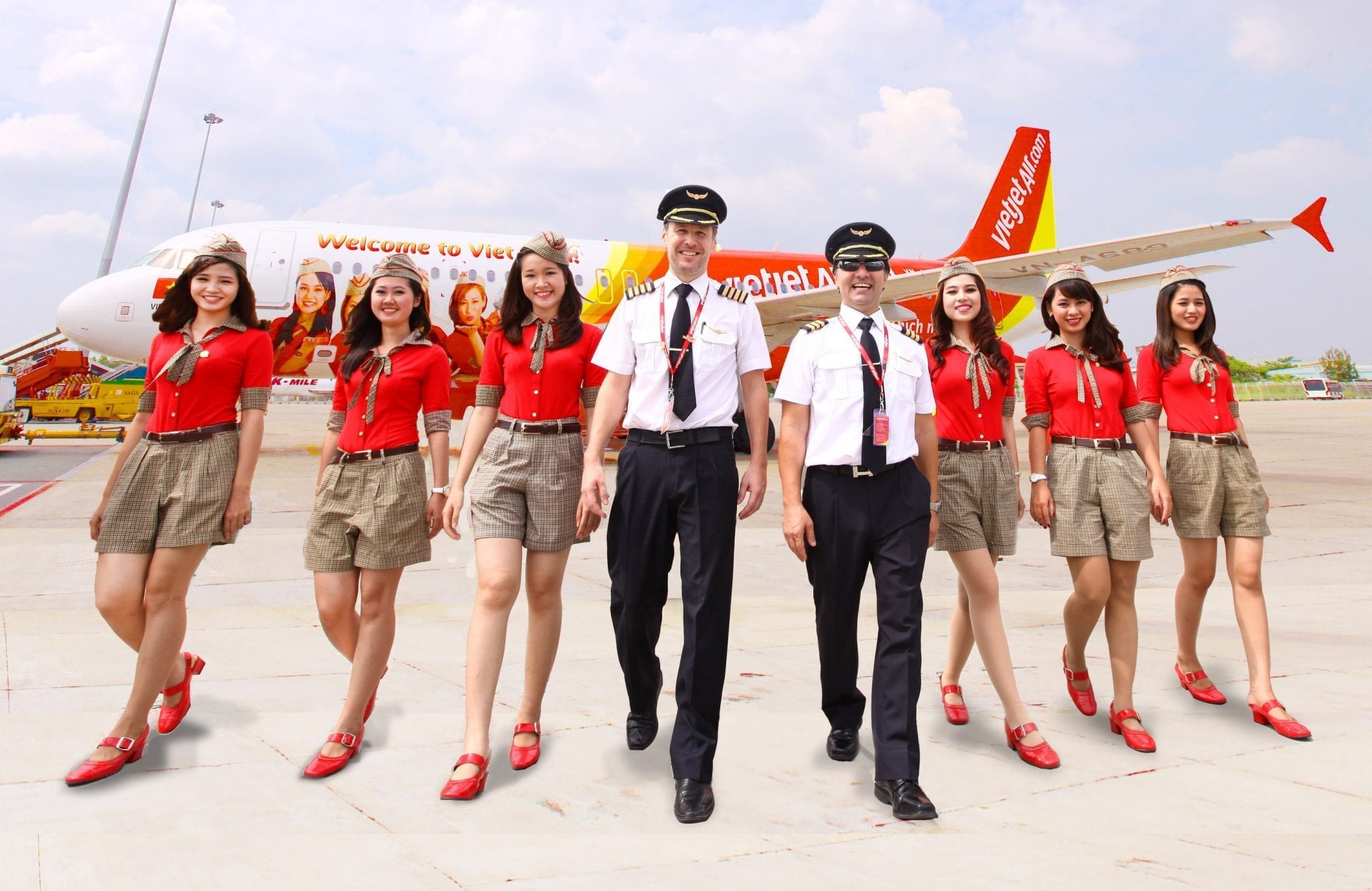
    HoSE has announced that it received full registration documents from Vietjet Air on January 16. The airline would conduct an initial public offering (IPO) worth $200 million at the end of 2016 with 44.7 million shares on offer at an IPO.

    The 44.7 million shares are equivalent to 14.9 per cent of its existing charter capital of $132 million and will earn it $200 million at a share price of VND84,400 ($3.8) for organizations and VND86,500 ($4) for individuals.

    The total capital raised from the IPO, Reuters noted, will be VND3.8 trillion ($170 million), which would consequently put its value at $1.2 billion.

    The airline’s CEO Nguyen Thi Phuong Thao told local media recently that pre-tax profit reached $101.9 million in 2016, up 91.6 per cent. The airline expects net revenue to increase 30 per cent this year.

    In 2016 it placed orders for 100 Boeing 737 and 20 Airbus A321 aircraft. It posted year-on-year growth of 205 per cent in 2015, with revenue of VND10.9 trillion ($490.7 million), fulfilling its annual target.

    The budget carrier targeted transporting 15 million passengers in 2016 with an on time performance (OTP) rate of 85 per cent and growth of 60 per cent year-on-year. Its revenue was expected to double compared to the VND11 trillion ($484 million) recorded in 2015.

    The airline will continue to expand its domestic network and strengthen its international operations while improving service quality, especially its SkyBoss and in-flight services. It also aims to achieve a passenger satisfaction rate of 99 per cent and a return-customer rate of 95 per cent.

    Vietjet Air currently boasts a fleet of 40 aircraft, including A320s and A321s, and operates 350 flights each day. It has opened 53 routes in Vietnam and across the region to international destinations such as Thailand, Singapore, South Korea, Taiwan, Malaysia, China and Myanmar and has carried nearly 30 million passengers to date.

    Looking ahead, Vietjet plans to expand its network across the Asia-Pacific region and has signed agreements to purchase more brand-new modern aircraft.

  • AirAsia targets to launch IPO in 2017

    AirAsia targets to launch IPO in 2017

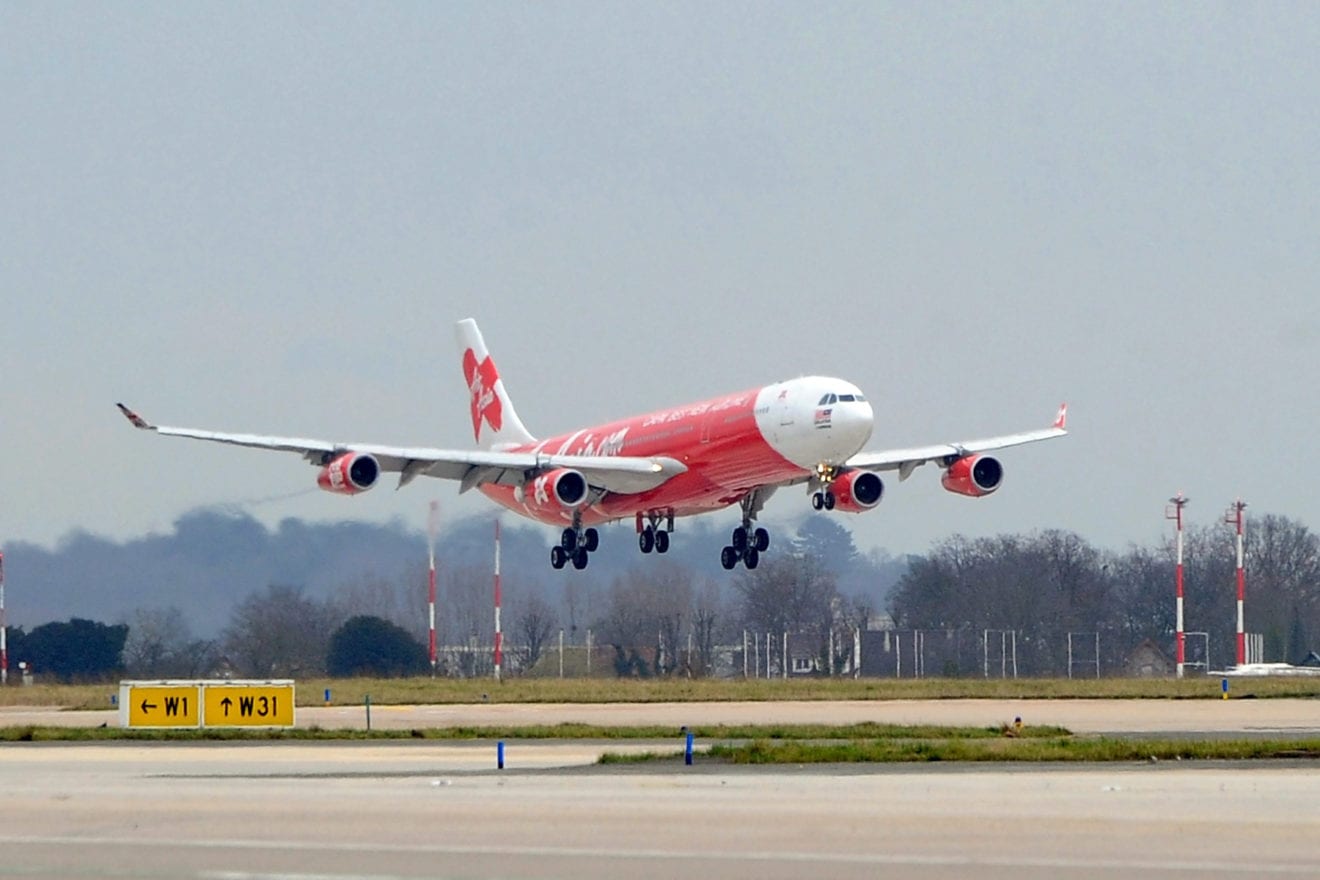
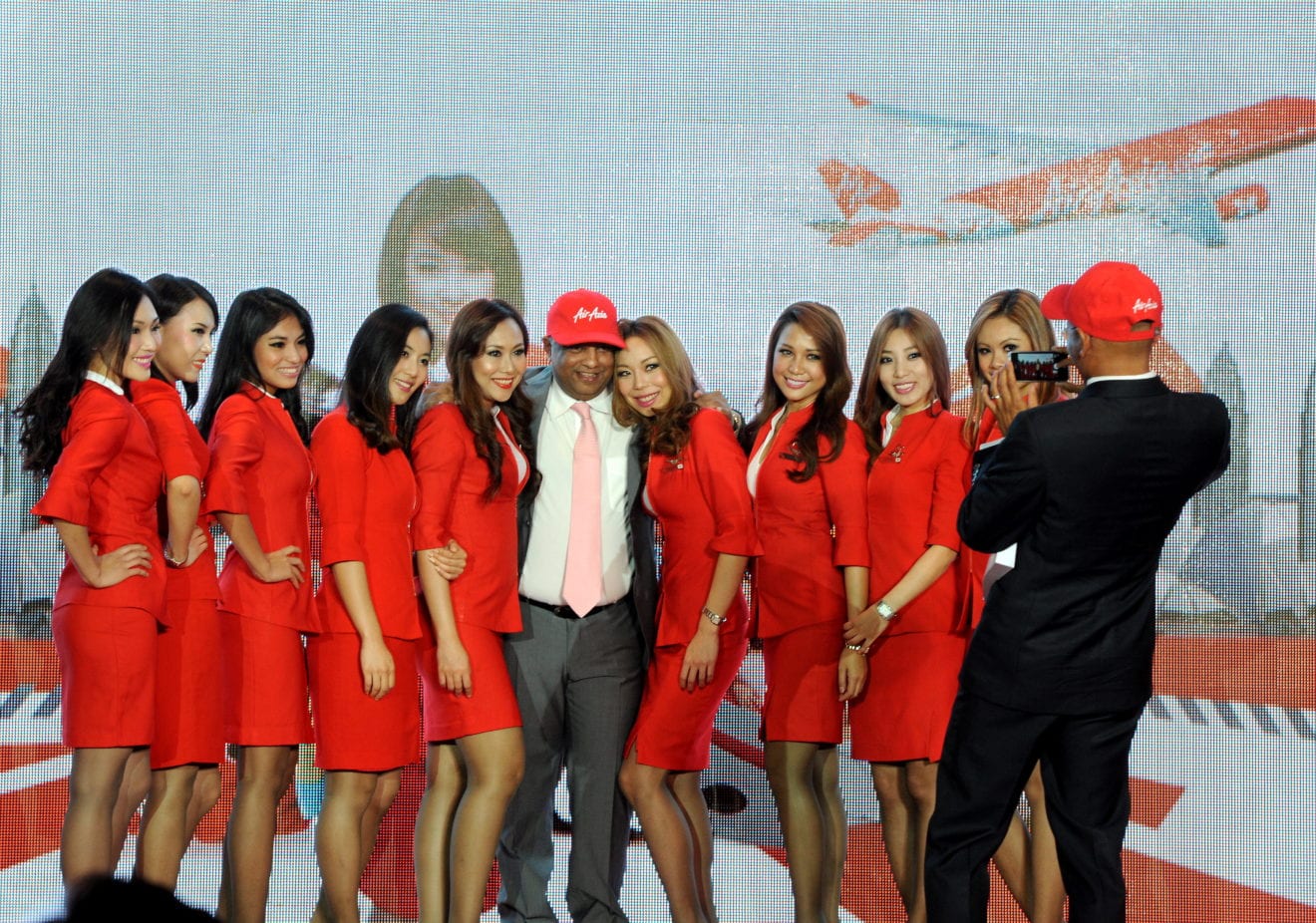
    AirAsia Philippines, the local arm of Asia’s biggest budget carrier AirAsia Berhad, is ramping up plans to launch an initial public offering in 2017, its chief executive officer Tony Fernandes said.

    AirAsia Philippines continues to enjoy strong demand despite seeing a net operating loss of P915 million in the third quarter of this year, Fernandes said.

    Bulk of the company’s loss in the period was due to extraordinary costs.

    Fernandes aims to move a planned equity sale to raise as much as $200 million from an IPO.

    Most proceeds will finance expansion to increase the local unit’s current fleet of 15 Airbus 320s.

  • Significant investor interest as SPAR Shandong introduces initial public offering

    Significant investor interest as SPAR Shandong introduces initial public offering

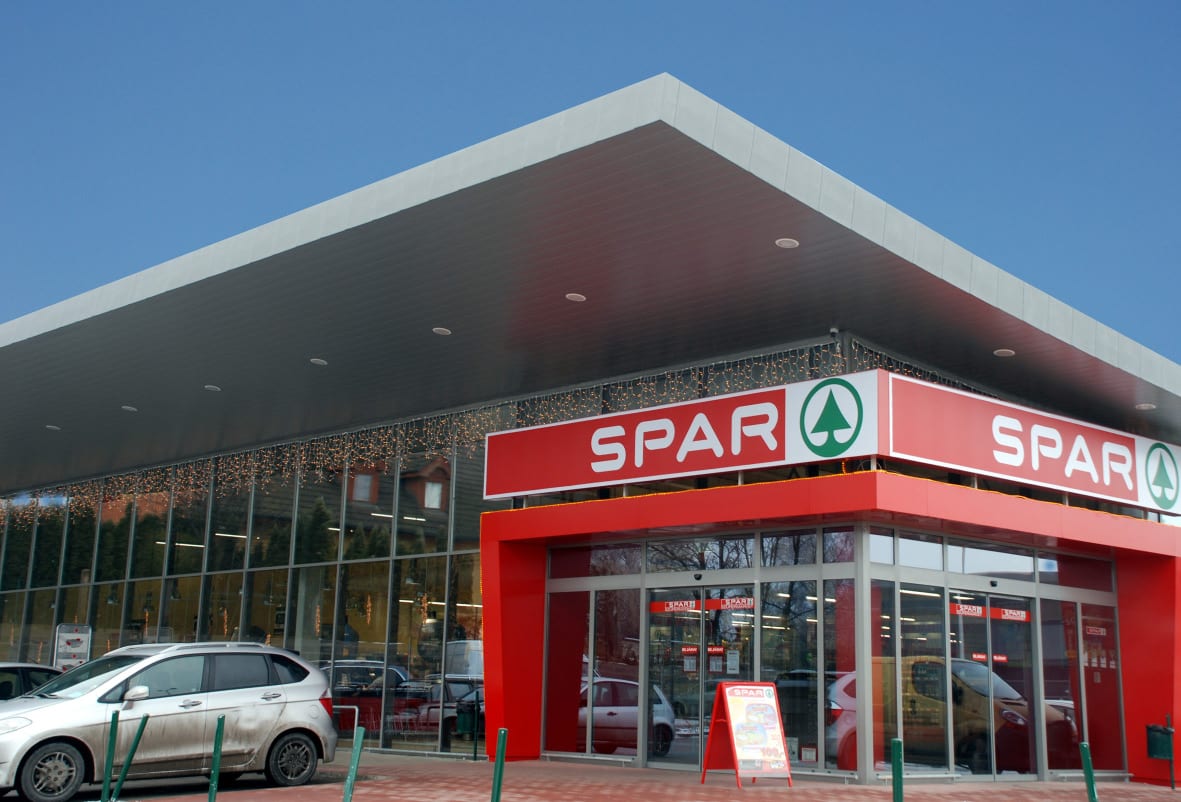
    SPAR Shandong operators, Jiajiayue Group, who became SPAR International’s first retail partner in China in 2004, have launched an initial public offering (IPO) which saw the company listed on the Shanghai Stock Exchange. 

    Jiajiayue issued 90 million shares priced at 13,64 yuan per share to raise 1,23 billion yuan ($178,12 million). In late November, interest from investors saw the online portion of the IPO oversubscribed 4,407 times. The listing on the main A-Share exchange in China saw trading activity begin immediately after the opening on Tuesday ending 43% up on the first day of trading.

    The market funding will be used to strengthen the business further by financing new store openings and existing store upgrades, developing distribution centres and logistics infrastructure and enhancing the existing technology and IT infrastructure. 

    Jiajiayue was the first SPAR partner in China and opened its first store in 2005 in the city of Weihai, north east China. Since then, SPAR China has opened 360 stores with nearly 1,000,000 sqm of selling space in eight provinces, employing over 30,000 people. It also operates eight distribution centres delivering across 50 cities.

    Speaking at the launch, Tobias Wasmuht, Managing Director of SPAR International said: “Today is a significant milestone, not just for SPAR Shandong, but also for the wider SPAR China family. All at SPAR are delighted to have contributed to the success of Jiajiayue, our founding partner of SPAR in China. Over the last 12 years the company has continued to lead the way, working closely with the growing list of SPAR Partners in China to grow and enhance the brand. Investor interest in today’s IPO is testament to the strength and vision of the company and its management team. This partnership embodies the values of SPAR and we look forward to growing together the scale of our retail network in Shandong and China as a whole.”   

    In addition to its partnership with SPAR, Jiajiayue Group Co. Ltd is involved in food processing, wholesale of agricultural products and foreign trade business. In total it operates over 400 stores with a selling space of 900,000 sqm in 34 cities within Shandong province such as Weihai, Yantai, Jinan, Weifang, Qingdao, Linyi, Laiwu and Zaozhuang.

    The store formats cover hypermarket, supermarket, department store, neighbourhood store and discount store. The company has been recognised with a number of awards, including top 100 China FMCG Chain, Customer Satisfied Company in Shandong Province and Top Employer of China Retailing.

    SPAR is the world’s largest voluntary retail chain with retail sales of €33 billion in 2015. With a presence now in 44 markets around the world, SPAR continues to be the partner of choice for independent retail partners keen to embrace retail best practice and fast-track their development in the face of international competition. SPAR International’s multi-format strategy sees its Partners operate over 12,100 hypermarket, supermarket, neighbourhood and convenience stores serving the needs of 13 million customers daily.

  • Meitu’s Hong Kong IPO to value China photo app maker at up to $4.5 billion

    Meitu’s Hong Kong IPO to value China photo app maker at up to $4.5 billion

    Chinese photo app and mobile phone maker Meitu Inc is set to launch an up to $735 million initial public offering in Hong Kong, IFR reported on Monday, citing people close to the deal. Meitu, better known for its apps that let users retouch and beautify selfies and other photos, is offering shares in an indicative range of HK$8.50 to HK$9.60 ($1.10-$1.24) each, added IFR, a Thomson Reuters publication. The IPO is slated to be priced on Dec 8.

    Meitu did not immediately reply to a Reuters request for comment on the IPO terms. The deal will value Meitu, which counts venture capital investors Qiming Venture Partners, IDG-Accel China and Tiger Global among its backers, at up to $4.5 billion, IFR said.

    The IPO will be a rare technology sector IPO in Hong Kong. Between one-quarter to one-third of the shares will be sold to cornerstone investors, IFR said. That would be much lower than some of the large new listings in the city, including the $7.6 billion IPO of Postal Savings Bank of China (PSBC) in September that had 77 percent of its deal bought by cornerstones.

    Large investments by cornerstone investors hurt liquidity for IPOs once the shares start trading, as the stock is locked up for a minimum of six months. The cornerstone money can also pressure the stock as the expiration of the lock-up period nears. China Merchants Securities, Credit Suisse and Morgan Stanley were hired as sponsors of the IPO.

  • AirAsia plans IPO of ASEAN airline holding company

    AirAsia plans IPO of ASEAN airline holding company

    Asia’s biggest low-cost airline AirAsia Bhd plans an initial public offering of a holding company that will house all its Asean operations, group CEO Tony Fernandes said on Thursday.

    ASEAN Holding Co will be listed in Hong Kong, Fernandes said in a statement without giving a timeline. AirAsia will also list its flight crew training centre in Kuala Lumpur, he said, following the company’s third-quarter results.

    Fernandes did not say how much the IPOs will raise.

    He has in the past expressed a desire to combine the airline’s operations in its home country Malaysia with those in Indonesia, Thailand and the Philippines.

    “The plan is to list Indonesia and Philippines first by next year before looking at ASEAN Holding Co to be listed,” a company spokesman told Reuters.

    AirAsia is also looking to divest some of its non-core businesses. It already has its aircraft leasing arm on the market and aims to complete the sale in early 2017 following bids that are due in December, Fernandes said, adding that he valued the unit at about $1 billion.

    Reuters reported in August that AirAsia was looking to sell a majority stake in its Asia Aviation Capital leasing operation, or possibly the entire business, which the carrier values at 4.1 billion ringgit ($922.38 million).

    Last month, AirAsia said it had received good interest in the sale.

    AirAsia also said on Thursday it swung to a profit in the third quarter, from a net loss a year ago, driven mainly by an increase in aircraft operating lease income and lower oil prices.

    Net profit for the three months ended Sept 30 was 353.9 million ringgit, versus a net loss of 405.7 million ringgit a year ago.

    Revenue rose 11.2% to 1.69 million ringgit, the company said.

    The results were underpinned by a load factor of 87%, a measure of how full planes are, up 6 percentage points from the same period last year.

    The number of passengers carried rose 11%, ahead of an increase in seat capacity of 2% year-on-year, according to AirAsia’s statement.

    AirAsia expects average load factor for its Malaysia business to remain at 89% in the following quarter, riding on strong demand due to year-end holidays and festivities.

    It forecasts load factors of more than 80% for its operations in Thailand, Indonesia and the Philippines for the fourth quarter.

    On Tuesday, the group’s long-haul unit, AirAsia X Bhd swung to a net profit of 11.03 million ringgit.

    Revenue was higher at 982.4 million ringgit.

    Shares of both AirAsia X and its parent have more than doubled this year, after sharp losses in 2015.

  • Duck-Snack Maker Flounders with Weak IPO Pricing

    Duck-Snack Maker Flounders with Weak IPO Pricing

    One of the year’s quirkier IPOs had its wings clipped after investors’ appetites failed to take off for one of China’s leading makers of popular snack foods made from duck parts.

    After making a splash with its original listing announcement, Zhou Hei Ya International Holdings Co. Ltd. couldn’t impress investors even with a growth story that includes annual profit and revenue growth of more than 40% annually between 2013 and 2015.

    The offering in Hong Kong was ultimately priced at HK$5.88 (76 U.S. cents) per share, or near the bottom of its previously announced range of HK$5.80 to HK$7.80.

    Hong Kong retail investors, who normally flock to IPOs for famous brands, gave the offering an especially cold shoulder. Of the 42.4 million shares available for those mom-and-pop buyers, representing 10% of the total offering, only 81% were actually sold.

    That forced Zhou Hei Ya, whose name means “Zhou Family Black Duck,” to sell about 8 million orphaned shares from that portion of the allotment to institutional investors instead. Zhou Hei Ya raised HK$2.37 billion from the offering, far short of its original target of up to HK$3.3 billion.

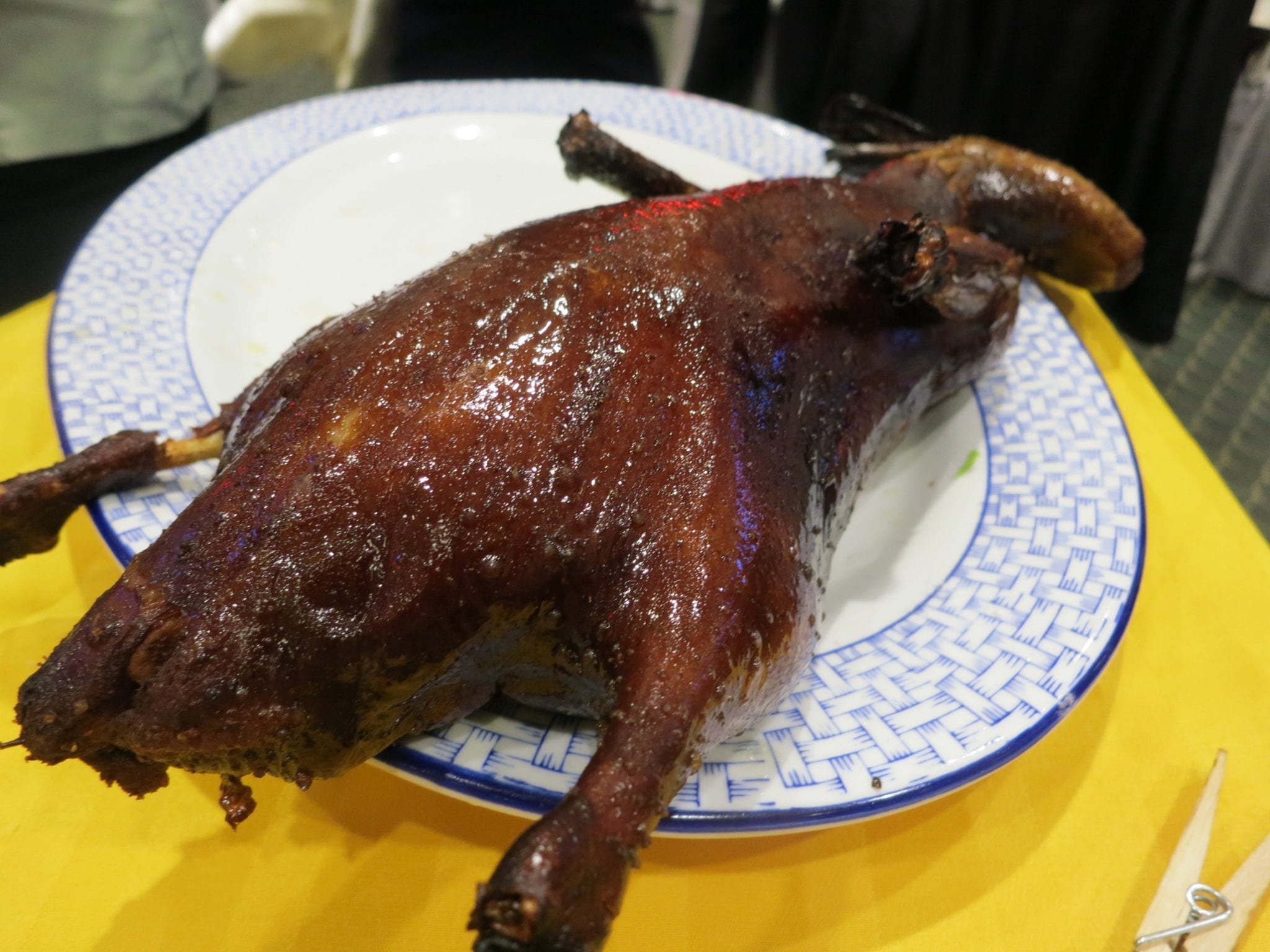
    A big name in the domestic snack-food market, Zhou Hei Ya hopes to use the funds to expand internationally. Started in 2002 as a family-run snack stall in the interior city of Wuhan, Hubei province, the company’s products are now sold in 750 retail stores across 40 Chinese cities. In addition to its namesake duck necks, its products also include local delicacies like duck feet, braised peanuts and duck tongue.

    Braised snacks have a long history in China, where they are commonly sold at roadside stalls. But they are increasingly being marketed by major snack brands. Meat, tofu and other ingredients are simmered for hours in a rich savory broth, and many regions have their own special seasoning blends.