Retail News CRM

Tag: Italy

  • Vietnam Surpasses Italy to Become 10th Largest Global Steel Producer

    Vietnam Surpasses Italy to Become 10th Largest Global Steel Producer

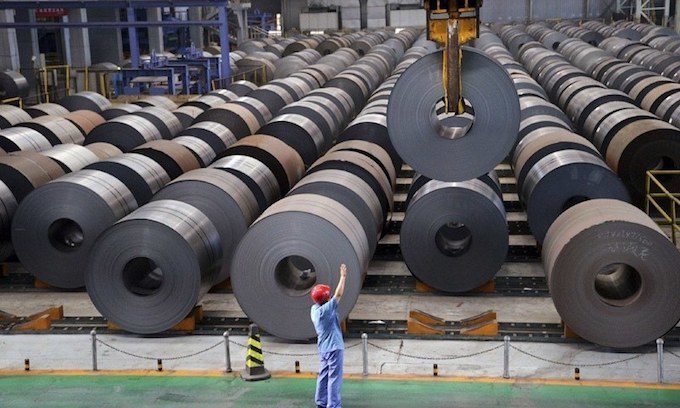
    In April, Vietnam emerged as the 10th top crude steel producer in the world with an estimated production of 2.1 million tonnes. This landmark achievement marks the first time Vietnam has entered the top ten, surpassing Italy, as per the World Steel Association’s data.

    Growth of Vietnam’s Steel Sector

    During the first quarter of 2026, Vietnam’s crude steel production reached 8.5 million tonnes, marking an 8.4% rise from the previous year. The growth of Vietnam’s steel sector has been both quick and diverse. Initially, domestic manufacturers relied heavily on imported billets for the production of construction steel in the early 2000s.

    However, significant progress has been made since 2010, with the industry achieving self-sufficiency. At present, Vietnam is capable of manufacturing a wide array of steel products that cater to sectors like mechanical engineering, shipbuilding, energy, and defense.

    Prominent steel companies have launched large-scale and modern steel complexes. Noteworthy among these is Hoa Phat Group’s Hoa Phat Dung Quat Iron and Steel Integrated Complex. The facility is renowned for producing top-tier, specialized steel products such as engineering steel, tire cord steel, welding wire, spring steel, crane steel, prestressed steel, and rail steel for high-speed railways.

    Vietnam’s Position in the Global Steel Market

    In comparison to the 20 million tonnes produced in 2023, Vietnam’s crude steel output increased to 24.6 million tonnes in the previous year. This placed the country as the leading crude steel producer in Southeast Asia and the 11th globally.

    Hoa Phat, one of the country’s significant steel producers, contributed to 44.7% of the total production, equivalent to 11 million tonnes. The company’s annual yield is projected to rise by 30% year-on-year to exceed 14 million tonnes this year.

    Questions & Answers

    What position did Vietnam secure in the global ranking of crude steel producers in April?
    Vietnam emerged as the 10th top crude steel producer in the world in April.

    What significant transformation has Vietnam’s steel sector undergone since the early 2000s?
    From relying heavily on imported billets for construction steel in the early 2000s, Vietnam’s steel sector has achieved self-sufficiency and can now produce a wide array of steel products.

    What is the projected annual yield of Hoa Phat for this year?
    Hoa Phat’s annual yield is expected to surpass 14 million tonnes this year, marking a 30% year-on-year increase.

  • Savor Italy in Thailand: Dolce & Gabbana Launches First Luxury DG Caffe in Bangkok’s Siam Paragon Mall

    Savor Italy in Thailand: Dolce & Gabbana Launches First Luxury DG Caffe in Bangkok’s Siam Paragon Mall

    Luxury fashion house Dolce & Gabbana has established its first DG Caffe in the heart of Bangkok, housed within the bustling Siam Paragon shopping complex.

    Design Details

    Designed to exude elegance and sophistication, the cafe is adorned with Dandong Green marble flooring and walls. The marble features are complemented by Carretto Siciliano decorative panels and a background of white checkerboard wallpaper, a signature pattern for the brand.

    Adding an extra touch of luxury, tables and bar counters are constructed from Indian Green marble. These striking features are paired with plush emerald green velvet seating, adding a rich, opulent appeal to the space. Custom pendant lights and wall sconces are strategically placed to illuminate the dining and bar areas, bringing a warm, welcoming glow to the establishment.

    Italian Meets Local Cuisine

    The DG Caffe menu is a celebration of the fusion between traditional Italian and Sicilian flavours and local Thai cuisine. Patrons can look forward to an array of offerings from breakfast items to light lunches and main courses. For those with a sweet tooth, the cafe also serves a variety of pastries and desserts.

    Bridge Between Cultures

    According to Dolce & Gabbana, the DG Caffe in Bangkok is envisioned to function as a cultural bridge. The establishment aims to pay tribute to the ‘Made in Italy’ concept and the brand’s dedication to craftsmanship, while also embracing the local culture of its new Thai home.

    Questions & Answers

    Where is the first DG Caffe by Dolce & Gabbana located?
    The first DG Caffe by Dolce & Gabbana is located in the Siam Paragon shopping mall in Bangkok.

    What design elements are featured in the DG Caffe?
    The DG Caffe showcases Dandong Green marble flooring and walls, Carretto Siciliano decorative panels, Indian Green marble tables and counters, emerald green velvet seating, and custom pendant lights and wall sconces.

    What can customers expect from the DG Caffe menu?
    The DG Caffe menu offers a fusion of Italian and Sicilian flavours with Thai influences, with options ranging from breakfast dishes to light lunches, main courses, pastries, and desserts.

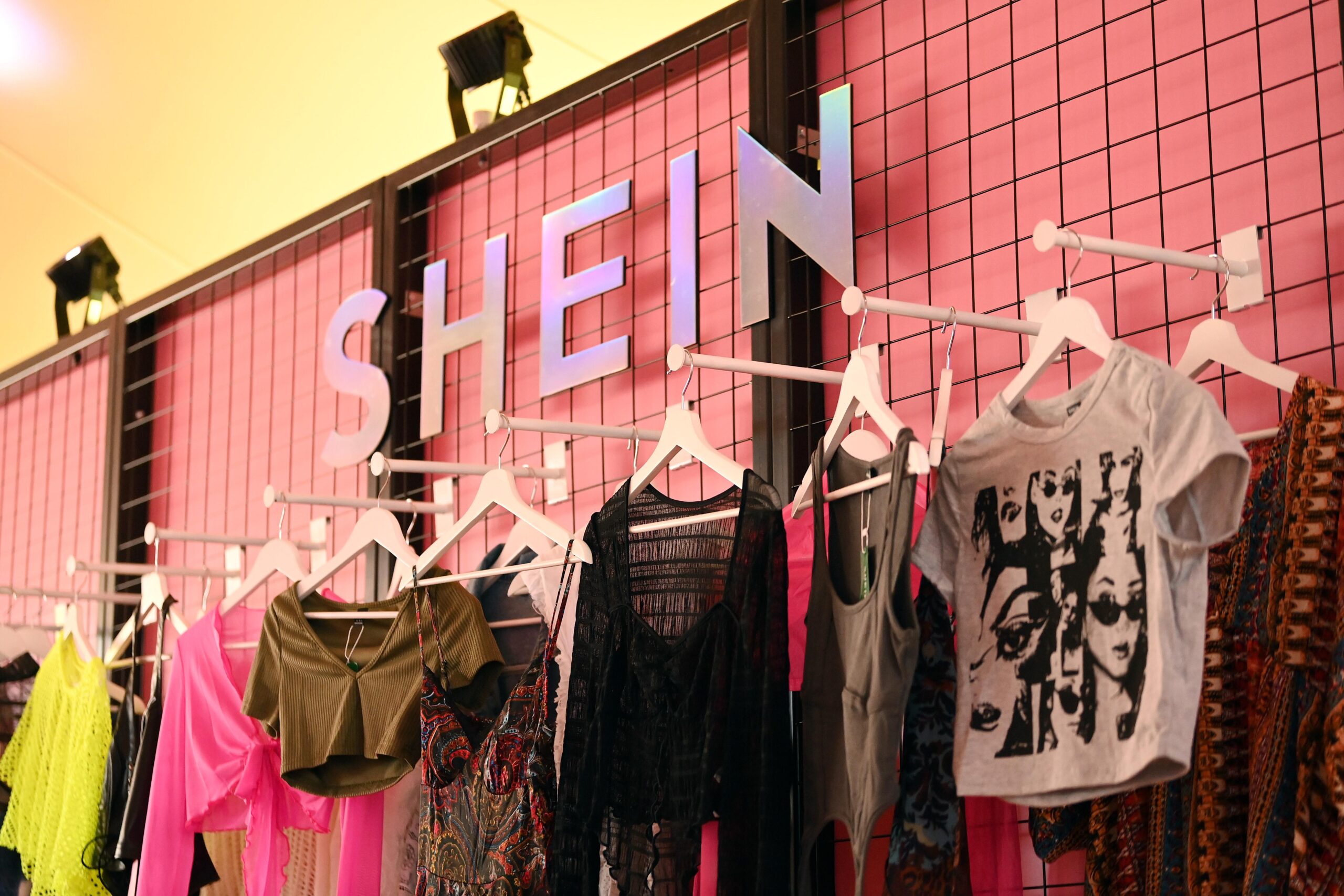
  • Italy Penalizes Shein $1.15M for Deceptive Eco-Friendly Claims: A Retail Wake-Up Call!

    Italy Penalizes Shein $1.15M for Deceptive Eco-Friendly Claims: A Retail Wake-Up Call!

    In a decisive move underscoring the growing scrutiny on corporate sustainability claims, Italy’s Competition Authority has levied a hefty fine of $1.15 million (€1 million) against Infinite Styles Services Co. Ltd, the company behind Shein’s European websites. This penalty stems from the publication of misleading environmental claims related to the fast-fashion giant’s clothing lines, sending ripples through the already tumultuous waters of ethical retail practices.

    Misleading Environmental Messaging

    The regulator’s investigation revealed that Shein relied on vague, generic, and often exaggerated assertions about its sustainability efforts on various digital platforms, particularly in sections like #SHEINTHEKNOW, evoluSHEIN, and Social Responsibility. These claims raised eyebrows, suggesting a level of environmental commitment that appeared more like window dressing than a genuine effort.

    Confusing Claims About Sustainability

    Focusing on the #SHEINTHEKNOW section, the authority criticized Shein for promoting the idea of a “circular system” and the recyclability of its products, labeling these statements as either misleading or outright confusing. Furthermore, the evoluSHEIN by Design line, advertised as utilizing “green” fibers, fell short of providing substantive information about tangible environmental benefits, all while failing to clarify that this line constitutes only a fraction of Shein’s vast product range.

    Vagueness About Emission Goals

    Among the contested claims was Shein’s assertion of cutting emissions by 25% by 2030, coupled with a goal of achieving net-zero emissions by 2050. The authority found these statements lacking in specificity and unsupported by factual evidence. Alarmingly, it noted an uptick in Shein’s emissions in 2023 and 2024. The watchdog highlighted the brand’s significant responsibility as a player in the highly pollutive fast fashion industry, suggesting that the façade of environmental stewardship does not align with actual practices.

    As consumers become more discerning and demand transparency from brands, Shein’s recent missteps serve as a cautionary tale within the retail sector, reminding companies that authenticity, rather than glossy claims, is the best policy—after all, consumers might not be quick to forgive when the trust is breached.

    Questions & Answers

    Why did Italy’s Competition Authority fine Shein?
    The fine was imposed because Shein was found to be using misleading environmental claims to promote its clothing, including vague assertions about sustainability and inaccurate statements regarding recycling and carbon emissions.

    What was misleading about the claims made by Shein?
    Shein’s claims included the promotion of a “circular system” and the recyclability of its products, which were found to be either confusing or false. Additionally, their marketing of “green” fibers in certain lines lacked clarity on actual environmental benefits.

    What has been the impact on Shein’s emissions trajectory?
    Contrary to its assertions of reducing emissions, Shein’s actual emissions have increased in 2023 and 2024, which has raised concerns about the validity of their sustainability commitments.

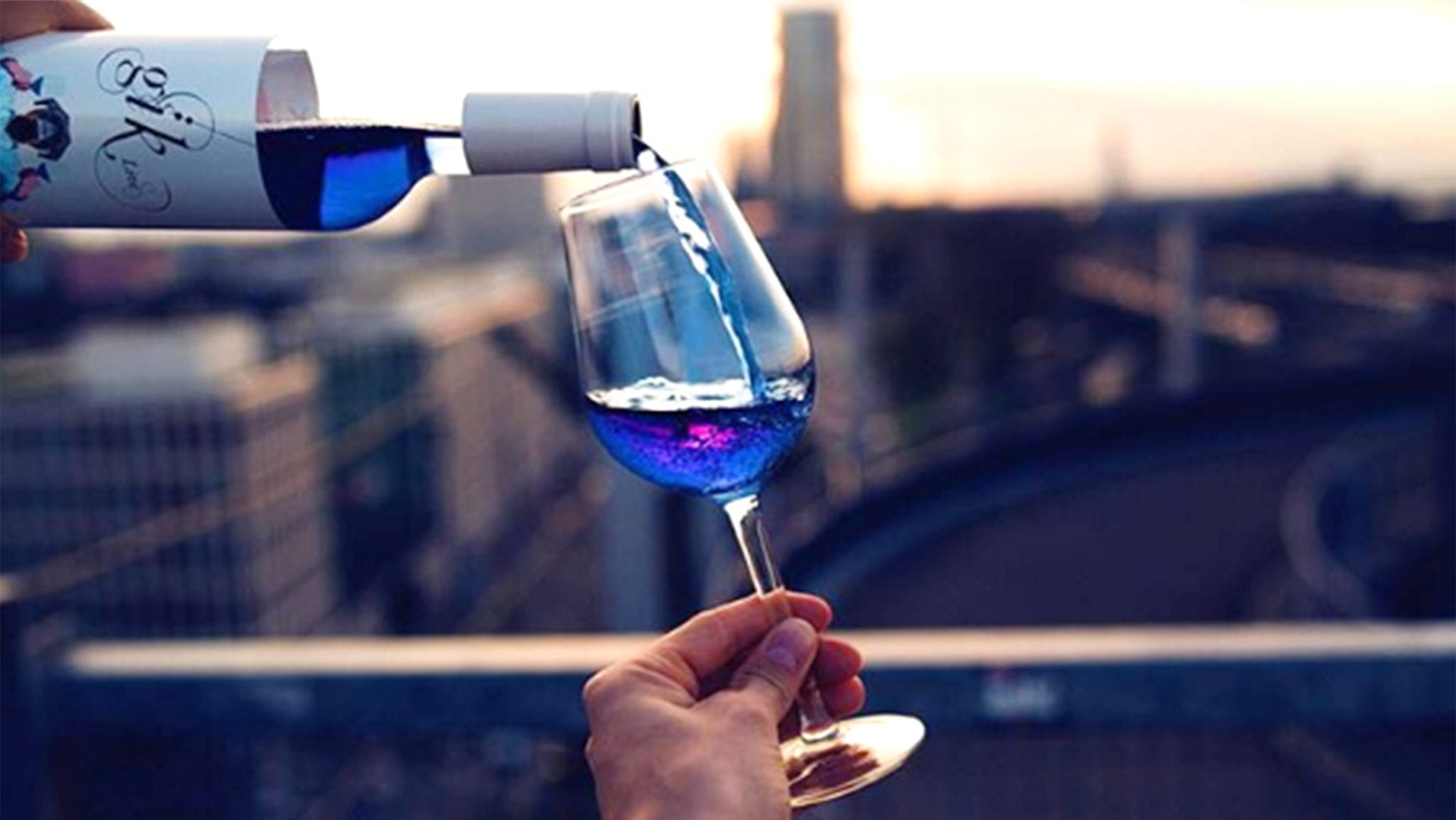
  • Australian winemakers fight EU to retain Prosecco name

    Australian winemakers fight EU to retain Prosecco name

    Winemakers from Victoria’s King Valley traveled to Canberra on Tuesday to lobby parliamentarians to protect their use of the prosecco grape variety name. Australian winemakers are “not giving any ground” against the European Union, which does not want exporters to sell foods trademarked under geographical indicators as a condition in Australia’s free trade deal.

    Australian Grape and Wine is a producer representative organization leading the campaign against the name ban. Chief executive Lee Mclean said the European Union wanted to use the Australia EU Free Trade Agreement to ban Australian producers from using the variety name.

    “The fact is, prosecco is a grape variety name, just like chardonnay or cabernet sauvignon,” Mr McLean said.

    “The European Union’s approach to this issue is motivated by a desire to protect Italian producers from the competition and nothing more.”

    In 2009, Italy changed the name of the prosecco grape variety to “glera” within the European Union.nIf the condition is agreed upon as part of Australia’s EU free trade deal, Australian winemakers could have to use “glera” or “Australian prosecco” on labels. Most Australian prosecco is produced in Victoria’s King Valley and Murray Valley where many winemakers have invested heavily in the grape variety.

    Pizzini Wines owner Alfred Pizzini said this was not the first time winemakers had been to Canberra to state their case.

    “It’s been an ongoing conversation with government,” Mr Pizzini said.

    “This is coming to a pinnacle because the free trade arrangements are negotiated as we speak and could be finalized over the next six months.”

    Mr Pizzini estimated the King Valley needed to plant up to 50 hectares of prosecco each year to keep up with demand and the loss of the name would have economic impacts on exports.

    “In the short term it would be economically damaging, but we’ve got to be careful not to give any ground because it’s the use of the name of a grape variety,” he said.

    “I think one of the potential problems we will have, a lot of export of prosecco goes through Singapore ports.

    “If we lose that name, there’s a good chance we will lose the opportunity to send prosecco through Singapore.”

    Victorian winemakers fear the loss of the name prosecco could lead to further grape variety names being banned in Australia. Brown Brothers winemaker Katherine Brown told ABC Radio they would stand strong against Italy.

    “Champagne is a method and it’s made in a certain way and we understand the French want to keep that as their own, but prosecco is a grape variety,” Ms Brown said.

    “Italians have created a region in Italy called prosecco and they are claiming now that sparkling wine that comes from there is the only wine that can have prosecco on it and the rest of us who have been using prosecco grapes need to find another name.”

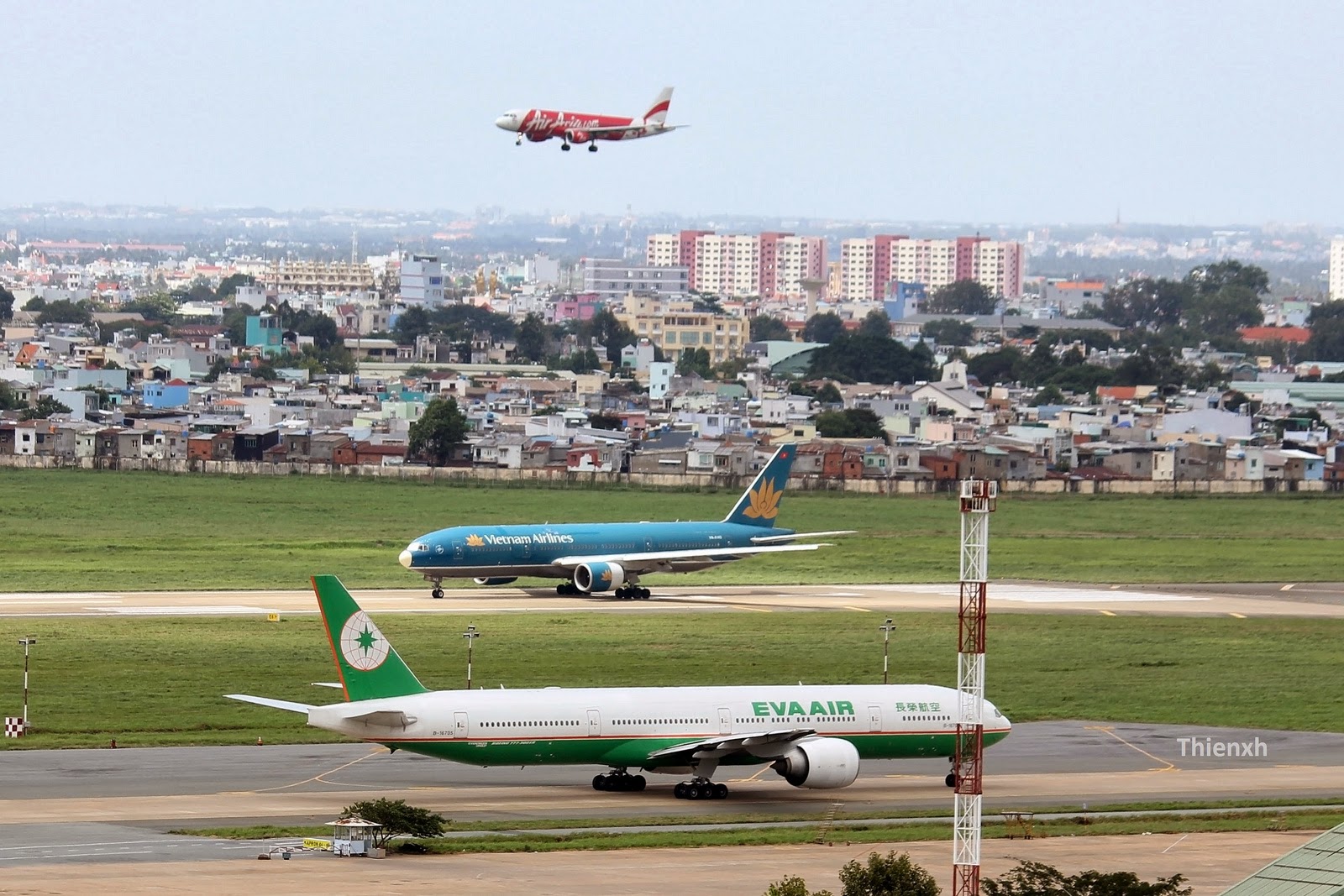
  • Vietnam Airlines Set to Launch Inaugural Direct Route to Italy Next Month!

    Vietnam Airlines Set to Launch Inaugural Direct Route to Italy Next Month!

    Vietnam Airlines is set to make waves in the skies with the launch of its inaugural direct flight between Hanoi and Milan, Italy, on July 1. This move is a crucial step in expanding the airline’s European network and marks a historic first for a Vietnamese carrier, which has previously required passengers to transit through Germany or France for Italian destinations.

    New Route to Milan

    The airline will kick off this service with three weekly flights, utilizing its state-of-the-art Boeing 787 aircraft. A spokesperson for Vietnam Airlines revealed that plans are already in motion for a future direct service from Ho Chi Minh City to Milan post-2025, further enhancing connectivity between Vietnam and Italy.

    Why Milan?

    Milan, the bustling metropolis in northern Italy, is renowned as the country’s fashion capital and boasts a rich tapestry of historic architecture. It attracts millions of tourists, particularly from June to August, making it an appealing destination for both leisure and business travel. The allure of Italy is strong for Vietnamese travelers, with the country ranking among the top 10 fastest-growing sources of visitors to Vietnam. In 2024 alone, arrivals from Italy surged by a remarkable 155%, according to the Vietnam National Administration of Tourism.

    A Boost for Tourism

    The launch of this direct route is anticipated to significantly boost tourism flows between the two nations. In a promising development, discussions are underway for a visa waiver targeted at tour groups from Vietnam, which could further facilitate travel.

    Vietnam Airlines currently operates an expansive network with 106 routes, including 36 international destinations, supported by its diverse fleet of Boeing 787s and Airbus aircraft. The airline has ambitious plans for this year, aiming to launch or revive 15 international services.

    Curiously, with Milan’s fashion weeks turning heads globally, will we soon see a Vietnamese flair added to the runway?

    Questions & Answers

    What is the significance of the new flight from Hanoi to Milan?
    This direct flight is a historic first for Vietnam Airlines, enhancing travel options between Vietnam and Italy and positioning the airline as a key player in European travel.

    How many flights per week will Vietnam Airlines operate to Milan?
    Initially, Vietnam Airlines will operate three flights per week between Hanoi and Milan.

    What are the future plans for Vietnam Airlines regarding Italy?
    Vietnam Airlines intends to launch a direct service to Milan from Ho Chi Minh City after 2025, further expanding its European routes.

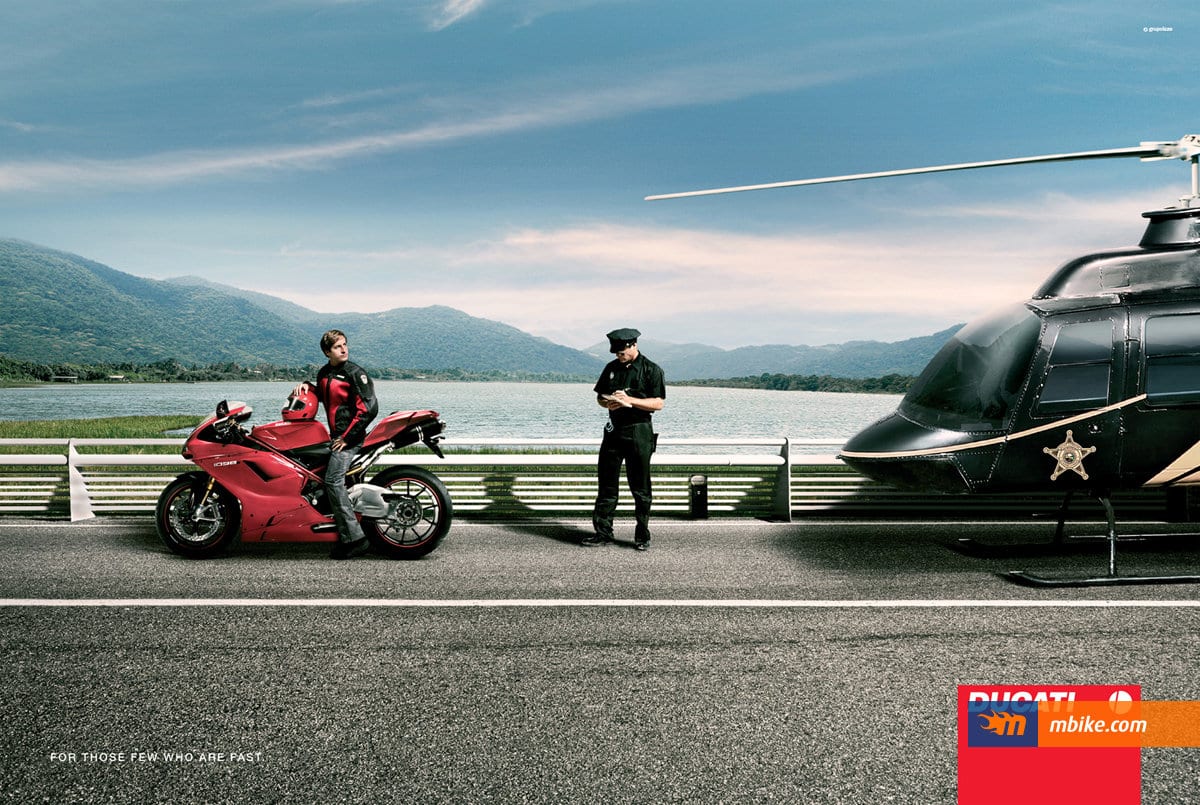
  • Italian motorbike brand Ducati to shut down only northern Vietnam store

    Italian motorbike brand Ducati to shut down only northern Vietnam store

    Ducati Vietnam will close its Hanoi showroom – the only one serving northern Vietnam – on Tuesday, citing market challenges.
    While the Hanoi dealership would cease operations, Ducati would continue to offer maintenance and repair services in the city, a Ducati Vietnam representative said.

    The closure decision stemmed from the lower-than-expected performance of the northern dealership.

    Although specific sales figures remain undisclosed, the representative indicated that the bulk of Ducati sales originate from customers in southern Vietnam.

    The representative acknowledged this move “would make it difficult for northern customers wanting to learn about and experience Ducati bikes.”

    The Hanoi showroom has been operating for nearly four years.

    Ducati currently offers nine models in Vietnam in a range of categories including scrambler, naked bike, sport, and adventure, all imported from Thailand.

    The importer and distributor for Ducati in Vietnam is CT-Wearnes Vietnam, a subsidiary of Singapore-based Wearnes Automotive.

    CT-Wearnes also distributes luxury car brands Bentley and Aston Martin in the country.

    In the motorcycle sector, CT-Wearnes previously handled distribution for India’s Royal Enfield from September 2022 but ceased operations for that brand exactly two years later, in September 2024, due to low sales volume.

    The closure occurs against a backdrop of a struggling market for large-displacement motorcycles (over 175cc) in Vietnam.

    Unlike the scooter segment, official sales data for these motorcycles is not regularly published. All such motorcycles sold locally are imported, primarily from Thailand.

    A sales manager at an official motorcycle dealership in HCMC highlighted a sharp decline in demand over the past two years, estimating that overall motorbike sales fell by approximately 30% in 2024 compared to 2023.

    “The enthusiasm for large bikes has cooled down due to economic difficulties as well as stricter government regulations on modifications and upgrades,” the manager said.

    “Motorbike dealerships all have to cut costs to make a profit.”

    Despite the downturn, Vietnam’s motorcycle market features most major global manufacturers.

    Competitors include Japanese brands like Honda and Yamaha, and Italian producers such as Ducati, Aprilia, and Moto Guzzi. There are also products from the U.K.’s Triumph, and Germany’s BMW Motorrad.

    Currently, Al Naboodah International Vietnam holds the distribution rights for the largest number of motorcycle brands, including Harley-Davidson, Triumph, KTM, and Husqvarna.

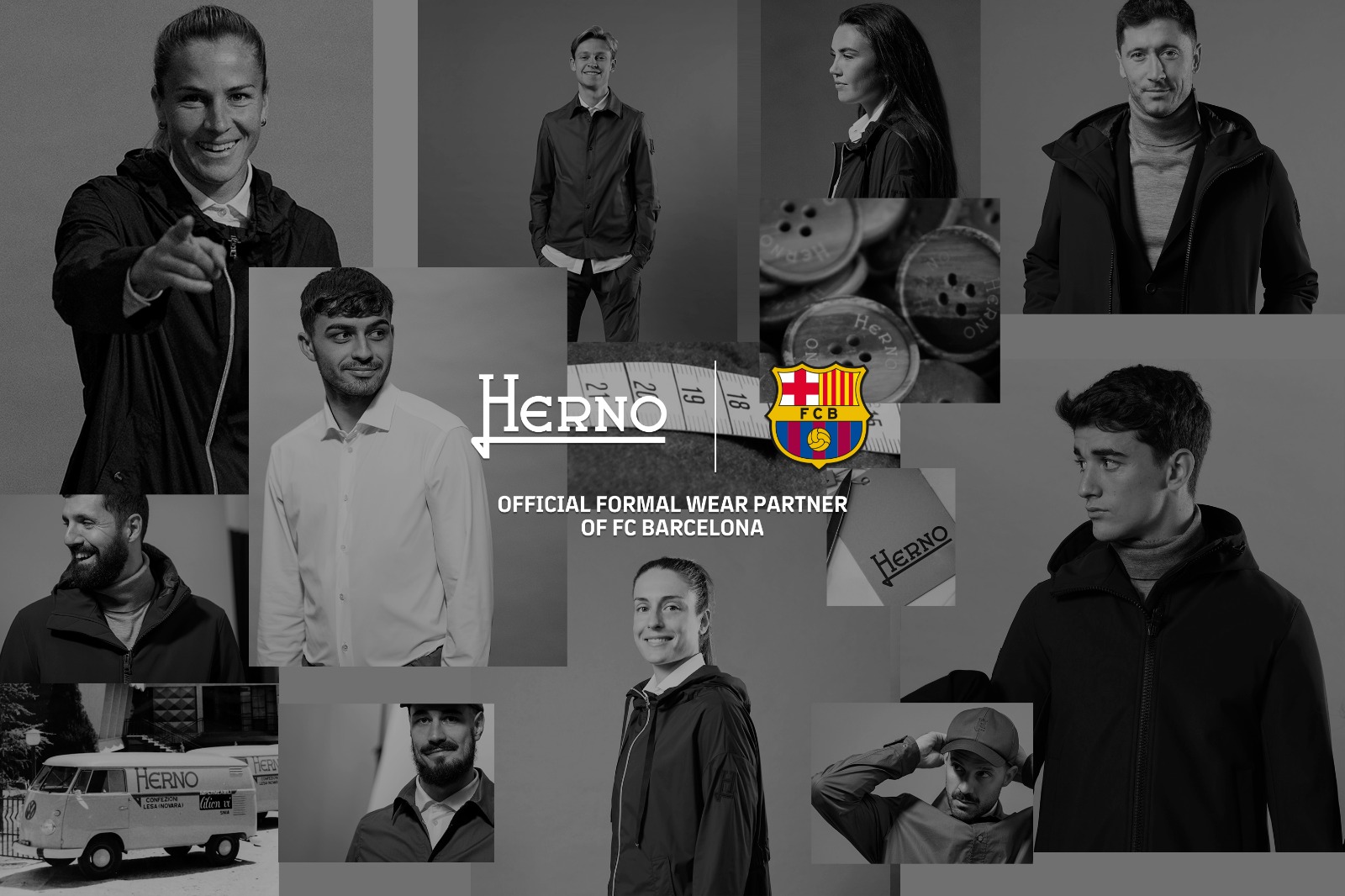
  • Italian outerwear label Herno makes global duty-free debut in Korea

    Italian outerwear label Herno makes global duty-free debut in Korea

    Italian luxury brand Herno has made its first presence in South Korea, in partnership with Shinsegae International. The launch also marks Herno’s first presence in a duty-free shop.

    Located on the ninth floor of the Shinsegae Duty-Free Myeongdong branch, the store offers its latest winter collection in a variety of colors, with products made primarily of cashmere, silk, goose down, and nylon.

    “Even though outerwear is expensive, there is a perception that people buy high-quality products and wear them for a long time, so the demand for luxury padding is steadily increasing,” said a representative for Shinsegae International Herno.

    “As the number of travelers leaving overseas, including foreign tourists, is rapidly increasing ahead of the end of the year. We are expecting a good response from the Shinsegae Duty Free Myeongdong branch.”

    Herno, founded in 1948 by Giuseppe Marnezi, is notable for not showing its logos, in line with the quiet luxury trend. The decision to create a duty-free store was made in reaction to South Korea’s emergence as a centre of luxury fashion, the recent growth in international tourists visiting Korea, and the rapid increase in overseas travel by Koreans.

  • Italian products thriving in the Australian market

    Italian products thriving in the Australian market

    The Australian market has seen a great surge in Italian imports in recent years, indicating broad consumer taste for all things “Made in Italy”, with special emphasis on authentic Italian-made food products.

    Whilst there remains a shortage of official data on Italian product consumption in Australia, import records reveal a compelling story – a diverse range of products, from processed tomatoes to fine wines, pasta to chocolate, have garnered substantial attention from Australian consumers.

    According to data from the Australian Bureau of Statistics, F&B imports from Italy to Australia have reached a value of $1.13 billion in the year ending December 2022, a year-on-year increase of 15.6 percent.

    “Across the past 10 years, we have seen the value of all Australian F&B imports double,” says Simona Bernardini, director of the Italian Trade Agency’s Sydney office, “with Italy maintaining fifth position in the world rank as one of the major trade partners for Australia in front of other European countries.”

    Italy has emerged as Australia’s top trade partner for processed tomatoes, securing a substantial 71 percent market share valued at $123 million. It is also Australia’s primary supplier of pasta – the quintessential Italian food product for most Australian consumers – with a 19 percent share at $90 million. Italy is also at the front of the pack in multiple F&B categories, including wine ($131 million), chocolate and products containing cocoa ($89.5 million), cheese ($80.5 million), baked products ($50.6 million), sauces and mix condiments ($65 million) and olive oil ($32 million).

    “Major Italian players such as Lavazza, Barilla, Ferrero, and Campari have successfully navigated the Australian market by strategically focusing on marketing and communication”, observes Bernardini.

    Despite these achievements, she maintains that there is a vast untapped potential beyond pasta, citing the diversity of Italian culinary delights: “Italy has a huge variety and number of food products to offer, still unknown to Australian consumers,” she emphasizes. “The food processing industry plays a vital role in the economy of our country.

    “Over the years, manufacturing processes have become more advanced, and many companies continue to invest in cutting-edge technologies. We also offer an extensive range of organic and ‘free-from’ products designed for people with food intolerance and allergies.”

    Italy’s dedication to sustainability aligns well with Australian consumer preferences. However, Bernardini acknowledges the need for more transparent regulations in Australia, saying: “Clear regulations are needed, firstly in product labelling and to limit greenwashing practices.” Scrutiny from the Australian Competition and Consumer Commission – which has clamped down on claims of sustainability – underscores the importance of authentic communication in this area.

    Italy’s agricultural sector is considered amongst the greenest in Europe, with the least number of agri-food products containing irregular chemical residues. It is the second country in the EU for agricultural land dedicated to organic farming, and the second country in the world for the export of organic products. Italy features about 840 geographical indications certified as “protected designations of origins” (PDO) and “protected geographical indications” (PGI) also recognised by EU regulations, and which guarantee high-quality standards of a wide variety of food products, wines, and spirits.

    E-commerce remains a pivotal avenue for Italian businesses to broaden their reach in the Australian market. Whilst in other countries Italian food companies have been working actively on digital platforms and marketplaces, accessing the Australian online market involves long-term planning due to transport, food perishability, standards, quotas, and import duties’ impact on imported products.

    “We hope that in the future there will be further development in the Australian market,” says Bernardini, “with an expansion of marketplaces and digital platforms more focused on the F&B segment that could become the springboard for more gourmet food available through online channels.”

    As far as Bernardini sees, there lies significant potential ahead for the Italian/Australian trade relationship, especially in the F&B category. The Australian demographic features a good number of dual-income households, with poor time for cooking and a steady demand for ready-to-eat foods. At the same time, Australians are becoming more oriented to freshness, wholesomeness, and healthy lifestyles – to a large extent, they are willing to pay a “premium price” for food with those characteristics. For these reasons, many Australian importers visit Italy at least once a year to see what’s new, and to place orders if they find products that fit the demand.

    “As educated and affluent consumers, Australians are willing to try new products,” she says. “Furthermore, the country receives a growing number of immigrants from all over the world, bringing with them different food tastes and boosting the diversity of the culinary scene in Australia. In addition, Australians love to travel, and often they take time to visit Europe and Italy, bringing back memories of the food and flavours they enjoyed abroad.”
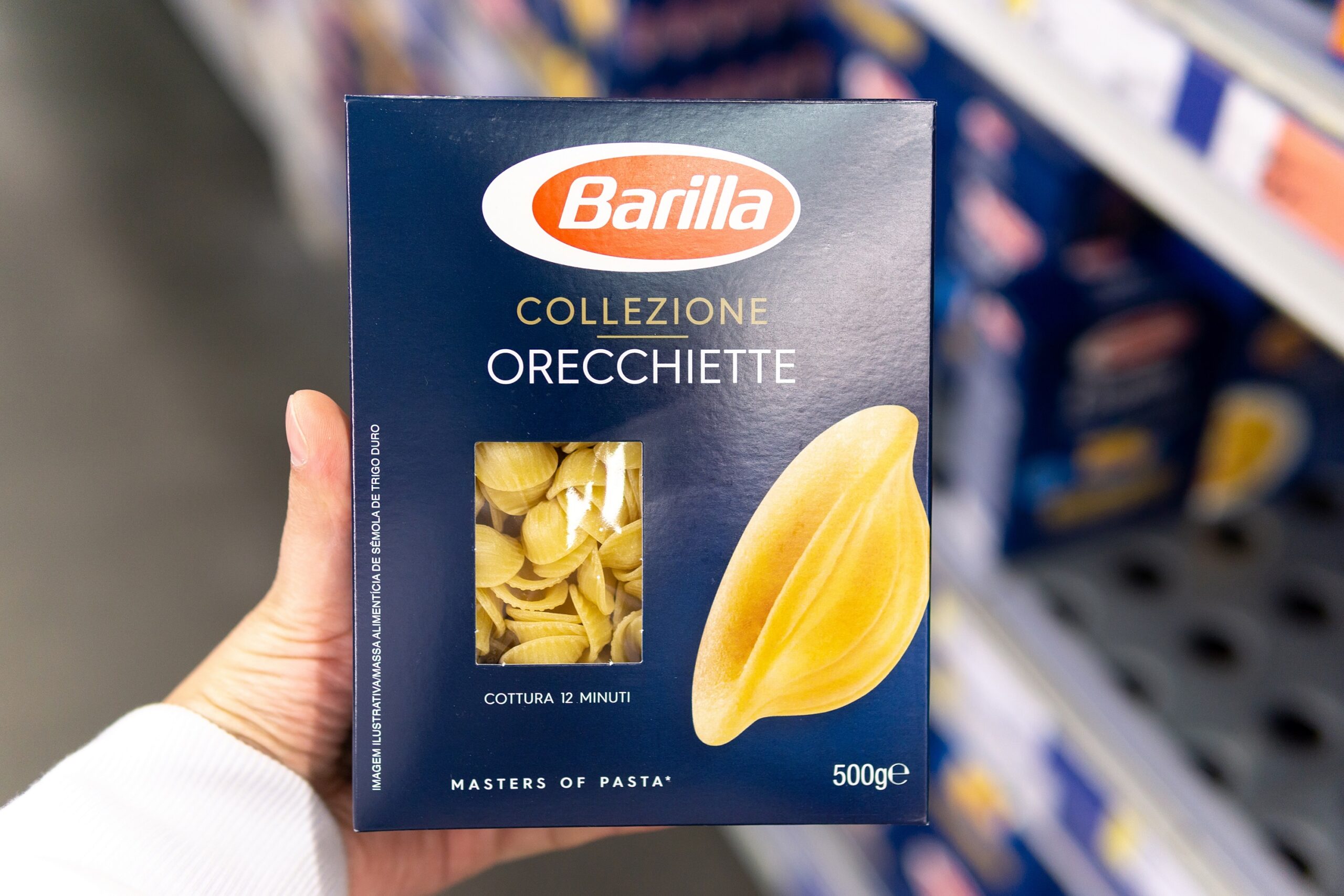
  • Barilla takes the plastic out of its blue-box range

    Barilla takes the plastic out of its blue-box range

    We decided to get rid of the plastic window we had on our boxes to move towards a more sustainable solution and reduce the number of materials used for our packaging. This allowed us to avoid placing unnecessary plastic on the market, amounting to around 126.000 kg of plastic per year*.

    Although the window on our boxes wasn’t limiting the recyclability of our packs—as modern recycling systems can differentiate—we opted for a more sustainable one: as we will always look at how we can become even more sustainable at Barilla.

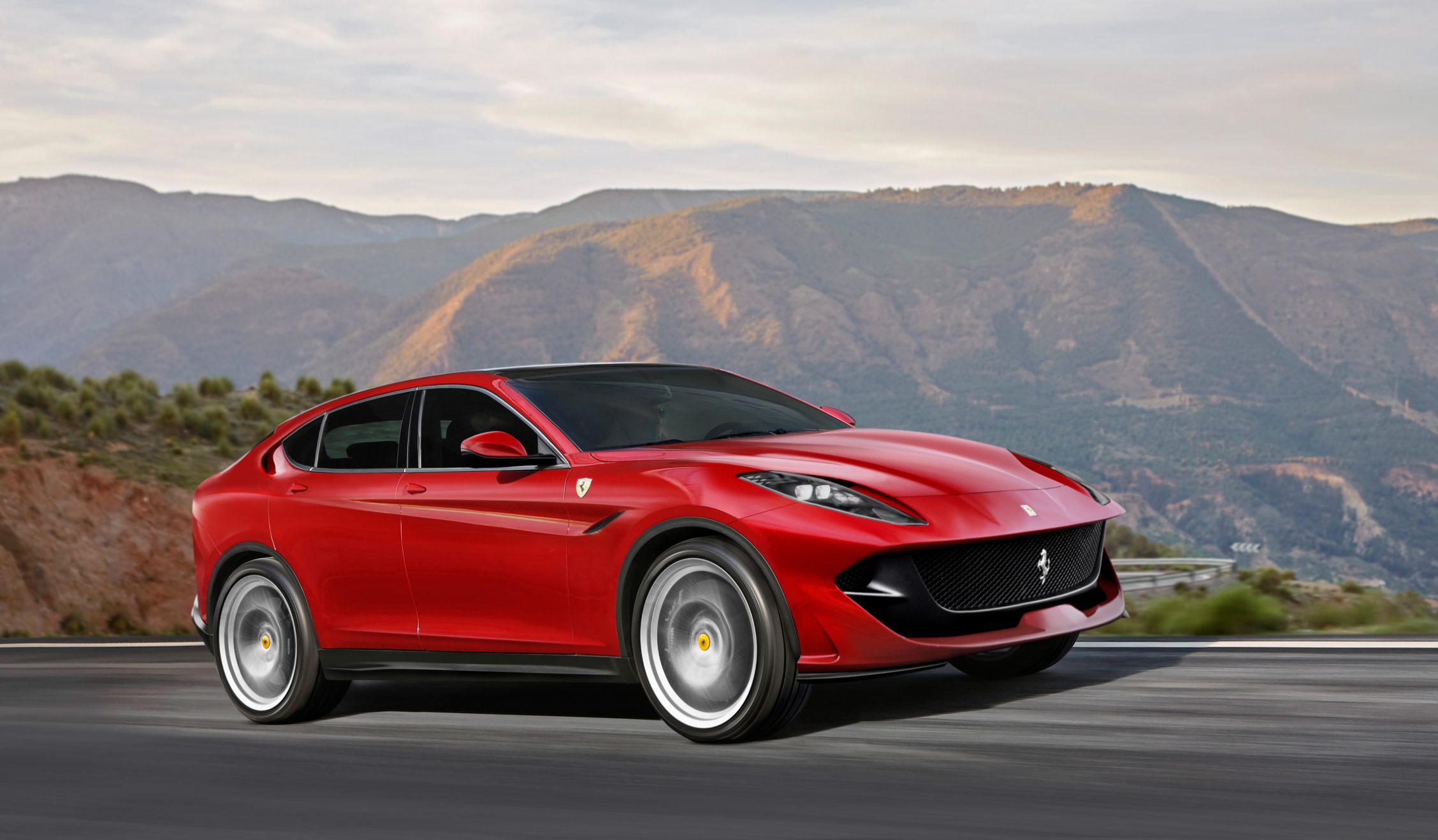
  • Ferrari Drops First Official Teaser For Purosangue SUV

    Ferrari Drops First Official Teaser For Purosangue SUV

    Italian marque Ferrari has dropped the first official teaser for its first-ever SUV, the Purosangue. The hotly-anticipated model has been a part of the folklore much before Ferrari officially announced its intention to build one and has been at the receiving end of some polarising opinions over the years. While some have been calling it blasphemous for straying too far from the brand’s origins, the others see it as an evolutionary tale of changing times and customer needs. Either way, the Ferrari Purosangue will be the four-door SUV and it will make its public debut sometime later this year, going by the brand’s Instagram post.

    The teaser image offers a shadowed look at the front profile but little tweaks that include turning the brightness all the way up gives a clearer look at some of the design details. The split headlamp design has been borrowed from the SF90 and the F8 Tributo supercars. There’s more muscle though and a slightly more heft in the design.

    There’s no word on the powertrain yet but the Purosangue is expected to draw power from a twin-turbo V8 engine that could make about 700 bhp. A smaller V6 hybrid cannot be ruled out either. Power will be sent to all four wheels via a dual-clutch transmission. A V12 is less likely but maybe that’s the redemption key that would turn naysayers into fans of the “FUV.”

    More details on the upcoming Ferrari Purosangue will be available later in the year. And you can expect more teasers to follow. Production will begin in 2022 while deliveries are likely to begin sometime in 2023. Can the Purosangue replicate the Lamborghini Urus’ success? We’ll find out soon enough.

  • Zurich Sells Life Insurance Book in Italy

    Zurich Sells Life Insurance Book in Italy

    The Swiss insurer is disposing of a life insurance portfolio in Italy. The deal lowers credit risk and boost capital.

    Zurich Insurance is selling its life and pension business to Gamalife, a Lisbon-based insurer, it said in a statement on Monday. Neither party disclosed financial details of the transaction.

    The deal encompasses traditional and unit-linked policies and will see $9.5 billion in net reserves transferred to Gamalife. Zurich said this will lead to a result of roughly $1.2 billion of capital and add 11 percentage points to its solvency ratio.

    Zurich, which said the sale lowers its exposure to credit risk considerably, expects to benefit from a $200 million boost in liquidity as well.

  • Moleskine opens its first retail store in SEA

    Moleskine opens its first retail store in SEA

    It’s been a big year for Brioni. The fashion house has marked its 65th year by collaborating with us on our ’Wallpaper* Handmade… in Italy’ exhibition, opening several new stores and – of course – throwing a large party. And now it is celebrating the milestone with a commemorative Moleskine notebook, which it’s giving to friends of the brand, illustrated by the whimsical hand of the artist, Carlo Stanga.

    Eschewing fashion’s customary glossy images, Stanga has created a series of playful and informal vignettes depicting the tailoring brand’s history and identity. On one page, a team of tiny characters spills from the pockets of a giant suit jacket as they carry out its finishing touches. And on another, there are a series of Brioni-clad Oscars, with a caption that reads: ’Brioni conquers Hollywood.’

    ’We were attracted to Carlo’s work by his fresh and modern stroke,’ says Brioni. The brand has a large archive of illustrations. From its inception in 1945, up until the 1970s, it collaborated with artist, Luigi Tarquini. ’We feel that illustration is a warmer art form than photography,’ the fashion house explains.

    Next up for Brioni is the opening of its new stores in China and Düsseldorf, plus September will see its first fashion show with Alessandro Dell’Acqua at the creative team’s helm.

  • Pineider opens first standalone Asian store

    Pineider opens first standalone Asian store

    Italian heritage brand Pineider has made its Singapore debut as part of the brand’s plan to expand into Asia, with more markets to come.

    Singapore’s first Pineider store occupies a 35sqm space inside the lobby of the Marina Bay Sands complex, offering a selection of writing instruments, stationery, designer leather goods and customisable ‘passion boxes’ – leather display and storage cases for collectors.

    To mark the opening of its first Asia store, Pineider also features a limited edition fine paper designed exclusively for the Marina Bay Sands store, featuring some of the distinctive landmarks of Singapore.

    Besides Singapore, the Italian brand is also eyeing to expand its presence in other Asian markets such as South Korea, India and Vietnam.

    “The opening of the Singapore mono-brand boutique confirms the visibility and success Pineider achieved globally, its ability to be appreciated and the confidence the brand holds for Singapore’s luxury retail market,” the company said in a statement.

    Founded in 1774 in Florence, Pineider provides stationery, writing instruments, and leather goods to royal families, politicians, writers, and poets. Its products have been used by Napoleon, Lord Byron, Elisabeth Taylor, Pavarotti, Giorgio Armani, Madonna, Barack Obama, and Angela Merkel, among others.

  • Energica Unveils Liquid-Cooled Electric Motor

    Energica Unveils Liquid-Cooled Electric Motor

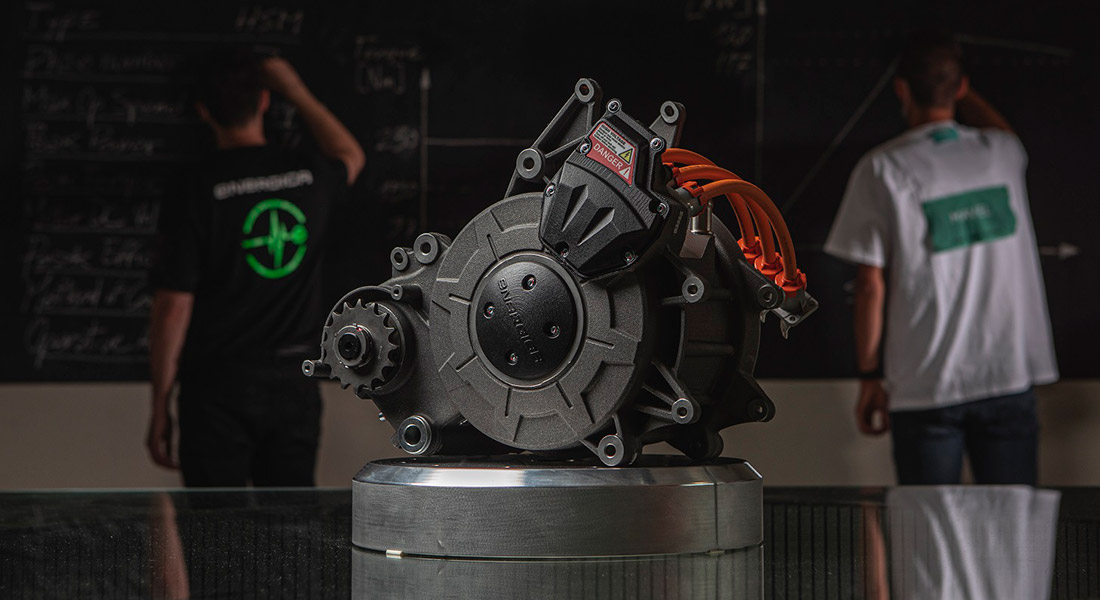
    Italian electric motorcycle manufacturer Energica has joined hands with Italian engineering company Mavel, to co-design a new liquid-cooled electric motor that will be used in Energica’s upcoming electric motorcycle range. Called the EMCE (Energica Mavel Co-Engineering), the new liquid-cooled powertrain increases peak power to 126 kW (169 bhp), compared to the outgoing unit’s figures of 110 kW (147 bhp). The motor also offers an increased range by 5-10 percent, while decreases overall weight by as much as 10 kg. The new motor will be used in the firm’s electric motorcycle models for the 2022 model year.

    “The introduction on the market of the new EMCE engine was scheduled for release in 2022, but following the difficulties of our supply chain – due to the global pandemic situation – we decided to anticipate this timing and instead, in just 6 months we have developed this co-engineering with Mavel, into our current model year production,” said Giampiero Testoni, CTO of Energica.

    According to Energica, the new motor features innovative rotor and stators’ geometries that minimize energy losses and maximize performance. The innovative and patented cooling of the rotor is capable of generating an internal flow of air that laps the magnets and cools them. This allows the engine to exploit its potential even at high speeds. According to Energica, the new EMCE powertrain will be introduced in electric motorcycles in Europe later this year, followed by the US, and then Asia. Energica however, doesn’t have a presence in India yet.

  • MV Agusta May Resurrect Cagiva Elefant Name

    MV Agusta May Resurrect Cagiva Elefant Name

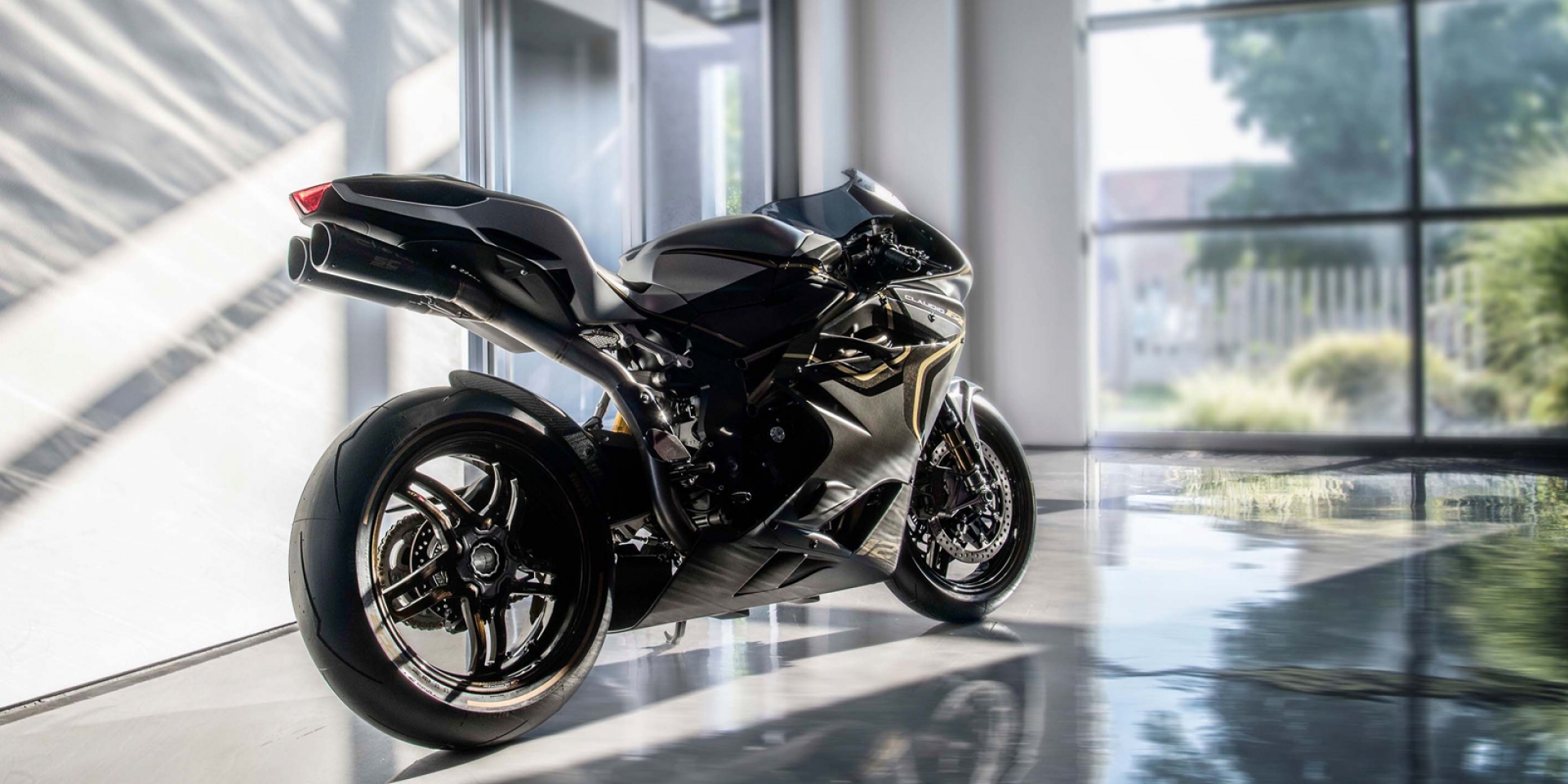
    MV Agusta may revive the Cagiva name, with the iconic Cagiva Elefant adventure bike making a comeback. In an interview to an Italian publication, MV Agusta CEO Timur Sardarov spoke about the motorcycle brand’s future plans, including new products, as well as two new engines that the brand is working on, a 550 cc and a 950 cc, which will include new models. More importantly, Sardarov also talked about a new adventure bike, with the name Elefant, taken from the iconic Dakar-winning Cagiva Elefant adventure bike.

    MV Agusta owns the Cagiva name, but so far it’s not clear whether the Elefant name will be introduced under the MV Agusta brand or as a separate Cagiva Elefant model. In fact, a few years ago, it was widely reported that MV Agusta will revive the Cagiva motorcycle name, but that it will be launched as an electric mobility brand. The latest comments from MV Agusta’s top boss seems to suggest that Cagiva could also be a sub-brand, under the MV Agusta umbrella.

    “Cagiva is a brand that belongs to MV Agusta. Our marketing department is evaluating the possibilities of products with the Cagiva brand and we are also considering whether to define Elefant as a ‘sub-brand’ of MV Agusta or as Cagiva Elefant. The decision has not yet been made,” Saradrov is quoted as having said in the interview.

    Cagiva is an Italian motorcycle manufacturer founded in 1950 by Giovanni Castiglioni in Varese. The brand has a rich history and at one point even owned Ducati and MV Agusta, as well as Moto Morini. In the late 1990s, MV Agusta became the main brand comprising Cagiva and Husqvarna. The brand has been inactive for more than a decade, and with fresh impetus and growth to the MV Agusta brand, Cagiva may just as well make a comeback in the next few years.

    The Sardarov family originally came on board as investors in MV Agusta, but assumed full control in 2019, signaling the end of the Castiglioni family’s historic ownership of the MV Agusta and Cagiva brands. Under the Russian businessman’s leadership, the MV Agusta brand has slowly stabilised, and made appreciable moves to address concerns regarding reliability and ownership experience. Currently, MV Agusta is busy updating its Euro 5 range, and once that is completed, new models will be developed, in the 550 cc and 950 cc platforms.