Tag: Italy

  • StreetTrend buys majority interest in Italian footwear retailer P448

    StreetTrend buys majority interest in Italian footwear retailer P448

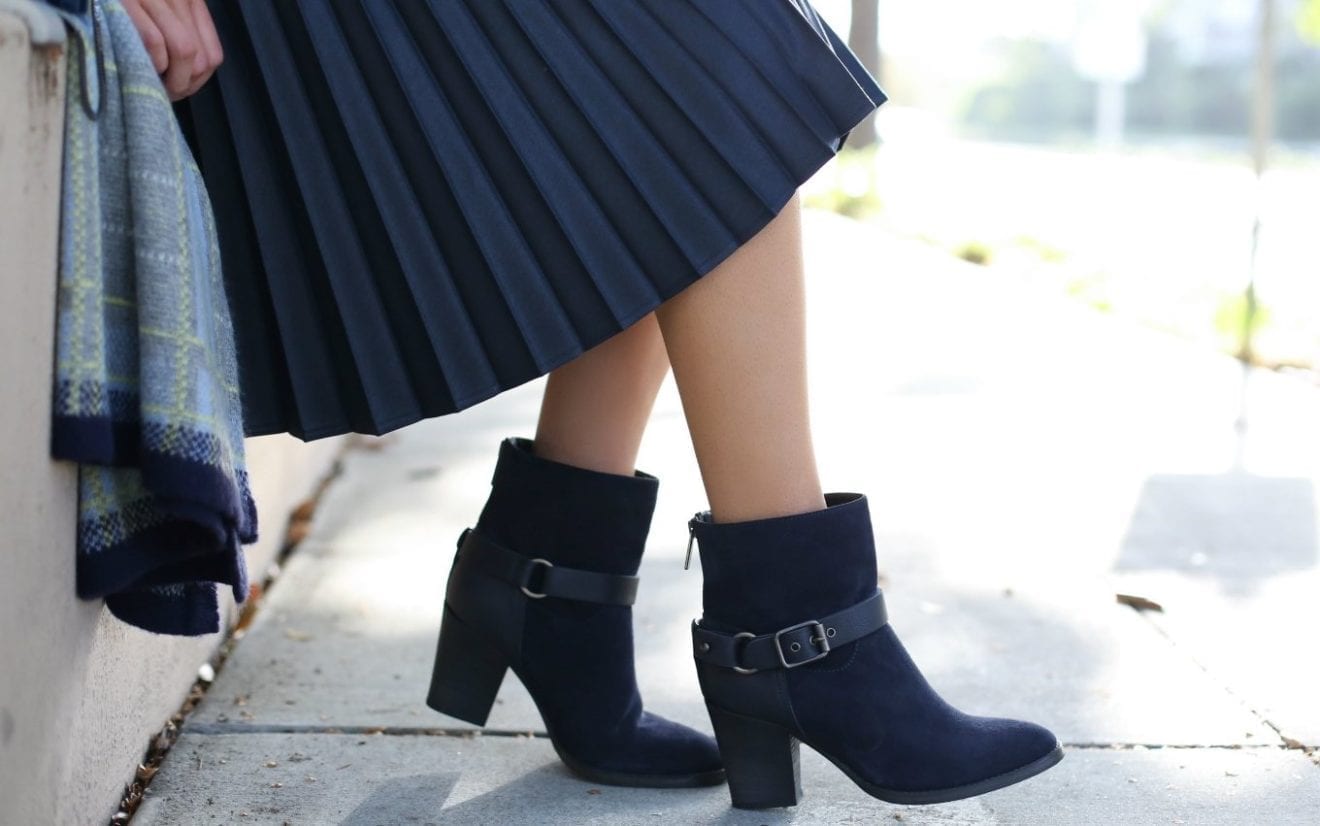
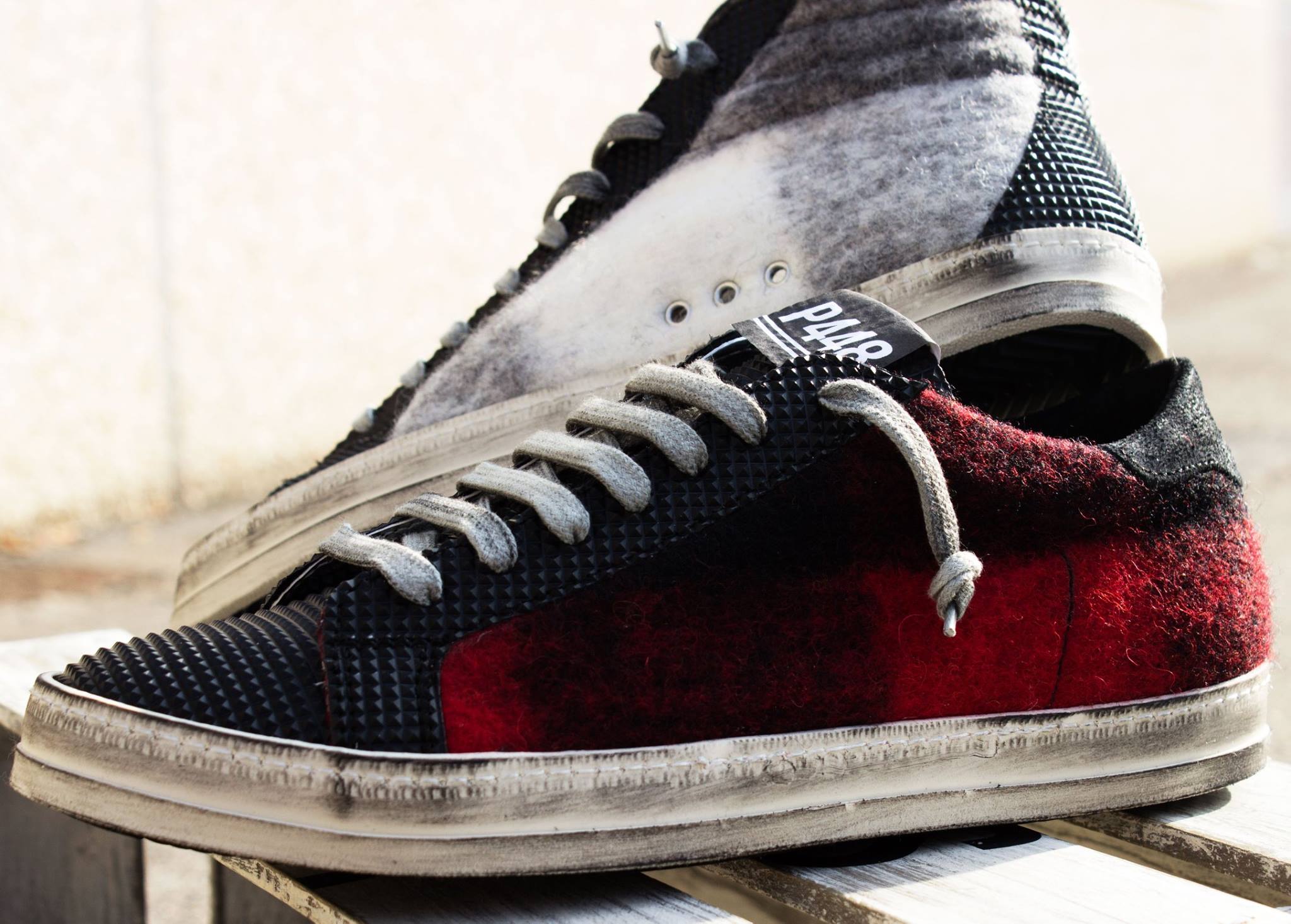
    US-based footwear holding company StreetTrend has signed a joint venture agreement with Italy-based investment firm Panda to purchase a majority interest in luxury sneaker and footwear retail brand P448.

    The deal covers all creative design, manufacturing operations and brand assets of the footwear brand in Forli.

    Following the acquisition, P448 founders Marco Simone and Andrea Curtis will maintain an equity stake and continue to operate the business.

    StreetTrend chairman Kulkin said: “When we launched StreetTrend last year it was very clear that we had to include P448 in our portfolio of luxury sneakers.

    “The feedback about the product design and quality coming out of Europe was amazing and I was thrilled to sign an exclusive distribution agreement to market the brand in North America, the UK, Hong Kong, and China.”

    Following the transaction, Panda CEO Paolo Griffo will serve as the CEO of P448 and lead the new management team of the brand. He will also continue to run Panda.

    Kulkin will serve as non-executive chairman of P448, while Simone and Curtis will serve as co-creative and design directors.

    As part of the deal, StreetTrend will assist the P448 brand to expand its current global distribution footprint.

    The company is also planning to open a new P448 store at the Palazzo Serbelloni in Milan, Italy, in October.

    Griffo said: “The company will continue to grow by being innovative and executing on our vision of offering a unique Italian spin on shoes that reflect streetwear, including looks that capture the surf, skate and music culture.”
  • China’s Xiaomi expands into France and Italy

    China’s Xiaomi expands into France and Italy

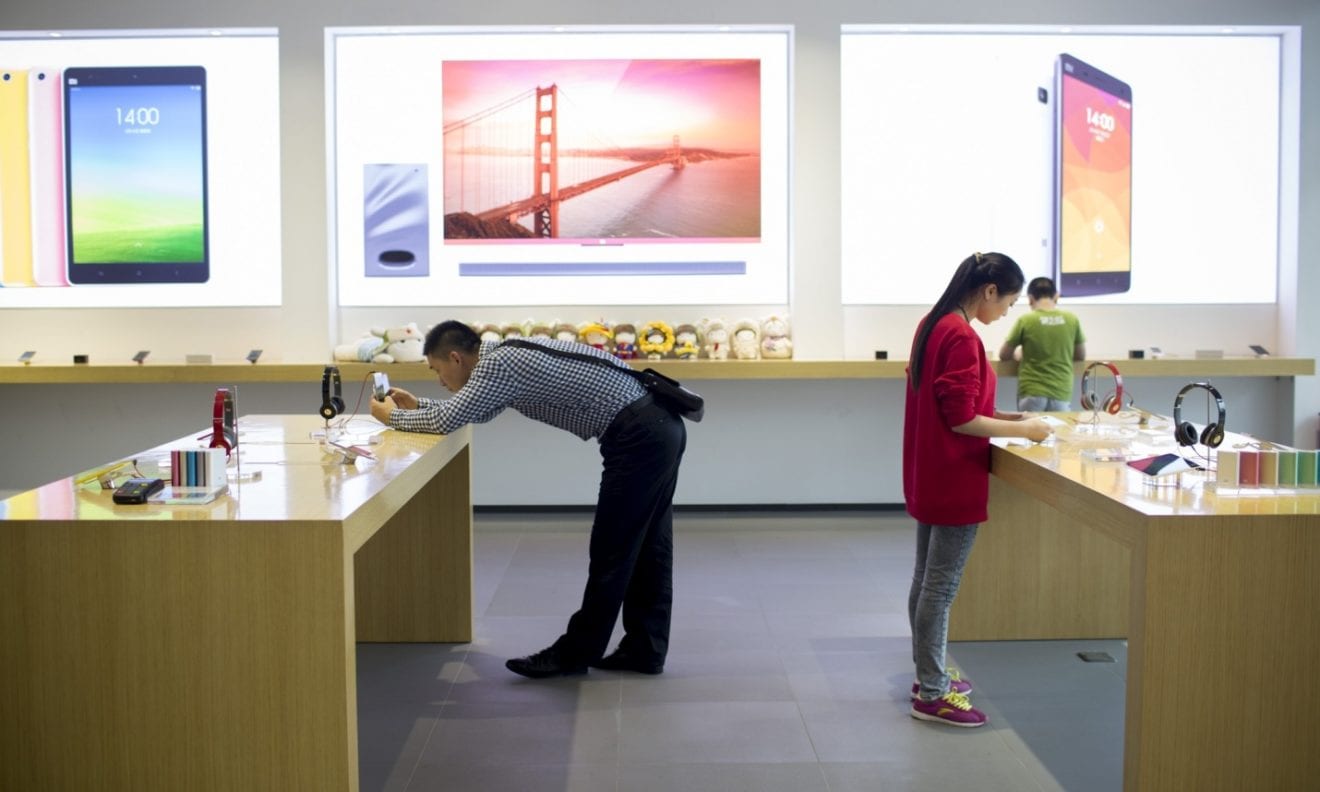
    Chinese smartphone maker Xiaomi Corp, which is planning to raise US$10 billion in a Hong Kong public listing, says it has launched sales in France and will enter the Italian market tomorrow.

    In France, Xiaomi is selling through its first Mi Store in Paris, via its own e-commerce platform Mi.com, and on other online and offline platforms including Amazon and Cdiscount. To date, the Beijing company has established a presence in 74 markets and has agreements with telecoms carriers in France, including Bouygues, Free, Orange and SFR.

    Smartphone shipments in western Europe fell 13.9 per cent in the first quarter, according to market research firm Canalys. Shipments to France dropped 23.2 per cent.

    However, Xiaomi shipments rose by more than 999 per cent, while Samsung and Apple saw 15.4 and 5.4 per cent declines respectively.

  • Gambero Rosso’s TopItalian Wines Roadshow 2018 Celebrates Italy’s Finest Wines

    Gambero Rosso’s TopItalian Wines Roadshow 2018 Celebrates Italy’s Finest Wines

    The annual Gambero Rosso’s Top Italian Wines Roadshow welcomed about 1,000 wine lovers at CHIJMES Hall today in a celebration of Italy’s wine craftsmanship. The one-day roadshow will be opened by the Ambassador of Italy to Singapore, H.E. Raffaele Langella; Mr Marco Sabellico, Senior Editor-in-Chief of Vini d’Italia; and Mr Lorenzo Ruggeri, Editor of Gambero Rosso Top Italian Restaurants in the World.

    Steeped in a wine-producing history that dates back many millenia, Italy has mastered the art of winemaking and secured an international reputation for producing a wide array of quality wines highly regarded by wine connoisseurs. At Gambero Rosso’s Top Italian Wines Roadshow’s stopover in Singapore today, columns of tasting tables offered an exquisite selection of around 300 wines from over 70 Italian wine producers to an assembly of appreciative wine lovers. Masterclasses hosted by Mr Marco Sabellico, who is also Gambero Rosso’s wine expert, led trade visitors and wine lovers on insightful expeditions to discover the characteristics of signature wines from a total of 68 wineries in Italy.

    With a growing reputation as the wine hub of Asia, Singapore presents itself as the ideal gateway for Italian wine producers and distributors to access the region. Italian wine is estimated to flourish at a total volume CAGR of 3% to reach 2.6 billion litres in 2021 (Euromonitor, 2017), supplying fine-quality wine which is in high demand due to Asia’s roaring economies and rising affluence. GlobalData (2017) expects the Asia-Pacific wine market to flourish at a CAGR of 9.4%, the quickest in the world, and register a volume CAGR of 4.5% to more than 4 million litres by 2021.

    From March to November 2018, Gambero Rosso will bring the annual celebration of Italy’s wine craftsmanship on a tour around the globe, with visits to São Paolo, Brazil, and Houston, USA, last month. After Singapore, the Top Italian Wines Roadshow’s next stops in Asia will be at Bangkok, Thailand on 24 May, and Hong Kong, China on 31 May.

    Established in 2007, Gambero Rosso’s Top Italian Wines Roadshow has firmly become a strategic platform for penetrating emerging markets and grasping new business opportunities. Italian wine offerings are so rich and have a wide selection. To address this, the selections at Gambero Rosso represent a guaranteed way for promoting knowledgeable, attentive and curious developments of Italian territories. The basic framework employed comprises an extremely rigid selective criteria of quality used for decades by the Vini d’Italia guide. Now in its 31st edition, the guide is the result of a year of work by an expert team of 53 tasters who tasted 45,000 wines and interviewed wine producers at wineries across Italy, including Ticino in Switzerland for the first time this year. In this edition, 22,000 wines from 2,485 wineries were awarded scores ranging from 0 to 3 Glasses, with 436 wines receiving the highest, prestigious rating ofTre Bicchieri.

  • Marni names new CEO

    Marni names new CEO

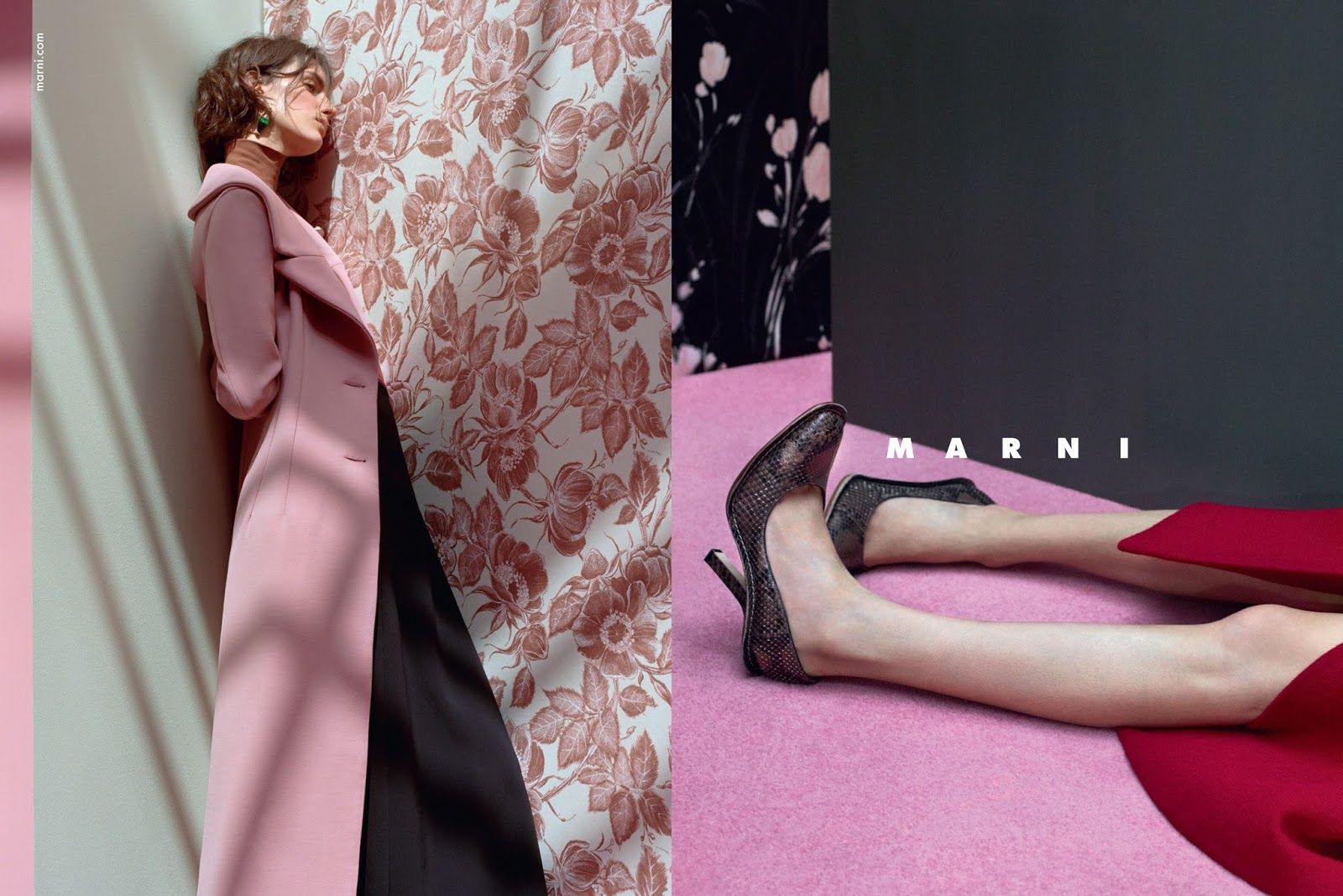
    Italian fashion major Marni has announced the appointment of Stefano Biondo to chief executive officer, effective 15 May 2018.

    The OTB Group-owned luxury label poached Biondo from eyewear company Safilo, where he served as chief brand officer.

    He succeeds Ubaldo Minelli, who was promoted to CEO of OTB in January. Biondo will report directly to Minelli.

    In speaking with WWD, Minelli expressed his confidence in Biondo’s helming of the Marni brand, which has been under management reconstruction globally.

    “Marni has a precise and recognisable identity with incredible potential for growth,” said Minelli.

    “In recent years, we have built a solid foundation for the brand’s future and it is now on the launchpad for true development and success.”

    One of the biggest turning points for the label was in 2016, when Marni appointed a new creative director, Francesco Risso, to replace Marni founder, Consuelo Castiglioni.

    In 2017, Marni’s turnover exceeded 180 million euros, experiencing double-digit growth worldwide, especially in Asia.

    It also highlighted a growth in accessories, specifically handbags, which soared on some 90% in certain markets. Millennial sales were also up, said OTB.

    Marni is present in 54 countries with a wholesale channel of 470 stores and 70 mono-brand stores, with 22 boutiques operated with local partners. Most recently, Marni opened a flagship store in Florence, with several planned for China.

    In 2017, the OTB group quadrupled its Earnings Before Interest and Tax (EBIT) to €21.5 million, despite suffering a 2.4 percent decline in group revenues

    OTB controls Marni, Diesel, Maison Margiela, Viktor & Rolf, Paula Cademartori, Staff International and Brave Kid.

  • Braccialini declared bankrupt

    Braccialini declared bankrupt

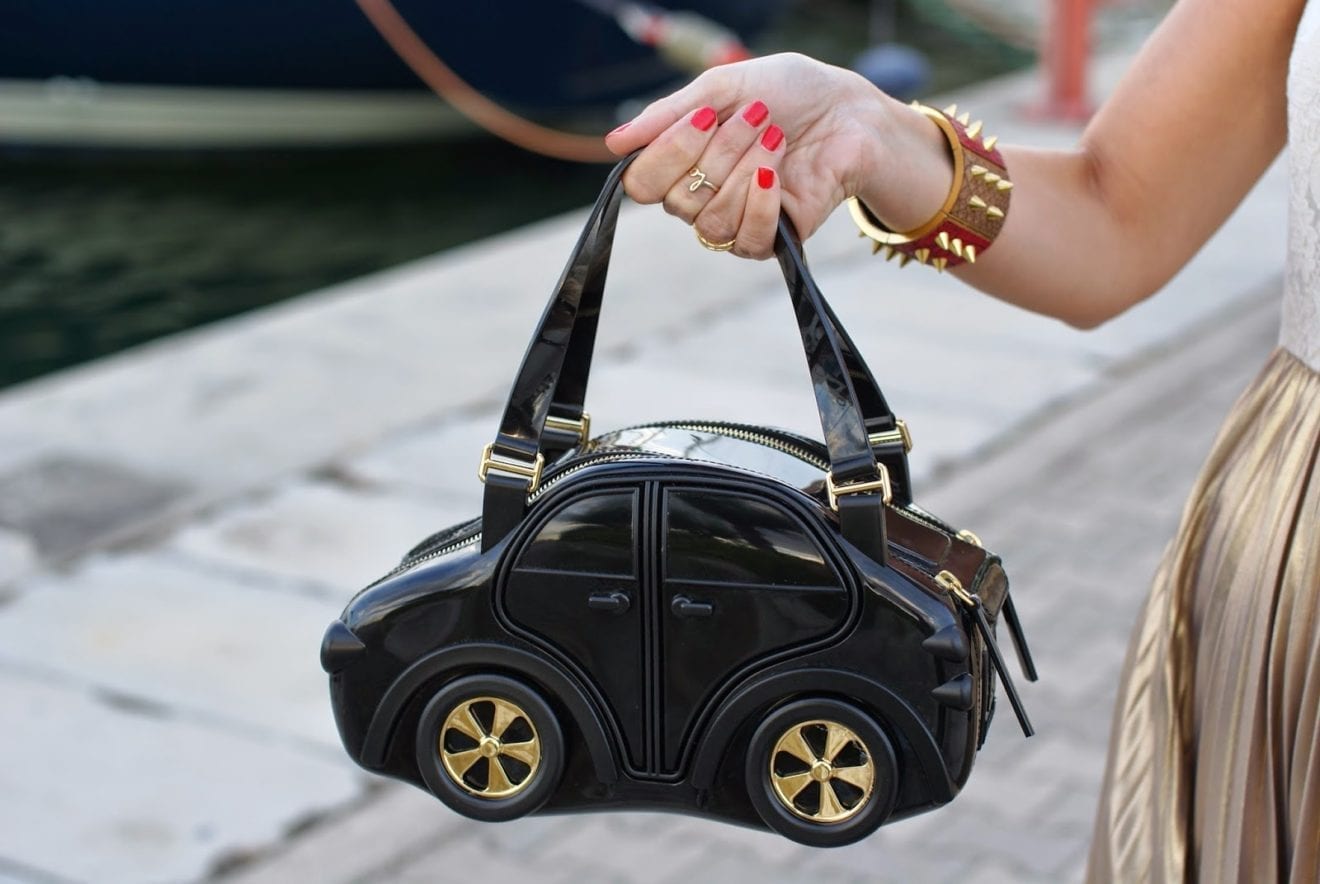
    A court in Florence has declared the Italian fashion brand Braccialini bankrupt after rejecting a request for an arrangement with creditors.

    The request was filed by the fashion house in June 2016 but the tribunal on Wednesday ruled that in Braccialini’s case there was the “technical impossibility” of managing a company that is “at this point insolvent”.

    The tribunal said that “several uncertainties weighed on the arrangement”, not enabling to “ensure the payment of the minimum 20%” to creditors. Luxury handbag-makers Braccialini and Tua in 2017 were bought by Arezzo-based jewelry and luxury brand Graziella Group, which is continuing production.

    Braccialini Spa had retained property of real estate, a depot and other brands after the acquisition, all assets that will now be managed by a trustee.

    The decision was reportedly affected by the issuing in 2016 of invoices to four suppliers, all Chinese creditors, according to court documents.

    The agreement included the “duplication of invoices” and delayed payment of money Braccialini owed to the four Chinese suppliers, among other things – “operations worth hundreds of thousands of euros” allegedly made right before and after the request for an arrangement with creditors, according to the ruling.

    Braccialini’s attorneys have denied that the company forged invoices, insisting it pursued the “interest of all creditors” and its over 80 employees.
    Meanwhile prosecutors in Florence are investigating 25 people, including members of the company’s board and trustees between 2011 and 2014, when the company’s crisis worsened.

    The label, known for its colorful and trendy handbags and accessories, celebrated its 60th anniversary in 2013 with a new museum inside its headquarters in Scandicci, near Florence.

    The family-run business was first launched by Carla Braccialini in 1953 with a collection that included dresses and hats, as well as bags.
    It quickly became popular thanks to its combination of different materials and bold take on patterns and color.

    Luxury purse maker was bought by Graziella Group in 2017

  • Florence’s Gucci museum opened a restaurant with the world’s best chef

    Florence’s Gucci museum opened a restaurant with the world’s best chef

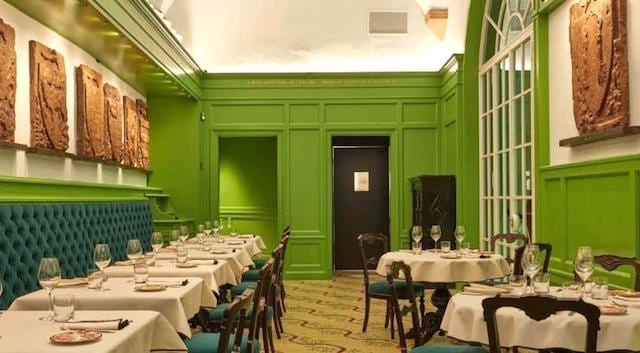
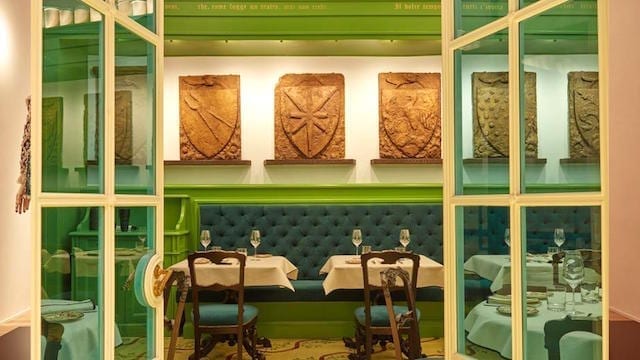
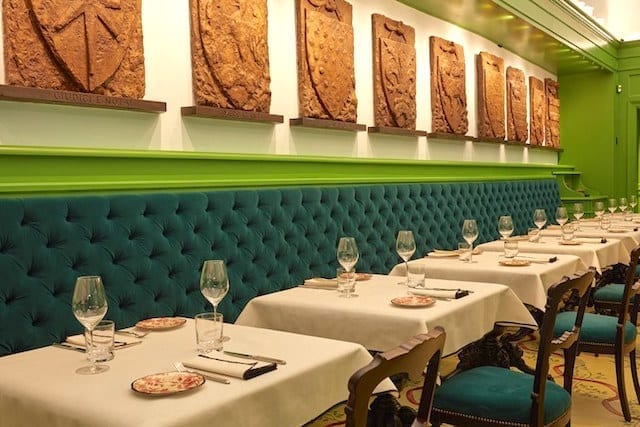
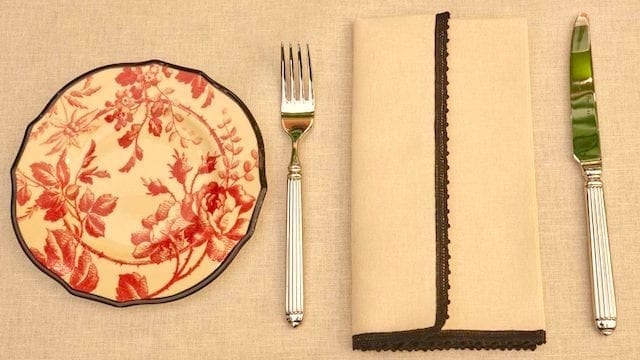
    Luxury fashion brand Gucci has opened a 50-seat restaurant, Gucci Osteria, in Florence featuring triple-starred Michelin chef Massimo Bottura.

    This follows in the tracks of Giorgio Armani offering fine-dining restaurants at its hotels in Dubai and Milan, the Dolce & Gabbana Gold Restaurant and Dolce & Gabbana Martini Bistrot in Milan, and Ralph Lauren with Ralph’s Restaurant in Paris. Roberto Cavalli also has an international chain of cafes.


    LVMH last year also announced it would open a second branch of its gourmet grocer La Grande Epicerie in Paris, days before Tiffany’s & Co launched its Blue Box Cafe in New York. LVMH also owns Cova Pasticceria, which has a strong international presence along with Prada’s Pasticceria Marchesi.

    In Seoul, Dior runs the Dior Cafe at its flagship store, in partnership with patissier Pierre Herme.


  • Gucci confirms tax evasion probe

    Gucci confirms tax evasion probe

    Italian fashion giant Gucci on Monday said police raided its offices over suspected tax evasion, confirming a report in the Italian press.

    The Milan public prosecutor suspects the fashion house of declaring several years worth of Italian sales in Switzerland, thereby saving around 1.3 billion euros ($1.5 billion) in domestic tax, La Stampa daily said.

    The investigation is reportedly based on information from a former senior Gucci employee who has since left the company, which is part of French luxury group Kering.

    La Stampa said financial police had spent at least three days searching Gucci’s new, ultra-modern Milan headquarters and also other offices.

    “With respect to an article concerning an audit by the local tax police conducted at Gucci’ls offices in Florence and Milan published in an Italian newspaper today, Gucci confirms that it is providing its full cooperation to the respective authorities and is confident about the correctness and transparency of its operations,” Gucci said in a statement.

    Four years ago, fellow Italian fashion behemoth Prada had to pay 470 million euros to the Italian taxman after it declared a decade’s worth of home revenue abroad.

    The Italian tax dragnet has since extended to tech giants — 318 millions euros of Italian revenue for Apple and 306 million for Google while investigations are also under way regarding Amazon and Facebook.

    Gucci has turned in a strong recent performance with third quarter organic growth of 49.4 percent on 1.5 billion euros of sales.

  • Indonesia`s fresh pineapples enter Italian market

    Indonesia`s fresh pineapples enter Italian market

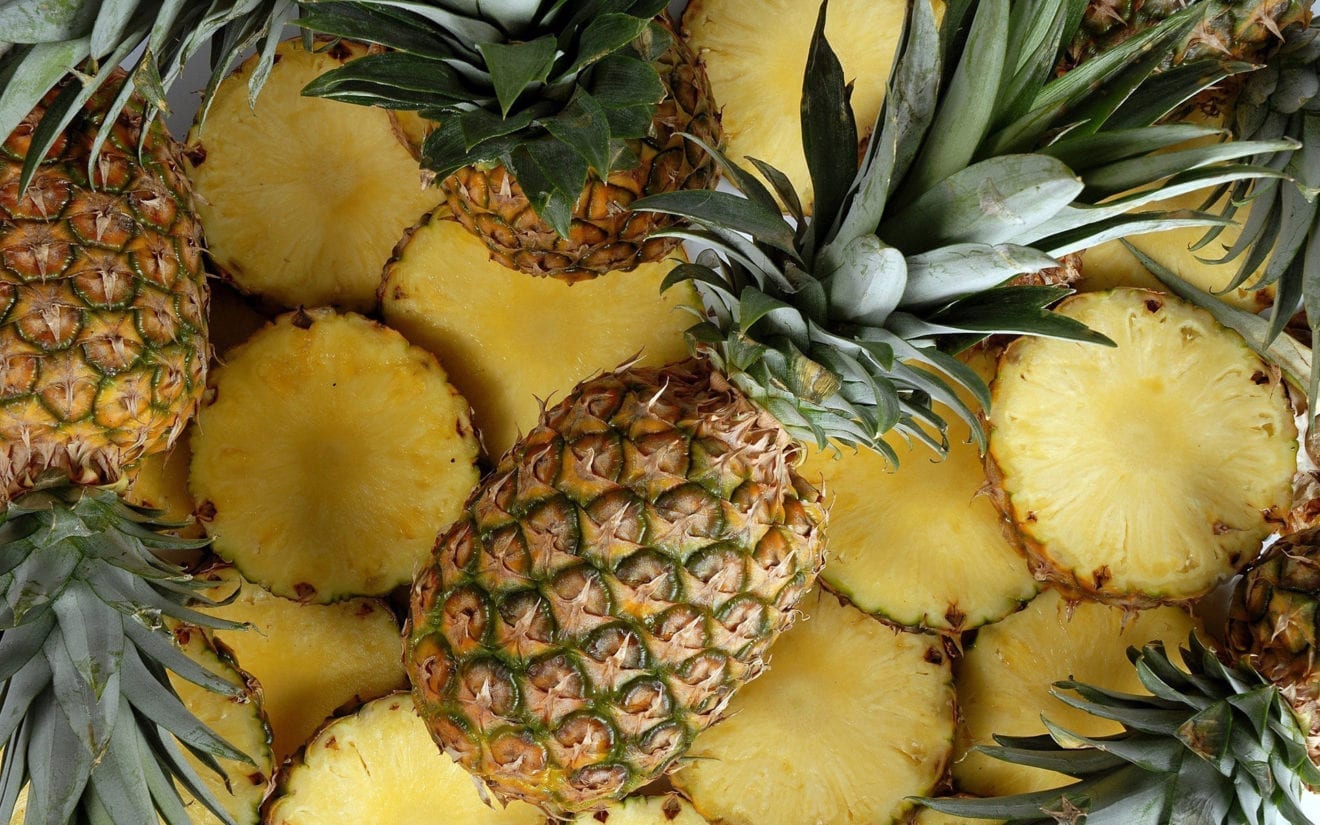
    Indonesian fresh pineapples can now be consumed by Italian consumers after a container holding 18 tons of the commodity arrived in Italys city port of Venezia over the weekend.

    The 18 tons of fresh pineapples were exported in a maiden shipment by PT Great Giant Food in cooperation with Italian importer SAMA SpA.

    SAMA is planning to import up to 20 containers of the commodity until the end of the year, Counselor Charles F. Hutapea of the Indonesian Embassy in Rome, told us in Jakarta on Saturday.

    Previously, the Italian consumers could only enjoy Indonesian pineapples in the form of canned product. The unloading of the maiden export of fresh pineapple was witnessed by Indonesian Ambassador to Italy Esti Andayani together with general manager of SAMA, Giorgio Masiero.

    Ambassador Andayani expressed happiness over the fact that Italian consumers are increasingly fond of Indonesian fresh pineapples which could compete with fruit from other countries.

    “So far, many kinds of Indonesian fruits are imported by countries in Europe and now Indonesian pineapples could also penetrate the Italian market,” she said.

    The Italian company previously imported pineapples from Caribbean and African countries with a length of delivery time of about three weeks.

    The length of time for the importation of pineapples from Indonesia is about four weeks.

    However, the longer period does not affect the quality of and shape of Indonesian pineapples. According to the agriculture attache, Yusral Tahir, in Rome, pineapple is one of the Indonesian mainstay types of fruit.

    Pineapple production is ranked third in the volume of Indonesias fruit outputs after bananas and mango. Almost all regions in Indonesia produce pineapples.

    Pineapple production centers in Indonesia included the provinces of Lampung, West Java, North Sumatra, East Java and Jambi.

    Indonesias pineapples production reaches 1.84 million tons with productivity of 117.5 tons per hectare.

  • Sales of Indonesian Coffee in Italy Expected to Rise

    Sales of Indonesian Coffee in Italy Expected to Rise

    Indonesian Ambassador to Italy Esti Andayani targets economic growth of Indonesia-Italy investment and trade to rise 25 percent during her term of office in Rome.

    “25 percent is the overall figure, yes, both in investment trade,” Esti said in Jakarta (15/4).

    In 2015, the total of Italy investment realization reached US$ 97,99 million that made it the tenth largest investor in Indonesia. Based the data of Foreign Affair Ministry, the trade volume of both countries was US$ 3,82 billion with Indonesia’s surplus as much as US$ 433 million.

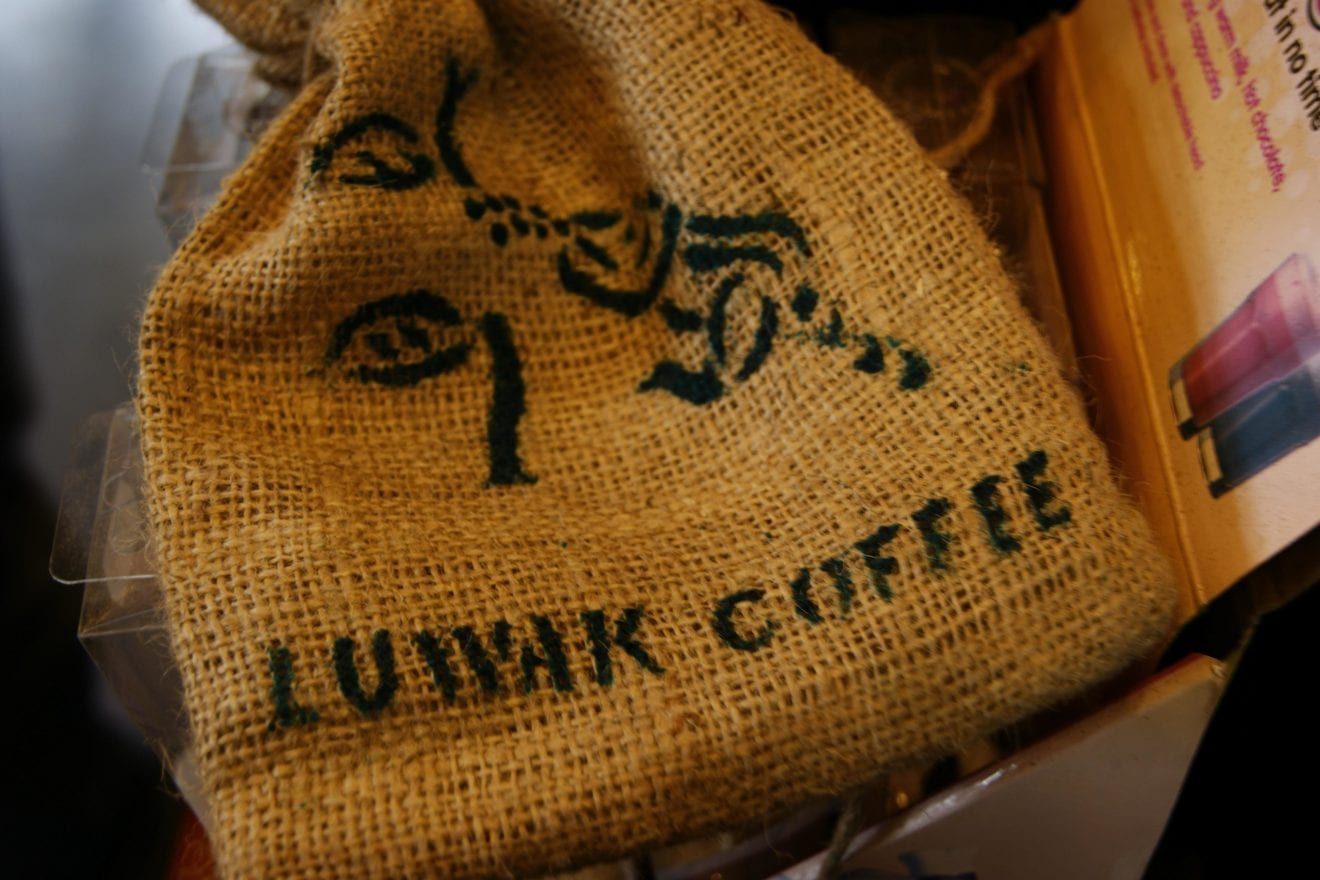
    Esti said that coffee is the main commodity promoted in Italy. Its export is worth US$ 58,8 million or the third largest export after palm (US$ 975 million), and resin (US$ 93 million).

    Esti claimed to have prepared a number of strategies to draw the attention of Indonesian coffee exporters to Italian market, one of which is by means of integrated promotion through participating in annual “World Tourism Expo” in Italy.

    “Well, tourism here not only promotes the place, but also everything, including coffee,” she added.

  • Scavolini to look for new growth opportunities in China

    Scavolini to look for new growth opportunities in China

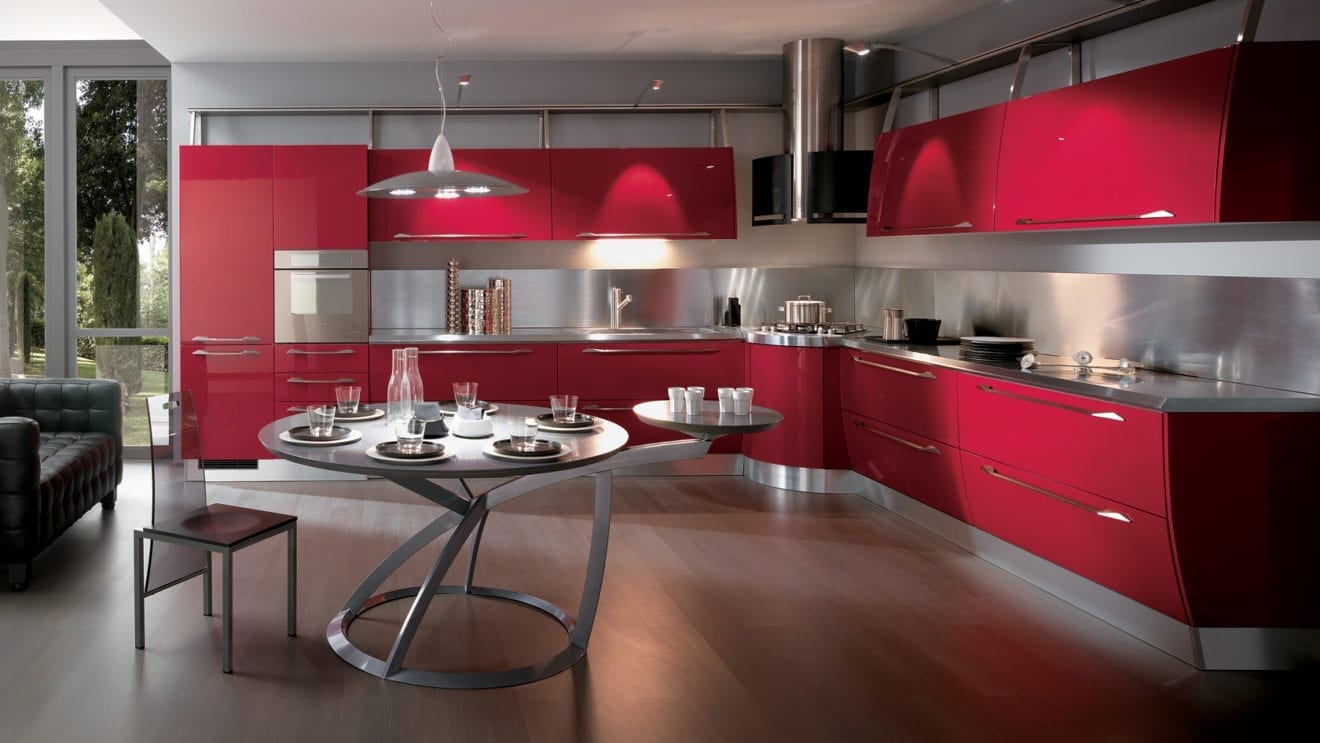
    Scavolini, a leading kitchen manufacturer, aims to continue to grow by double digits in China and is preparing to launch a new investment plan in the first half of 2017 as it seeks to turn its strongly-domestic brand into an international one.

    At a recent trade show, Chief Executive Fabiana Scavolini announced the company’s expansion plan with eight store openings to support the company’s international strategy.

    “We have interesting development plans in Africa and Asia, let alone Europe, where we will soon open a store in Madrid,” the CEO said.

    As part of the group’s international expansion, China represents a strategic market where Scavolini has been present for years and which “still offers huge opportunities (Federlegno expects design and furniture sales to increase 40% by 2019, Ed’s note), with a good distribution system and solid roots,” the top manager said.

    Scavolini opened its office in office in Shanghai in 2014 and is also present within the Diesel Living space.

    The 460-square meter Scavolini store in Changzhou, recently opened, is located inside the Red Star Macalline Furniture mall, at about one-hour train from Shanghai; it’s the only showroom in the mall visible from outside, thanks to its three big windows, and is Scavolini’s largest store in China. The Chengdu store is located in the city’s most important shopping center, along with 72 top international brands.

    By June 2017, the company will also open in Shenzhen, Hangzhou, Nanjing, Zhengzhou, Xiamen and Wuxi, for a total of 11 stores in China.

    China’s growth is part of Scavolini’s international retail expansion. Last month, it opened a new store in Boston, and a new opening is expected in New York, where the company already operates a showroom on West Broadway.

    “We have exported to the United States for more than 20 years,” the CEO said. “It’s a double-digit growth market and we are very happy with it, both when we work with final consumers or in the contract segment. We expect additional important growth in 2017,” the manager said.

    The “Scavolini Store” plan is part of a larger distribution strategy, with constant investments to grow the distribution network, especially abroad, where the group operates 300 stores, 150 of which in Europe, around 60 in Russia, 30 in North America, 20 in central and south America, another 20 in Asia and Oceania, for a total of over 1,300 stores worldwide.

    Scavolini, which employs 660, celebrated last year its 55th anniversary and reported revenues of €220 million, 20% of which originated abroad.

  • North Sulawesi to export coffee to China and Italy

    North Sulawesi to export coffee to China and Italy

    North Sulawesi will export coffee from Kotamobagu City to China and Italy, as demand for it is high in those countries.

    “According to a plan this year, North Sulawesi will export coffee from Kotamobagu City to China and Italy,” the Head of the Foreign Trade Department of Industry and Commerce of North Sulawesi, T Hasudungan Siregar, said in Manado on Wednesday.

    Steps are now being taken to start the exports, he added.

    “Currently, we are preparing recommendations for export. Later we will register exporters for the coffee,” he said.

    If once a company has exported about 200 tons of coffee for a year, it would be registered as an exporter, according to him.

    He hoped that people in Kotamobagu City would take advantage of this opportunity, as presently, the market for coffee is wide open.

    The community must also increase production and quality of the coffee so that if demand increases in the future, they should be able to meet it.

    “Consistency is very important in exporting commodities,” he said.

    Currently, the Department of Industry and Commerce of North Sulawesi continues to push for the main commodity of North Sulawesi to be be marketed to different countries in the world.

    This is important for generating foreign exchange for the country.

  • Starbucks investing in upscale chains

    Starbucks investing in upscale chains

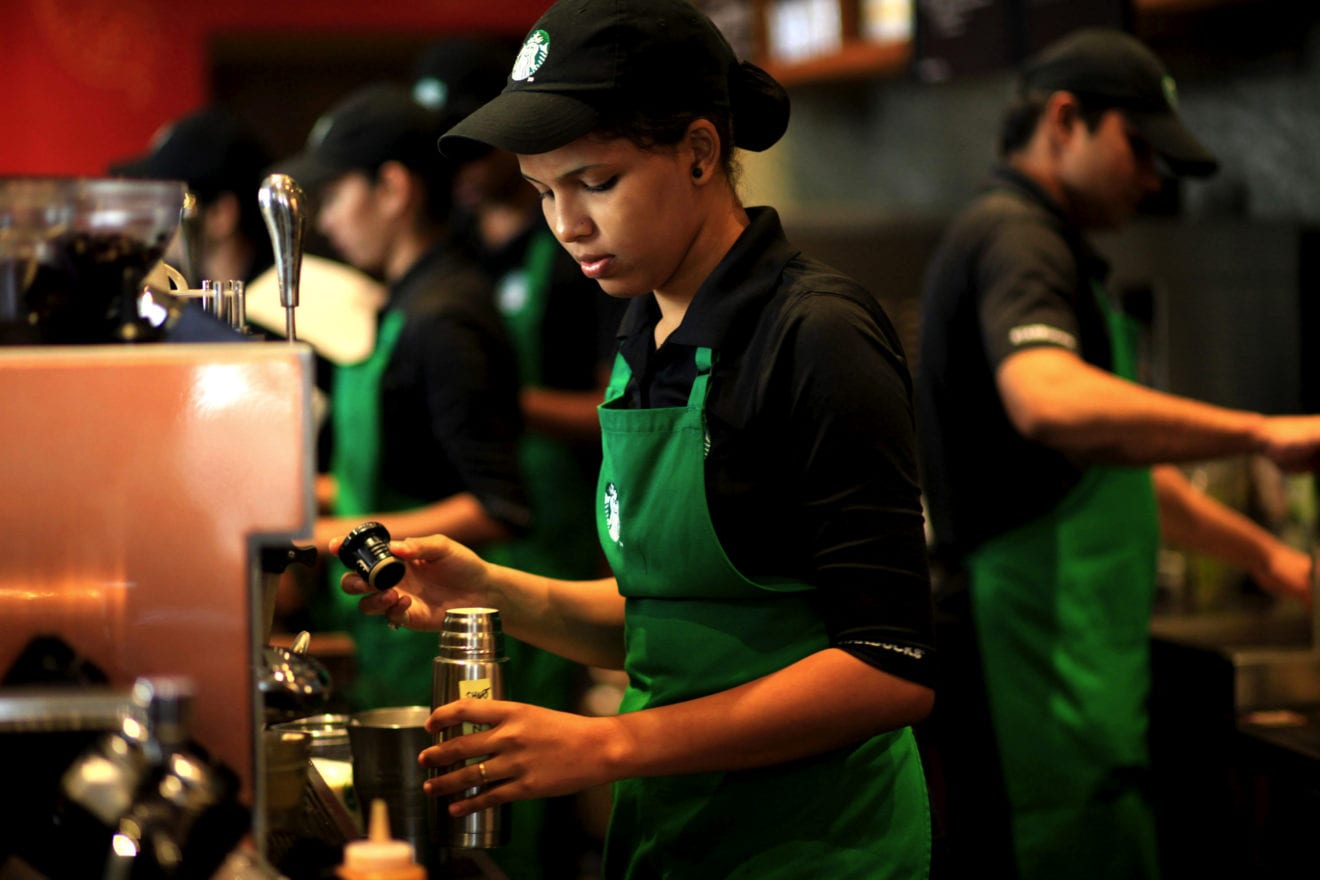
    Starbucks plans to open a new brand of stores called Starbucks Reserve-only starting next year.

    The coffee chain has also joined global investment team, Milan-based Angel Lab and Pekepan Investments to expand the footprint of standalone boutique bakery’s and cafes into international markets.

    Starbucks Reserve-only will offer premium, small lot reserve coffee in stores that will be approximately twice as large as current Starbucks stores and will feature ‘more of a cafe atmosphere’.

    “We recognise our customers expect and desire a higher level of product and we want to give it to them,” said Howard Schultz, company chair and CEO.

    The company plans to open the new stores next year in hundreds of locations.

    Schultz said the new brand is part of a broader company plan to improve and expand its food offerings.

    The company also announced earlier it has partnered with Italian restaurant Princi, the boutique bakery and café founded by Rocco Princi in 1986 known for its artisan breads created from traditional family recipes.

    Princi’s menu will become the exclusive food offering in all new Starbucks Roastery locations, including Shanghai and New York and will be fully integrated into all new Starbucks Reserve-only stores starting 2017.

    The investment team, which includes Milan-based Angel Lab and Pekepan Investments, will focus on expanding the number of standalone Princi locations worldwide as well as making Princi the exclusive food purveyor at the new Starbucks Reserve Roastery and Tasting Rooms in Shanghai and New York. The Shanghai and New York Roastery locations are on track to open in 2017 and 2018, respectively.

    “We have never baked in our stores in 45 years. But all of that will change with the creation of this unique partnership,” Schultz said.

    “Rocco and his team at Princi possess a passion for handcrafted food and artisanal baked goods that mirrors how I feel about our coffee. The attention to detail, the care invested in selecting the ingredients and the artistry of preparation is second only to the service Rocco offers customers inside his Princi stores.”

    “I can think of no better pairing for our most premium coffee experience and am excited by the possibilities we envision in Princi food elevating every daypart – breakfast, lunch, and dinner – in Starbucks Roasteries and Reserve Stores.”

    Currently, Starbucks has nearly 24,000 stores worldwide and offers Reserve coffee in 2,000 locations in 30 countries.

  • Revenue up for Global Brands Group

    Revenue up for Global Brands Group

    Branded apparel, footwear, fashion accessories and lifestyle product company Global Brands Group Holding has had a US$4118 million revenue increase for its latest reporting period – covering 15 months because of a change of the financial year end date to March 31.

    Its revenue growth was partially offset by a decrease in the euro exchange rate, the tail-end impact of exiting underperforming brands, and an unseasonably warm winter in North America.

    The core operating profit and net profit for the period were $75 million and $25 million respectively, reflecting the typically weak first quarter.

    “Since Global Brands’ independent listing two years ago, our business has progressed along a steady growth trajectory,” says CEO/vice-chairman Bruce Rockowitz. “We have focused on leveraging our competitive strengths as we grow around our core segments. Today, we enjoy a unique position in our industry as no other company operates in the same space in the categories in which we specialise, at our vast scale, across so many countries and regions.”

    Its total margin has continued to trend up since 2013, reaching $1379 million, or 33.5 per cent as a percentage of revenue. As a result of the group’s investment in key controlled brands and adding new licences to the portfolio, running costs grew to $1304 million.

    “We continue to sharpen our focus on our key product categories and high-performing brands, while expanding our platforms where relevant,” says president/COO Dow Famulak. “Our kids category remains a highly successful franchise delivering consistently positive results, while our footwear and accessories business also performed well, particularly our key footwear brands.

    “We made excellent progress expanding the direct-to-consumer reach and increasing the product offering of our key controlled brands, such as Frye, Spyder and Juicy Couture. Under Seven Global, we extended the David Beckham brand to the menswear product category through a partnership with Kent & Curwen, and recently to the men’s grooming category through a partnership with the men’s skincare brand Biotherm Homme.”

    Rockowitz says the group is committed to global growth. “We will continue to expand our footprint in Europe and in Asia, as well as look for new avenues to further build upon our already strong presence in the US.”

  • Super retail network adds speed for Pizza Hut Hong Kong

    Super retail network adds speed for Pizza Hut Hong Kong

    Pizza Hut Hong Kong has is implementing a super retail network solution from Hutchison Global Communications to connect more than 100 outlets to the company’s data centers.

    Pizza Hut says the solution – a next generation metro Ethernet data capability characterised by bandwidth of up to 10Gbps and super-low latency of less than one millisecond – has enabled it to accelerate online ordering via mobile apps, the website and phone calls.

    The orders are sent to HQ which then tasks outlets closest to delivery locations.

    Super retail network (SRN) runs over a dedicated optical private network, eliminating bandwidth bottleneck issues.

    MPLS and VLAN technology and automatic network-level failover, provide high level security.

    Based on a dual-core network design, SRN delivers full core network resilience and allows quick access to company applications such as those for point of sale and online catalogue functionality.

    Howard Wong, Pizza Hut information technology director, says deployment of HGC’s SRN enabled the company to shorten the time it takes to process online ordering and boosts the restaurant’s overall operational efficiency.

    The offering also provides the capacity to expand the company’s armoury of in-store applications.

    Hutchison Telecommunications Hong Kong Holdings, of which Hutchison Global Communications is the fixed line division, says it is creating vertical retail solutions based on the next generation network’s capabilities.

  • Apple To Launch Retail Stores In China, Italy And Belgium By September End

    Apple To Launch Retail Stores In China, Italy And Belgium By September End

    Apple Inc.  announced that by September end, it will open two new stores in Italy and China. The announcement was made on September 9, at its long-awaited annual event in San Francisco, where it also launched a range of its new products.

    According to the company, the Chinese outlet in Nanjing will launch on September 19, while the Florence outlet will debut on September 26; both stores will open at 10 AM. Moreover, Apple unofficially confirmed its plans to launch a new store in Brussels on September 19, which would the company’s first-ever retail store in Belgium.

    The Brussels branch will be located at Avenue de la Toison d’O, the Florence outlet at Republic Square, and Nanjing outlet at Rainbow Joy Shopping Mall. Currently, the Belgium branch sports a board that states: “Creativity, to be continued,” with paintings surrounding the barricade.

    It is evident that Apple’s plan to open three new stores in different countries will help the company expand its product line to a wider customer base. With the event’s worldwide coverage, Apple’s efforts to attract a larger audience may prove successful.

    With the debut of iPhone 6s, iPad Pro, an upgraded Apple TV, and the Watch leather bands, Apple has successfully launched a diverse category of products that will help the company attract clients globally. Customers may be inclined to check the new Apple Stores after the immense hype about the new products.

    With the gradual product shipments, the company has smartly kept its users hooked for updates. Furthermore, with the three new stores scheduled to open in September, Apple has made a conscious effort to place them in central locations, which will help attract larger crowds.

    The new Apple Stores will create new job opportunities for local people, and help recruit potential employees in the respective regions. Through this expansion plan, the tech giant will not only help expand its services to other countries, but also establish improved and reliable relations for future ventures.

    The launch of the new stores, along with subtle hints for a potential store in Antwerp later, may push excited customers get a head start to plan their preorders.