Retail News CRM

Tag: Italy

  • Ermanno Scervino opened store in Chinese Hangzhou

    Ermanno Scervino opened store in Chinese Hangzhou

    Italian fashion house Ermanno Scervino is launching a new boutique in Chinese Hangzhou. The 140sqm store, located inside the Hangzhou Tower shopping centre, houses the brand’s womenswear and menswear pret-a-porter and accessories collections. Its interior design follows the style of the maison’s flagship store inaugurated in Florence last June, with large surfaces featuring industrial concrete flooring and concrete wall finishing punctuated by inlaid and laminated gold frames. The store showcases wooden furnishings with stucco decorations and retro-inspired details.

    “The growth and development of our brand in Far East has been proceeding systematically and consistently since a few years now,” said Ermanno Scervino Group CEO Toni Scervino.

    “After Shanghai and our recent opening in Hong Kong, Hangzhou is now a further step forward. The Chinese clientele is proving more and more its passion for the tailoring and Made in Italy proposal of our Maison. In collaboration with our partner Riqing we are therefore working to be more and more present on the territory”.

  • Italian fast fashion brand set for Vietnam debut

    Italian fast fashion brand set for Vietnam debut

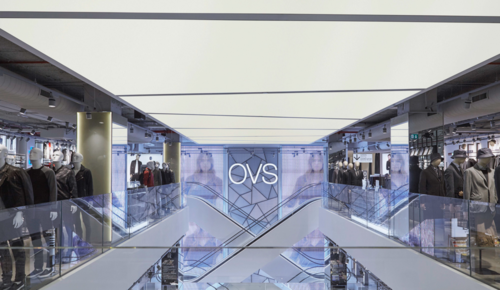
    Italy’s OVS midrange fashion brand will open its first outlet in Ho Chi Minh City this weekend. ACFC, distributor of IPP Group, a major Vietnamese fashion retailer, has confirmed that they are introducing the OVS brand in Vietnam. OVS is a popular fashion brand in Europe. In Italy, the brand has 15 percent of the market share in the country’s children aged 0-14 segment.

    The company’s products range is geared towards consumers of all ages. Its collection stretches from bold, urban looks, to elegant, formal office attire. At the same time, the OVS price tag targets the mass consumer segment.

    An increasing middle-class population has made Vietnam a magnet for international fast fashion brands, industry insiders have noted.

    The middle and affluent class, categorized as those earning $714 a month or more, would double to 33 million, about a third of the population, between 2014 and 2020, it is reported recently, citing a study by the Boston Consulting Group.

    Market research firm Nielsen estimates the number of middle and affluent class Vietnamese will reach 44 million by 2020 and 95 million by 2030.

    By late 2017, there were some 200 international fashion brands, including Zara, H&M, Stradivarius, Pull & Bear and Massimo Dutti, in Vietnam, accounting for more than 60 percent of the market share.

    A survey released in October last year by market research firm Q&Me showed fashion items topping online purchases in Vietnam, followed by IT products, cosmetics, food and beverage, and books and stationery.

    According to Statista, a database portal of statistics, consumer survey results and industry studies, the apparel market will be worth $2.74 billion this year and is set to grow at 7.7 percent annually until 2021.

  • Prada ‘racist’ incident ended up with apology

    Prada ‘racist’ incident ended up with apology

    Prada has apologised for selling a US$550 monkey figurine after a social media backlash from US consumers alleging the character is racist. The monkeys, with oversized red lips and dark skin have been likened to “racist caricatures historically used to dehumanise black people” according to a commentary in The Business of Fashion.  Some social media users pointed out a resemblance to golliwogs, the fictional children’s book character created by Kate Upton in the late 19th Century, which brands worldwide have avoided using in marketing for reasons Prada executives could have easily found with a quick Google search.

    The ‘racist’ monkey character was part of the Pradamalia range of small accessories like keychains and toys featuring cartoon characters.

    Prada said in a statement that the creatures were “not intended to have any reference to the real world and certainly not blackface”.

    “Prada Group never had the intention of offending anyone and we abhor all forms of racism and racist imagery. In this interest, we will withdraw all of the characters in question from display and circulation.”

    The Business of Fashion described the company’s design as “at best tone-deaf, at worst racist and exploitative”.

    Some people in the retail industry may well ask how Prada released such a product after the high-profile case of H&M having to apologise after releasing marketing images of a black child wearing a hoodie with the text “Coolest monkey in the jungle” in January, which prompted a similar chorus of disapproval. H&M immediately withdrew the hoodies from sale globally and recycled them, but not before some stores in South Africa had to be closed temporarily after protests and vandalism.

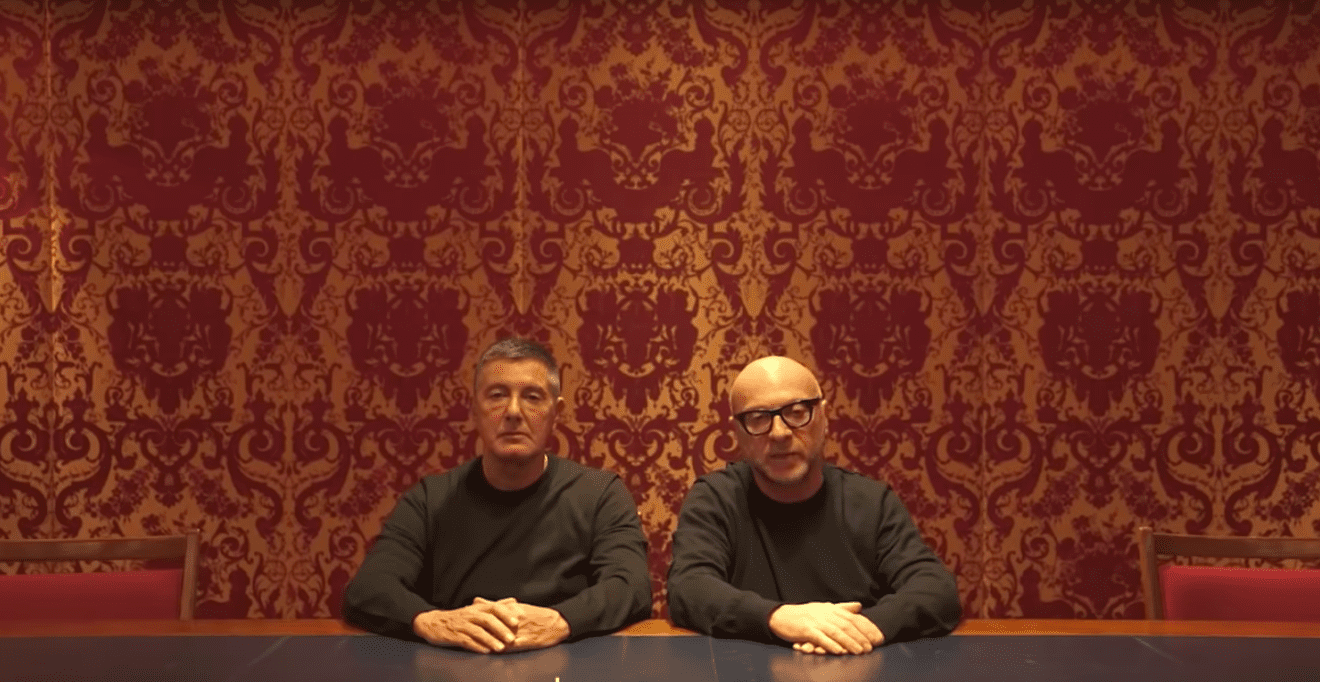
    And just last month, Dolce & Gabbana was forced to apologise to Asians customers around the world for a video campaign mocking a Chinese model trying to eat pasta with chopsticks, followed by an extraordinarily racist rant on Twitter by one of the label’s founders (which he later claimed – to widespread skepticism – was the result of his account being hacked).

    Facebook user Chinyere Ezie (who took the photo of the Prada monkey used with this story) was one black American woman outraged by the product. Her post had been shared more than 10,000 times by Monday morning and received some 4300 comments.

    “Today after returning to NYC after a very emotional visit to the Smithsonian National Museum of African American History and Culture, including an exhibit on blackface, I walked past Prada’s Soho storefront only to be confronted with the very same racist and denigrating #blackface imagery,” she wrote.

    “I entered the store with a coworker, only to be assaulted with more and more bewildering examples of their Sambo-like imagery. When I asked a Prada employee whether they knew they had plastered blackface imagery throughout their store, in a moment of surprising candor I was told that *a black employee had previously complained about blackface at Prada, but he didn’t work there anymore.*

    “History cannot continue to repeat itself. Black America deserves better. And we demand better.”

    The products were withdrawn from window displays – and sales – within hours of Ezie’s post on Friday.

  • Pop-up store Nature Republic opened in Italy

    Pop-up store Nature Republic opened in Italy

    South Korean cosmetics firm Nature Republic has opened four pop-up stores in Italy. The brand’s entry into the Italian market has seen the pop-ups emerge within Italy’s Coin department stores in Rome, Milan, Torino and Bari. Heritage brand Coin is the largest department store chain in the country in terms of outlets, and focuses on apparel, beauty and home decoration products.

    Nature Republic will leverage its foray into Italy as a launch pad for further expansion throughout Europe, where enthusiasm for Korean beauty products is growing. It has been registering its cosmetics products in the territory for the past two years.

    The firm now operates in 19 countries worldwide. The Italian cosmetics market brings in roughly €10 billion (US$11.4 billion) in annual revenues.

  • Korea’s brand Tonymoly inked partnership with Moschino

    Korea’s brand Tonymoly inked partnership with Moschino

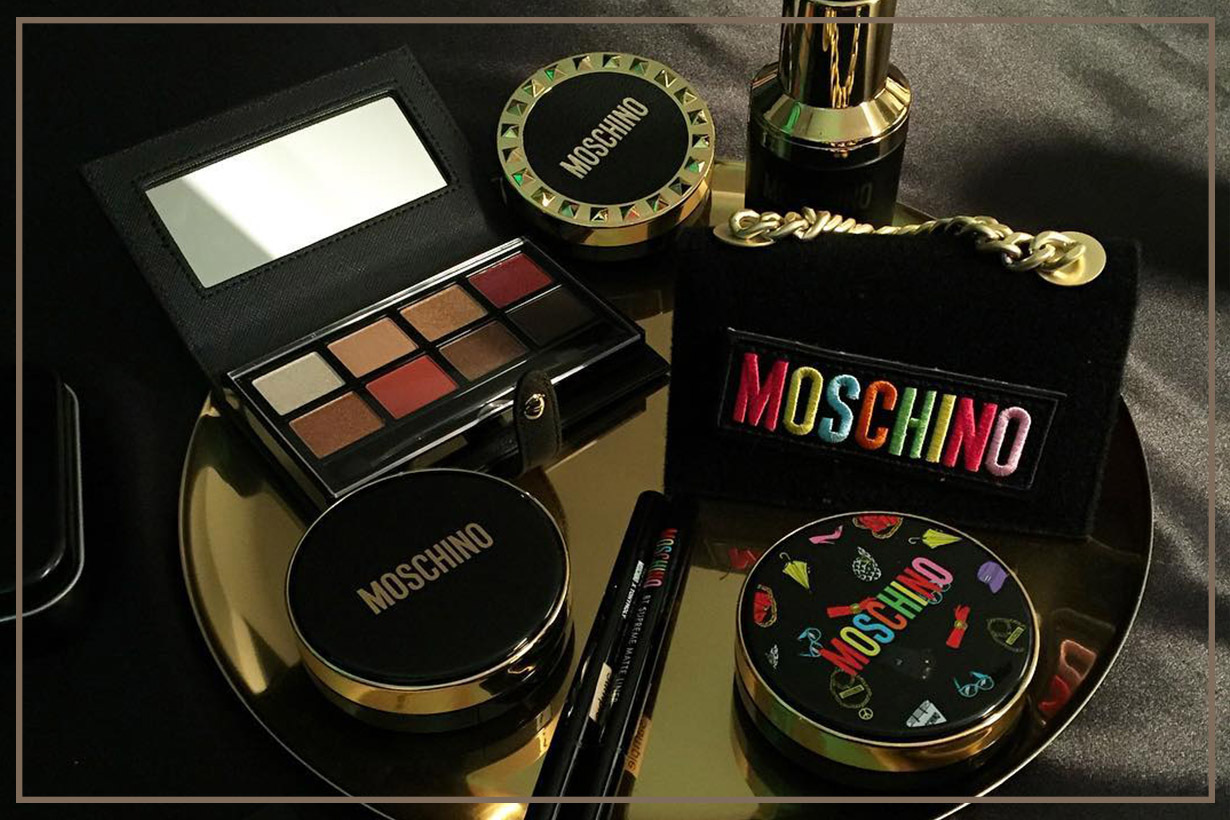
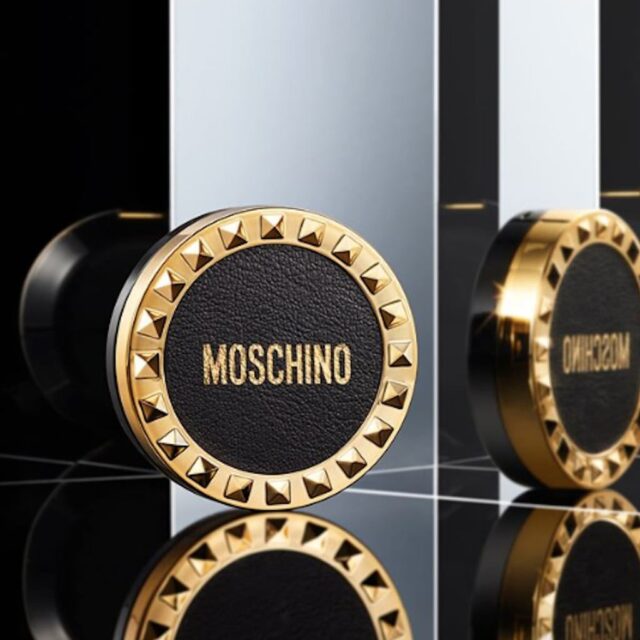
    Italian fashion design house Moschino has released a collaboration with South Korean cosmetics brand Tonymoly on a collection of makeup and skincare products. The collection includes a cosmetics line and a few skincare items in sleek black, white, gold and rainbow packaging. The full range will be available from Tonymoly’s US web store throughout December.

    Moschino also collaborated on a reportedly fast-selling fashion line with H&M earlier this year. South Korean cosmetics brand Tonymoly sees the US as a key market in its plan to accelerate international growth.

  • Da Milano aims for 100 stores by year end

    Da Milano aims for 100 stores by year end

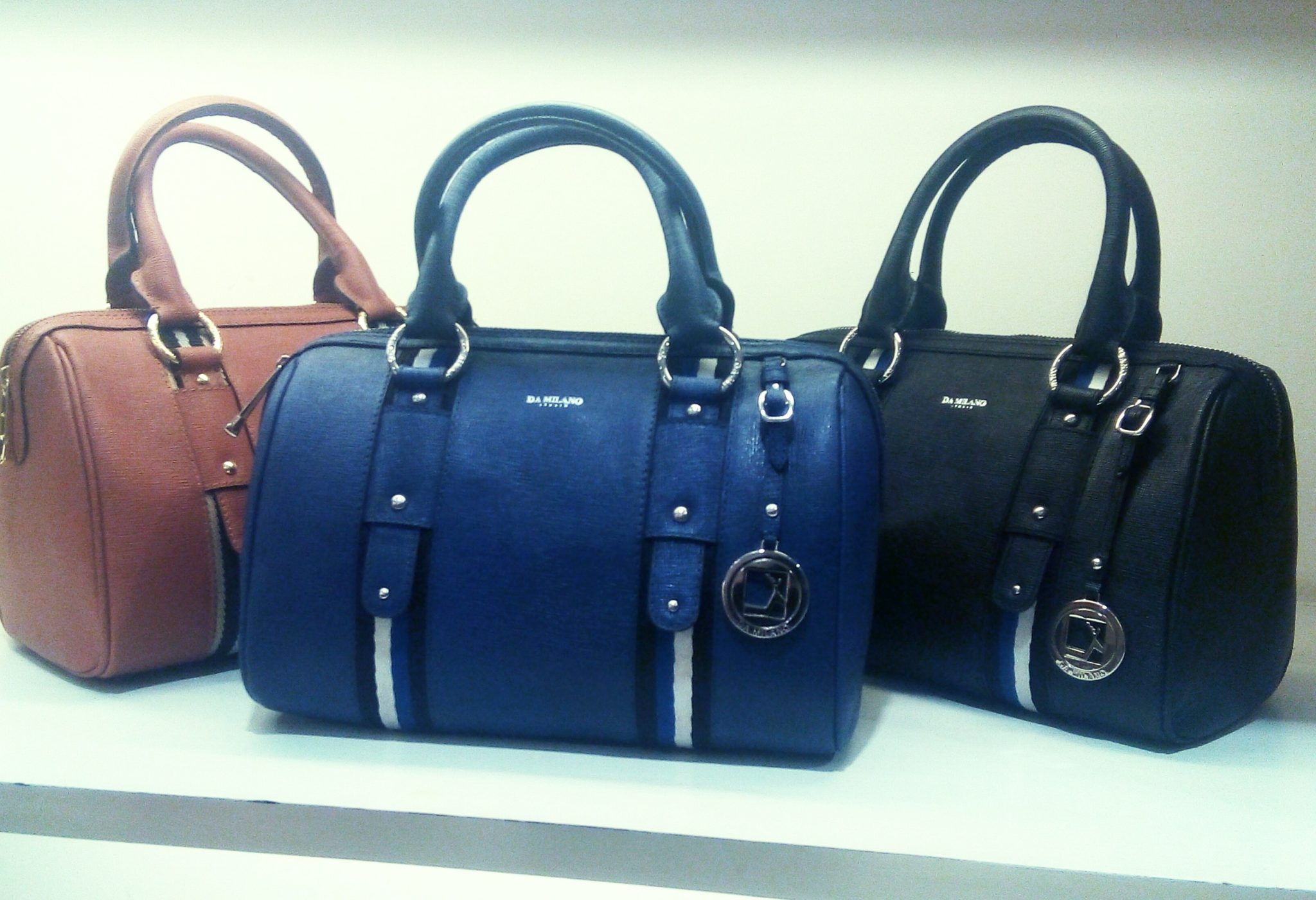
    Indian-Italian handbag and accessories retailer Da Milano is aiming to be operating 100 stores by the end of this financial year, including in Singapore. The company offers “affordable luxury” items and is likely to open further locations in airports and Tier II and III cities across India. It currently runs 80 stores across the country, as well as three in Dubai and one in Nepal.

    Stores are scheduled for launch in London, Singapore and more in Dubai. Its distribution network currently covers eight countries, retailing the brand’s more than 300 products per season. Designs are produced in collaboration between Italian and Indian teams.

    Da Milano sales grew 25 per cent over the last financial year, with expansion expected to continue through 2019. Efforts to promote the brand online are at the forefront as the brand approaches its 30th anniversary.

  • Dolce & Gabbana Sparks Racism Backlash With Chinese Ad

    Dolce & Gabbana Sparks Racism Backlash With Chinese Ad

    Italian luxury retailer Dolce & Gabbana is facing a growing backlash in China after an ad campaign that was meant to promote the brand in arguably its most valuable market has been decried as racist.

    Amidst growing calls to boycott the brand on Chinese social media, popular e-commerce sites, including Alibaba’s Tmall and JD.com, have seemingly removed listings for Dolce & Gabbana products. Searches for the brand on those sites at the time of this writing returned no results. NetEase’s Kaola said that it had taken down the brand’s listings.

    The growing backlash forced the brand to postpone a fashion show in Shanghai just hours before it was set to take place on Wednesday, after models and celebrities reportedly said they would not attend the event. Dolce & Gabbana’s ambassadors in the region, Karry Wang and Dilraba Dilmurat, who is of Uigher ethnicity, have ended their contracts with the company.

    The uproar follows the publication of a series of ads on Chinese social media platform Weibo earlier this week, featuring a young Chinese woman attempting and failing to eat traditional Italian food, such as pasta, pizza and a cannoli, with chopsticks. The ads were released as part of the brand’s #DGLovesChina campaign ahead of the scheduled fashion show in Shanghai, but critics decried the videos as playing on racist stereotypes. The ads are still visible on Dolce & Gabbana’s Instagram page.

    The controversy was made worse after screenshots of direct messages purportedly from founder Stefano Gabbana’s Instagram account were leaked, showing offensive comments about China and Chinese people. Both Gabbana and the brand have denied that the messages were sent by the Italian designer, saying the accounts were hacked, but many have expressed scepticism, given Gabbana’s track record of getting into verbal spats on social media.

    “I love China and the Chinese culture. I’m so sorry for what happened,” Gabbana wrote in an Instagram post that asserted his account was hacked.

    The boycott is especially troubling, since China is such a crucial market for luxury retailers. A 2017 McKinsey report found that Chinese consumers account for nearly a third of the global luxury market, spending RMB 500 billion (approximately $99 billion) annually. The consulting firm expects Chinese consumers to account for the majority of the growth in the global luxury goods market in the coming years, and by 2025, the country is forecast to make up 44 per cent of the total global market.

    At the same time, McKinsey said that Chinese luxury consumers increasingly rely on word of mouth from friends and family to make purchase decisions, even more than the in-store experience. This creates treacherous terrain for global luxury brands, and Dolce & Gabbana is not the only one to have made a culturally insensitive or simply out-of-touch decision, causing offense in its most valuable market.

    Ikea, among many other brands, has faced criticism for listing Taiwan as a separate country on its packaging or website, while Mercedes-Benz ran into problems for quoting the Dalai Lama in an ad campaign. China considers the spiritual leader to be a dangerous voice for separatism in Tibet.

  • Italian Motorcycle Makers Tease Indonesian Enthusiasts With New Models

    Italian Motorcycle Makers Tease Indonesian Enthusiasts With New Models

    Italian motorcycle manufacturers are hoping the release of new or updated models would be enough to reinvigorate interest among Indonesian enthusiasts and boost sales, which have been subdued in the past few years amid a weakening currency and slowing economic growth in Southeast Asia’s biggest economy.

    From household names such as Ducati, Piaggio and Vespa, to niche brands like Motto Guzzi and Italjet, displayed their latest models at the International Motorcycle and Accessories Exhibition in Milan last week. Thousands of visitors from across the globe, including a dozen importers from Indonesia, attended the world’s most famous exhibition dedicated to two-wheelers.

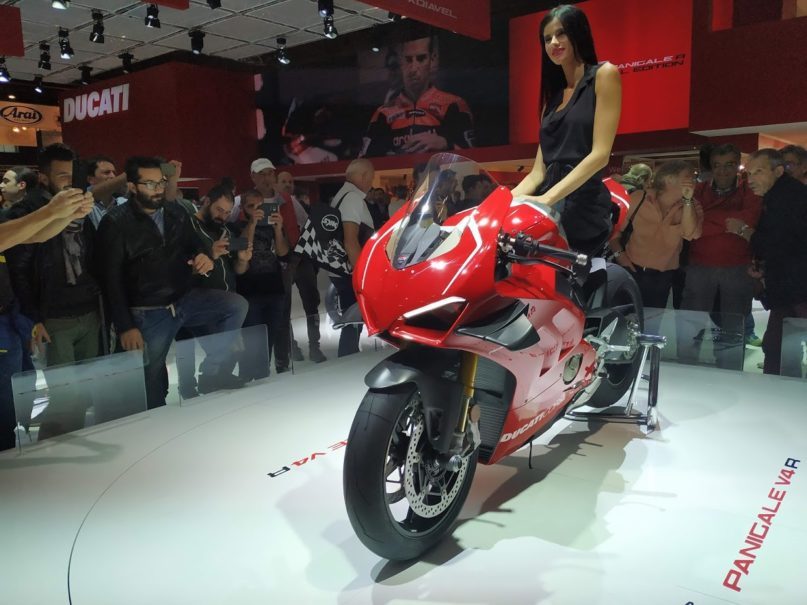
    Ducati featured the Panigale V4R, its latest road-legal competition bike, along with its new Hypermotard 950 and Diavel 1260. The company also introduced updated versions of its Scrambler and Multistrada ranges.

    Moto Guzzi showed off its new adventure bike, the V85 TT, while Vespa introduced updates to its GTS and Primavera ranges, while also launching a new electric scooter, the Elettrica.

    The new models have invoked confidence among importers looking at expanding the luxury motorcycle market in Indonesia after years of slowing demand.

    “We are ready to bring the new Ducati motorcycles to Indonesia, including the three new ones,” said Faby Tsui, marketing director of Garansindo Euro Sports, the sole authorized distributor of Ducati in Indonesia.

    Next year, the company plans to add three Ducati stores from just one currently in Jakarta. “We are looking at opening another shop in Jakarta, one in Surabaya and one in Bali,” Faby said.

    Italjet Moto, a small motorcycle manufacturer based in Castel San Pietro Terme in Bologna, aired a similar sentiment. The company has just revived its iconic Dragster scooter with a new sporty design unique to its class.

    “We would like to enter the Indonesian market. It’s an exciting market, which I believe has many scooter enthusiasts. Indonesia will be the first country outside Europe for us to market the Dragster,” Italjet Moto managing director Massimo Tartarini said.

    The company has also laid out a long-term plan for Indonesia, viewing it as a production base in the Asia-Pacific region.

    “We will start production in April or May next year. For the first year, we want to produce it in Italy. For the second year, we want to start manufacturing it in Indonesia for the Asia-Pacific market,” Tartarini said.

    However, some importers were less optimistic, pointing out that demand for luxury motorcycles has yet to return to what it used to be several years ago, when the Indonesian economy still enjoyed a windfall from a commodity boom and a strong currency.

    Indonesia’s imports of motorcycles, spare parts and accessories from Italy only amounted to $1.3 million last year, half what it was in 2012, according to data compiled by UN Comtrade, the commodity trade section of the United Nations’ statistics division.

    The Indonesian economy has yet to return to the growth levels of above 6 percent it used to see between 2010 and 2012. The rupiah now trades at 16,700 to the euro, having depreciated more than 36 percent from the 2012 level, according to Bank Indonesia.

    Meanwhile, Indonesia’s efforts to root out corruption have effectively curbed the practice among officials of collecting luxury motorcycles over the past few years.

    “I used to see government officials in store bringing all cash in backpacks to buy luxury motorcycles. Today it’s not the case anymore,” one motorbike importer said.

    Other importers pointed to the government’s recent decision to raise import taxes on luxury motorcycles and accessories as part of the country’s broader efforts to curb a widening current-account deficit.

    Many view the move was ineffective to achieve the goal, considering the relatively small size of the luxury motorcycle market in Indonesia. Italian motorcycles and accessories, for example, only accounted for a tiny part of Indonesia’s $535 million imports of bikes and accessories last year, mainly from China, Thailand and Vietnam.

    “We hope the tax will only be temporary and that conditions would return to normal soon,” Faby said.

  • N°21 signs with Lee & Han for South Korean distribution

    N°21 signs with Lee & Han for South Korean distribution

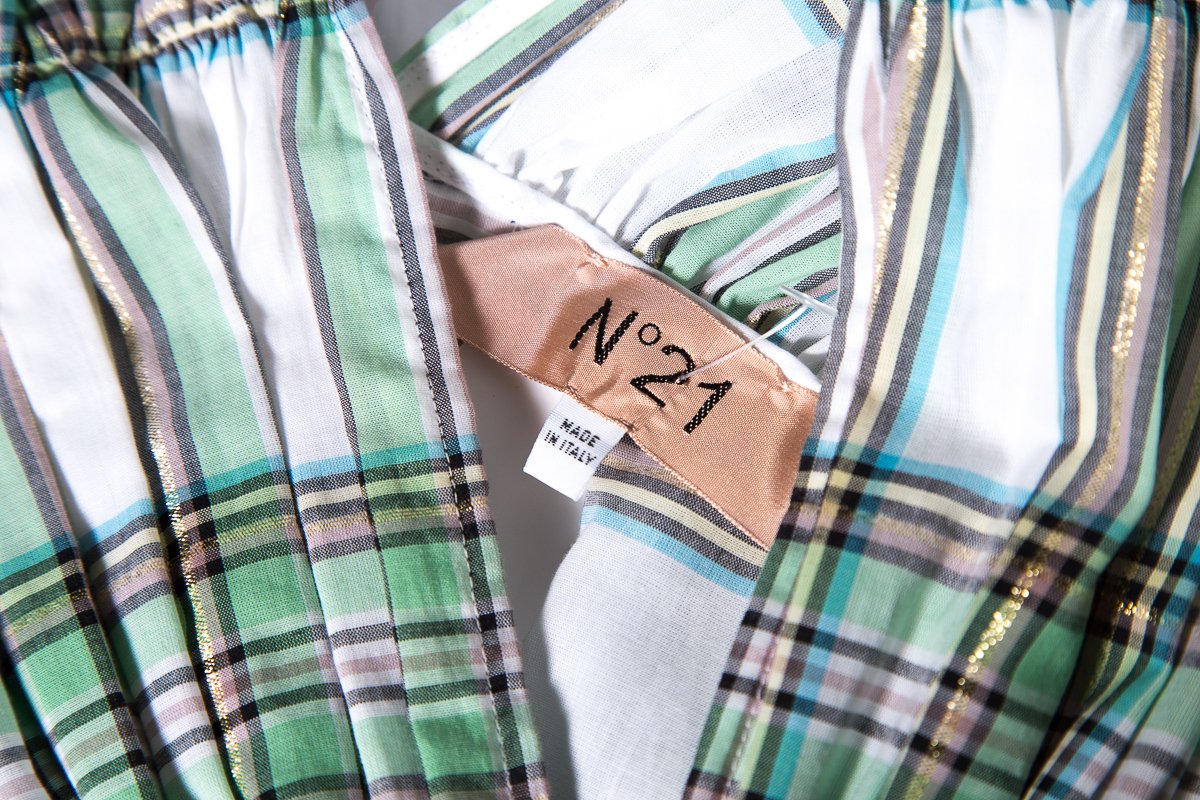
    N°21 has major expansion plans in South Korea. The Italian fashion label designed and led by Alessandro Dell’Acqua has signed a distribution agreement with Lee & Han, a Korean distributor managing a broad portfolio of lifestyle brands, and plans to open 18 stores in the country in the next five years.

    N°21 had already opened a series of retail corners in the country, but it is now stepping up the pace of its growth.

    The first stage of N°21’s expansion strategy was the opening of a flagship store of over 300 square metres, the brand’s largest, in the Cheongdam district of Seoul, a hub for fashion labels.

    The store extends on two levels and showcases N°21’s ready-to-wear, footwear and accessories collections for men and women.

    The store’s interior design replicates that of N°21’s Milan flagship: the chromatic contrast of black and white on the marble floor, the polycarbonate and raw concrete ceilings, and plenty of mirrors, steel and aluminium.

    The store’s façade is entirely black, riffing on that of the label’s Omotesando store in Tokyo and of its new Milanese headquarters.

    The South Korean partner chosen by N°21 to support its expansion the country is a shareholder and licensee of Converse and Kappa, and is very active in the multibrand retail business (with Han Style, Han Style Men, Han Style Kids and Han Style Shoe) and as an exclusive distributor of international fashion labels like Delvaux, Giambattista Valli, Emilio Pucci, Nina Ricci, MSGM, Mr & Mrs Italy, Premiata, and others.

    N°21 is distributed by the Gilmar group in over 600 multibrand stores worldwide, and in Asia it currently operates monobrand stores in Tokyo, Hong Kong and Beijing.

    In 2016, the latest year for which figures are available, N°21 generated a revenue of €52 million, up 117% compared to 2015.

  • Remo Ruffini invests in a brand founded by influencers

    Remo Ruffini invests in a brand founded by influencers

    A new generation of Italian fashion talents has earned a stamp of approval from a titan of the industry.

    Archive, an investment vehicle controlled by Moncler chairman and chief executive Remo Ruffini’s Ruffini Partecipazioni Holding, announced on Monday that it has taken a 49 percent stake in Attico, a fashion brand founded by Milan’s Gilda Ambrosio and Giorgia Tordini less than three years ago.

    The founders were already internationally known among fashion insiders for their street style and social media presence when they launched the opulent, vintage-inspired dresses in robes in February 2016, and that exposure helped catapult Attico into more than 140 stockists by the following year. Both former freelance designers and consultants, Ambrosio and Tordini together now count more than 630,000 followers on Instagram in addition to another 217,000 followers on Attico’s account.

    Attico is sold at Bergdorf Goodman, Net-a-Porter, Moda Operandi and Matches Fashion, among other global retailers, and has expanded into footwear, handbags and jewellery. Celebrities including Margot Robbie, Michelle Williams and Naomi Campbell have all worn their designs and prices range from $250 for a drawstring pouch to over $4,000 for a python printed leather coat.

    “The deal — to be considered a mere financial investment — is in line with Archive diversification strategy whose mission is to invest in the ready-to-wear as well as in the food and beverage and hospitality business,” said a representative for Archive in a statement.

    Ambrosio and Tordini said in 2017 that they had major ambitions for their growing label. “What we would love is to create a world that we started narrating with clothing and accessories and adding furniture, books and eventually make a platform that’s going to contain all these objects and you can navigate around the world of Attico,” said Tordini.

    With a new influx of cash from Archive, the founders have a chance to realise those ambitions.

  • Nicoletti Home to open 50 stores in mainland China

    Nicoletti Home to open 50 stores in mainland China

    Italian leather and fabric upholstery brand Nicoletti Home has partnered with Chinese manufacturer/retailer Manwah to establish a retail network of 50 stores throughout the mainland.

    Nicoletti Home already has a strong Asian presence in Hong Kong, Indonesia and Korea.

    Manwah will be directly responsible for managing the stores under a franchise agreement, targeting upscale customers. All Chinese stores will be positioned within furniture malls with an average floorspace of 2000–4000sqft.

    The first outlet is expected to open by the end of the year in a launch backed by the September furniture show in Shanghai.

    The partnership will also be developing a lower-priced collection for production within China, to be distributed by Manwah throughout a 500-store network nationally.

    The firm’s world commercial director Eustachio Nicoletti said: “Entrusting the development of the Chinese market to such a renowned and reliable partner is for Nicoletti Home a guarantee of efficiency and rapid growth. The collection we are going to introduce in the 2018 Shanghai Exhibition with a 200sqm (2100+sqft) showroom is addressed at a medium-to-high profile consumer, who appreciates excellent made-in-Italy products.”

  • StreetTrend buys majority interest in Italian footwear retailer P448

    StreetTrend buys majority interest in Italian footwear retailer P448

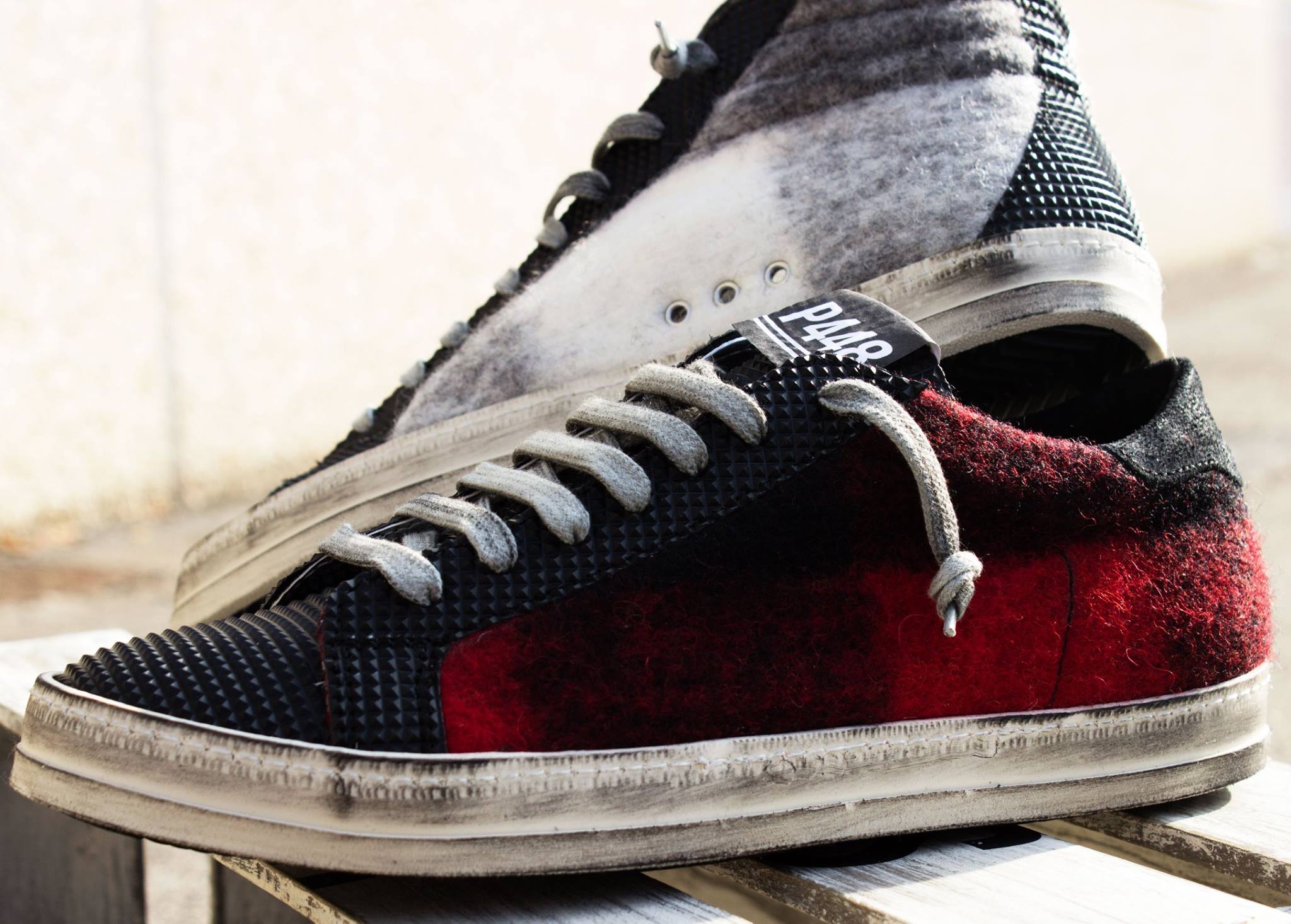
    US-based footwear holding company StreetTrend has signed a joint venture agreement with Italy-based investment firm Panda to purchase a majority interest in luxury sneaker and footwear retail brand P448.

    The deal covers all creative design, manufacturing operations and brand assets of the footwear brand in Forli.

    Following the acquisition, P448 founders Marco Simone and Andrea Curtis will maintain an equity stake and continue to operate the business.

    StreetTrend chairman Kulkin said: “When we launched StreetTrend last year it was very clear that we had to include P448 in our portfolio of luxury sneakers.

    “The feedback about the product design and quality coming out of Europe was amazing and I was thrilled to sign an exclusive distribution agreement to market the brand in North America, the UK, Hong Kong, and China.”

    Following the transaction, Panda CEO Paolo Griffo will serve as the CEO of P448 and lead the new management team of the brand. He will also continue to run Panda.

    Kulkin will serve as non-executive chairman of P448, while Simone and Curtis will serve as co-creative and design directors.

    As part of the deal, StreetTrend will assist the P448 brand to expand its current global distribution footprint.

    The company is also planning to open a new P448 store at the Palazzo Serbelloni in Milan, Italy, in October.

    Griffo said: “The company will continue to grow by being innovative and executing on our vision of offering a unique Italian spin on shoes that reflect streetwear, including looks that capture the surf, skate and music culture.”

  • China’s Xiaomi expands into France and Italy

    China’s Xiaomi expands into France and Italy

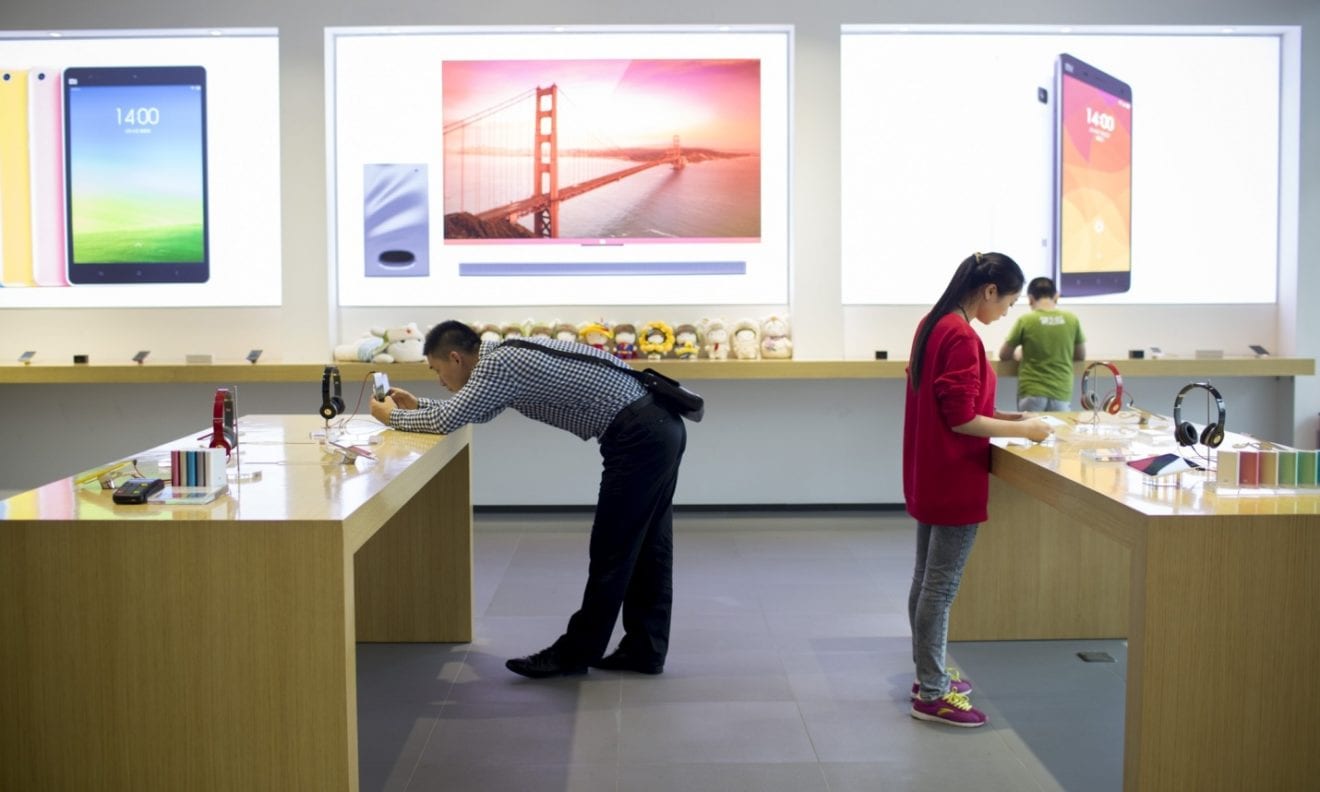
    Chinese smartphone maker Xiaomi Corp, which is planning to raise US$10 billion in a Hong Kong public listing, says it has launched sales in France and will enter the Italian market tomorrow.

    In France, Xiaomi is selling through its first Mi Store in Paris, via its own e-commerce platform Mi.com, and on other online and offline platforms including Amazon and Cdiscount. To date, the Beijing company has established a presence in 74 markets and has agreements with telecoms carriers in France, including Bouygues, Free, Orange and SFR.

    Smartphone shipments in western Europe fell 13.9 per cent in the first quarter, according to market research firm Canalys. Shipments to France dropped 23.2 per cent.

    However, Xiaomi shipments rose by more than 999 per cent, while Samsung and Apple saw 15.4 and 5.4 per cent declines respectively.

  • Gambero Rosso’s TopItalian Wines Roadshow 2018 Celebrates Italy’s Finest Wines

    Gambero Rosso’s TopItalian Wines Roadshow 2018 Celebrates Italy’s Finest Wines

    The annual Gambero Rosso’s Top Italian Wines Roadshow welcomed about 1,000 wine lovers at CHIJMES Hall today in a celebration of Italy’s wine craftsmanship. The one-day roadshow will be opened by the Ambassador of Italy to Singapore, H.E. Raffaele Langella; Mr Marco Sabellico, Senior Editor-in-Chief of Vini d’Italia; and Mr Lorenzo Ruggeri, Editor of Gambero Rosso Top Italian Restaurants in the World.

    Steeped in a wine-producing history that dates back many millenia, Italy has mastered the art of winemaking and secured an international reputation for producing a wide array of quality wines highly regarded by wine connoisseurs. At Gambero Rosso’s Top Italian Wines Roadshow’s stopover in Singapore today, columns of tasting tables offered an exquisite selection of around 300 wines from over 70 Italian wine producers to an assembly of appreciative wine lovers. Masterclasses hosted by Mr Marco Sabellico, who is also Gambero Rosso’s wine expert, led trade visitors and wine lovers on insightful expeditions to discover the characteristics of signature wines from a total of 68 wineries in Italy.

    With a growing reputation as the wine hub of Asia, Singapore presents itself as the ideal gateway for Italian wine producers and distributors to access the region. Italian wine is estimated to flourish at a total volume CAGR of 3% to reach 2.6 billion litres in 2021 (Euromonitor, 2017), supplying fine-quality wine which is in high demand due to Asia’s roaring economies and rising affluence. GlobalData (2017) expects the Asia-Pacific wine market to flourish at a CAGR of 9.4%, the quickest in the world, and register a volume CAGR of 4.5% to more than 4 million litres by 2021.

    From March to November 2018, Gambero Rosso will bring the annual celebration of Italy’s wine craftsmanship on a tour around the globe, with visits to São Paolo, Brazil, and Houston, USA, last month. After Singapore, the Top Italian Wines Roadshow’s next stops in Asia will be at Bangkok, Thailand on 24 May, and Hong Kong, China on 31 May.

    Established in 2007, Gambero Rosso’s Top Italian Wines Roadshow has firmly become a strategic platform for penetrating emerging markets and grasping new business opportunities. Italian wine offerings are so rich and have a wide selection. To address this, the selections at Gambero Rosso represent a guaranteed way for promoting knowledgeable, attentive and curious developments of Italian territories. The basic framework employed comprises an extremely rigid selective criteria of quality used for decades by the Vini d’Italia guide. Now in its 31st edition, the guide is the result of a year of work by an expert team of 53 tasters who tasted 45,000 wines and interviewed wine producers at wineries across Italy, including Ticino in Switzerland for the first time this year. In this edition, 22,000 wines from 2,485 wineries were awarded scores ranging from 0 to 3 Glasses, with 436 wines receiving the highest, prestigious rating ofTre Bicchieri.

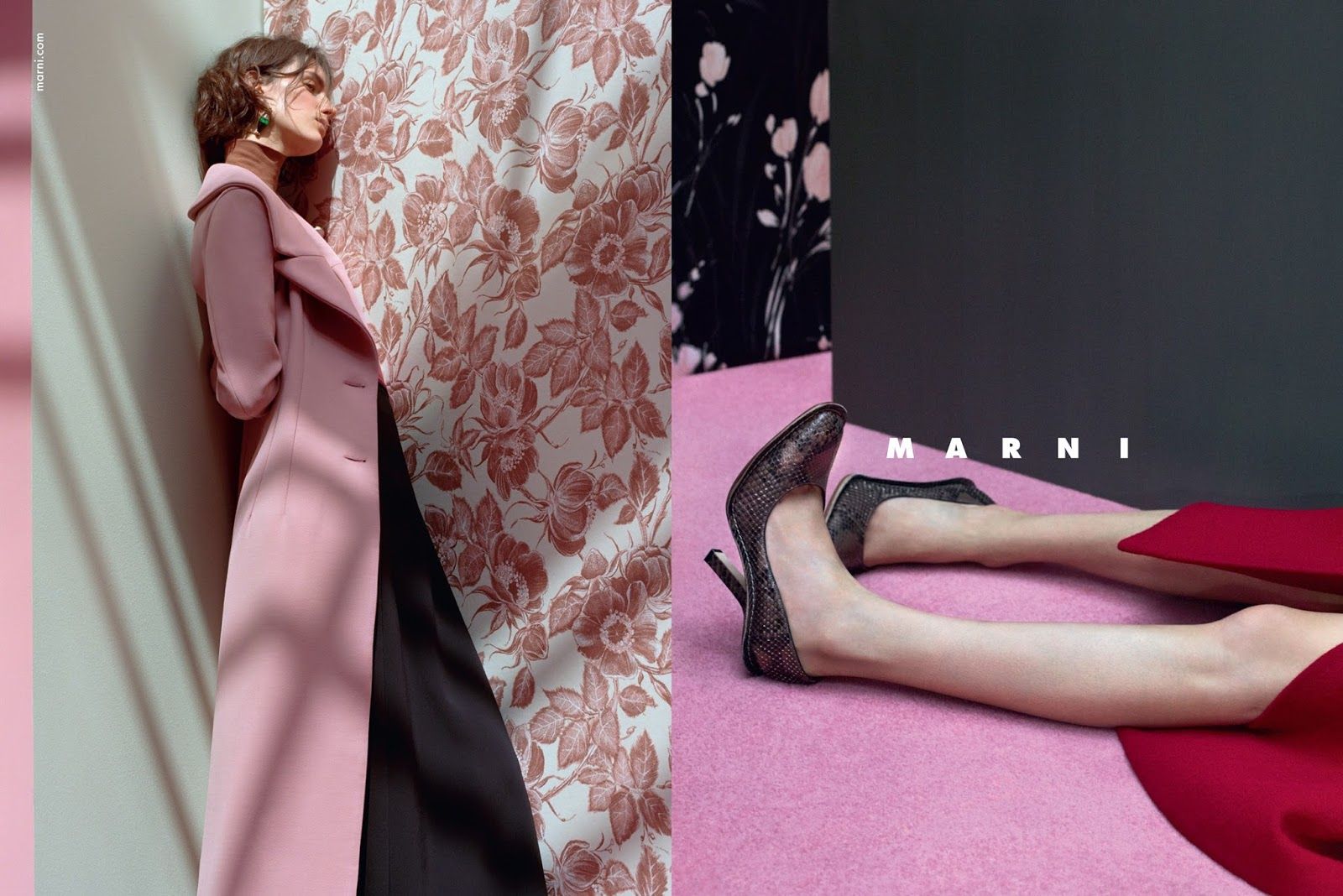
  • Marni names new CEO

    Marni names new CEO

    Italian fashion major Marni has announced the appointment of Stefano Biondo to chief executive officer, effective 15 May 2018.

    The OTB Group-owned luxury label poached Biondo from eyewear company Safilo, where he served as chief brand officer.

    He succeeds Ubaldo Minelli, who was promoted to CEO of OTB in January. Biondo will report directly to Minelli.

    In speaking with WWD, Minelli expressed his confidence in Biondo’s helming of the Marni brand, which has been under management reconstruction globally.

    “Marni has a precise and recognisable identity with incredible potential for growth,” said Minelli.

    “In recent years, we have built a solid foundation for the brand’s future and it is now on the launchpad for true development and success.”

    One of the biggest turning points for the label was in 2016, when Marni appointed a new creative director, Francesco Risso, to replace Marni founder, Consuelo Castiglioni.

    In 2017, Marni’s turnover exceeded 180 million euros, experiencing double-digit growth worldwide, especially in Asia.

    It also highlighted a growth in accessories, specifically handbags, which soared on some 90% in certain markets. Millennial sales were also up, said OTB.

    Marni is present in 54 countries with a wholesale channel of 470 stores and 70 mono-brand stores, with 22 boutiques operated with local partners. Most recently, Marni opened a flagship store in Florence, with several planned for China.

    In 2017, the OTB group quadrupled its Earnings Before Interest and Tax (EBIT) to €21.5 million, despite suffering a 2.4 percent decline in group revenues

    OTB controls Marni, Diesel, Maison Margiela, Viktor & Rolf, Paula Cademartori, Staff International and Brave Kid.