Retail News CRM

Tag: Italy

  • Ferragamo flags China-driven sales rise after massive loss last year

    Ferragamo flags China-driven sales rise after massive loss last year

    Italian luxury goods group Salvatore Ferragamo said on Tuesday that China and e-commerce had boosted sales in the year so far after the COVID-19 pandemic pushed the firm to its first full-year operating loss since it listed in Milan 10 years ago.

    Deputy Executive Chairman Michele Norsa, a long-time executive brought back by the Ferragamo family last year to steer the group through the pandemic and a brand revamp, told analysts in a call that he expected sales in China to keep growing by a double-digit percentage.

    The coronavirus emergency has hit Ferragamo hard because it is geared towards traveler spending, with many shops in airports. It has also compounded the challenge of rejuvenating a brand famous for shoes worn by Hollywood stars such as Audrey Hepburn.

    Overall sales fell 33% in 2020, one of the worst performances in an industry grappling with shop closures intended to curb the pandemic as well as a lack of tourists and travelers in general.

    Several sources told Reuters late last year that the majority owners had held informal talks with investors about selling a minority stake in their holding firm. The company denied at the time that the family planned to sell a stake or had met investors.

    Asia accounting for more than half of group revenues in 2020, when turnover in the region fell 25.5%.

    The Florence-based firm said the first nine weeks of 2021 had seen a positive trend in its retail network and an 86% jump in digital sales. China and Korea are both performing strongly, it said.

    Earnings before interests and taxes (EBIT) slumped to a 62 million euro ($74 million) loss in 2020, due also to impairment charges on assets and broadly in line with analysts’ expectations. In 2019, Ferragamo made a 150 million euro profit.

    Chief Executive Micaela Le Divelec’s term expires in April, and there is speculation that management may be overhauled.

    Two sources close to the matter said on Tuesday the situation was still uncertain in that respect.

    Norsa told analysts he could not comment on possible management changes, and that a “normal process” was taking place “in continuity and harmony” ahead of the annual meeting to appoint a new board of directors.

  • Pizza chains post double-digit growth

    Pizza chains post double-digit growth

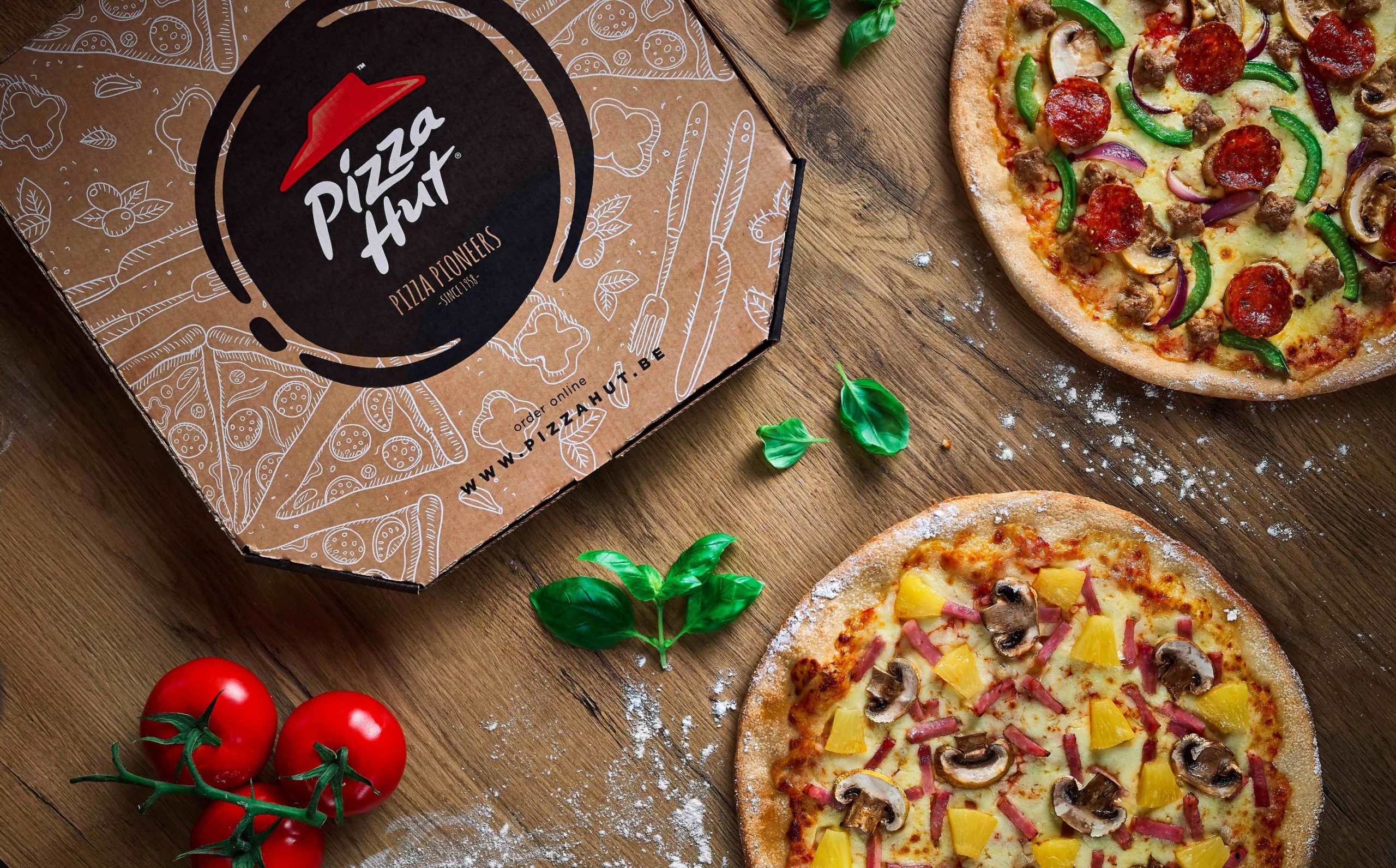
    With over 180 outlets, three popular pizza chains in Vietnam posted double-digit growth last year with combined revenues of over $83 million.

    American chain Pizza Hut was the revenue leader with VND749 billion ($32.2 million), up 22 percent year-on-year; followed by Thailand-headquartered The Pizza Company, which passed the VND600 billion revenue mark last year, up 24 percent; and Vietnam’s Pizza 4Ps with VND568 billion, up 38 percent.

    As one of the earliest pizza chains established in Vietnam, Pizza Hut has had the advantage of being a market pioneer and has now operated for 14 years with over 90 outlets nationwide.

    But as new players entered the market, its growth fell to below 20 percent annually in the 2015-2018 period; even down to 6 percent in 2017-2018.

    Second-placed The Pizza Company has been rapidly expanding in Vietnam since 2013, its number of stores second only to Pizza Hut at over 70 nationwide. It also took the company just six years to pass the VND600 billion revenue mark, while it took Pizza Hut 12 years to record the same figure.

    While it is in third place with just 20 stores, Pizza 4Ps’s revenue last year was only 8 percent behind that of The Pizza Company.

    It was also the only of the three that posted profits of over VND50 billion in the last two years. Pizza Hut has reported losses in three of the last four years while The Pizza Company has done so for three years in a row.

    Euromonitor International, a London-based strategic market analyst, estimated the value of Vietnam’s pizza market at $120 million in 2017.

  • Prada opens a new store in Tokyo’s Shibuya district

    Prada opens a new store in Tokyo’s Shibuya district

    Italian luxury fashion house Prada has opened a new boutique in Tokyo’s Shibuya district, featuring the unique evolution of its green-themed interior design.

    Located at the Miyashita Park shopping mall, the store is designed by OMA studio, founded by Rem Koolhaas. With a floor area of about 300sqm, it displays Prada’s full range of clothing, bags, accessories, and footwear for men and women in unisex and thematic versions.

    The store also offers cotton poplin t-shirts featuring original prints exclusive for the store’s opening, including a Prada oval logo reinterpreted by OMA bearing the Prada Miyashita Park store name, and a travel tag print with TYO (Tokyo) symbols.

    The external facade features floor-to-ceiling glass, which allows a view into “a dreamlike, virtual ‘container’ against a dynamic backdrop.”

    The store interior has a black-and-white chequered floor and green walls designed in backlit “sponge” – the ‘air and matter’ hybrid material designed by OMA. A digital wall, which can be assembled and disassembled, is installed to draw attention.

    The brand uses aluminum for all displays and racks to “enhance the minimal aesthetics and contemporary feel of the interiors”.

    Coinciding with the store’s launch, Prada has announced a digital project called “My Shibuya View”, featuring personal films introducing creators and musicians’ favorite spots in Shibuya. Project participants include singer and songwriter Taichi Mukai, model Ruka and actor, model, and musician Yoshi.

  • Capri prospects ‘ugly’ as Michael Kors, Jimmy Choo underperform

    Capri prospects ‘ugly’ as Michael Kors, Jimmy Choo underperform

    US luxury group Capri has ended its fiscal year on an unsurprisingly gloomy note, largely due to the negative impact of the coronavirus.

    While the slip of 11.3 percent in total revenue does not look too bad compared to some other retailers, this is mostly because Capri’s quarter ends on March 28 and, therefore, does not include the massive disruption of April and May when the US and many other countries went into lockdown.

    These numbers are something of a prelude to a significantly uglier set of first-quarter results – indeed, Capri expects revenue for that period to be down by around 70 percent.

    On a brand basis, Jimmy Choo posted the worst performance with revenue down by 23 percent. On the bottom line, the division made an operating loss of US$23 million. While performance has been improving over the past couple of quarters, mainly thanks to enhanced collections of active footwear and accessories, the disruption of the pandemic badly affected the sale of more formal and fashionable footwear styles as consumers started to work from home and restricted socializing.

    Unfortunately, this is a trend that will continue for at least the next two quarters and it is hard to see Jimmy Choo regaining much momentum. That said, the year-old decision to transform Jimmy Choo into a more balanced luxury brand that sells high-end footwear for leisure, some fashionable sneakers for active occasions, and a wider range of accessories, now seems extremely prescient.

    This will not completely offset the challenges in other parts of the market but does give Jimmy Choo a lifeline that will stop it from completely sinking.

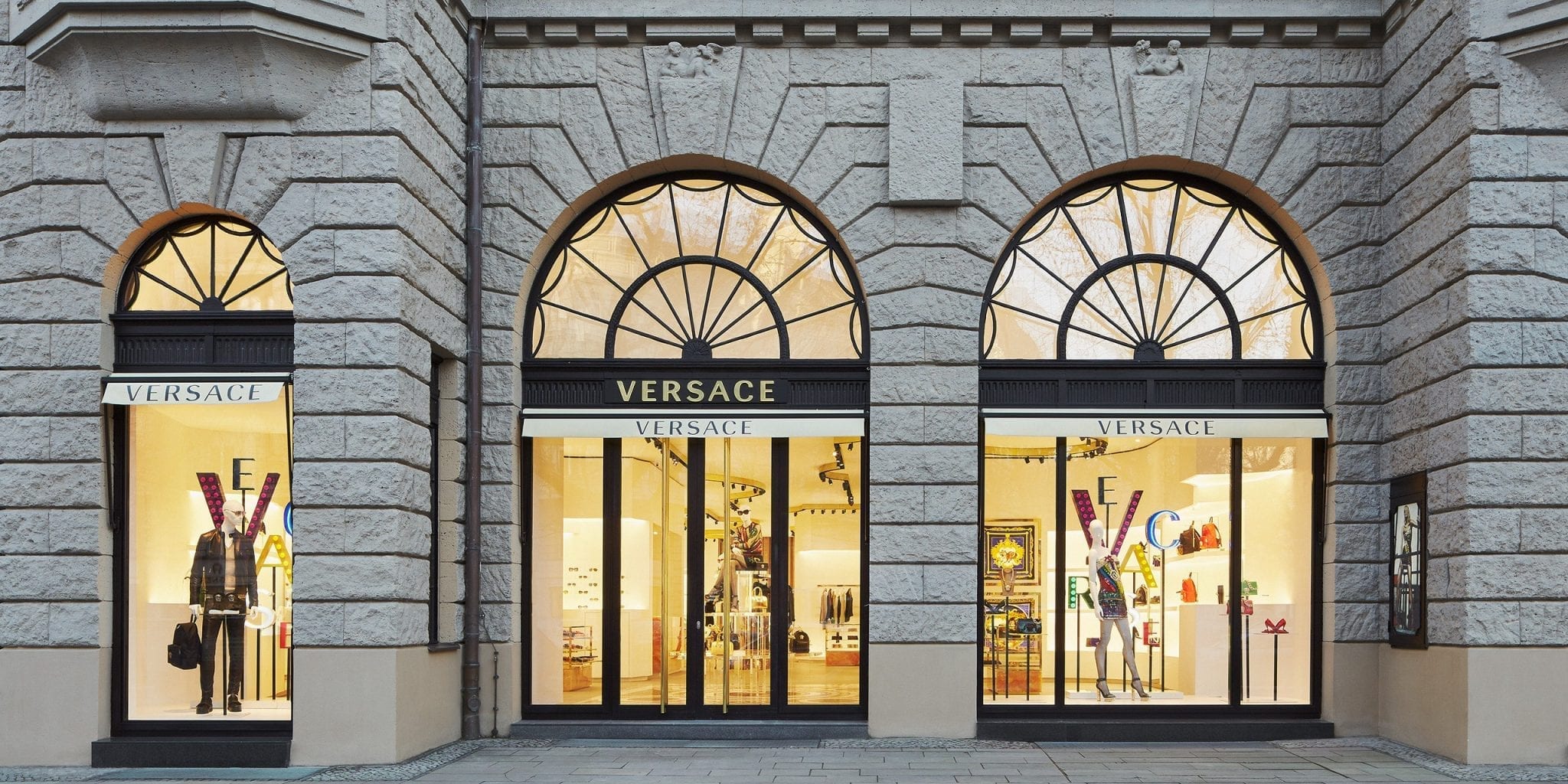
    Versace bucked the general trend with a 55.5-per-cent increase in sales. Some of this is due to softer comparatives from the prior year, when Capri had only just taken control of the business.

    However, the company also deserves credit for the various improvements it has made to the brand, particularly in terms of collections. A renewed focus on accessories, driven by a new Virtus range supported by strong marketing, has helped to boost sales. As GlobalData noted prior to the acquisition, the Versace brand was, admittedly by design, rather gaudy and off-putting for many consumers. Working with Donatella, Capri has begun to change this by creating a more understated, but still flamboyant, selection which has successfully improved both customer engagement and brought new shoppers to the brand.

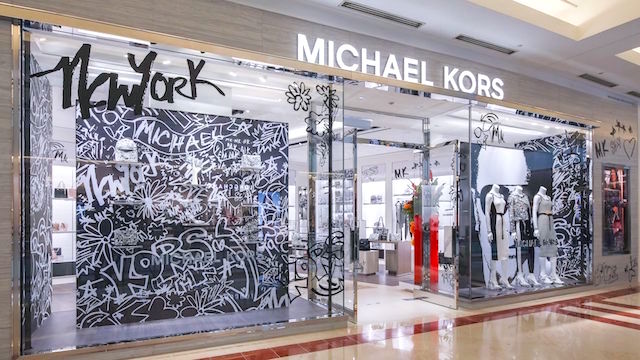
    While there is no doubt that Versace will be disrupted by the pandemic in the near term, the brand appears to have a renewed sense of purpose which will help it to deliver next year and beyond. While Versace thrived, the Michael Kors division remains in distress. Revenue was down by 18.4 percent off the back of a very modest decline in the prior year. This caps a year when sales have fallen in every single quarter.

    Although some parts of the assortment, such as sneakers and accessories, have performed well, the rest of the business is lackluster. Michael Kors still suffers from an identity crisis: the brand spans far too many different styles, products, and price tiers. As a result, it lacks integrity and is unable to build a business or aesthetic around a clear, core customer. In a highly competitive marketplace of luxury brands, this position simply isn’t good enough to drive sustainable growth.

    Unfortunately, these trends are not new and have been in play for at least two years. Now that Versace and Jimmy Choo appear to have more sound underlying strategies our hope is that management will turn its attention to untangling the Gordian knot of Michael Kors’ brand image.

    Overall, like other retailers, Capri is in for a rough ride over the next six months. It has the liquidity to survive the storm. But it must work on making its core brand seaworthy for the calmer waters ahead.

  • Italy Approves Guarantees For $7.1 Billion Loan To Fiat Chrysler

    Italy Approves Guarantees For $7.1 Billion Loan To Fiat Chrysler

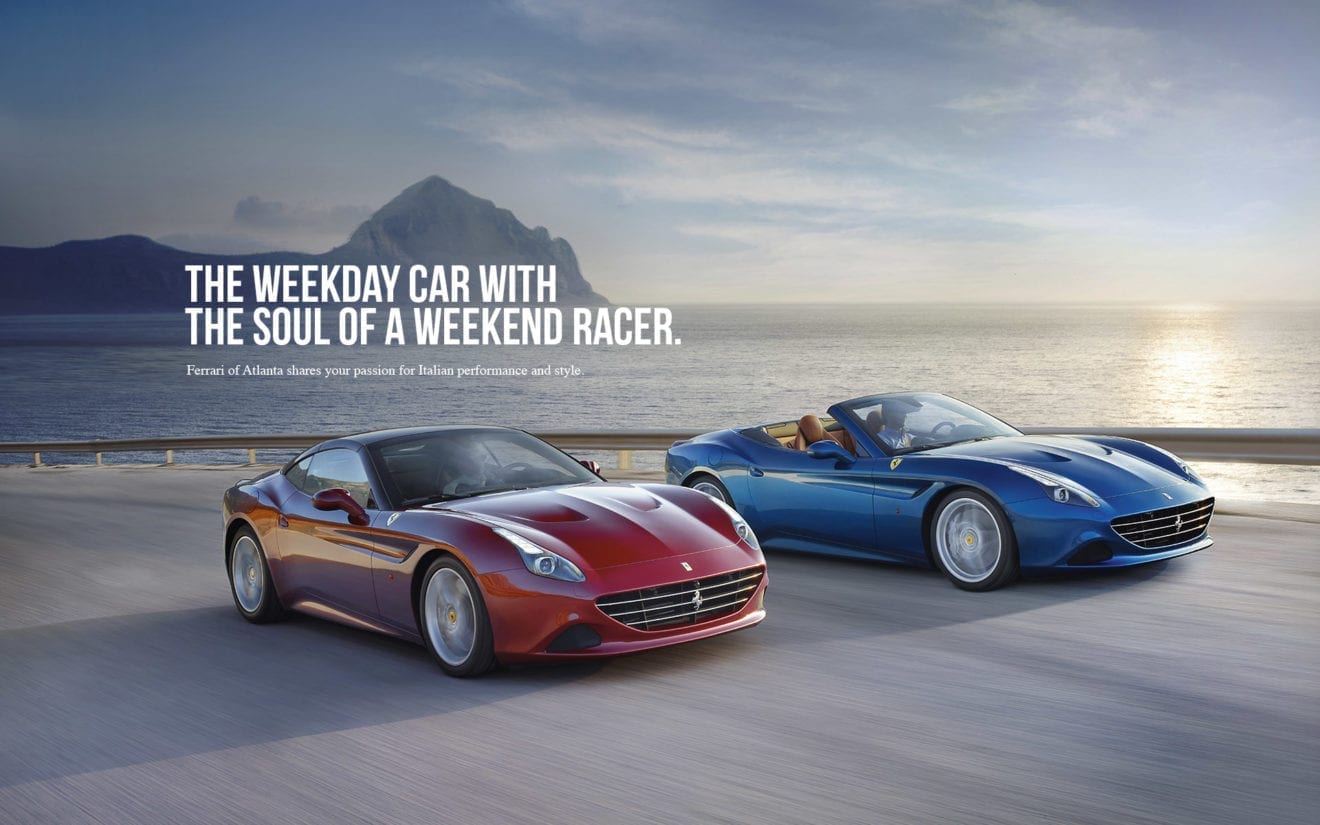
    Italy has approved a decree offering state guarantees for a 6.3-billion euro ($7.1 billion) loan to Fiat Chrysler’s (FCA) Italian unit, the Treasury said on Wednesday, paving the way for the largest crisis loan to a European carmaker.

    The formal announcement follows an endorsement by the country’s audit court and brings to an end a lengthy approval procedure for the loan, which has drawn criticism in Italy.

    By providing state support, Rome “aims to preserve and strengthen the Italian automotive supply chain,” Economy Minister Roberto Gualtieri said in a statement.

    The request for state support sparked controversy because FCA is working to merge with French rival PSA

    FCA’s Italian division has tapped Rome’s COVID-19 emergency financing schemes to secure a state-backed, three-year facility to help it weather the crisis triggered by the coronavirus pandemic. The aid will also help Italy’s broader car sector, in which about 10,000 businesses operate.

    The loan will be disbursed by Italy’s biggest retail bank Intesa Sanpaolo, which has already authorized it pending the approval of guarantees the government will provide on 80% of the sum through export credit agency SACE.

    The request for state support sparked controversy because FCA is working to merge with French rival PSA and the holding company for the Italian-American carmaker is registered in the Netherlands. FCA’s global brands include Fiat, Jeep, Dodge and Maserati.

    Italy could soon announce a $7 billion loan for Fiat Chrysler, in what would be the biggest such deal for any European carmaker.

    Gualtieri said FCA would have to meet commitments on investments and jobs, but declined to say whether the Treasury had imposed conditions affecting FCA’s planned 5.5 billion euro extraordinary dividend, a key element in the merger with PSA.

    Italian politicians have called the dividend into question, although it should be compatible with the terms of the financing because it is not due until 2021 and would be paid by FCA Italy’s Dutch parent company, Fiat Chrysler Automobiles NV.

    FCA, whose stock fell 4.4% to 8.665 euros on the Milan bourse, had no immediate comment.

  • Fiat Chrysler Starts Ventilator Component Output In Italy

    Fiat Chrysler Starts Ventilator Component Output In Italy

    Fiat Chrysler Automobiles (FCA) has begun producing ventilator parts to help Italy’s Siare Engineering boost its output of the medical equipment needed to treat patients during the coronavirus crisis, the carmaker said on Friday.

    Carmakers around the world are ramping up the production of critical healthcare products and machines to respond to the enormous demand during the pandemic.

    Italy, the epicenter of the virus outbreak in Europe, had asked Siare to triple its normal monthly production as a part of government efforts to increase the number of intensive care beds.

    FCA said that with the support of luxury group Ferrari and holding company Exor, which controls both carmakers, it had produced the first electro valves, a key part in ventilators, at its plant in Cento, in northern Italy.

    The Cento plant is usually used to produces high-performance car engines for the global market. It had been closed because of the coronavirus but has partially reopened for this project.

    “With the additional supply of electro valves from Cento, Siare estimates that it will be able to reduce total production time for ventilators by as much as 30-50%”, the statement said.

    In addition to the production of the electro valves, a team of specialists from FCA is also working alongside Siare staff at their production facility near the city of Bologna.

    “The objective is to help increase Siare’s total production, with a gradual scaling up of daily output beginning from the first week of April”, FCA said.

  • Ferrari To Close Plants In Italy For Two Weeks In Coronavirus Response

    Ferrari To Close Plants In Italy For Two Weeks In Coronavirus Response

    Luxury carmaker Ferrari said on Saturday it closed its two plants until March 27 in a response to the coronavirus outbreak in Italy and an emerging shortage of parts.

    Ferrari adds to a string of Italian manufacturers that have closed plants or slowed production rates in response to the virus emergency, threatening to disrupt Europe’s struggling automotive industry.

    Ferrari said in a statement it had so far ensured production continuity, as it already implemented all the health measures decided by the Italian government at the two sites, located in hometown Maranello and in Modena, in the northern Emilia Romagna region.

    France, Spain on lockdown over coronavirus

    France and Spain will close most shops, restaurants, and entertainment facilities and are encouraging people to stay home as the countries combat the coronavirus epidemic in Europe. The sweeping changes come as U.S. President Trump on Saturday extended

    However, it added the company was “now experiencing the first serious supply chain issues, which no longer allow for continued production”.

    Premium brakes maker Brembo, whose clients include Ferrari, said on Friday it would temporarily close its four Italian plants next week.

    All non-manufacturing activity will continue regularly, through smart working, Ferrari said.

    A source close to the matter said the company will adopt further measures during the closures period, including sanitization of the sites’ areas and added that no contagion cases were recorded among Ferrari’s workers to date.

    Italy agreed a series of measures on Saturday to improve health controls in factories, offices and other workplaces that have been allowed to stay open during the country’s coronavirus lockdown.

    Ferrari’s workers will continue to receive their full salary and will not be requested to use their day-off allowance during the closure period, the source said.

    Chief Executive Louis Camilleri said Ferrari took the decision to close its plants out of respect for its workers, “for their peace of mind and those of their families”.

    Earlier this week carmaker Fiat Chrysler and industrial vehicle maker CNH Industrial said they were temporarily halting operations and slowing production rates at some of their Italian plants to comply with the government’s anti-coronavirus requirements.

    Tyremaker Pirelli said it was cutting production at its Settimo Torinese plant, near Turin, after a worker tested positive for the coronavirus.

    Ferrari said its Formula One team Scuderia Ferrari had also suspended its operational activities.

  • Jamie’s Italian Restaurants closing in Hong Kong and Taipei

    Jamie’s Italian Restaurants closing in Hong Kong and Taipei

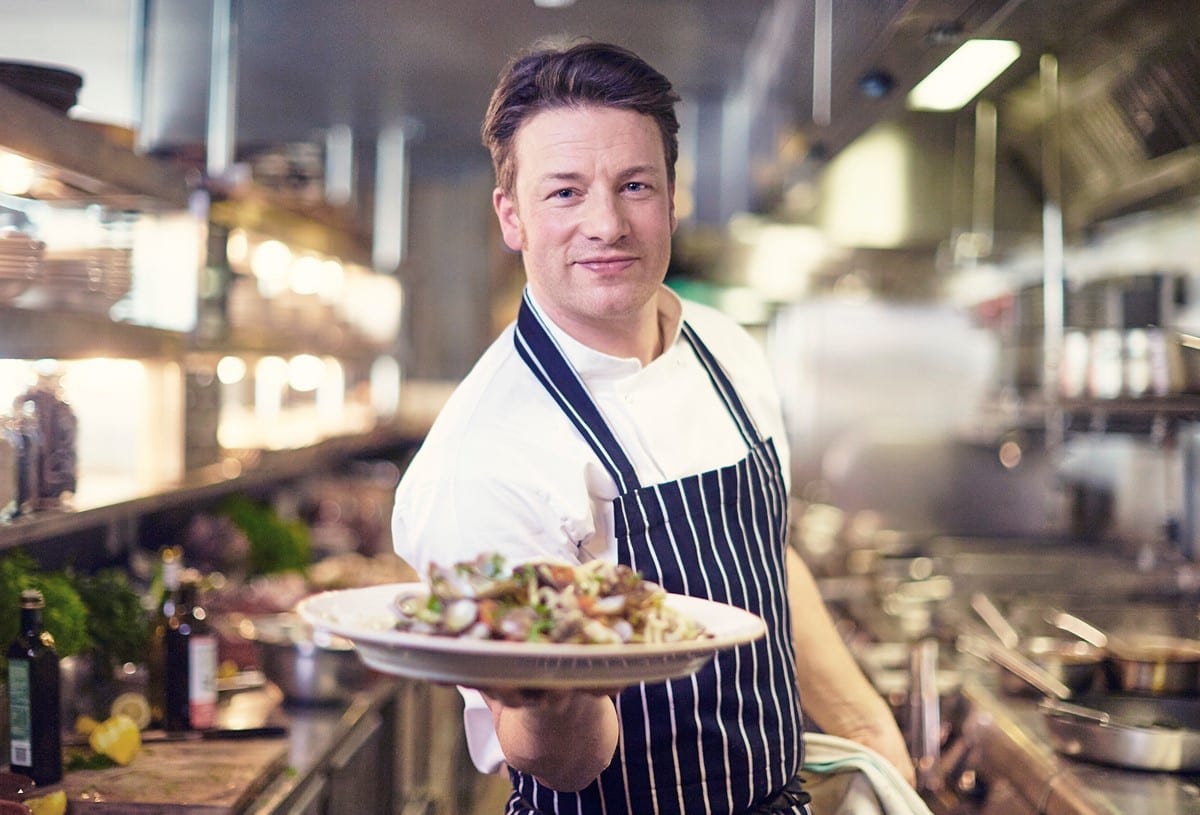
    Celebrity chef Jamie Oliver’s Italian restaurant franchise Jamie’s Italian will close its locations in Hong Kong today, while its restaurant in Taipei was shuttered yesterday.

    After facing significant setbacks to the business following its collapse in the UK last May, the local franchisee Big Cat Group ultimately faced its greatest setback during Hong Kong’s anti-government protests last year – with sales dipping 20–35 percent year on year. The ensuing coronavirus outbreak proved to be the chain’s final stand.

    “I’m deeply saddened that our restaurants in Hong Kong have had to cease trading,” Big Cat’s head William Lyon told the South China Morning Post. “Our absolute priority was to ensure that all affected staff were paid in full. We do not forecast a marked improvement over the next few months and have therefore made the difficult decision to close all three restaurants with immediate effect.

    “Despite the support from our Causeway Bay landlord, our other landlords have not been supportive enough during this period. We’d like to thank our fantastic staff and the thousands of customers we’ve had the pleasure of serving over the past few years.”

    Jamie’s Italian has not exited Asia, however. It operates two restaurants in Singapore and another in Bangkok under different licensees.

  • Versace adds gloss to Capri results

    Versace adds gloss to Capri results

    At headline level, the latest Capri results looks to have been a good quarter for the fashion retail owner, with revenues up by a solid 11.9 percent.

    However, the results are far from spectacular. The uplift in revenue is all a function of the inclusion of sales from Versace, which was not part of the group at this point last year. Revenue at the two other brand houses – Michael Kors and Jimmy Choo – both fell significantly.

    Moreover, margins at both divisions declined, contributing to a 70.2 percent dip in operating income. All the metrics are going in the wrong direction and run counter to Capri’s business plan for strengthening profitability as it advances to being an US$8 billion business.

    Michael Kors is the most problematic part of the business and the brand starts the new fiscal year in the same way as it ended the last one – with a decline in overall revenue. The difference from last year is that the pace of decline has accelerated, underpinned by a modest deterioration in comparable sales. As much as Capri blames the poor performance on its efforts to rebalance the brand, the weak numbers have more to do with a lack of underlying enthusiasm from some of the audiences it wants and needs to reach.

    Part of the issue is the baggage that Michael Kors still carries from the days when it expanded to the point of ubiquity: there are still lingering perceptions that the brand is unsophisticated and lacks the refinement of labels like Coach. None of this is aided by the fact that Michael Kors deliberately plays up its edgy nature with some bold and occasionally gaudy designs supported by marketing and promotion that can appear gauche. These things may differentiate the brand from more conservative rivals, but they do little to increase its appeal.

    To be fair, Michael Kors also has products that are elegant and its newer menswear ranges are designed to be fashionable and functional and so come across as more conservative. However, these get lost in the wider image of the company and make the offer look unfocused and schizophrenic. Michael Kors is still a brand that is unsure of its identity and this does not bode well for future growth.

    Jimmy Choo’s heritage is more conservative, and its backstory is one of the elegant products with interesting fashion twists. However, the influence of Michael Kors is starting to rub off and the brand is becoming more focused on the bling with a pinch of ostentatiousness thrown in for good measure – as is exemplified by the new logo and some of the new non-footwear product launches. Attempts to amplify the brand are not necessarily wrong, but the methods being used have the potential to alienate existing customers and drag the brand into territory where it cannot thrive.

    The integration of Versace represents an opportunity for Michael Kors and in terms of styling and brand attitude, the division is a good fit for the ethos of the whole group. The challenge is to bring discipline to a logo that is larger than life, but which often lacks focus and coherence. We are generally supportive of the vision to grow share in menswear and activewear and to expand the store footprint. However, a lot of work on the overall brand vision is still needed to create a compelling offer for the customer.

    Overall, Capri is fulfilling its vision to create a house of luxury brands. Unfortunately, it currently has a collection of brands that need a lot of work in order to reach their potential. We reserve judgement on whether current management can deliver the long-term growth plans they have set out.

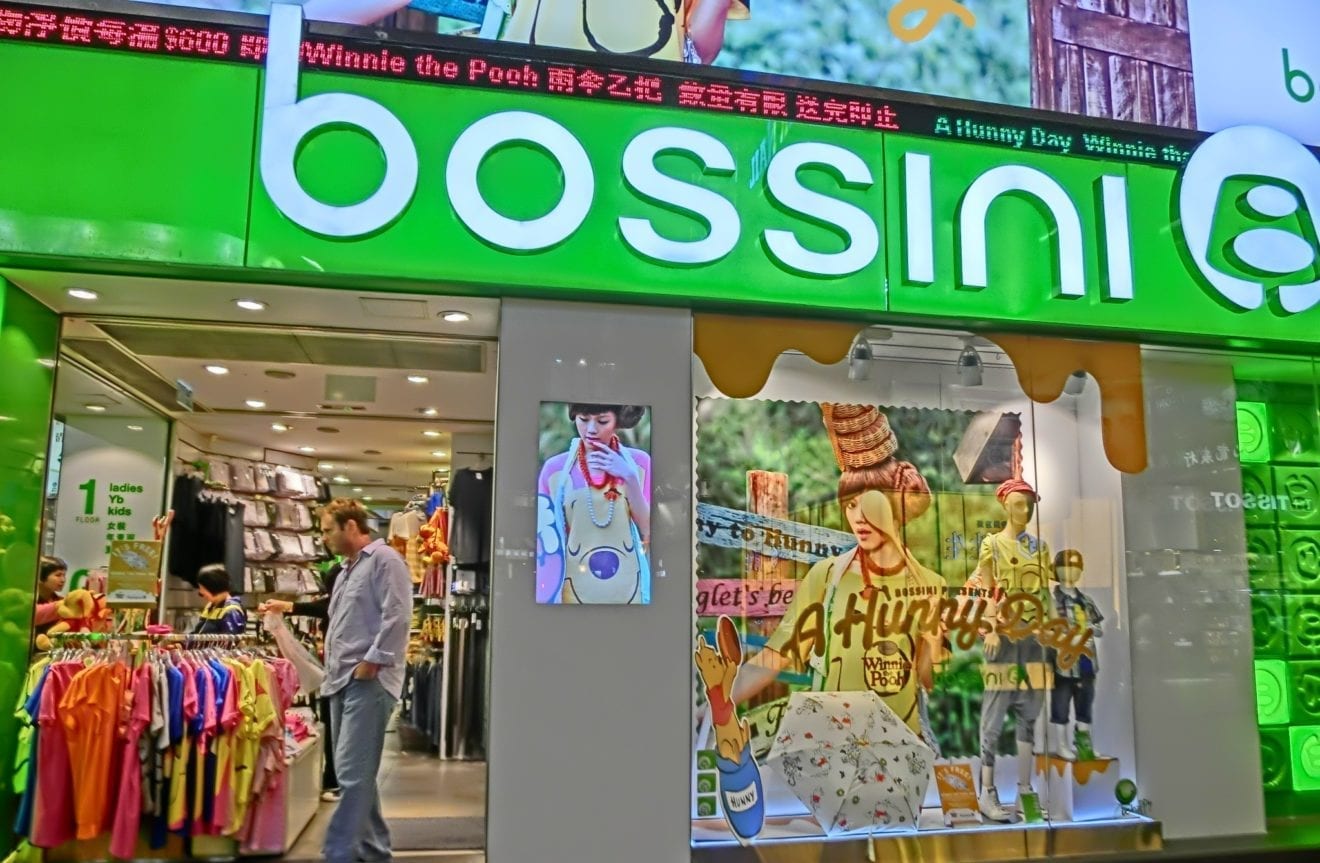
  • Bossini loss likely to be four times that of last year

    Bossini loss likely to be four times that of last year

    Bossini has issued a profit warning saying unseasonal weather and weak consumer sentiment is impacting sales.

    In a stock exchange filing in Hong Kong, where the company is listed, Bossini chairwoman Bess Tsin said unaudited consolidated management accounts of the group for the 10 months to April 30 indicate a loss attributable to shareholders of about HK$92 million (US$11.7 million) for the period.

    “Based on the management accounts and the information currently available, the group expects that the loss attributable to owners for the year ending June 30 would be higher than that shown in the management accounts by about 35 per cent.”

    That would equate to about $124 million, more than four times last year’s loss of $29 million.

    She said the final figure would depend on the trading results for May and June.

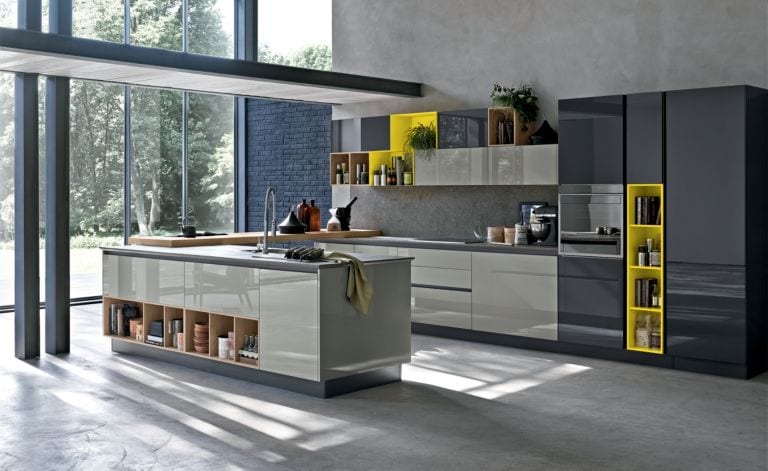
  • Stosa Cucine opens first Singaporian store

    Stosa Cucine opens first Singaporian store

    Italian kitchen-design studio Stosa Cucine has opened its first store in Singapore.

    Located at the Apex @ Henderson building, the showroom spans 140sqm, displaying four kitchen models: Aliant, Natural, Infinity, and Aleve, for customers to experience.

    Products on display add a hi-tech touch to the kitchen as well as a functional solution for shelves, baskets and drawers.

    Customers can also get personalized options and design their own Stosa Cucine kitchens.

    The brand says it chose Singapore for its first international store because the city is one of the world’s most cosmopolitan, and an important hub for international trade.

    After Singapore, Stosa Cucine plans to expand into other Asian markets.

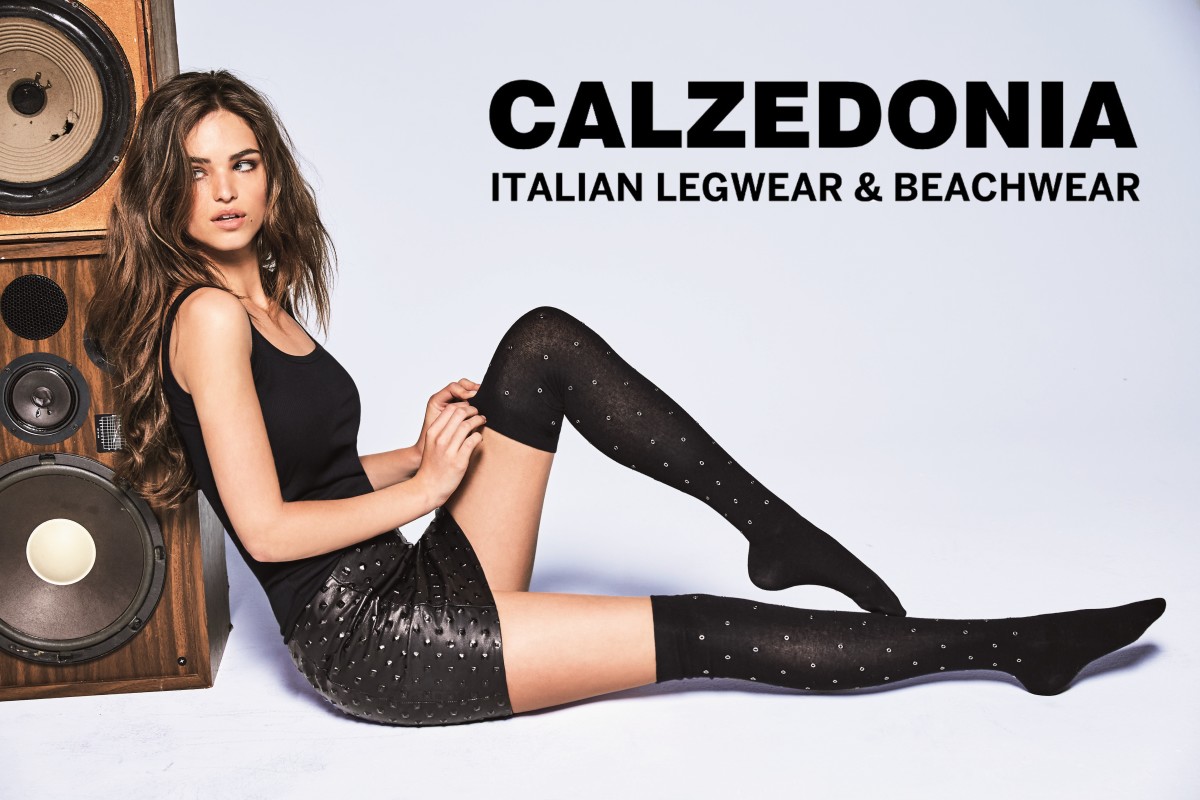
  • Calzedonia pays the price in Russell Street

    Calzedonia pays the price in Russell Street

    Italian fashion brand Calzedonia has reportedly renewed its Causeway Bay lease at a 15 per cent increase.

    According to reports in business media, the firm re-signed for the 400sqft retail space with just a month to spare on its existing contract at a cost of HK$9 million (US$1.15 million) for one year on the world’s most expensive retail strip, Russell Street.

    The rental translates to $750,000 ($95,674) per month, a typical figure for the shopping street that demands pricier rentals than even New York’s 5th Avenue. The street is a must-see for big-spending luxury retail hunters from Mainland China.

    The opening of the new Hong Kong-Zhuhai-Macao bridge and high-speed Express Rail Link is expected to attract higher numbers of tourists and reverse the city’s trends of falling rentals, but to date the increases has not met expectations.

    Calzedonia operates 16 outlets in Hong Kong, including those for its Intimissimi and Falconeri brands.

    The opening of the new Hong Kong-Zhuhai-Macao bridge and high-speed Express Rail Link is expected to attract higher numbers of tourists and reverse the city’s trends of falling rentals, but to date the increases has not met expectations.

    Calzedonia operates 16 outlets in Hong Kong, including those for its Intimissimi and Falconeri brands.

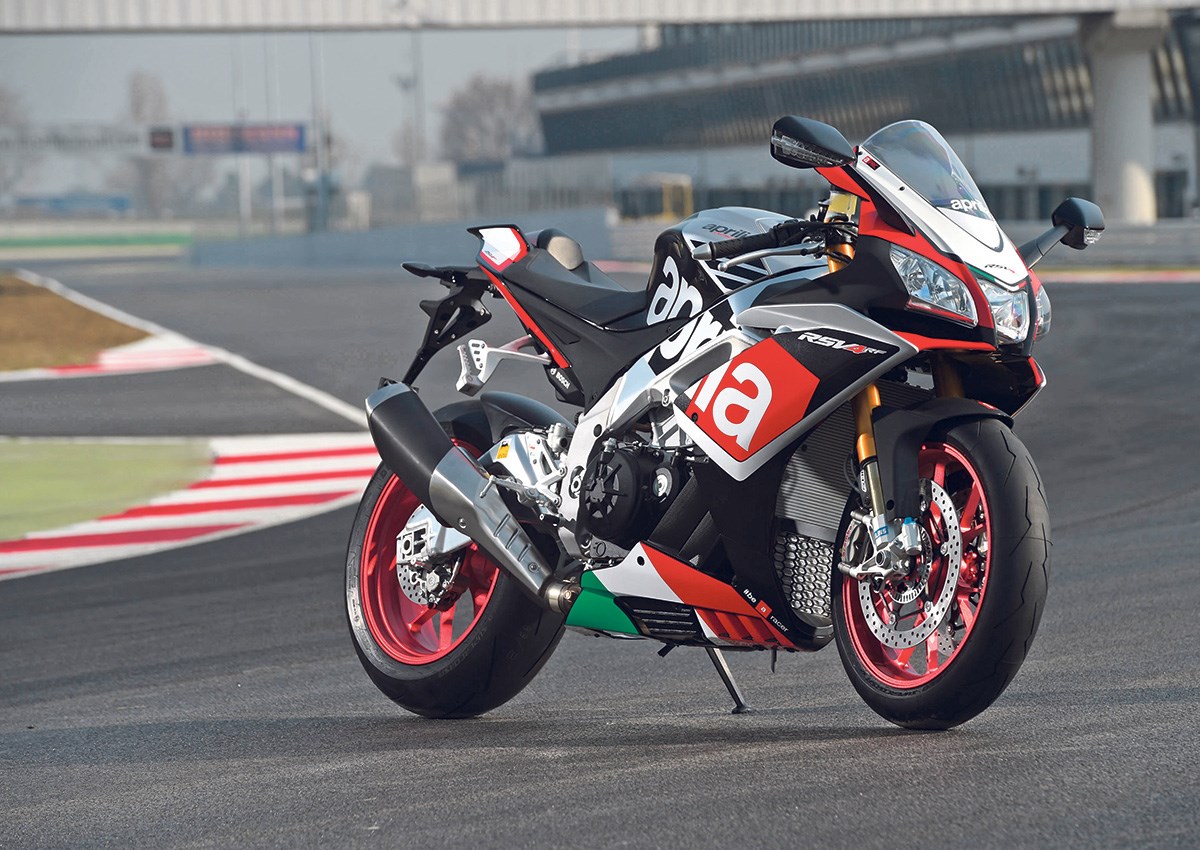
  • Track-Only Aprilia RSV4 X Revealed

    Track-Only Aprilia RSV4 X Revealed

    Italian bike maker Aprilia makes some high-revving performance bikes that enthusiasts swoon over, and now it has added a new name to that list of performance offerings. The company has unveiled the new Aprilia RSV4 X, which is a track-only motorcycle and has been developed by Aprilia Racing with components derived from its WSBK and MotoGP race bikes. The RSV4 X is limited to a production run of just 10 units, which makes a rare motorcycle to get your hands on. The X marks the completion of 10 years of the RSV4 and comes with state-of-the-art equipment.

    The Aprilia RSV4 X borrows the 1077 cc V4 engine from the Factory bike, but gets more power

  • Kering faces €1.4 billion Italian tax bill

    Kering faces €1.4 billion Italian tax bill

    Kering is facing an Italian claim for €1.4 billion (£1.2 billion) in unpaid taxes. The company’s Swiss-based Luxury Goods International (LGI) subsidiary has been under investigation for allegedly avoiding tax on earnings generated elsewhere. The probe has largely centred on Gucci, Kering’s star brand and biggest revenue driver. Italy’s tax police carried out checks at Gucci’s Florence headquarters and Milan offices in 2017, and drew up the report that has now been handed to Kering, a source close to the investigation said.

    Kering has consistently denied avoiding tax, saying its activities were fully compliant with all tax obligations.

    In its statement on Friday, the group said the Italian tax authorities’ findings for the years 2011-2017 had yet to be finalised by their own enforcement team.

    “Kering challenges the outcome of the audit report both on the grounds and the amount,” the company said, adding that it “does not have the necessary information” to record a provision against any potential bill for back taxes or penalties.

    The company has said that LGI is a substantial firm in its own right, with 600 employees handling inventory, billing and supply-chain logistics, with a business model “known to French and other competent tax authorities”.

    According to reports by France’s Mediapart newspaper and Germany’s Der Spiegel, Kering’s wholesale activities – the sale of products to retailers such as department stores – have come under particular scrutiny.

    Some business carried out by Kering employees in locations including Milan and Paris was billed through the Swiss unit, incurring lower tax rates, according to those reports.

  • China, Japan boost Brunello Cucinelli revenue growth

    China, Japan boost Brunello Cucinelli revenue growth

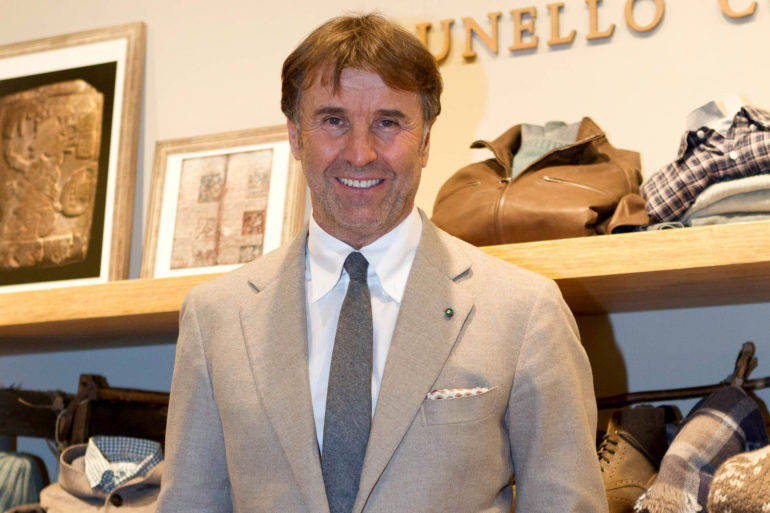
    Italian luxury house Brunello Cucinelli reported a leap in revenues for the 2018 fiscal year, with all geographic regions recording sales growth, particularly Greater China and Japan. For the year ending December 31, 2018, Brunello Cucinelli said total revenues increased 8.1% to €553 million, (+10.7% at constant exchange rates), compared to €511.7 million in 2017.

    The Solomeo-based company saw a significant rise in sales at 8.8% in the international markets and 4.2% in the Italian market, according to a press release published on the Italian stock exchange on Monday.

    By region, Greater China witnessed the biggest increase with an incredible 28.5% sales growth, followed by the Rest of the World region, up 10.7%, which was lead by Japan and the Middle East. Sales in Europe increased 8.5% and the U.S. saw growth of 3.9%.

    By distribution channel, Brunello Cucinelli’s retail sales gained 6.3% globally, with wholesale monobrand and multibrand up 19.4% and 9%, respectively.

    Capital expenditure for the twelve months was approximately €45 million, with “the objective of keeping the brand image extremely high in both the physical and digital channels,” said the company.

    Net debt narrowed €15 million, a slight improvement compared to 2017.

    “Another year has come to an end in a splendid manner, both in terms of numbers and from the standpoint of the general image of the brand at a global level,” said Brunello Cucinelli, Chairman and CEO.

    “We continue to support, believe in and invest in our beloved Italy, perceiving the great value this represents at a world level for the country’s creativity, quality and craftsmanship.”

    Following the stellar results, which included the sell out of the past winter collections, followed by strong spring/summer 2019 orders, the brand said it expects “another year ahead of gracious growth in line with 2018.”