Tag: jakarta

  • JakEVO app to simplify Jakarta business permit issuance

    JakEVO app to simplify Jakarta business permit issuance

    The Jakarta administration launched at City Hall on Monday a new smartphone app named JakEVO to simplify the procedures for obtaining business permits (SIUP) and registration certificates (TDP).

    Jakarta One-Stop Integrated Service Agency (PTSP) head Edy Junaedi said with the app, both of the permits can be obtained in less than an hour, without requiring applicants to visit the PTSP office or service points to get their SIUP and TDP.

    “The applicants only need to upload required documents, tag their location and approve of the terms and conditions within the app. In around 30 minutes, they will receive the permits in an email,” Edy said.

    JakEVo can be downloaded for free from the Google Play Store and the App Store.

    The city administration expressed hope that the initiative could help the country achieve a rank of 40 on the Ease of Doing Business index compiled by the World Bank. The country is currently ranked at 72, a jump of 19 places from its previous rank of 91.

    In the World Bank publication “Doing Business 2017: Equal Opportunity for All”, Indonesia jumped 15 places to 91 from 106.

  • Maybank Indonesia’s Q1 top line rises 3.6 pct

    Maybank Indonesia’s Q1 top line rises 3.6 pct

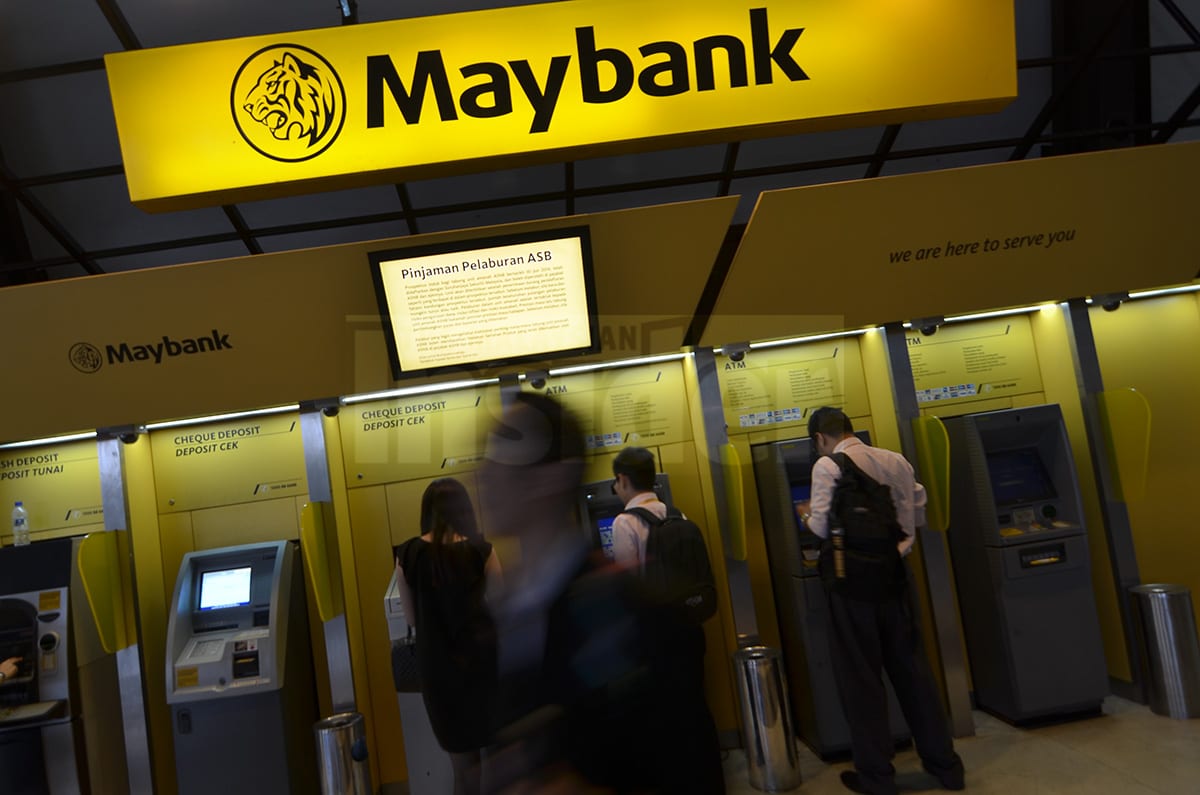
    PT Bank Maybank Indonesia Tbk (Maybank Indonesia) today reported that its operating income after provisions increased to 682 billion rupiah for the first quarter ended March 31, 2018 compared with 633.9 billion rupiah recorded in the previous corresponding period.

    In a statement, Maybank Indonesia said its profit after tax and minority Interest (PATAMI) stood at 463.1 billion rupiah for Q1, slightly lower than the 490.1 billion rupiah recorded in the same quarter a year ago.

    Gross operating income rose 3.6 per cent to 2.5 trillion rupiah for the three months.

    Maybank Indonesia said its operating income after provisions increased by 7.6 per cent and the bank’s top line grew 3.6 per cent supported by continued improvement in operational efficiency in line with its Strategic Cost Management Programme, as well as fee based income expansion, improvement in provisioning levels, growth in Sharia business and improvement in subsidiaries.

    Sharia Banking continued to record strong performance in the first three months of 2018 with total assets increasing by 25.7 per cent to 27.1 trillion rupiah, making up 15.4 per cent of the itss total assets.

    Total financing rose 41.6 per cent from 14.3 trillion rupiah as of March 2017 to 20.2 trillion rupiah as of March 2018, while its total deposits grew 44.1 per cent to 17.5 trillion rupiah from 12.1 trillion rupiah.

    It said Non Performing Financing improved significantly to 3.2 per cent as of March 2018 compared with 4.6 per cent in the previous year.

    The bank recorded a moderate loans growth of 2.2 per cent to 122.5 trillion rupiah as at March 31, 2018 from 119.9 trillion rupiah the previous year.

    Global Banking loans recorded growth of 6.2 per cent to 27.6 trillion rupiah as of March 2018 from 26 trillion rupiah as of March 2017.

    Maybank Indonesia said its customer deposits grew by 2.7 percent year-on-year with current accounts growing strongly at 27.3 per cent year-on-year, lifting the CASA (current account savings account) ratio to 39.7 per cent.

    On March 15, 2018, the bank also issued Shelf Registered Bonds II Bank Maybank Indonesia Tranche II Year 2018 amounting to 645.5 billion rupiah to support its business expansion.

    Maybank Indonesia has maintained its robust liquidity profile with its loan-to-deposit ratio remaining at a healthy level of 85.6 per cent and liquidity coverage ratio at 176.4 per cent as of March 2018, far in excess of the mandatory minimum of 90 per cent.

    Maybank Indonesia president director Taswin Zakaria said the bank will continue to grow its assets selectively to ensure sound asset quality going forward.

    “Our Global Banking continues to be the leading contributor to our assets growth.

    “The Sharia First strategy adopted by the Bank since 2014 continues to deliver impressive results.

    “However, we expect our CFS (Community Financial Services) portfolio to gradually strengthen in the coming quarters as we see opportunities in the retail and small medium enterprise segments.

    “This will be further underpinned by our recent initiative in transforming our retail business model,” he said.

    Maybank Group president and chief executive officer Datuk Abdul Farid Alias said the first quarter results demonstrate Maybank Indonesia’s resilience in growing its revenue despite the increasingly competitive market in the country.

    “The bank has firmly embedded sustainable business development strategies which cover retail transformation, digital banking enhancement, culture transformation as well as asset quality selection which will ensure continued value creation for all our stakeholders.

    “The outlook for the medium term remains challenging; but we are optimistic that we can manage the risks and ensure steady growth of our business in the coming quarters,” said Farid.

  • Telkomsel can do a much better Customer Support Job!

    Telkomsel can do a much better Customer Support Job!

    Indonesia’s telecom companies must vastly improve their customer service, the regulator has warned, after revealing that some providers had deliberately made their service worse in 2017. The likes of Telkomsel, Indosat and XL “dominate the list of worst-rated companies for customer service — behind even banks”.

    13 per cent of mobile customers experience “poor service”, according to Which?, the consumer rights company. “The fact that the telecoms industry is so far behind should be a concern for us all” Previously. Indonesia’s mobile users have long complained they do not get the service they pay for, with speed failing to match advertised promises or patchy mobile connections. Ou survey shows that some telecom companies had deliberately downgraded their service levels during 2017.

    Telkomsel was the worst offender, taking seven minutes and 27 seconds to pick up the phone to customers, driving more than a fifth of people to give up before connecting. When connected, XL scored higher in terms of handling its complaints than Indosat and Telkomsel. It’s time for telecom operatios in Indonesia to wake up, craft new procedure and finally cope with their promises. Subscribers are tired of unwanted bulk advertising, long waiting queues and to speak with an operator who literally can do nothing for them.

    Telkomsel recently has a lot of issues with increased amounts of support calls due to the new law to register sim cards in Indonesia and how to execute this ; no one was available for a proper explanation. Telkomsel reported a loss in customers of 0,6-1% during the last month.

  • Justice about to launch online in Indonesia

    Justice about to launch online in Indonesia

    American girls fashionwear brand Justice, distributed by Kanmo Group, has launched an e-commerce store in Indonesia, Shopjustice.co.id.

    Kanmo has partnered with e-commerce agency SmartOSC to design and launch a user-centric experience. The new omnichannel feature enables customers to research and shop online with shipping to their homes or their nearest store for pick-up.

    The “Get a Look” feature enables customers to try experiment with different styles and share the results with their friends. There are also options to book a fitting or special consultation in-store. A blog has also been developed for users.

    With offices in Australia, Japan, Singapore, the UK, The US and Vietnam, SmartOSC is a strategic partner to such companies as Club 21, Courts, Nestle, Lotte, PayPal and Priceline Pharmacy.

    Formed in 2005, Kanmo Group has nearly 200 stores in Indonesia, mainly in the children and  baby segment, and has extended its retail portfolio to include fashion and accessories.

  • Blackstone and Sky Internasional Be Named as Masterminds of a Big Marketing Scam in Indonesia

    Blackstone Indonesia and Sky Internasional a self-claimed digital strategic marketing agency in Indonesia with premium services in interactive communications, digital strategy, brand identity, social media and online advertising are to be considered as digital fraud masterminds and to be the leaders of an organization with only one goal, to cheat clients solely to enrich themselves with personal benefits and to fund their luxury lifestyles. 

    Retail News received a lot of complaints from several Blackstone Indonesia customers, basically complaining about the same kind of practices. Retail News took the lead in this investigation and took a deeper dive into this matter. After seeing all proof we are committed to send out a warning to all startups and companies in Indonesia. Our advise is not to engage in any partnership with the two mentioned companies. It’s very likely you will lose money, time and efforts in the spiderweb these companies have build out.

    The “modus-operandi” is usually the same ; they issue invoices without tax and ask clients to wire money to a variety of bank accounts. All invoices appear to start with #1 for each clients and one of the bank accounts always coming back is from Aldino Ozky, Bank Central Asia with bank (BCA), Account No. 920000223. They use this bank account to wire company money to and to avoid paying taxes, neither issuing any tax receipts.

    After a company wires the first retainer, Blackstone shows you their digital dashboard which has all sorts of numbers on page views and impressions and gorgeous graphs. It looks like you’ll have access to loads of information about your marketing. Which in theory is a good idea… The only problem with every one of these fancy dashboards we’ve seen is they provide all sorts of information which is of no use to the business of client and they sell 0. While they charge you for a variety of things, simply to run out your budgets.

    Aldi Sky Wungkana, self-esteemed CEO of both companies has an explanation for everything, but not for all above topics we’re writing up ; also not even why the money of the company is wired without tax straight into an employees bank account. Big talker, 0 results.

    Felix Valentino is also a member of their league, he never picks up the phone when you try to call him ; uses fake whatsapp profiles and he’s to be considered as the the email writer to inform customers that their money is litterally gone. Done and dusted, simply call him the “excuse guy”.

    A random overview of what else they are practicing:

    # PPC fraud with high bounce rates and non-targeted traffic.

    # sending bot traffic to your website and charging high CPCs for this ;

    # buying FB engagement on non-legal websites and sending it over to your social media channels basically ruining everything you have build up ;

    # 0 to none connection with big newspapers, but charging the same rates to publish content on shitty websites claiming they offer premium PR services

    In regards to the proof of all statements made above, readers, the police and/or any other governemental institution can contact Retail News to received all proof. We have bundled all complaints from startups and customers. None of the phone numbers we called were available for any comments. Whatsapp groups dissolved and no response on email.

    A police case is about to be filed as well as a court case to stop these gentlemen from doing what they are doing. Companies are warned! The tax authorities received complaints as well and confirmed they have started an investigation.

  • Jakarta hosts Southeast Asia pharmaceutical ingredients exhibition

    Lawmakers, professional associations and pharmaceutical industry players came together in Jakarta at the Convention on Pharmaceutical Ingredients Southeast Asia (CPhI SEA) 2018 from March 27 to 29.

    They are expected to get together; interact and exchange ideas on improving the pharmaceutical industry, said exhibition organizing agency PT UBM Pameran Niaga Indonesia president director Christopher Eve in Jakarta on Tuesday.

    He said the organizers expect 5,000 visitors to attend the event.

    “Through this event, pharmaceutical industry players can showcase their technological innovations, trade ideas and collaborate with each other,” Eve said.

    Meanwhile, Health Ministry pharmaceutical and health equipment director general Maura Linda Sitanggang expressed hope that the event would boost investment in the pharmaceutical industry.

    “Since this event allows people to interact with each other, I think it is possible for people to trade ideas and information regarding resources and technology,” she said at the opening ceremony of the event.

    The three-day event was held at the Jakarta International Expo Kemayoran and attended by 260 participants from Romania, Kuwait, Saudi Arabia, Cyprus, the Czech Republic, Austria and Ireland.

    The event features a conference, start-up forum, innovation gallery, technology updates and business matching program.

  • Ferrari optimistic about Indonesian sales

    Ferrari optimistic about Indonesian sales

    Citra Langgeng Otomotif, Indonesia’s authorized Ferrari distributor, is optimistic about its sales prospects this year as it continues to strengthen its presence within its specific target market, which has remained relatively immune to the sluggish growth of the the country’s automotive industry.

    The company’s CEO, Arie Christopher, said Ferrari had personally approached its existing and prospective customers to increase the exclusivity of its brand.

    One of the aspects of its exclusivity is maintaining the confidentiality of prices of Ferrari’s vehicles in Indonesia, which are discussed solely between the company and its customers.

    “So far, we are still on track in sales,” he told on Saturday, declining to disclose the sales value recorded in 2017.

    Indonesia’s car sales stood at 1.08 million units in 2017, a mere 1.6 percent growth over the previous year, according to data from the Indonesian Automotive Manufacturers Association (Gaikindo) show.

    On Saturday, Ferrari Indonesia showcased the California T “Superameric,” with livery number 16 and the 488 GTB “Test Driver” with livery number 63 to promote the manufacturer’s global tailor-made customization program.

    The tailor-made program allows customers to customize the interior and exterior appearances of their new Ferraris.

    Arie said the company had delivered 20 tailor-made customized Ferrari cars to Indonesian customers, with six of them agreeing to sign up with the program.

  • The Bitcoin Party is Over. The Blockchain Party has just Begun.

    The Bitcoin Party is Over. The Blockchain Party has just Begun.

    Confidence in cryptocurrency markets may have taken a major hit in recent weeks, but the same cannot be said of the value of the technology it relies on – the blockchain. Bitcoin’s price plunged this week to less than US$11,000, from almost US$20,000 in mid-December, after South Korea announced that all anonymous accounts, foreigners without local banking services and minors would be banned from trading on exchanges from January 30.

    But, particularly in Southeast Asia, much confidence remains that the blockchain technology underlying bitcoin can be adapted to drive development in everything from bank remittances to electoral rolls and health care records.

    Essentially, a blockchain is a digital ledger – a continuously growing list of records, called blocks, that are designed to be resistant to modification. Blockchains enable information to be shared in peer-to-peer networks, and because the data in any given block cannot be altered without altering all subsequent blocks, they are secure against fraud.

    It’s this quality that has raised hopes it can be adapted for a wide range of uses beyond the financial sector. In Singapore, the monetary authority has launched extensive blockchain research efforts, while its members have formed a blockchain-based trading network with Hong Kong, to be rolled out early next year.

    Indonesia’s Central Bank is following Singapore’s lead with its own research programmes, according to Eni Panggabean, head of payment system policy and the oversight department.

    “There is nothing wrong with the blockchain technology and it can be utilised in various sectors,” she said, adding that research was still in its early stages.

    Malaysia, meanwhile, is seeking to develop global blockchain standards with industry groups predicting the technology will be in widespread use by 2025. In Australia, the government has invested A$8.6 million (US$6.9 million) into a blockchain project by Perth company Power Ledger, in which energy is exchanged between households during periods of excess or shortage.

    And even in the midst of South Korea’s clampdown on bitcoin, the science and technology minister Yoo Young-min has gone on record as saying that blockchain should be considered quite separately from the volatile trading scene.

    Rob Hanson, senior research consultant at Australia’s Commonwealth Scientific and Industrial Research Organisation (CSIRO), said blockchain’s potential was “fundamentally as an anti-fraud tool”.

    “Blockchain is a term charged with excitement and confusion,” Hanson said. “It is a technology that lets anyone record transactions in a way everyone can see and trust … For governments, the obvious areas to focus blockchain research on are those where it would produce the greatest public good.”

    Southeast Asia is ripe for such innovations.

    “In Vietnam, health care records are a key area that blockchain could disrupt in public services,” said Nicole Nguyen, head of corporate marketing at Infinity Blockchain Labs in Ho Chi Minh City. “Regulation technology is also an area that government is very excited about.”

    Blockchain technology could also be used to host government registries, improve supply chain visibility and efficiency – especially in archipelago countries like Indonesia and the Philippines – and speed up international remittance payments, according to a CSIRO research paper.

    And Steven Suhadi, chief executive of Jakarta-based blockchain start-up Blocktech, said it could boost traceability and transparency across governmental agencies, potentially helping with anti-corruption efforts.

    Even so, multiple challenges remain before blockchain can achieve widespread adoption.

    On a government level, Hanson said more research was needed to develop adequate regulation that ensured the technology was efficient and did not “erode trust and confidence in the democratic process – which ironically is what a blockchain would be trying to strengthen”.

    “Blockchain uses a lot of computer power in order to create the trust we value. These costs are hidden in systems like bitcoin because of the cryptocurrency reward paid to the people who provide their computers for this purpose,” he said.

    Hanson said authorities needed to decide whether they were going to use a public network of computers to support their blockchains, or run all the computers themselves.

    He urged governments not to act too hastily to adopt the technology.

    “The problem with the amount of excitement around blockchain is that people are treating it like a silver bullet and are more interested in finding a use for blockchain than in finding the best way to solve the problems they face,” he said. “There should be a good reason for using a blockchain, and that reason should not be because other people are using it and you don’t want to miss out.”

    For Nguyen, blockchain’s supporters must also overcome the uncertainty generated by the recent cryptocurrency trading frenzy – and the heavy-handed reaction from countries such as South Korea.

    The adoption of cryptocurrency, that would affect the blockchain industry,” she said. “But on the other hand, it could make more people intrigued by the ecosystem itself and deploy this tech for other applications. That’s where the magic of blockchain would kick in.”

  • All International Flights From Jakarta Move to Soekarno-Hatta’s Terminal 3

    All International Flights From Jakarta Move to Soekarno-Hatta’s Terminal 3

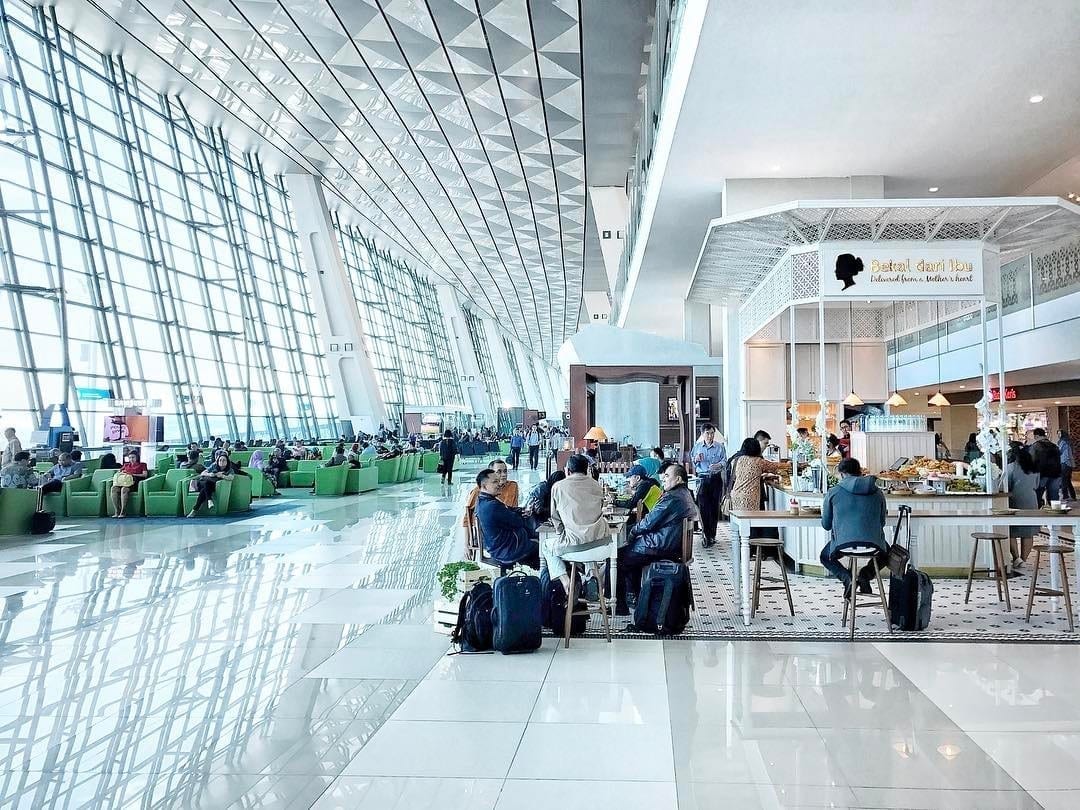
    Soekarno-Hatta International Airport, Indonesia’s largest and busiest hub near Jakarta, by June will move all international flights to Terminal 3.

    The terminal was opened in August, after three years of construction works to expand it, which cost Rp 7 trillion ($516 million). It is now significantly bigger than the other two terminals.

    It can serve up to 25 million flights a year, spans 420,000 square meters and is 2.4 kilometers long.

    “We’re are going to have all international flights moved to Terminal 3 by June,” Yado Yarismano, vice president of the airport’s operator Angkasa Pura II (AP II), said on Wednesday (14/02).

    He added that now, when all expansion works are complete, the terminal needs to be assessed by the Transportation Ministry’s directorate general of civil aviation to serve all international flights.

    Revamp of Terminal 1 and Terminal 2

    The airport’s Terminal 1 and Terminal 2 will also be expanded to accommodate together 36 million passengers a year — twice more than before.

    Contractors will soon be invited to bid to partake in the Rp 3.2 trillion project.

    “The bidding for Terminal 1 starts in March, while for Terminal 2 in May, so construction works at the first one will start sooner,” AP II president director Muhammad Awaluddin said.

    He added that both terminals will be finished by August 2019.

    “The revamp won’t disrupt our operations, as it will be done in sections, so the terminals will still serve passengers. We also won’t change their architecture, we will just add more room,” Awaluddin added.

    AP II is now also preparing to build Terminal 4 of the size and capacity of Terminal 3.

  • Newcomer Logistics Firm Iruna eLogistics Seeks to Empower E-Commerce

    Newcomer Logistics Firm Iruna eLogistics Seeks to Empower E-Commerce

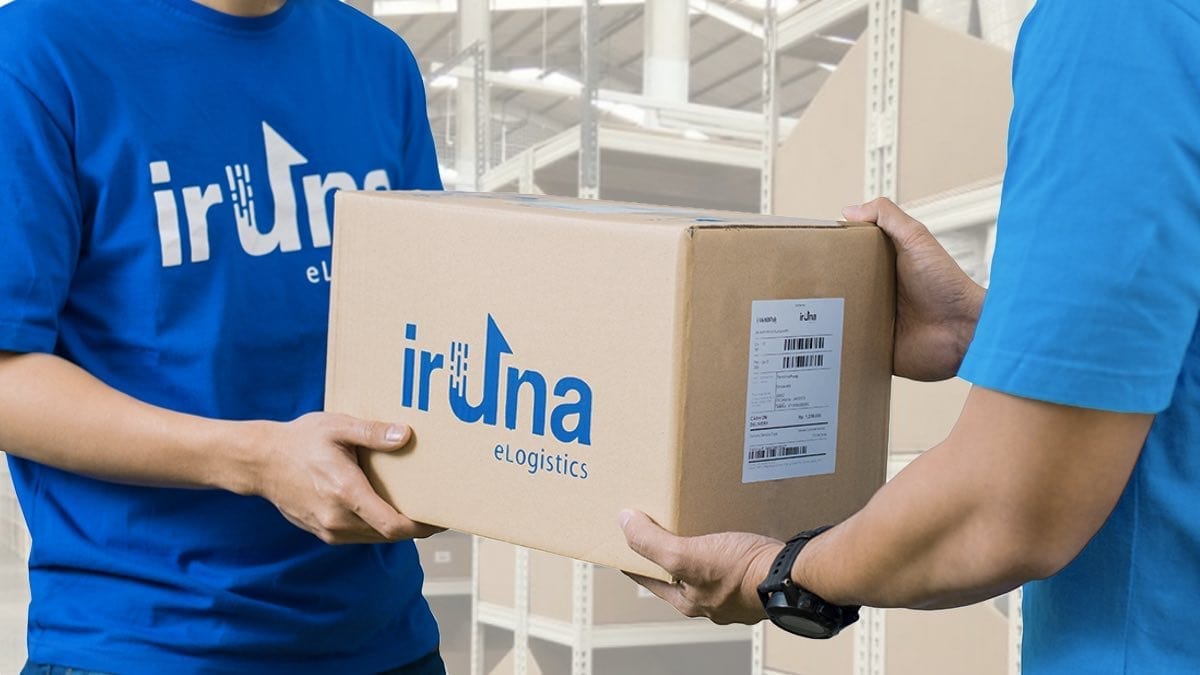
    Iruna eLogistics, a logistics startup company, plans to open two new fulfillment centers in Surabaya and Medan by the end of this year as part of its rapid expansion to provide back-end logistics services to Indonesia’s small and medium-sized enterprises.

    Indonesia’s small and medium-sized businesses have embraced e-commerce and digital marketing platforms to boost sales in the last two years. However, they often find high warehousing and transportation costs expensive and experience complications in tracking inventory, which in turn hinder growth.

    Iruna, which was founded by logistic veteran Yan Hendry Jauwena last December, tries to address the problem by offering integrated logistics solutions which manage the storage, packaging, handling and delivery of items for small business.

    “We wanted to improve the ecosystem by taking care of the back-end issues involved in online commerce. That way the small and medium-sized businesses can focus only on the production and marketing of their products,” Maria Bebasari, Iruna’s vice president for marketing and communication, said on Tuesday.

    Currently, Iruna handles delivery of more than 1,000 types of items a day, ranging from tiny soaps to bulky furniture from its 5,000-square-meter space in Sunter, North Jakarta. The facility is equipped with freezers and coolers to handle food and beverage delivery as well as secured storage for items worth more than Rp 5 million ($374), Maria said.

    Still, the company is not yet able to transport gold — which requires a separate license — or living plants or animals, she said.

    Iruna plans to open similar facilities in Surabaya next month and in Medan by the end of the year, occupying an area of 2,000 to 3,000 square meters each, Maria said.

    Maria said e-commerce consumers are concentrated in big cities despite vendors being spread out across the archipelago, making it costly for individual item delivery.

    “It’s more economical for both the producers and consumers if the delivery is done from our warehouse,” Maria said, adding that their storage and handling facilities differentiate the company from existing logistics firms like state-owned Pos Indonesia, Tiki or JNE.

    Maria said that Iruna targets to deliver 1 million different types of items and add six more fulfillment centers across the archipelago over the next three years, fully confident in the country’s e-commerce prospects.

    Indonesia e-commerce market is projected to reach $130 billion in sales by 2020, according to an estimate from the Ministry of Communication and Information Technology.

  • AirAsia Opens 3 New Routes in Indonesia

    AirAsia Opens 3 New Routes in Indonesia

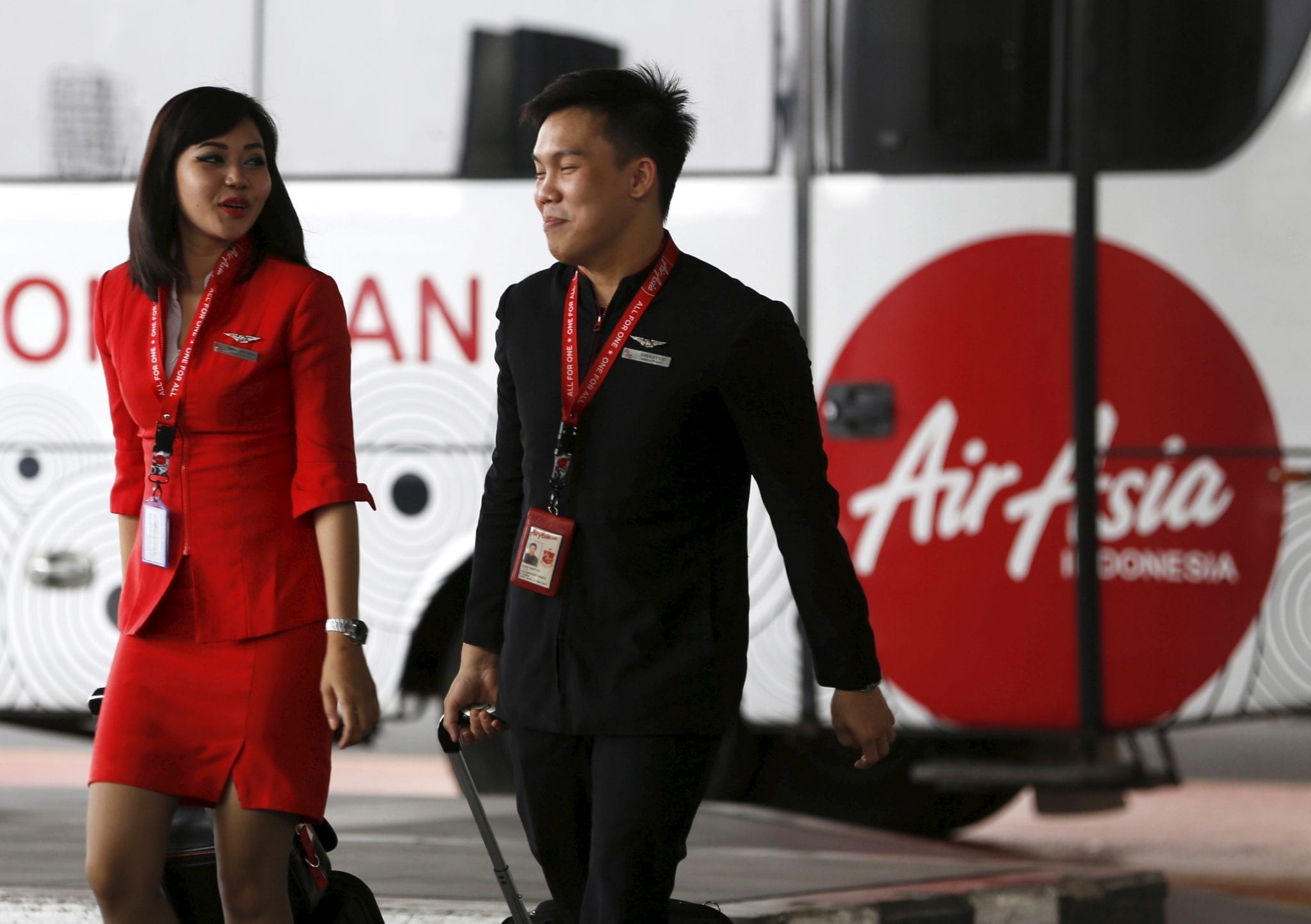
    AirAsia Indonesia, a budget carrier based in Tangerang, Banten, announced on Friday (09/02) it has opened three new routes, two international and one domestic, to tap into the increasing demand for air travels.

    The carrier, an affiliate of Southeast Asian low-cost airline AirAsia, opened new routes to Singapore from Medan, North Sumatra, and Padang, West Sumatra, and from Jakarta to Medan.

    The flights are served on Airbus A320 airchraft with 180 seats.

    “The opening of the new routes from Padang and Medan showed that AirAsia’s network expansion in Indonesia is not centered in Jakarta and Bali only,” AirAsia Indonesia Dendy Kurniawan chief executive said in a statement.

    Dendy said AirAsia Indonesia expects that the direct flights to Singapore from the capitals of two provinces of the Sumatra island, coupled with low-cost tickets, will attract more visitors from the city-state.

  • Indonesian Gov’t to Modernize Thousands of Traditional Markets

    Indonesian Gov’t to Modernize Thousands of Traditional Markets

    Indonesia will refurbish 1,592 traditional markets across the country this year as part of President Joko “Jokowi” Widodo’s nine-pronged and domestic-focused Nawacita development program, its Trade Minister Enggartiasto Lukita said on Thursday (04/01).

    A total of Rp 5.5 trillion ($409 million) will be made available to modernize 267 markets through co-administration funding (TP), 1,275 markets through special allocation funding (DAK) and 50 markets under the management of the Cooperatives and Small Businesses Ministry.

    Enggartiasto said the government faces many challenges in trying to modernize traditional markets, ranging from budget limitations to protests from market sellers.

    “It’s not easy to rebuild or move [traditional] markets. Moving an old market always raises problems… even if we only move it 500 meters away from its original site. The sellers never want to move,” Enggartiasto told reporters during a press conference in Jakarta.

    The ministry’s director general of national export development, Tjahya Widayanti, warned regional administrations to treat sellers fairly when they refurbish a market.

    “Don’t abandon the old merchants. [City administrations] should reserve stalls at the new market for them, not just for new sellers coming in,” Tjahya said.

    The government will focus on refurbishing traditional markets in the suburbs this year — mostly markets that are open at least twice a week and comprising at least 50 sellers in a 500-square meter area.

    It will also refurbish some weekly markets with at least 500 sellers in a 500-square meter area.

    The government has already refurbished 2,715 traditional markets since 2015 till last year, out of an eventual target of 5,000 markets by 2019.

  • AirAsia to close Surakarta-Kuala Lumpur route

    Low-cost carrier AirAsia is set to close on Jan. 16 its route from Surakarta in Central Java to Kuala Lumpur.

    AirAsia Berhad commercial head Spencer Lee told Antara news agency that the closure was due to commercial reasons.

    The airline is currently spreading the news among passengers through email and text messages. Those affected by the closure will receive a full refund or be allowed to change their flight by taking off from Semarang, Central Java, or Yogyakarta.

    Despite the move, Lee assured the carrier was still committed to adding more flights to Indonesia this year.

    Meanwhile, Purwanto, operation and service department manager of state-owned airport operator PT Angkasa Pura I at Adi Soemarmo International Airport in Central Java, said the operator had heard about the news, but has yet to receive an official confirmation from the carrier.

    “Based on our data, the average number of passengers for the route is relatively high, up to 70 percent capacity,” Purwanto said.

  • AirAsia’s Indonesian arm becomes part of AirAsia Indonesia

    AirAsia’s Indonesian arm becomes part of AirAsia Indonesia

    PT Indonesia AirAsia (IAA), the Indonesian arm of Malaysia-based low-cost carrier AirAsia Bhd., has officially become part of publicly listed company PT AirAsia Indonesia (AAI) following the completion of a recent acquisition.

    The former acquired a 57.25 percent shareholding in the latter on Friday.

    Jakarta-listed PT Rimau Multi Pratama (RMPP) was renamed AAI after the conclusion of its rights issue and divestment of its coal trading and transportation business on the same day.

    In the rights issue, IAA’s shareholders, namely PT Fersindo Nusaperkasa (FN) and AirAsia Investment Ltd (AAIL), acted as standby buyers of the new stocks issued by AAI.

    Overall, the transactions have allowed IAA to control the majority stake in AAI, while FN and AAIL hold the remaining 42.75 percent.

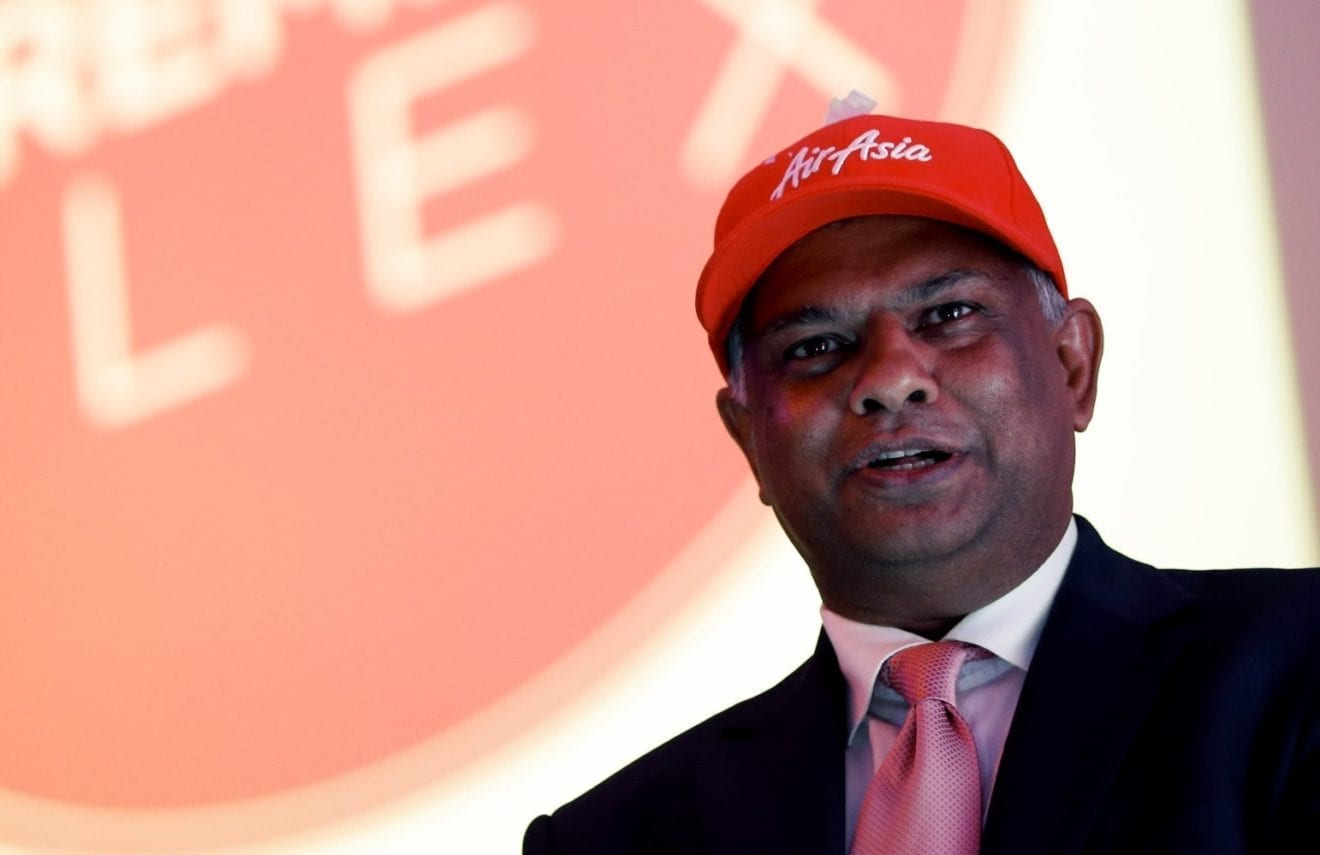
    AirAsia Group CEO Tony Fernandes said its move in Indonesia followed the listing of AirAsia business entities in the stock markets in Malaysia and Thailand.

    “The corporate deal will bring us closer to the One AirAsia vision with which we plan to list all of our business units in ASEAN on the stock market,” said Fernandes in a press statement on Friday.

    AirAsia said in August that it opted for a backdoor listing through publicly listed firm RMPP to expand its business in Indonesia. The decision was made to avoid lengthy and costly procedures that normally result in an initial public offering (IPO).

  • Bukalapak teams up with TIKI to ease delivery

    Bukalapak teams up with TIKI to ease delivery

    E-commerce platform Bukalapak kicked off on Wednesday the expansion of its partnership with courier service and logistics company TIKI to facilitate small and medium enterprises (SMEs) in selling their products.

    The new partnership will enable vendors to accelerate product delivery.

    For instance, TIKI provides a “booking code” feature in which vendors can fill in the data of senders and receivers online before sending the packages. When vendors arrive at a TIKI branch, they do not need to wait for TIKI employees to fill in the information anymore.

    “There will be [system] integration between Bukalapak and TIKI. The new features will be launched soon,” Bukalapak co-founder and chief financial officer Muhammad Fajrin Rasyid told at its headquarters in Kemang, South Jakarta.

    Another new feature offered to vendors is pick-up service that allows TIKI couriers to pick up goods from the vendors’ locations. Bukalapak has more than 1.7 million vendors with more than 38 million products offered on its online marketplace. About 500,000 vendors at Bukalapak use TIKI’s services.