Tag: jakarta

  • Auto industry calls for luxury tax cut on sedans

    Auto industry calls for luxury tax cut on sedans

    The Indonesian Automotive Manufacturers Association (Gaikindo) chairman Jongkie Sugiarto said on Tuesday that the association had long lobbied the Finance Ministry to reduce the luxury tax on sedans.

    He said the cut in luxury tax for sedans from 30 to 10 percent, a similar rate for multi-purpose vehicles, would encourage producers to manufacture more sedans, not only for the domestic market but also for export.

    “Because of cheaper taxes, Indonesia has now become the king of MPVs, but our exports are just 200,000 units per year, from a total production of 1.3 million,” Jongkie said during a discussion on the automotive industry organized by the Indonesian Business Data Center (PDBI) in Jakarta on Tuesday.

    “Thailand produces 2 million units of vehicles per year, but it exports 1.2 million because they produce everything from sedans and pickups to MPVs. The Thai government also does not discriminate in the taxes on the automotive products.”

    He said Gaikindo had already hired experts at University of Indonesia’s Institute for Economic and Social Research (LPEM UI) to carry out independent research on the issue and the result was that a luxury-tax cut on sedans would increase sales by 17 percent.

    This year, Gaikindo’s efforts received support from Industry Minister Airlangga Hartarto, but it was still struggling to convince the Finance Ministry.

    “We have lobbied for so long [the Finance Ministry], but it has not moved,” Jongkie said, adding that the association had proposed the tax cut since 2011. (bbn)

  • Vietjet announces Ho Chi Minh City and Jakarta route launch

    Vietjet announces Ho Chi Minh City and Jakarta route launch

    Vietjet today announced the launch of a new international route connecting Ho Chi Minh City with the Indonesian capital of Jakarta. The announcement ceremony was witnessed by high-ranking dignitaries from Vietnam and Indonesia on the official visit of His Excellency Mr. Nguyen Phu Trong, General Secretary of the Communist Party of Vietnam to Indonesia. The new route will meet the increasing demand for travels between the two countries and boost regional trading and integration.

    The Ho Chi Minh City (HCMC)-Jakarta route, a three-hour journey, will operate daily from December 20, 2017. The HCMC-Jakarta flight departs from HCMC at 20:40 and arrives in Jakarta at 23:40 (local time). The return flight takes off at 01:40 (local time) and lands in HCMC at 04:40.

    Mr. Dinh Viet Phuong, Vietjet’s Vice President, said: “Since its inception, Vietjet has been developing friendly and professional flight services in operating key international routes, helping connect Vietnam’s main business and tourism hubs with foreign destinations, including Jakarta. With its mission of making air travel approachable and possible for everyone and building a future in the air, Vietjet’s new route from HCMC to Jakarta will boost ties between these two economic, cultural and financial hubs, thus helping to boost regional trading and integration.”

    Jakarta is famous for its own distinctive multicultural style, amazing cuisine and colorful tourism attractions. It also serves as a gateway to the country, which offers the world “Consistency in Diversity”. The Indonesian archipelago boasts UNESCO-listed world heritages such as Borobudur and Prambanan, Komodo National Park, Ujung Kulon National Park and Sumatra rainforest and, of course, breathtaking ‘paradise’ islands, such as Bali, one of the world’s most incredible beach destinations.

    In turn, Ho Chi Minh City will be the country’s doors to Indonesian visitors travelling in Vietnam, which also boasts UNESCO-listed world heritages and incredible beaches. The capital city of Hanoi is an incredible historic city with a rich culture and unique atmosphere. Other cities and destinations include the former imperial capital, Hue, a wonderful, romantic destination, the city of Da Nang, where there are stunning beaches and the wonderland of Quang Binh province, home to the largest caves in the world. As the country’s largest economic, financial and modern tourism hub, Ho Chi Minh City is a destination in its own right, one that visitors will find is as sweet and charming as it is dynamic and entertaining.

    With its high-quality services, special low-fare tickets and diverse ticket classes, Vietjet offers its passengers enjoyable flights with a dynamic and friendly flight crew, comfy seats, delicious hot meals, special surprises as part of the inflight activities and amazing ticket fares during the daily “12 pm, It’s time to Vietjet” promotion.

  • AirAsia Flies Jakarta-Macau Route

    AirAsia Flies Jakarta-Macau Route

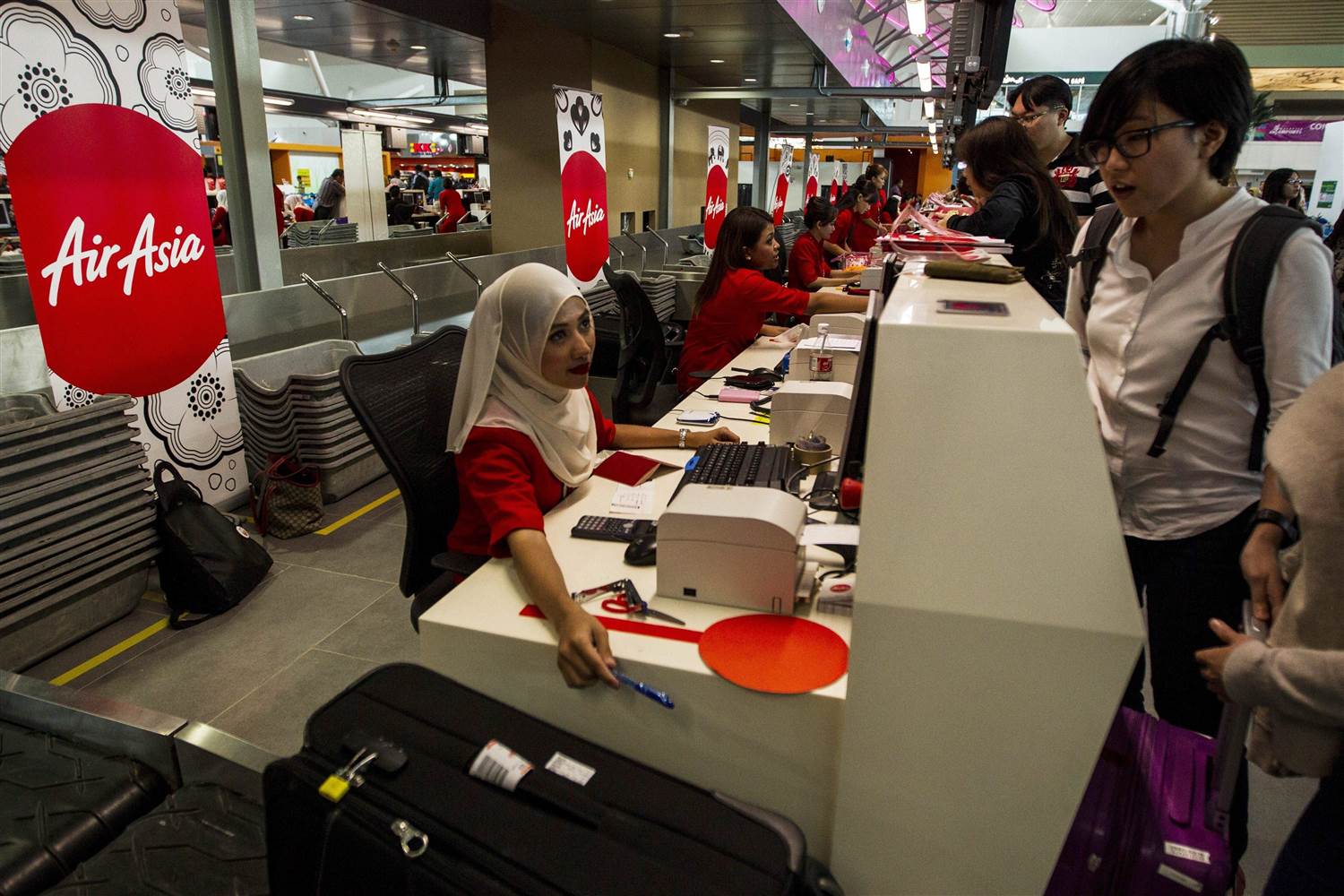
    AirAsia, a Malaysian low-cost airline with a branch in Indonesia, made its first Jakarta-Macau flight on Aug. 7.

    Transportation Minister Budi Karya Sumadi has welcomed the new route, saying it will also reinforce Indonesia’s tourism sector.

    “We will continue to support AirAsia in developing new international routes,” Budi said in a statement, adding the ministry has requested airport operators Angkasa Pura I and Angkasa Pura II to cut fees for landing.

    “It will become a stimulus for AirAsia to further develop its routes to various tourism destinations in Indonesia,” he said.

    “This flight is the fifth after our flights to Jakarta from Penang [Malaysia], Singapore, Bangkok [Thailand] and Kuala Lumpur [Malaysia],” AirAsia Indonesia chief executive Dendy Kurniawan said.

    Flights are operated three times a week on the Jakarta-Macau route. In September one more will be added.

    “A fourth of foreign tourists visiting Indonesia in 2016 were brought by Air Asia. The Jakarta-Macau route will improve the connectivity between Indonesia and southern Chinese cities, meaning more tourist arrivals,” Tourism Ministry’s deputy for foreign tourism marketing development.

  • Jakarta prepares for Indonesia’s most influential sugar show

    Jakarta prepares for Indonesia’s most influential sugar show

    The low production of sugar which cannot meet the large demand of sugar consumption in Indonesia caused by inefficient processes initiates the INAGRITECH 2017 to present its premier sub-event named SugarMach Indonesia 2017. SugarMach Indonesia 2017 is the premier show focusing on sugar machinery, innovation, and technology. This show gains a strong support from the Indonesian Sugar Association (AGI) and Indonesian Sugar Professional Association (IKAGI) as SugarMach Indonesia 2017 is held in an attempt to push Indonesia’s infrastructure development in sugar industry as well as supporting the country’s effort to achieve sugar self-sufficiency. For the success of the event, AGI-IKAGI will also hold the National Sugar Summit 2017 along with SugarMach Indonesia 2017.

    National Sugar Summit 2017 will be attended by thousand of professionals from all Indonesia Sugar Industries and government to discuss technology, policy, challenge and strategies how to make Indonesia Sugar Industry to become more competitive in global. Most of the attendee should be decision makers, the board of director, owner, government and professional in the ugar business.

    The resounding big success of INAGRITECH 2016 Jakarta held along with INAGRICHEM 2016 and INAPALM ASIA 2016 attracted 216 companies from 14 countries and 8,920 trade attendees from over 12 countries, has further proved the event as the ASEAN’s most leading trade show for agricultural machinery & equipment, agrochemical, palm oil processing machinery and the other agricultural supporting industries. The expo has expressed a proven opportunity to boost sales and gain exposure as well as meeting with key decision makers and potential buyers. Around 95 per cent of exhibitors also expressed a proven opportunity to boost sales and gain exposure as well as meeting with key decision makers and potential buyers from both domestic and international.

    SugarMach Indonesia 2017 is an ideal platform for sugar industry players to explore their business, to network with both local and global communities, and to unveil their latest products of technology. Indonesia’s sugar self-sufficiency effort provides an opportune time for investors to participate in the sector as well as take advantage of various incentives on offer. The bright prospects for investment in the national sugar industry are evident from the growing interests of the private sector to invest in the sector.

    SugarMach Indonesia 2017 taking place on 23 – 25 August 2017 at JIExpo Kemayoran, Jakarta – Indonesia will co-locate with INAGRITECH 2017, INAGRICHEM 2017 and INAPALM ASIA 2017. It will definitely be one of the Indonesia’s most prospective one-stop exhibitions for sugar industry players. The scale of exhibition area will be expanded up to twice as large as last year’s and will attract more than 500 exhibiting companies.

    According to the Indonesia Ministry of Trade, Indonesian sugar consumption within the consumer retail segment is 3 mn tonnes per year, while national sugar production is only about 2.5 to 2.7 million tonnes per year resulting in a shortfall of 300-500,000 tonnes of sugar. Therefore, the new government is committed to building 10 new sugar mills between 2015 and 2020 with Rp42.5 trillion of investment. Each mill is hoped to be able to process 30,000 tons of sugarcane per day. To achieve the goal, Indonesia’s sugar mill must upgrade and use the modern technology and machinery for its sugar production.

  • Jakarta shopping mall business ‘still promising’

    Jakarta shopping mall business ‘still promising’

    Jakarta shopping malls are still a promising business despite online retailing becoming more popular, says US real-estate service company Colliers International Group.

    It says the reason for this is a lack of entertainment options for family holidaymakers in the Indonesian capital.

    Twelve shopping centres with a total floor space of about 600,000 sqm are expected to be completed by 2020, with 38 per cent now under construction, Colliers Indonesia says in its latest retail property outlook report.

    With little choice for family entertainment, malls still appeal to locals as family destinations,” says senior associate for retail service Steve Subadi Sudijanto.

    Aeon Mall Indonesia is planning to open four more stores, three of which are being built, in Jakarta and its suburbs through 2020. The Japanese brand’s first shopping mall opened in Tangerang in Banten on the capital’s outskirts in May 2015.

    Colliers says F&B continues to be the main attraction. More new brands from Asian countries are arriving and expanding in Indonesia.

    “Tough competition requires developers to be more dynamic in attracting locals through renovation and tenant reshuffles on the back of a government measure to curb the number of new store openings in Jakarta,” says Colliers senior associate director of research Ferry Salanto.

    “In fact, hunting for new brands, particularly in fashion and food, is continuing to become a common habit for shoppers in Jakarta.”

  • Why did all 7-Elevens in Jakarta suddenly disappear?

    Why did all 7-Elevens in Jakarta suddenly disappear?

    The closure of global convenience chain ­7-Eleven in Indonesia underlines the tough economic and regulatory landscape that could deter future investors from taking over the iconic brand’s franchise in Southeast Asia’s biggest economy.

    The publicly listed PT Modern Internasional, ­7-Eleven’s franchise holder in the country, said in its statement to Jakarta’s bourse that a lack of resources was the main reason it ceased operations at all 7-Eleven outlets permanently as of June 30. The company also cited its failed deal to sell the franchise and other assets to Charoen Pokphand Indonesia, an affiliate of Thai conglomerate Charoen Pokphand Group, for 1 trillion rupiah (HK$585 million).

    But the debate over why 7-Eleven, widely known as “sevel” in Indonesia, closed down its stores continues to swirl. Analysts and industry watchers said that a combination of strong competition, an economic downturn and regulatory hurdles, including a 2015 nationwide ban on the sale of alcoholic drinks in mini markets, led to the brand’s closure.

    The termination of 7 eleven’s franchise agreement affects approximately 110 stores in and around Jakarta, and both parties are in talks to wind down the 7-Eleven business in all of Indonesia, including the de-branding of 7-Eleven stores, the American franchiser said.

    7-Eleven also had a role in developing Indonesia’s digital payment ecosystem by facilitating online transactions and utilities payments through clerks. Competitors, such as the country’s biggest mini market operators Indomaret and Alfamart, eventually followed 7-Eleven’s business concept by providing hot meals and small seating areas at some stores.

    They also now accept payment for utilities and an array of digital services, including e-commerce. Combined, Indomaret and Alfamart had nearly 90 per cent of the nation’s convenience store market last year, while 7-Eleven only had a 0.7 per cent share, according to researcher Euromonitor International.

    The chain’s glory days in the country didn’t last long. In the past two years, industry players noted Indonesians got thriftier as a sluggish economy and an oversupply of low-wage labourers lessened purchasing power.

    “The consumers’ behavioural change affected the overall retail industry. Many customers no longer stock up on groceries and only buy goods when they need them,” Mandey said. Indonesian shoppers also increasingly rely on online delivery services, reducing the chances of in-store impulse buying, he added.

    Modern Internasional shut down 45 stores over the past two years due to dwindling sales. According to its annual report, the struggling company recorded more than 630 billion rupiah in net losses last year, an increase from around 58 billion rupiah in 2015. Net sales for 7-Eleven, which contributed 75 per cent of the company’s total revenue, was 675 billion rupiah last year, a nearly 24 per cent drop year on year.

    “The problem was exacerbated by the lack of clear differentiation between the 7-Elevenconvenience stores and fast-food and medium-sized restaurants in Indonesia,” Olly Prayudi, associate director at credit ratings agency Fitch in Indonesia, said in a recent research note.

    Unfavourable regulations also added to the company’s woes. In 2015, a ban on the sale of alcoholic drinks in mini markets and convenience stores across Indonesia was a blow to company performance, as alcoholic drinks made up about 15 per cent of Modern Internasional’s sales, according to Fitch.

    Japan’s Seven & i Holdings, the global parent of the 7-Eleven chain, told it would search for another partner to revive the franchise in Indonesia.

  • BNI`s profit grows 46.7 percent in first half

    BNI`s profit grows 46.7 percent in first half

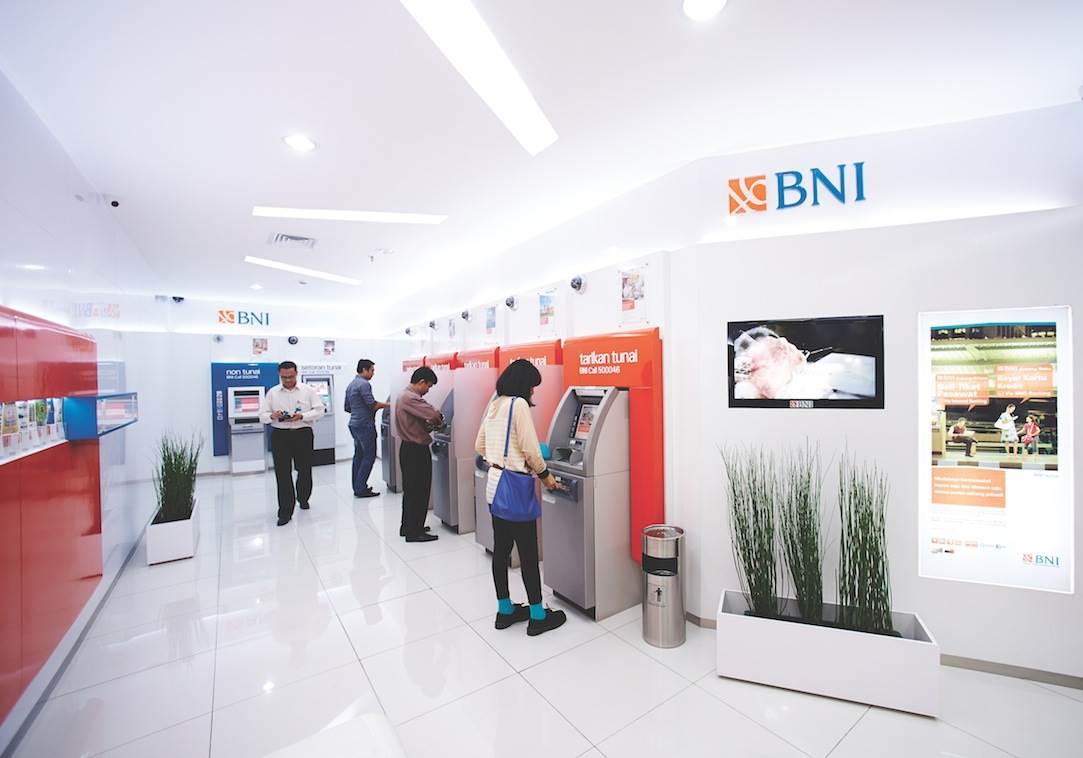
    State lender Bank Negara Indonesia (BNI) saw its net profit in the first half of 2017 jumping 48.7 percent to Rp6.41 trillion, fueled by the distribution of credits.

    “Our credits grew 15.4 percent year-on-year to Rp412.1 trillion, contributing Rp15.40 trillion or 10.7 percent to the net interest income,” BNI Consumer Director Anggoro Eko Cahyo said in a press conference here, Wednesday.

    Most of the credits were channeled towards business banking, particularly corporations and state-owned companies, as well as small- and medium-business undertakings, he remarked.

    The credits channeled towards business banking totaled Rp296.1 trillion, accounting for 71.6 percent of the total credit portfolio in the first half of 2017, he added.

    “The distribution of credits to corporations was also fueled by many infrastructure and agricultural projects,” he affirmed.

    The infrastructure projects included toll roads built by state-owned construction companies in Java, he mentioned.

    He explained that the credits extended to the consumer sector reached Rp67.05 trillion, accounting for 16.3 percent of the total portfolio. The credits extended to overseas debtors in foreign currency stood at Rp25.92 trillion, accounting for 6.3 percent of the banks total credits.

    “The amount of credits channeled by the banks subsidiaries reached Rp23.09 trillion or 5.6 percent of the banks total credits,” he revealed.

    He stated the bank also recorded a 17.9 percent rise in non-interest income to Rp4.65 trillion, fueled by fee-based income which grew 17.9 percent.

  • Matahari Department Store Wins Best Wealth Creator Award

    Matahari Department Store Wins Best Wealth Creator Award

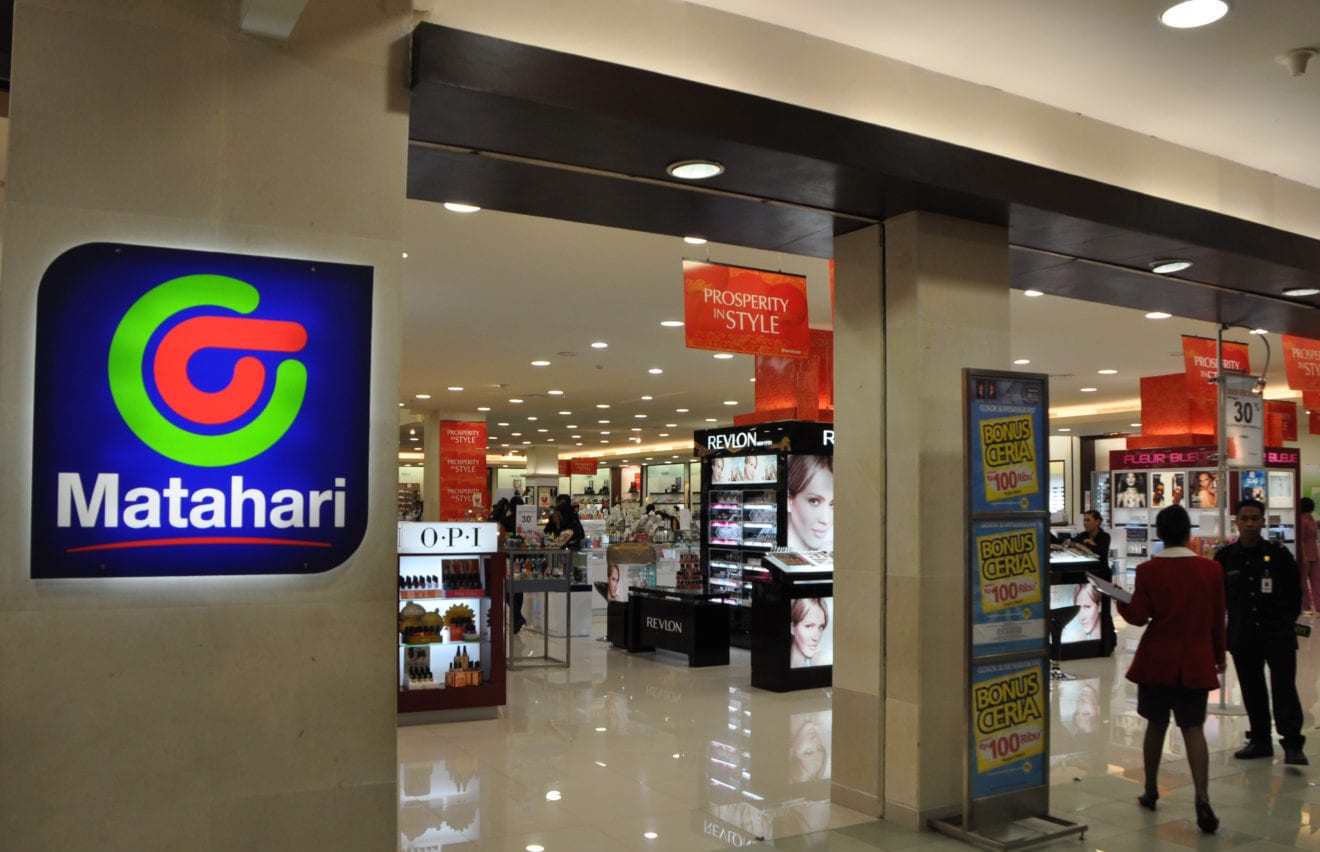
    The award assessed the performance of the best public companies in Indonesia and Southeast Asia based on Wealth Added Index (WAI), a calculation method developed by Stern Stewart. WAI is a metric used to measure the wealth created by a company for its shareholders.

    WAI is obtained by taking the adjusted total shareholder value minus the cost of equity, which is then multiplied by market value or market capitalization.

    The calculation found an increase in the number of local companies that were able to generate wealth for shareholders.

  • Indonesia to bring home tax money parked in Singapore

    Indonesia to bring home tax money parked in Singapore

    The government is to hunt down tax money from Indonesians who park their money in Singapore, following an offer from Singapore to allow Indonesia to access the financial data of Indonesians in the neighboring country.

    Singapore and Indonesia are soon to sign a Bilateral Competent Authority Agreement (BCAA) to implement the Automatic Exchange of Information (AEoI) between the two countries.

    Finance Minister Sri Mulyani Indrawati received the offer from Singapore on the sidelines of the G20 Summit in Germany last week.

    “This is a positive. I will follow up so that we can benefit from the agreement,” said Sri Mulyani.

    Sri Mulyani estimated that Indonesian wealth parked overseas amounted to about Rp 1 quadrillion (US$74.68 billion), 60 percent of which was in Singapore.

    Meanwhile, the Finance Ministry’s tax compliance expert Suryo Utomo said that of the Rp 835.7 trillion parked in Singapore that was declared during the tax amnesty, only Rp 84.52 trillion had been repatriated.

    Taxation Directorate General spokesman Hestu Yoga Saksama said that Sri Mulyani and Director General of Taxation Ken Dwijugiasteadi would visit Singapore sometime this month to follow up on the agreement initiated by Singapore.

    Indonesia and Singapore has an open exchange of information, said Hestu. He added that Indonesia should also seek a BCAA with Hong Kong, as well as stipulate confidentiality and data safeguards.

  • IDX datafeed disruption has no effect on investor confidence

    IDX datafeed disruption has no effect on investor confidence

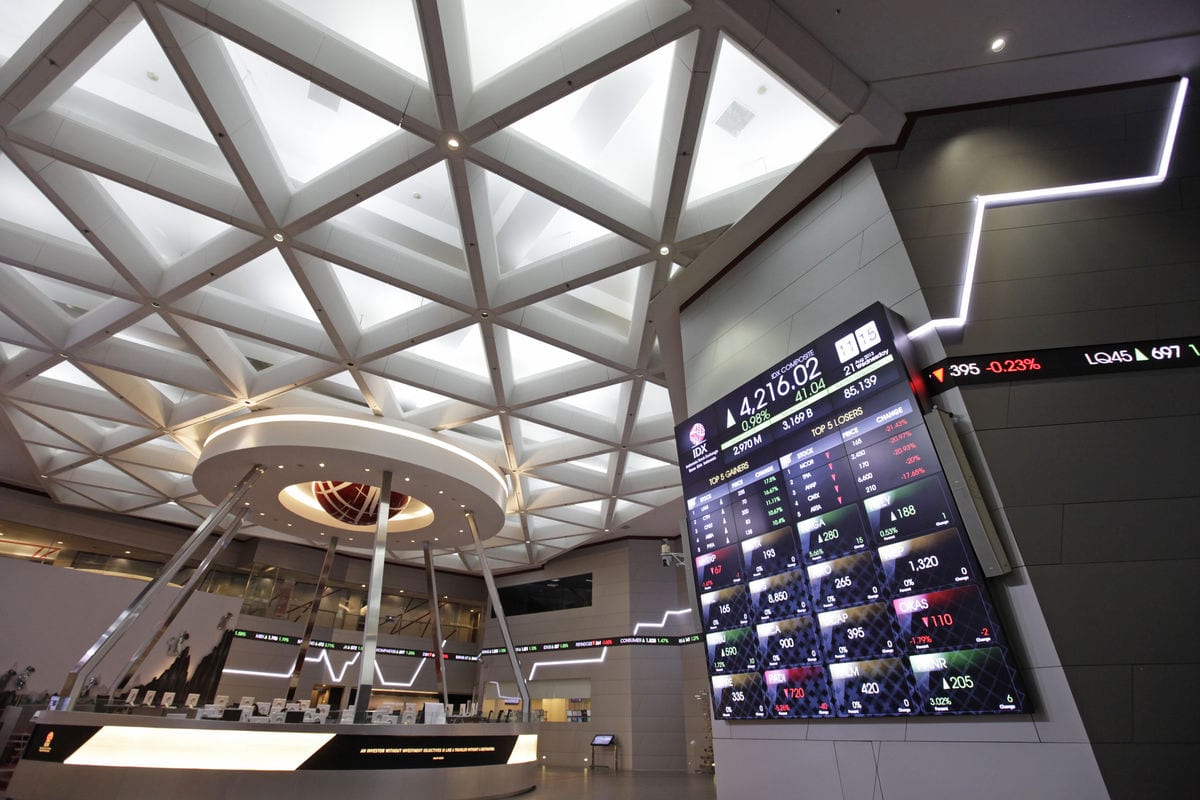
    The Indonesian Stock Exchange (IDX)s Datafeed disruption on Monday morning was claimed to have no effect on investors confidence.

    “We measured our Key Performance Indicator, and the result was still good,” IDX General Director Tito Sulistio stated here on Monday.

    To date, the disruption had been fixed, and IDXs information system has returned to normal; however, Sulistio added that IDX would continue to develop its information technology to upgrade their trade availability system in order to avoid and minimize disruption.

    He explained that the system had a maximum availability of 99.999 percent, and IDX already had 99.975 percent, which will be upgraded to 99.98 percent.

    “Every 0.05 percent hike may need US$20-25 million,” he remarked.

    At the same time, IDX is trying to upgrade its trade infrastructure system from Tier-2 to Tier-3.

    “Hopefully, we will be moving to the new Tier-3 system on August 30,” noted Sulistio.

    Separately interviewed, IDX Director of Information Technology and Risk Management Sulistyo Budi revealed that the disruption was caused by uneven distribution of information from Datafeed application.

    “During investors trading, information for public has to be provided. When it is not available, we have to suspend the trade in order to check the problem. Once it is resolved, activities return to normal,” he stated.

    Despite the IDXs claims, Indosurya Mandiri Securities analyst William Surya Wijaya explained that the bourse could anticipate more technical systems disruption that might affect investments plan from the stakeholders.

    “This could be a lesson for the stock market players, so that they should also anticipate systems disruption,” he explained.

    Wijaya was optimistic that the investors confidence in Indonesian market was still high as the domestic economy remained conducive, despite being overshadowed by some negative sentiment, especially current geopolitical situation.

  • Indonesia Bourse Poised To Rebound On Monday

    Indonesia Bourse Poised To Rebound On Monday

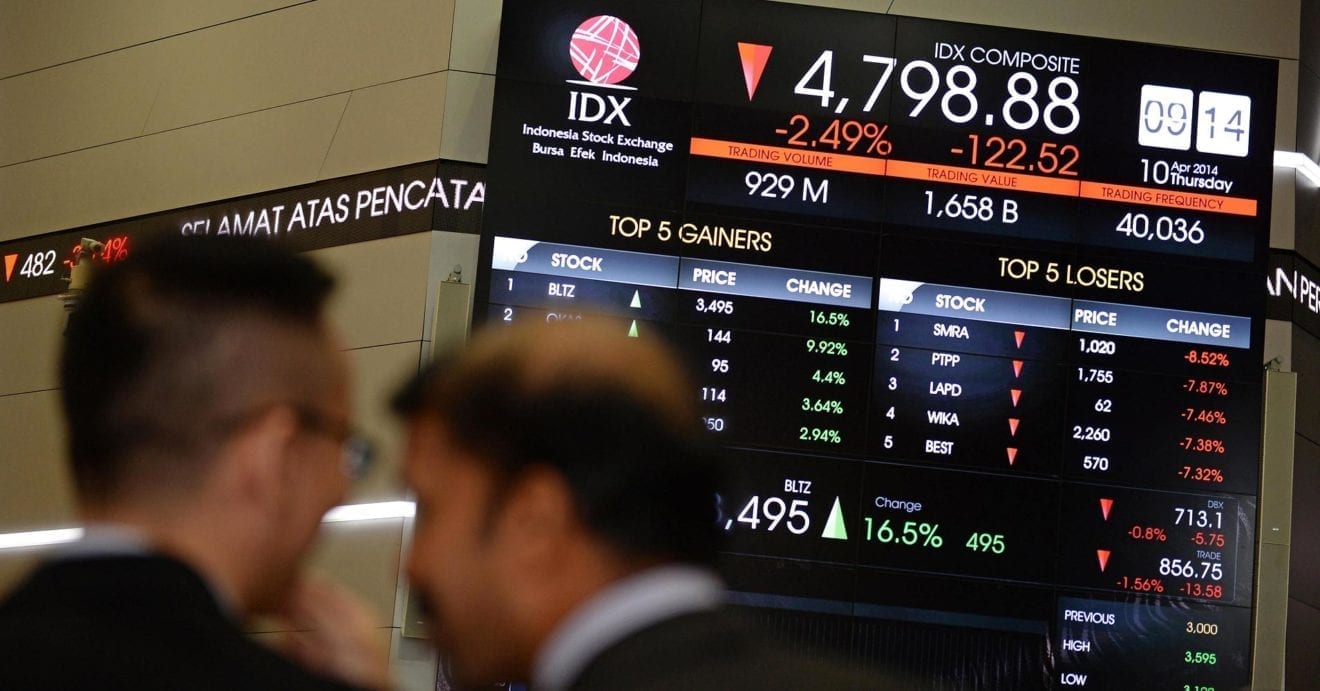
    The Indonesia stock market headed south again on Friday, one session after it had ended the two-day slide in which it had fallen more than 85 points or 1.3 percent. The Jakarta Composite Index now rests just beneath the 5,815-point plateau although it is expected to bounce higher again on Monday.

    The global forecast for the Asian markets is upbeat after better than expected jobs data from the United States, although those numbers may fan concerns over the outlook for inflation rates. The European markets were mixed and the U.S. bourses were higher, and the Asian markets figure to follow the latter lead.

    The JCI finished modestly lower on Friday following losses from the financials, resource stocks and food companies.

    For the day, the index shed 34.87 points or 0.59 percent to finish at 5,814.79 after trading between 5,810.36 and 5,863.59. Volume was 5.91 billion shares worth 6.4 trillion rupiah. There were 239 decliners and 102 gainers, with 101 stocks finishing unchanged.

    Among the actives, Bumi Resources retreated 2.92 percent, while Vale Indonesia added 0.27 percent, Jasa Marga plunged 3.21 percent, Lotte Chemical Titan dropped 2.38 percent, Tiga Pilar Sejahtera tumbled 1.88 percent, XL Axiata sank 0.31 percent, Bank MNC Internasional and Bank Pan Indonesia were unchanged, Bank Danamon Indonesia skidded 1.64 percent and Bank Mandiri dipped 0.56 percent.

    The lead from Wall Street is positive after Friday’s jobs report as the markets regained some ground after heavy losses in the previous session.

    The Dow climbed 94.30 points or 0.4 percent to 21,414.34, while the NASDAQ added 63.61 points or 0.1 percent to 6,153.08 and the S&P gained 15.43 points or 0.6 percent to 2,425.18. For the week, the Dow rose 0.3 percent, the NASDAQ added 0.2 percent and the S&P was up 0.1 percent.

    The rebound followed a Labor Department report showing stronger than expected job growth in June. The report said non-farm payroll employment jumped by 222,000 jobs in June following an upwardly revised increase of 152,000 jobs in May.

    The Federal Reserve is scheduled to make its next decision on interest rates following a two-day meeting later this month.

  • Government committed to relocating Indonesian capital

    Government committed to relocating Indonesian capital

    The Government of Indonesia is determined to relocate the state capital Jakarta out of Java Island to avoid total traffic gridlock by 2020.

    President Joko Widodo, better known as Jokowi, had urged the National Development Planning Board (Bappenas) to conduct a feasibility study on the possible location, and Palangkaraya in Central Kalimantan was one of the options.

    Bappenas Chief Bambang Brodjonegoro has stated that by the end of this year, the agency would have completed assessing potential alternative cities that could become the new capital of Indonesia.

    Brodjonegoro expressed hope that in the next two years, activities related to the transfer of the administrative center of the state capital would be carried out.

    Debates on relocating the capital have frequently resurfaced since it was first mooted by President Sukarno in 1957.

    Sukarno once held a discourse that the state capital could be relocated to Palangkaraya, as he had also visited the city to review its development.

    Problems of the overcrowded Jakarta city have since then become more practical and less ideological, with reports surfacing that areas of north Jakarta are sinking at a rate of 25 centimeters a year.

    In search of a new capital city of Indonesia, Bappenas is looking at aspects, such as the availability of land and natural resources around the potential cities.

    “We have discussed the matter with the president, and essentially, we will soon begin the process of relocating the capital,” the Bappenas chief remarked.

    Brodjonegoro reiterated that the assessment would hopefully be completed this year, including its estimation and funding scheme.

    According to Brodjonegoro, Bappenas will encourage private involvement in the planned relocation of the state capital, particularly in terms of funding.

    For funding, he said Bappenas will push the public-private partnership model.

    Until now, Bappenas is still reviewing the plan to relocate the state capital from Jakarta to a new area outside Java Island.

    The capital city should be relocated to outside of Java Island, given the availability of more adequate land.

    Nevertheless, Brodjonegoro has not revealed details of the specific location of the new capital of the country.

    “Certainly, outside Java, most likely on the island of Kalimantan, but the specific location will be finalized soon,” Brodjonegoro said.

    Java Island is believed to dominate Indonesias economic activities. Moreover, economic activities in Java are more concentrated in the areas of Jakarta, Bogor, Depok, Tangerang, and Bekasi.

    If the plan to relocate the capital city is truly realized, the Bappenas chief said the heavy burden on Jakarta, as the center of government, finance, and business, can be reduced.

    In addition to heavy burden of Jakarta as the center of government, finance, as well as business, annual flooding during the rainy season has repeatedly crippled Jakarta and hindered the smooth functioning of administrative and business activities.

    The flooding has aggravated several existent problems faced by Jakarta, which conventional measures have failed to resolve.

    Public services and government businesses grind to a halt every time floods lash the capital city.

    In a bid to solve Jakartas problems, the idea of relocating the state capital has repeatedly resurfaced.

    But numerous political figures have stated that moving the capital to another island in Indonesia outside of Java would not solve the problems.

    They suggested that it would be better if the city of Jakarta remains Indonesias capital, but it would be beneficial if some government activities are relocated outside Jakarta.

    They said the problems of Jakarta can be solved by relocating some ministries to other islands across the country.

    According to them, shifting some of the ministries can resolve the issues plaguing the capital city. But, the Ministry of Finance, the Ministry of Religious Affairs, the National Police, Defense and Security Ministry, and the Presidential Palace should remain in Jakarta.

    By relocating the capital, the political figures do not want to give the impression that they are shifting Jakartas problems to another city.

    The names of some Indonesian cities in Kalimantan, West Java, and Papua had circulated among the public following the discussions related to relocating the countrys administrative center.

    Some of the proposed cities were Palangkaraya in Central Kalimantan, Jonggol in West Java, and Jayapura in Papua.

    Some years ago, in an address to all provincial governors across the country at a gathering in Palangkaraya, Central Kalimantan, the then President Susilo Bambang Yudhoyono stated that Jakarta Metropolitan City was already too crowded and hence not an ideal location to be the center of the national administration.

    “Around 15 years ago, Jonggol in West Java was under consideration to be the new national administration center,” Yudhoyono stated at the time.

    The idea of relocating the center of administration from Jakarta to another area was shelved as Indonesia was hit by a monetary crisis some years ago.

    Over the years, the Jakarta Metropolitan City has become too crowded, and the idea of relocation should be reconsidered.


  • Direct Flights from Indonesia to Moscow Set to Open

    Direct Flights from Indonesia to Moscow Set to Open

    Indonesia has planned to open direct flights to Moscow, Russia, in a bid to attract the countrys tourists to visit Indonesia.

    “Currently, we have to transit in a third country when we fly to Russia, and this could take 24 hours, whereas with direct flight, it might only take 11 hours,” Ambassador to Russia M. Wahid Supriyadi said here on Wednesday. Wahid is scheduled to hold a meeting with the management of the national flag carrier Garuda Indonesia to discuss the plan.

    “Alhamdulillah, Garuda has the commitment to fly to Moscow,” he noted. Garuda Indonesia has planned to fly thrice a week to Russia, two flights from Denpasar in Bali and one from Jakarta, from August.

    A data of the Tourism Ministry showed that some 85 thousand Russian tourists had visited Indonesia in 2016. The number is targeted to reach 100 thousand tourists in 2017. However, Wahid remarked that the number was still relatively small compared to Russian tourists visiting Thailand, which is about 1.5 million per year, through direct flights from the country.

    “Garuda’s flight would not only carry passengers but also tropical fruits and vegetables,” he revealed, adding that these commodities were scarce in Russia. Following the European Union and the US embargo, Russia would halt import of fruits, vegetables, and dairy products from the two regions as a response.

    The move would provide an opportunity for Indonesian commodities to penetrate the Russian market. “These products would have to be transported by air cargo,” Wahid pointed out, adding that Garuda Indonesia planes could carry some 5 tons of the products in one flight.

  • Soekarno Hatta Airport Now Have Tourist Information Center

    Soekarno Hatta Airport Now Have Tourist Information Center

    State-owned operator Angkasa Pura II, Tourism Ministry and Transportation Ministry have launched Tourist Information Center at Terminal 3 of Soekarno Hatta International Airport.

    TIC services that have been operating since June 19 will serve to promote Indonesian tourism. “In order to achieve the full-year target of tourist arrivals,” Angkasa Pura II president director Muhammad Awaluddin said today in a written statement.

    Awaluddin said that Terminal 3 will serve international flights which allow TIC to promote Indonesia’s tourist destinations.

    Promotional contents at the TIC are a wide range of tourist destinations in Indonesia prepared by Tourism Ministry, particularly in relation to the branding ‘Wonderful Indonesia’ and ‘Pesona Indonesia’ (Indonesian Charm).

    The TIC will also enrich Terminal 3 digital contents. Angkasa Pura II is committed to turning Soekarno Hatta into a digital airport in line with the company’s vision of becoming the best smart connected airport operator in the region.

    Tourism Minister Arif Yahya expects TIC in Terminal 3 to become some kind of tourism supermall. Meaning that tourists may get information on tourist attractions, transportation, accommodation, etc. which can be accessed immediately by making reservations and paying for the best tourism experience.

    Angkasa Pura II and Tourism Ministry are committed to collaborating for the development of tourism sector. That includes enhancing international flight connectivity in all airports operated by the company, including Soekarno Hatta.

  • The Ramadan Productivity Drop And How To Overcome It

    The Ramadan Productivity Drop And How To Overcome It

    The holy fasting month of Ramadan is a special time in Indonesia, with nightly celebrations and long days of devout reflection for Muslims and discrete respect from non-Muslim expats and locals. Although for bosses and managers, the month can be a time of frustration with productivity seemingly grinding to a halt.

    “The productivity of workers declines in the holy month by 35 to 50 percent as a result of shorter working hours and the change in behaviour during this month,” Samer Sunnuqrot, an economist based in the Jordanian capital Amman told.

    Unlike Muslims practicing in Muslim-minority countries, like the United Kingdom or Australia, the specific needs of fasting can be taken into account by business and government in Muslim-majority countries like Indonesia or Jordan.

    “Decisions and meetings will be postponed until the period of Ramadan is over, especially in governmental institutions. This causes lower productivity and performance and might incur losses for business people because of the postponing of decisions and processing of government transactions,” Sunnuqrot said.

    While productivity dips during the fasting month, Sunnuqrot notes consumption tends to rise.

    “The positive side of Ramadan for business people is a higher demand for goods and services and higher consumption.

    “That often means higher prices, which translates into higher profit margins for merchants, retail stores, restaurants and cafes – especially those which arrange amusement programmes for after iftar (the breaking of the fast),” he said.

    Rumy Hasan, a lecturer at the University of Sussex, investigated the economic impact of lost productivity during Ramadan. His research found Ramadan creates a loss of 42 working hours per fasting participant each year, representing an overall 2.5 percent reduction in output annually.

    “Productivity declines not only from the physical strain of fasting but from the disruption to the flow and organization of work. It is reasonable to assume that a decline in productivity would further reduce economic output by at least 3 percent each year, which represents a significant annual recessionary impact of Ramadan,” he said.

    This decline is due largely to the physical effects of fasting.

    “Occupational health researchers have highlighted various adverse health consequences from severe dehydration, including headaches, dizziness and nausea,” Hasan found.

    For Muslim-minority countries this loss can be absorbed by the non-fasting majority of the labour force, but in Indonesia, where almost 88 percent of the population identifies as Muslim, this represents a massive issue.

    But all hope is not lost for managers and bosses hoping to boost productivity in the office until the Idul Fitri long weekend. While fasting, early mornings and late nights leave workers lethargic and struggling to focus so making the workplace flexible can help overcome some productivity issues.

    Beginning work earlier for an earlier finish will ensure workers maximize their energy from the pre-dawn morning meal, or suhoor, while also helping employees make it home in time to break the fast, or iftar, while dodging crippling traffic.

    Business consultant Mohammed Faris suggest non-Muslim managers and bosses take part in their own three-day fasting challenge in an effort to demonstrate both solidarity and to better understand the experiences of fasting colleagues.

    “If you want to engage with your staff on the challenges of fasting in Ramadan and work productivity, the best way is to actually talk about it and empathize with them. Start a conversation by asking your fasting employees how they consider work would be affected in Ramadan and what could be done about it,” he told.

    United Kingdom news portal Metro recommends tailoring traditional productivity tips for the month, such as goal setting and creating daily lists of tasks. This ensures Ramadan is treated as the special time that it is, while also maintaining good work habits.

    Additionally, while it may be tempting to gorge on the traditional treats and meals of the season, keeping healthy during the working week at least will go a long way to maintaining functionality. Lots of fresh fruit and proteins during the morning meals will help keep any participant in great health for a long, productive day ahead. Likewise, avoiding overly sugary and fried snacks in the evening and staying hydrated will keep the body healthy.