Tag: jakarta

  • Indonesia`s exports up 15.68 percent in March 2017

    Indonesia`s exports up 15.68 percent in March 2017

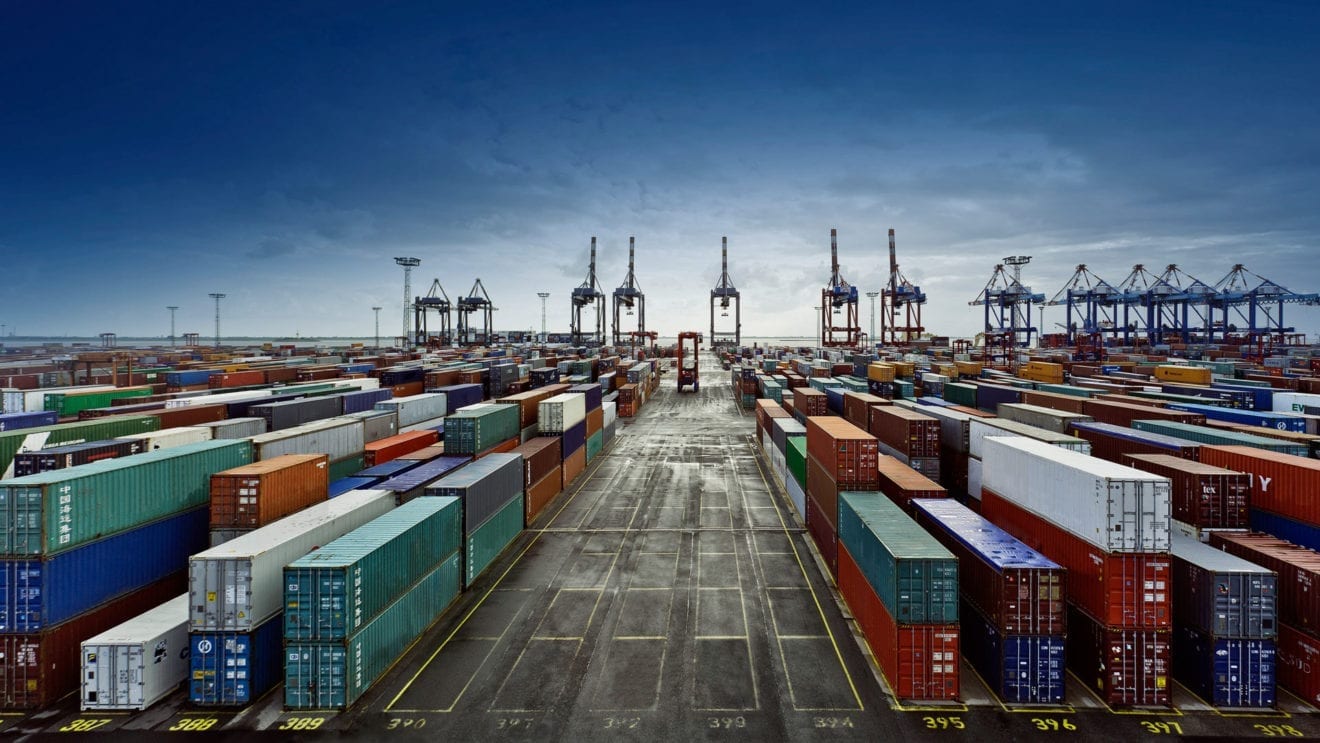
    Indonesias exports were up 15.68 percent in March, from US$12.61 billion in the previous month to $14.59 billion, according to Central Bureau of Statistics (BPS) here on Monday.

    BPS chief Suhariyanto stated at a press conference that the hike was dominated by an increase in the non-oil and gas exports reaching $13.11 billion, or up 14.86 percent, from the previous month.

    “The export value in March 2017 was recorded at $14.59 billion, up 15.68 percent from Feb. Compared to March 2016, the hike reached 23.55 percent,” he noted.

    The hike in the non-oil and gas exports in March was contributed by an increase in the exports of mineral fuels reaching $459.4 million, or 32.84 percent, he noted, adding that the exports of chemical products were down 9.05 percent, or $31.8 million.

    Non-oil and gas export destination countries in March 2017 include China, with exports to the country reaching $1.7 billion; the US, reaching $1.51 billion; and Japan, recorded at $1.26 billion. All of them contributed 34.72 percent of the total exports. Exports to Europe or 28 countries reached $1.46 billion.

    In total, Indonesias exports from Jan to March 2017 reached $40.61 billion, or rose 20.84 percent from the same period in 2016.

    Non-oil and gas exports in the period were recorded at $36.66 billion, comprising 90.27 percent of the countrys total exports.

    In terms of sectors, exports from processing industries from Jan to March 2017 rose 19.93 percent from the same period in 2016, while agricultural exports jumped 22.84 percent and mining products and others rose 32.26 percent.

    With region provinces of origin, most of the countrys exports were from West Java, valued at $7.00 billion, or 17.23 percent of the total; followed by East Java at $4.43 billion, or 10.90 percent; and Riau at $4.40 billion, or 10.83 percent.

    Indonesias non-oil and gas markets in the period from Jan to March 2017 include China, worth $4.96 billion, or 12.79 percent; the US, worth $4.29 billion, or 11.70 percent; and India, worth $3.41 billion, or 9.29 percent.
  • Alibaba Group’s UC News crosses 100 mn active users in India, Indonesia

    Alibaba Group’s UC News crosses 100 mn active users in India, Indonesia

    Alibaba Mobile Business Group-owned company UCWeb’s news app UC News has garnered more than 100 million monthly active users (MAUs) in India and Indonesia. With 100 million daily article views, UC News has rapidly grown in the India and Indonesia markets since its launch in June 2016.

    UCWeb is increasing its focus on digital content aggregation and distribution in India, the world’s second-largest internet market.

    Talking about the latest milestone, Alibaba Mobile Business Group, president of overseas business, Jack Huang said, “We are experiencing a fast rise in the average time spent on UC News. As of this quarter, an average user spends over 23 minutes on UC News. Users are embracing diverse digital content and their appetite for such content is being met by UC News. Going forward, we are also targeting more diversified and localised content on our platform by end of 2017 to make the local content ecosystem stronger. With over 100 million MAUs, UCWeb envisions itself as powerful as Google and Facebook, and aims to bring the global mobile internet to an era of ‘GUF’ (Google, UCWeb and Facebook).”

    Leading the user-generated content ecosystem in India, UC News recently announced We-Media Reward Plan 2.0 for self-publishers, bloggers and independent writers with an initial investment of Rs 50 million. UCWeb is investing Rs 2 billion for driving content distribution in India over the next two years.

    With the changing mobile internet landscape, UCWeb has adopted a strategy of becoming a content distribution platform from being a browsing tool by engaging and aggregating diverse form of content on its platforms—UC Browser and UC News.

    According to web analytics firm StatCounter, UC Browser now holds the highest browser market share in India. UC Browser is now the most popular browser in India in terms of internet usage across all platforms, with a market share of 43.31%, followed by Chrome’s 36.07% and Opera’s 8.34% share. UC Browser is also the dominant browser for mobile internet in India with over 100 million MOUs (as of September 2016).

    According to StatCounter, internet usage in India by desktop and tablet fell from 33.2% in January 2016 to 21% this year. Mobile internet usage jumped from 66.8% to 79% over the same time period.

  • UL wire, cable laboratory inaugurated in North Jakarta

    UL wire, cable laboratory inaugurated in North Jakarta

    A United States safety consulting and certification company, Underwriters Laboratories (UL), inaugurated on Tuesday a wire and cable laboratory operated by its subsidiary, PT UL International Indonesia, in North Jakarta as part of its business expansion in Southeast Asia.

    UL commercial and industrial business president Ben Miller said after the inauguration ceremony that the company had chosen Indonesia for the laboratory’s location because of the county’s fast-growing economy.

    UL said in a statement that the laboratory, the company’s first wire and cable certification facility in Southeast Asia, had been accredited by the National Accreditation Committee as a testing laboratory and by the Product Certification Agency (LSPro) for the certification of Indonesian National Standards (SNI).

    The statement said that UL Indonesia had signed an agreement with the Industry Ministry’s Center for Material and Technical Products (B4T) on the expansion of the SNI certification scope by UL.

    UL Indonesia is allowed to provide testing services in line with SNI certification.

    Miller said that UL standard certification required ongoing surveillance and comprehensive monitoring of products starting from their designing until their selling.

    Meanwhile, vice president and managing director for UL ASEAN Region Anthony Tan said that UL operated three laboratories in Southeast Asia.

    The company had two laboratories in the consumer technology and transaction security fields in Singapore and a textile and consumer goods laboratory in Vietnam, Tan said.

    Tan added that the company would open another laboratory in the heating and ventilation field in Thailand this year.

  • Soekarno Hatta Airport to have zone of bonded logistic center

    Soekarno Hatta Airport to have zone of bonded logistic center

    State-owned airport operator PT Angkasa Pura II through its subsidiary PT Angkasa Pura Kargo is preparing the opening a zone of bonded logistic center (PLB) in the Soekarno Hatta International Airport.

    The bonded logistic center would facilitate cargo transport and improve the countrys competitiveness in global air cargo industry, Angkasa Pura II President Director Muhammad Awaluddin said in a statement here on Saturday.

    Awaluddin said the PLB would have three units in the Jakartas airport including in Warehouse I about 1,500 square meter wide, Warehouse II about 10,000 square meter wide to be built in 2018, and Warehouse III to be built in the Cargo Village in the airport 10,000 square meter wide to be built in 2019.

    He said the most potential market of the bonded logistic center is aircraft spare parts. The spare parts could be piled up in the warehouses of the PLB and clearance could be made there if imported spare parts are to be brought outside.

    “The Soekarno-Hatta International Airport is not far from the Tanjung Priok port that it is right to build the zone of bonded logistic center there,” he said.

    The PLB will also help improve efficiency and save logistic cost for the business players, he said.

    Airlines would benefit from the PLB that provides safe places for their spare parts that could be used any time repairs are needed immediately, he said.

    “The PLB could earn up to Rp2.5 trillion a year from the warehousing service for aircraft spare parts,” he said .

    In building the PLB zone, PT Angkasa Pura II will cooperate with related agencies including the Customs and Excise office, airlines, forwarders, banks , etc.

    Head of the Main Service Office of Customs and Excise of Type C in Soekarno-Hatta Erwin Situmorang expressed support for the opening of PLB in the airport complex by PT. Angkasa Pura II.

    “With the operation of PLB. industries do not have to rely on imports for basic materials they need . They could now rely on PLB,” Erwin said.

    He said PLB would reduce logistic cost and cut the waiting time for industries and open business opportunity in warehousing at the airport complex.

    The airport complex could grow to become a logistic hub in Asia Pacific.

    The opening of PLB is one of the messages of the governments second economic policy package issued early last year, when the president officially commissioned 11 units of PLB.

    Digitalization will also be applied in the operation of the PLB to be opened in the Soekarno-Hatta International Airport through the smartphone application provided by Angkasa Pura Kargo.

  • Mitsubishi-Nissan’s Cooperation Rapidly Extend to Countries Including Indonesia

    Mitsubishi-Nissan’s Cooperation Rapidly Extend to Countries Including Indonesia

    Mitsubishi Motors and its new parent Nissan are studying joint production of pickup trucks in Southeast Asia as they look for savings within the broader Renault-Nissan alliance, a senior executive told.

    The Japanese groups may pool technical underpinnings and production of future replacements for the Thai-built Nissan Navara and Mitsubishi Triton, Mitsubishi Chief Operating Officer Trevor Mann said in an interview at the Geneva car show.

    Mitsubishi’s pickup architectures are likely to become the basis for future alliance models, said Mann, who was despatched by Chief Executive Carlos Ghosn to help turn Mitsubishi around after Nissan paid US$2.3 billion for a 34 percent controlling stake in the scandal-hit company last October.

    “If you look at our cost performance in that region, we are the benchmark within the alliance,” Mann said. “Our four-by-four technology, our cost base on pickups is better than Nissan’s.”

    Nissan snapped up Mitsubishi last year after the company admitted in April it had falsified fuel consumption data, triggering a sales slump and steep losses expected in the current fiscal year, which ends this month.

    Mitsubishi expects sales to bounce back above 1 million vehicles next year, Mann said, almost reversing their 8 percent decline from 1.05 million before the outcry. Nissan and Mitsubishi currently produce frame-based pickups and cars – which have fundamental design and manufacturing differences – on separate lines at each of their Thai plants.

    Moving to common architectures could potentially allow the Mitsubishi factory to specialize in pickups while the Nissan plant builds cars and SUVs, increasing productivity at both sites, Mann said, while stressing that nothing had been decided.

    Cooperation will rapidly extend to other countries in the region including Indonesia and the Philippines, where the companies have plants, Mann said. But pickups are likely to stay based in Thailand, where they account for 40 percent of sales.

    The current Navara and Triton models were launched in 2014 and are not due for replacement before 2022, which means development and production decisions may still be two or more years away. In the meantime, Nissan and Mitsubishi are already pooling car transport and other logistics while stepping up efforts to find more savings from joint purchasing.

    Renault and Nissan, whose 18-year-old alliance is cemented by reciprocal minority shareholdings, are also likely to use Mitsubishi’s plug-in hybrid technologies, Mann added. “That’s an obvious opportunity.” But Renault may have to wait longer than its alliance partner for the market access and savings that their new affiliate can bring.

    “What we have to do is prioritize,” Mann said. “We have the capital share with Nissan, so it’s logical to start there.” Under Nissan ownership, Mitsubishi is still “cleaning house” in the wake of the fuel-economy data scandal, he added.

    “We’re introducing a proper delegation of authority, risk control and business ethics in the company,” Mann said. “If we did uncover anything (else) which was not correct, we would disclose in an appropriate manner.”

  • IDX Inaugurates 250th Investment Gallery

    IDX Inaugurates 250th Investment Gallery

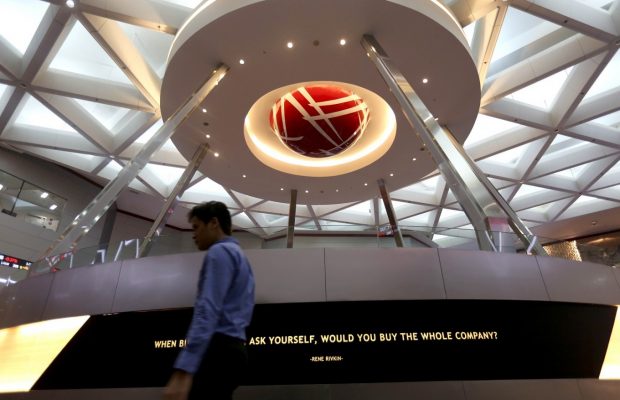
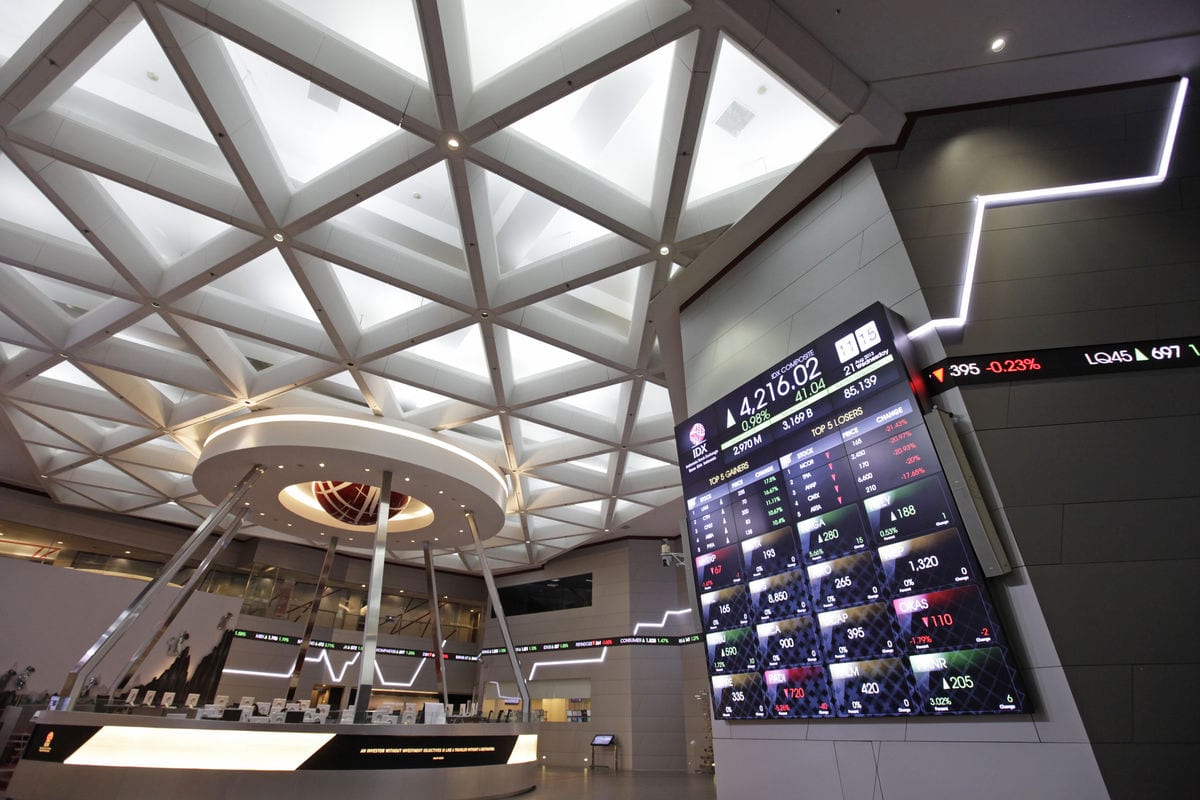
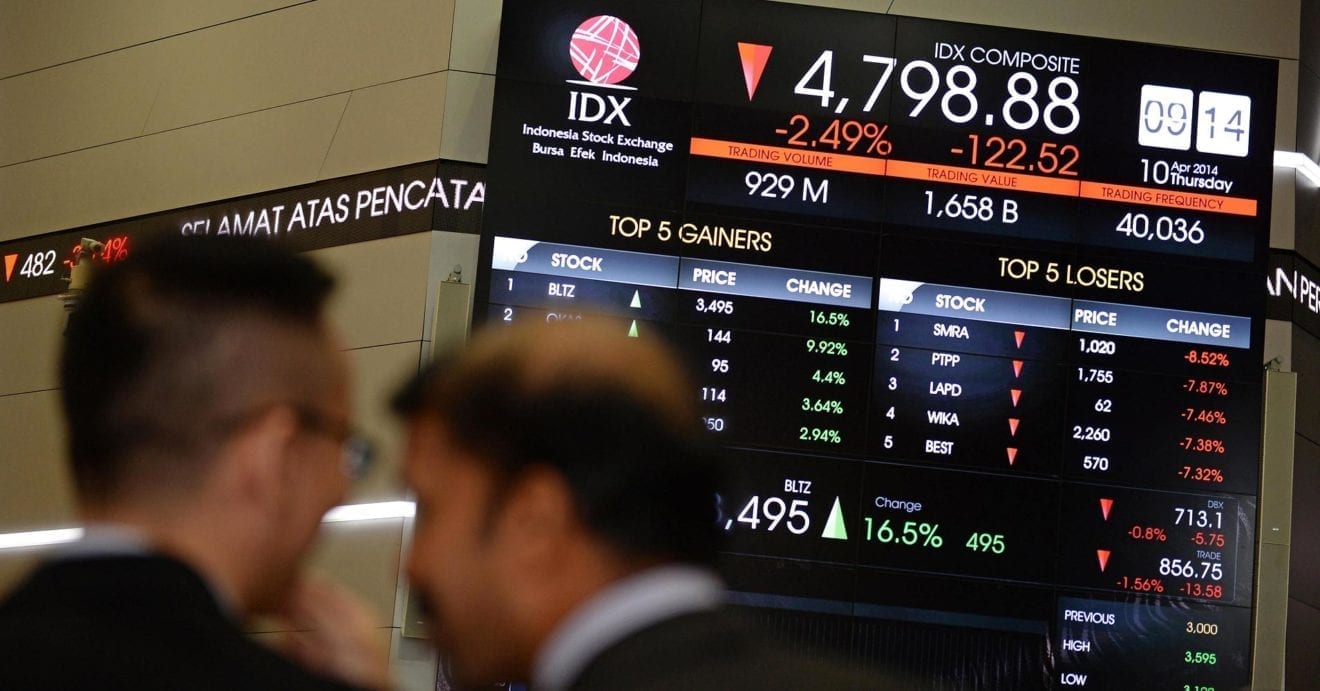
    The Indonesian Stock Exchange (IDX) has inaugurated the 250th Investment Gallery located at the Faculty of Economy and Business of Udayana University in Denpasar, Bali. The galleries are spread in 240 universities in Indonesia.

    IDX President Director Tito Sulistio said investment gallery is a means to introduce the capital market to academicians. It is established in collaboration between the IDX, universities, and companies that are Members of Exchange (AB).

    “It is hoped that academicians will not only know the capital market from the theoretical aspect only but can also directly implement the practice,” Tito said in Bali on Friday (10/3).

    The Investment Gallery provides all publications and printed materials about capital market published by the IDX, including regulations and laws on the capital market.

    Academicians can use information and the data for academic purposes and research. The materials can also be used as a reference in decision making when doing share transactions.

    Tito hopes that those galleries can disseminate information on the capital market, not only among academicians but also economists, investors, capital market observers or the public  in the regions.

    Tito added that this year, IDX inaugurated 10 Investment Galleries this year, seven of which are located Bali and five of them are in Denpasar.

  • Australia Eyes Indonesian Mining and Tourism

    Australia Eyes Indonesian Mining and Tourism

    Head Of the Indonesian Investment Coordinating Board (BKPM), Thomas Trikasih Lembong, predicted that Australia’s investment in Indonesia could increase up to USD 3 billion (around Rp 40 trillion) throughout the next three to five years. Most of Australia’s investment is predicted to be centered on the mining and tourism sector.

    “That’s the sum total of the projects we are trying to develop. Two-thirds will be in the mining industry and one-third in the tourism sector, lifestyle, and others,” Thomas said on Tuesday, March 7, 2017.

    Thomas explained that Australia’s has an exceptional mining industry. A number of the largest mining companies in the world is owned by Australia, such as EMR Capital, who purchased a gold and silver mine in North Sumatera, and Newcrest, who is currently operating the gold mine in North Maluku.

    In addition, Thomas said that the Indonesian government is really interested in cooperating with Australia in the tourism sector.

    “Many tourists from Japan, China, and Indonesia travel to Australia. They have great taste, management, and good designs. We need that in order to develop Indonesian tourism sector,” Thomas said.

    Currently, according to Thomas, Indonesian and Australian officials are committed to developing both countries’ tourism sector, especially coastal and maritime tourism. Thomas stated that Indonesia owns a varied number of islands and diving tourist destinations.

    “But we don’t have a maritime tourism industry, while Australia has a good reputation in yacht spots,” Thomas said.

    Australian Minister for Trade, Tourism, and Investment Steven Ciobo, stated that Indonesia could develop many tourist destinations in addition to Bali. Ciobo asserted that by having investments reeling in and the development of various infrastructures across regions, the number of tourists entering Indonesia can significantly increase.

  • Royal Bank of Scotland Ends Business Activities in Indonesia

    Royal Bank of Scotland Ends Business Activities in Indonesia

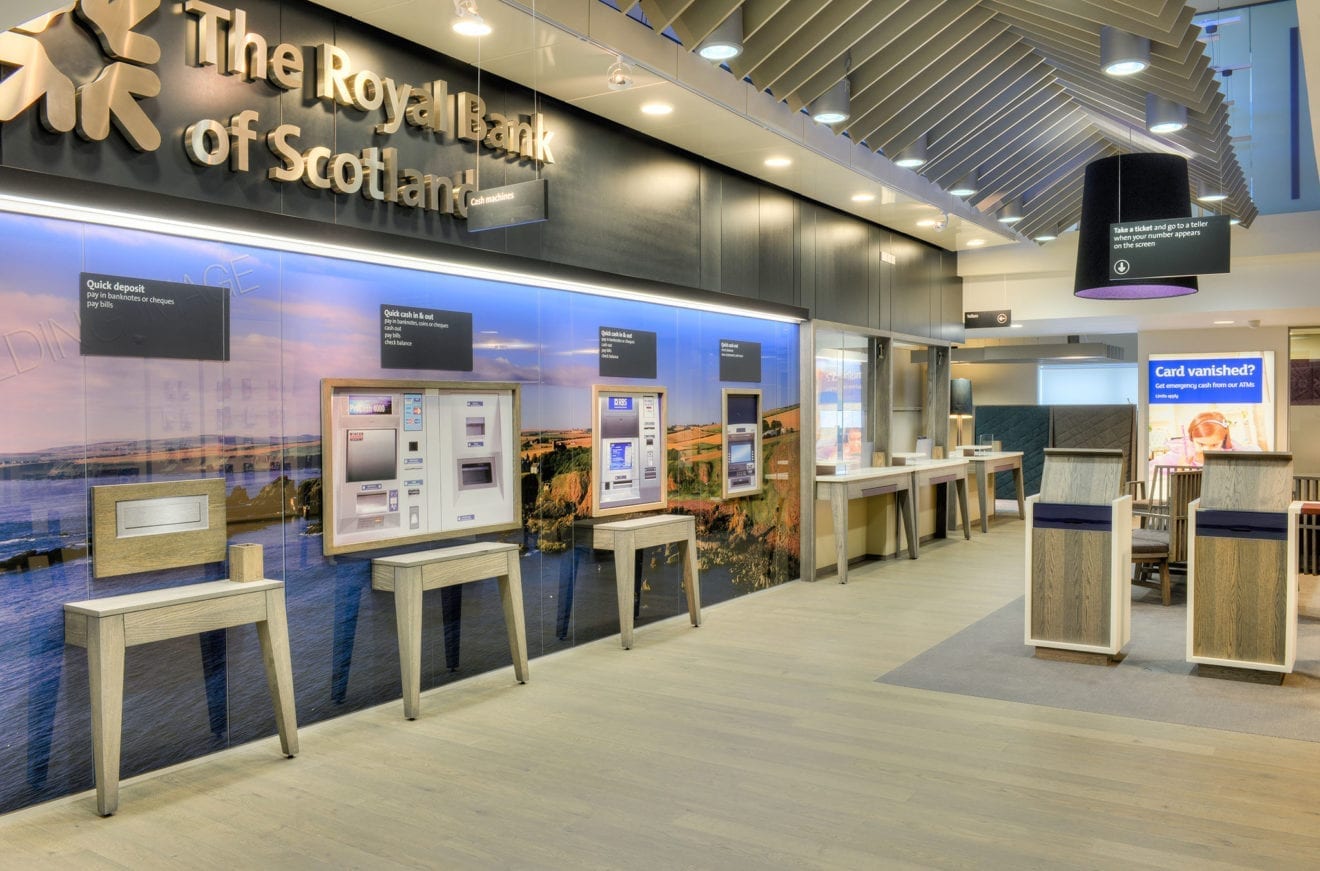
    Although the bank started under the name ABN AMRO BANK NV Indonesia, the majority of its shares was acquired by the Royal Bank of Scotland Plc in 2010. After this acquisition the bank’s name changed to RBS NV.

    Earlier, in December 2015, the bank’s branch in Surabaya (East Java) had already been closed. The ending of all of RBS NV’s business activities in Indonesia is part of the bank’s overall business strategy. Besides Indonesia, it decided to end its business networks in 24 other countries. Due to the RBS Group’s losses across the world, it decided to focus on the domestic market of the United Kingdom (UK) in order to improve its earnings. RBS NV’s corporate activities in Indonesia were profitable until the end of 2014. After that year its activities in Indonesia resulted in net losses and therefore it decided to end its businesses here gradually.

    Through OJK Board of Commissioners Decree No. 7/KDK.03/2017 on the Revocation of the Permit of The Royal Bank of Scotland NV’s Branch in Indonesia, dated 28 February 2017, the license of the bank has been revoked. According to the OJK, RBS NV Indonesia has completed all its obligations and therefore its request for the license revocation was approved. However, those who still (claim to) have rights and obligations with the local branch of Royal Bank of Scotland in Indonesia can contact the disclosure team, located at the Indonesia Stock Exchange (IDX) building (Tower 2, second floor) in South Jakarta until 31 March 2017.

  • Yakult Indonesia still relies on imported milk for dairy drinks

    Yakult Indonesia still relies on imported milk for dairy drinks

    Yakult Indonesia Persada, one of the major producers of fermented milk products, still relies on imported raw materials for its production in Indonesia.

    Yakult Indonesia vice president and director Hiroyuki Kawada said the company had to import ingredients because local milk had yet to meet the standards for the company’s fermented milk |production.

    “We mostly import the skimmed milk from Australia, and the rest is from Belgium,” he said.

    Yakult Indonesia Persada, a subsidiary of Japan-based Yakult Honsha, was established in1990. The company operates a factory in Sukabumi, West Java, and another in Mojokerto, East Java.

    The factories can produce 6.6 million 65-millilitre bottles of cultured dairy drink a day. The company sells its fermented milk through supermarkets and through “Yakult Lady”, a sales force of women who sell the product door-to-door in many parts of the country.

    “There are 7,600 Yakult Ladies now, and they can reach 30 houses per day each,” said Antonius Nababan, the companies marketing communication and commercial (MCC) director. Zulkarnain, the MCC’s senior assistant manager, said sales averaged 5 million bottles a day.

    Indonesia was the second-biggest market for Yakult products after Japan, which has 10.18 million consumers.

  • BEI of Jayapura office opens share investment clinic

    BEI of Jayapura office opens share investment clinic

    The representative office of the Indonesian Stock Exchange (BEI) in this Papua capital city has opened a clinic class for non active registered share investors.

    “They need guidance especially as the share customers are different in type. Therefore, we open share investment class for them,” head of the BEI representative office of Jayapura Kresna Aditya Payokwa, said here on Tuesday.

    Participants are told how to buy and sell shares, and how to analyze the marker trend, Kresna said.

    “We open the share investment clinic every Monday, Wednesday and Friday . Now it is already the fifth group,” he said.

    From the class it could be seen who among the investors more active in the share trade, he said, adding a prize is given to the most active traders.

    The clinic is part of the program to promote share trading in a bid to increase the number of investors in BEI.

    By January , 2017, BEI recorded 2,391 investors , up from 1,300 investors a year earlier.

    The number of investors in Papua has continued to increase. Transactions in 2016 were valued at Rp1.3 trillion. Monthly transactions average Rp100 billion, he said.

    Many of the investors at the Jayapura representative of BEI are not active, he said.

    “Transactions in January 2017 were valued at Rp70 billion with active participants making up only 60 percent of the total number of registered investors,” he said.

    Most of the people do not understand share trading. “BEI is new for them , therefore, we need to intensify socialization,” he added.

  • InMobi sees gold in Indonesian ad market

    InMobi sees gold in Indonesian ad market

    InMobi, an India-based mobile advertising platform provider, will invest up to US$50 million within the next five years to expand its business in Indonesia.

    InMobi founder and chief executive officer Naveen Tewari said in Jakarta on Monday that the company would focus its investment on developing a mobile video advertisement and customer-relationship management platforms.

    “We are going to expand our business, also use the money for team resources, product customization, and partnerships,” Naveen told a media briefing.  “We are also going to bring our team from India, as well as hire local [human] resources in Indonesia,” he added.

    The mobile advertisement market in Indonesia is quite promising because of the shift in advertisement placement from conventional media such as television to mobile devices and the increasing number of smartphone users, according to InMobi.

    The company’s survey showed that in 2016, video-based advertisement on mobile devices in Indonesia rose by 380 percent.  InMobi is a mobile advertising platform, which was established in Indonesia in 2008, marking its first office outside India.

    “By 2016, our platform has reached 90 percent of smartphone users, or approximately 69 million users in Indonesia. We offer an ads platform that can reach a larger scale than television advertising,” Naveen added.

  • Indonesia Uses Big Data Digital Technology To Boost Tourism Performance

    Indonesia Uses Big Data Digital Technology To Boost Tourism Performance

    Indonesia is now using big data Mobile Positioning Data (MPD) digital system in a bid to boost up performance of the nation’s core business sector, tourism, China’s Xinhua news agency reported.

    The MPD to support the tourism activities is operated by Indonesia’s central statistic agency of BPS by detecting the cellular phones used by visitors entering Indonesian territory from several gates, including from land borders with neighboring countries.

    Besides in big cities’ airports, the system is also applied in 19 regencies and 46 subdistricts which host Indonesia’s border areas to neighboring countries as well.

    The MPD digital system have been operated since October last year and is scheduled to serve until 2019.

    Indonesian marketing guru from University of Indonesia (UI) Rhenald Kasali said that option to ultimately use the MDP digital system is a correct move to respond the ongoing digital lifestyle adhered by people globally with smart phone.

    “The official data provided by the BPS would not only be useful in analyzing tour markets and outlining policies in the sector. The data is also essential for those indulging in tourism business to expand their businesses,” Kasali said.

    The tourism ministry would breaking the data down into more specific information about the visitors, including their length of stay, frequency of their visits, spending and even their tour activity preferences during their holiday in Indonesia.

    Head of ASITA (Association of Indonesian Tours & Travel Agencies) Asnawi Bahar said that with processed information resulted from data, travel agents and hotels would be able to prepare resources and proper accommodations for the visitors.

    “It would be very useful for us as we can digitally learn plans of the visitors’ movements since their departures,” Bahar said recently.

    He added that most of foreign visitors have now booked their travel packages in Indonesia through digital applications in advance, including the payments, through their gadgets.

    Indonesia has been taking herculean efforts to develop its tourism sector, replacing the previous oil and gas, coal and palm oil sectors.

    The current government expects to see 20 million foreign visitors with earnings gained from the sector at over US$24 billion the time its service term ends in 2019.

  • IDX Closes on Regional Election Day

    IDX Closes on Regional Election Day

    The Indonesia Stock Exchange (IDX) will close on the simultaneous regional election day, February 15, 2017, the IDX website page stated. Earlier, Vice President Jusuf Kalla had asked Indonesians to use their voting rights and vote for credible candidates to improve their respective regions.
    JK said that election is a peaceful, responsible, and clean democratic process that ensure individual right to vote. He expects to see a smooth democratic process during the simultaneous regional elections. “Let’s go to the polling station with a smile, happiness, and peacefully vote for leaders who can lead us to a better life,” he said.
  • Bank Rakyat to enter Indonesia mart in Q2 this year

    Bank Rakyat to enter Indonesia mart in Q2 this year

    Bank Rakyat will enter the Indonesian market in the second quarter (Q2) of this year after getting approval from the authorities, including Bank Negara Malaysia.

    To this end, the bank said, it had signed a memorandum of understanding with Indonesia’s largest bank, Bank Rakyat Indonesia (BRI), today.

    In a statement, the bank said, the collaboration would enable both banks to provide money order services to over 700,000 Indonesians in Malaysia.

    Its Chief Retail Banking Officer, Mohd Shahril Isa, said Malaysia has the highest number of money order transactions worth US$1.9 bilion (US$1 = RM4.44) to Indonesia in 2016.

    “This is one of the main factors for Bank Rakyat to expand its banking services to the country,” he said.

    BRI was set up in 1895 and has 50 million retail clients, with over 10,612 business and services branches all over Indonesia, while Bank Rakyat is the largest Islamic cooperative bank in Malaysia with 147 branches.

  • HGC launches iBizCloud in Indonesia

    HGC launches iBizCloud in Indonesia

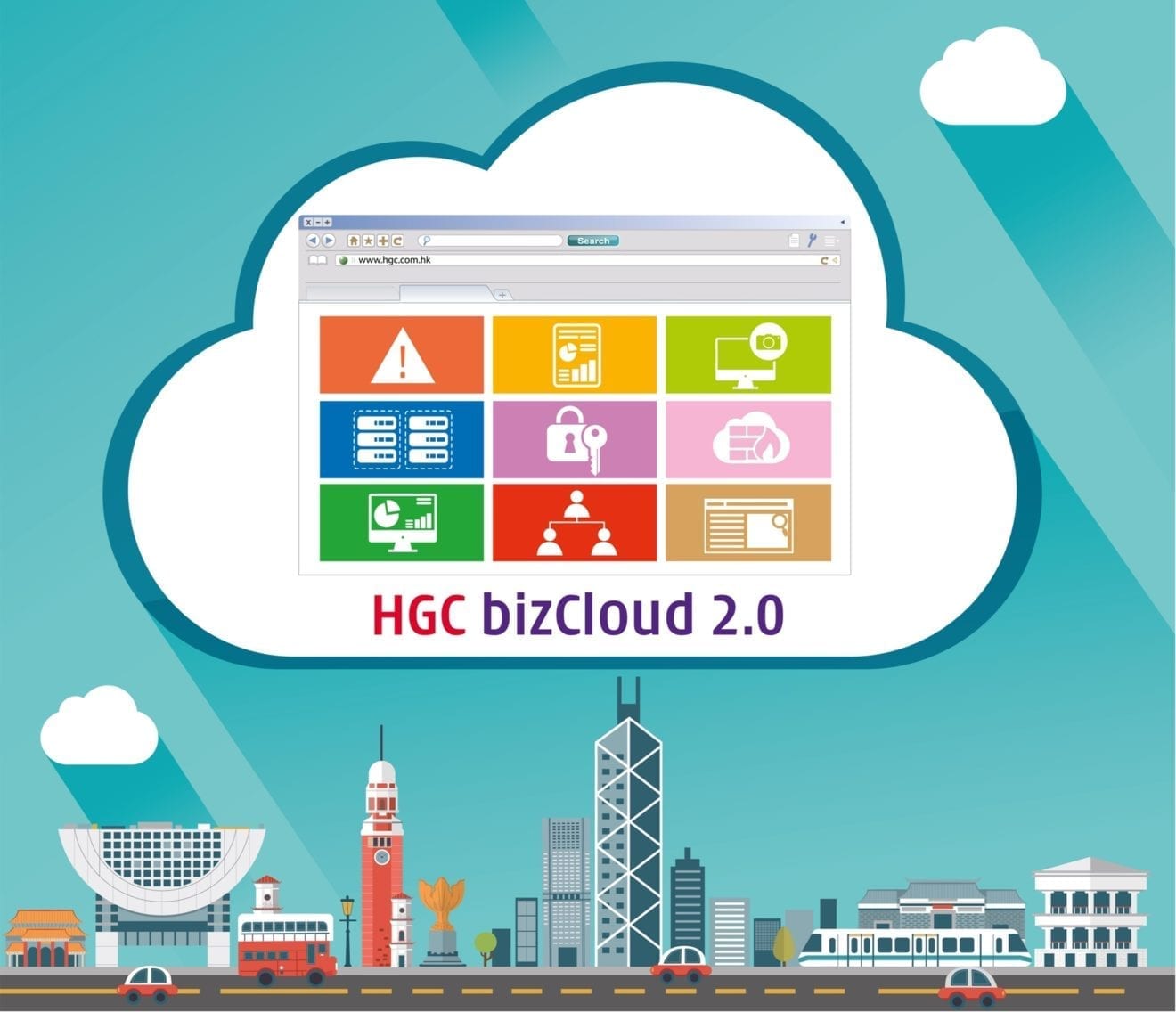
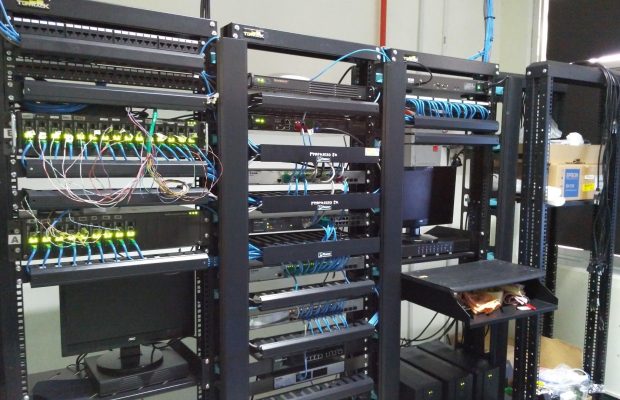
    Hutchison Global Communications (HGC) has teamed up with Indonesian ISP PT Centrin Online Prima to launch a cloud service tailored for the Indonesia market.

    The launch of ibizCloud in Jakarta aims to provide a one-stop global cloud service that meets the infrastructure and speed requirements of local and international enterprises.

    HGC is providing cloud technologies and service design, as well as international connectivity, while Centrin Online provides local connectivity for the service. This launch aims to help the latter meet increasing demand for data exchanges from corporations operating in Indonesia.

    Offered as a total solution, ibizCloud aims to enable Indonesian businesses to access reliable cloud storage without having to make hefty upfront investment in infrastructure.

    The service grants access to a cloud environment via infrastructure-as-a-service (IaaS), bandwidth-as-a-service (BaaS) and dedicated bandwidth-as-a-service (DBaaS).

    Customer organizations can also choose to use on-demand Virtual Leased Line (ODVLL), which facilitates end-to-end data transmission over a secure network. ibizCloud comes complete with virtualised infrastructure such as virtual machines, CPU cores, RAM and storage.

    “Making ibizCloud available in Jakarta represents a great start to 2017 for HGC,” commented Andrew Kwok, Limited president of international and carrier for HGC parent company Hutchison Telecommunications (Hong Kong).

    “The new cloud site strengthens ibizCloud’s market position in Asia, following launch of the service in Hanoi last December. HGC works tirelessly to enhance ibizCloud features in order to meet ever-rising demand from multinationals. One of the value-added features to look out for in early 2017 will be a resource pool arrangement by which customers can allocate additional resource promptly, without having to go through a subscription process.”