Tag: jakarta

  • Garuda Indonesia axes first class on London routes

    Garuda Indonesia axes first class on London routes

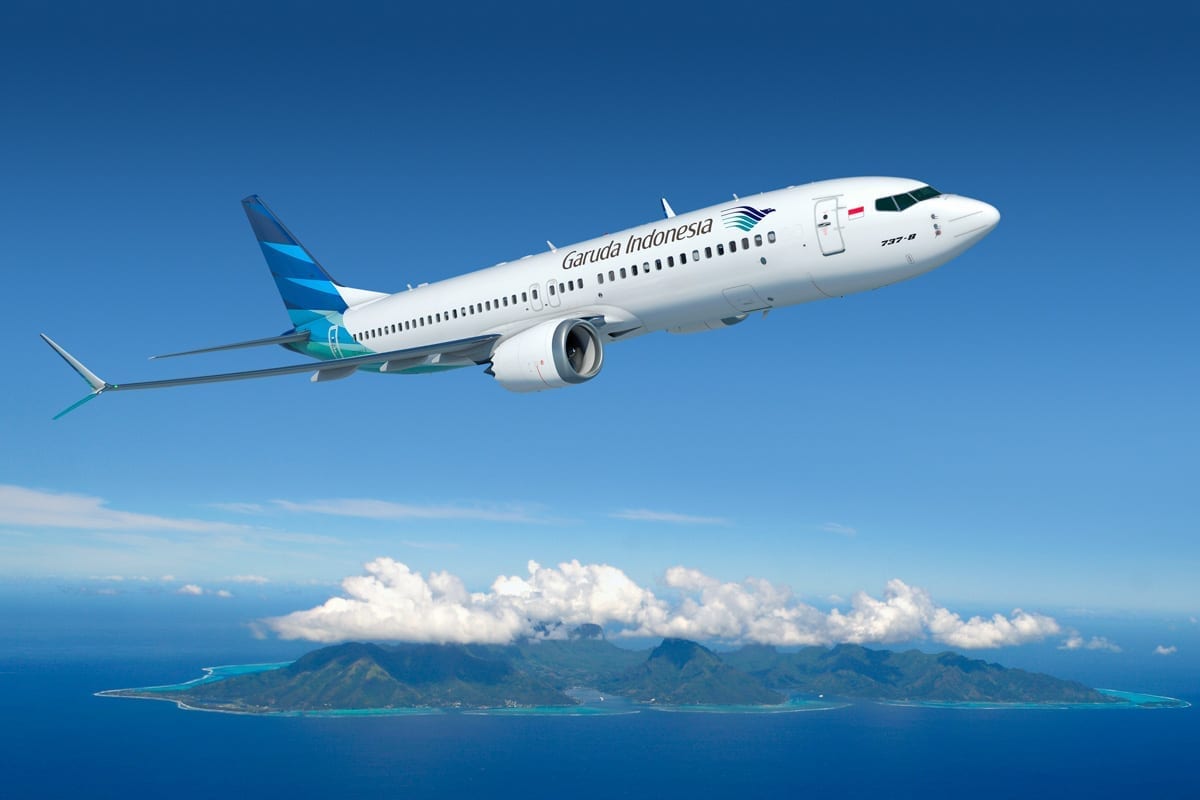
    Garuda Indonesia will no longer be offering first class seating to London from June 20 onwards as it looks to switch from a three-class to two-class Boeing B777-300ER.

    The configuration change for flights GA086/87 on the carrier’s Jakarta-Singapore-London Heathrow route will increase the overall number of seats from 314 to 393 at the expense of its first class cabin.

    While airlineroute.net reported the change on Friday, February 3, at the time of writing Garuda is still offering first class seats on the route on its website.

    Garuda currently operates the route three times weekly, with its Tuesday, Saturday and Sunday schedule not expected to change.

    Full details for the Jakarta (CGK)-Singapore (SIN)-London Heathrow (LHR) route are as follows:

    Flight No. From To Departs Arrives Days
    GA086 CGK SIN 0745 1035 Tue, Sat, Sun
    SIN LHR 1200 1855
    GA087 LHR SIN 2110 1730+1 Tue, Sat, Sun
  • Grab rides up Indonesia with $700M investment

    Grab rides up Indonesia with $700M investment

    Grab has announced plans to invest US$700 million in Indonesia over the next four years, as part of efforts to increase its footprint in a market where it has seen growth.

    The Southeast Asian ride-sharing operator said Thursday the new investment would support the Indonesian government’s ambition of becoming the region’s largest digital economy by 2020. It would include plans to set up a research and development (R&D) facility in the capital city of Jakarta, focused on developing technology innovations for the local market.

     Latest news on Asia

    A US$100 million funding initiative also would be introduced to support startups and entrepreneurs keen on driving “financial inclusion” in smaller communities.

    Grab added that its investment followed “a strong year of growth” in the country, with its GrabCar and GrabBike businesses each clocking more than 600 percent growth in 2016. Its range of ride-sharing services were available in several Indonesian cities, including Bali, Bandung, Medan, and Surabaya.

    According to Grab, one in three of its customers in the country used more than one of its services. It said its drivers earned 40 to 70 percent more per hour than the average transport or delivery driver in Indonesia, where it helped generate more than US$260 million in income for its driver partners.

    Indonesia’s Minister of Communication and IT Rudiantara said: “We want all Indonesians to benefit from IT to improve their lives, develop new skills, and build the next wave of global leaders in technology. Grab’s investment to train and hire more ICT professionals and mentor young entrepreneurs will accelerate the growth of Indonesia’s digital economy. This kind of app has to be positioned as a tool to spur and empower people and the economy.”

    Coordinating Minister for Maritime Affairs Luhut Binsar Pandjaitan added that Indonesia’s growth would require the continued development of its infrastructure, including its public transport network. Stressing the role of technology, he said services that tapped data analytics would better enhance the efficiency and reliability of the national transportation infrastructure.

    According to Grab, the R&D facility in Jakarta would hire 150 engineers over the next two years and focus on developing localised services, including algorithms to support new road regulations as well as a bike-pooling service for nearly 1.4 million commuters in the city. Engineers also would be offered training in Grab’s other R&D centres in Singapore, Beijing, and Seattle.

    By pumping up to US$100 million into the investment fund, Grab said it hoped to nurture Indonesian startups and technopreneurs focused on mobile and financial services, with the aim to better serve smaller cities and communities that had yet to experience the digital economy.

    The ride-sharing operator also would be looking to launch mobile services to bolster access to mobile payments across Indonesia, expanding its own mobile payment services through GrabPay Credits.

    This would further build on its announcement last July to extend its partnership with Indonesian consumer services company, Lippo Group, and enable the payment of retail goods and services its mobile app. With more than 50 million customers between the two companies, the new e-payment platform would allow these consumers to tap their mobile phones or the Grab mobile app to pay for goods and services under Lippo’s retail network, which included department stores, hypermarts, cinemas, coffee shops, and e-commerce portals. Nobu Bank also was participating in this initiative.

    Grab currently operated a network of more than 630,000 drivers across the Southeast Asian region.

  • BNI plans to set up subsidiary in Malaysia

    BNI plans to set up subsidiary in Malaysia

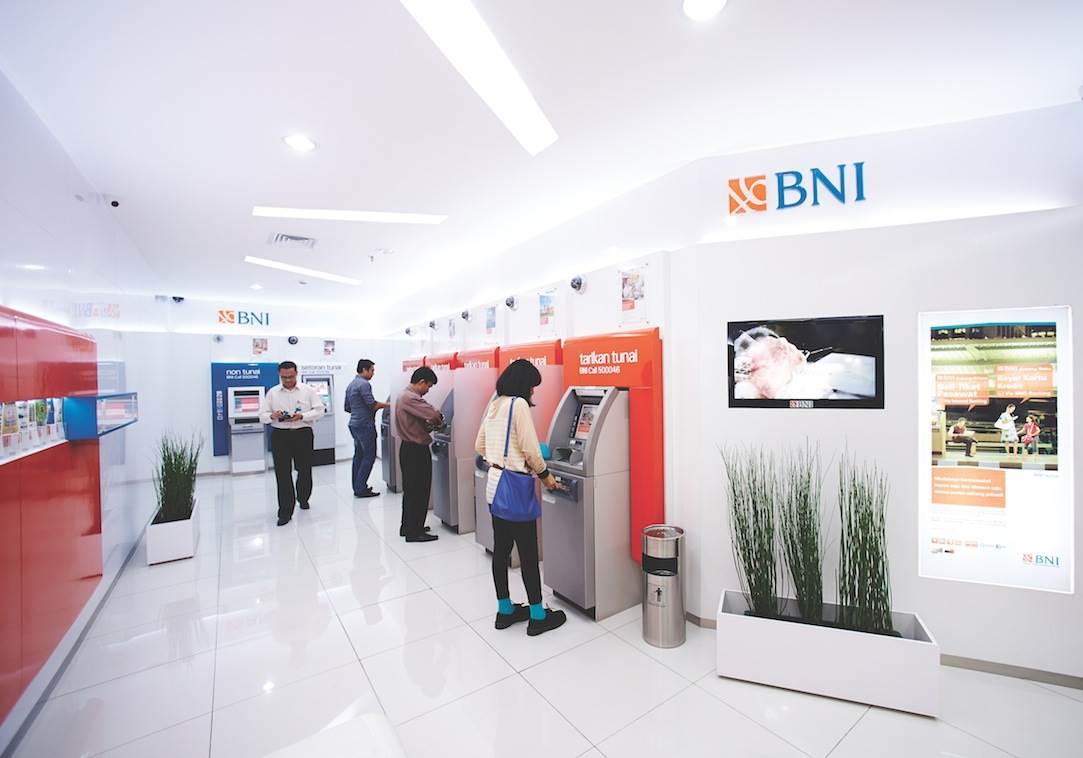
    State lender Bank Negara Indonesia (BNI) plans to set up a subsidiary in Malaysia this year after the two countries signed an agreement on reciprocity-based banking business.

    BNI is waiting for the holding company of state-owned companies in the banking sector to issue a policy, which is currently under process, BNI Director for Treasury and International Affairs Panji Irawan said at the Indonesia Stock Exchange here on Thursday.

    To set up the subsidiary, BNI is considering involving other state lenders, including Bank Mandiri and Bank Rakyat Indonesia, to shore up its business capacity and efficiency, he added.

    “Whoever is interested in it, can cooperate with us. We cannot do it alone,” he noted.

    In view of its financial capacity, BNI is likely to set up a subsidiary rather than establishing a branch office in the neighboring country, he revealed.

    “The subsidiary will not serve as a branch. It will be locally incorporated and must have a board of directors,” he explained.

    Under the Malaysian law, BNI must have a paid-up capital of US$66 million to US$75 million to set up the subsidiary, he informed.

    BNI President Director Achmad Baiquni wanted the bank to strengthen its network in the neighboring country in the first half of this year.

  • Japanese leasing firm expands in Indonesia

    Japanese leasing firm expands in Indonesia

    Mitsubishi UFJ Lease & Finance Company Limited (MUL) has announced its subsidiary in Indonesia, MULI, has opened a branch in Bandung, in a bid to capture new business as the country’s economy improves.

    The Bandung Branch is MULI’s second branch in Indonesia following the opening of its Surabaya Branch in October 2014. Since establishing a subsidiary in Jakarta in 1995, MUL has provided financing services focusing on mechanical equipment leasing and other activities for over 20 years.

    MUL says it aims to tap into growing demand in Indonesia, which is experiencing high economic growth in the ASEAN region, and expand the business opportunities. To this end, MUL is actively working to develop its business through such measures as acquiring an auto lease company, diversifying funding sources with the issuance of Indonesian rupiah-denominated notes, and providing asset management services that attract strong demand in Indonesia.

    Located about 150 km southeast of the capital Jakarta, Bandung, site of the latest branch, is the third largest city in Indonesia where the manufacturing and fiber/sewing industries are thriving. As a growing number of domestic and foreign companies are setting up their business there, growth is expected in the region. Through the establishment of the Bandung Branch, MULI will expand business bases in the West Java area and provide tailor-made services to meet the diverse needs of companies in Bandung and the surrounding areas.

  • Southeast Asian ride-hailing firm Grab hires former Indonesian police chief

    Southeast Asian ride-hailing firm Grab hires former Indonesian police chief

    Southeast Asian ride-hailing firm Grab said on Monday (Jan 30) it has appointed Indonesia’s former national police chief to oversee corporate governance and long-term plans for its biggest market.

    Grab said it plans to expand to more cities in Indonesia, grow its transport services and invest in a mobile payments platform.

    Badrodin Haiti, who was Indonesia’s chief of the National Police from April 2015 to July 2016, “brings extensive experience working with government stakeholders and ensuring aligned interests among different stakeholders,” the company said in a statement.

    Grab and its competitors, Uber of the United States and homegrown company Go-Jek, have faced regulatory obstacles in Indonesia.

    The government has ordered ride-hailing service providers to pass vehicle safety tests and get local partners, among other conditions.

    “As the technology and ride-hailing sectors evolve in Indonesia, Mr. Haiti will play a guiding role to ensure Grab contributes constructively to the implementation of new transport regulations and safety guidelines,” Grab said.

  • Indonesian govt to embrace IoT

    Indonesian govt to embrace IoT

    By 2019, 20% of local and regional governments in Indonesia will use IoT devices to turn infrastructure like roads, street lights, and traffic signals into assets instead of liabilities, IDC predicts.

    This year, however, it said 90% of Indonesian cities will fail to take full advantage of smart city data and digital assets due to a lack of process, project management, and change management skills.

    “In Indonesia, digital transformation is still not adequately represented within the enterprise, and this disparity in leadership will lead towards a delayed response towards market changes that will adversely impact business,” IDC Indonesia country manager Sudev Bangah said.

    Timing is critical, and archaic thinking of riding out trying economic times is no longer relevant and should be addressed with process-led innovation.”

    These insights are among the top technology predictions announced recently by IDC Indonesia at the IDC FutureScape Media Briefing.

    The research firm highlighted that digital transformation will attain macroeconomic scale over the next two to three years in the country, changing the way enterprises operate and reshaping the global economy. IDC calls this as the dawn of the “DX Economy.”

    “As digital transformation reaches macroeconomic levels, a DX economy will emerge and will become the core of what industry leaders do and operate,” IDC Indonesia research manager for consulting Mevira Munindra said.

    “Essentially, to succeed, Indonesian enterprises must begin to think of the relevancy of their business in 10 years, and how they should react in the face of disruptive forces.”

    In the enterprise sector, IDC’s predictions are as follows:

    1. By 2019, 50% of IT organizations will create new customer-facing and ecosystem-facing services to meet the business DX needs.
    2. By 2018, lack of vision, credibility, or ability to influence will keep 80% of IT executives from attaining leadership roles in enterprise DX.
    3. By 2020, Indonesian firms will use open innovation to allocate expertise to 15% of new projects, aiming to increase their new product introduction success rates by over 50%.
    4. By 2020, nearly 20 percent of operational processes will be self-healing and self-learning — minimizing the need for human intervention or adjustments.
    5. By 2018, online brand ambassadors and social media influencers will have more marketing power than traditional digital advertising, yet this will subside through 2019 and beyond.
    6. By 2019, digital transformation investments will double, drawing funds away from store capital and profoundly changing the retail industry.
    7. By 2019, only 30% of manufacturers investing in digital transformation will be able to maximize the outcome; the rest will be held back by outdated business models and technology.
    8. By 2019, cloud adoption will reduce infrastructure spend by 25% among top-tier banks.
  • BRI posts net profit of Rp25.8 trillion

    BRI posts net profit of Rp25.8 trillion

    State-owned lender Bank Rakyat Indonesia (BRI) last year posted a net profit of Rp25.8 trillion, up 2.18 percent from a year earlier.

    The profit growth was attributable to the banks prudential efforts as indicated by a rise in the ratio of reserves to non-performing loans to 170.53 percent in 2016 from 151 percent in 2015.

    The 2016 income was mostly contributed by fee-based income which grew 25.2 percent to Rp9.2 trillion, BRI President Director Asmawi Syam said in a press conference here on Tuesday.

    Meanwhile, net interest income increased 16.2 percent to Rp65.7 trillion, he added.

    “The interest income was fueled by credit growth which reached 13.8 percent or Rp635.3 trillion,” he said.

    BRI Vice President Director Sunarso said the banks net profit grew only 2.18 percent as it adopted prudential principles amidst economic downturn and an upward trend of the banking industrys non-performing loans.

    “The profit did not fall short of target. It continued to grow positively,” he said.

    By adopting the prudential principles, the bank managed to keep down its non-performing loan ratio in 2016 to 2.03 percent from 2.02 percent (gross), while its reserve ratio rose to 170 percent from 151.5 percent.

    He said the banks loan-to-deposit (LDR) ratio reached 87.7 percent and its capital adequacy ratio (CAR) stood at 22.9 percent.

  • Indonesia Eximbank to boost SME exports

    Indonesia Eximbank to boost SME exports

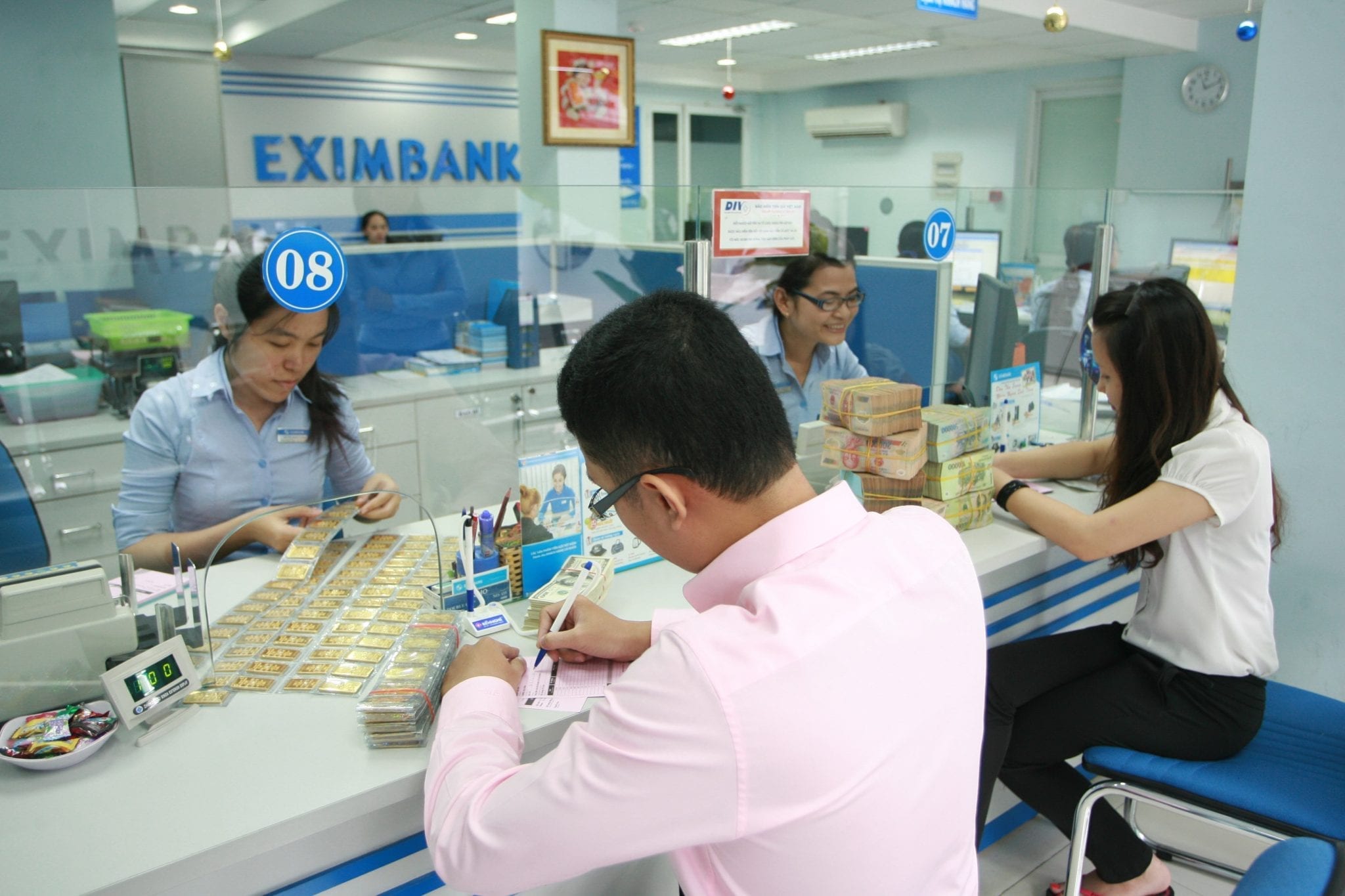
    State-owned Indonesia Eximbank will play a pivotal role in boosting small and medium enterprise (SME) exports through export based people’s business credit (Kurbe) and an incubator program.

    Indonesia Eximbank acting president director Suswijono Moegiarso said it already disbursed Rp 1 trillion (US$74.95 million) Kurbe in 2016, a cross subsidy between big debtors and SMEs.

    For 2017, the Financial Service Authority (OJK) has recommended the bank to the Economic Coordinating Ministry for channeling government’s Kurbe, he said.

    “The Kurbe will help boost SMEs exports this year, we are really thankful to OJK for the recommendation,” Suswijono said during the Export Purposed Import Facility (KITE) event in Tumang Village, Boyolali, Central Java, on Monday.

    There are five SMEs that already have Kurbe from the Eximbank with a total value of Rp 13.3 billion, namely UD Daffi Art,  CV Inducomp, CV Yudhistira, PT Banyan International and PT Bali Tangi.

    Those five SMEs also have a KITE import facility from the customs office.

    The bank would also provide mentoring and an incubation program for the export oriented SMEs called coaching programs for new exporters (CPNE).

    Indonesia Eximbank managing director Indra Wijaya Supriadi said that in 2016 the program already created five export oriented SMEs. “These SMEs successfully exported modified cassava flour (mocaf), broomsticks, room insulators, catfish fillets and frozen beef,” Indra said.

  • Garuda Indonesia to operate Boeing B-737-800 to serve Sorong-Jakarta route

    Garuda Indonesia to operate Boeing B-737-800 to serve Sorong-Jakarta route

    Garuda Indonesia will operate Boeing 737-800 to serve Sorong-Jakarta route, in order to increase its service to the people in Papua.

    The state-owned airline company’s Sorong sales manager Radhitya Prastanika said here on Monday that the service is scheduled to begin early in April.

    He stated that Garuda Indonesia wished to support the government in opening an easier access to Raja Ampat tourist destination by operating the wide-body aircraft.

    “We are now waiting for an official letter from the security authorities of Sorongs Domine Eduard Osok airport regarding the safety of the airport for the landing of the aircraft,” he remarked.

    He noted that Boeing 737-800 has 162 seats, consisting of 150 seats in the economy and 12 seats in the business class.

    “Garuda Indonesia wishes to provide comfort to people in Sorong by providing a Boeing aircraft and adequate facilities,” he added.

    He said Garuda Indonesia plans to increase the number of planes and new routes to Papua and West Papua provinces this year.

  • Indonesia eyeing slice of Singapore’s market

    Indonesia eyeing slice of Singapore’s market

    The government and state owned enterprises have sent a strong signal that they will strengthen the role of Tanjung Priok Port as an international trade hub, taking over a slice of the transshipment market currently dominated by Singapore.

    Transportation Ministry Director General for Sea Transportation Antonius Tonny Budiono said the government and state-owned port firms, Pelindo I, II, III and IV, were discussing the so-called Indonesia Integrated Chain Port plan, which would consolidate the export of cargoes from various domestic ports nationwide, including Bitung Port in North Sulawesi and Sorong Port in West Papua, with the country’s busiest port.

    Such consolidation is aimed at making the transshipment more efficient and “attractive” for both local and global shipping lines.

    “The transshipment sector has long been dominated by Singapore. But If the commodities originate in our country, why can’t we handle them?” he said over the phone on Tuesday.

    Tonny said the ministry would prepare technical and regulatory matters for the system, while also laying out the business plans with the State-Owned Enterprises (SOE) Ministry.

    The system, including IT management, is set to become effective in the second half of this year.

    “It’s already settled. The only remaining concern is the business plans of each Pelindo,” Tonny said, claiming that infrastructure-wise, Tanjung Priok was ready to play a bigger role as an international hub.

    The ministry sparked controversy when it recently revised the national ports plan (RIPN) through Transportation Ministerial Decision No. KP 901/2016 and introduced Tanjung Priok as the country’s new international port hub in Indonesia.

    Deep-sea Patimban Port in West Java, construction of which is being carried out jointly by an Indonesia-Japan consortium, is set to complement the future hub.

    Tanjung Priok Port has long been Indonesia’s largest container port, handling more than half the country’s externally traded goods.

    It received an annual 1.5 million total equivalent unit (TEU) capacity boost for imports and exports with the operation of the New Priok Container Terminal 1 ( NPCT1 ) last September, from the previous 7 million TEU capacity.

    Its container traffic rose to 5.4 million TEUs last year from 5.2 million TEUs in 2015.

    Of that figure, international traffic represented 3.8 million TEUs in 2016, up from 3.7 million TEUs in the previous year.

    The Transportation Ministry has anticipated a 11.1 percent surge in freight traffic in the country’s ports to 929.8 million tons annually by 2020, from 836.5 million tons annually in 2015. The figure is expected to jump to 1.1 billion tons each year by 2030.

    However, Port of Singapore is the one to beat as its container terminal handled 30.59 million TEUs of containers in the past year alone. The port, also dubbed the world’s busiest transshipment hub, currently accounts for almost one seventh of the world’s total container transshipment throughput.

    The maritime industry also currently contributes about 7 percent to Singapore’s GDP.

    Pelindo II president director Elvyn G. Masassya said the operational details would be discussed next week.

    “We aim for it to be efficient, productive and competitive,” he said.

    Pelindo II published data that forecast a Rp 1.5 million (US$112.59) cost-saving for transshipment from Boom Baru Port in Palembang, South Sumatra, via Tanjung Priok, and even Rp 1.6 million from Trisakti Port in Banjarmasin, South Kalimantan, compared to via Singapore.

    In response to the plan, publicly listed shipping line Samudera Indonesia managing director Bani M. Mulia expressed his pessimism, citing the geographical location of Jakarta.

    “As shippers we’d be happy if Jakarta could be a hub, but just be realistic. How much time deviation will containers have if they must pass through Jakarta first before going to Europe or China? It just doesn’t make sense,” he stressed.

    Bani said the government should focus on increasing Tanjung Priok capacity for export and import activities as well as enhancing its efficiency amid existing problems like labor costs.

  • Mercedes-Benz begins local assembly of CKD E-Class

    Mercedes-Benz begins local assembly of CKD E-Class

    Mercedes-Benz Distribution Indonesia (MDI), the local distribution arm of German car manufacturer Daimler AG, launched on Tuesday the fifth generation of its mid-size luxury sedan E-Class.

    The sedan is assembled from the completely knocked-down (CKD) version in its Wanaherang plant, following an earlier move to introduce the completely built-up (CBU) version last August.

    MDI president director Roelof Lamberts said the local production of the E-Class was expected to help boost sales of the model in Indonesia.

    “The E-Class contributed to a quarter of our sales last year. We hope with the new generation, this contribution can be increased to a third of total sales this year,” he said during the launch ceremony.

    MDI last year saw its sales rise slightly by 3 percent to 3,371 vehicles.

    The pricing of the new model will be listed at the upcoming auto show in April, Lamberts added.

    Currently, the CBU version of the E-Class is sold for Rp 1.3 billion (US$97,600) per vehicle.

    There are two types of CKD E-Class vehicles that will be introduced into the domestic market, namely the luxury E-250 Avantgarde and the sportier E-300.

  • Panasonic targets 50% sales jump for TVs in Indonesia

    Panasonic targets 50% sales jump for TVs in Indonesia

    Electronics giant Panasonic Corp. is seeking to sell up to 50 percent more TVs in Indonesia this year by offering online shopping and a greater variety of models. The company’s TV sales have been stagnant for three years.

    “We hope this year we can sell around 250,000 to 300,000 units,” said Erwin Lim, a Panasonic Gobel Indonesia product manager. The figures represent increases of 25 to 50 percent from 200,000 TVs sold last year.

    As part of its goal, Panasonic launched a website designed to help consumers select TV models according to their needs and budgets.

    “We want to strengthen our relationship with our customers and make it easy for consumers to choose products effectively and efficiently according to their needs and budgets,” Panasonic Gobel President Hiroyoshi Suga said.

    Lim said one challenge is that TVs are not a primary need for consumers in Indonesia.

    “Therefore, we will also innovate (our marketing) in order to increase sales,” Lim said. “We will begin to focus marketing on digital means, seeing a trend in today’s society.”

    Referring to Panasonic’s medium-term target over the next three years, Lim said the company wants to move to the No. 2 or No. 3 position by boosting its market share to 14 percent or 15 percent from the current 11 percent.

    Panasonic, currently No. 4 in the market, is seeking to catch up with third-ranked Sharp, a Japanese firm owned by Taiwan’s Hon Hai Precision Industry.

  • Indonesian mall integrates tech in the shopping experience

    Indonesian mall integrates tech in the shopping experience

    Supermal Karawaci, one of the largest mall entertainment center in Western Jakarta, has launched an interactive mobile application that would allow retailers to offer personalized content and engage with customers better.

    The 125,000-square-meter retail destination in Banten Province, West of Jakarta has over 1,000 retail stores and outlets, three cinemas and the largest Timezone arcade in Southeast Asia.

    The app, which was built on the shopper engagement platform of Singaporean technology firm Sprooki, is integrated with Supermal Karawaci’s touchpoints and mobile apps. Using location and contextual data, retailers would be able to offer individualized content such as vouchers, special offers, event alerts and store information.

    The system allows social sign-in and content sharing on platforms, including Facebook, which has more than 76 million users in Indonesia as of end 2016 and projected to grow to 86.4 million by end of 2017, according to eMarketer. The service will also be available in both English and Bahasa.

    Pipih Tjandra, Supermal Karawaci Marketing and Leasing General Manager, said the Sprooki platform would help keep the shopping hub at the cutting edge of technology, which customers had come to expect.

    “Supermal Karawaci works every day to be in tune with what today’s consumers want and expect through innovative marketing strategies. By implementing the Sprooki platform, our mall will be one of the first shopping precincts in Indonesia to incorporate a data-driven mobile platform to improve shopper experience, helping our tenants to increase in-store traffic and sales,” he said in a news release.

    Pablo Amante, Sprooki’s Head of Marketing, said in an email interview that the Indonesian market is ready to start adopting location-based and engagement technologies to help retailers and business to engage their shoppers, making the Indonesian retail industry much more competitive.

    The latest report from eMarketer shows that the number of smartphone users in Indonesia will rise from 55 million in 2015 to 92 million in 2019 and would be the third largest smartphone market in the Asia-Pacific.

    According to Lee Kang, the Vice Chairman of the Indonesian Cellular Phone Association (APSI), number of smartphone users in Indonesia has been growing between 30 and 50 percent each year and this growth momentum will remain intact due to the availability of affordable 4G smartphones on the Indonesian market and further development of Indonesia’s 4G network.

    “Based on these figures, retailers, shopping malls, and all companies focused on engaging their customers through mobile will see in our software a powerful tool to optimize their sales and marketing strategies, based on real data about their customers’ behavior,” Amante said.

    Cloud-based platform

    The Sprooki software is a cloud-based platform that analyzes physical and digital shopper behavior detected inside and outside stores. The platform is an analytics and contextual engine that algorithmically analyzes digital and physical data and predicts what shoppers are most likely to respond to, offering shoppers most relevant products at the best moments and locations.

    “Mall’s retailers benefit most from Sprooki platform, which gives them the possibility of engaging mobile shoppers in context and personalized ways; driving footfall to their stores; rewarding their top customers; making data and insights actionable through integrated reporting and predictive recommendations, and all these by using only one platform, saving time and efforts, so retailers and malls can focus on their marketing and sales strategies,” Amante explained.

    The software can be integrated either in mobile apps or websites. In these environments, consumers are always able to opt out or not sign in. The challenge, however, is to provide highly targeted and relevant content in a way that shoppers appreciate the added value of having access to these offers, campaigns or rewards.

    “When our customers provide to its shoppers with contextual and personalized offers, general response by consumers is very positive, as the shopping experience is different for each one and it’s relevant according to their likes and what they are looking for,” Amante added.

    While this is the first implementation of Sprooki technology in Indonesia, its customers are already spread across Southeast Asia.

    Amante said some of its customers include the 313@somerset iconic mall at Orchard Road in Singapore where the company implemented Sprooki Campaigns module, which allows shoppers to access to exclusive offers and coupons through vouchers. At Far East Organization /Shop Far East Asia (Singapore), it has also implemented Sprooki Rewards, a module that allows the mall to offer a card-less loyalty program to its shoppers.  In Vietnam, the technology allows location-based features and beacon technology to work both outside and inside the Crescent Mall to collect strategic data, providing a unique experience to shoppers.

    At this stage, Supermal Karawaci shoppers are exploring this new way of access to exclusive offers, and the response has been more than positive, with a high rate of voucher downloads since its launch last December 15.

    “Sprooki is delighted to enable Supermal Karawaci with the most advanced technology for engaging with customers and understanding their behavior. Our mobile platform will give the precinct’s retail tenants an effective way to drive frequency of visits and increase sales conversions,” said Sprooki CEO and Co-founder Michael Gethen in a media statement during the launch.

    Retail challenges ahead

    Sprooki is confident that location-based, data-driven mobile services are the present and the future for the retail industry.

    “After the struggles that retailers have suffered in the last years due to the e-commerce and online shops, the game is again on for big retailers and shopping malls that want to bring shoppers back to the physical stores. And the only way to make this happen is by providing a new shopping experience, based on offering what the digital world already offers (personalization, analytics, related purchases, recommendations, rewards, etc.),” Amante said.

    Shoppers nowadays also expect more from their brands in terms of product offerings, customer services, efficiency, and engagement. That is the reason why features such as ‘click and collect’, digital voucher redemption, scan receipts, faster and easier payment methods are raising, in order to meet consumers’ expectations.

    Taking a look at the region and the challenges that retailers are facing in Southeast Asia, Sprooki sees a lot of opportunities.

    “Retailers nowadays have a big gap in terms of what they know about their shoppers, and how they behave in their shopping journey. Even the most advanced retailers that work already with big data haven’t found an effective and sustainable way to manage all these data without the need of investing a lot of money and time,” Amante said.

    Sprooki today is currently based in Singapore, and has offices in Hong Kong and Australia, with local contacts in Indonesia, Malaysia, Philippines, and Vietnam.


  • Digital transformation and what it means for Indonesia

    Digital transformation and what it means for Indonesia

    Digital transformation will attain macroeconomic scale in Indonesia over the next 2-3 years, according to new predictions from IDC.

    The analyst firm says this will change the way enterprises operate and reshape the global economy. IDC calls this as the dawn of the DX Economy.

    “As digital transformation reaches macroeconomic levels, a DX economy will emerge and will become the core of what industry leaders do and operate,” says Mevira Munindra, research manager, Consulting of IDC Indonesia.

    “Essentially, to succeed, Indonesian enterprises must begin to think of the relevancy of their business in 10 years, and how they should react in the face of disruptive forces,” Munindra explains.

    Munindra also revealed the strategic top predictions that will unfold in 2017 and beyond and make the biggest impact to organisations in Indonesia:

    1. By 2019, 50% of IT organisations will create new customer-facing and ecosystem-facing services to meet the business DX needs.

    2. By 2018, lack of vision, credibility, or ability to influence will keep 80% of IT executives from attaining leadership roles in enterprise DX.

    3. By 2020, Indonesian firms will use open innovation to allocate expertise to 15% of new projects, aiming to increase their new product introduction success rates by over 50%.

    4. By 2020, nearly 20% of operational processes will be self-healing and self-learning — minimising the need for human intervention or adjustments.

    5. By 2018, online brand ambassadors and social media influencers will have more marketing power than traditional digital advertising, although this will subside through 2019 and beyond.

    6. By 2019, digital transformation investments will double, drawing funds away from store capital and profoundly changing the retail industry.

    7. By 2019, only 30% of manufacturers investing in digital transformation will be able to maximize the outcome; the rest are held back by outdated business models and technology.

    8. By 2019, cloud adoption will reduce infrastructure spend by 25% among top-tier banks.

    9. By 2019, 20% of local and regional governments will use IoT to turn infrastructure like roads, street lights, and traffic signals into assets instead of liabilities.

    10. By 2017, 90% of Indonesian cities will fail to take full advantage of Smart City data and digital assets due to a lack of process, project management, and change management skills.

    “In Indonesia, Digital Transformation is still not adequately represented within the enterprise, and this disparity in leadership will lead towards a delayed response towards market changes that will adversely impact business,” says Sydev Bangah, country manager at IDC Indonesia.

    “Timing is critical, and archaic thinking of riding-out trying economic times is no longer relevant, and should be addressed with process-led innovation,” Bangah  adds.

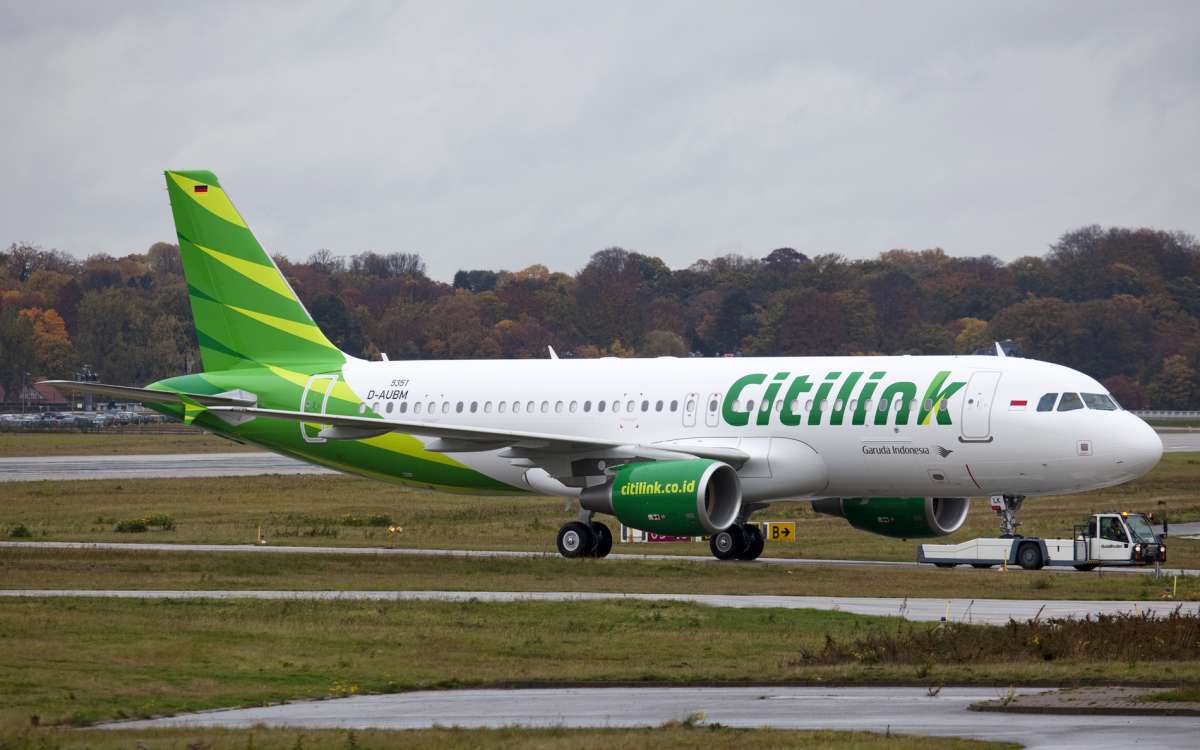
  • Citilink to concentrate on flights to eastern Indonesia

    Citilink to concentrate on flights to eastern Indonesia

    Chief Executive of Citilink Indonesia Albert Burhan said the airline would focus on expanding flights to eastern Indonesia this year.

    Albert said there are potential routes to eastern Indonesia, which have not attracted other airlines.

    “There will be plan to open routes to other areas in Papua, but we start from Jayapura. In 2017 we want to focus on expanding flights to eastern regions of the country,” he said.

    He said he knew not all airports in eastern Indonesia could take wide bodied aircraft like Airbus, the main aircraft of the subsidiary of the nations flag carrier Garuda Indonesia.

    “Only a few could be used for Airbus A320. We might have to rely more on ATR aircraft to be safe,” he said.

    He said eastern Indonesia still needs more airlines to serve flight to and from eastern Indonesia.

    He said he was optimistic Citilink could chalk up quite high load factor in flights between Jayapura and Jakarta, although there are already a number of other airlines serving the route.

    “Our target is a load factor of 80 percent. In our first flight from Jakarta to Jayapura the load factor was almost 100 percent,” he said.

    Citilink Indonesia officially started serving the Jakarta Jayapura route on Monday using Airbus A320 with a seat capacity of 180 passengers.