Tag: Japan

  • Ikea to open first Japanese Tokyo store in 2020

    Ikea to open first Japanese Tokyo store in 2020

    Ikea Japan is preparing to open its first central Tokyo location. The 2500sqm store is planned for the fashionable Harajuku district, a central focus point for young local shoppers and tourists.

    Threatened by the rise of raw materials costs, Ikea is expected to struggle to maintain its low price points against strong online competitors such as Amazon. The brand’s parent recently registered a significant drop in annual profits as a consequence of the price increases in wood and metals.

    The new store is scheduled to open in the spring of 2020.

  • Naganuma Ice to make Singapore debut

    Naganuma Ice to make Singapore debut

    Hokkaido soft serve ice cream franchise Naganuma Ice Co is opening in Singapore. The brand is distinguished as the sole Hokkaido firm certified by the prefecture’s authorities for using raw Hokkaido milk in their ice cream products. The milk is sourced from ranch cows near Naganuma town before being transported immediately to the brand’s factory for low-temperature pasteurisation.

    Naganuma’s three stores in Hokkaido and three in Taiwan regularly see hour-long queues for the ice creams, produced with the raw milk and eggs.

    The new outlet launches November 25 at Carlton City Hotel.

  • Muji reopen largest store outside Asia

    Muji reopen largest store outside Asia

    Muji Canada is reopening its original Toronto location next week as its first flagship store in the country’s east. The Muji Atrium opened four years ago as the company’s first location in Canada. While the previous store occupied 5658sqft of retail space, the new flagship store will reach 19,110sqft spread over two floors, becoming the largest Muji store outside of Asia.

    “During the four years since we expanded to Canada, we opened seven additional stores and gradually increased our range of products and services,” said Muji Canada president Toru Akita.

    “By allowing us to reach out to more people and to further convey our philosophy, the Atrium flagship store will open a new chapter for Muji in Canada.

    “Through interactive events, innovative projects, and new partnerships, we wish to connect and evolve together with local communities and contribute to the creation of a better quality of life.”

    The location will carry Muji Canada’s full range of merchandise of more than 4000 items – including household goods, apparel, and food – and offer many products and services only available in select Muji flagship stores around the world, such as a coffee counter serving ethically sourced coffee and an aroma bar that will allow customers to create customised fragrances from more than 40 essential oils.

    Muji Atrium will feature two new customisation services for customers to personalise their products for the first time outside of Japan, including a digital fabric printing service and laser engraving service

    Muji Atrium will be the only location in Eastern Canada to carry books, made-to-order curtains and rugs, the Muji Labo collection, maternity wear, a brand new activewear collection and more.

  • Starbucks Tokyo Reserve opening date revealed

    Starbucks Tokyo Reserve opening date revealed

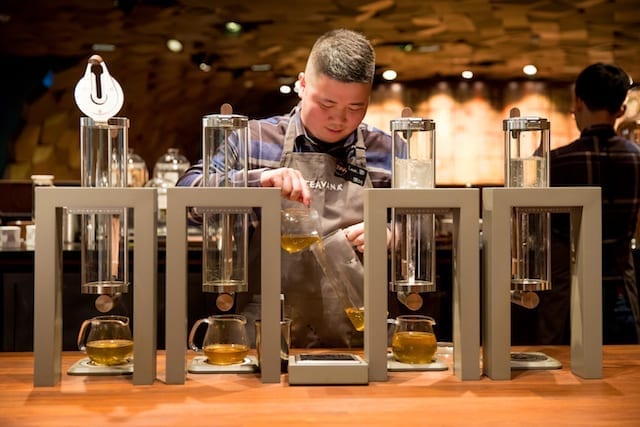
    The planned Starbucks Tokyo Reserve Roastery will open on February 28 next year. The outlet will launch in the Nakameguro district as the brand’s fifth global Reserve Roastery, designed and constructed in partnership with architect/Kuma Lab founder Kengo Kuma.

    Starbucks will build 100 new stores in Japan every year over the following three years, bringing its total stores to 1700 within the territory.

    Starbucks president and CEO Kevin Johnson said: “We continue to thoughtfully evolve within Japan’s elevated coffee culture to maintain a leadership position and achieve profitable growth for the long-term.”

    The firm recently launched a delivery program in Japan in partnership with Uber Eats, as well as a partnership with Japanese social media platform Line that is expected to result in a digital payment system.

  • Japan’s Shiseido formed Philippine unit with Luxasia

    Japan’s Shiseido formed Philippine unit with Luxasia

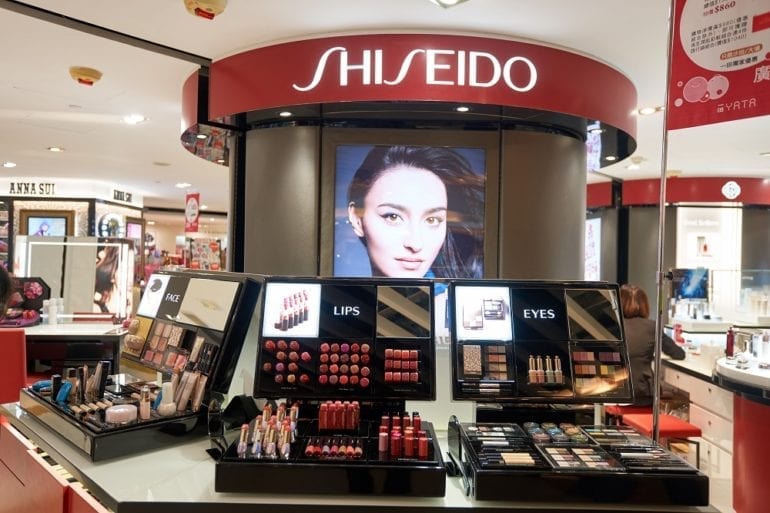
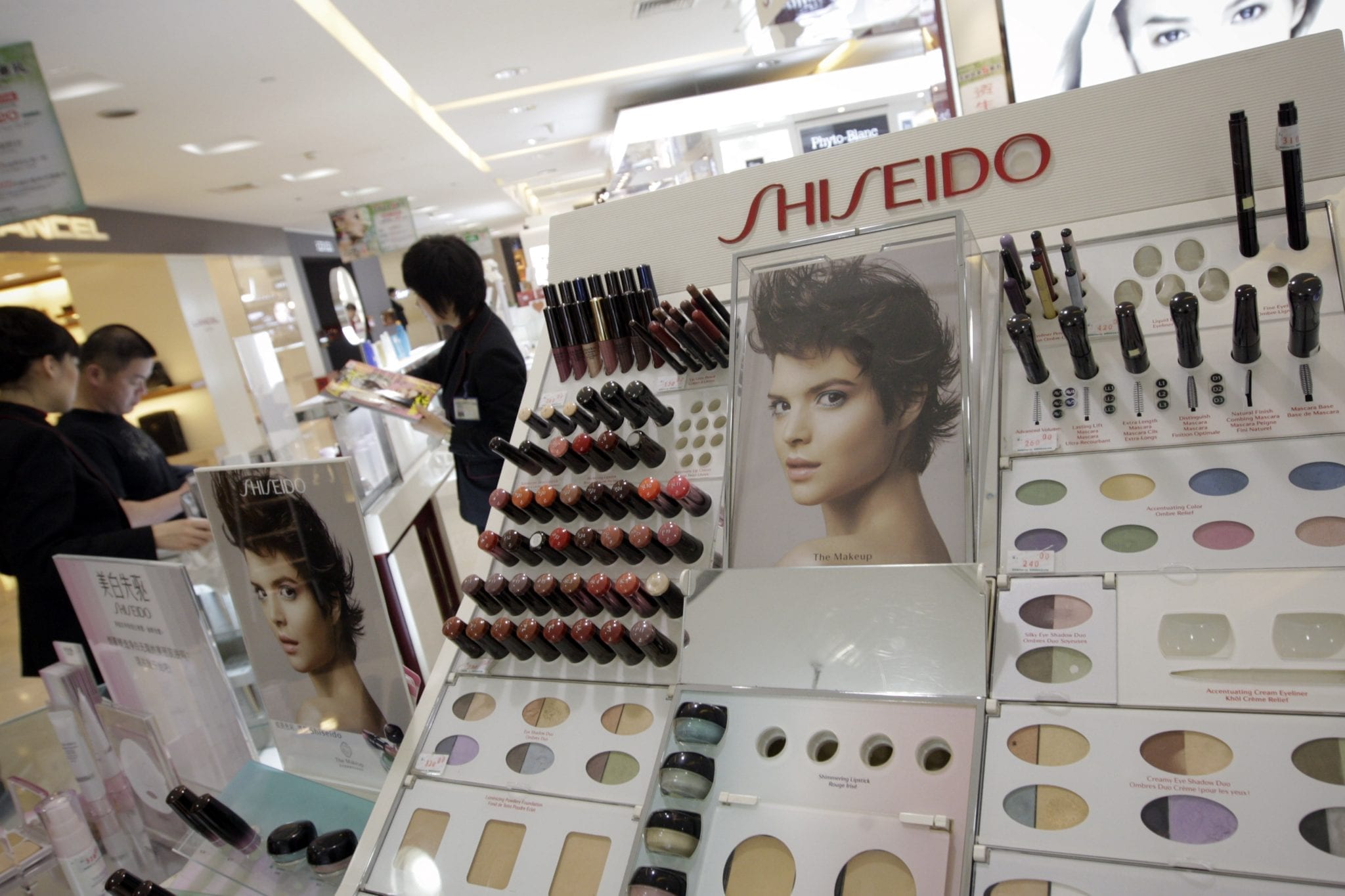
    Japanese beauty products firm Shiseido is partnering with Singaporean cosmetics agent Luxasia to expand into the Philippines market. The two firms will be setting up a partnership in the form of Shiseido Philippines Corp this December. Shiseido will retain the majority shareholding in the business, which will start operations next July once the sales channels of two local agents are integrated.

    According to the firm, the Philippine joint venture will enhance the product lineup of its prime brands in the market, Southeast Asia’s third-largest in the industry representing around US$3 billion in annual sales.

  • GU to Open Next-Generation Store “GU STYLE STUDIO”

    GU to Open Next-Generation Store “GU STYLE STUDIO”

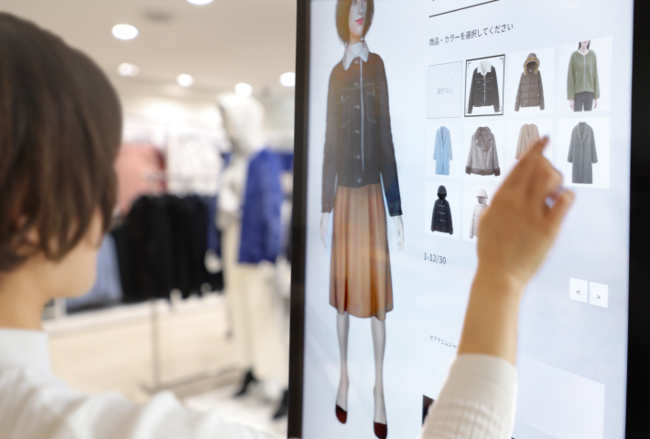
    Japanese casualwear retailer GU will open a “next-generation” Style Studio in Harajuku this month, merging physical retail and advanced technologies. The studio will feature digital signage and a style creator app in the high-end retail district of Tokyo for the Fast Retailing-owned fashion brand.

    A spokesperson for the brand indicated the store will bridge online and in-store shopping and “will offer a new type of personalised fashion experience, enabling customers to discover outfits that perfectly match their individual style, using the innovative technology of the GU Style Creator Stand” and the accompanying app.

    Customers can check out the suitability of garments by having them digitally fitted on a personalised avatar of themselves based on a photo taken in the store. The avatar can be used as a basis to try and develop new styles.

    The store will open on November 30.

  • Apple concerns hit supplier stocks

    Apple concerns hit supplier stocks

    Shares in Asian suppliers and assemblers for Apple fell on Tuesday after several component makers warned of weaker than expected results, leading some market watchers to call the peak for iPhones in several key markets. Following a poor forecast earlier this month, analysts and investors voiced concern over the state of Apple’s business, contributing to growing worries that iPhone sales were stagnating and could hurt suppliers.

    Fresh warnings on Monday from screen maker Japan Display, British chipmaker IQE and Lumentum Holdings, the main supplier of the Face ID technology in the latest generation of iPhones, hurt technology stocks in Asia on Tuesday.

    Taiwan-based assembler Hon Hai Precision Industry (Foxconn) dropped more than 3 percent. Rival Pegatron fell more than 5 percent but later recouped losses. Both companies count Apple as a major customer.

    The world’s largest contract chipmaker, Taiwan Semiconductor Manufacturing, fell 2.6 percent, while Flexium Interconnect was down 1.5 percent. The Taiwan Weighted Index was down around 1.6 percent.

    “Apple’s iPhone weakness has been a long-term issue for the Asia supply chain,” said Arthur Liao, an analyst at Fubon Research in Taipei.

    “For Apple, iPhone shipment has reached its peak. For tech suppliers facing the future, they have no other big client like Apple.”

    The company’s shares fell to their lowest level in more than three months on Monday.

    Last week, a media report saying the iPhone maker had told its smartphone assemblers to halt plans for additional production lines dedicated to its new lower-priced iPhone XR had pressured supplier stocks.

    Analysts said the lack of technological breakthroughs had put a cap on demand.

    “With no new technology in sight next year for the supply chain, this is not ideal for the companies involved,” said Nicole Tu, a Taipei-based analyst at Yuanta Investment Consulting.

    “Up through the first half of 2019, we likely won’t see any breakthrough.”

    Lumentum on Monday slashed its profit and revenue forecast for the current quarter, while IQE warned that current-year results would be lower. Japan Display lowered both sales and margin outlook for the year as well.

    Apple warned earlier this month that holiday sales would miss Wall Street expectations due to weakness in emerging markets.


  • Shiseido establishes joint venture in the Philippines

    Shiseido establishes joint venture in the Philippines

    Shiseido plans on establishing a joint venture, Shiseido Philippines Corporation, to strengthen its cosmetics business in the Philippines. Shiseido Asia Pacific Pte. Ltd. signed a contract for the joint venture with a Singapore based distributor, Luxasia Partners Pte. Ltd.

    The new company will start operations in July 2019, and Shiseido Asia Pacific will hold the majority stake in the company.

    Currently, Shiseido has two authorized distributors in the Philippines.

    However, the newly established Shiseido Philippines will sell products from all of Shiseido’s business categories across Prestige, Fragrance, Cosmetics & Personal Care to accelerate investments in marketing and increase sales.

    Under its “Prestige First” strategy, as part of the medium-to-long-term strategy “VISION 2020,” Shiseido is now aiming for global growth through marketing, with top priority placed on the prestige field.

    The Philippines boasts a population of more than 100 million, a high percentage of young people, and the third largest cosmetics market in rapidly growing Southeast Asia (approximately USD three billion based on our estimate).

    The prestige market is expected to continue its double-digit growth until 2020, and it has been undergoing a rapid expansion in the makeup category in particular.

    In addition, with the expanded rising middle class, Japanese brands have gained an advantage in the country, branding the market as one with high potential.

    The group plans on strengthening prestige brands such as “SHISEIDO,” “NARS,” and “Laura Mercier,” and roll out its cosmetics and personal care products that are popular in Asian countries at outlets including drugstores that have risen in the ranking of cosmetics sales channels for the middle-income class.

  • Owndays sets big expansion across Asia after capital injection

    Owndays sets big expansion across Asia after capital injection

    LVMH-back private equity fund L Catterton Asia has partnered with Mitsui & Co to take an unspecified stake in fast-growing Japanese eyewear retailer Owndays. The funds will be used to accelerate the retailer’s across the Asia-Pacific region.

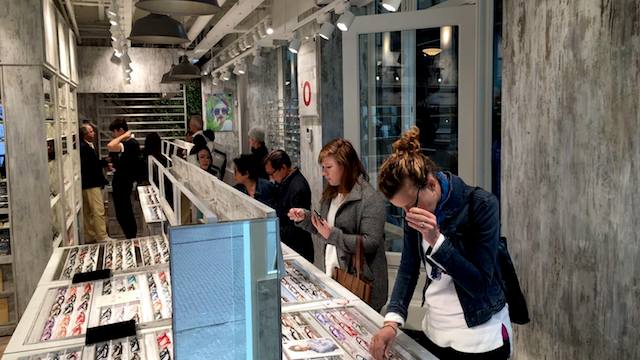
    Owndays, which began its Southeast Asia rollout in 2013 opening a store in Singapore, now has 115 stores in Japan and 142 stores in 10 other Asian markets, including Thailand, Vietnam and Hong Kong (where it is operated by Bluebell Group).

    In a statement, L Catterton Asia said the current management team will continue to retain “substantial equity interests” and manage the company.

    “Our ambition is to become Asia’s leading optical retailer and we plan to open more than 500 stores across the Asia Pacific region over the next five years,” said Owndays CEO Shuji Tanaka said.

    L Catterton Asia chairman and managing partner Ravi Thakran said the investment in Owndays marks the private equity company’s first foray into Japan.

    “The Owndays success story has been one of innovation, quality service and boldly exceeding customer expectations,” he said.

    “The company is poised to take advantage of the robust macro trends that are driving the market for private brand eyewear. Together, L Catterton and Mitsui & Co are committed to providing world-class operational and strategic support to propel Owndays to category-leading growth and profitability. With Japanese quality, purity and efficiency increasingly appreciated and desired around the world, we see tremendous market opportunities for Owndays.”

    President and CEO of Mitsui & Co subsidiary MCPI, Naoki Nakata, said Owndays is well placed for continued expansion, both domestically and abroad, while also improving profitability by fully leveraging Mitsui and L Catterton’s combined network, resources and demonstrable expertise in value creation.

    Since 2009, L Catterton Asia has invested in many leading consumer brands, including Gentle Monster and RM Williams and Pepe Jeans, and in lifestyle mall operator Sasseur, among others. L Catterton Asia, formerly called L Capital Asia, was formed through the partnership of Catterton, LVMH and Groupe Arnault.

  • JD.com to provide more imported product to China

    JD.com to provide more imported product to China

    JD.com, China’s largest retailer, will purchase nearly RMB 100 billion worth of products from overseas brands. As disposable incomes in China rise, consumers increasingly demand high-quality products, especially imported products.

    E-commerce has rapidly emerged as one of China’s most preferred channels for buying overseas brands. Last year, the number of users purchasing products from overseas brands grew by 37.1% compared to 2016.

    The volume of imported goods in 2018 to date has already skyrocketed 150% as compared with two years ago.

    JD’ “Retail as a Service” strategy has proved enormously appealing to household
    names from all over the world.

    Indeed, the growing family of leading international brands partnering with JD to facilitate their e-commerce strategy now includes the likes of Saint Laurent, Alexander McQueen, Dell, Nestle, Avène and many more.

    As China’s e-commerce transformation continues to unfold, consumers have gravitated especially towards premium, smart, and green products.

    According to JD’s data, the highest performing categories among its customers this year have been mobile phones, computer and office suppliers, home appliances, maternal and childcare, and digital products.

    Advanced economies such as the U.S., Japan, South Korea, Germany, and the Netherlands remain the most popular sources of imported goods.

    Chinese consumers buying online are mostly younger (26-45 years old), white-collar workers with middle-to-high incomes.

    China’s most developed regions, particularly the coastal cities, account for the largest uptake of imported goods.

    The growth rate for purchases of overseas brands, however, is now highest in fourth- and third-tier cities, where these brands are often not available in brick and mortar stores.

  • Automaker Mitsubishi eyes full-scale production in Vietnam

    Automaker Mitsubishi eyes full-scale production in Vietnam

    Japanese automaker Mitsubishi Motors plans to expand its Vietnam operations by moving to full-scale production of parts within the country. The company’s CEO Osamu Masuko said at the global launching ceremony of the Mitsubishi Triton pickup truck in Bangkok that sourcing materials in Vietnam would let the company handle more upstream processes for components.

    “To be a true winner, we must develop production and exports to certain levels in each country,” Masuko said.

    He added that the Vietnamese operations will not simply be limited to assembling modules in a “knock-down kit” production method, referring to the method of manufacturing parts in one country and shipping them to another.

    The ASEAN region is the largest and most profitable market for Mitsubishi Motors, the company said in its annual report for fiscal 2017. Sales in the region went up by 33 percent last year to 275,000 units, while revenue from the region jumped 45 percent for the year to 506.2 billion yen ($4.45 billion).

    In Vietnam, Mitsubishi currently has an assembly plant in the southern province of Binh Duong with a capacity of 5,000 vehicles per year.

    It plans to increase production by having a second plant in the country by 2020, with a capacity of 30,000-50,000 vehicles per year.

    In the first nine months this year, a total of 230,958 automobiles were sold in Vietnam, according to Vietnam Customs. This figure could reach 300,000 by the end of this year, it added.

  • Jins store opened a spectacular store in Shanghai World

    Jins store opened a spectacular store in Shanghai World

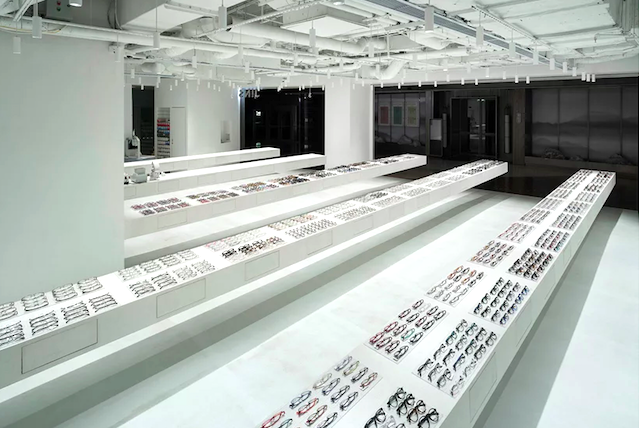
    Japanese eyewear brand Jins has opened a striking new store in the Shanghai World Financial Center. The Jins store was designed by Tokyo-based architect Junya Ishigami without any external entrance and features concrete counters that appear to float in the air, set against a stark, industrial setting, sporting hundreds of fashionable glasses frames. The counters are supported by heavy H-beams attached to a bowed steel sheet that covers the shop floor.

    The store is lit by strong 4000-Kelvin suspended luminaires that bring the bare walls into stark contrast. Ishigami commented, “I wanted to make a void space within a shopping mall.”

    Jins traditionally hires independent designers to fit out its retail areas.

    Jins founder and CEO Hitoshi Tanaka said: “I prefer working with architects on a space because they make more of an impact.”

  • Olympic athlete Ayumu Hirano named as new Uniqlo brand ambassador

    Olympic athlete Ayumu Hirano named as new Uniqlo brand ambassador

    Japanese global apparel retailer Uniqlo has announced a new partnership with professional snowboarder Ayumu Hirano as its newest Global Brand Ambassador. Hirano was a two-time gold medalist in the men’s superpipe competition at the Winter X Games and winner of consecutive silver medals in the half-pipe competition at the 2014 and 2018 Winter Olympics.

    Chairman, president and CEO of Fast Retailing Tadashi Yanai said: “We are greatly inspired by [Mr. Hirano’s] achievements, his creativity and his style – not just on a snowboard, but also in his sense of fashion. His flair and imagination when competing go well beyond expectations, so we will look past conventional wisdom together to achieve something truly unique through this partnership.

    “We look forward to supporting him with special LifeWear items featuring advanced technologies, helping him to reach even greater heights in future,” he said.

    Hirano’s primary role as global brand ambassador is to promote the Uniqlo and LifeWear brands. The partnership will provide opportunities for Hirano to engage in the development of custom products and materials for his performance wear, while also assisting in the design process for LifeWear.

  • New president for Issey Miyake appointed

    New president for Issey Miyake appointed

    Japanese luxury label Issey Miyake has appointed a new company president, following the internal promotion of Takahiko Ise to the top spot. Previously the fashion brand’s head of production, Ise replaces former president Masakatsu Nagatani, who will remain in the company as an advisor.

    The change over was effective since October 1, according to Japanese media reports.

    Ise came to work for Issey Miyake in the early eighties and has continued to establish a flourishing career in planning and production.

    The fashion veteran spent the past 30-plus years working across Issey Miyake lines such as Pleats Please Issey Miyake, Me Issey Miyake, Homme Plissé Issey Miyake and Bao Bao Issey Miyake.

    Ise’s promotion, which coincides with the appointments of Koji Usui and Keisuke Harukiya as managing directors, signals a shift in focus for Issey Miyake.

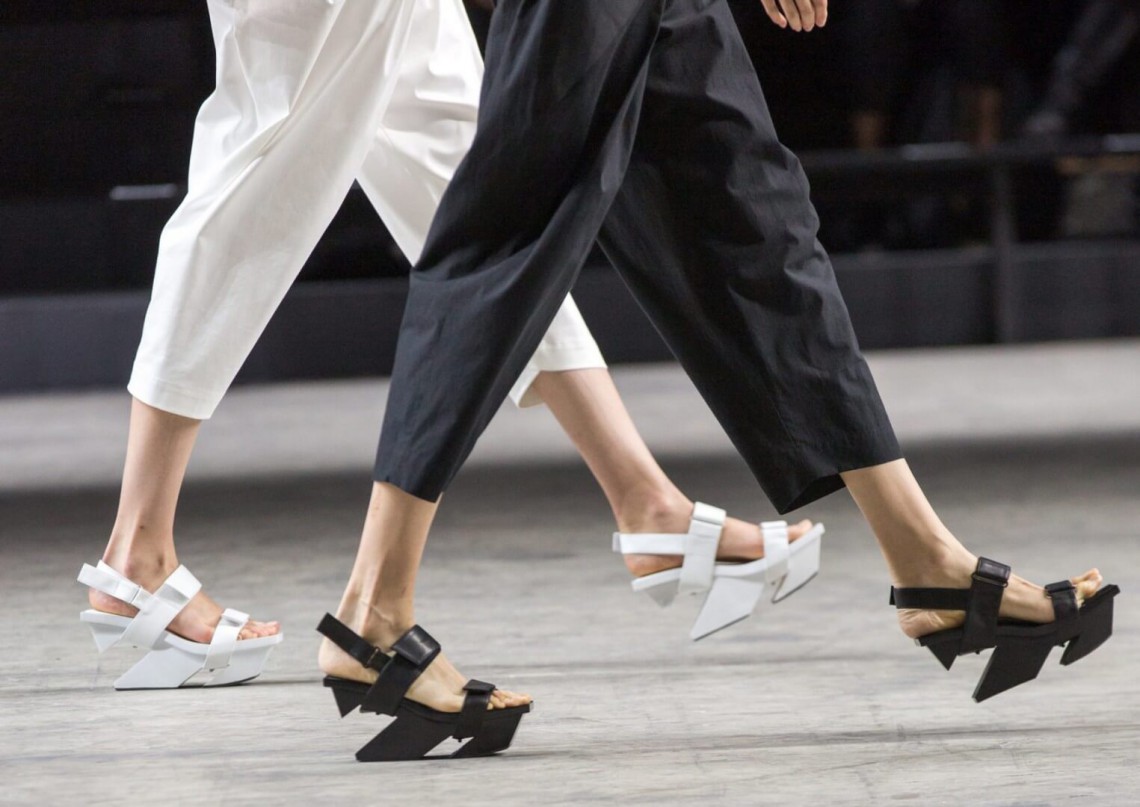
    The Tokyo-based label, renowned for its experimentation with fabrics and textile innovation, remains focused on technology to an even sharper degree moving forward, with strategies set on innovation, new technology and proprietary techniques.

    Founded by Hiriohima-born Issey Miyake in 1971,the company’s overall creative direction has been led by designer Yoshiyuki Miyamae and his team since 2012.

    Issey Miyake has approximately ten flagship stores globally, with three in its local Tokyo (Shibuya, Chuo and Minato), as well as a store in Osaka and one in Hyogo.

    International stores can be found in Paris, London, New York and Milan and Zurich.

  • COSMOAI Opens Flagship Store at Imperial Hotel Tokyo

    COSMOAI Opens Flagship Store at Imperial Hotel Tokyo

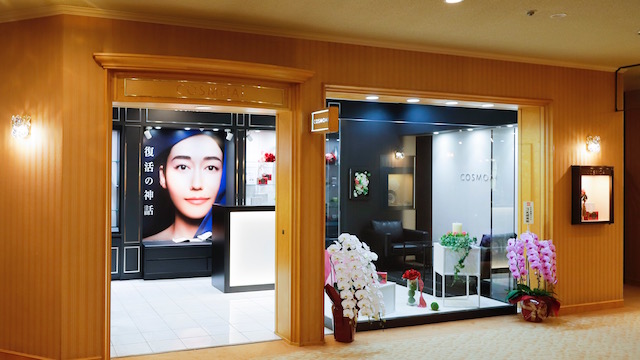
    Japanese skincare brand Cosmoai has opened its Tokyo flagship store at Imperial Hotel Tokyo. The new store covers an area of 59sqm and showcases the company’s signature products to business and mid- and upper-class customers. It is the second Cosmoai store in Japan following its first flagship store in Nagoya.

    Cosmoai’s CEO Takayuki Inoue said the store provides an opportunity to introduce Tokyo customers to premium product lines and enable them to try them out.

    Cosmoai specialises in skincare solutions and enabling anti-aging skin repair and revival. Coinciding with the new store is the launch of a new hair care product, 18-Hair Care EX, a pill taken orally that addresses the problem of hair loss and improves hair health.

    The company’s products are now available in Tokyo, Nagoya and Hong Kong and online.