Tag: Japan

  • Japan’s retail sales lift for 11th consecutive month

    Japan’s retail sales lift for 11th consecutive month

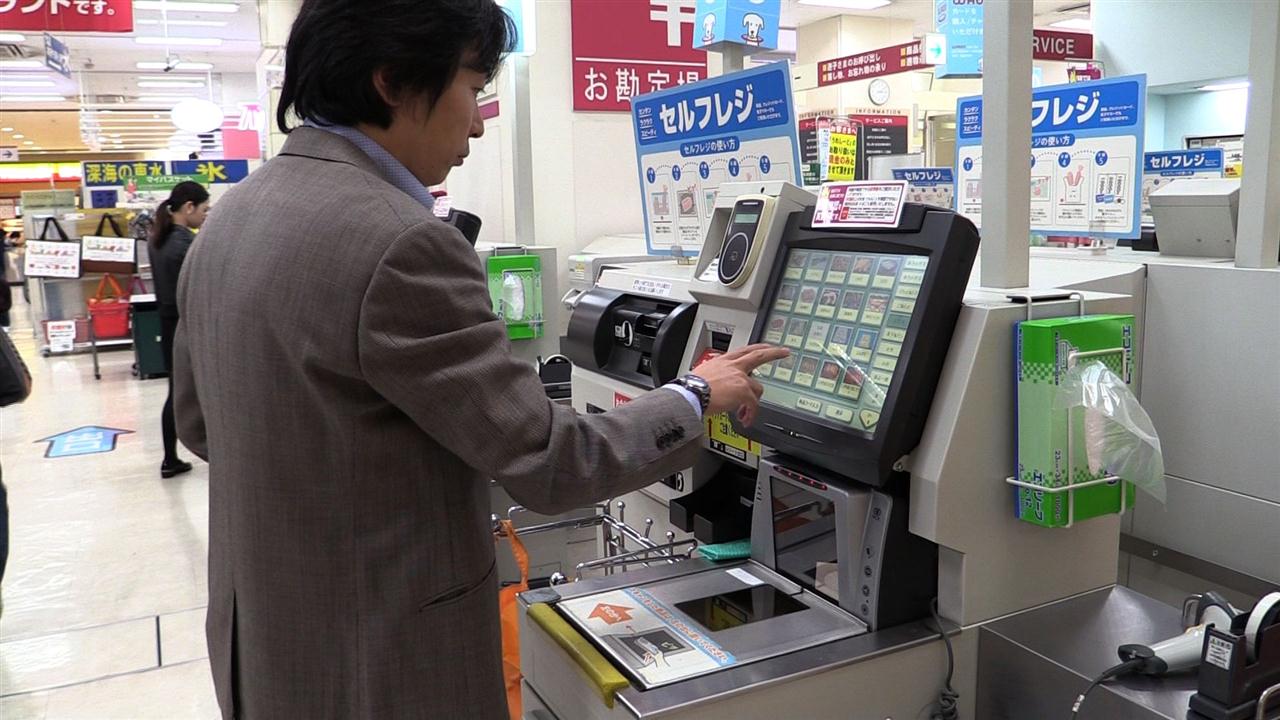
    Japanese retail sales continued to grow in September with the archipelago nation recording its 11th consecutive month of revenue growth in retail. For the four weeks to September 30, retail sales increased 2.1% on the same period last year, according to data by the Japanese trade ministry.

    However, the growth was slower compared to August’s 2.7% expansion in the prior month, signalling a potential slow down in retail spend ahead of the busy Holiday period.

    Last month’s gains were led by rising gasoline prices and high sales of machine tools, as well as food and beverage purchases and clothing.

    In September, car sales slipped and online retailers suffered a decline, said the report.

    On a month-on-month basis, retail sales fell 0.2% in September from the previous month, following August’s 0.9% increase.

    The dropped was the first in four months, adding to fears that consumer spending fell yet again in the third quarter.

    Meanwhile, Japan’s annual core consumer inflation gained 1% in September, the fastest in seven months. However, the inflation was boosted mostly by higher oil prices.

    The retail growth follows a survey from Criteo that states Japanese consumers lead the world in mobile transactions, with customers shopping more while commuting.

    In the latest survey, mobile devices accounted for 55% of all EC transactions, up 4 points on the year. Transactions through smartphones increased 9%, and tablets 3%, but purchases by PC were down 9%.
  • JD and Toyota partner to expand auto services business

    JD and Toyota partner to expand auto services business

    FAW Toyota, a joint venture between Toyota Motor Company and First Automobile Works, has launched a flagship store on JD.com, China’s largest retailer, allowing customers in China to purchase and schedule maintenance services online and then bring their vehicles to FAW Toyota’s offline service centers at their convenience.

    In addition to auto services, customers can easily purchase a variety of automobile parts and related products.

    After making their online purchases, customers will receive a verification code on their phones, which they can use at FAW Toyota’s offline ‘4S’ stores to redeem their parts, supplies, installation or repair services.

    Auto parts and supplies can also be delivered directly to customers’ homes.

    The partnership was concluded to improve customers’ level of convenience while FAW Toyota will gain insights from the various data it will collect from the platform such as age, gender, and purchasing behavior of shoppers.

    As one of the latest applications of its “Boundaryless Retail” strategy, last month JD launched a new offline automotive initiative called JD Auto Service, known in Chinese as Jingdong Jingche Hui.

    The initiative already includes nearly 200 third-party offline car repair stores.

    Through JD Auto Service, customers can buy auto parts or maintenance services on JD.com, and then go to a JD Auto Service location for installation.

    To ensure high-quality service, each of the offline stores is screened to meet JD’s strict standards before joining the network.

    JD has been leveraging its advanced e-commerce capabilities and offline resources to expand into China’s booming automotive aftermarket business.

    The company’s omnichannel model now covers the entire purchasing process for car parts and services.

    JD currently has partnerships with over 30,000 authorized offline auto stores for complementary service.

    Chinese car owners have so far responded enthusiastically to JD’s omnichannel network.

  • Korea’s Cafe24 launched in Japan

    Korea’s Cafe24 launched in Japan

    South Korean e-commerce platform Cafe24 has launched in Japan. The new Japanese service offers local businesses solutions to use online stores, payment gateways, logistics networks and marketing tools to reach global customers. Japanese businesses are able to use the service to build multilingual online stores and offer international and Japanese payment gateway services.

    The Japanese e-commerce market is currently the world’s fourth largest, growing in value at more than ¥1 trillion per year.

    Cafe24’s CEO Lee Jae-suk said: “Our expansion into Japan’s e-commerce market marks an important milestone and adds momentum to our growth as a global company … We will continue to rigorously sophisticate the Japanese platform in accordance with local situations to successfully set roots in Japan’s e-commerce market.”

    Cafe24 has indicated plans to expand into English-speaking countries and Southeast Asia, following Japan.

  • Rakuten  and Seiyu to partner in online grocery service

    Rakuten and Seiyu to partner in online grocery service

    Japanese online retail company Rakuten is partnering with Walmart-owned supermarket Seiyu to launch an online grocery service. Spokespeople from the companies say about 20,000 products will be available on the site, drawn from the Seiyu range, including fresh food. Orders will be fulfilled from stores, restricting the service – for now – to about 16 Japanese suburbs, however a warehouse has been opened near Tokyo to serve the capital.

    “We can tap into Rakuten’s 99 million-strong membership base,” said Seiyu executive officer Tamae Takeda. “[Rakuten’s] advantage is in technology, so we can combine our strengths.”

    The new online grocery service will compete with one launched by Amazon in April last year, as well as those offered by larger Japanese supermarket chains.

    Seiyu and Rakuten plan to offer free delivery on orders over a set threshold, or $4 for those under it.

  • Nissan’s latest Leaf EV available for preorder

    Nissan’s latest Leaf EV available for preorder

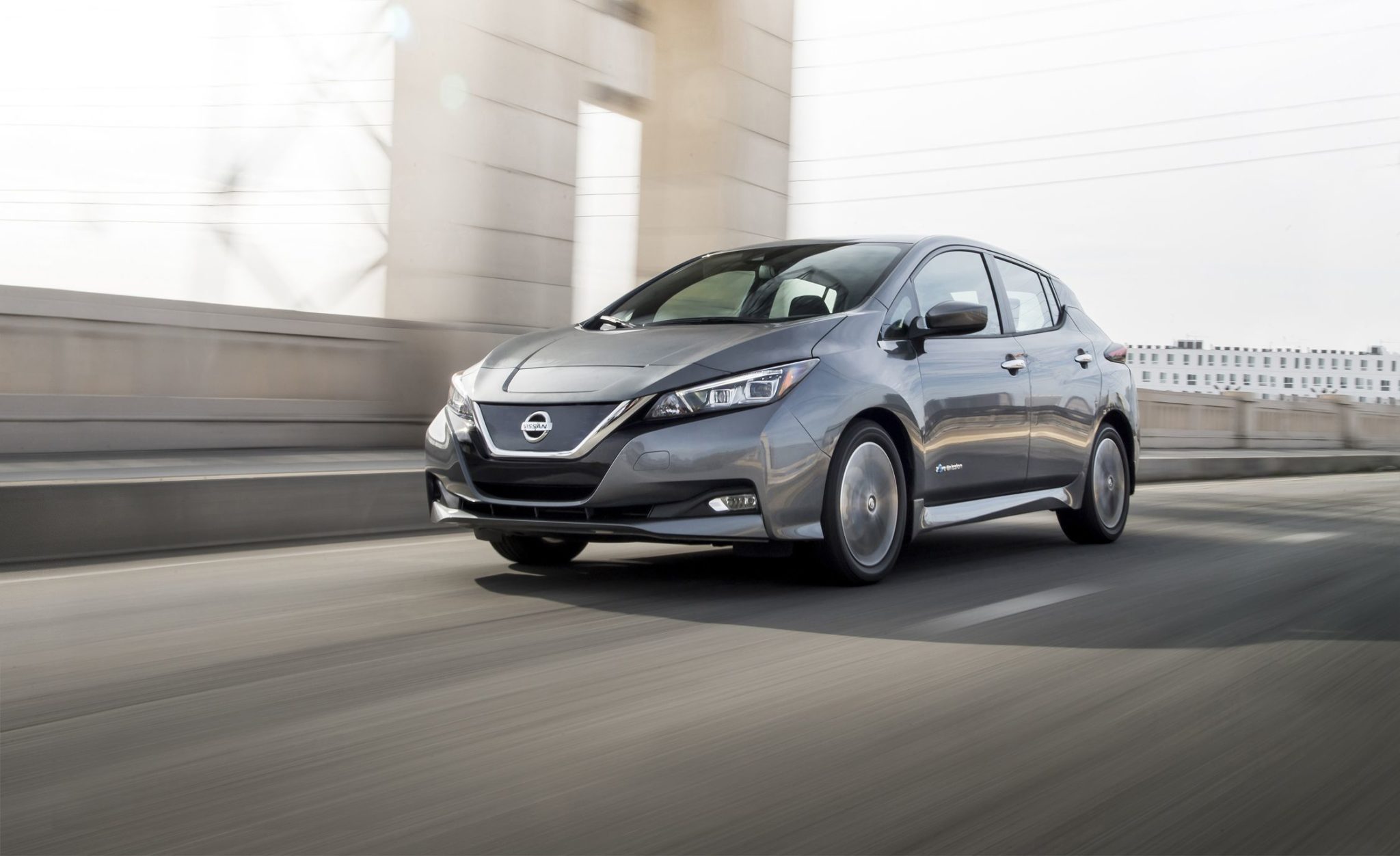
    Nissan Korea Thursday introduced an updated version of its Leaf electric vehicle (EV) at the Daegu International Future Auto Expo, hoping to grow its share of the domestic EV market. The vehicle was released in Japan in September.

    Nissan’s local unit started accepting preorders on Thursday, and the model is expected to be on the roads of Korea in the first quarter of next year.

    The Leaf is not widely known here as Japan’s Nissan is not strong in the domestic market. The car, however, was the world’s first mass produced electric vehicle when introduced 2010. A total of 370,000 units had been sold globally as of October.

    In the latest generation, Leaf comes with advanced performance and smart car technologies, the carmaker said.

    This includes the “e-Pedal,” which enables the driver to accelerate and decelerate with the use of a single pedal. The pedal is linked to a regenerative brake, which produces electricity as it slows the car. The feature is often found in new offerings in the EV market.

    Nissan Korea also says the latest Leaf allows for 360-degree surround view and is capable of maintaining distance with vehicles ahead.

    Performance has been enhanced with a 38 percent increase in horsepower compared to the previous model – now 150 horsepower. Torque is upped by 26 percent.

    Despite multiple improvements, the driving range, important to the success of an electric vehicle, is likely to disappoint Korean consumers.

    The Leaf can travel up to 231 kilometers (143 miles) on a single charge.

    The Kona SUV, from Hyundai Motor, can travel 400 kilometers per charge. GM Korea’s Bolt EV has a 380-kilometer range. The Niro SUV, from Kia Motors, is able to go 380 kilometers on a single charge.

    The exact price hasn’t been announced, but the company said at the event the price will be set under 50 million won.

  • Tudor Watch starts selling in Japan

    Tudor Watch starts selling in Japan

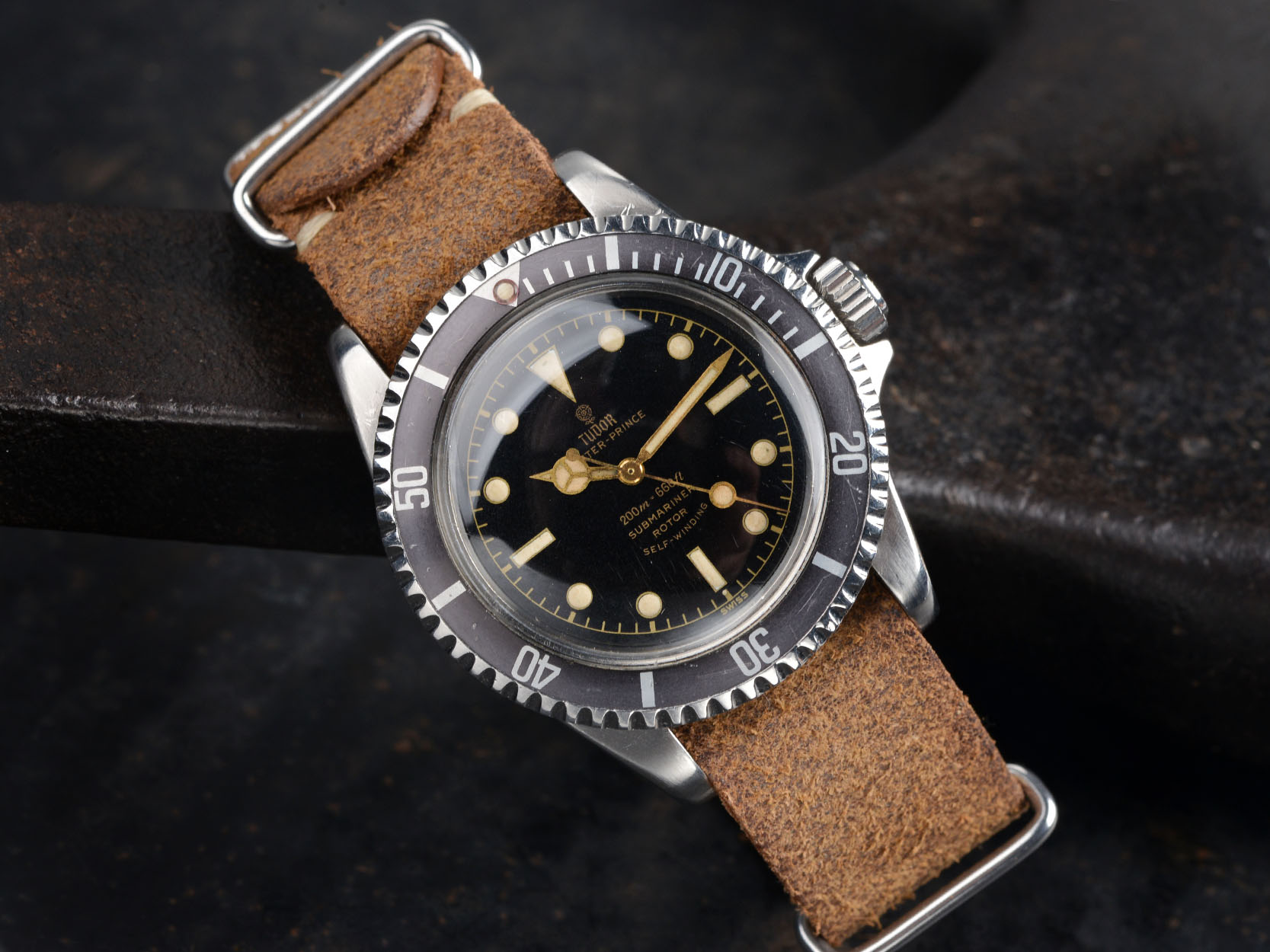
    Swiss watchmaker Tudor Watch has launched in Japan with a mix of permanent outlets and pop-up stores. The brand started trading on Wednesday in Tokyo and Osaka, and is poised to set up distribution in Nagoya and Sapporo via big-name local retail partners. It is currently riding a wave of popularity in the US and UK, where it has recently relaunched.

    Director of Montres Tudor S.A. Eric Pirson said: “The partners that Tudor selected for this launch are among the most high-profile and prestigious watch retailers in the country. They are offering Tudor a strong presence in their most prominent location. With this presence in the Japanese market, alongside our key openings in the US in 2013, the UK in 2014 and the Korean domestic market earlier this year, Tudor is now truly a global brand that is represented in close to 100 countries worldwide.”

    The launch is well-timed for Tudor’s Rugby World Cup sponsorship in Japan next year, which will serve to raise the brand’s profile in the burgeoning watch market.

  • Goldwin to open first own-brand store

    Goldwin to open first own-brand store

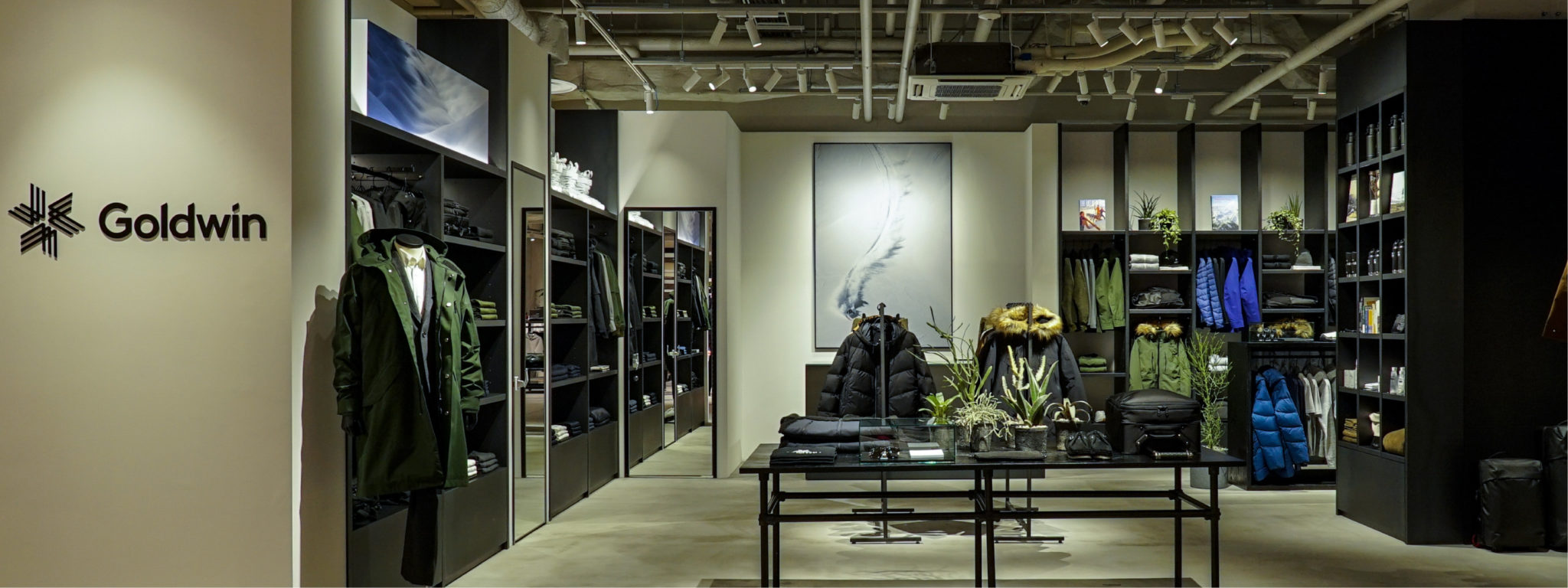
    Japanese outdoor apparel retailer Goldwin is set to open its first independent flagship store in Tokyo. The Marunouchi business district launch, scheduled for November 8, will introduce the brand’s new selection of high-performance sportswear, lifestyle and ski apparel. Highlighted will be two of Goldwin’s best-selling products, the Arris Jacket and the Hooded Spur Gore-Tex Down Coat.

    A Goldwin press release stated that the flagship will allow the firm “to expand its vision and introduce new values, creating a platform where sports and lifestyle merge”.

    Goldwin’s products have previously been made available at The North Face retail stores in Japan and other specialty stores worldwide.

    The company intends to follow this launch with more flagships to open in international locations.

  • Uniqlo acquires stake in Vietnamese brand

    Uniqlo acquires stake in Vietnamese brand

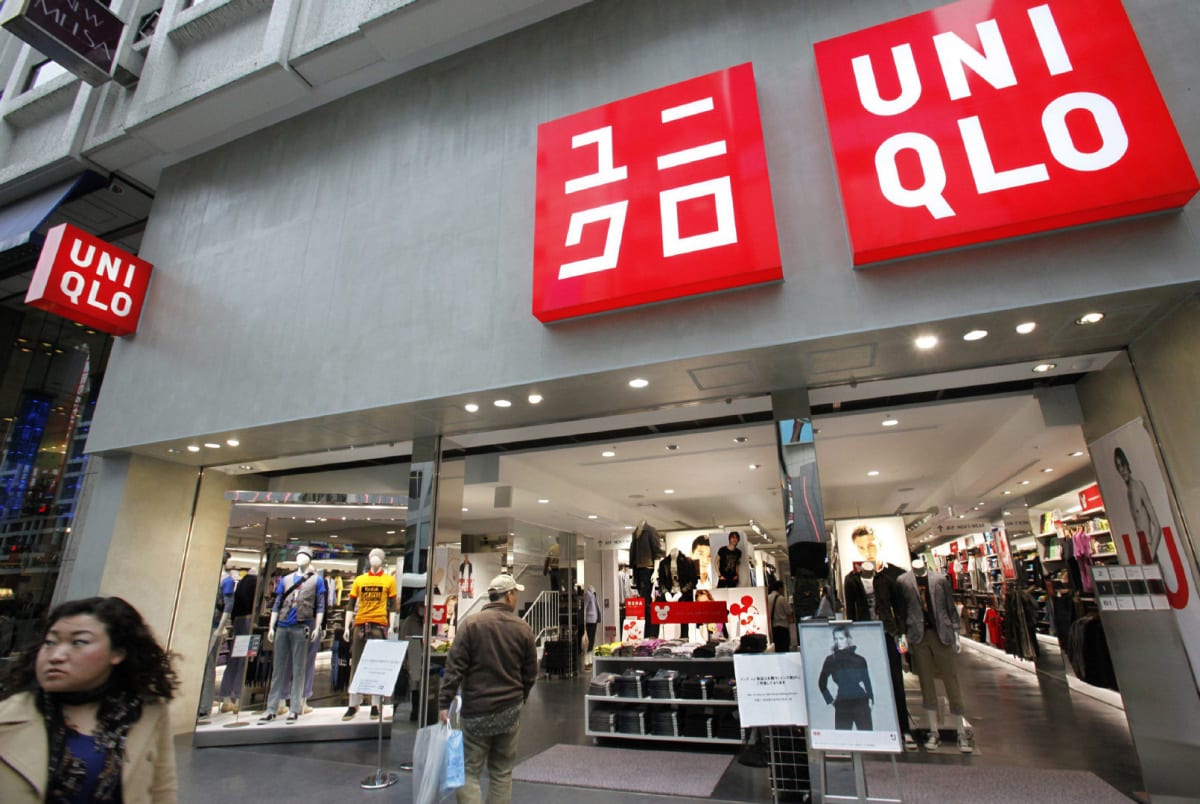
    Uniqlo’s parent, Fast Retailing, has acquired a 35 per cent stake in Hanoi-based women’s fashion brand Elise. Elise, which has more than 100 stores across the country, is said to have received tens of millions of dollars from the deal – a figure much higher than its entire charter capital.

    This is Fast Retailing’s first significant move into Vietnam since it announced it would launch its Uniqlo brand in Ho Chi Minh City next year.

    The store will be operated by a joint venture between Fast Retailing and Mitsubishi Corporation.

    Vietnam is one of the markets Uniqlo is counting on to double its store network in Southeast Asia and Oceania to around 400 by 2022.

    Uniqlo’s arrival in Vietnam will intensify competition for foreign brands as Zara and H&M who have already successfully launched there.

    According to German firm Statistics Portal, Vietnam’s fashion revenue will annually grow 22.5 per cent from 2017 to 2022, and its clothing sales will surge to an estimated US$245 million this year.

    Another fashion group from Japan, Stripe International, has reportedly bought NEM, a Vietnamese fashion brand which targets female office workers.

  • Honda raises forecasts on solid motorbike sales

    Honda raises forecasts on solid motorbike sales

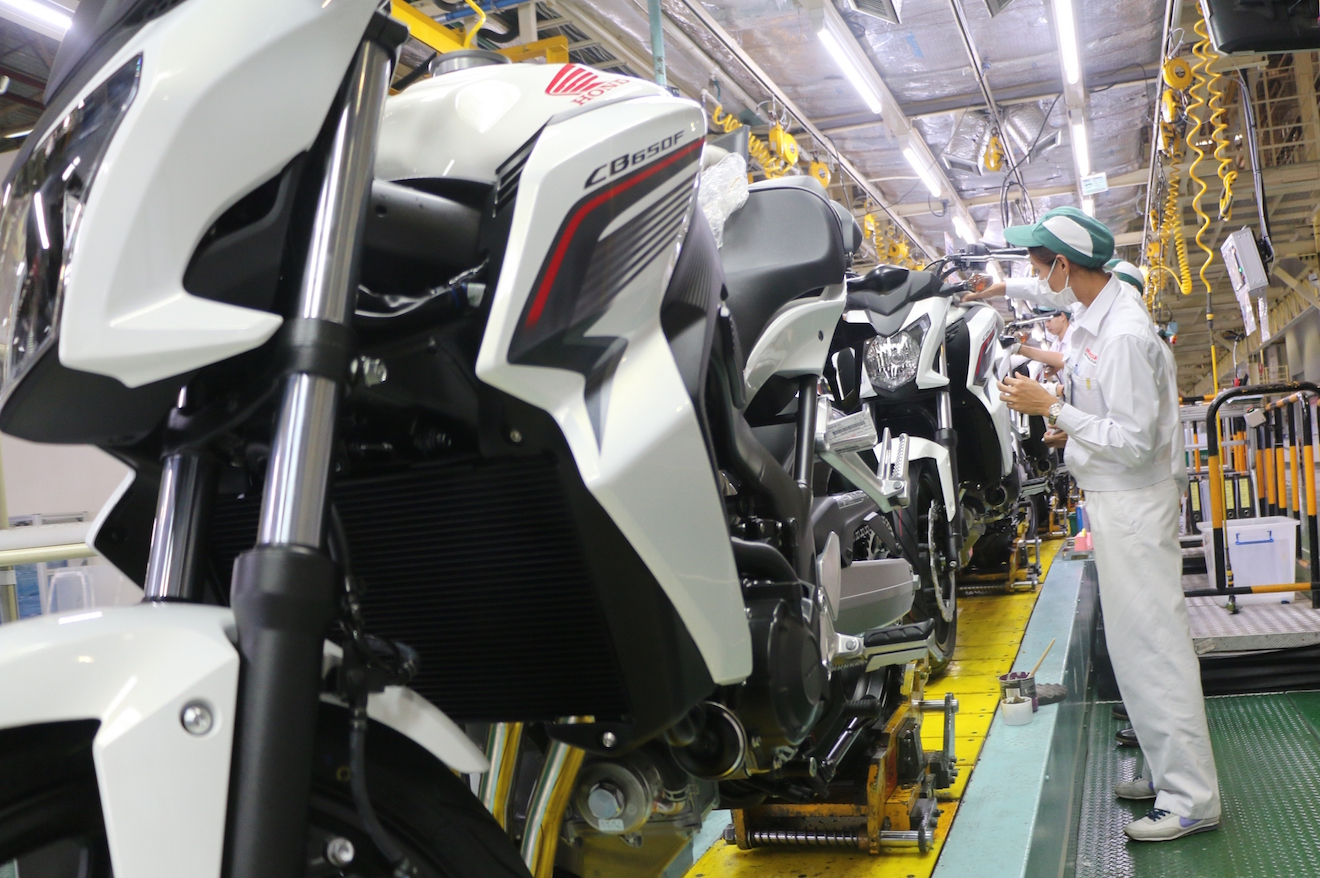
    Japan’s Honda Motor said Tuesday it was raising annual forecasts after first-half profits rose over 19 percent on motorcycles sales in Asia. Japan’s third largest automaker now expects net profit to reach 675 billion yen ($6 billion) for the fiscal year ending March, down from last year but a still an increase from its forecast last quarter.

    It also revised up annual sales to to 15.8 trillion yen.

    The company said it was seeing strong growth in the sales of motorbikes in Indonesia, Vietnam and other Asian countries, and touted cost-cutting efforts.

    It said net profit in the April-September period was up 19.3 percent to 455.1 billion yen while operating profit jumped 21.7 percent to 513.9 billion yen.

    Sales rose 5.0 percent to 7.87 trillion yen.

    “Honda enjoyed strong sales of motorcycles… This offset the negative impact of floods in Mexico on its production,” Satoru Takada, an analyst at TIW, a Tokyo-based research and consulting firm said ahead of the results.

    Honda was forced to temporarily halt operations at its largest auto factory in Mexico due to floods in June, and said at the time that it would lose 50 billion yen as a result.

    Japanese automakers remain on edge over talk of U.S. tariffs, though immediate action by Washington has been put off for now.

    “Japanese carmakers are also bracing for the impact of U.S. trade disputes with other major economies,” Takada said.

  • Japan’s % Coffee to open in China

    Japan’s % Coffee to open in China

    Japanese cafe chain % Coffee is preparing to launch new locations in China and Hong Kong. The business is planning to open its fourth Hong Kong store at Monster Mansion in the middle of next month, its 27th location worldwide. Meanwhile, the franchise’s head roaster Takahiro Uemisha is stationed in Shenzhen preparing for the opening of three locations in the city, scheduled to open within the coming months.

    Shanghai will see two % Coffee stores emerging in Xintiandi and Fangsuo Bookstore. Both locations are being designed by the brand’s new architect Alexis Dornier.

    The Kyoto-headquartered coffee chain is preparing to open its first store in Singapore as well as plotting expansion into Indonesia, Malaysia and India.

    With its slogan “See the world through coffee”, % Coffee has built a strong following via social media. As well as its Asian foray, the company has outlets in Germany and several Middle East markets, with plans for France, Morocco and Canada.

    The Japanese cafe chain was founded in 2014 by Japan-born Kenneth Shoji who grew a love for the beverage while studying in California.

  • Shibuya Apple store reopens after a year of renovation

    Shibuya Apple store reopens after a year of renovation

    The Shibuya Apple store in Tokyo has reopened today with striking modern styling, coinciding with the release of the iPhone XR. The new four-storey design features dramatic natural lighting and a new spiral staircase, described as “stunning” by local media. The store, which reserves substantial space for back-of-house activities, took 11 months to transform, during which time two further stores were opened in Japan.

    The original Shibuya store, which opened in 2005 as the fourth in Japan, was also well-known for its distinctive spiral staircase, reflective of Apple’s retail aesthetics at the time. The new design is closer in look to that of the Steve Jobs Theatre.

    Comparing the original design with the revamp offers a unique perspective into Apple’s evolving retail architecture. The earlier version of the store, optimised for the iPad era, has been enlarged vertically rather than relocated to more expansive premises, indicating the importance to Apple of the location over the venue’s suitability for the brand’s contemporary retail features such as its video wall, which is conspicuously absent in Shibuya.

  • Kataoka’s First U.S. Store Opened

    Kataoka’s First U.S. Store Opened

    Japanese jeweller Kataoka has opened its first store in the US. In stark contrast with the firm’s 700sqft shop in Tokyo, the new 1600sqft New York flagship has been located in the trendy Tribeca neighbourhood to reflect Kataoka’s brand identity with its historic look.

    The store has been distinctively designed with a blend of Japanese and Manhattan sensibilities to convey an exotic industrial context for the brand’s delicate jewellery designs, displayed in vintage Japanese casings.

    Company COO Anis Boudraa said the company founder and designer Yoshinobu Kataoka “only wanted display cases that are antique that have a beautiful patina… they really reflect the theory of Kataoka – working with something that’s old”.

    “Our designer hates fast fashion and everything that’s related to fast consumerism.”

    The firm makes its pieces using only recycled gold, which it salvages from the Japanese semiconductor industry. All pieces are hand made.

  • Asia-Pacific telcos to face slower revenue growth: Moody’s

    Asia-Pacific telcos to face slower revenue growth: Moody’s

    Moody’s Investors Service expects stronger competition for the Asia Pacific (APAC) telecommunications sector and stronger commoditisation, and slower revenue growth for companies across 11 markets in the region, including Malaysia. The other markets are Hong Kong, India, Indonesia, Japan, Korea, the Philippines and Singapore.

    The rating agency’s report entitled “Telecommunications – APAC: 2019 Outlook” noted that while slower overall revenue growth will be evident in all 11 markets, the emerging market is expected to see a more pronounced slowdown with revenue growth to fall to 3-3.5% in 2019 versus the 3.9% in 2017.

    “Comparing overall revenue growth across APAC with GDP (gross domestic product) growth, Moody’s says that companies as a whole will show modest revenue growth of 2-2.2%, with such growth lagging average GDP growth of about 4.6% for the region,” said Moody’s vice-president and senior analyst Nidhi Dhruv.

    Meanwhile, new entrants are expected to intensify competition in Singapore, Japan and Australia.

    High shareholder returns and capital expenditure levels will continue to temper free cash flow generation, which will consequently make companies to look into diversifying revenue as traditional telecommunications revenues contract. This will eventually lead to more cross-industry partnerships.

    Additionally, while 4G will remain the dominant technology used by telecommunications companies in APAC, 5G will gain some traction in 2019-20.

    Japan, Korea and Australia are expected to lead the region in rolling out 5G services in 2019.

    Nevertheless, Moody has given a stable outlook for the sector in APAC 2019, with companies in the region likely to show relatively stable leverage and debt levels over the next 12-18 months.
    Moreover, while liquidity is weakening, it remains supported by the companies’ access to the banks and bond market at current levels.

  • UNIQLO x ALEXANDER WANG Collection to be launced on November 9

    UNIQLO x ALEXANDER WANG Collection to be launced on November 9

    UNIQLO announced that it will launch the new UNIQLO and ALEXANDER WANG collaboration line in 20 countries and regions around the world on 9 November. In Singapore, the collection will first launch online at UNIQLO.com on 8 November and it will be available in stores from 9 November. The full range will be available at UNIQLO Orchard Central Global Flagship Store and through UNIQLO.com. Selected items will be available at all UNIQLO stores. The range takes the UNIQLO HEATTECH concept of enjoying light and fashionable dressing even in cold seasons and expresses it with new ideas, creating LifeWear that presents HEATTECH as more stylish wear.

    Two images from the launch campaign Warmth Reimagined depict products in an ice block. The metaphorical visual aims to express the thought that HEATTECH transcends the cold and is warm enough to melt away the ice it is encased in. The campaign speaks to the idea that, even though these items are technically ‘innerwear,’ they may be worn as ‘outerwear’ or as visible layers. There is no reason to hide these beautiful, warming garments. Hence Warmth Reimagined.

    The new collection of HEATTECH and HEATTECH Extra Warm items comprises fashionable innerwear with the original functionality of HEATTECH, allowing the wearer to be warm and stylish even in cold seasons. The silhouettes are sharp and slim overall, while the women’s tank top features a unique back design and can be styled with other pieces from the collection. HEATTECH underwear is available in both men’s and women’s lines for the first time. The men’s items include both briefs and boxers, while the women’s range has a bra and shorts. The waist is adorned with a logo, a design element for wearers to casually show.

    The collaboration line includes a range of colours from Alexander Wang’s classic black to neon green. The line also incorporates neo-futuristic elements and sporty styling, such as glossy rib materials reminiscent of 80s fashion. The visual presentation of the comfortable, bias weave fabric is another characteristic of this collection. The fabric itself uniquely changes with body movement, with V-shaped patterns appearing on the surface.

  • Vietjet and Japan Airlines to Commence Code share Ticket Sales

    Vietjet and Japan Airlines to Commence Code share Ticket Sales

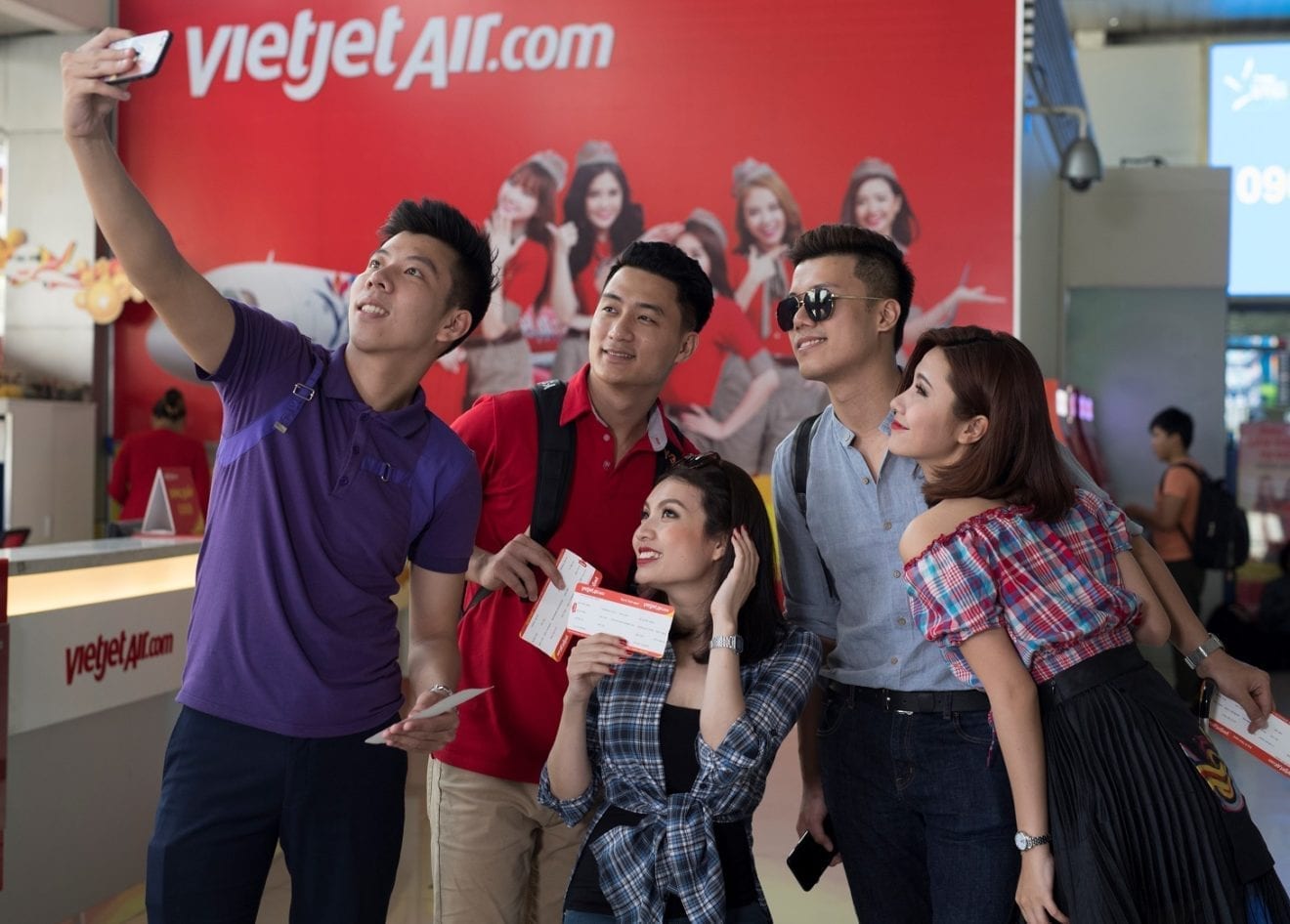
    New-age airline Vietjet and Japan Airlines (JAL) has announced that both carriers` will begin sales of their codeshare flights starting Tuesday, 23 October 2018.

    This follows a formal partnership agreement between both parties in 2017, in which Vietjet and JAL signed a Memorandum of Understanding for commercial cooperation. The two airlines now offer codeshare flights on domestic destinations in Vietnam and on international flights between Vietnam and Japan.

    Applicable routes operated by Vietjet include domestic flights connecting Ho Chi Minh City and Hanoi; Ho Chi Minh City and Da Nang; Hanoi and Da Nang; and international flights linking Kansai with Hanoi. The codeshare flights will be available for travel from 28 October 2018, while the Kansai to Hanoi route specifically commences operation on 8 November 2018.

    According to the agreement, Vietjet and JAL aims to continue expanding their codeshare routes in the near future, including other flight services between Japan and Vietnam as well as JAL’s domestic flights, and Vietjet’s domestic flights.

    Vietjet, the largest domestic airline in Vietnam, started its flight services in 2011 and now operates an expanding network all over Vietnam and Asia. Offering convenient and friendly services with reasonable fares and many other attractive add-on services, Vietjet has succeeded in creating new demands in Vietnam. As a new-age carrier, it also offers top-class service called “SkyBoss”, which has been very well received among passengers expecting quality service.