Tag: Korea

  • E-Land ready to rumble for a duty-free license

    E-Land ready to rumble for a duty-free license

    Just a few days shy of the deadline to apply for a Seoul duty-free business license, E-Land announced plans to join the fray.

    The conglomerate, whose businesses span from retail and fashion to restaurants, said Thursday that it plans to build a duty-free shop at a property near the hip Hongik University area in Mapo District, northwestern Seoul, where it is currently working with GS Engineering & Construction to build a luxury hotel.

    The company will collaborate with the area’s 20,000 shop owners, street performers and artists to give a new perspective on duty-free shopping, setting itself apart from other competitors that have located their shops in larger, more commercial areas with other big-brand stores.

    It has plans to build an outdoor performance arena by the shop where young artists, independent bands and even K-pop stars will be invited to perform daily. E-Land will also work with the district’s well-known shops and restaurants to draw more foreign tourists to the neighborhood, the company said.

    It recently signed a memorandum of understanding (MOU) with Wanda Tourism and Dufry Duty Free for collaborations on its duty-free business. Wanda Tourism, a unit of Wanda Group, is one of the biggest tour agencies in China, and E-Land expects the partnership to help bring in more than 1 million VIP customers from the country per year. Dufry, a Swiss duty-free franchise and the world’s biggest duty-free store operator with over 2,000 worldwide, will share luxury retailing strategies with E-Land.

    “Around 70 percent of local duty-free sales come from the Chinese,” said an E-Land official. “As an influential brand in China with over 20 years of Chinese retail experience under our belt, we will expand the size of the local duty-free market.”

    The company currently operates 44 brands and 7,300 stores in China, ranging from restaurants to shops specializing in fast fashion brands.

    Competition for duty-free licenses is getting fiercer by the day, with almost every major conglomerate – including Lotte, Shinsegae, Hyundai, Samsung-affiliate Shilla, SK Networks and Hanwha – having submitted a bid.

    Sluggish sales at other retail outlets, including department stores and discount retail chains, have forced companies to shift their focus to duty free, which offers double-digit profit margins and growing sales. According to the Korea Customs Service, Korea’s duty-free market was worth 8 trillion won ($7.2 billion) as of last year, compared to 4.8 trillion won in 2010.

    Korea Customs Service is scheduled to make a decision about the licenses in July, two of which will be given to conglomerates and one to a midsize firm.
  • Korean Retailer Coupang Gets $1 Billion Investment

    Korean Retailer Coupang Gets $1 Billion Investment

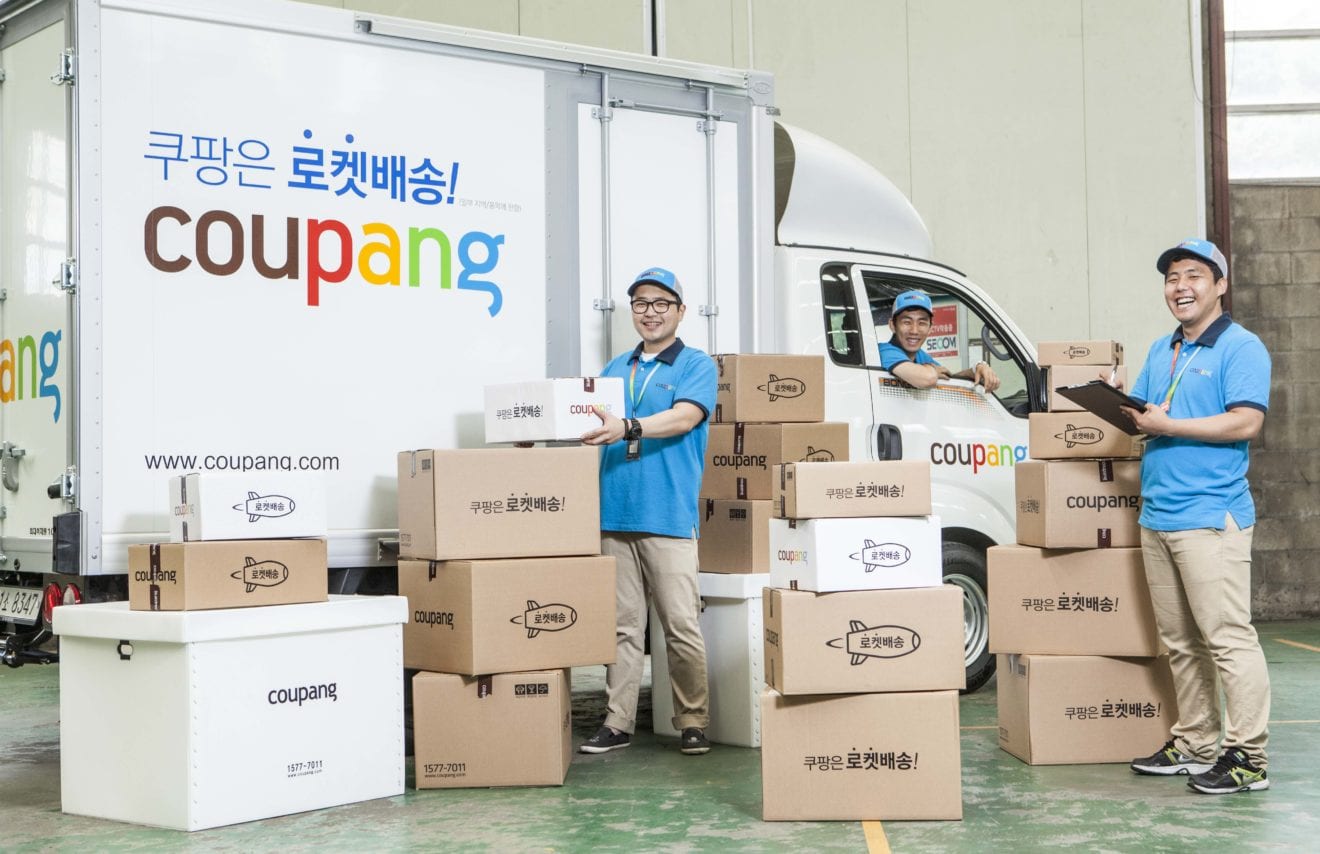
    SoftBank Corp. and Coupang have announced a definitive agreement under which a subsidiary of SoftBank will invest $1 billion in Coupang, the largest and fastest growing standalone ecommerce player in Korea. The investment is expected to close at the beginning of July, and will bring the total amount of funding raised by Coupang over the past year to nearly $1.5 billion.

    This funding will fuel Coupang’s innovations in its end-to-end fulfillment service, same-day delivery network and leading mobile applications that will extend Coupang’s leadership in the future. Coupang will also expand its R&D offices in Silicon Valley, Seattle, Shanghai and Seoul.

    Driven by an unprecedented level of mobile engagement and its revolutionary delivery service, Coupang has become one of the world’s most disruptive ecommerce companies. With more than 25 million mobile application downloads and the highest number of active users, the company is the leading mobile commerce player in Korea. Today, mobile sales account for over 75% of the company’s revenue and over 85% of its total traffic.

    “We welcome SoftBank as a long-term partner and look forward to leveraging their global expertise and vast network to further accelerate our growth,” said Bom Kim, Founder and CEO of Coupang. “This milestone investment from one of the greatest IT investors in the world provides even more financial strength and flexibility to expand our operations and redefine what a great end-to-end customer online shopping experience is all about.”

    Nikesh Arora, Vice Chairman of SoftBank Corp., said Coupang is one of the fastest-growing and most disruptive Internet companies in the world.

    “Coupang is setting a new standard for how ecommerce can and should be done across the globe with its innovative technologies and approach to same-day delivery, mobile commerce, and customer service,” Arora said. “We look forward to working with Bom Kim and his talented team and are excited to support their continued expansion.”

    Coupang’s explosive growth is powered by its cutting-edge delivery service, built on its proprietary technology infrastructure. With unmatched retail selection, the largest end-to-end fulfillment operations in Korea and a home-grown fleet of “Coupang Men” to enable last-mile delivery, its monthly direct retail revenues have more than tripled in the past six months.

  • Jumei buys into Korean cosmetics model

    Jumei buys into Korean cosmetics model

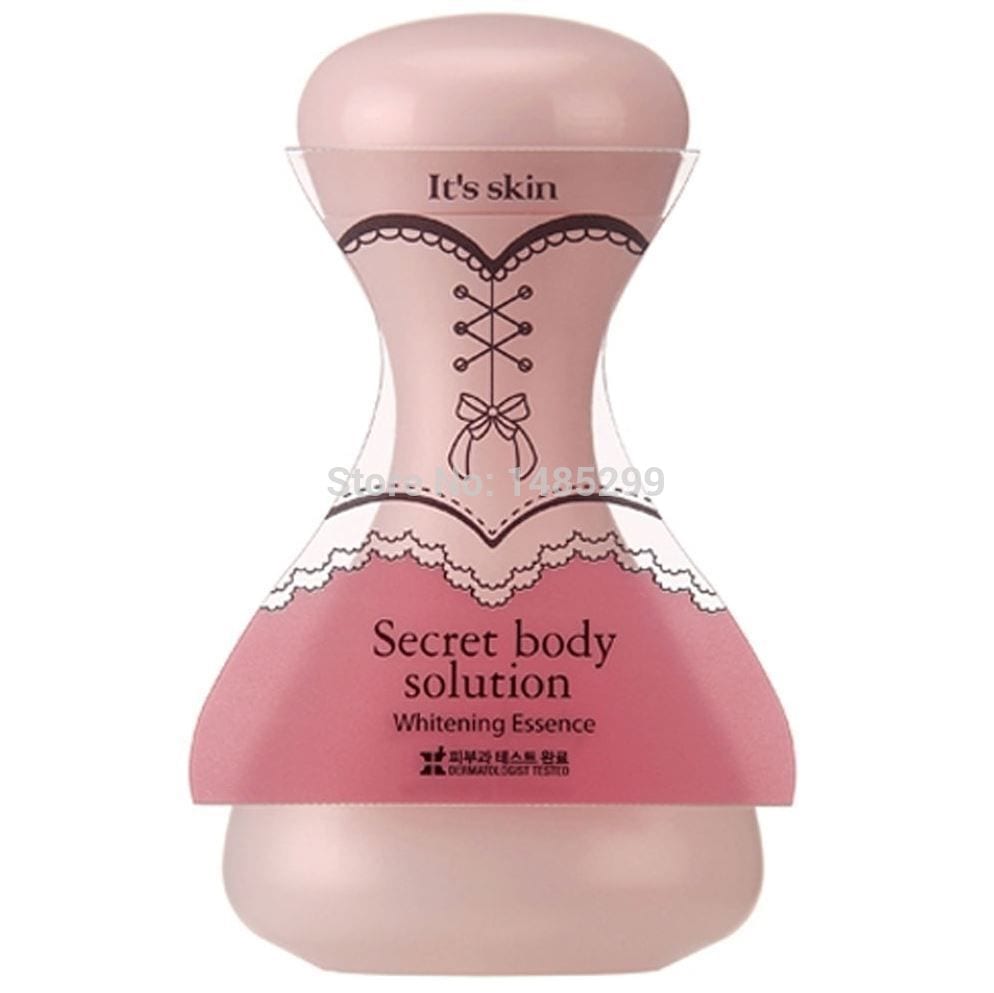
    Chinese language on-line magnificence merchandise retailer Jumei Worldwide has purchased a minority stake in Korean magnificence model It’S Pores and skin.

    It’S Pores and skin is described as “a status Korean magnificence model that has turn into very fashionable amongst Chinese language shoppers”.

    Leo Ou Chen, founder and CEO of Jumei, stated  the recognition of Korean magnificence merchandise in China has grown quickly over the previous few years.

    “With an in depth catalogue of status merchandise, It’S Sin is a perfect companion for Jumei to collaborate with as we construct Jumei International into the most important cross border eCommerce platform in China.

    “It’S Pores and skin will drastically profit from the rising measurement and scale of our platform,” he concluded.

    Jumei, listed on the NYSE, is China’s main on-line retailer of magnificence merchandise as measured by gross merchandise quantity, with a market share of 22.1 per cent in 2013.

  • Korean cellular carriers open unified app retailer

    Korean cellular carriers open unified app retailer

    South Korean cellular carriers have opened a unified app retailer for his or her smartphone customers, as a part of an effort to bolster their presence within the rising app content material sector dominated by two app giants: Google and Apple.

    The One Retailer is a consolidated cellular model of KT‘s Olleh Market; T Retailer operated by SK Planet, the platform arm of SK Telecom; and U+ Retailer by LG Uplus.

    It’s out there for a smartphone consumer by way of a model improve of the prevailing app market on the handset.

    An app developer can now promote their product on the app market by importing the product solely as soon as on the One Retailer, whereas up to now they needed to register it individually on the prevailing app shops.

    The requirements for creating an app have additionally been harmonised so app creators gained’t have to make totally different apps for every app retailer, the cellular carriers stated.

    The launch of the One Retailer got here two months after saying the plan to combine the web content material market that had been run individually by every telecom firm.

    In accordance with market watchers, cellular carriers felt the necessity to be a part of forces for the app content material sector towards Google’s Android market and Apple App Retailer which have dominated the native app enterprise.

    In response to the newest knowledge by the Korea Cellular Web Enterprise Affiliation, Android is estimated to have taken up 51.eight per cent of the app market in Korea value roughly four.5 trillion gained (US$four.06 billion) as of end-2014, adopted by Apple’s 31.three per cent. The mixed share of native app platform suppliers solely stood at 13 per cent.

    The Korean cellular carriers hope the One Retailer will create new alternatives for native app builders, in addition to cellular shoppers, to take pleasure in numerous and certified content material based mostly on a extra handy and higher consumer expertise.

    About 1.7 million smartphone customers are anticipated to go to the One Retailer each month, the cellular carriers stated. They didn’t give particulars on the variety of apps registered with the unified market.

  • New know-how guarantees buying revolution

    New know-how guarantees buying revolution

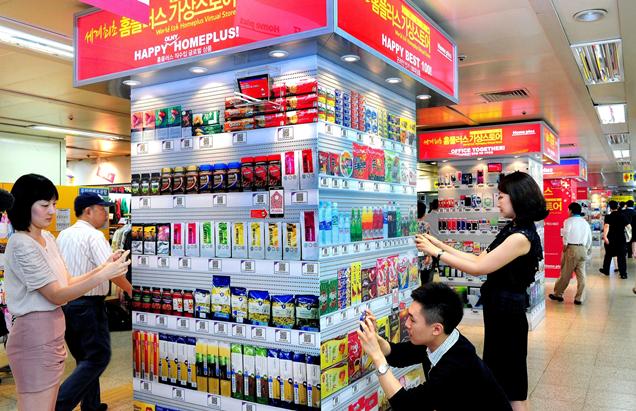
    Think about purchasing with no trolley. New know-how on show in Korea this week demonstrates how shoppers can buy groceries in a grocery store, scan the barcodes of the merchandise they need to purchase and have them delivered at house at their comfort.

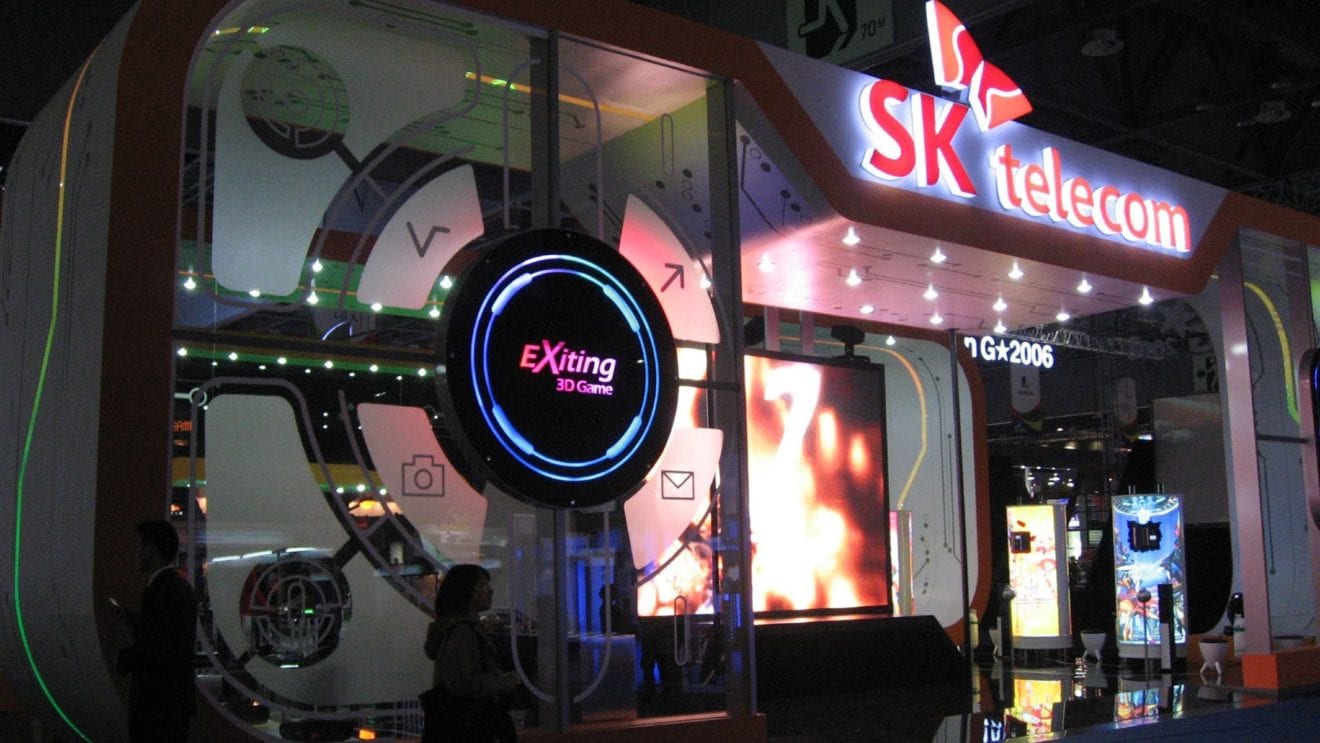
    The idea was mentioned by an SK Telecom official on the World IT Present 2015, the most important IT exhibition in Korea, held at Coex .

    Korean cellular carriers are specializing in cubicles the place guests can expertise day by day life with future communications applied sciences.

    For instance, SK Telecom, the most important cellular service in Korea, ready a mannequin house the place guests can expertise its “Sensible Residence Service” app, which lets customers activate and off numerous units present in abnormal homes like door locks, dehumidifiers, boilers and fuel valves. They will regulate lighting of their houses a thoughts boggling 36,000 methods.

    SK additionally recreated a big grocery store as a part of its exhibit. Within the demo retailer, guests can expertise its “Sensible Shopper” app, which helps customers make straightforward purchases by scanning product barcodes.

    To not be outdone, KT unveiled its GiGA Path know-how that mixes Wi-Fi and long-term evolution networks to help cellular connections which are 4 occasions quicker than these provided by present know-how. The corporate pledged to be the primary on the planet to unveil a 5G cellular community, with a deliberate launch in time for the 2018 PyeongChang Winter Olympic Video games.

    At SME cubicles, corporations exhibited promising know-how reminiscent of three-dimensional printers, versatile joint robots, drones and wi-fi recharging techniques for cellular units and digital automobiles.

    In the meantime, Samsung Electronics and LG Electronics launched their newest TV and different IT merchandise. Samsung exhibited ultra-high-definition (SUHD) televisions and new flagship smartphones together with the Iron Man restricted version of the Galaxy S6 Edge. LG displayed natural light-emitting diode (OLED) televisions, its newest flagship handset and smartwatches.

    A customer to the present stated, “With the exhibition, we will think about our future lives. Nevertheless, it’s a pity that it couldn’t differentiate itself from the Cellular World Congress held earlier this yr.”

  • Capsule coffee sales boom in Korea

    Capsule coffee sales boom in Korea

    As more people enjoy their own coffee at home or at work, sales of capsule coffee machines are going through the roof.

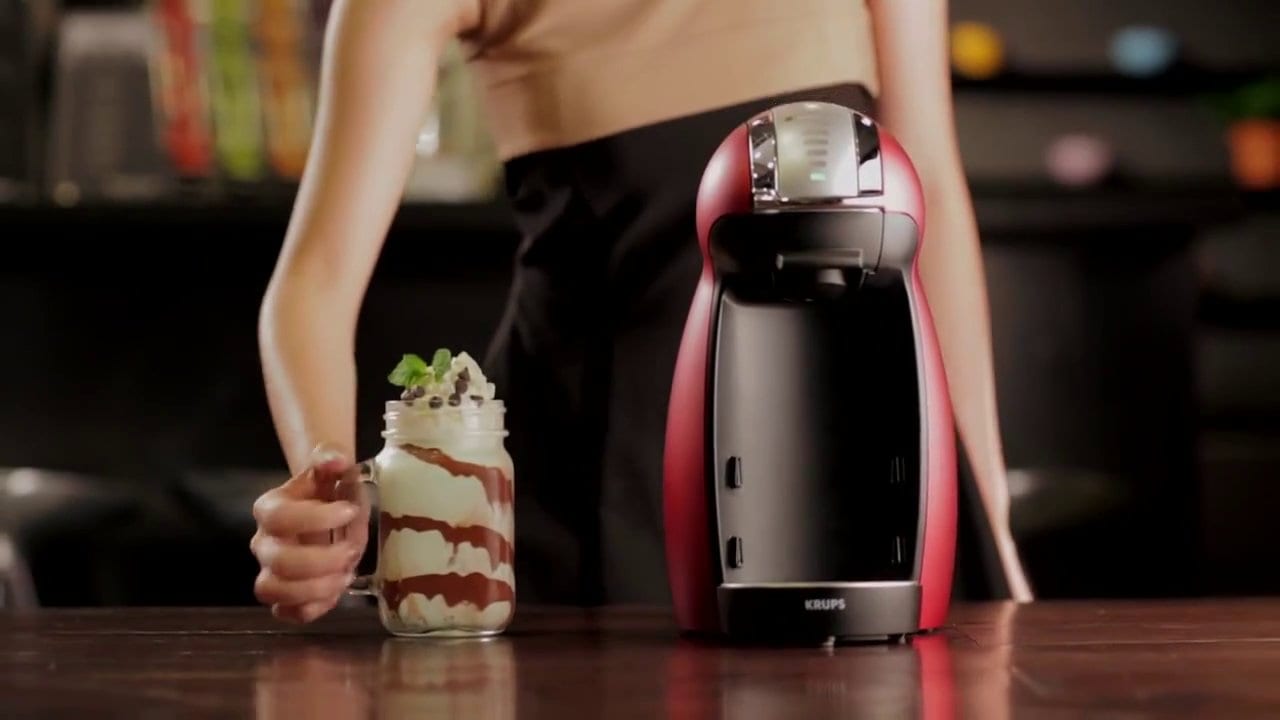
    Nescafe Dolce Gusto, the largest capsule coffee machine provider in Korea, announced this week that sales of its capsule coffee machines in the first quarter this year rose 73.4 per cent over the same period of the previous year.

    However, during the same period, sales of automatic espresso machines and filter coffee machines saw increases of only 15.6 per cent and 3.5 per cent respectively.

    Market watchers believe the rising popularity of capsule coffee machines is the product of consumer demand for both taste and convenience. In particular, they attributed the rise in sales to a tendency among consumers to enjoy reasonably-priced coffee at home instead of splurging on expensive beverages at popular coffee shops, a change brought on by financial restraint in the midst of a period of economic uncertainty.

    An official at Nescafe Dolce Gusto said: “In the early stages of the Korean capsule coffee market, newly-wed couples led the way. Now, with a variety of products in terms of price and design, more and more people are showing interest.”

    Meanwhile, Nescafe Dolce Gusto is offering a trade-in promotion giving a 50 per cent discount on its new capsule coffee machine to those who exchange their old coffee machine, until June 14.

  • American Eagle to open in two new Asian markets

    American Eagle to open in two new Asian markets

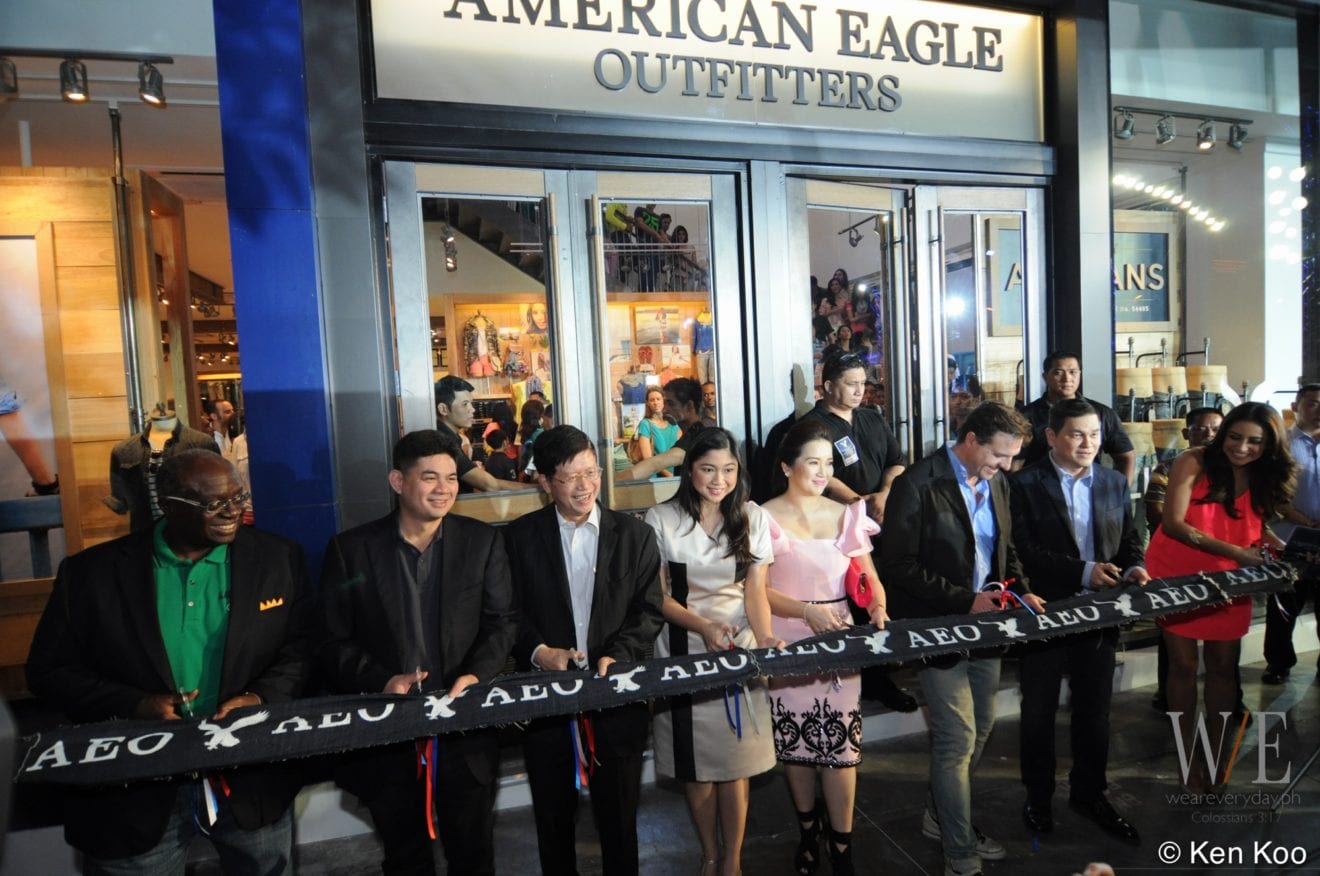
    “We look forward to bringing our casual American style and iconic American Eagle Outfitters jeans brand as well as Aerie intimates to new customers,” said Simon Nankervis, executive VP of global commercial operations.

    “Together with our licensed partners, we will offer the very best brand experience. Our partners bring vast knowledge in their respective markets, an expertise in building businesses and a strong passion for our brands.”

    In Korea, SK Networks has vast fashion brand experience, representing international brands including Tommy Hilfiger, DKNY, Donna Karan Collection, Club Monaco and Calvin Klein. Store openings will begin in mid-2015, with several shops planned to be trading byyear end.

    In Singapore, Trendz 360 is an established distributor and retailer of international brands,representing Patagonia, DKNY Kids, Nike Equipment and Patrick. It plans to open the first store in mid-2015.

    American Eagle Outfitters currently has 111 licensed stores in 17 countries, including Hong Kong, the UAE, Kuwait, Russia, Saudi Arabia, Lebanon, Jordan, Morocco, Egypt, Israel, Japan, Poland, the Philippines, Colombia, Panama, Thailand and Indonesia. The company currently expects to open approximately 40 licensed stores in fiscal 2015.

  • Korean cosmetics a hit in China

    Korean cosmetics a hit in China

    Korean cosmetics products are expanding their presence in China on the back of the ‘Korean Wave’.

    Korea is the second biggest source of cosmetics sold in Asia’s second-largest, but fastest growing beauty market, according to data out this week.

    Out of $686.2 million worth of cosmetics China imported in the January-March period, South Korean products accounted for 19.1 per cent, or $131.2 million, coming next to France’s 33.6 per cent market share, according to the data compiled by the Korea International Trade Association (KITA).

    Japanese cosmetics took third with 15.3 per cent, followed by American brands with 11 per cent, KITA said.

    Korea moved up two notches from last year’s spot as China’s imports of Korean cosmetics more than tripled in the first quarter from a year ago, while French and Japanese products surged 10.2 per cent and 37.2 per cent, respectively, in the same period.

    Thanks to strong sales in China, total exports of Korean cosmetics nearly doubled to $582 million in the first three months of this year, which in turn improved their earnings.

    Amore Pacific, the nation’s leading cosmetics firm, posted 320.7 billion won in operating profit in the first quarter, a 50 per cent hike from a year earlier, its regulatory filing showed.

    Operating profits of Kormar, a smaller local rival, jumped 62.9 per cent over the period, far exceeding market expectations.

    LS Cosmetics, which is well-known for face mask sheets, logged 17.5 billion won in operating profit, recording an over 100 times on-year surge. Its shares, which are traded on the secondary KOSDAQ market, jumped 338 per cent this year to become one of the top earners in the local stock market.

    “Korean companies are showing stellar performance in the Chinese market based on the Korean Wave and competitive price ranges and brand lineups,” Na Eun-chae, a researcher at Korea Investment & Securities, said.

    “The outlook for Korean cosmetic makers is positive in the mid- and long- term.”

  • Personal label saving Korean retailers

    Personal label saving Korean retailers

    As South Korea’s giant retailers are affected by damaging progress, personal manufacturers (PB), or personal labels (PL) are providing a ray of sunshine to Korean retailers.

    Gross sales of personal branded items have elevated 20 to 30 per cent within the first quarter in comparison with the identical interval final yr.

    PB items are often 20 to 30 per cent cheaper than different model items, and as they’re turning into more and more widespread, extra clients are constructing belief in sure manufacturers.

    Gross sales of Residence Plus PB items within the first quarter elevated 21 per cent, whereas gross sales of all items mixed solely elevated zero.9 per cent. PB merchandise now account for 28.four per cent of Residence Plus merchandise.

    Gross sales of PL items additionally elevated 15.four perc ent at E-Mart, whose administration report their  1.1 per cent gross sales improve within the first quarter – the primary year-on-year constructive progress price in 13 quarters – was because of the reputation of PB items.

    Gross sales of PB items on the CU comfort chain additionally elevated 7.6 per cent for the primary quarter in 2013, 9.1 per cent in 2014 and 22.eight per cent for a similar interval this yr. Gross sales of such items at 7-Eleven elevated a record-high 34.eight per cent.

    A person with information of Lotte Mart’s operations stated that though there was some distrust in personal manufacturers up to now, nowadays they’re among the many best items, as they’re produced by well-known producers.

    CU stated that it will give attention to creating private hygiene PB items sooner or later, because it has been solely creating snack PB items up to now.

    House Plus additionally stated that it will improve PB manufacturing, saying that as greater than 90 per cent of PB producers are SMEs, the present growth might additionally end in a constructive synergy impact on them.

  • Hyundai shows $50m value of watches

    Hyundai shows $50m value of watches

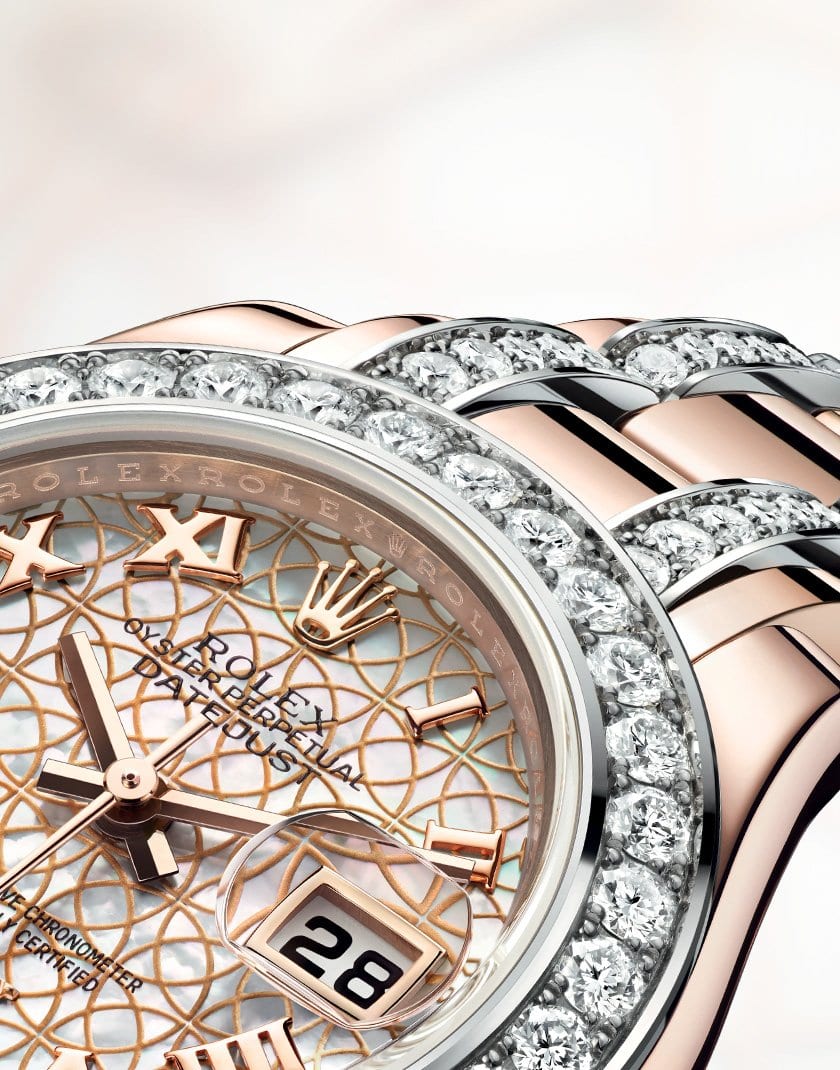
    Korea’s Hyundai Division Retailer will reveal a 490 million gained (US$453,500) Swiss luxurious watch this month.

    The shop is holding a luxurious watch exhibition at its Commerce Middle till Might 18 and at Apgujeong department till Might 18.

    The entire worth of the watches is round 50 billion gained, or US$46.three million.

    Luxurious watch manufacturers to go on present embrace Audemars Piguet, Jaeger-LeCoultre, Piaget, Blancpain, Vacheron Constantin, Breguet, Roger Dubuis and Panerai.

    The costliest watch might be Jaeger-LeCoultre’s “Rendez-Vous Tourbillon Excessive Jewellery”, which prices 490 million gained. The posh watch options 547 diamonds totaling 9 carats.

    The shop will exhibit greater than 400 luxurious watches together with these submitted to the Salon Worldwide de la Haute Horlogerie and Baselworld, held respectively in January and March.

  • ‘Cardless credit card’ launched in Korea

    ‘Cardless credit card’ launched in Korea

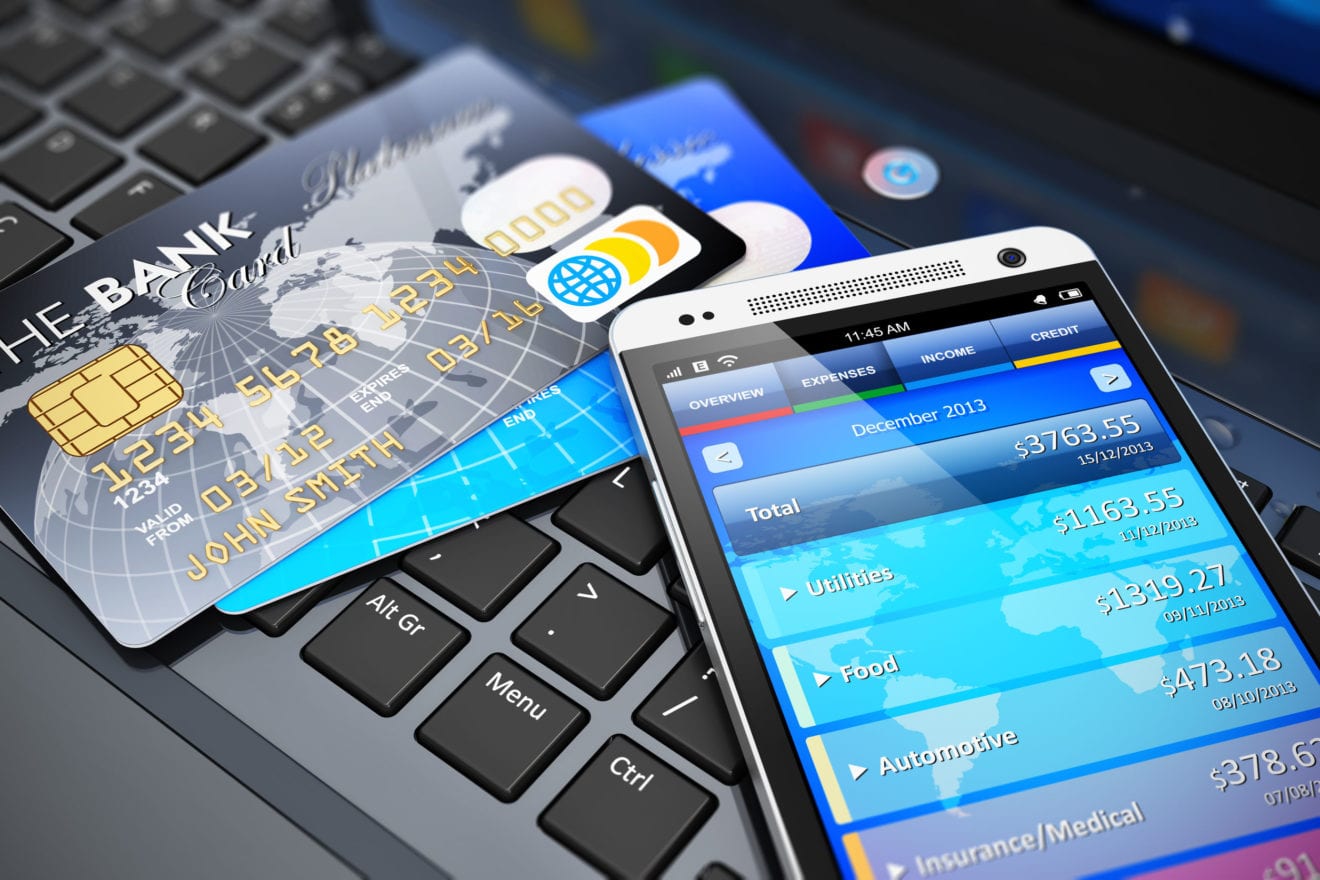
    Financial services business BC Card is set to launch Korea’s first mobile credit card service that does not involve the use of a real plastic card.

    BC Card has conducted a series of pre-launch tests for its new ‘cardless credit card’ over four days, and concluded that there weren’t any problems in terms of subscription, registration, issue, payment, payment and membership cancelation.

    BC Card provides third party payment processing services to Korean banks and a rnage of debit and credit card products.

    Following the Financial Services Commission’s recent decision to lift a regulation that obliged companies to release actual plastic cards when they launched mobile services, BC Card will be first company to launch a mobile-only credit card in Korea.

    The company is planning to launch various types of mobile credit cards, using USIM, eSE (embedded SE), HCE (Host Card Emulation) and NFC (Near field communication) technology.

    BC Card’s mobile-only credit card will be accepted at large retailers, department stores, convenience stores and gas stations.

    A BC Card official said that the company would be able to save costs associated with issuing plastic cards, and invest more money to provide benefits for its customers.

  • Belif Malaysia makes debut

    Belif Malaysia makes debut

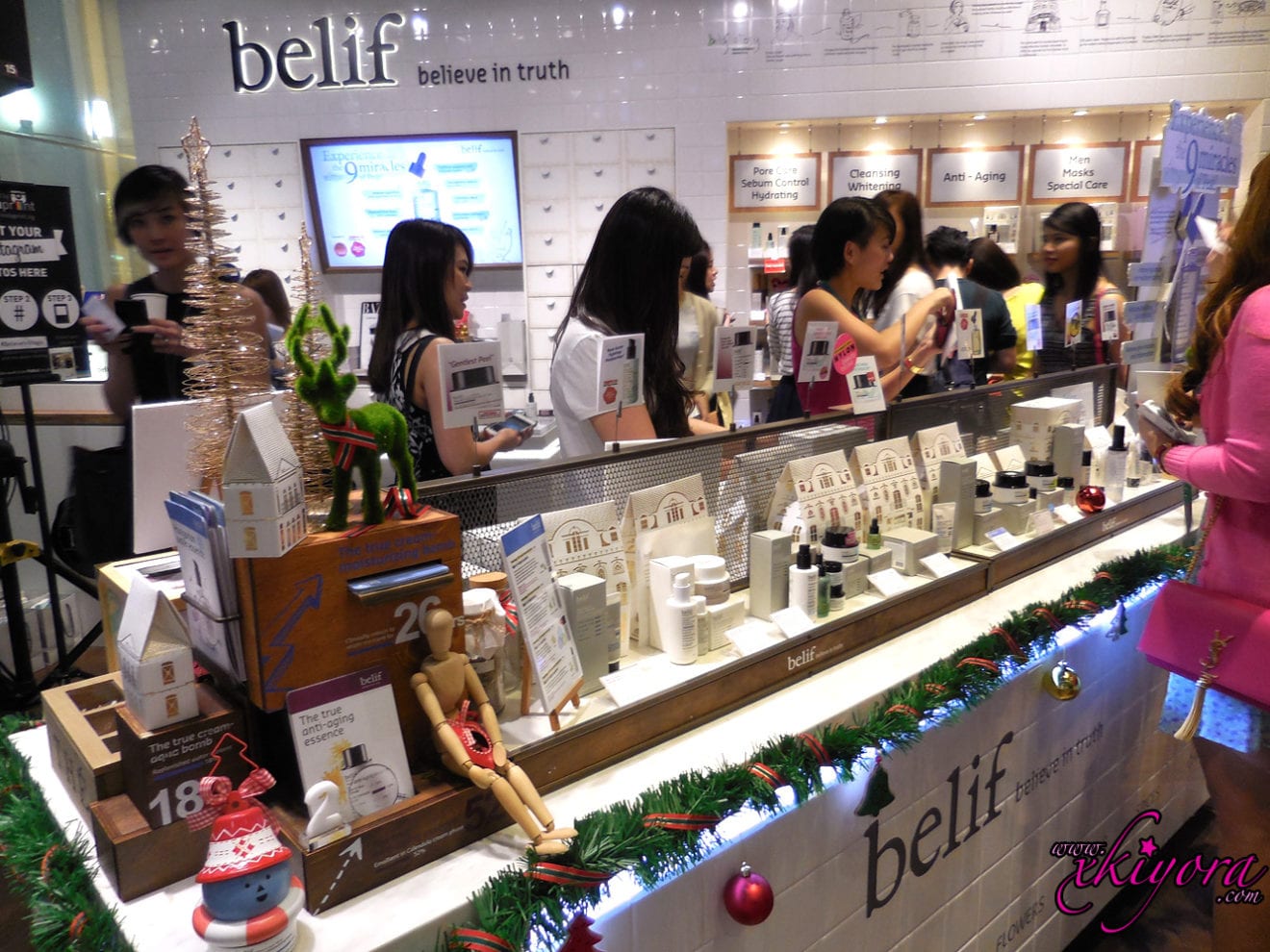
    Korean cosmetics brand Belif has opened its first store in Malaysia in Kuala Lumpur’s Sunway Pyramid Mall.

    Belif Malaysia has been introduced by listed jewellery retailer Tomei which has the rights to other markets in the region but plans to focus on Malaysia for the time being to fully assess its potential.

    Between three and five stores are planned initially.

    Belif is marketed as a herbal lifestyle cosmetics brand based on recipes dating back to Britain in the 1860s and combined with modern day Korean skin science.

    The brand distinguishes itself with packaging which is honest about its ingredients. Each of its products addresses diverse skin types and concerns with formulas that are free of mineral oil, synthetic fragrances, synthetic dyes, synthetic preservatives and animal origin ingredients.

    The debut store in Kuala Lumpur is on Sunway’s ground floor near the Tomei jewellery store.

  • S Korea’s E.Land to optimise provide chain operation by implementing Manhattan’s know-how

    S Korea’s E.Land to optimise provide chain operation by implementing Manhattan’s know-how

    E.Land World Ltd, the most important attire model in South Korea and the core attire subsidiary of worldwide retail group E.Land, is implementing Manhattan’s Provide Chain Commerce Options to assist fulfil on its service promise to clients and allow future enterprise progress.

    With Manhattan’s know-how, E.Land World will have the ability to present a speedy and constant fulfilment expertise to its clients. The answer deployment is already underway on the firm’s Cheonan distribution centre (DC) in South Korea, a newly constructed 1 million sq. ft. facility using 300 individuals and dealing with 340,000 stock-keeping models.

    The implementation is being carried out by a joint workforce from Manhattan Associates, E.Land IT subsidiary E.Land Techniques Ltd. and native Manhattan associate Worth Chain Consulting & Applied sciences.

    “As a market-leading style model, it’s crucial that E.Land World is supported by an environment friendly, strong and agile provide chain infrastructure,” defined Choon Woo Leem, vice chairman of Logistics at E.Land World. “The Manhattan options will assist us optimise our provide chain operation and provides us a extremely versatile fulfilment functionality, making certain we will meet the more and more refined necessities of our clients.”

    Whereas the primary part of the challenge is focussed on the South Korean distribution centre supporting the attire retail subsidiary, dad or mum firm E.Land plans to roll out the Manhattan know-how to different group companies in a number of geographies. E.Land expects the second part of the challenge to begin with deployments at distribution centres supporting its retail enterprise in China.

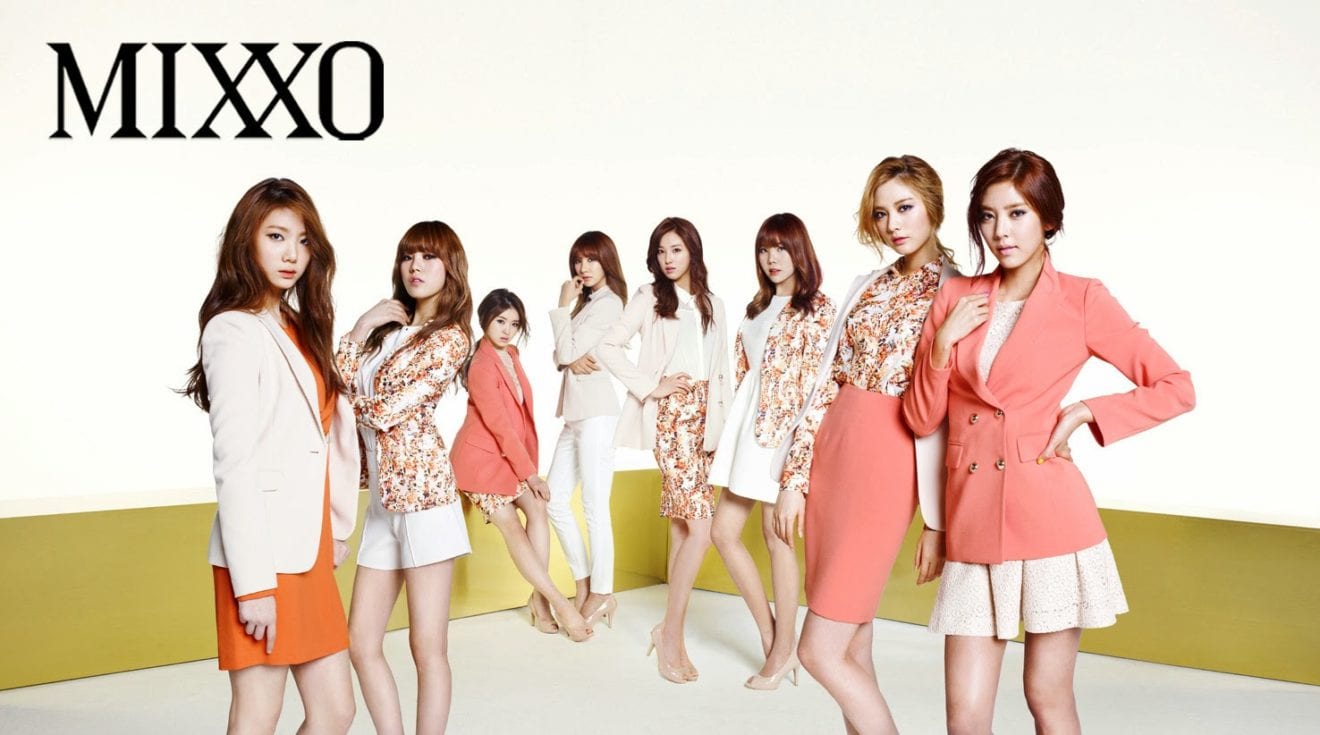
    E.Land’s retail operations span a number of markets all over the world together with China, Japan, Sri Lanka, UK, US and Vietnam. It operates companies within the restaurant, leisure, grocery, e-business and development sectors. The attire division of the group boasts 60 totally different style manufacturers and group annual turnover exceeds USD7 billion. In recent times, it has acquired the worldwide advertising rights for Okay-Swiss, the worldwide tennis shoe model and launched the SPAO and MIXXO style manufacturers in Japan.

  • Middle-aged Koreans embrace mobile shopping

    Middle-aged Koreans embrace mobile shopping

    As grocery shopping through major retailers’ mobile shopping platforms is becoming a normal practice among Koreans, women in their forties are increasingly using mobile devices to buy their groceries.

    According to the Ticket Monster social commerce site, 73 per cent of the company’s female customers made purchases through the company’s mobile platform in the first quarter of the year.

    The figure represents a three per cent increase over the average for 2013 as a whole. Women in their thirties were the largest group of purchasers at 52.7 per cent, while women in their twenties and forties stood at 27.4 per cent and 16.1 per cent respectively.

    However, purchases among women in their forties increased the most, with growth of 3.5 per cent, while sales among those in their twenties actually declined by 4.8 per cent.

    These groups purchased groceries the most, including fresh food.

    Customers of both sexes in their thirties were the most frequent buyers of fresh food through the Ticket Monster mobile platform with a 51 per cent share, compared to 23 per cent and 21 per cent for those in their forties and twenties respectively.

    Ticket Monster saw its mobile platform fresh food sales grow threefold in the first quarter compared to the same period last year.

  • Baby supplies chains land in Korea

    Baby supplies chains land in Korea

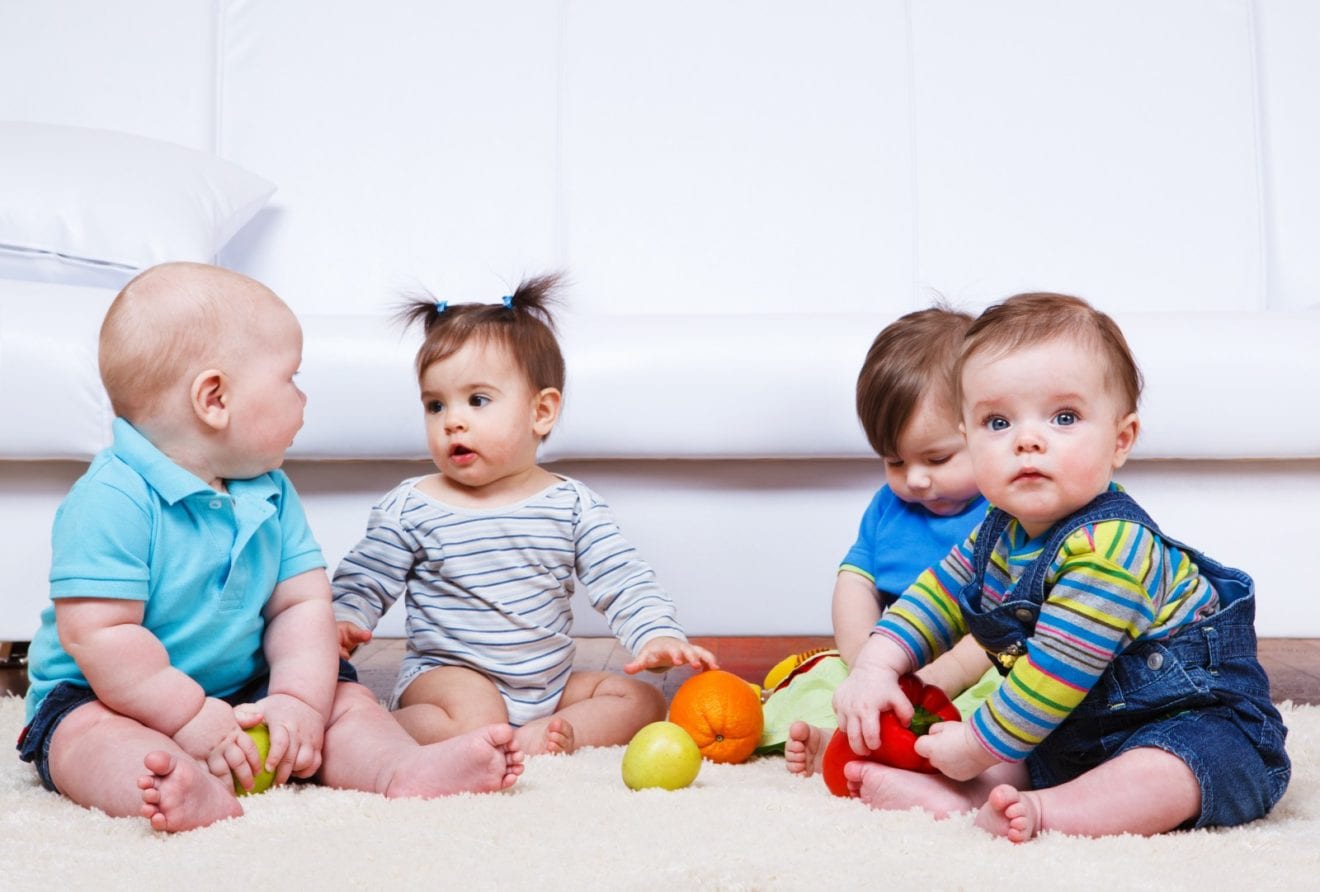
    Two Global SPA brands for baby supplies have entered the Korean market.

    BabiesRus, the world’s largest baby product retailer, has opened a store at Lotte Mart’s Suwon branch.

    Strollers, baby car seats, supplements for babies and clothes from various global brands can be found at the store.

    With the first BabiesRus store established in New York in 1996, Toys “R” Us, the American toy retailer, now operates 670 BabiesRus stores in 17 countries.

    It was previously reported that Lotte Mart has been in talks with Toys “R” Us for a year to establish BabiesRus stores in Korea. Lotte Mart currently operates 34 Toys “R” Us stores in Korea, starting with its first store at its Guro branch.

    The Korean retailer is also offering a special discounts to families with more than two kids under 13 years old at its Toys “R” Us stores.

    Another SPA brand, ‘Mothercare,’ which originated in the U.K in 1961, has opened four stores at Home Plus branches.

    There are currently 1200 Mothercare stores around the world, and there will be five additional stores in Korea within the year.