Tag: Korea

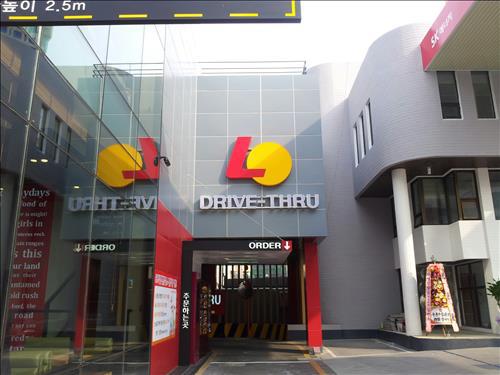
  • Drive-thru stores on rise in S. Korea

    Drive-thru stores on rise in S. Korea

    U.S. fast food chain McDonald’s, which opened its first drive-thru store in the country in 1992, operates 187 drive-thru stores, according to company data. The figure accounts for nearly half of its stores in Korea.

    “We’ve seen a rise in customers using drive-thru stores in suburban areas,” said a company official, adding that the fast food chain plans to raise the portion of drive-thru stores to 70 percent.

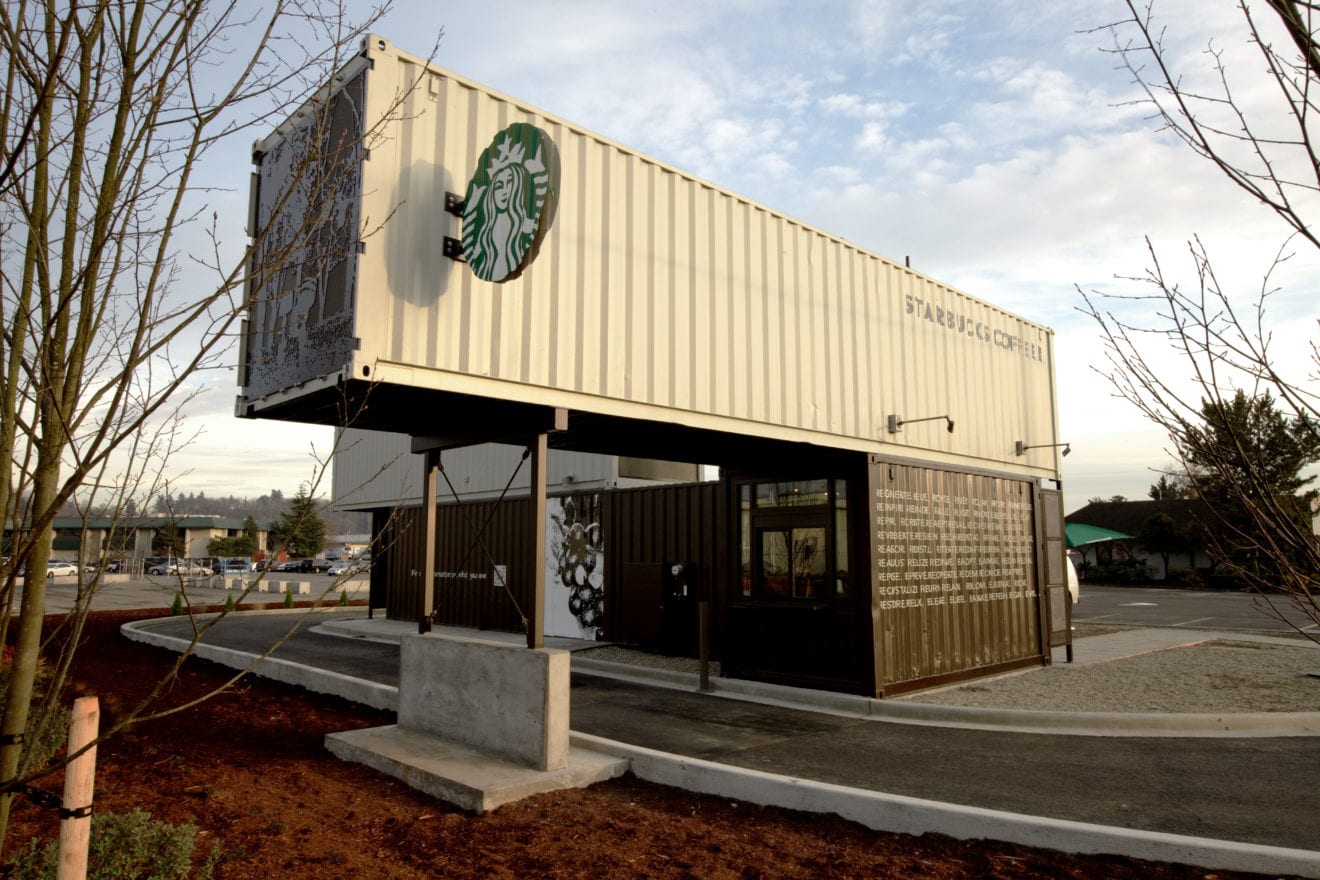
    Other franchise chains are also expanding their drive-thru stores. U.S. coffee franchise Starbucks operates 34 drive-thru stores, while local fast food chain Lotteria runs 46 drive-thru stores.

    The growing popularity of drive-thru stores has prompted non-food franchises to also open them. In April, Lotte Supermarket, an affiliate of retail conglomerate Lotte, adopted a drive-thru store where customers can do their grocery shopping.

    The trend comes as retailers are grappling to secure new growth engines amid sluggish domestic demand and rising competition. With the exception of duty-free stores, most retail channels are facing slowing growth as consumers shop from overseas or shop online.

  • Ministop Korea fined for squeezing suppliers

    Ministop Korea fined for squeezing suppliers

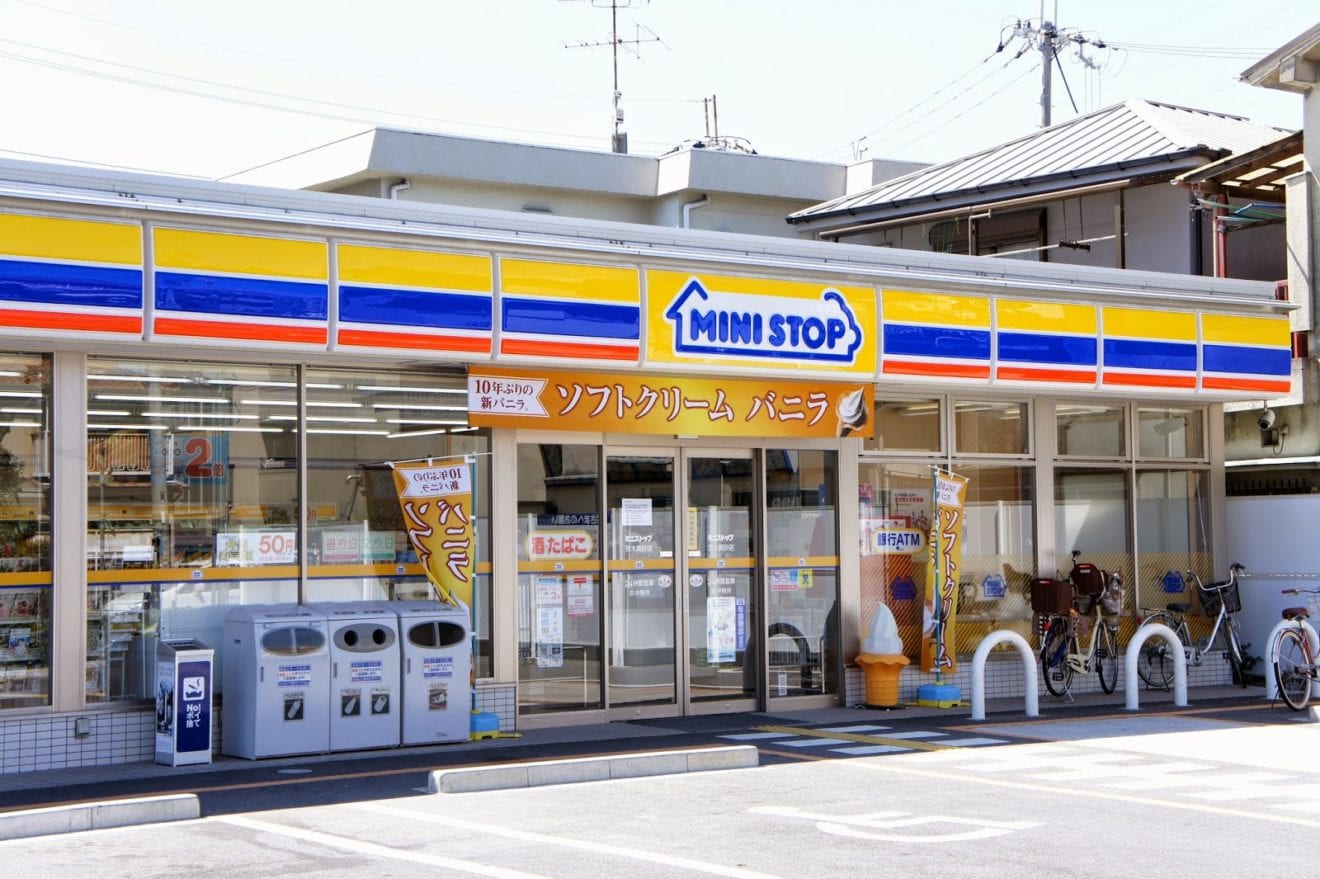
    South Korea’s antitrust watchdog has slapped a 114 million gained (US$103,100) wonderful on comfort retailer chain Ministop Korea for unfair commerce practices and ordered the corporate to take corrective motion.

    The penalty towards the native affiliate of Japan’s Aeon group, one of many largest retailers in Asia, comes after Ministop Korea abused its superior place to arbitrarily change contracts with its worth added community (VAN) corporations, the Truthful Commerce Fee (FTC) stated.

    A VAN firm facilitates digital knowledge interchange (EDI), akin to bank card approval and settlement.

    “Ministop unilaterally halted dealings with two native VAN corporations in February 2011 after they did not match a proposal made by one other agency that provided appreciable financial incentives to vary its community associate,” the FTC stated.

    Through the course of, the comfort retailer chain acquired financial advantages from the prevailing VANs that originally needed to take care of their contracts however later baulked when the demand turned extreme, it stated.

    The watchdog stated the 2 VANs had accepted the change to their contracts in September 2010, which required them to pay three.5 billion gained over seven years, however when Ministop Korea requested for the signing of a revised association simply 5 months later, they rejected the decision and had their contracts terminated.

    The FTC stated it has additionally requested state prosecutors to launch a legal investigation into the case.

    The watchdog stated the newest motion towards Ministop Korea will ship a warning to giant retail chains which were cited prior to now for exploiting VAN corporations.

    “The transfer ought to assist right unfair commerce practices within the EDI sector,” it stated.

  • Dior Seoul flagship opens doorways

    Dior Seoul flagship opens doorways

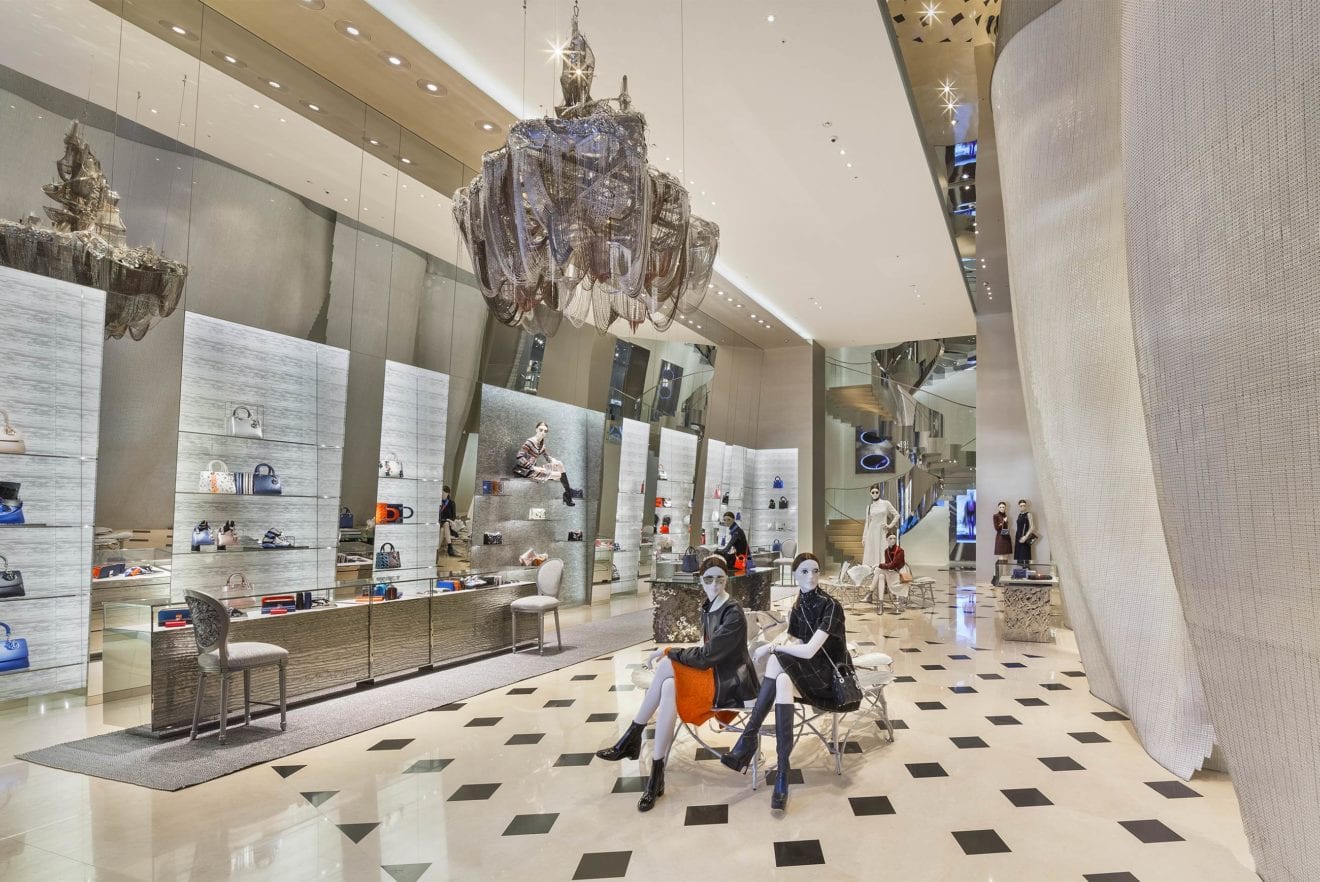
    Luxurious style label Dior has opened a shocking flagship retailer in South Korea’s capital which we assure is like nothing you’ve seen anyplace on the planet ever earlier than…

    Designed by Christian de Portzamparc, the six storey Dior Seoul retailer contains a curvaceous white exterior barely harking back to an enormous enamel tooth.

    And inside is “a wealth of surprises” as Dior places it.

    In a decor made from wooden, lacquers, leathers, superb weaves and progressive melanges to excite the senses, inside designer Peter Marino has chosen to welcome guests with a suspended sculpture by Korean artist Lee Bul. The staircase is conceived as an unfurling ribbon that guides buyers to the ladies’s ready-to-wear collections, leather-based items, footwear, jewelry, watches and perfumes.

    But in addition to the Dior Homme area, and to an artwork gallery with a personal salon the place work by Marc Polidori, amongst others, are on present.

    The highest flooring is residence to the Café Dior by Pierre Hermé. “This new, full-sized location completely evokes the historical past of the Home in probably the most modern of visions,” says Dior.

    The Dior Seoul flagship, which opened on Saturday (June 20), is situated on a nook website within the Gangnam-gu district. It’s open every single day from 11am-8pm.

  • Korean online malls draw global shoppers

    Korean online malls draw global shoppers

    The number of customers using Korean online malls is sharply increasing not just in China and North America, but in new markets around the globe.

    SimpleX Internet, which runs Korean eCommerce solutions specialist cafe24, says Korean cross-border shopping malls are tapping into markets in Southeast Asia, Europe, South America and Australia.

    President Lee Jae-suk says while making the best use of the online environment that provides an easy way to reach customers around the world compared with the offline market, many Korean shopping malls have had success from customising their website experience and offer to each country.

    Funny Love, an online shopping mall specialising in ‘family looks’ has become so successful online, it opened an offline shop in Kazakhstan recently. This is the outcome of the cross-border shopping mall that has drawn great attention among local consumers since 2013. The company’s belief that ‘Korean style family look’ would fit perfectly into the sentiment of Asian people has come true, and thus, the expansion of their sales channels to Vietnam and Singapore.

    Mother’s Corn which specialises in eco-friendly tableware for children, made from plant materials, has acquired the strict CE mark and the Federal Institute for Drugs and Medical Devices certificate through its own manufacturing technology. As a result, this has enabled the company to make inroad into markets in over 10 countries in Southeast Asia and Europe, including the Philippines, Indonesia, France, Poland and Germany. It has doubled its overseas sales as of May of this year compared with the same period last year.

    President Kim Mi-jin explained: “We won the trust of consumers around the world by providing details of the products using various online contents. We will expand the demand in Europe by releasing new products such as dishwashers.”

    Jam Studio, the design props dealer, boosted its business through cross-border shopping mall targeting Southeast Asia. Even slightly more expensive products are selling well due to the popularity of the Korean Wave in Southeast Asia. The customised marketing using Social Networking Services (SNS) such as Facebook and Instagram also played a part.

    In addition, shopping malls carrying environment-friendly organic products for Canadian and Australian consumers and those carrying moisturising cream for consumers in hot regions of Southeast Asia are also examples of marketing based on the characteristics of each country.

    Language is no barrier for consumers using Korean crossover shopping malls around the globe. Korean companies setting up cross-border shopping malls through cafe24 can do so in English, Chinese, Japanese, Spanish, and Portuguese through cafe24, and French and German will be available within this year as well.

    “7 billion people around the world are purchasing Korean products through the experienced eCommerce infrastructure,” said Lee Jae-suk of cafe24 parent SimpleX Internet.

    “Korean cross-border shopping malls will strengthen their competitive edge with strategies customised to each country.”

  • Lotte Indonesia tipped to purchase malls

    Lotte Indonesia tipped to purchase malls

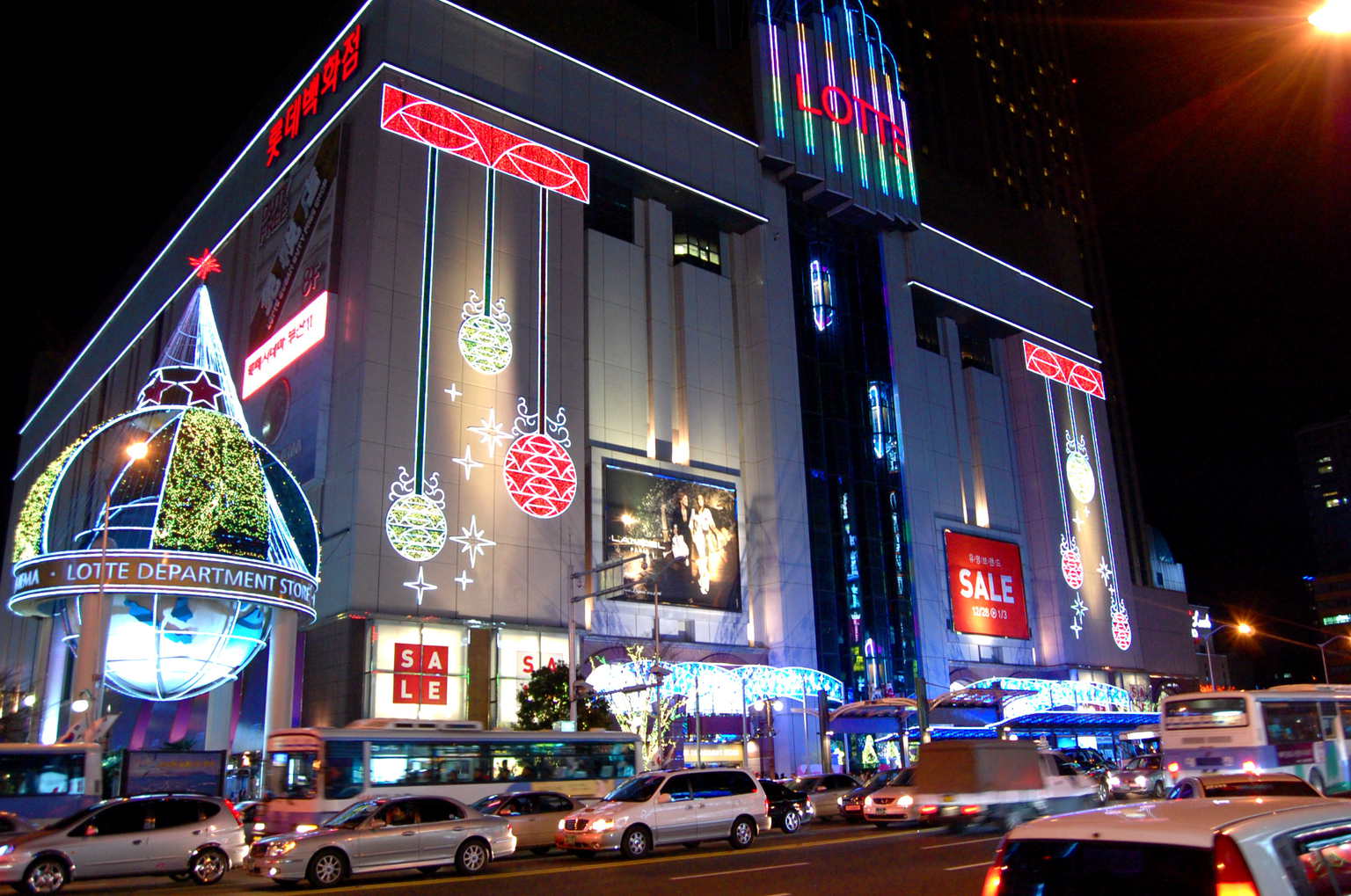
    Korea’s Lotte Group is reportedly planning to purchase a number of purchasing malls in Indonesia to broaden its operations within the fast-growing Southeast Asian financial system.

    A Lotte spokesman has successfully confirmed discussions however advised media in Korea that “nothing has been determined but”.

    In line with information reviews, Lotte Indonesia engaged Samil PricewaterhouseCoopers to purchase a constructing in Jakarta’s south. The tower, on a 48,000 sqm website, features a seven story excessive finish shopping center, workplace tower and a lodge presently operated underneath the Sofitel model. (Lotte has its personal lodge community underneath the Lotte model).

    In response to the stories, the acquisition is considered one of a number of involving buying malls in Indonesia which is at present underneath negotiation.

    Lotte, which can also be making vital investments in resorts, retailing and quick meals in Vietnam, entered Indonesia in 2008. It now has 39 Lotte Mart grocery hypermarkets there, a division retailer, 33 Lotteria burger eating places and, in Jakarta, an obligation free retailer.

    Lotte chairman Shin Dong-bin is main an aggressive worldwide enlargement program, investing US$6.7 billion in retailing, motels and development. It just lately acquired a lodge in Manhattan.

    “We should always not maintain again on investments to hunt progress regardless of the worsening enterprise setting,” he stated again in February.

  • Cooking exhibits drive late night time retail gross sales

    Cooking exhibits drive late night time retail gross sales

    Well-liked late night time cooking exhibits are proving a gentle driver of gross sales for on-line meals retailers.

    News from South Korea exhibits that as cooking exhibits achieve reputation in late night time time slots, TV viewers are buying extra meals by cellular, particularly between 10pm and midnight.

    In accordance with Ticket Monster, an internet buying website in Korea, which analysed cellular buying patterns tendencies from January to Might, gross sales of meals from 10pm to 12pm are 65 per cent larger than different time segments. As well as, cellular meals gross sales in the course of the time phase elevated 51 per cent over the identical interval of the earlier yr.

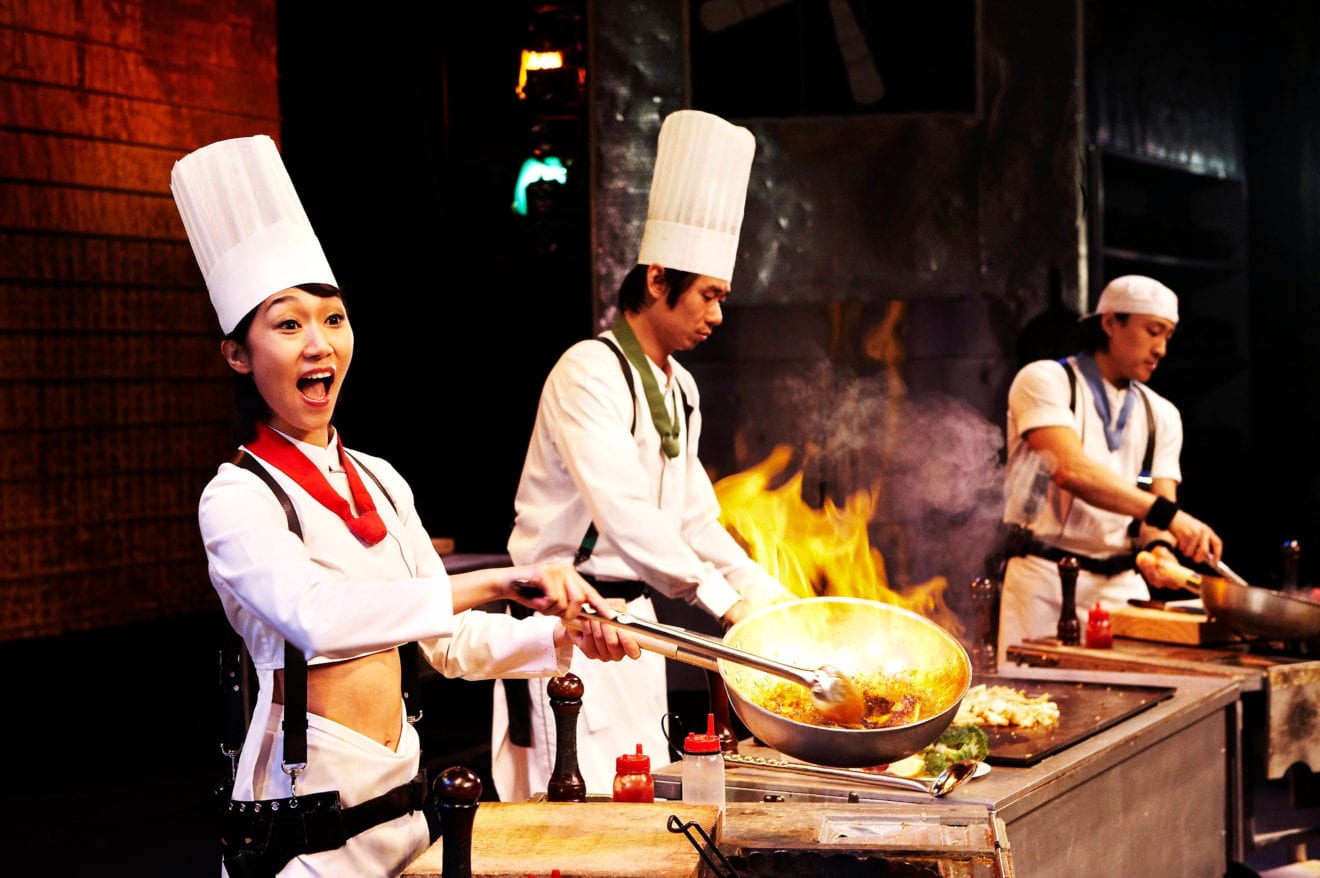
    Many cooking exhibits together with “Three Meals a Day” and “Home Prepare dinner Grasp Bake” on tvN, “Please Take Care of My Fridge” (pictured above) on JTBC and “What Shall We Eat As we speak?” on Olive TV air after 10pm, and tempt viewers with their tasty choices.

    Ticket Monster famous that gross sales of prompt meals elevated 45 per cent through the time phase over the earlier yr, and recent meals elevated 102 per cent. Gross sales of pork stomach soared 156 per cent adopted by dried seaweed (134 per cent), swordfish (81 per cent) and mackerel (52 per cent)

    An official at Ticket Monster stated: “As cooking exhibits appeal to extra viewers, extra cellular buyers try to prepare dinner their very own meals. To attraction to those shoppers, we’re getting ready top quality recent meals to extend our competitiveness.”

  • Shinsegae opens big mall

    Shinsegae opens big mall

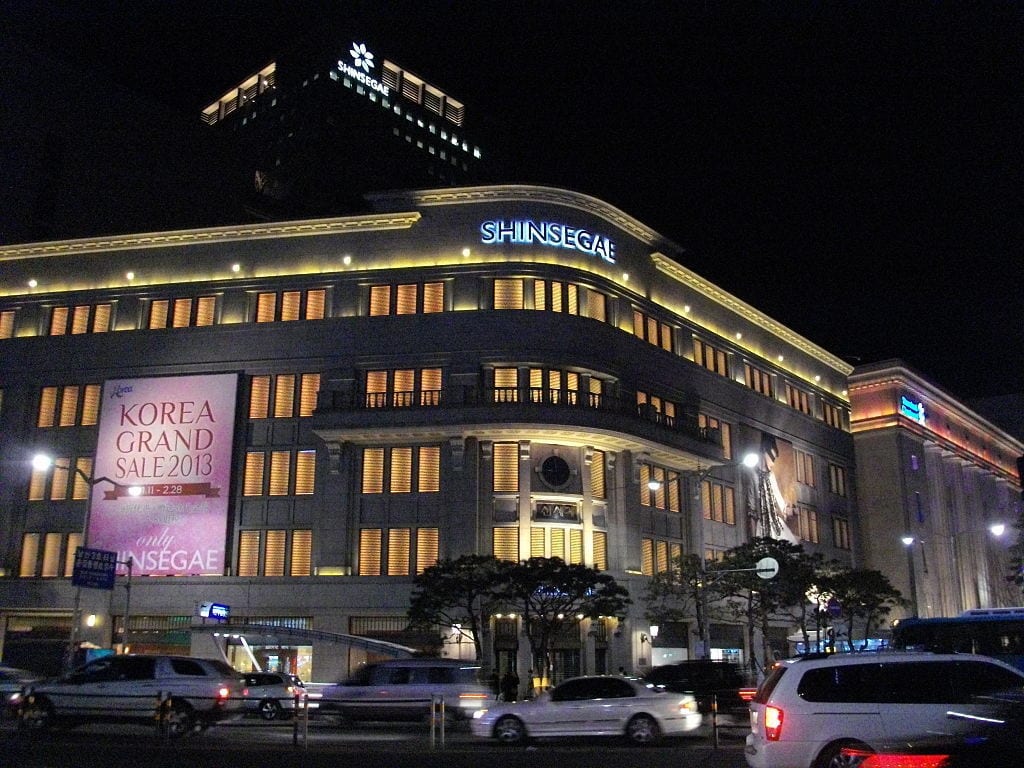
    Korea’s Shinsegae Group is about to open an enormous purchasing centre northwest of Seoul which it hopes will take the battle to Ikea for homewares buying.

    Shinsegae, one of many nation’s largest division retailer operators, will open E-Mart City on June 18, on a website adjoining to the Kintex conference centre in Ilsan, within the Gyeonggi province.

    The corporate is banking on Seoul residents heading out to the centre for a day’s buying, eating and leisure – a serious drawcard being carparking, which shoppers should queue for in downtown locations.

    E-Mart City, stated to be the dimensions of about 10 soccer fields, will inventory furnishings, house home equipment, homewares, groceries and meals. It can function an E-Mart grocery store and a wholesale warehouse.

    Shinsegae believes three branded retail areas will create some extent of distinction from its rivals: an upmarket foodcourt referred to as Peacock Kitchen that includes 14 meals manufacturers and seating for 300 individuals; residence furnishing retailer The Life providing some 5000 merchandise; and multi-brand equipment retailer Electro Mart.

    “We’ve got put all our assets into the mall as a way to set a brand new development in retail enterprise,” stated Shinsegae vice chairman Chung Yong-jin in a press release.

    “The E-Mart City is a cluster of trend-setting shops and good eating places. Individuals will be capable of have a high-quality one-stop purchasing expertise within the city.”

    Ilan is about to be a battlefield for main retailers, with Ikea planning to open its second Korea retailer there in 2017, and Shinsegae’s rivals Lotte, Tesco Residence Plus, Lotte Massive Market, Costco and Hyundai Division Retailer all inside a brief drive.

  • MERS fears drive Koreans on-line

    MERS fears drive Koreans on-line

    South Koreans are more and more turning to on-line channels for grocery purchasing as they eschew their traditional visits to grocers amid the continued unfold of Center East Respiratory Syndrome (MERS), business knowledge exhibits.

    South Korea has reported 150 MERS infections because the first case was confirmed on Might 20, the most important outbreak outdoors of Saudi Arabia the place the respiratory sickness was first reported in 2012. As of Monday morning (June 15) 16 individuals have died from the illness.

    Knowledge by the nation’s three largest grocers — E-mart, Residence Plus and Lotte Mart – exhibits well being considerations are driving Koreans on-line, with eCommerce orders and order quantities rising within the double digits as MERS infections and MERS-related deaths rise.

    Market chief E-mart noticed its on-line gross sales soar 63.1 per cent between June 1 and June 11, in contrast with the identical interval a yr earlier. The variety of orders additionally jumped 51.9 per cent.

    By product class, ready-to-cook house meals gross sales shot up 90.1 per cent adopted by a 83 per cent rise in recent meals and 69.9 per cent improve in processed meals.

    Tesco’s House Plus reported a 48.1 per cent improve in on-line gross sales and a 37.5 per cent rise when it comes to order worth. Lotte Mart noticed its on-line gross sales develop 26.eight per cent in contrast with a 10 per cent gross sales stoop at its brick-and-mortar branches.

    The unprecedented unfold of the doubtless lethal virus has emerged as a bugbear for Asia’s fourth-largest financial system that’s already grappling with limping exports.

    Final week, the central financial institution slashed the coverage price to a brand new low of 1.5 per cent as a part of “pre-emptive” efforts to stop MERS from adversely affecting sentiment and consumption.

  • Koreans plan ‘Asian Broadway’ in Seoul

    Koreans plan ‘Asian Broadway’ in Seoul

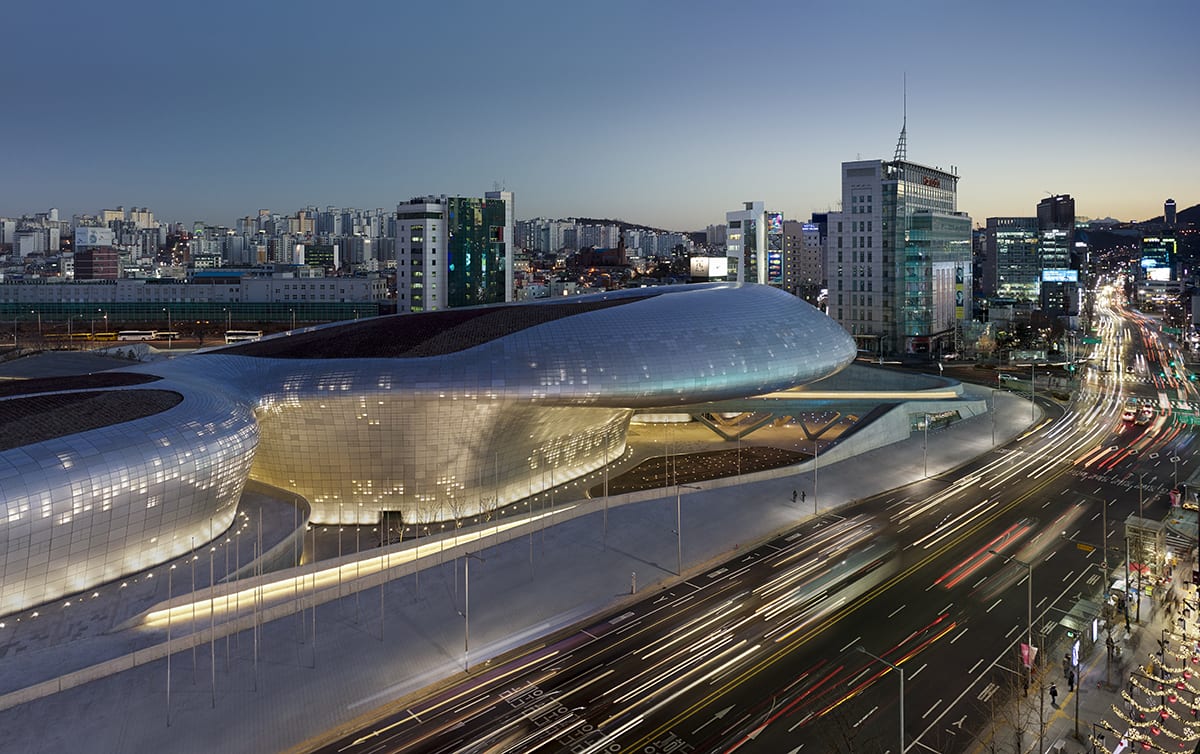
    SK Networks, which proposed utilizing the Cerestar constructing for a brand new duty-free store, plans to develop the Dongdaemun space into an Asian Broadway.

    The retail arm of SK Group, the third largest family-run conglomerate in Korea, already proposed investing 450 billion to 550 billion gained (US$460 to 496 million) in its bid for operation rights to a brand new duty-free store, and as a part of the bid, 200 to 300 billion gained can be invested to assemble infrastructure for trend, tourism and tradition within the area.

    SK plans to take a position 100 to 200 billion gained in infrastructure for a cultural city in collaboration with the Seoul Metropolitan Authorities’s Dongdaemun improvement challenge, which goals to advertise the style, tradition and tourism sectors. As well as, it should supply 10 billion gained to create the most important Media Façade at Dongdaemun Design Plaza.

    SK will pour a further 60 billion gained right into a small enterprise partnership fund to help Seoul’s “Manufacture Seoul” challenge and the Seoul Design Basis’s apprenticeship coaching for style and needlework. It’ll supply a complete of 30 billion gained to revitalise conventional markets in Dongdaemun.

    SK Networks, which operates the Walkerhill duty-free store in northeastern Seoul, will supply conventional market coupons to its duty-free store clients to assist small retailers within the markets.

    As soon as it good points its duty-free store operation license at Dongdaemun, it expects that the world will welcome a further three.three million vacationers per yr and create 33,000 new jobs, leading to three.four trillion gained value of financial advantages by 2020.

    An official at SK Networks stated: “We’ll type a mutual progress system by way of long run funding for the revitalization of the Dongdaemun space. We’ll lead the event of the area as an ‘Asian Broadway’ tradition city by mixing style, tradition and purchasing collectively.”

  • Mcommerce Surges Ahead in South Korea

    Mcommerce Surges Ahead in South Korea

    KOSTAT reported that mobile ecommerce sales were up 125.8% in 2014 as a whole compared with 2013.

    In Q1 2015, according to KOSTAT, travel accounted for the largest share of mcommerce sales in South Korea of any product category, at 16.0%. That was down from 19.5% a year earlier. Clothing was the second-largest purchase category, followed by household goods and motor vehicle parts and accessories, and food and beverages.

    According to Criteo, 50% of all ecommerce transactions at digital retailers in South Korea were mobile in Q1 2015, up from 45% in Q4 2014. Almost all such transactions came from smartphones rather than tablets.

    September 2014 polling by the Korea Internet & Security Agency (KISA) found that clothes, shoes, sports items and accessories were the most common mobile purchases in South Korea, and were bought by nearly eight in 10 mobile shoppers in the country. Movie and concert tickets came in a distant second, followed by books, magazines and newspapers.

    GlobalWebIndex reported that 40% of internet users in South Korea researched products on mobile phones in Q4 2014; 37% made a purchase via such devices. According to Q4 2014 data from We Are Social and the Interactive Advertising Bureau Singapore (IAB Singapore), 62% of the population of South Korea had made a digital purchase in the past month. Just over half that number, or 37%, had made a purchase via mobile phone in the same time period.

    KISA found that 58.6% of digital buyers in South Korea had made a purchase via smartphone in 2014, up from 43.2% the year before. Tablet buying was slightly down, from 3.0% in 2013 to 2.6% in 2014. In October 2014, 41.8% of digital shoppers in South Korea told DMC Report that the smartphone was their primary device for digital shopping—1.8 percentage points ahead of those who preferred desktops. Just 1.4% of respondents shopped mostly via tablet.

    eMarketer estimated in December 2014 that there were 26.6 million digital buyers in South Korea last year, or 73.0% of internet users in the country. At the same time, we estimated that 9.8% of total retail sales in South Korea would be digital this year. eMarketer does not break out mobile commerce sales or mobile shopper and buyer numbers for South Korea.

  • SK Telecom Wins Most Innovative Telecom Project Award

    SK Telecom Wins Most Innovative Telecom Project Award

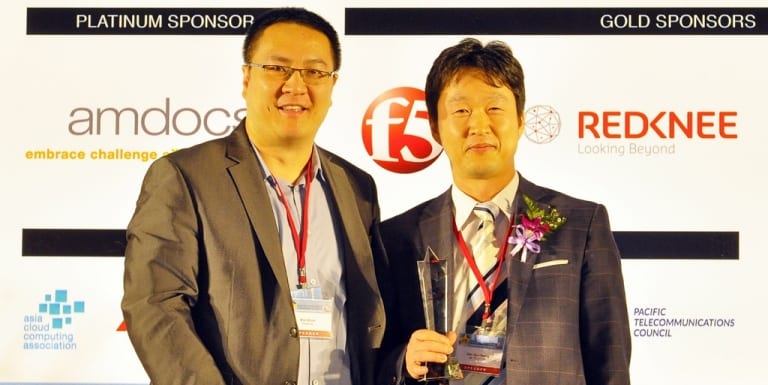
    SK Telecom won the Most Innovative Telecom Project (MITP) award on May 20 from the Telecom Asia Award (TAA) held in Jakarta, Indonesia, the company said.

    SK Telecom could win the Most Innovative Telecom Project award because TAA recognized the company’s continuous efforts for LTE technology development, particularly the commercialization of the “3 band LTE-A,” which provides a speed of 300Mbps maximum, SK Telecom said.

    TTA is held by Telecom Asia, a Hong Kong-based media company specializing in information technology, SK Telecom said. TTA has been awarding Asian companies for providing communication services or technologies, SK Telecom said.

    Park Jin-hyo, head of the network technology institution of SK Telecom, said that the company will continually innovate its network technology, with ambitions of being the world’s representative mobile communication company.

  • Singapore, Taiwan, Korea to get Apple Watch

    Singapore, Taiwan, Korea to get Apple Watch

    Singaporeans, Taiwanese and South Koreans will be capable of purchase the Apple Watch from later this month.

    “The response to Apple Watch has surpassed our expectations in each approach, and we’re thrilled to convey it to extra clients around the globe,” stated Jeff Williams, Apple’s senior vice chairman of Operations. “We’re additionally making nice progress with the backlog of Apple Watch orders, and we thank our clients for his or her endurance. All orders positioned via Might, with the only exception of Apple Watch 42 mm Area Black Stainless Metal with Area Black Hyperlink Bracelet, will ship to clients inside two weeks. At the moment, we’ll additionally start promoting some fashions in our Apple Retail Shops.”

    Apple says the Apple Watch might be obtainable in Singapore, South Korea, Taiwan, Italy, Mexico Spain and Switzerland from Friday, June 26 from the Apple On-line Retailer, Apple’s retail shops and chosen authorised resellers.

    The world’s developer group has already created hundreds of apps for Apple Watch with new apps for patrons to discover and uncover. Apple Watch wearers can already hold monitor of a Singapore Airways flight, keep in contact with associates in South Korea with KakaoTalk, discover the close by YouBike station in Taiwan and entry film tickets with Cinepolis in Mexico.

  • Koreans purchase Supra Footwear, KR3W Denim

    Koreans purchase Supra Footwear, KR3W Denim

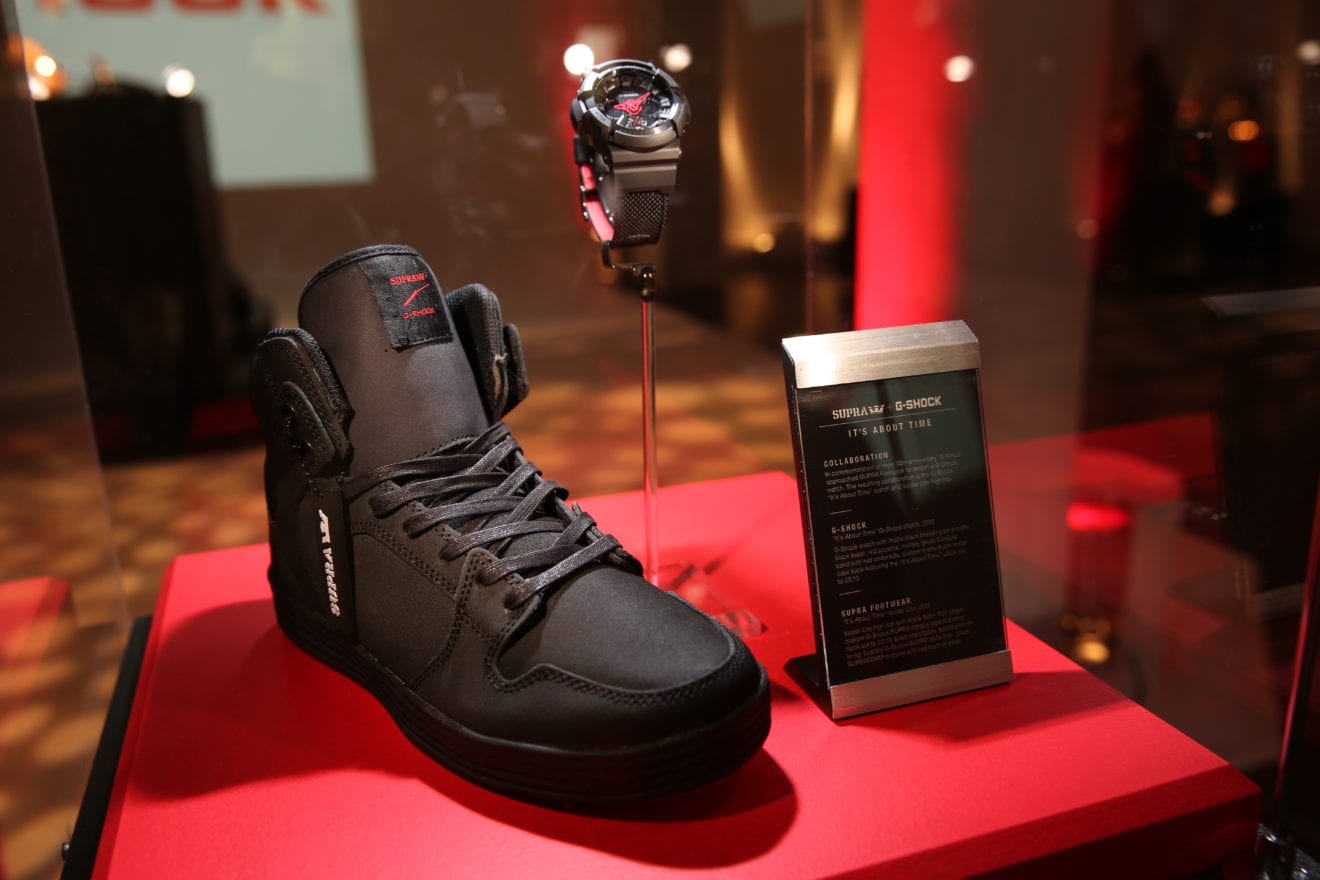
    South Korea’s E-Land Group has purchased two US style retail manufacturers – KR3W Denim Co and Supra Footwear.

    E-Land subsidiary Okay-Swiss International Manufacturers has purchased the 2 manufacturers’ father or mother One-Distribution, a skate-inspired attire and footwear producer.

    Based in 2006, Supra shortly turned one of many largest and most profitable unbiased sneaker manufacturers by way of innovation and elegance, fusing style, music, skateboarding, artwork and road to deliver basic silhouettes to those that demand distinctive designs.

    Supra has flagship shops in Tokyo, Santa Monica, New York Metropolis, Paris and Mexico Metropolis and distributes to over 60 nations by way of a community of choose skate outlets and high-end boutiques.

    KR3W, an attire model born from skate tradition, started in 2003, influenced by Southern California tradition. The model made its identify in denim, and altered the younger males’s denim paradigm with the introduction of its Okay Slim Denim Jean utilizing an progressive stretch material and a slender profile. KR3W has since expanded its attire vary, efficiently blurring the strains between skate and style, whereas sustaining its ‘Darkish Americana’ aesthetic.

    E·Land Group is a South Korean conglomerate headquartered in Chanjeon-dong Mapo-gu Seoul, South Korea.

    KSGB acquired the Fountain Valley, California-based agency from a gaggle of shareholders together with Bertram Capital, a San Mateo, personal fairness agency, and a small group of personal buyers together with One-Distribution Founders Scott VanDerripe, Angel Cabada and Scott Bailey. The worth was not disclosed.

    KSGB has appointed Robert ‘Cape’ Capener because the model president of each Supra and KR3W, reporting to Larry Remington, President and CEO of KSGB.

    “Having shaped KSGB simply two years in the past, we’re on an aggressive monitor to grow to be one of many world’s main multi-brand corporations,” stated KSGB President and CEO, Larry Remington.

    “Supra and KR3W are manufacturers that meet the distinctions we’re on the lookout for in our portfolio: authenticity, robust model consciousness, a monitor document of product innovation and alternatives for long-term, international progress. We’re excited to hitch forces with the One-Distribution group and to put a basis for the longer term.”

    This acquisition takes the KSGB portfolio to a complete of six globally distributed manufacturers, together with Okay-Swiss, Palladium, PLDM, OTZ Footwear, KR3W and Supra. E-Land Group, a $10 billion group of corporations with over 200 manufacturers, 10,000 retail shops and enterprise throughout attire, footwear, retail, lodges, leisure and leisure.

    One-Distribution at present has workplaces in California, Barcelona, Sydney and Dongguan, China.

  • Jack Ma enters Korean market to expand Alibaba empire

    Jack Ma enters Korean market to expand Alibaba empire

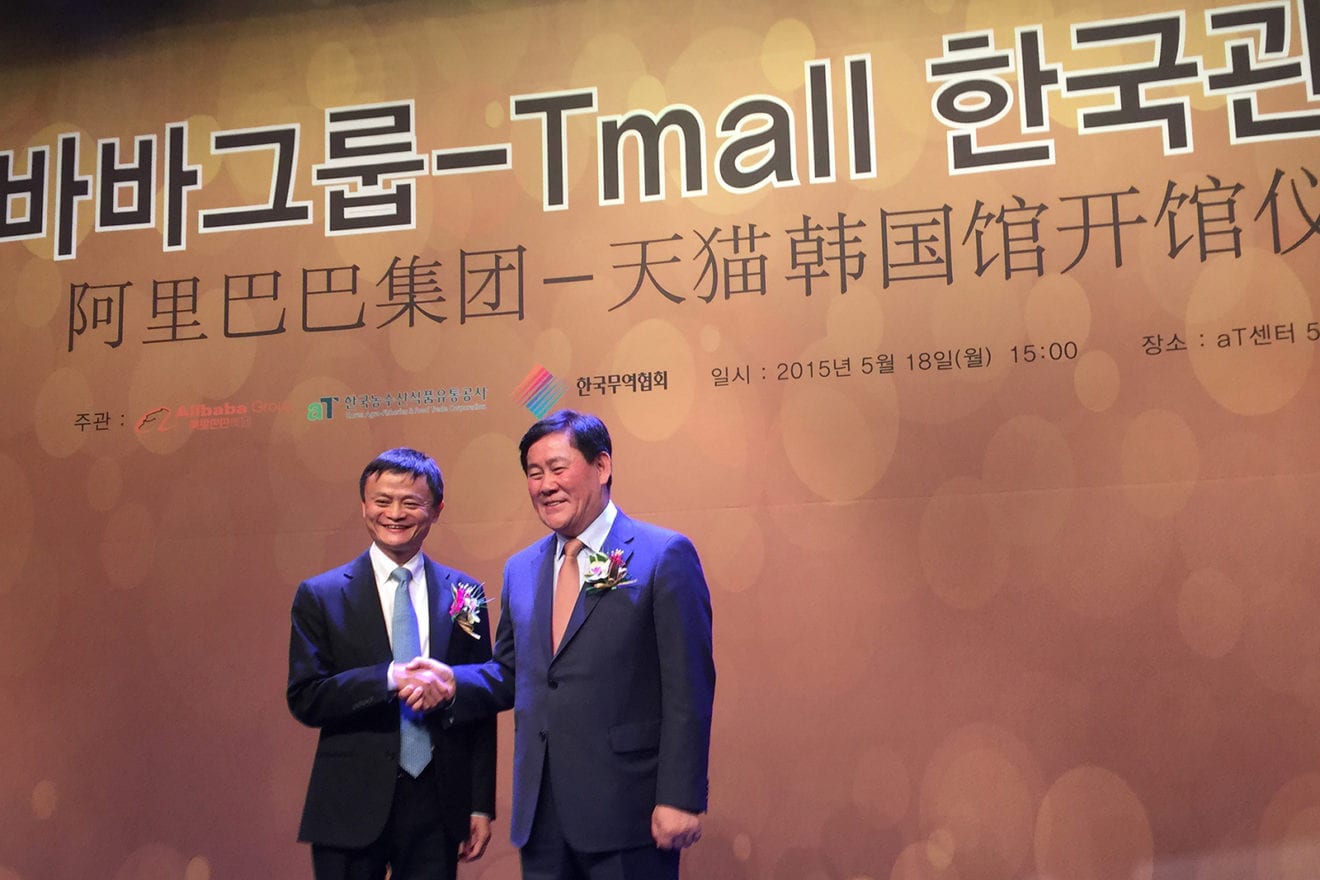
    Jack Ma, the chairman and founder of Alibaba Group Holding Ltd. who holds assets worth $36.4 billion, visited South Korea for the third time on May 17 to announce the launch of the Korea Pavilion on T-Mall, a business-to-consumer online retail channel.

    T-Mall is a profitable business for Alibaba Group Holding Ltd., with gross merchandise volume of 763 billion yuan (about $123 billion) last year.

    The Korea Pavilion, which opened May 18, deals with Korean retail items. The decision stems from the popularity of Korean products in China ― an employee at Alibaba Group Holding’s overseas business team stated that a Korean herbal cosmetics brand was their best-selling item during China’s Singles’ Day on Nov. 11 last year.
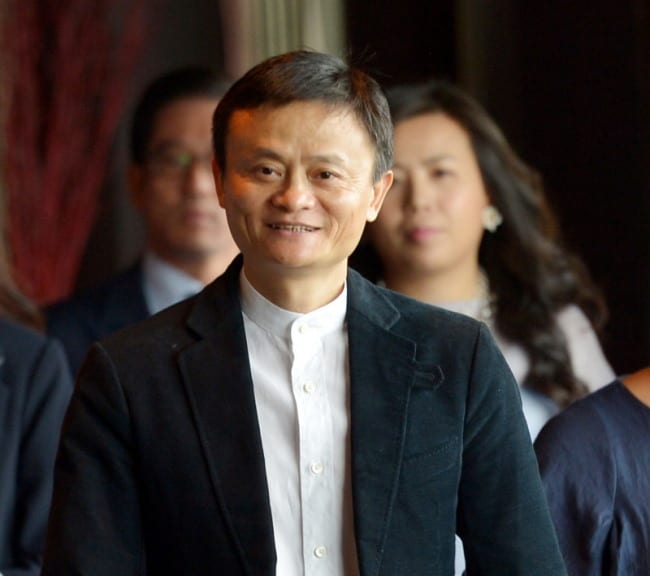
    But profit appears to be just one reason behind Ma’s decision to enter the Korean market. It appears that Ma has decided to use the Korean market as a testing ground to realize his vision of fostering Alibaba Group Holding Ltd. as a giant cultural empire beyond online retail.The T-Mall Korea Pavilion plans to attract Chinese customers by offering popular Korean products on their online retail website.

    At the Korea Pavilion opening ceremony held at the Korea Agro-Fisheries & Food Trade Corp. on May 18, Ma expressed delight in opening an online mall where Chinese customers can shop for authentic Korean products in one place.

    His use of the word “authentic” is noteworthy, showing his determination to use the Korea Pavilion to steer away from controversy over counterfeit products being sold through Alibaba channels.

    Alibaba has faced allegations that nearly half of the goods exchanged through several of their e-commerce sites are counterfeit.

    The Chinese government has also accused Alibaba Group’s e-commerce site Taobao of selling counterfeit products and failing to track them down effectively.

    Ma addressed the issue at the opening ceremony, stating that counterfeit products have been one of the biggest problems in the Chinese market, and adding that Alibaba Group has drastically reduced the sale of counterfeit goods through 10 years of effort.

    At the Asian Leadership Conference held last Tuesday at Hotel Shilla, Ma also said that “in order for corporations to survive for over 30 years, they must solve social issues,” and emphasized that Alibaba Group had created 14 million jobs. His statements reflect Ma’s additional plans for the South Korean market in addition to opening the Korea Pavilion.

    Ma appears interested in luring Korean youths as core followers of Alibaba, and announced that the group would offer a paid internship program in China specifically for Korean graduates, starting in July.

    Ma said Alibaba valued the potential growth of those in the younger generation who are setting out to create their own jobs, and that the program would target young Koreans in order to invest in their talent.

    Students who have gone through internships with Alibaba Group Holding Ltd. and start their own business are likely to sell their products through the T-Mall Korea Pavillion, as they would have learned how to best navigate the company’s online platform.

    Ma has also shown an interest in supporting tech start-ups run by young Korean entrepreneurs, signaling a possible cultural shift where Alibaba Group financially supports Korean start-up companies, while securing them as loyal customers.

    In addition to reinventing its image and finding new target audiences, Ma’s other business decisions seem to suggest that he views Korea as an eventual partner for his emerging cultural content business.

    Ma has been investing heavily in the sports and entertainment industry in China. Since March 2014, Ma has reportedly invested about $3.3 billion in cultural and entertainment-related businesses.

    Recently, Ma’s private equity firm Yunfeng Capital and Dalian Wanda Group chairman Wang Jianlin invested 800 million yuan ($129 million) on Chinese online entertainment company LeTV, specifically on LeTV Sports.

    LeTV Sports is one of the largest sports channels in China, with broadcasting rights for 121 international sports competitions.

    With the investment, Yunfeng Capital holds 7.8 percent of LeTV Sports’ shares, while Wang has 11.4 percent of the shares.

    Chinese investment experts speculate that Ma’s investments were a necessary component in building his “cultural empire,” and stated that Ma may likely be looking for an innovative business model in the sports and entertainment sectors.

    Jack Ma’s Korean entrance may simply appear to be an expansion into another major Asian market, but behind his decision is an elaborate plan to reinvent his company’s tarnished brand image, reaching out to potential customers through job creation and financial support, and branching out its business into new areas that include culture and entertainment.

    Ma’s plan has likely been in the works for a significant amount of time, evidenced by the wall-sized Alibaba Group Holding Ltd. advertisement at an exit of Myeongdong Station.

    The ad, which had been on display for several months, featured both Korean and Chinese slogans, signaling its intent to appeal to Koreans and Chinese.
  • South Korea April department store sales barely rise

    South Korea April department store sales barely rise

    May 27 Sales at top South Korean department stores rose 1.3 percent in April from a year earlier, revised government data showed on Wednesday, turning from a fall in March but slightly weaker than a recent estimate. It was compared to a preliminary 1.5 percent gain estimate by the finance ministry early this month and a 5.7 percent fall in March.

    The sales data from department stores run by Hyundai Department Store, Lotte Shopping and Shinsegae Co is a useful guide on retail sales trends in Asia’s fourth-largest economy.

    The same industry ministry data showed annual sales at discount stores held steady in April from a year earlier, slightly better than a 0.2 percent fall previously estimated.