Tag: Korea

  • Burberry Beauty Box enters China

    Burberry Beauty Box enters China

    British luxury apparel brand Burberry has opened two more Beauty Box stores in greater China.

    It follows the opening of Beauty Box’s first Asian store in Korea last December in Seoul’s Coex Mall.

    Burberry Beauty Box concepts are now trading in Hong Kong and Shanghai.

    In Hong Kong, the store has opened in Times Square at Causeway Bay. The store closely follows the Burberry Beauty Box flagship in London’s Covent Garden.

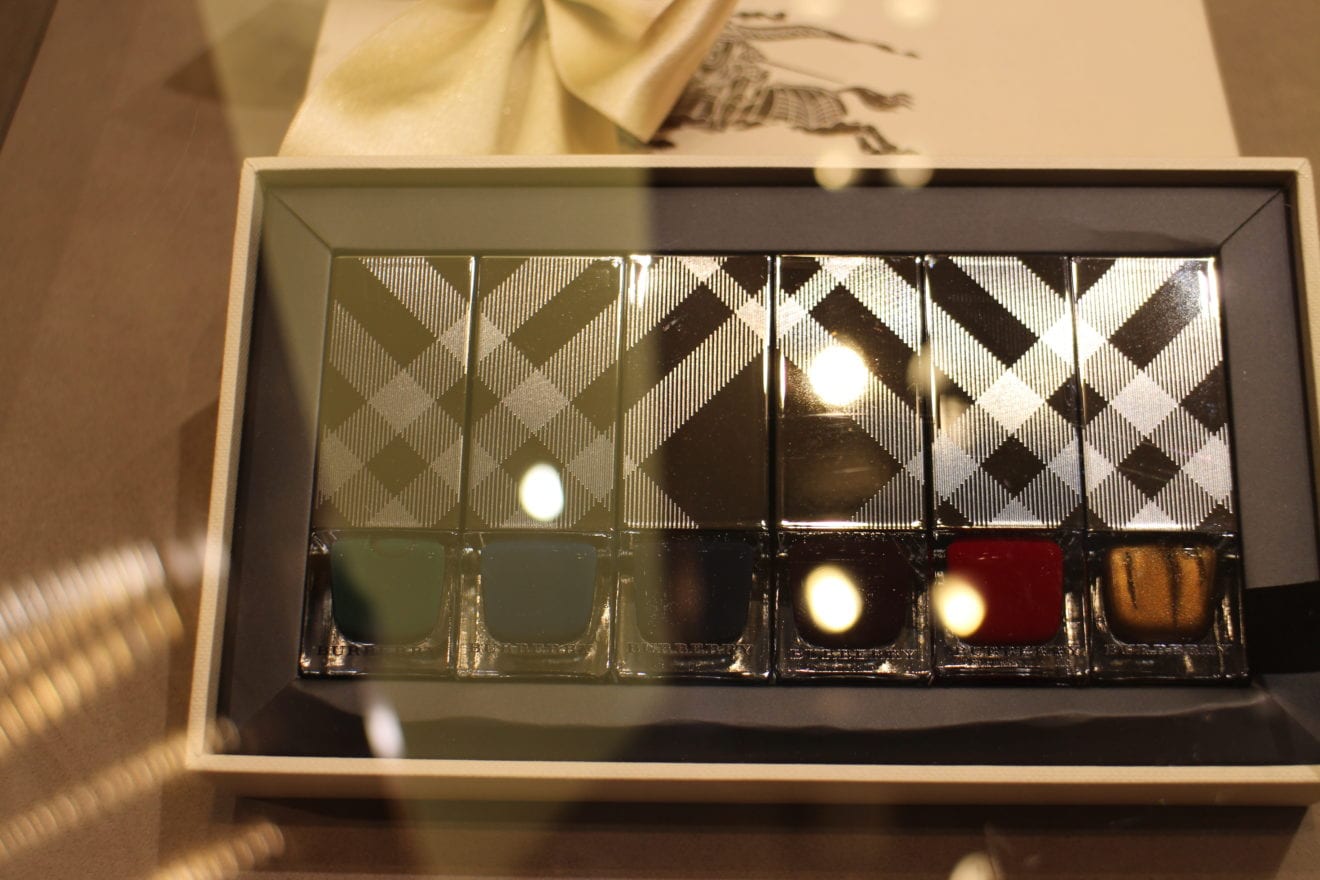
    The new Beauty Box concept focuses on make-up, including Burberry Eyes, Lips, Face and Nails lines, fragrances for men and women, including My Burberry, and assorted luxury accessories.

    It includes a digital Lip & Nail Bar, a 95 degree screen broadcasting Burberry catwalk shows, and the My Burberry Digital Experience that lets customers digitally interact with the brand.

    Customers can order in-store monogrammed labels for 90ml bottles of My Burberry Eau de Parfum and My Burberry Eau de Toilette to create an exclusive, customised gift.

  • Lotte China loses a trillion

    Lotte China loses a trillion

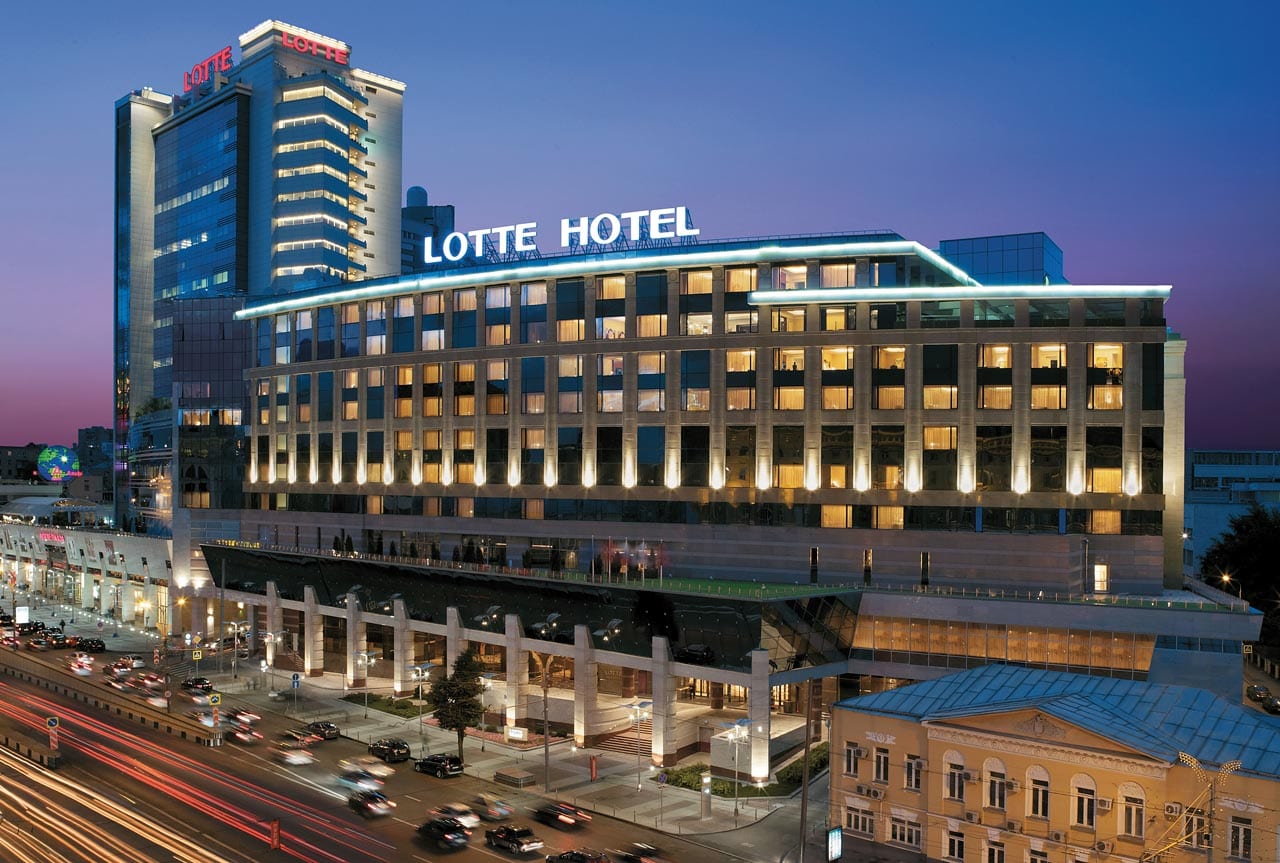
    Reports from Korea suggest Lotte Group has lost more than 1 trillion won (US$853 million) in China in just three years.

    Data assembled by CEO Score shows Lotte China made heavy losses between 2011 and 2014 as South Korea’s fifth largest company struggled to understand the Chinese consumer and build market share.

    Last month, Lotte said it would close four loss-making stores in its Mainland China network – all in in East China’s Shandong Province.

    Lotte is said to be losing market share in Mainland China unable to differentiate itself in the middle ground between local retail chains and the growing power of online retailers such as Alibaba and JD.com.

    CEO Score’s data shows the losses are growing, not narrowing. It started with 92.7 billion won in 2011, reached 250.8 billion won in 2012 and a massive 580.8 billion won in 2014.

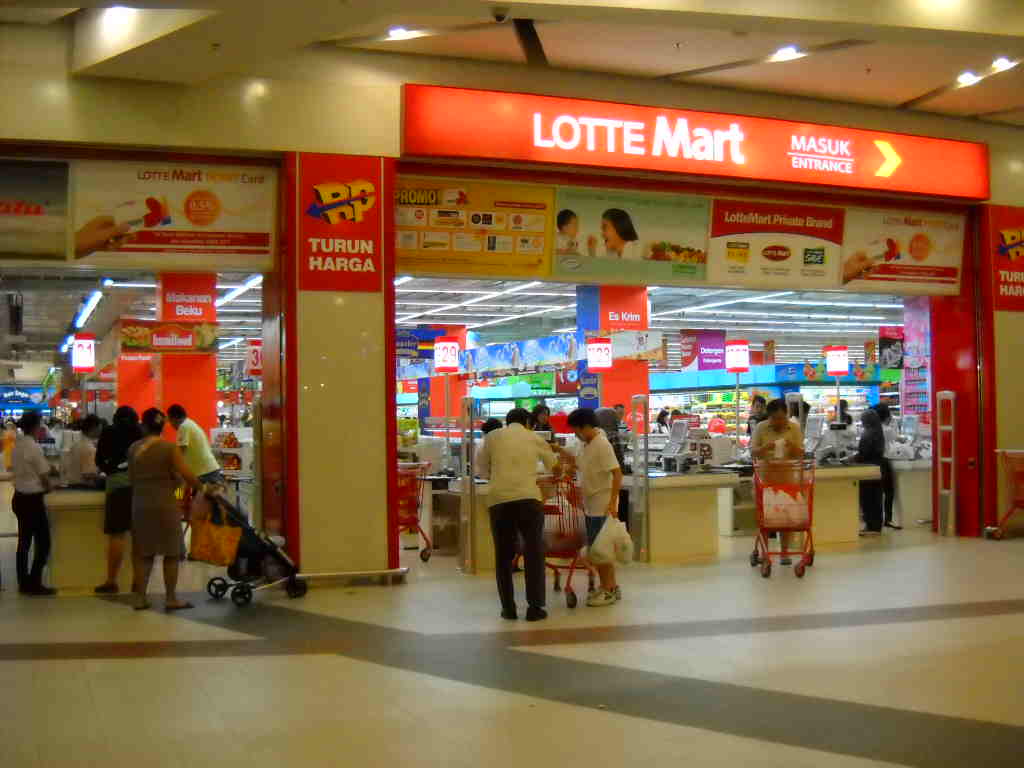
    Lotte Mart has 120 stores in China, 116 in Korea, 39 in Indonesia and 10 in Vietnam.

    The company is family owned with the leadership locked in a bitter power struggle and two brothers compete to take control from their 93 year old father.

  • McDonald’s make Minions

    McDonald’s make Minions

    Sales of products affiliated with animation characters – such as ‘Minions’ and the cast of Frozen – are soaring.

    According to McDonald’s, Happy Meals with Minion toys are in high demand in South Korea.

    The ‘Minion Happy Meal Special Set’, which consists of five Minion toys, one Happy Meal, and four coupons for Happy Meals were all sold out the minute they were released on July 23, with people queuing for hours before their 3pm release. With stock limited to 100 per store, the Minions disappeared fast.

    From July 24, McDonald’s started to sell Happy Meals including one Minion toy each.

    “It is hard for us to reveal how many Happy Meals are sold in a day, but ever since we gave out Minion toys, sales definitely went up.”

    McDonald’s said Minion-themed products such as the ‘Minion Shrimp Beef Burger’, ‘Minion Yellow Muffin’, ‘South Pole Lemonade’, ‘Ba-nana Shake’ and ‘Ba-nana McFlurry’ are also popular among customers.

    McDonald’s is planning the second release of the ‘Minion Happy Meal Special Set’ for August 9, at 3pm. The five Minion toys will be different from the previous event. The fast food chain is expecting another early sell-out.

    McDonald’s is not the only company using cute Minions in marketing.

    Sam Lip General Foods released four types of Minions bread in time for the movie’s release.

    Not to be outdone, Binggrae’s ‘Yomamte’ yogurt ice cream is affiliated with the beloved characters from Disney’s ‘Frozen’. According to Binggrae, sales of the product tripled compared to 2013.

    The places selling the ‘Frozen‘ Yomamte’s were shared on online communities, and consumers gave cute nicknames to the products. Named after the characters printed on the packages, Elsa, Anna and Olaf, the popsicles were named ‘El-mamte’, ‘An-mamte’ and ‘Ol-mamte’.

    Officials from Binggrae are looking into expanding their product line.

    “There were six different designs from ‘Frozen’ printed on the packages in the early stages of the renewal, but we are planning to expand the designs to 23 different types so that consumers can have a wider variety of choice.

  • Lotte Group Founder Loses Japan CEO Title Amid Succession Battle

    Lotte Group Founder Loses Japan CEO Title Amid Succession Battle

    Turmoil has erupted atop South Korea’s largest retail giant Lotte Group, shining a spotlight on one of the biggest family feuds the country has seen.

    The week began with 92-year-old Lotte founder Shin Kyuk Ho and his eldest son flying to Japan to fire a group of senior managers at a key unit, a maneuver that backfired and left the patriarch sidelined the next day. By Wednesday, Shin Dong Bin had successfully fended off his elder brother’s attempt to derail him from taking over control of the group.

    At stake is leadership over a conglomerate with 80 units across Korea, operating everything from department stores, amusements parks to hotels with 112 trillion won ($97 billion) of assets. Though the country saw sibling rivalries tear up Hyundai Group more than a decade ago, power struggles at businesses of Lotte’s size are rarely displayed in public in a corporate landscape dominated by family-run businesses, known locally as the chaebol.

    “It was an unexpected move as everyone had assumed that the founder had already selected Shin Dong Bin as his heir,” said Chae Yi Bai, an analyst at corporate watchdog Center for Good Corporate Governance. “This puts Lotte’s succession plans back in debate.”

    The drama at Lotte Group comes at a time when concerns over dynastic succession is fresh in people’s memories. Less than two weeks ago, Samsung Group narrowly defeated billionaire activist investor Paul Elliott Singer in a hotly-contested proxy fight, paving the way for the founding Lee family to tighten its grip over the nation’s largest conglomerate.

    Back at Lotte, co-chairman Shin Dong Bin apologized to employees on Wednesday for the turmoil brought by the dispute and urged them to put faith in him.

    “I am very sorry for causing uncertainties and turmoil to you all — the corporate value that Lotte has held up for a long time should not be rattled simply by an individual’s family issues,” 60-year-old Shin said in a note to employees, a copy of which was distributed to the media.

    The founder’s act to support elder son Shin Dong Joo, 61, had been unexpected as the younger Shin had been heir-apparent after executive titles including the vice chairman role at the parent group were stripped from Dong Joo in January.

    Lotte declined to make Shin Kyuk Ho or Shin Dong Joo available for comment.

    Shares Spike

    Shares of Lotte’s listed South Korea affiliates spiked on speculation the contesting Shin brothers would snap up the shares to solidify their control, Kim Tae Hong, an analyst at Yuanta Securities Korea Co. said by phone.

    Lotte Shopping Co. rose for a second straight session to end 6.6 percent higher by the close of trading in Seoul, the largest gain since 2010. Lotte Confectionery Co. closed up 4.7 percent, after jumping as much as 16 percent. The benchmark Kospi index ended little changed.

    In an earlier statement sent to media Wednesday, Lotte Group said the older son and his father’s July 27 act to fire executives at the closely held Japan unit Lotte Holdings Co. didn’t follow legal procedures.

    Tokyo-based Lotte Holdings’ board of directors held a meeting a day after to nullify the dismissals, and decided to move the founder into an honorary chairman role, according to the statement. Such a role typically carries no specific duties or voting rights.

    The older Shin brother’s attempt to gain influence over the Japan unit is aimed ultimately at capturing control over the entire group, due to the conglomerate’s shareholding structure, according to Chae.

    Attack Blocked

    “Whoever holds Lotte’s holding companies in Japan pretty much holds the entire group because of how the group’s corporate governance structure is designed,” Chae said. “It’s too early to say who won the crown, but Shin Dong Bin seems to have successfully blocked the attack this time around.”

    The founder holds a 28 percent stake in Lotte Holdings Co., Dong Joo holds 20 percent and Dong Bin has 19.1 percent, while a company called Kwang Yoon Sa holds 27.65 percent, according to data compiled by Bloomberg. Kwang Yoon Sa, a packaging company also based in Tokyo, is said to be owned by the founder, according to the Korea Economic Daily.

    Lotte Holdings spokeswoman Ruka Mizuno declined to comment on the governance structure of Lotte Holdings and Kwang Yoon Sa. when reached by phone, saying the companies aren’t listed.

    Shin Kyuk Ho, born in Ulsan, South Korea in 1922, started Lotte in Japan in 1948 after completing his university studies there. The company started off selling chewing gum in postwar Japan and quickly grew into a major confectionery company.

    When diplomatic relations normalized between Korea and Japan in 1965, Shin began investing in his home country and established Lotte Confectionery Co. in 1967, according to the Seoul-based Center for Good Corporate Governance.
  • Big differences in Asian travel spending

    Big differences in Asian travel spending

    Koreans travel abroad most frequently, Chinese spent the most money and Japanese visit the most faraway places most often.

    Those are findings from a study by Visa card, 2015 Survey on Travel Plans, in which 13,603 people from 25 different countries shared information about their travels.

    According to the results, Koreans traveled an average of five times during the past two years, ranking the highest in travel frequency – well above the global average of three times.

    Around 90 percent of the Korean respondents answered they had travelled abroad within the past two years. But as travellers, Koreans seem to be of frugal mind when it comes to expenses. They spent an average of $1808, which was way below the global average ($2281). They also have a tendency to set a budget and stick to it. Korean travelers paid 46 per cent of their expenses before departure, and 75 per cent of the payments were made by credit card.

    On the other hand, the average travel expense for Chinese travelers was $4780 – more than double the global average. Unlike Koreans, Chinese people had a tendency to decide what they wanted to do on the trip first and then calculate the expenses.

    While 36 per cent of Korean travelers and 34 per cent of Chinese travellers visited Japan, 36 per cent of Japanese travellers visited the US, showing their preference for long distance travel. The average time taken to get to the destination was longer for Japanese travelers (nine hours), compared to eight hours for Chinese travellers and six hours for Korean travellers.

    The average travelling expense for Japanese was $3165, which was less than the average of Chinese.

    In terms of accommodation, 41 per cent of Korean travellers and 62 per cent of Chinese preferred hotels with more than four stars, while 49 per cent of Japanese preferred one to three star hotels.

    The portion of Koreans who preferred package tours (47 per cent) was similar to the portion of those who liked to travel freely (52 per cent). However, more than half of the Chinese (65 per cent) and Japanese (77 per cent) preferred tour packages.

    Ian Jamieson, head of Visa Korea, said it was impressive that Korean travellers prepare well and frequently go on trips and the purchasing power of Chinese travellers was also interesting.

  • To match Apple and Google, retailers ready mobile-pay system

    To match Apple and Google, retailers ready mobile-pay system

    After almost three years in development, the retail industry’s answer to Apple Pay is finally getting off the ground.

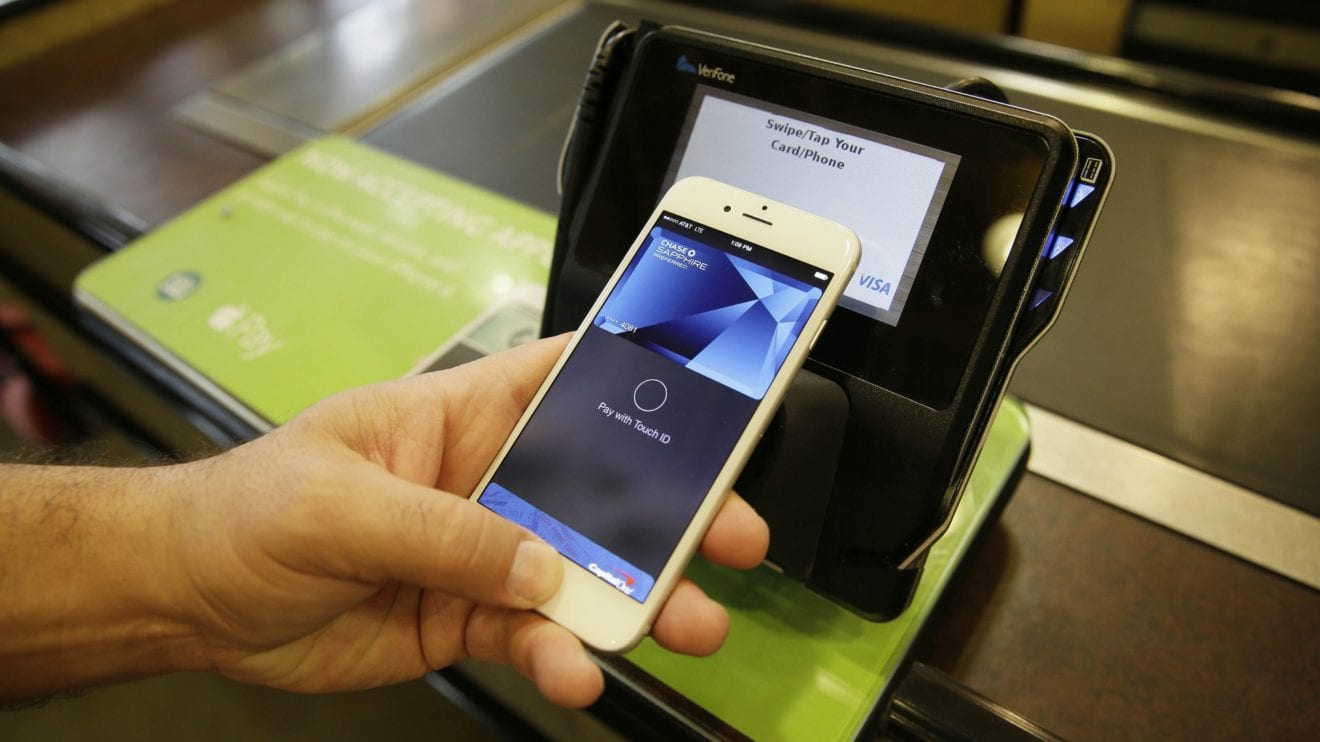
    A mobile payment app developed by Merchant Customer Exchange – a company founded in Aug. 2012 with funding from Wal-Mart Stores Inc., Target Corp. and Best Buy Co. – has been tested by employees of the retailers and will get a limited trial run next month in stores, according to three people familiar with the situation.

    That means shoppers will soon be able to use the technology, called CurrentC, to pay for items with their phones.

    The challenge for CurrentC now is playing catch-up against established apps from Apple Inc., Google Inc. and others, and explaining to customers why they should use it. When Apple Pay rolled out last year, CurrentC was derided by critics as a lower-tech alternative that retailers supported because it would give them tighter control over shoppers’ transactions.

    Customers also will need assurances that the technology is safe, given the high-profile data breaches at retailers over the past few years, said Julie Conroy, a payments security analyst at Aite Group.

    CurrentC itself was hacked last year during an early test.

    “Trust is going to be a huge issue for them,” Conroy said.

    Merchant Customer Exchange (MCX), expects to formally introduce CurrentC some time in the third quarter, a spokeswoman for Lowe’s, part of the consortium, said in an e-mail.

    But Lowe’s will not be part of the initial rollout.

    Scott Rankin, MCX’s chief operating officer, confirmed in an e-mail that CurrentC will begin public tests this year, without being more specific. He also said MCX was “making good progress” on bringing the app to the market.

    “We expect there to be more than one successful player in mobile payments, and we expect to be one of them,” said Rankin, a former executive at Staples Inc.

    At stake is a fight over money and customer data. Retailers have long loathed paying fees for credit card use in their stores. That has led to battles on multiple fronts, including multibillion-dollar lawsuits and a successful lobbying effort that cut fees in the 2010 Dodd-Frank financial reform.

  • Onions-for-One Help Korea’s GS Retail Survive Depressed Markets

    Onions-for-One Help Korea’s GS Retail Survive Depressed Markets

    Convenience store owners love people like Bae Moon Sung. The 34-year-old finance worker lives alone and shops for almost everything at his local minimart.

    “Onions, cucumbers, they come in compact packages at convenience stores, which is more suitable for a single-person household like me,” he said. “They’re open 24 hours and they’re everywhere.”

    People like Bae are driving an expansion in convenience store chains that’s helping them outperform in depressed markets. Shares of GS Retail are up 112 per cent this year through Wednesday versus a 13 per cent slump in a gauge tracking consumer companies on the MSCI Korea Index. The risk the operator of GS25 outlets won’t pay its debt on time has fallen to 0.08 per cent from 0.14 per cent at the end of 2014, according to a Bloomberg default-risk model. Shares in CU store operator BGF Retail have risen 165 per cent.

    The chains’ popularity is in stark contrast to the overall industry in Asia’s fourth-largest economy. Department store sales fell 3.9 per cent in the first quarter, and that was before a deadly respiratory virus sapped confidence. Smaller households in Seoul as the population ages and family sizes shrink means consumers aren’t buying in bulk at supermarkets.

    “Retailers are suffering from low economic growth and online price competition,” Yu Jung Hyun, an analyst in Seoul at Daishin Securities, said. “But convenience stores have their own market. People still need to buy basic items close at hand.”

    Sales at the four main convenience store chains — CU, GS25, 7-Eleven and Buy the Way — have risen every quarter since at least the second three months of 2013, Ministry of Trade, Industry & Energy data show. In May, sales were up 31.5 per cent from a year earlier thanks to more outlets and an increase in the price of cigarettes. Discount store sales meanwhile have dropped every quarter since the second quarter of 2012, the ministry’s data show.


  • Lotte to open Bangkok duty free store

    Lotte to open Bangkok duty free store

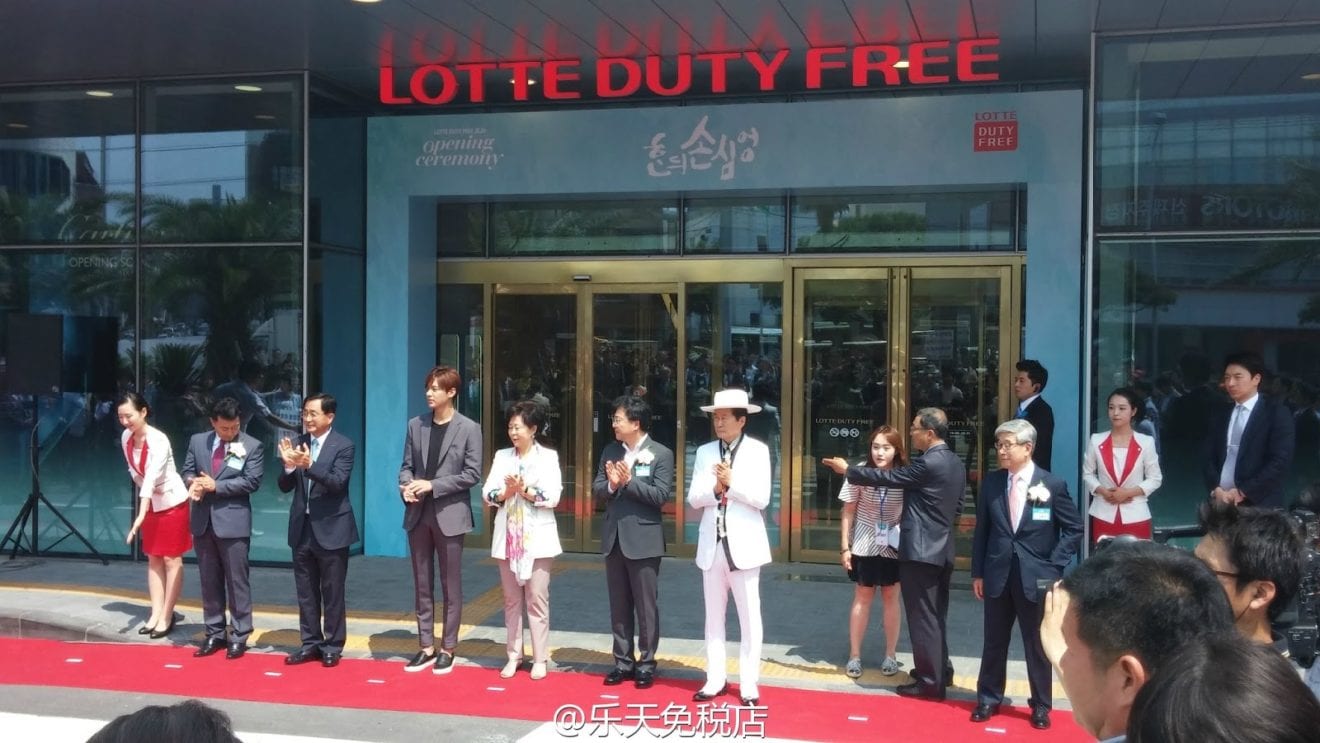
    South Korean conglomerate Lotte is to open a “major downtown duty free store” in Bangkok. Lotte has confirmed the new store will open in early 2016. The location has not yet been revealed.

    Retail News broke news of the plan last week, reporting the store would be a joint venture between Lotte Group and Lotte Holdings of Japan, with the Korean partner holding 80 per cent.

    “The opening in the Thai capital is part of an ambitious international strategy designed to bolster Lotte’s strong sector leadership in South Korea, the world’s biggest duty free market,”

    Lotte, the world’s third largest duty free retailer, is involved in a strident expansion program which has seen it open in Japan’s Kansai International Airport, at Guam, Singapore and Indonesia in recent years. It is targeting the fast growing legions of newly cashed up Asian consumers travelling regionally and spending increasing amounts on duty free goods at airports, and downtown department stores.

    Lotte is also planning to open its first downtown duty free store in Japan – located in the upmarket Ginza shopping district.

  • 7-Eleven Smart Convenience Store

    7-Eleven Smart Convenience Store

    Customers of a 7-Eleven convenience store in South Korea can literally go dancing in the aisles…

    The new 7-Eleven Smart Convenience Store allows customers to enjoy virtual reality based on IT technologies. On the second floor of its Chinese Embassy store in Seoul’s Myeongdong, 7-Eleven placed six smart tables where customers can enjoy web surfing, gaming and watching Youtube videos in partnership with SK Telecom.

    Among the six tables, one features virtual reality technology. If a customer pushes a button saying “Together with Hyeri” (a member of K-pop girl group Girl’s Day), he or she will appear on a wide screen in the floor standing together with Hyeri, a spokesmodel for 7-Eleven.

    Customers can dance with Hyeri, and even take photos with the idol star. The photos will be forwarded directly to the customer’s smartphone.

  • Shin calls for fresh goals for entire Lotte group

    Shin calls for fresh goals for entire Lotte group

    The 60-year-old chairman on Thursday became chairman of Lotte Holdings, the holding company of the Lotte Group in Japan, which was previously held by his brother Shin Dong-joo. This sealed his control of Lotte operations in both Korea and Japan. It is believed to be the first step in uniting the businesses in both countries.

    According to industry sources, Hwang Gak-kyu, president of policy coordination at Lotte Group, is already making adjustments to the chairman’s Vision 2018.

    In 2009, Shin teamed up with the Boston Consulting Group to devise long-term goals for the Korean retail giant to expand into a conglomerate that would be 10th-largest in Asia with annual revenues of 200 trillion won ($173 billion).

    “It seems that Chairman Shin has come to the conclusion that the vision needs to be readjusted, as the leadership has changed and the retail industry is also changing rapidly,” said a high ranking official at Lotte.

    Lotte Japan has far smaller revenues than Lotte Korea. In 2013, Lotte Korea generated 83 trillion won in revenue from 74 affiliates. On the contrary, the Japanese businesses only generated 5.7 trillion won in revenue from 37 affiliates.

    The biggest change in the vision is said to be “select and focus” and “synergy management.”

    Lotte said it is looking into the idea of choosing duty free shopping, hotels, chemicals and finance as core businesses and focus its resources on enhancing those businesses. Additionally, since food and beverages are key businesses in Lotte Japan, it plans to generate synergy with Lotte Shopping and Lotte Confectionery.

    For new growth engines, the retail conglomerate is likely to inject large amounts of investment, but the affiliates that are not picked will likely undergo heavy restructuring, and some will probably shut down.

    One of the key areas for Lotte is chemicals.

    On Friday, the day after Shin was officially made the head of Lotte Japan, he visited Lotte Chemical’s headquarters in Sindaebang-dong, southwestern Seoul, where he was briefed on business.

    On the contrary, investments in department stores and supermarkets is expected to decline. Lotte Group is expected to pursue merger and acquisitions in channels that combine offline and online shopping in order to raise synergy with existing branches and businesses.

    “Considering the size of changes that Lotte will undergo, we can’t say the funding we have is sufficient,” a Lotte official said. “Our investments will likely focus on quality more than on quantity.”

  • Missha Hong Kong makes return

    Missha Hong Kong makes return

    Korean cosmetics retailer Missha is returning to Hong Kong.

    Some 20 Missha Hong Kong stores were shuttered around New Year’s Eve this year when the previous local retail partner collapsed.

    Now Missha has a new partner – DKSH (DiethelmKellerSiberHegner) – which will apparently help it build a new network.

    Missha entered Hong Kong in 2004, four years after its launch in Korea. But during the last two years it has faced tough competition from new rival brands, including Etude House and Nature Republic.

    Missha’s parent Able C&C said on Tuesday it had signed a contract with Swiss based DKSH Hong Kong giving it exclusive rights to promote Missha in the territory.

    The first two stores quietly opened on June 30 ahead of the formal announcement – counters in DKSH duty free stores in Causeway Bay and Tsim Sha Tsui.

    The following day a standalone store opened inside Yuen Long Plaza.

    DKSH has reached an agreement with Mannings to sell the products through 200 stores by the end of July and in 300 by the end of next year.

  • S.Korea picks Hotel Shilla JV, Hanwha to operate new Seoul duty-free stores

    S.Korea picks Hotel Shilla JV, Hanwha to operate new Seoul duty-free stores

    South Korean retail giants HDC Shilla Duty Free and Hanwha Galleria Timeworld on Friday clinched a high-profile bid to operate duty-free stores in downtown Seoul in what is seen as a golden ticket to bolstering their footing in a retail industry struggling from anemic consumer spending.

    Seven companies had vied for the license, the first of its kind open to large corporations in 15 years. Lotte Duty Free, HDC Shilla Duty Free, a joint venture between Hotel Shilla and Hyundai Development Co., and SK Networks were aiming to increase their market share, while E-land, Hanwha Galleria Timeworld, Hyundai DF and Shinsegae DF were trying to make a fresh entrance into the duty-free sector.

    Currently, four companies run seven duty-free stores in Seoul, whose main customers are foreign tourists, especially those from China. Their insatiable appetite for shopping has been a rare bright spot in the local retail sector grappling with sagging sales amid a weak economy.

    Buoyed by their spending, the duty-free market has been posting double-digit growth in the past five years, compared with crawling sales growth at department stores and hypermarkets.

    In 2014, duty-free stores in Seoul posted a combined sales of 4.4 trillion won (US$3.9 billion), which accounts for more than half of the country’s 8.3 trillion won duty-free market.

    Meanwhile, the customs agency also announced two smaller retailers who will be operating duty-free stores in Seoul and Jeju, South Korea’s southernmost resort island, respectively.

    The new licenses will be valid for five years under a revised customs regulation that shortened the contract period from 10 years. The winning bidders are required to open their stores within six months.


  • Brutal retail market awaits buyer of Tesco South Korea business

    Brutal retail market awaits buyer of Tesco South Korea business

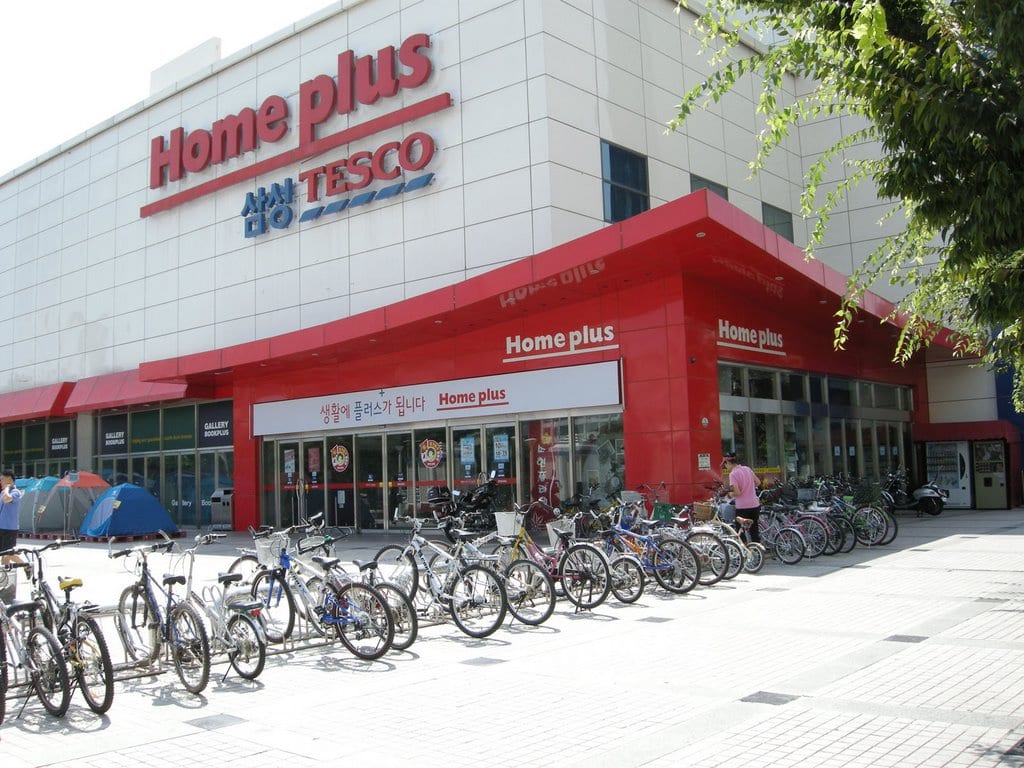
    Any buyer of Tesco’s $6 billion South Korea unit will need a strategy to boost returns in a lethargic and saturated market for traditional retailers, likely involving real estate sales and a greater focus on Internet shopping.

    Britain’s Tesco has hired HSBC to advise on a potential sale of its South Korean unit, Homeplus, Reuters reported this month, in what could be Asia-Pacific’s largest private equity deal and the No. 2 merger in the Asian consumer sector.

    Given the scarcity of big buyout targets in Asia, the sale is generating strong interest among buyout firms including KKR & Co and Carlyle Group CG.N, sources with knowledge of the sale process said. That’s despite difficulties posed by South Korea’s crowded retail sector, a sluggish and fast-aging economy, plus regulatory and labor challenges.

    “Anyone going with the view of closing unprofitable shops, cutting work force, will be in for a surprise,” a senior Hong Kong-based investment banker familiar with the process said, citing likely opposition from labor unions.

    “It’s a tough market but there are some low-hanging fruits in terms of stripping property assets,” said the banker, who declined to be identified as the discussions are confidential.

    Homeplus Co Ltd’s property holdings, consisting mainly of stores, had a book value of 3.09 trillion won ($2.77 billion) as of the end of February, according to a regulatory filing.

    With about 400 stores including 140 hypermarkets, 88 of which it owns, Homeplus has raised about 1.2 trillion won since 2012 by selling and leasing back eight of its biggest-selling stores, according to South Korean deal website Invest Chosun.

    Its prime real estate holdings include a hypermarket in densely populated Seoul suburb Euijeongbu, which frequently ranks among its top 5 stores by sales.

    But it’s a crowded field. South Korea has nearly 500 hypermarkets for a population of 50 million, or twice what the industry considers optimal. The difficulties prompted Carrefour and Wal-Mart to quit the country in 2006.

    In a nod to a fiercely competitive market, Homeplus earlier this year sacrificed an equivalent of about 100 billion won in annual profit, or almost half of last year’s earnings, by cutting prices on some 500 kinds of fresh produce.

    “Competing by undercutting price has become the norm and is expected to continue in future,” said Lee Kyoung-hee, principal researcher at Shinsegae Research Institute.

    ONLINE GROWTH

    As the population ages faster than in any other developed economy and households shrink, retail sales in South Korea grew just 1.4 percent in each of the past two years, lagging broader economic growth.

    E-commerce, however, jumped 17 percent last year to 45.2 trillion won, or 14 percent of total retail sales, and hypermarkets have been scrambling to build share in a fragmented online segment where most players lose money.

    Homeplus’ share of South Korea’s online retail market has risen steadily but was still just 645 billion won last year, according to Euromonitor data in a CLSA report, for market share of just 2 percent, in line with larger rival E-Mart.

    “Hypermarket chains like Homeplus have been bolstering online sales as a possible growth solution, among admittedly few options,” said Kim Tae-hong, analyst at Yuanta Securities Korea.

    Lower priced warehouses have been another bright spot for Korean retailers, but while both E-Mart and Lotte Shopping’s (023530.KS) third-placed Lotte Mart have warehouse brands, Homeplus does not.

    Meanwhile total revenues for existing hypermarket stores have declined since 2012 when new rules required them to close for two Sundays a month to protect traditional markets. Homeplus saw a drop in same-store sales for two straight years.

  • Tesco’s South Korea empire draws interest from private equity giants

    Tesco’s South Korea empire draws interest from private equity giants

    KKR and Carlyle, the US private equity firms, have been invited to bid for the Asian business, which trades as Homeplus, while London-based CVC Capital Partners has also been asked to bid.

    The decision to sell the South Korean stores comes as the retail giant’s chief executive Dave Lewis looks to streamline the business, to concentrate on its core UK shops and raise cash.

    After two decades of uninterrupted growth, Tesco has been struggling after it became distracted by overseas expansion and failed to spot the threat of discounters like Aldi and Lidl.

    The retailer is now looking to slash capital spending, as well as fund a vicious supermarket price war and put more people on the shop floor.

    Hong Kong-based Affinity Equity Partners and Asia-focused MBK Partners were also invited to bid, and Hyundai Department Store, which is separate from the car maker, said today that it was considering bidding.

    Tesco, advised by HSBC, has asked for indicative bids later this month.

    If the sale is achieved it would be Asia’s biggest private equity deal and the region’s second biggest consumer deal ever. Sovereign wealth funds could be involved in the financing of it, given the size of the sale.

    Homeplus is Tesco’s largest business outside Britain, with more than 400 stores, 500 franchise stores and over six million customers a week.

    But the business has been under some pressure, with falling like-for-like sales for the last two years.

    Tesco is also selling its £1 billion Dunnhumby data business, and has already sold its Blinkbox digital entertainment service and Tesco Broadband to TalkTalk for an undisclosed sum.

  • Who will dominate Korea’s mobile payment market?

    Who will dominate Korea’s mobile payment market?

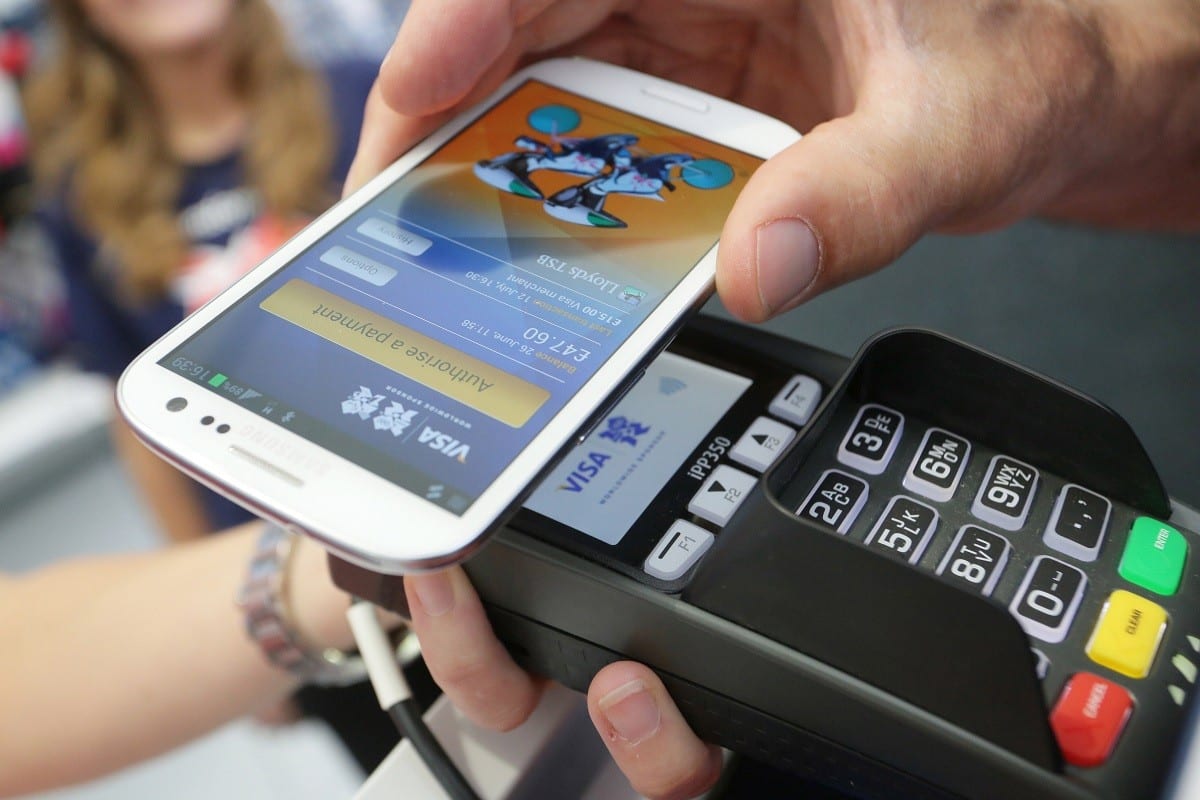
    South Korean heavyweights ranging from Internet to retail to tech companies are all paying keen attention to preoccupy the mobile payment system market, which hasn’t yet taken off.

    Since Daum Kakao first ignited the competition by rolling out its mobile payment Kakao Pay last year with its 4 million subscribers. Korea’s largest portal operator Naver unveiled Naver Pay this July, by joining hands with 50,000 partner stores.

    Retail giants are also following suit. Lotte and Shinsegae are currently developing L Pay and SSG Pay respectively in order for consumers to more conveniently buy goods with retail technologies. They plan to let customers to save all the information of credit cards, gift cards, cash and coupons on smartphones to easily pay for things. Membership points will be accumulated on smartphone apps.

    Smartphone conglomerates are no exceptions here. Korea’s largest smartphone maker Samsung Electronics is set to unveil its new mobile payment system Samsung Pay in September. It is expected to be embedded in its latest smartphones like Galaxy S6 and Galaxy S6 Edge. As the tech giant recently acquired Boston startup LoopPay, which has magnetic secure technology, Samsung Pay will be compatible with existing magnetic card readers. This way, stores do not have to change their readers separately to use the service.

    In the smartphone market, Samsung has to compete with its global rivals Apple and Google. American search giant Google unveiled Android Pay at its I/O Conference 2015 late in April at San Francisco. Samsung’s arch rival Apple unveiled Apple Pay last October, and is now in discussion with China’s biggest e-commerce company Alibaba in a bid to make forays into the China’s market.

    Market watchers say the mobile payment system, which heralds the opening of the Fintech market – a combination of finance and technology – will have a great impact on the local financial market. Commercial banks have so far been in charge of small sum transaction but it is likely to be shifted to non-financial institutions if the mobile payment service takes off.

    Daum Kakao’s Kakao Pay, which is the first mobile payment service in Korea, already saw more than 4 million subscribers last month. Though it still does not have a great impact on the market with a limited number of partner stores, analysts say they have secured a meaningful number of clients.

    Korea’s financial watchdog said when the number of Kakao Pay’s subscribers reach 2 million, it will have a significant meaning as a financial transaction tool. Currently, no official figure of daily transaction has been unveiled.

    The local mobile payment market is expected to continue to grow, according to market observers. In a nation dubbed as IT powerhouse, many users still find it difficult to buy goods online as they have to install various programs such as Active X and keyboard security programs. Also, they have to type in their credit card information or personal information every time they pay.

    However, the emergence of the mobile payment system is removing all the hassles and only requires simple authentications such as smartphone numbers or password.

    According to research firm Gartner, the local mobile payment service market came to around 3.8 trillion won in the fourth quarter of last year, up 65 percent during the same period of the previous year. The global mobile payment service market also continued to grow around 30 to 40 percent annually for the past years. It would reach around 721 trillion won by 2017.

    “There is not yet a dominant player in the local mobile payment service market. Thus, fierce competition among tech firms hoping to preoccupy the market is expected in the second half of this year,” according to a market observer.