Tag: Korea

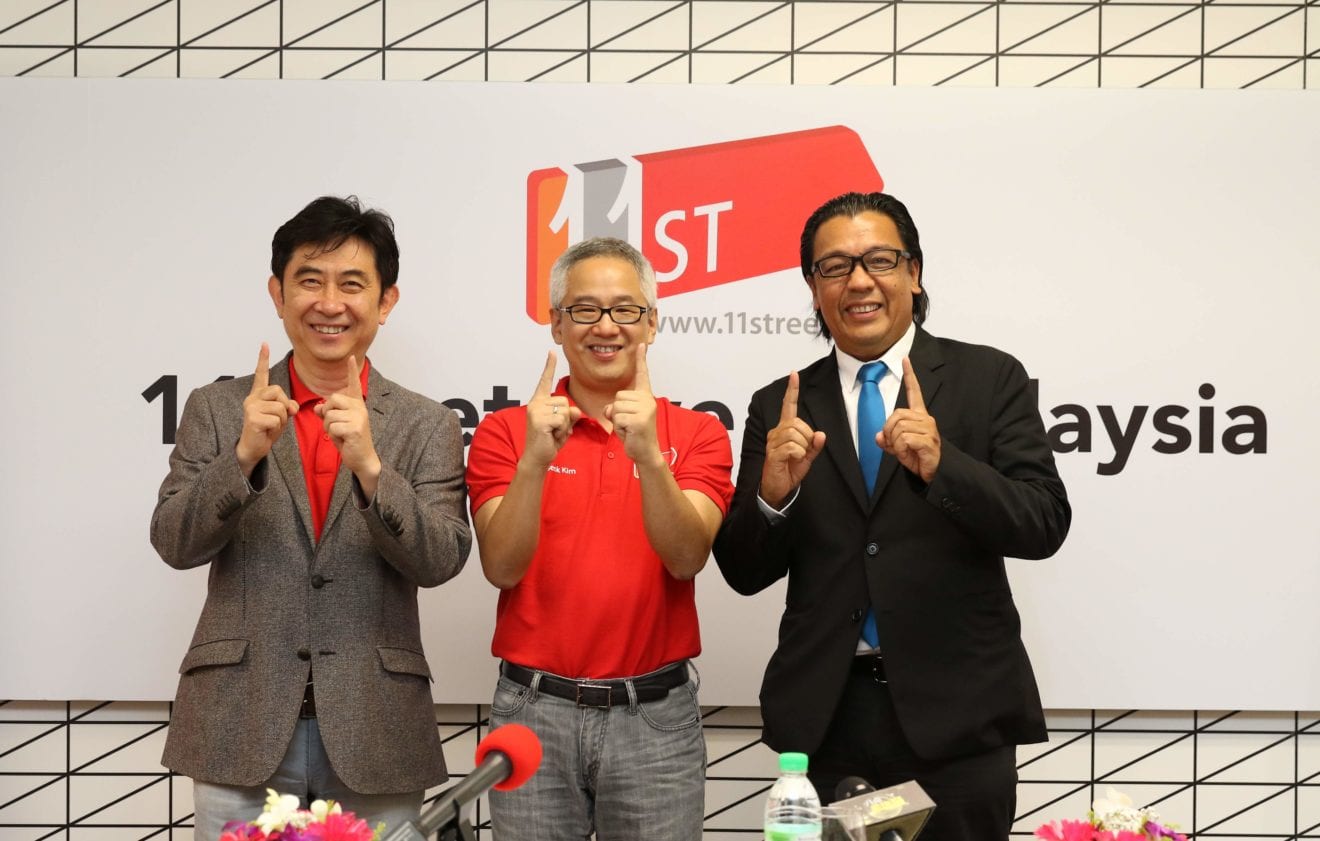
  • Korea’s 11street Malaysia launches

    Korea’s 11street Malaysia launches

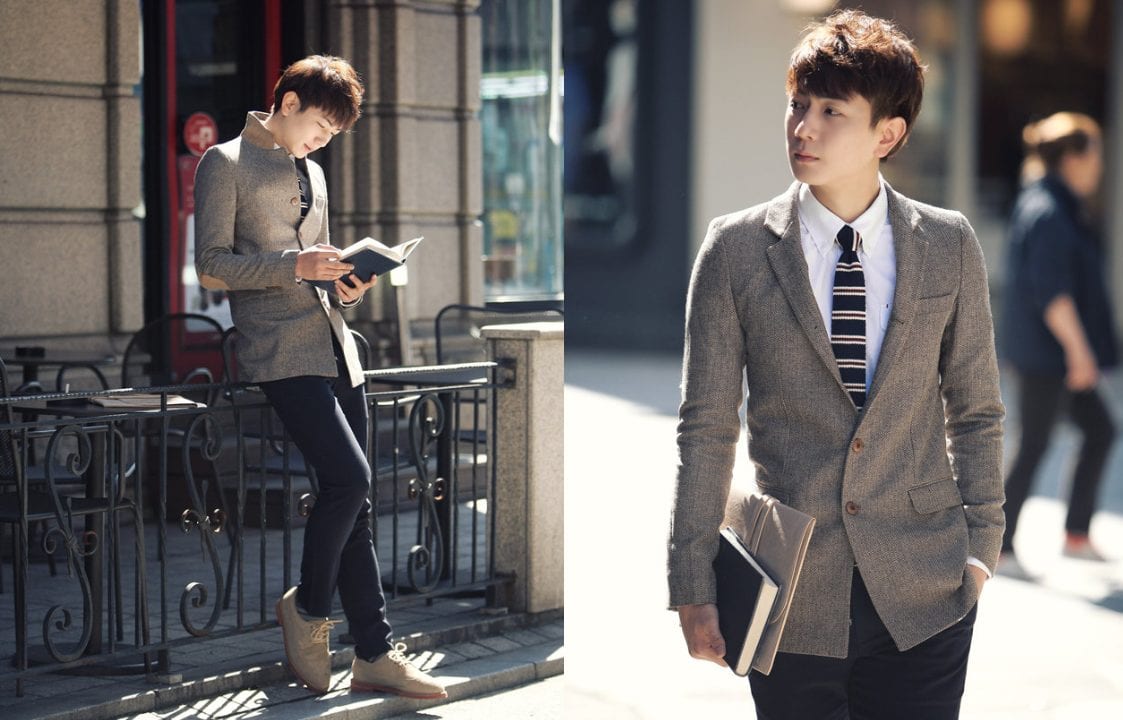
    Popular Korean actor Lee Min Ho was flown in to front the brand for its launch – ironically held in a bricks & mortar shopping centre.

    11street Malaysia launch- 415

    The company will invest more than RM35 million (US$10 million) to drive seller participation and planned to have 11,000 sellers on board by the end of this month. The site, at www.11street.my already includes popular brand such as Electrolux, Digi mobile, Nestle, Tony Moly Korean cosmetics, The Face Shop, Fujifilm, Domino’s Pizza and Unilever.

    11street Malaysia launch 415

    11street’s Malaysia CEO Hoseok Kim says the company wants the new site to become Malaysia’s largest online marketplace.

    Established in Korea in 2008, 11street now has online marketplaces in Turkey and Indonesia as well as in its home market and boasted a combined network of 22 million sellers, serving 40 million consumers. Shoppers spend $6 billion annually on its sites.

    “The online shopping paradise 11street in Malaysia is the company’s commitment to deliver local consumers a trustable and convenient e-commerce platform where they can shop for a variety of products across a broad range of categories available at anytime, anywhere,” said Kim.

    11street Malaysia 415

    “To deliver greater satisfaction and a more rewarding online shopping experience, it will be the first online marketplace in Malaysia that promotes not only physical products but also deal offerings such as e-vouchers under a single platform.

    “11street’s merchandising approach has a proven track record given that its worldwide ventures have grown remarkably well over the past few years. Against such backdrop, similar approach will be adopted to help Malaysian online sellers to excel in today’s increasingly competitive market.”

    11streeet in Malaysia will be hosted by Celcom Planet, established in November 2014 as a joint venture between Celcom Axiata Berhad and SK Planet – a leading Korean eCommerce open marketplace provider, which is also a wholly-owned subsidiary of mobile operator- SK Telecom.
  • Michael Kors Names Hanjoon Kim President of Korea

    Michael Kors Names Hanjoon Kim President of Korea

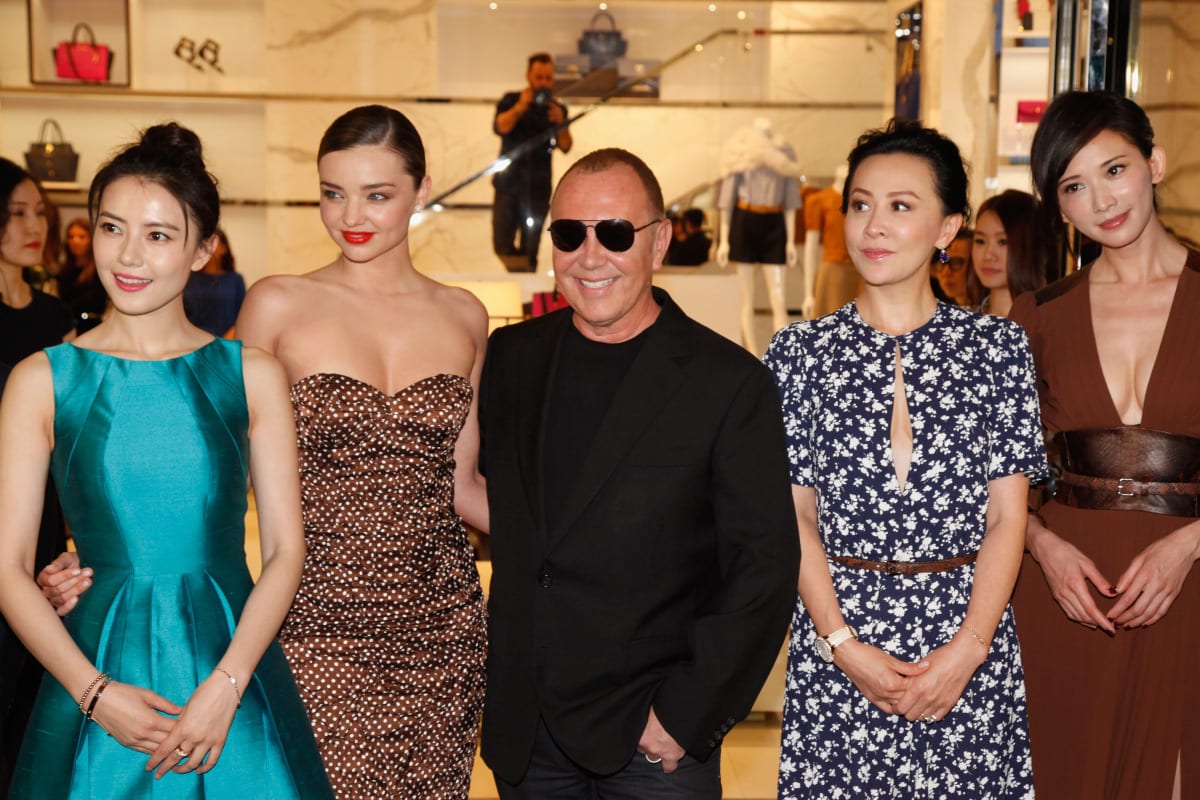
    Michael Kors, a global luxury lifestyle brand, is pleased to announce that Hanjoon (Michael) Kim has been named President of Korea, a newly created position. He will report to Stephane Lafay, the Company’s President of Asia.

    Kim’s appointment, effective on 13 April 2015, follows the company’s recent assumption of direct control of the Michael Kors business in South Korea. In his new role, Kim will focus on building the infrastructure for this region and developing an expansion strategy for South Korea to position the business for long-term growth. “We believe that Korea represents a tremendous opportunity for Michael Kors,” says John D. Idol,

    Chairman and Chief Executive Officer of Michael Kors. “Michael’s appointment is an important step in building the brand’s success in the Korean market.”

  • Luxury brands go solo in Korea

    Luxury brands go solo in Korea

    Luxury brands are increasingly establishing their own Korean branches, rather than contracting with Korean companies to enter the market.

    In doing so, they are hoping to generate more earnings through direct and effective customer management.

    Goyard, the French leather goods maker, recently lowered some of its prices and terminated a sales agreement with Galleria, in favour of establishing its own Korean branch.

    Hugo Boss, which was introduced in Korea back in 1999, also launched its Korean branch last month and will start managing its own stores in Korea.

    Moncler, whose sales channels in Korea were owned exclusively by Shinsegae International since 2009, has  developed a joint venture in Korea with Shinsegae.

    Hugo Boss perfume 415

    Moncler 415

  • Menya Sandaime makes Australian debut

    Menya Sandaime makes Australian debut

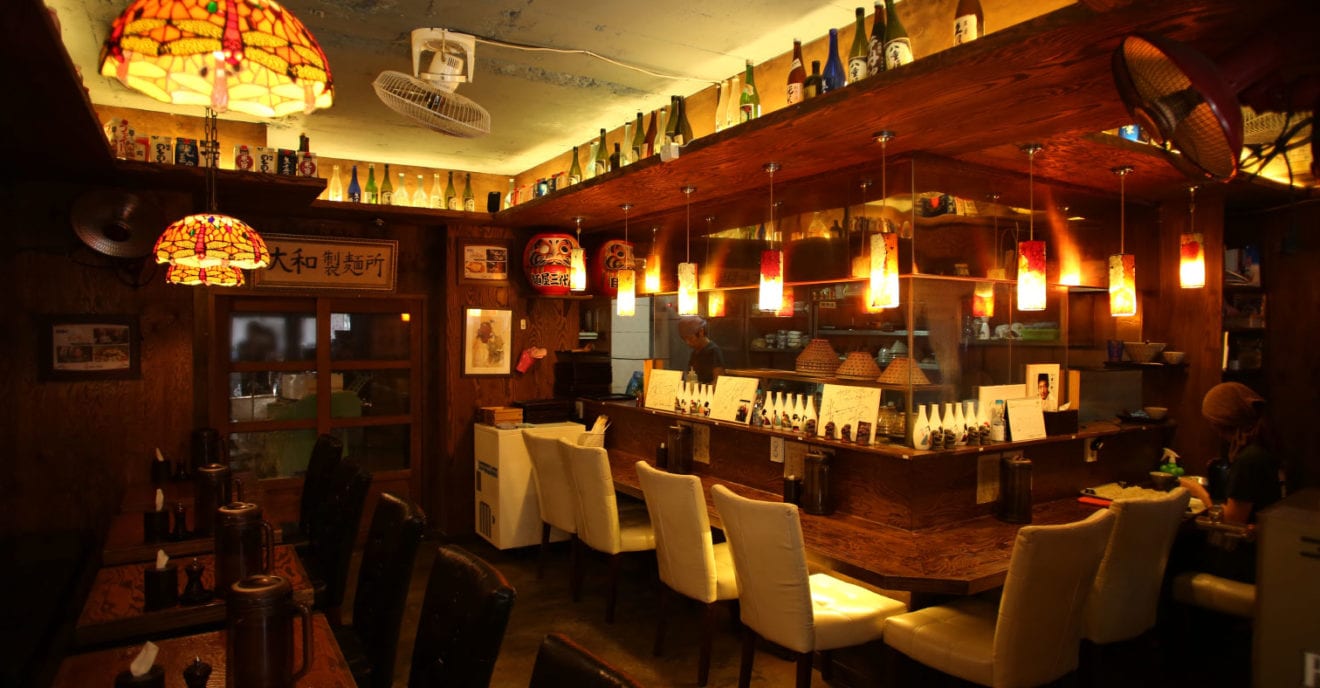
    South Korean restaurant chain Menya Sandaime is to open its first restaurant in Australia – in the Melbourne CBD.

    The chain has chosen a prime site on Russell St in the Victorian capital’s CBD, according to Savills Australia Victorian retail director, Michael Di Carlo, who brokered the deal, with colleagues Jeremy Marmur and Jock Thomson.

    Menya has taken a 10 year lease on the 93 sqm site.

    Menya Sandaime specialises in Japanese ramen dishes and chose Melbourne for its Australian debut due to the city’s reputation as a multicultural community with a well developed appreciation of foreign foods. Its website says it adheres to strict Japanese traditions in preparing its food, including brewing meat broth for at least 24 hours.

    “Melbourne has the second biggest population of Koreans in Australia but also a community which loves food and especially Asian food.

    “The location near Chinatown, QV and Lonsdale St attracts strong pedestrian traffic to the many food and beverage operators in the area, [thus] was a very good fit,’’ Di Carlo said.

  • Korean cosmetics exports boom

    Korean cosmetics exports boom

    Riding “Hallyu”, or the Korean Wave, cosmetics products have developed into strong moneymaking export items as they set records for exports and trade surplus last month.

    According to the Korea Customs Service, the value of Korean cosmetics exports in March was US$277.5 million, the largest amount since the office began tracking monthly statistics by product in January 2000.

    Imports of cosmetics products were US$158.9 million in March, resulting in a US$126.5 million trade surplus – also the largest in history.

    The trade balance for cosmetics products moved into the black last May for the first time and has maintained a surplus for 11 consecutive months.

    Exports of cosmetics products are skyrocketing thanks to Hallyu, with China and Southeast Asian countries increasing their imports of Korean cosmetics.

    By country, Korea sold US$119 million worth of cosmetics products to China, followed by Hong Kong (US$66 million), the US (US$20 million), Taiwan (US$12 million), Japan (US$15.6 million) and Thailand (US$8.4 million).

    If sales to foreign tourists in Korea are included, exports of cosmetics would be much larger than the customs office statistics.

    An industry official said: “As Korean dramas and K-pop gain popularity, Korea’s status is rising and Korean products are popular among foreign customers. Of particular note, Korean cosmetics sales in China are increasing up to 30 per cent annually.”

  • Korea’s CJ seals Vera Wang Asia deal

    Korea’s CJ seals Vera Wang Asia deal

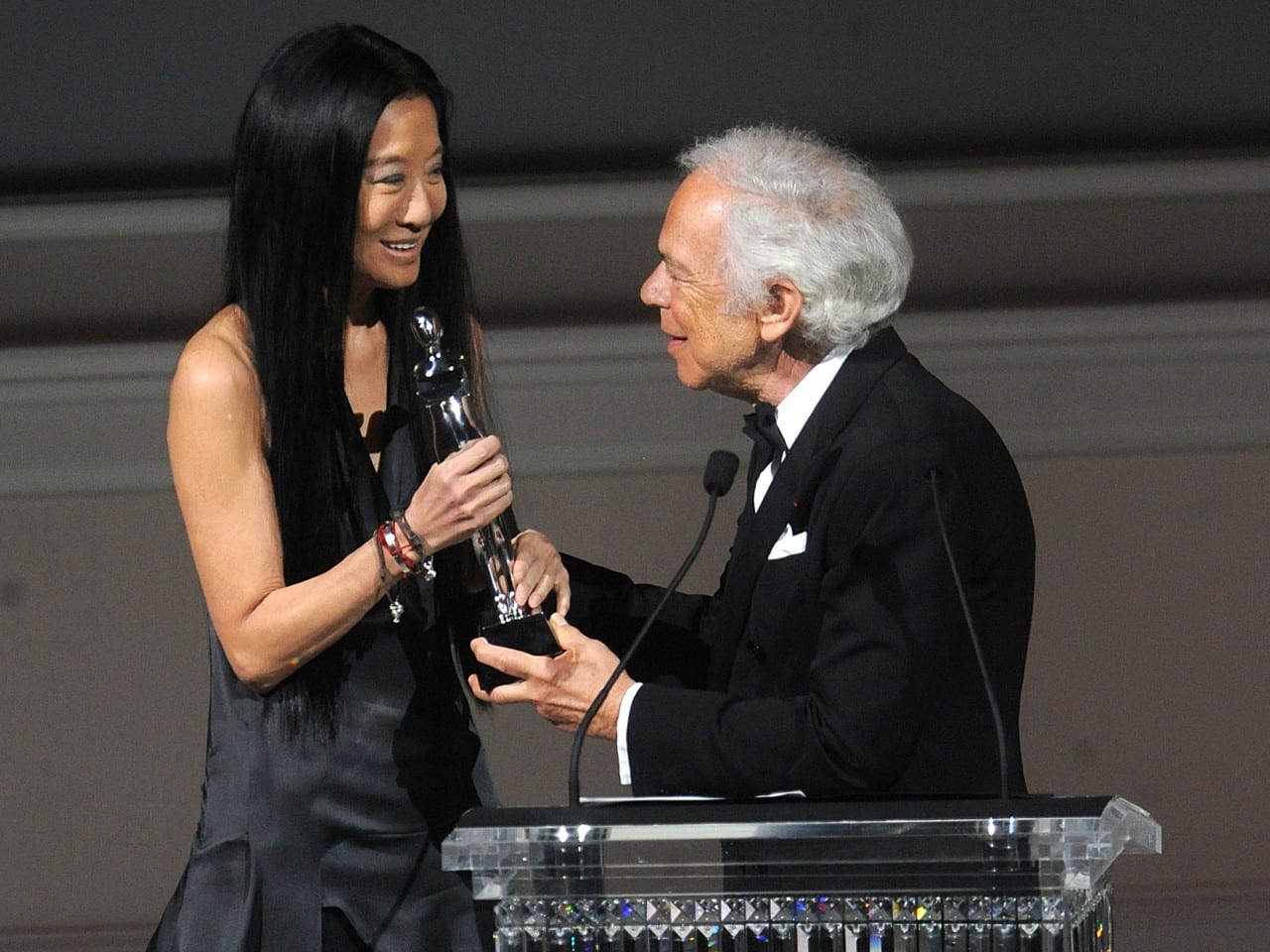
    South Korean retail and industrial conglomerate CJ Group has signed an exclusive deal to develop lifestyle brands with US fashion designer Vera Wang.

    The group’s TV shopping subsidiary, CJ O’Shopping, will start launching products this month, the first a lingerie brand Vera Wang Intimates.

    That will be followed by Vera Wang Home, linen and homewares lines, in May before a broader roll-out of apparel, accessories and cosmetics in September, branded VW Vera Wang.

    News reports from Korea say CJ hopes to generate US$366 million in sales of the branded lines during the next five years through Vera Wang Asia – not just from its TV shopping unit, but through department stores and other retail channels.

    “Working with Vera Wang will take us to the global shopping company status with quality products and design competitiveness,” said Lee In-su, VP of the TV shopping channel.

    Wang, best known for her bridal wear, was named Womenswear Designer of the Year in 2005 by the Council of Fashion Designers of America and has more recently broadened her focus to ready-to-wear ranges.

    Born in New York to Shanghainese parents, she is a former figure skater and Olympian, before working as design director for Ralph Lauren, and opening her first store in New York in 1990.

    In June 2012, opened her first Australian store, Vera Wang Bride in Sydney and her first Asian flagship Vera Wang Bridal Korea, in Seoul’s Cheongdam-dong neighbourhood.

    CJ group has widespread business interests throughout Asia and beyond, including parent of Tous Le Jours retail bakery and cafe chains, and multiplex cinemas.


  • Korean c-store swaps old for new

    Korean c-store swaps old for new

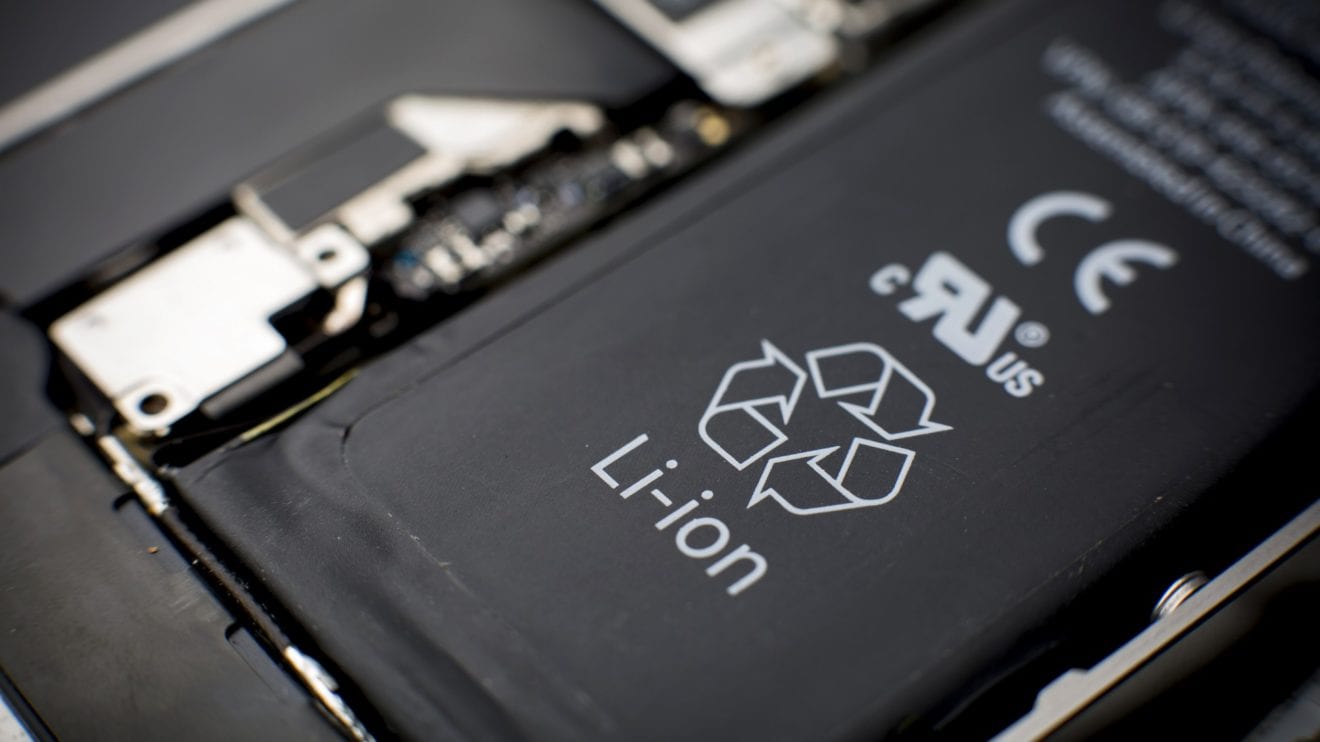
    A convenience store chain in Korea plans to offer affordable smartphone battery replacements instead of time-consuming charging services.

    BGF Retail, the company behind the CU convenience store chain, announced on April 14 that it would begin the battery replacement service in May. The service offers fully charged smartphone batteries to smartphone users in exchange for their discharged ones, after verifying their authenticity.

    Korean c-stores including CU currently offer battery-charging services, which can take up to 40 minutes. By introducing the replacement service, customers can save time while paying the same 3000 won (US$2.74) fee.

    The service will be available for all battery-replaceable smartphone models, and CU will continually add batteries for new models.

    However, the service is not available at all CU convenience stores, only shops that have chosen to participate in the program. CU stores offering the service can be found using the new “Full-charge” smartphone application.

    CU explained that the service was devised to solve the issue of rapidly depleted smartphone batteries, leveraging the accessibility of convenience stores.

    An official at BGF Retail said that as more people use smartphones, there is much anxiety about battery life. “By offering the service, we are presenting a convenient option to customers as they can replace the worn-out smartphone batteries like they are purchasing drinks in our stores.”

    Meanwhile, CU convenience stores are now transforming from simple stores selling items such as snacks, drinks and other daily necessities to “space” providers with lockers, meeting rooms and even concert halls.

    CU’s Itaewon Freedom offers a private locker service that was launched in December of last year, and some stores in university areas have started to offer meeting rooms equipped with tables, whiteboards, and HD TVs for those who seek spaces suitable for small-sized meetings.

    In Daehangno, where many performers and audiences gather together, the CU Marronnier Park store is equipped with a small-sized stage for amateur musicians, and even supplies sound and lighting equipment. It was developed to offer customers the pleasure of enjoying cultural performances highlighting the regional characteristics of the area.

  • More men shop Korean department stores

    More men shop Korean department stores

    Department stores were once considered the ‘exclusive domain of women’ in many Asian countries.

    However, in Korea the ranks of men who enjoy shopping at luxurious stores are increasing.

    In addition, as more women are turning to overseas direct purchases or online shopping malls, Korea’s retail giants are attracting male shoppers by increasing hobby supplies and custom-made suits.

    According to Lotte Department Store, the proportion of male shoppers increased to 27 per cent this year, up four percentage points from 2010. Compared to the 26 per cent recorded at the end of last year, it rose by one percentage point in just three months. Sales of accessories for men more than doubled over the past five years.

    The Korean department store attributed the increase in male shoppers to a surge in male interest for cosmetics and clothes, as well as a renewed focus on enjoying hobbies and leisure activities.

    To cater to a growing number of male shoppers, the retailer has introduced stores that specialize in male apparel and accessories.

    Lotte opened “Curiosity of Renoma,” a hobby shop selling selected kidult products last December at its premium outlet in Gwangmyeong, and the shop is selling 150 million won worth of products monthly. At its Avenuel World Tower branch, it set up a camera shop named ‘el Camera’ selling cameras and related accessories to attract male shoppers interested in photography.

    Meanwhile, at its Jamsil branch, it opened a custom-made suit shop called “IFG”, which offers various suits priced from 300,000 won to 1,500,000, won and targets male shoppers aged 30 to 60.

    An official at Lotte said: “We plan to continue to expand stores specialising in products for men since we believe their potential buying power is huge.”


  • Ikea Korea boosts furniture sector

    Ikea Korea boosts furniture sector

    Before the opening of the first Ikea store in Korea last year, Korean furniture companies were worried about the threat posed by the Swedish behemoth.

    Many industry observers said the impact of Ikea in Korea would be felt across the industry.

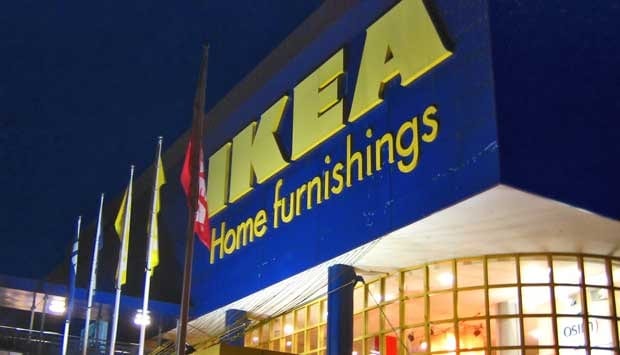
    Without a doubt, Ikea has been big hit in Korea over its first 100 days trading According to Ikea Korea, it welcomed 2.2 million customers as of March 18, and local shoppers had signed up for 300,000 “Ikea Family” memberships. Visitors praised the reasonable price tags and practical designs, and most said that they planned to revisit the store.

    However, 100 days after Ikea Korea’s debut, the real winners are Korea’s major furniture makers, who are laughing all the way to the bank thanks to the “Ikea effect”, which has helped them attract more customers.

    Sales at Hanssem, the largest furniture maker in Korea, reached 1.32 trillion won last year, a 31.5 per cent increase over the previous year. Similarly, Hyundai Livart’s revenue increased 15.92 per cent to 643 billion won last year.

    Ironically, their shops near Ikea’s Gwangmyeong store saw increases in customer visits in January and February this year. During this period, the revenue of Livart’s Gwangmyeong branch increased 27 per cent, while Hanssem’s Gwangmyeong store saw a 10 per cent increase in sales over the same period of the previous year.

    An official at Hanssem said: “The sales increase at the store was thanks to Ikea. Seventy per cent of customers visiting our Gwangmyeong branch came from Ikea. Those who could not find what they wanted at Ikea visited our store looking for alternatives. It’s the ‘Ikea attraction.’”

    To cope with the Swedish giant’s low-prices and do-it-yourself marketing power, local furniture makers armed themselves with “high quality and service” as their core competitiveness. Hanssem tried to reduce its production costs through automation and standardisation of parts. In addition, it opened its sixth flagship store, and focused on improving its customer service.

    Livart, Korea’s second largest furniture company, implemented an aggressive marketing strategy aimed at younger generation buyers looking for mid- and low-priced products. It strengthened its online sales channel, broadening its offerings to include kitchen and office furniture.

    At the center of their efforts to increase revenue against the threat of Ikea are free delivery and assembly services.

    Ikea visitors calculate the price of the products, delivery charge and unseen cost of DIY together. For example, Ikea’s Brimnes triple dresser (78cm x 95cm) costs 99,000 won, but a similar sized Hanssem triple dresser (80cm x 73cm) sells for 109,000 won. One can save 10,000 won when buying the Ikea product. However, Ikea customers also need to pay 29,900 won for delivery and 40,000 won for assembly, if they require those services.

    Choi Yang-ha, CEO and vice chairman of Hanssem, said: “Ikea is famous for its reasonable pricing and wide variety of products. However, if customers use its delivery and assembly services, its price competitiveness falls behind Korean competitors. We have our own strategy, offering free delivery and assembly services, and providing products through various distribution channels.”

    However, smaller furniture makers have been left in the cold, as they do not produce products of interest to typical Ikea visitors. As a result, small furniture shop owners have seen their revenue fall 71.8 per cent since Ikea’s Gwangmyeong store opened.

    To support small sized furniture manufacturers, Gyeonggi Province plans to invest a total of 87.5 billion won to raise its competitiveness and to revitalize the furniture industry in the province.

  • Korean online sales overtake stores

    Korean online sales overtake stores

    The total trade volume of online retailers for 2014 surpassed that of large retail stores and department stores for the first time, said Statistics Korea.

    Although the overall trade volume through Korean online retailers stood at 45.24 trillion won (US$ 41.62 billion), which is slightly lower than the 46.63 trillion won (US$ 42.90 billion) trade volume for offline retailers, sales through foreign online retailers in 2014 reached 1.66 trillion (US$ 1.54 billion), which resulted in combined overall online sales 46.90 trillion won (US$ 43.14 billion).

    The figures are due to aggressive marketing strategies from local online retailers to boost Korean online sales – such as G-Market, Auction, 11st Street and Interpark, and large growth rates for social commerce companies such as Ticket Monster, Coupang and Wemap. 11st Street, one of the most successful online shopping portals, saw its trade volume surpass 5 trillion won (US$ 4.6 billion) in 2013, six years after its launch.

    The total trade volume through department stores decreased 1.9 per cent to 29.23 trillion won (US$ 26.88 billion) compared to last year.

    Although department stores and large retailers have been trying to attract customers by holding sales and the improving quality the merchandise on their shelves, their sales have continued to decrease. Lotte, Hyundai and Shinsegae Department Stores saw their March sales decrease 1 per cent, 0.8 per cent and 1.3 per cent year-on-year.

  • Lukfook debuts in Korea

    Hong Kong jeweller Luk Fook has opened its first store in Korea.

    The store is within the Walkerhill Duty Free complex in the downtown Seoul suburb of Gwangjin‐gu and targets tourists.

    Wong Wai Sheung, Lufook Group chairman and CEO, said the group will continue to provide quality jewellery products and professional services for Korean and global customers.

    “Adhering to our corporate vision of ‘Brand of Hong Kong, Sparkling the World’, the group has been expanding overseas markets to explore business opportunities. Currently, the group has over 1390 shops in Hong Kong, Macau, mainland China, Singapore, the US, Canada and Australia.

    “Following the opening of our first retail outlet in Korea, our retail network now covers eight countries and regions, which will broaden the customer base and further build the brand in the international market.”

    According to data from the Korea Tourism Organization, the number of Chinese tourists visiting Korea reached approximately 5.7 million by the end of November last year, accounting for more than 43 per cent of the total number of travellers visiting Korea, and double the number of five years ago.

    Eyeing the strong purchasing power of Chinese tourists, the group plans to open another outlet in Korea to capture the market potential.

  • Korea mobile shopping hits new high

    Korea mobile shopping hits new high

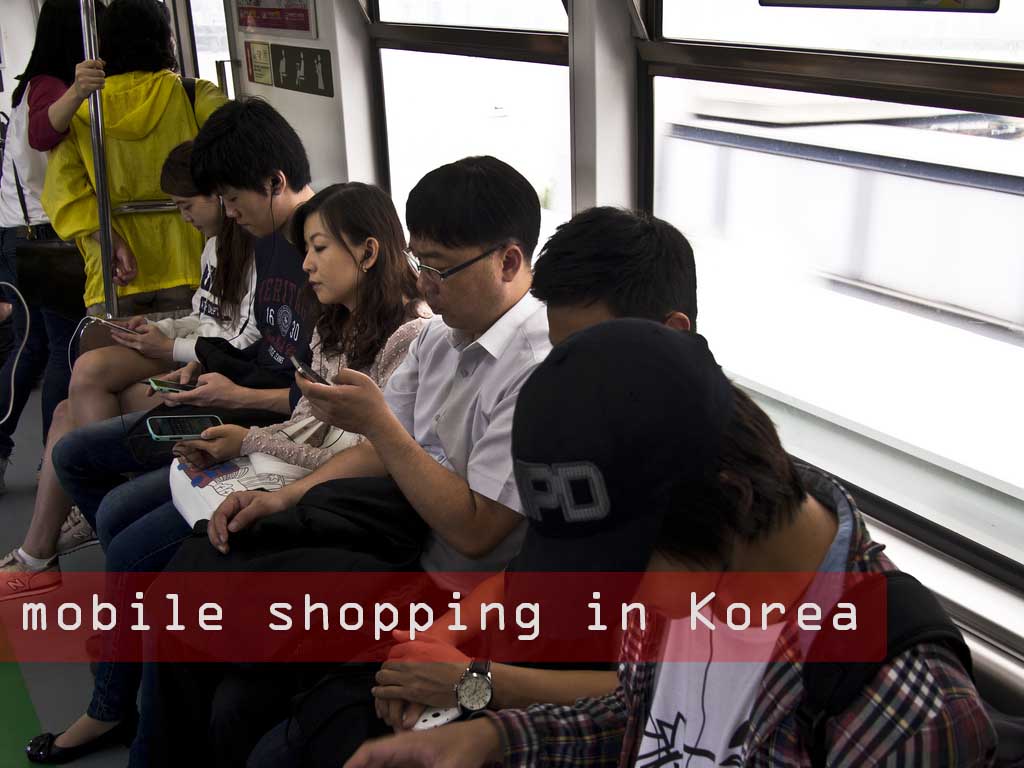
    South Koreans are spending more online on mobiles than ever before.

    Korea mobile shopping spend reached a new record in 2014, crossing the 10 trillion won mark for the first time.

    Thanks to the ubiquity of smartphones and tablets, annual sales volumes for mobile shopping in Korea first exceeded the 10 trillion won (US$9 billion) mark last year.

    According to the “Distribution Industry Whitepaper 2015” released by the Korea Chamber of Commerce and Industry (KCCI), the total volume of mobile shopping sales was 13.1 trillion won – up a massive 12.5 trillion won from 2011 when the KCCI first started tracking mobile shopping sales figures.

    “As search and payment solutions through mobile devices continue to improve, online shopping channels are moving from PCs to mobile,” the KCCI said.

    In fact, the sales volume of online shopping through PCs decreased by 1.8 trillion won, but mobile sales increased by 7.2 trillion won.

    Meanwhile, offline shopping channels have mixed feelings of joy and sorrow. While traditional powerhouses such as the big box retailers (down 3.4 per cent), department stores (down 1.6 per cent) and supermarkets (up 0.8 per cent) showed negative or stagnant sales growth, convenience stores saw an increase of 8.7 per cent last year.

  • Lotte.com opens Tmall storefront

    Lotte.com opens Tmall storefront

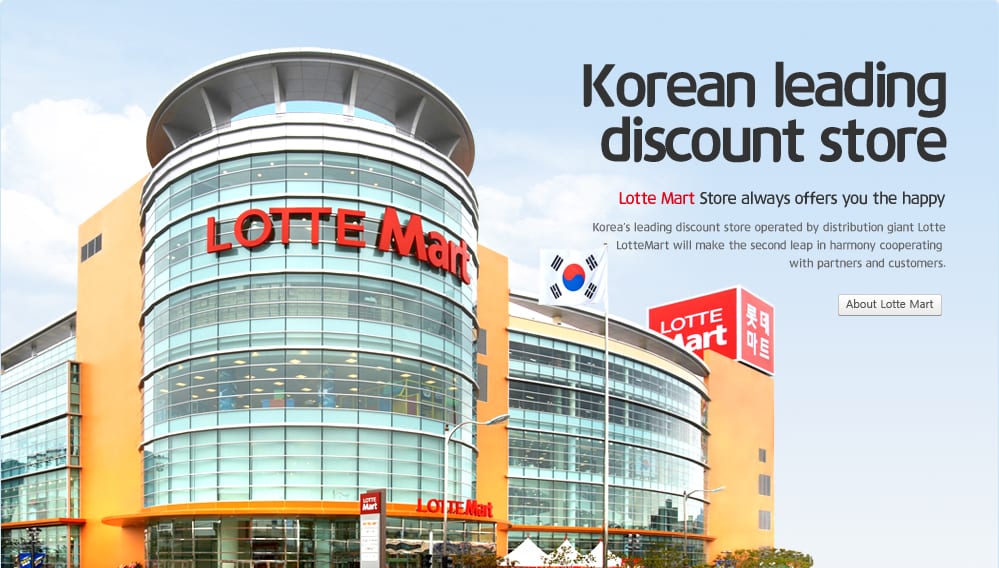
    Korean retailer Lotte Mart has opened a shop front on China’s Tmall.

    The Lotte Mart store on Tmall Global, is the first Korean discount store to have an online presence on the popular Chinese online shopping mall.

    Lotte Mart has launched with an offer of 16 selected Korean products popular with Chinese customers, including beauty products such as shampoo and bathing goods, ginseng and Tongkeun Oxford blocks.

    The range will be expanded to between 100 and 120 products by the end of March.

    Lotte.com will manage the Tmall site operations and marketing while Lotte Mart will manage product sourcing.

    Tmall Global Mobile Lotte Mart page 315

    Lotte Mart will monitor sales to Chinese tourists in its offline department stores and duty free outlets to guide product selection for the new Tmall store.

    Lotte.com opened a Global Lotte.com site in February 2014, serving overseas purchasers. Chinese shoppers account for 75 per cent of the Global Lotte.com sales, despite the site serving 19 international markets. Sales to Chinese shoppers are increasing by an average of 40 per cent each month this year.

    Lotte.com says Chinese shoppers trust the quality of Korean products with the most popular categories Korean cosmetics and baby products such as diapers and wet tissues.

    Tmall is a business to consumer online store managed by Alibaba, China’s largest eCommerce group. Tmall Global specialises in foreign brands and foreign companies targeting Chinese residents.

  • Google Play Korea faces telco challenge

    Google Play Korea faces telco challenge

    Korea’s three largest mobile network operators – SK Telecom, KT and LG Uplus – are to merge their individual app stores to create a new destination One Store.

    The combining of the offers of T Store, Olleh Market and U Plus Store will represent a significant challenge to the Google Play Korea app store.

    The three mobile operators invited 350 app developers and mobile business representatives to the introduction of the unified platform, which is scheduled to be launched in May, at SK Planet’s Supex Hall in Pangyo on March 20.

    Korean developers have had a difficult time registering their apps to the carriers’ three stores, as each had different policies and procedures. These issues should be mitigated with the launch of One Store, and app operators will also benefit from an integrated data management system that will provide information related to customers, downloads and sales.

    App users will also benefit from One Store, as they’ll be able to preserve their purchase history even if they change carriers, and access unified customer app reviews.

    Lee Jae-hwan, the head of SK Planet’s Digital Content department, said the One Store project has been initiated to create an app store that can compete with Google Play. Representatives of the three mobile operators also mentioned that cost savings resulting from the operation of the unified system would be used to invest in Korean developers’ IT projects.

    It was also announced that T Store’s most recent software development kit (SDK) will be fully compatible with the new One Store SDK.

  • Burberry Korea partners with Shinsegae

    Burberry Korea partners with Shinsegae

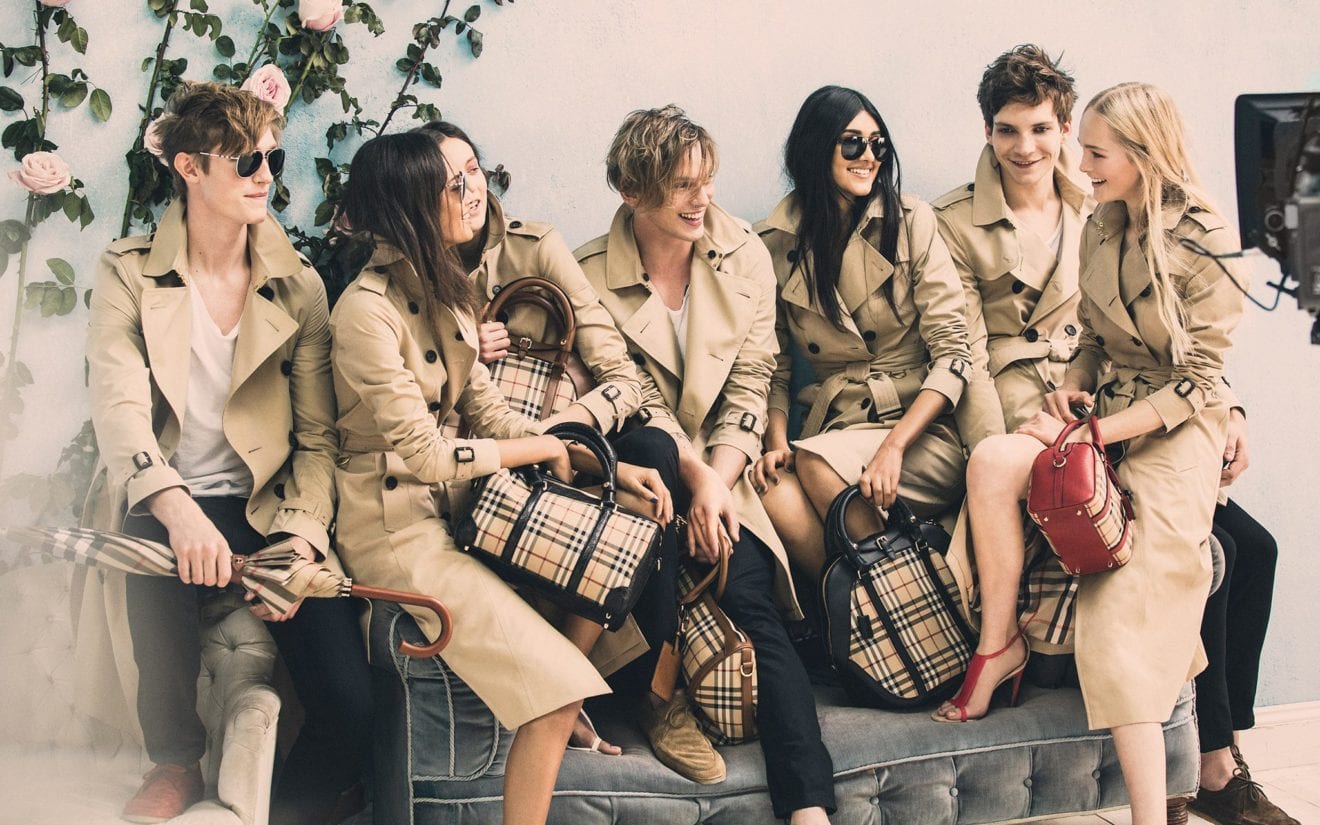
    Burberry has entered into a new digital collaboration with Korea’s Shinsegae Group to launch the official Burberry ssg.com store in South Korea.

    The custom-built, dedicated space mirrors the brand’s own online flagship store, Burberry.com and is consistent with Burberry’s global luxury positioning. It offers Korean consumers a tailored assortment of Burberry products, allowing the consumer to have a seamless experience of the brand both in physical stores and online.

    The store will offer the Burberry Prorsum, Burberry London, Burberry Brit and Heritage collections, along with accessories, in the womenswear, menswear, childrenswear and accessories categories.

    The Burberry Korea store will be accessible in South Korea across all mobile, tablet and desktop devices. The official Burberry SSG.com store can be found here.

    South Korea’s Shinsegae Group operates both online and offline retail businesses and is considered the leading luxury department store in the nation. It  was founded in 1930.