Tag: Korea

  • Columbia Korea in aggressive expansion

    Columbia Korea in aggressive expansion

    US sportswear brand Columbia says it will expand its retail network in South Korea, part of a strategy to become one of the top three retailers in its category there by 2020.

    Columbia Korea will expand its existing 250-strong retail network and broaden its range of apparel to achieve its goal, moving into the fishing, yoga and casual outdoor categories.

    “It’s true that the outdoor clothing market has become saturated. But that won’t hamper our continued growth,” Shim Han-bo, CEO of Columbia Korea, told a press conference in Seoul.

    “I’m confident that Columbia is superior to rivals in terms of technology. We have nearly 200 patented technologies, which lie at the core of our competitiveness and pride.”

    He said the company is targeting 500 billion won (US$430 million) in annual sales by 2020.

    Last year it ranked seventh with 320 billion won in sales, or US$274.6 million.

    “A major portion of profits are generated at department stores and other offline outlets. We will keep trying to boost competitiveness of these conventional outlets. At the same time, we will try hard to increase sales at online retailers,” he said.

    “Many companies are wrestling with declining sales. Against all odds, however, I believe that brands with a long history and that have their own time-tested philosophy will never die out, one of which is Columbia.”

  • Burberry launches on Kakao

    Burberry launches on Kakao

    Burberry is the first British luxury brand to launch on Korea’s largest social platform, Kakao.

    Burberry and Kakao have formed a global partnership, which was inaugurated with the showcase of Burberry’s Womenswear Spring/Summer 2016 show last month.

    Burberry will be active across Kakao Talk, Kakao TV and Kakao Giftshop, offering Korean audiences direct access to its runway shows, campaigns and events bringing Kakao’s 190 million followers even closer to the British luxury brand.

    To celebrate the launch, Burberry will offer a selection of products to buy direct from the runway, through Kakao Giftshop.

    Burberry has also recently formalised partnerships with Apple Music, Snapchat and Line.

    Burberry CEO and chief creative officer Christopher Bailey described Kakao as “an incredibly creative and innovative company”.

    “So it is very exciting to be collaborating with them. The creative and commercial aspects of the partnership have been carefully designed to allow us showcase our culture and design heritage whilst also giving users the chance to shop at the same time.”

  • Blooming Sweet nail art concept goes global

    Blooming Sweet nail art concept goes global

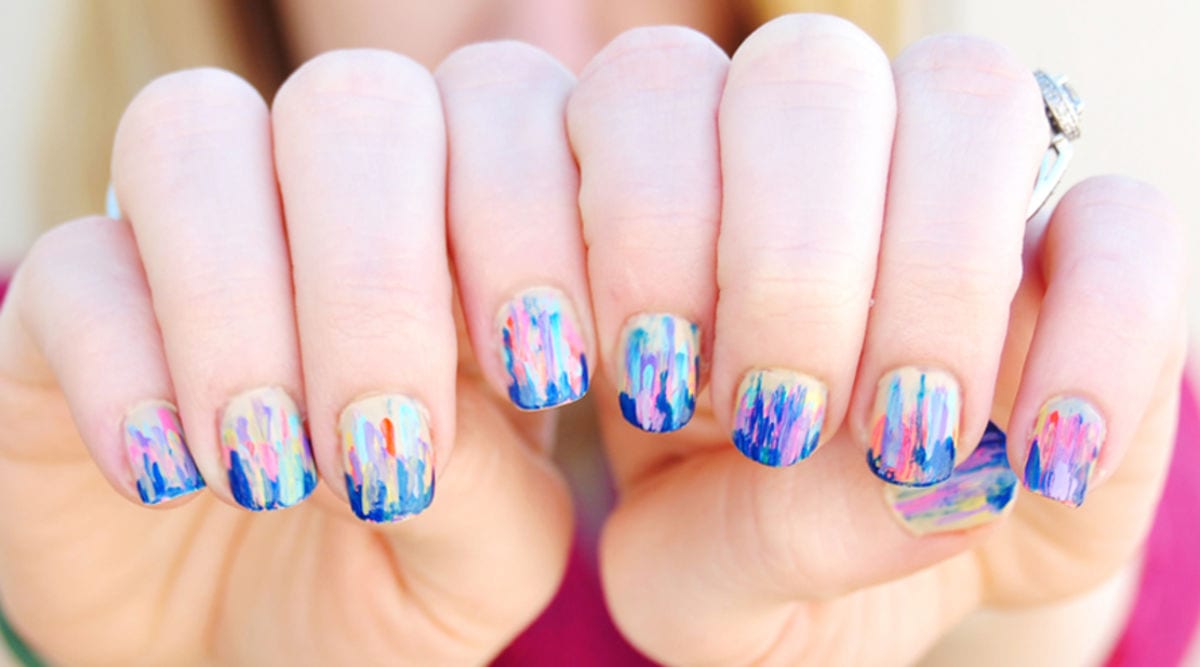
    Blooming Sweet, the online shopping mall specialising in DIY nail art materials is rapidly gaining popularity in Hong Kong, Japan, Singapore and the US.

    CEO Kim Sun-Hee has been a famous nail artist in Korea for over 10 years, and launched Blooming Sweet in 2011 to promote the nail art market in Korea.

    Currently, Blooming Sweet carries gel nail products and accessories essential for creating nail art. Unlike existing nail polish products, gel is applied to nails and cured under an LED or UV lamp. Gel nails have gained great popularity for their excellent colors and long-lasting effects.

    Blooming Sweet has been selling its products worldwide since 2012 after participating in an international expo held in Japan, a pivotal moment which led to an influx of orders from buyers globally. Blooming Sweet also sells customised accessories especially designed based on suggestions by buyers keeping in mind the local circumstances and trends.

    The products of Blooming Sweet can be purchased through both Korean and English pages of theonline shopping mall developed by Korea’s largest eCommerce solution brand, cafe24.

    “It would be great if products related with K-Beauty can gain more international recognition,” said Kim, later adding: “Blooming Sweet will continuously make efforts to learn about the beauty trends around the world to grow into the world’s best nail art brand.”

  • Caffe Bene Vietnam starts franchising

    Caffe Bene Vietnam starts franchising

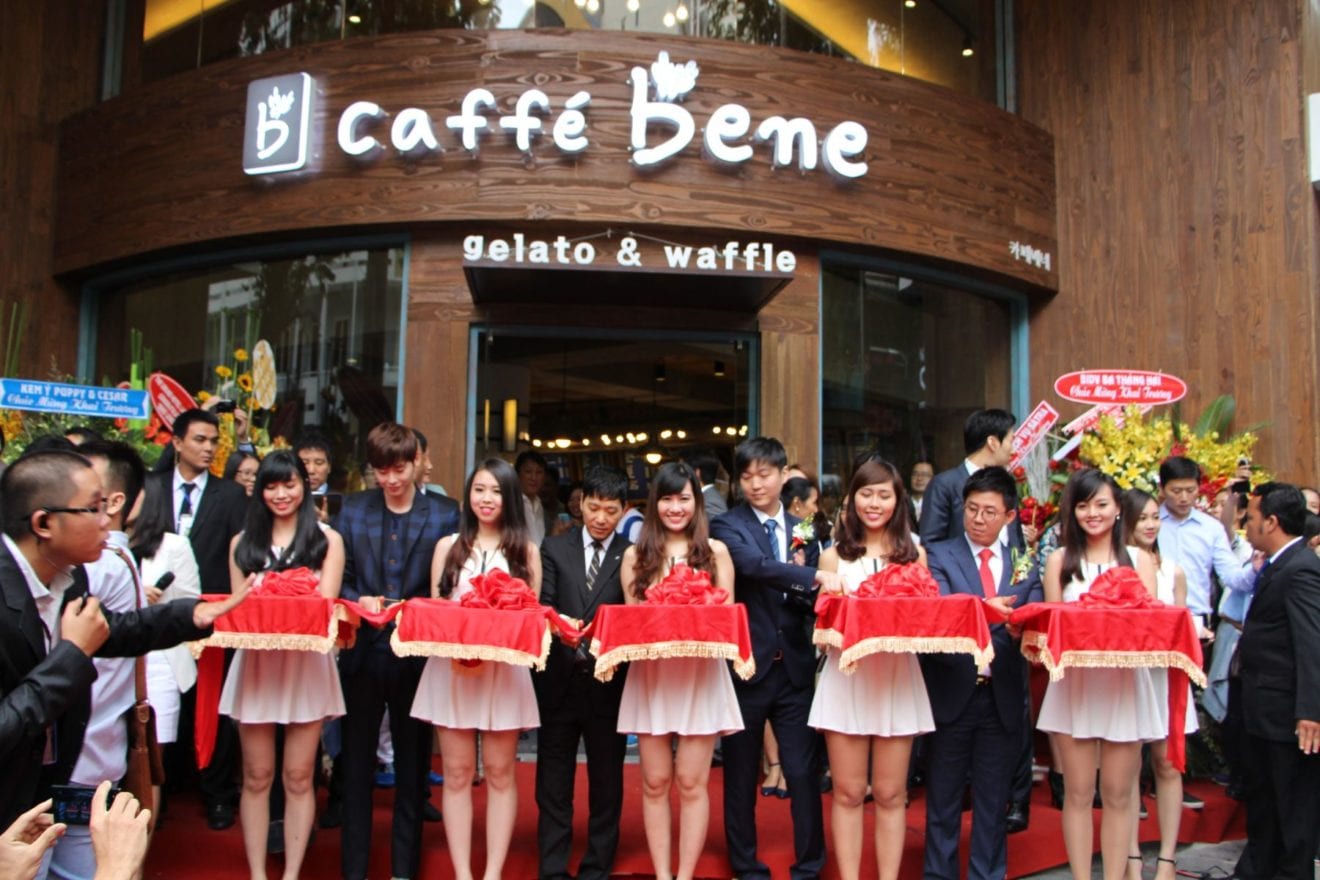
    Korean coffee chain Caffe Bene has opened its first franchised store in Vietnam.

    Caffe Bene Vietnam’s third store – its first franchised outlet – is located in the recently opened SSC VivoCity shopping centre in Ho Chi Minh City’s District 7, a popular expat residential area.

    While coffee is at its core, Caffe Bene has attracted a large customer base of Vietnamese due to its shaved ice desserts, bagels and ice cream.

    The first Caffe Bene store opened in Ho Chi Minh City last year in a prime two-storey corner site on the city’s main shopping street Dung Khoi, in premises vacated by apparel chain Esprit. Queues formed from day one.

    Now that it has refined its offer and gained market experience through its two company-owned stores, the company is launching its franchise program. It plans to have 50 stores trading in Vietnam by the end of next year.

    Caffe Bene Korea is focusing on international expansion after reaching saturation point in its own market with a network of 810 stores. It has more than 500 stores in China and two in the US. It will also take its brand to the Middle East after signing a franchise agreement with Saudi Arabia-based Keden Group.

  • The Starbucks Community Store in Daehakro neighborhood in Seoul, Korea celebrates one-year …

    The Starbucks Community Store in Daehakro neighborhood in Seoul, Korea celebrates one-year …

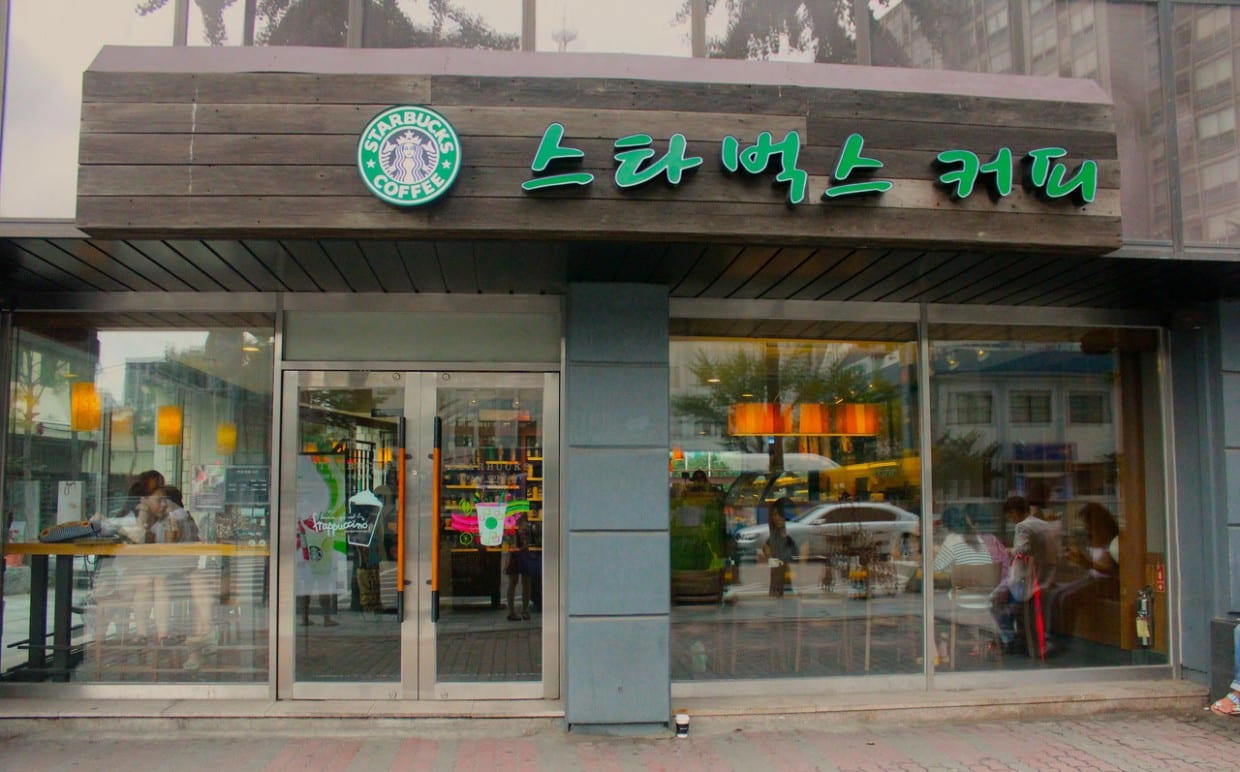
    The Starbucks Community Store in the Daehakro neighborhood in Seoul, Korea, commemorated its one-year anniversary (October 7, 2015) with a community service project, a donation and free brewed coffee and rice cakes for 365 customers as a token of gratitude.
    [embedded content]

    The Starbucks Community Store in Daehakro, like the Langsuan Neighborhood Starbucks in Bangkok, plays a role in supporting education, job training and apprenticeship initiatives by working directly with non-profit organizations to offer local services. In the United States, Starbucks will soon open similar stores that partner with local nonprofit organizations to provide skills training for opportunity youth in underserved, low-income communities in Ferguson, Chicago, Queens, Phoenix and Milwaukee.

    A social hub in the education and arts district of Seoul, the Daehakro coffeehouse hosts workshops and seminars and monthly volunteer activities called “green care” dedicated to improving the environment. The store’s design reflects its vibrant neighborhood. “Community Store messaging can be found throughout the location and it’s a conversation piece that engages customers with store partners,” said Yena Cho, who has been focused on the operation since she joined Starbucks two years ago.

    An art-wall collage, created by university students, and a digital community board that showcases corporate social responsibility efforts are among the distinctive touches that align the store with its surroundings. Also on display is a 3D coffee mug wall that represents students from the Starbucks Comprehensive Youth Leadership Program.

    Yena, who is a global communications manager at Starbucks Korea, said the first year of operation for the Daehakro Starbucks passed by quickly, aided by a flurry of activity around the store, a positive reception by the community and significant media interest.

    Since its opening last October, the equivalent of 30 cents U.S. from each item purchased in Korea’s Community Store has benefited the Green Umbrella ChildFund Korea to support lifelong skills development for youth through the Starbucks Comprehensive Youth Leadership Program. A donation of $100,000 U.S. accumulated from a portion of sales over the past year was presented to Green Umbrella ChildFund Korea at the anniversary celebration. The program offers academic scholarships through graduation for a curriculum that focuses on business skills, collaborative communications and social consciousness.

    Starbucks Korea, which is the company’s fourth largest market outside the U.S., and the Green Umbrella ChildFund Korea maintain an ongoing alliance to address the nation’s social and community needs with an emphasis on assisting young people seeking work. Korean tuition costs are among the world’s highest, creating roadblocks to higher education for the nation’s disadvantaged.

    “Being a relevant part of the community we serve in is an important part of who we are,” said S.K. Lee, ceo and president of Starbucks Coffee Korea. “Our Community Store is a telling example of our commitment to building a different kind of company in Korea that is performance driven through the lens of humanity.”

    The focus on finding jobs for youth is an extension of Starbucks global commitment to hiring Opportunity Youth — those between the ages of 16 and 24 who aren’t in school and aren’t working.  The 100,000 Opportunities Initiative, a coalition of 33 leading U.S. companies including Starbucks, is America’s largest employer-led private sector coalition committed to creating pathways to employment for young people. The businesses will host the next Opportunity Hiring Fair in Phoenix on Oct. 30.

  • Asia luxury goods market still growing

    The Asia luxury goods market is still growing rapidly despite negative press about Hong Kong, Macau and deteriorating China spending.

    Luxury goods retail sales in Asia-Pacific are expected to reach US$134.9 billion by 2019, growing at a CAGR of seven per cent during 2014-2019, according to the report Luxury Goods Retailing Market in Asia-Pacific, 2014-2019 Market and Category Expenditure and Forecasts, Trends, and Competitive Landscape.

    Japan will remain the largest Asia Pacific luxury goods market amid a slowdown in China and India’s luxury goods market is the fastest growing in Asia-Pacific, driven by rising disposable income, growing fascination towards luxury brands, and the desire of high earners to differentiate themselves from others.

    The report says jewellery, watches and accessories is the largest and fastest growing category in the region, driven by higher spending on jewellery and watches by Chinese, Japanese, and Korean consumers.

    The Hong Kong luxury goods market is struggling due to political unrest and reduced Chinese spending. A luxury tax exemption is expected to boost luxury goods consumption in Indonesia.

    Social messaging apps is a trending marketing channel for luxury brands, as the digital channel is influencing the purchasing decisions and pattern of consumers.

  • Tesco Asia sell-off ruled out

    Tesco Asia sell-off ruled out

    Tesco has ruled out selling any more of its Asian operations in the wake of the Homeplus South Korea divestment.

    At least for now.

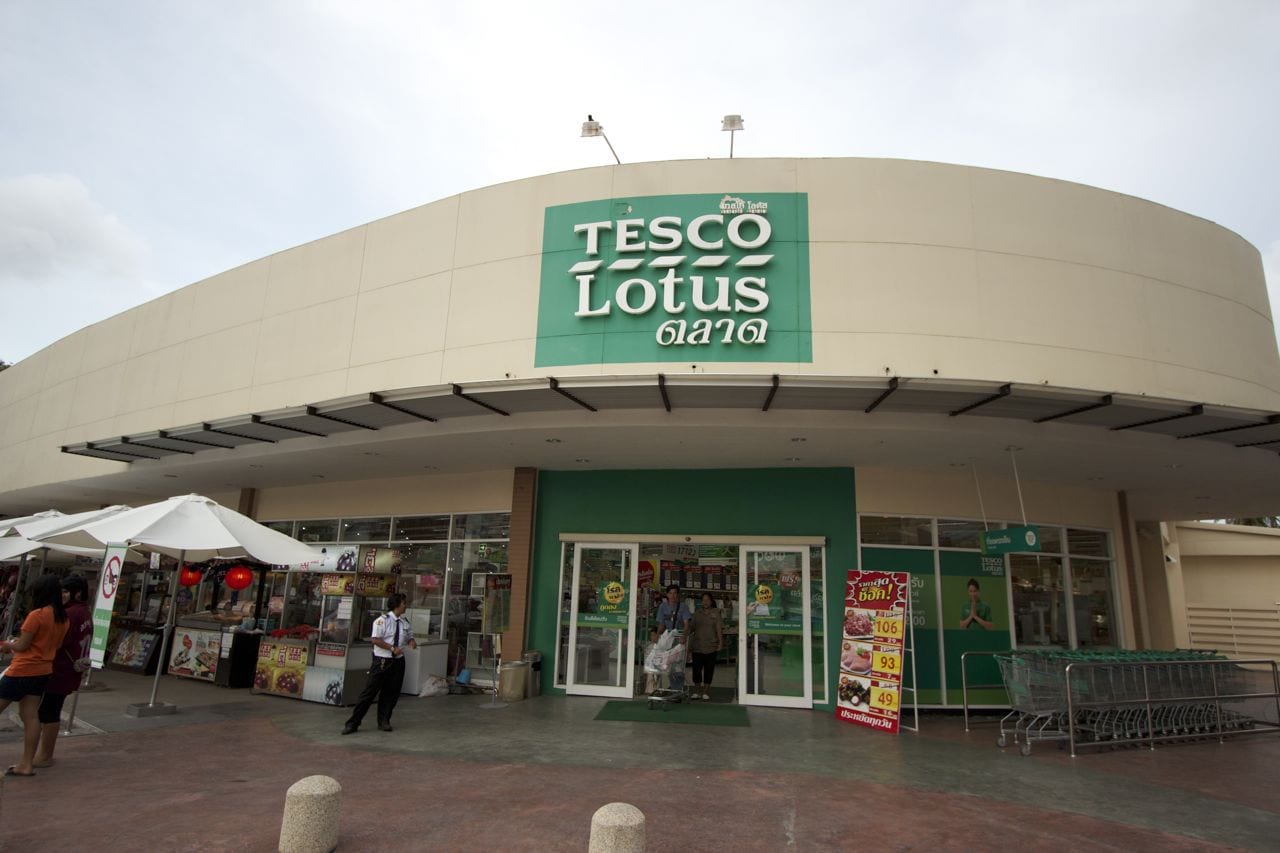
    After the US$6 billion sale of Homeplus and an earlier divestment of a stake in its Chinese operation, Tesco Asia retains a large business in Thailand, trading as Tesco Lotus, and in Malaysia.

    Tesco Chairman John Allan has assured shareholders there are “no immediate plans” to sell off any of the company’s remaining overseas arms, including those in Asia.

    “As we sit here today we believe that we have the right sort of assembly of geographies that we are in,” said Allan.

    “At the moment our intention is to hold what we have and to develop it and make the very best of it.”

    When Tesco’s troubles came to light at the end of last year the company received several opportunistic approaches by parties to buy out the Thai and Malaysian operations. But it ruled out any fire sale at the time and now appears committed to retaining and growing the businesses. The company also has operations in Central Europe and Ireland.

    While Allan conceded he could “envisage circumstances” the company might change its mind, that comment was perceived as a safeguard.

    Selling Homeplus has allowed Tesco to retire about £4.2 billion of its massive £21.7 billion debt mountain.

    The company is still looking for a buyer for its Dunnhumby data business, nine months after it ut the business on the market. Dunnhumby analyses grocery sales data from across the store network and sells it to manufacturers.

    “We have looked at the options around Dunnhumby… We’ve not concluded that. As soon as we conclude it we would announce what it is we intend to do,” CEO Dave Lewis told shareholders.

  • Where Muslim tourists shop

    Where Muslim tourists shop

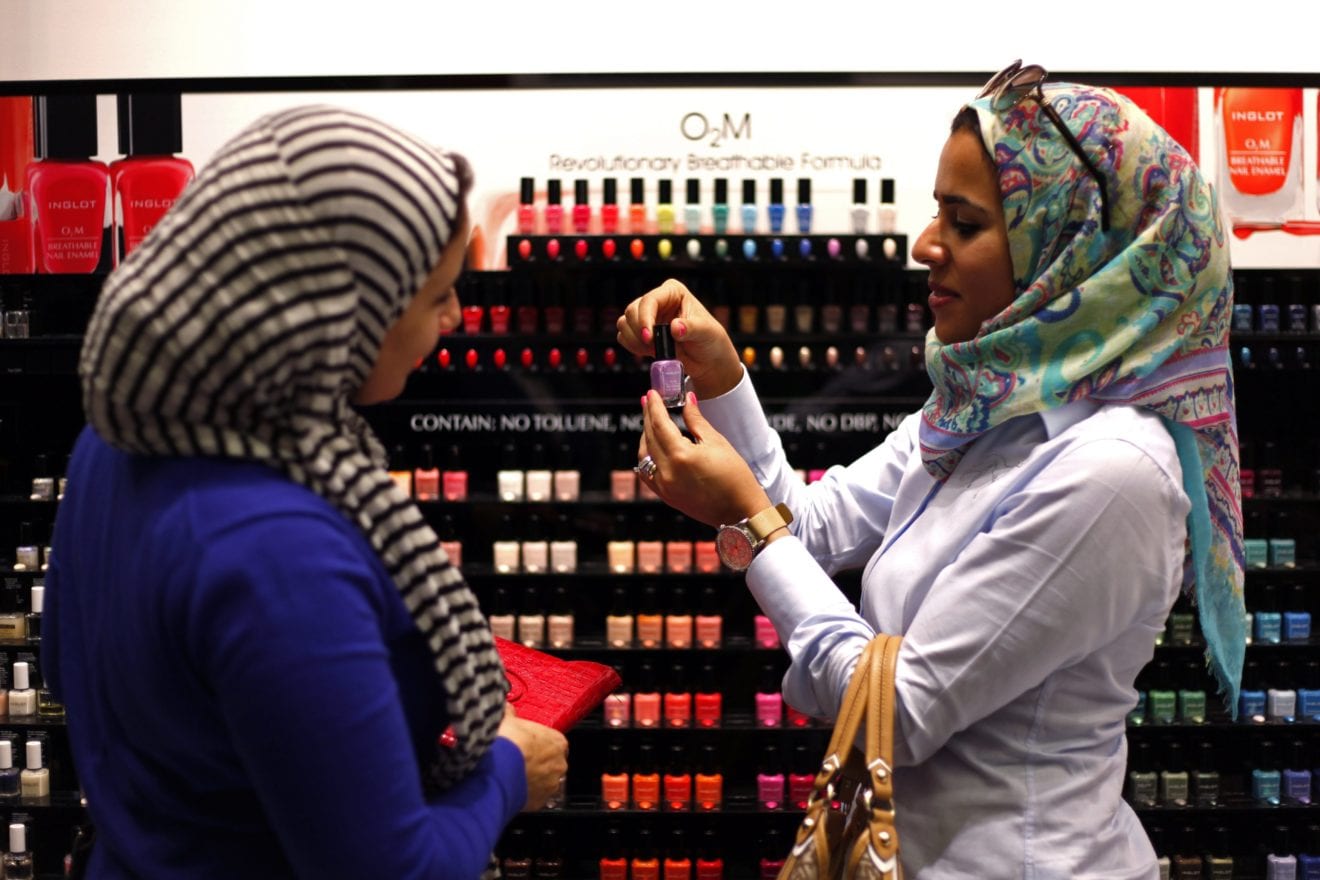
    Muslim tourists spent $62 billion shopping and dining last year – and Asia got a huge share.

    Malaysia and Singapore were the second and third most popular shopping destinations for Muslim tourists last year, lagging behind only Dubai, according to the MasterCard-CrescentRating Muslim Shopping Travel Index 2015 just released.

    Fourteen cities from Asia Pacific made it onto the overall list of 40 destinations.

    The research shows shopping expenditure by Muslims in 2014 amounted to $36 billion, while dining expenditure amounted to $26 billion

    The MTSI 2015 looks at in-depth data covering Muslim travel shopping from 40 international cities creating an overall index, based on a number of criteria. It is the first time detailed insights have been provided on the consumer spending behaviour of Muslim travellers.

    The MTSI 2015 is the latest research collaboration between MasterCard and CrescentRating on this sector following the launch of the Global Muslim Travel Index (GMTI) 2015 earlier this year.

    “The MasterCard-CrescentRating Muslim Travel Shopping Index is a fascinating insight into the shopping habits of Muslim consumers and will prove to be an invaluable tool to the entire sector,” said Fazal Bahardeen, CEO of CrescentRating & HalalTrip.

    “The research looks at two of the most important expenditure components of Muslim travellers which are shopping and dining. The index reveals how important Asia Pacific is to the sector and the vital contribution they are making.”

    The 40 international cities covered in the MTSI 2015 were scored against a comprehensive set of metrics which included suitability as a shopping destination, Muslim friendly services and facilities and ease of travel. Each criterion was then weighted to make up the overall index score.

    Dubai topped the ranking for overall Muslim Travel Shopping with a score of 79.5 followed by Kuala Lumpur with a score of 73.3.  Singapore scored 71.6 on the Index making it the number one ranked city from the non-OIC countries and third in the overall list.

    Bali also made into the top 10 scoring 58.2 closely followed by Penang with 56.9. In total, Asia Pacific contributed 14 cities to the overall top 40 list.

    A significant highlight of the MTSI 2015 was the high number of non-OIC countries featuring in the top 40 list.

    Singapore, secured a rank among the top five overall destinations for Muslim traveller shopping.  This further revealed the potential for non-OIC destinations, with 25 on the list, to attract Muslim travellers by proactively catering to this segment.

    Earlier this year, the GMTI 2015 showed that in 2014, the Muslim travel segment was worth $145 billion with 108 million Muslim travellers representing 10 per cent of the entire travel economy.

    This is forecasted to grow to 150 million visitors by 2020 and 11 per cent of the market segment with a market value projected to grow to $200 billion.

    MTSI 2015 will be updated on an annual basis and will feature more cities in future releases.

    “The MTSI 2015 provides a deeper look at two key components of the traveler consumer experience – shopping and dining. We see this as an important resource not only for us to better understand this significant and fast-growing traveller segment, but also a source of data that will inform and support the efforts of our partners in the travel industry,” said Matthew Driver, group executive, global products and solutions, Asia Pacific, MasterCard.

    Shopping chart

  • Is Seoul Asia’s new fashion window?

    Is Seoul Asia’s new fashion window?

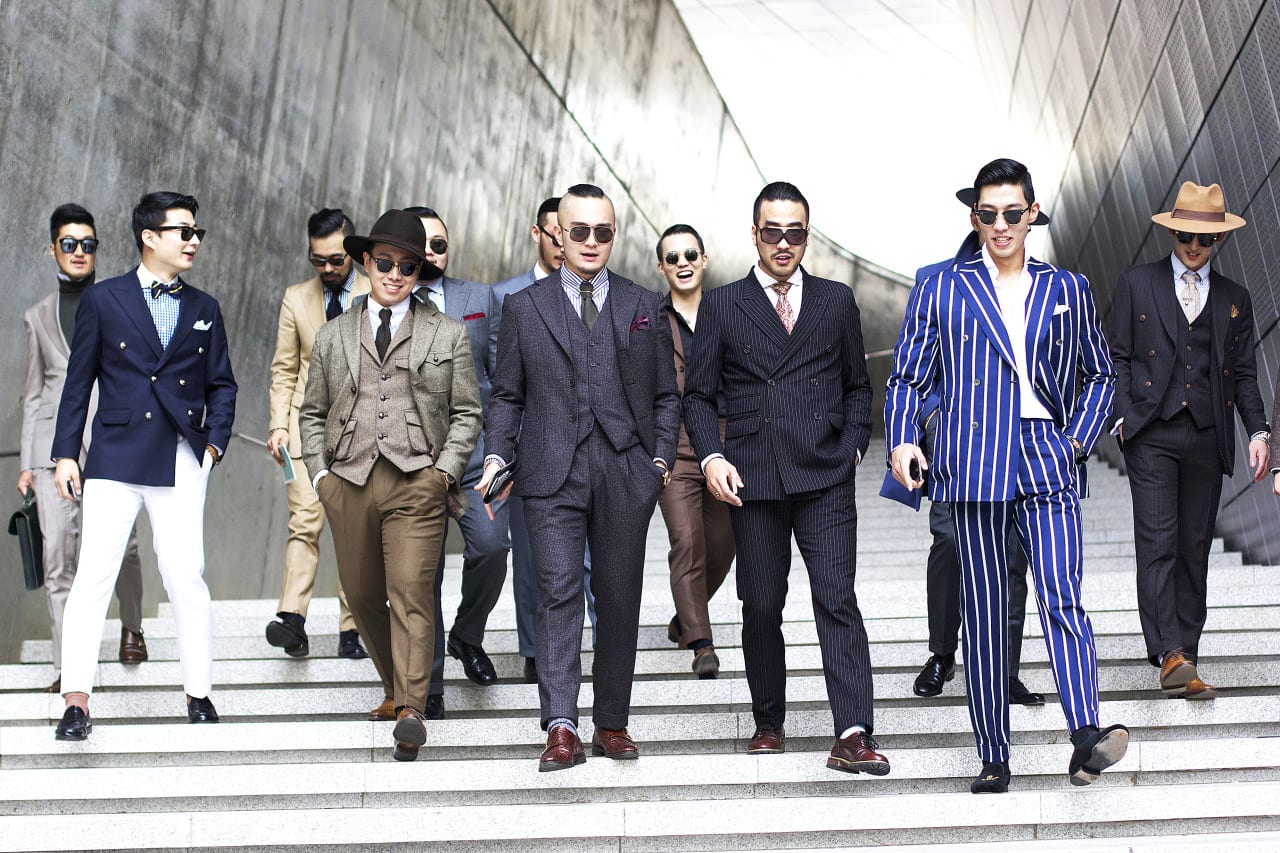
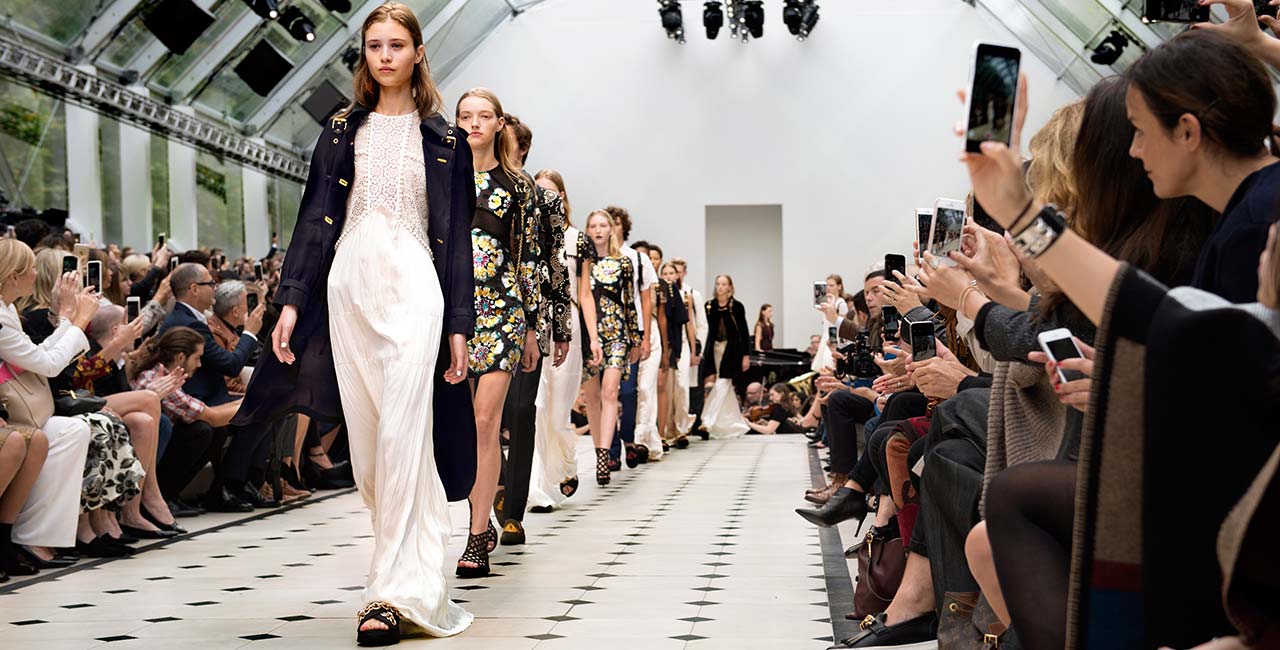
    Move over Hong Kong, Tokyo and Singapore. Seoul is emerging as Asia’s new fashion showcase, with the world’s top luxury firms seeking to cash in on the regional trend-setting popularity of South Korean pop culture.

    Fast-growing Asia is a key market driving the global luxury industry, with purchases by Chinese consumers accounting for one third of global sales, according to market researcher Bain & Company.

    And those consumers often take their style pointers from elsewhere, which is why many brand companies are increasingly focusing on the country described by Bain as Asia’s “trendsetter and influencer for fashion and luxury”.

    Over the past year, leading global fashion houses have upped their game in South Korea in a bid to reach those well-heeled Asians who take their fashion cues from popular Korean TV and pop stars.

    French powerhouse Chanel held its 2015/16 Cruise Collection in Seoul in May — its first show in South Korea.

    And in June, Christian Dior opened a six-storey flagship store — the largest in Asia — in the upscale district of Gangnam, made famous by the eponymous hit by South Korean rapper Psy.

    The world’s top luxury group LVMH, which owns Dior and Louis Vuitton, has gone a step further by directly investing in Seoul’s thriving K-pop industry.

    Last August, L Capital Asia — the investment fund arm of LVMH — bought shares worth about $80 million in YG Entertainment, a major K-pop agency.

    The deal made the French luxury empire the second-largest shareholder of YG, whose roster of K-pop acts includes Psy, G-Dragon and the boyband BigBang.

    “Global luxury firms have begun to realise that what’s popular in South Korea soon becomes popular across Asia,” said Lie Sang-Bong, a prominent fashion designer and head of the Council of Fashion Designers of Korea. Lie said luxury brands that had previously favoured Hong Kong or Singapore as the centre of their Asia business started to turn to Seoul about three years ago.

    China’s influence as a trendsetter will eventually catch-up with its importance as a market, but for now “Seoul is where they look to see the next big trend,” Lie said.

    Famed fashion critic Suzy Menkes picked Seoul as next year’s host for what will be only the second edition of the annual Conde Nast International Luxury Conference.

    “I think that (luxury brands) are thinking of this country as a hub, this city in particular as a hub, where people will go and buy things,” Menkes, the international fashion editor for Vogue, said during a visit to Seoul in July.

    The real attraction for the brand names is the promotional reach into the rest of Asia and beyond provided by the so-called Hallyu (Korean Wave) of Korean TV shows and pop music.

    The power of the Hallyu phenomenon was most recently demonstrated by the 2014 hit TV drama “My Love from Another Star” which was enormously popular in China.

    A pair of $625 Jimmy Choo shoes worn by the show’s heroine, Jun Ji-Hyun, sold out in shoe stores across Asia, while an Yves Saint Laurent lipstick she was rumoured to be wearing experienced a similar run in China.

    Rapper G-Dragon — a style icon followed by millions of fans across Asia and beyond on social media — is considered a poster child of the Hallyu boom.

    His favourite items, from Yves Saint Laurent jackets to Christian Louboutin sneakers, earn instant recognition among his followers and are discussed on dozens of websites dedicated to the styles of K-pop artists.

    Now the 27-year-old has become a front-row fashion show fixture, not just in Asian cities, but also Paris and London.

    Korean TV dramas have also proved to be a striking marketing device for the cosmetics industry, according to a May report by market researcher Euromonitor. Beauty products featured in top-rated shows or favoured by their stars fuel “rocketing demand for the relevant colour cosmetics and skin care products” in other Asian countries, especially China, the report said.

    And it isn’t only foreign brands that are benefiting from exposure in the South Korean shop window.

    A “cushion-compact” — a sponge soaked with liquid foundation — developed by AmorePacific has proved a major hit in Asia, prompting Dior to form a strategic partnership with the Korean cosmetics giant to use the “cushion” technology.

    Kate Ahn, Seoul representative of the British consumer research firm Stylus, said South Korea had effectively become a “springboard” for luxury brands to test consumer sentiment in the Asian market.

    “It’s a small country but a perfect starting point to tap into the Chinese market and beyond,” Ahn said, adding she had been bombarded with proposals from European and US firms hoping to invest in Seoul cosmetics makers in recent years.

    “They even want to invest in relatively small, little-known cosmetics firms … because they know many Asian women, especially Chinese, are closely watching beauty trends in Seoul,” she said.
  • Pop up stores change Korea retail face

    Pop up stores change Korea retail face

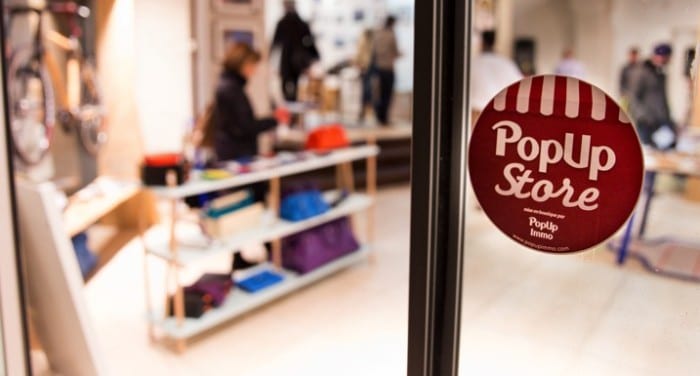
    More and more specialised retailers or service providers – ranging from barbershops to paint stores – are making appearances inside Korean department stores.

    These special shops are appearing as pop up stores rather than taking up permanent residence. The phenomenon is the result of retailers choosing pop up stores to publicise their brands, which allows them to avoid sales pressure that comes with leasing permanent space in a department store.

    Lotte Department store has opened a Club Monaco Men’s shop. The barbershop Herr’ has been added to the already existing select shop, offering consulting services related to style and haircuts. The barbershop is also offering customers a traditional English wet shaving. It is the first time for a barbershop to enter an apparel store, which makes the ‘special store’ extra special.

    A pop up store called Men’s AGIT gathered many popular hobby goods such as cameras, camera accessories, drones, plastic figures and RC cars in one spot.

    Another notable pop up store is the ‘Home and Tones’ shop at Hyundai Department Store. Since the number of people redecorating their homes by themselves has increased, Samhwa Paint has been managing a pop up store since September 7. Eco friendly paints, as well as paint that turns into a blackboard when applied are exhibited, and paint that can be mixed on-site through toning machines, are drawing the attention of consumers.

    The ’99 Avant’ pop up store sells the creations of young artist Han Seung-woo. Hyundai department store officials say that the pop up store is gaining positive reaction from customers as they can communicate with the artist in person.

    Shinsegae department store made space on its sixth floor just for pop up stores. Many brands including whiskey brand Balvenie’s ‘craft lounge’, shoe care brand ‘Resh’, and BMW’s Mini cars and bicycles have all opened pop up stores at the location.

    Shinsegae officials mentioned that the sales of pop up stores are threatening sales at official stores.

    “Now, already existing brands are also using popup stores as a method to introduce their new products. Department stores are also benefitting from the pop up stores because various brands can be presented so customers have no time to be bored.”

  • New app aids Chinese tourists in Korea

    New app aids Chinese tourists in Korea

    South Korean location-based coupon application provider YAP Company has launched a new app that provides Chinese tourists with various tourism-related information, including shopping and transportation.

    The app, dubbed Kayo, provides a selection of coupons and other information for 100,000 local shops at popular tourist destinations, including Seoul’s major shopping district of Myeongdong or the southern resort island of Jeju.

    YAP Company said it plans to adopt mobile payment services to Kayo in the near future by joining forces with leading Chinese platforms such as Alipay.

    Other features of Kayo include taxi hiring and online translation services.

    “Based on YAP’s high-tech technology, we plan to allow every Chinese visitor to South Korea to enjoy quality search services, discount information and mobile payment just by downloading Kayo,” a YAP spokesperson said. “The new application will also help local shop owners to attract more tourists.”

    The release of the new app came amid a steady rise in the number of Chinese visitors to South Korea. Last year, 6.12 million Chinese visited South Korea, spending about 14 trillion won (US$11.7 billion).

    The company expects the number of Chinese visitors to reach 10 million by 2018.

    YAP Company also operates an application, dubbed YAP, in South Korea, which allows users to download coupons and discount information related to shops located near the users, including major franchises.

    It stands out from its rivals as it uses what it calls “hybrid beacon” technology, which automatically displays discount information when a user enters registered stores.

  • Samsung Pay hits $30m in first month

    Samsung Pay hits $30m in first month

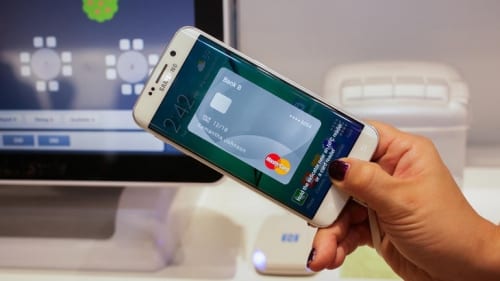
    Samsung Electronics said Thursday its mobile payment solution has processed tractions totaling US$30 million in the month after its debut in South Korea.

    The company officially released Samsung Pay in South Korea on August 20.

    The platform, available for Samsung’s high-end smartphones, including the Galaxy S6 and the Galaxy Note 5, supports magnetic secure transmission (MST) technology that works on traditional credit card machines.

    Like rivals Apple Pay and Android Pay, it also supports near field communication (NFC) that requires a separate transaction device.

    Over the one-month period, Samsung said around 1.5 million transactions have been made, with 60 per cent of them being from the Galaxy Note 5 phablet, a cross between a smartphone and a tablet PC showcased in August. Samsung Pay is also accepted at some 1000 ATMs operated by local bank Woori Bank across the nation.

    “Although the details on Samsung Pay usage are constantly being updated, the response we’ve received so far has been beyond our expectations,” said Rhee In-jong, Samsung Electronics VP.

    “We knew Samsung Pay would be a game changer in the mobile payment industry, and now with the user data, we are seeing the greater impact it is having on consumer behavior and on the lifestyles of our customers,” Rhee added.

    Samsung Pay is set to officially launch in the United States on Monday. Samsung added it will also reach Britain, Spain and China soon.

  • Korea set to woo back Chinese tourists

    Korea set to woo back Chinese tourists

    South Korea’s retail and tourism industries are preparing a slew of promotional and cultural events to woo back Chinese tourists during a long-haul holiday season, pinning their hopes on making up for a summer slump in the wake of a viral respiratory illness, sources say.

    Since the first outbreak in late May, Middle East Respiratory Syndrome (MERS) made a big dent on domestic spending as foreign tourists canceled their planned trips during the peak summer season, while South Koreans avoided shopping centers and other crowded places in June and July.

    While the viral disease hit the tourism and retail industry hard, Chinese tourists have started to return to the once-empty streets of Myeongdong, one of the capital’s most popular shopping districts, over the past month.

    The number of Chinese travellers has increasingly recovered to the previous year’s level since late August and marked an on-year rise since mid-September, the state-run Korea Tourism Organization (KTO) said.

    About 303,000 tourists with Chinese nationality entered the nation in the first two weeks of September, rising 4.8 per cent compared with the same period a year ago, it said.

    “The number of Chinese travelers has sharply risen this month, and the number is expected to completely recover during the Chinese holiday season,” Han Hwa-joon, who oversees the KTO’s Shanghai branch, said. “The recovery pace is faster than expected.”

    Chinese Thanksgiving falls on September 26-27, and together with the Chinese National Holiday running from October 1-7, the holiday season can be extended up to 12 days.

    As the Chinese holiday season draws near, major shopping centers and duty-free operators are making all-out efforts to draw Chinese tourists to make up for a shortfall in sales amid dormant domestic spending.

    According to the KTO, 164,000 Chinese travelers visited the nation during last year’s autumn holiday season and spent 2.4 million won on average, which amounts to about 400 billion won (US$341.5 million) in total.

    During this year’s Chinese National Holiday, the tourism agency expected some 210,000 Chinese will visit the nation, up 30 per cent from a year ago, considering the pace of growth over the past three years.

    “We will host a variety of events even after the Chinese holiday to make up for the fall in tourists during the peak season from June to August,” said Seo Young-chung, a KTO official in charge of Chinese tourism.

    Lotte Department Store plans to host a variety of promotional events targeting Chinese travelers during the golden weeks, providing discounts on payments made through UnionPay, China’s largest credit card issuer, and Alipay, China’s No. 1 mobile payment application.

    Shinsegae, the nation’s leading department chain, said it will give special discounts to Chinese customers, while Hyundai Department Store also started the regular sale season earlier than usual to attract the deep-pocketed travelers.

    Operators of duty-free shops have also stepped up efforts to bring back Chinese travelers, the largest consumer group, which accounted for about 70 per cent of downtown duty-free spending last year, up from around 15 per cent in 2011.

    Lotte Duty Free, the world’s fourth-largest duty-free operator, held a travel fair in Shanghai on September 9, in which senior company officials reached out to Chinese tourism officials to attract Chinese travelers.

    Hotel Shilla, part of Samsung Group and the world’s No. 6 duty-free operator, also presented various sales promotions and tour packages during the fair along with other Samsung units, with the attendance of senior officials.

    “The Korean tourism industry has mostly recovered after the Mers outbreak came under control, and it will make a full recovery in September,” Hotel Shilla CEO Lee Bu-jin told reporters during her visit to Shanghai.

  • Korea’s Churro 101 Singapore date

    Korean dessert concept Churro 101 is to open its first store in Singapore on October 3.

    Churro 101 Singapore will debut at Bugis Plus on Victoria St, serving up churros – a fried-dough pastry snack popular in Spain, France, the Philippines, Portugal, and the Southwestern US.

    It will be the four year old brand’s first store opening outside South Korea and a likely prelude to expansion into other Asian markets.

    The Singapore store will make fresh churros daily in an open kitchen, using raw materials imported from Korea.

    The 441 sqft store features European styling and will seat up to 20 customers as well as serving takeaway orders. It will trade from 10am to 10pm daily.

    While the churro concept is not new to Singapore, Churro 101 offers a unique take on the dessert, including flavours made with the brand’s own secret recipes, filled churros and a signature dark chocolate churro.

    Prices will range from $3.30 to $5.40.

  • Chinese millennials: the new big spenders

    Chinese millennials: the new big spenders

    Chinese millennials – China’s new rich – are looking to spend double the Asia-Pacific average on luxury items in the next year.

    The millennials – those aged 18 to 29 – are already China’s biggest spenders on luxury goods in Asia Pacific, followed by those in South Korea and Hong Kong.

    According to research from MasterCard, the most popular luxury items are high-end tech gadgets, with 25 per cent of millennials in Asia Pacific planning to buy an item such as a smartphone or tablet computer in the next year. This is followed by designer clothes and leather goods (17 per cent) and jewellery (17 per cent).

    Overall, most millennials in the region take approximately a month to consider and research their luxury purchases. More millennials in Asia Pacific (a quarter) buy on impulse than those aged over 30 (a fifth).

    Meanwhile, over a third of millennials in the region prefer Western brands over regional or local, however there is a marked difference across the region. While more than half of millennial shoppers in China, Vietnam, South Korea and Hong Kong prefer Western brands, the majority in India and Indonesia would rather buy local. The top three reasons for preferring Western brands were reliability of quality, followed by value for money and brand loyalty.

    When choosing where to buy luxury goods from, the majority of millennials still prefer purchasing from local brick and mortar stores (64 per cent), instead of local eCommerce sites (nine per cent). Meanwhile a fifth prefer to buy luxury items in-store when travelling overseas, this is especially true of Chinese millennials, 51 per cent of whom are most likely to buy a luxury item in-store while travelling.

    The results are based on interviews that took place between May and June 2015 with 2272 millennials across 14 Asia Pacific markets.

    More findings:

    • Millennials from China intend to spend on average US$4362 on luxury goods over the next year, nearly double that of the Asia Pacific average of US$2584. South Korea (US$2638) and Hong Kong (US$2584) round off the top three.
    • Overall, the majority of millennials in the region will take under a month to research and consider a luxury item before buying it (44 per cent), led by those in India (64 per cent), China (51 per cent), South Korea (48 per cent) and Taiwan (48 per cent).
    • Thai (60 per cent) and Indonesian (50 per cent) millennials are the most impulsive shoppers in the region with at least half buying luxury goods on impulse, above the regional average of 26 per cent.
    • The most careful millennial shoppers are from Vietnam – the majority will only buy a luxury item after two to six months of extensive research (45 per cent), more than the regional average of 20 per cent.
    • Over one-third of millennials across the region prefer western brands to local and Asian brands. More than one in two millennials in China (66 per cent), Vietnam (60 per cent), South Korea (59 per cent) and Hong Kong (52 per cent) would pick a western luxury brand over a local or Asian luxury brand. However, in Indonesia (61 per cent) and India (50 per cent), a large majority of millennials would rather buy luxury goods from a local brand.
    • Most millennials in the region purchase luxury goods in-store rather than online – this is especially so when they are on sale locally (43 per cent) compared to when they are at full price (23 per cent). Only a small percentage of millennials in the region shop for luxury goods on local (nine per cent) and overseas sites (four per cent).
    • Chinese millennials are the most likely to buy luxury goods in-store when travelling overseas (51 per cent), whereas the majority of consumers in India (81 per cent) and Indonesia (50 per cent) buy luxury goods locally in-store at full price.
    • Millennials in Indonesia are the most likely to spend more on luxury goods in the next year than the year before (47 per cent). Across Asia Pacific, most consumers (40 per cent) intend to spend the same amount as they did the year before, 22 per cent plan to spend less while 19 per cent plan to spend more.