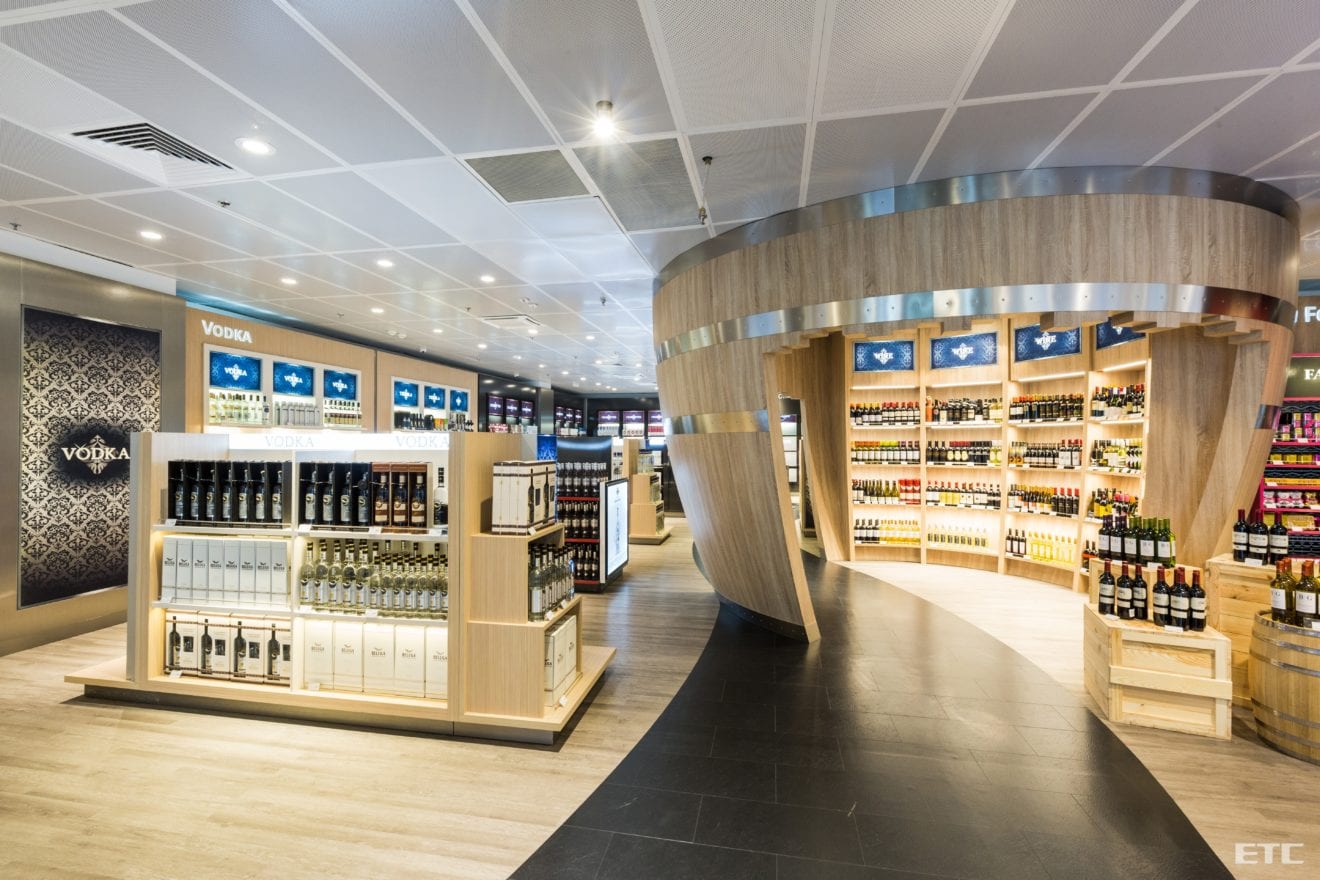
Korea’s duty free stores are sensing a crisis because of increasingly tougher challenges from their competitors in China, Japan and Thailand, industry sources said Tuesday.
According to the Korea Duty-Free Association (KDFA) and distribution industry sources, the nation’s duty free retail market grew to 8.3 trillion won ($7.24 billion) last year, up 21.6 percent from 2013. There were still wide gaps with the neighboring markets of China (5.6 trillion won), Thailand (2.1 trillion won) and Japan (1 trillion won).
But these regional competitors are rapidly expanding their markets, going all out to draw Chinese tourists to erode Korea’s lead.
And this year has provided good opportunities for foreign operators, as the number of Chinese visitors to Korea sharply declined to 4.36 million in the first nine months, compared with 6.13 million last year, affected by the breakout of Middle East Respiratory Syndrome in April. But the number of Chinese people who visited Japan and Thailand in the first nine months rose from 2.41 million and 4.62 million to 3.83 million and 6 million, respectively, from a year ago.
Foreign analysts also saw it as serious. “The Korean duty free retail market may appear to be a golden goose because of the influx of Chinese tourists,” said Martin Moody, chairman of Moody Report, a British distribution magazine. “Those golden eggs could prove to be quite fragile, however, because of unpredictable factors as seen in the MERS crisis.”
Industry experts stress the need for enhancing the global competitiveness of domestic operators by expanding their store sizes and developing specialized services. Amid the ever-toughening competition, running duty free stores is no longer a preferential business, they said, adding that the government and industry should cooperate to create more competitive operators.
After automobile and consumer electronics, South Korean companies are venturing into the Rs 6,300-crore Indian cosmetics and wellness market.
A group of Korean companies has signed agreements with Rajshree Empires, a New Delhi-based distribution company, to sell their products online and offline. The joint venture company — formed by Korean firms such as PLK International, Coson Co., Esthetics House, OUTIN Futures, Kell and BCL Cosmetics with Rajshree Empires – will set up a manufacturing unit in Uttar Pradesh with an investment of Rs 100 crore. The joint venture aims to set up a Korean cosmetics retail chain with 70,000 sq ft floor space by FY19. Rajshree is set to launch the first store by November-end. “We will be opening a store in north India initially with a floor area of 35,000 sq ft. We plan to cover 21 cities with 70 outlets by end 2016,” said Abhishek Biswas, founder of Rajshree.
“This is a major achievement of Korean companies to enter India after so many other big corporates from our country have already made an indelible mark,” said Dong, Un Lee, chief executive of PLK. According to Biswas, in two years, Korean companies would not have to pay import duties on their products.
“India and Korea are now bonded by CEPA (Comprehensive Economic Partnership Agreement) which lets import of Korean cosmetics duty free,” he said.
PLK has picked up 50 per cent stake in Rajshree, investing $50 million. “For the past 10 years, Korean cosmetics industry has been growing rapidly. However, our presence in India has not been very significant,” said Lee. Indian cosmetics and wellness market is expected to grow to US$ 4.6 billion (Rs 30,000 crore) by 2020.
Amazon.com Inc. in 2016 will open a new cluster of data centers in South Korea, as the Web retailer pushes deeper into Asia to compete with other cloud-computing providers such as Microsoft Corp. and Google.
The facilities are for the machines that power Amazon Web Services, the business that rents data storage and computing power to other companies, rather than its online retail operations. They are being built in response to requests from customers, including Samsung Electronics Co. and various gaming companies, Seattle-based Amazon announced Wednesday. The data centers will also let Amazon serve new clients, including government agencies and large enterprises that need to keep data exclusively in South Korea.
Some nations mandate that certain data, such as health records, can’t leave their country of origin, prohibiting cloud providers without data centers located in those countries from certain kinds of business. Proximity to customers also decreases response times for those running Internet-based cloud applications.
Amazon’s cloud-computing division serves customers such as Pinterest Inc. and Netflix Inc. South Korea will be the fifth AWS region in Asia, and Amazon has committed to building a second cluster of data centers in China and is also planning one in India. The company will have 12 data regions worldwide when South Korea is built in early 2016.
Amazon didn’t disclose the size of its investment.
English Premier League club Manchester City has partnered with EZ Shopnet to launch five online stores serving Asian fans.
Manchester City online stores will be launched for customers in China, Hong Kong, Japan, Korea andSoutheast Asia.
As the club’s new online retail partner for Asia Pacific, Hong Kong-based EZ Shopnet will help to meet fast growing demand across Asia Pacific for official Club merchandise. Each of the five stores operates in local languages and currencies, with local customer support enabling the club to get official merchandise to its fans quickly and cost effectively.
Manchester City is following the lead of rivals Manchester United and Chelsea in cashing in on the growing fan base for EPL across broader Asia. It recently opened a regional management office in Singapore.
Omar Berrada, group commercial director for City Football Marketing, which brokers Manchester City’s commercial partnerships and manages all of its retail and licensing, said that through EZ Shopnet, the club can get even closer to its growing fan base across Asia Pacific and deliver them a better and quicker service.
“We have seen an enormous growth in our followers in the region and we are extremely happy that they will have easier access to official City kits and our wide range of merchandise than ever before.”
The conglomerate has pledged to simplify its governance structure and boost its managerial transparency through a set of measures, including initial public offerings (IPOs), after a bitter family feud over control of the retail conglomerate. Currently, Lotte has eight publicly traded affiliates here, with the key units being linked through unlisted Japanese units.
According to the data compiled by the Korea Exchange, a total of 20 out of 73 Lotte subsidiaries are eligible for IPOs in the country. The candidates include Hotel Lotte, Lotte Card Co., Lotteria and Lotte Capital.
Under local regulations, a firm seeking to be listed is required to have a capital base of more than 30 billion won (US$26.5 million), average annual sales exceeding 70 billion won for the previous three consecutive years and a return on equity surpassing 5 percent.
After the squabble over control of the sprawling business empire, which has a cobweb-like governance structure, Lotte chairman Shin Dong-bin in August expressed his desire to push for the listing of Hotel Lotte, a key affiliate, as part of its reform plan.
The listing on the local stock market requires stricter regulatory filings while allowing it to seek capital increases, issue more non-voting stocks and reap other benefits that translate into greater business opportunities.
“As a South Korean company, we will have more of our affiliates go public with a strong will to contribute to the Korean economy,” a Lotte official said.
Ken Research announced its latest publication on “South Korea Online Retail Market Outlook to 2019” which provides a comprehensive analysis of the retail market in South Korea. The report covers various aspects such as market size of South Korea online retail market, segmentation on the basis of product type and modes of distribution. The report is useful for government, industry consultants, online retailers, offline retailers, food and grocery stores, online electronic chains, apparel and footwear manufacturers, other stakeholders and new players venturing in the market.
The demand in online retail market of South Korea has inclined at a substantial growth rate even after the economic slowdown in 2008. This demand has enhanced due to the increased usage of high speed internet, rising smart phone penetration and high proportion of old aged people in the country. These factors are expected to lead the growth in online retail backed by the improvements in the payment gateways, better packaging and delivering options. During the period 2009-2014, online retail market in South Korea has expanded at a substantial CAGR of 17.7%, which has marked the gross merchandise value at USD ~ billion during 2014.
According to the research report, the South Korea online retail market will grow at a considerable CAGR rate thus exceeding USD 66.2 billion by 2019 due to the rising income level and growing influence of social media with increasing demand for clothing, fashion products, electronics and beauty products by a large number of middle aged people in the country who wish to upkeep with the trends and stay up-to-date in line with developments in the country.
“While, rising disposable income, hike in middle aged population and increasing number of internet and smartphone users in the country will result in increased revenue from online retail in South Korea, Cyber crimes and frauds, higher competition and customers’ reluctance to pay high amounts online are few of the major challenges which will affect the growth of this industry in the future”, according to the Research Analyst, Ken Research.
Key Topics Covered in the Report:
South Korea Online Retail Market
Market Size by Gross Merchandise Value, Number of Orders by Product Type, Average Order Size by Product Type Market Segmentation by Product Type Mode of Distribution Trends and Development SWOT Competition and Market Share Important Mergers and Acquisitions Important Investments Growth Drivers Government Rules and Regulations Pre-Requisites to Enter the Market Analyst Recommendation Cause and Effect Relationship Future Outlook Macro Economic Parameters
Key Products Mentioned in the Report
Online Clothing, Footwear and Fashion Products
Online Books and Stationery
Online Electronics
Online Beauty Products
Online Sports, Music and Entertainment Products
Online Food and Grocery
Online Baby Products, Household Goods, Motor Parts & Accessories and Garden Products
Companies Covered in the Report
eBay, GMarket, eBay Auction, 11 Street, Interpark, Lotte, Emart, GS Home Shopping, CJ O Shopping, Hyundai Home, Shopping, Lotte Home Shopping, Home and Shopping, NS Home Shopping, Fashion Plus, Dahong, Yesstyle.Com, Bershka.Com, Musinsa.Com, Fashionstart.Net, Elf Fashion, Hiphoper.Com, Etude House, Pore Lab, Thefaceshop, Missha, Roseroseshop, Moonshot-Cosmetics.Com, Naturerepublic.Com, Theskinfood.Com, Sokoglam.Com, Kyobo, Yes24, Aladin, Ypbooks.Co.Kr, Bandinlunis.Com, Libro.Co.Kr, Heyeonni.Com, Compuzone, Himart, Icoda, LG Electronics, B-Store.Co.Kr, Lots Etland, Hello Nature, KGC shop, Highstreet, Expatmart.Co.Kr, Fatbag.Co.Kr, Ezshopkorea.Com
Breaking with their traditional role as mutual fund managers or short-term profit seekers, homegrown PEFs have now transformed into strategic investors to spearhead the recent boom of mega-sized M&As. And leading the pack is Seoul-based MBK Partners Ltd.
Beating global big-name PEFs like KKR & Co. and Affinity Equity Partners, MBK Partners clinched a 7.2 trillion won (US$6.37 billion) deal last month to acquire U.K. retail giant Tesco Plc’s Korean unit Homeplus, South Korea’s second-largest supermarket chain with 8.6 trillion won in sales last year. It is the country’s largest takeover deal in size.
Last year, Hahn & Co., the second-largest PEF based in South Korea, bought a controlling 70 percent stake in Hanon Systems, formerly Halla Visteon Climate Control Corp., a leading automotive thermal management solutions provider, for about 4 trillion won.
Taihan Electric Wire Co., South Korea’s second-largest electrical materials manufacturers, was sold to No. 3 IMM Private Equity last month for 300 billion won.
Local PEFs’ aggressive investments have spiced up the long-slumped local M&A market as they have registered huge returns from leveraged company buyout deals amid a low interest rate trend.
Many well known brands are owned by PEFs, ranging from Burger King and KFC to NEPA Co., an outdoor apparel manufacturer, and Coway Co., a leading water purifier firm.
PEF managers offer a series of distinct private equity funds to make investments in various equity securities after raising capital from cash-rich individuals and institutional investors such as public pension plans, insurance companies and foundations.
South Korea opened the PEF market in 2004 to encourage corporate takeovers and investment to provide capital to venture start-ups.
According to data compiled by the Financial Supervisory Service (FSS), a total of 51.2 trillion won in assets were under management by 277 PEFs at the end of 2014, compared with 400 billion won tallied in 2004 when two PEFs were floated for the first time in the country.
They have attracted more than 5 trillion won every year since 2008 and collected 9.8 trillion won in investment last year alone.
PEFs have started to draw attention from institutional investors, including the National Pension Service, as the South Korean economy has seemingly entered a low-growth cycle and the benchmark KOSPI has moved in a narrow box range since the 2008 global financial crisis.
Recently, the South Korean government relaxed regulations in a bid to fuel the M&A market by luring PEFs. It has loosened the so-called double reviewing process by the state anti-trust agency and stakeholder filing requirements.
MBK Partners is in the forefront to explore the PEF-led M&A market.
Founded by former Carlyle managers in 2005, MBK Partners has grown into one of the biggest Asian buyout funds with about 14 trillion won in assets under management, with a focus on South Korea and other Asian regions.
It has invested in 23 companies including Coway, cable TV operator C&M Co., NEPA Co. and Homeplus. Its total assets amount to that of Dongbu Group, the 20th largest conglomerate, with 14.6 trillion won.
Hahn & Co. has assets of 3.3 trillion won with 12 businesses including Hanon Systems, Daehan Cement and Woongjin Foods Co. under management. No. 3 IMM Private Equity operates 100 firms worth 2.8 trillion won in total assets, followed by Mirae Asset Global Investments Co. with 2.2 trillion won and Vogo Investment with 1.9 trillion won.
“In the beginning, most PEFs were founded by retired government officials and fund managers with a career in global PEFs. They were financial investors, who bought stakes and sold them to lock in profits,” said Kim Kyung-young from the Asset Management Supervision Office at the FSS.
“Now they are changing into strategic investors, or buyout investors, playing a major role in acquiring large companies and carrying out corporate restructuring.”
Although such PEFs have successfully made their presence felt in the local M&A market, South Korean investors are wary of such buyout funds as many PEFs have still disappeared from the market due to worse-than-expected profitability in a takeover deal.
“PEF-led M&As are not always successful,” said Koo Kyung-hoe, a senior analyst at Hyundai Securities Research Center. “About 66 percent of PEFs reach target profit rates, but we have to bear in mind that the rest, 34 percent, end up in vain.”
For example, MBK Partners, regarded as having the Midas touch in the financial market, took over C&M in 2008 for about 2 trillion won, but its plan to resell the company has been stalled due to a long slump in the cable TV industry.
He said they have to expand the range of investors as nearly all local PEF clients are institutions like pension funds and financial firms.
“In advanced countries, PEFs collect money from universities, foundations and even cash-rich individuals,” said Koo. “They need to draw up plans to lure them as they can serve as an effective, appropriate alternative investment tool in the future.”
Experts also noted that local PEFs have to overcome the negative public perception in South Korea that they clash with labor unions over restructuring after a takeover.
U.S. Lone Star Funds’ purchase and resale of Korea Exchange Bank has deepened such negative perceptions toward PEFs among South Koreans, according to experts. Lone Star bought KEB in 2003 for 1.38 trillion won and then sold it to Hana Financial Group Inc. in 2012, pocketing a profit of 4.5 trillion won.
Seoul soft drink vending machines have been banned, causing outrage amongst consumers.
The Seoul Metropolitan Government has decided to ban the sales of soft drinks at vending machines in public spaces and subway stations.
But the decision has been derided by Seoulites, many of whom believe the ban restricts freedom of choice.
‘Jjamppong’ on Twitter commented: “Soft drinks are not the enemy of health. The stress you get from work is the problem!”
A user on the portal site Naver criticised the decision as unreasonable, saying “It’s the 21st century, right?”. Other social media posts’ pointed out that based on the logic the government used for the ban – health concerns – “the city should be banning fast food because it causes obesity, too” and “orange juice should be banned because it has more sugar than soft drinks”.
Seoul city officials explained that they made the decision based on the fact that soft drinks cause obesity, diabetes and osteoporosis, damaging the health of citizens. However, citizens’ reactions indicated that the reason was also difficult to understand.
One Tweeted: “Koreans don’t even drink soft drinks that much compared to Americans. Was it a necessary measure to take against adults? It would be better to reduce the sugar in canned drinks.”
Others supported the decision. A Naver user agreed with the ban saying that “all canned beverages and canned foods are polluted with endocrine-disrupting chemicals, and the people who enjoy these products get ill when they’re old. We don’t starve even if we don’t eat these foods. Seoul is doing a good thing.”
User ‘Umhahahahaha’ at the portal site Daum agreed with the policy but added: “Other countries have that policy. It’s a good thing we are finally banning soft drinks from public places. But I think they should start banning them at schools or wherever there are many children instead of public places.”
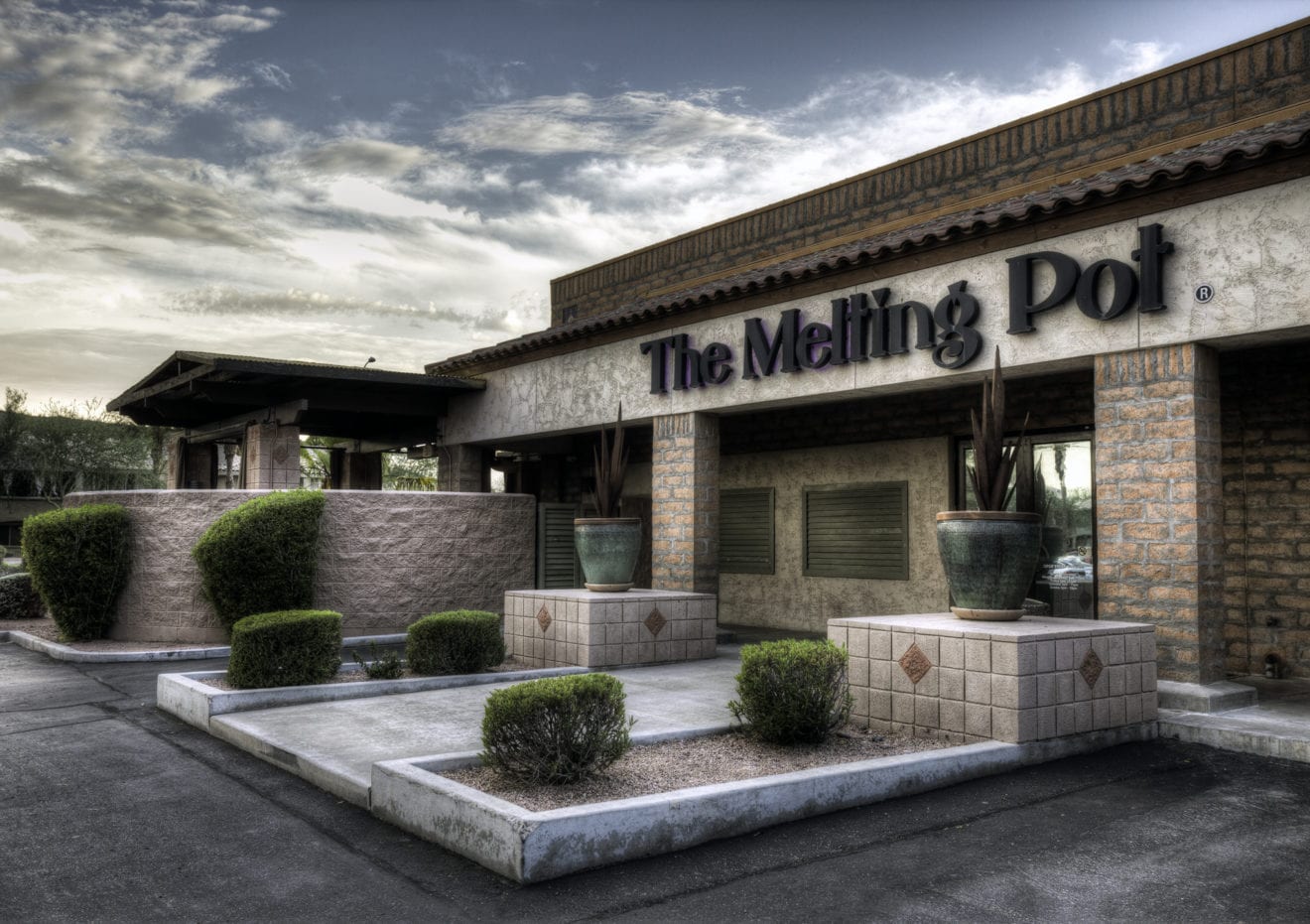
The world’s largest fondue restaurant chain is looking to expand throughout Asia after early success in Indonesia.
Franchisees are now actively being sought for The Melting Pot in Hong Kong, Macau, China, Japan, South Korea and India.
The Tampa, Florida-based restaurateur plans to enter China by opening at least five restaurants in Hong Kong and Kowloon as well as in Macao and numerous cities in Mainland China, including Guangzhou, Shanghai, Beijing and Shenzhen.
Markets outside Asia, including Brazil, Canada and Mexico, are also in planning.
The Melting Pot operates more than 125 restaurants across 35 US states, Canada, Mexico, Southeast Asia, and the United Arab Emirates, and has more than 15 locations in development internationally.
The concept is known for its assortment of flavorful fondue cooking styles and unique entrees served with signature dipping sauces. The menu features a variety of a la carte selections, highlighting customisable options that invite guests to enjoy one, two, three or more courses as they select any combination of individually-priced cheese fondues, salads, entrees and chocolate fondues.
“The Melting Pot is a proven 40-year American franchise concept that is unlike any other,” said Dan Stone, chief business and people development officer for Front Burner Brands, the chain’s parent.
“Featuring four distinct courses, guests dip menu items into heated fondue pots at the centre of each table. The concept provides a very social and interactive dining experience that has proven to translate well to multiple countries,” said Stone.
“We provide our franchisees the necessary training and support to ensure success, as well as expert resources to assist with identifying the best sites for our restaurants. We are ready to do business in Hong Kong and are seeking qualified candidates to build a strong brand presence throughout Hong Kong and the People’s Republic of China over the next few years.”
The concept will be exhibiting at the Franchising & Licensing Asia 2015 from October 29 to 31 at the Marina Bay Sands in Singapore.
Earlier this year, The Melting Pot opened its first restaurant in Jakarta, Indonesia and most recently its first Middle Eastern location in Dubai.
Franchisee candidates or groups should have access to a minimum of US$3 million in capital and at least one partner must be fluent in English. Depending on the real estate site selected, franchisees of The Melting Pot in the US can expect the total investment for one restaurant to be approximately $959,000 to $1.436 million. The initial franchise fee ranges from $45,000 to $60,000 per unit depending on the number of units committed and there is a one-time training fee of $50,000.
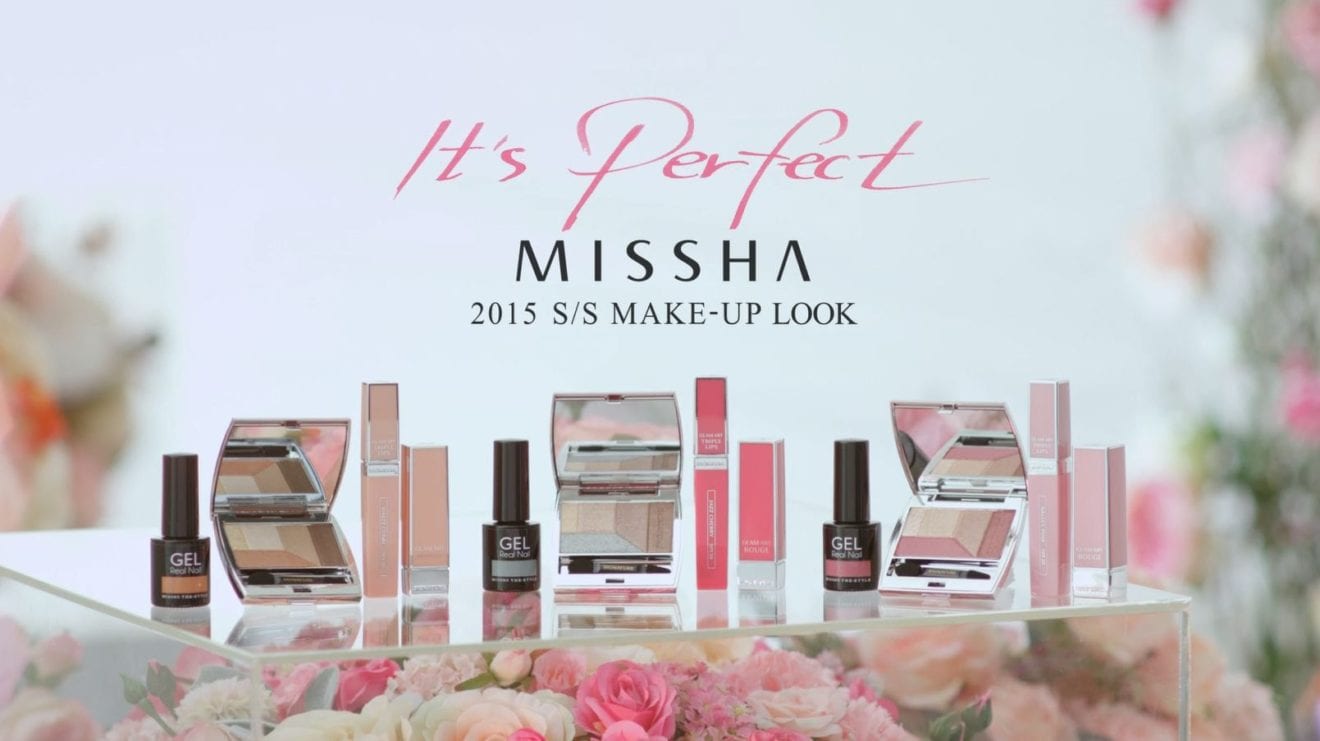
South Korean cosmetics brand Missha has opened a new store in Barcelona, Spain.
The new Missha Barcelona store marks the Able C&C-owned brand’s second European market, after it opened a store in Ingolstadt in Germany in February.
Missha is the first Korean cosmetic brand to open a retail store in Spain.
While Missha had ‘shop in shop’ stores in Seville and Madrid, the Barcelona store is its first stand alone shop in Spain.
Missha management say they chose Barcelona as the location for the newest European store because Spain is the fifth largest cosmetics market in Europe.
“Since the economic slump, the demand for middle-low priced cosmetics has risen. Imports of Korean cosmetics have been increasing, which made us decide to branch out to Spain,” said a spokesman.
Missha currently manages 2100 stores in 30 countries, and is considering opening more stores in Berlin and Munich, Germany.
What’s the next new retail category in electronics? Wearable power supplies, judging by product innovations just revealed in Korea.
Samsung SDI Co and LG Chem Co, South Korea’s two major battery makers, are expanding their product portfolios into flexible cells for wearable devices, a move seen to meet increasing global demand for bendable gadgets such as smartwatches.
The two battery-making units of Samsung Group and LG Group showcased their latest flexible battery lineups at an exhibition in Seoul.
Samsung SDI unveiled two types of flexible batteries – a stripe and band-type — that are designed to be applied for use in various wearable devices as necklaces and hair bands, the company said.
The ultra-slim, 0.3mm-thin stripe battery, showcased for the first time, is a next-generation battery made with fibre which enables far greater flexibility than existing bendable cells, the company said.
The band-type battery is designed to be used in smartwatches and is proven to resist over 50,000 bendings and enhance a gadget’s capacity by up to 50 per cent, it added.
The Samsung unit supplies the bulk of its batteries to its bigger affiliate Samsung Electronics Co, the world’s top smartphone maker. Recently there have been market speculations that Samsung’s next flagship smartphone, the Galaxy S7, will come in a bendable form. The smartphone is forecast to be released early next year.
LG Chem also put on display a wristband-type battery called “wire battery” that can be folded into half. The company developed a wire-type battery in 2013 for the first time in the world, before it came up with the world’s first hexagonal-shape battery in June.
LG Chem said the band-type and hexagonal batteries will likely double the battery capacity for smartwatches.
According to global market tracker Gartner, smartwatches are forecast to account for 40 per cent of wrist-wearing devices in the world by 2016, with its global shipments to surpass 100 million in 2020.
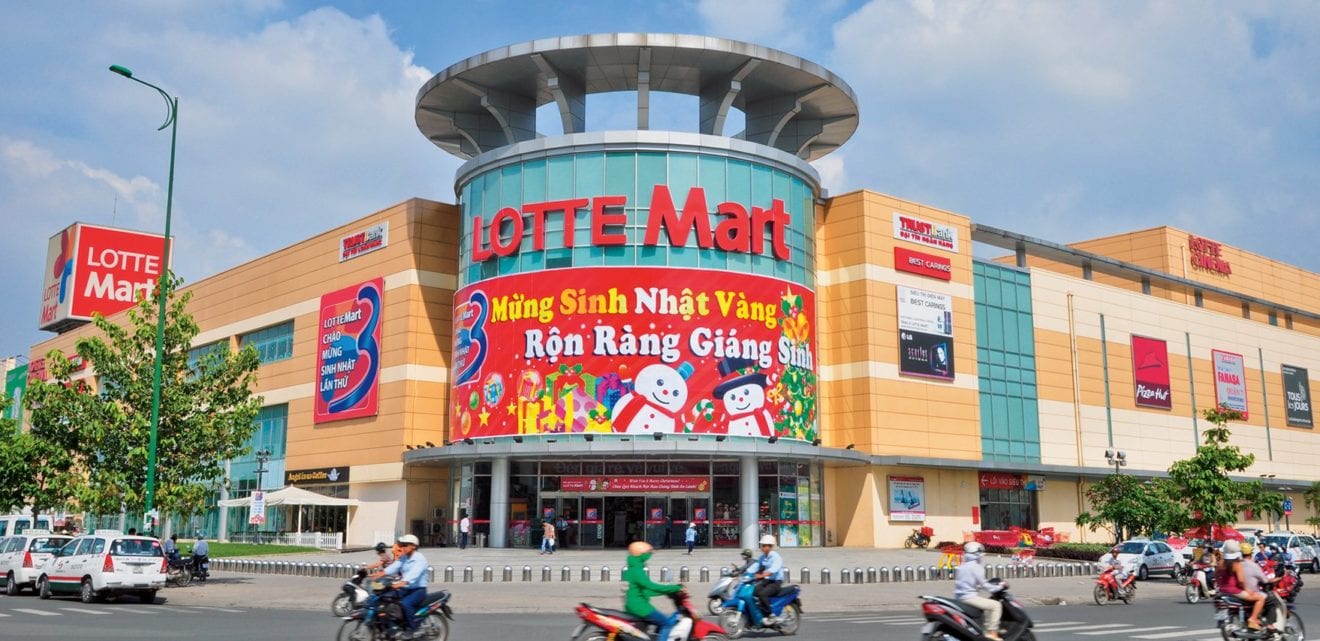
Lotte Mart Vietnam plans to open 50 new supermarkets by 2020.
The South Korean company’s Vietnam subsidiary operates just 11 supermarkets currently. Besides opening its own hypermarkets, the company has taken a strategic investment in local grocery retailers Citimart in Ho Chi Minh City and Fivimart in Hanoi which are now being co-branded and essentially operate as large convenience stores.
Lotte Mart’s plans were revealed by the ViceConsul of the Republic of Korea, Hoong Soon Chang at a scholarship ceremony.
Lotte also operates hotels in Vietnam, has a growing network of Lotteria fast food restaurants, is making property investments, including a half stake in shopping centre and office tower Diamond Plaza, and runs cinemas there.
Lotte Mart Vietnam director general Hong Won Sik said the group is planning to boost its investment in the country because of its high growth rate.
Vietnam’s GDP rose 6.81 per cent during the third quarter of this year, one of the fastest rates in Asia.
According to Vietnamese news media, Korea is the largest source of foreign investment in Vietnam, with more than 4000 businesses now based there and a capital inflow of US$32.8 billion in the six months to July.
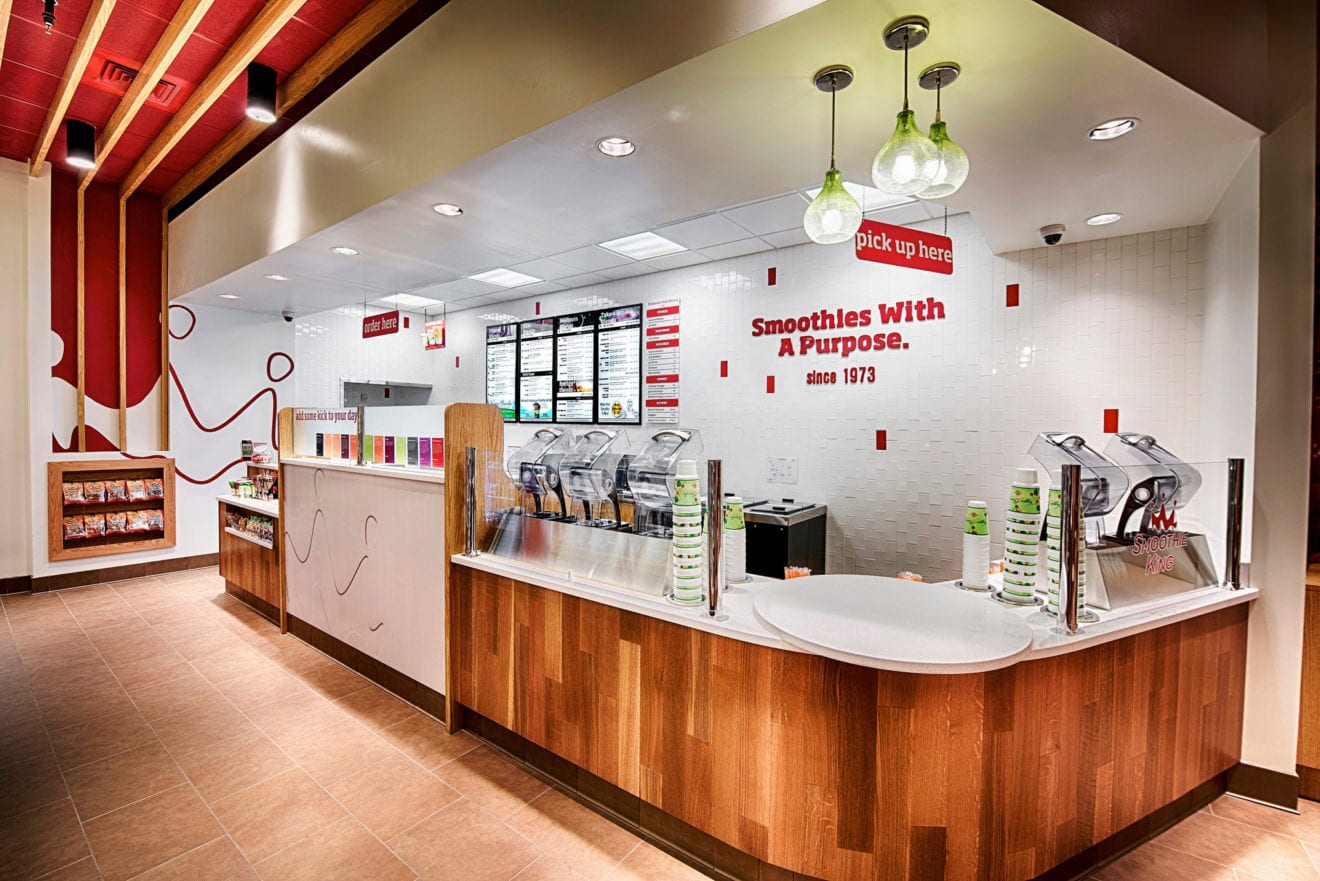
South Korea’s Shinsegae Group is to buy the Korean network of 105 Smoothie King stores and launch the brand into Vietnam.
Smoothie King Vietnam will initially be focused on the Ho Chi Minh City and Hanoi markets.
Based in the southern US city of New Orleans, Smoothie King produces and markets smoothies, juices, sports drinks, energy bars, vitamins and health supplements. It currently boasts more than 700 locations worldwide and is targeting 1000 by the end of 2017.
The Vietnam news follows an announced expansion into the Middle East earlier this year, commencing in Dubai.
“This deal is monumental for Smoothie King – and one that we thought long and hard about. I was the master franchisee in Korea and bought the brand in 2012, making growth a primary goal for the company,” said Smoothie King CEO Wan Kim.
Estee Lauder has acquired a stake in Korean skincare products maker Have & Be Co. to grow in South Korea’s nearly $600 million online beauty products market. Skincare and fragrance maker Estee Lauder Cos. is making a concerted move to acquire market share in South Korea’s beauty products e-commerce market.
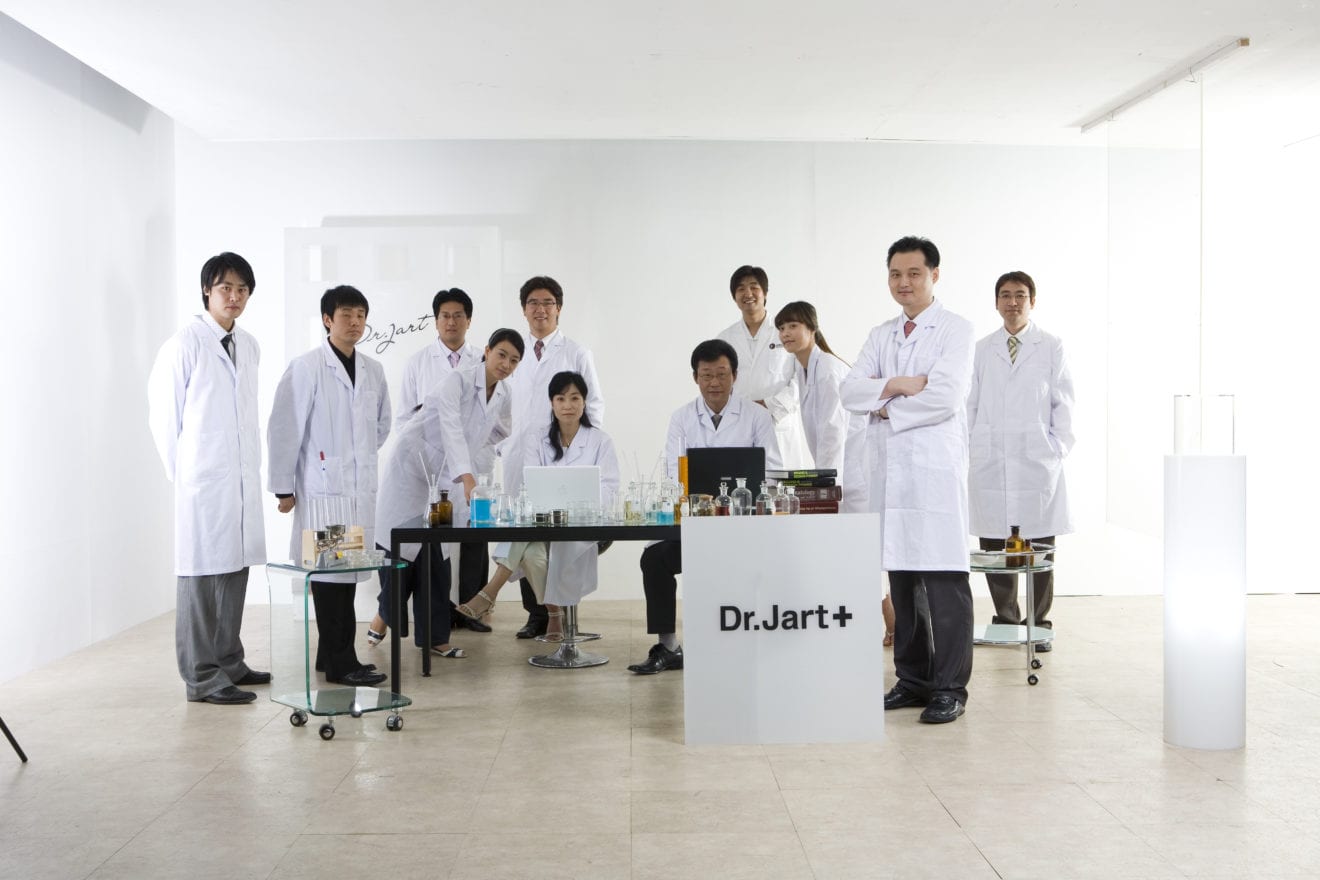
Estee Lauder, No. 73 in the Internet Retailer 2015 Top 500 Guide, purchased an undisclosed stake in Have & Be Co., a Seoul-based cosmetics and beauty products maker that develops the Dr. Jart+ and Do the Right Thing brands of moisturizers and skin renewal products.
Have & Be was started online in 2005 by Chinwook Lee, a South Korean dermatologist. Today the company sells online and in stores in 15 countries, including the U.S. In its core market of South Korea, Have & Be has e-commerce sites for Dr. Jart+ and Do the Right Thing. In the U.S. Have & Be sells through other retail e-commerce sites including Sephora.com.
Estee Lauder isn’t saying much about how it intends to grow Have & Be Co and Dr. Jart+ online, but Dr. Jart+ will remain a stand-alone e-commerce site. “Dr. Jart+ will remain an independent company and it will not be integrated into any ELC operations, including e-commerce,” says an Estee spokeswoman.
But growing online in general and in Asia e-commerce markets such as China and South Korea specifically is a top priority for Estee Lauder. For the 2015 fiscal year ended June 30, Estee Lauder disclosed that e-commerce accounted for 8% of all sales of about $10.78 billion and that e-commerce sales increased year over year by 28%. Based on those metrics, Internet Retailer estimates web sales for Estee Lauder totaled $862.4 million compared with $673.8 million in fiscal 2014.
In China the overall e-commerce market for skincare product sales is projected to grow 41.7% to an $8.36 billion in 2015 from $5.90 billion in 2014, according to research firm Frost and Sullivan. In comparison, in the more mature and concentrated South Korea e-commerce market, web sales for skin care products will grow more slowly, according to research firm Euromonitor International. This year e-commerce sales for skincare and related products in South Korea will reach $594.8 million, up 8% from $550.0 million in 2014, says Euromonitor.
In China in fiscal 2015, web sales for Estee Lauder doubled, the company reports. In South Korea Estee Lauder will use its investment in Have & Be to build market share with an established brand, CEO Fabrizio Freda says. “This investment gives our company a strategic opportunity to develop a partnership with one of Korea’s most promising high-growth skin care brands,” he says.
Estée Lauder Companies has tied up a deal to buy an interest in Have & Be Co, the South Korean company behind skincare brands Dr. Jart+ and men’s-focused Do The Right Thing for an undisclosed amount. The deal is expected to close in December.
Dr. Jart+ is a Seoul-based, skincare brand first launched online by ChinWook Lee in 2005 which has a particular appeal for millennials, a target for ELC. It has pioneered the proliferation of BB creams across the globe and, today, its BB line is a consumer favourite.
The brand claims to fuse dermatological science and art – hence its name which is derived from ‘Doctor Joins Art’. It is sold in many countries, but primarily in Asia and the US via department stores, speciality stores as well as e-commerce channels including LVMH’s Sephora.
Korean beauty brands have been performing extremely well in the domestic and duty free and travel retail channels in the country for a number of years – in many cases much better than products from international houses. Just recently Chanel pulled out of the DF&TR market at Incheon Airport, signalling a likely market shift.
STRATEGIC PARTNERSHIP
Fabrizio Freda, President and CEO of ELC says: “This investment gives our company a strategic opportunity to develop a partnership with one of Korea’s most promising high-growth skincare brands.
“ChinWook Lee and his team have built a successful and exciting brand that is at the forefront of the rapidly-expanding Korean beauty wave. We are pleased to partner with Mr Lee and we look forward to building long-term, strategic relationship with the entire Dr. Jart+ team.”
ChinWook Lee, Founder and CEO of Have & Be Co, adds: “As the Korean beauty wave continues to flourish globally, we are excited about the additional opportunities, support and guidance that The Estée Lauder Companies will bring to our brands. This is a tremendous moment for the Dr. Jart+ team and for the continued growth of Korean beauty.”
ELC’s investment also includes an interest in Do The Right Thing (DTRT), a men’s-focused brand fusing Korean cosmetics with a New York style. Founded in 2012, DTRT’s line of cleansers, lotions, moisturisers and serums are sold in Korea through various channels and in the US through Sephora and BirchboxMan.
“Global consumers look to Korea as a trendsetting market in beauty, and the Dr. Jart+ brand is part of the reason why,” says William P. Lauder, ELC’s Executive Chairman.