Retail News CRM

Tag: Korea

  • Lotte’s Japan unit to jack up stake in Korean affiliate

    Lotte’s Japan unit to jack up stake in Korean affiliate

    Lotte Confectionery Co., a unit of South Korean retail giant Lotte Group, said Wednesday that Lotte’s Japan operation will increase its stake in the affiliate, a move seen as part of efforts to cement the incumbent group chairman’s grip in the conglomerate amid a succession feud.

    In a regulatory filing, Lotte Confectionery said that Tokyo-based Lotte Holdings will buy 7.9 percent of its shares at 2.3 million won ($1,950) per share during trading hours by Dec. 28, a deal worth about 258 billion won.

    Last week, Lotte Holdings bought a 2.1-percent stake in Lotte Confectionery through block deals in after-hour trading.

    If the transaction is completed, Lotte Holdings’ stake in the confectionery unit will rise to 10.3 percent to become the No. 2 stakeholder after Lotte Aluminum.

    “Lotte Holdings will increase its stake in Lotte Confectionery to step up cooperation in the confectionery business for a synergy effect,” Lotte said in a release.

    The move comes as Lotte Group chairman Shin Dong-bin and his elder brother Dong-joo have been involved in a succession feud over the group whose business portfolio ranges from food to retail, mostly based in South Korea and Japan.

    The latest share purchase is interpreted as an effort to strengthen Dongbin’s grip on Lotte Confectionery, which stands at a critical position in the group’s cobweb-like structure.

    The confectionery unit has stakes in other key Lotte affiliates, including Lotte Shopping, Lotte Chilsung and Lotte Food, serving as a critical link in South Korea’s fifth-largest conglomerate.

    Shin Dong-bin also owns an 8.8-percent stake in Lotte Confectionery, followed by Shin Kyuk-ho’s 6.8 percent and Shin Dong-joo with 4 percent.

    Founder Shin Kyuk-ho has sided with Dong-joo, who has waged several suits against his brother in Japan and Korea after being fired from his senior executive position at Lotte Holdings earlier this year.

  • Korea scraps perfume tax

    Korea scraps perfume tax

    Korea’s government has removed some items from the Individual Consumption Taxes list, making them exempt from what is often referred to as a ‘luxury tax’.

    Perfume, cameras and deer antlers were removed from the list, but tax will still be imposed on purchases of Royal Jelly.

    Authorities reported that the ruling party and opposition party have agreed on the revision of the Individual Consumption Tax Act.

    The government announced that it would be eliminating the seven per cent tax that was imposed on deer antlers, Royal Jelly and perfume, when it revealed the revised bill in August.

    However, during debate at the national assembly, Royal Jelly was excluded from the exempted items, and cameras, which used to face a 20 per cent tax, were added.

    The bill proposed by governor Jung Eui-hwa suggested that cameras be excluded from the items facing individual consumption taxes. She explained that ‘owning a camera is no longer a symbol of wealth’, and instead it is seen as a matter of ‘consumer preference and choice’.

    Though it was not included in the revised bill that both parties agreed to, the five per cent tax which was imposed on air conditioners, refrigerators, washers and TVs consuming more than the standard amount of electricity is expected to be abolished as the revised act is enforced.

    The revision was undertaken to follow international trends, and recognise the changes that have occurred with the passing of time. It was concluded that the items exempt from taxes were no longer thought of as ‘luxury’ goods in the current society, in which personal income and standard of living are both higher than in the past.

    With the abolishment of individual consumption taxes, the factory prices of deer antlers, cameras and perfume will be lowered. However, some have pointed out that it remains to be seen whether the revision of the bill will lead to lower consumer prices, like the prices of high-fashion brand bags.

  • Tokyo-based affiliate eyes major stake in Lotte Confectionery

    Tokyo-based affiliate eyes major stake in Lotte Confectionery

    Korean retail giant Lotte Group’s confectionary affiliate said Wednesday that Japan-based Lotte Holdings has offered to buy 259 billion won ($219.6 million) worth of shares in the firm, a move that will help the group chairman strengthen his control amid a prolonged succession dispute with his brother.

    The Japanese firm will buy 7.9 percent shares of Lotte Confectionary at 2.3 million won per share from the market during trading hours by Dec. 28, the company said in a regulatory filing.

    “By boosting stakes in Lotte Confectionery, Lotte Holdings will be able to improve efficiency based on the potential synergies between the two firms,” it said in a press release.

    Once the purchase is completed, Japan’s leading confectioner will emerge as the second-largest shareholder of the Korean firm with a 10 percent stake. It bought a 2.1 percent stake in the firm on Nov. 4.

    Tightening its grip on Lotte Confectionery means having the group’s key affiliate under control as it holds stakes in Lotte Shopping and Lotte Chilsung.

    Industry insiders said Lotte Holding’s recent decisions to increase its stake in the Korean confectionery unit is to show its support for Shin Dong-bin — the Lotte Group chairman and Lotte Holdings vice chairman — who has been at war with his brother Shin Dong-joo over control of the group since July.

    With Lotte Holdings’ backing, the incumbent chairman who holds an 8.78 percent stake in the Korean unit can cement his leadership over the group, whose portfolio ranges from food to retail mostly in South Korea and Japan.

    Dong-joo, the former Lotte Holdings vice chairman who led the Japanese operations until January, owns a 3.96 percent stake while his father and Lotte founder Shin Kyuk-ho holds a 6.83 percent stake in Lotte Confectionery.

    Meanwhile, the chairman said he would consider listing Lotte Holdings on the Japanese stock market to build a management structure free of the founding family’s feuding.

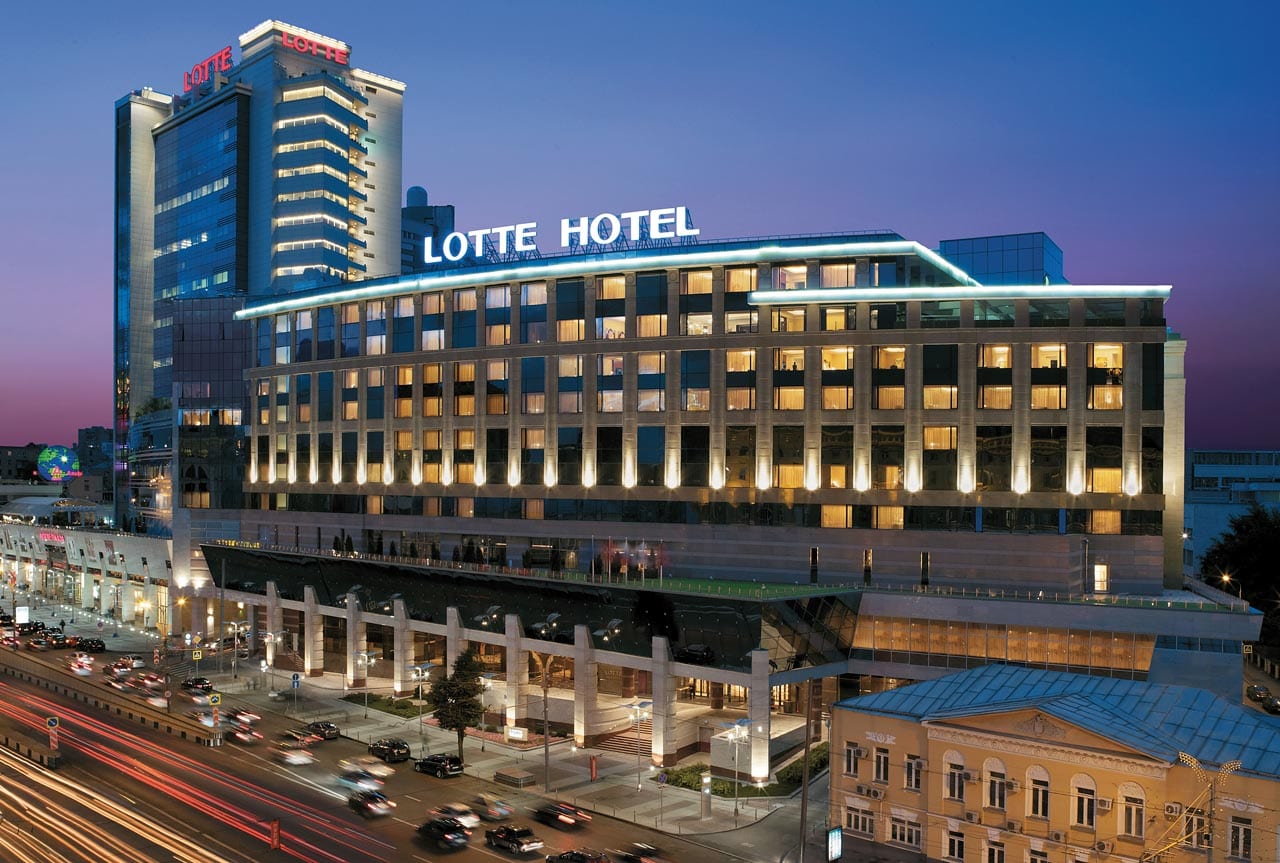
    During an interview with Japanese media outlet the Nikkei, he said the market debut will be discussed after the Korean initial public offering of Hotel Lotte, slated for the first half of 2016.

    “Coming under tighter scrutiny in the market will enhance the company’s structure and establish transparent corporate governance,” Shin said.

  • Lotte seeks more female managers

    Lotte seeks more female managers

    Lotte Group, a leading South Korean retail giant, vowed Thursday to nurture its female leaders to provide equal opportunities in its workforce.

    Group chairman Shin Dong-bin said in a forum that his conglomerate would increase female leaders to 30 percent of managers by 2020 from the current rate of 11 percent.

    “The group expects to have the first female CEO by 2020,” the chairman said, adding the group would continue to invest in building a family-friendly working environment.

    “More female talents are necessary for Lotte’s affirmative action plan to provide equal opportunities for members of minority groups,’’ Shin said during the fourth Way of Women, an internal annual event for female employees.

    About 500 female staff and executives in the group and its affiliated firms joined the event and shared their experiences and views for the development of female leaders.

    The conglomerate has adopted women-friendly policies, such as flexible working hours and support for career building.

    In its efforts to increase female talents, the company has continued to allocate 40 percent of annual job openings to women for the past few years, which has so far raised the rate of female managers to 11 percent from 1 percent in 2005.

    Lotte announced the new policy amid no signs of easing feuds among owner family members, including chairman Shin, over control of the conglomerate.

    Lotte said its Japanese shareholders support the current leadership despite the ongoing succession feud, in an effort to clear up uncertainties surrounding the preparation for listing its hotel unit.

    The listing of Hotel Lotte is one of the reform pledges that chairman Shin has made to assuage public disgust over a bitter family feud over control of the retail-focused conglomerate, which has sprawling business interests both in South Korea and Japan.

    The Korea Exchange, South Korea’s main bourse in charge of reviewing its initial public offering application, has demanded Lotte prove whether its corporate governance structure is stable enough to proceed with the current process.

    In response, Lotte said it has submitted a document showing that 60 percent of Lotte Holdings’ shareholders support the current leadership. Japan-based Lotte Holdings is the largest shareholder of Hotel Lotte with a 19.1 percent stake.

    “The Hotel Lotte IPO is expected to proceed without delay as major concerns have been cleared up,” a senior Lotte official said.

    “We will make efforts to complete its listing by the first half of next year.”

    The latest move came as Lotte has been mired in a leadership dispute between the group founder’s two sons ― Shin Dong-joo and Shin Dong-bin ― since last summer.

    The two sons had respectively controlled the company’s operations in Japan and Korea until earlier this year.


  • Kakao Bank, South Korea first internet-only banks

    Kakao Bank, South Korea first internet-only banks

    The country’s Financial Services Commission said Sunday it awarded a preliminary license to Kakao for a business to be named Kakao Bank.

    “An Internet bank is meant to give non-financial players, including IT firms, chances to enter the banking sector if they have feasible business plans to improve the financial market and customer rights”, the FSC said earlier’.

    Kakao Bank and K Bank will individually apply for the final approval after satisfying the human and material requirements.

    For Kakao Bank, Korea Investment Holdings Co. will take part as a major shareholder with 50 percent share, while Kakao and Kookmin Bank own 10 percent share each.

    Kakao, KT and Interpark were reported to be the three applications accepted by the FSC. It is the first time in 23 years that a new commercial bank has opened in the country’s banking industry. Once they receive the official approval form the FSC, they need to start operation within six months.

    According to the agency, Kakao’s Kakao Bank gained high scores for innovative services based on its immensely popular mobile messenger app KakaoTalk with 40 million users.

    The banks holding a stake in the two winning consortiums, on the other hand, rejoiced at the FSC approval, but are also facing financial burdens, as well as possible power struggles within the consortium.

    Currently, top-tier banks offer an annual rate of 3 percent to 5 percent, while secondary financial institutions, such as mutual savings banks or capital services, charge 15 to 34 percent.

    “Kakao’s rival, the K-Bank consortium, includes South Korea’s second-largest mobile carrier KT, Woori Bank, GS Retail and China’s Alipay, which is affiliated with e-commerce company Alibaba”.

    Nonparticipating banks geared up to expand their online banking platforms and increase their range of mid-interest rate loans to defend against the incoming Internet-only banks.

    FSC Chairman Yim Jong-yong has been a strong advocate for the web-based bank, saying he expects the online-banking industry to raise the competitiveness of the Korean banking industry as a whole. However, many difficulties are expected in order to pass the bill.

    The bank also aims to go global as it has secured ties with Tencent, China’s biggest social-networking and mobile games company, and the USA online retail giant eBay, which also owns Korea’s two leading shopping sites Gmarket and Auction.

  • GS Retail replaces vice chairman

    GS Retail replaces vice chairman

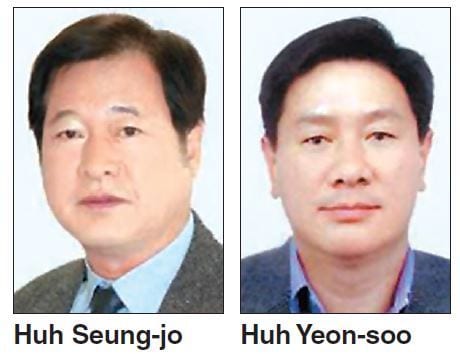
    GS Retail vice chairman Huh Seung-jo stepped down from his post in the latest executive reshuffle announced by GS Group on Tuesday.

    He has been replaced by his nephew and GS Retail president Huh Yeon-soo, the son of Huh Shin-goo — the fourth son of the GS Group founder.

    The new appointment reflects the firm’s efforts to reinvigorate its operations.

    The resignation of Seung-jo, the youngest son of GS Group founder Huh Man-jung, signals the end of the leadership of the second-generation members of the controlling family.

    Meanwhile, the incoming vice chairman is credited with having made significant contributions to the growth of GS Retail’s convenience store business in Korea.


  • Samsung’s Galaxy phone most valuable brand in South Korea

    Samsung’s Galaxy phone most valuable brand in South Korea

    South Korean tech giant Samsung Electronics’ Galaxy smartphone was selected as the most valuable brand in South Korea for the fifth consecutive year, a survey showed Sunday.

    The Samsung Galaxy phone ranked first in the brand survey by Seoul-based market researcher Brandstock, followed by E-Mart, a discount store chain by retail giant Shinsegae Co.

    Incheon International Airport, South Korea’s gateway airport, climbed up one notch to take third place.

    Kakao Talk, South Korea’s biggest mobile messenger with 47 million users, and Naver, the nation’s No. 1 Internet portal, came next, the researcher said.

    The brand value of German automakers suffered after Volkswagen admitted that millions of its diesel cars worldwide were equipped with software that was used to cheat on emissions tests.

    BMW’s rank tumbled from 12th to 31st, and Volkswagen, which ranked 71st last year, dropped out of the top 100, following the emissions cheating scandal, it said.

  • Massive Innisfree China store planned

    Massive Innisfree China store planned

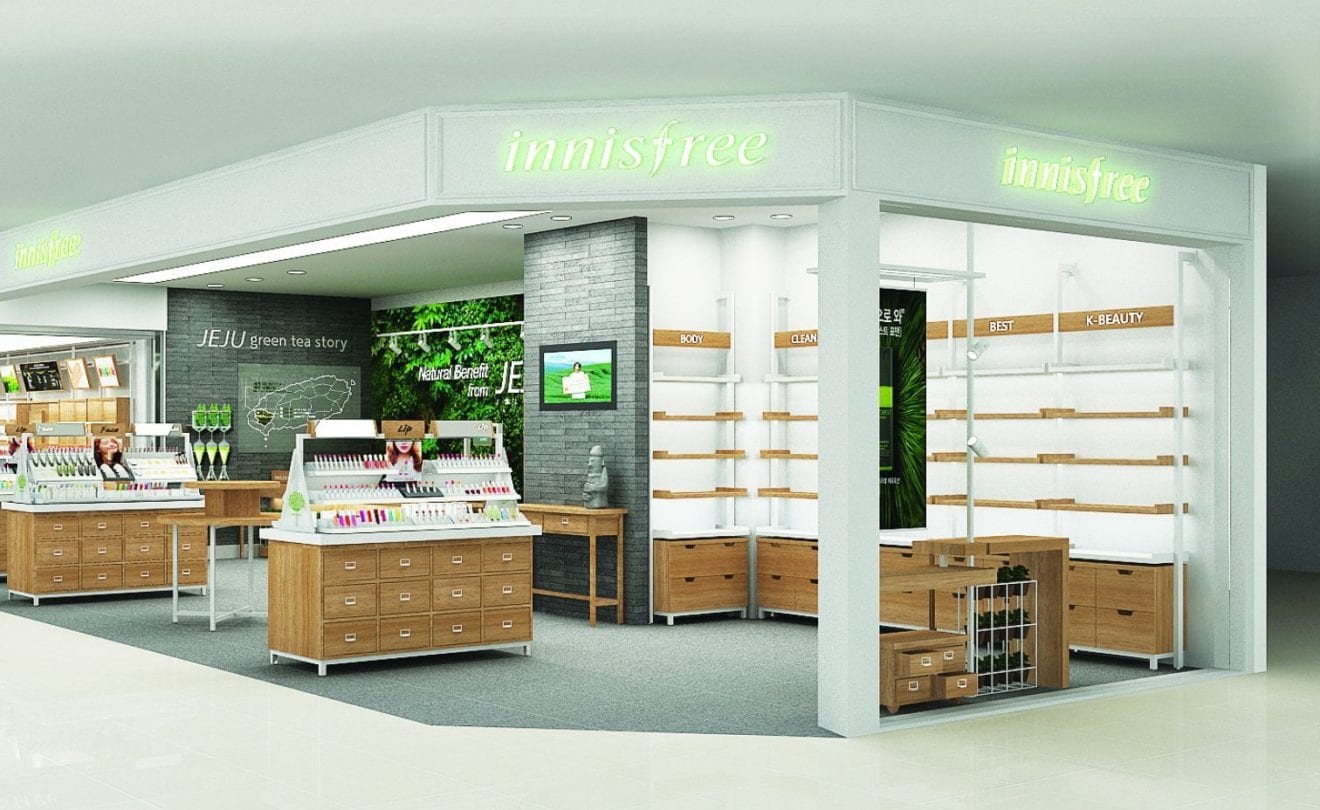
    Innisfree, the Korean natural cosmetics brand owned by Amore Pacific, is to open its largest store yet, in China.

    Amore Pacific announced Innisfree China will open an 827 sqm flagship store in Shanghai.

    This is the largest store among all of Innisfree’s retail locations, and reportedly the largest cosmetics store in China.

    Since Amore Pacific launched an online store in April 2012, it has been operating 200 offline stores all over China, including in Shanghai, Beijing and Shenyang. Innisfree’s ‘Green Tea Seed Serum’ and ‘Volcanic Ash Pore Mask’ are its highest-selling products.

    Management of Amore Pacific said Innisfree is popular among picky Chinese consumers in their 20s and 30s.

    “We think that the concept of our products made from natural ingredients found on Jeju Island, and the trust in Amore Pacific is an attraction to Chinese consumers.”

  • South Korean retailers binge on discounting

    South Korean retailers binge on discounting

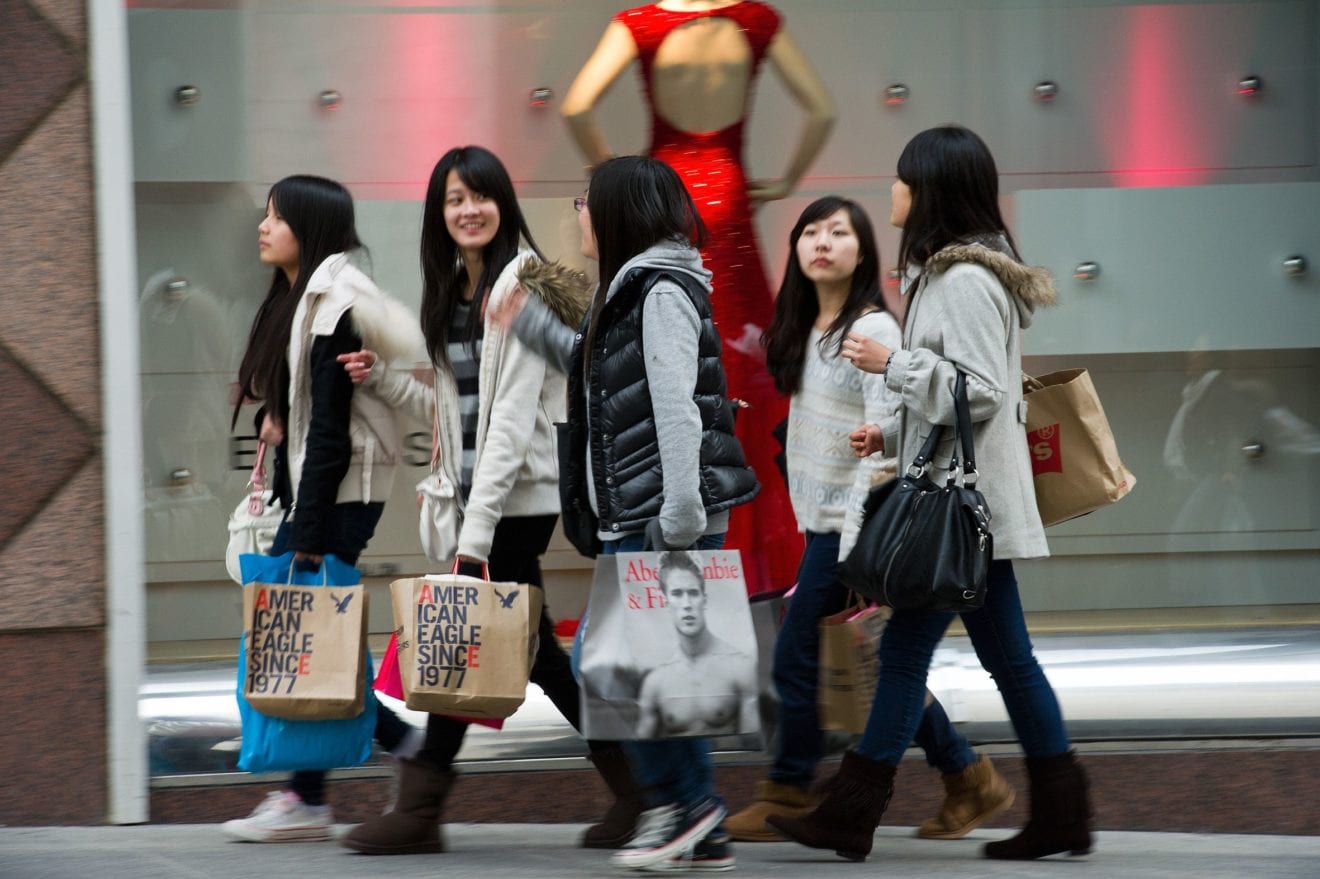
    On top of seasonal sales and occasional promotions, major South Korean retailers have been holding a series of big discount events since summer to create an intense, promotion-heavy atmosphere through the Christmas season and beyond.

    The discount binge has indeed given a fillip to consumer spending here, but market watchers question its long-term effect as a slowdown in Asia’s fourth-largest economy has led to lower incomes for many people, prompting them to tighten their purse strings.

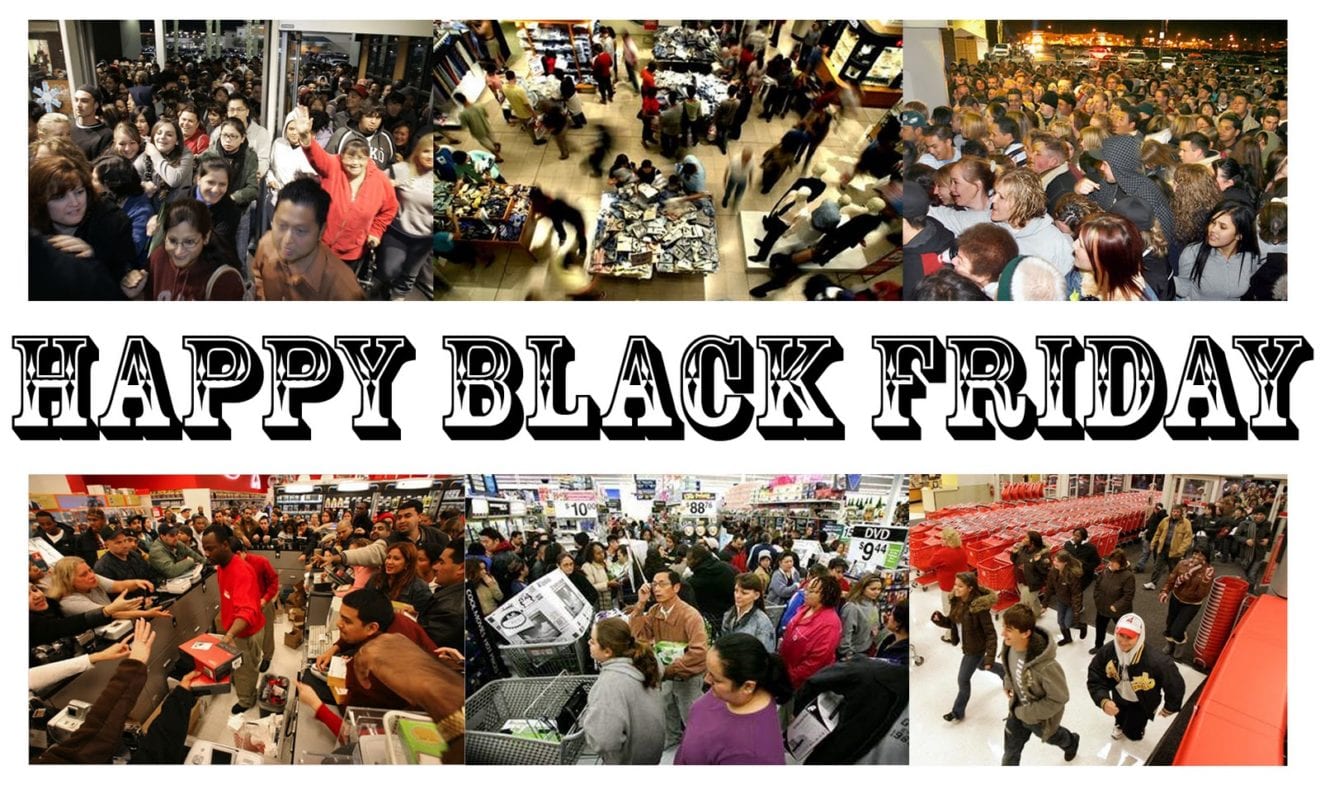
    Most recently, “K-Sale Day” kicked off last week to run for 26 days nationwide, led by major department stores and outlets that hope to grab shoppers’ attention ahead of the original Black Friday.’

    It came just a month after “Korea’s Black Friday”, a nationwide shopping campaign initiated by the government during the first two weeks of October to jack up the stagnant domestic consumption.

    The government-led event even overlapped with “Korea Grand Sale”, during which retailers knocked down prices from early September to mid-October to woo back both domestic consumers and Chinese travelers during the long-haul national holiday.

    One of the main reasons for the deluge of sales is the summer slump following the outbreak of Middle East Respiratory Syndrome (Mers) in late May, which poured cold water on domestic spending and dented tourist numbers.

    More fundamentally, however, the seemingly never-ending sale is seen as an early sign that South Korea is heading into a recession.

    “Although the domestic economy has long grappled with sluggish consumption, the government is ever more concerned about weak spending after exports showed signs of slowing,” says Ko Ga-young, a researcher at LG Economic Research Institute.

    “Exporters in the manufacturing sector had propelled the growth until the 2008 global financial crisis, but their prospects remain bleak due to slowdown in the Chinese economy and tougher global competition in the low-end manufacturing sector.”

    Although policy makers had expected that low oil prices and record-low interest rates would boost the economy this year, the fallout from the Mers outbreak prompted the government to lower its 2015 growth forecast from 3.8 per cent to 3.1 per cent in June.

    The retail discount events, held both online and offline, did not create much buzz like Chinese e-commerce giant Alibaba’s “Singles Day”, which recorded a blockbuster US$14.3 billion in sales on November 11, but the steep discounts did serve as the spending trigger for pent-up demand in a short period of time.

    According to the data compiled by the industry ministry, the 22 retailers that joined the Black Friday Korea campaign saw their sales rise 20.7 per cent on-year to 719.4 billion won (US$634.9 million) during the two-week period.

    While the government touted its “successful effort” in reviving the consumer sentiment, the market remained skeptical over the growth from last year’s low base during the extended holiday season.

    “Large department stores and discount chains face an unfavorable business environment because massive sales events and permanent discount policy produced a limited effect despite last year’s low base,” said Nam Sung-hyun, a researcher at Kiwoom Securities.

    Unlike a one-off factor like the viral disease, market watchers worry that the tight labor market and rising household debt could continue to discourage people from spending on concerns over their unstable future.

    The youth jobless rate reached the highest level in 15 years at 10.1 per cent in June with more college graduates landing at temporary positions, while the average consumption propensity dipped to a record low 71.5 per cent in the third quarter, according to Statistics Korea.

    “The consumption propensity is expected to further decline because households are managing their spending schedule in line with the bleak long-term growth prospect and extended life span,” Ko said.

    Bricks-and-mortar shops face an even dimmer outlook as more consumers are hunting for bargains from online marketplaces abroad.

    Traditional retailers not only have to compete with each other but also counter challenges from international online marketplaces stealing their customers with easier delivery and transaction procedures.

    “As more consumers learn they can easily buy products at a much cheaper price via online vendors, offline shops are more frequently conducting discount events to retain their customers,” said Jun Mi-young, a professor at Seoul National University and co-author of Trend Korea 2016.

    “The experience of buying foreign brands at discounted prices has created a healthy dose of cynicism about department stores’ pricing policy.”

    According to US No 1 retailer Walmart’s Black Friday advertisement, South Korean tech giant Samsung Electronics’ 55-inch HDTV was discounted to $498, less than half prices for similar models sold at Korean department stores.

    Some deals even raise questions over whether retailers set a higher price from the beginning to look like they are giving discounts.

    Lotte Department Store’s K-Sale Day promotional leaflet shows that the price of German kitchenware maker Henkel’s five-star knife block set was reduced from 550,000 won to 229,000 won.

    Sounds like a good deal. But you can buy the same product below 200,000 won at several online shopping malls on any given day.

    The desperate efforts to grab customers with lower prices, however, come at a price.

    As sales start earlier and last longer, they become less important and easier for consumers to ignore. When every day is special, none is.

    “I used to wait for the discount season to buy off-season clothes or other things at cheaper prices,” Lee Su-jin, a 35-year-old office worker in Seoul, said. “These days, I use mobile applications to buy refurbished products or find good deals at overseas websites.”

    While the discount pricing strategy is useful in driving traffic and sales for a short term, marketing professionals worry repeated sales could negatively affect the retail industry in the long run.

    To survive in the borderless digital commerce world, they advise bricks-and-mortar shops to come up with differentiated services to increase customer loyalty.

    ”As the rise of digital shopping has become an inevitable trend in the retail industry, offline sales channels should seek ways to provide better in-store experiences and quality service,” Jun said. “Squeezing margins is not a sustainable business model.”

    Experts emphasise the government’s role in setting a long-term policy to manage the record-high household debt and steer the economy clear of such economic uncertainties as China’s slowdown and market jitters over a US rate hike.

    “The government should control the pace of the household debt growth so it does not rise faster than the income growth, which could further contract spending,” Ko said.

    “Structural reforms are also needed to foster new value-added service sector for healthier growth.”


  • Korea’s Coffine Gurunaru plans China foray

    Korea’s Coffine Gurunaru plans China foray

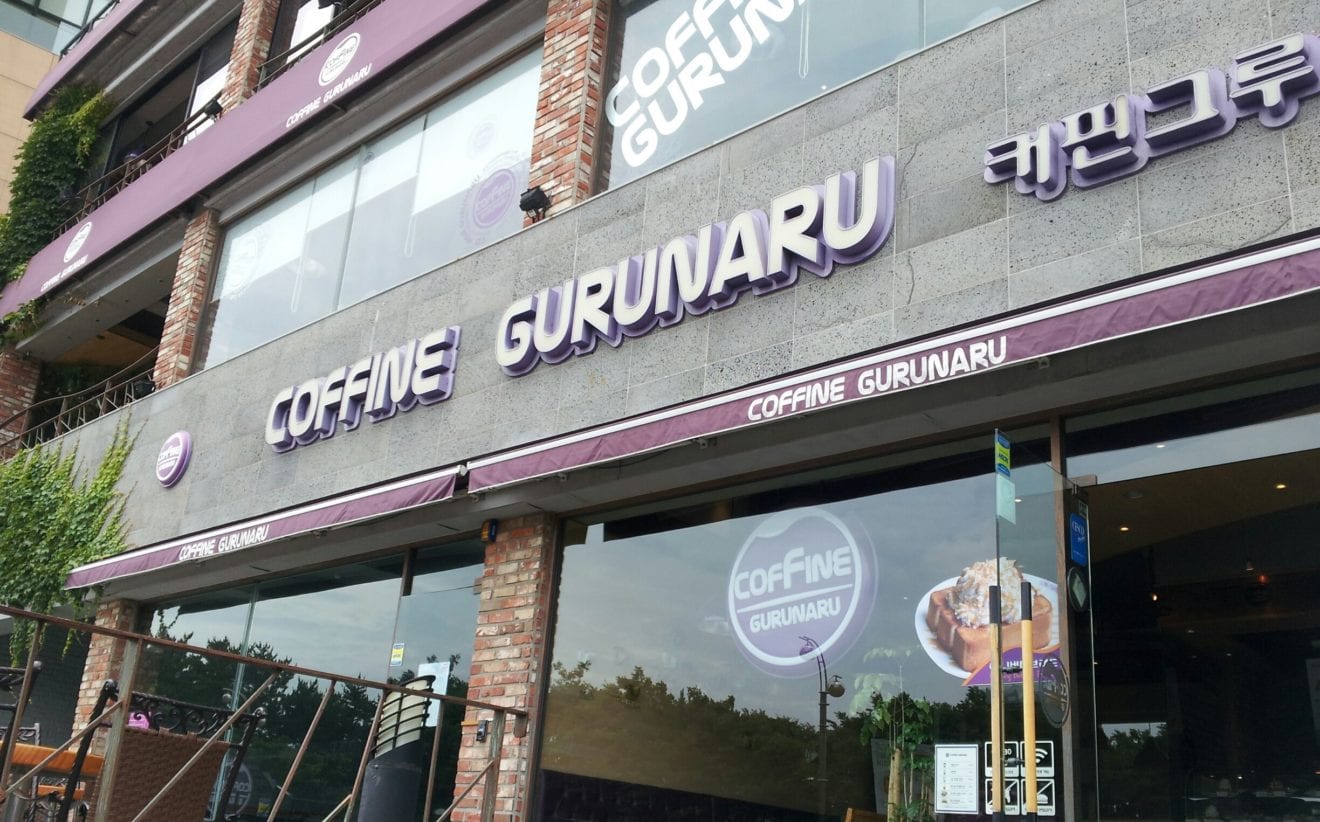
    Korean coffee franchise Coffine Gurunaru is to open one of its largest stores in Hainan, China in the first stage of a planned China rollout.

    The new store is in the middle of Lan Kwal Fong St, the main street of Hainan, and is described as “exceptionally large in size” for a coffee franchise.

    Hainan, sometimes referred to as the ‘Hawaii of the East’, is a major holiday destination for Mainland Chinese.

    Management of Coffine Gurunaru say the extraordinary size of the cafe is relative to the size of the development where it will be located. The world’s largest resort group, Mission Hills, owns resorts, golf courses and shopping malls. It is building the world’s largest K-town in Hainan, where Coffine Gurunaru will open its Chinese flagship.

    The interior will be designed to be “modern and natural”, says a spokesman for the coffee house.

    Korea’s Coffine Gurunaru

    Coffine Gurunaru is a compound name combining coffee and wine. It was the first coffee house in Korea to offer both coffee and wine. Founded in 2007, it has about 120 stores in South Korea, including franchised stores.

    The cafes’ interiors, including the chairs and walls, are decorated in a cheerful purple, intended to refer to the color of wine.

    Besides beverages, the stores serve a range of salads, panini sandwiches, signature cupcakes and honey bread.

    Coffine Gurunaru has not disclosed how many stores it will open in China, but has confirmed it will build a network.

    Korea’s Coffine Gurunaru interior

  • Question mark hangs over South Korea’s discount spree

    Question mark hangs over South Korea’s discount spree

    People love bargain deals. Clearance sales with 80 percent or more off can even lure customers in to buy things they don’t need.

    That’s why retailers offer “door buster” deals when they need to handle rising stockpiles or attract customers during holiday shopping seasons, such as “Black Friday”, the biggest shopping day of the year in the United States.

    On top of seasonal sales and occasional promotions, major South Korean retailers have been holding a series of big discount events since summer to create an intense, promotion-heavy atmosphere through the Christmas season and beyond.

    The discount binge has indeed given a fillip to consumer spending here, but market watchers question its long-term effect as a slowdown in Asia’s fourth-largest economy has led to lower incomes for many people, prompting them to tighten their purse strings.

    Most recently, “K-Sale Day” kicked off last week to run for 26 days nationwide, led by major department stores and outlets that hope to grab shoppers’ attention ahead of the original Black Friday.

    It came just a month after “Korea’s Black Friday”, a nationwide shopping campaign initiated by the government during the first two weeks of October to jack up the stagnant domestic consumption.

    The government-led event even overlapped with “Korea Grand Sale”, during which retailers knocked down prices from early September to mid-October to woo back both domestic consumers and Chinese travelers during the long-haul national holiday.

    One of the main reasons for the deluge of sales is the summer slump following the outbreak of Middle East Respiratory Syndrome (MERS) in late May, which poured cold water on domestic spending and dented tourist numbers.

    More fundamentally, however, the seemingly never-ending sale is seen as an early sign that South Korea is heading into a recession.

    “Although the domestic economy has long grappled with sluggish consumption, the government is ever more concerned about weak spending after exports showed signs of slowing,” Ko Ga-young, a researcher at LG Economic Research Institute, said.

    “Exporters in the manufacturing sector had propelled the growth until the 2008 global financial crisis, but their prospects remain bleak due to slowdown in the Chinese economy and tougher global competition in the low-end manufacturing sector.”

    Although policy makers had expected that low oil prices and record-low interest rates would boost the economy this year, the fallout from the MERS outbreak prompted the government to lower its 2015 growth forecast from 3.8 percent to 3.1 percent in June.

    The discount events, held both online and offline, did not create much buzz like Chinese e-commerce giant Alibaba’s “Singles Day”, which recorded a blockbuster $14.3 billion in sales on Nov. 11, but the steep discounts did serve as the spending trigger for pent-up demand in a short period of time.

    According to the data compiled by the industry ministry, the 22 retailers that joined the Black Friday Korea campaign saw their sales rise 20.7 percent on-year to 719.4 billion won (US$634.9 million) during the two-week period.

    While the government touted its “successful effort” in reviving the consumer sentiment, the market remained skeptical over the growth from last year’s low base during the extended holiday season.

    “Large department stores and discount chains face an unfavorable business environment because massive sales events and permanent discount policy produced a limited effect despite last year’s low base,” said Nam Sung-hyun, a researcher at Kiwoom Securities.

    Unlike a one-off factor like the viral disease, market watchers worry that the tight labor market and rising household debt could continue to discourage people from spending on concerns over their unstable future.

    The youth jobless rate reached the highest level in 15 years at 10.1 percent in June with more college graduates landing at temporary positions, while the average consumption propensity dipped to a record low 71.5 percent in the third quarter, according to Statistics Korea.

    “The consumption propensity is expected to further decline because households are managing their spending schedule in line with the bleak long-term growth prospect and extended life span,” Ko said.

    Brick-and-mortar shops face an even dimmer outlook as more consumers are hunting for bargains from online marketplaces abroad.

    Traditional retailers not only have to compete with each other but also counter challenges from international online marketplaces stealing their customers with easier delivery and transaction procedures.

    “As more consumers learn they can easily buy products at a much cheaper price via online vendors, offline shops are more frequently conducting discount events to retain their customers,” said Jun Mi-young, a professor at Seoul National University and co-author of Trend Korea 2016.

    “The experience of buying foreign brands at discounted prices has created a healthy dose of cynicism about department stores’ pricing policy.”

    According to U.S. No. 1 retailer Walmart’s Black Friday advertisement, South Korean tech giant Samsung Electronics’ 55-inch HDTV was discounted to $498, less than half prices for similar models sold at Korean department stores.

    Some deals even raise questions over whether retailers set a higher price from the beginning to look like they are giving discounts.

    Lotte Department Store’s K-Sale Day promotional leaflet shows that the price of German kitchenware maker Henkel’s five-star knife block set was reduced from 550,000 won to 229,000 won.

    Sounds like a good deal. But you can buy the same product below 200,000 won at several online shopping malls on any given day. The desperate efforts to grab customers with lower prices, however, come at a price.

    As sales start earlier and last longer, they become less important and easier for consumers to ignore. When every day is special, none is.

    “I used to wait for the discount season to buy off-season clothes or other things at cheaper prices,” Lee Su-jin, a 35-year-old office worker in Seoul, said. “These days, I use mobile applications to buy refurbished products or find good deals at overseas websites.” While the discount pricing strategy is useful in driving traffic and sales for a short term, marketing professionals worry repeated sales could negatively affect the retail industry in the long run.

    To survive in the borderless digital commerce world, they advise brick-and-mortar shops to come up with differentiated services to increase customer loyalty.

    “As the rise of digital shopping has become an inevitable trend in the retail industry, offline sales channels should seek ways to provide better in-store experiences and quality service,” Jun said. “Squeezing margins is not a sustainable business model.”

    Experts emphasize the government’s role in setting a long-term policy to manage the record-high household debt and steer the economy clear of such economic uncertainties as China’s slowdown and market jitters over a U.S. rate hike.

    “The government should control the pace of the household debt growth so it does not rise faster than the income growth, which could further contract spending,” Ko said. “Structural reforms are also needed to foster new value-added service sector for healthier growth.”

     

  • Lotte Duty Free in shock Seoul licence loss

    South Korea’s Lotte Duty Free has lost the licence to operate one of its large stores in downtown Seoul.

    Beleaguered Lotte – in the midst of a family feud over its management and on the eve of a planned IPO of its Hotels unit – has been displaced by heavy industries company Doosan Co in the 10,990 sqm store in South Korea’s tallest building – the Lotte World Tower and Mall.

    Lotte has had the licence to run the store for five years and sunk US$255 million into the site.

    “The customs agency decision has shattered its ambitions to grow it into the world’s largest duty-free outlet over the next decade,” reported Japan Today newspaper in Tokyo.

    “The setback was particularly badly timed given the preparations for an initial public offering of shares in Lotte’s hotel unit, which runs the group’s duty-free business.”

    Lotte’s duty free business is a subsidiary of Lotte Hotels, contributing 80 per cent of the operation’s revenues.

    Park Jong-Dae, analyst at Hana Financial Securities, said investors are concerned the loss of the licence will hurt Hotel Lotte’s overall profits.

    “As a result, the company’s valuation may fall when it goes public,” he said.

    Lotte Duty Free’s flagship Myeong-dong store is unaffected.

  • Kakao, KT to launch Korea’s first Internet banks

    Kakao, KT to launch Korea’s first Internet banks

    Two consortiums, led by South Korean Internet giant Kakao and No. 2 telecom operator KT, were approved to launch the nation’s first Internet-only banks next year, the banking authority said Sunday.

    Under the government’s pilot program, the two banks will offer financial services from deposits, lending and credit cards to foreign exchange transactions through their online platforms only — the first of their kind in Korea’s 23 years of financial history.

    Their operations are expected to start after they get financial approval in the first half of next year. The Financial Services Commission requested they come up with stricter security measures.

    Do Kyu-sang, financial services chief at the Financial Services Commission, speaks at a media meeting held at the agency`s briefing room in Seoul on Sunday. Yonhap

    According to the agency, Kakao’s Kakao Bank gained high scores for innovative services based on its immensely popular mobile messenger app KakaoTalk with 40 million users.

    KT’s K Bank was also praised for better customer access as it has teamed up with partners from diverse sectors such as telecommunications, payments and retail, it said.

    Internet banks come as the government looks to open up its financial services sector recently. Internet companies are already jumping into the bandwagon amid the rapid infiltration of online banking and mobile payments here.

    Due to stringent financial regulations, however, they are still required to partner with a licensed bank to launch their own Internet bank.

    Kakao and KT are especially pinning high hopes on “middle-interest loans” that would appeal to small borrowers.

    Currently, top-tier banks offer an annual rate of 3 percent to 5 percent, while the secondary financial institutions such as mutual savings banks or capital services firms charge whopping 15 percent to 34 percent interest rates.

    Internet banks say they can better evaluate the creditworthiness of borrowers based on the data they collect from hundreds of millions of mobile devices — including location, the use of local services and e-commerce transitions.

    Kakao Bank plans to bring Kakao’s traffic resources, big data on users and data analytics, while its bank partners KB Kookmin Bank and Korea Investment Holdings have knowledge of financial products.

    The bank also aims to go global as it has secured ties with Tencent, China’s biggest social-networking and mobile games company, and the U.S. online retail giant eBay, which also owns Korea’s two leading shopping sites Gmarket and Auction.

    “We will ramp up efforts to offer diverse and practical benefits for customers through Kakao Bank,” said Yoon Ho-young, Kakao’s senior vice president.

    K Bank also showed confidence in building a more accurate credit rating system based on KT’s own delinquency customer list and the data collected from its card and bank partners, including Woori Bank, the nation’s second-largest lender in terms of assets.

    “We will expand benefits for small borrowers and start-ups,” said Kim In-hoi, the bank task force leader. “We aim to become the No. 1 Internet bank by offering more convenient on- and off-line services.”

  • Starbucks Korea to launch ‘Startup cafe’

    Starbucks Korea to launch ‘Startup cafe’

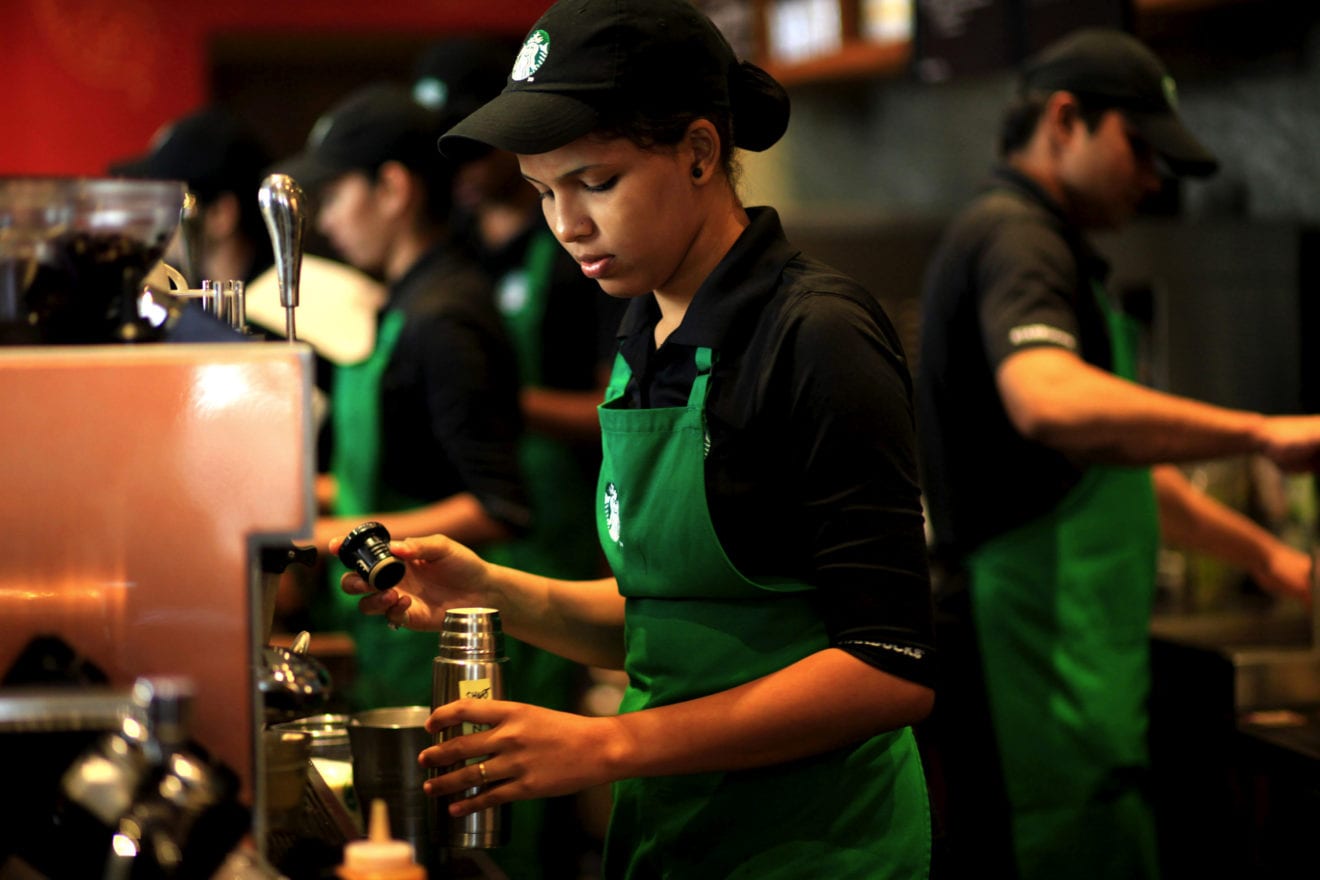
    Starbucks Korea is to launch a ‘startup cafe,’ in partnership with the country’s government, to stimulate innovation.

    The South Korean arm of the world-famous coffee chain Starbucks and the country’s ICT ministry said Tuesday the “startup cafe” will be a place where visitors can share experiences and ideas on starting a new company.

    Starbucks and the Ministry of Science, ICT and Future Planning said they will host venture-related programs, including lectures at one of its stores in central Seoul, in their latest effort to beef up local startups.

    The ministry said around 46,000 startups kicked off in the first half of 2015 in South Korea, adding it is vital to establish an ecosystem where new companies can share their know-how and experiences to keep the trend sustainable.

    The accessibility and openness of cafes are suitable places for startups to gather, the ministry added.

    Starbucks will provide the venue, as well as drinks and food, for participants. It also plans to roll out joint programs, such as a tumbler design competition.

    The Starbucks-supported startup cafes will expand to areas outside Seoul starting next year.

  • What Are The Key Drivers Of Growth For Estee Lauder?

    What Are The Key Drivers Of Growth For Estee Lauder?

    Focus on the online sales channel, digital initiatives, and revival of its travel retail channel, will be the key drivers for Estee Lauder‘s (NYSE:EL)  growth in the future.  While travel retail showed tremendous growth in 2014, the slowdown in China and natural calamities had a negative impact in 2015.  Estee Lauder feels this setback is temporary and we believe new product launches and initiatives in this segment will boost its revival, and will be a key driver of growth for the company. With booming e-commerce and mobile internet penetration, we believe focus on online sales will be another driver of growth for the company, especially in emerging economies such as China.

    Revival Of The Travel Retail Channel

    In the fiscal year 2014, Travel Retail was one of the highest growth channels for Estee Lauder contributing to 13% of its product distribution. Global Airport retailing information reveals that by 2016, airport retail spending will be $23.2 billion for Asia Pacific, whereas for the Americas and Europe the figures will be $10.1 billion and $12.4 billion. Estee Lauder is leveraging this trend primarily to capture the Asian market. In May 2014, the company launched a flagship boutique at the Detroit Metro Airport, a primary gateway to Asia, via Delta Airlines. This boutique offers a collection of all its luxury brands, High-Touch services, along with other facilities such as a first-class lounge area, free Wi-Fi, and updated information on the flights. Growth in the travel retail channel slowed down in Q4 2015 due to the macroeconomic slowdown in China and spread of MERS virus in Korea, but the company believes this setback is temporary. It is continuing to emphasize  skincare, its most profitable product category, to boost travel retail sales. Estee Lauder recently launched a vast array of products under several brands including Clinique, Bobbi Brown, Jo Malone, Tom Ford, and M.A.C., at the Tax-Free World Association (TFWA) Exhibition, held at Cannes in October. The products include face contouring, eye makeup, lipstick, serums, treatment creams, and fragrances. These new products will be available across Estee Lauder’s travel retail channel. [].We believe revival of the travel retail channel will be a key driver of Estee Lauder’s revenues in the future.

    Focus on Online Channels And Digital Initiatives

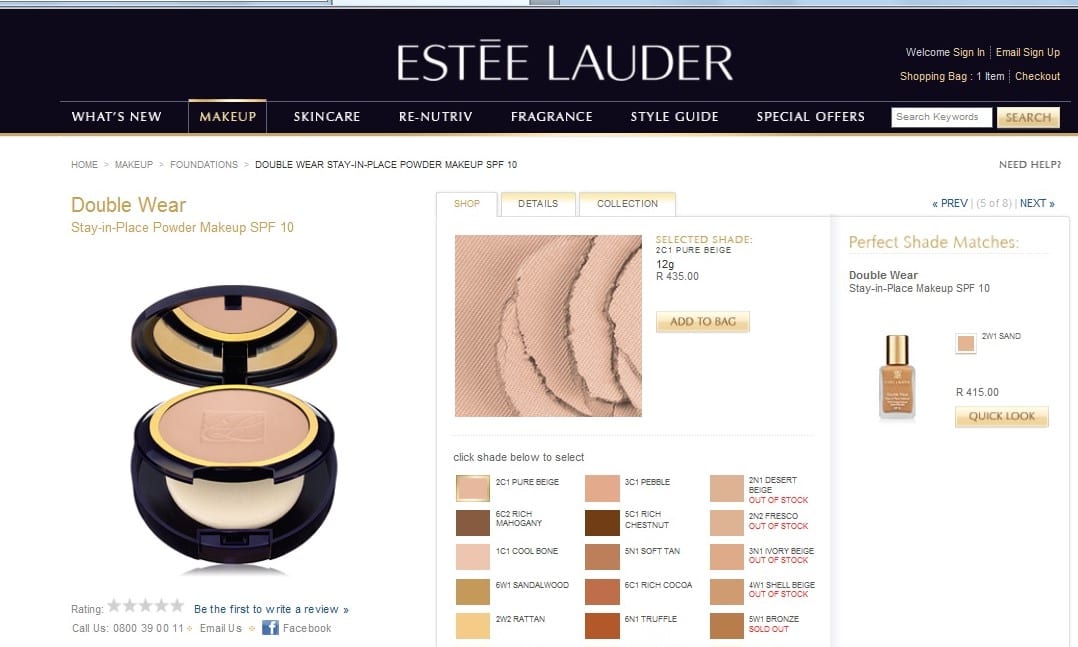
    The shift towards online shopping is evident from the tremendous growth in e-commerce.  New York based research agency, L2 ThinkTank.com found that while the global beauty industry grew at 6% in 2013, sales through the e-commerce channel witnessed a 29.1% growth during the same period. To leverage this trend, Estee Lauder is selling 14 of its brands directly to consumers online through approximately 120 of its own e-commerce and mobile commerce sites.  The company also launched  “Forecast,” a mobile application under its Clinique brand, which provides weather information and skin care tips based on weather conditions.  To expand in the Chinese market, Clinique opened its  flagship store on Alibaba’s Tmall. According to the National Bureau of Statistics cited in Statista, the online transaction value of cosmetics retailing in China is forecast to grow by 123% in 2015. Given the market potential, we believe Estee Lauder’s focus on online sales and digital initiatives, around the use of social media and mobile apps for promotion, will be key drivers of its revenue in the future.