Retail News CRM

Tag: Korea

  • Korea eyes nationwide sales event to boost consumption

    Korea eyes nationwide sales event to boost consumption

    South Korea will start another round of nationwide discount events later this month in a bid to boost domestic consumption around the Lunar New Year’s holiday, the finance ministry said Tuesday.

    The so-called Korea Grand Sale will begin on Jan. 25 and run through Feb. 7 across the nation before the holiday, with the participation of 300 local traditional markets, according to the Ministry of Strategy and Finance.

    For foreign tourists, the event will take place from Feb. 1 in duty-free shops and other retail stores to celebrate the start of the Visit Korea Year 2016-2018.

    The Lunar New Year, which shifts year to year, falls on Feb. 8 this year, with a five-day break.

    The ministry said the sales event is aimed at maintaining an uptrend in consumption that was seen in the third quarter of last year.

    Last year, the country hosted such events three times, including the K-Sale Day and Korea Black Friday, and saw local retailers post sharp sales increases, along with the government’s excise tax cut programs.

    The rise in sales helped push up the country growth to a five-year high of 1.2 percent in the third quarter, successfully escaping the sluggish mode stemming from the Middle East Respiratory Syndrome outbreak.

    “We’ve come up with plans to keep the pace of private consumption alive and revitalize domestic demand as a whole,” the finance ministry said in a release. (Yonhap)

  • Sales lose sparkle for Luk Fook

    Sales lose sparkle for Luk Fook

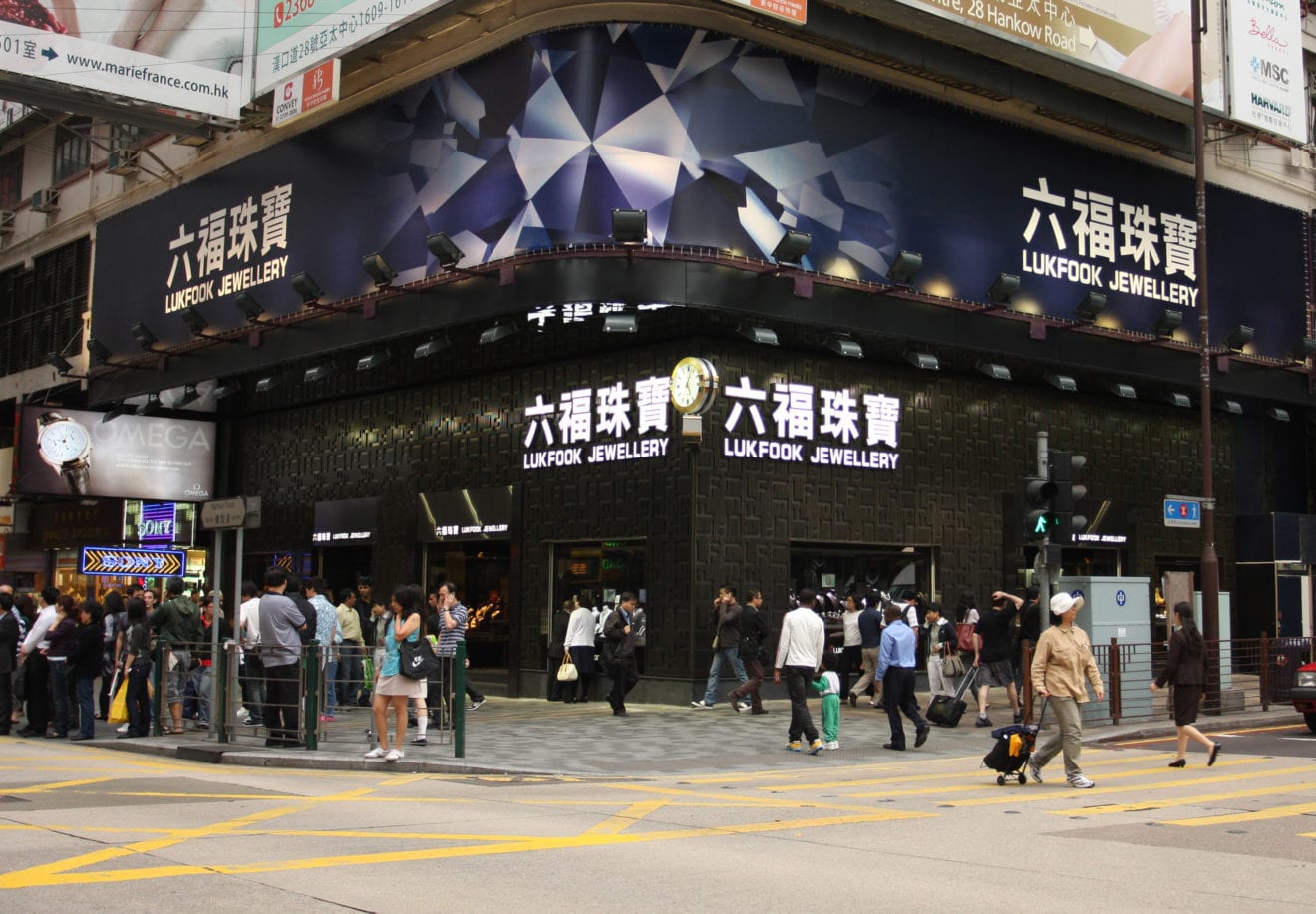
    In the face of a continuing sluggish market, Hong Kong-based Luk Fook Jewellery posted a 25 per cent drop in overall sales in the three months to December 31 against the previous two quarters.

    Its same-store sales growth (SSSG) for mainland China was down 10 per cent, despite its gemset jewellery products gaining 2 per cent grown. The SSSG of the Hong Kong and Macau market dropped 26 per cent.

    As at December 31, the group had 159 self-managed shops – 96 in China, 47 in Hong Kong, 10 in Macau and six overseas, one being established in Toronto, Canada, in the current quarter. There were 1260 licensed shops in China with one in Korea. Altogether, there were 1420 Luk Fook shops worldwide, including 1356 in China and outlets in Australia and the US.

  • Barclays to pull out of Korean market

    Barclays to pull out of Korean market

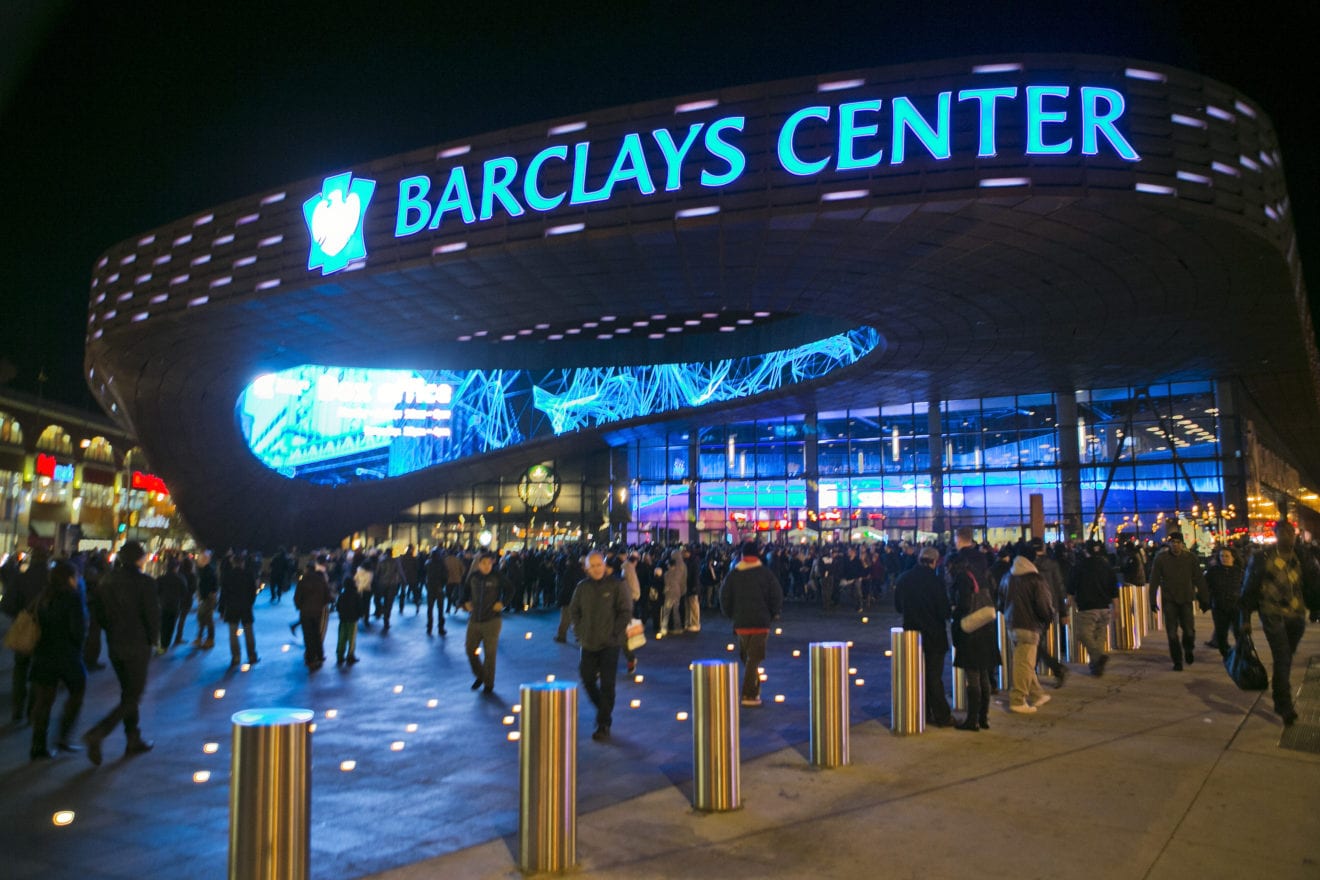
    British banking group Barclays will close its Seoul office as part of its global slimming down strategy, an official from the financial regulator said Wednesday.

    A director at the Financial Supervisory Service (FSS) said Barclays told the authorities of its plan to close its banking and securities business in Korea.

    “Barclays plans to pull out of the Korean market,” said the director, asking not to be named.

    Foreign banks have been withdrawing from the local market, or downsizing, as part of their global strategy to exit non-core businesses. Last month, U.S. banking giant Citigroup signed an agreement with Apro Service Group to sell its consumer finance subsidiary in the country, Citigroup Capital Korea.

    Barclays confirmed that it is looking for business chances in other countries, but said no firm decisions have been made.

    “We are constantly monitoring our opportunities in different geographies and businesses over the cycle,” Barclays said. “If any firm decisions are made, we will provide an update.”

    In December, Barclays said it had agreed to sell its Italian retail banking network of 89 branches, including a broadly balanced portfolio of assets and liabilities, to CheBanca!, a member of the Mediobanca Group.

    “This transaction is further evidence of the reshaping of Barclays Group to focus on our core businesses,” said Barclays Group CEO Jes Staley. “We continue to make progress in the reduction of Barclays non-core assets as we target risk-weighted assets of around 20 billion pounds at the end of 2017.”

    According to Barclays, its rundown of non-core businesses continued last year, with risk-weighted assets (RWAs) decreasing to 55 billion pounds in September from 57 billion pounds in June.

    The U.K. banking group said its announced sale of the Portuguese retail business in the third quarter last year, which will be completed in the first quarter this year, is expected to result in a further 1.7 billion pounds reduction in non-core RWAs.

    Barclays reported 4 percent growth in the group’s adjusted profit before tax to 5.2 billion pounds for the first three quarters of 2015 from the previous year, reflecting improvements in all core operating businesses. Its adjusted return on average shareholder equity also increased to 7.1 percent during the period.

  • Lotte Mart faces pork probe

    Lotte Mart faces pork probe

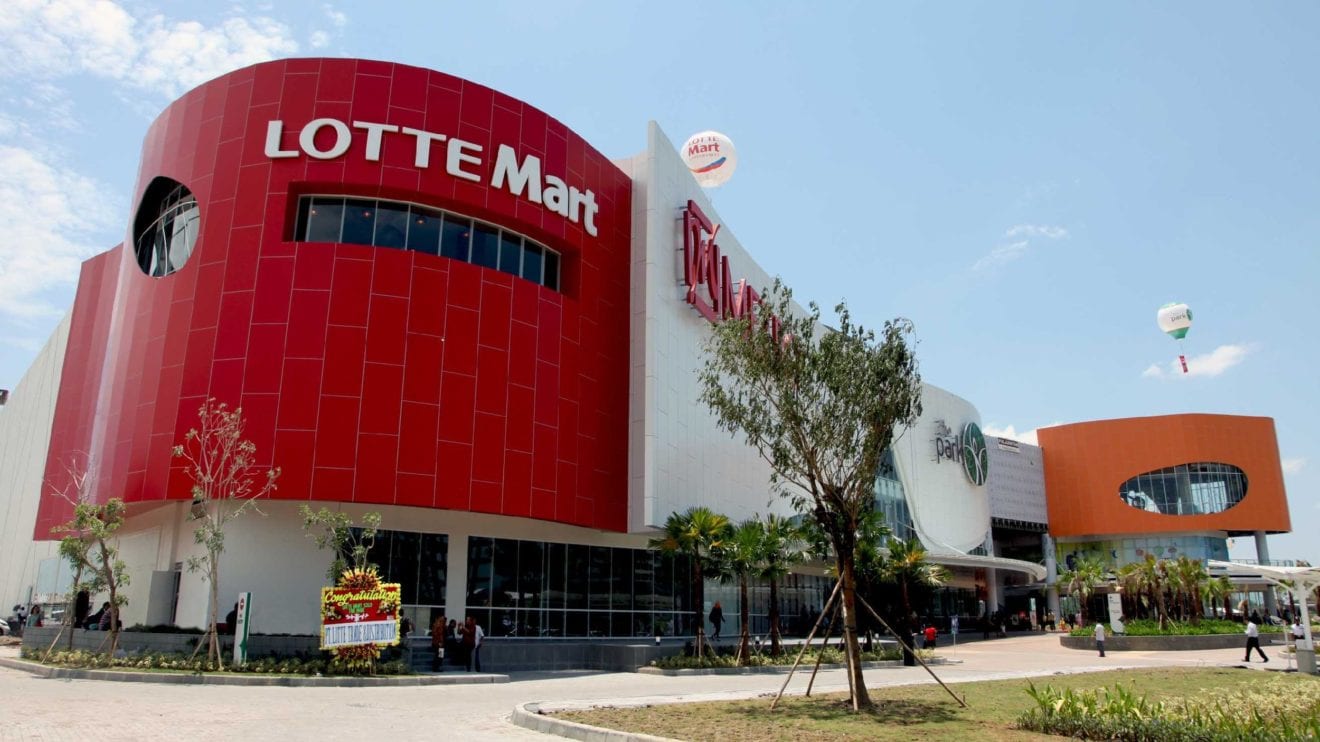
    Lotte Mart, South Korea’s No. 2 discount chain, is under investigation for allegations of unfairly pressuring a supplier into selling pork bellies below production cost, Korea’s antitrust watchdog said Tuesday.

    A source at the Fair Trade Commission (FTC) said investigators have been checking the retailer since December after a local pork producer raised complaints that Lotte Mart not only forced suppliers to sell at below the cost of production, but insisted on covering shipment and credit card payment-related expenses.

    Lotte Mart has been engaged in a so-called ‘pork belly day’ sales promotional event for some time that boosted demand for the meat cut.

    “A supplier claimed that Lotte’s unfair demands resulted in 10 billion won (US$8.3 million) in damages since it had to sell the meat at 30-50 per cent discounts,” the official said.

    In August, Lotte Mart contested a ruling by the Korea Fair Trade Mediation Agency (Kofair) that called on the discount store to pay 4.8 billion won (US$3.96 million) to the supplier.

    Under existing rules, if a company rejects Kofair’s verdict, the matter has to be forwarded to the FTC.

    Lotte Mart argued that while it did cut prices during the promotional event, it immediately marked up prices to reimburse suppliers for any losses incurred.

    “Kofair only accepted the allegations raised by the supplier when it ruled on the size of the fine,” a Lotte Mart spokesperson said. “The company will provide all information being requested by the FTC and cooperate fully with the probe.”

    Market watchers said that even if the corporate regulator rules against Lotte Mart, the suppliers will still have to engage in a court battle to get compensation.

    Lotte Mart, meanwhile, was fined 1.38 billion won in late 2014 for passing on the cost of a product promotion campaign to a supplier.’

  • Xiaomi’s sister firm taps into Korean market

    Xiaomi’s sister firm taps into Korean market

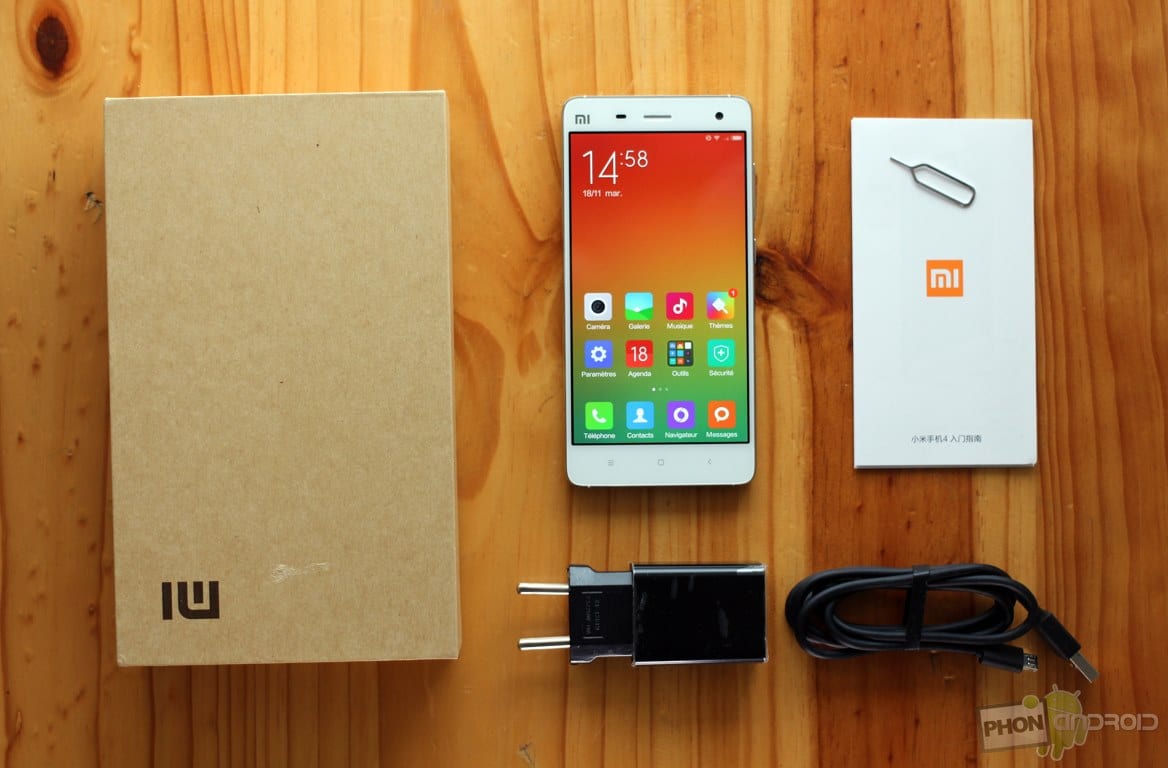
    Chinese electronics giant Xiaomi’s sister company Zmi has tapped into the Korean market by partnering with local online retail site 11st.co.kr.

    The online auction and retail site said Monday that it signed a deal with Zmi, offering exclusive retail channels for the Chinese company. This came months after the retail giant signed a memorandum of understanding with Xiaomi last November.

    Xiaomi and Zmi have been at the forefront of the “Made in China” sensation here, selling 3,000 batteries in April. The Xiaomi subsidiary also held a special promotion event for its batteries and fans last month, and more than 10,000 have been sold in three days through the retail site.

    An 11st official attributed its success to its price competitiveness.

    “The Xiaomi and Zmi products are extremely cost effective,” said the official. “Their performance does not lag behind that of its local rivals, but the price is much lower than them.”

    In particular, Xiaomi’s weighing machine, Mi Scale, gained huge popularity last year for its cost-effective features including its connectivity with other Xiaomi products such as Mi Band, a smart band which allows users to check their body condition.

    “The latest deal led us to become a frontrunner in selling Chinese IT products,” said Lee Chi-hun, digital business department chief for the retail site, in a statement.

    He added the company will keep helping Xiaomi affiliates and partnering companies to penetrate into the Korean market.

    Zmi is best known for producing Xiaomi’s portable battery packs. The latest deal will allow 11st to sell Zmi’s light-emitting diode (LED) lamps and electric fans and its own battery packs. The retail giant added it will also introduce Zmi’s new products including multi-tabs and cables through its site.

    “11st has established a strong foothold in the nation’s retail channel, often dubbed as a representative of Korea’s e-commerce market,” said Wenyuan Huang, co-founder of Zmi. “We are pleased to establish an official retail channel through which Korean customers can buy our products.”

    Meanwhile, local smartphone makers have been strengthening their budget phone lineups in their bid to compete with Chinese super-cheap smartphones. In particular, the Chinese telecom giant’s latest budget phone, Y6, has sold more than 20,000 units in less than a month after launching here. Last week, LG Electronics unveiled its new budget smartphone K10 with a price tag of 275,000 won.

  • Yoo hits the road to promote export plan

    Yoo hits the road to promote export plan

    With a hard hat on, Finance Minister Yoo Il-ho showed up at the Pyeongtaek port in Gyeonggi early Friday morning, just as Kia cars were being readied for the ships that would take them to overseas markets.

    He met with local government leaders and businessmen whose companies specialize in exports, including Panda Korea, a China-based online retail company; Korea FT, an auto parts manufacturer; Dongwoo Fine Chem, a semiconductor developer; and Sinokor Merchant Marine at the Pyeongtaek Port Marine Center.

    Yoo listened to the hardships they face, such as delays in receiving government certificates of product origin and the lack of a bilateral trade agreement with South American countries, over warm bowls of porridge.

    The meeting lasted two hours, an hour longer than initially planned.

    “Our new team will focus on looking for new export products and markets that will boost Korea’s overseas trade,” Yoo said. “Koreans have a certain DNA that allows us to turn adversity into opportunity.

    “We need to undertake structural reforms in order to avoid following Japan’s long stagnation.”

    Yoo’s visit to the port city came a day after he was officially sworn into office as the nation’s finance minister and deputy prime minister for the economy. At the event held Thursday at the Blue House, Yoo promised to focus on bolstering the country’s exports to achieve the targeted 3.1 percent economic growth.

    Yoo’s plan was a marked change from predecessor Choi Kyung-hwan, who unveiled numerous policies the moment he took office in July 2014, including a supplementary budget, lowering the key interest rate and increasing tax cuts, aimed at pushing economic growth through expansion of the domestic market.

    But during Choi’s tenure, Korea’s exports declined for 12 straight months. As the Korean economy is believed to have grown at around 2.7 percent in 2015, it became evident that were are limits to how much economic growth could be generated solely from the domestic market.

    Yoo told the businessmen that he plans to encourage the expansion of online commerce, which will contribute to increasing exports.

    “The government will utilize the Korea-China free-trade agreement and take advantage of Chinese consumer market, which amounts to $6 trillion,” the minister said.

    Later that afternoon, exports were again one of the key issues discussed during Yoo’s first meeting with Bank of Korea Gov. Lee Ju-yeol at the Korea Federation of Banks’ club in Myeong-dong, central Seoul.

    “When I was [in Pyeongtaek], it felt as if we really didn’t have to worry about exports,” Yoo told Lee. “But I get worried when I read the numbers.”

    The finance minister added that he was concerned by the fact that exports in 2015 fell 7.2 percent year-on-year.

    Lee told Yoo that during his recent visit to Basel in Switzerland to attend the Bank for International Settlements meeting, he learned that other countries consider Korea’s economy to be doing better relative to other nations.

    “When I said that Korea’s economic recovery was weak, other participants asked what Korea was concerned about,” Lee said. “They meant [that perspective on an economy] is relative.”

    Lee quickly added, however, that this didn’t mean that he or the finance minister was looking at the Korean economic situation with optimism.

    “We both agreed that the economy is in a difficult state,” Yoo added. “We’re faced with a situation where the G2 risks and uncertainties in emerging markets are overlapping with North Korea’s nuclear test,” the finance minister said.

    “We shared the view that we are at an important point in time where we need to overcome structural problems, including the changes in the global economic structure, changing population structure and weakening foundation of the domestic economy.”

    Later that afternoon, Yoo left for China, which would be his first official visit overseas as the nation’s chief economic policy maker.

    Yoo flew to Beijing, where he will be attending the official launch of the China-led Asian Infrastructure Investment Bank.

  • Laneige opens Singapore concept store

    Laneige opens Singapore concept store

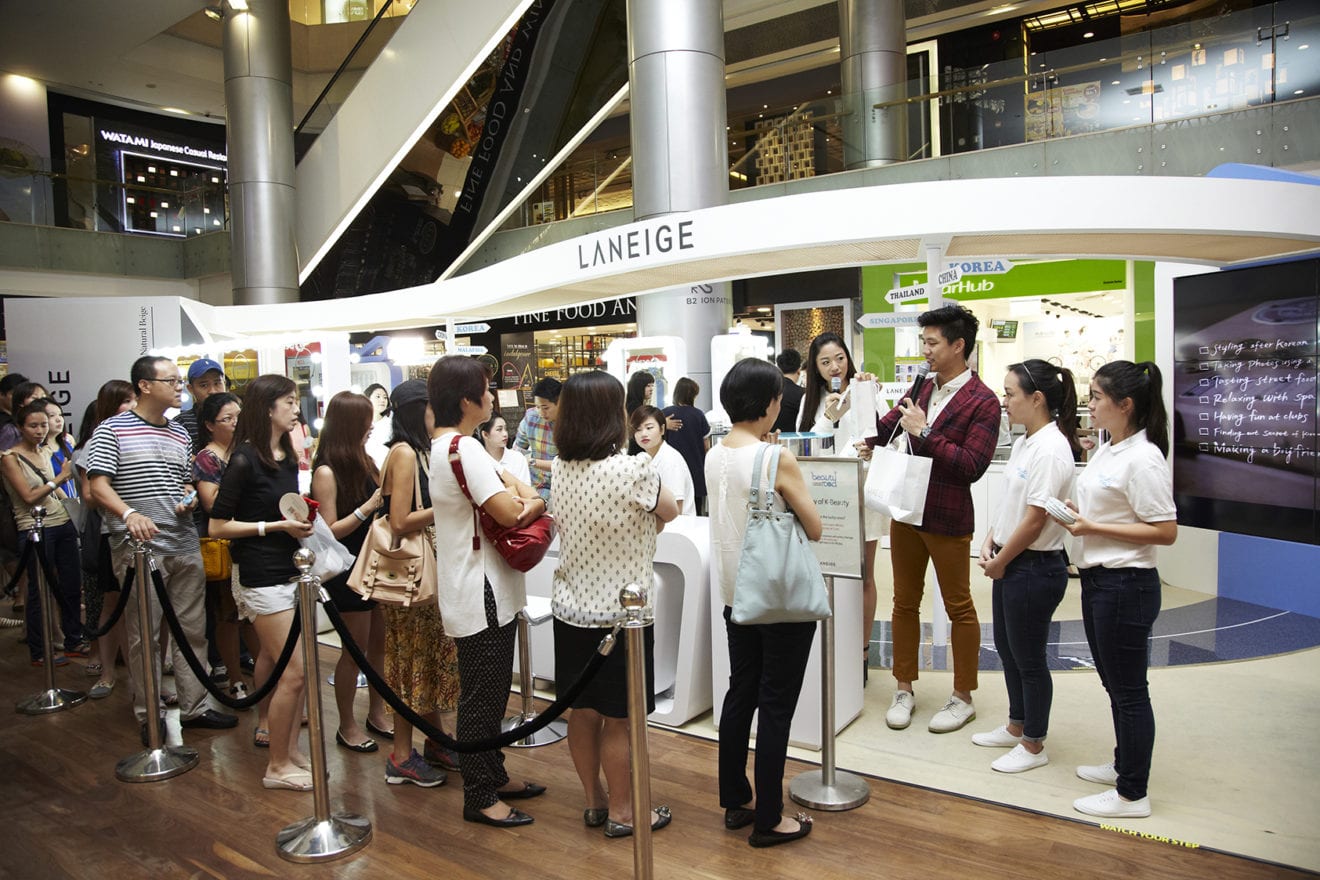
    South Korean skincare brand Laneige has opened a new concept store in Ion Orchard, Singapore.

    Not only does the outlet have a new look, but it features exclusive products. It is the ninth Laneige store for Singapore, the first opening in 2012.

    Exclusive to the store is the Laneige G5 product range, comprising seven variations of Water Science Mist, various types of sleeping balls that serve as a mask for different parts of the body, and lip cards in 20 different shades. The range is exclusive to G5 concept boutiques, and as the new store is the first and only boutique so far, it is the only shop in the world selling it.

    As Laneige’s flagship outlet, the store’s design is different from its other shops. The “water meets light” design concept infuses elements of water, light, and blue and pink colours.

    Laneige brand GM Doreen Chia says the design is “edgy, sophisticated, modern and sparkling” in line with the brand’s beauty concept and vision. Laneige is known for its emphasis on the power of water for revitalising and nourishing the skin.

    There are several zones in the store – one for top-selling items, another for signature products (such as its Water Bank range), Homme for men another for make-up. A feature is a consultation room where beauty advisors can analyse a customer’s skin condition and advise on appropriate products.

    Laneige has stores throughout Asia – in Brunei, China, Hong Kong, Indonesia, Malaysia, Taiwan, Thailand, The Philippines and Vietnam – as well as Canada, New Zealand and the US.

  • Seoul retail rents fuelled by food frenzy

    Seoul retail rents fuelled by food frenzy

    In the backstreets of Seoul, hipster culture is flourishing, and specialist cafés and eateries are jostling with big brand names to gain exposure in so-called “hot” neighborhoods. And as the crowds grow, so too do the retail rents.

    Just 10 years ago, Seoul wouldn’t have been the first city that came to mind as hip. As its economy picked up, a new class of Korean consumer has emerged and many are well travelled, knowledgeable and have discerning tastes, reports JLL Retail Views.

    Nick Kim, head of retail advisory & marketing in JLL’s Seoul offices, attributes the popularity of backstreet food and beverage (F&B) outlets to the fact that locals are always looking for “new, trendy, different places”.

    “They enjoy the blending of Korean and international cultures,” he says, and find cultural innovation on the backstreets, where prices are cheaper and the atmosphere is more casual.

    The rapid rise of artisan eateries and stylish bakeries in these alleyways was aided by the gentrification of districts such as Hongdae and Itaewon – formally avoided because of their association with crimes and drunkenness. F&B entrepreneurs typically set up shop on the back streets for good reason: real estate is far cheaper in the alleys than on the main roads.

    The pull of South Korean cool

    Thanks to promotional efforts by the government and the huge international success of South Korean pop music and television shows, the country’s cultural exports have gone beyond Kimchi and Psy’s global hit Gangham Style.

    According to Food Industry Asia, ‘Seoul Food’ is enjoying an international renaissance. Korean food tops the list of foods purchased at foreign specialty stores in China, is the most prominent emerging style of restaurant and cuisine in Singapore and is among the most popular cuisines for Australian consumers in 2014. his proliferation of modern Korean culture has led to a surge in the number of visitors to South Korea, from the region, notably from mainland China.

    As retail sales growth averaged about 2 per cent in recent years, a rising number of local fashion brands and F&B outlets have contributed to the steady rise of retail rents in Seoul’s prime submarkets.

    One example is Garosugil, one of Gangnam district’s most renowned enclaves, where rents have almost doubled over the past five years. The high street shops in Myeong-dong, the city’s prime shopping district, command the highest rents in South Korea at $6,244 per square meter per annum. Myeong-dong ranked third in Asia Pacific’s high street rents in the second quarter of this year, behind Hong Kong’s Russell St and Tokyo’s Ginza.

    However, when a backstreet turns into a main street, often following the entry of big brand names or retail chains, some diners move on. This sometimes leads to the creation of other alleyways, which is what happened in Garosugil, once known for its unique eateries. After big names such as H&M and Starbucks moved onto the street, newer, authentic outlets started to spread along many vertical roads nearby, says Kim. This has given Serosugil, a series of small alleyways near Garosugil, a new lease of life.

    In recent years, Seoul’s food culture has not only spilled over from its backstreets to Asia’s retail malls but has also hit the streets of London and New York. Following in the footsteps of K-pop, K-beauty and K-movies, K-food is increasingly gaining prominence in Western markets.

    There are already signs of a growing trend towards Korean fusion restaurants such as the American-Italian-Korean cuisine offered at Piora in New York City’s West Village and Jin Jiu in London. Key to the success of K-food culture overseas is the strong advocacy by the country’s Ministry of Agriculture, Food and Rural Affairs, which has been actively organizing food fairs in Indonesia and Malaysia and has even opened Korean culinary classes in universities in Vietnam and China.

    So far it’s been a winning strategy – and the appetite for all things Korean is far from sated.

  • Max Brenner Korea launches

    Max Brenner Korea launches

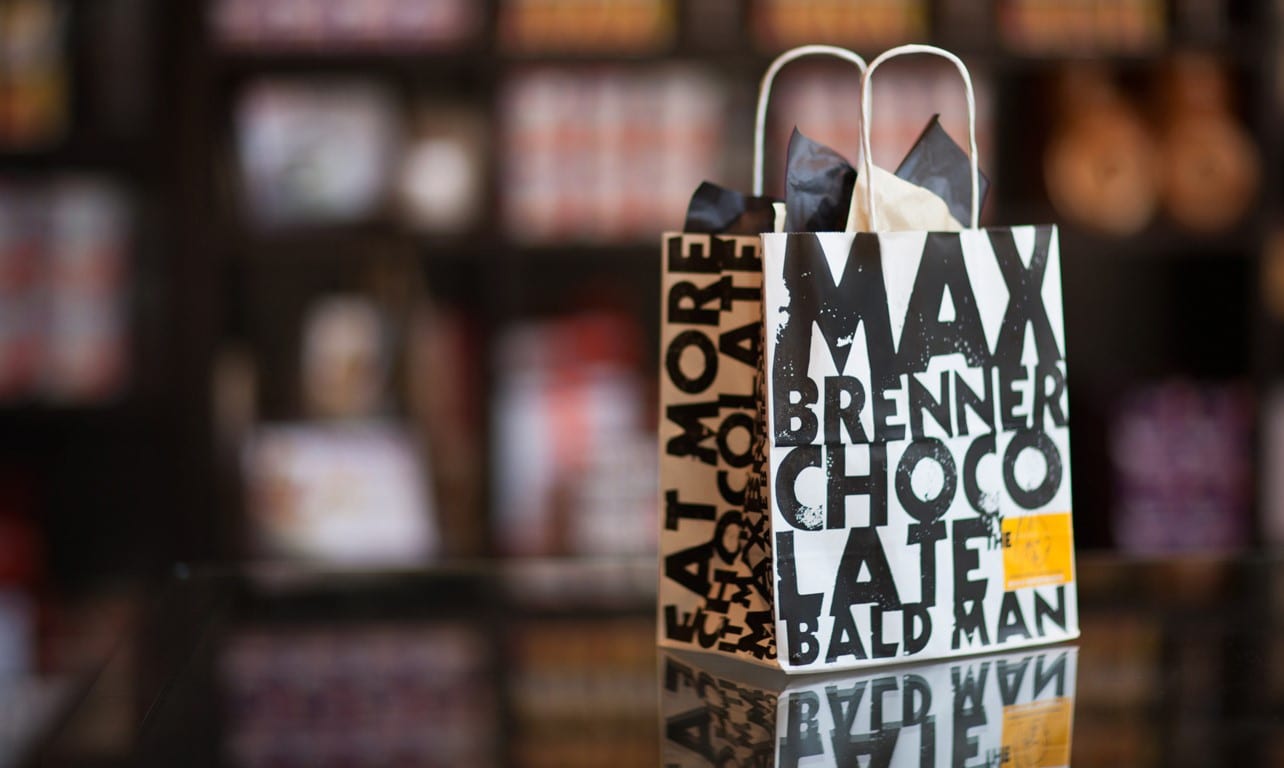
    Max Brenner “the baldy man” has opened its first stores in Japan and Korea as it expands its Asian footprint.

    The first Korean store (pictured) was opened quietly in Seoul in late November.

    In Japan, the brand made its debut in Tokyo’s upmarket Omotesando Hills retail precinct, and followed that with a second outlet which opened just before Christmas at the Skytree shopping complex in Tokyo Solamachi.

    Founded in 1996, the now famous global chocolate brand Max Brenner came from humble beginnings in Israel, as a small shop selling handmade chocolates. Max Fichtman and Oded Brenner combined their names to form the brand, which is now a fully owned subsidiary of the

    Strauss Group, Israel’s second-largest food and beverage company.

    There are now over 40 restaurant and bar stores worldwide, including outlets in Israel, New York, and other locations throughout the US, in Australia, the Philippines and Singapore.

    In line with the catering style of other Max Brenner Chocolate Bars, the Korean and Japanese stores were set up in the fashion of a casual counter-style cafe serving pizzas, waffles, crepes, and fondue.

    Max Brenner’s fun and pop art attitude of serving chocolates, or “chocolate entertainment,” will also be featured in the Tokyo stores, such as in the chocolate-filled giant “syringes,” the cacao

    bean-shaped cup filled with Max Brenner’s trademark hot chocolate known as the Hug Mug, and Chocolate Chunk Pizzas topped with toasted marshmallows and melted chocolate.

    The interior of the Max Brenner Chocolate Bar is fashioned in the image of a chocolate factory, in chocolate shades of dark brown, milk, caramel, and white chocolate.

  • European Stocks Fall on North Korea Bomb Test

    European Stocks Fall on North Korea Bomb Test

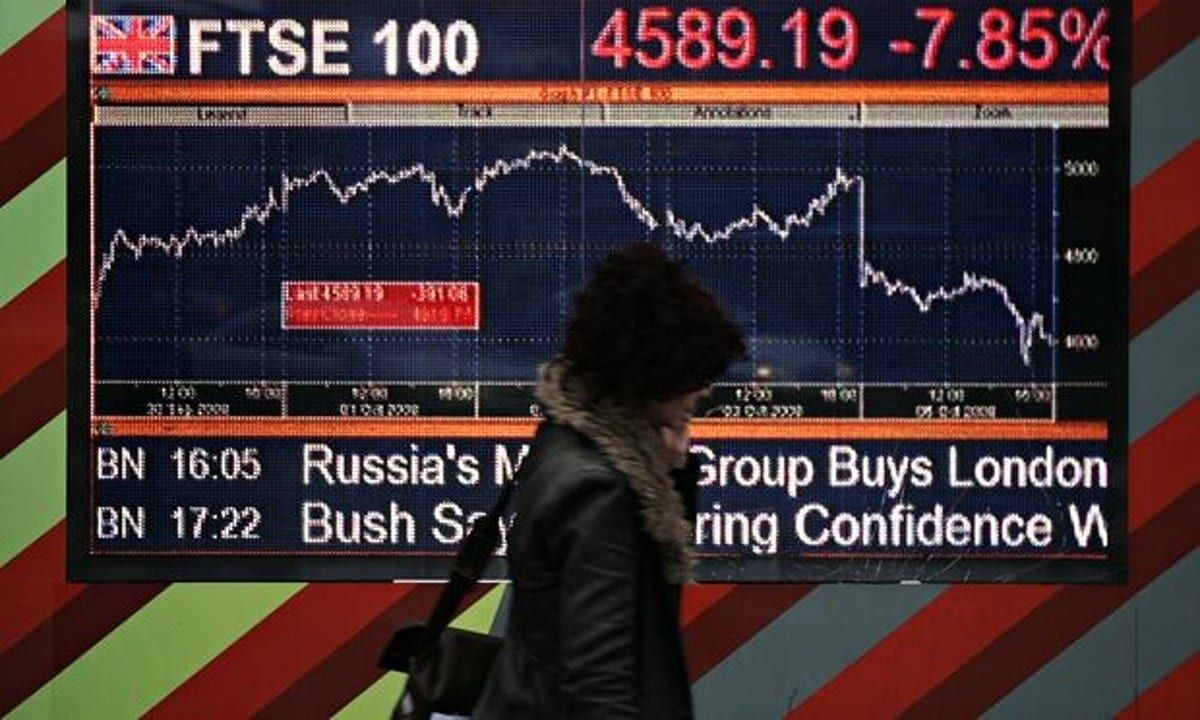
    European shares fell on Wednesday as a self-professed bout of nuclear testing by North Korea and a falling renminbi rattled investors.

    By late morning in London, the FTSE 100 was down 1.33% at 6,055.53. Mining stocks, as leaders BHP Billiton (BHP) and Rio Tinto (RIO) led the benchmark lower.

    In Frankfurt, the DAX was down 1.31% at 10,175.31 and in Paris the CAC 40 was down 1.36% at 4,475.91. Volkswagen (VLKAY)  extended Tuesday’s losses in Frankfurt amid fears of hefty legal costs in the U.S. over emissions-tests rigging.

    After the Chinese central bank set the renminbi reference point at a weaker-than-expected level, the currency fell to a five-year low against the dollar. Meanwhile, North Korea claimed to have tested an underground hydrogen bomb, although some international observers were skeptical.

    Final eurozone purchasing managers’ data from Markit Economics came in better than expected in December, with the composite index, which melds the service sector with factory output, unexpectedly rising to 54.3, taking it further above the 50 threshold which separates economic expansion from contraction. Initial December data had pointed to a reading of 54.0. However, weak European Union producer price data for November later took the sheen off those Markit figures.

    Construction and engineering company Costain was up almost 2% in London after it reported record orders worth £3.9 billion ($5.7 billion) in 2015, including £2.8 billion-worth of revenue that Costain will accrue in 2017 and beyond. It will release its full 2015 results on March 2.

    Retailer Topps Tiles was up about 1.3% after reporting same-store sales growth of 4.4% in its first quarter.

    Another retailer, Card Factory, was up 1.8% as it announced that Christmas trading had met its expectations. It said CEO Richard Hayes would retire and be replaced by Karen Hubbard, the chief operating officer of discounter B&M European Value Retail.

    Insurer NN (NNGPF) was up almost 3% at €32.10 in Amsterdam after ING cut its stake to 16.2% from 25.8%. ING sold the shares at €31 in an accelerated book build, raising €1 billion ($1.1 billion). NN itself bought 8 million of the 33 million shares on offer.

    Many Asian indices fell as the renminbi and emerging-market currencies retreated.

    In Seoul, stocks were mixed, with the main index closing up 0.47% at 687.27 after the North Korea H-bomb claim. But Chinese stocks recovered after a state media outlet reported that Chinese securities regulators would extend a six-month ban on share selling by major investors until permanent rules were put in place. The ban would otherwise have expired on Friday. The Shanghai Composite closed up 2.25% at 3,361.84 and the Shenzhen Component index gained 2.24% to close at 11,724.88.

    In Hong Kong, the Hang Seng closed down 0.98% at 20,980.81.

    Shares of New World China Land closed up almost 21% in Hong Kong at HK$7.49 per share after majority shareholder New World Development offered HK$7.80 per share to take the company private after a previous attempt failed to garner sufficient shareholder approval in June 2014. The new offer values the stock at HK$67.8 billion ($8.7 billion).

    In Tokyo, the Nikkei 225 closed down 0.99% at 18,191.32 and the Topix fell 1.05% to close at 1,488.84.

    In Sydney, the S&P/ASX 200 closed down 1.18% at 5,123.13.

  • Korean tobacco group fights ‘duty free threat’

    Korean tobacco group fights ‘duty free threat’

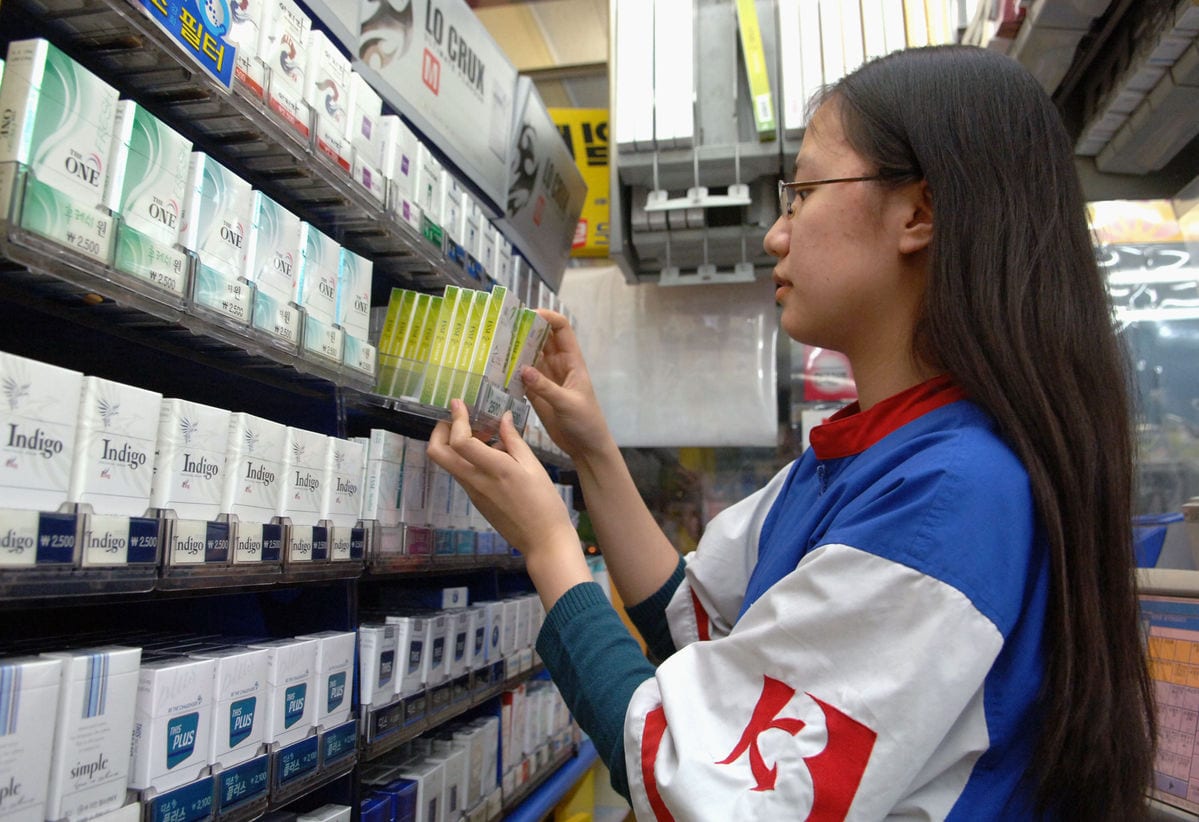
    Several media organisations in South Korea and beyond have reported criticism from the 100,000-strong ‘I Love Smoking’ online pro-smoking group towards ‘alleged’ plans by the South Korean government to halt sales of duty free cigarettes at Jeju International Airport’s shops.

    The pro-smoking group has told local media that if duty free cigarettes at Jeju are banned, the government believes these sales will simply migrate to the domestic market, where all cigarettes and tobacco products are subject to normal taxation.

    Customers are currently allowed to buy and import one duty free carton of 200 cigarettes, saving around 60% of the comparative domestic market retail price.

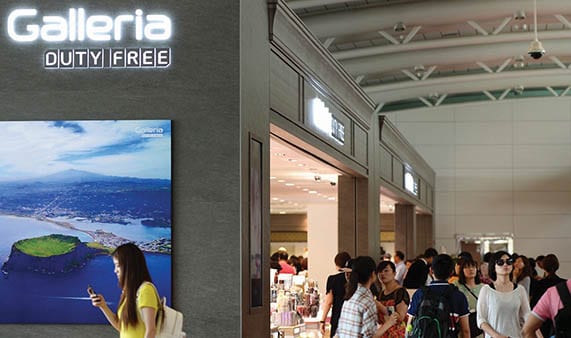
    Hanwha Galleria Timeworld trading as Galleria Duty Free

    At the same time, the I Love Smoking group in South Korea has suggested that if the Finance Ministry does have a public health agenda on this issue then it may have to ban duty free cigarettes altogether in South Korea – a move that would certainly prove hugely unpopular with many Korean and overseas customers, as well as duty free retailers and suppliers.

    Any such ban, local or otherwise, would also be certain to trigger contract renegotiations between affected retailers and airport landlords.

    Jeju International Airport is the biggest airport within the Korean Airports Corporation (KAC) portfolio. Hanwha Galleria Timeworld operates the 410sq m mixed category duty free store, having taken this over from Lotte Duty Free in mid-2014.

    Currently, around 95% of the Jeju duty free shop’s customers are Chinese, compared to an average for all South Korean duty free shops at about 60%, with tobacco sales four times bigger than liquor. Chinese cigarettes also dominate, accounting for more than 80% of all the store’s tobacco sales.

  • Samsung Pay is coming to Singapore

    Samsung Pay is coming to Singapore

    South Korean technology giant Samsung Electronics is expanding its mobile payments service to three additional countries, including Singapore.

    The Korean company made the announcement during its press conference at the Consumer Electronics Show on Tuesday, held ahead of the show’s official opening. Samsung Pay allows consumers to pay at retail locations using their smartphones.

    It also confirmed the news in a Twitter update. “I am happy to announce we’re adding Australia, Singapore, and Brazil to the Samsung Pay roadmap,” said Samsung Electronics America President and COO Tim Baxter. No official date was announced for the three launches.

    The service launched last year in South Korea and the United States, with plans to enter other markets, including China, Spain and Britain.

    Samsung hopes the payments service will set its phones apart from competing devices, helping to protect market share against rivals such as Apple and Huawei Technologies and compel users to pay a bit more for the convenience. Apple announced in October last year its competing Apple Pay service was also coming to Singapore this year.

    Samsung has reported a strong response to Samsung Pay in its home country and the US, though the service does not generate revenue on its own for Samsung. An early advantage for Samsung Pay is its compatibility with magnetic stripe card readers already in wide use among retailers. In comparison, Apple Pay requires retailers to install new equipment supporting near-field communication technology.

  • Korean Customs to issue more duty free licenses?

    Korean Customs to issue more duty free licenses?

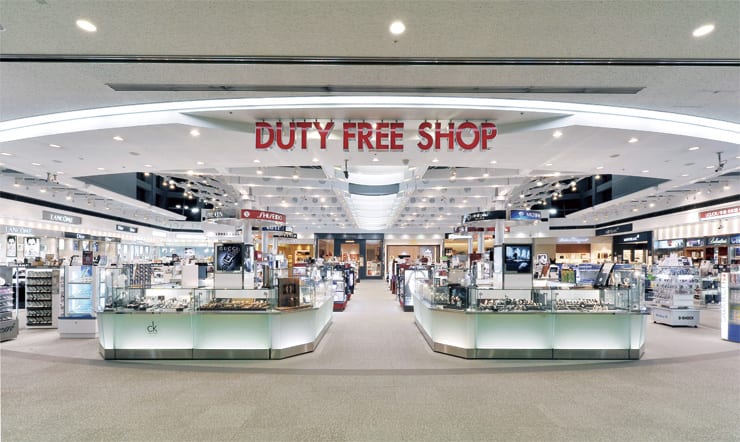
    Park Geun-Hye’s South Korean government has commissioned a formal review of the domestic duty free industry, its impact on tourism and what it perceives as the dominance of Lotte Duty Free and Shilla Duty Free in the sector.

    A private consulting firm has been commissioned to undertake the review, which is expected to forward its findings to government before releasing the results into the public domain.

    We understand that Korea Customs Service officials have informally told duty free industry executives that new Seoul downtown duty free shop licenses could be issued in 2016 – and possibly other key locations – as part of government efforts to reduce Lotte’s and Shilla’s present duty free industry dominance.

    “The government is researching the duty free environment and will announce the results including whether new downtown licenses will be issued and where, and the number of new licenses,” commented a reliable duty free industry source in Seoul.

    “The government has asked a private consulting company to research the duty free market here to boost tourism and reduce the present duty free market duopoly. The government is looking at a different solution to taking away existing licenses; instead they are planning to have more licenses. We hope there will be a positive result from the government’s announcement.”

    Although no decision has been made so far, Korea Customs Service officials are understood to have told duty free industry executives that new downtown licenses may be issued this year. Seoul, the South Korean capital, and Busan are the most likely locations for new downtown shop licenses, along with Jeju Island.

    ‘RUMOURS’ OF MORE LICENSES…

    “KCS is leaking rumours that there will be new duty free licenses around March 2016. There is still a debate in our National Assembly about diluting existing duty free retail monopolies by giving new licenses,” said the source.

    “KCS is thinking to issue more duty free licenses for Seoul and Busan. Tourism in Busan is growing, but not like Seoul. Lotte’s grip already is weaker as they have lost their Lotte World Tower license; also, Shinsegae Duty Free is coming into central Seoul with their new Namdaemun super store, which will take a significant part of Lotte’s Sogong shop’s sales.”

    News of the government’s duty free industry review comes as speculation continues to grow over the future use of Seoul’s Lotte World Tower duty free store and the Walkerhill downtown duty free shop, after both retailers recently lost licenses to successful rival bids from Shinsegae Duty Free and Doosan Duty Free.

    Under KCS regulations, losing duty free license holders may continue to operate their shops for a grace period of six months after license expirations to allow them to sell off stock, find new employment for staff and wind up their businesses.

    Both the Lotte World Tower and Walkerhill downtown stores are continuing to trade while their owners decide future arrangements for their outlets.

    PRESIDENT PARK GEUN-HYE SAID TO BE ‘CONCERNED’

    South Korean President Park Geun-Hye (top right) has only recently voiced concern about the large financial losses that both Lotte and Walkerhill face under KCS’s new non-renewable license arrangements, after investing in multi-million dollar new duty free facilities, only to lose their licenses soon afterwards.

    “There is a rumour that Lotte will try to pass its Lotte COEX duty free shop license in Seoul to Lotte World Tower duty free shop,” the source said. In the Lotte World Tower shopping complex there are already duty paid Louis Vuitton, Chanel and other luxury brand boutiques.

    “Without its Lotte World Tower duty free license there is no reason for Lotte to keep its former duty free boutiques there as well and have double stores in one location. Lotte will have to destroy all its investment in these duty free boutiques. The government does not want to see this happen, so it is thinking of different options.”

    Other possibilities apart from Lotte being permitted to transfer its COEX downtown duty free store license are that it could win a new license if KCS issues a new series in Seoul this year. Alternatively, another company winning a new duty free license might be permitted to operate the Lotte World Tower outlet, though it is unlikely that Lotte would agree to this.

    WALKERHILL RECONFIRMS IT IS LEAVING THE BUSINESS

    While Lotte continues to search for a solution, the SK Group parent of Walkerhill Duty Free has reconfirmed that it is to leave the duty free industry altogether and it will not seek a new duty free license in future.

    The Walkerhill duty free store actually represents only a very small share of the SK Group’s total revenue compared with its major business activities, that include telecommunications, transportation, oil refining and other energy-related interests.

    SK recently invested more than US$30m in upgrading and expanding its Walkerhill duty free store which forms part of the Walkerhill hotel and entertainment complex in eastern Seoul. The retailer’s options now include converting the duty free store back to hotel use, or leasing the shop to another retailer.

    Paradise Casino, which operates the Walkerhill complex casino, is understood to be disappointed at the loss of the duty free license as many high spending Chinese visitors to the duty free store visited the casino after shopping.

    In fact, the Walkerhill duty free shop and casino rely upon each other to attract customers, as many visitors to Paradise Casino also visit the ajoining duty free shop, which has built a strong reputation for its wide range of high-priced watches, along with other luxury goods.
  • Amazon opens web services in Korea

    Amazon opens web services in Korea

    Amazon Web Services has reported the opening of its twelfth geographic locale in Korea bringing the number of accessibility zones to 32. There are two new accessibility zones accessible in Seoul giving Korean clients the power alternative that they have been asking for quite a while.  The new zones bolsters Amazon EC2 , T2, M4, C4, I2, D2, and R3 occurrences . Other services incorporate Amazon Elastic Block Store (EBS), Amazon Virtual Private Cloud, Auto Scaling, and Elastic Load Balancing. A full posting is accessible in a site by Jeff Barr, Chief Evangelist at Amazon Web Services.

    The service is accessible now and developers can get to the zone details from https://aws.amazon.com. Itemized data relating to the zones was not made accessible but rather every zone comprises of one or more server farms. For Korean clients these will convey low dormancy arrangements anyplace in Korea, conveying under 10 millisecond service the nation over, something that was not accessible before to Amazon clients.

    The Act on the Development of Cloud Computing and Protection of Users (Korean Cloud Act) came into action on 28th September 2015 and was the first Cloud processing law to be passed in the world. With two zones accessible, adaptation to internal failure and failover between the two zones inside of the single national fringe is additionally ensured. The accessibility zones have been produced to be profoundly adaptable so that if request develops AWS will have the capacity to meet it.

    Andy Jassy, Senior Vice President, Amazon Web Services remarked: “Customers continue to choose AWS as their infrastructure technology platform because we have a lot more functionality than any other cloud provider, a significantly larger partner and customer ecosystem built around AWS, and unmatched maturity, security, and performance.”

  • Koreans Embrace Mobile Shopping

    Koreans Embrace Mobile Shopping

    The total value of purchases made through mobile phones hit a record in November 2015.

    According data from Statistics Korea on Monday, the amount of mobile transactions surged 52.3 percent on year to W2.44 trillion (US$1=W1,190).

    That is almost half of the total online purchases in November, which also hit a record of W4.97 trillion, up 19.5 percent compared to the same month of 2014.

    Online purchases accounted for 15.4 percent of total retail sales.

    By product, purchases of office supplies and stationery surged 132.7 percent and 138 percent, respectively, perhaps ironically using new-generation technology to pay for the products it is gradually replacing.

    Sales of cosmetics and groceries also surged 38.2 percent and 35.4 percent.

    By retail sector, sales at convenience stores rose 33.8 percent compared to the average 4.2-percent rise in overall retail sales, while sales at supermarkets and department stores more or less stagnated.