Retail News CRM

Tag: Korea

  • Moody’s continues to review for downgrade ratings of Standard Chartered Bank Korea

    Moody’s continues to review for downgrade ratings of Standard Chartered Bank Korea

    Moody’s expects to conclude the review in March 2016, after incorporating SCB’s efforts to turn around SCBK’s performance, as well as the detailed results of SCBK’s parent, Standard Chartered Bank’s (SCB, FC deposits Aa2 rating under review for downgrade, BCA a2 rating under review for downgrade) performance for 2015.

    These results will be available in late February.

    Moody’s had originally placed the long-term ratings of SCBK on review on 9 November 2015. Please refer to “Moody’s reviews for downgrade Standard Chartered Bank Korea’s ratings” published on 9 November 2015.

    Moody’s notes that SCB is restructuring its poorly performing Korean retail and commercial banking businesses, introducing some uncertainty as to the future of SCBK’s operations.

    The ratings review of SCBK will consider whether: (1) these initiatives have the potential to change SCBK’s stand-alone credit profile, as expressed by its BCA; and/or (2) to change the strategic importance of SCBK to SCB and therefore potentially to affect the strength of support from SCB.

    The following ratings are on review for downgrade:

    – Local- and foreign-currency long-term deposit ratings of A1

    – Foreign currency senior unsecured MTN rating of (P)A1

    – Local- and foreign-currency short-term deposit ratings of P-1

    – Foreign currency commercial paper and other short-term ratings of P-1/(P)P-1

    – Long-term and short-term counterparty risk assessment of A1(cr) and P-1(cr)

    – BCA of baa2, and adjusted BCA of a3

    The principal methodology used in these ratings/analysis was Banks published in January 2016. Please see the Ratings Methodologies page on www.moodys.com for a copy of this methodology.

    SCBK is headquartered in Seoul, with total assets of KRW61.7 trillion or USD54 billion as of June 2015.

  • South Korea’s discount store sales fall at fastest pace in 4 mths

    South Korea’s discount store sales fall at fastest pace in 4 mths

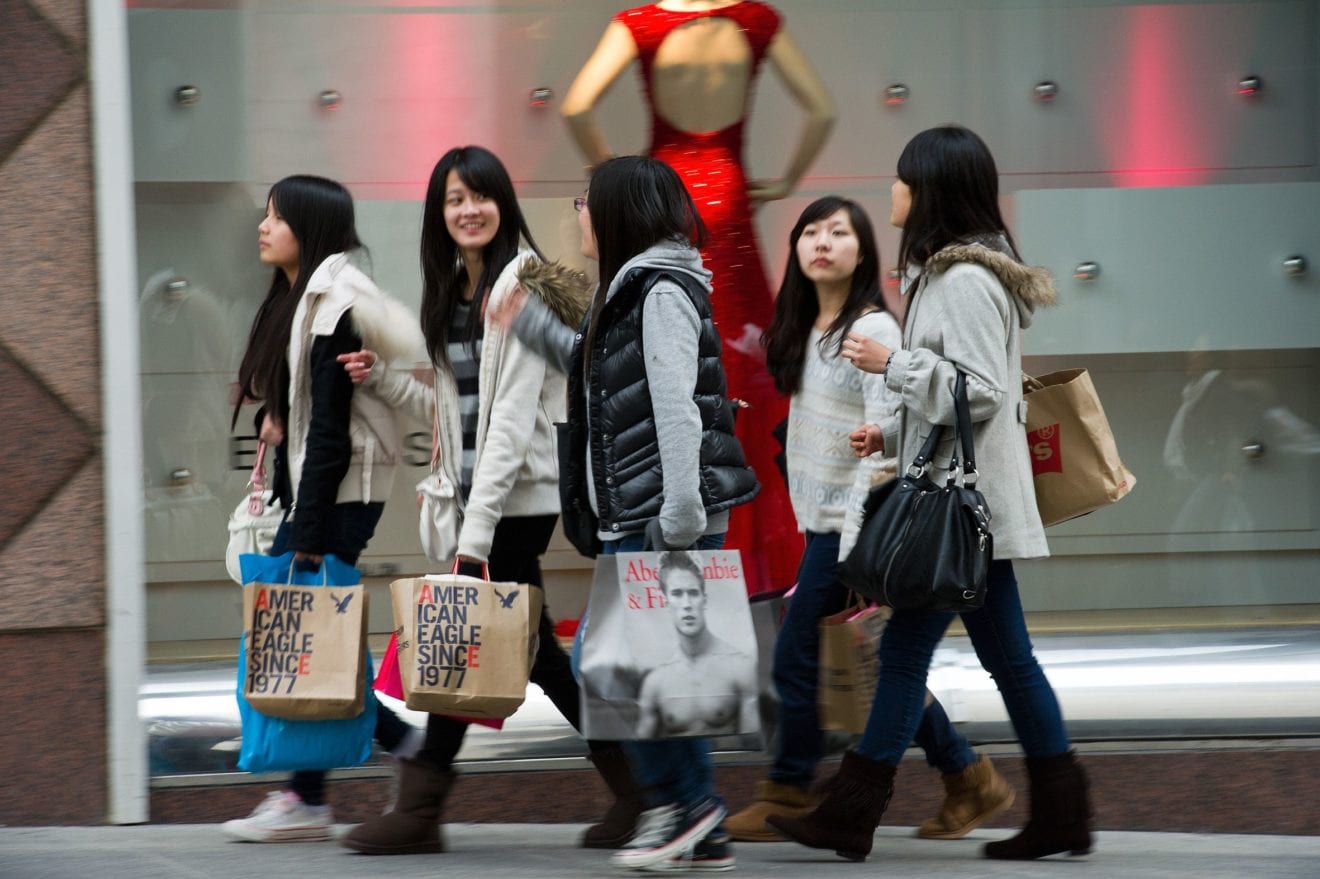
    Sales at South Korea’s top department stores snapped three months of rises in December and marked their biggest annual fall in four months due to warmer weather compared with the previous year, government figures showed on Wednesday.

    Combined sales at department stores run by Hyundai Department Store, Lotte Shopping and Shinsegae Co fell 5.7 percent on-year, finalised data from the Ministry of Trade, Industry and Energy showed on Tuesday.

    This compared with a rise of 1.0 percent in November and was worse than a 3.8 percent decline estimated by the finance ministry. December’s drop was the biggest since a 6.5 percent fall in August last year.

    Warmer weather resulted in poor apparel sales as customers bought less winter clothes, the trade ministry said. High-end watches, jewellery and household electronics sales capped the decline.

    The average temperature in Seoul was 1.6 degrees Celsius (34.88°F) in December, compared to an average negative 2.9 degrees a year prior. The same data showed annual sales at South Korea’s major discount stores fell 5.1 percent in December in their third straight month of declines and the biggest fall since August.

    It was worse than a 2.1 percent fall estimated previously.

    Discount store sales also suffered from warm weather as well as softened demand for food products, the trade ministry said. On a whole for 2015, sales at department stores and discount stores fell 1.2 percent and 2.1 percent, respectively, mainly due to an outbreak of a deadly virus in the middle of the year and surging online shopping, according to the ministry.

    The trade ministry data came a day after fourth-quarter GDP slowed by more than half from the third quarter of 2015, as growth from private consumption was offset by poor construction investment.


  • Korea to release online price index

    Korea to release online price index

    South Korea plans to unveil a new index tracing online retail prices this year by using big data from private sector to reflect actual economic sentiment, according to Statistics Korea on Tuesday.

    The state-run agency plans to release an online price index that will complement the consumer price index by the end of this year, the agency reported in its 2016 plan to President Park Geun-hye.

    To develop the new indicator, Statistics Korea is currently collecting price data from six major online shopping malls and discount store chains — E-Mart, Homeplus, Lotte Mart, Lotte Supermarket, 11st and Interpark.

    “The online price index will be calculated based on the prices of a sample of representative items being sold online,” an official at the agency said.

    He added that the index will show the average price change on a daily basis unlike the consumer price index which shows monthly data.


  • Korea’s Hotping fashion mall goes global

    Korea’s Hotping fashion mall goes global

    Korean women’s clothing mall Hotping entered the global market just six months ago – and already cross-border sales account for 10 per cent of its turnover.

    Monthly sales to customers outside Korea have now surpassed the 100 million won (US$84,000) mark.

    “We believed that winning new markets quickly would secure future competitiveness after we started up in 2014 and we launched the English, Chinese, and Japanese versions of our online mall through the global eCommerce platform of cafe24,” explained CEO Kim Yeo-jin.

    “We received orders from international customers even when we had the Korean site only, which also quickened our entry into the global market.”

    Established in 2014, Hotping is a Korean women’s clothing specialty mall that carries trendy products popular in the world of fashion. Like its name suggests, Hotping is a ‘portmanteau’ word mixing hot trend and lovely pink. Another notable characteristic is that Hotping satisfies customers of various body types since it carries sizes from 44 (equivalent to XS in the US) to 105 (equivalent to XXL) for most of its products.

    As a result of the company’s continued sponsorship of the wardrobes used by Korean costume dramas, Hotping has been enjoying great brand awareness, particularly in countries swept by the Hallyu, or ‘Korean Wave’, notably the US, China, and Japan. In addition, as it carries a number of elegant and exclusive clothing lines, news anchors have also been inquiring about sponsorship.

    Hotping is also winning immense popularity with its line of highly elastic Magic Pants, whcih are proving popular globally thanks to a fun marketing campaign that sees dancers posing in a number of positions that highlight their extreme elasticity.

    Kim adds: “We will continue to make efforts to win new markets and will also continue offering beautiful clothes to our customers at reasonable prices like we do now.”

  • Lotte World Tower wins awards in challenging times

    Lotte World Tower wins awards in challenging times

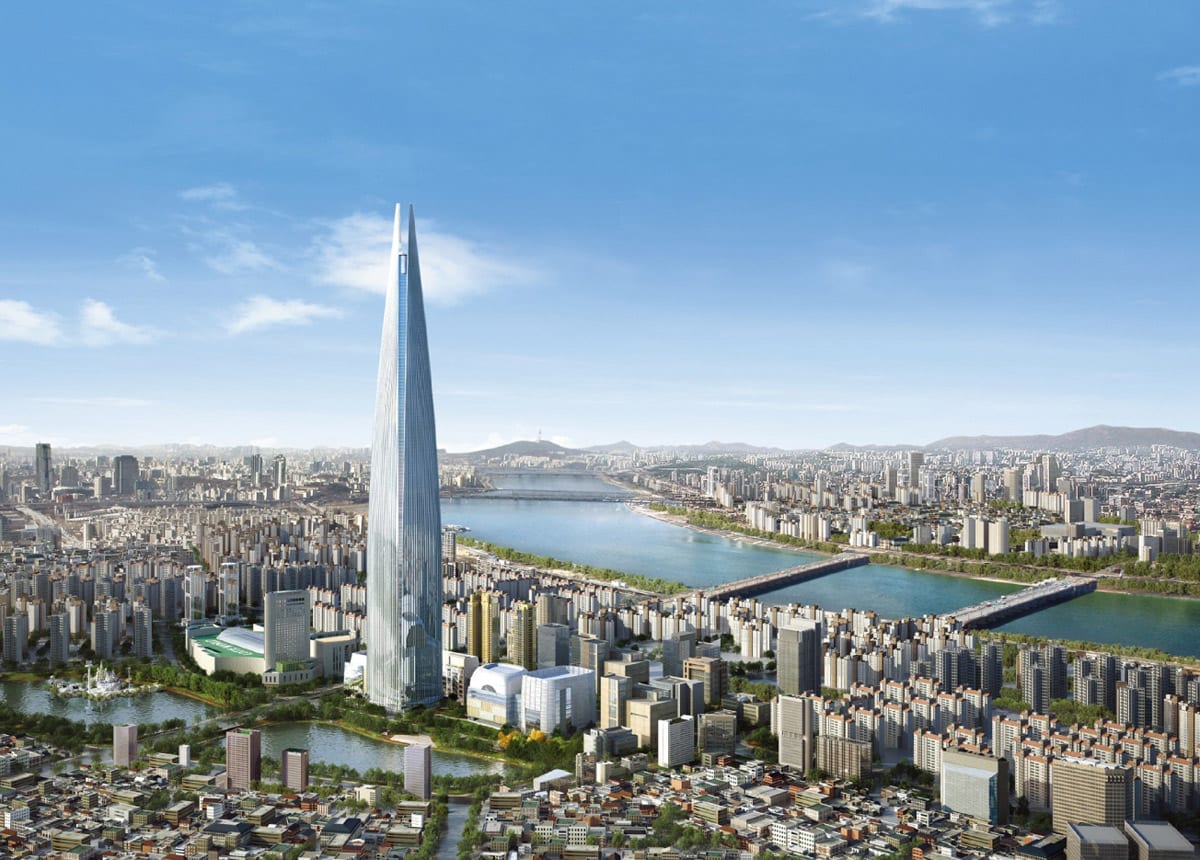
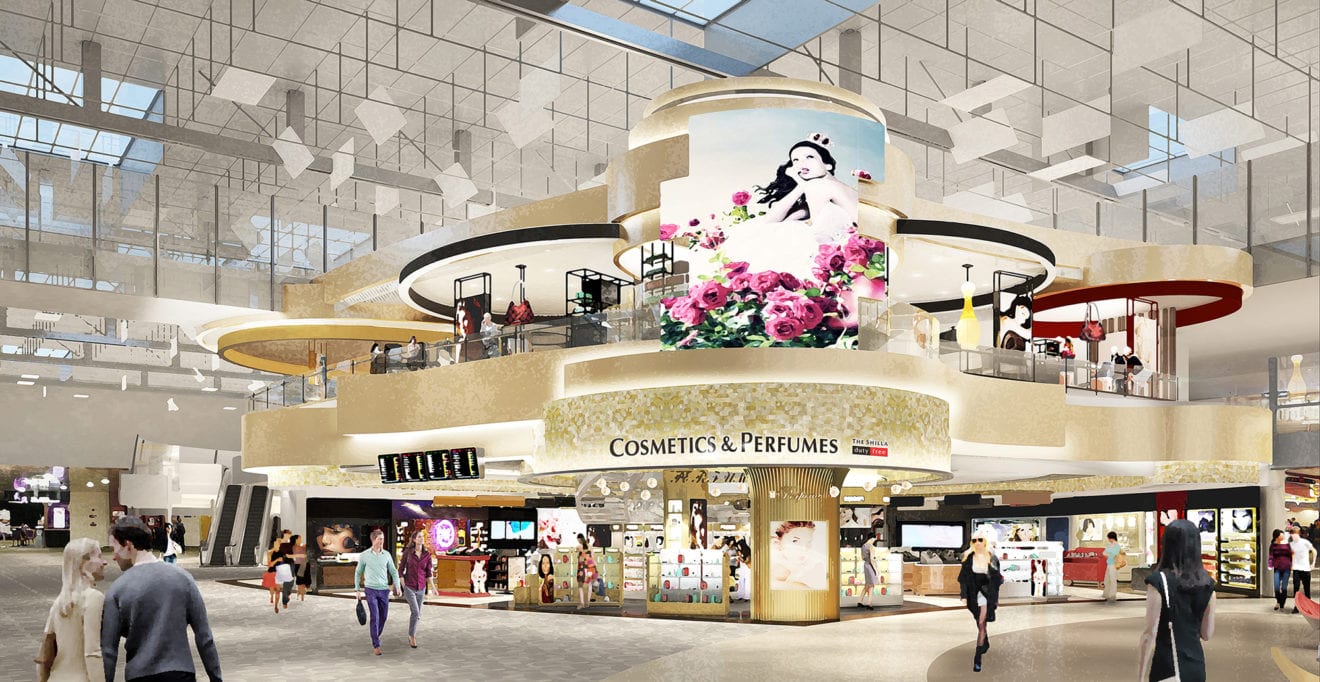
    Lotte Duty Free’s $3bn 555m World Tower duty free store in Seoul has won three globally recognised and prestigious design awards for the first time in the Korean duty free business.

    Besides winning the ‘2015 Good Design Awards’ in the Environments category, the retailer also swept the board with three world-class prestigious design awards in the USA.

    Sun-wook Jang, President of Lotte Duty Free said: “Lotte Duty Free World Tower has contributed a lot in promoting the new duty free shopping environment. I’m so glad that we won the prestigious global design awards for the first time as a Korean duty free shop.”

    The retailer says it is the first duty free shop in Korea to win the Good Designs Awards prize, although it should be said that celebrations related to this high recognition are doubtless a little less than normal, considering Lotte actually lost its duty free licence back in November of last year.

    [Lotte Duty Free] Interior of the Worldtower store (3)

    [Lotte Duty Free] Interior of the Worldtower store (2)

    Lotte Duty Free opened its $3bn World Tower branch in the southern Seoul Chamshil area of Gangnam on October 16, 2015

    The duty free industry in Seoul was shocked at the time, although we understands that Lotte has since been investigating whether it will be possible to transfer one of its other Seoul duty free retail licences to the World Tower 11,000sq m operation to maintain its ‘downtown duty free’ status which it still holds at this time.

    But this aside, few could argue that the building itself is not a huge achievement and this has been recognised with these latest awards. South Korea’s largest duty free retailer says that the interior design was optimised for shopping right from the very beginning, with high ceilings to allow brands to express offers and cultures.

    In addition, the retailer has installed ‘world-class’ LED screens to support the environmental design in harmony with the digital era.

    In a statement, the retailer said: “The Media Wall (large LED screens), the Column (cylindrical LED screens surrounding the columns) and the Cylinder (LED screens hanging on the ceiling) make the place new and trendy.

    [Lotte Duty Free] Interior of the Worldtower store (1)

    [Lotte Duty Free] Interior of the Worldtower store (4)

    Within the store, chiffon and indirect lighting has been used to create an effect of ‘the sun shining through white clouds’. Other features include a large number of HD TV screens located around the store, providing details of products and special promotions. At the opening these featured exclusive promotional advertisements featuring the top model Su Hyun Kim.

    “The company has invested more than three thousand million Won ($2.4m) for installation [and] six hundred million Won ($498,174) for the initial stage of content development, which needs a steady investment.”

    Lotte adds that the three LED installations are integrated throughout the shop space, with the video content alternating throughout the day to offer entertainment, local heritage and natural environmental content.

    The company concluded: “The distinct shopping experience of [the] Lotte Duty Free World Tower store which presents the new cultural experience beyond shopping has been highly valued in terms of design by the awards.

    “Besides, the company has won the Bronze prize of HUB Prize (USA) in [the] Brand Experience category and [the] Merit award of Graphis Competition (USA) in Innovative Environment category.”

  • Korea’s Samsung and LG TV Prices Are 2~3 times Expensive than Those of USA’s

    Korea’s Samsung and LG TV Prices Are 2~3 times Expensive than Those of USA’s

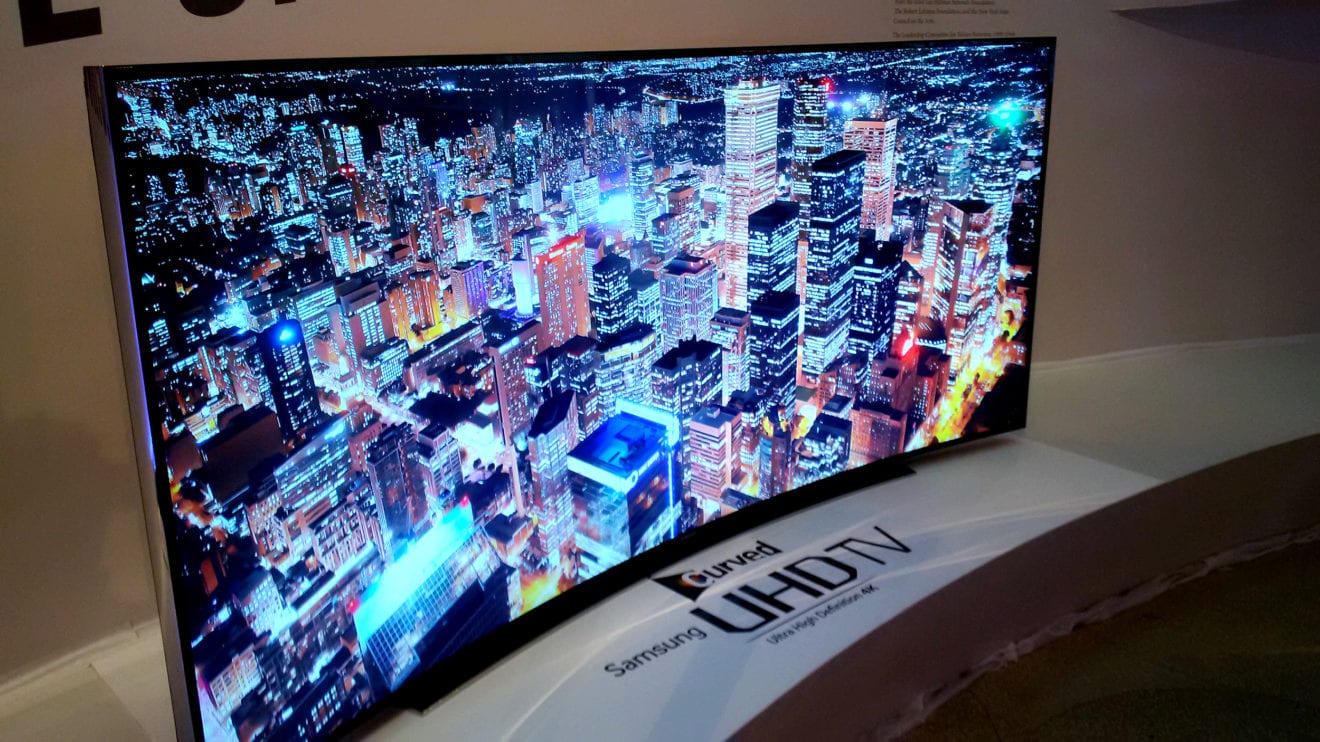
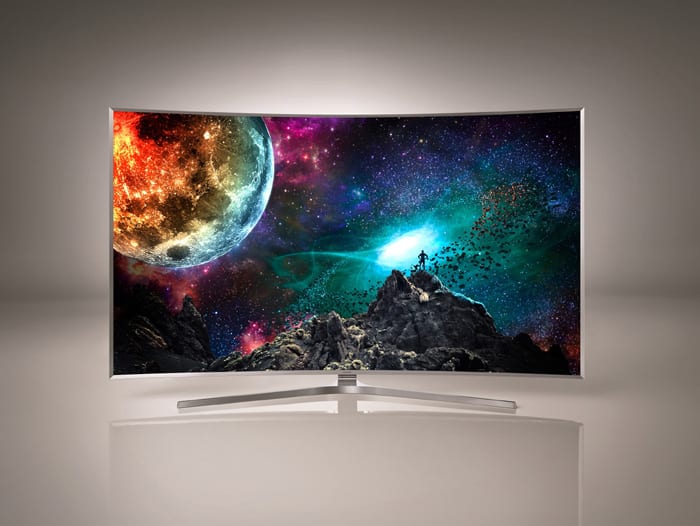
    During the Black Friday event in the United States in November 2015, Samsung Electronics’ 55-inch SUHD TV was sold at a price of 1.15 million won. This was when it was sold at a price of around 3 million won at retail stores in Korea.

    LG Electronics’ 65-inch UHD TV was sold at a price of around 5 million won in domestic consumer electronics stores, much higher than its U.S. price of 2.43 million won.

    Samsung SUHD_JS9500

    The prices of consumer electronics items are staying high in Korea. The average domestic sales prices of TVs, smartphones, laptop computers, tablet computers, vacuum cleaners, and coffee makers are higher than those of major industrialized countries, including the United States, Germany, and Japan. This is the background behind last year’s 20-percent increase in Koreans’ online purchase of foriegn products.

    Most of Korean home electronics items come equipped with “excessive features.” Unlike major foreign home electronics companies which focus on core functionalities, Korean counterparts are raising the prices of their products by adding a variety of high-end specs.

  • South Korea’s industrial production rebounds

    South Korea’s industrial production rebounds

    South Korea’s industrial production rose 1.2 percent in December from a month earlier, posting the first rebound in three months, a government report showed on Friday.

    The production in all industries declined 1.3 percent in October and 0.4 percent in November each before gaining 1.2 percent in December on a month basis, Xinhua cited Statistics Korea as showing.

    The rebound came on the back of improvement in both production and investment among manufacturers.

    Production in the manufacturing and mining industries grew 1.2 percent in December from the previous month. It was attributable to the resumption of operations in oil refiners and petrochemical companies after the end of the regular maintenance period.

    Output in chemical products increased 4.7 percent, with oil-refining activity expanding 7.3 percent.

    Inventory among manufacturers reduced three percent, and the factory utilisation rate in the manufacturing industry averaged 73.8 percent in December, up one percent from the previous month due to a year-end demand.

    Production among service companies were steady last month due to slump in finance, insurance and wholesale & retail sectors that offset growth in transport and leisure sectors.

    Retail sales, which reflect private consumption, reduced 0.1 percent in December from the previous month, falling for two straight months.

    The private consumption jumped in October thanks to massive promotion events, called Korea Black Friday, and consumption tax cuts for cars, but it turned downward for two months through December.

    Sales of semi-durable goods like clothing tumbled five percent as the average temperature of the winter season was higher than usual despite a temporary cold wave.

    Durable goods sales increased 3.8 percent on demand for cars.

    Facility investment declined 6.1 percent in December on a monthly basis as machinery and transport companies spent less on equipment.

    Construction works completed expanded 7.4 percent as a large number of apartments went on sale and social overhead capital (SOC) was spent much last month.

    For the whole year of 2015, industrial production increased 1.5 percent, up from a 1.3 percent expansion in 2014.

    Production in the manufacturing and mining industries reduced 0.6 percent last year as sluggish exports dragged down the demand for production of ships and electronic devices such as handsets.

    It marked the first reduction in manufacturing production since 2009 when the global financial crisis peaked.

    Manufacturers posted a capacity utilisation rate of 74.2 percent in 2015, down 1.9 percent from a year earlier.

    It was the lowest in 32 years since 1998 when the Asian foreign exchange crisis hit South Korea.

    Production in the service industry grew 2.9 percent in 2015, recording the biggest yearly expansion in four years.

    Retail sales increased 3.4 percent last year, with facility investment growing 6.2 percent.

  • Standard Chartered Korea puts wealth at center of vision

    Standard Chartered Korea puts wealth at center of vision

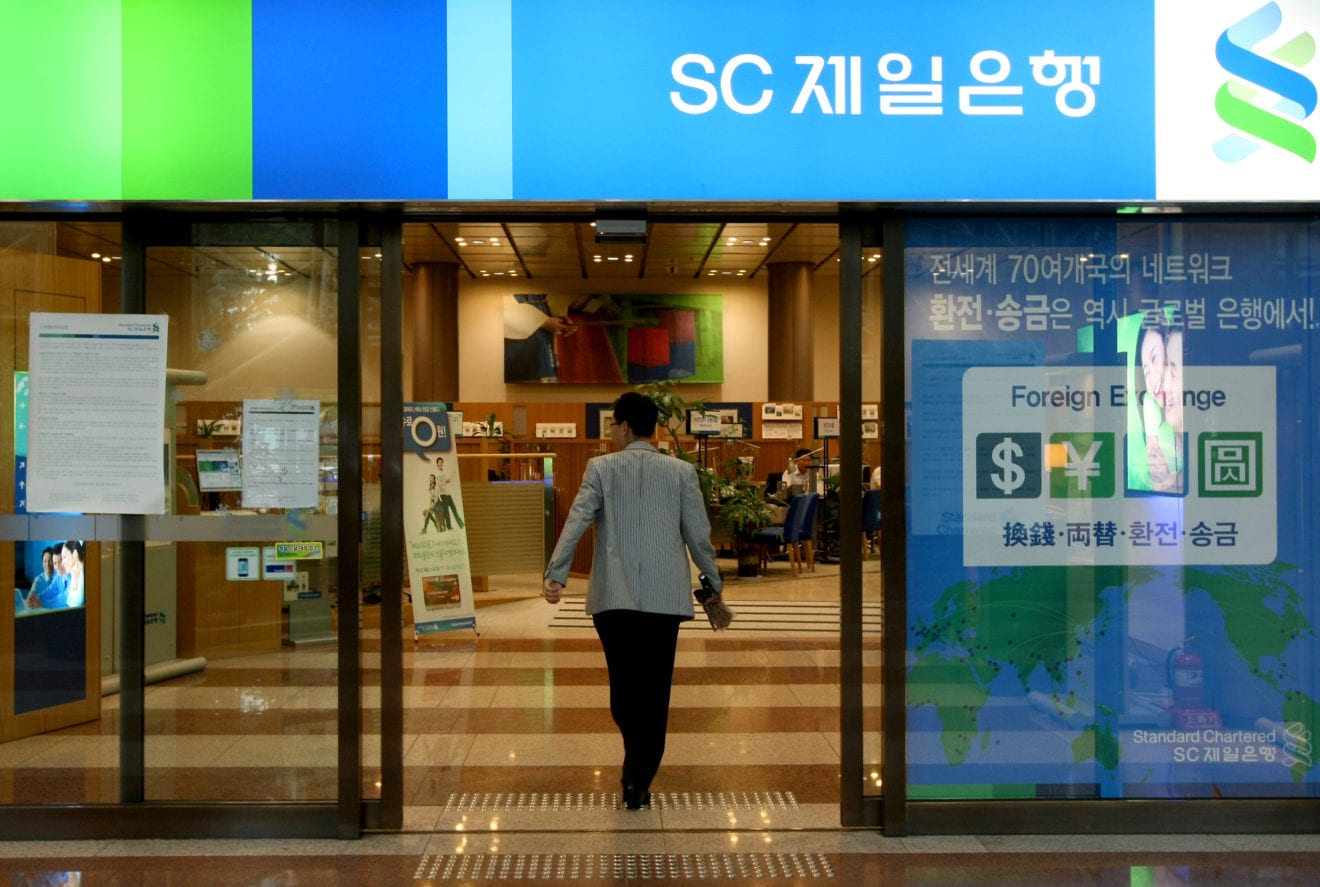
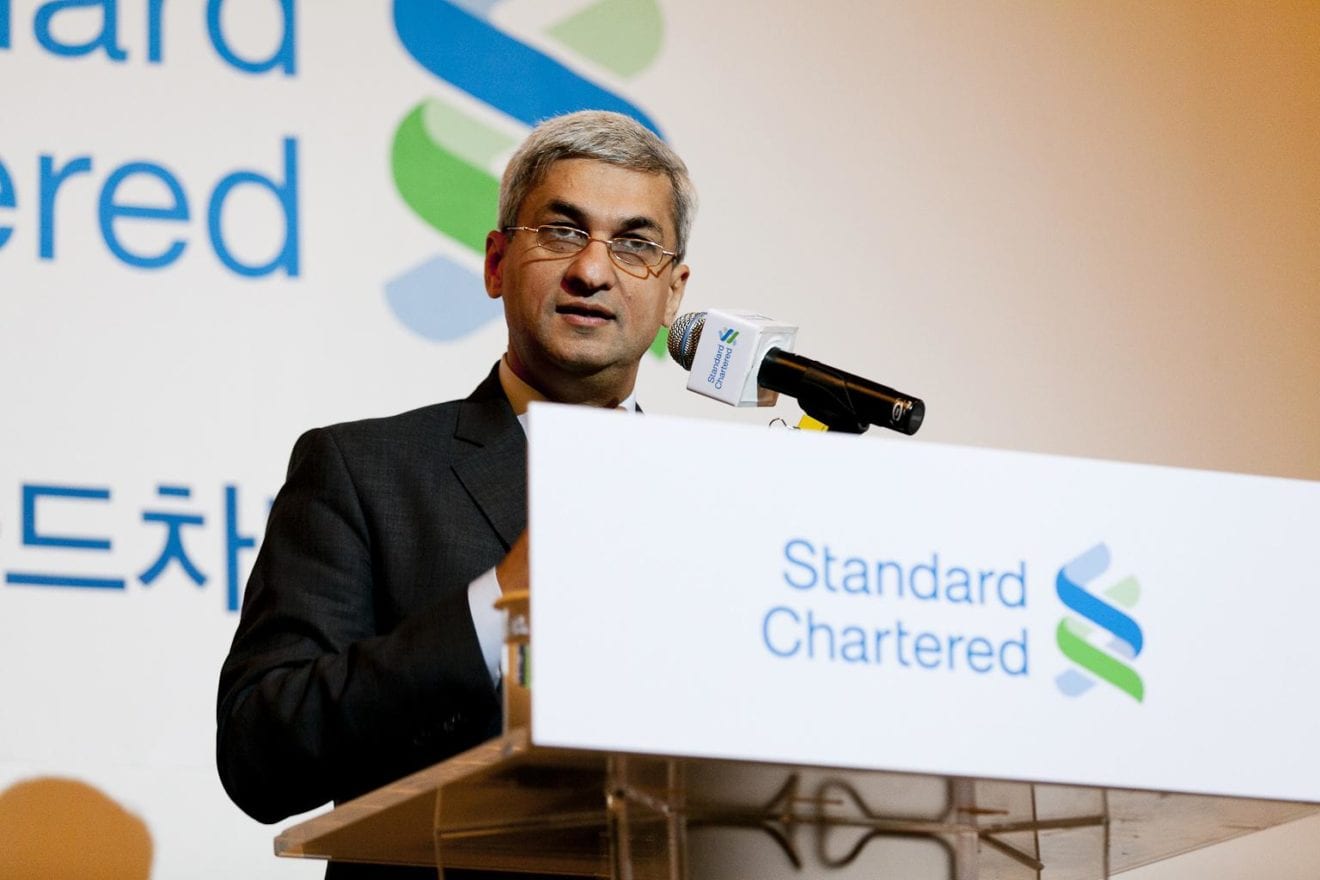
    Standard Chartered Bank Korea plans to invest 10 billion won ($8.24 million) in its wealth management, aiming to double the size of operations over the next five years, a top company executive said Thursday.

    “We have set a target of 100 percent growth in the number of clients, revenue and assets under management at our wealth business by 2020,” Chang Ho-june, head of wealth management at SC Bank Korea, said at a press conference in Seoul.

    The London-based bank has about 5 trillion won of assets under management.

    To realize the goal, the bank will invest 10 billion won to hire more specialized managers and financial experts as well as strengthen information technology infrastructure and platforms over the next two years. He said the key to this year’s wealth management business strategy lies in making strides toward greater accessibility for customers.

    The announcement comes as banks around the world are increasingly relying on wealth management as a stable revenue generator that could offset potentially volatile businesses such as trading.

    Listing the details, Chang said the bank would expand the number of mini-branches, which offer seven-day banking services at retail stores, to 62 by the end of January from the current 52.

    Last year, the bank signed a deal with Shinsegae to implant sales and marketing channels at the retail giant’s outlets including department store and discount store E-Mart.

    The bank will adopt a video consulting service in the second half of 2016 to enable Korean customers to get advice from SC Group’s global investment experts in Singapore and Hong Kong.

  • Korea duty free operations offered

    Korea duty free operations offered

    Two international airports in are set to review operational licenses for South Korea duty free shops.

    But the upcoming bids are unlikely to become competitive due to sluggish profitability, industry sources told Yonhap on Wednesday.

    Gimpo International Airport in western Seoul is expected to open a bid for tax-free shops later this month as the current operating rights expire in May after five years of operation.

    Currently, Hotel Lotte Co. and Hotel Shilla Co. have duty-free shops at the airport.

    Gimhae International Airport, west of the southern port city of Busan, also has to select a new operator as Shinsegae Co, a major retailer, shut down its store in December to focus on its city outlets.

    Shinsegae won a right to open a new duty-free shop in Myeondong, a popular tourist destination in downtown Seoul.

    While several local retailers threw hats into the ring for licenses in downtown Seoul last year to attract affluent Chinese shoppers, the upcoming bid is not likely to fuel competition as current shops at the airports have had difficulty making ends meet.

    Sales at the Gimpo and Gimhae outlets stood at 140 billion won (US$116 million) and 130 billion won, respectively, last year, according to their financial reports.

    Hotel Lotte said it plans to renew its license for Gimpo and decide on the Gimhae store after considering potential profitability.

    The unit under retail giant Lotte Group lost its license in southern Seoul in a tightly contested bid amid a bitter succession feud between the founder’s two sons.

  • Korea’s CJ Group launches Malaysia shopping channel

    Korea’s CJ Group launches Malaysia shopping channel

    CJ O Shopping Co, a home shopping unit of CJ Group, said Thursday it will launch a new channel in Malaysia in a joint venture with Media Prima TV Networks, a major Malaysian media group.

    CJ O Shopping plans to start airing the new shopping channel in the first half of the year to target rising middle-class consumers in the Southeast Asian nation.

    CJ O Shopping will shoulder 51 per cent of the bill for the 19 billion-won (US$15.7 million) investment, while Media Prima TV Networks will make up the remaining 49 per cent.

    CJ will be in charge of operating the shopping channel, and Media Prima will provide media infrastructure.

    Media Prima TV Networks operates Malaysia’s four leading free-to-air television stations, as well as radio stations and online channels.

    Since launching a Chinese shopping channel in 2004, CJ O Shopping has expanded its global presence in India, Thailand, Turkey, Mexico and four other nations.

  • South Korea to Promote Indonesian SME

    South Korea to Promote Indonesian SME

    Agus Mahram, secretary of the Cooperatives and Small and Medium Enterprises Minister, said that the his institution has set a cooperation with the Busan-Indonesia Center (BIC) in South Korea to promote Indonesian small and medium enterprises (SME).

    “100 Indonesian SMEs will partner with South Korean’s,” Agus said in Jakarta on Thursday, January 28, 2016.

    Agus said that Busan has prepared a place for Indonesian SMEs to display their products in South Korea while the BIC will prepare marketing personnel to promote Indonesian products.

    “SMEs to be selected are those operating in the manufacturing sector, such as metal, mechanical, information technology components, software and food,” Agus explained. Agus revealed that the South Korean government realized the importance of the Cooperative and Small and Medium Enterprises Ministry to develop local businesses. The Cooperation, Agus added, was aimed at boosting South Korean investments in Indonesia.

    In addition to boost investments, Agus said that the ministry would also promote technology transfer between South Korea and Indonesia. Similar cooperation had been established between the Indonesian government and the Korean Trade Investment Promotion Agency.

    “The cooperation was aimed to develop regional signature products by crafting a program called the ‘One Village One Product’ through cooperatives,” Agus added.

    Agus also encouraged local products to be displayed at Smesco building in Jakarta. He had prepared spots for local products to increase their competitiveness at the national and international levels.

    “South Korea can buy products at Smesco to be promoted in the country,” he said.

  • Korean grocery prices among world’s highest

    Korean grocery prices among world’s highest

    A recent report from a Korean consumer protection agency reveals that the prices of imported fruit, wine, beer and Starbucks coffee in Korea are much more expensive than in other countries.

    According to Consumers Korea, the domestic prices of imported grapes, wine, and domestic pork belly were among the highest levels in the world. The prices of groceries in the major cities of 13 countries were compared.

    The report indicated that 800 grams of American grapes cost 7009 won in Korea, which was twice as high as the price in the U.S. (4069 won), and wine was being sold for an average of 38,875 won, which was 71 per cent higher than the price of wine in the Netherlands (22,681 won), which has the fifth-highest wine prices in the world.

    The price for a kilogram of domestic pork belly (27,930 won) was almost twice as high as the comparable price in China (14,679 won), which was the second-highest among the 13 countries compared.

    The cost of coffee at Starbucks (Americano tall size), domestic beef sirloin (one kilogram, steak), imported sirloin (one kilogram, steak), bananas (Philippines, one bunch), American oranges (one), American grapefruit (one), Coca Cola (1.5l), Heineken (330ml), and Miller (355ml) in Korea were the second highest among the 13 countries compared.

    Of note, the price of Heineken in Korea (2016 won) was 2.9 times higher than the price in the Netherlands (729 won), and the price of Miller in Korea (2203 won) was 2.3 times higher than the price in the US. (960 won).

    Officials from Consumers Korea commented that among the 35 products compared across the 13 cities, the Korean grocery prices of 31 products ranked in the top five.

    “Prices of Korean agricultural products were expensive compared to prices in other countries. Since customs tariffs are being lowered due to different free trade agreements, regulations should be established so that the financial benefits of free trade can be passed on to consumers,” said the officials.

  • E-commerce will boost smaller South Korean brands

    E-commerce will boost smaller South Korean brands

    As growth indicators such as commodities and oil test their lowest price levels for more than 10 years, the fear of deflation that gripped Japan for many decades is quickly becoming a global phenomenon. Even in the U.S., where economic growth is relatively strong, there is a noticeable lack of wage inflation in the face of strong employment reports over the past 12 months.

    While we can blame part of this problem on the aftermath of the global financial crisis of 2008, I place at least some of the blame on the rapid proliferation of Internet technology. A clear example is the loss of traditional retail jobs to ballooning online sales.

    South Korea is a good leading indicator on this issue because of its heavy Internet penetration and dense population, making it a good market sample for other economies to track. South Korea’s retail industry is also an interesting case of being both a victim and beneficiary of the creative destruction of traditional retail channels caused by the onset of e-commerce.

    South Korean retail businesses are dominated by large corporations, often part of one of the country’s huge conglomerates known as chaebols. The scale these corporations enjoy at the group level gives them a huge cost advantage over small to medium sized enterprises, which need to build from the ground up. Right now, e-commerce is killing retail businesses through intense price competition that is driving down margins.

    In South Korea, traditional retailers are hurt not just by domestic online sales but also overseas Internet purchases. In 2014, the value of purchases from overseas websites delivered to South Korean homes reached more than $1.5 billion, from $274 million five years earlier. This figure slipped slightly in 2015 because of government restrictions on purchases, but will continue to rise in the coming years at the expense of traditional retailers and their workers.

    For decades, chaebols operating in domestic retail and consumption industries enjoyed outsized margins due to protectionism against imported goods. In the last decade, however, the South Korean government has forged trade agreements with 52 nations far and wide, including one with China just last year.

    The combination of e-commerce and trade deals has driven the rapid rise of overseas online purchases, especially from the U.S., where a much broader selection of products is available, often at huge discounts to local prices. South Korean shoppers have become so successful at arbitraging this pricing gap that the South Korean government has placed an unofficial limit on cross-border online transactions that qualify for exemption from customs duties.

    Viable competitor

    Another driver of online imports is cheap and efficient delivery, made possible by a growing logistics industry. Strong growth in e-commerce has allowed for rising efficiency in deliveries, which now makes it a viable competitor to offline retailers.

    Overseas online purchases hurt all South Korean retail and consumer brands, but they hurt the large corporations most. For two decades, the chaebols have enjoyed government support through import protection and distribution networks built over many decades of lobbying and cooperating with myriad regulatory hurdles.

    South Korean SMEs never benefited from this because they were usually niche players in crowded markets. As a result, the flood of foreign brands coming into South Korea through online purchases threatens the profitability of large corporations more than the SMEs. A good example is Samsung Electronics’ 60 inch LED TVs, which South Korean shoppers have been buying from U.S. e-commerce shopping sites. Even after delivery and customs duties, prices are up to 20% cheaper than in South Korea.

    But these developments are not all bad news for South Korean retailers. The advent of technology will also allow South Korean SMEs to penetrate a much bigger market: China.

    Historically, when South Korean companies wanted to expand overseas, they would spend years investing in distribution channels and learning how to deal with customs and local regulations. As a result, expansion outside South Korea was a high-risk strategy that yielded patchy results for smaller companies. But the rapid development of e-commerce in China is making the expensive and time-intensive task of establishing distribution channels as quick as the click of a mouse. Already we are seeing companies that have rocketing China revenues, driven by online sales that would previously have taken years of investment and experience to achieve.

    The speed at which China’s online giants are making e-commerce accessible to outsiders will help companies from South Korea that have a good following at home but lack the scale to expand overseas. As South Korea continues to attract millions of mainland tourists annually, recognition of domestic-oriented brands will spread through China and create follow up demand.

    Right now, investors seeking to benefit from Chinese interest in South Korea are focusing on duty free stores. But the next phase of investor attention will be consumer brands that attract attention from Chinese customers seeking to buy outside duty-free channels. E-commerce and information distribution via the Internet will accelerate that process.

    As China tries to promote domestic consumption to compensate for the declining economic growth coming from falling investments, the tax incentives that duty free stores attract will have to decline. That will put brand owners in pole position in the China market rather than traditional retailers such as department stores, hypermarkets and duty free channels.

    Peter S. Kim 
  • Drone Giant DJI Opens Flagship Store In South Korea

    Drone Giant DJI Opens Flagship Store In South Korea

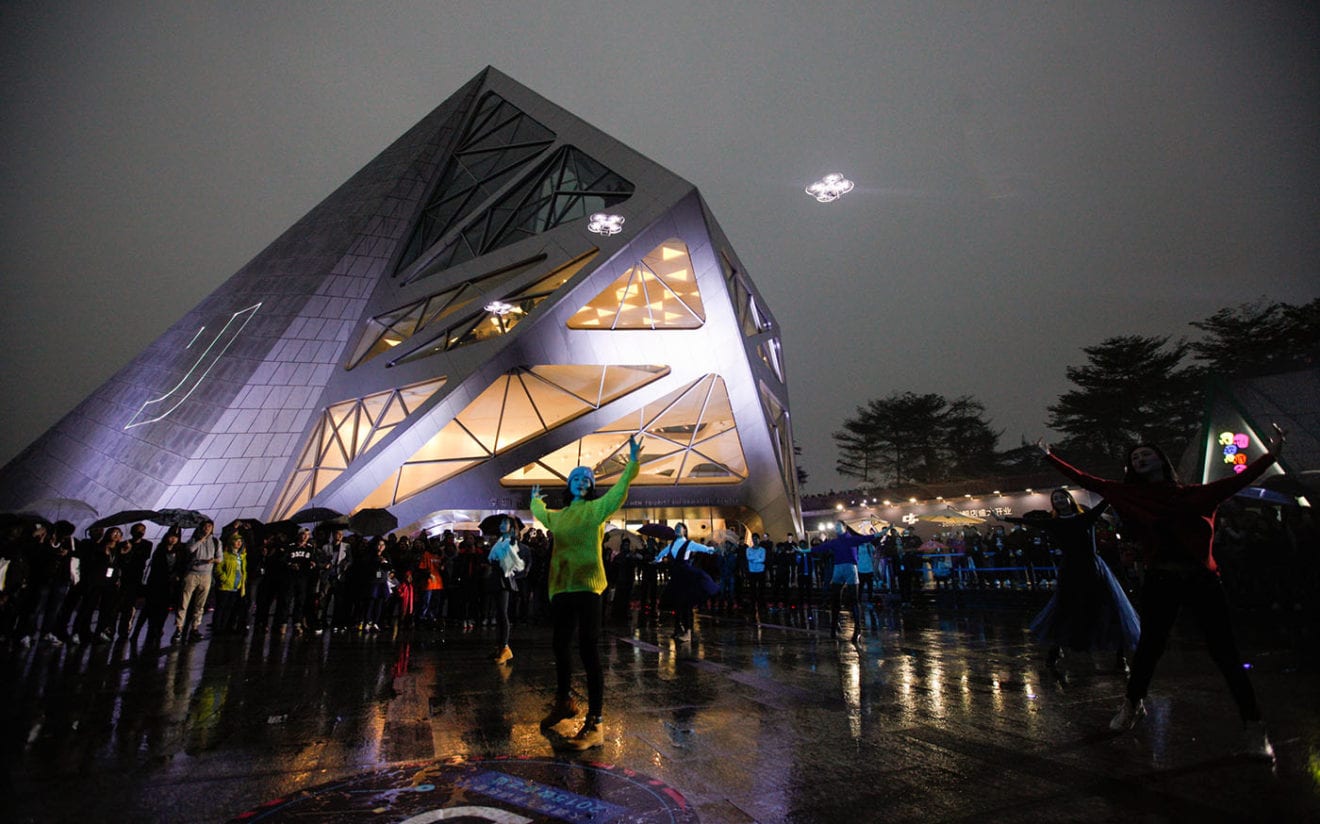
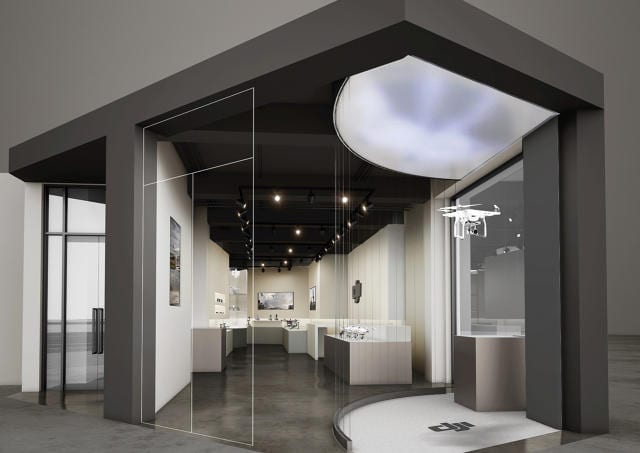
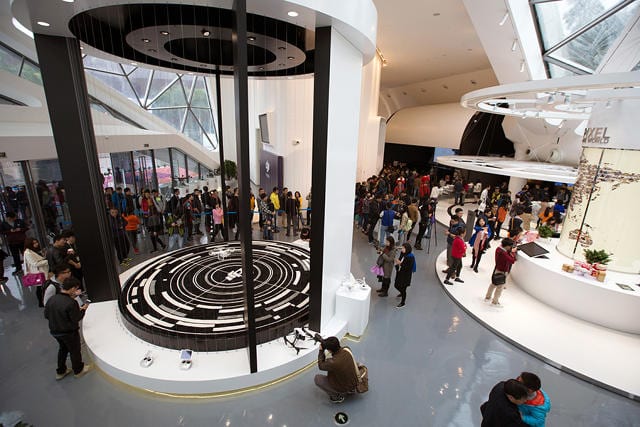
    The Seoul store will open in March. It features five stories and 9,364 square feet showcasing the entirety of DJI’s consumer products. That includes its line of Phantom drones, as well as its Inspire, Matrice, and Spreading Wing drones. Also on display will be DJI’s aerial cameras and its Osmo handheld camera. The store has a theater offering visitors films and other visual content shot using DJI gear, as well as an “experience zone” where DJI pilots will perform demos of the company’s drones.

    A DJI spokesperson said the company has no list of future retail locations. “For us, getting the retail experience right is far more important than the rapid opening of retail stores,” the spokesperson said. “For now, we’ve selected two locations—Shenzhen and Seoul—where we see both opportunity to grow and to offer a hands-on, immersive experience for customers.”

    DJI store in Shenzhen, China

    DJI currently has a 70% share of the global consumer drone market, the company said, with the United States its largest market, followed by Europe.

    In the United States, the federal government now requires owners of most consumer drones to register them or face potentially substantial fines or even imprisonment. As of earlier this month, more than 180,000 people had signed up.

  • Online sellers turn Southeast Asia retail industry upside down

    Online sellers turn Southeast Asia retail industry upside down

    Here’s how bad it is in Southeast Asia’s retail industry for sellers. 

    They are paying more to borrow money to keep their business going than consumers do to keep buying from them.

    Courts Asia Ltd., which offers shoppers zero percent long-term credit on higher-end products, has seen its Singapore dollar bond yields rise 28 basis points to 4.34 percent in the past six months and is trying to refinance the note ahead of its May repayment, Bloomberg reports.

    The yield on US currency bonds of Parkson Retail Group Ltd., part of a Malaysian retailer which operates across Southeast Asia, has soared 320 basis points to 10.21 percent.

    Sagging global growth and rising household debt is knocking consumer demand across Southeast Asia, with Indonesian phone seller PT Trikomsel Oke in November becoming the first company to default on Singapore dollar bonds since 2009.

    Retailers that borrowed to finance growth are also losing ground to online market places like Alibaba Group Holding Ltd.

    The median debt load of the region’s retailers rose to 1.75 times operating profit in latest filings compared with 1.3 at the end of fiscal 2014.

    “I have been very careful about some local currency corporate bonds,” said Singapore-based Desmond Soon, co-head of investment management for Asia at Western Asset Management Co., which had US$446 billion under management at Sept. 30 and held Courts Asia bonds as of Nov. 30.

    “Bricks and mortar retailers do have an issue,” Soon said.

    Retail store sales in Singapore dropped for a third month in November, falling 2 percent from a year earlier, Department of Statistics data show.

    Meanwhile, online transactions in the region are growing.

    Singapore Post Ltd.’s domestic e-commerce orders in Southeast Asia and Australia rose 384 percent in the 12 months through November, according to a company presentation.

    Courts Asia, which sells goods from electronics to home furniture in Singapore, Malaysia and Indonesia, began meeting investors last week ahead of its scheduled S$125 million (US$87.1 million) repayment of notes in May. It’s looking to raise funds to help refinance and repay the bond, Courts’s Singapore-based spokeswoman Tammy Teo said.