Tag: Korea

  • Korean consumers get cynical

    Korean consumers get cynical

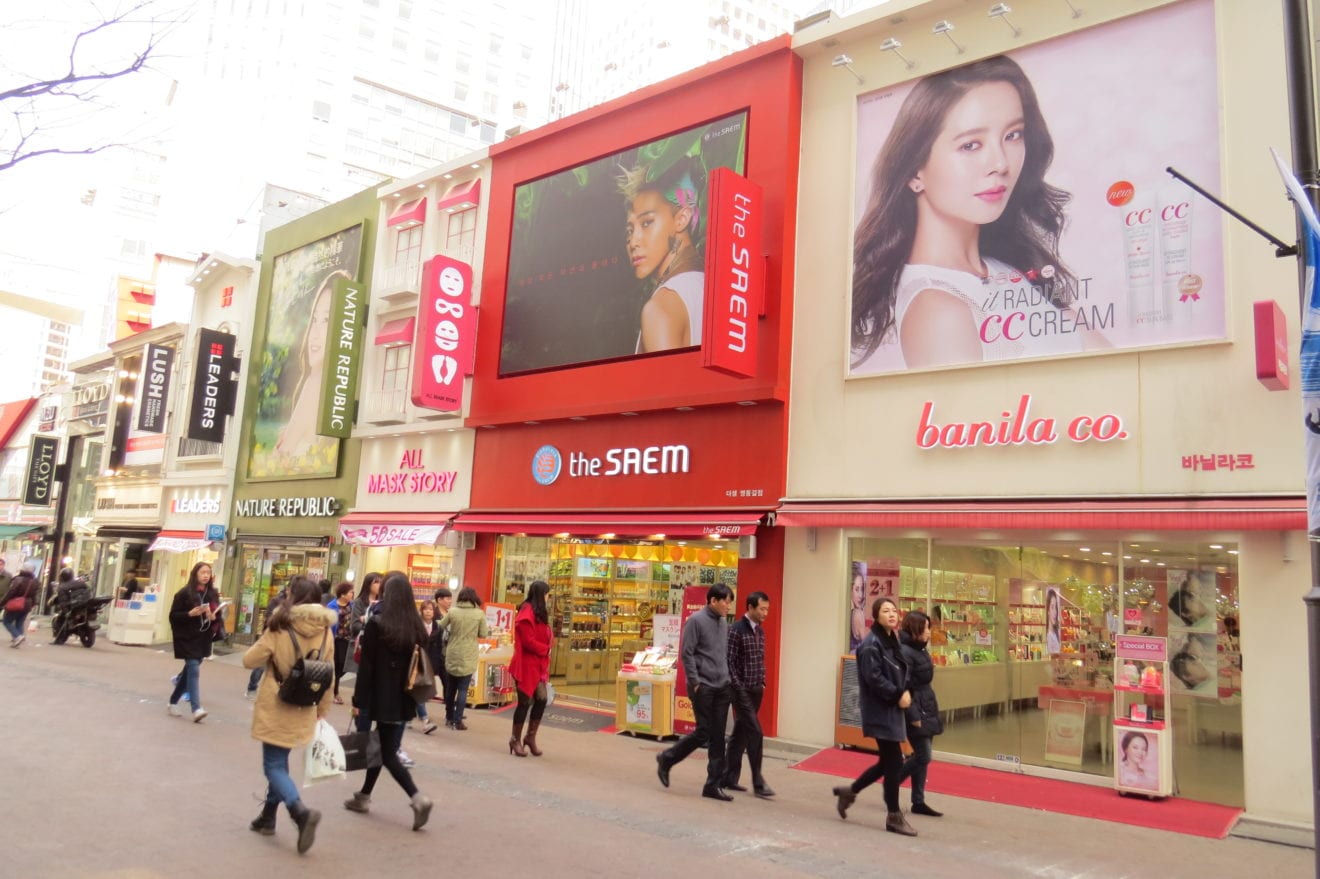
    Korean consumers are becoming cynical about store pricing as they are increasingly exposed to cheaper international online marketplaces and have experienced months of sales and promotions by bricks-and-mortar outlets.

    K-Sale Day, Korea’s Black Friday, Korea Grand Sale are just some of the events that have taken place recently as retailers and government seek to boost consumer spending. This slumped in the wake of an outbreak of Middle East Respiratory Syndrome in late May when people avoided crowded places in an attempt to avoid infection.

    One consequence of that was that more consumers went online for not only essentials like groceries, but also for big ticket items and discovered that these could often be acquired relatively cheaply and with a straightforward delivery process, Inside Retail Asia reported.

    “As more consumers learn they can easily buy products at a much cheaper price via online vendors, offline shops are more frequently conducting discount events to retain their customers,” according to Jun Mi-young, a professor at Seoul National University.

    “The experience of buying foreign brands at discounted prices has created a healthy dose of cynicism about department stores’ pricing policy,” he added.

    Inside Retail Asia highlighted one example – the price of a kitchen knife set slashed by almost 60% in a sale but still more than the price charged by several online shopping malls on any given day.

    And as bricks-and-mortar sales start earlier and last longer, it noted, “they become less important and easier for consumers to ignore”.

    That said, the retail discount events have had some short-term impact, as government data shows that the 22 retailers that joined its own Black Friday Korea campaign saw their sales rise 20.7% year-on-year to 719.4bn Won (US$634.9m) during the two-weeks of the event.

    But “squeezing margins is not a sustainable business model”, Jun pointed out.

    “As the rise of digital shopping has become an inevitable trend in the retail industry, offline sales channels should seek ways to provide better in-store experiences and quality service,” he said. Data sourced from Inside Retail Asia; additional content by Warc staff

  • Indonesia Invests in KFX Project

    Indonesia Invests in KFX Project

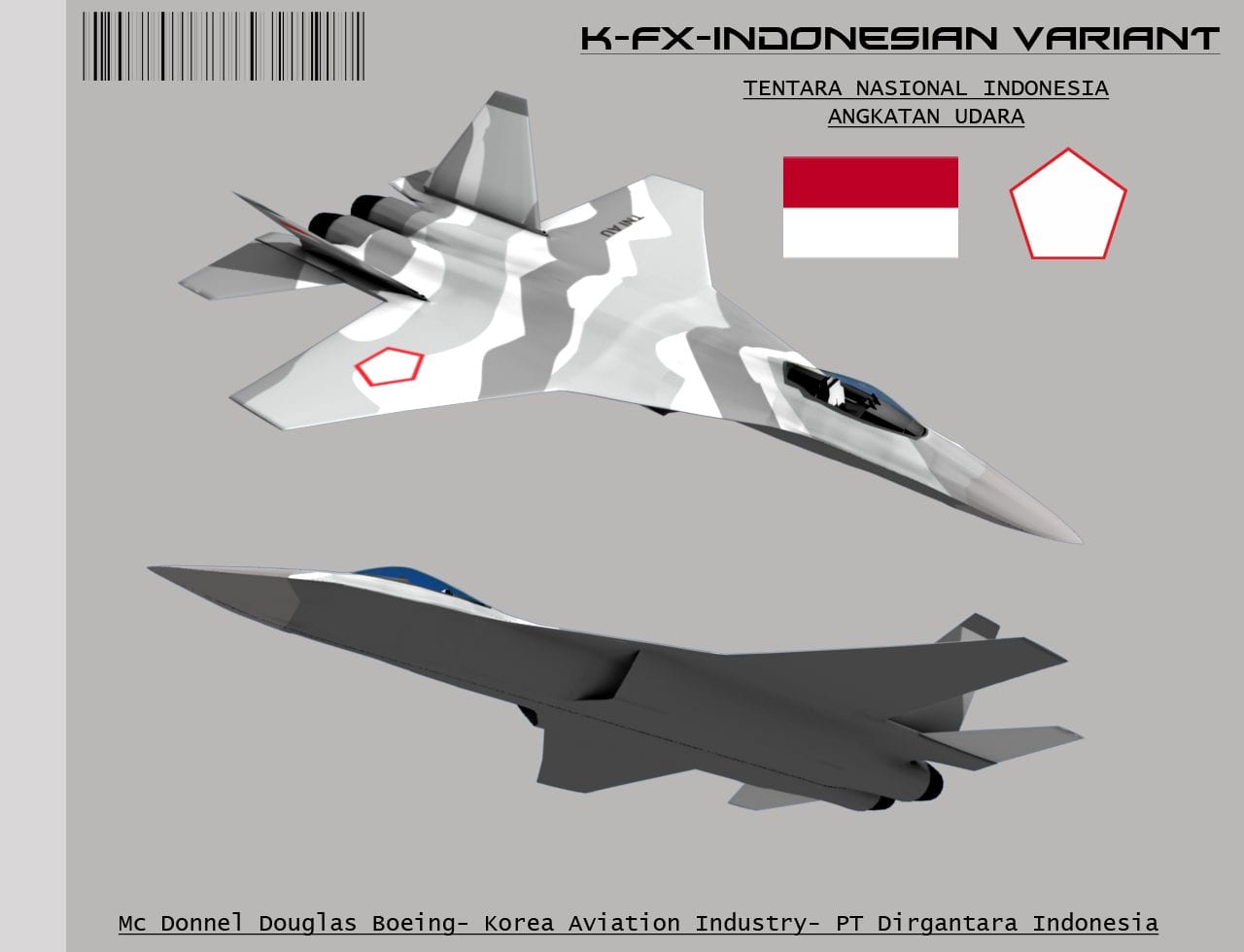
    Korea Aerospace Industries (KAI) signed a provisional contract with Indonesia for the country’s investment in the Korean Fighter Experimental (KF-X) project.

    According to the contract, Indonesia is to bear 20% of the system development cost associated with the KF-X project, which totals 8.67 trillion won, while obtaining a prototype and technical data in return for its participation in aircraft design and component production. The cost is to be shared by KAI and the Indonesian government and KAI and PTDI, Indonesia’ state-run defense company, are to be involved in work sharing.

    KAI is planning to start the development of the system within this year in contract with the Defense Acquisition Program Administration of Korea. At present, Indonesia is working on a similar program under the project name of IFX and is planning to import at least 50 fighter jets from Korea. A total of 18 trillion won is scheduled to be invested in the KF-X project and KAI is looking to sell more than 1,000 fighter jets through the project.

    In the meantime, KAI announced on November 22 that it is working on an autopilot system required for the fighter jets’ low-altitude infiltration and terrain crash prevention based on automatic topographical recognition. It added that it designed a flight control law so that the fighter jets can maintain a level flight under any circumstances.

    According to the KF-X project plan, air-to-air fighter jets are slated to be produced between 2025 and 2028 and air-to-sea and air-to-ground ones are added from 2028. The autopilot system is to be tested from the same year, too.

  • Duty-free industry in crisis of stagnation

    Duty-free industry in crisis of stagnation

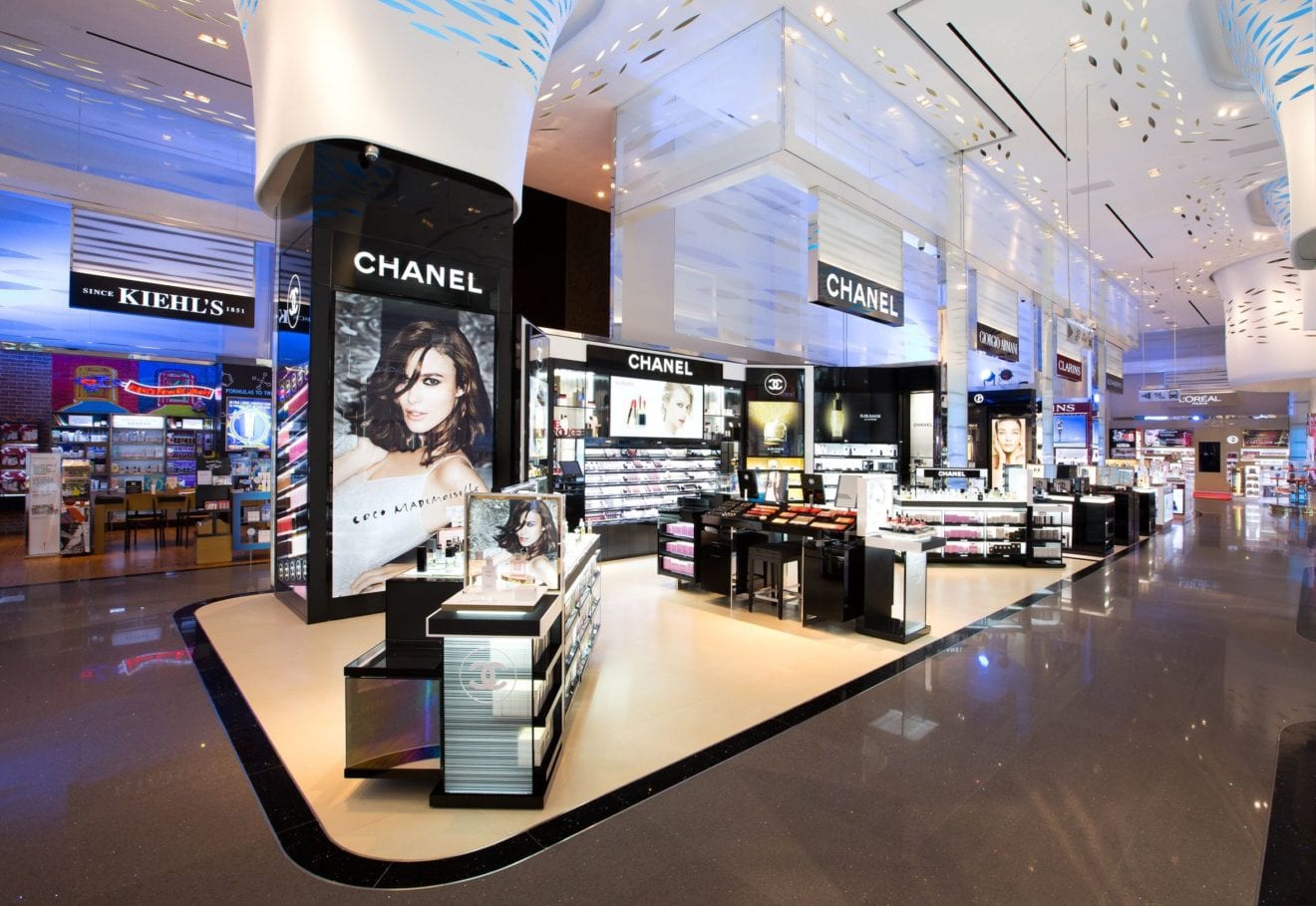
    Thousands of jobs are under threat in the wake of the Korea Customs Service’s shock decisions last Saturday in awarding duty-free licenses in Seoul.

    Two major players had their licenses revoked. Lotte Group plans to close its World Tower branch in Jamsil, southern Seoul, that posted 500 billion won ($430 million) revenue last year, and SK Networks’ Walkerhill duty-free shop is being forced to cease operations after 23 years.

    The selection process for duty-free outlets has been criticized as it mandates renewal every five years. Some observers feel this goes against the Park Geun-hye administration’s creative economy drive, which has a key premise of creating jobs by letting companies freely enter promising industries.A total of 2,200 workers are on the verge of losing their jobs at the two operators.

    Regardless of the commitments, a sense of insecurity lingers among new and old duty-free store operators because of the uncertainty over duty-free license renewals in five years.Other affiliates under the Lotte Group umbrella have guaranteed that they will hire workers from the duty-free stores, and new operators – Doosan, Shinsegae and Hanwha (selected in the summer) – have promised to absorb those from SK.

    Han Gyeong-ran, 49, has worked at Lotte’s World Tower branch for 17 years. She is a sales manager at a small-size jewelry brand inside the outlet, but now that the entire store is shutting down in six months, she will lose her job because the jewelry brand is housed at the Jamsil outlet and not the Sogong branch, which will remain intact.

    “I am just at a loss, not knowing what to do to provide for my old age,” she said.

    “I don’t know how you could say getting rid of a company that has invested 300 billion won for a single duty-free outlet and depriving those employees of jobs is what the government describes as job creation.”

    Last year, when Lotte lost its duty-free license at Gimhae International Airport in Busan to Shinsegae and shut down the store, only half of the 390 Lotte employees were transferred to Shinsegae.

    “There are many lawmakers who have remained silent over the verdict this time on the duty-free shop licenses for fear of being mistaken as defending those companies that failed,” said Lee Hahn-koo, a lawmaker with the ruling Saenuri Party. “After proclaiming it would produce more jobs, the government is actually doing the opposite, which is preposterous.”

    Before the Park government introduced a new system in 2013 that put each license up for open competition every five years prior to expiry, renewal for downtown duty-free shops was a semi-automatic, rubber-stamping process for 10 years at a time.

    Martin Moodie, chairman of the Moodie Report, a U.K.-based online publication devoted to the global travel retail and duty-free sector, told some Korean media outlets in 2013 that weakening duty-free shops in their home market “seems a misguided and short-sighted step.”

    “The five-year deal is a disaster and will kill what little quality there is. The margin pressure on brands will get far worse, too,” a senior executive for one of the world’s leading luxury brands was quoted as saying by the Moodie Report on Sunday.

    He added that some leading brands may opt in the future to position themselves in Korean domestic stores with permanent high-quality environments rather than facing a potential change in duty-free retail partners every five years, given there is “no difference between Korean duty-free and tax-refund pricing [depending on foreign exchange rates].”

    Companies that had their license renewed or newly issued may not have time to celebrate as stumbling blocks lie ahead.

    A group of lawmakers led by Rep. Hong Jong-haak from the main opposition New Politics Alliance for Democracy has proposed a revision of a bill that will force duty-free store operators to pay 100 times the licensing commission they are paying now – from 0.05 percent of annual revenue to 5 percent.

    That means the Sogong branch of Lotte Duty Free will have to pay 10 billion won in commission to the Korea Customs Service each year after the revision, when it currently pays 1 billion, or 0.05 percent of the 2 trillion won annual revenue.

    If approved, the move will inevitably force duty-free shops to hike the prices of goods, which will lead to Korea becoming less attractive to tourists, particularly big-spending Chinese, and shrinking tourism to Korea.

    The Korean government’s process goes against systems in Europe and neighboring countries such as China, Japan and Taiwan, which have been ramping up their duty-free industry as its golden goose that draws huge foreign currencies.

    The Korean duty-free business has grown exceptionally in the last five years. Earnings from duty-free have exceeded that of China and the United States and held the No.1 spot since 2012. According to a survey by the Korea Tourism Organization, the biggest reason foreigners visit Korea was to shop. In fact, 72 percent of the poll picked shopping. As a result, the Korean duty-free business raised $7.78 billion last year.

    But a change in duty-free licensing regulations will force companies to become very cautious in their investment strategies and wary of business expansion.

    Lotte was not alone in heavily investing in expanding its duty-free business. Walkerhill recently invested 100 billion won in doubling the size of its duty-free stores. It was scheduled to open up next month.

    The licensing regulation is also likely to affect future plans, even for newcomers such as Doosan.

    “It takes a huge amount of investment when starting a duty-free business, and it takes a minimum of 10 years before it settles,” said Choi Young-soo, former chairman of the Korea Duty Free Association and former vice president of Lotte Hotel in charge of the duty-free business. “If you have to get government approval every five years, who would invest a large amount and even hire regular employees?

    “When doing business whose main customers are foreigners, whether a company monopolizes is meaningless. If we continue with such a policy, we will loose the Chinese tourists to the Japanese.”

    Han Enny, CEO of Enny Trading Corporation, which supplies cosmetics to duty-free stores including Lotte and Walkerhill, was frustrated at the recent licensing decision.

    “We have products shipping in that we plan on supplying to the duty-free stores next spring, but it seems we would have to cancel those orders,” Han said. “We have built our credibility for years just to get a contract with foreign companies, but it seems it’s all going to crumble.

    “Luxury companies’ products that have high demand from Chinese consumers make trade relations based on long-term trust, but if this continues, they wouldn’t be interested in opening up stores in Korean duty-free stores.”

    Other countries have been taking the opposite direction in their strategies as they have realized how lucrative duty-free businesses can be.

    Swiss duty-free retailer Dufry was ranked No. 2 in the world in 2013. But it recently became the biggest in the industry, bumping off previous No. 1 DFS, after buying another Swiss duty-free retailer that was ranked the world’s No. 7, Nuance Group, last year and adding Italy’s World Duty Free in August. LS Travel Retail, the French duty-free retailer and world’s No. 4, expanded further when it bought North American duty-free business Paradises in August.

    As of last year, the world’s top four duty-free companies accounted for 25 percent of the duty-free market, a sharp increase from the 16 percent in 2010.

    “The duty-free business in a core pillar in a country’s tourism industry development,” said Kim Seung-wook, a economics professor at Chung-Ang University. “The customs service agency needs to focus on lowering the entry level of duty-free stores and think more on ways to help foreign tourists open up their wallets, rather than focusing on regulations.”
  • Costco Korea starts selling online

    Costco Korea starts selling online

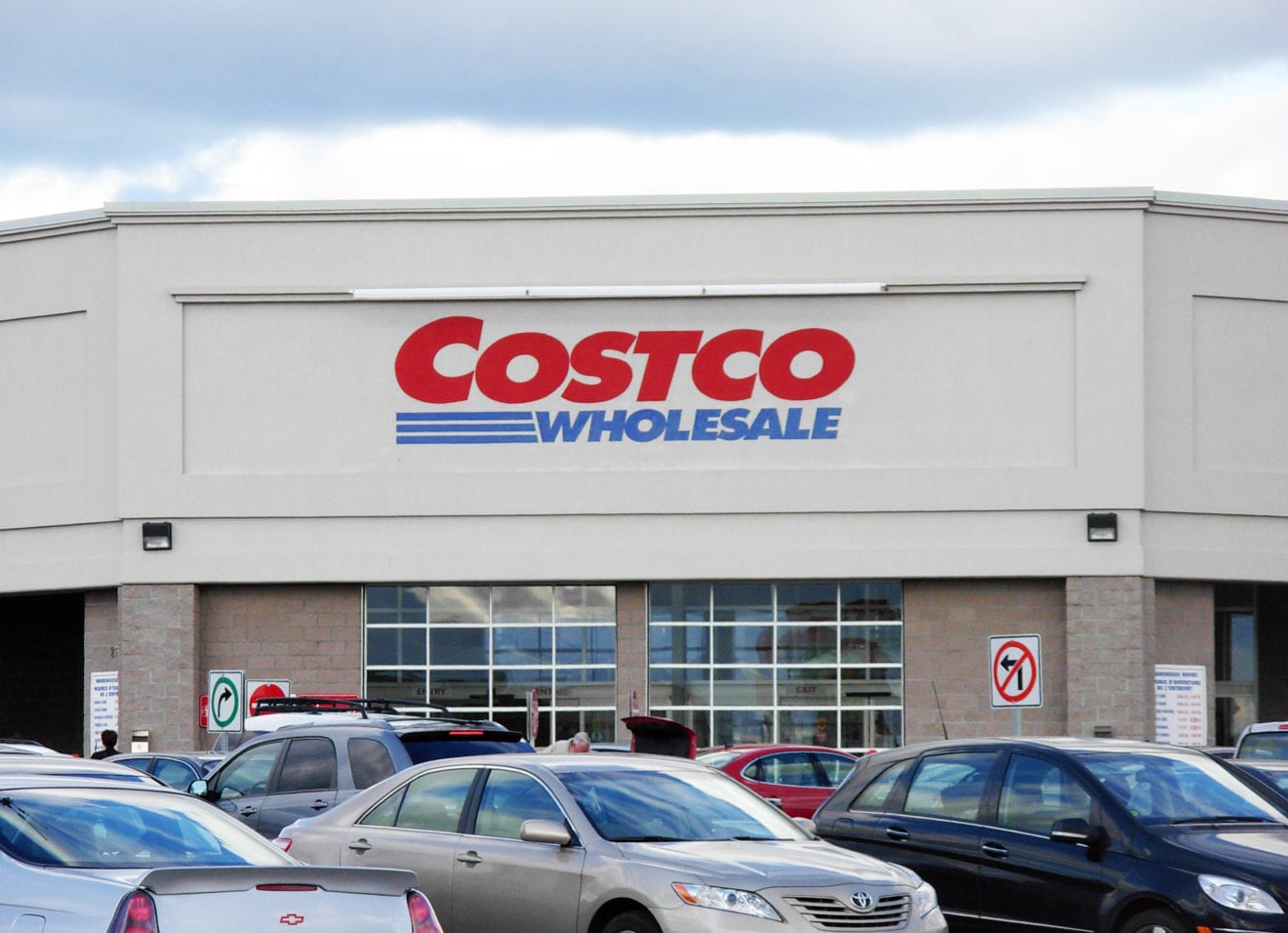
    The American membership-only warehouse club Costco Wholesale Korea has opened its online shopping mall this week.

    It is the first among the Asian countries Costco has entered, and its fifth international online shopping site after the US, England, Canada and Mexico.

    Customers who are Costco Korea members who register online can shop online at the store.

    The products sold are categorised under 11 different groups: digital, home electronics; furniture, home interior, toys, Christmas; sports, fitness; garden, patio; clothing, fashion accessories; jewellery, watches, accessories; beauty, health; tools, living, cars; stationery, office supplies; and food.

    Compared to other online malls which don’t have a paid membership, the number of items offered is much lower. All prices include shipping.

    Costco has chosen to abstain from selling fresh food online. This could be interpreted as an acknowledgement that the company currently doesn’t have a distribution system fast enough to assure the freshness of the products. For now, customers will be able to purchase processed foods, grains, dried foods, and snacks.

    Industry observers say that since Costco’s online mall lacks fresh food, and has a lot of foreign brands among the products it carries, its pool of consumers should not overlap with domestic retailers.

    Furthermore, the fact that only customers with current membership can use the online mall is another limitation of Costco’s internet penetration potential.

    However, based on the success Costco has achieved through its domestic offline stores, some observers are predicting that once Costco expands its logistics infrastructure, increasing the number of products it can handle and distribute through the online site, its influence on the domestic online market could be great.

    Costco already ranks No.1 in consumer satisfaction among the five largest hypermarket retailers in Korea (Emart, Homeplus, Lotte Mart, NH Hanaro Mart, Costco), according to a report from the Korea Consumer Agency.

  • John Lewis Asian stores ‘trading well’

    John Lewis Asian stores ‘trading well’

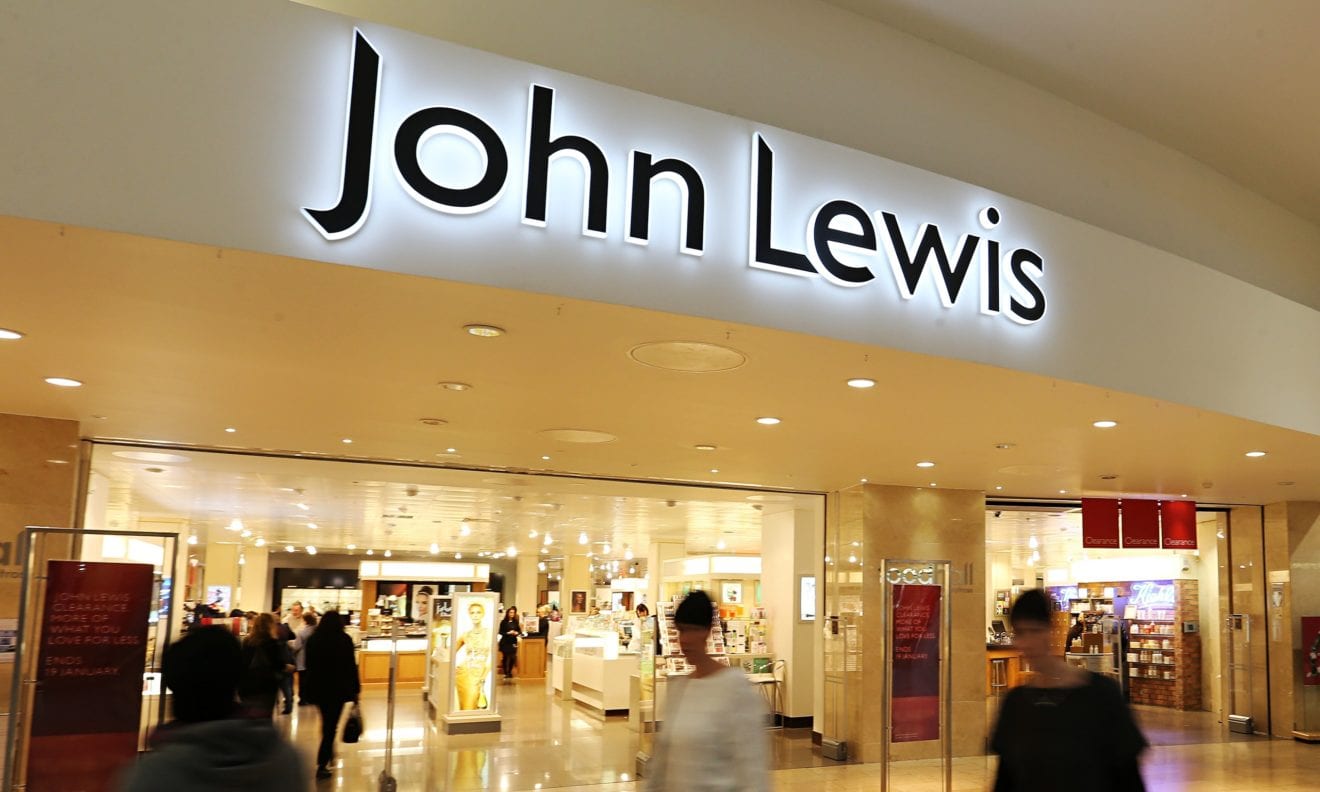
    UK department store operator John Lewis has hinted at its trading performance in Asia as it announced another offshore expansion – into the Netherlands.

    John Lewis chose Singapore as the first of 15 new international markets it plans to expand into back in March this year.

    Two John Lewis Singapore concessions were opened inside Robinsons department stores, last July, primarily selling homewares.

    Andy Street, John Lewis MD, mentioned overnight: “Our existing shop-in-shops in Singapore, the Philippines and South Korea have been well received and are trading well.”

    John Lewis opened 14 shop-in-shops across Singapore and the Philippines this year, and seven shop-in-shops in South Korea last year.

    The first Dutch shops will open in spring 2016 at de Bijenkorf’s flagship stores in Amsterdam, Rotterdam and The Hague – its first stores in continental Europe.

    And more may follow, especially in Asia.

    ‘Whilst we remain committed to our UK physical expansion we hope to announce more international collaborations in 2016,” said Street.

    The UK retailer was founded in 1864, but until last year it had never traded outside England, Scotland and Wales. In 2012 it entered into a partnership with South Korea’s Shinsegae Department Store Co, selling linen and homewares in seven stores.

    Street said in March he expected to confirm deals to open in a further five foreign markets in 2015. That could mean four more markets to be announced over the next six weeks.

    “We have been very successful in Korea. We are really pleased and surprised that, in a market where the John Lewis brand isn’t really known, it has cut through.”

  • Habstore Korea plans New York pop up

    Habstore Korea plans New York pop up

    Habstore Korea is to open a pop up in New York City to help build its reputation as the go-to point for fashion created by young Korean designers.

    Habstore already features more than 100 Korean fashion designers – whose reputation and popularity are expanding rapidly thanks to the Korean Wave which is now spreading beyond Asia into urban US as well.

    CEO Hong Seong-jo says the company’s mission is to introduce products from new designers known for their unique design in South Korea to fashion-sensitive customers. “Some customers rejoice at finding new view on life through brands that they had not known before,” said Hong, 34, who founded the mall three years ago.

    “We are concentrating on finding various designer’s brands in order to make them happy at all times.

    “We are focusing on introducing more South Korean designer’s brands globally as we better our business”, said Hong. “We will open a pop-up store in New York introducing a variety of brand name products to expand our sales channel.”

    Hong first saw the viability of an online mall after successfully introducing a fashion watch brand in Korea. He went on to expand items to clothing and fashion accessories.

    Habstore gives special priority on brands with definite character and competitive strength, yet without attention from the public. For example, when introducing a new brand to the rest of the world, CEO Hong chooses more Eastern style or K-Style designs that Korean Wave stars have used.

    Habstore is also engaged in the production of its own fashion items. Following the launch of the fashion watch brand, ‘Paul Vice’, it also launched the watch strap brand, ‘Straps’.

    The Habstore mall,which was developed by South Korea’s largest eCommerce solution brand, cafe24, features interfaces in both Korean and English.

  • South Korea retail sales rise

    South Korea retail sales rise

    Preliminary data from leading department and discount stores in October reveals South Korean retail sales are recovering post-Mers.

    Combined sales last month at department stores run by Hyundai Department Store, Lotte Shopping and Shinsegae Co jumped 17.4 per cent year on year.

    That’s a huge improvement on the 2.8 per cent department stores achieved in September and the seven per cent rise in discount department stores.

    The preliminary data from the Finance Ministry shows clearly a bounce back following the Middle East Respiratory Syndrome (Mers) scare which caused tourists to travel elsewhere and locals to stay at home in fear of catching the viral epidemic.

    Figures released by Statistics Korea last week show South Korea retail sales rose to their highest level in four months in September, up 4.1 per cent on September 2014.

    Department store and discount store sales started to slide in June when the Mers crisis peaked.

  • Rel Cap arm to launch fund in South Korea

    Rel Cap arm to launch fund in South Korea

    Aiming to bring in more foreign funds into India, Reliance Capital Asset Management (RCAM), the funds management arm of Anil Ambani-controlled Reliance Capital, is launching a fund in South Korea for retail and institutional investors in the South Asian country that will invest in the Indian market.

    This is the seventh fund that RCAM is launching to attract foreign money into India, with a target to top $5 billion worth of assets in the next three years, a company source said.

    RCAM is launching the India focused fund in Korea along with its Korean partner Samsung Asset Management. The fund will directly invest in the stocks of Indian mid and small cap companies with long term potential. The fund will be managed by Samsung Asset Management while RCAM will be the advisor to its Korean partner. Samsung Asset Management is the fund management arm of Korean conglomerate Samsung Group, globally known more for its presence in the mobile and electronics space.

    At present RCAM has three India focused funds in Japan, in which the aggregate assets under management is about $1 billion. It also manages two India focused funds in Singapore and one more in Mauritius. Most of its assets are managed under the three Japanese funds. Nippon Life, one of the largest life insurers in the world, holds 49% stake in RCAM. The Korean fund management firm, however, does not hold any stake in RCAM but has signed a memorandum of understanding (MoU) with the Indian funds management major.

    Currently RCAM manages assets worth more than Rs 2 lakh crore spread across mutual funds, pension funds, managed accounts and offshore funds.

  • Paris Baguette opens in Las Vegas

    Paris Baguette opens in Las Vegas

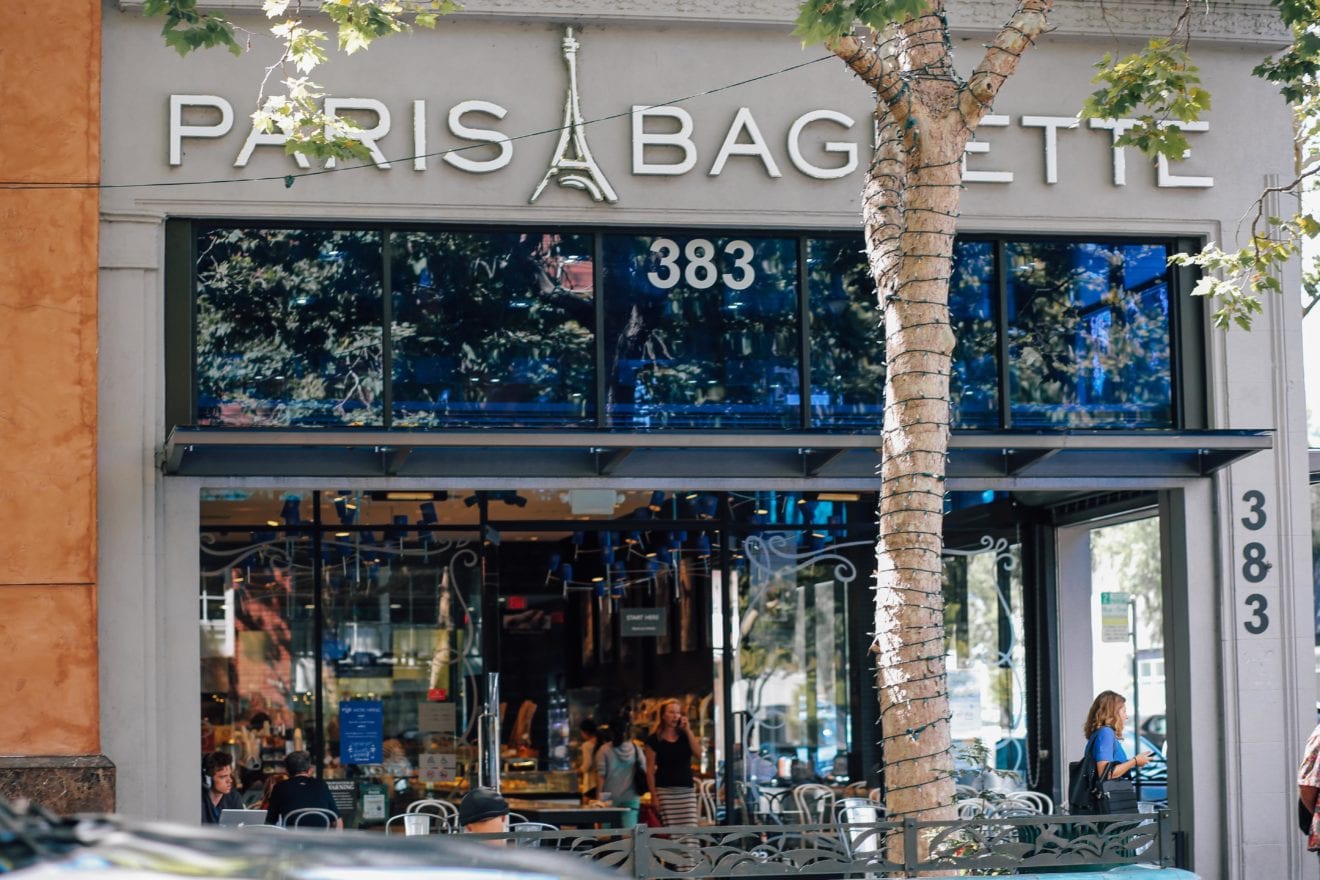
    SPC Group has opened a Paris Baguette store in Las Vegas, a first in the Korean confectionery and bakery industry.

    The Las Vegas store is the company’s 44th store in the US, and located in the Grand Canal Shoppes, a large shopping mall located between two of the major hotels in Las Vegas, the Venetian and the Palazzo.

    The Paris Baguette store occupies two stories within the tourist hot spot, famous for its recreation of Venice, Italy.

    SPC Group announced that it has opened a Paris Baguette store in Las Vegas, which is a first in the Korean confectionery and bakery industry. (Image : SPC group)

    The biggest difference with the Las Vegas store is that it will be selling items such as sandwiches, muffins, and croissants that are popular in the area, and considering that the location is a tourist spot, the store will also sell items suitable as souvenirs.

    Gift sets, tumblers and mugs that have images or quotes representing Las Vegas will be available exclusively at the Las Vegas store.

    Paris Baguette first set foot in America in 2005. Since then, the company has opened 43 stores in New York, Boston, San Francisco and Los Angeles.

  • Lotte dreams big with World Tower Duty Free store

    Lotte dreams big with World Tower Duty Free store

    Lotte Duty Free has announced a plan to make its World Tower Duty Free store into a landmark of North East Asia.

    Lotte will invest over 1 trillion won to make the location an international tourist spot that will exceed the popularity of its headquarters in Sogong-dong.

    Lotte Duty Free revealed at a press conference that it will be investing an additional 1.2 trillion won (US$874.97 million) over the next five years to expand the size of its duty free store, creating a one and only ‘Tourism and Shopping Complex Duty Free Store’ in the world.

    With the changes, Lotte has estimated that by 2020, it will have an accumulated 5 trillion won revenue in foreign currency, an added value of 4.8 trillion won, and direct and indirect employment of 27,000 people. The accumulated number of foreign visitors during this period is expected to be 28 million.

    Based on these numbers, Lotte plans to make its World Tower duty free shop the No.1 store in the world, as well as an international landmark.

    Lotte has suggested the creation of a ‘Gangnam Tourism Belt’ to reach its goals. By building a large-scale musical fountain, the company is hoping to make the site into a tourist hot spot like the Marina Bay Sands hotel in Singapore, or the Burj Khalifa in Dubai.

    Lotte Dury Free

    By promoting its duty-free store along with the highest observatory, a vineyard classic hall, an aquarium, a multiplex and Lotte World Adventure, Lotte is hoping to make World Tower the largest tourism hub south of the Han river.

    In order to attract more foreign visitors, Lotte plans to operate a city tour bus that connects Gangnam and other parts of the city, creating a Gangnam culture belt.

    Lotte Duty Free also announced that it has signed an agreement with municipal authorities in Songpa-gu, Gangnam-gu and Seocho-gu to cooperate in revitalising tourism in Gangnam.

  • Coupang plans $1.3 billion expansion

    Coupang plans $1.3 billion expansion

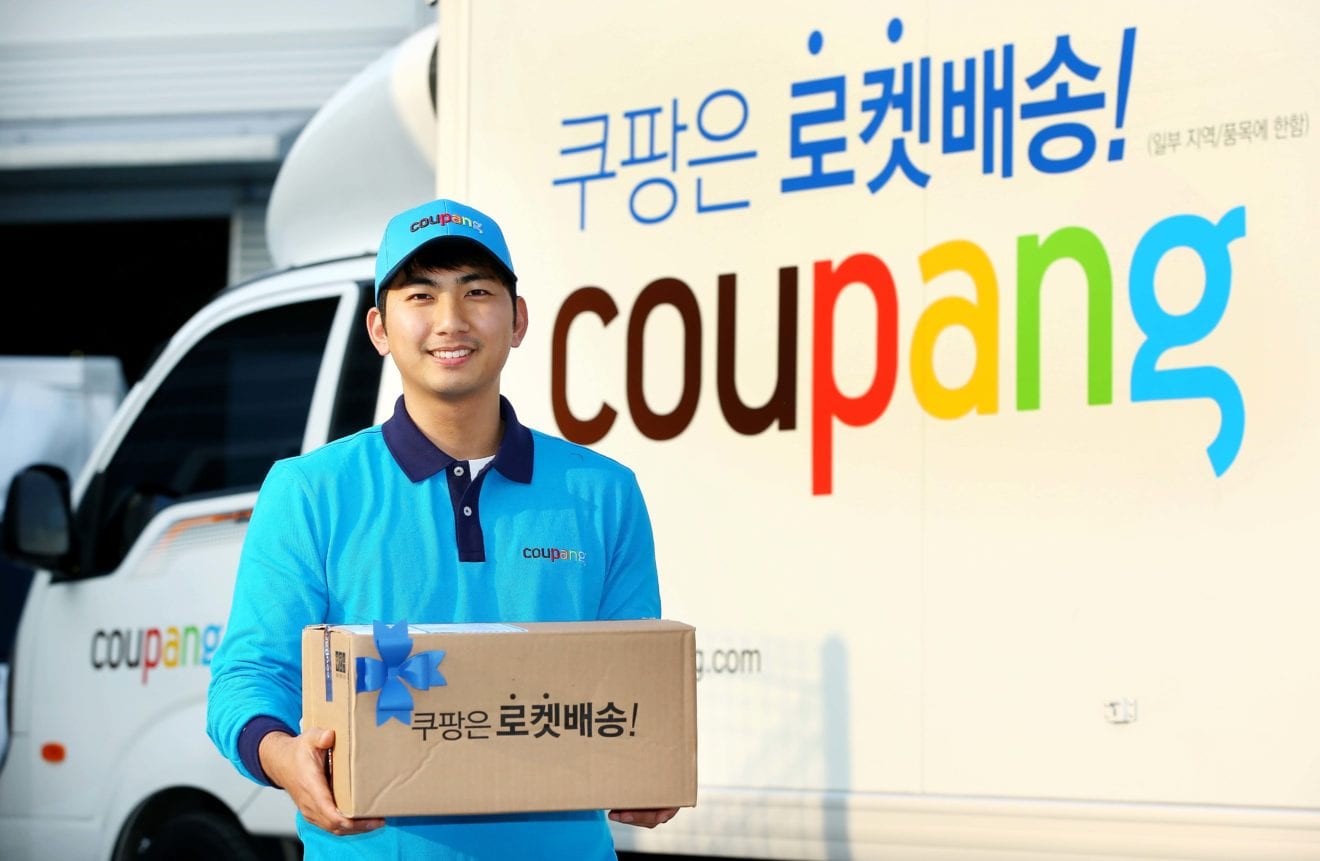
    South Korean eCommerce giant Coupang will invest 1.5 trillion won (US$1.3 billion) by 2017 to hire 40,000 delivery people called ‘Coupang Men’, and increase its number of logistics centers from 14 to 21.

    This is a significantly larger-scale investment than the $1billion infusion attracted from Softbank, a Japanese IT company, in June.

    To strengthen its ‘Rocket Delivery’ service, Coupang plans to increase the number of Coupang Men on staff from 3500 to 5000 by the end of the year, 10,000 during next year, and 15,000 by 2017.

    In addition, the number of staff members at its logistics centers and call centers will also be increased from the current 6000 to 18,000 by 2016, and 24,000 by 2017. Altogether, a total of 40,000 new employees will be hired Coupang, which hopes to provide same-day delivery service across the country, plans to expand its number of mega logistics centers from 14 to 16 by 2016, and 21 by 2017. Their overall size is the equivalent of 110 soccer fields.

    As the number of Coupang Men and logistics centers increases, the Rocket Delivery service, which is currently limited to major cities, will be offered in other areas, and a larger variety of products will be eligible for shipping through the service.

    Henry Ro, Coupang’s VP, said the Rocket Delivery service provides the greatest experience to the consumers.

    “The Rocket Delivery service is an integrated ‘end-to-end’ service that has never been tried in other countries.”

  • Lotte and WalkerHill lose duty free licenses

    Lotte and WalkerHill lose duty free licenses

    Korea Customs has announced that the Lotte Group has lost its operating licence at its prestigious Seoul Lotte World Tower from next month, but retained its Seoul Myeongdong store, while the WalkerHill Duty Free store operation was also unsuccessful in retaining its long-held duty free licence at the Sheraton Grand Walkerhill Hotel.

    South Korea’s two principal Seoul-based newspapers – the Korea Times and the Korea Herald – both announced the winners today, after the results were initially held back by Korea Customs until halfway through the weekend (when the stock exchange is closed).

    TRBusiness reliably understands that this was intentional to guard against any chance of information leaks impacting on any company’s stock price due to insider trading.

    WalkerHill Duty Free

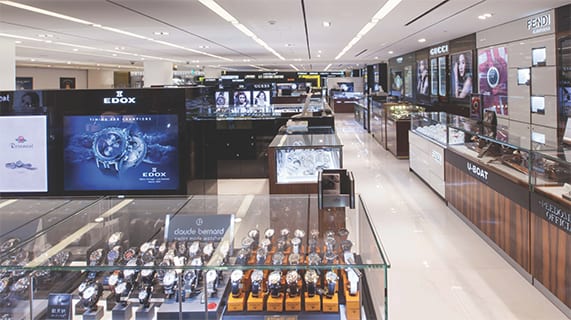
    WalkerHill Duty Free achieved a 46% sales growth in 2014 to $260m compared with $162m in 2013, with 80% of all sales made to Chinese customers. It also unveiled its new-look enlarged store in eastern Seoul last February. The duty free retailer is particularly well known for its high-end watches, carrying 70 brands in total and will be disappointed it has lost its licence. This year the retailer set itself a $350m sales target – some 35% ahead of its 2014 total.

    Meanwhile, Shinsegae has also won one of these duty free licences to convert part of its department store to duty free status, while it also successfully defended its Busan City duty free licence status. Last, but not least, Doosan has won its first duty free licence in Seoul.

    The loss of Lotte’s prestigious Seoul Lotte World Tower duty free licence will come as a big surprise to many and not least to Lotte, which regards this as the most prestigious purpose-built multi-million dollar duty free outlet within its portfolio.

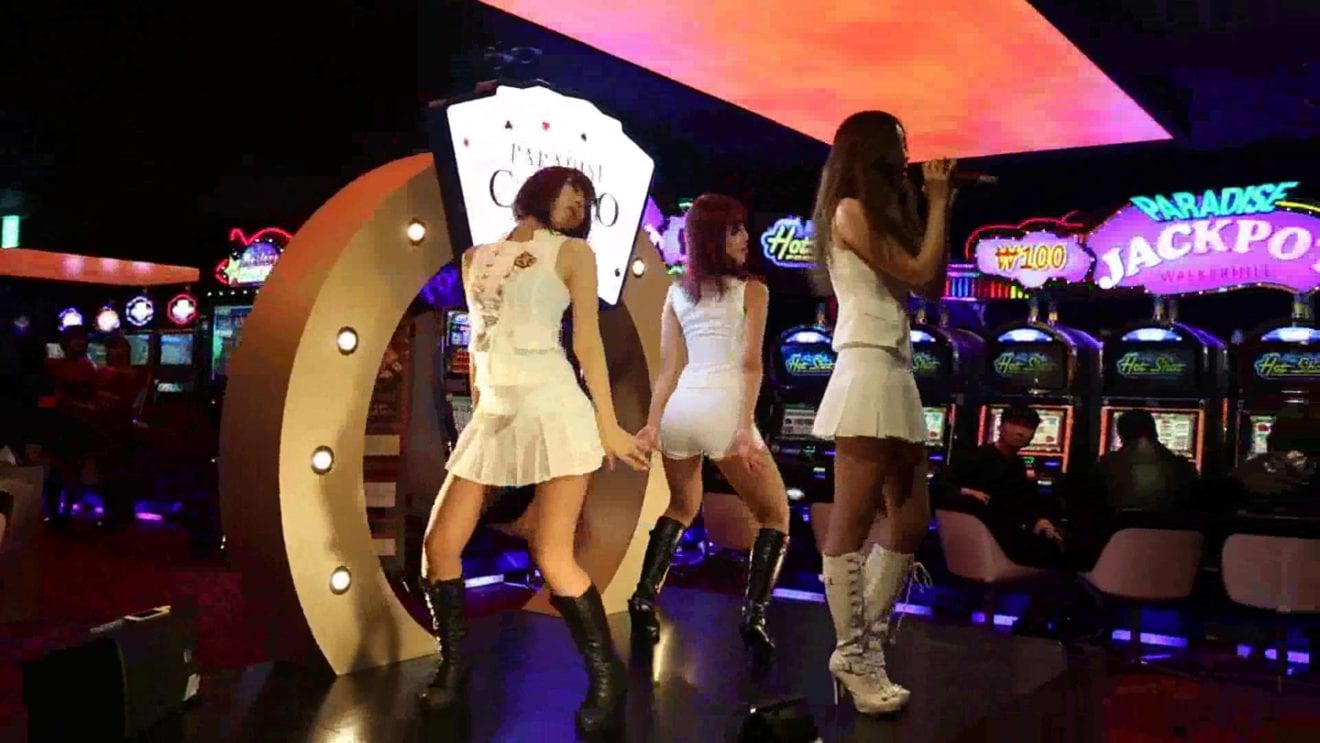
    The WalkerHill Duty Free operation has also become an institution as one of the few retail operations that is an integrated part of both a hotel and a casino, attracting good customer levels.

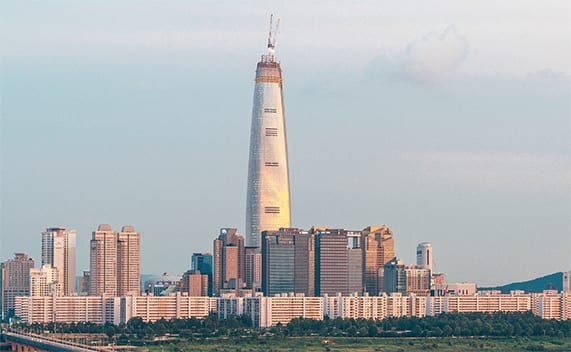
    Lotte Tower in Seoul

    Lotte’s total duty free sales reached a record US$4.02bn in South Korea in 2014, representing a huge $750m hike in revenue, equivalent to a 22.8% increase. Even given its wide range of duty free outlets at both Incheon Airport and downtown, Lotte will be very disappointed it has lost its licence for this business, since it had planned to make the World Tower shop the largest duty free store in Asia – never mind South Korea.

    Whether internal in-fighting at the top of Lotte has played any role in it losing its Tower license, or merely a view that it is becoming too big (or both) is unknown at present, although TRBusiness hopes to canvass the views of individuals who are very close to this process for further in-depth analysis within the next 24 hours.

    For its part, WalkerHill Duty Free management will also doubtless be very disappointed that it has lost its licence after nearly three decades of trading, with this store particularly well known for its wide range of high quality watches.

    As reported yesterday, Korea Customs initially received 10 bids for the three downtown concessions on offer in Seoul, while the single Busan downtown tender attracted just two bids.

  • Chinese account for 31% of global luxury sales

    Chinese account for 31% of global luxury sales

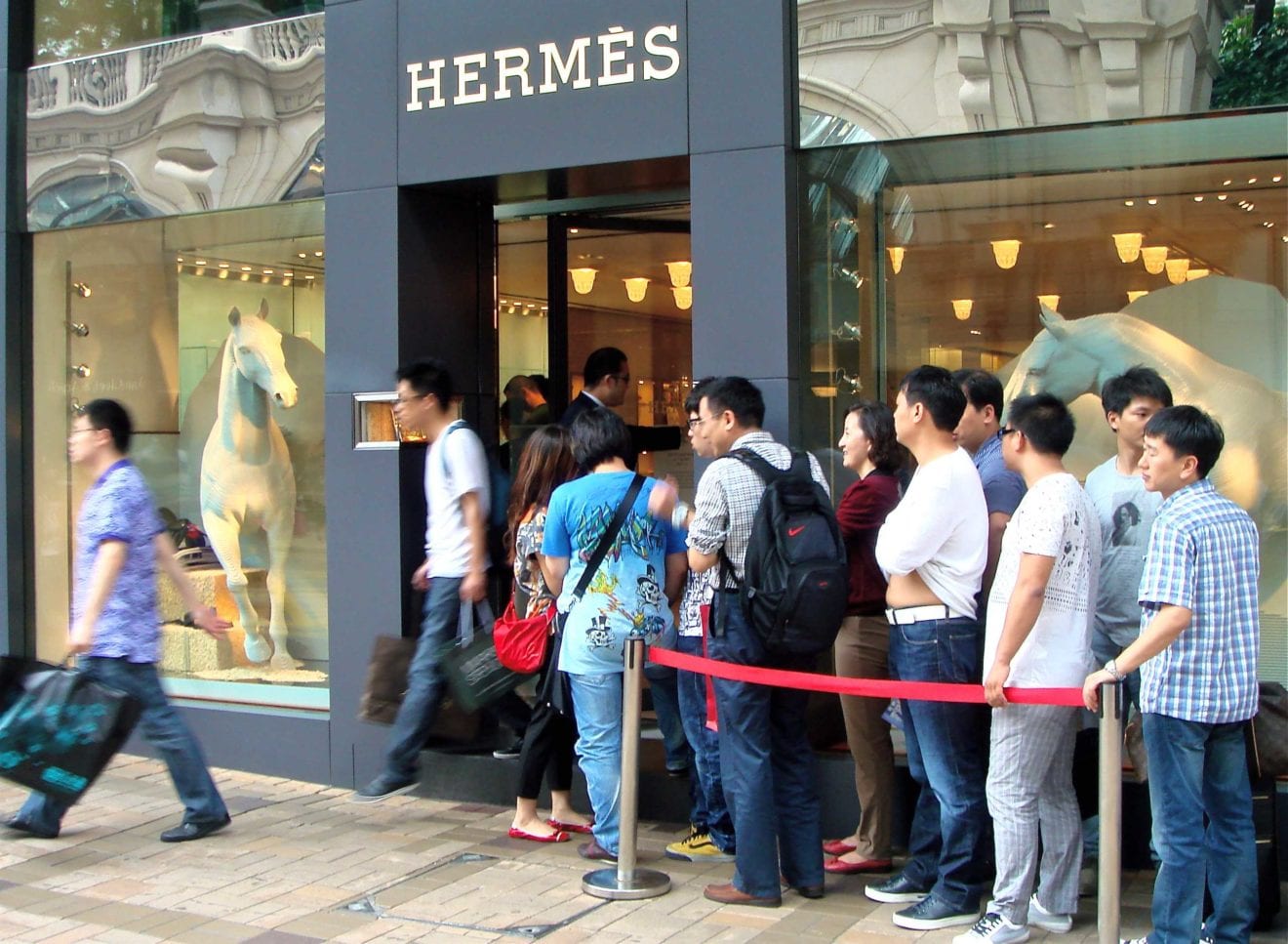
    Chinese shoppers now account for 31 per cent of the world’s annual luxury sales.

    According to Bain & Company’s 2015 Worldwide Luxury Report, the overall luxury industry will surpass €1 trillion in retail sales value in 2015.

    The market delivered healthy growth of five per cent year on year (at constant exchange rates), driven primarily by luxury cars (eight per cent), luxury hospitality (seven per cent) and fine arts (six per cent).  Aided by global currency fluctuations and continued jet-setting of “borderless consumers,” the personal luxury goods market ballooned to over a quarter trillion euros.

    That sector – including leather accessories, fashion, hard luxury and fragrance & cosmetics – reached €253 billion in 2015. This represents 13 per cent growth at current exchange rates, while real growth is significantly slowing to between one and two per cent.

    But the report warns that luxury brands will need the right pricing model to win against hard to predict currency volatility in the year ahead, which has impacted heavily on luxury retailers especially.

    While global tourists flocked to Europe and Japan to capitalise on a weak euro and yen, the Americas region, stagnant in real terms, was strongly inflated by the super dollar, thus capturing more than a third (34 per cent) of the global market spend in 2015.

    Meanwhile, Asia registered the worst historical performance (at constant exchange rates), driven by the lacklustre trend of Mainland China and the sharp drop in sales in Hong Kong and Macau.

    “For the last several years, we’ve referenced ‘luxury’s new normal’ with a deceleration of the personal luxury goods market. Now, we are starting to feel the impact of that slow-down,” said Claudia D’Arpizio, a Bain partner in Milan and lead author of the study.

    “The challenge for luxury brands in this environment is how to successfully navigate through hard-to-predict volatility.”

    According to Bain’s research, Chinese consumers continue to spend the largest share of luxury purchases (31 per cent) globally, followed by Americans (24 per cent) and Europeans (18 per cent).

    Chinese consumers are flocking to mature markets in droves, especially Europe, where an analysis of European tax-free shopping data, conducted in partnership with Global Blue, shows Chinese tax-free purchases increased by 64 per cent, particularly among the accessible and aspirational luxury segments, thanks to a weak euro.

    Americans also increased their tax-free spending in Europe by 67 per cent, aimed largely at the high end of the luxury spectrum.  Meanwhile, Russians cut their European spending by 37 per cent, and spending among the Japanese in Europe withered by 16 per cent.

    “Undoubtedly, Chinese consumers play a primary role in the growth of luxury spending worldwide,” said Federica Levato, principal at Bain and co-author of the study.

    “For years, we have known that they spend far more abroad than in Mainland China, but what’s changing is that they’re spending little money in historically popular destinations, such as Hong Kong and Macau, and are instead gravitating to new locales, such as Europe, South Korea or Japan, to benefit from currency fluctuations that drive favorable price gaps.”

    In terms of constant exchange rates, the US market did not deliver.  The “super dollar” was too expensive for many global tourists and though local consumption is growing, it was barely sufficient to offset the lost tourism revenue. Nevertheless, the US is the confirmed largest luxury market in terms of global luxury value, reaching €79 billion; New York City alone outweighed all of Japan.

    Another trend evident this year is the impact of eCommerce, which grew to seven per cent market share in 2015, nearly double its penetration since 2012. Luxury globetrotters have also fuelled the performance of airport retail, which posted 29 per cent growth in current exchange rates (18 per cent in constant exchange rates) and now accounts for six per cent of the global luxury market.

    With the growing middle class in economies such as China seeking good quality and good value, the off-price channel has more than doubled to nearly €26 billion.  Mark-downs are also increasing in prevalence across more than 35 per cent of the luxury market, with a strong relevance in department and specialty stores, as well as online.

    The Price of Luxury

    According to Bain, the number one challenge facing most luxury brands is establishing the right pricing model.

    The rise of eCommerce and global tourism growth create greater transparency around international price differentials. Additionally, price-conscious luxury shoppers are struggling to reconcile the price of luxury products with their real value. As a result, luxury brands must assess how to mitigate volatility and how best to deliver at local and global levels. This includes managing inventory to accommodate fluctuations in tourism and coordinating pricing and mark-downs across markets and channels.

    Luxury brands also face a host of tough issues such as rethinking their store footprint and the role of their stores in a world of growing digitalisation, as well as figuring out how to delight local customers even as masses of tourists flock to stores in mature markets.

    “Relentless price increases over the last decade, aimed at creating a more exclusive position in the market and maximising touristic flows are now starting to backfire on luxury brands,” said D’Arpizio.

    “They face the long-term challenge of rebuilding credibility and trust among consumers, rather than simply making shortsighted, tactical pricing adjustments to benefit from market fluctuations.”

  • South Korea retail sales surge

    South Korea retail sales surge

    South Korea retail sales rose to their highest level in four months in September, as Koreans put the Mers scare behind them and ventured back into stores.

    Data from Statistics Korea show retail sales totalled 31.13 trillion won (US$27.32 billion) during the month, a 4.1 per cent increase on September 2014.

    Department store and discount store sales started to slide in June when the Middle East Respiratory Syndrome (Mers) crisis peaked. From spending of 31.43 trillion won in May, sales fell to 29.35 trillion won in June and 29.45 trillion won in August.

    Rising sales of food, cosmetics and apparel led the rebound in September. Food and beverage sales rose 14.5 per cent, cosmetic sales rose 3.9 per cent and clothing by 0.6 per cent year on year.

    Furniture sales, too, rebounded – up 3.7 per cent.

    Spending at convenience stores soared 32.8 per cent, at discount department stores by 10.4 per cent and in department stores by 5.7 per cent.

    Online shopping spending rose by 18.3 per cent to 4.32 trillion won, accounting for 13.9 per cent of the nation’s total retail spend.

  • Hana Tour to Reinvent Itself as Global Cultural Tourism Retail Company

    Hana Tour to Reinvent Itself as Global Cultural Tourism Retail Company

    Established in 1993, Hana Tour is the largest travel company in Korea. In the last couple of years, on average, the company has recorded approximately 380 billion won (US$335 million) in sales and 40 billion won (US$35 million) in profits annually. Recently, the company has received a lot of publicity thanks to its successful bid for duty-free businesses in Incheon International airport and in downtown Seoul. The duty-free business is known as a cash cow, and annually generates approximately 300 billion won (US$264.9 million) in sales and 12 billion won (US$10.6 million) in profits. It is likely that Hana Tour will see significant synergy effects from combining tourism and the duty-free businesses, which will also impact the company’s overall business performance.

    It turns out that the company has set itself up for global tourism and cultural enterprises for some time. Following the goal of becoming the number one multinational cultural tourism group by 2020, the company has branched out into the retail, hotel, culture and performance enterprises. In the process, it has also secured significant overseas opportunities.

    Along with launching into the duty-free business, Hana Tour has been expanding into a variety of businesses that create synergy effects combined with the existing tourism business. Locally, drawing on culture and performance businesses, Hana Tour offers accommodation packages featuring art and performance events. Moreover, in cooperation with 8,000 local travel agencies and logistics channels, Hana Tour has also launched into e-commerce featuring ticketing businesses for art and performance enterprises. Titled “Hana Free Ticket,” the company’s retail site handles ticketing for musicals, concerts, and cultural events. Also by getting into the hotel business, Hana Tour can provide  travel packages with competitive prices, as the company can cut down accommodation costs. Beginning in 2012, Hana Tour opened the Center Mark Hotel in Insa-dong, followed by the T Mark Hotel in Chungmu-ro in 2013. A 560 room hotel is scheduled to be opened in the Namdaemun area in 2016. It also opened T Mark City Sapporo in Sapporo. With management expertise under its belt, Hana Tour has been commissioned to run the Pattaya Hotel in Thailand since last April.

    Hana Tour has started focusing on foreign opportunities and selling travel packages to foreign travelers in overseas markets. Hana Tour currently has 33 outpost offices worldwide. Using its overseas network, outpost offices in foreign countries developed travel packages in third countries, targeting local travelers in the foreign country. This is quite an innovation internally, given that in the past, 90 percent of the company’s travel business has been done with local outbound travelers.

    Given this, the Korean government’s recent decision to delegate the Chinese visa handling task to Hana Tour is a big overseas business breakthrough. In March this year, in the face of an increasing amount of Chinese tourists and laborers seeking Korean visas and handling the overwhelming administrative work, the government decided to delegate the task to Hana Tour. Although the delegation is currently in trials limited to the Guangzhou and Qingdao areas and the final decision to extend to other Chinese cities has not been made, many consider that the opportunity would bring many Chinese travelers to use Hana Tour travel products and Hana Tour–run Duty Free Stores in Korea.

    Although a majority of industry insiders consider a company’s venture into the duty-free business a terrific opportunity for the company, some raise concerns.

    The Hana Tour-led consortium SM Duty Free is formed by 10 small and medium enterprises, while Hana Tour represents a 76.8 percent stake. The SM Duty Free store has to stock 50 percent of its stores’ shelves with products produced by local SMEs.

    Although this feature is viewed positively by society, provided this gives SMEs a critical marketing venue, however, many questions whether focusing on SMEs’ products will give SM Duty Free competitive edges compared to its competitors in the duty-free business. Access to high-end products with relatively lower prices is a traditional appeal of duty-free stores for many consumers. Also, the fact that the combined shares of the company’s largest shareholders are mere 17 percent means that in the future, the company can’t make big investments into large-scale projects.

    Nevertheless, positive views about the future of Hana Tour dominate these days. Following the opening of the SM duty-free shops in Incheon Airport in November, Hana Tour will open a duty-free shop in Insa-dong in January next year. In fact, Hana Tour plans to turn its headquarters in Insa-dong into a duty-free store. Insa-dong SM Duty Free store will sell products featuring Korean Hallyu celebrities in partnership with SM Entertainment. An insider in the company said that shoppers will have unique cultural experiences apart from shopping. Hana Tour is also trying to make the best out of commercial and tourist trends in Insa-dong associated with big tourist attractions like Gyeongbokgung Palace.