Tag: Korea

  • Mercedes EV to launch in Korea

    Mercedes EV to launch in Korea

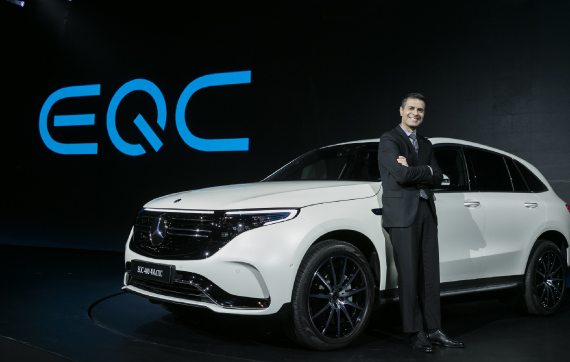
    Mercedes-Benz Korea is setting its sights on the local eco-friendly auto market with the introduction of an all-electric vehicle (EV) along with hybrid offerings this year. The Korean unit of the German brand announced Thursday that it will be introducing 14 new models to the local market this year including the EQC, the first model under its electric EQ brand, as well as four plug-in hybrid EVs at a New Year’s press conference at the Hotel Shilla in central Seoul.

    “2019 will be the year of the EQ,” said Dimitris Psillakis, CEO of Mercedes-Benz Korea. “We will do our utmost to provide the best products and services in the upcoming era of future mobility.”

    The premium electric SUV EQC, unveiled globally last September, is the German automaker’s current flagship EV. The promised hybrid models will range from SUVs to sedans, according to the automaker.

    Along with its entry into the local EV market, the German brand announced that it is also preparing its charging infrastructure.

    Mercedes-Benz Korea said EQC buyers will have access to its combined charging network, which will offer a wide range of charging stations nationwide. EQC drivers will also have access to a one-on-one concierge service that will recommend the nearest charging station to drivers.

    Mercedes-Benz Korea’s push into eco-friendly vehicles comes as it was embroiled in controversy last year regarding its vehicles’ emissions certifications.

    Last month, the automaker said it will appeal a court decision after it was found guilty of violating environmental and customs laws regarding the emissions certification process. The company was fined 2.81 billion won ($2.5 million) and an employee in charge of certifications was handed an eight-month sentence.
    Regarding the legal action, Psillakis promised that the company is following up on the newest regulations.

    “We have a very different changing and toughening regulatory environment around us,” said Psillakis. “We place processes to safeguard so that we can adapt to the new regulations as fast as possible.”

    The company also addressed concerns surrounding recall plans for its vehicles equipped with faulty Takata airbags, saying that it is planning a mass recall in the second quarter of this year of around 30,000 vehicles.

    The German automaker was the best-selling imported brand last year, selling 70,798 vehicles in the country.

    With last year’s sales, the Korean market is the fifth-largest market for the brand after China, the United States, Germany and Britain.
  • Hyundai develops safer airbag deployment system

    Hyundai develops safer airbag deployment system

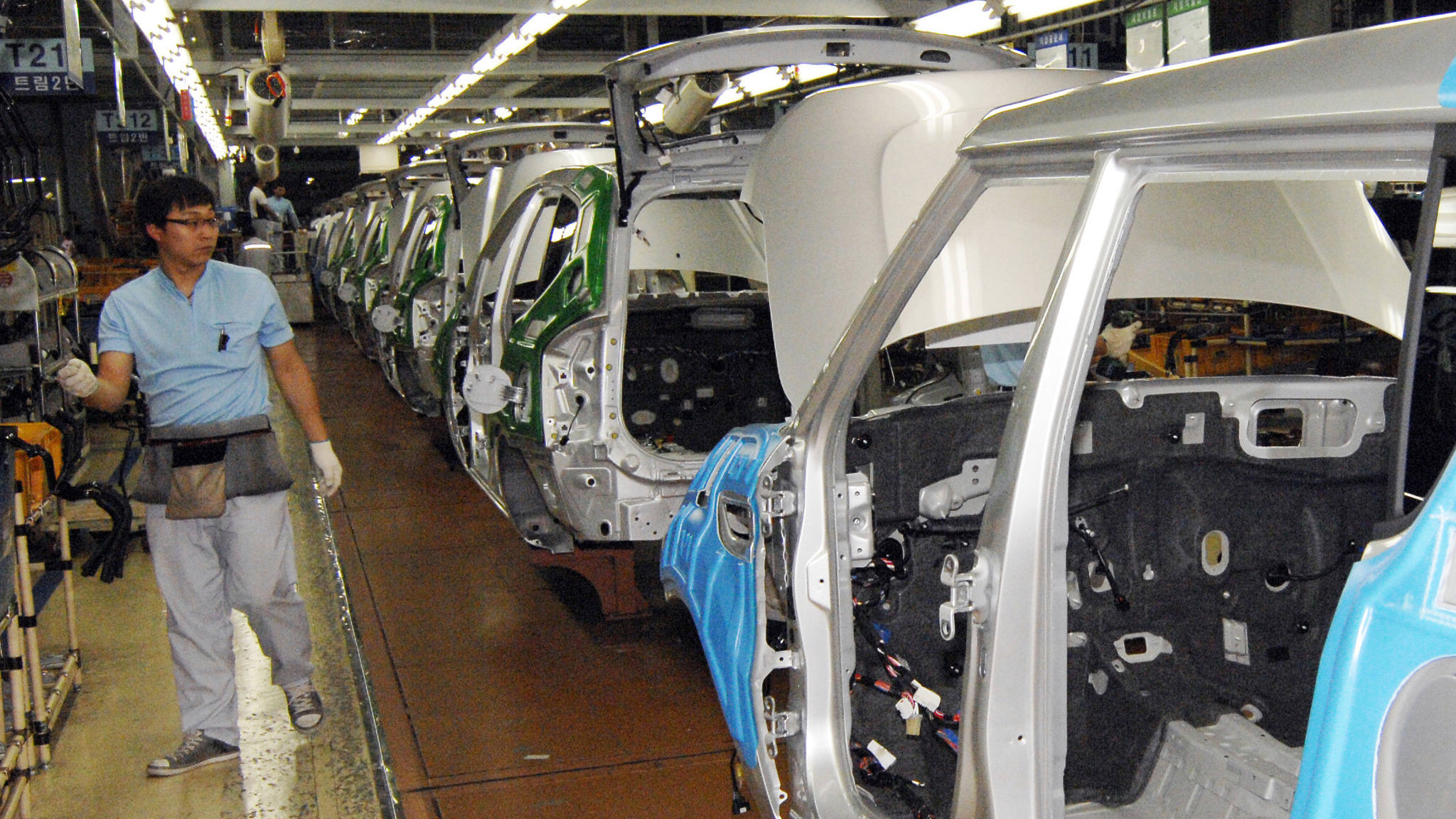
    Hyundai Motor Group, Korea’s biggest carmaker by sales, said Monday it has developed a safer airbag deployment system to better protect people from multiple crashes. The advanced airbag system immediately prepares for additional crashes once it recognizes an initial collision, in cases where the collision is not serious enough to warrant a deployment, the conglomerate said in a statement.

    “If the first collision is a minor one, but the vehicle continues on and collides with something else, such as trees or street lamps, the airbag system optimizes itself to prepare for additional crashes,” a company spokesman explained to reporters over the phone.

    It is the first time a Korean carmaker has developed such a multi-crash airbag system, the statement said.

    Existing airbag systems do not inflate once they determine the initial collision is minor, even if subsequent impacts involve greater force and can lead to serious injury, it said.

  • Air purifier sales up 414 % after dust attack in Korea

    Air purifier sales up 414 % after dust attack in Korea

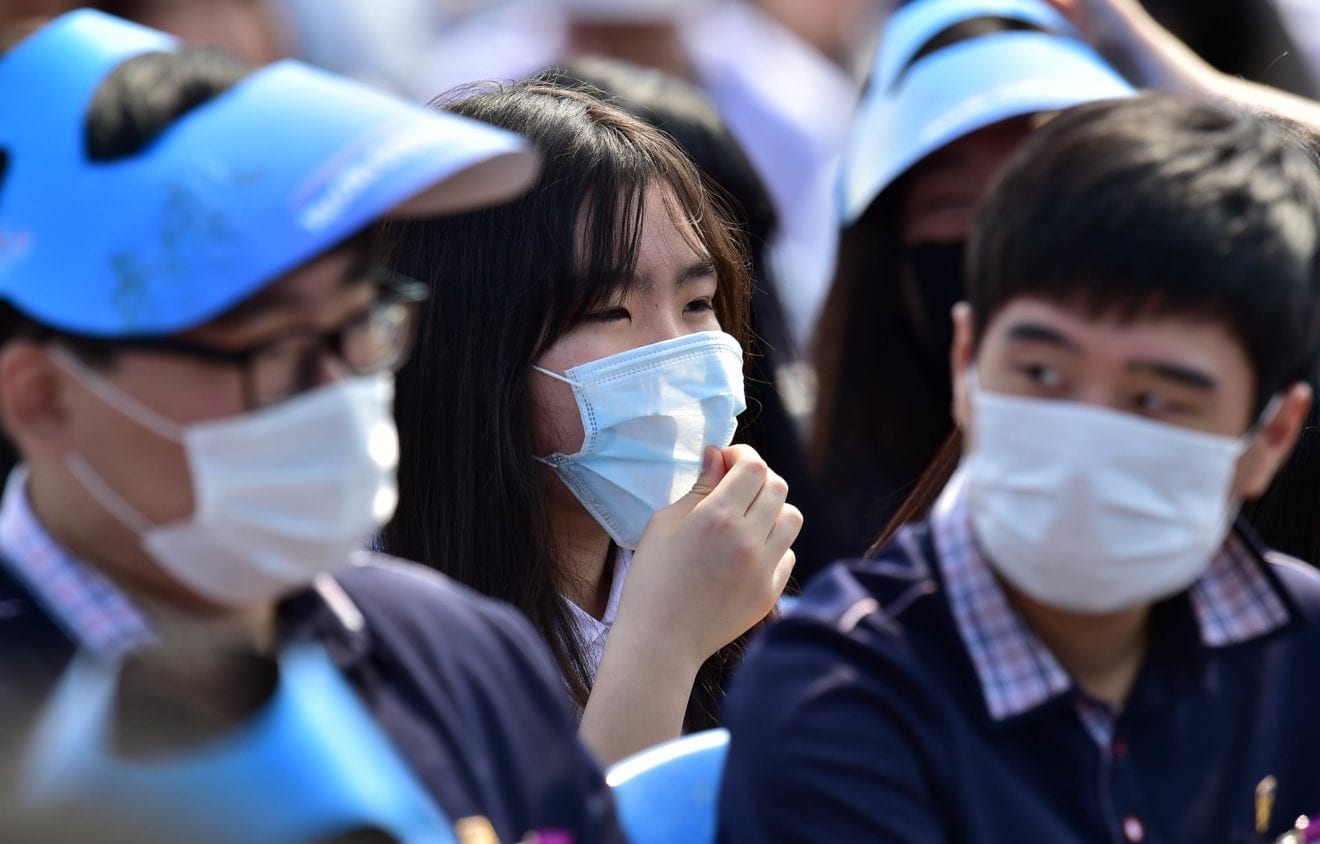
    As fine dust blows into Korea, demand for products that defend against pollution spike. According to an Emart study released Friday, mask sales between Jan. 10 and Jan. 16 surged 458 percent from the same period a year earlier while the sales of air purifiers are up 414 percent. Usually, the products are in high demand around late February and in March, when the yellow dust from the northern deserts descend on the Korean Peninsula. But sales this year are already 95 percent of the total usually reported in March.

    Sales of consumer appliances that clean clothing, such as LG’s Styler clothes closest, are up 186 percent compared to the same period a year ago, according to the retailer. Sales of dryers have increased 67 percent as the worsening pollution has made it difficult to dry laundry outdoors.

    Emart said it will be holding a special sale on fine-dust countering goods through Jan. 30.

    It plans to offer discounts on the bulk purchase of masks: 10 percent when buying two and 30 percent when buying three at a time.

    The Samsung Electronics air purifier with model number AX6ON5081 WDD will be sold at 379,000 won ($338), a 90,000 won discount, while Coway’s AP-1818C model will be sold at 439,000 won, a 60,000 won discount. The purchase of Coway’s air purifier also comes with 85,000 won worth of additional filters and 50,000 won in gift certificates.

    The retailer is also providing discounts on vacuum cleaners, including Dyson’s V10 Fluffy, the LG Electronics A9, which also has a mopping feature, Samsung’s VS8ON8062KKS and Tepal’s Air Force 360.

    Online shopping malls are ramping up their marketing of fine dust-related products. Coupang has been promoting 650,000 fine-dust products since Jan. 10.

    An exclusive study by the JoongAng Ilbo found that much of the recent air pollution is coming from China.

    The Korean Meteorological Administration is forecasting a return of high fine-dust readings. It said the level of concentration of pollutants started rising on Friday and will continue to increase today.

    When the concentration is at 15 micrograms per square meter or lower, the government rates the air quality as “good.” When it is between 16 and 35, it is deemed “normal.” When the figure is between 36 and 75, the government rates the air quality as “bad.”

    On Jan. 14, the fine-dust concentrations in the greater Seoul area peaked at 122 micrograms per square meter, the highest level since related data was first collected in 2015.

    That was two days after air pollution in major areas in China, including Beijing, Tianjin, Tangshan and Hubei Province, peaked.

    The Korean Meteorological Administration forecasts air pollution levels dropping from Sunday afternoon.

    Kweather, a private weather company, has advised people to stay indoors over the weekend and wear a protective mask when having to go outside.

  • Love Yourself a BTS-themed coca cola

    Love Yourself a BTS-themed coca cola

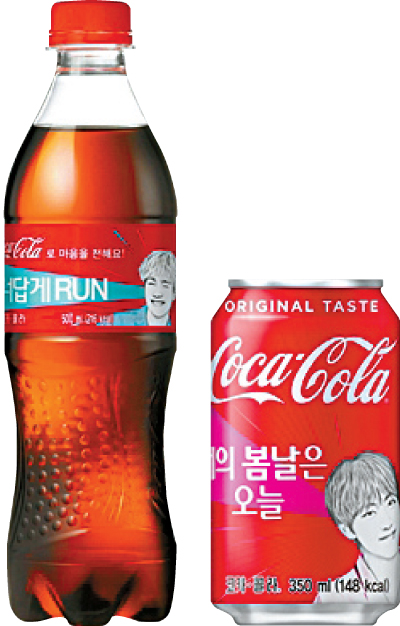
    Coca-Cola launched BTS-themed bottles as part of its “Share a Coke” campaign on Monday. The bottles come in seven different designs – each one representing a member of the K-pop boy group – with inspirational messages referencing the group’s song titles. This year, the special Coke bottle labels read in Korean “Your spring day is today,” “I’m fine if it’s you,” “Run like yourself,” “You’re really dope,” “You are my idol,” “Go instead of worry” and “This year is blazing fire.”

    Bottles are also decorated with images of the members’ faces and vivid colors like pink, yellow and green.

    The BTS-themed drinks are available in grocery stores and convenience stores across Korea. They come in 350-milliliter (12-ounce) aluminum cans and 500-milliliter, 1.5-liter and 1.8-liter bottles.

    Coca-Cola in Korea has been launching special edition Coke bottles as part of its Share a Coke storytelling campaign since 2014. The campaign’s goal is to help consumers share hopeful messages with friends and family by exchanging the drinks with one another.

  • Hyundai, Kia move ahead with recall in U.S.

    Hyundai, Kia move ahead with recall in U.S.

    Despite a government shutdown, Hyundai and Kia are moving ahead with a recall of about 168,000 vehicles to fix a fuel pipe problem that can cause engine fires. The problem stems from improper repairs during previous recalls for engine failures. The affiliated Korean automakers have been dogged by fire and engine failure complaints from across the nation. They’re both under investigation by the U.S. National Highway Traffic Safety Administration, which has been trying to figure out whether initial recalls covered enough vehicles. But the agency is mostly closed due to the shutdown.

    In addition to the recall, each automaker says it will do a “product improvement campaign” covering a total of 3.7 million vehicles to install software that will alert drivers of possible engine failures and send the cars into a reduced-speed “limp” mode if problems are detected.

    Nhtsa employees who do safety investigations and recall notifications are not at work. Under normal circumstances, the agency would review the recalls to make sure they are adequate and post details on the agency website. It would also monitor notices to customers, and ensure customers could check to see if their vehicles are included.

    Kia spokesman James Bell said the company is proceeding with the recall and campaign regardless of government delays.

    “Making our customers comfortable is vastly more important than making sure we’re following additional government processes right now,” he said. Kia sent letters to dealers around Jan. 10 notifying them of the recall, he said.

    But a U.S. auto safety advocate called the recalls inadequate and said the product improvement campaigns should instead be recalls that are overseen by Nhtsa.

    An Nhtsa spokeswoman said she could not comment due to the shutdown.

    Hyundai and Kia started recalling 1.7 million vehicles in 2015 – about 618,000 of which are Kias – because manufacturing debris can restrict oil flow to connecting rod bearings. That can cause bearings in 2-liter and 2.4-liter four-cylinder engines to wear and fail. The problem can also cause fires. The repair in many cases is an expensive engine block replacement.

    Now the companies are acknowledging that the engine replacements may not have been properly done in all cases by dealers. A Kia statement says the high-pressure fuel pipe may have been damaged, misaligned or improperly tightened while the engines were being replaced under recall. That can allow fuel to leak and hit hot engine parts, causing fires.

    Kia says it has six reports of fires among the vehicles being recalled for possible fuel leaks, while Hyundai says it has no fire reports. Neither company had any reports of injuries.

    The fuel injector pipe recall covers some 2011 through 2014 Kia Optima cars, 2012 through 2014 Sorento SUVs, and 2011 through 2013 Sportage SUVs, all with 2-liter and 2.4-liter four-cylinder engines. Also covered are many 2011 to 2014 Hyundai Sonata cars and 2013 and 2014 Santa Fe Sport SUVs.

    More than 2 million 2011 Sonatas from the 2011 through 2018 model years and Santa Fe Sports from 2013 through 2018 are covered by the software and engine-knock sensor updates. About 1.7 million Kias, including the 2011 through 2018 Optima, the 2012 through 2018 Sorento and 2011 through 18 Sportage, are covered.

    The companies say owners of the recalled vehicles will be notified by letter. Dealers will check the fuel pipe for leaks and replace the pipe if needed.

    Kia is only doing the fix on 68,000 of its 618,000 vehicles recalled for the engine problems, while Hyundai is recalling 100,000 of more than 1 million. Hyundai said only vehicles that had engines replaced in the previous recalls are covered by the new recall.

    He also raised concerns about the government shutdown’s impact on Nhtsa, which he said should be open to handle critical safety recalls.

  • Korean SUV sales soar globally

    Korean SUV sales soar globally

    SUVs have recently grabbed the spotlight in Korea, breaking both local and export sales records. According to the Korea Automobile Manufacturers Association (KAMA), the number of exported SUVs by five local automakers reached a new record of 1.38 million units in 2018, a 6.7 percent increase from the previous year. In just 17 years, the figure rose by 700 percent – exports recorded merely 196,111 units in 2000.

    Over the same period, overall exports of passenger vehicles declined 3.1 percent to 2.34 million units. The share of SUVs also reached an all-time high.

    Compact SUVs from Korea were most popular in export markets.

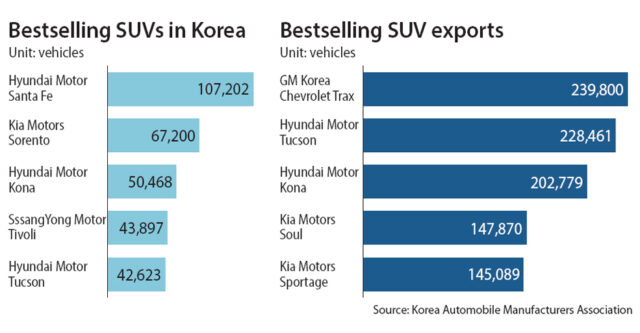
    GM Korea’s Chevrolet Trax was shipped the most, at 239,800 units, followed by Hyundai Motor’s Tucson at 228,461 units.

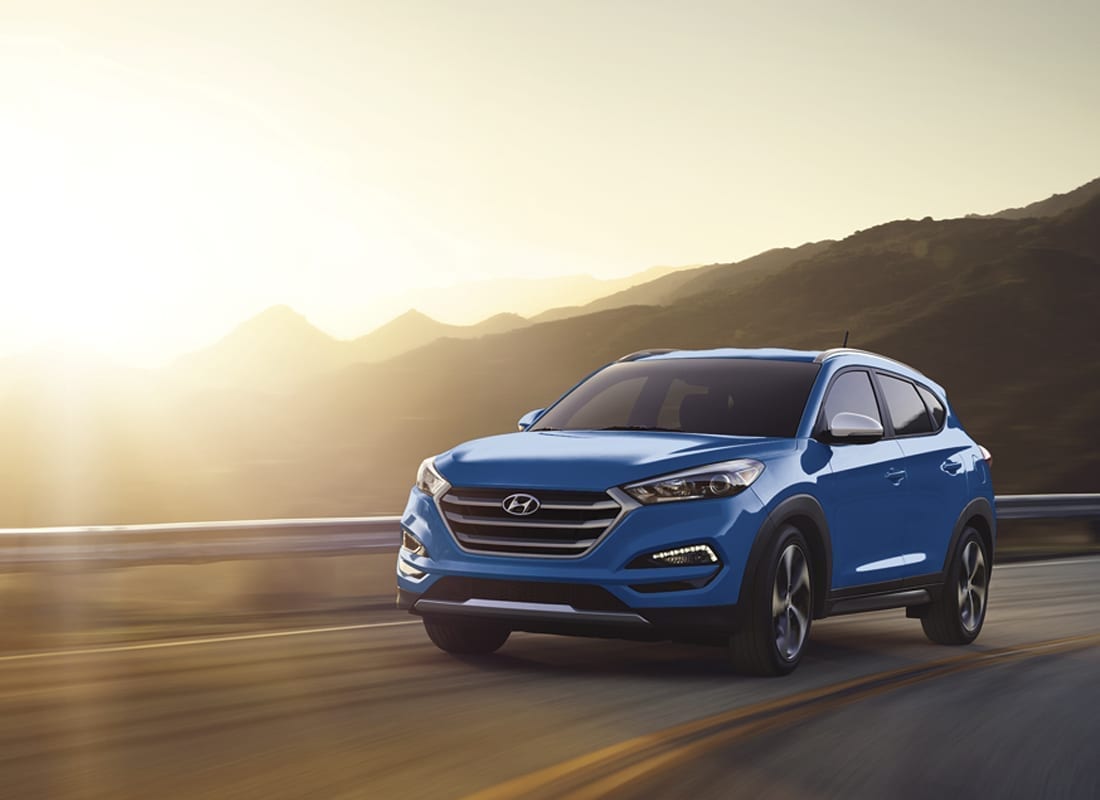
    Small-sized SUVs also performed well, with 202,779 units of Hyundai Motor’s subcompact SUV Kona shipped abroad, a 437 percent rise from the previous year.

    Kia Motors’ Stonic exported 58,989 units, increasing 75.8 percent from 2017.

    Much of the enthusiasm surrounding SUVs in markets abroad was also present in the local market.

    Last year, 519,883 SUVs were sold in Korea, passing the 500,000 unit mark for the first time.

    With a 12.7 percent rise from 2017 sales figures of 461,385 units, SUVs currently take up a 40.1 percent share in the overall passenger car sales figures.

    Meanwhile, passenger car sales, excluding SUVs, dropped 6.9 percent last year from the previous year.

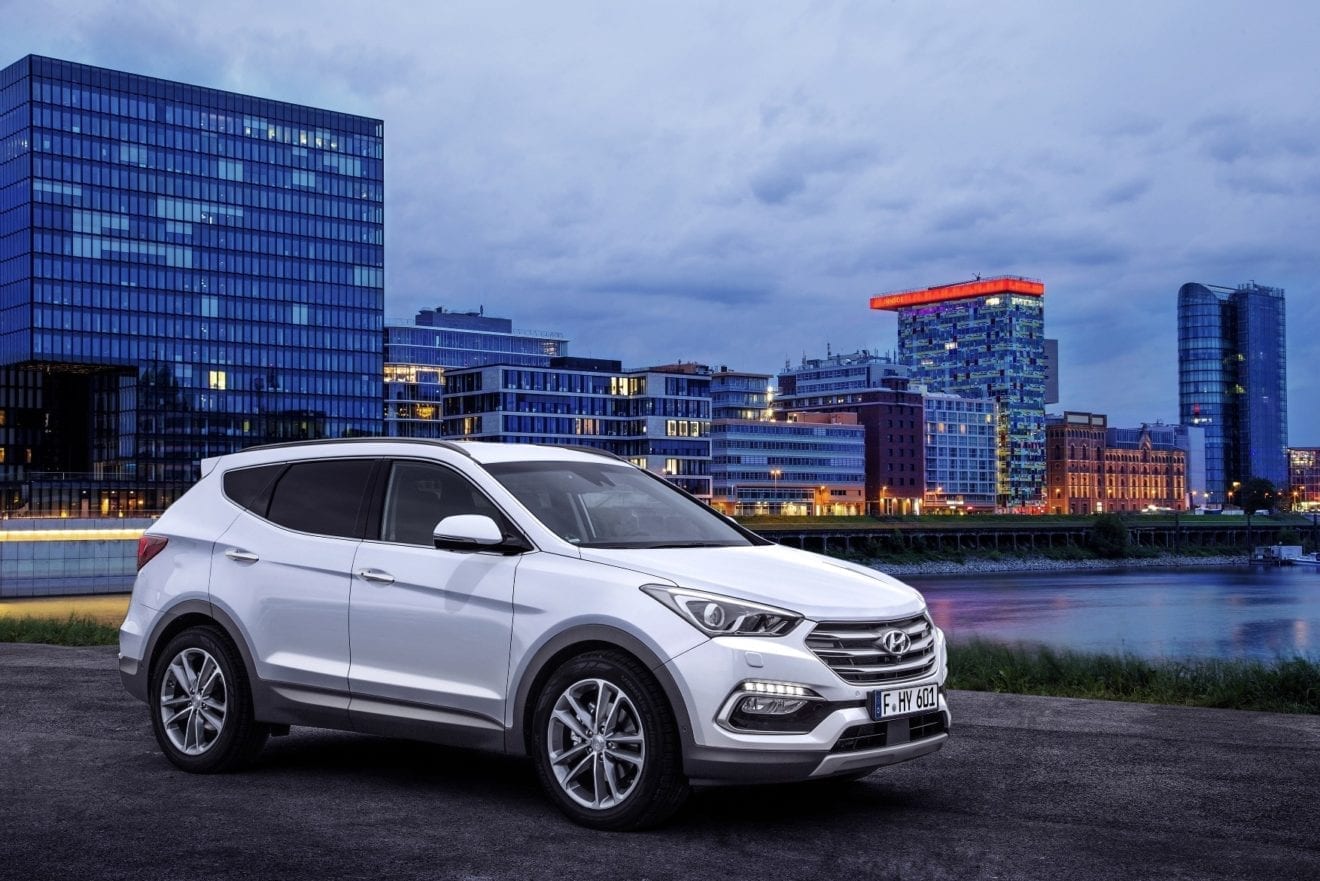
    Hyundai Motor’s mid-sized SUV, the Santa Fe, was the most popular in Korea, selling 107,202 units. This was the first time that an SUV model recorded an annual sales figure over 100,000 units.

    The SUV market is expected to grow this year.

    As compact and small-sized SUVs are poised to lead exports and medium and small-sized SUVs the local market, large-sized SUVs are also being rolled out this year.

    Hyundai Motor’s Palisade, unveiled last November, recorded over 25,000 preorders in just three weeks, hitting 62.5 percent of the automaker’s annual sales target of 40,000 units for the model.

    It will likely take customers around seven months to receive the vehicle if ordered now.

    According to Hyundai Motor, the large-sized SUV is popular among older drivers. Customers in their 40s accounted for 37 percent of orders and those in their 50s made up 26.9 percent.

    “As high-quality amenities and vehicle stability that used to be developed through sedans is now applied to SUVs, there was quite a bit of progress,” said Kim Pil-soo, a professor of automotive engineering at Daelim University.

    “This year’s SUV sales and market share will grow as local and foreign SUVs have adopted the advantages of sedans,” added Kim.

  • Living Coral proves Color of the Year sells well

    Living Coral proves Color of the Year sells well

    After color forecaster Pantone announced its annual Color of the Year in December, Korean companies, spanning cosmetics brands to hiking-gear makers, have rushed into releasing products in the vibrant hue. According to Pantone, the color was chosen for being “animating and life-affirming” able to energize and enliven with a softer edge. The color, which stands somewhere between pink and orange, is also a reminder of the beauty of coral reefs, “a source of sustenance and shelter to sea life” that is only visible in a healthy environment.

    Coral is already a popular color for many cosmetics brands in Korea, and is annually one of spring’s trendiest colors.

    One of the first local collaborators with Pantone is cosmetics brand VDL. Early this month, the company released its “2019 VDL + Pantone Collection,” including a 12-color eye shadow palette, lipstick, primer and cushion packs, all featuring the trendy hue.

    This is the company’s fifth collaboration with Pantone since 2015; every January, VDL releases a lineup of cosmetics featuring the Color of the Year.

    Olive Young, a chain of health and beauty brands, saw a 45-percent sales increase in their coral- and orange-toned cosmetics from Dec. 17 to Jan. 7.

    According to the company, the major reason behind the increase was Pantone’s annual announcement.

    Unlike previous Color of the Year picks – such as Ultra Violet in 2018 and Greenery in 2017 – which are relatively difficult to apply as makeup, Living Coral goes well with many skin tones, while “naturally brightening” one’s face.

    In recent weeks, YouTube has been dominated with hundreds of videos of beauty bloggers applying Living Coral makeup collections.

    Living Coral is also influencing the design and fashion industries.

    Korean furniture brand Modern House teamed up with Pantone to develop a special series of home goods, ranging from kitchen items and bathroom utensils to home decorations and tumblers in the beginning of the year.

    Casual wear brand Uniqlo Korea set this year’s fashion key word as “24/7 Relax & Comfort” and revealed a series of spring clothing featuring vibrant colors, including Pantone’s Living Coral.

    Sportswear brand MLB has also released a collection of hoodies, puffer jackets, beanies and pants in different shades of coral.

    “Coral [is a very popular] color in various categories – from lipsticks to blush and eye shadows,” Olive Young said in a statement on Jan. 8.

    “The sales of coral-colored products have been increasing since the beginning of the year. ”

  • Seoul, SKT to add 5G to transport system

    Seoul, SKT to add 5G to transport system

    Sensors on roads will be able to alert cars when people are jaywalking and bus stops will tell buses to slow down in crowded areas when Seoul’s 5G infrastructure is ready, the city’s government and SK Telecom said in a joint statement Thursday. The Seoul Metropolitan Government and SK Telecom have teamed up on an initiative called the Cooperative-Intelligent Transport System, an upgrade of the current transportation system in Seoul. The pilot program will run until the end of 2020 with a budget of roughly 25.4 billion won ($22.6 million).

    Seoul already has a digitized public transportation system with signboards at bus stops telling passengers when the next bus is coming and whether it is crowded, and T-Money cards that enable people to transfer between various means of public transportation with little additional cost. The city aims to use 5G to make that transport system even safer.

    SK Telecom will supply 2,000 5G devices for buses, taxis and traffic signal controllers so they can connect with the 5G network. The mobile carrier said the devices will be co-developed with Samsung Electronics.

    Buses and taxis installed with 5G will constantly share data with bus stops, traffic lights and other traffic infrastructure. SK Telecom and the Seoul government will look for dangerous situations by analyzing the shared data to prevent accidents. As SK Telecom operates the country’s largest navigation app – T Map – the carrier said it will send out warnings through the app to reach the largest number of drivers possible.

    SK Telecom said there are about 30 safety services the 5G-based transportation system can offer.

    Roads installed with 5G sensors can detect jaywalkers, the mobile carrier said. While cars may have difficulty spotting people in the dark or during bad weather, 5G-connected sensors will alert nearby cars and prevent accidents. In 2017, 9,590 accidents were caused by jaywalkers, the largest cause of road accidents for pedestrians, according to data from the Korea Road Traffic Authority.

    The country’s largest telecom company also said 5G connectivity between cars can prevent secondary accidents by sending warning messages to following cars when an accidents occur in areas with poor visibility, such as around a corner or a bend in the road.

    As well as partnering on safety services, Seoul and SK Telecom are also preparing to jointly establish an autonomous driving test-bed in Sangam-dong, western Seoul, by the first half of this year. A self-driving vehicle will run back and forth between Digital Media City Station and buildings in the area. The SK Telecom-operated autonomous vehicle will begin running in the area from June at the earliest.

    “The Cooperative-Intelligent Transport System project is a futuristic business that combines state-of-the-art digital technologies, like 5G, autonomous driving, artificial intelligence (AI) and the cloud,” said Ryu Young-sang, an executive vice president of SK Telecom. “We hope to offer a range of traffic safety data to Seoul citizens using 5G and reduce traffic accidents.”

  • Coffee exports jump for Korean firm

    Coffee exports jump for Korean firm

    Namyang Dairy Products said Friday its coffee exports jumped more than 20 percent in 2018 on market diversification and the rising popularity of Korean pop culture abroad. Overseas shipments of its freeze-dried coffee and instant coffee products totaled 36 billion won ($32 million) last year, compared with 28 billion won a year earlier.

    Exports of freeze-dried coffee totaled 2,000 tons last year, compared with 1,500 tons a year earlier. The value rose to 30 billion won from 23 billion won. The company also exported 50 million instant coffee mixes, up from 40 million the previous year.

    A company official attributed the export jump to its development of premium products as well as the overseas popularity of Korean pop culture.

    Namyang Dairy Products said it will ramp up efforts to diversify its export markets to Europe. Last year, Korea’s overall exports of coffee products came to 75,100 tons, up slightly from 75,000 tons a year earlier.

    Meanwhile, Korea’s exports of milk powder surged to 32.5 billion won last year from 26 billion won a year earlier.

  • Hyundai takes top honors at Nactoys

    Hyundai takes top honors at Nactoys

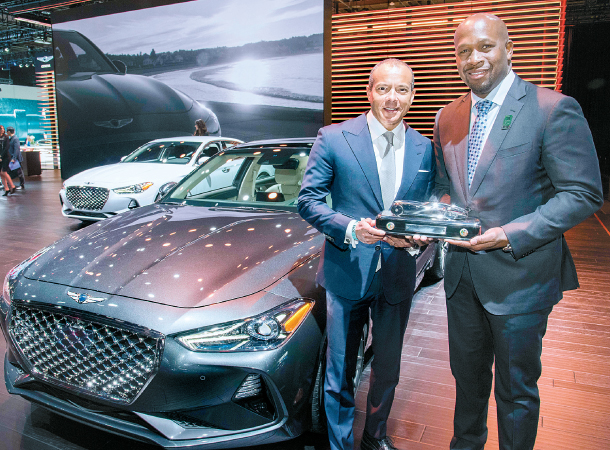
    Hyundai Motor Group took home the top prizes in two of three categories at the 2019 North American Car, Utility and Truck of the Year Awards (Nactoy), the company said last Tuesday. It is the first time a Korean carmaker has won in two categories at the annual awards. Hyundai Motor’s Kona and Kona Electric crossover utility vehicle won in the utility category, while the G70 sedan sold under the carmaker’s Genesis brand won in the car category.

    A jury consisting of journalists and analysts based in the United States and Canada voted for the winners of each category, choosing between three finalists. This year, 54 journalists from print, online and broadcast media participated in the assessment.

    The award organizer said in a press release that jurors voted on the finalists based on segment leadership, innovation, design, safety, handling, driver satisfaction and value for the dollar.

    Hyundai’s Kona competed with Honda’s Acura RDX and the Jaguar I-Pace.

    “The Kona Electric is the first mass-market electric car that truly works for the mass market,” said Jamie Page Deaton, executive editor at U.S. News & World Report Best Cars. “A livable EV range, affordable price and practical cabin combine with lively driving dynamics to make the Kona EV a true pleasure.”

    The G70 competed with the Honda Insight and Volvo S60. The Genesis-brand was evaluated to exceed luxury segment mainstays like the BMW 3 Series, Audi A4 and Mercedes-Benz C-Class in driver engagement and value for the dollar.

    The last Hyundai car to win top honors at the awards was the Avante sedan, sold as the Elantra in North America, in 2012.

    Previously the award only had two categories – car and truck – however, utility vehicles earned an independent category from 2017, considering the rising popularity of the segment.

    A Hyundai spokesperson said it will market the Kona and G70 more actively in the North American market with boosted presence from the awards.

    The winners were announced at the North American International Auto Show in Detroit on Monday. Hyundai also introduced its Veloster N TCR high-performance racing car at the show, while Kia Motors premiered its Telluride SUV. The SUV will only be sold in the North American market.

  • Nissan Korea fined 900 million won for inflating mileage figures

    Nissan Korea fined 900 million won for inflating mileage figures

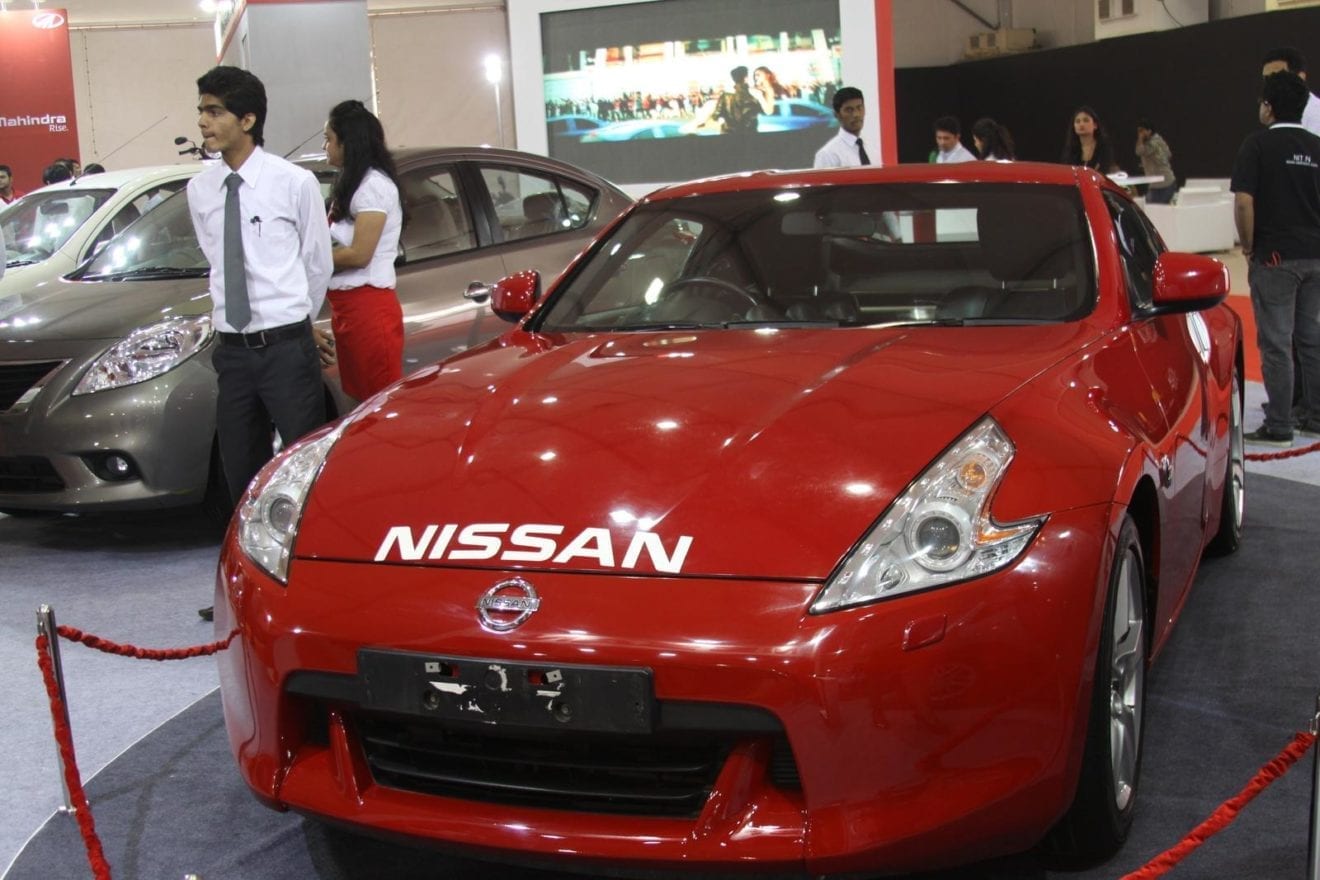
    Korea’s antitrust watchdog said Wednesday that it has fined Nissan Korea 900 million won ($802,100) for inflating gas mileage figures for its Infiniti Q50 2.2d sedans. The Japanese car’s fuel efficiency reaches 14.6 kilometers per liter (34.3 miles per gallon), but the local unit of the Japanese carmaker overstated the fuel efficiency as 15.1 kilometers per liter in its stickers, catalogues and magazines between February and November 2014, according to the Fair Trade Commission.

    Nissan Korea sold 2,040 Infiniti Q50 2.2d sedans valued at 68.68 billion won during the cited period.

    “There are concerns that Nissan Korea’s advertising could hurt fair trade by distorting consumers’ reasonable choice, considering that fuel efficiency is a priority factor when they buy vehicles,” the commission said.

    Repeated calls to Nissan Korea seeking comment went unanswered.

  • SK Telecom announces plan to take on KakaoTalk

    SK Telecom announces plan to take on KakaoTalk

    SK Telecom introduced a new messaging service on Tuesday in an attempt to compete with Korea’s dominant chat app, KakaoTalk. The new service will look a lot like Apple’s iMessage. Users won’t have to download a separate app. It is offered to SK Telecom subscribers only. Messages will be sent on data networks. Group chat and check whether your message has been read will also be offered.

    Later in the year, SK Telecom promises more features so that users can share mobile gift coupons and transfer money. These are all services already offered by KakaoTalk.

    SK Telecom is trying to make its service competitive by offering freebies. Transfers of picture or video files of less than five megabytes will be free from data charges. It is also running promotions through June that will allow sharing of files up to 100 megabytes for free.

    The carrier is also preparing to launch a dedicated message service targeting business customers within the first half of this year.

    That service is based on Rich Communication Services (RCS), a communication protocol developed by the Global System for Mobile Communication Association better known as GSMA, to replace SMS messages.

    The telecom said it is planning on making the message service compatible for customers of different carriers in Korea.

    In December, KT introduced a message service dubbed Chatting based on the same RCS specifications. Basic features are identical for the two services, but they differ in some features depending on what telecom a person uses.

    Last year, KT promoted a chatting bot service on the new message service. Simple inquiries about the company’s products and services could be handled by the chat bot. In the future, it is planning to linking shopping services to the chat bot.

    Luring customers away from KakaoTalk will not be easy. Chat app users are resistant to change because all their friends use the same app.

    In the initial stage, SK Telecom’s chat service will only be offered to owners of Samsung Electronics’ flagship smartphones Galaxy Note9, S9, S9+. By February, Galaxy Note8, S8, S8+ users will also get in through an update.

    The upcoming Galaxy S10 smartphone will come with the RCS-based message app pre-installed.

  • Imports of commercial vehicles fell last month in Korea

    Imports of commercial vehicles fell last month in Korea

    Sales of imported commercial vehicles plunged 38 percent last month from a year earlier amid slower economic growth, a local automobile association said Tuesday. The number of newly-registered imported commercial vehicles fell to 283 units in December from 390 a year ago, the Korea Automobile Importers and Distributors Association (KAIDA) said in a statement.

    “The construction industry faces a slowdown as the government pushes for regeneration projects in residential areas instead of building new apartments or homes. This is driving down demand for commercial vehicles,” a spokeswoman for Volvo Trucks Korea said.

    Imported commercial vehicles are widely viewed as being more upmarket than domestically produced rivals and offer more choices for users.

    For the whole of 2018, the number of imported commercial vehicles sold in Korea declined 1.6 percent to 4,394 units from 4,464 a year earlier, the statement said.

    Major imported commercial vehicle brands are MAN, Mercedes-Benz, Volvo Trucks, Scania and Iveco.

    There are three kinds of trucks. Two of them are regarded as commercial vehicles, but the third, referred to as a dump truck, is classified as construction equipment.

    KAIDA began to compile sales data for imported commercial vehicles in January 2017.

  • Shilla Vietnam to open hotel at Da Nang

    Shilla Vietnam to open hotel at Da Nang

    Hotel Shilla announced Tuesday that it will actively begin expanding its brand abroad this year, the first new location being a resort in Da Nang, Vietnam. “Starting with Da Nang, we hope to expand our brand to more than 10 overseas locations in Southeast Asia, United States and China,” the hotel company said in a statement. Hotel Shilla is Samsung’s hotel and duty-free business arm. The 46-year-old company currently operates The Shilla Seoul and The Shilla Jeju.

    It also runs 11 business hotels under its Shilla Stay name.

    The company said that it will expand overseas through hotel management agreements with local companies, a common structuring for hotel chains. This means the local partner will own the hotel building while Shilla will operate the business. For Shilla, this minimizes investment risks.

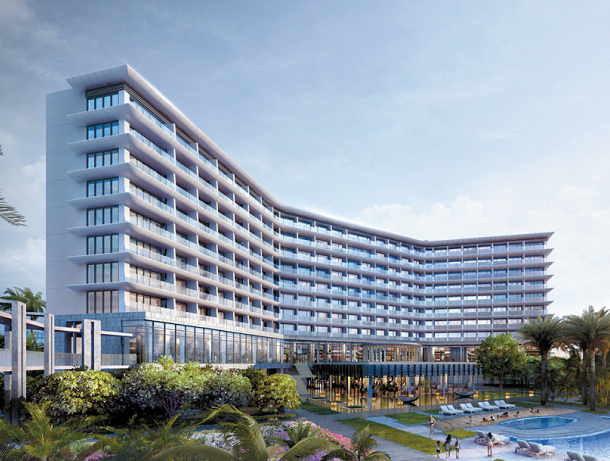
    Shilla’s new Da Nang hotel – slated to open this year under the brand-new Shilla Monogram name – will be a nine-floor building with 300 rooms. The hotel will be located on Non Nuoc Beach in Da Nang, a popular destination for Korean tourists.

    The hotel, still under construction, will feature an outdoor pool, restaurants and bars. Every room will be equipped with a balcony.

    Hotel Shilla also announced that it is preparing to open a 200-room premium business hotel in San Jose in Silicon Valley, California, under its Shilla Stay brand by 2021.

    “We hope to continue raising more revenues abroad by expanding our overseas hotel business,” said a Hotel Shilla spokesperson.

    Some 20 percent of the company’s total revenues today, or 1 trillion won ($892.5 million), come from abroad. Hotel Shilla operates several duty-free stores in domestic and foreign airports, including locations at three of Asia’s busiest airports: Singapore’s Changi Airport, Hong Kong International Airport and Incheon International Airport.

    Hotel Shilla has been operating Jinji Lake Shilla Hotel in Suzhou, China, since 2006. It was the first overseas hotel managed by the company.

    Following Tuesday’s announcement, Hotel Shilla’s stock prices closed at 76,100 won on Tuesday, 1.33 percent higher than Monday.

    As for upcoming domestic projects, Hotel Shilla is planning to open a hotel themed after hanok, or traditional Korean houses, by 2023 in central Seoul.

    If the company receives approval to build the new hotel from domestic land authorities, it will become the first to operate such a hotel in Seoul.

  • Toyota fined W817 million for false advertising

    Toyota fined W817 million for false advertising

    Korea’s antitrust watchdog said Tuesday that it has fined Toyota Motor Korea 817 million won ($729,000) for deceptive advertising of its RAV4 sport utility vehicle (SUV). Toyota Motor Korea advertised that its RAV4 obtained a top safety pick in five test categories, including the driver’s side small overlap front and roof strength, from the U.S. Insurance Institute for Highway Safety (IIHS) in 2015.

    In 2016, the RAV4 earned the Top Safety Pick Plus rating from the independent nonprofit organization that aims to reduce deaths, injuries and property damage from motor vehicle crashes, according to the Fair Trade Commission.

    The commission said that RAV4 models sold in the United States in 2015 and 2016 were equipped with a bracket, or shock absorber, that allowed it to get the top rating.

    The same SUV model sold in Korea during the same period was not equipped with the bracket, but Toyota Motor Korea advertised the RAV4’s earning the Top Safety Pick rating from the IIHS.

    “Toyota Motor Korea concealed and omitted that there was a difference between RAV4 models sold in the United States and Korea,” the commission said.

    It said the advertisement could mislead Korean consumers into believing that RAV4 models sold in Korea had all the safety features covered by the Top Safety Pick rating.

    Toyota Motor Korea said it cannot give an immediate comment on the issue and that it is reviewing the commission’s decision.

    Toyota is the second foreign automaker to be fined this year. BMW Korea was fined 14.5 billion won last week for manipulating documents on emissions.