Tag: Korea

  • Samsung cooperates with Apple

    Samsung cooperates with Apple

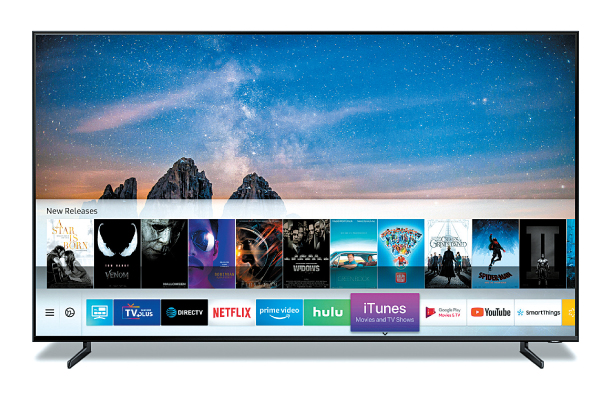
    Samsung Electronics is teaming with arch-rival Apple to enable its smart TVs to access video, audio and other programming from iTunes. It is the first time the two have cooperated on content. The partnership was announced Monday. Beginning this spring, Samsung smart TVs will have iTunes movies and TV as a default option, along with YouTube and Netflix. For customers with older versions of Samsung smart TVs, the service can be added with a software update.

    Apple’s new movie and TV streaming service is set for official introduction in March. Samsung Smart TVs will be the first non-Apple devices to have access to the service.

    Another feature to be made possible on Samsung TVs is AirPlay 2, a function that allows for wirelessly access to movies, photos, podcasts or music from Apple devices.

    Until recently, before Chinese manufacturers became smartphone leaders, Apple and Samsung competed intensely for domination in the market.

    The two were also embroiled in a seven-year patent battle that was only concluded last year.

    Despite the rivalry, they have continued to do business with each other. Samsung has supplied Apple with smartphone chips and displays.
    At an event held in Las Vegas Monday before the Consumer Electronics Show 2019, the president of the Samsung visual display business, Han Jong-hee said that the collaboration is a “win-win” for both companies while customers will benefit from a wider range of choices.

    “For now, the collaboration will be about content. But in the future, I expect there to be other fields in which we can work together as well,” said Han. According to another senior executive at the event, the project was initially suggested by Samsung.

    The company suggested that it is open to partnerships with other companies as well, saying in a press release that it aims to minimize the barriers between products and providers to offer a “rich selection of content.”

    For Samsung, Apple programming will give it an upper hand in attracting customers.

    The war in the TV market is now as much about what is available on devices as it is about brighter, more colorful and slimmer panels. How TVs seamlessly link to online resources is one of the major battlegrounds.

    The partnership also reflects how Apple is increasingly putting weight on services instead of hardware – the reason it came up with the iTunes video streaming service. Global iPhone sales are falling short of expectations as customers don’t change phones as frequently as before and many are being turned off by the high prices.

    Samsung brings with it the strength of being No. 1 in the global TV market, with more than a 40 percent share.

    “We look forward to bringing the iTunes and AirPlay 2 experience to even more customers around the world through Samsung smart TVs, so iPhone, iPad and Mac users have yet another way to enjoy all their favorite content on the biggest screen in their home,” said Eddy Cue, senior vice president of Internet Software and Services at Apple.
  • New Michael Kors to increase focus on Asia

    New Michael Kors to increase focus on Asia

    With the completion of its acquisition of Versace, global fashion group Michael Kors Holding has successfully transitioned into its new identity as Capri Holdings Limited. The group, which now owns Michael Kors, Jimmy Choo and Versace, hopes to leverage its brands to grow group revenue to US$8 billion, while increasing its exposure to the Asia pacific region from 11 per cent to 19 per cent.

    The group also notes an effort to reduce its exposure to the American market, from 66 per cent to 57 per cent, in the long term.

    “We have now created one of the leading global fashion luxury groups in the world,” Capri chairman John D. Idol said.

    However, considering the past performance of these brands, one cannot be certain whether this merged entity can turn them around says IBISWorld senior industry analyst Kim Do, though “Capri Holdings seem confident in their ability to do so.”

    “While many are concerned about the company diffusing its newly acquired brands, similar to that of its own, this is unlikely as, similar to Jimmy Choo’s agreement with Kors Holdings, Donatella Versace will continue to remain the creative director [of] her namesake brand, leading the brand’s creative vision,” Do said.

    “However, while it is likely that Versace will be pushed into new avenues of revenue (such as a stronger focus on Asian markets) it will likely not include mass-retailers – which is how Michael Kors expanded previously.”

    According to Do, IBISWorld expects Capri to hold off on further acquisitions for the time being, and will most likely focus on growing the three brands it now hold in its portfolio.

    In November 2018, the group saw total group revenue decline 32 per cent to $189.76 million (US$137.6 million), from $279.81 million (US$202.9 million) the year prior, which GlobalData Retail managing director Neil Saunders called “disappointing”.

    “Although overall revenue growth looks robust, it continues to be flattered by the acquisition of Jimmy Choo, which has yet to annualise out,” Saunders said.

    “In short, after slowly climbing the steep hill of recovery, Michael Kors now appears to be rolling back down in reverse.”

    Saunders also said the acquisition of Versace could prove to be a distraction that limits the group’s abilities to fix the core problems within it’s main brand.

    In November 2018, the group saw total group revenue decline 32 per cent to US$137.6 million, from US$202.9 million the year prior, which GlobalData Retail MD Neil Saunders called “disappointing”.

    “Given Michael Kors’ relative lack of success with its own label, we do not see the group being able to [easily] undertake the retooling required to generate superior results.”

  • Samsung to release feature-rich phone to take on Huawei

    Samsung to release feature-rich phone to take on Huawei

    Samsung is releasing a phone with robust functions specifically designed to meet the challenge posed by Huawei. It has fast internet speeds — utilizing 5G wireless — is foldable and has an innovative screen design. Last year’s smartphone market can be summarized in one sentence: Apple’s defense, Huawei’s catch-up and the fall of Samsung Electronics.

    According Counterpoint Research, Apple’s share in the super high-end smartphone market, those priced over $900 (880,000 won), was 79 percent in the third quarter of 2018. In the $600-$900 market (660,000 to 880,000 won), Apple (61%) surpassed Samsung Electronics (21%) by a large margin, and in the $400-$600 range (440,000 to 660,000 won), Huawei (17%) was right behind Samsung (25%).

    At this critical moment, Samsung Electronics celebrates the 10th anniversary of the release of its “Galaxy” smartphone. The Galaxy Black came to market in April 2009. A new Galaxy S10, a commemorative issued for the anniversary, will be unveiled at the Mobile World Congress (MWC) 2019 in Barcelona, Spain this February. The name of the new S10 is “Beyond.”

    Samsung’s says it wants to outdo itself with the latest release.

    In the new S10, Samsung’s Infinity-O Display will be embedded. The display has a small hole in the screen for the selfie lens, so almost the entire face of the device is screen. The proportion that is screen is more than in Apple products, which utilize more real estate for the lens.

    The fingerprint-identifying sensor does not require separate hardware, but is found within the screen. The sensor itself utilizes Qualcomm ultrasonic-wave technology, which can identify prints that are less readable due to water or soil on the screen. Instead of scanning the user’s iris, the new model will utilize facial recognition, as is done with iPhones.

    It is expected that Samsung will maintain the 3.5mm-earphone jack, which has been scrapped on iPhones. It will also be 5G capable, allowing for a 1.5-gigabyte movie to be downloaded in less than a second. Samsung announced last month it will supply the world’s first 5G phones to Verizon and AT&T.

    Huawei is expected to release its own 5G phone in the first half of the year.

    Early versions of the new Galaxy S10, to be released in February, will not be 5G capable. It is possible that the S10 with a 5G communications chip will be released separately, as was done with the Galaxy S5 broadband LTE-A model, which was separately released in 2014.

    It was expected that LG Electronics will release its 5G smartphone this April or May, but it changed its goal for release to late March. Apple might not equip new iPhones, which will be released this year, with a 5G-communications chip.

    A telecommunications industry source said, “Apple originally did not really care about the speed of telecommunications that much. Apple might embed 5G in the iPhone in fall.”

    Smartphone competitors are seen pushing foldable phones in 2019. According to market research firm Strategic Analysis (SA), shipments of foldable smartphones globally will increase gradually from 3 million in 2019 to 14 million in 2020, and ultimately to 30 million in 2022.

    Chinese phone market Royole released a foldable first, in October last year, ahead of Samsung Electronics and Huawei. Royole will release its 7.8-inch Flex Pie foldable phone at the 2019 Consumer Electronics Show (CES), to be held in Las Vegas from Jan. 8-Jan. 11. Royole led the market but has received criticism about the quality of its device.

    The Galaxy foldable phone will be released in February. It will have a 7.3-inch screen as well as a 4.58-inch screen. The initial run will be about 1 million units.

  • Mattel to launch BTS doll this summer

    Mattel to launch BTS doll this summer

    Toy retailer Mattel has announced a comprehensive, worldwide licensing agreement with popular South Korean boy band BTS. The creative collaboration will debut the first-ever line of BTS fashion dolls this summer. Under a multi-category license with BTS under its label, Big Hit Entertainment, Mattel will create dolls, collectible figures, games, and more. The collaboration will launch with a toy line created to resemble the band’s seven members – RM, Jin, Suga, J-hope, Jimin, V and Jung Kook – styled after their looks from the YouTube record-breaking “Idol” music video.

    “BTS is a pop-culture music phenomenon that transcends age, culture and language, and through this partnership, Mattel will offer a new way for millions across the world to engage with the band,” said Mattel’s SVP & global brand GM Sejal Shah Miller.

    “Partnering with established franchises that have global appeal is a cornerstone of our strategy and given our creative expertise, we are perfectly suited to create products celebrating BTS”.

    The BTS fashion dolls were unveiled at this week’s Hong Kong Toys & Games Fair.

  • Wavy waterfall by LG

    Wavy waterfall by LG

    Models showcase LG Electronics’ 260 flexible OLED signage displays put together to form a waterfall at the company’s Consumer Electronics Show 2019 exhibition entrance in Las Vegas on Monday. The annual event, which will host over 4,000 companies this year, began yesterday.

  • Hyundai Motor starts its monthly car subscriptions

    Hyundai Motor starts its monthly car subscriptions

    Hyundai Motor on Monday introduced a car-subscription program with a monthly fee of 720,000 won ($646).  Under the program, dubbed Hyundai Selection, three models are available for users and subscribers can change models on a limited basis. The vehicles currently being offered are the Sonata sedan, the Tucson SUV and the Veloster hatchback.

    Users can use the Hyundai Selection app to apply and pay for the service. Cars will be delivered. The company is testing the subscription service business model as car sharing and rental are popular with younger customers who tend to avoid ownership and embrace more transactional business relationships.

    Hyundai said it is running the program on a 10-month pilot basis this year. As the program is still in test mode, only 50 drivers will be able to enroll. Car delivery will be limited to Seoul.

    The service was launched in collaboration with domestic rental-car companies and Deal Car, a Hyundai Capital enterprise.

    A Hyundai spokesperson said the subscription program greatly reduces the burden of car maintenance

  • South Korean convenience store openings slow down

    South Korean convenience store openings slow down

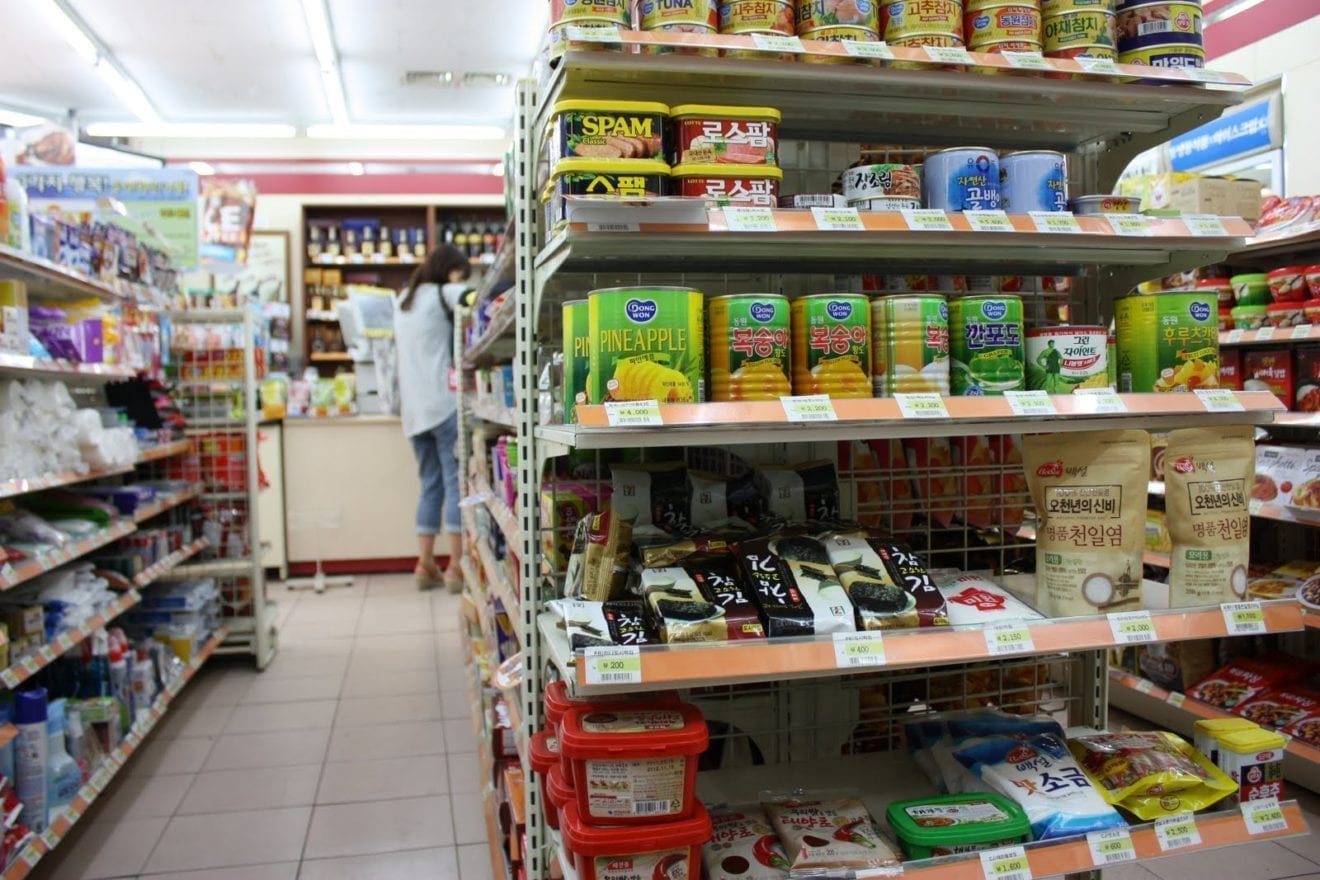
    South Korean convenience store openings in South Korea fell last year, according to industry data. Thought to be the effect of increasing labour costs and market saturation, the slowdown has manifested amongst several industry operators – including BGF Retail’s CU, which opened 980 fewer stores than the previous year’s total of 1646; and GS25, which opened 1023 fewer stores last year after launching 1701 outlets in 2017.

    A government advisory to chain stores to maintain more of a distance between competing branches signals a likely continuation of the downward trend, as well as new laws mandating higher levels of paid leave to staff and a higher minimum wage. The same pressures have seen 19 per cent of convenience stores closing at night rather than operate 24 hours, compared with 10 per cent in 2017.

    A statement issued by CU said that the firm is prioritising profitability of existing stores over opening new locations.

  • Korea to ban single-use plastic bags

    Korea to ban single-use plastic bags

    South Korea is to ban big-time supermarkets and retailers nationwide from selling single-use plastic bags in an attempt to conserve natural resources and reduce recyclable waste. The ban will come into effect on Tuesday as part of a revised law on conserving resources and encouraging the reuse of recyclable waste. Subject to the ban are 2000 outlets of major discount chains and 11,000 supermarkets with sales floor spaces of 165sqm or more where handing out free plastic bags are currently prohibited.

    Stores that violate the ban could face fines of up to 3 million won (around US$2683). Instead, those shops are required to offer customers recyclable containers, cloth shopping bags or paper bags.

    Plastic containers for wet goods, such as meat and fish, will still be used.

    Under the revised law, 18,000 bakeries nationwide will be barred from handing out free disposable plastic bags.

    In cooperation with local governments, the Environment Ministry plans to encourage the affected stores to observe the ban from January through March.

    The ministry is also pushing ahead with a plan to reduce the use of plastic garment bags at laundry shops.

  • South Korean retail sales rise strongly in November

    South Korean retail sales rise strongly in November

    Online shopping during the month of November has driven a 4.6 per cent increase in South Korean retail sales compared to the same period in the previous year, according to government data. Ministry of Trade, Industry and Energy figures showed a 12.7 per cent year-on-year growth in online sales alongside a 0.5 per cent drop in offline retail during the month.

    Convenience stores, chain supermarkets and super supermarket sales showed positive growth, while large discount outlets and department stores saw declines of 2.8 per cent and 3.9 per cent respectively.

    Online sales in November were largely propped up by e-commerce shopping festivals in China and the US during the period.

  • Vegan fashion trend booming in Korea

    Vegan fashion trend booming in Korea

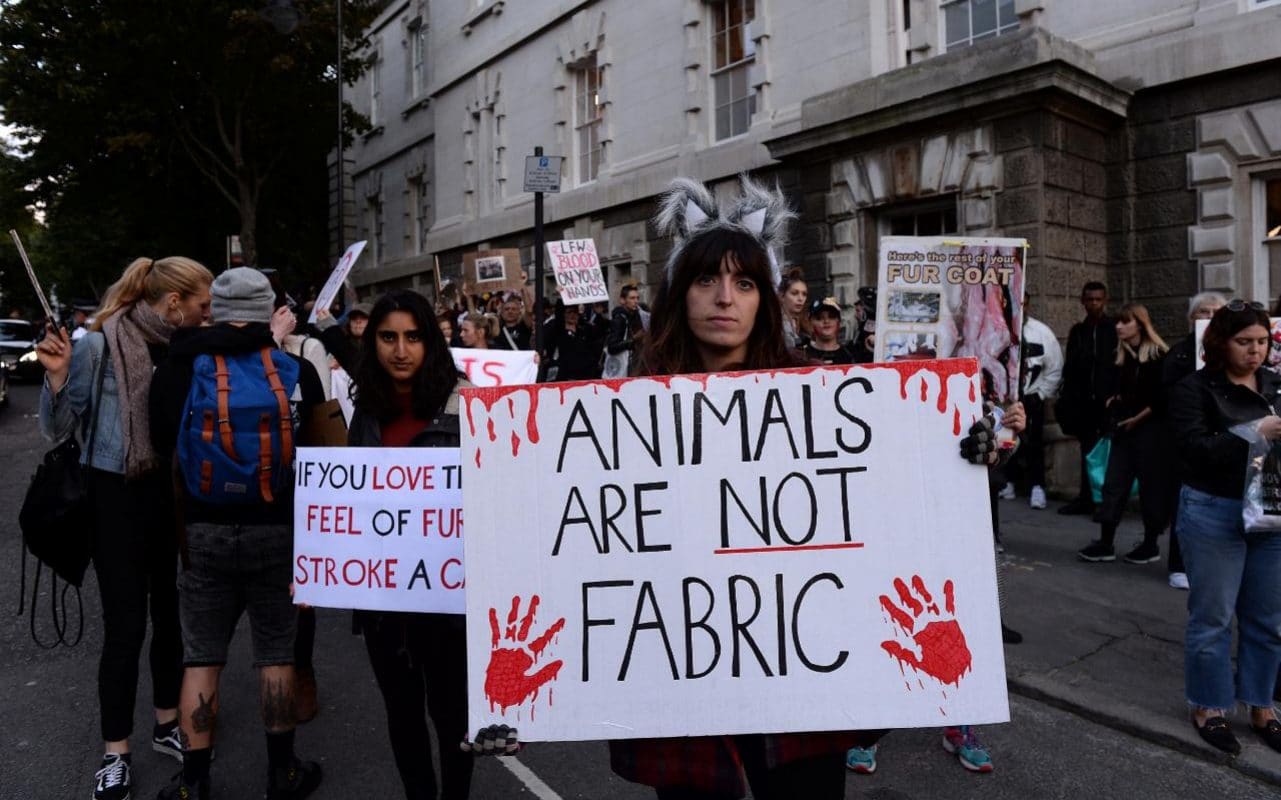
    Stroking down the plush set of colorful fibers, it is hard to tell they could be anything but fur. Hanging in the corner of an ethical fashion store in Dongdaemun, the fur-free fur coats and silk-free silk robes are soft and luxurious, but without the cost of brutality against animals. Striving to spare harm inflicted on animals for the sake of style, vegan fashion has been spreading in South Korea in recent years.

    The word “fake” does not fully describe the trend, as the garments are not purposed as second choice low-quality replacements. They are considered more of a fashionably ethical statement now, rejecting the use of animal materials or cruelty in obtaining them.

    Strictly speaking, vegan fashion is different from eco-friendly fashion, although the phrases are often used interchangeably. Something vegan may not necessarily follow best practices for the environment, or vice versa, but the two often go hand in hand.

    The international movement toward fashion going vegan began its rapid spread as many prominent luxury brands announced themselves “fur-free.” In October last year, Gucci went fur-free, followed by British fashion company Burberry in September this year. Other pricey labels, including Versace, Giorgio Armani, Tom Ford and Ralph Lauren have also declared moves to ban fur.

    Britain’s Stella McCartney — the second-generation animal rights activist daughter of Linda and the Beetles’ Paul McCartney — is believed to gotten the ball rolling in 2001, and currently stands as one of the leading eco-friendly fashion brands in the world. Now, slapping on the word “vegan” is a marketing strategy seemingly guaranteeing good sales.

    The vegan and similar fashion trends are more prevalent in the winter, as outdoor labels increasingly introduce items that either exclude animal materials or try to stick to ethical standards in using animal matters.

    A number of global outdoor companies, including The North Face, Adidas and Reebok, have launched “Responsible Down Standard” certified down coats this winter. RDS is a global standard developed in 2014 to ensure that down and feathers come from animals that have not been subjected to unnecessary harm. Local outdoor brand Black Yak also received RDS certification for all of its down coats released this year.

    Some brands have taken it a step further and developed artificial materials as replacements. The North Face introduced its own thermal filling, “V-Motion,” in 2016, and ‘”T-Ball” this year, whereas LG Fashion’s A.T.Corner presented as its 2018 winter centerpiece a mustang jacket with eco-fur lining inside.

    According to Galleria Department store, which held an eco-friendly fashion week at the end of last month, environmentally friendly garments, including animal-free ones, have increased by 20 percent compared to last year on the women’s fashion floor.

    GS Shopping, a TV shopping firm, exceeded its initial sales goals for RDS certified items, including Reebok’s heavy goose down long coat, which sold out in less than half an hour on the channel.

  • Korean imported vehicle sales up 11.8 percent last year

    Korean imported vehicle sales up 11.8 percent last year

    Sales of imported vehicles in Korea continued to rise last year, aided by firm demand for foreign brands and the resumption of sales by Audi Volkswagen, industry data showed Friday. The number of newly registered foreign vehicles reached 260,705 last year, up 11.8 percent from a year earlier, the Korea Automobile Importers & Distributors Association said in a statement.

    The total number of imported cars sold in 2018 is an all-time record.

    The market share of foreign cars rose to a record high of 16.7 percent last year, shattering the previous all-time high of 15.5 percent in 2015, the data showed.

    The three best-selling models were the Mercedes-Benz E 300 (8,726 units sold) and E 300 4MATIC (9,141 units) and the Lexus ES300h (8,803 units).

    Mercedes-Benz became the first imported cars to sell more than 70,000 vehicles. It took the No. 1 spot among imported cars.

    BMW, despite controversy of its engine catching fire, kept its second spot by selling 50,524 vehicles.

    Toyota took third place with 16,774.

    Seven out of 10 imported vehicles sold in Korea last month were from Germany, the statement said.

    In December alone, however, the sales of foreign vehicles fell 8.7 percent on year to 20,450, it said.

    In 2017, imported vehicle sales reached 233,088 units, up from 225,279 a year earlier.

  • Coupang to become an authorized Apple retailer

    Coupang to become an authorized Apple retailer

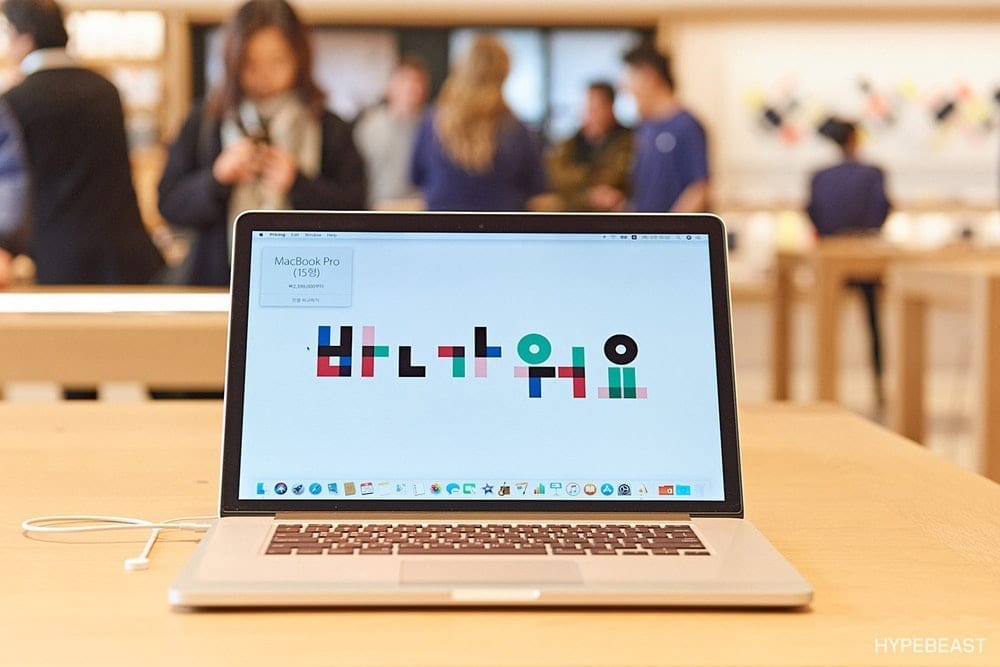
    Coupang, Korea’s top e-commerce platform, has been selected as an authorized retailer to sell Apple products, the company announced Friday. It said that the e-commerce giant was selected to become an authorized reseller of Apple products, and the service will begin sometime this month. The products that will be offered include iPad Pros, MacBooks and Apple Watches, as well as related accessories.

    Coupang said that its shoppers can get access to Apple products that carry a full Apple warranty and come with after-sales customer services from Apple.

    “Coupang will be an attractive purchase channel for customers who love or want to experience Apple products,” said Navid Veiseh, Coupang’s senior vice president of global e-commerce. “We will continue to expand the range of premium electronics brands like Apple, which, when combined with our Rocket delivery and RocketPay services, make Coupang the first place for customers to turn when shopping for premium electronics.”

    Coupang is known for its fast Rocket delivery service that sends items purchased the following day.

  • Slime found to contain toxic levels of boron

    Slime found to contain toxic levels of boron

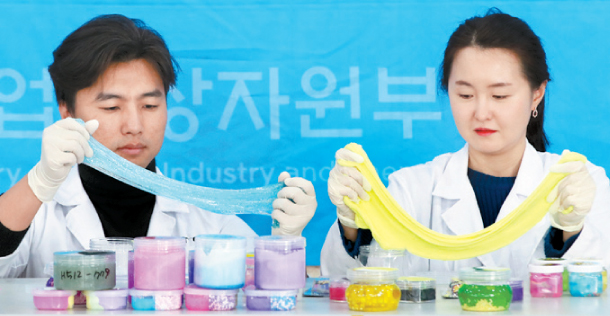
    Scientists have discovered potentially dangerous levels of boron in children’s slime. On Wednesday, Seoul National University scientists from the school’s Institute of Health & Environment wrote in a scientific journal that 25 out of 30 slime toys they analyzed were found to contain boron levels that exceeded the European Union limit of 300 milligrams per kilogram (2.2 pounds).

    The 25 products were found to contain around 1,000 milligrams per kilogram on average, while one product was found to exceed the limit by seven times.

    While boron, which gives slime its gooey consistency, is naturally found in food like nuts and used in medicine, high doses or exposure may lead to possible disruptions in metabolism, stunted development and infertility.

    There are currently no domestic regulations on boron limits in toys.

    The new findings are throwing parents into a panic, given slime’s massive popularity. Videos of Korean YouTubers playing with slime have garnered millions of views, while over 100 slime cafes have also popped up.

    “My kids are already obsessed with slime toys,” wrote one mother in a blog on Thursday. “We need regulations quickly, but nothing is being done.”

    “I banned slime from our home some time ago,” wrote another. “Though my kids like them, the slime toys are just balls of germs that my kids touch over and over again, absorbing the bad chemicals into their hands.”

    This is not the first time that slime has been under fire for containing hazardous substances. Last year, the Korean Agency for Technology and Standards found that 76 of 190 slime products it tested contained unsafe substances including methylisothiazolinone and chloromethylisothiazolinone, which can cause respiratory issues.

    The agency has since ordered a recall for the unsafe products.

  • Culture complexes blooms in Asia

    Culture complexes blooms in Asia

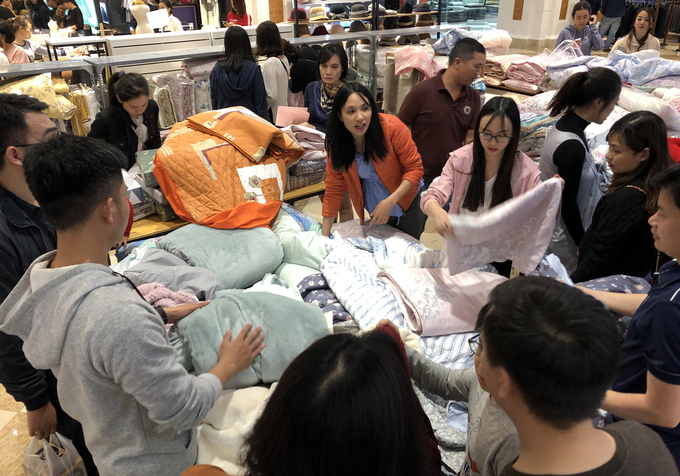
    In recent years, the term “culture complex” has often been seen on social media. Postings showing people spending time at these spaces are shared often, attached with hashtags that read “culture life,” “leisure time” and “relaxation.” Culture complexes have risen as popular city destinations for young Seoulites. Buildings housing exhibition halls, cafes, restaurants and design shops bill themselves as culture complexes.

    According to last year’s “Where to Live,” a book by Yoo Hyun-joon, an architect and professor, the younger generation has been exhibiting their identities on social media by sharing the kind of clothes that they wear and the kind of food that they eat. Now, it is about the space — the kind of spaces where you spend your time.

    To satisfy such desires, culture complexes compete to house the trendiest tenants. What also matters is how well such culture complexes go with the neighborhoods they inhabit.

    The Wooran Foundation building in Seongsu-dong, eastern Seoul, is a case in point. The neighborhood is often referred to as the Brooklyn of Seoul, as young artists and hipsters have flocked to the old abandoned factories in the area.

    The new 12-story building stands out in the generally low-rise neighborhood. But the architectural design shares the Brooklyn mood with layers of gray concrete and an industrial mood.

    Cafe Dorrell, a Jeju Island import, on the first floor is one of the trendiest coffee franchises of 2018. The interior is decorated with skateboards, matching the young and hip atmosphere of the area.

    The culture complex has five halls for exhibitions and performances, ready to host all genres of artistic activities.

    Founded in 2014, the Wooran Foundation, is a cultural foundation that aims to create sustainable arts and culture ecosystem. President Chey Ki-Won is the younger sister of SK Group Chairman Chey Tae-Won.

    Some culture complexes serve as showrooms for companies. For example, Simmons Terrace showcases Simmons mattresses while the Monami Concept Store displays the brand’s stationery products.

    Flask Namsan in central Seoul is operated by Market m, a lifestyle design select shop. Located near Myeongdong, the first floor space features design products from interior decorations to furniture. Upstairs, visitors can relax with a cup of Moonshine Coffee from Australia.

    The cafe lounge on the third floor is a culture space for lectures, seminars and mentoring sessions. The yet-to-open upper part of the building, from the fourth to sixth floor rooftop, will house more showrooms and restaurants.

    “In Korea, we usually meet people at cafes and restaurants. While meeting friends, we can visit these shops and share our lifestyles. I get to know more about what others like and what I like, too,” Kim Ji-hye, an office worker her mid-20s in Seoul, said.

    “On the other hand, I sometimes wonder why these places call themselves culture complexes, when they are just spaces for businesses,” Kim said. “I feel like they should have something more than just sales.”

    Originally a pharmaceutical company building from the 1970s, Piknic, a culture complex in Hoehyeon-dong, central Seoul, houses Kafe Piknic, a cafe by day and tapas bar by night. Michelin-starred french restaurant Zero Complex is on the third floor.
    However, what has made Piknic a popularly recognized name is the exhibition space. Designer brand SJYP held a runway show here during the last Seoul Fashion Week. The space also hosted “Ryuichi Sakamoto: Life Life,” a media art exhibition of the life of the Japanese composer and musician.

    The culture space is currently holding “Jasper Morrison: Thingness,” an exhibition of work by the famed British industrial designer. After enjoying the exhibition, visitors can dine at the Kafe Piknic, sitting on a chair designed by Morrison.

  • Four Korean firms join forces to fight Netflix

    Four Korean firms join forces to fight Netflix

    SK Telecom is teaming up with three major broadcasters to launch a new video content service in a bid to challenge the popularity of foreign services like Netflix. On Thursday, SK Telecom and broadcasters KBS, MBC and SBS signed an MOU to combine their current over-the-top (OTT) media service businesses and launch a new and improved service by the first half of this year. OTT refers to content that is delivered directly to users over the internet without going through intermediaries like television.

    The four companies will also establish a joint venture that combines the OTT operations of each party. SK Telecom CEO and President Park Jung-ho said he is seeking around 200 billion won ($177.9 million) in investment for the new firm.

    SK Telecom’s subsidiary SK Broadband currently operates Oksusu, a television and movie platform released in 2016. The three broadcasters have Pooq, a joint venture that MBC and SBS both have a 40 percent stake in, while KBS holds 20 percent.

    Videos from over 70 channels are available on Pooq, including drama series from the 1990s and early 2000s.

    All four companies are expected to benefit from the partnership. Pooq has already established ties with Southeast Asian companies, having partners in Hong Kong’s Viu, Malaysia’s iflix and China’s iQiyi.

    During the MOU signing, SK Telecom CEO Park said he hoped to see the new strengthened service launch in Southeast Asia by June.

    In return, the three TV channels will have access to SK Telecom’s financial resources, which can be invested in original content production.

    The partnership is seen as an effort by the domestic companies to combine forces to fend off growing foreign competition, especially that posed by Netflix.

    Oksusu has 9.46 million registered users while Pooq has 3.7 million. Netflix is estimated to have around 900,000 domestic registered accounts, still trailing far behind the local companies.

    These figures only tell half the story, however.

    While Oksusu is the No. 1 OTT service in Korea in the number of accounts, its number of monthly active users is only estimated to be two-thirds of registered users. OTT services from competing mobile carriers like KT’s Olleh TV and LG U+’s Video Portal are also catching up quickly in total users.

    Also, very few original videos produced by Korean OTT service providers have enjoyed success.

    Netflix, on the other hand, saw tremendous growth in the three years it has been operating in Korea.

    As of last September, users spent a total of 283 million minutes a month on Netflix’s mobile app on Android according to WiseApp, which analyzes mobile app usage. Just two years ago, users had spent 14 million minutes a month on Netflix, or 20 times less.

    During the same period, the time that Oksusu and Pooq users spent on the apps increased less than twofold.

    Users spent a total of around 600 million minutes a month on both apps as of last September.

    Experts believe that the content budget is largely to explain for the differences in growth.

    Netflix is estimated to have spent around $8 billion on content production and licensing last year. Oksusu spent only around 10 billion won in content investment, however, a fraction of Netflix levels.

    “Through this partnership, Korean OTT service providers can strengthen the competitiveness of their content, which has been their weakest point,” said Jung Ji-soo, an analyst at Meritz Securities. “[The companies’] goal of becoming Korea’s Netflix will also help in energizing the domestic media ecosystem.”