Tag: Kuala Lumpur

  • Bursa Malaysia Edges up to 1,596 Points on Bank Gains

    Bursa Malaysia Edges up to 1,596 Points on Bank Gains

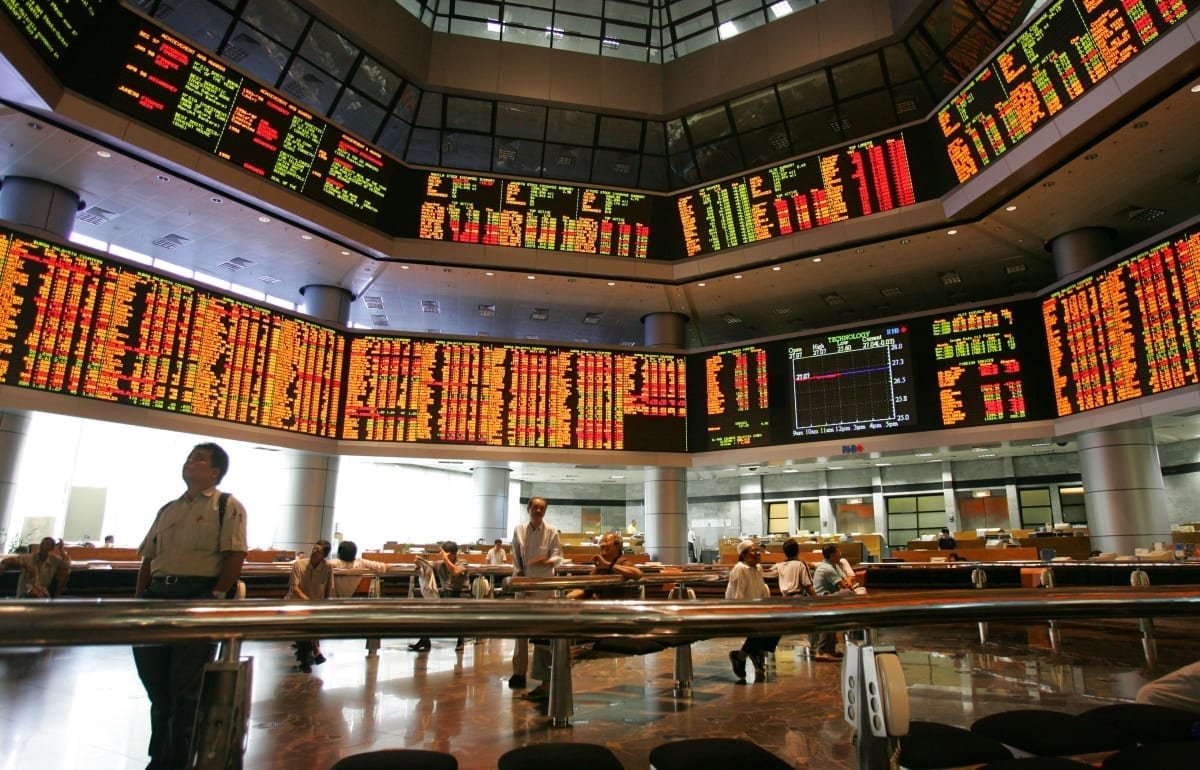
    Bursa Malaysia’s benchmark index edged up 0.36 points to 1,596.11 in early Tuesday trade as gains in heavyweight commercial lenders offset broad weakness across secondary counters.

    The marginal 0.02 per cent advance recovered an opening drop of 3.18 points to 1,592.57, though decliners outpaced advancers 201 to 156 across the broader exchange. Morning volume reached 180.64 million units worth RM90.02 million.

    Trading remained divided between domestic financial counters and export-oriented industrial names. Investors tracking Wall Street overnight gains looked for traction following a 1.11 per cent rise in the Nasdaq Composite and a 0.41 per cent lift in the S&P 500, where buyers returned to artificial intelligence semiconductor and memory hardware producers. That overseas bounce failed to spark a broad rally in Kuala Lumpur, where 302 counters traded unchanged and ten remained suspended.

    Lenders and Consumer Stocks Hold the Line

    Large commercial banks provided the primary support for the headline index during early exchanges. Malayan Banking added four sen to trade at RM9.94, Public Bank picked up one sen to RM4.72, and CIMB Group rose two sen to RM7.17. Hong Leong Bank held steady at RM21.10. Those advances lifted the Financial Services Index by 55.25 points to 18,546.22.

    Consumer and industrial heavyweights also found buyers. Food manufacturing major Nestle climbed 40 sen to RM90.30 to lead the top gainers list. Energy shipper MISC advanced 14 sen to RM9.49, refiner Petron Malaysia added 11 sen to RM3.45, and aluminum producer Press Metal gained five sen to RM6.73.

    Selling pressure hit utilities and infrastructure names, capping the index’s upward room. Tenaga Nasional dropped six sen to RM12.92, while YTL Power slipped five sen to RM5.21.

    Yield Pressure Weighs on Tech and Construction

    Elevated fixed-income yields in the United States continued to cast a shadow over rate-sensitive regional assets. The US 10-year Treasury yield held near 5.15 per cent while the 30-year yield stood around 5.48 per cent, keeping capital cautious toward emerging market equities.

    Technology equipment and assembly counters saw selective selling despite the overnight recovery in US chip stocks. Automated test equipment supplier KESM dropped 15 sen to RM4.54, and engineering solutions group UWC gave up nine sen to RM7.21. In building materials and construction, Kerjaya Prospek shed 10 sen to RM3.22, while ceramic tile manufacturer Kim Hin lost 8.5 sen to 80.5 sen.

    Apex Securities noted the split in investor sentiment as global interest rate pressures collided with domestic capital allocations.

    “the FBM KLCI is likely to trade within a range, with investors remaining selective and favouring domestically driven and defensive counters,”

    the brokerage said.

    Sector Divergence Deepens Across Secondary Boards

    Broader market gauges drifted lower as mid-cap and Shariah-compliant equities failed to mirror the banking index. The FBM Emas Index dipped 1.31 points to 11,908.38, while the FBM Top 100 Index fell 1.18 points to 11,704.04. The mid-cap FBM Mid 70 Index declined 17.71 points to 17,116.03, and the FBM ACE Index eased 1.58 points to 5,391.71.

    Shariah counters faced heavier selling, pulling the FBM Emas Shariah Index down 13.83 points to 11,860.36. The Plantation Index dropped 62.97 points to 8,590.4. In contrast, the Energy Index added 1.67 points to 825.23, supported by global crude prices trading near US$100 per barrel, while the Industrial Products and Services Index crept up 0.40 points to 174.5.

    Speculative retail counters dominated trading volume without driving major index shifts. GIIB rose 1.5 sen to 70.5 sen, and Ni Hsin picked up one sen to 45.5 sen. Zetrix AI and OCR stayed flat at five sen and 4.5 sen, respectively. Medical glove producer Top Glove eased half a sen to 88.5 sen, and healthcare firm LYC fell one sen to half a sen.

    Domestic Defensives Face Real Estate Headwinds

    The morning session shows institutional funds directing liquidity into large-cap balance sheets while avoiding debt-funded expansion plays. In retail, commercial development, and logistics, property developers and real estate investment trusts face higher borrowing costs because US long-term yields remain elevated above 5 per cent.

    Construction contractors linked to hyperscale data center infrastructure maintain a separate stream of domestic order book momentum. Yet the broader real estate ecosystem is operating with tighter capitalization spreads, leaving consumer staples and cash-generative banking operations as the primary defensive refuge for local asset managers.

    Market participants are now watching whether benchmark crude can maintain the US$100 per barrel threshold to support domestic energy counters, while keeping a close eye on the 1,600 psychological barrier for the FBM KLCI.

  • Lindt Opens First Southeast Asian Store in Kuala Lumpur with Valiram

    Lindt Opens First Southeast Asian Store in Kuala Lumpur with Valiram

    Swiss chocolatier Lindt opened its first Southeast Asian standalone boutique at Kuala Lumpur’s The Exchange TRX on Friday. The company partnered with luxury distributor Valiram for the launch.

    A dedicated Pick & Mix station inside the flagship stocks 19 Lindor varieties alongside market-exclusive flavours. The installation anchors the brand’s direct retail push across the region.

    Product mix at The Exchange TRX

    Inside, the shop carries Lindt’s full inventory. Lines include the Excellence dark chocolate range, the Extra Creamy milk selection, and the newer wafer lineup.

    With the bulk Pick & Mix fixture, the store replicates the format Lindt runs across European transit hubs and North American city centres. Shoppers choose items by weight instead of buying fixed multipacks. This lifts basket sizes. It also gives the confectionery maker direct control over pricing and display.

    Valiram’s premium confectionery push

    Valiram manages operations on the ground. The Kuala Lumpur-based conglomerate oversees regional networks for international labels across fashion, timepieces, and specialty food.

    Partnering with Valiram gives Lindt immediate access to prime mall space without building local logistics from scratch. Valiram already holds leases in key commercial developments across Malaysia, Singapore, Indonesia, and Thailand. Placing Lindt in The Exchange TRX puts the brand inside Kuala Lumpur’s newest financial district, targeting affluent locals and international travelers alike.

    Direct retail over wholesale distribution

    For decades, European chocolatiers treated Southeast Asia strictly as an import wholesale market. Supermarkets, duty-free airport kiosks, and specialty grocers sold boxed stock through third-party food brokers.

    That model shields margins against tropical heat and supply chain hurdles, but it limits brand control. Supermarkets discount stock, and tight shelf space restricts product range. Standalone boutiques shift the strategy toward experiential shopping. Gifting and seasonal items command higher prices in this format.

    Earlier airport presence paved the path

    Lindt previously relied on airport duty-free counters and travel-retail pop-ups across Southeast Asia. The Malaysian store is its first permanent high-street location in the region.

    Competitors have tested similar models. Godiva built boutique cafes across Asian capitals over the past decade, while Japanese and European artisan producers expanded into major malls. Lindt enters the standalone space focused on packaged volume at lower entry price points than luxury cafe chains.

    Future results at The Exchange TRX will determine how quickly Valiram and Lindt expand into secondary Malaysian markets like Penang, as well as Singapore and Bangkok.

  • Huat Lai Launches Five Frozen Poultry Products Under Little Farmer Brand

    Huat Lai Launches Five Frozen Poultry Products Under Little Farmer Brand

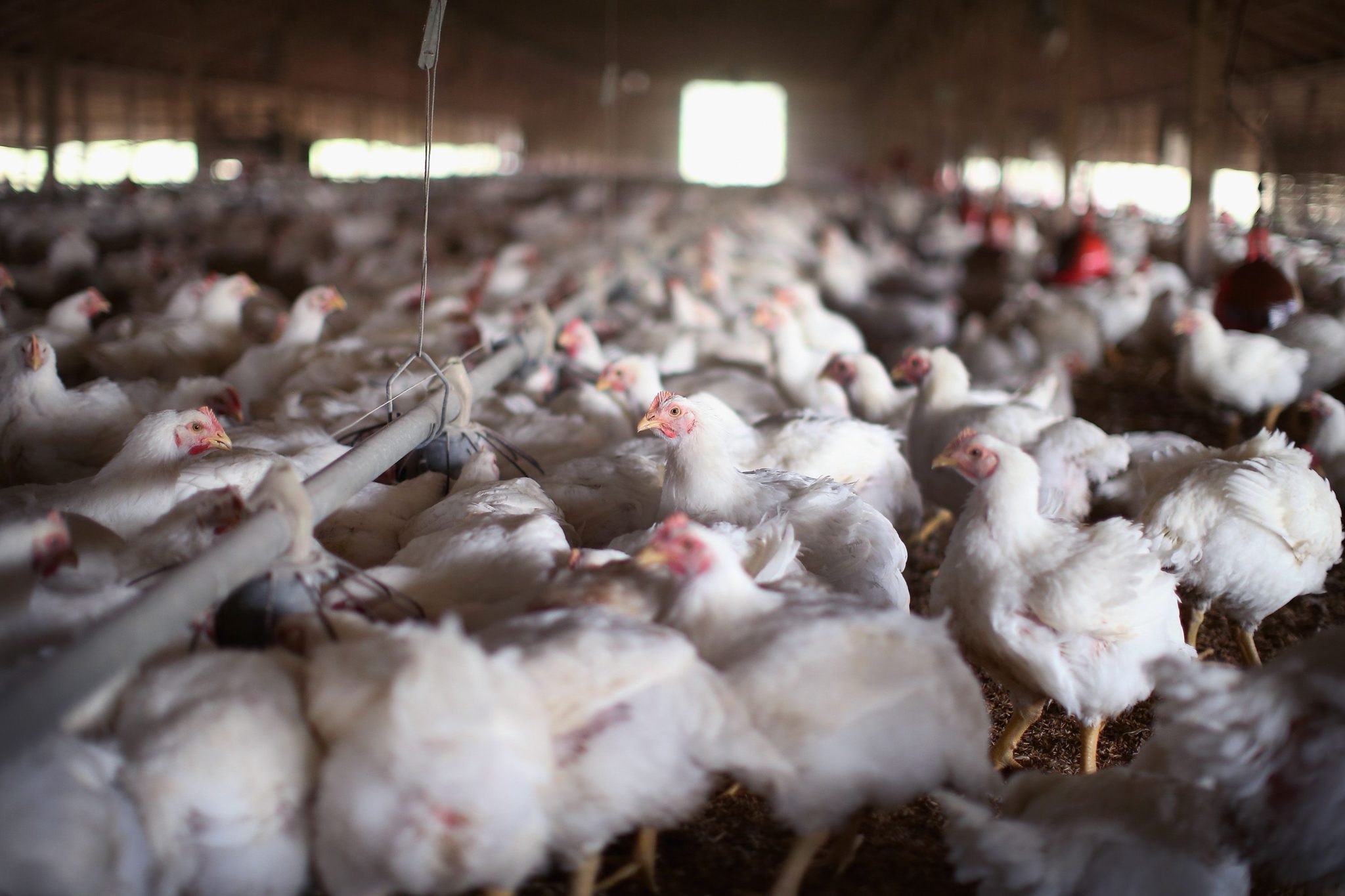
    Huat Lai Resources Berhad launched Little Farmer in Malaysia in October 2026, entering the retail frozen poultry category with five value-added chicken products processed from its domestic farming network.

    The company is Malaysia’s largest supplier of Certified Humane cage-free eggs and one of the country’s biggest integrated poultry producers, giving the new consumer label immediate upstream supply support.

    The Initial Five-Product Retail Lineup

    Little Farmer debuts with Shiok Mamak Drumettes, standard Chicken Drumettes, Japanese Crispy Chicken Bites, Tempura Nuggets, and Tempura Nuggets Smokey Cheese. The lineup targets home cooks and quick-meal shoppers through supermarket freezer aisles, carrying the sub-brand tagline “Farm Goodness by Huat Lai”.

    Packaging across the range highlights “Nenek Approved” branding alongside the producer’s farm heritage. The push takes Huat Lai directly into value-added, packaged processed meats, a segment that commands higher margins than wholesale fresh broilers and commodity table eggs.

    Value-Added Processing vs Commodity Poultry

    Upstream livestock producers across Southeast Asia face steady margin pressure from volatile feed grain imports and local retail price controls on standard fresh chicken. Moving into cooked and breaded frozen meats lets producers capture processing margins that commodity wholesale contracts do not provide.

    Retail buyers in Malaysia have allocated more freezer space to local, halal-certified processed foods as shoppers look for convenient meal options. Little Farmer enters a competitive shelf already contested by established regional brands, meaning shelf velocity and distribution reach will matter more than brand heritage alone.

    Farm Integration and Certification History

    Huat Lai built its market position as an early adopter of commercial cage-free egg facilities in Southeast Asia, securing third-party animal welfare certification for its layer operations. That farming scale provides complete traceability for its meat processing lines.

    Controlling feed, breeding, and processing under one corporate umbrella protects product consistency across the new retail line. It also allows Huat Lai to absorb wholesale supply fluctuations that pure-play food packagers must buy through open contracts.

    Retail Expansion to Watch

    The company is deploying Little Farmer across Malaysian grocers and modern trade outlets through the final quarter of 2026. Store distribution numbers and potential category extensions into raw chilled cuts will determine how much supermarket market share the brand takes in 2027.

  • Malaysia Faces Calls to Raise Retirement Age to 65 as Pension Deficits Grow

    Malaysia Faces Calls to Raise Retirement Age to 65 as Pension Deficits Grow

    Pension advisers and economists in Kuala Lumpur are pushing the government to raise Malaysia’s mandatory retirement age from 60 to 65 through phased adjustments. The current statutory threshold leaves millions of workers exiting the formal labor force with inadequate savings to cover longer lifespans.

    Official data from the Department of Statistics Malaysia released on September 30 shows life expectancy for a newborn in 2026 reached 75.5 years, while residents reaching age 60 are projected to live an additional 20.2 years to 80.2. A retirement age set at 60 requires workers to fund more than two decades of living expenses on savings accumulated over short careers.

    The Proposed Timeline for Phased Retirement

    William Price, chief executive of consultancy D3P Global Pension Consulting, presented a transition framework at the Employees Provident Fund International Social Wellbeing Conference 2026 in Kuala Lumpur. Under his proposal, authorities would add three months of working life for every calendar year, reaching a statutory retirement age of 65 by 2040 without forcing abrupt extensions on staff near departure.

    A worker aged 40 today would retire at 65 under the schedule, while a 50-year-old would work until 62 and a half. Employees aged 59 would take on an additional three months, retiring at 60 years and three months. Price suggested exemptions for manual laborers and low-income staff who entered the formal workforce at age 16, allowing early exit after completing 40 to 45 contribution years.

    Rajen Devadason, a licensed financial planner speaking at the same conference, proposed an accelerated track to lift the threshold by one year every two years. His plan targets a retirement age of 65 by 2035 and 70 by 2050 to keep pace with demographic shifts.

    Depleted Balances at the State Pension Fund

    The push to extend working careers coincides with severe savings shortfalls inside the Employees Provident Fund, which covers more than 18 million members. Figures submitted to parliament reveal that as of May 31, only 38.3 percent of active formal-sector members aged 18 to 60 had accumulated the basic savings benchmark of RM390,000. That baseline is designed to yield a monthly drawdown of RM1,625 over a 20-year retirement.

    Former EPF chief executive Shahril Ridza Ridzuan noted at the conference that low baseline wages prevent households from building assets even when statutory contribution rates remain elevated. Beyond the basic benchmark, the EPF defines adequate savings at RM650,000 and enhanced savings at RM1.3 million, levels out of reach for the vast majority of private sector staff.

    Retaining older staff alters payroll dynamics across retail and service chains that rely on entry-level wages. Companies facing persistent labor shortages in store operations, logistics, and customer support stand to gain experienced personnel, provided contracts offer flexible scheduling such as three-day work weeks.

    Operating Adjustments for Employers and Retailers

    Consumer spending patterns will shift as older cohorts continue earning regular paychecks into their mid-sixties rather than cutting household budgets at 60. Keeping older workers economically active protects discretionary demand across urban retail centers, dining, and healthcare services that depend on steady domestic consumption.

    The structural risk sits in commercial staffing models and medical insurance costs. Retailers and hospitality groups must restructure compensation from seniority-based pay scales to productivity metrics, ensuring higher minimum ages do not compress hiring budgets for younger entry-level workers.

    Previous statutory changes in Malaysia established the Minimum Retirement Age Act in 2012, which lifted the private-sector retirement baseline from 55 to 60 when it took effect in 2013. The public sector matched that 60-year ceiling, but demographic pressures have intensified as Malaysia transitions toward an aged society status projected by the World Bank.

    Policymakers must now weigh draft amendments to employment statutes against public resistance to delayed access to pension funds. The primary metric to track is whether the human resources ministry tables formal legislation to decouple EPF withdrawal windows from mandatory retirement milestones ahead of the next parliamentary sitting.

  • DuitNow Caps Singapore Cross-Border Fund Transfers at RM3,000 a Day

    DuitNow Caps Singapore Cross-Border Fund Transfers at RM3,000 a Day

    Malaysian merchants processing cross-border remittances through the national DuitNow payment network face an outbound ceiling of RM3,000 a day for fund transfers to Singapore as of October 2026.

    Domestic business transfers across the same network clear up to RM10 million per transaction, highlighting the gap between local retail payment rails and regional settlement links.

    Operated by Payments Network Malaysia, known as PayNet, the retail payments platform functions under the primary ownership of Bank Negara Malaysia alongside commercial lenders. The infrastructure connects commercial banks and non-bank e-wallets into a single interoperable clearing system. Retailers and suppliers send and receive funds using proxy identifiers including mobile numbers, identity card records and verified Business Registration Numbers issued by the Companies Commission of Malaysia.

    Domestic Transfer Limits and Merchant Fees

    Consumer transactions clear up to RM50,000 per transfer through commercial banking applications, with transfers up to RM5,000 processed without consumer transaction charges. Above that threshold, financial institutions may levy a 50 sen fee, though individual retail banks retain discretion to waive the charge. Commercial users maintain higher headroom, clearing up to RM10 million per transaction subject to institutional credit and fraud underwriting terms.

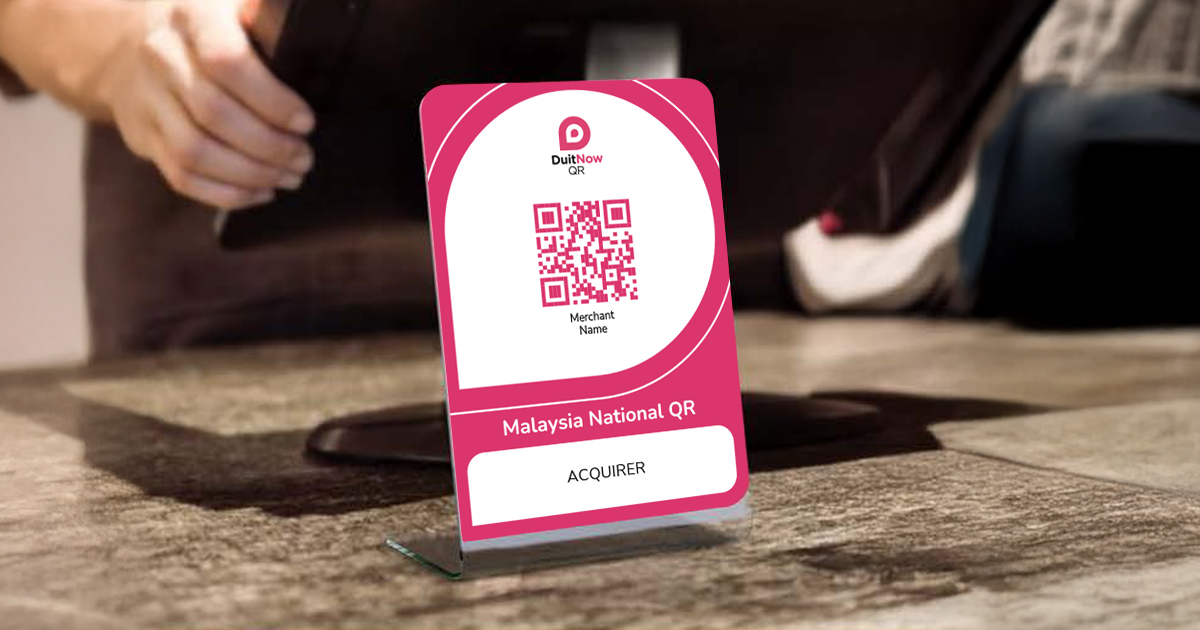
    Point-of-sale retail payments operate through unified QR standards. Merchants deploy a single static or dynamic QR code that accepts clearing requests from all domestic mobile banking applications and licensed e-wallets. Consumer payments remain fee-free at retail counters, while merchant discount rates apply to retail enterprises depending on their merchant acquirer contract.

    E-commerce checkout integrations route directly through DuitNow Online Banking and Wallets, bypassing traditional payment card rails. The direct routing pulls cleared funds directly from buyer accounts without requiring debit card credentials. For recurring invoicing, the network deploys AutoDebit protocols that clear utility billings, subscriptions and recurring wholesale invoices under pre-authorised value limits without recurring manual approvals.

    Regional Settlement Links and Currency Controls

    Inbound cross-border retail acceptance currently covers visiting consumers from six Asian economies: China, Indonesia, Singapore, Thailand, South Korea and Cambodia. Tourists and business travellers scan local merchant QR codes using their domestic banking apps. Settlements convert automatically, crediting Malaysian merchant bank accounts exclusively in Malaysian ringgit.

    Merchants cannot hold foreign currency balances directly inside the DuitNow clearing architecture. Exchange rates for incoming tourist QR spending are determined by the originating overseas payment application at the point of interaction. This leaves cross-border sellers exposed to conversion markups set by foreign issuing institutions.

    Outbound commercial transactions across the border face structural barriers. While the bilateral corridor with Singapore enables retail peer-to-peer transfers, the daily cap of RM3,000 or S$1,000 restricts corporate trade settlement. Companies paying overseas manufacturers, regional software vendors or inventory partners require separate international clearing rails or multi-currency corporate banking accounts.

    Payment Rail Fragmentation Across Retail Chains

    Retail chains across Southeast Asia are weighing single-currency domestic payment rails against cross-border fintech platforms. The local DuitNow architecture eliminates domestic card processing interchange fees, yet fails to provide working capital accounts in trade currencies such as the US dollar.

    Cross-border procurement teams that purchase stock from Mainland China or regional suppliers cannot use PayNet rails to settle trade invoices. The limitation forces operators to run dual payment workflows: national QR and real-time bank transfers for domestic store sales, and cross-border platforms such as WorldFirst or SWIFT wire transfers for import settlement. For high-volume retail chains, maintaining dual clearing mechanisms adds operational reconciliation costs and exposure to retail foreign exchange spreads.

    The operational split gives pure-play international corporate treasury providers an opening against state-backed retail clearing systems. Commercial banks capture high spreads on foreign exchange wire transfers, driving online sellers and cross-border merchants toward multi-currency accounts that issue local clearing details in overseas markets.

    Building the Regional Payment Network

    PayNet developed DuitNow to consolidate a fragmented mobile payment sector where competing digital wallet operators deployed incompatible proprietary QR codes. The central bank intervened to mandate standardisation, creating a shared national QR code and central proxy registry.

    The central bank expanded the domestic retail clearing platform through bilateral central bank linkages, starting with Thailand and Indonesia before connecting Singapore PayNow. The bilateral linkages aim to reduce regional reliance on traditional card networks and correspondent banking systems for micro-transactions and tourism spending.

    Bank Negara Malaysia and regional central banks continue testing multilateral clearing arrangements across ASEAN economies, with broader business settlement ceilings remaining the key requirement for commercial supply chain operators.

  • 1MDB in Talks to Settle US$1.83 Billion Lawsuit with Deutsche Bank

    1MDB in Talks to Settle US$1.83 Billion Lawsuit with Deutsche Bank

    1Malaysia Development Berhad is negotiating a settlement with Deutsche Bank Malaysia Berhad over a US$1.83 billion lawsuit filed in Kuala Lumpur. Counsel for the fund confirmed the talks to the Federal Court.

    Legal counsel Datuk Lim Chee Wee disclosed the talks before a three-member Federal Court panel led by Chief Judge of Malaya Datuk Seri Hashim Hamzah. High Court Judicial Commissioner Rihada Rafie will hear the proposed agreement on October 26. Financial terms remain undisclosed.

    Details of the Multi-Billion Dollar Claim

    The state investment vehicle filed the suit on May 7, 2021, targeting seven defendants. It alleged breach of contract, negligence and criminal conspiracy linked to stolen company funds. The original filing named Deutsche Bank (Malaysia) Berhad, Coutts & Co, JP Morgan (Switzerland), Petrosaudi International, Petrosaudi Holdings (Cayman), Tarik Obaid and Patrick Mahony.

    Court filings alleged the defendants assisted in fraudulent transactions that caused heavy capital losses and damaged the fund’s reputation. 1MDB dropped JPMorgan and Coutts & Co from the lawsuit on November 13 last year, narrowing the scope of the case.

    Federal Court Weighs Evidence in White & Case Appeal

    Alongside the Deutsche Bank negotiations, the Federal Court panel addressed 1MDB’s application for leave to appeal a separate ruling involving London law firm White & Case LLP. Chief Judge of Sabah and Sarawak Datuk Seri Azizah Nawawi and Federal Court Judge Datuk Ravinthran N. Paramaguru completed the three-member bench.

    Counsel for White & Case, Datuk Dr Cyrus Das, objected to 1MDB submitting more than 3,000 pages of supplementary documents. Khoo Guan Huat, another counsel for 1MDB, stated that the records were raised during earlier case management. The apex court admitted the documents. It also directed the filing of affidavits and ordered immediate case management to fix a hearing date.

    Jurisdictional Rulings and Institutional Risk

    On August 20, the Court of Appeal overturned a High Court decision that allowed 1MDB’s fraud claim against White & Case to proceed locally. The appellate judges ruled that Malaysian courts lacked jurisdiction over the foreign firm. Filed in 2024, that suit sought US$1.83 billion plus US$33 million in consequential losses from White & Case and Mahony over allegations of assisting PetroSaudi during advisory mandates.

    Jurisdictional disputes have complicated Malaysia’s efforts to pursue international financial intermediaries and legal advisers abroad. For institutional banks and advisory firms in Southeast Asia, negotiated settlements provide legal finality while avoiding protracted discovery across multiple countries.

    Next Steps in the Recovery Proceedings

    Global investigations into billions of dollars siphoned from 1MDB previously spurred asset recovery actions across Malaysia, Singapore, Switzerland and the United States. Settlements with major banks have driven Malaysia’s broader recovery efforts in recent years.

    Judicial Commissioner Rihada Rafie will take up the proposed settlement terms between 1MDB and Deutsche Bank at the Kuala Lumpur High Court on October 26.

  • Malaysia Expands RM2,500 Lifestyle Tax Relief to Cover Pet Care and AI

    Malaysia Expands RM2,500 Lifestyle Tax Relief to Cover Pet Care and AI

    Malaysian taxpayers can claim veterinary treatments, shelter adoption fees and artificial intelligence software subscriptions under the RM2,500 lifestyle tax relief starting in the 2027 assessment year.

    The Ministry of Finance detailed the new scope in its Budget 2027 tax measures document released in Kuala Lumpur.

    What Qualifies Under the Expanded Cap

    Veterinary care enters the personal tax framework for the first time. Eligible claims cover vaccination and sterilisation procedures performed by registered clinics. Taxpayers can also claim fees paid to adopt rescued animals from registered shelters, an incentive meant to encourage rehoming over commercial breeding.

    Software subscriptions sit alongside pet costs in the same pool. Taxpayers may claim AI tools used by themselves, their spouses or their children. Officials framed the AI relief as a push to speed up household adoption of digital tools.

    The RM2,500 Basket Stays Fixed

    The deduction ceiling remains fixed at RM2,500 despite the longer list of eligible items. New categories must compete against established ones. Existing items include books, printed newspapers, personal computers, smartphones, tablets and household internet subscriptions, which took effect for the 2024 assessment year.

    Vendors and clinic operators may see limited fiscal upside from the shared cap. Broadband bills and hardware upgrades routinely exhaust the RM2,500 threshold on their own. Pet owners who max out the relief on electronics will gain zero extra tax savings from vet bills.

    Pressure on Municipal Budgets and Shelters

    Local councils face rising animal management costs nationwide. Official records show stray dog complaints in Malaysia climbed from 37,535 in 2024 to 44,231 in 2025. Council teams captured 77,573 dogs in 2025, up from 66,264 the prior year. Rehoming lagged far behind at 20,771 animals.

    Welfare groups lobbied for direct budget funding ahead of the announcement. Persatuan Haiwan Terbiar Malaysia asked for a dedicated RM30 million annual fund to finance nationwide sterilisation and clinic services. Federal officials bypassed that request, relying instead on consumer tax incentives.

    Implementation Rules to Follow

    Direct state funding for stray control shrank over the same timeframe. The Ministry of Housing and Local Government allocated RM130,000 to local authorities for stray campaigns in 2025, down from RM180,000 in 2024. Relying on personal tax deductions shifts the upfront cash burden to pet owners and private clinics.

    Guidelines on documentation and registry verification for veterinary clinics and animal shelters will arrive before the 2027 assessment year begins, according to the Inland Revenue Board.

  • Firefly Halts Subang to Singapore Flights Through October 14 Due to Regional Haze

    Firefly Halts Subang to Singapore Flights Through October 14 Due to Regional Haze

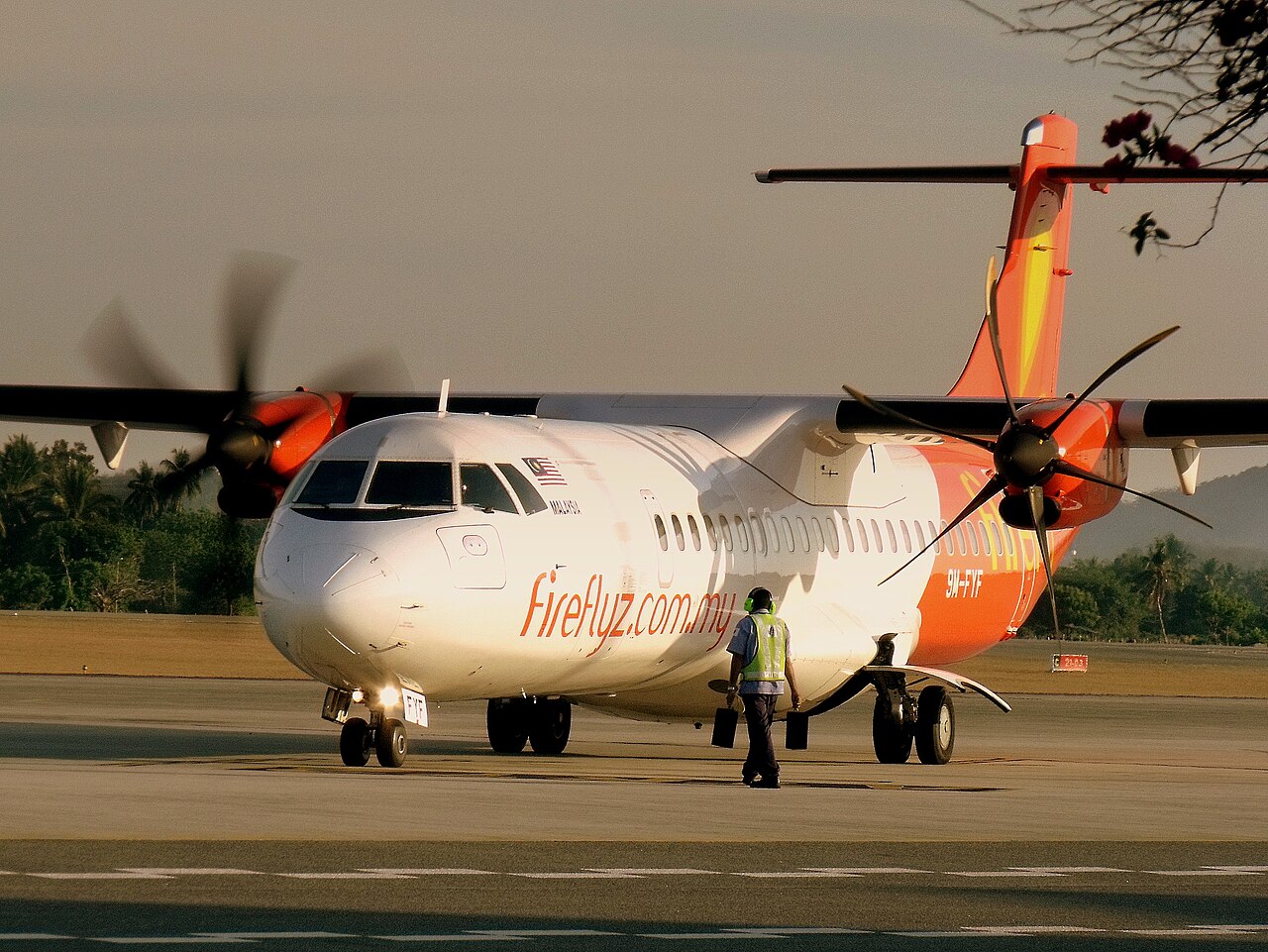
    Firefly has extended the cancellation of all flights between Subang and Singapore through October 14. Thick haze across the cross-border corridor cut visibility.

    The suspension affects six daily return services between Sultan Abdul Aziz Shah Airport and Singapore’s Seletar Airport. The airline initially halted the route from October 10 to October 12. It then pushed the restart date back.

    Disrupted Schedules Across the Causeway

    Grounded flights cover services FY3122 and FY3123, FY3124 and FY3125, FY3126 and FY3127, FY3128 and FY3129, FY3130 and FY3131, and FY3132 and FY3133. Together, the pairings make up the carrier’s daily shuttle between the two secondary hubs.

    Firefly is rebooking affected passengers onto parent company Malaysia Airlines flights out of Kuala Lumpur International Airport, subject to seat availability. Travelers who decline the alternate itineraries can claim a full refund to their original payment channel within 30 working days.

    Air Quality Readings in Singapore

    Pollution levels in Singapore remained in the unhealthy range as operations were paused. Data from Singapore’s National Environment Agency showed 24-hour Pollutant Standards Index readings between 118 and 155 on Monday evening.

    Regional monitoring stations recorded the highest concentration in the central and western districts at 155. Eastern areas registered 139, southern sectors measured 122, and northern districts reported 118.

    Impact on Business Travel Corridors

    Subang to Seletar provides an alternative for executive and short-haul business travel between the two capitals. Halting the route pushes passenger volume back to Kuala Lumpur International Airport and Changi Airport.

    Turboprop operations at secondary city airfields face tighter weather and visibility minimums than major hubs equipped with advanced instrument landing systems. When visibility drops, regional feeder links take the earliest schedule cuts.

    Next Steps for Passenger Operations

    Operations teams continue to monitor visibility along the corridor ahead of the scheduled October 15 resumption.

    Plans call for restoring the six daily return services once air quality clears minimum safety thresholds at both airfields.

  • Heineken Activates F1 Campaigns as Motorsport Returns to Malaysia After 9 Years

    Heineken Activates F1 Campaigns as Motorsport Returns to Malaysia After 9 Years

    HEINEKEN Malaysia ran trackside activations, venue watch parties, and music events at Sepang International Circuit as Formula 1 returned to Malaysia after a nine-year hiatus.

    Both core lager and zero-alcohol Heineken 0.0 featured across on-premise outlets and circuit hospitality areas during the race weekend in October 2026.

    Trackside Operations and On-Premise Venue Tie-Ins

    Sepang hosted the championship round across the weekend. Outside the grandstands and circuit bar areas, the brewer set up official viewing events at selected bars nationwide, backing partner venues with promotional packages and marketing collateral.

    Concerts anchored the circuit schedule. Swedish DJ Axwell performed on Saturday, October 3, followed by Dutch producer Martin Garrix on Sunday, October 4. The company linked the shows to its Fans Have More Friends platform, connecting live sport with nightlife entertainment.

    Trackside signage placed Heineken 0.0 at key circuit corners. The brewer tied the placement to its global transport safety campaign, reminding consumers not to drink before driving. Activations were strictly restricted to non-Muslim consumers aged 21 and older.

    Commercial Impact for Malaysian Hospitality Operators

    Major sporting fixtures deliver key volume spikes for beverage suppliers and licensed food and beverage operators in Southeast Asia. For bar operators in the Klang Valley, coordinated viewing events turned fan interest into foot traffic and longer table dwell times during race broadcasts.

    Targeting marketing budgets at zero-alcohol lines allows global brewers to stay visible under strict regional advertising rules. The category gives distributors access to venues and public spaces where standard alcoholic drinks face promotional limits.

    Regional Sponsorship Precedents and Distribution Strategy

    As a Global Partner of Formula 1 since 2016, Heineken has deployed similar event-driven marketing across Grand Prix stops worldwide. Southeast Asia serves as a proving ground for experiential marketing as beverage giants battle regional craft labels and commercial rivals for tap space.

    Motorsport’s return to Sepang tested whether fan demand can sustain hospitality revenue outside traditional tourism hubs. On the track, Max Verstappen took first place for Red Bull Racing in the Red Bull Ford Powertrains car, finishing ahead of the upcoming round in Singapore.

    Sponsorship History and Community Programs

    Malaysia hosted annual Formula 1 races until 2017, when the circuit paused its contract over rising hosting fees and shifting tourism priorities. The return to Sepang in October 2026 renewed commercial partnerships across the hospitality, logistics, and retail sectors.

    Local trade and community efforts have long anchored the brewer’s domestic work, including education fundraisers like the Tiger Chinese Education Charity Concert, which generated over RM 6.5 million for school infrastructure in October 2022.

    Outlet activations will expand across Malaysian bars as the motorsport calendar heads toward the Singapore Grand Prix.

  • Coca-Cola Adds Unsweetened Pu Erh Tea to Malaysia Lineup

    Coca-Cola Adds Unsweetened Pu Erh Tea to Malaysia Lineup

    The Coca-Cola Co expanded its ready-to-drink Authentic Tea House line in Malaysia on October 10. The unsweetened Pu Erh variant uses tea leaves sourced from Yunnan province.

    Across the region, the RTD tea and coffee sector is projected to expand from 124.79 billion dollars in 2025 to 232.06 billion dollars by 2035. That represents a 6.4 per cent compound annual growth rate.

    Bottled without sugar, the Pu Erh SKU joins established Ayataka green tea and Oolong variants in local chillers. Coca-Cola generated 50.13 billion dollars in annual revenue. The Atlanta-based company is targeting Malaysian shoppers seeking traditional Chinese tea profiles without artificial sweeteners or syrups.

    Yunnan tea leaves enter Malaysian chillers

    Authentic Tea House uses single-origin leaf extraction rather than powdered concentrates against mass-market sweet teas. Yunnan Pu Erh is the brand’s first dark tea in the country. It delivers a fermented profile typically found in traditional teahouses and dim sum dining rooms.

    This recipe contains zero calories and zero added sugar. By keeping the formulation plain, Coca-Cola avoids excise duties levied on sweetened ready-to-drink beverages across Southeast Asian markets.

    Sugar reduction reshapes Southeast Asian shelves

    Convenience retailers across Malaysia are turning chillers over to plain teas as shoppers abandon sugary drinks. Unsweetened variants offer higher retail margins per facing for supermarket operators and minimarket chains like 99 Speedmart and 7-Eleven. They also match government health guidelines designed to curb diabetes rates.

    Regional beverage producers who long relied on sweet formulas to drive volume face mounting pressure. Rivals are shifting quickly. PepsiCo pushed low-sugar and functional RTD coffee formulations earlier this year, while Tata Consumer Products posted 41 per cent revenue growth in its ready-to-drink unit behind zero-sugar innovations.

    Global RTD beverage shifts

    Coca-Cola operates in more than 200 countries with over 500 brands, relying on local bottling partners for regional distribution. The company has steadily diversified away from carbonated soft drinks. It wants to capture growth in hydration, tea, and ready-to-drink coffee segments across Asia-Pacific.

    Packaged tea continues to absorb functional and clean-label trends as consumers prioritize basic ingredient lists. Ready-to-drink formats let global brands monetize traditional café and restaurant occasions inside convenience channels.

    Shelf space battle in convenience channels

    Nationwide modern trade outlets, petrol marts, and independent grocers will roll out the Pu Erh variant throughout the final quarter of 2026. Retail buyers will watch whether fermented dark tea can match the volume throughput of green and oolong variants in high-traffic urban convenience stores.

  • Malaysia Allocates Cash Aid and Hikes Minimum Wage in Budget 2027

    Malaysia Allocates Cash Aid and Hikes Minimum Wage in Budget 2027

    Malaysia will disburse RM1,500 in special financial assistance to 1.3 million civil servants under the newly tabled Budget 2027. Over one million pensioners will receive RM750.

    Prime Minister and Finance Minister Datuk Seri Anwar Ibrahim announced the cash distribution in the Dewan Rakyat on October 9, 2026. The plan pairs direct handouts with broad tax adjustments.

    Civil servants in Grade Utama B and below qualify, including contract staff. Government pensioners and military veterans totaling more than one million will also receive the funds. The finance ministry will disburse the money in two equal tranches. The first lands before Hari Raya Aidilfitri. The second arrives ahead of Malaysia’s 70th Merdeka celebration. A separate allocation grants RM750 each to 70,000 religious personnel, including KAFA teachers, takmir educators, imams, bilals, and mosque staff.

    Cash Injections Target Household Spending

    The payout delivers liquidity straight into household budgets at key festive spending windows. Retailers in grocery, apparel, and consumer electronics consistently see basket sizes climb when public sector allowances land.

    Beyond the civil service payments, Budget 2027 raises individual income tax relief to RM12,000 while reducing baseline tax brackets. Treasury projections estimate these adjustments will return up to RM1,600 in extra annual disposable income to taxpayers. For fast-moving consumer goods distributors and suburban mall operators, that margin provides steadier footfall after months of cautious household budgeting.

    Wage Floor Shift Alters Retail Payrolls

    Ministers paired the cash support with a structural shift in labour costs, raising the national minimum wage to RM2,000 per month starting June 2027. Store chains, franchise restaurants, and logistics depots get eight months to adjust operational budgets.

    Supermarket chains and franchised food networks in the Klang Valley already pay near that threshold to attract staff. Secondary cities and rural retail outlets will feel immediate payroll pressure. Store operators must either lift front-line productivity through self-checkout systems and automated inventory logging, or pass cost increases into shelf prices. Last-mile logistics providers face identical pressures across their warehouse sorting floors.

    Retirement Funds and Social Safety Net Changes

    Automatic registration with the Employees Provident Fund will begin for all Malaysian citizens upon reaching the age of 18. The policy aims to bring early-career workers and gig economy couriers into standard retirement savings mechanisms.

    Officials also confirmed the 2027 launch of MediAsas, a voluntary basic medical insurance scheme. Contributors can fund premiums directly through EPF Akaun Sejahtera. This shields out-of-pocket household cash from unexpected healthcare emergencies.

    Small merchants will see regulatory adjustments under a forthcoming E-Commerce Bill. The draft law aims to protect domestic micro-traders from uneven marketplace practices and predatory pricing on digital platforms.

    Fiscal Trajectory and Policy Timeline

    This fiscal package follows targeted subsidies and progressive wage pilots rolled out over the preceding two fiscal cycles. Government planners are winding down blanket fuel and utility support. Direct cash transfers and statutory wage revisions will protect lower-income purchasing power instead.

    Parliament now takes up debate on the revenue bills and the specific draft text of the E-Commerce Bill ahead of the 2027 implementation dates.

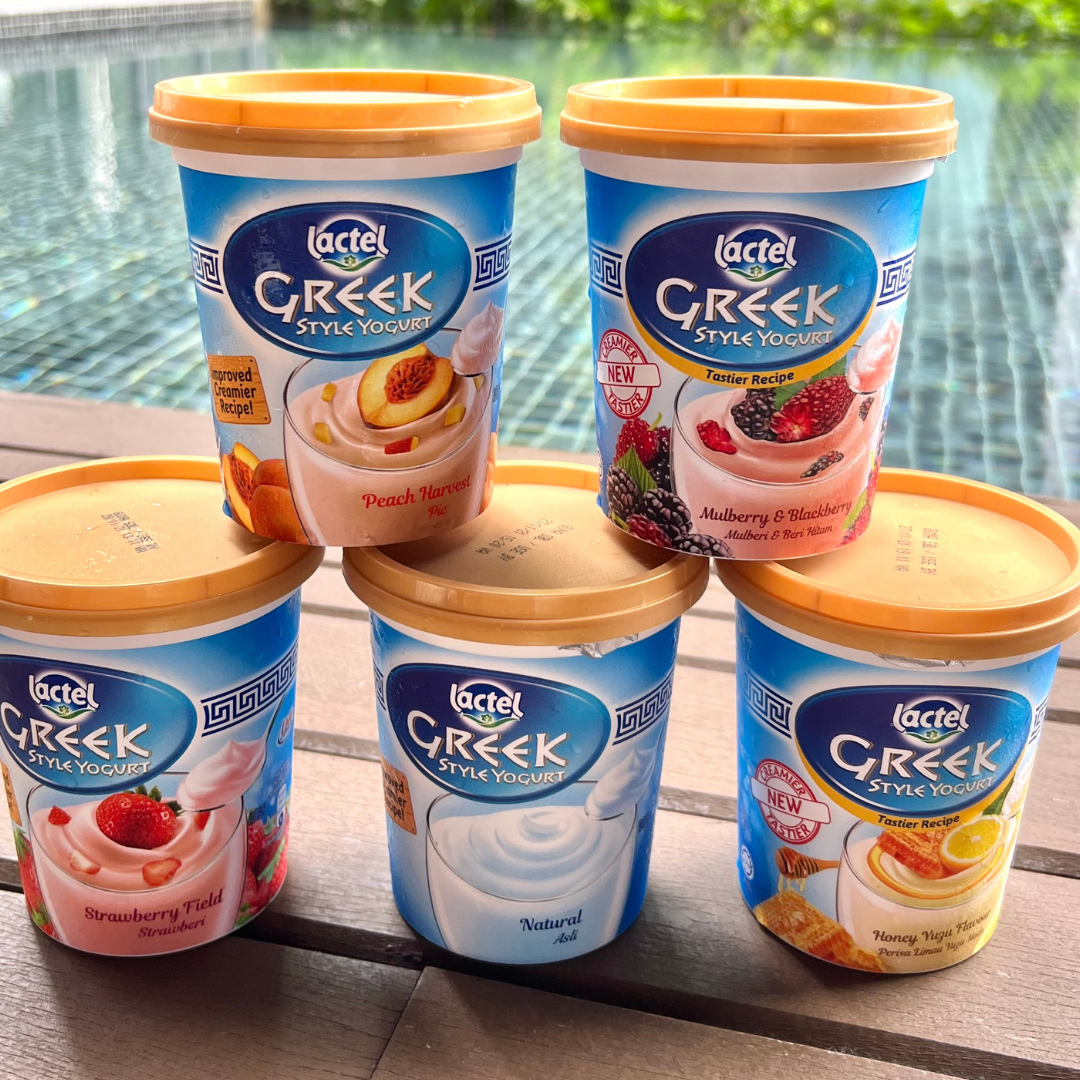
  • Lactel Malaysia Launches Low Fat Smooth Yogurt in Pouch Format

    Lactel Malaysia Launches Low Fat Smooth Yogurt in Pouch Format

    Lactel Malaysia launched its Low Fat Smooth Yogurt in a portable pouch format this week.

    The easy-to-enjoy yogurt is designed for everyday routines, whether heading to work, squeezing in 1 gym session, or snacking on the go.

    Format Shifts in Chilled Dairy

    Each pouch contains live cultures in a low-fat, smooth and silky formulation. Squeeze packaging eliminates utensils. That shifts chilled yogurt into a single-handed snacking format.

    Dairy brands across Southeast Asia continue shifting traditional tub products into flexible pouches to secure convenience store chiller space. Front-of-store cold cases reward grab-and-go packaging. These items compete directly with ready-to-drink flavored milk, RTD coffee, and ambient snacks.

    Convenience Retail Dynamics

    Squeeze pouches give retailers higher refrigerated stock density than rigid plastic tubs. Urban convenience chains in Malaysia gain stock that stacks easily. Units move fast among transit shoppers during morning and evening rush hours.

    Cold-chain distribution remains a hurdle for live-culture fresh pouches. Logistics networks must keep temperatures steady from factory depot to checkout chiller. Any temperature shift can spoil texture and cut shelf life.

    Targeting Cross-Generational Snacking

    Lactel previously restricted its pouch lineup to children’s lunchboxes and infant nutrition. Expanding to adult shoppers targets consumers seeking functional benefits like live probiotics without dessert-level fat content.

    Rival Malaysian dairy producers have pursued similar packaging across drinking yogurts and cultured milk drinks. Introducing a thicker, low-fat spoonless yogurt tests whether adults will embrace squeezable pouches for breakfast and workout fuel.

    Retail Distribution Rollout

    Nationwide distribution covers hypermarkets, supermarkets, and convenience stores. Retailers are merchandising the pouches in chilled dairy bays next to Lactel tubs and bottled drinks.

    Store audits over the coming quarter will track whether pouch sales cannibalize single-serve pots or attract incremental buyers to the chilled dairy aisle.

  • ShopeePay Adds Zurich Life Insurance in Malaysia Starting at RM500

    ShopeePay Adds Zurich Life Insurance in Malaysia Starting at RM500

    In October 2026, Zurich Life Insurance Malaysia Berhad partnered with ShopeePay Malaysia to sell life insurance directly through the e-wallet app, with entry premiums starting at RM500.

    The two-year single-premium product is named the Zurich Savings & Protection Plan. It offers guaranteed cash payouts every six months. Customers receive full principal protection at maturity, along with 105 per cent of the premium paid for life and disability coverage.

    Expanding Digital Wallet Distribution

    This agreement makes ShopeePay the first digital distribution platform partner for Zurich’s life insurance division in Malaysia. It builds on an existing relationship. The platform already distributes products for Zurich General Insurance Malaysia Berhad and Zurich General Takaful Malaysia Berhad.

    Users purchase policies inside the ShopeePay mobile app under the insurance tab by selecting the endowment category. Both companies plan to lower the minimum entry premium from RM500 to RM100 to widen user adoption.

    Targeting First-Time Insurance Buyers

    Tapping an established checkout ecosystem bypasses traditional agency channels and their higher acquisition costs. Insurers across Southeast Asia bundle life protection into short-duration endowment products for a clear reason. They want to convert younger, digital-native consumers who avoid long-term premium commitments.

    For ShopeePay, the rollout creates a high-margin financial service stream within its payments ecosystem. The move mirrors regional super-apps that are diversifying beyond payment processing and micro-lending into wealth and insurance distribution.

    Building Out Embedded Finance

    Intense competition for transaction volume across Southeast Asia is pushing digital wallets to embed stickier financial products. Short-term endowment policies create recurring platform engagement. Every six months, guaranteed cashback payouts return directly into user accounts.

    Operational risks remain if claim fulfillment or cash-out requests create friction inside a third-party app. To prevent that, Zurich and ShopeePay rely on digital underwriting infrastructure called Zurich Edge to process claims and manage policy administration.

    Next Steps For Islamic Products

    Earlier rollouts between the two companies introduced digital critical illness coverage on Shopee platforms. Benefits distributed under the program remain protected by Perbadanan Insurans Deposit Malaysia up to statutory limits.

    Looking ahead, Zurich Malaysia will broaden the lineup in 2027 by introducing Syariah-compliant family takaful products across ShopeePay. Both firms are also preparing to lower the entry threshold for the current savings plan to RM100.

  • Spritzer Enters Isotonic Water Market with Ion Launch in Malaysia

    Spritzer Enters Isotonic Water Market with Ion Launch in Malaysia

    Spritzer launched an electrolyte-formulated isotonic water called Spritzer ION across Malaysia on 6 October 2026, targeting functional hydration demand outside pure mineral water.

    The beverage rolls out in 500mL and 1.5L formats across two flavour options, Original and Lime, formulated with lower sugar content than conventional sports drinks.

    Flavour Formats and Packaging Specifications

    Group Chief Executive Officer Kenny Lim and Head of Marketing Shiao Chan unveiled the product line alongside brand ambassadors Aedy Ashraf and TUJU. The product uses Spritzer mineral water as its base, blending electrolytes into an easy-grip bottle styled with blue and purple labeling featuring an infinity symbol motif.

    Distribution will target retail channels nationwide, giving convenience stores and hypermarkets an isotonic alternative marketed for everyday work routines as well as athletic training.

    Positioning Against Established Sports Drinks

    Entering the isotonic market pits Spritzer directly against entrenched regional category heavyweights that dominate convenience store refrigerator shelves across Southeast Asia. By positioning ION with less sugar and using its core mineral water brand equity, Spritzer aims to capture health-conscious consumers who avoid heavier carbonated sports drinks.

    For retailers, the line provides higher-margin shelf inventory in the functional beverage category compared to standard bulk mineral water. The risk sits in execution: isotonic drinks rely heavily on habitual purchase cycles, requiring sustained marketing spend to keep retail turnover steady against established players.

    Brand Campaigns and Portfolio Expansion

    Spritzer has steadily diversified its revenue base away from standard still water over the past two years. The company partnered with Gigi Coffee on co-branded drinks in January 2025, introduced Sparkling Sea Salt & Citron line extensions in December 2025, and ran its Flow With Joy consumer campaign in May 2026.

    The launch of ION accelerates that shift into higher-value functional lines designed to lift average selling prices per litre across retail networks.

    Roadshow Rollout and Consumer Sampling

    Direct consumer engagement begins with an underwater-themed activation at Starhill Piazza in Kuala Lumpur running from 9 to 11 October 2026. The three-day event serves as the initial test site for product sampling before Spritzer expands regional retail promotions into secondary Malaysian cities through the fourth quarter.

  • DNB Secures $1.27 Billion Islamic Facility for Malaysia 5G Network

    DNB Secures $1.27 Billion Islamic Facility for Malaysia 5G Network

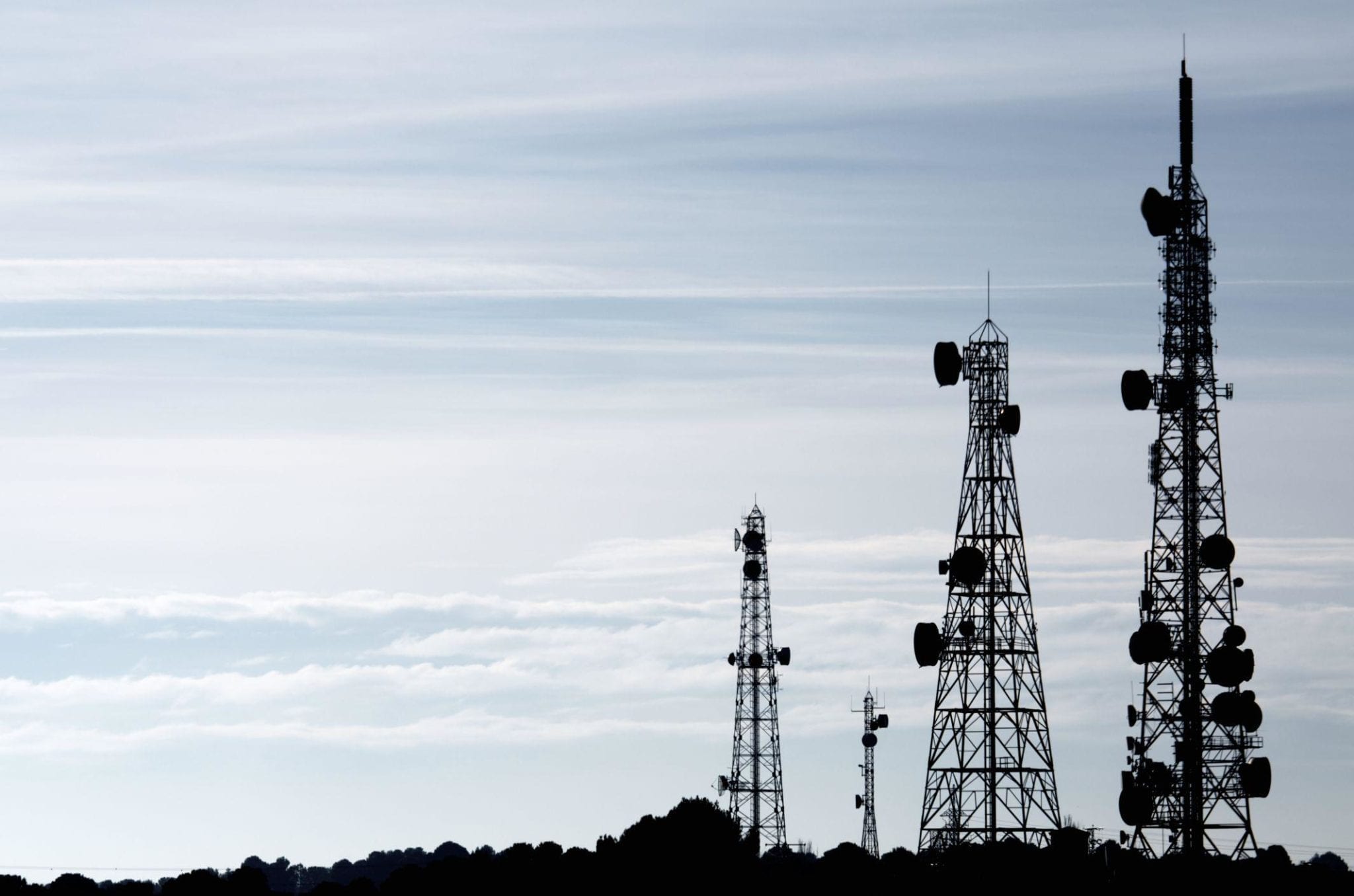
    Digital Nasional Berhad secured MYR 5.2 billion ($1.27 billion) in syndicated Islamic term financing. The facility funds the next stage of Malaysia’s national 5G deployment.

    The package refinances an existing Government Guarantee Revolving Credit Facility that expired on September 29, 2026. This shifts the wholesale operator away from direct sovereign debt backing.

    Refinancing state debt

    Maybank Investment Bank led the syndicate as mandated lead arranger, bookrunner, and coordinator. Joint mandated lead arrangers were AmInvestment Bank, CIMB Islamic Bank, RHB Islamic Bank, and United Overseas Bank (Malaysia). AmInvestment Bank also served as financial adviser to DNB.

    This long-term package ranks among the largest syndicated debt deals arranged for an unlisted Malaysian business. It provides independent capital to maintain infrastructure operations as the country prepares to licence a competing second 5G wholesale network.

    Ownership changes among carriers

    Proceeds prepare the ground for the Ministry of Finance Incorporated to surrender its ordinary equity. MOF Inc. Holds a 31.18 percent stake in DNB and plans to exit early in the fourth quarter of 2026. It will keep a special share to retain veto power over strategic national decisions.

    Three commercial mobile network operators, CelcomDigi, Maxis, and YTL Communications, each hold 22.94 percent stakes after injecting MYR 202 million ($49.45 million) apiece in May. Once the finance ministry transfers its ordinary holding, those three carriers will become equal shareholders in the business.

    Commercial impact and competitive risk

    For enterprise customers and mobile subscribers, private ownership removes the risk of sudden policy reversals tied to government budgets. Joint control forces the three competing retail operators to fund capital expenditure directly rather than rely on state guarantees.

    Commercial risk now shifts to network economics under Malaysia’s planned dual-network structure. When the telecommunications regulator awards the second 5G network, DNB must defend its wholesale traffic volumes against a rival system. The debt facility secures critical operating runway for that contest.

    Spectrum boost and network specs

    DNB expanded its active spectrum assets alongside the financing deal. The carrier activated an extra 100 MHz in the 3.3 GHz to 3.4 GHz band. Paired with its original 3.4 GHz to 3.5 GHz assignment, it now has 200 MHz of contiguous mid-band spectrum.

    All 240 MHz of DNB’s spectrum holdings converted into formal spectrum assignments on October 1, 2026, following approval from the Malaysian Communications and Multimedia Commission. The operator will direct the additional capacity into Massive MIMO, carrier aggregation, 5G-Advanced, and automated traffic management across metropolitan nodes.

    What happens next

    Next up is the formal completion of MOF Inc.’s equity exit before the end of the fourth quarter of 2026. Attention will then turn to how CelcomDigi, Maxis, and YTL Communications balance their board representation and whether any of the three seek access to Malaysia’s second 5G consortium.