Tag: Kuala Lumpur

  • Japan’s I’m Donut? Enters Southeast Asia with First Kuala Lumpur Store

    Japan’s I’m Donut? Enters Southeast Asia with First Kuala Lumpur Store

    Japanese bakery concept I’m donut? Opened its first Southeast Asian store at The Exchange TRX in Kuala Lumpur on September 12, 2026. The outlet brings more than 30 pastry varieties to Malaysia.

    The launch is the brand’s first physical retail location outside Japan. It follows rapid growth across Tokyo and other major Japanese cities.

    The Exchange TRX Deployment

    Located at lot GS.05.0 in The Exchange TRX, the shop trades daily from 10:00 AM to 10:00 PM. Staff make every pastry fresh on site throughout the day.

    Chef and founder Ryouta Hirako built the concept around signature nama donuts. His recipe uses a soft dough to produce an airy texture. The Kuala Lumpur branch stocks the brand’s core menu, including the Original, Nama French Cruller, Pistachio Cream, Cacao and Custard variants.

    “We are very happy to finally bring I’m donut? To Malaysia and to introduce our nama donuts to customers in Kuala Lumpur,” said Chef Ryouta Hirako, Founder of I’m donut?.

    Localization and Menu Structure

    Alongside its Japanese lineup, the retailer rolled out items designed specifically for Malaysian consumers. The localized menu incorporates regional breakfast staples and drinks into bakery formats.

    Exclusive items feature sweet and savoury combinations, including Masala Chicken, Cham, Hojicha Kaya Jam, Milo Glazed, Banana Fritter Caramel and Pandan Coconut Cream. Menu localization helps specialty bakeries keep footfall steady once initial novelty fades.

    Mall Dynamics and Food Retail Competition

    Mall operators across Southeast Asia have turned to viral Japanese and Korean food concepts to anchor retail floors. The Exchange TRX serves as a primary landing pad for foreign food and beverage brands entering Malaysia.

    Single-product bakery concepts face sharp competition in Kuala Lumpur’s top retail hubs. Long-term performance requires a balance. Operators must pair core imported recipes with localized seasonal items to hold a broad customer base.

    Expansion Trajectory

    The Malaysian launch follows an announcement in late August 2026 detailing plans to expand across the region. This Kuala Lumpur site gives the company an operating base to test Southeast Asian demand.

    RetailNews Asia tracks store productivity across prime commercial developments in Malaysia. Sales and foot traffic at The Exchange TRX will establish the baseline for future growth. Those figures will determine whether the business adds locations in the Klang Valley or pushes into Singapore and Thailand.
  • AirAsia Rejects Bailout Talk and Targets 1 Billion Dollar Debt Refinancing

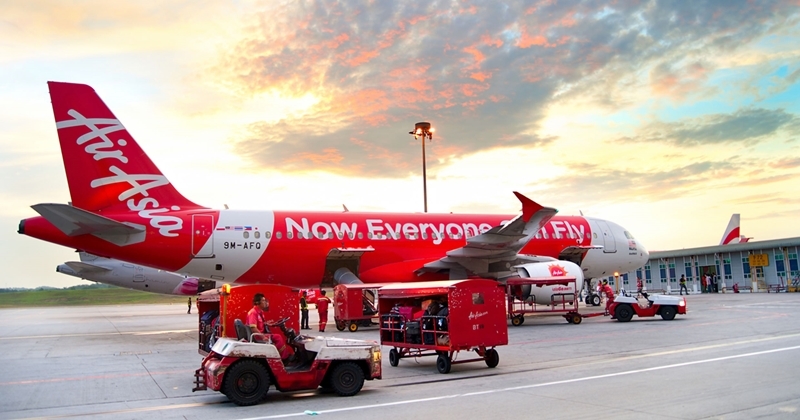
    AirAsia Rejects Bailout Talk and Targets 1 Billion Dollar Debt Refinancing

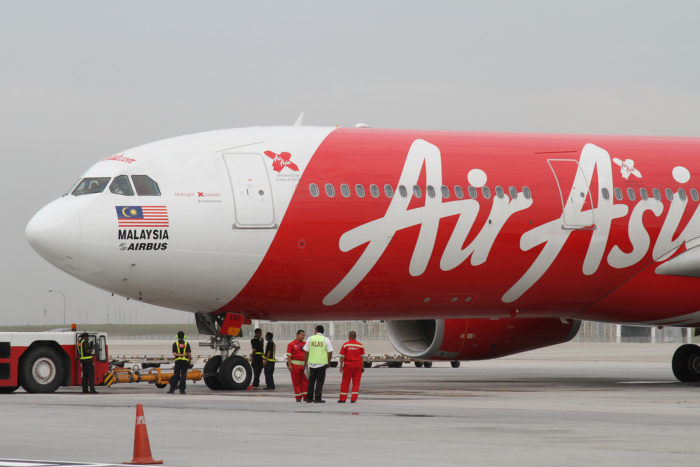
    AirAsia co-founder Tony Fernandes rejected calls for state aid on Friday. The budget carrier plans to raise over 1 billion dollars by January to refinance its balance sheet.

    His comments follow reports that Malaysian authorities approached rivals Malaysia Airlines and Batik Air. Officials wanted to evaluate whether the carriers could absorb AirAsia’s 60 percent domestic market share.

    Speaking at a briefing in Bangkok, Fernandes dismissed the need for intervention. He said operations remain cash generative despite severe cost inflation. The airline recorded current liabilities of 18.4 billion ringgit, or 4.52 billion dollars, against cash balances of 954 million ringgit as of June 30.

    Balance sheet pressures and jet fuel volatility

    Jet fuel prices climbed 66 percent in the second quarter to average 183 dollars per barrel. AirAsia operates without fuel hedges. That unhedged position leaves margins exposed to oil spikes that have already pushed carriers in North America and Europe into restructuring.

    Management is working to secure international bond financing alongside 700 million ringgit in domestic credit facilities. Fernandes confirmed that a Middle Eastern investor submitted a 1 billion dollar funding term sheet. Executives are negotiating terms before committing to an agreement.

    Rival positioning and market control

    Replacing AirAsia’s domestic footprint would require competitors to deploy roughly 100 aircraft immediately across Malaysian hubs. Neither Malaysia Airlines nor Batik Air possesses the spare fleet capacity to absorb that volume without starving regional routes.

    For consumer travel and airport retailers across Southeast Asia, an abrupt pullback in low-cost capacity would quickly contract footfall in secondary hubs. The risk rests on whether fare hikes can offset fuel costs before short-term debt repayments come due in late 2026.

    We’ve never received any government support in the last 25 years. And as of today, we haven’t got any and that’s it.

    Fleet restructuring and route adjustments

    AirAsia has cut unprofitable destinations and returned 25 older aircraft to lessors to lower monthly fixed overheads. No planes have been repossessed or involuntarily reclaimed by leasing firms during this period.

    Fleet strategy centers on replacing widebody A330 aircraft with narrower, more fuel-efficient A321LR and XLR variants. Stable passenger volumes across units in Thailand, Indonesia and the Philippines supported an average load factor of 80 percent during the third quarter.

    Current pressures trace back to mid-2026, when escalating fuel costs accelerated equity losses and triggered a 70 percent drop in the stock price. Malaysia’s Ministry of Finance subsequently hired Alton Aviation Consultancy to review the group’s financial position.

    Talks with Airbus on a strategic fleet update are scheduled for next month, ahead of concluding the primary debt restructuring round by January 2027.

  • Yakima Opens Ombak KLCC Outlet in Push for Halal Japanese Street Food

    Yakima Opens Ombak KLCC Outlet in Push for Halal Japanese Street Food

    YAKIGO opened an outlet at Ombak KLCC on 11 September 2026. The launch anchors its quick-service Japanese skewer format inside Kuala Lumpur’s central commercial district.

    Located at Lot C1 on the Urban Eats concourse floor, the branch is the brand’s third operating site. It forms part of a planned five-location network spanning retail malls, university campuses and highway rest stops.

    Central kitchen backing and localized recipes

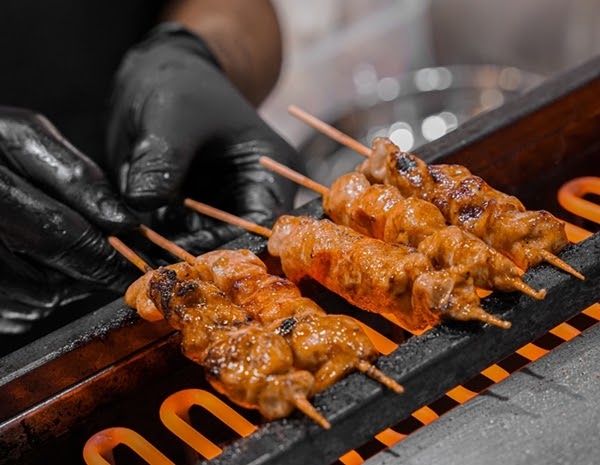
    The concept adapts Japanese yakitori into a fast-casual format built around batch grilling. Kitchens prepare skewers throughout service. They pair them with three sauces: a classic yakitori glaze, a spicy Golden Buttermilk sauce and a localized Sambal Bara.

    Menu bundles divide into three tiers tailored for high-footfall concourses. Options include a three-piece Snack Bag for on-the-go eating, a five-piece Signature Box, or a four-piece Full Meal served over Japanese rice.

    To serve Malaysia’s mainstream Muslim consumer base, the chain runs a halal-certified central kitchen. It sources all ingredients from compliant suppliers. Strategy officer Matthews Chang stated the business intends to make Japanese street dining broadly accessible through localized flavours and inclusive sourcing.

    The fast-casual shift in quick-service Asian dining

    For mall landlords and concourse operators, compact skewer formats deliver high revenue density per square metre. Stalls with limited, standardized stock-keeping units drive quick turns and high takeaway volume during peak lunch and evening commuting windows.

    Central kitchen certification clears the main operational hurdle facing Japanese concepts in Southeast Asia. Shifting butchery, skewer assembly and sauce production offsite strips complexity out of compact stores. It also ensures regulatory compliance across every point of sale.

    Expanding across commuter and campus hubs

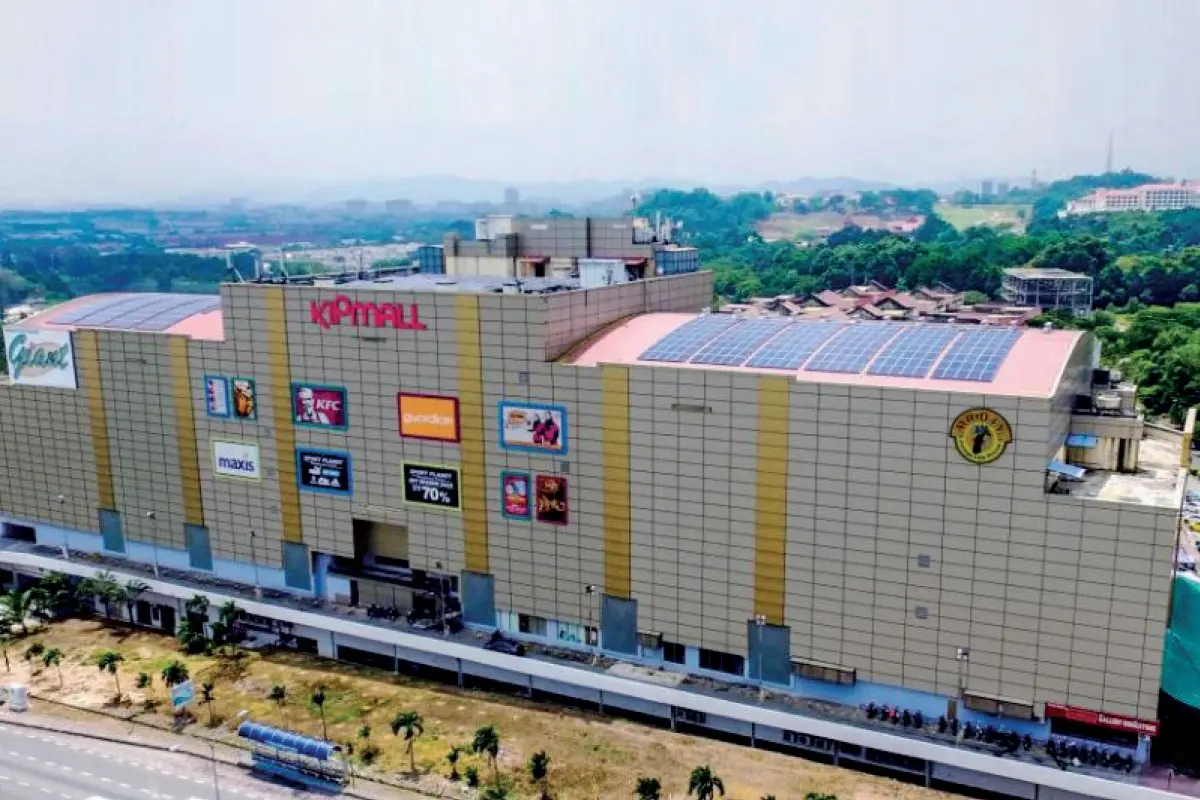
    The Ombak KLCC site follows earlier launches aimed at different foot-traffic demographics. YAKIGO began operations at KIPMall Kota Warisan before opening a campus branch at Taylor’s University to capture student dining spend.

    Another retail store opened at Coalfields Retail Park on 10 September 2026, just ahead of the KLCC launch. The location establishes an outer-suburban presence in Selangor.

    Next stop on the North-South highway

    YAKIGO will open its next counter at the Seremban Rest and Service Area along the North-South Expressway in early October 2026. The branch takes the format into high-volume highway transit retail.

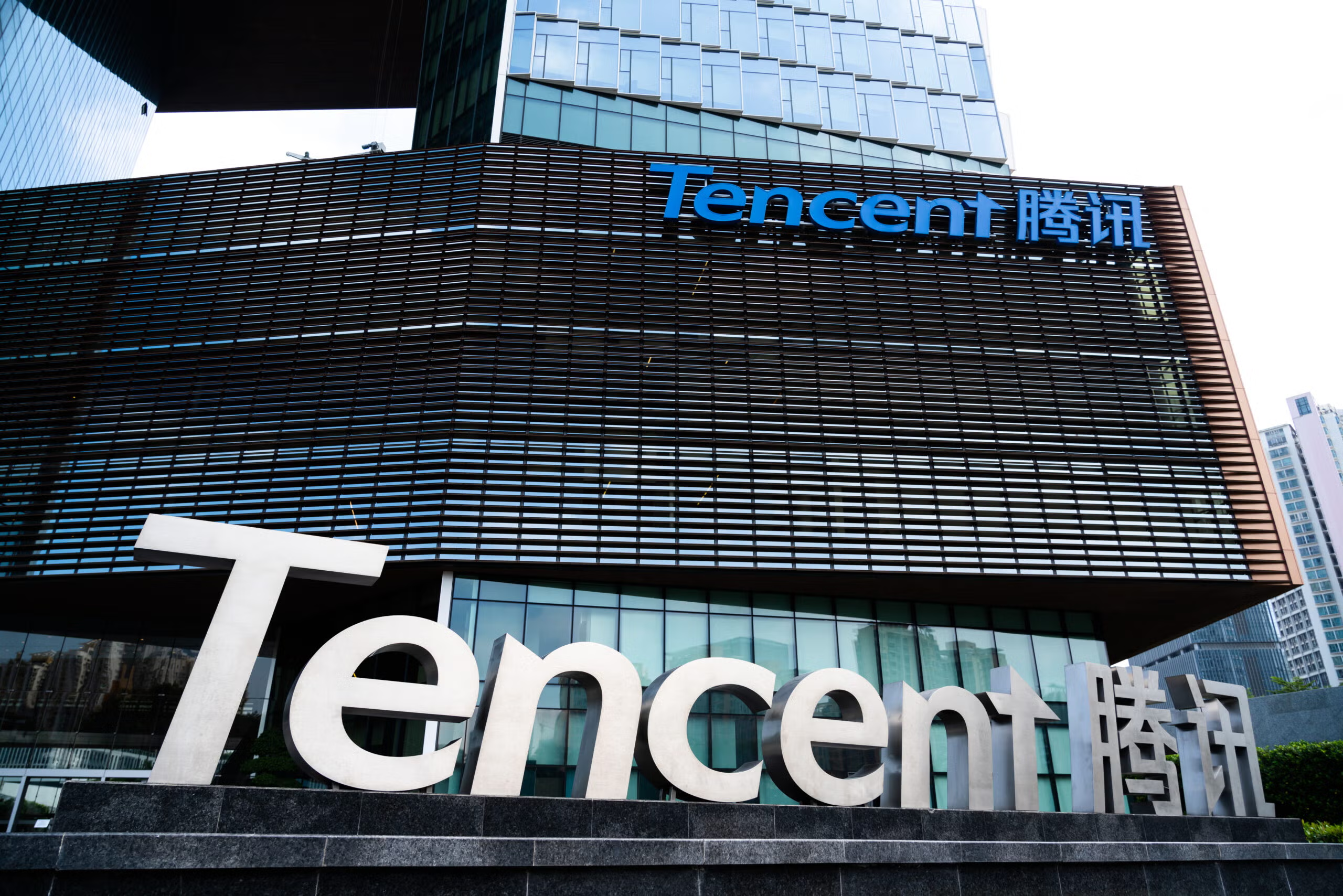
  • Tencent Cloud and U Mobile Partner on Enterprise 5G and AI in Malaysia

    Tencent Cloud and U Mobile Partner on Enterprise 5G and AI in Malaysia

    Tencent Cloud signed a preliminary pact with Malaysian carrier U Mobile on September 15 to build enterprise artificial intelligence tools on the carrier’s 5G network. It is Tencent Cloud’s first direct AI partnership with a telecom operator in Malaysia.

    Under the memorandum of understanding, the companies will run joint development projects through U Mobile’s Enterprise Innovation Platform. The facility links Tencent Cloud’s AI processing infrastructure with U Mobile’s ULTRA5G mobile network. Both groups plan to test software tools for corporate clients and small to medium-sized enterprises. Commercial rollout across Southeast Asia will follow.

    How the platform pipeline operates

    The joint programme runs across three stages: build, test, and demonstrate. Technical teams from both companies will hold engineering workshops and conduct pilot shows. They will also open testing environments to software developers, academic researchers, and startups.

    Engineers will focus on system integration, automated workflows, network security, and data handling. U Mobile plans to use the trials to identify enterprise use cases. These can convert into paying commercial contracts once network validation wraps up.

    At U Mobile, we are focused on using our next-gen 5G network to enable innovation that delivers real value to businesses. Our partnership with Tencent Cloud strengthens this by bringing together 5G, AI and cloud technologies to explore new applications across industries.

    Carriers compete for enterprise AI workloads

    Southeast Asian telecom operators face flat consumer mobile revenue and rising capital spending on network rollouts. Partnering with Chinese hyperscalers gives local carriers ready-made enterprise software suites without funding research from scratch. For Tencent Cloud, tying algorithms directly to local carrier data pipes secures access to corporate clients. Rivals Alibaba Cloud and Huawei Cloud are already pursuing those accounts in Kuala Lumpur.

    This structure shifts the capital burden. U Mobile provides the radio access network and corporate client relationships. Tencent Cloud supplies model architectures and compute tools. The setup reduces upfront overhead for the carrier, though long-term margins will depend on how the partners split software licensing fees.

    SME adoption presents commercial hurdle

    Small and medium-sized enterprises make up the bulk of Malaysia’s business sector, but smaller firms frequently delay advanced tech spending. High transition costs and complex integration cycles often stall digital transformation plans before software reaches production.

    Both partners target this friction by building pre-tested tools for specific operational bottlenecks. If pilot programs fail to show measurable efficiency gains or clear cost cuts within six months, enterprise uptake will lag. Network capacity would then sit underutilised.

    Deployment pathway and next steps

    Earlier carrier partnerships in the market centered strictly on data connectivity and basic cloud hosting rather than integrated AI tooling. The current project follows U Mobile’s rollout of its commercial ULTRA5G network infrastructure across high-density Malaysian business districts.

    Joint technical workshops with selected enterprise partners begin in the fourth quarter of 2026. The initial batch of commercial pilot deployments across retail, logistics, and manufacturing sectors will head for review by mid-2027.

  • Nestlé Rolls Out 3 Limited-Edition KitKat Dark Ice Cream Packs in Malaysia

    Nestlé Rolls Out 3 Limited-Edition KitKat Dark Ice Cream Packs in Malaysia

    Nestlé has released three limited-edition packaging formats for KitKat Dark Ice Cream across Malaysia in September 2026. The rollout ties single-origin Borneo cocoa supply chains directly to the Visit Malaysia 2026 campaign.

    First launched in Malaysian freezers in 2025, the product uses Trinitario cocoa beans harvested in Sabah and Sarawak. Sourcing runs through the Nestlé Borneo Cocoa Initiative.

    Sourcing and packaging design

    Three collectable designs make up the revised line: Heritage, Island, and City. Each wrapper depicts Malaysian tourist destinations to drive impulse sales in convenience stores and hypermarket freezer aisles.

    Under the wrapper, the recipe remains unchanged. A dark chocolate shell made with 100 per cent single-origin Borneo cocoa covers a vanilla core mixed with crushed wafer pieces.

    Regional supply and brand strategy

    The release puts local provenance directly into mass-market confectionery. FMCG manufacturers across Southeast Asia face steep raw cocoa costs on global commodity exchanges. Contracted farming programmes like the Borneo initiative provide an operational hedge alongside their marketing value.

    Pitching KitKat alongside government-backed travel campaigns planned for 2026 secures shelf appeal before tourists arrive. Merchandising single-origin confectionery at mass retail price points yields higher margins than standard dairy lines. It also avoids specialized premium distribution networks.

    Cross-promotional retail campaigns

    On the ground, a wider consumer marketing drive supports the new packs. Roadshow activations are running across commercial centres, wrapping up with an interactive installation at The Exchange TRX from 22 to 27 September.

    Shoppers entering roadshow contests and uploading on-pack receipts can win Grandstand passes to the Formula 1 race at Sepang International Circuit, scheduled for 2 to 4 October 2026.

    Retail buyers will monitor sales velocity through the fourth quarter of 2026 as tourist footfall builds across store networks.

  • Malaysia Asks Airlines to Prepare to Absorb AirAsia Routes

    Malaysia Asks Airlines to Prepare to Absorb AirAsia Routes

    Malaysia’s government has asked Malaysia Airlines and Batik Air whether they could absorb AirAsia’s domestic routes and passengers if necessary, as authorities carry out contingency planning while monitoring the budget carrier’s financial health.

    The discussions come as the airline, acquired by Tune Air for RM1 (US$0.25) in 2001, faces mounting financial pressure from debt and a sharp rise in fuel costs.

    AirAsia has stated that it remains focused on maintaining stable operations and that underlying travel demand remains strong, while officials noted that no takeover or transfer of operations has been decided.

    Contingency Planning and Operating Pressure

    The carrier’s operating entity, Capital A, faces the combined burden of debt accumulated during the pandemic and high operating expenses. In the second quarter of 2022, the group’s average fuel costs jumped 68 per cent year-on-year to US$151 a barrel, consuming 51 per cent of aviation revenue. Currency weakness across Southeast Asian markets against the US dollar has amplified those costs, particularly for aircraft maintenance and dollar-denominated aircraft leases.

    Both AirAsia X and parent entity Capital A previously fell into Bursa Malaysia’s PN17 classification for financially distressed listed firms. AirAsia X completed a debt restructuring in March 2022, but Capital A remains under requirements to regularise its financial condition to preserve its stock exchange listing.

    Shifting Regional Capacity Dynamics

    For regional travel retail, airport concessionaires, and tourism operators, any capacity reduction from AirAsia would alter passenger footfall patterns overnight. AirAsia built the low-cost model that feeds primary transit hubs like Kuala Lumpur International Airport Terminal 2 and regional secondary airports across Thailand, Indonesia, and the Philippines. If routes are transferred or curtailed, legacy carriers and competing hybrid operators will absorb higher-yielding corporate traffic while budget-sensitive discretionary travel slows down.

    Rival full-service and hybrid carriers stand to gain market share on key domestic trunk routes, yet taking over budget volume presents immediate fleet and staffing hurdles for Malaysia Airlines and Batik Air. Low-cost passenger yields cannot easily support legacy cost structures without state subsidies or substantial fare increases. The direct risk rests with consumer ticket pricing, where reduced seat capacity inevitably pushes up average domestic fares.

    From Token Purchase to Pandemic Shock

    Entrepreneurs Tony Fernandes and Kamarudin Meranun bought AirAsia through Tune Air in September 2001 for a token RM1, absorbing RM40 million in debt. The carrier transformed regional aviation by introducing high-density Airbus A320 fleets, online direct bookings, and low fares, surpassing 500 million passengers carried by 2018.

    Financial strains began surfacing before the global health crisis. AirAsia reported a net loss of approximately RM283 million in 2019 after fuel price increases added RM703 million to its operating costs in 2018. When border closures halted international travel in 2020, group revenue dropped 74 per cent to RM3.1 billion and full-year net losses widened to RM5.9 billion, forcing the shutdown of AirAsia Japan and a retreat from AirAsia India.

    Regulators and investors are tracking Capital A’s submission of a complete regularisation plan to exit PN17 status on Bursa Malaysia, alongside fleet reactivation milestones across its Southeast Asian subsidiaries.

  • 7-Eleven Malaysia Launches Four Michelin-Crafted Ready Meals at RM15.90

    7-Eleven Malaysia Launches Four Michelin-Crafted Ready Meals at RM15.90

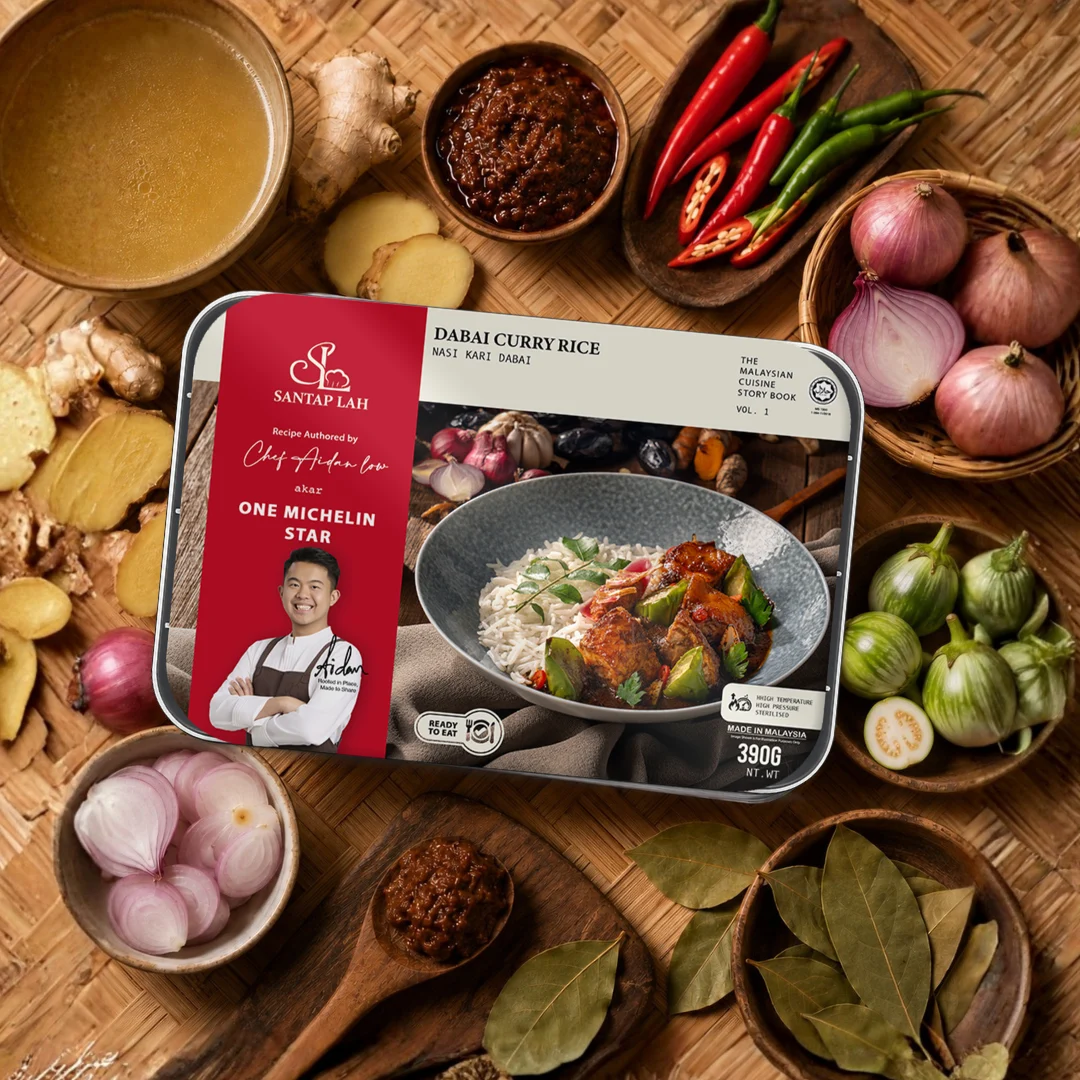
    In September 2026, 7-Eleven Malaysia rolled out a four-dish ready-to-eat meal range developed with Michelin Guide chefs. Each counter-served rice dish costs RM15.90.

    Branded as Santap Lah, the collection is available exclusively across the chain’s CAFÉ by 7-Eleven store format in Malaysia. Every meal is halal-certified and made without preservatives. Staff heat each portion directly at the service counter.

    Star chefs take to the convenience counter

    The lineup pulls recipes directly from high-end kitchens in Kuala Lumpur and Penang. Raymond Tham, chef at one-star Beta KL, developed the Kadok Chicken Rice. Aidan Low of one-star akar contributed the Dabai Curry Rice. Penang-based Kim Hock Su from one-star Restaurant au Jardin created a vegan option, Hericium Mushroom Rendang with Rose Water Rice. A fourth dish, Rose Chicken with Buttered Rice, comes from Nurilkarim of Michelin-selected Jawi House.

    Selling fine-dining recipes in plastic trays requires rigid cold-chain controls and tight commissary standardisation. The retailer is using shelf-stable heating techniques and preservative-free recipes to tackle the quality drop common in mass-produced convenience food.

    The margin fight in fresh food

    Convenience operators across Southeast Asia are leaning heavily on proprietary ready meals to defend gross margins against grocery discounters and food delivery platforms. Ready-to-eat lines yield higher gross margins than packaged consumer goods. However, they carry sharp inventory risks if off-peak sales drop.

    In Malaysia, 7-Eleven faces stiff competition in fresh food from FamilyMart. That rival built its local market share on hot snacks, oden, and chilled lunch boxes. By putting Michelin-starred names on its menu, 7-Eleven aims to capture office workers looking for quality lunches without paying full restaurant table rates.

    Expanding the cafe footprint

    This rollout ties into the chain’s broader conversion of standard convenience outlets into the larger CAFÉ by 7-Eleven format. These stores dedicate more floor space to seating, barista coffee, and ready-to-eat meals.

    Customer uptake across suburban locations outside central Kuala Lumpur will test the Santap Lah range next. Spending power is tighter in these areas, where standard hawker meals still sell well below the RM15 mark.

  • Malaysia Q2 Retail Sales Growth Falls Short as Spending Tightens

    Malaysia Q2 Retail Sales Growth Falls Short as Spending Tightens

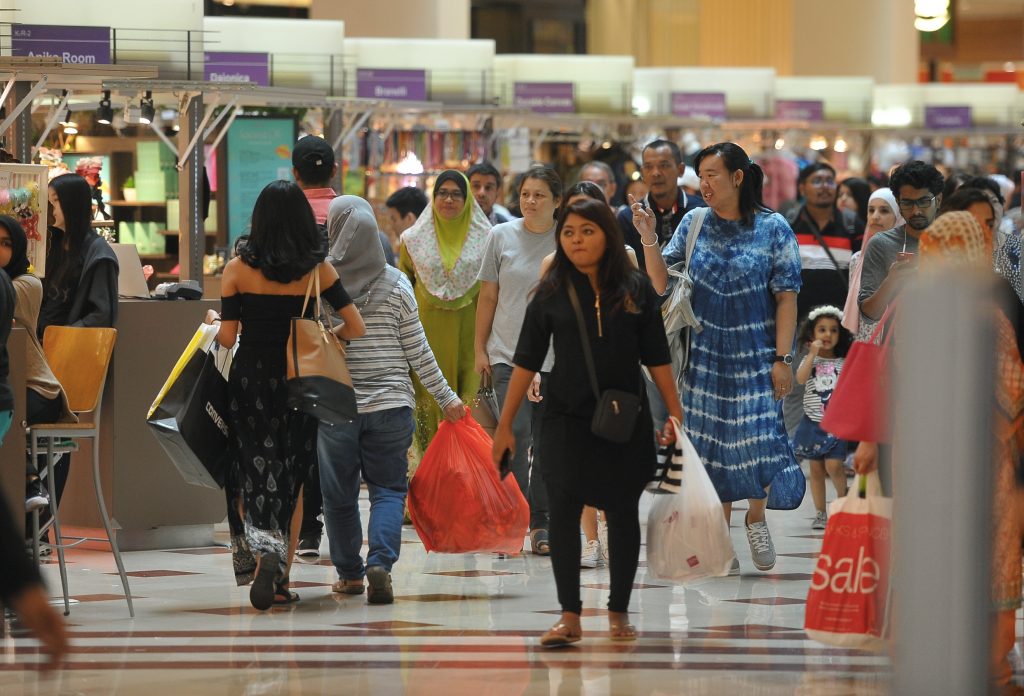
    Malaysia recorded weaker than expected retail sales growth in the second quarter. Households curbed discretionary spending under persistent cost of living pressures.

    Store operators were caught off guard. They had anticipated stronger post-holiday consumption across shopping malls and high street locations.

    Squeeze on Household Budgets

    Shoppers across urban centers like Kuala Lumpur redirected budgets toward essential groceries and basic utilities. They cut visits to apparel boutiques, specialty food outlets and consumer electronics chains. That left retailers managing slower foot traffic, smaller basket sizes and rising price sensitivity across mid-market categories.

    Department stores and specialty chains felt the sharpest pinch during the quarter. Food and beverage operators also saw customers trade down to cheaper meals and cut back on cafe visits.

    Operator Margins and Inventory Risk

    This slowdown creates inventory friction for regional retailers that built up stock expecting resilient consumer demand. Excess seasonal merchandise forces heavier discounting. Gross margins take the hit while operating overheads, logistics costs and mall service charges stay high.

    Commercial landlords face tougher lease renewal talks as tenant turnover risk mounts. Shopping center operators across Southeast Asia counted on domestic spending to balance uneven tourist arrivals. A local slowdown weakens tenant revenue-sharing agreements and dampens rental reversion rates.

    Broader Southeast Asian Pattern

    Similar patterns are playing out across neighboring markets, including Thailand and Indonesia. Post-pandemic retail rebounds there also gave way to cautious household budgeting. Earlier quarterly gains relied on festival spending, but momentum vanished once promotional cycles ended.

    Retail groups are now recalibrating third-quarter procurement orders and delaying non-critical store refits. Attention turns to upcoming third-quarter performance data and year-end holiday order books to gauge whether revenue stabilizes before 2027.

  • Tealive Unveils Layan Coffee Series with Da Hong Pao Tea in Malaysia

    Tealive Unveils Layan Coffee Series with Da Hong Pao Tea in Malaysia

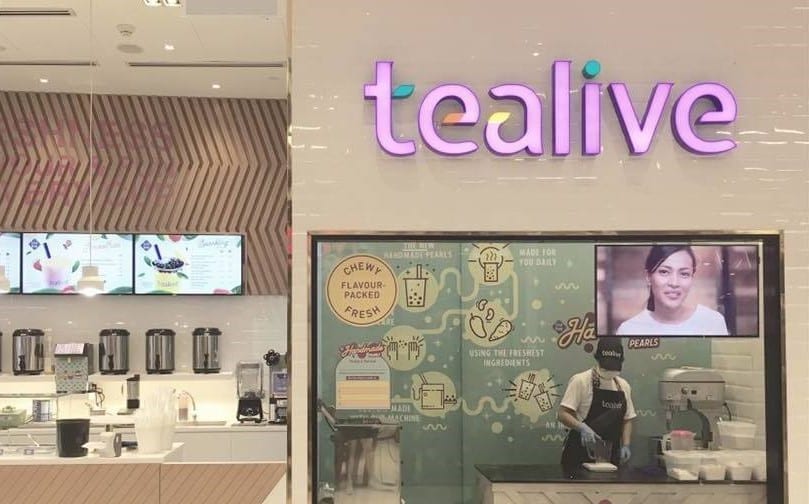
    Tealive unveiled its Layan Coffee lineup in Malaysia this week. The drinks combine brewed espresso with Da Hong Pao oolong tea across its domestic store footprint.

    That updates the traditional Malaysian coffee-and-tea blend known locally as cham and in Hong Kong as yinyeung, pairing 2 staple beverages.

    Upgrading Traditional Cham Recipes

    The new menu pairs concentrated coffee extractions with steeped Da Hong Pao, a roasted oolong tea cultivar. By substituting standard black tea with specialty oolong, Tealive targets consumers looking for higher-grade drinks at quick-service prices.

    Outlets sell the beverages in hot and iced formats. The rollout expands Tealive’s portfolio beyond core bubble milk tea selections and fruit teas.

    Chasing Value in Malaysia’s Coffee Rush

    Regional low-cost coffee chains continue to crowd Malaysian mall basements and shoplots. Local operators must now compete directly against aggressive discounting from these value brands.

    Leaning into cham allows Tealive to tap familiar domestic taste profiles that foreign rivals rarely prioritize. For store operators, tea-coffee fusions lift ticket averages during morning and afternoon dayparts without adding complex kitchen hardware or extra supply chains.

    Menu Innovation Across Regional Networks

    Expansion through drive-through locations and suburban shoplots established Tealive’s footprint across Malaysia and neighboring markets. Adding specialty tea to coffee follows earlier regional efforts to cross-sell traditional tea drinkers into daily coffee routines.

    Store-level sales figures and repeat purchase rates across Malaysian outlets will determine whether premium tea fusions claim a permanent share on company menus.

  • Axiata Reports Stronger 1H26 Earnings and Declares 5.5 Sen Dividend

    Axiata Reports Stronger 1H26 Earnings and Declares 5.5 Sen Dividend

    Axiata Group Berhad posted higher earnings in the first half of the fiscal year. The company declared an interim cash dividend of 5.5 sen per share.

    Operational gains drove the payout across core markets. Network rationalisation and tighter cost controls helped lift regional performance.

    Regional Markets Drive Operating Momentum

    The Kuala Lumpur-based telecommunications conglomerate manages digital telcos and digital businesses across ASEAN and South Asia. Its portfolio spans frontier and emerging markets including Indonesia, Bangladesh, Sri Lanka, and Cambodia, alongside digital infrastructure provider EDOTCO.

    Strong cash generation across operating units supported the distribution. Institutional funds and retail shareholders receive direct returns after sustained capital expenditure on regional network infrastructure.

    Asset Consolidation and Capital Allocation

    Regional operators continue adjusting balance sheets following large-scale consolidation across Southeast Asian mobile markets. Axiata restructured operations over recent quarters to cut debt exposure, streamline holding structures, and focus capital on cash-generating assets.

    For enterprise suppliers and telecom equipment vendors, steady cash flow at group level keeps network maintenance and connectivity contracts on schedule. Frontier market foreign exchange volatility and inflation remain the primary risks. Both pressures compress margins when earnings convert back into Malaysian ringgit.

    Balancing Debt and Shareholder Returns

    Balance sheet pressure drove management to prioritise structural repairs, selective asset monetisation, and strict capital allocation across all operating subsidiaries. Earlier quarters saw earnings tempered by currency depreciation in South Asian markets and rising interest financing costs.

    Investors now look to the group’s full-year earnings release and subscriber growth metrics in Indonesia and frontier markets to confirm dividend sustainability.

  • Unresolved Scams Hit 45% Across Southeast Asia as Losses Mount

    Unresolved Scams Hit 45% Across Southeast Asia as Losses Mount

    Nearly half of all reported scam cases across Southeast Asia remain unresolved, leaving consumers without financial recovery and triggering account churn for digital service providers. Research from the GSMA released in Kuala Lumpur shows 82 per cent of victims who lost money recouped nothing, while only 10 per cent recovered their funds in full.

    The findings, drawn from the GSMA ASEAN Consumer Scam Report 2026, cover Indonesia, Malaysia, the Philippines, Singapore, Thailand and Vietnam. Across these six economies, eight per cent of surveyed consumers fell victim to scams during the previous 12 months. When fraud occurred, 68 per cent of targets suffered direct monetary losses.

    Financial Losses and Platform Churn

    Unresolved fraud is creating direct commercial consequences for digital operators. Consumers who suffered a scam incident were more than twice as likely to switch accounts or abandon service providers compared to unaffected users. The research revealed that 96 per cent of consumers in the region actively worry about fraud and unauthorized account breaches.

    For consumer brands, e-commerce marketplaces and digital banks, this churn represents an unbudgeted retention cost. When fraud dispute mechanisms fail, the merchant or carrier bears the brand damage, regardless of where the vulnerability originated. Retailers relying on app-based checkouts and instant digital payments face the immediate threat of shoppers retreating to cash on delivery or narrowing their transaction volumes.

    Network operators face a parallel squeeze on connectivity revenue. As subscribers associate incoming communications with financial danger, answer rates collapse and push marketing loses value. The commercial risk sits with consumer-facing platforms that fail to isolate malicious actors before transactions clear.

    Access alone is no longer enough. As ASEAN’s digital economies become more sophisticated, people must have confidence that digital services are secure, reliable and accountable.

    Messaging Apps Drive Fraud Encounters

    Messaging applications now serve as the primary channel for fraudulent outreach in Southeast Asia, accounting for 41 per cent of all recorded scam interactions. Fraud patterns have shifted away from crude automated calls toward targeted investment schemes, cryptocurrency pitches, bogus job offers and fake online shopping storefronts where victims transfer funds voluntarily.

    Artificial intelligence tools are accelerating these schemes. Nearly nine in ten surveyed consumers recognized at least one form of AI deployed in fraudulent attempts, ranging from deepfake media and voice cloning to automated phishing scripts. While 69 per cent of affected individuals reported the incidents to authorities or service providers, 45 per cent of those complaints concluded without resolution.

    A companion report, Digital Nations 2026: Building Trusted Digital Ecosystems in ASEAN, identifies four structural requirements to counter the surge: identity verification, authenticated communications, resilient network infrastructure and shared fraud intelligence across commercial borders.

    Cross-Border Identity Enforcement

    The spike in digital deception follows five years of rapid mobile wallet adoption and instant payment integration across ASEAN member states. National real-time payment links between Singapore, Malaysia, Thailand and Indonesia lowered transaction frictions for commerce, but also allowed illicit funds to move faster across jurisdictions before local compliance teams could freeze beneficiary accounts.

    Industry discussions on unified digital identity frameworks and mandatory scam reimbursement guidelines continue on September 10 at the M360 ASEAN summit. Delegates will review regional enforcement strategies during sessions with Malaysian Minister of Communications Fahmi Fadzil, ASEAN Secretary-General Kao Kim Hourn, and GSMA Director General Vivek Badrinath.

  • Asia OneHealthcare Plans RM7 Billion Malaysia IPO at RM30 Billion Valuation

    Asia OneHealthcare Plans RM7 Billion Malaysia IPO at RM30 Billion Valuation

    Asia OneHealthcare plans to raise up to RM7.5 billion in a Kuala Lumpur initial public offering in the first quarter of 2027.

    The listing would value the hospital operator at roughly RM30 billion. That valuation would make it one of Southeast Asia’s largest healthcare floats.

    Malaysian billionaire Quek Leng Chan’s Hong Leong Group and US private equity firm TPG back the company. It aims to raise between RM7 billion and RM7.5 billion (US$1.7 billion to US$1.9 billion), with offering documentation due in November.

    Valuation and Asset Footprint

    Formerly known as Columbia Asia Healthcare, the group runs 23 private hospitals across Malaysia and Vietnam. The business serves mid-to-upper income urban households seeking shorter wait times and specialist care outside state systems.

    Private hospital valuations across Southeast Asia trade at high multiples because patient demand holds up across economic cycles. Rising incomes and an ageing middle class in both core markets secure bed occupancy and strong pricing power.

    Private Equity Exit Pipeline

    For TPG and Hong Leong, the deal offers a clean exit path after years of buying regional healthcare assets. Hospital networks provide predictable revenues. Institutional investors understand the cash flows without complex forecasting models.

    The float’s size will test liquidity on Bursa Malaysia, where multi-billion-dollar listings remain rare. A clean debut at the targeted RM30 billion valuation would set a high bar for rival hospital operators weighing listings in Singapore or Jakarta.

    The Rebranding Step

    This share sale follows the group’s restructuring and transition from Columbia Asia to Asia OneHealthcare. That revamp combined its regional clinical operations, digital patient records, and procurement networks under one umbrella across Malaysia and Vietnam.

    Advisers will distribute formal offering documents in November, leading into institutional bookbuilding and final pricing ahead of the early 2027 market debut.

  • Mixue Shifts Malaysia Strategy Toward Food Safety and Quality Control

    Mixue Shifts Malaysia Strategy Toward Food Safety and Quality Control

    Mixue has shifted its operational focus in Malaysia to food safety and standardized store management this quarter. It has slowed its rapid store openings to protect franchise consistency.

    The value-priced ice cream and tea operator is standardizing ingredient handling, audits, and franchise training across hundreds of independently run franchised outlets in the country.

    Standardising Store Operations

    Headquarters teams are rolling out stricter supplier checks, central storage compliance, and mandatory staff retraining. The goal is curbing hygiene inconsistencies across high-volume suburban counters.

    For franchisees, the tightened rules raise daily discipline and audit frequencies. Store managers face unannounced inspections covering temperature logs, equipment sanitization, and ingredient shelf-life tracking.

    Pressure on Value Tea Rivals

    Rival low-cost bubble tea chains in Malaysia now face immediate pressure. Many compete on single-digit ringgit price points. Churning out high volumes at discount prices leaves little room for error in cold chain logistics or store sanitation.

    Protecting customer trust before hygiene lapses damage the brand drives the compliance push. The main risk sits behind the counter. Enforcing uniform standards across hundreds of independently run franchised outlets demands continuous oversight costs.

    Next Phase of Southeast Asian Expansion

    Mixue entered Southeast Asia aggressively, relying on low franchise fees and an integrated Chinese supply chain to blanket Indonesia, Vietnam, and Malaysia. Rapid expansion quickly secured brand recognition across shopping malls and commercial shop lots.

    Maintaining product consistency across thousands of regional outlets poses a major challenge as local health authorities step up inspections of quick-service beverage chains.

    Malaysian franchisees will complete updated audit cycles over the coming quarter as headquarters evaluates network compliance across Peninsular Malaysia.

  • Eddie Ong Raises Hextar Retail Stake to 35.42%, Triggering Mandatory Offer

    Eddie Ong Raises Hextar Retail Stake to 35.42%, Triggering Mandatory Offer

    Hextar Retail Bhd major shareholder Datuk Eddie Ong Choo Meng has triggered a mandatory takeover offer for the company after his investment vehicle, Hextar Portfolio Sdn Bhd, raised its stake to 35.42 per cent.

    Hextar Portfolio acquired 22.41 million shares at prices not exceeding the cash offer price of 43 sen per share, increasing the collective stake held with Ong to 164.7 million shares from 142.29 million shares on Sept 1.

    Crossing the 33 per cent threshold requires Ong and parties acting in concert with him to make a mandatory offer for all remaining shares, following a conditional voluntary takeover offer announced on Aug 10.

    Crossing the mandatory threshold

    Filings from principal adviser RHB Investment Bank show the group held 30.6 per cent, or 142.29 million shares, on Sept 1. By 5pm on the transaction date, the offerors also secured valid acceptances for 0.15 per cent of the company, with another 0.08 per cent under verification. That brought their confirmed stake to 35.57 per cent.

    Hextar Portfolio confirmed the offer price will stay at 43 sen. Neither the offeror nor concert parties bought shares above that price during the reference period, exempting them from an upward price revision under Malaysian takeover rules.

    Expansion beyond picture frames

    Tighter control lets the sponsor group speed up capital reallocation inside an operating business that has shifted far from its roots. For minority investors, the cash offer sets a firm price floor.

    Heavy ownership concentration also centralises supply chain decisions between manufacturing and consumer-facing units. Controlling shareholders can route procurement internally through existing logistics, chemical inputs and retail channels, though public investors remain exposed to governance and allocation risks across disparate divisions.

    What happens next on Bursa Malaysia

    Hextar Retail started as Classic Scenic, a wooden picture frame moulding manufacturer running nine production facilities across Rawang in Selangor and Bidor in Perak. The business later diversified into food and beverage operations and apparel retailing, taking the Hextar name to align with Ong’s wider corporate stable.

    The offerors plan to maintain Hextar Retail’s listing on the Main Market of Bursa Malaysia. They will not take the company private if the required public shareholding spread stays intact.

    Independent advisers will dispatch the formal offer document detailing closing dates, verification tallies for the pending 0.08 per cent stake, and the final deadline for shareholder acceptances.

  • ShardLab Backs StoreHub to Roll Out Payment-Linked Merchant Rewards

    ShardLab Backs StoreHub to Roll Out Payment-Linked Merchant Rewards

    Singapore-based venture studio ShardLab has made an undisclosed strategic investment in StoreHub to build payment-linked rewards products across Southeast Asia, the companies said on Wednesday.

    The partnership gives ShardLab direct access to StoreHub’s network of more than 20,000 merchant locations across Malaysia, the Philippines, Thailand and Japan, which together process over 200 million transactions worth roughly US$3.5 billion annually.

    Alongside the equity investment, the two firms will establish a joint venture to build consumer payment and loyalty software. The products aim to tie merchant promotions directly to payment processing rather than relying on separate stamp cards or third-party apps.

    Plugging loyalty into payment hardware

    ShardLab operates as the innovation arm of South Korean blockchain investment firm Hashed, established through a partnership with Thai financial group SCBX. The venture studio develops programmable loyalty systems designed to embed rewards rules directly into point-of-sale transactions.

    For small restaurants and boutique retailers, managing fragmented payment options, ranging from cash and bank transfers to QR codes and mobile wallets, often makes running structured loyalty programmes impractical. StoreHub sells cloud-based point-of-sale hardware and management software that consolidates sales, inventory and ordering for small businesses.

    StoreHub chief executive Wai Hong Fong said the joint venture is part of a broader push to automate merchant operations, including rebuilding the core platform around artificial intelligence tools to handle demand forecasting and staff scheduling.

    Distribution over experimental software

    Point-of-sale software providers across Southeast Asia are competing to control the merchant checkout counter. StoreHub contends with regional competitors including Singapore-based Qashier and Oddle, Indonesia’s iSeller, and global platforms such as Block and Lightspeed.

    While blockchain and Web3 developers have spent years running digital loyalty pilots, most failed to scale because they required separate consumer onboarding or complicated checkout steps. Tying reward issuance directly to StoreHub’s existing register hardware removes friction for both shop staff and shoppers during peak business hours.

    The joint venture partners plan to roll out their first joint payment and rewards features in select Southeast Asian markets before expanding across StoreHub’s regional store network.