Technology company Lenovo Group plans to open a Legion concept store in Kuala Lumpur.
Skewed toward gaming, the store will also offer an experiential area where customers can try Legion’s gaming products.
Lenovo central Asia Pacific GM Ivan Cheung says a site has already been chosen and renovation work has started. The opening is expected to be within the next quarter.
With the Legion brand established just a year ago, the company believes it is important to give customers the chance to test and experience the products. The portfolio includes gaming laptops and desktops as well as peripherals such as specialised mice, keyboards and even backpacks.
Lenovo has identified Malaysia as a high-potential market for gaming.
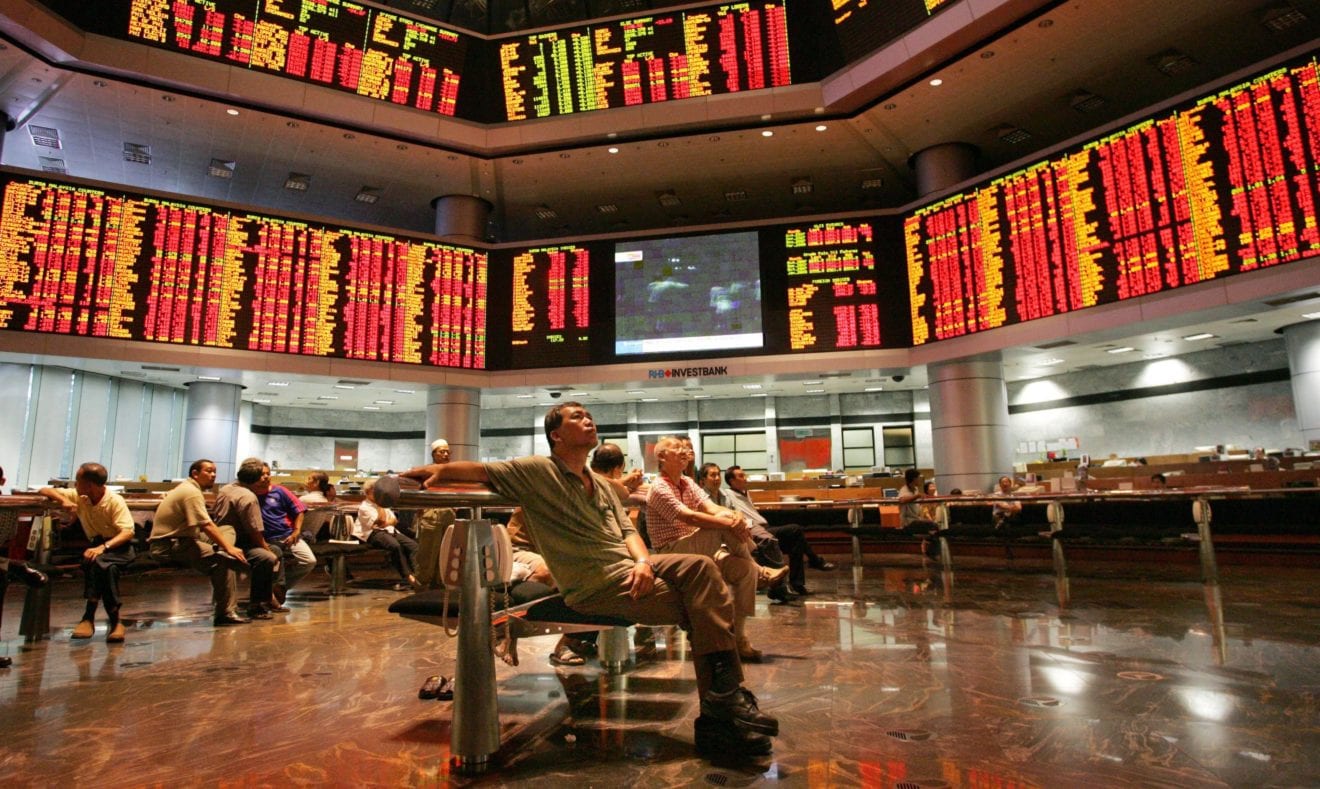
Bursa Malaysia aims to boost retail investors’ participation to 25 per cent in the near term from the current 23.3 per cent with 80 programmes underway to increase financial literacy.
Bursa Malaysia chief executive officer Datuk Seri Tajuddin Atan said only four percent out of the 853 respondents had chosen to invest in shares while the rest opted for less traditional investment tools.
“The public should consider share investment as part of their investment portfolio and change the perception that share investments are too risky.
“Investment in shares will help diversify portfolio with the opportunity to get higher returns compared to fixed deposit, current and savings account,” he said after launching the “What’s Your Goal” campaign to raise awareness on share investment opportunities today.
“Besides shares, there are also other investmeny products on Bursa Malaysia like Exchange Trade Funds (ETFs), structured warrants and real estate investment trusts, which are attractive and can meet different risk appetite of investors,” he added.
Tajuddin said ETFs did not have sales charge and have significantly lower management fee compared to other managed unit trust funds.
“Stamp duty exemptions announced in Budget 2018 will further enhance the attractiveness of ETFs as a low cost investment product,” he added.
As of September 27 this year, the trading average daily volume currently stands at RM572 million, 16 per cent higher that RM385 million last year.
The campaign will run for three months from November 21 to February 2018.
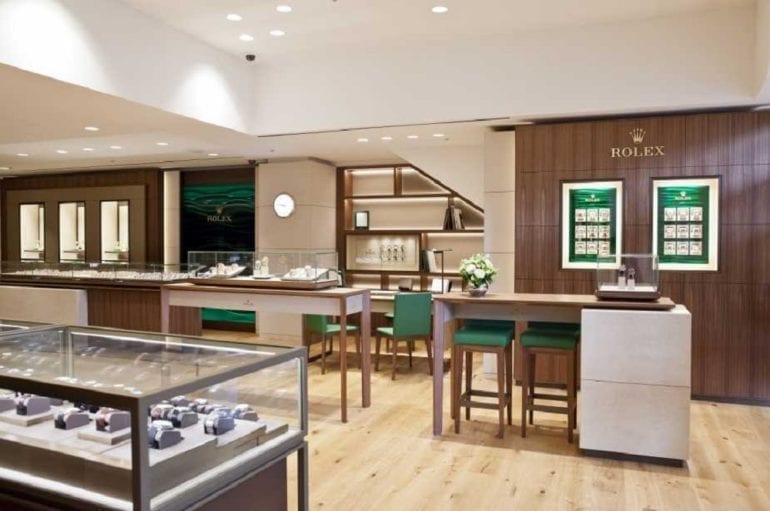
Rolex has relaunched its boutique at Pavilion Kuala Lampur, with a new, elegant shop design and layout to lure the lucrative Malaysian market.
Launched by Swiss Watch Gallery, which officially operates the luxury watch brand, the 158 square-metre-space has been modernized to appear high end, and offers a more intimate setting for consumers to experience the luxury timepieces.
Key design features included bronze detailing and polished walnut wood cabinets to match the brand’s new image. The boutique also has a private salesroom for those seeking a discreet shopping experience.
According to Valiram Group’s executive director Ashvin Valiram, the boutique is a “historical landmark”.
“We are delighted that Swiss watchmaking’s crown jewel remains confident in our collaboration and we will continue to be its biggest and most passionate champion in the region,” said Valiram.
To celebrate the launch, Rolex is offering Malaysian clientele the chance to purchase one of its newest timepieces– the gold Oyster Perpetual Cosmograph Daytona, which has a patented Oysterflex bracelet.
The Swiss luxury watchmaker has also introduced new versions of its classic Oyster Perpetual Lady-Datejust 28 in steel and Rolesor (a material combining 904L steel and 18-carat white gold), and the Oyster Perpetual Sky-Dweller, as well as the Oyster Perpetual Sea-Dweller, Oyster Perpetual Pearlmaster, and Oyster Perpetual Yacht-Master 40 models.
The Kuala Lumpur flagship store, the largest boutique in Southeast Asia, first bowed at the Pavilion some ten years ago.
In 2016, the Swatch Group led watches with a 19% value share for the year, according to Euromonitor. The most populr brands in Malaysia included Swatch, Longines, Omega, Tissot, and Rado.
Looking ahead, Malaysia will continue to see the penetration of high-end watches, said Euromonitor, with demand for signature watches brands such as Hublot, Breguet, Maurice Lacroix and Rolex, to remain sustainable.
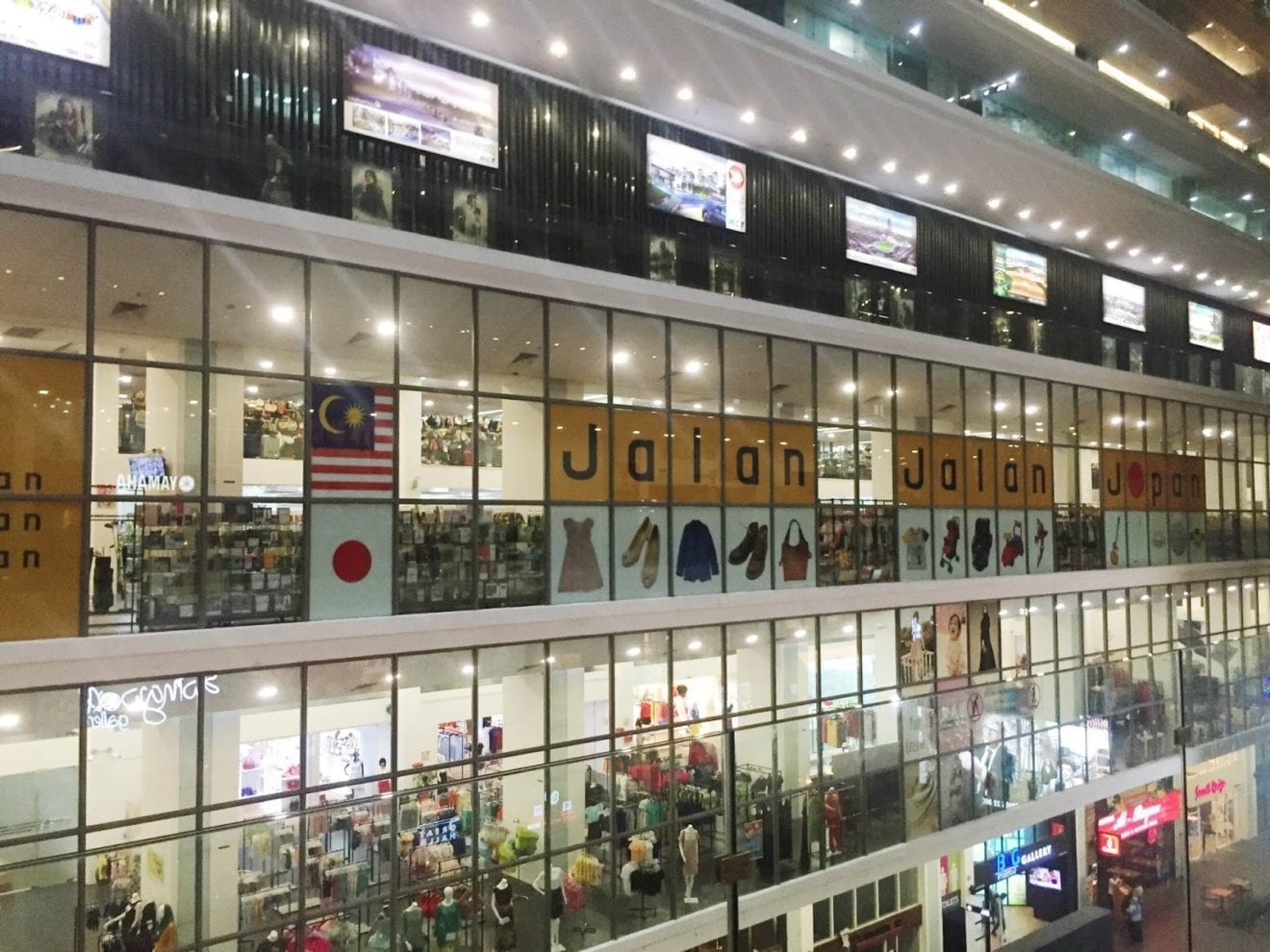
Japanese used-book retailer Bookoff Corporation, through its subsidiary Bok Marketing, will open a second Jalan Jalan Japan outlet in Kuala Lumpur.
Opening at 1 Shamelin Mall on September 30, it is the brand’s second Southeast Asia store.
Also known as “JJJ”, the first Jalan Jalan Japan store opened at Skypark One City in Subang Jaya in November. It offers not only books, but also clothes, bags, shoes, household items, baby goods, toys, hobby items, sporting goods, instruments, furniture and accessories.
Bookoff has more than 800 shops in Japan, buying more than 400 million items and selling more than 300 million pieces annually. All JJJ goods are imported from Japan.
Another two or three stores are planned for around Kuala Lumpur over the next few years.
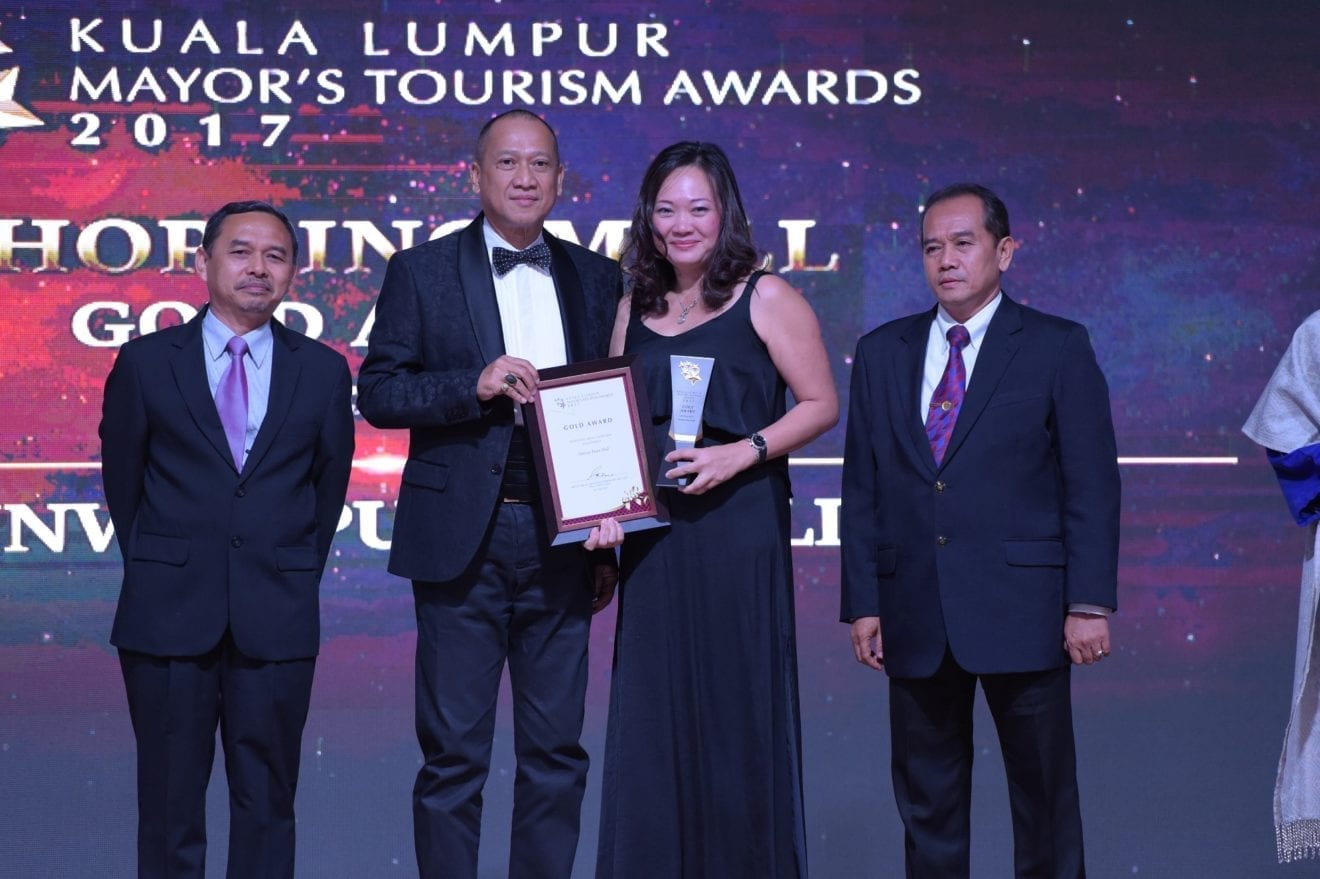
It was a celebratory affair when Sunway Putra Mall was named the gold award winner in the third edition of the Kuala Lumpur Mayor’s Tourism Awards 2017 gala dinner and award presentation ceremony at Shangri-La Kuala Lumpur.
The win saw the refurbished two-year old mall emerging as one of the only two winners in the shopping mall category after edging out competition from Suria KLCC, Starhill Gallery, Berjaya Times Square and Low Yat Plaza. It was the mall’s first attempt for the award
Minister of Tourism and Culture, Dato’ Seri Nazri bin Abdul Aziz presented the award to Sunway Putra Mall General Manager Ms Phang Sau Lian alongside with the Mayor of Kuala Lumpur, Datuk Seri Hj Mhd Amin Nordin bin Abd Aziz in front of a-650 strong audience from the city’s various tourism industry players and related government agencies.
The Mayor had earlier emphasised that the tourism industry’s contribution to the socio-economic growth and development of Kuala Lumpur was important as it generated revenue and employment opportunities. These awards were recognition towards tourism industry players for boosting the city’s image.
“The gold award is meaningful to Sunway Putra Mall that despite being only two years in operation after the refurbishment, we are being recognized by the Mayor of Kuala Lumpur as the top two malls in promoting Kuala Lumpur. It is a big honour for Sunway,” said Phang.
The Kuala Lumpur Mayor’s Tourism Awards is a tri-annual programme which was first held in 2011. In its third edition, this year’s awards saw over 500 entries being received. Qualified entries went through a stringent selection by a panel of independent judges and public voting. The criteria for judging were based on the vision outlined in the Kuala Lumpur Tourism Master Plan 2015-2025.
Phang attributed the win to Sunway’s high service standard and top management visionary leadership which placed emphasis on delivering beyond. “It’s always been the intentions of our Chairman Tan Sri Dato’ Seri Jeffrey Cheah, CEO HC Chan and COO Kevin Tan that for any Sunway projects, emphasis is given to progress not solely on profit but people and planet too. Hence, the relentless focus on going beyond,” she added.
The winning of this award added another feather to the cap for the mall tourism offering excellence. Sunway Putra Mall had already been recognised by the Ministry of Tourism & Culture as a Malaysia Tourism Quality Assurance (MyTQA) certified mall that delivered outstanding service quality and tourism products.
Among the unique initiatives included the hiring of well-trained ex-flight attendants as frontline staff, DBKL appointment of the mall’s customer service staff as DBKL brand ambassador to promote heritage walks in Kuala Lumpur, promoting at overseas tourism alongside Tourism Malaysia and many others.
The mall among others also partnered with international movies for activation, staging popular artistes appearances and collaborating with Malaysian Airlines and Matta Fair to promote KL as a tourism destination.
Apart from the above, to date Sunway Putra Mall had also picked up the MPIM Asia Awards 2015 (bronze award) for best refurbished building category and Malaysia Shopping Malls Association’s (PPK) Best Experiential Marketing Awards 2016 (gold award) for Category B (malls with 500,001 to 999,999 sq ft nett lettable area).
The former award paid tribute to excellence and innovation in retail development in Asia Pacific region while the latter award recognized the best of marketing programmes that enhance shoppers’ shopping experience.
Malaysia-based low-cost carrier AirAsia on Friday signed a memorandum of understanding (MoU) with the Odisha government for running direct international flights from Bhubaneswar to Kuala Lumpur.
The agreement was signed between Nitin Bhanudas Jawale, Director of tourism department in the state and AirAsia Chief Executive Officer (CEO) Aireen Omar.
“AirAsia’s engagement is very important for Odisha. This pact marks the culmination of our efforts and very soon, we will be starting international flights. We have asked for permission to ply two to three flights per week. The state government is offering subsidy in the form of Viability Gap Funding (VGF)”, said Jawale
AirAsia CEO said an announcement would be made shortly regarding the commencement of international flights from Bhubaneswar — a development industry experts feel could attract other players to launch operations from Odisha’s capital.
“Sometime in April, the services will start but it may be in the first or the last week. The exact date will be known in a week’s time. Air Asia will also be starting another flight to Bangkok in the next three to four months. With Air Asia launching its operations, we are hopeful that other players will be attracted to start their operations from Bhubaneswar. Invest Bhubaneswar has been pursuing Air Asia for the past five years to start operations from the city”, said Debasish Patnaik, convenor of the Invest Bhubaneswar event.
AirAsia has selected through competitive bidding. The state government had invited an Expression of Interest (EoI) from the scheduled air carriers for running flights to destinations in South East Asia like Singapore, Bangkok and Kuala Lumpur. To woo the air carriers, the state government had agreed to provide reasonable VGF in the form of subsidy grant.
The state government has offered to provide the subsidy grant initially for six months with the possibility of extending it for a year from the date of starting commercial flight operations. The continuation of subsidy grant would depend on the trend in passenger traffic.
If an operator is already running flights from an Indian city to Singapore, Bangkok or Kuala Lumpur and is keen to use Bhubaneswar as a hopping destination, the state government would offer subsidy grant. However, the grant would be released on the condition that the operator reserves 30 per cent of seats for passengers flying from and to Bhubaneswar.
The subsidy would be provided on a monthly basis and would be given if there are regular flights on scheduled days irrespective of the passenger flow. If the operator chooses to increase or decrease the frequency as per demand, the state government would vary the subsidy grant accordingly. Despite getting the international tag since October in 2013, international flight operations are yet to take off from Bhubaneswar except for Air India, which currently routes international passengers from the city via New Delhi.
To incentivise global flight operations, the state government has announced the complete waiver of VAT (value added tax) on aviation turbine fuel (ATF).
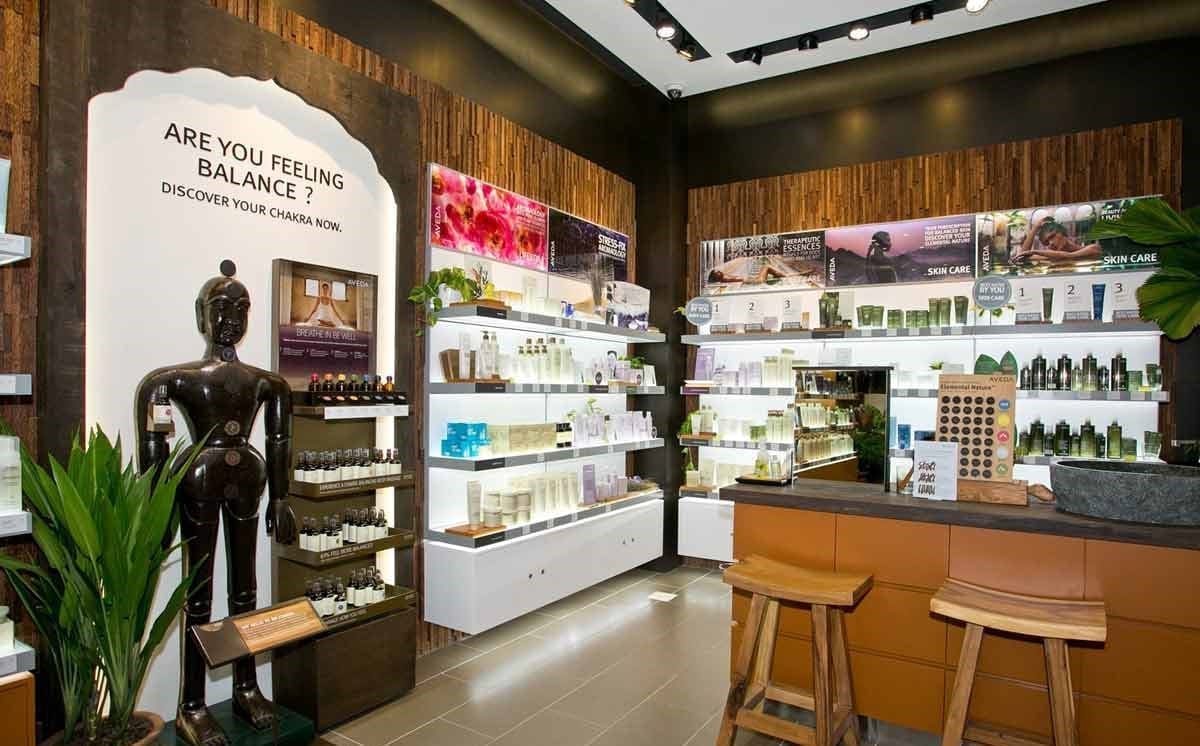
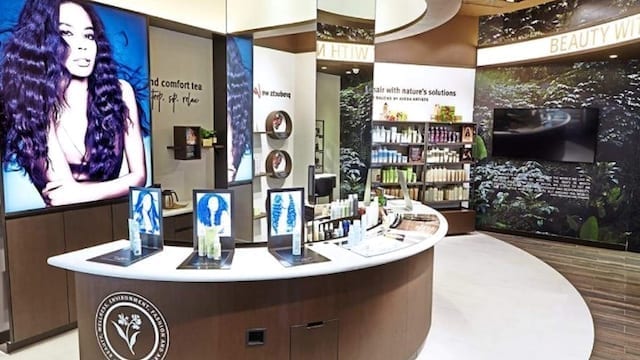
Aveda Malaysia has opened a store in Kuala Lumpur, its second outlet in Asia Pacific.
At Pavilion Kuala Lumpur, the store has a new retail concept and is described by the US beauty product company as an “experience centre”.
Instead of run-on shelving and glass store front, the outlet features six “experience zones” where consumers can explore products such as hair care for either men and women, skincare and bodycare.
Founded by Horst Rechelbacher in 1978, Aveda is now owned by Estee Lauder Companies with its headquarters in Minneapolis, Minnesota.
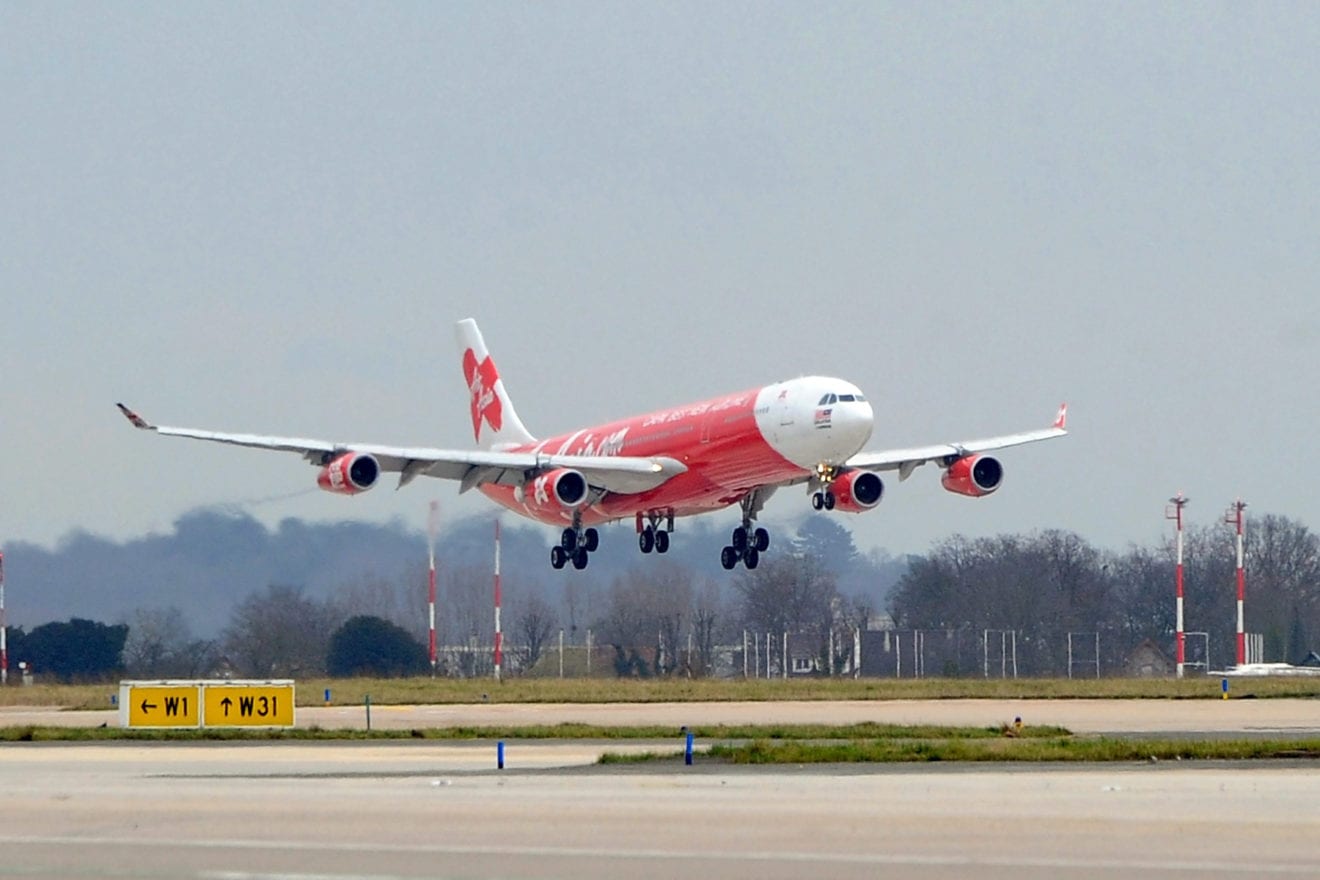
Airasia X Bhd, the long-haul low-cost arm of budget carrier AirAsia, is adding more flights to Teheran from Kuala Lumpur six months after resuming its flight to the capital of Iran. AirAsia X’s chief commercial head Arik De said the airline had received positive response from travellers and seen a steady increase in the Kuala Lumpur-Teheran route load factor.
He said the airline had recorded 80 per cent average load factor on the route with strong forward bookings trend, especially towards Nooruz celebration in March. “We will raise frequency starting next month onward with four times weekly direct flights to Teheran from Kuala Lumpur,” said Arik. The improved connectivity’s timing will also benefit from Malaysia’s plan to boost bilateral trade and investment ties with Iran.
Last month, International Trade and Industry Minister Datuk Seri Mustapa Mohamed said the Cabinet had given its approval to embark on bilateral free-trade agreement talks with Iran to take advantage of the potential growth of two-way businesses since trade sanctions were lifted.
Bilateral trade so far has been small with about US$700 million (RM3.14 billion) in 2015. Malaysia hopes to boost exports to Iran, especially palm oil. Both the governments agreed during a visit by Iranian President Dr Hassan Rouhani in October to double the trade volume. Mustapa said with a population of 80 million, Iran was one of the largest markets in the Gulf region and already businesses were making a beeline to tap potential since sanctions were lifted in January last year.
Arik said almost a quarter of AirAsia X’s passengers travelled to Tehran via AirAsia’s FlyThru service from the airline’s long- and short-haul networks. The airline resumed its direct flight to Teheran on June 21 last year after suspending the destination in October 2012 following sanctions against Iran.
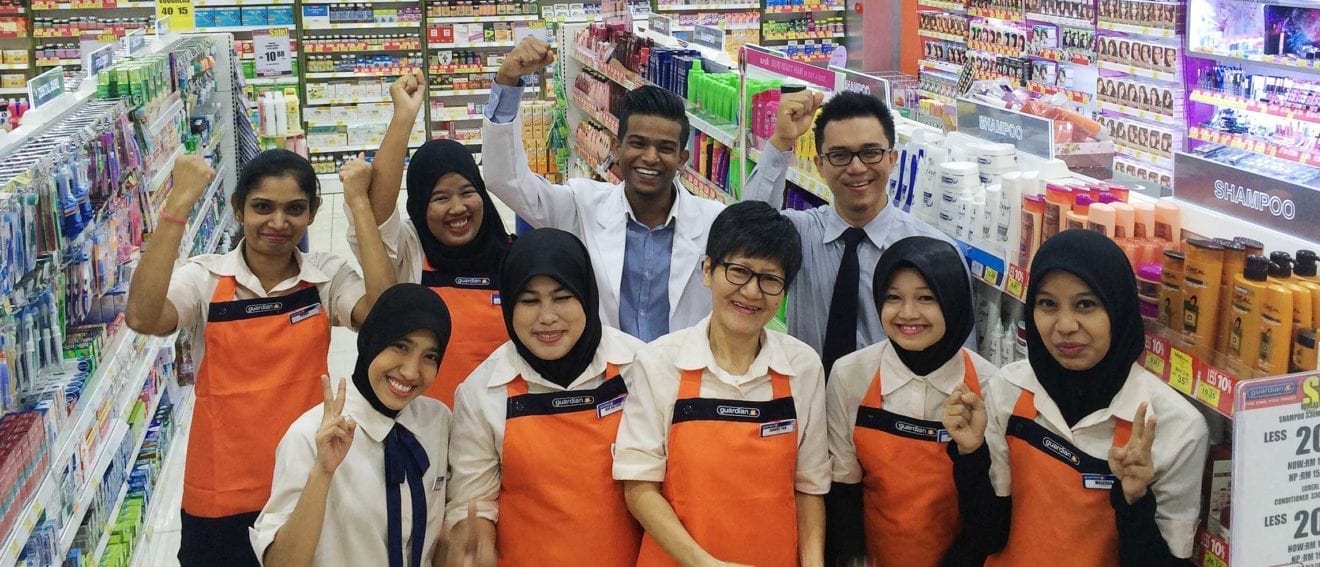
Guardian Health and Beauty (Guardian Malaysia) plans to open between 25 and 30 new stores next year as it embarks on an aggressive expansion plan to further strengthen its position in the domestic health and beauty retail market.
Chief Executive Officer Peter J Dove said besides the new stores opening, the company would also refurbish 70 stores, as well as, close 15 existing stores which are less performing.
At present, Guardian Malaysia has 430 outlets nationwide and commands a 30 per cent market share in the health and beauty segment.
“Domestically, the current retail market is tough and demand is soft, so we have conducted a research and come out with a new concept, which is aligning products with shoppers’ demand, and then see the customers’ response,” Dove told Bernama after launching Guardian’s concept store in Kuala Lumpur City Centre Sunday.
The retailers in the pharmacy and personal care sub-sector are expecting to record an 11.4 per cent growth in the third quarter of 2016.
Guardian Malaysia also plans to implement the same concept store idea for 10 out of its 40 top stores nationwide.
“We will also introduce and aggressively go into e-commerce next year to reach more customers,” he said, but declined to disclose the investment allocation to develop the new e-commerce platform and new concept stores.
Meanwhile, the new concept store incorporates shopper-friendly features including a “Make Me Up” corner, which focuses on addressing the needs of shoppers, highlight the latest cosmetics products and trend, as well as, offer a semi-private area for product trials.
Guardian Malaysia has also expanded its range of new international and local brands, as well as, spearhead the first modern trade pharmacy initiative with the listing of traditional Chinese herbal health products.
Schenker Logistics (Malaysia) announced that the Kuala Lumpur Logistics Centre 9 (KLC9) warehouse located in Shah Alam is officially accredited for their halal logistics operations under the international halal standard for logistics IHIAS 0100:2010. The accreditation covers both storage and transportation.
The certificate was presented by IHI Alliance executive director Hj Rafek Saleh to Schenker Malaysia Logistics director Claus Kuhnert in Shah Alam.
According to Kuhnert, this recognition is timely as halal supply chain management is an emerging requirement for FMCG brands. It is a new milestone for DB Schenker to be the first accredited multinational third party logistics service provider to receive this international halal logistics recognition.
“Schenker Malaysia understands the importance of a halal value chain, and an unbroken halal supply chain for big brand owners serving Muslim markets in Southeast Asia. We feel that this need is not well served by the logistics industry and we at Schenker Malaysia see this as an opportunity to become one of the first fully certified international logistics service provider in Asia. We are gearing towards full compliance to serve the halal industry as the innovative integrated logistics service provider of choice,” he added.
DB Schenker expects the halal logistics solutions offered by the company will allow their clients to achieve a total halal supply chains for food, cosmetics and pharmaceutical companies, and strengthening its position in the FMCG business.
The accreditation will also enable DB Schenker to actively participate as the MNC logistics player in strengthening Malaysia’s position as a global halal hub.
Adventure calls, and for iPhone fans, LifeProof FRĒ has been there to answer, year after year. Take iPhone 7 and iPhone 7 Plus wherever the action leads in absolute confidence and bring back the living proof with incredible photos shot on iPhone’s best cameras yet. FRĒ for iPhone 7 and iPhone 7 Plus select color are available at LifeProof.asia now.
LifeProof FRĒ for iPhone 7 and iPhone 7 Plus
For those looking for the best in screenless waterproof technology, NÜÜD for iPhone 7 and iPhone 7 Plus are also coming soon.
“LifeProof helps you get the most out of your iPhone and our latest designs incorporate some exciting changes that make the user experience the best we’ve ever delivered,” said LifeProof CEO Jim Parke. “Apple has set the bar high with these iPhones, and we’re helping bring it to places you’ve never before thought possible.”
LifeProof allows smartphone users to dive head-first into the action at a moment’s notice. The super slim designs are waterproof to 6.6 feet, drop proof to 6.6 feet, dirt proof and snow proof. FRĒ features a built-in screen protector, while NÜÜD leaves the screen uncovered for the truest touchscreen experience. Every device feature remains accessible and fully functional, making LifeProof cases a necessity when intentionally taking on water, drops, dirt or snow.
Price listings as follow —
LifeProof FRĒ
LifeProof NÜÜD
iPhone 7
RM 329 (include GST)
RM 359 (include GST)
iPhone 7 Plus
RM 359 (include GST)
RM 399 (include GST)
LifeProof FRĒ for iPhone 7 and iPhone 7 Plus in Black are available at selected retail, while NÜÜD for iPhone 7 and iPhone 7 Plus are coming soon. For more information and product availability, please visit www.lifeproof.asia
The Malaysia-based low cost carrier AirAsia will soon serve the Kuala Lumpur-Jakarta-Labuan Bajo route, according to East Nusa Tenggara Tourism and Creative Economy Office Chief Marius Ardu Jelamu.
“There has been an agreement with the central government and the airline company that AirAsia will serve this new route starting from next year,” Jelamu said here on Wednesday.
He said the AirAsias new route will have a positive impact on the flow of tourists to the province of East Nusa Tenggara through the entry gate of Labuan Bajo.
“This new service of AirAsia will enable more foreign tourists to visit the leading destinations in East Nusa Tenggara,” he said, adding that tourism progress is dependent on smooth air transport connectivity.
Jelamu said that in addition to the Kuala Lumpur-Jakarta-Labuan Bajo route, his party is also trying to accelerate the implementation of Kupang-Dili-Darwin route.
“In addition to air connectivity from the west, the one from the south, namely from Australia to East Nusa Tenggara, also has its share of attractive markets for linking the three countries,” he said.
Jelamu expressed hope that the Kupang-Dili-Darwin route, which had been halted since 1990s, can be reopened soon to support the advancement of tourism in the island province.
“We hope that the Ministry of Transportation will quickly agree on the proposed route service with the airline,” he said.
Further, Jelamu said he appreciated the efforts of the Ministry of Transportation to have opened the Jakarta-Kupang and Jakarta-Labuan Bajo routes, served by Garuda Indonesia.
However, he said the flight path from the south also has attractive market potential related to the flow of tourists and expressed hope that the Kupang-Dili-Darwin route would be reopened soon.
Asia is home to more than half the world’s most dynamic retail hubs, according to new research that reinforces images of the region’s mall-strewn megacities.
The research, by professional services and investment management company JLL, says 12 of the fastest-growing retail cities are in Asia, with eight in China alone — another indication that global economic growth is increasingly driven by the Asia-Pacific region.
JLL lists Dubai as the world’s fastest-growing retail destination, with Shanghai second and Beijing third. Places 9 to 13 are occupied by Bangkok, Chengdu, Kuala Lumpur, Jakarta and Manila, respectively. Only two European cities make the top 20 — Moscow and Istanbul — with none from Africa. Mexico City is the sole city from the western hemisphere, sitting at number 19.
Overall, JLL lists London as the “most attractive” city for retailers, with Hong Kong second and Paris third. Dubai, Singapore, Shanghai, Tokyo and Beijing all make the top 10, with Bangkok, Taipei, Seoul and Osaka in the top 20.
Shanghai at night. The Chinese megacity is projected to be one of the world’s retail hubs in the coming years (Photo: Simon Roughneen)
The study looks at the presence of 240 international retail brands in 140 cities — which altogether make up 36% of the world’s gross domestic product, 13% of the global population and a third of total worldwide consumer spending.
“The search for growth is escalating the penetration of international brands across the world’s most attractive retail cities, especially in Asia,” said David Zoba, chairman of JLL’s Global Retail Leasing Board.
Asia catching up
Many Western economies continue to suffer from slow growth — in stark contrast with Asia, where the International Monetary Fund predicts overall growth of more than 5% in 2016-17 and describes the region as “the engine of the global economy.”
Asia is urbanizing rapidly as economies develop and incomes rise, meaning that big global brands will increasingly look to Asia as a source of consumers. World Bank research shows that nearly 200 million people in the East Asia and Pacific region –excluding India and its heavily populated neighbors such as Pakistan — moved from the countryside to cities during the decade after 2000.
In 1800, only 3% of the world’s population lived in cities, a figure that rose to 13% by 1900. Now more than half the world’s population is urbanized, with projections that 70% or more of the world will live in urban areas by 2050. And while in the 19th and 20th centuries urbanization was mainly a Western and Japanese phenomenon, developing countries are catching up fast, particularly in Asia.
Despite the steady rural-urban shift, only 36% of East Asia’s population had moved to urban areas by 2010, with only Japan, Malaysia, South Korea and Taiwan having larger urban than rural populations.
While China had by far the largest absolute numbers of people moving to cities, smaller countries such as Cambodia, Laos and Vietnam showed higher rates of urbanization. Laos more than doubled its small urban population, while high-growth economies such Cambodia and Vietnam both had between 4% and 4.5% annual urban population growth rates. Retail investors are noticing opportunities even in smaller cities such as Phnom Penh, where Japanese mall operator Aeon opened the city’s first large shopping mall in 2014.
Asia’s cities will continue to grow over the coming decades as the region becomes wealthier. McKinsey Global Institute expects that in the next 15 years, “the center of gravity of the urban world will move south and, even more decisively, east.” According to MGI, half of global GDP in 2007 came from 380 developed world cities, with the 22 biggest cities in developing countries contributing a mere 10%.
However, MGI predicted that by 2025 half of the cities in its 2007 rankings will not make the list, with 136 developing world cities entering its ranking of the 600 biggest urban economies — including 100 from China alone.
“By 2025, developing-region cities of the City 600 will be home to an estimated 235 million middle-class households earning more than $20,000 a year at purchasing power parity (PPP),” MGI reported. The figure is larger than the 210 million such households expected in the cities of developed regions.
Thinktank Oxford Economics said that cities such as Chengdu, Hangzhou and Wuhan “will become as prominent in 2030, in economic terms, as cities like Dallas and Seoul are today.”
Shift east
The thinktank predicted that by 2030 eight European cities will drop out of the global top 50 cities ranking, measured by GDP, while nine Chinese cities will join that group, taking the Chinese total to 17, which will be more than North America and four times more than Europe.
In turn, the thinktank said, this will mean more Asian consumers with money to spend. “Starting from a comparatively low base today, China will boast some 45 million high-income urban households (exceeding $70,000 per annum at 2012 prices and exchange rates) by 2030, putting it well ahead of Europe and hot on the heels of North America. Shanghai will jump from a rank of 69th today to 8th for its number of high-income households in 2030,” Oxford Economics said.
Otherwise, however, the seven megacities with the most high income residents will remain the same as today, with Tokyo leading New York, London, Osaka, Los Angeles, Paris and Chicago.
But Asian cities are set to add tens of millions of middle-income households (incomes between $10,000 and $70,000) to their ranks by 2030. Jakarta will be home to 9.4 million, with 7 million to 9 million more in each of Chongqing, Shanghai, Tokyo and Beijing, the projected top five cities ranked by population of middle-income households, according to the thinktank.
JLL said that for retailers, vying for market share in emerging economies is sometimes risky, but the potential prize — market access to vast populations and rapidly expanding middle classes — outweighs any perils.
For example, China’s anti-corruption crackdown has had “a knock-on effect” on the luxury goods market in the world’s second-biggest economy, said James Hawkey, JLL’s head of retail for China. But retailers are nonetheless “increasingly comfortable dealing with these risks, and generally have their eyes on the long-term prize of establishing a strong position in major world markets.”
Although incomes and spending power remain lower in many Asian countries and cities than in the West, part of the attraction of smaller, less-developed markets is relatively low rental costs.
“Places like Ho Chi Minh City, Jakarta and Bangalore present an opportunity for retailers to establish their brands at rents of less than $2,000 per square meter per year with projected in-store sales increasing by 8% to 10% until 2019,” JLL reported.
Wealthy mid-sized cities or trade-oriented city-states such as Singapore and Hong Kong also benefit from high numbers of visitors such as tourists or business travelers.
But Asia’s urbanization will not mean that rural dwellers will be ignored by retailers, particularly in China.
“Retail potential in Asian hubs is strongly influenced by what is happening in their hinterlands — what is happening in nearby provinces and/or countries,” Steven McCord, JLL’s head of research for northern China, told the Nikkei Asian Review.
“Shanghai exerts a ‘gravity effect’ over its surrounding cities and provinces due to its size and the wealth of its retail offer. Therefore, close to 80 million people within day-trip distance to Shanghai will regularly travel to that city for large shopping sprees,” McCord added.
Nokia has deployed a mission-critical advanced communications network for Kuala Lumpur’s new railway line.
The Kelana Jaya light rail transit (LRT) line extension is now supported by an advanced communications network supporting high-speed voice, data and video traffic.
The network the railway operations and passenger services for the line’s 13 new stations, which see a combined 350,000 passengers daily.
Nokia also provided systems integration services to enhance safety and security through remote diagnostics and automated functions; constant situation awareness with video surveillance; Supervisory Control and Data Acquisition (SCADA); monitoring systems; telephone and radio communications services; automated fare collection (AFC); and public address and passenger information systems.
The project was completed in conjunction with CMC Engineering Sdn Bhd.
“As one of the National Key Results Areas (NKRA) under the Malaysian government transformation program (GTP), the Kelana Jaya LRT Line Extension project is another important government initiative to deliver an effective and seamless public transportation system for the Greater Kuala Lumpur area,” CMC Engineering CEO.Hazwan Alif Abdul Rahman said.
Stuart Hendry, head of global enterprise and public sector for Asia Pacific at Nokia, said railway operations can benefit enormously from modern communications networks.
Italian luxury jewellery group Damiani Malaysia has opened a boutique store in the Pavilion shopping mall in Kuala Lumpur.
Precious materials are used in the store’s interior to create a sophisticated environment to enhance the tradition and modernity of Damiani’s jewellery. The interior features taupe satin wallpaper and bronzed brass details.
Founded in 1924, Damiani designs, manufactures, distributes and sells jewellery and luxury watches. The company manages 55 direct and 20 franchised points of sale internationally.