Tag: Kuala Lumpur

  • Carsome Posts US$8.3 Million Quarterly EBITDA as Retail Shift Widens Margins

    Carsome Posts US$8.3 Million Quarterly EBITDA as Retail Shift Widens Margins

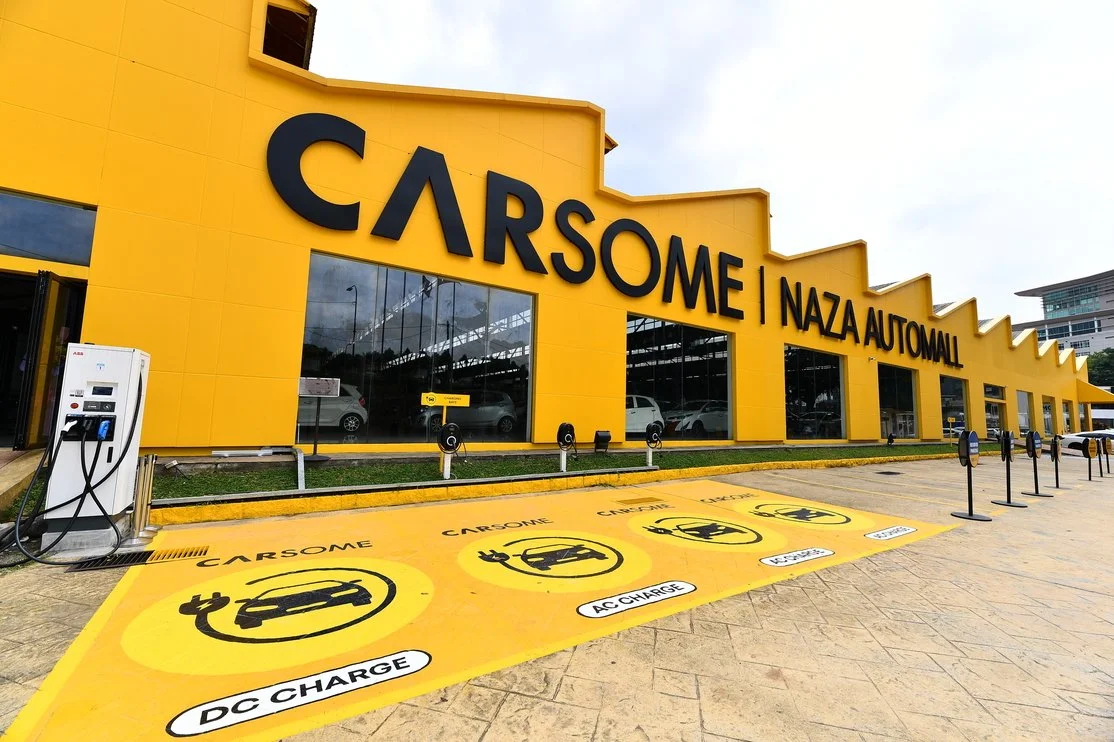
    Malaysian used-car platform Carsome posted an operating EBITDA of US$8.3 million for the second quarter of 2026. That is a 38 per cent increase from the same period a year earlier.

    Sales reached 35,903 vehicles during the three months ended June 30, up 11 per cent. That volume lifted gross profit 15 per cent to US$43.8 million. The result gave Carsome its tenth straight profitable quarter on an EBITDA basis. Consumer retail transactions and auto financing drove the gains.

    Retail and Financing Drive Margin Expansion

    Gross profit outpaced unit sales as the platform shifted volume toward retail buyers. Ancillary products helped widen margins. Financing packages, extended warranties and direct retail margins yield higher earnings per transaction than wholesale dealer auctions.

    Under a new agreement, Carsome will serve as the exclusive official trade-in partner for Suzuki Cars Malaysia. The pact channels structured inventory directly into its inspection network. It secures steady supply while carmakers use trade-in valuations to support new-vehicle sales as borrowing costs pinch consumer budgets.

    Other players across Southeast Asia show a similar pattern. Regional rivals Carro, based in Singapore, and Indonesia’s Moladin have also pivoted away from venture-funded volume acquisition. Both now target unit profitability, credit distribution and ancillary services.

    Showroom Additions in Malaysia and Jakarta

    Physical inspection hubs and retail centres led network growth during the quarter. In Malaysia, Carsome opened three locations in Sungai Petani, Bukit Tinggi in Klang, and Sungai Buloh. That took its domestic network to 55 inspection centres and showrooms.

    Across Indonesia, the company added four locations in Greater Jakarta, expanding its local footprint to 10 sites. Vehicle ownership in Indonesia trails Malaysia and Thailand. Even so, the market offers heavy transaction volume for operators able to resolve fragmented title transfers, vehicle vetting and buyer credit access.

    Looking ahead, management will focus the rest of the financial year on transaction growth, financing attachment rates and fixed-cost efficiency across its 65 combined retail locations.
  • Yeo’s Launches Teriyaki Canned Tuna in Malaysia Protein Push

    Yeo’s Launches Teriyaki Canned Tuna in Malaysia Protein Push

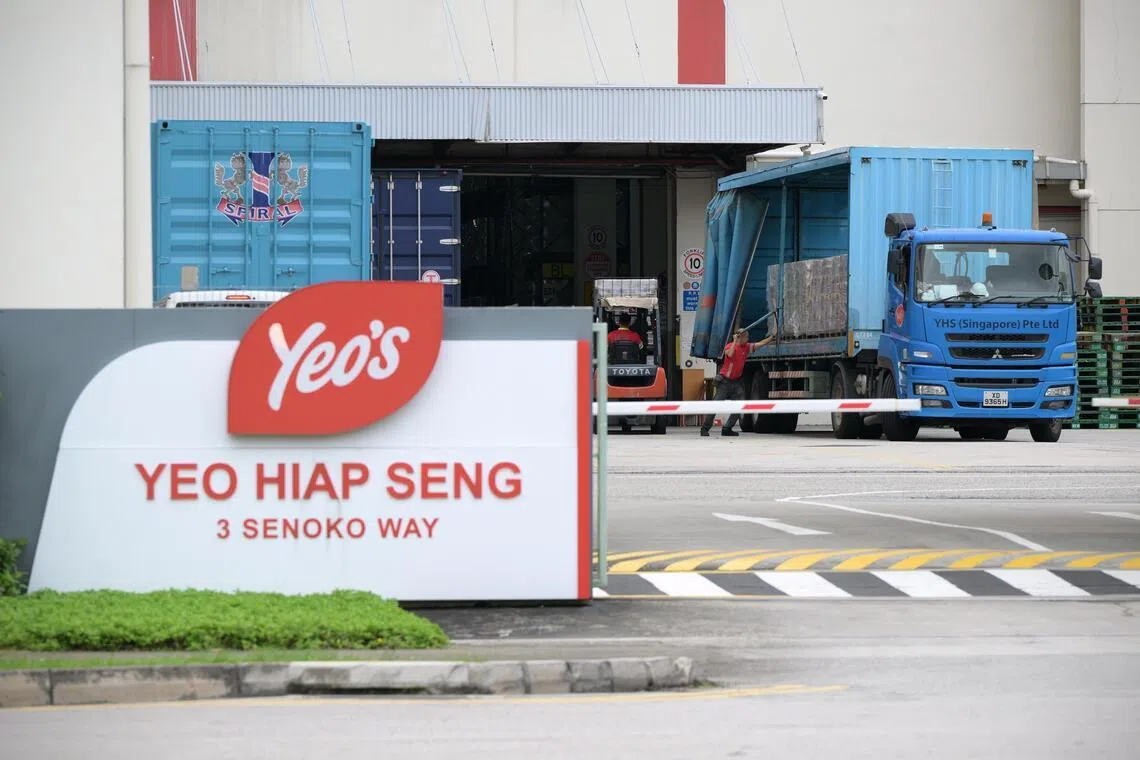
    Yeo’s added Teriyaki and Chilli Spicy canned tuna to its Malaysian packaged food lineup, claiming the country’s first teriyaki-flavoured shelf-stable tuna variant.

    The product expansion targets consumers seeking convenient high-protein meals across supermarket and hypermarket channels.

    Protein Counts on Front-of-Pack Formats

    Both seafood products arrive in standard metal cans tailored for direct consumption or quick meal preparation. Yeo’s is positioning the line alongside its recent ready-to-eat ambient poultry launches, which use retort packaging to deliver traditional Malaysian recipes without refrigeration.

    Those retort pouch releases, Boneless Chicken Curry and Boneless Chicken Rendang, package 33 grams and 24 grams of protein per pouch respectively. Yeo’s engineered the poultry line for microwave heating, printing protein counts directly on the outer packaging to court shoppers monitoring macronutrient intake.

    Shifting Away From Commodity Canning

    Packaged seafood brands across Southeast Asia traditionally sell canned fish on basic functional attributes like omega-3 content and budget affordability. That strategy leaves margins exposed to rising raw fish costs and competition from supermarket private labels.

    Flavour-forward seasonings allow ambient seafood processors to command higher unit prices. Western brands successfully recast canned seafood into premium lifestyle items through specialty sauces and design-led branding, creating a playbook Asian food manufacturers now adapt for local retail shelves.

    Category Push Across Packaged Foods

    The tuna rollout follows a broader cycle of recipe and packaging adjustments at Yeo’s. The company pushed into modern convenient cooking earlier in the year with ambient cooking pastes and unsweetened heritage teas, testing whether legacy Asian food brands can capture younger urban households.

    Retail buyers are tracking initial off-take figures for both seasoned tuna variants across Malaysian grocers as Yeo’s prepares distribution for regional convenience chains.

  • GetGo Launches Cross-Border Car Sharing from Singapore into Malaysia

    GetGo Launches Cross-Border Car Sharing from Singapore into Malaysia

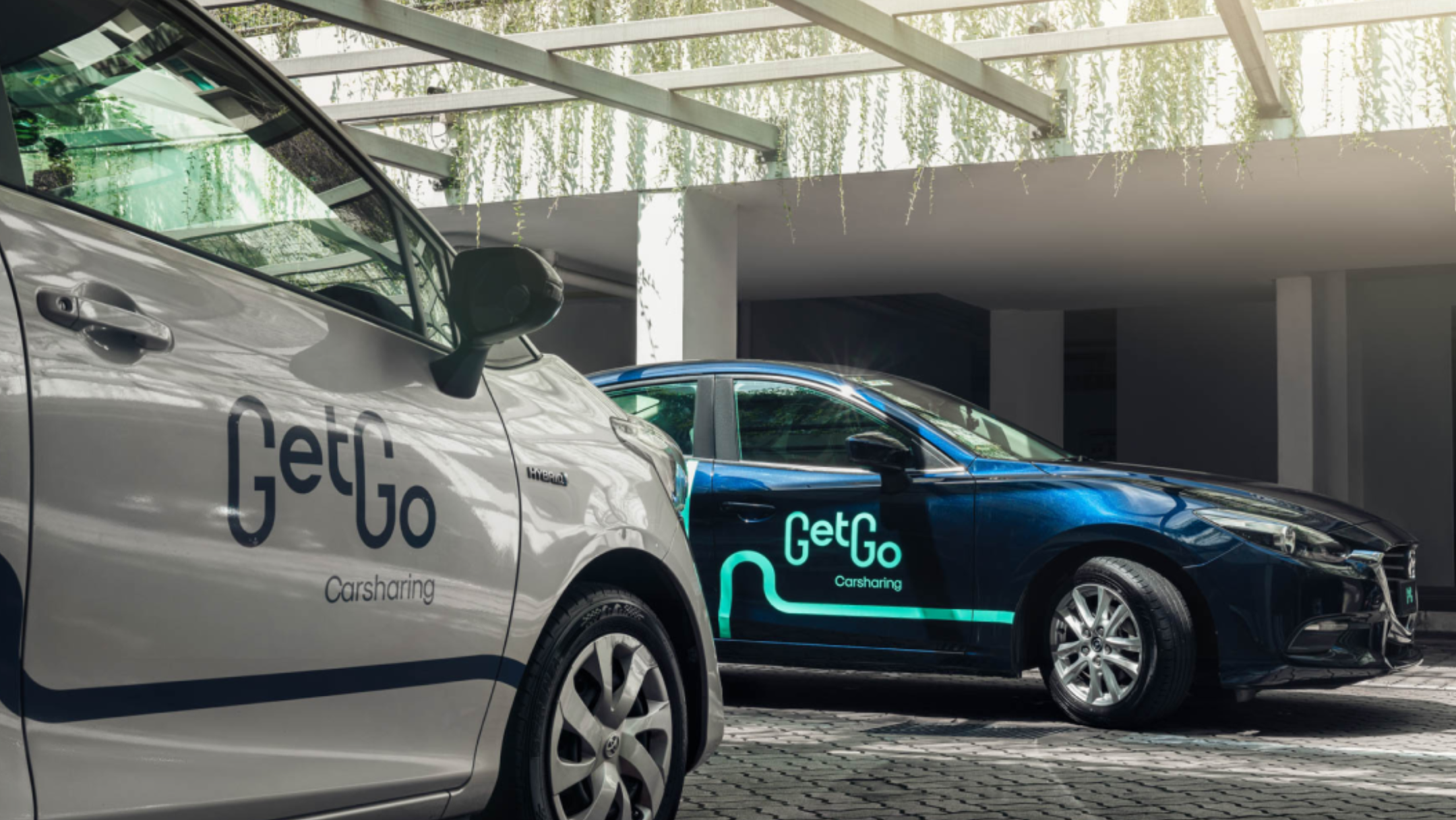
    Singapore car-sharing operator GetGo rolled out a cross-border rental feature letting users drive vehicles directly across the Causeway into Peninsular Malaysia. The service gives drivers access to cars pre-registered with Malaysia’s mandatory Vehicle Entry Permit.

    Users can collect a car from local Singapore neighbourhoods and drive across the border to destinations including Johor Bahru and Kuala Lumpur. Unlike point-to-point cross-border taxis and ride-hailing services, the rental imposes no fixed route requirements or designated drop-off points during the booking window.

    How the Causeway booking works

    The feature, branded Drive to Malaysia, handles the regulatory paperwork required by Malaysian transport authorities before drivers leave the city-state. Each eligible vehicle comes fitted with a registered Vehicle Entry Permit RFID tag, avoiding the administrative delays that private vehicle owners face when securing cross-border clearance.

    Drivers retain full control of the itinerary throughout Peninsular Malaysia for the entire duration of their scheduled reservation. They pick up the car at an assigned Singapore bay and return it to the same spot once their trip concludes.

    Shifting border transit demand

    The service targets weekend shoppers, business commuters, and holiday travellers who previously depended on cross-border coach networks, licensed cross-border cabs, or private vehicle ownership. Cross-border transit across the Johor-Singapore Causeway ranks among the busiest land crossings worldwide, yet car-sharing models in the region historically restricted fleets to domestic borders.

    By clearing regulatory permit hurdles in advance, fleet operators open a new revenue line during peak travel weekends. The next operational test for cross-border car sharing centres on fleet availability and user adherence to Malaysia’s digital toll and fuel regulations during peak holiday travel periods.

  • Malaysia to Impose Registration Rules on E-Commerce Platforms After 1,964 Complaints

    Malaysia to Impose Registration Rules on E-Commerce Platforms After 1,964 Complaints

    Malaysia will impose mandatory registration and product compliance rules on e-commerce platforms after regulators logged 1,964 consumer complaints over defective items, scams and misleading halal claims.

    The regime forces online marketplaces to verify that all electrical appliances meet domestic SIRIM safety benchmarks before listing.

    Communications Minister Datuk Seri Fahmi Fadzil said the government will not block or shut down e-commerce operators. The policy instead targets platform accountability, requiring marketplaces to filter out uncertified inventory and fraudulent merchants.

    Enforcing standards and registration

    Data from the Malaysian Communications and Multimedia Commission (MCMC) shows 1,964 platform-related complaints recorded through Aug. 25, with 118 cases still under active investigation. Electrical and electronic products triggered 191 reports, while four complaints involved fraudulent halal certification labels.

    Regulators plan to adapt the oversight framework recently rolled out for social media networks to police online shopping portals. This will include platform registration rules designed to hold operators liable for counterfeit goods and non-compliant hardware.

    Marketplace liability across Southeast Asia

    The policy mirrors a wider regional push to rein in marketplace imports and protect consumer safety. Platforms such as Shopee, Lazada and TikTok Shop have faced heightened regulatory scrutiny across Southeast Asian markets over unverified merchant listings and cheap, uncertified cross-border electronics.

    MCMC is currently drafting the operational guidelines for the e-commerce framework, with compliance timelines to be announced once agency reviews conclude.

  • I’m Donut? Expands into Southeast Asia with Kuala Lumpur Store in September

    I’m Donut? Expands into Southeast Asia with Kuala Lumpur Store in September

    Japanese bakery brand I’m donut? Will open its first Southeast Asian store in Kuala Lumpur this September. The store brings the company’s signature raw nama donuts to Malaysia for its regional debut.

    The concept built long queues across Tokyo with fried dough that uses pumpkin puree and high hydration to achieve a soft texture. The brand now enters Southeast Asia as international food and beverage operators target urban shopping destinations across the region.

    Expansion beyond Japan

    Malaysia frequently serves as an entry point for Japanese food brands testing regional appetites. Operators rely on high consumer familiarity with Japanese retail concepts and strong mall foot traffic in the Klang Valley to build brand momentum before expanding into neighbouring countries.

    Specialty dessert brands across Southeast Asia have shifted toward focused single-item menus. High-turnover bakery concepts allow operators to keep production footprints compact while driving customer traffic through distinct product formats.

    Competition in premium baked goods

    Artisanal bakery chains and overseas dessert operators are competing directly for prime retail space in major Malaysian retail centres. Premium baked goods have maintained steady foot traffic even as broader consumer discretionary spending faces pressure from food inflation and import costs.

    RetailNews Asia notes that dessert chains expanding internationally must balance localized supply chains with the need to match the taste profiles of their original domestic stores. The company plans to announce the exact retail site and opening schedule in Kuala Lumpur ahead of the September launch.

  • CelcomDigi Debuts Sophia AI to Automate SME Workflows in Malaysia

    CelcomDigi Debuts Sophia AI to Automate SME Workflows in Malaysia

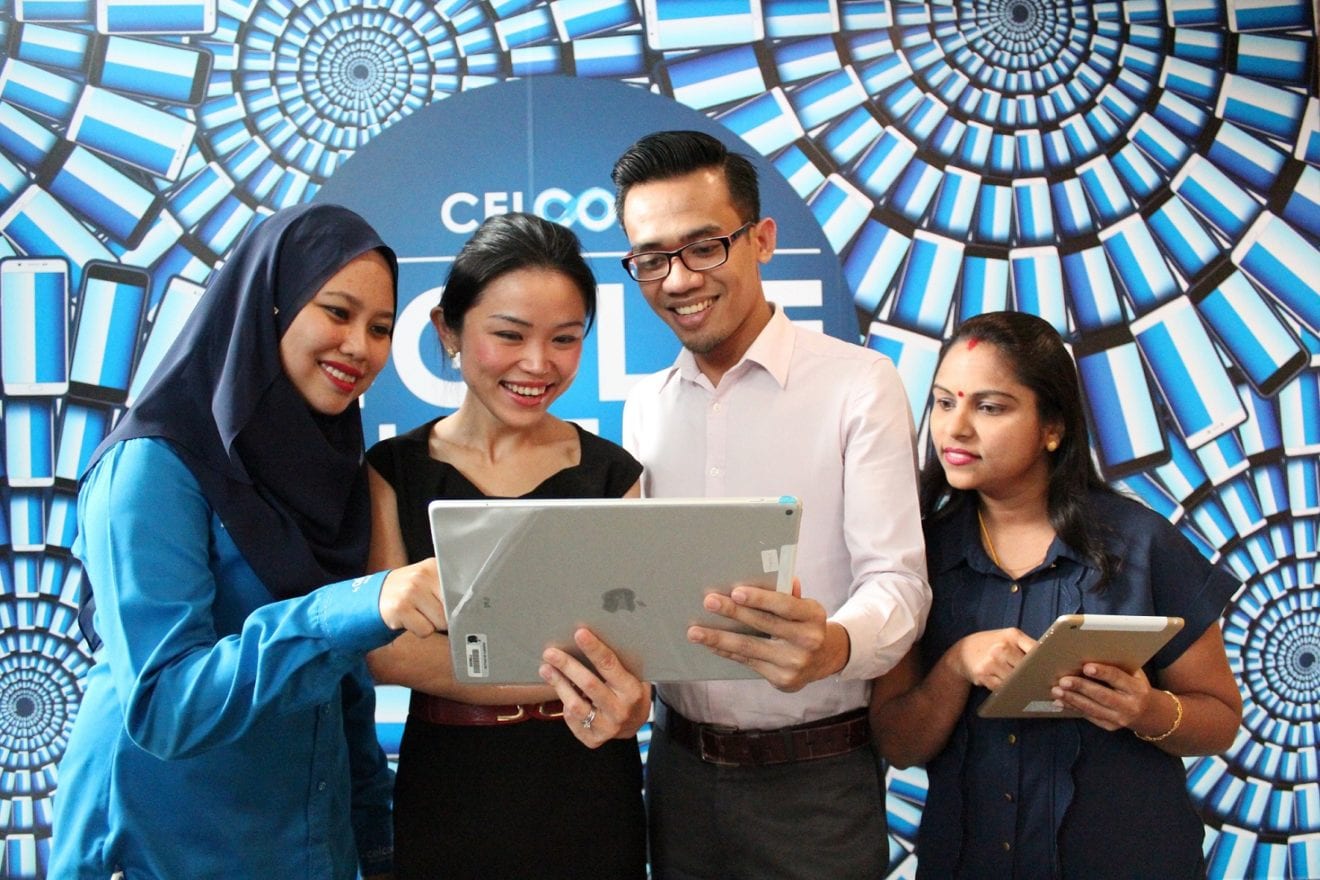
    CelcomDigi rolled out an agentic artificial intelligence platform called Sophia AI in Malaysia, targeting operational bottlenecks across retail, supply chain, and small-business operations. The carrier developed the tool after testing more than 400 internal automations across its own corporate workflows.

    Unlike simple conversational bots, agentic AI operates autonomously across connected business systems. The platform executes multi-step tasks, flags processing exceptions, and updates enterprise software without requiring manual intervention from staff.

    Automating Retail and Supply Chains

    For retail and wholesale distribution networks, the platform takes over the invoice-to-payment cycle. Sophia AI reads supplier invoices, validates billing data against purchase orders, routes payment approvals, and updates accounting records across multi-store operations.

    CelcomDigi also designed the architecture to handle procurement and inventory tracking in manufacturing, appointment scheduling and claims processing in healthcare, and document verification for public sector agencies. Businesses can adjust the tool to match their existing infrastructure rather than overhauling internal software systems.

    “Our focus now is helping other organizations, particularly SMEs, achieve the same benefits,” said T. Kugan, chief enterprise business officer at CelcomDigi. “With our agentic AI solution, we can successfully eliminate repetitive administrative tasks while empowering employees to devote time on higher-value work.”

    Closing the Enterprise Adoption Gap

    Regional telecom operators are pitching automation software directly to commercial clients to grow enterprise revenue beyond standard mobile connectivity. Similar rollouts by Singtel in Singapore and HKT in Hong Kong show carriers bundling proprietary software with 5G data pipelines and cloud hosting.

    Adoption among smaller merchants remains uneven. Findings from Malaysia’s Ministry of Finance Economic Outlook 2026 report show SMEs struggle with artificial intelligence deployments because of unclear returns on investment and software tools built only for large corporations. CelcomDigi is pairing Sophia AI with its enterprise data, cloud, and cybersecurity bundles to lower onboarding friction for smaller accounts.

    Commercial rollouts for Malaysian enterprise clients begin immediately through CelcomDigi’s business division.

  • BYD and Bus Cap Plan Electric Commercial Vehicle Plant in Malaysia

    BYD and Bus Cap Plan Electric Commercial Vehicle Plant in Malaysia

    BYD Malaysia and local manufacturer Bus Cap signed an agreement in Shenzhen to develop a joint electric commercial vehicle platform in Perak. The deal targets local electric bus assembly and manufacturing. It also covers sales and after-sales operations.

    Under the exclusive memorandum, the partners are evaluating assembly sites and supply chains across the northwestern state. Capital commitments and operating structures depend on definitive contracts.

    Expanding Beyond Bus Fleets

    Bus Cap listed on Bursa Malaysia’s ACE Market in June 2026. Its coach-building roots date back to 1968 through subsidiary Sin Hock Leong Coach Works. BYD commercial vehicle division general manager Luo Zhongliang said the venture could broaden into electric trucks, vans, forklifts, and rail transit hardware. These would serve Malaysia and neighboring Southeast Asian markets.

    Executive director Bernard Ng Chong Yan said the alliance pairs BYD vehicle technology with local engineering. It also uses existing fleet customer relationships.

    Questions Over Passenger Plant

    The commercial venture gives BYD another production foothold in Malaysia as uncertainty surrounds its separate passenger car plans. In August 2025, BYD announced a 600,000-square-metre Tanjung Malim assembly plant scheduled for the second half of 2026. Malaysia’s Ministry of Investment, Trade and Industry said earlier this month that it has received no confirmation that BYD will proceed with that project as planned.

    Negotiators must now finalize binding agreements to lock in the Perak project’s investment budget and production start date.

  • Fire Engulfs Cars at Kuala Lumpur’s KL Gateway Mall

    Fire Engulfs Cars at Kuala Lumpur’s KL Gateway Mall

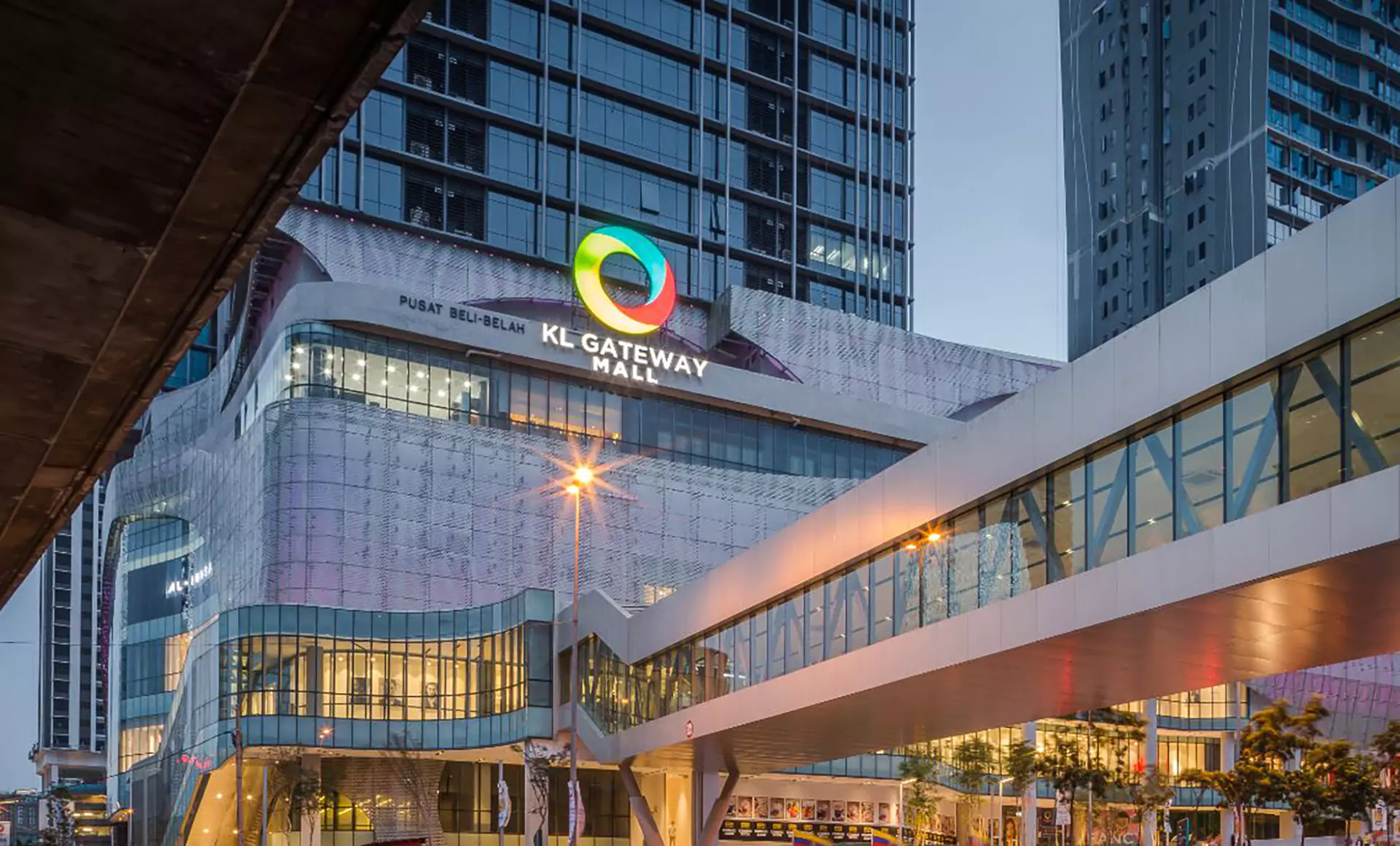
    Kuala Lumpur’s KL Gateway Mall experienced a fire in its parking facility on August 17, 2026. The blaze, which originated on the P1 level of the basement parking, led to significant damage to two vehicles.

    City officials confirmed that a BMW was completely destroyed by the fire, while a Perodua Axia sustained partial damage. Emergency services were promptly on the scene to manage the situation.

    Emergency Response And Cause

    The Kuala Lumpur Fire and Rescue Department was alerted to the incident around 12:43 AM. A team from the Pantai fire station, along with assistance from Seputeh, was dispatched to the mall.

    Firefighters successfully extinguished the blaze using water from their trucks, bringing the situation under control by 1:33 AM. Investigations are currently underway to determine the exact cause of the fire, though no injuries were reported from the incident.

    Impact On Mall Operations

    While the fire was contained to the basement parking area and quickly put out, such incidents can cause temporary disruptions for mall operators and visitors. The immediate aftermath often involves assessment of structural integrity, clearing smoke, and ensuring safety protocols are maintained.

    KL Gateway Mall, a mixed-development complex featuring retail, residences, and offices, is a significant urban hub in Kuala Lumpur. Mall management is expected to cooperate fully with authorities during the investigation and remediation process.

    Questions & Answers

    When and where did the fire occur?
    The fire took place on August 17, 2026, in the basement parking lot (P1 level) of KL Gateway Mall in Kuala Lumpur, Malaysia.

    What was the extent of the damage caused by the fire?
    A BMW vehicle was completely destroyed, and a Perodua Axia suffered partial damage. Fortunately, no injuries were reported as a result of the incident.

    Which authorities responded to the fire?
    The Kuala Lumpur Fire and Rescue Department, with teams from the Pantai and Seputeh fire stations, responded to the alarm and successfully extinguished the blaze.

  • Resintech Subsidiary Secures RM41 Million for Hostel and Retail Project in Selangor

    Resintech Subsidiary Secures RM41 Million for Hostel and Retail Project in Selangor

    Johan Panglima (M) Sdn Bhd, a subsidiary of Malaysia-based plastic pipe and fitting manufacturer Resintech Bhd, has secured financing totaling RM41 million from Alliance Islamic Bank Bhd. These funds are designated for the redemption of land and to partially finance a new hostel and retail complex in Selangor.

    The financing facilities, structured as commodity murabahah term financing, will cover 80 percent of the construction expenses for the planned development. The project includes a total of 158 hostel units, four retail shops, a canteen, and various other communal amenities.

    Project Details and Financial Impact

    According to a filing with Bursa Malaysia, the financing specifically targets the redemption of four land parcels situated in Mukim Telok Panglima Garang, located in Kuala Langat, Selangor. The new development will contribute to the local retail and accommodation landscape with its blend of commercial and residential facilities.

    Resintech stated that the acceptance of these facilities is expected to increase the group’s gearing ratio for the financial year ending March 31, 2027 (FY2027). The company also clarified that the financing does not involve the issuance of new ordinary shares, therefore having no impact on its issued share capital or the shareholdings of its directors and major shareholders.

    Board Approves Financing Terms

    Resintech’s board of directors has evaluated the terms of the financing and concluded that its acceptance is in the best interest of the Resintech group. The company confirmed that no directors, major shareholders, or any connected persons have a direct or indirect interest in these facilities.

    Furthermore, the financing arrangements are not subject to the approval of Resintech’s shareholders or any regulatory authorities. The project represents a strategic move for the subsidiary into the real estate development sector, leveraging the current market for both student accommodation and local retail services.

    Questions & Answers

    What is the purpose of the RM41 million financing secured by Resintech’s subsidiary?
    The financing is intended to redeem four parcels of land in Selangor and to part-finance 80 percent of the construction cost for a new hostel and retail development.

    What will the proposed development by Johan Panglima (M) Sdn Bhd include?
    The development will feature 158 hostel units, four retail shops, a canteen, and other associated facilities.

    How will this financing impact Resintech Bhd’s financial position?
    Resintech expects the financing facilities to increase the group’s gearing ratio for the financial year ending March 31, 2027. It will not affect the company’s issued share capital or shareholder structures.

  • Ombak KLCC Mall to Ignite Kuala Lumpur Retail Scene with Grand Opening

    Ombak KLCC Mall to Ignite Kuala Lumpur Retail Scene with Grand Opening

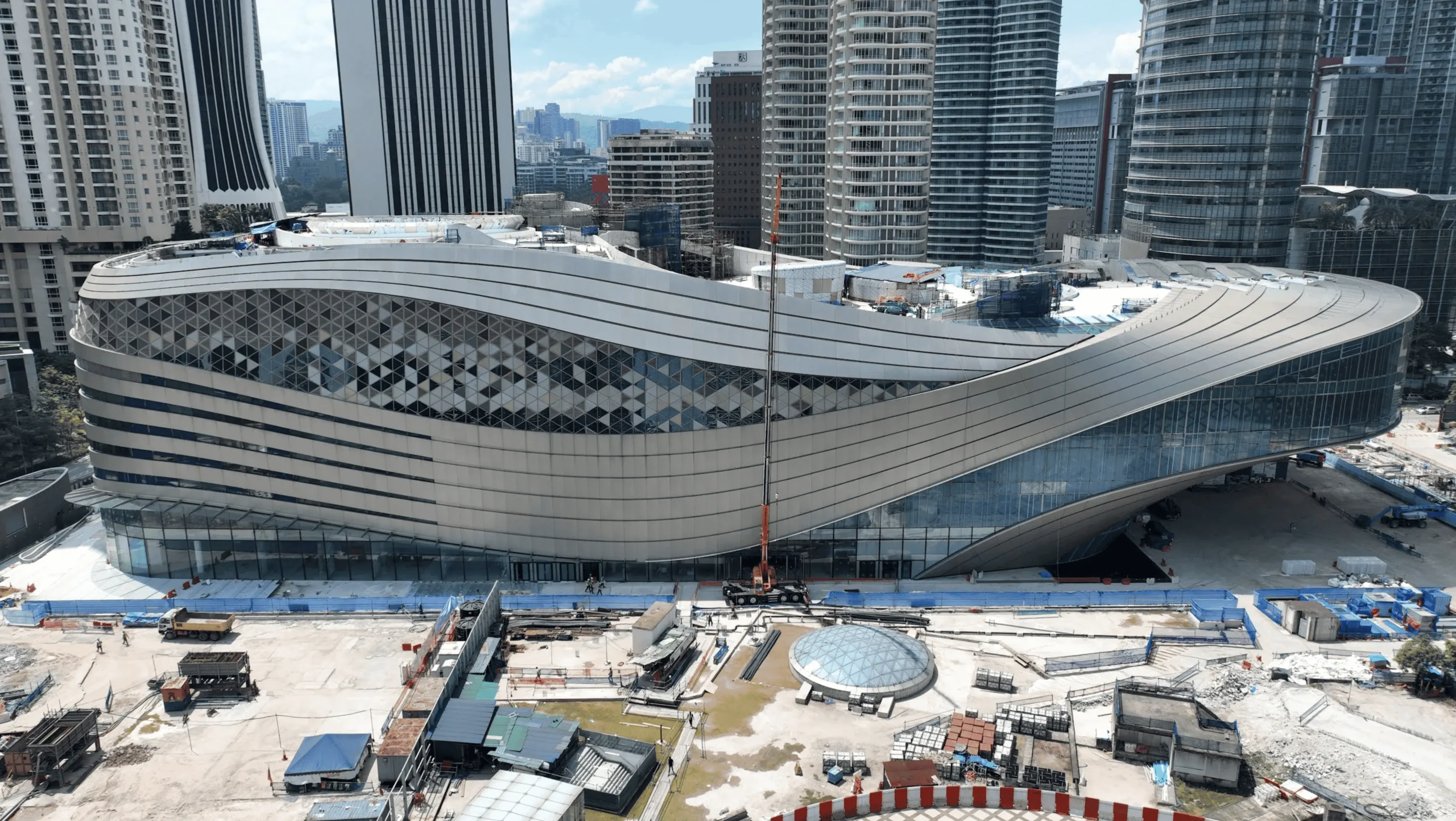
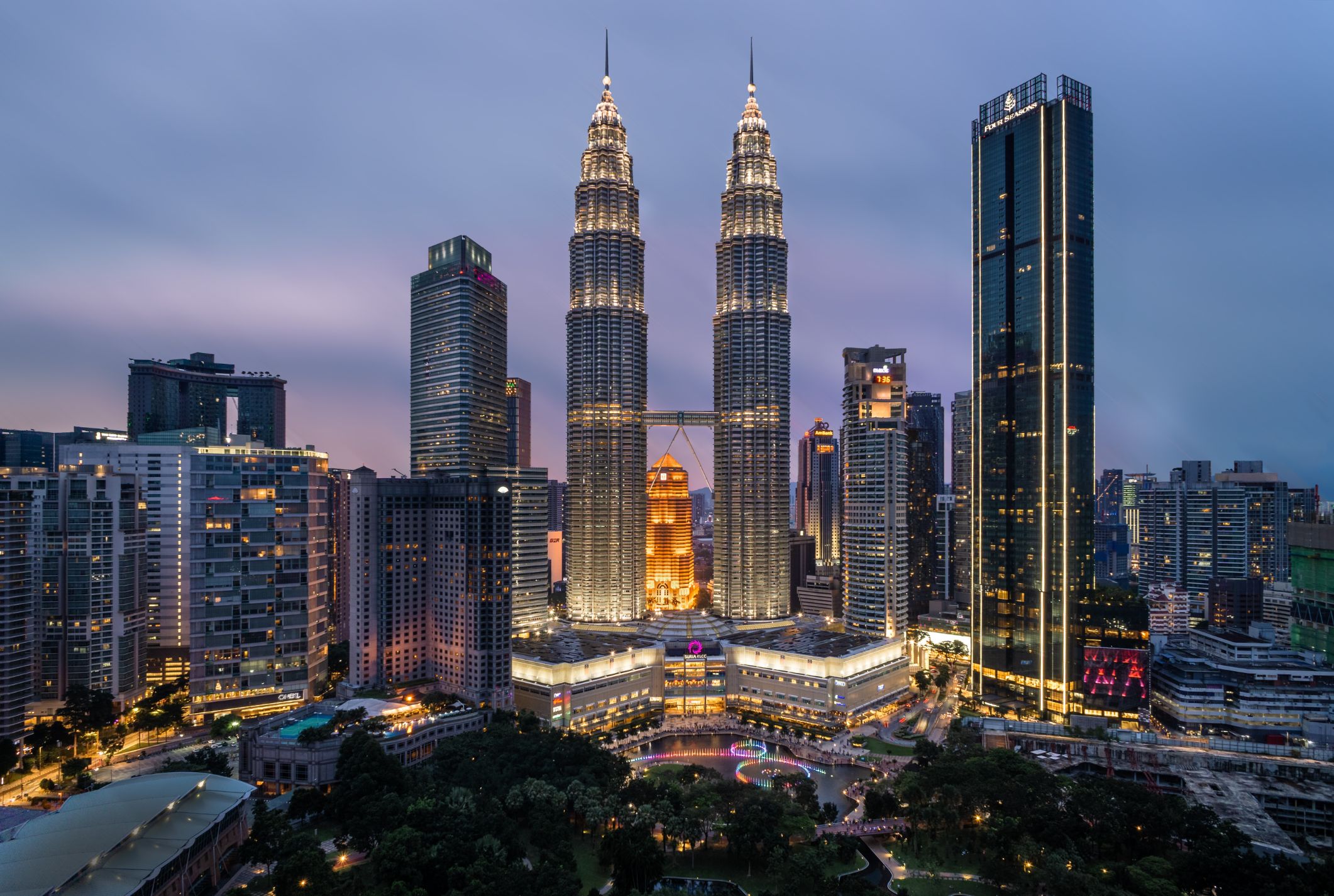
    The retail market of Kuala Lumpur is poised to welcome another addition. Ombak KLCC, a new shopping complex, is slated to commence operations from August 21 in the KLCC precinct.

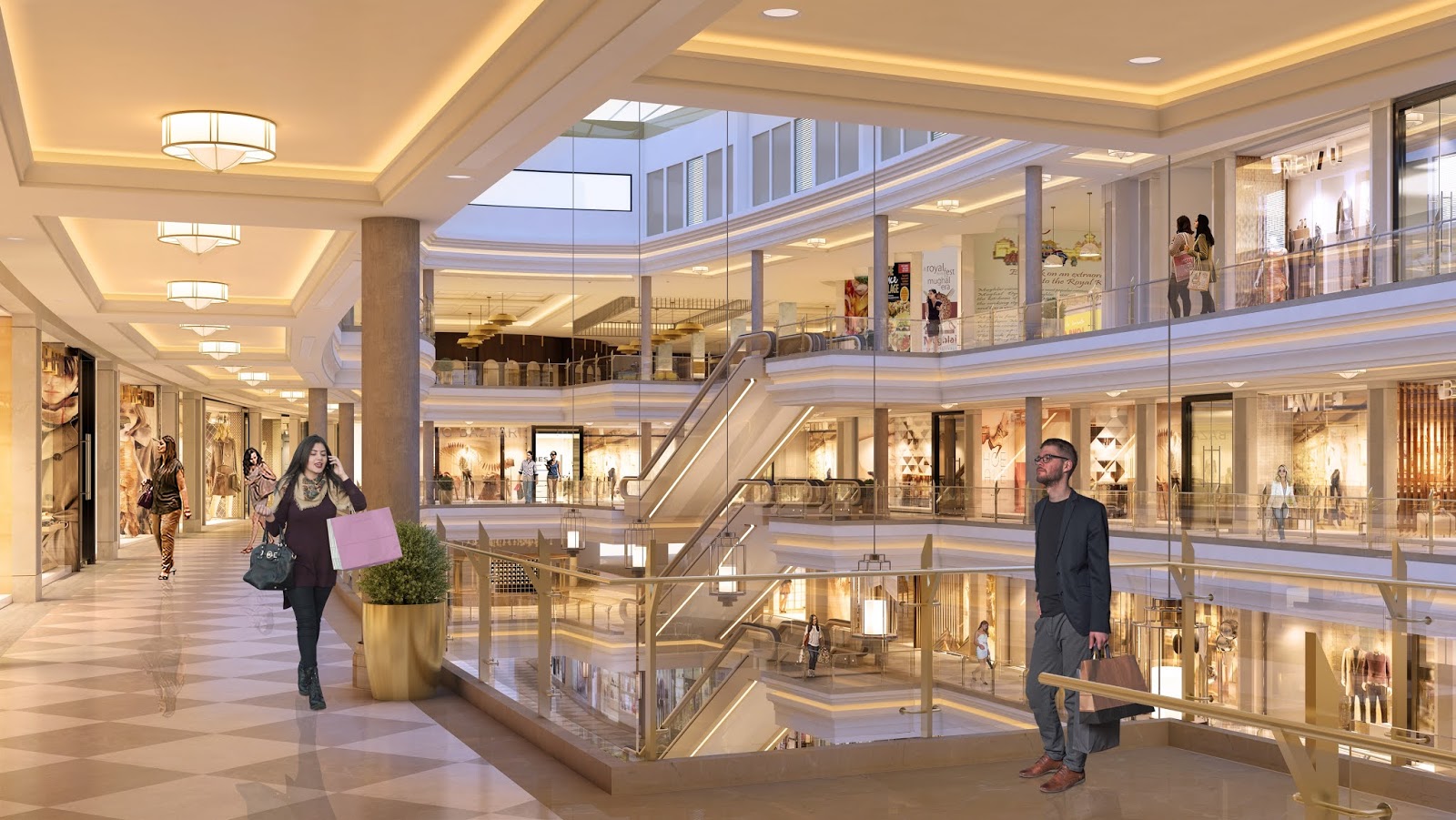
    The project, sprawled across 420,000 square feet, will serve as a host for approximately 120 retail and food & beverage outlets. The tenant composition is diverse, accommodating a range of sectors from coffee and dining to lifestyle, technology, and convenience.

    Moreover, the mall is set to be the fresh location for Galeri Petronas, which will be transitioning from its current position in Suria KLCC. The gallery will open in separate stages, marking a phased transition.

    More than just retail

    Apart from the retail component, Ombak KLCC has a broader appeal with additional features planned to enhance the overall visitor experience. A rooftop garden and open-air plaza have been incorporated in the design, purposed for staging events and facilitating leisure activities. The shopping center is also connected to the wider KLCC precinct, ensuring seamless access to KLCC Park and nearby public transportation links.

    Ombak KLCC is also preparing for a grand inauguration by lining up some significant pop-up attractions. Both Nintendo Pop-Up Store and Pokémon Center Pop-Up Store are slated to be operational from September 12 until the end of the year.

    Questions & Answers

    What is the expected date of Ombak KLCC’s opening?
    Ombak KLCC is scheduled to open on August 21.

    What kind of tenants will Ombak KLCC house?
    Ombak KLCC will house a mixture of retail and food & beverage outlets spanning various sectors like coffee, dining, lifestyle, technology, and convenience.

    What are some special features of Ombak KLCC?
    Apart from retail stores, Ombak KLCC features a rooftop garden and an open-air plaza designed for events and leisure activities. It is also linked to the wider KLCC precinct, including KLCC Park and nearby public transport connections.

  • Swedish Fashion Sensation Acne Studios Marks Malaysian Debut with Kuala Lumpur Flagship Store

    Swedish Fashion Sensation Acne Studios Marks Malaysian Debut with Kuala Lumpur Flagship Store

    Acne Studios, a renowned Swedish fashion label, has marked its maiden foray into the Malaysian market with the inauguration of its first outlet at Pavilion Kuala Lumpur. This move serves as the latest progress in the ongoing collaboration between Acne Studios and Bluebell Group. The latter also manages the brand’s operations in Singapore and Taiwan, as the duo continue their collective expansion throughout Asia.

    The store, under the creative guide of Jonny Johansson, Acne Studios’ Creative Director, is a collaboration with Halleroed, a Swedish architecture firm. The outlet stays true to the brand’s unique retail concept, reflecting the design ethos prevalent in its global store network.

    Bluebell Group, the company behind the launch, views this venture as a means to bolster Acne Studios’ regional presence. This is achieved by synergizing the brand’s innovative identity with the group’s local market acumen and retail proficiency. Bluebell Group stated that the joint venture amalgamates profound local expertise, market acuity, and a dedication to crafting extraordinary brand experiences that strike a chord with consumers across the region.

    The debut of Acne Studios in Malaysia follows the fashion brand’s ongoing growth in Southeast Asia. In the previous year, the Stockholm-based label expanded its regional imprint by launching its first outlet in Thailand at Siam Paragon.

    Questions & Answers

    What significant step has Acne Studios recently taken in its Asian expansion?
    Acne Studios has entered the Malaysian market with the launch of its first store at Pavilion Kuala Lumpur.

    Who is responsible for the design of the new Acne Studios outlet?
    The store was designed by Jonny Johansson, Acne Studios’ Creative Director, in collaboration with Swedish architecture studio Halleroed.

    What is the strategic vision behind the partnership between Acne Studios and Bluebell Group?
    The partnership aims to strengthen Acne Studios’ regional footprint by blending the brand’s creative identity with Bluebell Group’s local market expertise and retail capabilities.

  • Kuala Lumpur Set to Unveil Exciting New Shopping Mall in Q4!

    Kuala Lumpur Set to Unveil Exciting New Shopping Mall in Q4!

    Kuala Lumpur’s retail landscape remains steadfast, with no new malls gracing the City Centre in the second quarter of 2023, according to the latest report from JLL. The retail inventory in this prime sector holds steady at around 11.5 million square feet, while the Suburban submarket totals a robust 37.3 million square feet. Adding to the excitement, the much-anticipated Ombak KLCC is set to open its doors by the fourth quarter of 2025, promising to enrich the local shopping experience.

    Vacancy Rates on the Rise—But Not for Long

    The report highlights a slight improvement in the overall vacancy rate, a trend fueled by robust demand and brand expansions across both submarkets. Landlords of underperforming malls are stepping up their game, proactively repositioning and refreshing their brand mixes to attract new tenants. “The game plan is clear: adapt and thrive,” the report suggests.

    Fashion and F&B Brands Join the Fray

    Demand for food and beverage (F&B) options and fashion retail remains vibrant, with exciting new entrants like Benihana, Tous Les Jours, and Cabbeen making their mark. Marimekko, an established name, has also ramped up its expansion efforts. New immersive retail experiences have debuted with Pop Mart and Wilson, adding a much-needed layer of interactivity to the shopping journey. Who needs a regular browsing session when you can have a hands-on adventure instead?

    Market Fluctuations Amid Closures

    However, it wasn’t all sunshine and roses in the retail realm, as the quarter saw notable closures, including Don Don Donki, Spotlight, and a premium grocer in the Suburban area. Yet, the influx of new entertainment, leisure, and co-working tenants occupying larger spaces offers a stabilizing effect on market demand.

    Rent Trends: A Balancing Act

    As for rent growth, the market recorded a modest rise buoyed by healthy leasing activity and demand. Still, mall operators are grappling with higher operating costs due to wage increases and soaring energy expenses, which have prevented more aggressive rent hikes.

    Investment Landscape and Future Outlook

    While the current landscape revealed no notable prime en bloc investment transactions, recent activities have primarily occurred in the suburban submarket, with buyers looking to expand their property portfolios amid cautious optimism.

    Bright Horizons with a Dash of Caution

    Looking ahead, a positive retail demand outlook persists, notwithstanding policy shifts. The City Centre should expect a new retail influx of 1.27 million square feet within a year. While vacancy rates may temporarily tick up, the anticipated Visit Malaysia Year 2026 is set to stimulate demand, buoyed by a rise in tourist activity and spending.

    With tourism numbers on the rise and Malaysia’s unemployment rate dipping to a decade-low, retail demand could enjoy a stable trajectory. However, a spike in the sales and services tax looms, potentially impacting consumer spending and pushing up operating costs for mall operators.

    Questions & Answers

    What factors contributed to the slight improvement in the overall vacancy rate?
    The improvement in the vacancy rate can be attributed to firm take-ups and brand expansions across both the City Centre and Suburban submarkets, as landlords of low-performing malls have actively repositioned their brands to attract new tenants.

    Which new brands entered the Kuala Lumpur retail market recently?
    Recent entrants include Benihana, Tous Les Jours, and Cabbeen in the F&B and fashion sectors, with established brand Marimekko also expanding its presence.

    What does the future hold for Kuala Lumpur’s retail landscape?
    Despite potential increases in vacancy rates due to new supply, a positive outlook for retail demand is among the predictions, especially in light of the upcoming Visit Malaysia Year 2026, set to boost tourist spending.

  • Kuala Lumpur’s Prime Residential Market Set for Exciting Growth Ahead

    Kuala Lumpur’s Prime Residential Market Set for Exciting Growth Ahead

    Two projects were completed and another two were launched in Q1.

    Prime Residential Sector on the Rise

    Kuala Lumpur’s prime residential sector is gearing up for significant expansion, buoyed by a post-pandemic recovery, supportive government initiatives aimed at bolstering homeownership, and innovative financing options like green home programmes. These factors are not just catching the eye of locals—they’re also enticing foreign investors eager to tap into a market poised for growth.

    A recent report by JLL underscores this promising outlook. “Ongoing infrastructure developments are expected to enhance the appeal of suburban areas and transit-oriented developments, while the city’s affordability compared to other Asian markets should continue to drive investment, despite global economic challenges,” the report revealed. It paints a picture of a landscape ripe with opportunity.

    Dynamic Growth Despite Market Concerns

    As Kuala Lumpur shakes off the remnants of the pandemic, its prime residential sector is seeing a remarkable resurgence, characterized by rising sales and property values. However, experts urge a tempered enthusiasm, noting that concerns about potential market overheating necessitate cautious optimism for the medium term.

    Newly launched and ongoing projects are witnessing robust interest, with take-up rates fluctuating between 30% to 50%. Soft-launch schemes have also experienced promising booking levels, highlighting a healthy appetite in the market that just might surprise those who thought buyers had soured on the idea of investing.

    New Developments Take Center Stage

    This quarter saw the completion of two substantial residential developments, Allevia and Sunway Belfield, which together contributed 1,624 units to the market. Simultaneously, two new projects, CloutHaus Residence and Hanaz Suites, have been introduced, adding 955 units to the mix. The infusion of these developments speaks volumes about the resilience and sustained interest in Kuala Lumpur’s real estate.

    Favorable Conditions for Investors

    The attractiveness of the prime residential market continues to hold firm, with stable rates and competitive pricing serving as a magnet for investors even amid global economic uncertainties. Bank Negara Malaysia has kept the Overnight Policy Rate steady at 3.00% since May 2023, fostering a conducive atmosphere for borrowing. This policy has made mortgages more accessible and affordable, further stimulating demand for property investment.

    Despite pervasive global inflationary pressures, Kuala Lumpur’s prime residential market remains appealing, characterized by property prices that are among the most affordable in Asia. This affordability continues to attract both local and foreign investors looking to navigate the choppy waters of today’s economic landscape.

    Questions & Answers

    What factors are driving growth in Kuala Lumpur’s residential sector?
    Post-pandemic recovery, government initiatives supporting homeownership, and innovative financing options, such as green home programmes, are key motivators behind the growth.

    How have the recent projects performed in the market?
    Newly launched and ongoing projects boast solid take-up rates ranging from 30% to 50%, indicating a healthy appetite among buyers.

    What makes Kuala Lumpur’s prime residential market appealing to investors?
    Stable pricing and competitive rates, in conjunction with accessibility to affordable mortgages thanks to a maintained Overnight Policy Rate, make Kuala Lumpur an attractive proposition for investors in comparison to other Asian markets.

  • Hermes unveils expanded Kuala Lumpur store

    Hermes unveils expanded Kuala Lumpur store

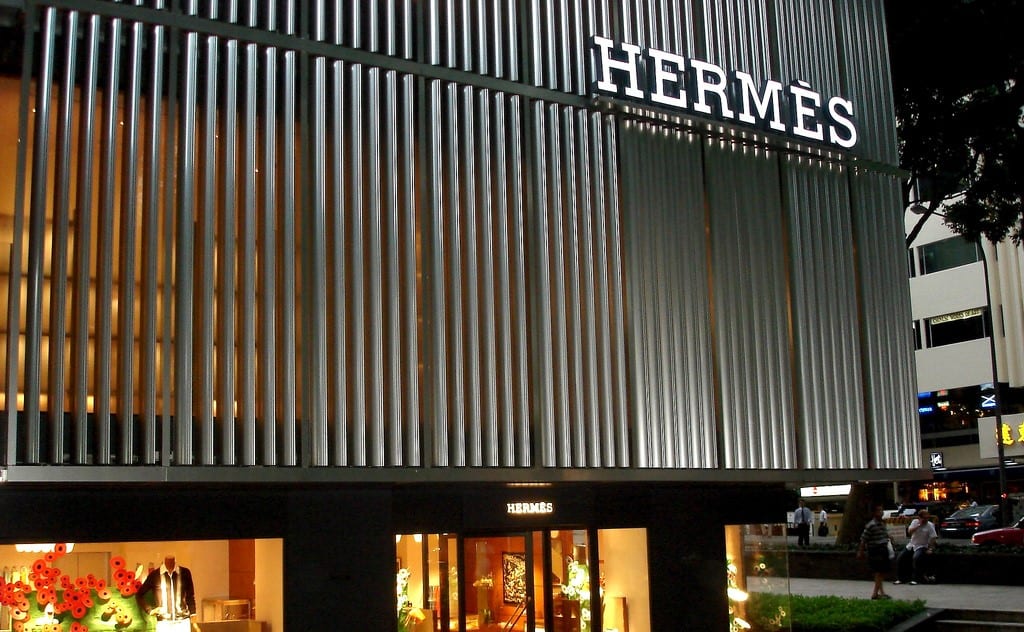
    Hermes has opened an expanded store in The Gardens Mall in Kuala Lumpur, which first opened nearly a decade ago.

    The new store, designed by the architectural firm RDAI in Paris, was designed with a contemporary theme and includes elements of local culture and locally produced crafts.

    The store occupies a ground-floor space at Gardens Mall, with a facade assembled with bamboo and cane to reflect traditional, regional weaving techniques. More bamboo features inside along with textured batik print rugs and a lacquered wood backdrop.

    A perfume and beauty area is located on the left side, adjacent to a home goods display. A central lounge links the leather products and equestrian accessories displays with the jewellery area. At the back of the store, is the ready-to-wear zone with two fitting rooms clad in silk panelling.

    The collection of Émile Hermès, including Paul Fleury’s paintings, sits alongside the artworks of the French photographer Thierry Ardouin and the Polish illustrator Jan Bajtlik. A window showcase of hand-made puppets evokes the traditional Malaysian theatre “Wayang Kulit” with a modern turn to this year’s theme, “Spirit of the Faubourg.”

  • AirAsia Resumes Flights Between Kuala Lumpur and Siem Reap, Cambodia

    AirAsia Resumes Flights Between Kuala Lumpur and Siem Reap, Cambodia

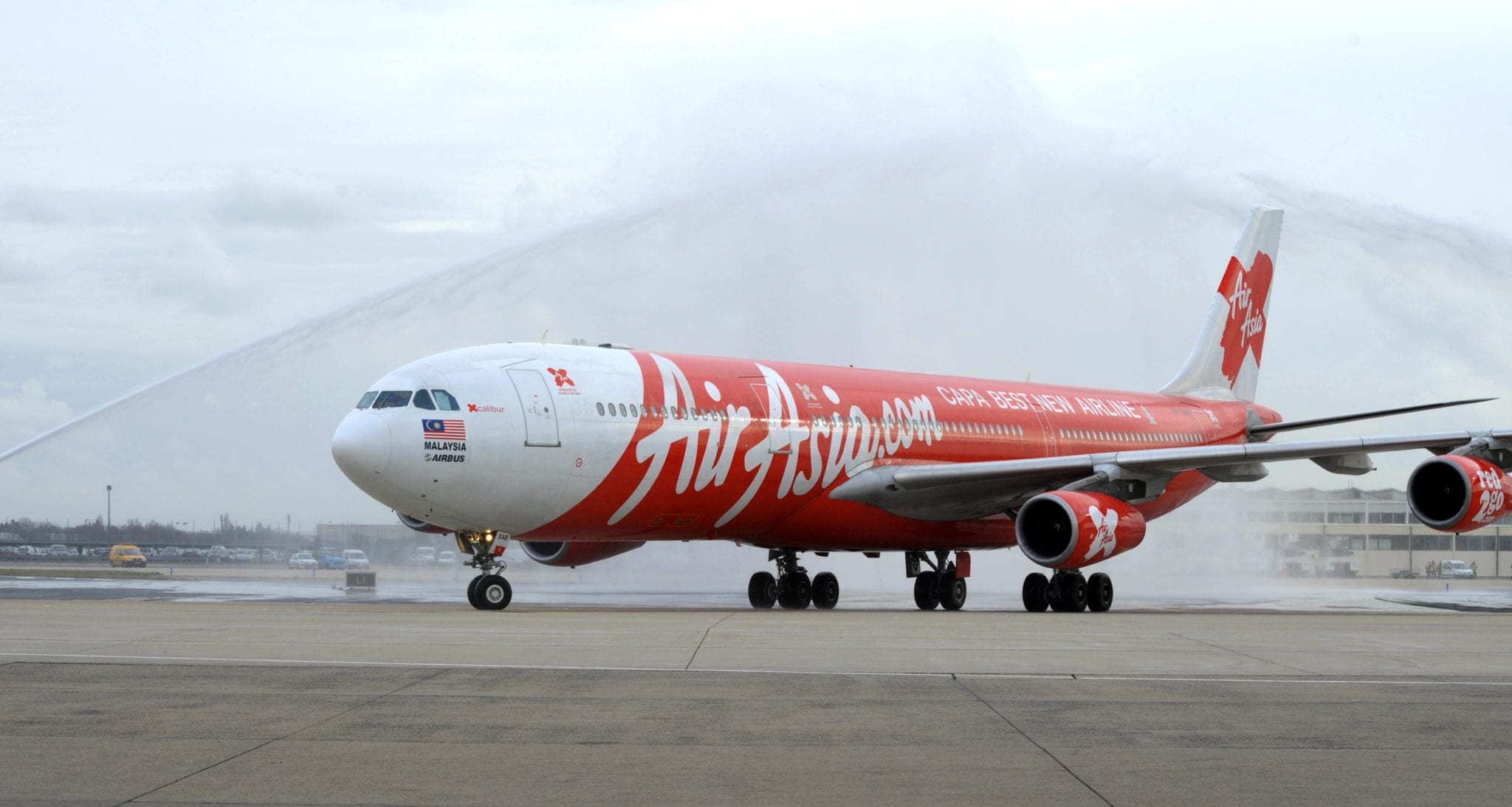
    AirAsia has resumed flights between Kuala Lumpur and Siem Reap, Cambodia. The airline will operate the route with two flights per week on Mondays and Fridays. Flight AK540 is scheduled to depart from Kuala Lumpur International Airport 2 (klia2) at 13:05, arriving in Siem Reap at 14.20. The return flight, AK541, is timed to leave Siem Reap at 14:55, arriving back in Kuala Lumpur at 18:10.

    Cambodia was one of the first countries in the region to relax its entry requirements for foreign travel, reopening the Kingdom to fully vaccinated international travellers without the need for quarantine or COVID19 testing at all international gateways and checkpoints in November 2021.

    HE Thong Khon, Minister of Tourism, Cambodia, said, “Cambodia is now truly open for all vaccinated tourists and we welcome AirAsia guests back to our great country with open arms. Tourism is a significant driver of our economy and social development, we thank AirAsia for their continued support to stimulate and grow air travel to our key leisure destinations. Cambodia, the Kingdom of Wonder, invites travellers from all walks of life to feel its warmth, safely and hygienically.”

    The Siem Reap flights follow AirAsia’s resumption of flights between Kuala Lumpur and Phnom Penh, the Kingdom’s capital city, in January.

    “Prior to COVID19, Siem Reap was one of the most popular destinations in ASEAN as a key tourist hub for globetrotters from all over the world,” said Riad Asmat, CEO AirAsia Malaysia. “AirAsia started the route in 2018 and flew close to 170,000 passengers in 2019. We are confident that these new services will continue to be very popular in the future. In response to strong demand, we are also planning more flights and destinations in Cambodia with services to Sihanoukville scheduled to take flight on 2 June. AirAsia welcomes the initiatives taken by the Cambodian government to ease travel restrictions to allow more seamless travel to Cambodia. We look forward to flying more leisure seekers from near and far to the country soon.”

    For entry into Malaysia, all international tourists and travellers are required to take a pre-departure COVID19 test within 2 days of departure and purchase COVID19 travel insurance (for short-term foreign visitors). Unvaccinated or partially vaccinated travellers are required to spend 5 days in quarantine.

    For entry into Cambodia, there are no pre-departure, post-arrival COVID19 tests or quarantine requirements for fully vaccinated travellers. Travellers are only required to show proof of being fully vaccinated. Fully vaccinated travellers from Malaysia who wish to travel to Cambodia must meet the requirements set by the Cambodian Government prior to purchasing their flights and upon arrival.