Tag: lg

  • LG’s mobile payment service ‘LG Pay’ to be launched in June in Korea

    LG’s mobile payment service ‘LG Pay’ to be launched in June in Korea

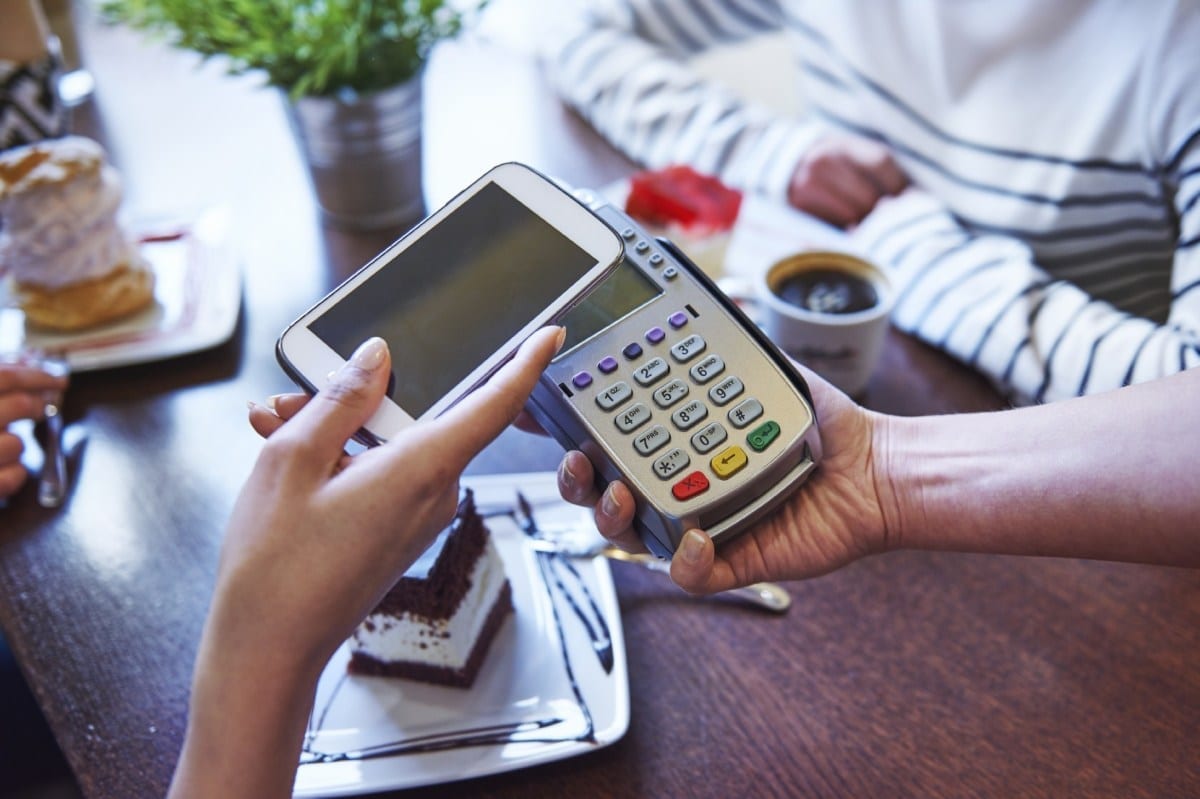
    LG Electronics announced that it will launch its own mobile payment service dubbed ‘LG Pay’ across Korea, which will allow users to use their mobile phone as a credit card.

    During the World IT Show 2017 exhibition currently under way in Seoul, the South Korean tech giant showcased LG Pay, which adopted the Wireless Magnetic Communication technology. Samsung Pay is equipped with the Magnetic Secure Transmission technology.

    Users can register multiple credit cards into an LG Pay-enabled mobile phone and they choose one of pre-registered credit cards to pay. The payment service is supported by four credit card companies – Shinhan, KB, BC and Lotte – from June and by all of other Korean credit card companies from September, the company said.

    The service is based on wireless magnetic communication (WMC) technology, in which a credit card reader deciphers magnetic signals generated by a mobile phone. Nearly 90 percent of credit card readers support this magnetic payment system, making the service available at virtually all merchants.

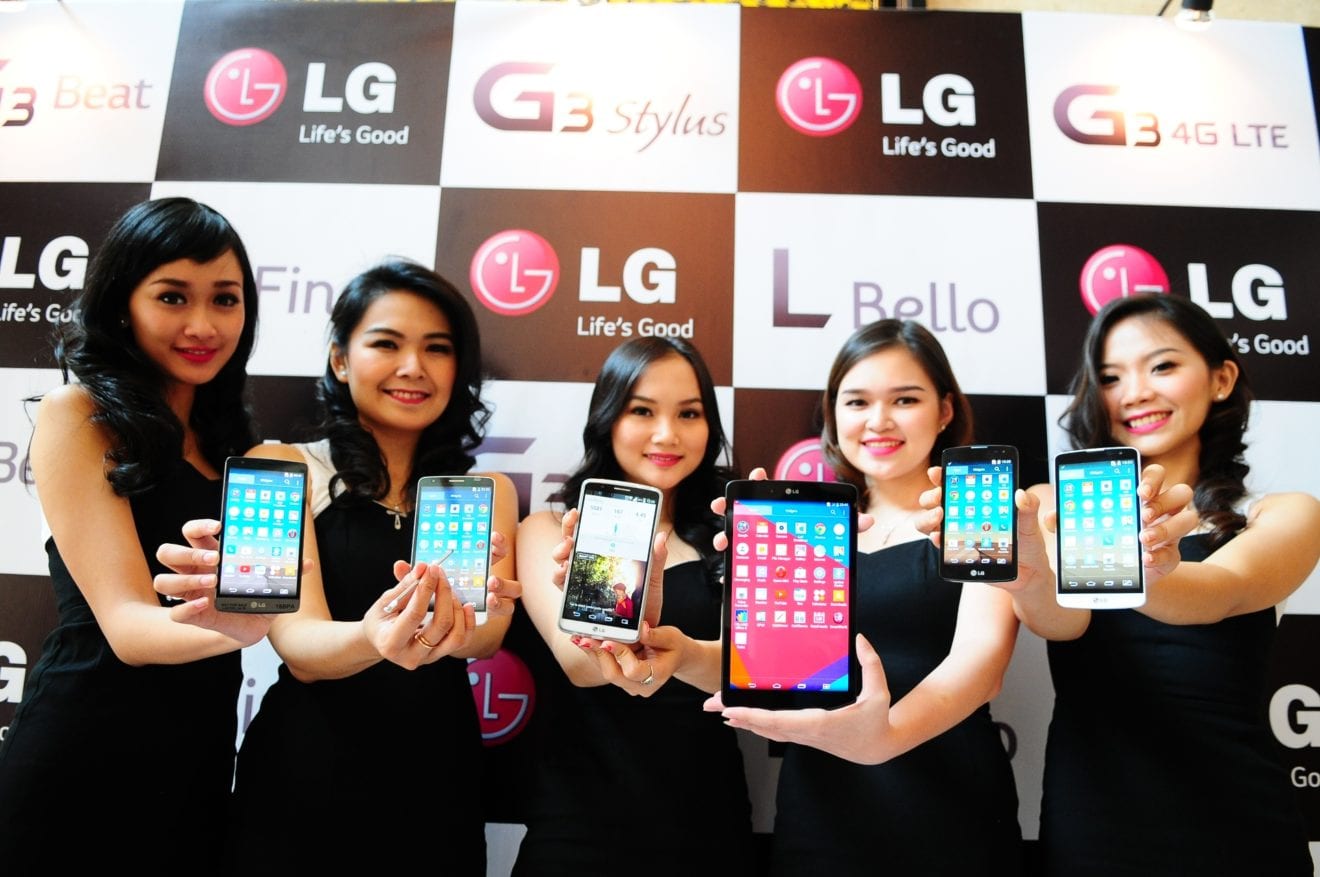
    To use this service, users need an antenna-embedded smartphone to enable magnetic communication. The LG G6, the company’s latest smartphone model released early this year, is the only model that is equipped with this antenna. The company aims to expand its mobile payment service through its future smartphone models.

    LG said the service will be launched next month in South Korea and will be connected to the country’s eight major credit card companies.

  • LG’s new smart devices strengthen its IoT game

    LG’s new smart devices strengthen its IoT game

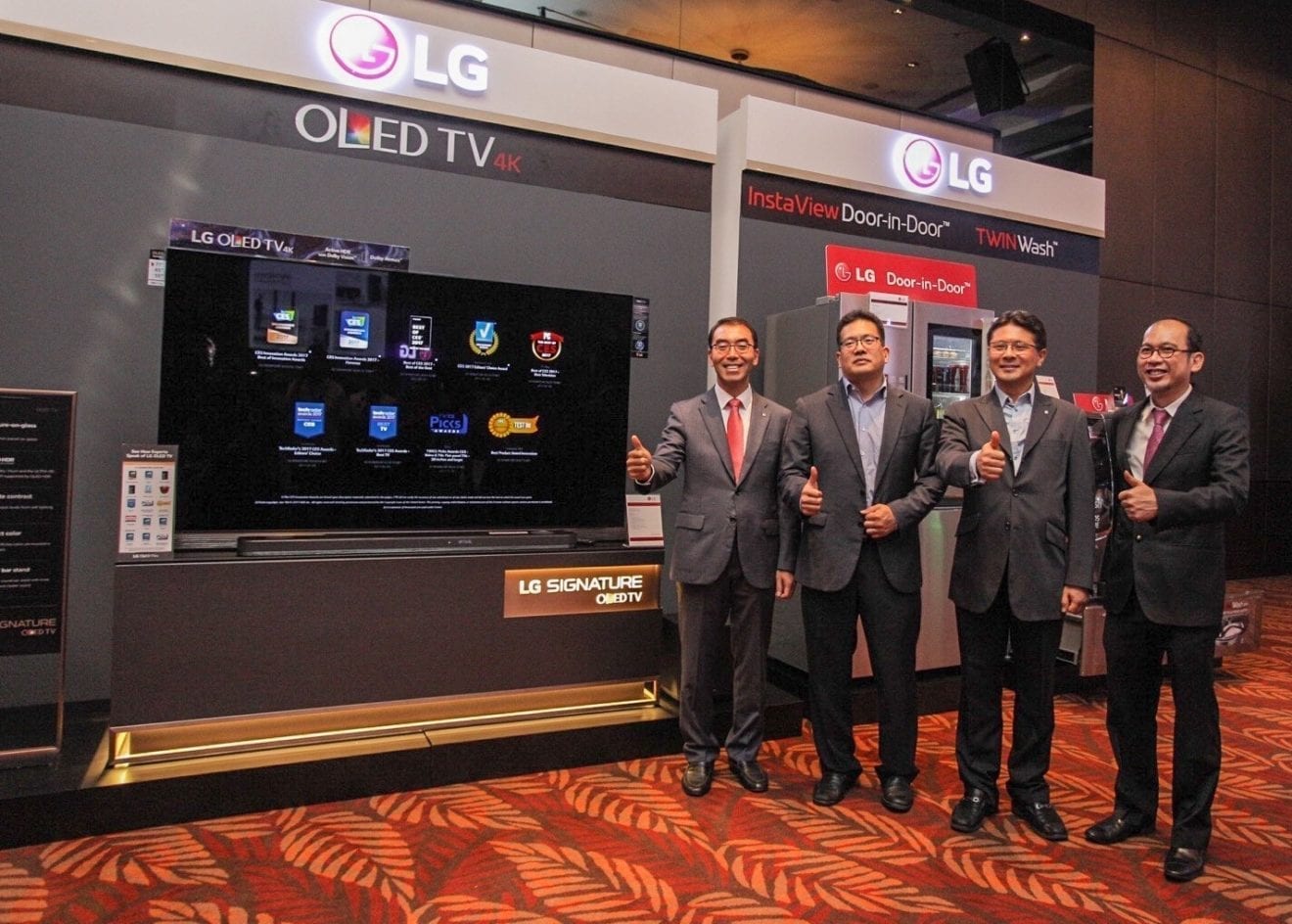
    Smart homes are often talked about in technology circles but it is a concept that is often assumed to be very far in the future. That may not be so as LG has launched some new home appliances in the Malaysian market that it hopes will jump-start its Internet of Things (IoT) ambitions.

    Running on its smart home technology called Smart ThinQ, LG has introduced two products:  the LG TWINwash washing machine and LG Smart InstaView refrigerator that leverage this technology to provide greater convenience to consumers.

    Using the Smart ThinQ on a smartphone, users would be able to remotely set their washing machine to do their laundry at a specific time so that they would be able to come home to a freshly washed load.

    Using the smart application, users also have greater control on the types of wash options, such as baby wear, denim, swimwear and many others that the washing machine can perform.

    In the case of refrigerators, LG said Smart ThinQ would help users monitor the temperature level of the fridge as well as set the appropriate temperature for the various compartments.

    Aside from monitoring and controlling, the other benefit brought on by smart home appliances using LG’s Smart ThinQ app is a feature called Smart Diagnosis. As the name implies, it is a diagnostic feature that can alert users if the system detects any breakdown in their appliance.

    In this way, the appliance gives the user an error code to denote the problem so it is identified before the technician comes over to fix it.

    Aiming high for IoT

    Malaysia is now the latest market in which LG is launching its new smart home-ready devices and LG is planning to launch even more smart devices next year, expanding its lineup to include smart air conditioners and air purifiers.

    LG Electronics Malaysia’s head of product department for home appliances and air conditioner Bon Jae Koo explains that LG has been focusing its efforts on improving life for its customers by launching new smart devices that are able to connect to the Internet.

    “Globally we are focused on developing home network solutions that can be implemented on our product lineup that includes refrigerators, washing machines, air purifiers and more,” he said.

    Koo explains that LG has been in the business of making devices for a long time and points towards his native South Korea where IoT is already adopted in the commercial segment. This includes smart mirrors within clothing stores that help you decide which item of clothing to buy by simulating what they look like on the person standing in front of it.

    “We are of the view that smart products that help optimise the temperature in the room, improve the wash cycle for clothes will result in better power consumption hence bringing greater cost savings to our customers.

  • The flagship of LG will go on OLED screens

    The flagship of LG will go on OLED screens

    LG has decided to equip all its top smartphones screens based on the matrix OLED, which will provide the best color reproduction compared to IPS and a reduced level of energy consumption.

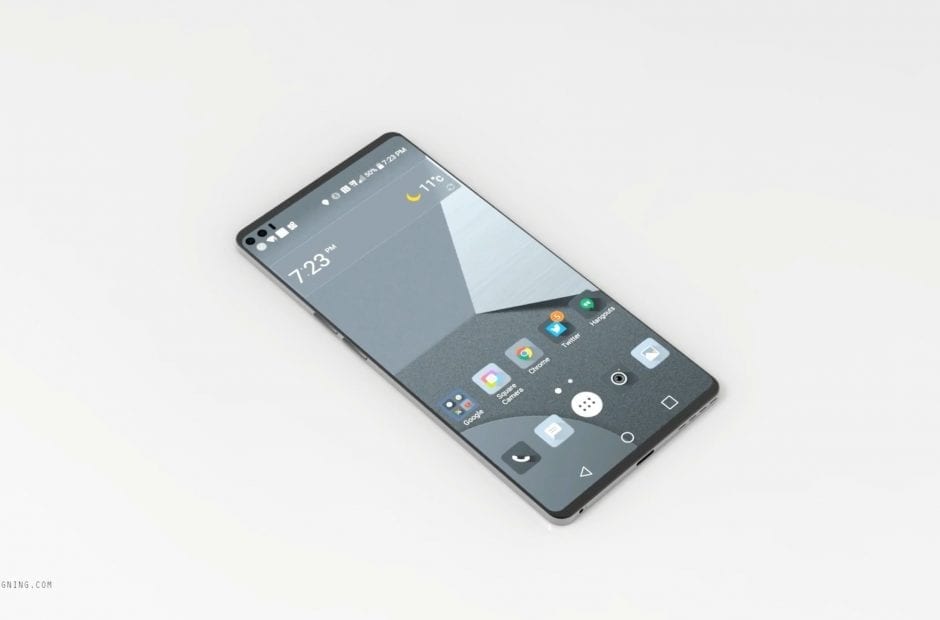
    The first devices with such displays will go on sale just in the second half of this year. Reportedly, the first smartphone from LG with OLED screen your own production will be the new V30, a descendant depicted in the rendering V20. Here it should be noted that the display on this particular unit is just two is already the specifics of the series, an open model V10 a couple years ago. The goal of LG is understandable: it is necessary not just to keep up with Apple and Samsung, not only to nip at their heels, and to keep pace with them or, better yet, to overtake them at every turn.

    It should be noted that LG already has experience in the production of smartphones with OLED screen — in 2013, when only-only began to emerge in the segment of mobile phones with curved screens, the world was shown a very stylish LG G Flex the shape of a letter “C”. Alas, the model was not accepted due to high prices and the inertia of users, but after four years, screens of irregular shape, began to interest consumers, and LG intends to be a trend.

  • Profits fall again at South Korea’s LG Electronics

    Profits fall again at South Korea’s LG Electronics

    South Korea’s LG Electronics on Wednesday reported its second successive year of slumping net profits due partly to weak smartphone sales.

    Full-year net profit for 2016 was 126.3 billion won (Dh398 million, $109.3 million), the Seoul-based firm said, down by almost half on 2015 — when they had fallen by 50 per cent.

    The company produces a range of products, from mobile phones to televisions and home appliances including air conditioners, washers and refrigerators.

    It said in a statement it fell into losses in the fourth quarter, taking hits in its mobile telecommunications and vehicle components businesses.

    LG Electronics made a net loss of 258.8 billion won ($224 million) in the October-December period.

    Its home appliances and home entertainment units both turned in strong performances, but in mobile communications “profitability was hampered by weak sales of the G5 smartphone and higher marketing investments”.

    LG has struggled for years to increase its smartphone sales after a late entry into the market dominated by Samsung and Apple.

    It has since found itself hemmed in by emerging Chinese rivals such as Huawei or Xiaomi.

    Its vehicle components unit saw revenues jump by nearly two-thirds in the fourth quarter, but “R&D investments negatively affected profitability”, it said.

  • LG U+ deploys Korea’s first NFV routing system

    LG U+ deploys Korea’s first NFV routing system

    South Korea’s LG U+ has deployed the nation’s first carrier-grade virtual routing system using technology from Juniper Networks, as part of efforts to prepare its network for the 5G evolution.

    LG U+ is deploying Juniper Networks’ Ethernet switches and its vMX virtual router for the upgrade project.

    The operator selected Juniper due to its prior experience with the vendor’s routing equipment, as well as the vendor’s support for OpenStack-based NFV orchestration and expertise in the NFV segment.

    Juniper was also able to meet the operator’s resiliency requirements with its virtual routing solution’s  auto recovery and auto healing functions.

    Juniper worked closely with LG U+ on the integration of the system with existing infrastructure and devices. The operator also enabled IPv6 routing, anti-hacking and anti-DDoS attack services in LG U+’s NFV infrastructure, and additional features may be aadded in the future.

    “We are very excited about Korea’s first commercial launch of a carrier-grade NFV-based router,” LG U+ GM for transport platform development Jae-ho Choi said.

    “I believe this will enable us to not only drastically improve our routing performance, but provide greater stability and a more diverse range of services for our customers. As a leader of the 5G era, LG U+ plans to expand the adoption of NFV equipment in close, continued cooperation alongside Juniper Networks.”

  • A look at 5 richest conglomerate families in South Korea

    A look at 5 richest conglomerate families in South Korea

    A total of 33 relatives from the families that control Samsung, Hyundai Motor, SK, LG, Lotte and other conglomerates dominate the country’s wealthiest list. Unhealthy ties between Korean conglomerates and the government have long been cited as a factor that prevents Korea from moving forward.

    A recent comment by a chaebol chief at a parliamentary hearing over the alleged connections between businesses and the presidential office was a reflection of the reality.

    “It was near impossible to reject such a demand (from Cheong Wa Dae). That’s what it’s like in Korea,” said Huh Chang-soo, head of GS Group and chairman of the Federal of Korean Industries, at the hearing on December 6.

    He was responding to lawmakers’ questions on why the FKI helped coerce conglomerates to donate funds to two foundations controlled by Choi Soon-sil, confidante of impeached President Park Geun-hye.

    Another reflection of the business climate in Korea was that most of the chaebol leaders seated at the hearing were second to third-generation heirs of the conglomerates – not self-made businessmen.

    They are also in the top tier of a list of Korea’s 100 wealthiest people compiled by The Superrich Team. Joining them on the list are their relatives. Only 10 self-made entrepreneurs made it to the list in the past year.

    A total of 33 relatives from the families that control Samsung, Hyundai Motor, SK, LG, Lotte and other conglomerates dominate the country’s wealthiest list. The figure excludes the heads of major business groups.

    The combined private assets of the business moguls stands at 39 trillion won (S$47.1 billion), higher than the annual budget of the Seoul Metropolitan Government at 27.5 trillion won.

    Samsung Group

    Lee Jae-yong, vice chairman of Samsung Electronics, and 10 other Samsung family members own 22.6 trillion won in total assets.

    The assets of Lee Kun-hee, the bedridden chairman of Samsung Group, is 15.64 trillion won, accounting for the largest portion of the assets. His wealth includes real estate in Hannam-dong, one of the richest districts in Seoul.

    Outside of the capital, Lee Kun-hee also owns a considerable amount of land in Yongin City in Gyeonggi Province, where the Samsung-made amusement park Everland and Ho-Am Art Museum are located. His properties there sit on 8,712 square metres of land.

    In total, Lee owns 14 real estate assets nationwide, worth 938.9 billion won.

    The women of the Samsung family also own a colossal amount of assets. The senior Lee’s wife Hong Ra-hee, director of Leeum Samsung Art Museum, and her two daughters Boo-jin and Seo-hyun, who lead Hotel Shilla and the fashion business at Samsung C&T, respectively, own 1.7 to 1.8 trillion won each. Lee Kun-hee’s sister Myung-hee, chairman of Shinsegae Group, holds 1.3 trillion won.

    Hong’s siblings also dominate Korea’s business landscape including areas such as media, retail, investment capital and art.

    Hong Seok-hyun, chairman of Joongang Media Network, a parent company of Joongang Daily Newspaper and television network JTBC, is one of Ra-hee’s brothers most known to the public.

    Other siblings include BCG Retail Chairman Seok-jo, Bokwang Investment Corp. Chairman Seok-joon, and Leeum Samsung Art Museum Vice Director Ra-young. The combined value of the Hong family – excluding Hong Ra-hee – is estimated at around 1.24 trillion won.

    Hyundai Group

    The family of Hyundai Group may hold a smaller fortune than the Samsung family, but 12 of them are included on the 100 wealthiest people list, the largest number among the top five conglomerates.

    Chung Eui-seon, vice chairman of Hyundai Motors and son of Chairman Chung Mong-koo, owns the largest value of assets at 2.32 trillion won. Hyundai Motor Group chairman’s younger brother Chung Mong-joon, the biggest shareholder of Hyundai Heavy Industries, follows with 1.17 trillion won.

    Other assets of the Chung family surpass 500 billion won. Other family members include KCC Chairman Chung Mong-jin, Hyundai Development Chairman Chung Mong-kyu, Hyundai Marine & Fire Insurance Chairman Chung Mong-yoon and Hyundai Department Store Chairman Chung Ji-seon.

    Hyundai Group Chairwoman Hyun Jeong-eun is also included in Korea’s top 100 wealthiest list, with 240 billion won. Hyun is the wife of the late Chung Mong-heong, the former chairman of Hyundai Asan.

    Hyun was recently accused of intentionally omitting several Hyundai Affiliates on a list of companies subject to cross investment. The antitrust regulator Fair Trade Commission pressed charges against Hyun in October.

    SK Group

    SK Group, the country’s third-largest business group, has two businesspeople listed on the Superrich Team’s top 100 wealthiest list.

    Chey Ki-won, a director of the board at SK Happy Nanum Foundation and younger sister of SK Group Chairman Chey Tae-won, is the richest SK Group family member.

    Chey holds more than 1 trillion won worth shares in listed SK affiliates. In addition to the stock assets, she was paid an additional 18.75 billion won in dividends. The value of her paid dividends is the largest among the 125 relatives of the nation’s 17 superrich on a list by Forbes Magazine.

    Chey’s massive real estate assets include a building that was the former headquarters of JYP Entertainment in Cheongdam, southern Seoul. Chey purchased the around 1,085 square-meter building for 7.6 billion won in 2014.

    Another Chey family member, Chang-won, vice chairman of SK Gas and SK Chemical, was listed among Korea’s top 100 richest with 370 billion won of assets.

    LG

    LG has seven family members on the Superrich Team’s top 100 richest list.

    Chairman Koo Bon-moo’s brother Bon-sik, who leads Heesung Group as its vice chairman, is the wealthiest among them with assets of more than 1 trillion won.

    Another brother, Bon-neung, chairman of Heesung Group follows with 904.8 billion won. He is also head of the Korea Baseball Organisation.

    The remaining five LG family members on the list include Chairman Koo’s wife Kim Young-sik. The combined assets of the five members are estimated to be worth around 2.5 trillion won.

    Lotte

    Lotte Group has two of its business moguls on the top 100 richest list.

    One of them is Lotte Group founder Shin Kyuk-ho’s eldest son Dong-joo, who is the chairman of SDJ Corp.

    While still in turmoil over power succession, Dong-joo stands strong, backed by 1.64 trillion won of publicly traded stock assets. Added to this, he also owns 27 billion won of assets from unlisted firms.

    His father Shin Kyuk-ho’s wealth follows with 270.5 billion won, according to public data.

    The value of real estate assets under the founder is astronomical. His land assets were estimated to be worth 18.6 trillion won in 1988. Shin was then picked as the world’s fourth-richest man by Forbes magazine.

    Shin’s 15 real estate assets in Korea sit on over 1 million square meters of land worth 305 billion won. Apart from Shin Kyuk-ho’s private land assets, Lotte affiliates are known to own 5.7 million square metres of land in the country, a size that nearly doubles that of Yeouido in Seoul.

    Prices of the land have seen a jump of 14 trillion won since Lotte Group purchased them. An industry source, on condition of anonymity, said following Shin Kyuk-ho can help “find gold in the real estate business.”

    Out of the 125 rich businesspeople on the list of Korea’s wealthiest, 89 of them boosted their wealth through their family connections, while only 36 were self-made entrepreneurs.
     

  • Apple Korea targets 15pc market share

    Apple Korea targets 15pc market share

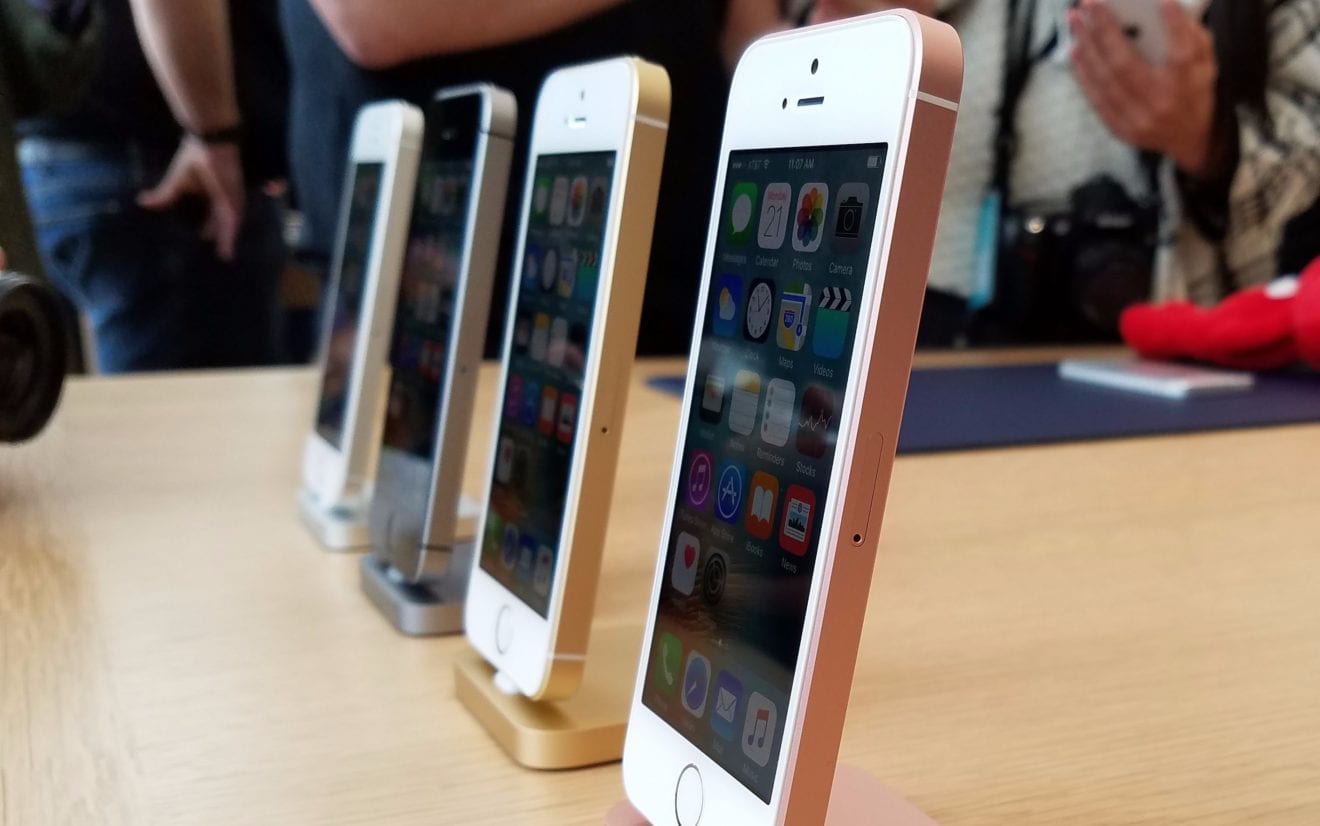
    Apple Korea is going head on to Samsung on its home turf, on target to sell 2.9 million iPhones in South Korea this year, giving it a market share of about 15 per cent.

    At the end of last month it had sold 2.6 million iPhones, and is forecasting improved results for the year. Its operating profit has reached more than KRW800 billion (US$684 million) on revenue of KRW3 trillion, according to Yonhap News Agency.

    Sales of iPhones account for more than 75 per cent of Apple’s revenue in Korea, sources say. It launched the iPhone 7 in October with the opportunity to take share from market leader Samsung after its Galaxy Note 7 debacle.

    On top of that, the Cupertino-based tech company is building its first flagship retail store in Seoul, expected to be completed next November, right across the street from Samsung’s headquarters.

    Apple’s market share in Korea peaked at 33 per cent in the fourth quarter of 2014 following the launch of the iPhone 6, according to Counterpoint. Samsung and LG now have a combined market share of more than 80 per cent. LG had a 19 per cent market share in the second quarter of this year.

    South Korea and Japan, where the iPhone had more than a 50 per share for the three-month period ending October 30, are rare growth markets in Asia for Apple. Its iPhone shipments in China plunged 31 per cent to 7.5 million units in the third quarter, with market share falling to 6.2 from 10.3 per cent, according to Strategy Analytics.

    Apple reportedly reduced orders from component suppliers for its iPhone 7 models early this month because of demand being weaker than expected in many markets, including China.

  • Huawei, LG U+ achieve 31Gbps peak in 5G tests

    Huawei, LG U+ achieve 31Gbps peak in 5G tests

    Huawei and South Korea’s LG U+ have completed a series of joint 5G tests based on three commercial scenarios – enhanced mobile broadband, ultra-reliable low latency communications (uRLLC) and massive machine-type communications (mMTC).

    The various tests achieved a cell peak rate of 31Gbps on high-frequency bandwidth and Massive MIMO, as well as latency under 0.5ms and mMTC single-cell massive connections.

    During the test procedures the two companies also verified key 5G New Radio technologies, including simultaneous use of short transmission time intervals and filtered orthogonal frequency-division multiplexing (f-OFDM), as well as sparse-code multiple access (SCMA).

    Huawei and LG U+ signed an agreement in July 2015 to jointly develop 5G technologies. The companies had already opened a joint R&D lab in Seoul dedicated to research into LTE-A and 5G.

    “LG U+ is dedicated to creating new better life for our customers through maximized value and improved experience,” LG U+ VP Kang Jung Ho said.

    “We hope to provide the availability of 5G services for Korean users by 2018, and Huawei’s innovation insights and accumulated expertise will help us in achieving this goal.”

    Huawei VP for wireless networks Gan Bin added that the companies plan to strengthen their 5G collaboration in the future.

  • South Korea’s Woori Bank to form Vietnam unit by July

    South Korea’s Woori Bank to form Vietnam unit by July

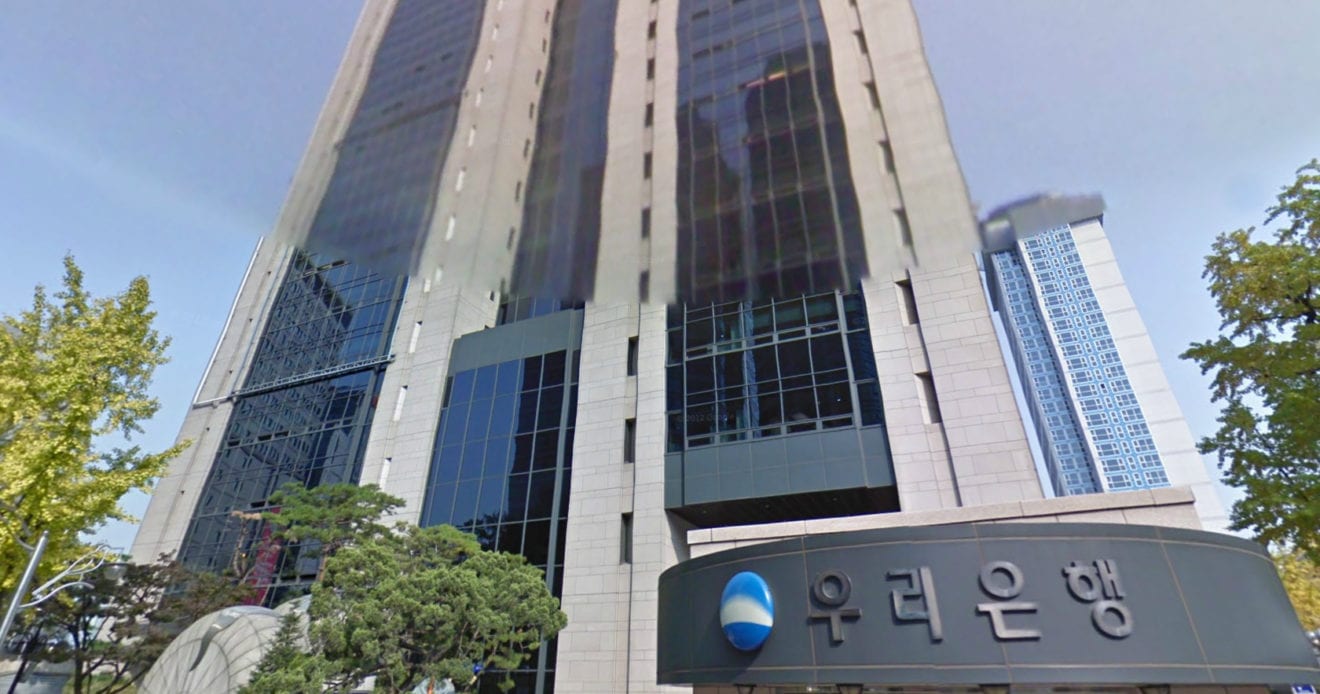
    South Korea’s Woori Bank expects to establish a Vietnam unit this month or in July, a bank official said on Tuesday, as part of the lender’s plans to expand its network in the expanding market of Southeast Asia.

    Woori Bank, South Korea’s largest bank in terms of consolidated assets as of the end of March, is awaiting approval from relevant authorities to established a wholly-owned unit in Vietnam, the official said.

    A Vietnamese banking source said the State Bank of Vietnam, the country’s central bank, was expected to grant a licence for the South Korean lender shortly.

    South Korea is now the biggest foreign investor in Vietnam, with large investments placed to turn it into a Southeast Asian production hub by Samsung Electronics Co Ltd and LG Electronics Inc.

    Other major Korean companies in Vietnam include Kumho Construction, Posco group, Hanjin Logistics and Kumho Tire.

    A free trade agreement between South Korea and Vietnam that came into effect last December gives more incentives for Korean firms to invest.

    Woori Bank’s Vietnam unit, once licensed, would most likely be a vehicle to expand South Korean investment in a country where it has been limited to operating two branches. Other competitors include HSBC, ANZ, Standard Chartered Bank as well as Shinhan Bank.

    With the expected approval, Woori Bank would seek to strengthen its localised service to Vietnamese retail customers through channels including its mobile banking platform Wibee Bank and chat app Wibee Talk.

  • Multi-brand Korean cosmetic shops thrive

    Multi-brand Korean cosmetic shops thrive

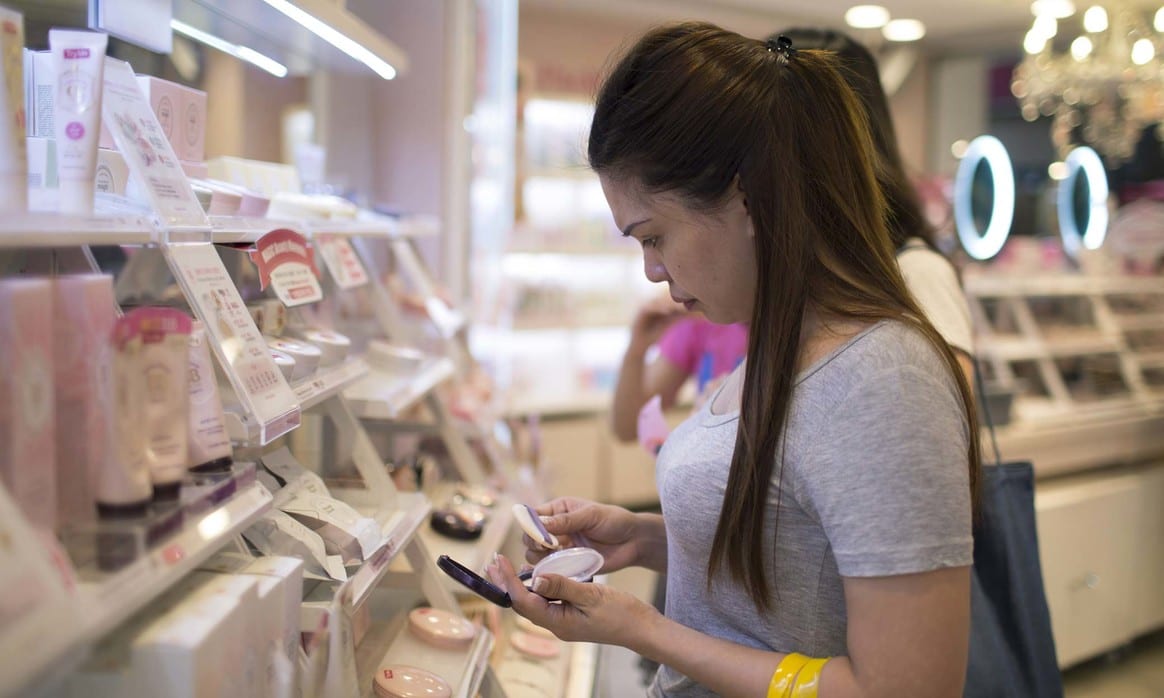
    Korean cosmetic shops that sell various brands under one roof have steadily expanded their presence across the country, giving sophisticated customers more options, according to industry sources.

    AmorePacific, South Korea’s No. 1 cosmetic company, operates about 1350 multi-brand stores, called Aritaum nationwide, which offer a wide selection of its products, including such mass brands as Laneige and IOPE. The company also operates single brand shops such as Innisfree and Etude House in the lower-end and Sulhwasoo and Hera in the higher-end segment as part of a two-track strategy.

    Also showcasing multi-brands are beauty and health care stores, such as CJ’s Olive Young and its smaller rival Watsons, which have expanded and enjoyed growing popularity among urban youngsters.

    To catch up with the latest trend, local cosmetic companies have launched multi-brand cosmetic shops in major retail strips.

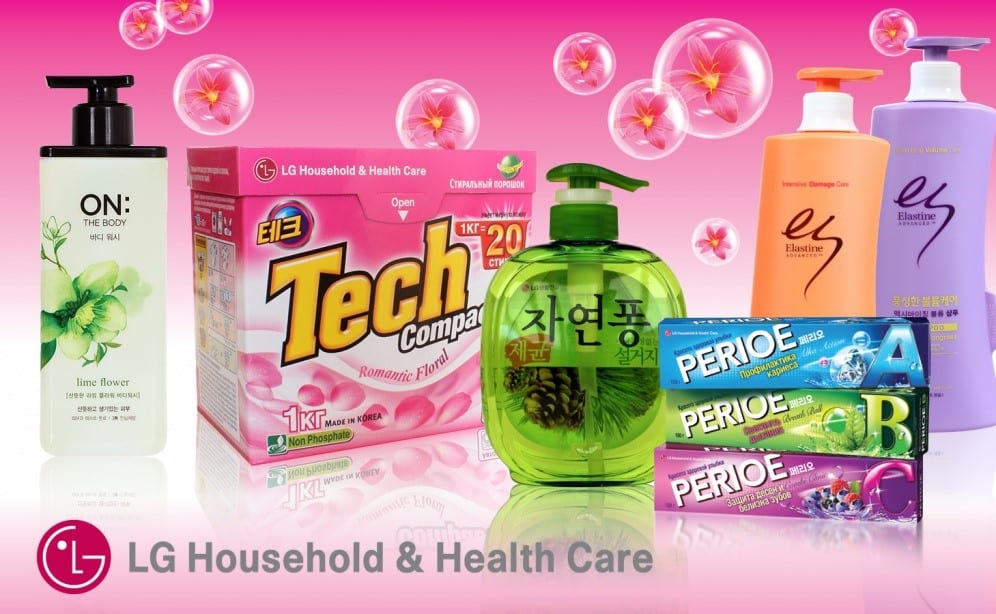
    LG Household & Health Care Ltd., the nation’s second-largest cosmetic maker, launched a multi-brand shop called Nature Collection, in February, operating 11 stores in major retail strips in Seoul. The store features brands that focus on a natural look, including The Face Shop and Beyond.

    “Nature Collection is promoted through word-of-mouth, with various products and promotional events,” a company spokesman told Yonhap news service.

    Able C&C, which created the boom for the single brand shop with Missha, has recently opened a multi-brand shop called Beauty Net on a popular street in Seoul to display a wide range of select products.

    Beauty Net Korea store

    Industry officials say multi-brand shops are effective in improving customer convenience and brand management and promotion, providing easier access to new brands.

    “Expansion of these multi-brands provide the other brands with more chances to be introduced to customers,” said an Able C&C spokesman.

  • South Korea’s industrial landscape shifts from manufacturing to service

    South Korea’s industrial landscape shifts from manufacturing to service

    South Korea’s industrial landscape has moved from manufacturing to service-driven businesses over the past decade as the shipbuilding and construction sectors have suffered from a prolonged global slump, data showed Monday.

    The top five sectors of the nation’s 100 largest companies by market value in 2015 were in the service, petrochemical, construction, IT and retail industries, according to the data compiled by market researcher CEO Score.

    In 2006, shipbuilding, engineering, construction, tech and petrochemicals were the five pillars of Asia’s fourth-largest economy, they showed.

    Domestic consumption-related industries grew at the fastest pace over the past 10 years as the global economic slowdown has weighed on the country’s key exporters such as shipbuilders and builders.

    The number of service companies doubled to 10 in 2015, and retail companies rose from four in 2006 to seven in 2015.

    In contrast, tech and shipbuilding companies each decreased from eight to seven over the period.

    LG Household & Healthcare Ltd., South Korea’s second-largest cosmetic company, was the top earner among all companies on the back of the growing popularity of its beauty products in China.

    The shift in South Korea, an export-oriented economy, was more drastic than other advanced nations.

    In the United States, medical companies held firm ground with 17 among the top 100 companies over a period of 10 years, while IT and auto companies remained as the key industries in Japan, the researcher said.


  • LG Claims No Layoff Plan in Indonesia

    LG Claims No Layoff Plan in Indonesia

    President Director of PT LG Electronics Indonesia Jaeyoung Lee has confirmed that there is no plan for layoff (PHK) at its two factories in Indonesia. “The economy is stabilizing and has shown signs of improvements and we will survive,” he said on Tuesday evening during the 2016 LG InnoFest Asia, at Grand Hyatt Hotel, Seoul.

    Lee’s statement was made in response to the decision of two Japanese electronic manufacturers, Panasonic and Toshiba who recently have been restructuring and merging their factories in Indonesia. “We have other strategies, one of them is by strengthening our brand and entering non-conventional markets, such as ultra premium market.”

    Lee is also optimistic that, to date, the company is still dominating the domestic market of electronic sales. “LG Indonesia’s contribution to global market is around 4-5 percent. It’s substantial,” he said.

    In Indonesia, LG produced refrigerators, washing machines, air conditioner, televisions and audio-video devices as well as monitors. “Products from the factory are exported,” Lee noted.

    Toto, one of the sales representatives of LG products in Medan, is optimistic that the phenomena occurred in Panasonic and Toshiba would not happen in LG. “See, we can hold an event [LG InnoFest] of this magnitude,” he said to Tempo.

    Toto added that, LG’s step to make innovation by launching new products which targets ultra premium consumers also shows that the company’s performance is good. “The logic is that layoffs would not happen if the company is still performing.”

  • Korea’s Samsung and LG TV Prices Are 2~3 times Expensive than Those of USA’s

    Korea’s Samsung and LG TV Prices Are 2~3 times Expensive than Those of USA’s

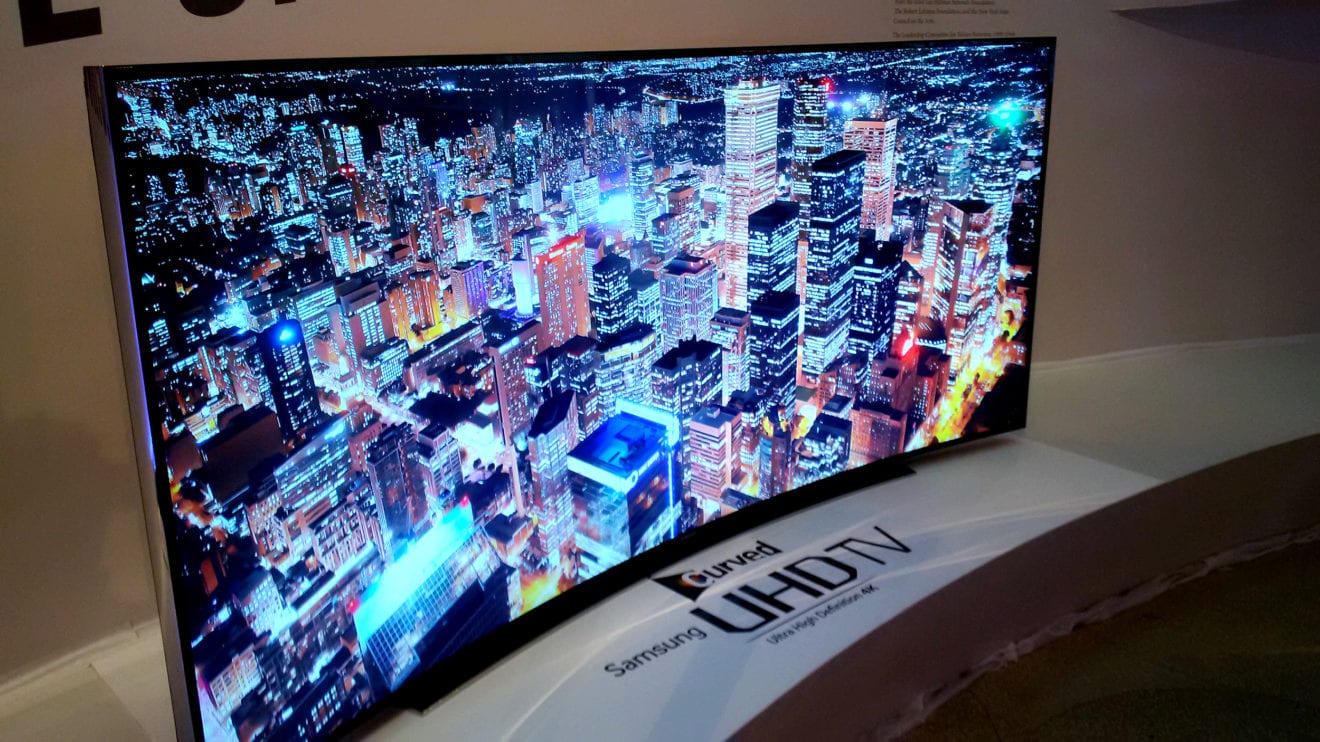
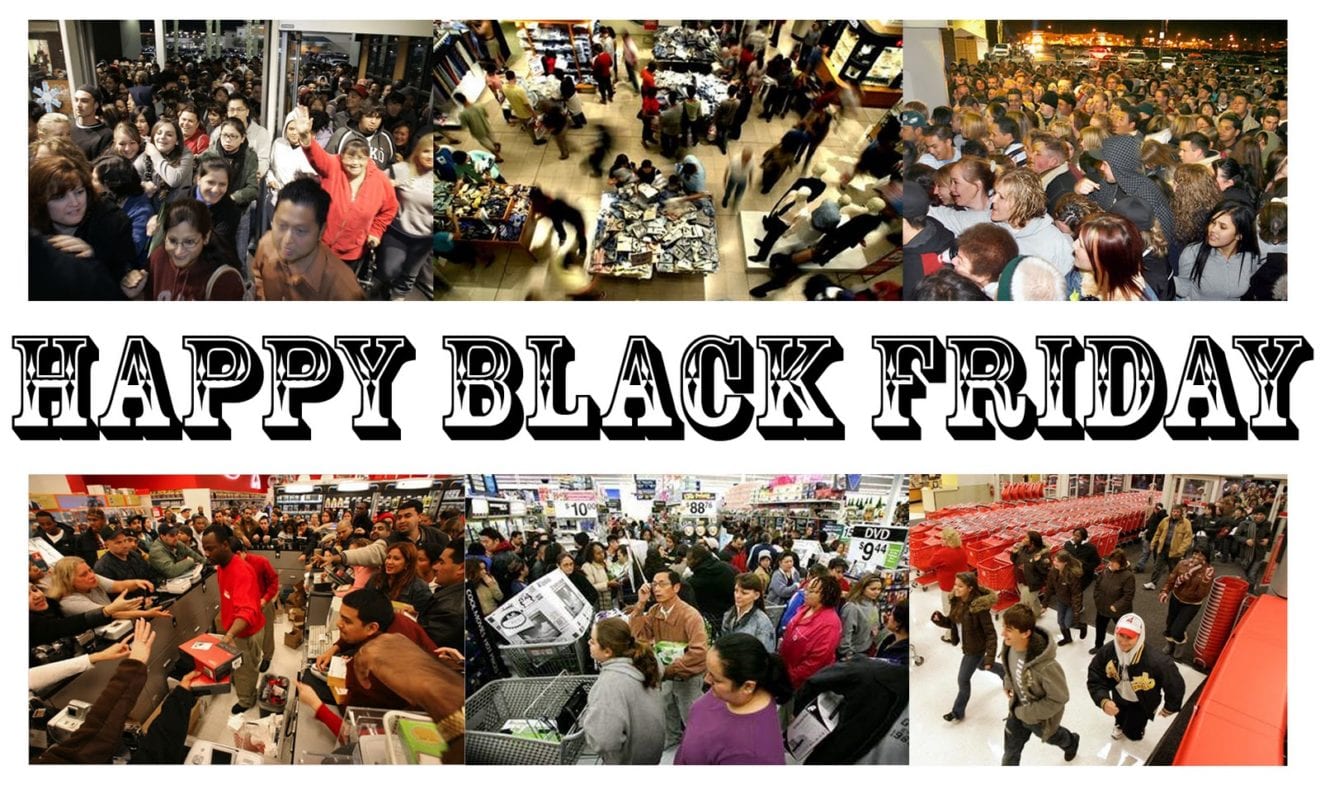
    During the Black Friday event in the United States in November 2015, Samsung Electronics’ 55-inch SUHD TV was sold at a price of 1.15 million won. This was when it was sold at a price of around 3 million won at retail stores in Korea.

    LG Electronics’ 65-inch UHD TV was sold at a price of around 5 million won in domestic consumer electronics stores, much higher than its U.S. price of 2.43 million won.

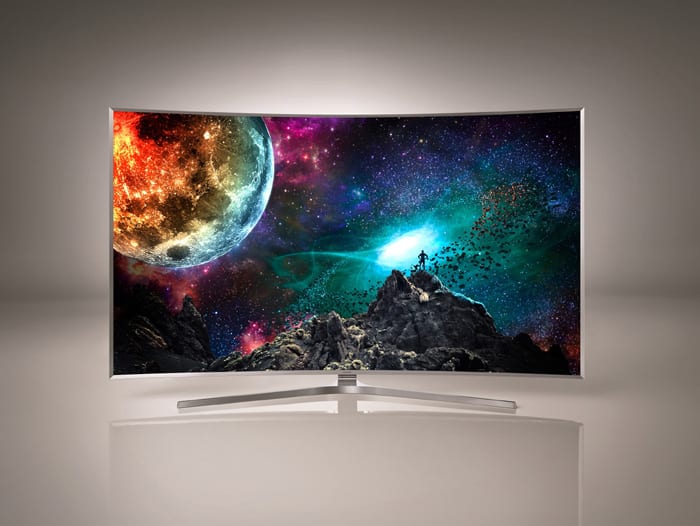
    Samsung SUHD_JS9500

    The prices of consumer electronics items are staying high in Korea. The average domestic sales prices of TVs, smartphones, laptop computers, tablet computers, vacuum cleaners, and coffee makers are higher than those of major industrialized countries, including the United States, Germany, and Japan. This is the background behind last year’s 20-percent increase in Koreans’ online purchase of foriegn products.

    Most of Korean home electronics items come equipped with “excessive features.” Unlike major foreign home electronics companies which focus on core functionalities, Korean counterparts are raising the prices of their products by adding a variety of high-end specs.

  • Latest products from China are better than ever

    Latest products from China are better than ever

    Chung Chang-mook recently bought a Tunland pickup truck, made by Chinese automaker Foton. At 33 million won ($27,951), the Tunland is more expensive than local competitor Ssangyong’s Korando, which runs between 21 million won and 28 million won. But Chung liked the fact that Tunland can hold up to 9,000 kilograms (19,841 pounds), which is more than double the capacity of the Korando.

    Tunland entered the local market in October and has already received over 200 preorders, according to an auto industry insider. “We set the sales target at 3,000 in 2016,” said a spokesman for Daewoong Auto, which manages Tunland’s sales in Korea.

    The pickup is just one example of the way in which companies from China, which are making higher-quality consumer goods than ever before, are poised to succeed in Korea.

    Perhaps the most widely recognized case is electronics maker Xiaomi. Once dubbed the “mistake of China” for its ambition to change the negative perception of Chinese goods by offering top-tier products at rock-bottom prices, Xiaomi now has Korean retailers clambering to become official distributors of its popular smartphones when it sends representatives to Seoul next month. Currently, Xiaomi products are imported to Korea independently by small and medium-sized trading companies.

    “Whoever wins an official deal with Xiaomi will be able to make a huge profit,” a retail industry insider said. “We are just waiting for them to contact and choose us.”

    “Chinese manufacturers are spending more money on research and development and getting rid of pre-existing notions about the low quality of goods from the mainland,” said Cho Cheol, a director at the Korea Institute for Industrial Economics and Trade’s auto department. “A growing number of local consumers now thinks Chinese products are worth what they have paid for them.”

    Xiaomi is adding TVs to that list, with a local importing company recently receiving certification from the National Radio Research Agency to sell Xiaomi’s 40-inch model.

    Xiaomi’s TV is currently 50 percent cheaper than similar models by local manufacturers including Samsung and LG – and that’s worrying to some.

    “It’s significant because Xiaomi has expanded its market from accessory items to actual home appliances,” an employee of a local TV manufacturing company said. “We are discussing how to compete with its mid to low-priced products.”

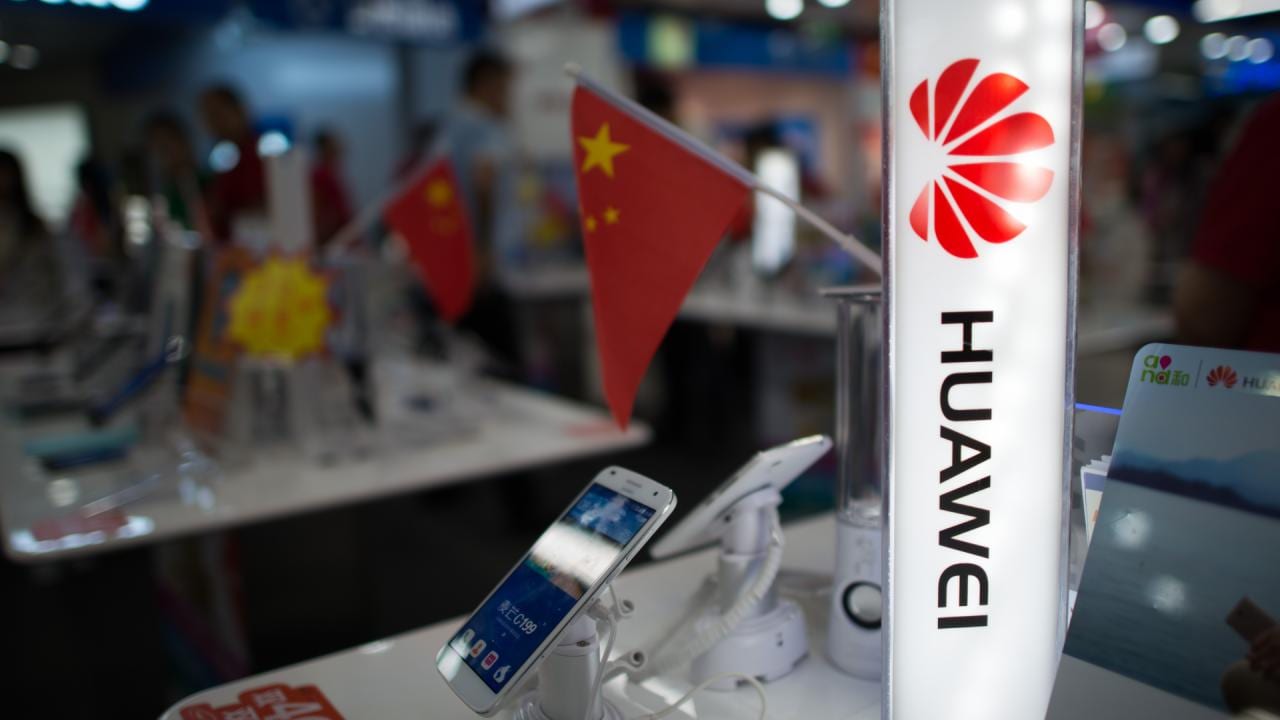
    Other Chinese companies are making similarly expansionary moves. Most recently, Huawei began distributing its Y6 smartphone on the local market through LG U+ on Tuesday. The Y6 allows its customers to make free phone calls when connected to Wi-Fi, boasts a 360-degree panorama camera and includes face-recognition technology – all for 154,000 won, making it the cheapest smartphone in the local market.

    “More and more consumers are appreciating Huawei products’ low prices, and that’s why we’re doing business with the company,” a spokesman for LG U+ said. “This smartphone is actually free of charge when you take into account government subsidies.”

    Syma’s drones, Novelview’s Bluetooth speakers and UNIC’s micro-projectors are also very popular in Korea, and many Koreans have dubbed them “mistakes of China” as well.

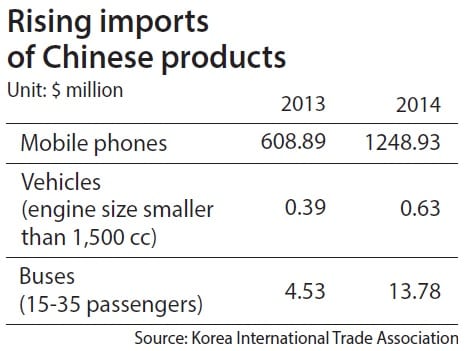
    Chinese auto brands are growing in popularity, too. China’s Sunlong Bus entered the market in 2013 and sold 100 buses that year. Since then, it has sold about 550 in Korea. Other automakers are preparing to enter the Korean market as well.

    But this is just the beginning. The Chinese government have announced new initiatives to boost the economy, such as “China Manufacturing 2025” in May. The plans lay the groundwork for the nation to further develop as a global manufacturing superpower.

    But it’s not just advances in production that are worrying Korean companies – it’s also the narrowing of the technological gap in the IT industries of the two countries. Korean manufacturers had a 2.4-year lead over Chinese companies in 2012, but that has been narrowed to 1.8 years as of last year, according to the Korea Institute of S&T Evaluation and Planning. In the energy industry, the gap is only a year, and China now leads in the aerospace industry.

    “The government needs to ease regulations in order for industries to increase the amount they spend on R&D,” said Han Jae-jin, a researcher at Hyundai Research Institute. “Manufacturing companies also have to reform themselves [to compete].”


  • Question mark hangs over South Korea’s discount spree

    Question mark hangs over South Korea’s discount spree

    People love bargain deals. Clearance sales with 80 percent or more off can even lure customers in to buy things they don’t need.

    That’s why retailers offer “door buster” deals when they need to handle rising stockpiles or attract customers during holiday shopping seasons, such as “Black Friday”, the biggest shopping day of the year in the United States.

    On top of seasonal sales and occasional promotions, major South Korean retailers have been holding a series of big discount events since summer to create an intense, promotion-heavy atmosphere through the Christmas season and beyond.

    The discount binge has indeed given a fillip to consumer spending here, but market watchers question its long-term effect as a slowdown in Asia’s fourth-largest economy has led to lower incomes for many people, prompting them to tighten their purse strings.

    Most recently, “K-Sale Day” kicked off last week to run for 26 days nationwide, led by major department stores and outlets that hope to grab shoppers’ attention ahead of the original Black Friday.

    It came just a month after “Korea’s Black Friday”, a nationwide shopping campaign initiated by the government during the first two weeks of October to jack up the stagnant domestic consumption.

    The government-led event even overlapped with “Korea Grand Sale”, during which retailers knocked down prices from early September to mid-October to woo back both domestic consumers and Chinese travelers during the long-haul national holiday.

    One of the main reasons for the deluge of sales is the summer slump following the outbreak of Middle East Respiratory Syndrome (MERS) in late May, which poured cold water on domestic spending and dented tourist numbers.

    More fundamentally, however, the seemingly never-ending sale is seen as an early sign that South Korea is heading into a recession.

    “Although the domestic economy has long grappled with sluggish consumption, the government is ever more concerned about weak spending after exports showed signs of slowing,” Ko Ga-young, a researcher at LG Economic Research Institute, said.

    “Exporters in the manufacturing sector had propelled the growth until the 2008 global financial crisis, but their prospects remain bleak due to slowdown in the Chinese economy and tougher global competition in the low-end manufacturing sector.”

    Although policy makers had expected that low oil prices and record-low interest rates would boost the economy this year, the fallout from the MERS outbreak prompted the government to lower its 2015 growth forecast from 3.8 percent to 3.1 percent in June.

    The discount events, held both online and offline, did not create much buzz like Chinese e-commerce giant Alibaba’s “Singles Day”, which recorded a blockbuster $14.3 billion in sales on Nov. 11, but the steep discounts did serve as the spending trigger for pent-up demand in a short period of time.

    According to the data compiled by the industry ministry, the 22 retailers that joined the Black Friday Korea campaign saw their sales rise 20.7 percent on-year to 719.4 billion won (US$634.9 million) during the two-week period.

    While the government touted its “successful effort” in reviving the consumer sentiment, the market remained skeptical over the growth from last year’s low base during the extended holiday season.

    “Large department stores and discount chains face an unfavorable business environment because massive sales events and permanent discount policy produced a limited effect despite last year’s low base,” said Nam Sung-hyun, a researcher at Kiwoom Securities.

    Unlike a one-off factor like the viral disease, market watchers worry that the tight labor market and rising household debt could continue to discourage people from spending on concerns over their unstable future.

    The youth jobless rate reached the highest level in 15 years at 10.1 percent in June with more college graduates landing at temporary positions, while the average consumption propensity dipped to a record low 71.5 percent in the third quarter, according to Statistics Korea.

    “The consumption propensity is expected to further decline because households are managing their spending schedule in line with the bleak long-term growth prospect and extended life span,” Ko said.

    Brick-and-mortar shops face an even dimmer outlook as more consumers are hunting for bargains from online marketplaces abroad.

    Traditional retailers not only have to compete with each other but also counter challenges from international online marketplaces stealing their customers with easier delivery and transaction procedures.

    “As more consumers learn they can easily buy products at a much cheaper price via online vendors, offline shops are more frequently conducting discount events to retain their customers,” said Jun Mi-young, a professor at Seoul National University and co-author of Trend Korea 2016.

    “The experience of buying foreign brands at discounted prices has created a healthy dose of cynicism about department stores’ pricing policy.”

    According to U.S. No. 1 retailer Walmart’s Black Friday advertisement, South Korean tech giant Samsung Electronics’ 55-inch HDTV was discounted to $498, less than half prices for similar models sold at Korean department stores.

    Some deals even raise questions over whether retailers set a higher price from the beginning to look like they are giving discounts.

    Lotte Department Store’s K-Sale Day promotional leaflet shows that the price of German kitchenware maker Henkel’s five-star knife block set was reduced from 550,000 won to 229,000 won.

    Sounds like a good deal. But you can buy the same product below 200,000 won at several online shopping malls on any given day. The desperate efforts to grab customers with lower prices, however, come at a price.

    As sales start earlier and last longer, they become less important and easier for consumers to ignore. When every day is special, none is.

    “I used to wait for the discount season to buy off-season clothes or other things at cheaper prices,” Lee Su-jin, a 35-year-old office worker in Seoul, said. “These days, I use mobile applications to buy refurbished products or find good deals at overseas websites.” While the discount pricing strategy is useful in driving traffic and sales for a short term, marketing professionals worry repeated sales could negatively affect the retail industry in the long run.

    To survive in the borderless digital commerce world, they advise brick-and-mortar shops to come up with differentiated services to increase customer loyalty.

    “As the rise of digital shopping has become an inevitable trend in the retail industry, offline sales channels should seek ways to provide better in-store experiences and quality service,” Jun said. “Squeezing margins is not a sustainable business model.”

    Experts emphasize the government’s role in setting a long-term policy to manage the record-high household debt and steer the economy clear of such economic uncertainties as China’s slowdown and market jitters over a U.S. rate hike.

    “The government should control the pace of the household debt growth so it does not rise faster than the income growth, which could further contract spending,” Ko said. “Structural reforms are also needed to foster new value-added service sector for healthier growth.”