Retail News CRM

Tag: lg

  • LG’s wearable robot does the heavy lifting

    LG’s wearable robot does the heavy lifting

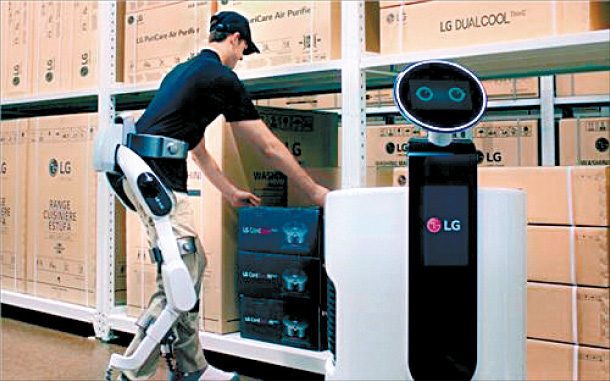
    LG Electronics said Thursday it will showcase a wearable robot that can help workers lift and move heavy objects easier at an upcoming tech exhibition in Germany.

    The electronics company said the CLOi SuitBot will be unveiled to the public at the Internationale Funkausstellung (IFA) Berlin, which kicks off next week.

    LG Electronics said the wearable robot, which strengthens the legs and lower body, will help users enhance their physical strength at construction sites and factories, along with other everyday activities. The device can also assist those with physical impairments.

    The company applied artificial intelligence technology to the robot to analyze the surrounding environment and alert users of potential threats.

    The CLOi SuitBot also stands out from other wearable robots as it is more comfortable and can be worn easily.

    LG said it will continue to expand its research into robotics to help people overcome their physical limitations. Last year, the company bought shares in SG Robotics, a South Korean developer of wearable robots.

    The SuitBot adds to LG’s portfolio of CLOi machines. The company earlier introduced various products for different purposes, including navigation, cleaning, mowing lawns, serving and shopping.

    LG said its CLOi brand aims to provide users with clever robots that run on what it calls “operating intelligence.”

    The company has not yet announced the detailed date for the release of the CLOi SuitBot.

    The Korean tech giant has been forging ties with various partners around the globe to bolster its robot business, including robot developer Robotis, AI start-up Acryl, U.S. robot maker Robostar and Bossa Nova Robotics.

    LG said it will continue to develop more robots for household and commercial purposes.

  • LG gets fancy with new Signature smartphone

    LG gets fancy with new Signature smartphone

    LG Electronics is rolling out a limited-edition luxury smartphone that costs nearly 2 million won ($1,790).

    The smartphone under the Signature brand name – a second edition after an earlier model released last December – will be available for preorder for two weeks starting today and begin offline sales in Korea on Aug. 13. It will carry a price tag of 1,999,800 won and only 300 units will be available. Signature is LG’s brand of top-notch home appliances including refrigerators and washing machines.

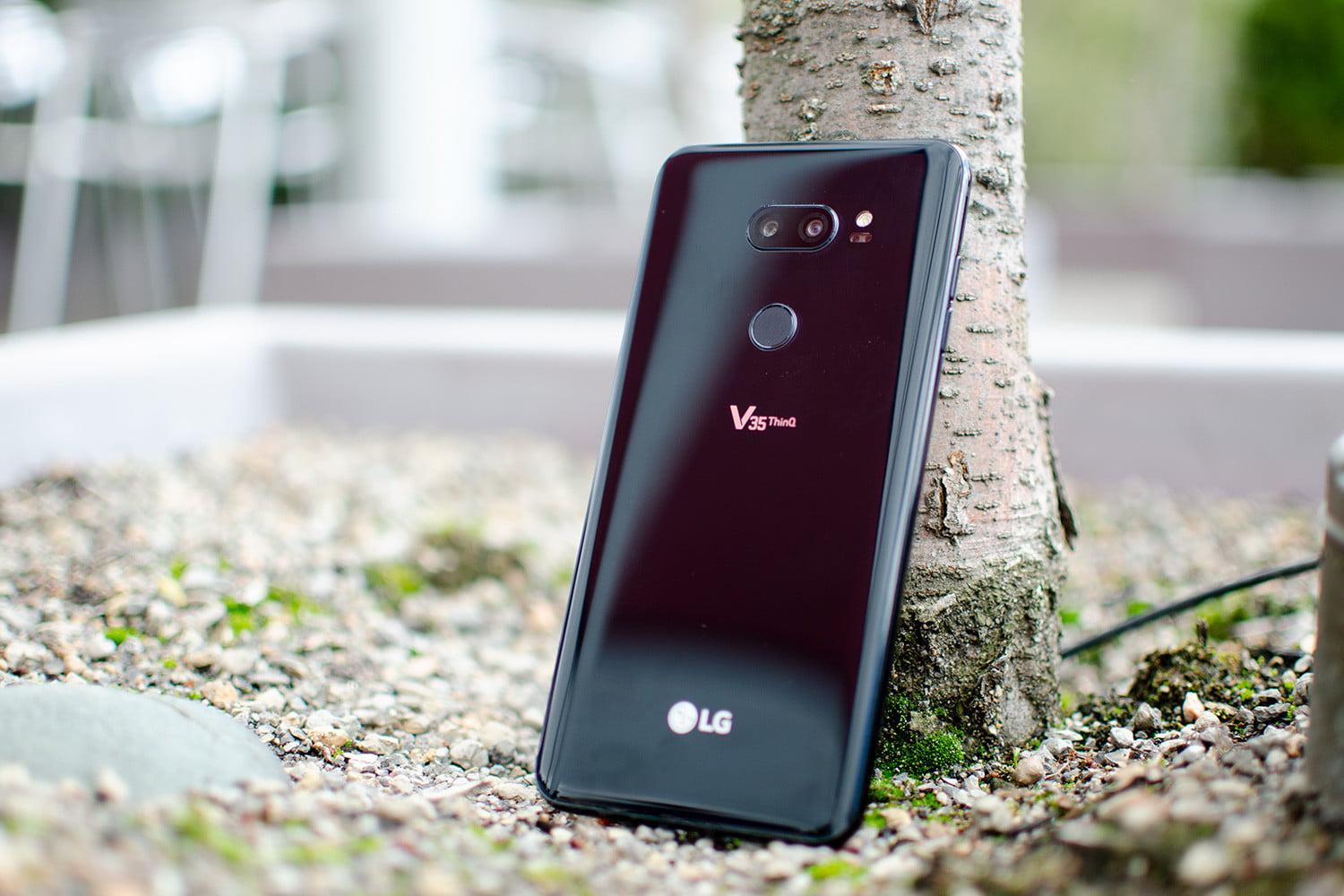
    The pricey phone, based on the form factor of their V35 flagship smartphone, is wrapped in Zirconium Ceramic, a special material that cannot be scratched. The highly sophisticated material is difficult to manufacture and is typically used for luxury watches. The device, with 256 gigabytes of storage and 6 gigabytes RAM, runs on the Android Oreo operating system.

    “We will provide extraordinary value not only in terms of functions but also design and after-sales services,” said Choi Sang-gyu, head of domestic sales at LG Electronics.

    Prospective users will have to buy the phone first – either online or at offline stores run by LG – and then find a mobile operator to subscribe to, as the device won’t sell directly through any of Korea’s three carriers.

    Customers can have their name engraved on the back of the device or on a leather case. Beoplay H9i wireless over-ear headphones, worth as much as 700,000 won, come with the phone.

    The first generation sold out at the end of last year and LG says it found potential in the hyper-premium market.

  • LG takes the wraps off of X2 budget phone

    LG takes the wraps off of X2 budget phone

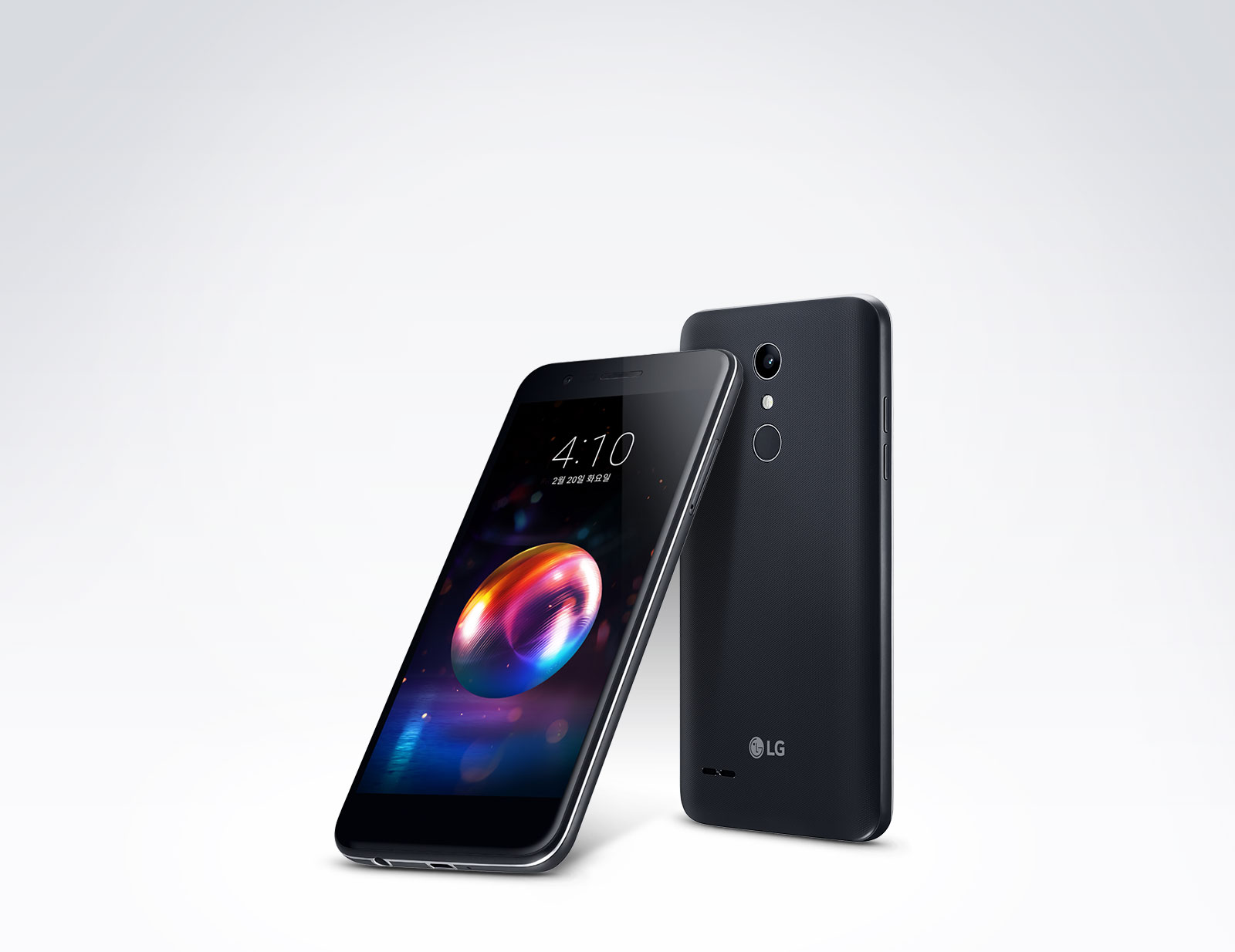
    LG Electronics on Thursday unveiled its budget LG X2 smartphone, which comes with a 5-inch HD screen and will be distributed through local mobile carriers.

    The company said the LG X2 will come with a price tag of 198,000 won ($176) and have an Auto Shot feature that automatically recognizes faces when taking selfies.

    The smartphone will have an 8-megapixel camera on the back along with a 5-megapixel camera on the front. Its battery capacity will be 2,500mAh.

    LG Electronics, which has been suffering from losses in its mobile business, claimed that the release of the new budget model will help the company reach out to a wider range of consumers.

    The company released its flagship LG G7 ThinQ model earlier this year, along with the LG V30S ThinQ, which came with stronger artificial intelligence features.

    In 2018, LG also introduced the LG X4 and LG X4 Plus with more affordable price tags, along with the LG X5, which has a large battery capacity of 4,500mAh. The company released the LG Q7 and Q7 Plus, too.

    The company said it aims to continue rolling out various smartphones with strong durability and improved features.

    LG’s mobile operations have effectively posted operating losses for 12 consecutive quarters as of the January-March period this year. It did manage to report an operating profit in the first quarter of 2017 through an adjustment by reflecting returns from its accessories business. LG originally said it posted a loss for the period.

  • LG Group chairman dies at 73

    LG Group chairman dies at 73

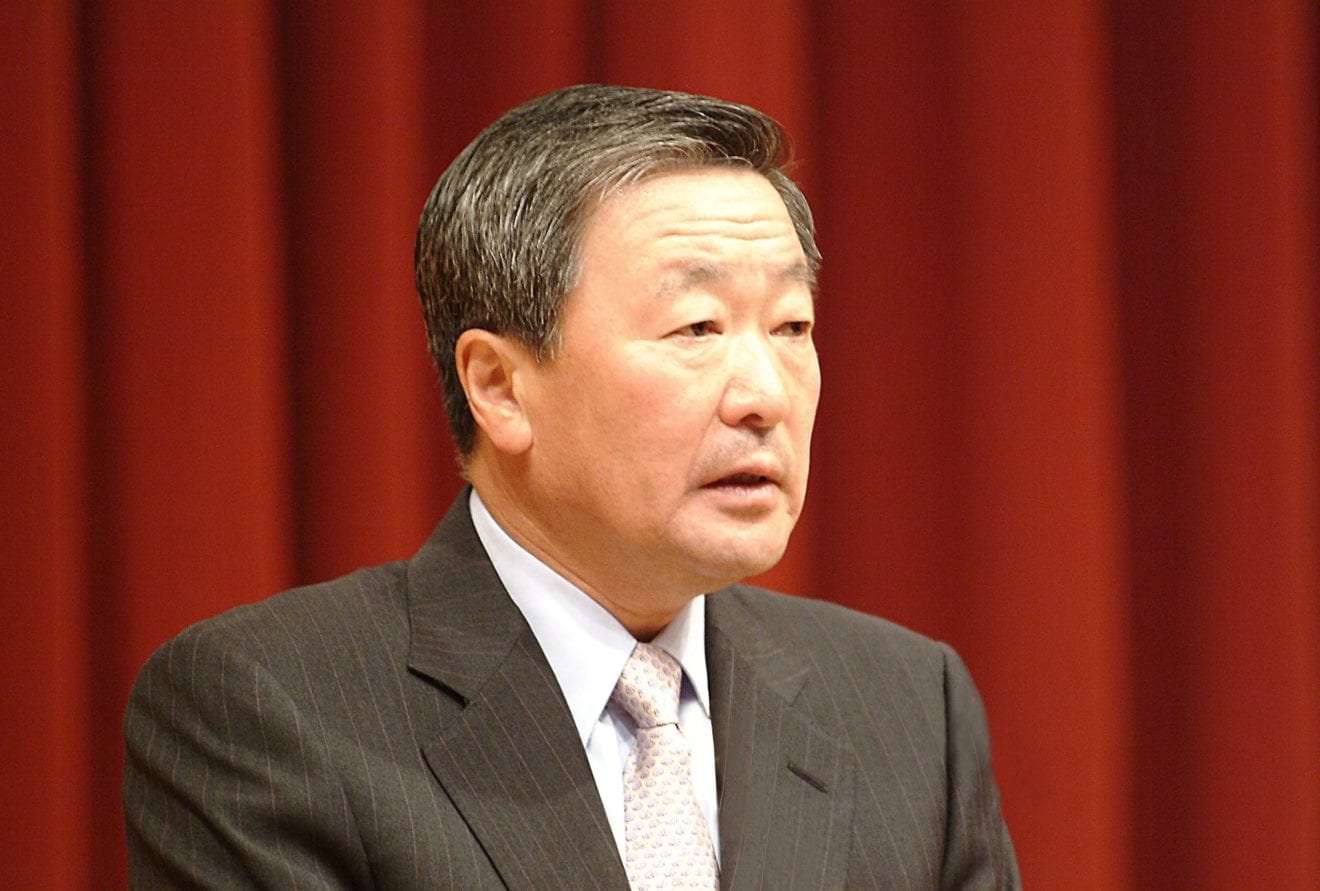
    Koo, 73, had been ill for a year, LG Group said in a statement.

    Koo had been fighting a brain disease and had undergone surgery, said a group official who declined to be identified.

    “Becoming the third chairman of LG at the age of 50 in 1995, Koo established three key businesses – electronics, chemicals and telecommunications – led a global company LG, and contributed to driving (South Korea’s) industrial competitiveness and national economic development,” LG said.

    LG Group also established a holding company in order to streamline ownership structure and to begin the process of succession.

    The country’s powerful family-run conglomerates are implementing generational succession amid growing calls from the government and public to improve transparency and corporate governance.

    LG Corp (003550.KS), a holding company of the conglomerate, had said on Thursday its longtime chairman was unwell and it planned to nominate his son to its board of directors in preparation for a leadership succession.

    Heir apparent Koo Kwang-mo is from the fourth generation of LG Group’s controlling family. He owns 6 percent of LG Corp and currently heads LG Electronics’ information display unit.

    He joined the finance division of LG Electronics in 2006 and has been involved in several businesses such as appliances, home entertainment and group strategy, LG said.

    The late chairman adopted Koo in 2004 from his younger brother Koo Bon-neung after his only son died in a car accident.

    The change at the helm is not expected to be disruptive to the group’s business, one analyst said.

    “Although Koo passed away at a relatively early age, his son has already been in a senior position and I don’t think there will be a big change in governance structure or strategic decisions,” said Park Ju-gun, head of corporate analysis firm CEO Score.

    Under Koo’s leadership, the conglomerate changed its corporate brand to LG from Lucky Goldstar and sold LG’s semiconductor business to Hyundai, now SK Hynix Inc (000660.KS), under government-led restructuring in the wake of the Asia financial crisis in the late 1990s.

    Major affiliates are LG Electronics Inc (066570.KS), display maker LG Display (034220.KS) and electric car battery maker LG Chem (051910.KS).

    South Korean prosecutors said this month they raided LG Group’s head office as part of a probe into alleged tax evasion by family members controlling the conglomerate.

    The company said Koo’s funeral would be held privately with family members. Visitors including Samsung Group heir Jay Y. Lee have paid their condolences at his altar.

  • LG U+ teams with Netflix to promote unlimited mobile plan

    LG U+ teams with Netflix to promote unlimited mobile plan

    To promote its unlimited mobile data service, South Korea’s LG U+ has entered an agreement with Netflix to offer three months’ free service to customers signing up until the end of June.

    LG U+ launched what it says is the South Korean market’s first truly unlimited (non-speed capped) LTE mobile data plans in February.

    As a promotion for the unlimited services, eligible customers signing up to the unlimited high-speed mobile data plan will be given a complementary three month subscription to Netflix.

    The subscription covers Netflix’ basic plan, which allows for streaming of HD content on up to two screens simultaneously, as well as the ability to resume watching a show or movie from where they left off while switching devices.

    The unlimited data plan also allows users to share up to 40GB of data per month with family members or friends.

    “After introducing the unlimited high-speed data plan, we are continuously enriching our content offering, such as the recently-launched U+ Professional Baseball and U+ Golf, so that users can maximize their joy from the plan,” said LG U+ director of marketing Nam-soo said. “This promotion with Netflix further benefits customers under this plan.”

    The deal could meanwhile help Netflix further build traction with its South Korean operations. Netflix first entered the Korean market in 2016 and has been building a line-up of original Korean programming.

  • LG bought Avon Products Japan

    LG bought Avon Products Japan

    South Korean cosmetics and household goods maker LG Household & Healthcare says an affiliate will buy a Japanese cosmetics firm for ¥10.5 billion (US$97.6 million).

    Ginza Stefany Inc, based in Japan, will take a 100 per cent stake of Avon Products, founded in 1968.

    The company’s sales reached KRW100 billion ($93 million) in it latest fiscal year.

    The acquisition is the Korean cosmetics giant’s latest move to strengthen its foothold in Japan after buying Ginza Stefany in 2012 and Everlife the following year, reports Yonhap News Agency.

    “Based on Avon’s credibility in Japan and its five decades of relationships with local companies, LG Household & Healthcare would like to overcome possible obstacles in expanding business there,” says the company.

    Meanwhile, LG has had record earnings for this year’s first quarter. Its new profit of KRW196.4 billion was  8.8 per cent up from a year earlier. Sales rose 6.5 per cent to reach KRW1.7 trillion, and operating profit was up 9.2 per cent to KRW284 billion.

    On the back of the robust earnings, the company says it will invest KRW389.3 billion by March 2020 to expand its production lines and build a logistics centre in Cheongju, central South Korea.

  • K-beauty eyes Middle East

    K-beauty eyes Middle East

    The political tension between Seoul and Beijing has eased after a summit between the two leaders during the APEC Summit, but K-beauty companies are diversifying their overseas operations instead of returning to the Chinese market.

    Supermarket chain E-mart said  that it has signed a franchise deal with Saudi Arabia’s largest retailer Fawaz Alhokair. Under the contract, E-mart is set to sell its cosmetic brand Sentence at Fawaz Alhokair shopping malls.

    Fawaz Alhokair operates 21 shopping malls in Saudi Arabia, and E-mart said it will open one Sentence store in the Riyadh and Jeddah malls by March. Another four more stores are expected to be opened by the end of 2018.

    The nation’s largest cosmetic company AmorePacific also plans to open its first Middle Eastern store in the United Arab Emirates in January while preparing to open others in Saudi Arabia and Kuwait.

    AmorePacific signed a partnership deal with the Middle East’s largest retailer Alshaya Group.

    LG Household & Healthcare has already entered the Middle Eastern market. It now operates more than 60 The Face Shop stores in Saudi Arabia while another K-beauty brand Tonymoly has opened five stores in the country, including two in Jeddah and one in Riyadh.

    Market researchers say their surging interest in the Middle East is attributed to the market’s growth potential.

    London-based consultancy Euro Monitor said the Middle East cosmetic market was worth 19.5 trillion won (US$18 billion) in 2015 but is expected to reach 39.1 trillion won by 2020. The figure is double the average growth rate of the world’s cosmetic market.

    Likewise, Korean cosmetic firms’ exports to the market have soared.

    According to KOTRA, Korean firms exported only 150 million won worth of cosmetic products to the Middle East in 2008. The figure, however, jumped to 40.1 billion won last year, a 265-fold increase over eight years.

    “The cosmetics market in Saudi Arabia has grown 10 percent a year on average for the last decade. This is one of the most rapidly growing cosmetic markets in the world,” an E-mart official said.

    “Korean cosmetic products are expected to enjoy good sales there thanks to booming Hallyu popularity.”

  • South Korea eyes artificial intelligence partners in BC

    South Korea eyes artificial intelligence partners in BC

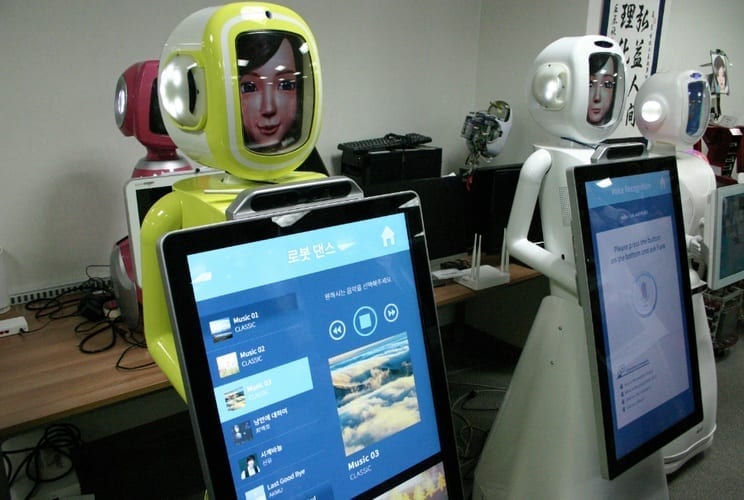
    Future Robot’s latest model at the company’s headquarters in Seongnam, near Seoul, South Korea. The company creates “social AI”: robots that interact with people by interpreting emotional responses, either through facial expressions or tone of speech, and then respond with emotive answers | Chuck Chiang

    At Seoul’s Incheon International Airport – one of the world’s largest international flight hubs – two new “stars” are capturing the attention of passengers who cross their paths.

    They’re not stars of “K-pop,” South Korea’s increasingly ubiquitous cultural exports of boy bands and girl groups that are now household names in most of Asia. Rather, they are robots – one that guides passengers to their flights by scanning their boarding passes, another a giant Roomba-like floor cleaner that asks politely, in Korean and English, to pass pedestrians in the machine’s cleaning path.

    “Where are you going? Have a nice flight!” the robot says cheerfully when a passenger leaves the view of its camera, while another group of travellers inevitably blocks the robot’s path and starts a new wave of photo-taking and hand-waving. (The scene bears a striking resemblance to one of the futuristic scenarios introduced in the Vancouver International Airport’s solicitation for public opinions for its 2037 master plan, although airport representatives said no robots are planned at this time.)

    This is the next industrial revolution as envisioned by leading observers around the world: the advent of artificial intelligence (AI) not only in people’s daily lives, but also in the overall global economy. And South Korea, deeming itself several years behind industry leaders like China and the United States, is looking for like-minded partners such as Canada to help it get back in the race.

    “It’s very hard for Canada and Korea to develop [large-scale] AI technologies in isolation from other markets,” said Kim Deogtae of the Korea Artificial Intelligence Association, who is also a university professor and president of his own AI tech firm DTWARE Inc. “But I do think that there’s an opportunity for companies on the two sides to co-operate, preferably with corresponding government support.”

    That partnership can happen in a number of ways, Kim said. Either Canadian investors can bring Korean-developed technologies like Incheon airport’s robots (made by conglomerate LG) to the North American and European markets through the North American Free Trade Agreement and the Canada-European Union Comprehensive Economic and Trade Agreement  or B.C.-based AI developers and startups can use South Korea’s market access to China, Japan and Southeast Asia to expand.

    B.C. and the rest of Canada can also be the answer for South Korea’s lack of AI-development talent. Kim said the East Asian nation struggles in that area because its traditional education system focuses on memorization rather than critical thinking.

    Canada, in turn, could be a partner in directly supplying AI developers or providing adequate space for Korean students to study the technology.

    “It is difficult to develop high-level AI in the Korean educational environment,” he said. “But Korean students are diligent and fast-learning; that is our strength. So if there’s an environment to learn AI, I believe Koreans will be fast to adopt and excel … and we have to look overseas.”

    The key, Kim said, would be to join forces to overcome each side’s smaller domestic market for sales, capital and talent when compared with the aforementioned “big two,” China and the U.S.

    There are already cases happening in other parts of Canada: a month ago, Korean conglomerate Samsung (KRX:005930) announced it will open its own AI research laboratory in Montreal after three years of working with Canadian teams.

    Major players from other countries have also started moving into Canada to mine its AI-technology talent. Google’s (Nasdaq:GOOGL) DeepMind research team – based in Great Britain – chose Edmonton as its first international lab in July. All this is happening with the backdrop of $125 million in earmarked Canadian federal funding for attracting AI development to Canada, as outlined in the federal Liberal government’s 2017 budget.

    Most of Ottawa’s effort is concentrated in three metropolitan areas: Edmonton, Montreal and Toronto-Waterloo. But one executive from a Vancouver financial technology (fintech) company that uses AI in its proprietary platform connecting lenders and borrowers said B.C. does have its niche in that sector, and it is up to B.C. companies to spearhead collaborations in markets like South Korea.

    “It’s important for anyone who’s not well known in the global market to go out and explain the model and its value proposition,” said Alex Mateesco, CEO of Lendery, which plans to open an office in South Korea to expand its lending platform to Asia.

    “I don’t think we should expect other people to know us more than what we know about ourselves. We have to do our own parts to be present internationally … because if we don’t take initiative on that market [fintech], someone else will go carve it out.”

    Focusing on a niche market to excel is a good idea for Vancouver’s AI sector, said the CEO of one of South Korea’s leading AI startups. Song Sekyong, who has built Future Robot Co. Ltd. from its launch in 2009 to a company with a market valuation of US$20 million this year, said it was able to succeed by carving out a space within AI that’s underserved by American and Chinese companies, which tend to focus on massive, cloud-storage-based systems that process an enormous amount of data over a wide network. Two examples of the latter are Google’s AlphaGo and Amazon’s (Nasdaq:AMZN) AWS.

    Song’s company, however, found its market in creating “social AI”: robots that interact with people by interpreting emotional responses, either through facial expressions or tone of speech, and then responding in kind with emotive answers. In some cases, these “soul-ware” robots even have animated faces to respond with their own emotive reactions.

    Up to 30 of these robots will be deployed at the 2018 Pyeongchang Winter Olympic Games. Other applications could include seniors care, personal organizer/living assistance and front-line customer service in various retail settings.

    “Most people think of AI as one thing,” Song said. “But that’s not true. It’s a lot more than just Amazon and Google, and there are a lot of variations within the potential market. What interests us is how we can apply AI so that people and AI live together and having the technology fill a very human need – a ‘warm’ technology, if you will.”

    Song, whose company employs approximately 35 people, is anticipating Future Robot’s valuation to double next year and hit US$100 million by 2025.

    He is also eyeing an initial public offering in a western market – again, an area that could bring Future Robot’s brand to Canada. But Song also noted that he and other AI developers are aware of some people’s fear of AI and its potential to eliminate human jobs. To those concerns, Song said it’s not that jobs will disappear with AI, but rather they will transform.

    “If you look at history, technology shifts and labour trends have always happened in tandem,” he said, noting AI will require a large number of programmers and technicians to maintain. “A robot can replace human labour, but it can’t replace a human being.”

    Lendery’s Mateesco added that any B.C. companies looking to jump into transpacific AI co-operation deals must always consider the human element to achieve market acceptance.

    “The mistake a lot of companies make is to push a technology and make it a top-down decision, which can be hard on consumers who are not ready. The point of technology is to serve people, to make lives more comfortable; so you have to let people decide what makes them comfortable.”

    [email protected]

    @BIVnews

    Note: Some interviews conducted for the story were completed at Invest Korea in Seoul, for which the reporter’s airfare and accommodations were provided by the Korea Trade-Investment Promotion Agency.
  • LG moving to acquire AI business

    LG moving to acquire AI business

    As part of efforts to expand its smart home business, LG Electronics will double its investment by 2020 including mergers and acquisitions of promising artificial intelligence tech firms, said Song Dae-hyun, head of the company’s home appliance and air solutions division.

    At a press conference held at a hotel in Berlin, Song said LG would spare no efforts to boost its smart home business and continue investing to acquire AI and Internet of Things technologies.

    “As for the AI business, inorganic growth would be more effective,” Song said.

    “LG officially seeks to acquire some AI companies. But so far, many acquisition projects fell apart due to market conditions,” he continued.

    “LG is aggressively looking for a good AI company,” he added.

    Song visited the German capital to meet with major European clients and check out latest tech trends at the IFA 2017.

    “LG was the first to add Wi-Fi to all of the home appliance lineups this year. Based on connectivity, the company will try to bring value to consumers by establishing a smart home ecosystem pivoting on AI, IoT and robotic technologies,” he said.

    Recently, LG has been increasing partnerships with Google and Amazon to apply the two IT moguls’ voice recognition platforms to LG products for global consumers.

    “We do have our exclusive voice technology, but we apply the Google and Amazon technologies in order to allow consumers to conveniently use LG products with what they prefer to use,” Song said.

    “We are now working with Google to take advantage of its database accumulated through its search engine. But we are also continuing to develop our DeepThinQ AI platform at the same time,” he added.

    The CEO added robots would be a major pillar of the smart home business.

    “We are nearing commercialization of robots. We receive orders for robots from various industries, such as shopping malls and libraries,” he concluded.

  • When tech meets beauty to create skin solutions

    When tech meets beauty to create skin solutions

    In 2013, L’Oréal Group, one of the world’s top cosmetics makers, launched an advanced skin care system for cleaning and firming for Korean women, who are known for their intensive skin care routines.

    Since then, global electronics makers, including Philips, Panasonic and Toshiba, and South Korea’s big two cosmetic firms — AmorePacific Co. and LG Household & Health Care Ltd. — have all launched various skin care gadgets.

    Their introduction of innovative beauty products comes as the niche market is expected to grow even more, with tech-savvy consumers being more willing to use them on their skin.

    According to P&S Market Research, the global beauty devices market is likely to grow from US$27.8 billion in 2016 to US$94.3 billion by 2023.

    “Introduction of new beauty devices, increasing utilization of electronic beauty devices and rising inclination of consumers towards easy to use at home beauty devices are some of the major trends observed in the global beauty devices market,” the New York-based market researcher said in a report.

    “Increasing prevalence of skin diseases, growing aging population, increasing hormonal disorders and high disposable income are some of the major factors driving the growth of the global beauty devices market,” it added.

    Eyeing potential in the market, South Korea’s tech giants have started to showcase new beauty technology as they see more consumers seeking convenient ways to maintain themselves.

    In September, LG Electronics Inc. launched its “LG Pra.L” beauty appliance lineup, showcasing four items — the Derma LED Mask, the Total Lift-up Care, the Galvanic Ion Booster and the Dual-Motion Cleanser. Their price tags range from US$200 to US$700.

    Its LED mask and lift care use high-frequency LEDs and microcurrents to improve skin tightening. Its booster helps cosmetics penetrate deeper into the skin, and the cleanser is capable of washing skin 10 times better than conventional methods, the company said.

    “The home beauty business was born with a vision of applying artificial intelligence and big data technologies to the market,” Seo Young-jae, a senior official from LG Electronics’ home appliance division, said in a launch event. “Data is a crucial part of the cosmetics industry.”

    Samsung Electronics Co., the world’s largest smartphone manufactuer, has introduced two devices that analyze users’ skin and offer solutions for any issues they might have.

    During a Consumer Electronics Show (CES) in Las Vegas in January 2017, Samsung’s Creative Lab unveiled S-Skin, a home skincare and analysis solution, and Lumini, a portable device that checks your skin to identify and prevent skin problems.

    Lumini and S-Skin can scan skin for issues such as dryness, blemishes, excess sebum, wrinkles and more. Both devices send users’ information to corresponding smartphone apps that will offer solutions, products, and even recommend dermatologists that they can chat with in the app.

    “The gadgets will take a picture of the whole face and will analyze the skin condition immediately, and even track the history of wrinkles,” said Lee Sang-myung, a public relations officer at Lumini, which spun off from Samsung Electronics in May. “We plan to launch the product in the first quarter of 2018, first targeting cosmetic shops and skin care clinics.”

    While some devices promise an “instant” or “dramatic” effect on the skin, dermatologists say careful application is needed to use products that utilize lasers or certain forms of light because they could damage skin if used improperly.

    “Dermatologists have used blue lights to kill acne-causing bacteria for years,” No Do-gyun, a dermatologist in Seoul, said. “But even medical-grade red lights may not drastically improve wrinkles. They’re best for calming inflammation. Those with sensitive skin should use home beauty devices carefully, especially laser or light gadgets.”

  • Courts Singapore getting serious with flagship store

    Courts Singapore getting serious with flagship store

    Courts Singapore has redesigned its flagship megastore in Tampines, offering a new immersive experience for customers.

    For the upgrade, the retailer of home electronics, IT and furniture products has put a particular focus on the needs of modern apartment living.

    With its official grand opening on Saturday, the store offers 136,000sqft (12,600sqm) over three floors, with experiential areas making up most of the space.

    In conjunction with the makeover, Courts has also unveiled its relaunched online store which now seamlessly unifies the offline/online shopping experience. The webstore is the largest in its network, offering more than 17,000 SKUs as well as introducing intuitive navigation, search and a faster check-out experience. There is also the option to collect purchases in its physical stores.

    Courts Singapore - Tampines flagship - The newly redesigned Level 1 atrium at COURTS Megastore Tampines

    “We are making good living and great in-store experiences accessible and affordable to all Singapore homeowners – a vision we’ve stayed true to since we first opened 43 years ago,” says group CEO Dr Terry O’Connor.

    Courts Singapore - Tampines flagship - 50 per cent of COURTS online shoppers choose to buy online and collect in-store, at convenient Click and Collect counters

    $10 million investment

    The flagship upgrade is part of Courts Singapore’s S$10 million (US$7.3 million) investment into a series of store refurbishments for the financial year with a focus on new retail concepts and experiential areas. Courts has also launched a new brand slogan, “Better Living, Better Prices”.

    “The Courts Megastore transformation is the result of a year of planning and two months of renovation work, combining the expertise of the commercial, visual merchandising and store operations teams,” says Courts Singapore country CEO Ben Tan.

    Courts Singapore - Tampines flagship - Four new chef demonstration areas bring culinary delights and in-store theatre to shoppers

    “We’ve curated every aspect of the shopping journey,” he says. This includes online integration, a new range for lifestyle and smart technology trends, complementary furniture customisation and three-week delivery.

    Courts Singapore - Tampines flagship -Smart home link-up is demonstrated at Design Studio by COURTS, and available for purchase at COURTS' one-stop solutions provider GURU

    Courts Singapore - Tampines flagship -Customising your sofa is as easy as 1-2-3 with over 2,500 COURTS-exclusive fabrics and over 150 leather and half-leather options to pick from

    With every furniture consultation customers are offered a free cup of artisanal coffee. Bespoke options are available for every furnishing need from sofas, curtains and blinds to wardrobes, bedding and dining tables.

    In its bedding department Courts offers more than 1000 types of mattresses from 23 brands. Shoppers can customise their bed frames and headboards. The revamped bedding area has 11 galleries including new brand for healthy living.

    Courts Singapore - Tampines flagship- A wide array of dining tables in various materials, finishes and bases are offered on the floor

    Design services

    For new homeowners, the Courts Design Studio offers services covering interior design, renovation, furnishing, flexible finance and smart-home connectivity. Consultants are on hand from two award-winning interior-design firms. The studio houses a full-size four-room HDB apartment and studio apartment showroom, integrated with smart-home automation.

    Courts Singapore - Tampines flagship - COURTS is the largest bedding retailer with over 1,000 mattresses from 23 brands

    On the same level, the new Home Gallery is an adaptable showroom space that will be regularly refreshed with room settings and also doubles up as a furniture photoshoot studio. The showroom has two movable walls.

    There is also a Dulux Paint Experience area where shoppers can experiment with colours.

    Four new interactive cooking demonstration stations will feature chefs and cooking hosts. Hungry shoppers have the new Mo Cafe for single-origin coffee and cakes, and a Subway with a window overlooking the third level.

    Samsung Open House 2.0 is an experiential retail concept offering an interactive and connected smart-home experience. It showcases the brand’s range of digital appliances on a 85in. UHD display, allowing shoppers to visualise how each appliance might look in their home. The neighbouring LG Home Entertainment area showcases a range of setups.

    Hands-on gaming

    Courts Singapore - Tampines flagship - The new Gaming Zone at COURTS is a space hosting multiplayer gaming tournaments and a key experiential zone in the store

    Courts has also expanded its gaming zone with such brands as Acer Predator, Alienware, Asus Republic of Gamers, Lenovo Legion, MSI and Razer. shoppers can try out the latest PC games, and there is a space designed to host multiplayer gaming tournaments.

    Also launched at the megastore is Guru, which offers more than 100 repair and maintenance services for more than 20 home-product categories. It will be open 365 days a year with its own in-store service counter as well as a phone hotline, and will also offer home cleaning, painting and fix-it services with warranties.

    COURTS has expanded its gaming retail area with nine PC, console and augmented reality gaming brands

    To mark the flagship’s official opening, a four-week celebration will offer discounts of up to 90 per cent, and deals such as a free Xbox One, worth $499, with the purchase of any gaming laptop computer.

    There will also be a celebrity line-up including Arsenal and Liverpool football stars, singer Joanna Dong, Running Man star Kim Jong Kook and Singapore’s first boxing champion, Muhamad Ridhwan.

    Free public Wi-Fi as well as complimentary parking are also available.

  • LG U+ and Huawei trial UHD IPTV

    LG U+ and Huawei trial UHD IPTV

    South Korea’s LG U+ and Huawei have completed a trial involving ultra-high definition IPTV streaming over 5G fixed wireless access with chipset based 5G millimeter wave customer premise equipment.

    The world-first trial demonstrated UHD (3840 x 2160) resolution IPTV over 5G, achieving up to a 2Gbps capacity over an end-to-end 5G network operating in the 28-GHz band.

    It used Huawei’s end-to-end 5G portfolio including 5G gNodeB, NG Core and 5G CPE offerings. Huawei said its new 5G CPE is the world’s first chipset based CPE ready for commercial engineering, including both outdoor and indoor equipment

    “This world’s first end-to-end FWA test shows that, following LG U+ and Huawei’s successful cooperation in the LTE era, the investment of the two sides in 5G research has had breakthrough results,” LG U+ 5G network strategy VP Kim Dae Hee said.

    “We will work with Huawei to maintain in-depth cooperation, and prepare for the coming 5G commercial launch.”

  • LG U+, Huawei validate 4G-5G dual connectivity

    LG U+, Huawei validate 4G-5G dual connectivity

    South Korea’s LG U+ has collaborated with Huawei to complete technology verification for 4G-5G dual-connectivity technology.

    The field test involved linking a 3.5-GHz base station with a 28-GHz base station to allow terminals to simultaneously connect to both, achieving a peak downlink rate of around 20Gbps.

    It involved the use of two base stations at a LG U+ 5G testbed in Seoul. The operator had already verified the technology in a laboratory environment.

    LG U+ director of 5G strategy Kim Dae Hee said dual connectivity technology will provide the foundation for 4G-5G heterogeneous networks.

    “By demonstrating ‘Dual-Connectivity’ technology, which will play a key role in multi-operation of 4G and 5G wireless base stations, we will develop various next-generation technologies to provide a 5G service.”

    LG U+ and Huawei have been collaborating on 5G development since the two companies signed a 5G collaboration agreement in July 2015. Last month, the companies completed the first phase of an urban field test of 5G over the 28-GHz band.

    The companies pledged to continue to carry out 5G technical cooperation and verification activities in advance of the planned commercial deployment of the technology in time for the 2018 Winter Olympics in PyeongChang.

  • LG G6+ launched with bigger RAM and storage, will debut in South Korea

    LG G6+ launched with bigger RAM and storage, will debut in South Korea

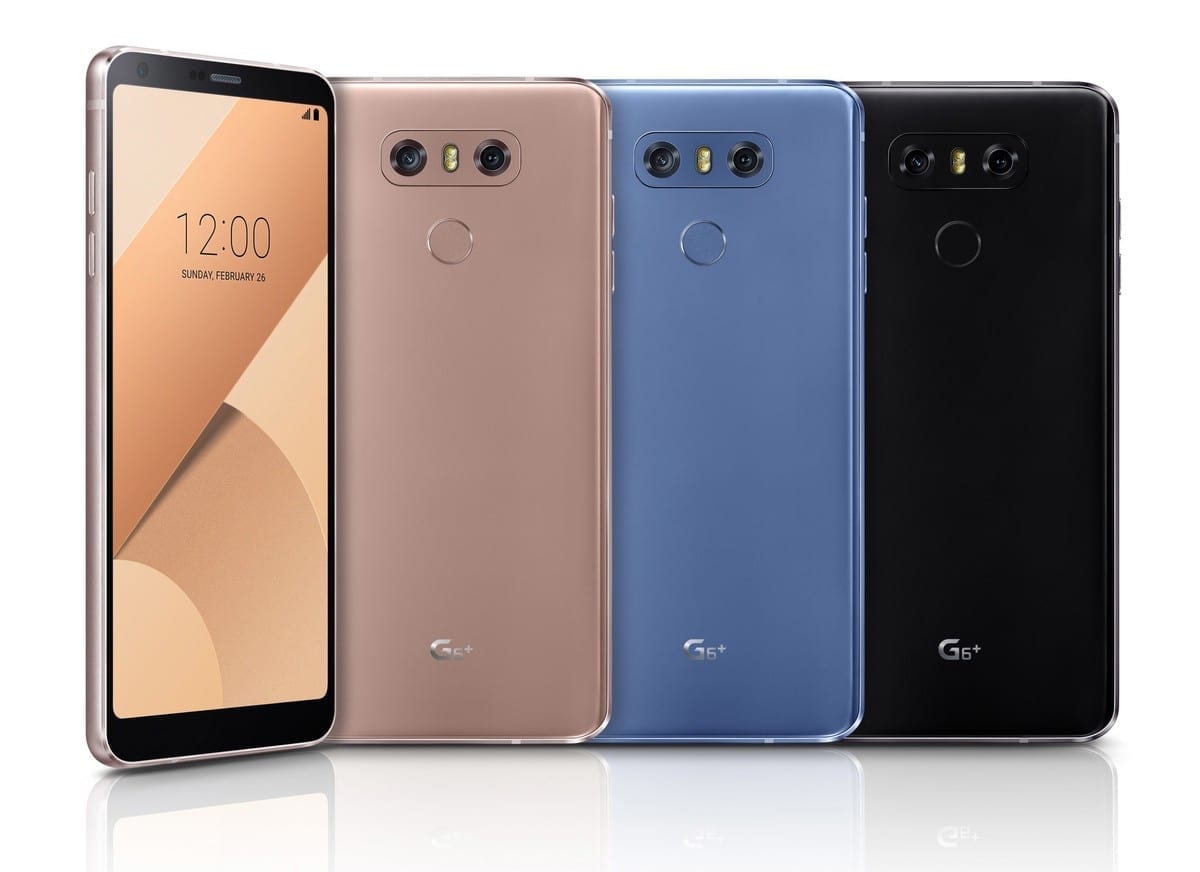
    LG has launched a new variant of its widely-appealing G6 with bigger RAM and storage. The new LG G6+ was announced alongside a slew of upgrades to the G6.

    Specs wise, the LG G6+ more or less has the same features seen on G6. You have a 5.7-inch QHD+ display and a Snapdragon 821 processor, with the same 3,300 mAh battery with Quick Charge 3.0 support and Qi wireless charging.

    The processor however is paired with a bigger 6GB RAM and 128GB storage. If you recall, the base model had launched with a 4GB of RAM and 32GB storage. As for software, the device will run Android 7.0 Nougat with LG UX 6.0 out of the box.

    On the optics front, LG has not expanded the sensors, but retains the same dual 13MP cameras at the back and 5MP front shooter. When the LG G6 launched, it was the world’s first smartphone to support Dolby Vision. On LG G6+ as well users will enjoy the same.

    According to reports, the LG G6+ will be priced at KRW 999,800 ($892). LG is yet to make any official announcement on the pricing or release date. However, we know this for sure that it would first retail in South Korea after which it will debut in other markets. LG G6+ will be available in choices like Optical Astro Black, Optical Terra Gold, and Optical Marine Blue.

    As for the existing owners of the LG G6, there are some new updates on the software front. A new firmware update brings the Face Print feature that will allow users to unlock their device through facial recognition functionality. Also, a new featured called Low Power Consumption was added to optimize battery usage. The LG G6 has been among the biggest releases of the year so far.

  • LG Uplus enters strategic partnership with Vodafone

    LG Uplus enters strategic partnership with Vodafone

    South Korea’s LG Uplus has announced a new strategic partnership with Vodafone Group for the South Korean market.

    The agreement, the first strategic partnership between LG Uplus and a global operator, will involve collaboration on both enterprise and consumer operations.

    Vodafone will provide best practices and draw on its global reach to support LG Uplus across all areas of its business, including network strategy and development, as well as customer experience management.

    The two operators will also cooperate to jointly offer unified communications and enterprise services to multinational companies with a presence in South Korea. LG Uplus will meanwhile join Vodafone’s global partner market network.

    “ Vodafone is one of the world’s leading telecommunications companies and close cooperation will enable us to streamline and improve our existing business performance and pioneer new areas.  “Vodafone is the ideal partner to help our drive to become world-class,” LG Uplus CEO Youngsoo Kwon said.

    “Our new partnership will enable LG Uplus to benefit from Vodafone expertise and experience, in addition to access to our global enterprise products and services,” Vodafone partner markets CEO Diego Massidda added.

    “I am delighted that LG Uplus has joined our Partner Market network and I look forward to building on our relationship in the coming years.”