Tag: life

  • Spotify now has 100 million Premium Global Subscribers

    Spotify now has 100 million Premium Global Subscribers

    Twelve months after it first reached 75 million subscribers, Spotify has today announced that 100 million users now pay for its Premium service across the globe. The news represents year-on-year growth of 32% and has helped push Spotify’s revenue figures up an equally impressive 33% to €1.51 billion ($1.67 billion).

    Including users of Spotify’s ad-supported service, the streaming company now has a total of 217 million monthly active users. This figure is up 10 million from last quarter and 44 million when compared to twelve months ago.

    Once again, Europe continued to be Spotify’s most important market followed by North America and Latin America respectively. In North America especially, Premium subscriber growth was driven by Spotify’s continued partnerships with Samsung, Google, and Hulu.

    Specifically, Samsung agreed to pre-install the Spotify app on millions of its smartphones including the recently-released Galaxy S10, buyers of which receive six months of free Spotify Premium. Google, on the other hand, offered Spotify Family Plan users a free Google Home Mini, a promotion which has since been expanded to both the UK and France due to its popularity. Lastly, Hulu and Spotify recently lowered the price of their bundle offer which has boosted interest.

    By the end of this current quarter, Spotify expects to have between 222 and 228 million users, of which 107 to 110 million should be Premium subscribers. Driving this growth will continue to be promotional offers like the ones mentioned above and India, where Spotify registered 2 million users in the month following its launch.

  • Indian Consumers Face Post-Election Fuel Price Shock

    Indian Consumers Face Post-Election Fuel Price Shock

    Surging global oil prices will pose a first big challenge to India’s new government, whoever wins an election now under way, especially as domestic prices have been allowed to lag, meaning consumers are in for a painful surge as they catch up.

    For oil-import dependent India, higher global prices could lead to a weaker rupee, higher inflation, the ruling out of interest rate cuts and could further weigh on twin current account and budget deficits, economists warned.

    But compounding the future pain, state-run fuel suppliers and retailers have held off passing on to consumers the higher prices during a staggered general election, which began on April 11 and ends on May 23, according to sources familiar with the situation.

    That delay is expected to be unwound once the election is over. And there could be additional price increases to make up for losses or profits missed during the period of delayed increases, the sources said.

    In some major Asian countries, such as Japan and South Korea, pump prices are adjusted periodically so they move largely in tandem with international crude prices.

    That was what was supposed to happen in India but the election means there have been many days when pump prices have been unchanged.

    In New Delhi, for example, while crude oil prices have gone up by nearly $9 a barrel, or about 12 percent, in the past six weeks, gasoline prices have only risen by 0.47 rupees a litre, or 0.6 percent.

    State-controlled fuel suppliers and retailers declined to say why they had delayed price increases, or discuss whether there has been any pressure from the government of Prime Minister Narendra Modi.

    A government spokesman declined to comment.

    The opposition Congress party said Modi’s government was violating its own policy of daily price revision by advising the state oil companies to hold prices steady.

    “The government should cut fuel taxes otherwise consumers will have to pay much higher oil prices once the elections are over,” said Akhilesh Pratap Singh, a senior leader of the Congress party.

    Nitin Goyal, treasurer at the All India Petroleum Dealers Association, representing fuel stations in 25 states, said prices were similarly held down for 19 days in the southern state of Karnataka last year, when it held state assembly elections. Only for them to surge after the vote.

    “Consumers should be ready for a rude shock of a massive jump in retail prices, similar to the level we have seen in the Karnataka state election,” Goyal said.

    Sri Paravaikkarasu, director for Asia oil at Singapore-based consultancy FGE, said retail prices of gasoline and gasoil prices would have been up to 6 percent, or about 4 rupee, higher if they had been allowed to rise in line with global prices.

    “Indian pump prices have failed to keep up with the recent uptrend in crude prices,” Paravaikkarasu said.

    “With the country’s general elections underway, the incumbent government has been keeping pump prices relatively unchanged.”

    India had switched to a daily price revision in June 2017 from a revision every two weeks, as the government allowed retailers to set prices.

    But the government faced protests last October when retailers raised prices by up to 10 rupees a litre after the crude oil price went above $80 a barrel, forcing it to cut fuel taxes.

    Global prices rose to their highest level in 2019 on Thursday, days after the United States announced all Iran sanction waivers would end by May, pressuring importers including India to stop buying Tehran’s oil. [O/R]

    Higher oil prices will mean Asia’s third largest economy is likely to see growth of less than 7 percent rate this fiscal year, economists said. Growth slowed to 6.6 percent in the October-December quarter, the slowest in five quarters.

    Rating agency CARE has warned that a 10 percent rise in global oil prices could increase demand for dollars, putting pressure on the rupee and widening the current account deficit.

    India’s oil import bill rose by nearly one-third in the fiscal year ending March 31 to $140.5 billion, against $108 billion the previous year.

    “The increase in international oil prices is a credit negative for the Indian economy,” ICRA, the Indian arm of the Fitch rating agency, said in a note.

    “Every $10/ bbl increase in crude oil prices increases the fiscal deficit by about 0.1 percent of GDP.”

    Any big price rise would also build a case for the central bank to keep rates steady, or even raise them.

    The Reserve Bank of India’s Monetary Policy Committee, which cut the benchmark policy repo rate by 25 basis points this month, warned that rising oil and food prices could push up inflation.

    Policymakers are worried that a sustained increase in the oil price in the range of $70-75/barrel or higher can move the rupee down by 3-4 percent on an annual basis.

    The rupee has depreciated by 1.24 percent against the dollar since a year high in mid-March.

  • Low-cost imports challenge Furniture Retailers

    Low-cost imports challenge Furniture Retailers

    The furniture retailing industry may face a tough trading environment in 2019-20 with revenue expected to decline by 3.3 per cent during the period, according to IBISWorld analysts.

    Mounting internal and external competition is expected to continue to threaten the viability of furniture operators in the current year, with revenue expected to decline to $890.0 million as the industry continues to struggle with a challenging operating environment.

    Bao Vuong, IBISWorld senior industry analyst, said the rising volume of low-cost furniture imported into New Zealand is also forecast to hinder the industry’s performance in the current year.

    “The availability of low-cost furniture imports is projected to heighten industry competition,” Vuong said.

    Industry revenue is also likely to be suppressed by slower growth in residential building construction, which will reduce retail demand for furniture items.

    An IBISWorld furniture retailing industry report last year showed it has faced a tough trading environment over the past five years, with revenue growth stifled by increasing competition.

    Within the industry, players typically compete on the basis of price and product range.

    External competition comes from a range of other operators that sell furniture as part of their operations, including department stores, auction websites and online-only players.

    In the next five years through 2023-24, IBISWorld analysts forecast the furniture retailing industry to be operating within a challenging environment .

    “Mounting internal and external competition is projected to continue threatening the viability of operators over the period,” analysts said.

    The report also showed softer real household discretionary income growth could hinder retail demand for furniture products during the period.

  • Decathlon Vietnam opens it’s Very first Store

    Decathlon Vietnam opens it’s Very first Store

    Decathlon Vietnam has opened its first store, at Vincom Mega Mall Royal City in Hanoi. Located on level B1, the store spans 4300sqm, offering more than 14,000 items covering 70 sports for all levels of player.

    Prices meet the market for local customers, such as a VND63,000 (US$3) backpack, or a US$10 tennis racquet.

    Customers can also test products designed for activities like hiking, jogging or basketball at the store before making a purchase.

    “We want our customers to feel satisfied when choosing Decathlon,” said Manu Pirenne, Decathlon Vietnam’s Hanoi CEO.

    “We are willing to exchange to new products or refund if our customers are not satisfied, within six months. Decathlon also has an at least two-year warranty on all products.”

    The second store which spans 2600sqm will be opened in Ho Chi Minh City on May 25, at Aeon Tan Phu.

    Decathlon Vietnam launched as an online-only store, with several Collect Points located in Ho Chi Minh City and Hanoi.

    To cut the prices, the company has set up its factory in Thai Binh province, and partnered with more than 100 retailers and brands.

    Established in 1976, the France-based sports retailer now has 1513 stores in 53 countries.

    It opened the largest store in Singapore earlier this year.

  • Pomelo launches first Beauty Line

    Pomelo launches first Beauty Line

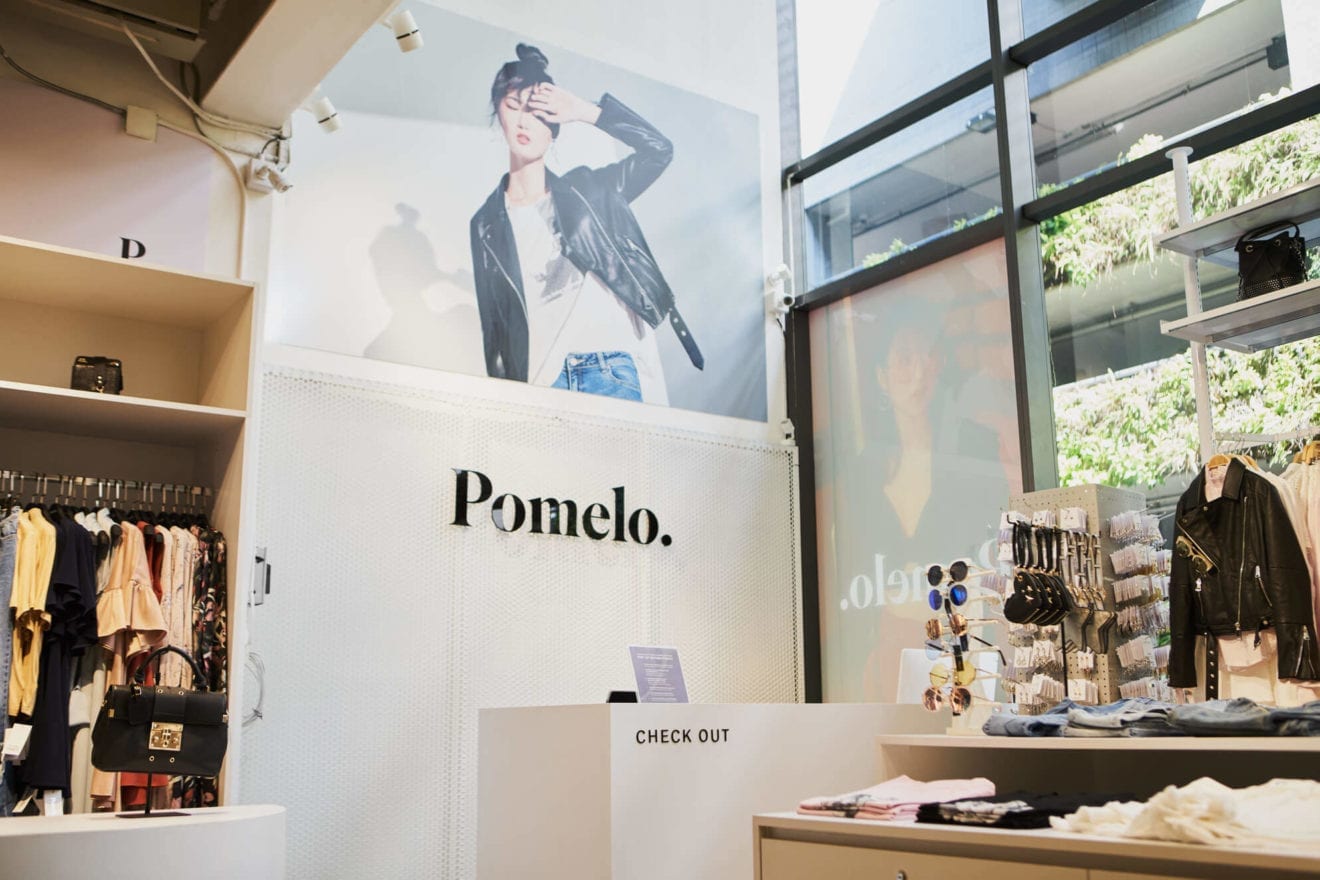
    O2O fashion brand Pomelo has launched its first cosmetics line, Beet, solidifying its identity as a one-stop lifestyle brand.

    Created with women on-the-go in mind, Beet comprises 17 products across four categories – Liquid Blush, Liquid Lipstick, Lip Gloss and Liquid Shimmer.

    All products are priced at S$10 per item and feature paraben-free and cruelty-free formulations.

    “For consumers today, beauty is integral to style,” said David Jou, Pomelo CEO, signalling the company is taking “a step in the right direction”.

    “As a fashion brand that wants to offer women everywhere their best look to become their best selves, we cannot ignore that.”

    With Beet, Pomelo provides another touchpoint for a seamless customer experience that prioritises modern consumers’ demand for convenience.

    Last month, Pomelo launched its second sustainable collection, Purpose.

  • The North Face shuts down stores

    The North Face shuts down stores

    Outdoor retailer The North Face closed its global headquarters and more than 100 stores in the US and Canada on Monday, April 22, as part of its effort to make Earth Day a global holiday.

    The store closures are the culmination of The North Face’s Explore Mode campaign, which saw the brand partner with musicians, artists and culinary influencers on pop-up events throughout the US.

    The move follows a campaign launched four years ago by fellow US outdoor retailer REI to shut its stores and website on Black Friday and instead encourage customers to #optoutside.

    Before closing its bricks-and-mortar stores in North America, The North Face switched them to Explore Mode, so customers could find resources to spend Earth “off the grid”, including an exploration kit filled with “analog gear to stay present and capture memories without the need for digital devices”.

    “We believe that when people take time to appreciate the Earth, they feel more connected to it and are more likely to protect it,” Tim Bantle, global general manager of lifestyle at The North Face, said.

    “Explore Mode urges us to unplug from our digital lives to connect in real life to the world, each other, and ourselves in the effort to move the world forward.”

    Petition to make Earth Day global holiday

    The North Face was one of 16 organisations, including global brands like Clif and S’Well, that launched a petition with Change.org earlier this month to make Earth Day a national holiday everywhere.

    At the time of this writing, more than 128,600 people had signed the petition, which has a goal to reach 150,000.

    Other retailers, such as Tapestry Inc, also took the opportunity of Earth Day to announce sustainability initiatives.

    As part of its new corporate responsibility goals, the parent company of Coach, Kate Spade and Stuart Weitzman plans to reduce its greenhouse gas emissions by 20 per cent, water usage by 10 per cent and waste in its North American corporate arm by 25 per cent and recycle 75 per cent of its packaging by 2025.

    The company also aims to source 90 per cent of the leather it uses from eco-friendly tanneries and achieve 95 per cent traceability of its raw materials to ensure a transparent supply chain.

  • Beauty & You brings Find Kapoor and Olens into Hong Kong

    Beauty & You brings Find Kapoor and Olens into Hong Kong

    The Shilla Duty Free’s retail concept Beauty&You has become the first retailer in Hong Kong to launch exclusive South Korean brands Find Kapoor and Olens.

    Located at Hong Kong International Airport (HKIA), Beauty&You seeks to introduce a multitude of brands and product combinations to customers, placing strong emphasis on the concept of individuality and personalised offerings through a mix-and-match of a unique range of products.

    “We are ecstatic to have Beauty&You as the first retailer to bring Find Kapoor and Olens to the HKIA”, said a representative for Beauty&You. “These partnerships are a testament to our strong positioning and ability to collaborate with a multitude of brands, in order to bring all-round travel retail experiences and surprises to global travellers.”

    Beauty&You will feature Find Kapoor’s classic, minimalistic strapped handbags at a dedicated pop-up. Olens is a range of coloured contact lenses.

    These brand collaborations are tailored to the needs of all global travellers passing through HKIA, aiming to stimulate customers’ minds about beauty and styling, said The Shilla. Incorporating brand new product options and categories such as fashion accessories and coloured contact lenses, Beauty&You strives to break the traditional mindset of beauty as solely focused on skincare and cosmetics, helping consumers to achieve their own definitions.

  • Disney’s Netflix competitor to debut November 12th

    Disney’s Netflix competitor to debut November 12th

    Disney+, the entertainment giant’s video streaming service, will launch on November 12th. The service will be priced at $6.99 per month or $69.99 for a year. Company CEO Bob Iger shared a screenshot of the Disney+ UI on his Twitter site, and it features rows of rectangular icons. While each rectangle represents a different movie or show, there are also rectangles for different categories of content including those produced by Disney, Pixar, Marvel, Star Wars and National Geographic.

    Subscribers to Disney+ will be able to set up different profiles for those living under one roof. Profiles for kids will automatically feature parental controls. All content can be downloaded for offline viewing, and the service will be available for smartphones and tablets, desktop browsers, game consoles, and smart TVs. Since Disney now owns a majority stake in video streamer Hulu following its acquisition of 21st Century Fox, it plans to offer a combined subscription price for Disney+, ESPN+, and Hulu.

    Iger has said previously that Disney would take things slow in regard to its streaming venture. As a result, a previous report stated that Disney+ will launch with 500 films from the Disney library along with over 7,000 episodes from Disney TV. In addition, there will be original programming including a show based on Disney’s successful High School Musical franchise and another one based on Monster Inc. There also will be a series based on Star Wars that focuses on a bounty hunter like Boba Fett, and one produced by Marvel that has to do with the Avengers characters. Some proprietary programming will come from Pixar. One forecast has Disney spending $1 billion on original programming in 2020, rising to $2 billion by 2024.

    Some of the programming will make use of the Disney and 21st Century Fox television libraries. All episodes of The Simpsons will be on the platform from the first day, and episodes of Malcolm in the Middle will also be available.

    Just before Disney+ launches in November, the company will blow up the Disney Vault. This is where classic Disney movies were kept from public release until they were each made available for a limited time. Disney CEO Iger says that all Disney movies will be available to be exclusively streamed on Disney+. Disney films released this year will make their way to Disney+ after all theater and home entertainment options have expired. Frozen II, the sequel to the hugely popular animated movie, is expected in theaters this November. It will be a Disney+ exclusive when it is offered on the platform during the summer of 2020.

    The company expects to have 60 million to 90 million subscribers by the end of 2024, with U.S. consumers accounting for one-third of subscribers.

  • Korean GS25 launches shared-bike charging service

    Korean GS25 launches shared-bike charging service

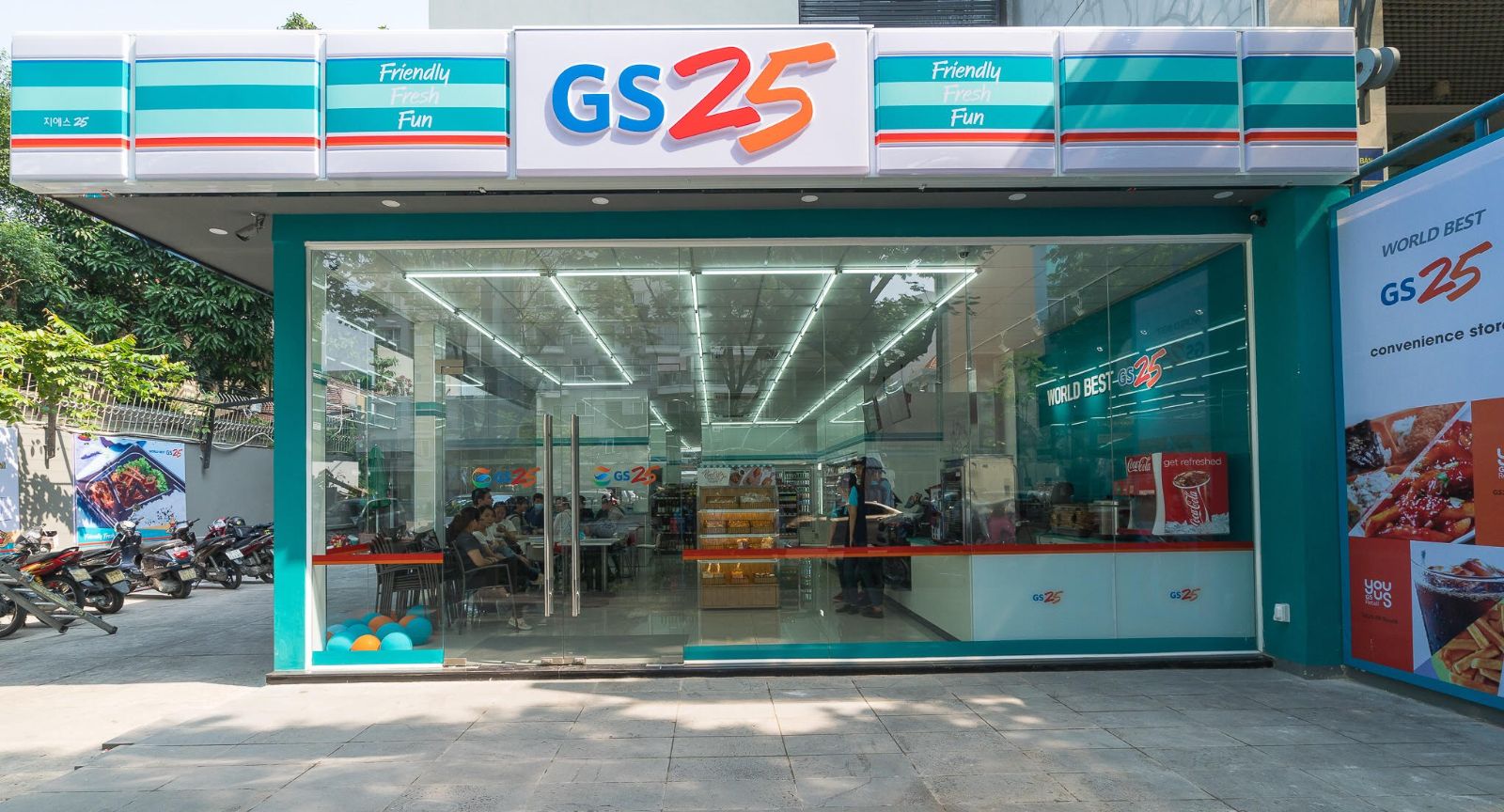
    Starting June, customers of South Korean GS25 convenience stores will be able to charge shared electric bicycles or kickboards.

    GS25 announced on Wednesday that it will set up an electric bicycle and kickboard charging service facility at its stores in partnership with the shared micro-mobility integrated platform “GoGoSing.”

    Under the terms of the deal, GoGoSing will operate 800 shared electric kickboards and shared electric bikes in Gangnam District in Seoul and Pangyo in Gyeonggi Province, while GS25 will set up charging facilities at stores in nearby areas.

    Customers will be able to use an electric kickboard and return it to a nearby GS25 store, and if they need to charge their device, they will also be able to exchange or charge batteries at the stores.

    GS25 expects that this will help convenience stores to move away from their focus on simply selling products and serve as a hub for charging various shared devices, as well as attracting new customers.

    GS Retail has introduced charging facilities for electric vehicles at 45 locales at present, and will offer delivery services for convenience store products since starting from April, in tandem with the delivery application Yogiyo.

  • Comvita Honey wholly acquires China joint venture

    Comvita Honey wholly acquires China joint venture

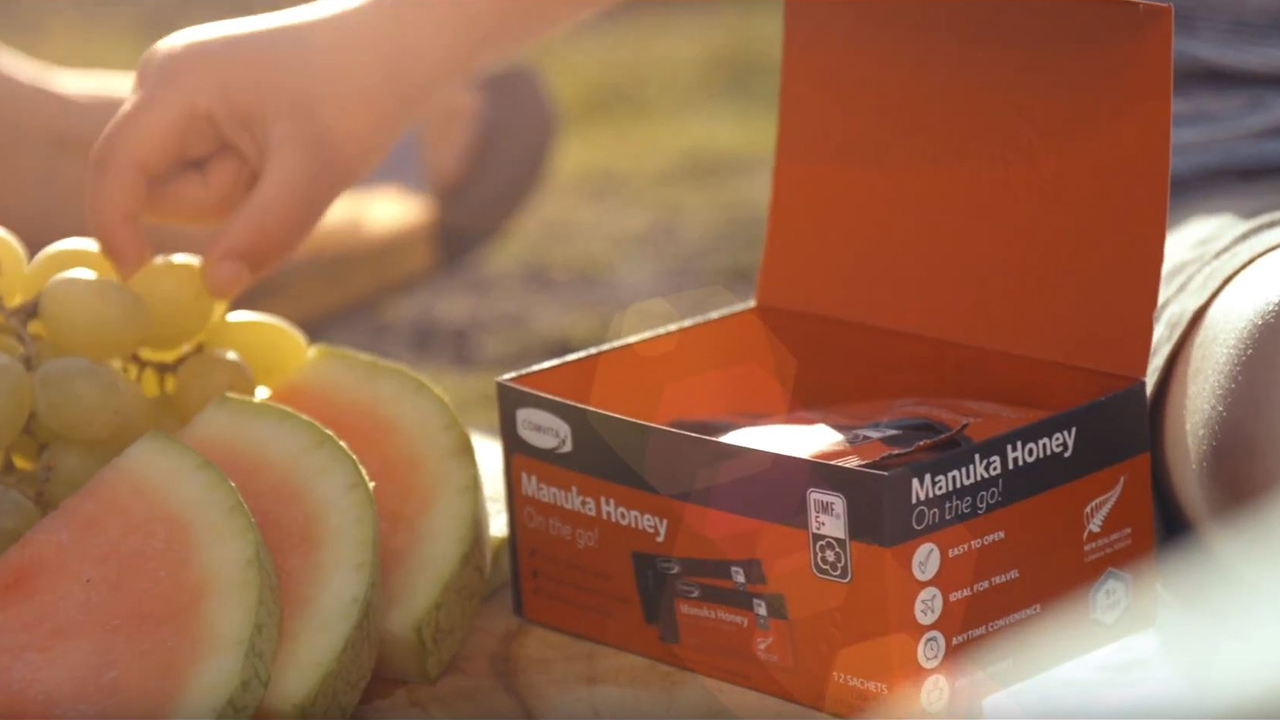
    New Zealand honey business Comvita has entered into a conditional agreement to acquire the remaining 49 per cent of its China joint venture, Comvita Food Ltd and Comvita China Limited.

    The acquisition will be funded through the issuing of 4.05 million new shares, as well as a payment of $3.19 million.

    “This completes the ‘final piece of the jigsaw’ with respect to our China Strategy, which we have been working on for a number of years,” Comvita chief executive Scott Coulter said.

    “Our goal has been to gain full control of our brand across all key channels into China. This acquisition significantly strengthens our direct to China business, the key building block in our China strategic plan.”

    According to Coulter, China remains Comvita’s strongest consumer base, with its success in the region underpinned by its efforts to get closer to the Chinese consumer.

    This was initially done through a distribution relationship for 12 years, before the business entered a 51 to 49 per cent joint venture in 2017. This acquisition is the culmination of that effort.

    “China is moving into a direct trade and a formalised cross border e-commerce model, to ensure both consumer protection and fairness in taxation between online and offline ‘players’ are in place,” Coulter continued.

    “This acquisition will provide Comvita with much more flexibility to optimise sales and channel profitability in this fast evolving environment.”

    For the remainder of the year, the brand issued three goals for the China market: to achieve price harmonisation between its channels and markets, to supply key cross border e-commerce platforms directly, and to build its e-commerce and marketing capability in the region.

    Comvita chair Neil Craig noted that while the recent period had been tough on shareholders due to the execution of the brand’s strategy in China impacting its short term earnings, the brand now expects revenue from its consolidated China business to be greater than $200 million in sales annually.

  • AirAsia to Launch Flights Between Bangkok and Ahmedabad

    AirAsia to Launch Flights Between Bangkok and Ahmedabad

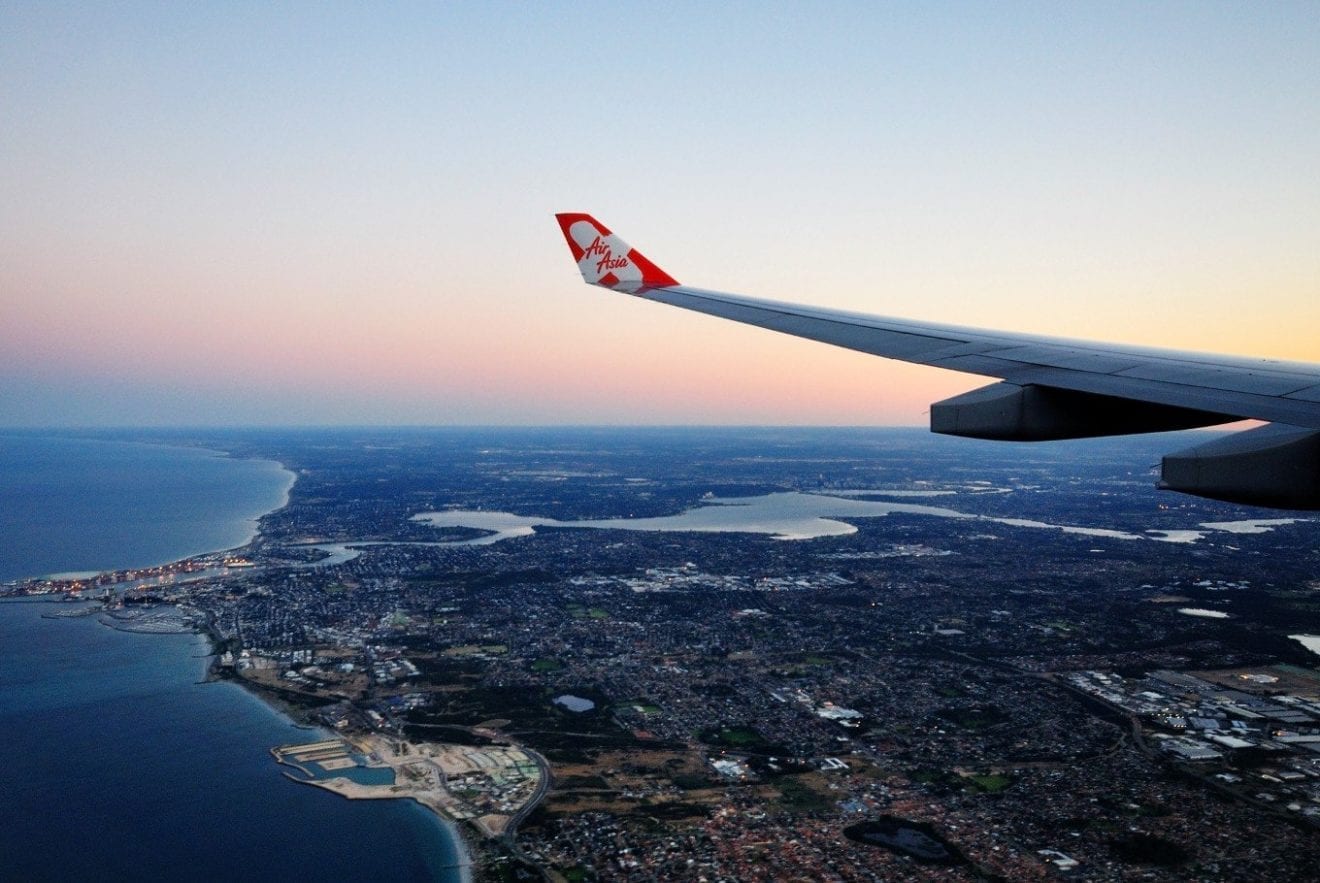
    AirAsia is to launch flights between Bangkok and Ahmedabad, the capital of Gujarat state and India’s first UNESCO World Heritage City. The airline will operate the route four times per week on Mondays, Wednesdays, Fridays and Sundays, from 31 May 2019.

    AirAsia Thailand CEO, Santisuk Klongchaiya, said, “India is a strategic market that is fast becoming an important contributor of inbound tourists for AirAsia Thailand. To fully leverage on this, we plan to regularly introduce routes connecting the two countries, focusing particularly on India’s burgeoning metros. Thailand’s own worldwide fame for hospitality should attract travellers from Ahmedabad, which is the capital of Gujarat state and India’s fifth most populous city.”

    According to Thailand’s Ministry of Tourism and Sports, Thailand welcomed 1.5 million Indian visitors in 2018, up 12% on the previous year.

    Thai AirAsia has recorded a load factor of up to 87% on its India routes, with passengers travelling between Bangkok and existing destinations in India increasing 7% year-on-year. Indian nationals made up 85% of passengers on those routes.

  • Vietnam cracks down on drugstores selling without prescriptions

    Vietnam cracks down on drugstores selling without prescriptions

    The Ministry of Health has ordered that all drugstores should be connected to the national medicine database via the Internet by Monday, a move aimed at preventing the sales of drugs without prescription.

    But in Ho Chi Minh City, which has the highest number of pharmacies in the country at over 6,000, only 61 percent have linked up, according to the city Department of Health. In Hanoi, 90 percent of its over 4,600 drugstores have done so.

    Many pharmacy owners said they do not have a computer or Internet. Tran Thi Nhi Ha, deputy director of the Hanoi Department of Health, said the regulation requires pharmacies to invest in infrastructure and this takes time.

    Tang Chi Thuong, her HCMC counterpart, said inspectors would soon carry out checks to ensure compliance. “Licenses will be taken away from pharmacies that continue to disobey.”

    Most pharmacies in Vietnam sell drugs without prescriptions. In fact, around 88 percent of all antibiotics sold in urban areas are without prescriptions while the rate is 91 percent in the countryside, the health ministry said.

    The World Health Organization has listed Vietnam among the list of countries with the highest rate of antibiotic-resistant infections, with 33 percent of all patients suffering from them.

  • SM Group introduces first Customer Service Robot

    SM Group introduces first Customer Service Robot

    SM Group has employed its first in-mall customer service robot, at SM Megamall.

    Named Sam, the AI humanoid robot is designed to help customers with directions and information about the latest mall deals, promotions and events.

    “Innovation is what SM strives for in providing better customer service to all and we are proud to introduce our latest innovation yet,” said Steven Tan, SM Supermalls COO.

    “Sam is easy to approach and has answers to almost everything SM mall related, making shopping more seamless and fun for our customers.”

    Equipped with an advanced face-recognition technology, Sam can also make personalised greetings to customers at Mega Atrium, Mega Fashion Hall and Bank Drive.

    Customers can also chat with Sam through the SM Supermalls Facebook page 24/7 to get information on branch locations, mall schedules and promotions.

    Created in partnership with the Cal-Comp Technology, Sam will be upgraded with more functions to provide a more fun and engaging shopping experience.

  • Shop&Go chain showcases brutal retail practice with 1$ Price Tags

    Shop&Go chain showcases brutal retail practice with 1$ Price Tags

    Shop&Go became the newest loser in Vietnam’s retail market Monday when it was bought out by conglomerate Vingroup for $1.

    The company reported an aggregated loss of almost VND205 billion ($8.81 million) by 2016, the latest year for which figures are available. VinCommerce, the retail arm of Vingroup, took over its 87 stores and its debts in the latest deal.

    Vietnam’s retail market has become increasingly crowded with both local and international players over the last five years. Although experts have said that the market has a lot of growth potential, many businesses have quit or scaling back expansion plans.

    Coffee giant Trung Nguyen has twice attempted and failed with its G7 Mart and G7-Ministop.

    Super market chain Saigon Co.op established its first retail store Co.op Smiles in 2016 with the hope of opening 500 such outlets a year, but two years later, the number is around 100.

    Japanese convenience store chain FamilyMart previously said it wanted to have 1,000 stores by 2020, but it announced last year that it won’t invest in new stores. The number of its stores stay at 151.

    Vietnamese food company Vissan said early last year that it has closed nearly 60 of 100 convenience stores. Nguyen Ngoc An, CEO of Vissan, said that the stores had failed to attract a large number of customers.

    A senior manager of the Family Mart said that they “could no longer pour more resources into the chain.”

    Industry insiders say that retail chains fail to compete because they don’t have deep pockets to bear the losses. Pham Viet Anh, a strategic business expert, said that cash flow is among the most important factors in the retail business. If a company cannot collect enough revenue before it has to pay suppliers, its working capital gets eroded.

    “A retail company can rely on its debts with providers in the short term, but in the longer term, it needs to find a way to be profitable. If not, growing losses will eventually bankrupt it,” Anh said.

    Vietnam’s revenue from selling goods last year rose by 11.7 percent from 2017 to $142 billion, up 12.4 percent from 2017.

  • Twitter makes a change in Limiting your Followers

    Twitter makes a change in Limiting your Followers

    In an effort to stop spammers from taking over Twitter, the social media app is limiting the number of followers that can be added to an account on a single day. Previously that number was 1,000 and a tweet from the Twitter Safety account reveals that the new cap is 400. This is supposed to prevent spammers from adding a large number of followers and then deleting them in a “bulk, aggressive or indiscriminate manner” that violates Twitter’s rules.

    By adding all these followers, spammers hope that the majority will follow them back. Those that do will soon find a number of spams in their timeline. Those that don’t will soon be unfollowed by the spammers. This is a cycle that continues over and over again. In a series of tweets, Twitter’s Yoel Roth explains that lowering the number of followers a day from 1,000 to 400 won’t stop the spammers, but it will slow them down. The 400 limit will “make each spam account less effective, slower, and more expensive to operate.”

    Roth adds that Twitter decided to make the new cap 400 because it allows people to follow the accounts they’re interested in while it stops the most spam. Almost half of the accounts that were following 400 Twitter users per day were engaged in churning, which is defined as “repeatedly following and unfollowing the same accounts” in an attempt to grow the number of followers that a Twitter subscriber has. He adds that 99.87% of Twitter use will be unaffected by this new rule.