Tag: life

  • Sephora opening New Zealand Flagship Store

    Sephora opening New Zealand Flagship Store

    Sephora is looking to fill a number of retail roles in Auckland, suggesting the beauty retailer is looking to open its first bricks-and-mortar store in New Zealand in the near future.

    Listings for assistant store manager, category coordinator, stockroom manager, supervisor, beauty and studio artists and retail assistants have been uploaded to job site Seek over the last month, claiming the retailer is opening its first New Zealand flagship store this year.

    The most recent listing notes that job seekers should be available and flexible to attend a recruitment event between May 7 and 8, pointing to a relatively quick opening window.

    The store will likely be located on Queen Street, Auckland, and is currently being fit out for the brand’s arrival. An internal elevator, lightning fixtures and elaborate signage are among the changes being made to the site.

    Sephora has been contacted for confirmation, but has not yet responded.

  • New Deliveroo Subscription Service gives Food Lovers Free Delivery

    New Deliveroo Subscription Service gives Food Lovers Free Delivery

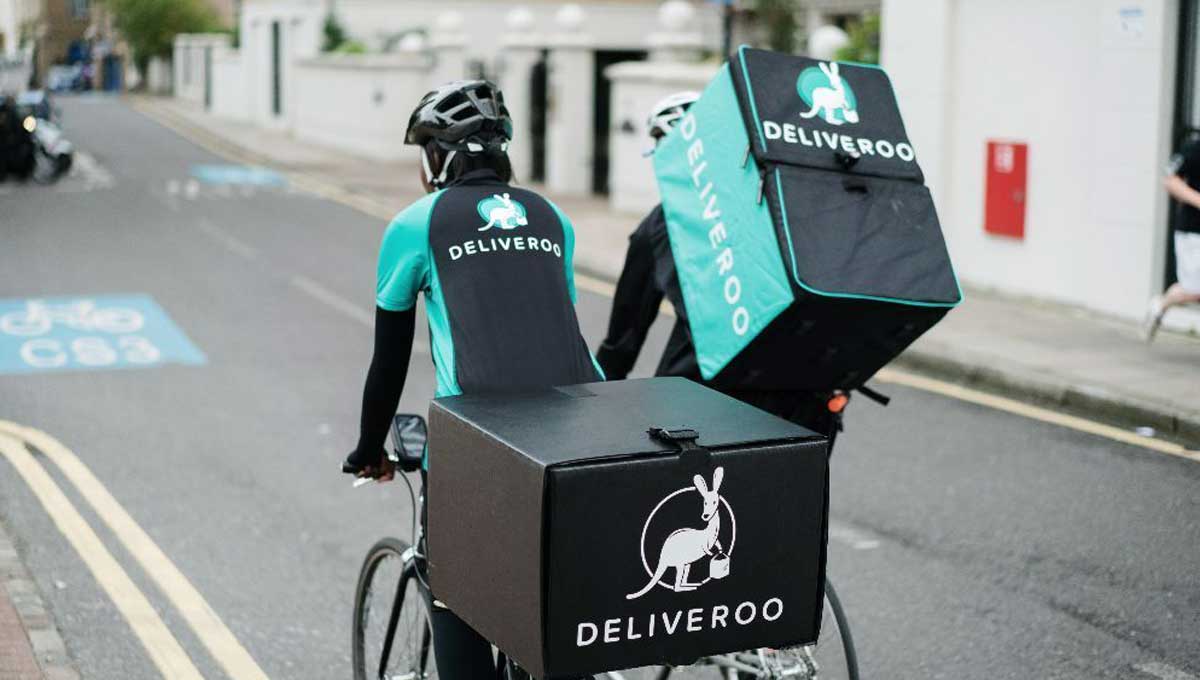
    Deliveroo the leading food-delivery company is today launching Deliveroo Plus, a new subscription service available for food lovers across Hong Kong. The new service, priced at HK$98 a month, will enable customers to get unlimited free delivery. Customers will be able to benefit further by trialling Deliveroo Plus free for two weeks or more.

    Deliveroo Plus is being rolled out following a successful launch in the UK. During their first two months of signing up to the pilot, half of all customers saved nearly £25 (around HK$ 260) over the time period, whilst one in ten saved over £75 (around HK$ 770).

    Brian Lo, General Manager, Hong Kong at Deliveroo said, “At Deliveroo, we are continuously striving to innovate our offer as well as expand our delivery platform. Through the launch of Deliveroo Plus, Deliveroo aims at rewarding our users with a better value for money. This new subscription service provides a more affordable option to the frequent users while the earnings of riders is expected to rise with the increasing demand for food delivery.”

    Customers throughout Hong Kong wishing to subscribe to Deliveroo Plus will see the option to sign up to the service on their basket at checkout and in the ‘Account’ section of the app and website.

  • Healthy Life to join Go Vita network Immediately

    Healthy Life to join Go Vita network Immediately

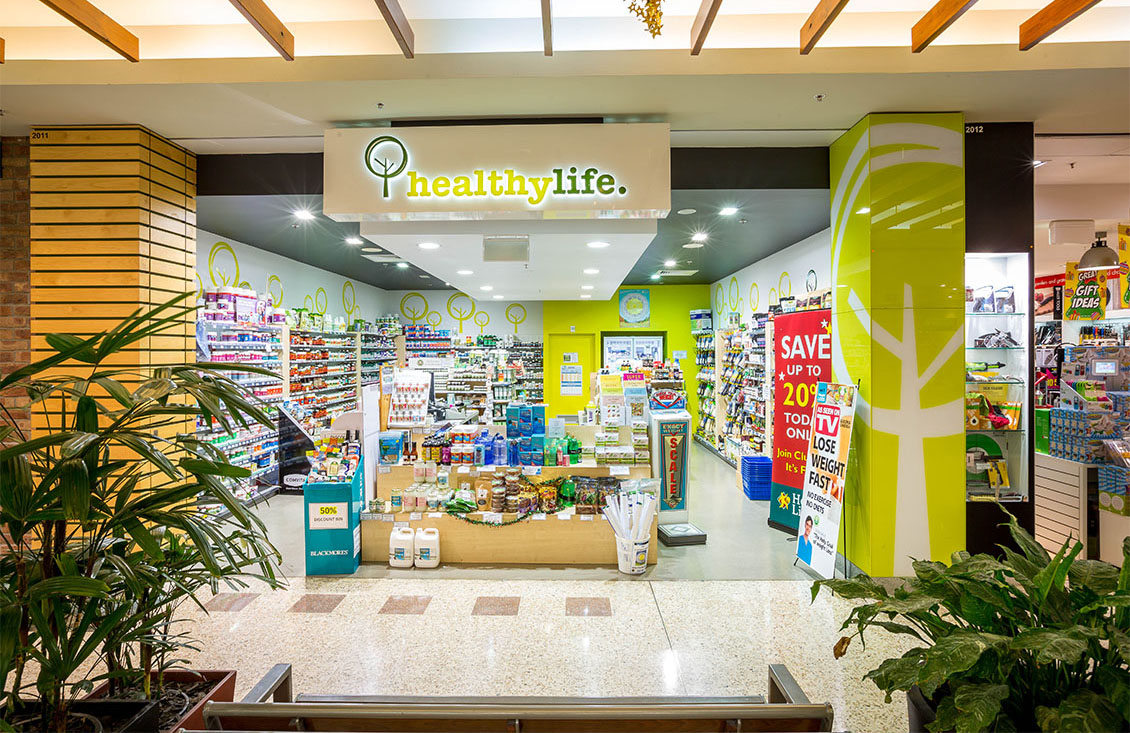
    Australian retailer Healthy Life will join the nation’s largest health food store group, Go Vita, in the hope of strengthening the retail health channel.

    GoVita has more than 135 independently-owned and operated health stores in its network. Going forward, Healthy Life’s 50-plus store network will be co-branded as GoVita & Healthy Life, and both brands will retain their current identity.

    “In the face of an increasingly competitive and challenging retail environment, we believe this move will strengthen the retail health channel for the future,” said Healthy Life general manager, Craig Johnston in a statement on Tuesday.

    Healthy Life Group also plans to boost growth by investing further in its private label range for export.

    “By joining forces with Go Vita and shoring up the retail health channel we can both benefit from the significant growth that has seen the complementary medicine sector grow by 70 per cent in the last five years alone to an estimated $4.9 billion and the organic food market, which has grown by 88 per cent to an estimated $2.4 billion in Australia,” Healthy Life chairman Rolf Krecklenberg said.

    Go Vita CEO Terry Hughes said the move is great for both parties and will give Australians easier access to premium health and wellness products and services.

    “They Healthy Life have joined as members of Go Vita, enabling Go Vita to have a larger footprint to better serve the health & wellness sector across Australia with an increased store base just short of 180 stores nationally,” Terry Hughes CEO Go Vita told.

    “Health food stores play a vital role in the growth of Australia’s health and wellness industry. They are the incubators and launch pads for new, innovative products onto the Australian market and are a critical part of our retail landscape; ensuring consumers have diversity of choice about what they buy, and where they shop.”

    Commenting on whether there would be store closures in areas where Healthy Life/Go Vita store locations overlap Hughes said, “this will be reviewed on a case by case situation”.

    “If the Healthy Life store is within 1 km of the existing Go Vita store we will look to relocate the Healthy Life store.”

  • Ikea to open first small-format store in Sydney

    Ikea to open first small-format store in Sydney

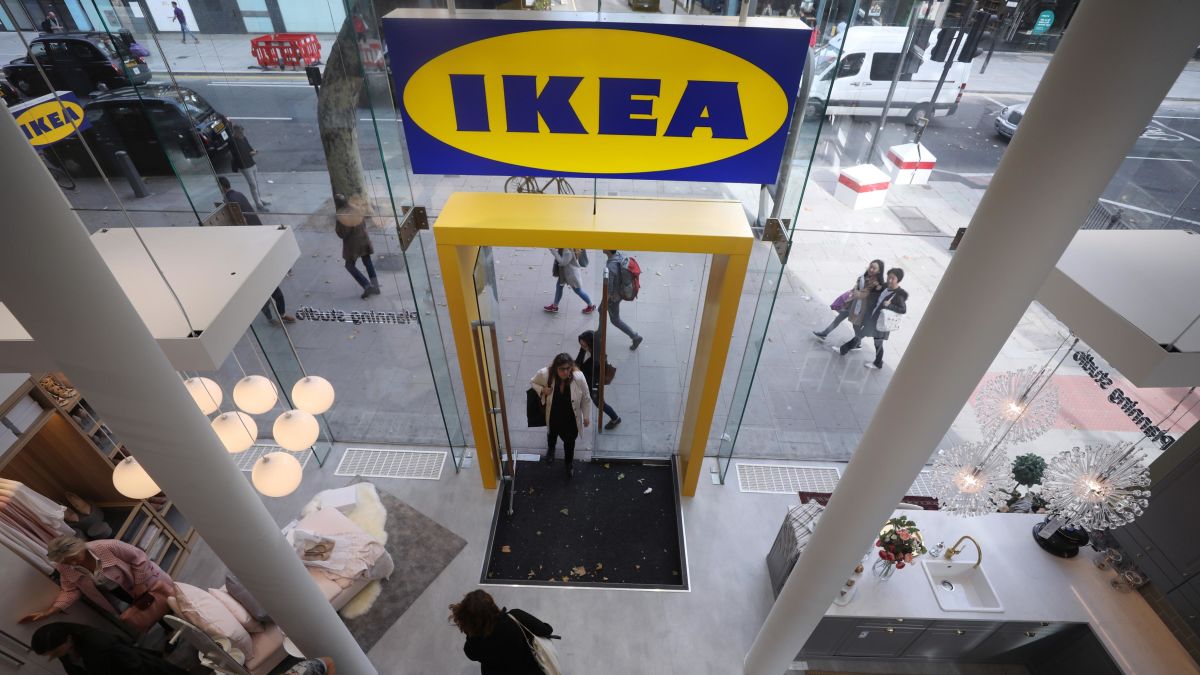
    Ikea Australia’s first small-format store is set to open in Sydney’s Westfield Warringah Mall at the beginning of May.

    The Ikea Planning Studio will provide shoppers on the Northern Beaches with a place to plan and build their dream kitchens and bedrooms. Staff on-site will be equipped with tablets and provide one-on-one consultations to help customers select the right products from Ikea’s range of furniture, appliances, storage solutions and more.

    This stands in sharp contrast to the massive, showroom-cum-warehouse stores that Ikea traditionally has been famous for. But the shifting retail landscape has seen the Swedish furniture giant globally adapt its offer by launching e-commerce sites, providing more do-it-for-me services and, increasingly, experimenting with smaller stores in urban centres.

    “At Ikea, we know Australians are looking for new and more convenient ways to shop their favourite products. We’re excited to be bringing bespoke Ikea shopping experiences to Aussies around the country in locations that suit them,” Ikea Australia country manager Jan Gardberg said.

    “We’ve chosen Warringah Mall as our first location in order to reach even more Australians that live within urban areas, outside of the city centre.”

    The Planning Studio seemingly aims to provide a more immersive shopping experience, with a “luxe bedroom environment” that will transport shoppers to a “hub of femininity through floral scents and classic detailing” and a “soothing wellness sanctuary” that will feature a variety of kitchen solutions.

    In a separate initiative, the retailer currently is hosting a series of “sleepovers” at stores across the country, where select customers can experience how Ikea’s range of sleep solutions – that is, mattresses, bedding and other items – provide a better night’s sleep. This suggests Ikea is looking for ways to interact with customers on a more personalised and experiential level.

    “We want to inspire people to get creative and explore the possibilities of our range. The launch of our small format stores is just another way we’re helping Australians to create personalised and functional spaces within the home,” Gardberg said.

    The Planning Studio’s design was inspired by Scandinavian modern style and Ikea’s design values of sustainability, quality, form, function and affordability, the retailer said, and created with the eco-friendly shopper in mind.

  • Apple Watch’s ECG became finally available in Europe

    Apple Watch’s ECG became finally available in Europe

    The Apple Watch is the world’s most popular line of smartwatches right now, holding about 50% of the global market. When Apple announced the Apple Watch Series 4 last year, there was one feature that stood above all. It wasn’t the larger display or the Digital Crown with tactile feedback.

    Instead, it was the addition of ECG (electrocardiogram) capabilities without any additional hardware needed (besides the Apple Watch itself, of course). The feature allows the user to quickly and easily take an ECG and then, if need be, send the results to their doctor. Even without having the results looked at by a specialist, the device’s own algorithms would alert the user if they notice something out of the ordinary. Since then, reports are showing up regularly about how the Apple Watch helped one person or another notice an issue with their heart that was later confirmed by a cardiologist. This allowed proper measures to be taken a lot sooner than if the patient had waited until the problems became obvious.

    Unfortunately, despite the Apple Watch being loved all around the world, the ECG functionality was limited only to the United States. Not anymore!

    Select European countries and Hong Kong are getting ECG

    Apple’s watchOS 5.2 is now available for all Apple Watch models and adds a couple of features for users in 19 European countries and Hong Kong. The more important one is ECG, which comes only to the Apple Watch Series 4. Here’s the full list of European countries that are getting the new feature:

    Austria, Belgium, Denmark, Finland, France, Germany, Greece, Hungary, Ireland, Italy, Luxembourg, Netherlands, Norway, Portugal, Romania, Spain, Sweden, Switzerland, the UK.

    Despite the ECG app and the Irregular Rhythm Notification (more on it below) being cleared for use in the European Economic Area, according to Apple, there are several countries that are part of the EEA and won’t be getting these features yet: Bulgaria, Croatia, Czech Republic, Estonia, Iceland, Latvia, Lithuania, Poland, Slovakia, Slovenia.

    The reason for that is unknown. It could be due to additional regulatory approval needed or, alternatively, those are just markets Apple isn’t as interested in right now.

    A more notable country that’s also missing from the expansion list, although not in Europe, is Canada. It was expected to be one of the first countries besides the US to get the ECG app, but it appears that Canadians will have to wait at least until the second wave of expansion.

    ECG on a smartwatch, how does that work?

    For those of you that are just hearing about the Apple Watch’s ECG, here’s a quick rundown. Electrodes inside the Apple Watch Series 4 measure the electrical impulses your heart is releasing when beating. To do that, the user must touch the Digital Crown (the rotating bit on the side of the watch) in order to close the circuit, creating an effect similar to a single-lead electrocardiogram.
    After 30 seconds of measuring your rhythm, the ECG app will classify it as either AFib or sinus rhythm. If you get AFib as a result, you might want to get a consultation from your general practitioner or cardiologist. Of course, the results won’t be nearly as accurate as those taken by professional medical equipment, but the Apple Watch feature is far from a gimmick. Medical trials have shown that the wearable device is classifying the different heart rhythms with very high accuracy.
    The watchOS 5.2 update is also bringing a health-related feature to older Apple Watches as well. Called Irregular Rhythm Notification, this feature is coming to Apple Watch Series 1 and newer models. It checks the user’s heart rhythm on regular intervals using the optical sensors of the device and sends a notification if five irregular rhythms are detected over the span of at least 65 minutes.

    Sinus rhythm notification on the left (in Spanish) and an irregular heart rhythm warning on the right (in Italian

    To start using the new features, users have to enable them from the Health app on their iPhones. Obviously, the Apple Watch must be updated to watchOS 5.2, but to do that the iPhone itself must be updated to iOS 12.2.

  • Change in Android Q could have you using more data

    Change in Android Q could have you using more data

    The Android Developer website contains a statement that notes how “Apps running on Android Q cannot enable or disable Wi-Fi.” This was discovered by Reddit poster xxTheGoDxx. Instead, Google recommends that developers allow users of their apps to turn Wi-Fi on or off by employing the new Android Q feature that shows system settings inside an app.

    The problem with this new functionality is that it won’t let Android Q users rely on an app like Tasker to turn on Wi-Fi when a certain preset condition is met. For example, with Tasker you can arrange for your phone to enable Wi-Fi when you get home or have it turned off when you leave home. With the change coming to the next Android build, users won’t be able to arrange for their phone’s Wi-Fi setting to turn on or off automatically.

    João Dias created Tasker, and he admits that this Android Q function will negatively impact Tasker “in a big way.” Dias is hoping that because this is just the first beta preview for Android Q, Google will be persuaded by feedback and eliminate the new restriction. In addition, using text commands to enable/disable Wi-Fi will no longer work either.

    Last year, Google made a change to Android app permissions that prevented apps from accessing users’ call logs and SMS information unless the app was selected to be the default dialer or SMS client. This was done to make sure that third-party apps could not get the call log and access SMS messages from those with an Android phone.

    Tasker was able to get an exemption from Google for that change, but if the new restrictions for Wi-Fi on Android Q stand, many Tasker users will have to enable/disable Wi-Fi on their phone manually. If they forget to turn on Wi-Fi, there could be some Android users surprised to find out how much data they used during a particular billing cycle.

  • Issues with Samsung Galaxy S10 line results in shorter battery life

    Issues with Samsung Galaxy S10 line results in shorter battery life

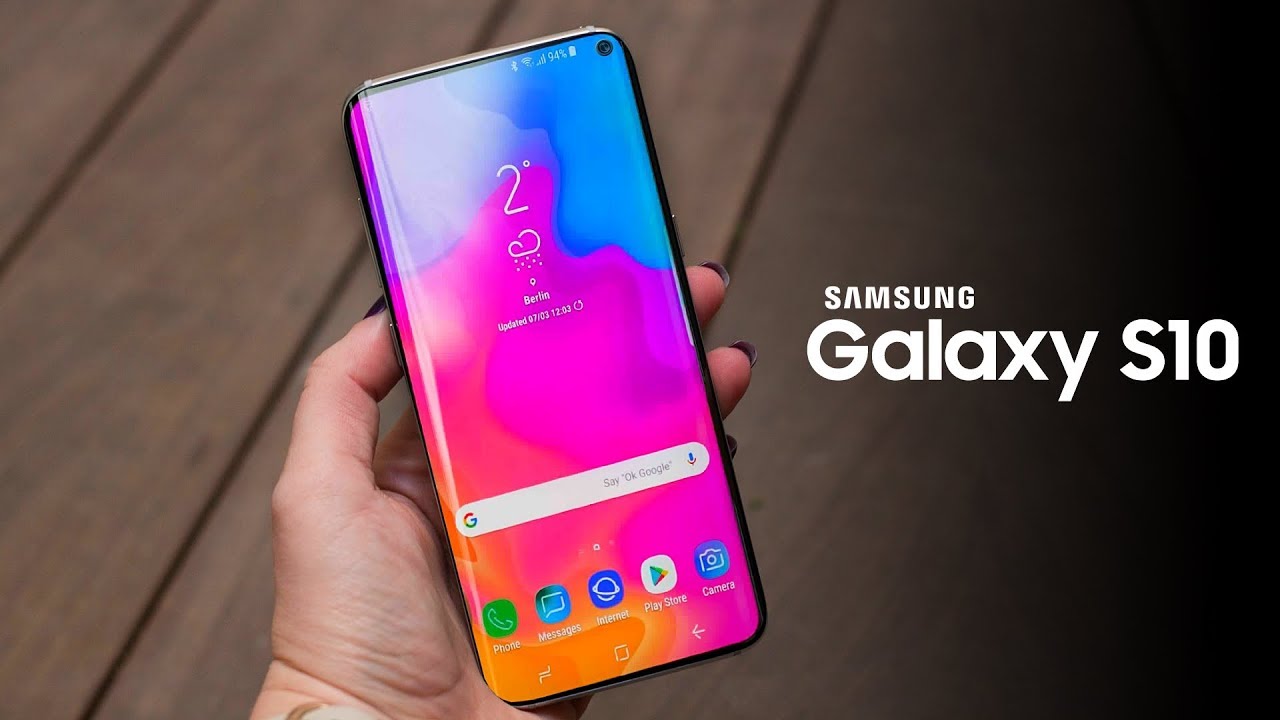
    According to posts on Reddit and the Samsung U.S. community forum made by owners of the new Samsung Galaxy S10 line, the accidental touch protection feature on the phone is not working. This includes the “Block accidental touches” option that is supposed to keep the display off when the phone is in a dark place, like a user’s pocket. The latter uses the handset’s proximity sensor. As a result, not only is the phone butt-dialing random people, when the device is pulled out of a pants pocket, the dialer is often on the display with a bunch of numbers, letters and symbols typed in. Some are blaming the placement of the proximity sensor, which is found on the status bar just above the “%” symbol used to show how much battery life is on the phone.

    Galaxy S10 users say that their phone takes screenshots, opens apps and even turns on the flashlight while in a pocket or a purse. The latter is quite an achievement since it requires the screen to be dragged down twice and the flashlight icon to be tapped. For some users, they can feel the handset vibrating in their pocket and when the device is pulled out from there, it is running hot and the battery is draining faster than it should be. The failure of the accidental touch protection feature to work can lead to some embarrassing moments. For example, a Galaxy S10 owner didn’t realize that his phone had butt-dialed the police emergency number. When he returned home, the cops were there asking if he had an emergency.

    Butt-dialing calls, overheated phones and shorter battery life are some of the symptoms

    One Galaxy S10 user had an interesting theory. He said that the proximity sensor might be seeing light through his pants, keeping the screen on as a result. The sensor is designed to turn off the screen when something is in close proximity to the display. This turns off the screen when you are on a call and the device is placed to your ear, in order to save battery life and prevent accidental touches. The original Apple iPhone was the first smartphone to offer this feature. Testing his theory, this Galaxy S10 user covered up the proximity sensor with his hand with the device in his pocket, and the screen stayed. He believes that Samsung has not calibrated the accidental touch protection correctly. Another user figured that because he had the fingerprint unlock turned on, his phone was constantly scanning for a fingerprint when the display was pressed against his leg with the device in his pocket.

    While many Galaxy S10 owners listed a variety of problems they had trying to keep their phone asleep inside their pocket, one Galaxy S10e user says that he was able to prevent the phone from turning on and butt-dialing from his pocket by disabling the “Lift to Wake” setting. Another user noted that disabling “Always On Display” and “Double Tap to Wake” resulted in more battery life on his phone when he pulled it put of his pocket (50% vs 20%), which he cited as an indication that turning off those features managed to fix the issue.

    But not every Galaxy S10 user who disabled these settings found success. While Samsung forum moderators are certainly aware of this issue, there has been no reaction from Samsung itself. Perhaps Samsung is working on a software update that will fix the problem. For now, if disabling some of the aforementioned features does not help, you might want to consider topping off the battery before you head out just in case your

  • American Eagle expands Aerie lingerie brand

    American Eagle expands Aerie lingerie brand

    Global apparel retailer American Eagle is boosting its Aerie lingerie brand, with plans to open 60 to 75 stores this year.

    The strategy, which coincides with rival brand Victoria’s Secret’s declining sales and series of store closures, involves both standalone locations and side-by-sides with American Eagle, predominantly in Texas and California. The company currently operates 1055 stores.

    “Aerie is a game changer by staying at the forefront of body positivity and women’s empowerment,” said Aerie’s global brand president Jennifer Foyle. “Our new cast of role models are even more inspirational. They embrace the Aerie lifestyle and were chosen for their influential voices, unique stories and commitment to increase the power and empowering our community.”

    The firm reported US$431 million in earnings for the last financial quarter, a 1 per cent rise over the previous year’s figures. Its total net sales also rose 1 per cent to $1.24 billion.

    “Strong execution by the teams drove a record fourth quarter and fiscal 2018, as we reached a milestone of $4 billion in annual revenue with increased operating profit,” said American Eagle’s CEO and chairman Jay Schottenstein.

    “Eagle and Aerie continued to deliver consistent performance by combining product innovation and great merchandise with an improved customer experience across channels. As we head into 2019, we will continue to leverage the strength of our brands, selling channels and the team’s commitment to continually raising the bar for our customers. The strength of our balance sheet and free cash flow enables us to make important investments in our business to fuel market share gains, future growth and returns to our shareholders.”

  • Islamic clothing market growing to US$88bn by 2025

    Islamic clothing market growing to US$88bn by 2025

    The global Islamic clothing market is expected to reach US$88.35 billion by 2025, according to a new report by US marketing and consulting firm Grand View Research. Increasing expenditure by Islamic populations on lifestyle and apparels, especially among the wealthy, elite, and traditional Middle Eastern populations, is expected to propel demand.

    In 2017, ethnic wear accounted for 70.9 per cent market share, in terms of revenue, owing to rising demand for abayas, hijabs, thobes and jubbas in countries with a high Islamic population. The burkha and naqaab segment is expected to expand at a CAGR of 5.4 per cent from 2017 to 2025, owing to increasing demand from Middle Eastern countries – including Saudi Arabia, the UAE, and Iraq.

    Sustainable fashion is expected to register a CAGR of 4.9 per cent over the forecast period on account of the shifting focus of leading fashion brands towards the development of innovative clothing options for the younger population. The Asia-Pacific region accounted for 31.3 per cent of revenue in 2017, with more than 63 per cent of the world’s Muslim population located in Indonesia, Pakistan, India, Bangladesh, Myanmar and Morocco.

    Key players operating in the Islamic clothing market include House of Fraser, Marks & Spencer, Aab, H&M, and Mango, which are catering to the rising demand for diverse options from different parts of the world.

    Major countries outside the Western fashion industry contributing to a significant share include Malaysia, Turkey, and Indonesia, where the industry is highly lucrative.

    However the research says controversies around losing the ethnic value of Muslim clothing due to its shift towards mainstream fashion industry may hamper market growth. Initiation of various marketing campaigns by industry players in line with maintaining the core of the Muslim precepts – Sharia, or the Islamic law – is projected to propel growth of the Islamic clothing market.

    In addition, increasing demand for modest-yet-fashionable clothing, especially from the younger generation with high purchasing power, is likely to complement market growth.

    Increasing reservations regarding over-commercialisation of what is primarily meant to be a rigorous religious mandate can pose a challenge to market players. In addition, involvement of multinational fashion brands is projected to restrain growth of the small Islamic clothing companies.

  • Adore Beauty to launch New Zealand before Summer

    Adore Beauty to launch New Zealand before Summer

    After putting international expansion plans on ice for the past few years to focus on growth in its home market of Australia, e-commerce business Adore Beauty is ready to go overseas again, and the first stop is New Zealand. According to Kate Morris, Adore Beauty’s founder and CEO, the Australian business will launch a localised website in New Zealand within the next six months. This will be accompanied by a local marketing campaign to increase awareness of the brand in the market.

    “The offering will be more competitive, and we’ll be looking to make ourselves a bit easier to find for New Zealand customers,” Morris told.

    Adore Beauty has shipped internationally since it launched in 1999, but in the past, the experience was less than ideal for overseas customers, since prices were in Australian dollars.

    In January 2017, the company partnered with Borderfree, a tech solution that enabled customers to see different currencies, payment methods and customs and taxes, depending on their location.

    This was always intended as a stop-gap solution to improve the international shopping experience until the business had capacity to think about international expansion again, according to Morris.

    “It wasn’t an area of focus; we weren’t spending any marketing dollars outside of our Australian consumers,” Morris said about international sales over the past few years.

    That has changed, as Adore Beauty recently completed a significant warehouse transformation project with HighJump, which saw its capacity triple to 4500sqm. This will enable the online beauty retailer to support its growing Australian business, while servicing new customers.

    “You’ve got to make sure you keep up your promises to the customers you already have before expanding out and trying to support new ones,” Morris said.

    “Part of our brand is the service level [we provide] and our reliability. Unless we can execute on that wherever we go, what’s our offering? We need to be consistent with our brand.”

    Morris said the New Zealand launch is just the first part of Adore Beauty’s expansion plans. It marks the “reopening of international generally”, she said.

  • Allianz Malaysia earnings up 15.3% to RM100m in fourth quarter

    Allianz Malaysia earnings up 15.3% to RM100m in fourth quarter

    Allianz Malaysia Bhd’s earnings increased by 15.3% in the fourth quarter ended Dec 31, 2018 (Q4) to RM100.04 million, from RM86.78 million in the previous corresponding quarter mainly due to higher underwriting profit from motor business arising from lower claims and management expenses. For the quarter under review, the general insurance segment recorded a profit before tax of RM78 million, an increase of 15.7% as compared to the preceding year quarter.

    Meanwhile, the life insurance segment recorded a profit before tax of RM50.3 million, a decrease of 15.5% due mainly to higher group claims.

    Allianz reported a 7.63% increase in revenue to RM1.3 billion in Q4 from RM1.21 billion, driven by higher gross earned premiums and investment income.

    For the full year, its net profit grew 30.9% to RM377.02 million from RM287.96 million a year ago, while revenue was up 7.9% to RM5.18 billion from RM4.8 billion previously.

    The general insurance industry reported a marginal growth of 1.5% in gross written premium for the year ended Dec 31, 2018.

    Allianz said the group anticipates similar trend in the medium-term given the economic uncertainty and subdued consumer sentiments.

    However, it said the general insurance segment will continue to offer innovative products and services in anticipation of a fully liberalised insurance market while further expanding its multi-distribution model to maintain market leadership.

    For the life insurance segment, Allianz will continue to leverage on the strength of its multi-distribution channels and increase productivity across distribution channels to generate growth.

    The group will also continue to focus on optimising the performance of its insurance businesses and expect to maintain satisfactory results in 2019, it added.

  • Miniso teams up with cartoon network’s Adventure Time

    Miniso teams up with cartoon network’s Adventure Time

    Miniso has teamed up with Cartoon Network to present an epic 264-item collection of Adventure Time products in its stores across 62 territories around the world. From Europe to Asia, and Africa to North America and South America, the retailer is stacking its shelves with items featuring iconic characters including Finn, Jake, BMO and Lumpy Space Princess.

    Launching this month as part of a phased global rollout, Adventure Time fans will be able to enjoy an immersive in-store experience with the collection, which will be comprised of plushies, stationery, gifts and accessories such as backpacks and cosmetics. In the near future, the collection will add even more items as well as expand to additional territories.

    “The scale of this range demonstrates the popularity and enduring qualities of the Adventure Time franchise globally,” said Vikram Sharma, Vice President of Cartoon Network Enterprises, Asia Pacific.

    “Miniso has been a great partner for us. And when they wanted a brand that could provide young fans with an instantly-recognizable and fun association, Adventure Time was the obvious, mathematical choice!”

    Meanwhile, a new wave of merchandise from We Bare Bears – another Cartoon Network property – will also be in stores alongside Adventure Time.

    After impressive sales during the initial collaboration during 2018, more than 200 new and refreshed Bears’ items will be available in Miniso stores this month.

  • Korean firms team up on insurance

    Korean firms team up on insurance

    SK Telecom, Korea’s top mobile carrier, and Hyundai Motor will jointly enter the insurance business, partnering with Hanwha General Insurance to bring their technology expertise to the industry. The Financial Services Commission (FSC), the country’s top financial regulator, said Wednesday it has given preliminary permission for SK Telecom, Hyundai Motor and Hanwha General Insurance to build an online insurance company that primarily deals with miscellaneous non-life insurance on digital platforms.

    “If the process goes smoothly, it can open in the fourth quarter of this year,” said a spokesperson at SK Telecom.

    In six months, the investing units are required to raise the promised capital, complete recruiting and have the physical operation in place, after which it will file for final approval.

    The companies said the unit will focus on cars, pets and travel.

    Hyundai Motor said the insurer will develop a product that differentiates insurance fees depending on a policy holders’ mileage and other driving behavior. Also on the cards is a system that discounts fees when subscribers are found to drive in a safe manner by adopting a real-time analytical technique to monitor driving habits.

    The insurance firm aims to carve out its own niche with lower fees and relatively short contracts.

    “We want to offer attractive alternatives for consumers who found existing insurance products expensive and requiring long-term commitment,” said Jang Yoo-seong, head of the artificial intelligence (AI) and mobility division at SK Telecom.

    The idea is based on InsurTech, a combination of insurance and technology that has quickly risen to prominence in the global financial industry.

    According to a study by the Korea Insurance Research Institute, the market has been rapidly growing in recently years. Investment in InsurTech start-ups, which amounted to $2.6 million in 2013, surged to $11.9 billion in 2017.

    The global InsurTech market revenue is valued at $532.7 million in 2018 and is expected to reach $1,119.8 million by 2023, according to Research and Markets, a U.S. market tracker.

    Hanwha General Insurance will raise 75.1 percent of the capital while SK Telecom puts in 9.9 percent. Hyundai Motor invested 5.1 percent and Altos Ventures Korea, an investment firm, 9.9 percent.

    In total, the companies will funnel in a total of 85 billion won.

    If passed, the new insurer will be the country’s second internet-only insurance company after Kyobo Life Planet.

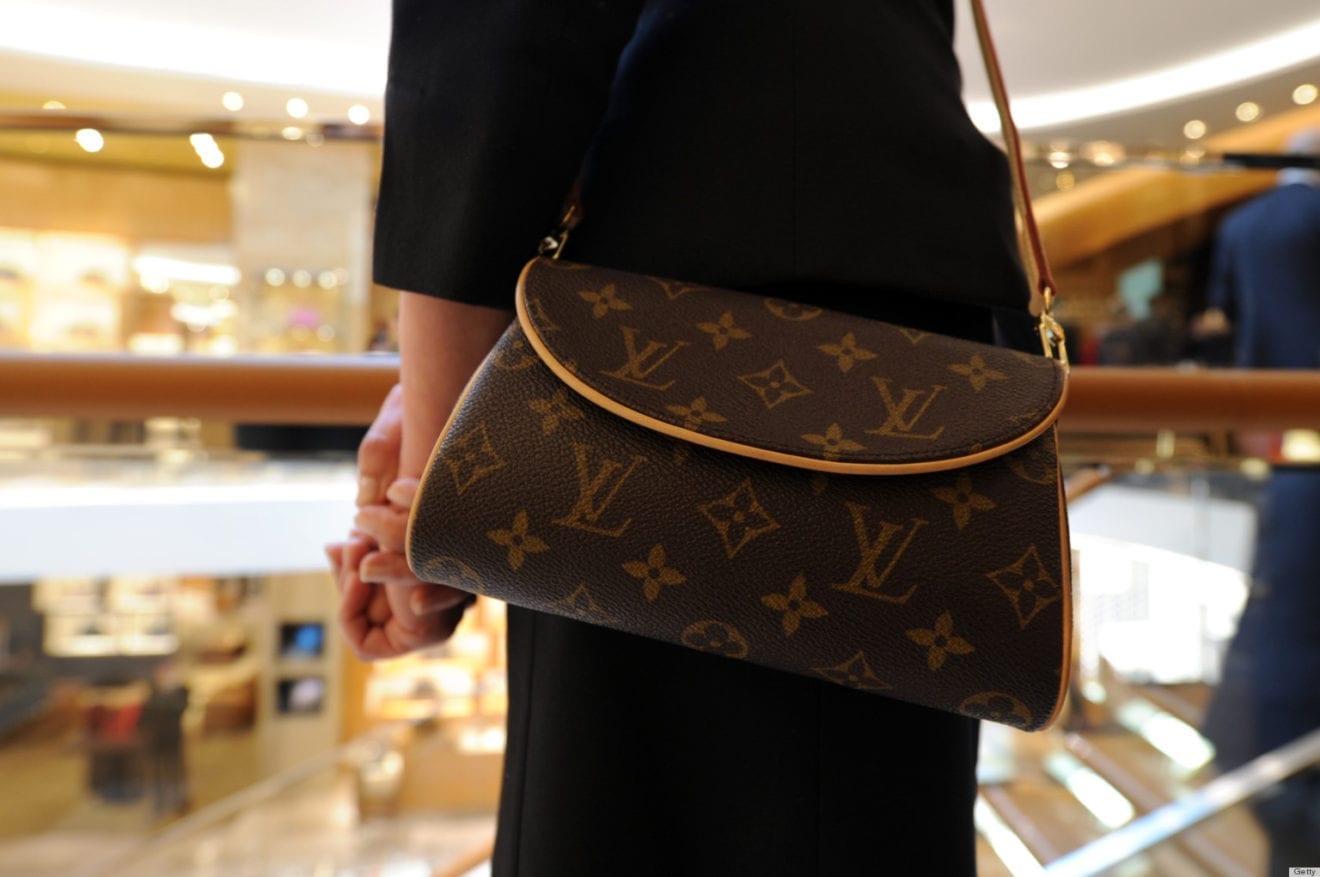
  • Record results for LVMH in 2018

    Record results for LVMH in 2018

    The world’s largest luxury retailer LVMH shrugged off broader market pessimism overnight reporting record revenue of €46.8 billion last year, up 10 per cent over 2017. Excluding the closure of the unprofitable Hong Kong airport duty-free business in December 2017, the group’s organic growth was 12 per cent. Every business division delivered what the company described as “excellent performances”.

    Group profit rose a staggering 21 per cent to €10 billion with operating margin reaching 21.4 per cent, an increase of 1.9 percentage points.

    “LVMH had another record year, both in terms of revenue and results,” said chairman and CEO Bernard Arnault. “The desirability of our brands, the creativity and quality of our products, the unique experience offered to our customers, and the talent and the commitment of our teams are the group’s strengths and have once again made the difference.”

    Arnault said this year the company would continue to innovate and target investments combining tradition and modernity.

    “In an environment that remains uncertain, we can count on the appeal of our brands and the agility of our teams to strengthen, once again, our leadership in the universe of high-quality products.”

    The company’s flagship Louis Vuitton business was a standout for the group, contributing much of the 15 per cent organic sales growth of the fashion and leather goods business division where profit from recurring operations was up 21 per cent.

    “Christian Dior had an excellent first full year within LVMH thanks to the creativity of Maria Grazia Chiuri for the women’s collections and to the arrival of Kim Jones, the new artistic director of Dior Homme,” the company said in its earnings statement.

    “Fendi and Loro Piana continued to assert their know-how throughout their collections. Celine entered a new and ambitious stage of its development with the arrival of Hedi Slimane as artistic, creative and image director of the brand.”

    Givenchy, Loewe and Kenzo “progressed well” while the other brands, Berluti and Rimowa continued to gain momentum.

    Watches and jewellery profit soars

    LVMH’s watches and jewellery business recorded organic revenue growth of 12 per cent – and a stunning 37 per cent increase in profit from recurring operations.

    “Bulgari performed very well and gained market share. Its iconic jewellery and watchmaking lines Serpenti, Diva’s Dream, B.Zero1, Lvcea and Octo grew strongly.”

    Chaumet’s growth was driven by the success of the Liens and Joséphine collections, particularly in Asia.

    In the watchmaking sector, Tag Heuer continued to expand its range and Hublot enjoyed strong growth, partly due to high visibility as the FIFA World Cup official timekeeper.

    DFS returns to profit

    A return to profitability for the travel-retail business DFS after it exited its Hong Kong airport concessions at the end of 2017 was a highlight of LVMH’s ‘selective retailing’ business unit last year. The business group achieved a 12 per cent improvement in organic revenue growth (excluding the airport business from the 2017 base comparison) and a 29 per cent improvement in profit.

    “DFS progressed strongly thanks to a particularly good performance in Hong Kong and Macau. The recently opened Gallerias in Cambodia and Italy also grew rapidly,” said LVMH.

    Sephora enjoyed unspecified growth in sales and market share, with strong online sales growth in Asia and North America. About 100 new stores opened worldwide, including the new Nanjing Road store in Shanghai and the first Sephora-branded stores in Russia.

    Scents of success

    The perfumes and cosmetics business division achieved organic revenue growth of 14 per cent, driven by the performance of its flagship brands, with profit from recurring operations up 13 per cent.

    “Parfums Christian Dior experienced remarkable growth and increased its market share in all regions of the world. The launch of its new perfume Joy and the exceptional worldwide success of Sauvage and the other iconic perfumes J’adore and Miss Dior are behind the strong growth of the Maison,” said LVMH.

    “Makeup and skincare also grew rapidly. Guerlain progressed well, driven in particular by the success of Abeille Royale in skincare and Rouge G in makeup. Benefit strengthened its leading position in the eyebrow segment and Parfums Givenchy accelerated its performance, thanks in particular to makeup and its new perfume L’interdit. Fresh and Fenty Beauty by Rihanna continued their exceptional growth.”

    Strong spirits

    The wines and spirits business group achieved organic revenue growth of 5 per cent and profit from recurring operations also increased by 5 per cent.

    “The business group reaffirmed its leadership position by pursuing its value strategy and balanced geographic development.”

    The Hennessy business enjoyed “strong momentum” in Mainland China, LVMH said.
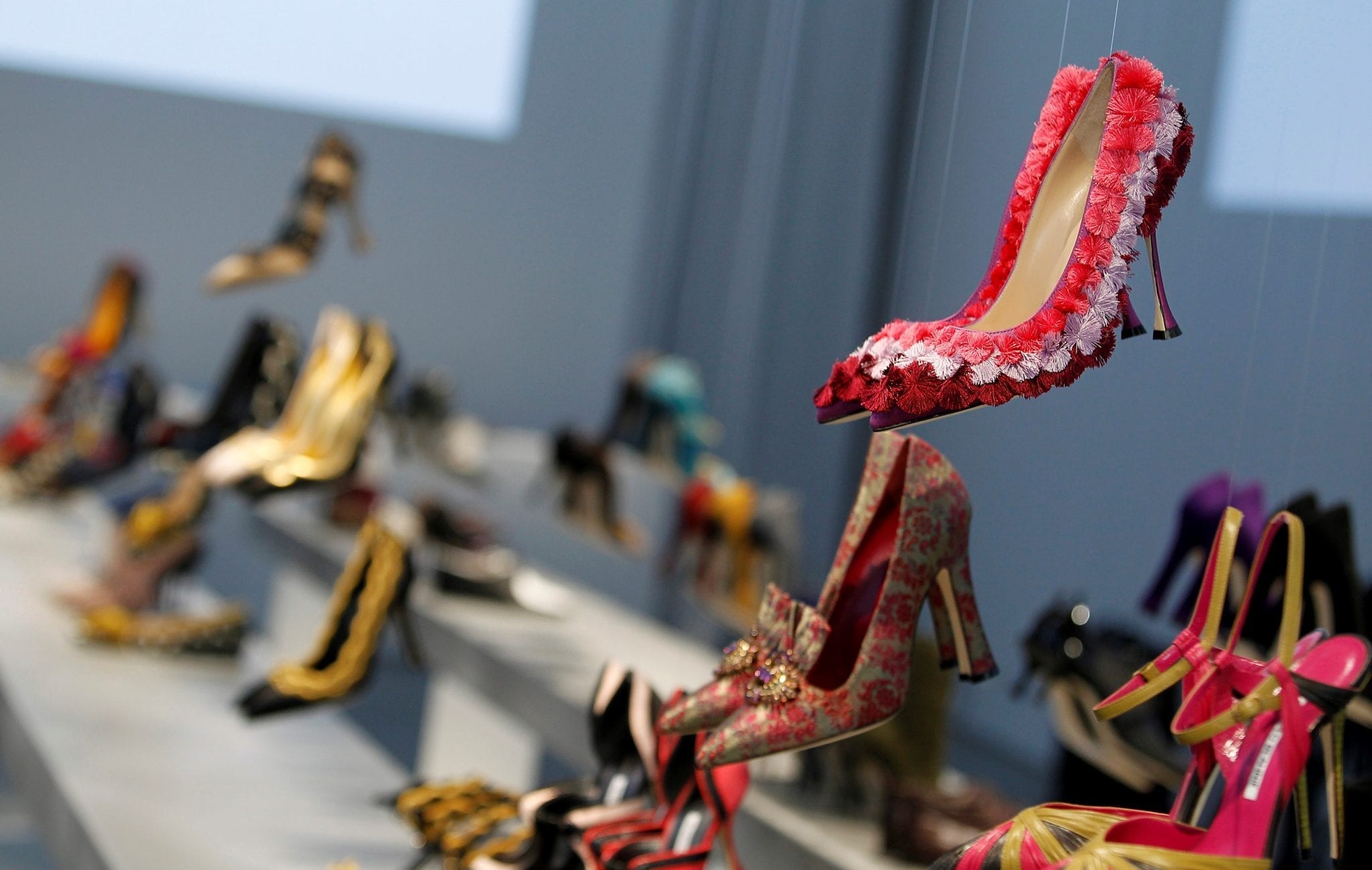
  • Manolo Blahnik opens its first flagship store in Taiwan

    Manolo Blahnik opens its first flagship store in Taiwan

    In May 2018, Manolo Blahnik opened its doors to the public at the triple tower complex Marina Sands Bay in Singapore, strengthening its presence in Asia with Bluebell Group. In January 2019, Manolo Blahnik continues its expansion into Asia with the opening of its first flagship store in Taiwan. The brand is known for its original and creative flair as well as timeless classic styles, which loyal customers from film stars to leading editors, to women who just trust his perfectionism, come back to again and again.

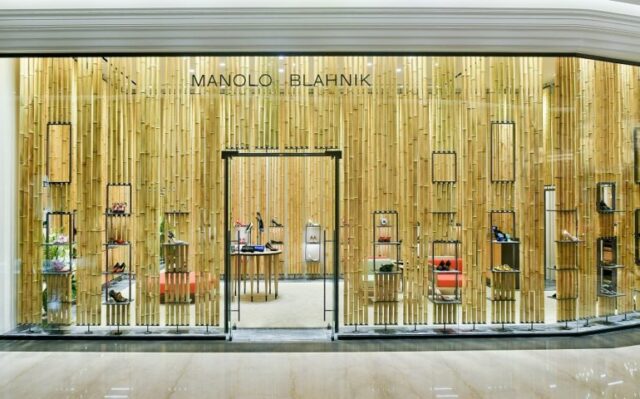
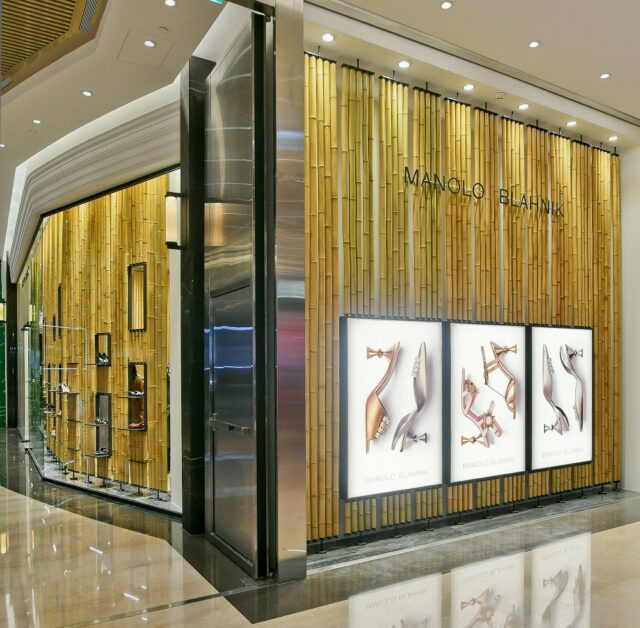
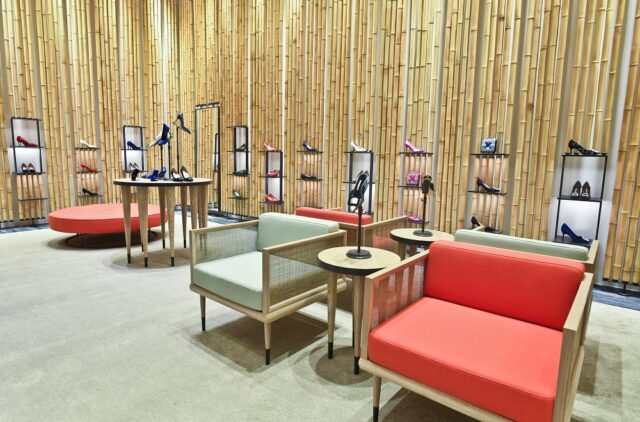
    The newly opened Manolo Blahnik store, a 65 square metre space with a privileged location within the Nanshan Plaza shopping centre, showcases the world-renowned shoes on the first floor of the new upscale retail destination.

    Nick Leith-Smith, the brand’s long-serving architect, said: “Taipei flagship celebrates a material play on Taiwan’s deep cultural and historical connection to bamboo – with a rotating bamboo forest as a central motif. At first, orderly, and geometric, yet with the dynamic movement introducing a curious playfulness to entice and enchant.”

    The new store is another step forward for the company in its expansion across  important markets; and another milestone achieved in the history of the family-owned business that has prevailed in the luxury shoe industry for nearly fifty years.

    The creative soul of the brand is still Mr. Blahnik who, with a career spanning over 40 years, has become one of the world’s most influential footwear designers. His shoes have spellbound an international set of adoring and loyal devotees across the globe.

    He was born in the Canary Islands to a Spanish mother and a Czech father, he studied languages and art in Geneva before moving to Paris in 1965 where he decided to become a set designer.

    On a visit to New York in 1970, he showed his theatre designs to Diana Vreeland, then editor-in-chief of American Vogue, who honed in on his shoes and encouraged him to concentrate on them. Blahnik learnt the art of making shoes by visiting factories, where he talked to machine operators, pattern cutters and technicians. By 1970, he was in London making shoes.

    A year later, Ossie Clark, then the most famous designer in London, used his shoes and from there his career blossomed.

    Manolo Blahnik was established in 1970 with the opening of the first boutique
    in Chelsea, London. It is still a privately owned and family run business with Mr. Blahnik as Creative Director and his sister Evangelina Blahnik led by the enthusiasm of  Kristina Blahnik.

    Kristina, CEO of the company since 2009,  is in charge of brand expansion and optimization of the business worldwide, and in Asia, their transformation is the the result of a long-term partnership with Bluebell Group, which stated in Japan, Malaysia, and Singapore, and Taiwan.

    Kristina, the walking embodiment of the woman her uncle, Manolo designs for, before the latest opening said: “I am thrilled at our new venture with the Bluebell group, they have already demonstrated to be an excellent partner in launching beautiful spaces in prestigious locations”.