Tag: lifestyle

  • Uniqlo opens Manchester flagship, expands beyond London

    Uniqlo opens Manchester flagship, expands beyond London

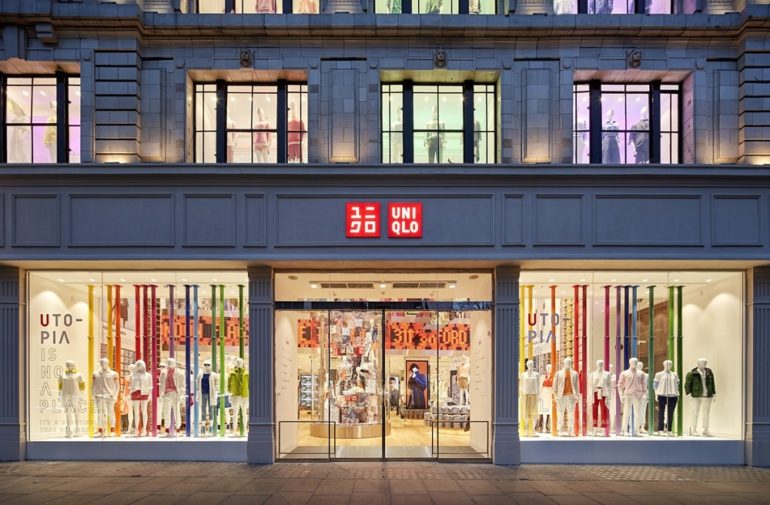
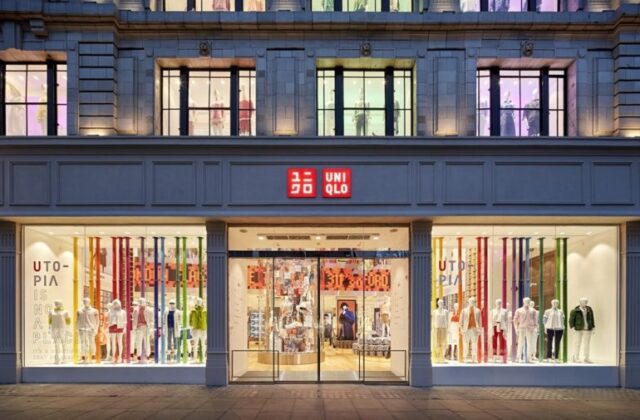
    Japanese retail chain Uniqlo is expanding its store network internationally, announcing the opening of its latest store in the UK. Opening in the city of Manchester, Uniqlo is returning the British city after leaving Manchester back in 2004, not long after it entered the UK market. Uniqlo revealed the news this week on its Instagram: “Uniqlo Manchester – opening spring 2019. Tokyo heads up North. Register for updates on our Manchester store opening at the link in bio.”

    The post also gave location details, revealing the store is slated for Manchester Arnadale at 57 Market Street. The address is the former-space of closed down UK retail chain BHS, which shuttered on Market Street in August 2016, after 35 years of service on the city’s main shopping strip.

    The new store will occupy a 22,690 square feet and will sell Uniqlo’s full range of core items for men, women and kids, as well as jeans and t-shirts.

    The retailer said that the expansion north of London was an important step in its UK growth.
    “The launch of Uniqlo in Manchester represents another major milestone for us in the UK, as we continue to expand our presence in this important market for the company worldwide,” Uniqlo chief executive Taku Morikawa said.

    “We are very excited to be able to offer Uniqlo LifeWear to the people of Manchester and surrounding areas for the first time and show how our high quality, comfortable and functional clothing can help improve their everyday lives.”

    It is hoped that Uniqlo Manchester will fair better than BHS, and in turn compete strongly with fellow fast-fashion brands Primark and H&M, which are currently set up in the millennial-heavy city.

    Uniqlo first launched 20 stores in the UK, but then closed 15 sites outside of London three years later, including two in Manchester.

    It currently operates nine stores across London, one in Kent at Bluewater shopping centre and another in Oxford at Westgate.

    In its most recent earnings update, Uniqlo Europe said that in the year up to August 31, 2018, profits rose from €673,000 to €6.3million on a turnover of €533million, up from €410million.
  • New air purifier from Japan debuts in Korea

    New air purifier from Japan debuts in Korea

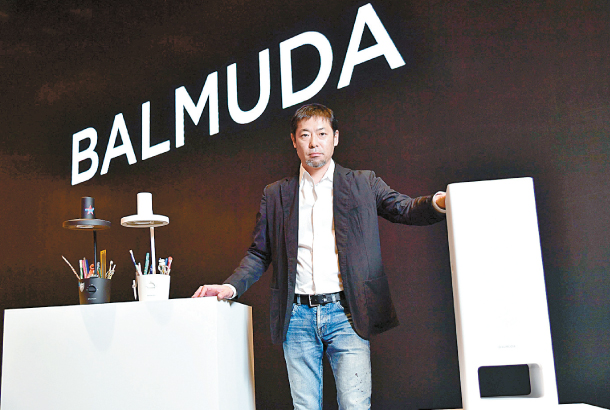
    Balmuda, a Japanese high-end home appliance maker, is introducing a new air purifier in Korea today ahead of the rollout in Japan, where the launch date has not been set. Balmuda CEO Gen Terao emphasized the importance of the Korean market during the company’s first press conference in Korea Tuesday as he unveiled The Pure air purifiers.

    “We chose to unveil our air purifiers in Korea in light of the fine-dust problem and Balmuda’s growing brand awareness here,” Terao said at the conference in Yongsan District, central Seoul.

    “While Japan’s air purifier market is decreasing every year, it’s been growing in Korea. We sell 10 times more air purifiers here.”

    Several new features make it an upgrade from the AirEngine, the company’s older 2013 model.

    One of the key innovations is that The Pure allows users to see how much dust the machine sucks in. The purifier has a rectangular hole cut out in the bottom installed with lighting, making it easy for users to see the dust and particles that go up into the filter above the hole.

    The Pure’s HEPA filters can trap 99.97 percent of particles as small as 0.3 microns and eliminate odors. The machine releases up to 7,000 liters (1,850 gallons) of cleaned air per minute.

    The Pure will be available at department stores and online and offline electronic retailers from today. They are priced at 749,000 won ($666).

    Terao also discussed Balmuda’s The Light, a desk lamp for children launched last December.

    Addressing the growing problem of short-sightedness among children, Terao said he developed advanced light technology together with medical surgery light manufacturers.

    Terao called out Xiaomi’s air purifiers for copying Balmuda’s AirEngine design.

    “When I saw this [Xiaomi] product, I wondered when we had built it because it had the same size, silhouette and structure as the AirEngine,” Terao said. “But the fact that others are copying us is proof that our products are good.”

    Balmuda, founded in 2003, posted over 10 billion yen ($90 million) in annual sales last year. The company currently generates around 30 percent of its total revenue in Korea.

  • Ralph Lauren showing good progress

    Ralph Lauren showing good progress

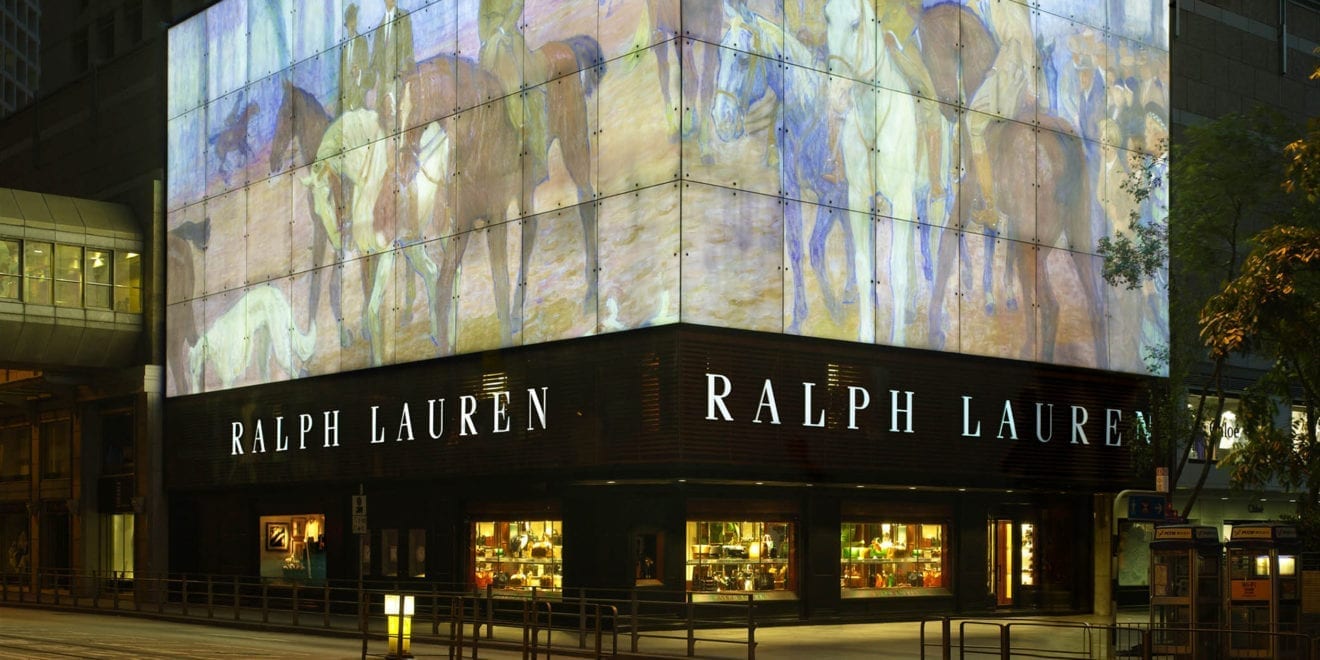
    After a long run of fairly mediocre performance, Ralph Lauren has finally delivered a solid set of numbers. The 5 per cent net revenue growth announced last week is pleasing as are the various regional outcomes. These were supported by a respectable increase in underlying comparable sales. It would be remiss not to note that the good figures have been delivered off the back of a very weak prior year performance, but this should not take away from the fact that the brand is now headed in the right direction.

    Away from the top line, the bottom line has also strengthened with operating income up by 12.9 per cent over last year. Much of this is down to far lower rates of discounting, especially in the wholesale channel. We also see this as a sign that Ralph Lauren’s more disciplined and focused approach to producing collections is allowing more product to be sold through at a fuller price. All of this suggests that the company is doing a much better job at connecting with consumers.

    Our own data backs this up. Brand affinity to Ralph Lauren was the strongest in over five years this holiday season; brand recall and awareness were also higher, including among younger consumers. Some of this is the result of increased marketing spend but a lot of it also comes down to a more targeted approach. Initiatives like the launch of the Palace label have provided the brand with greater visibility among consumers looking for edgier, contemporary designs. There is clearly more work to be done, but this progress represents a good platform on which to build.

    That said, Ralph Lauren needs to remain disciplined; it should not revert to past form by launching rafts of sub-brands and spin-off labels which create confusion.

    Digital was the star channel this quarter with sales up by 20 per cent over the prior year. Some of this is a consequence of the investment in online platforms which are now much improved and delivering higher conversion. However, traffic to websites has also risen as Ralph Lauren has created more visibility around its products and brands. In North America, the slight downside is the imbalance in growth. Online comparable sales rose by 21 per cent, but store comparables were flat. While this is not necessarily surprising, it underlines that Ralph Lauren has more work to do in persuading customers to visit its shops – something that should, in theory, become easier as it pulls back from the wholesale channel.

    For all of this positivity, we are still cautious about the trajectory of the brand. While there is no doubt that Ralph Lauren is now in a much stronger position, a lot of work remains to be done on carefully defining the various parts of the offer and ensuring they remain targeted.

    Because of the vast array of brand elements, this is a challenging task that could easily falter – especially as the economy tightens and the company laps some tougher comparatives.

    Overall, however, Ralph Lauren is on the right track, it just needs to stay on course as it accelerates.

  • Mobile phone ads gain greater purchase during Tet in Vietnam

    Mobile phone ads gain greater purchase during Tet in Vietnam

    Vietnam recorded the fourth highest mobile in-app ad revenues (eCPM) in the Asia-Pacific region during Tet 2018. It ranked behind China, Singapore and the Philippines, according to a report recently released by Vietnamese digital advertising service company Adsota.

    The report also showed that app downloads were the highest 10 days prior to Tet in 2017, while downloads peaked on the first day of the 2018 Tet, showing that the Lunar New Year holiday was a highly effective period to execute user acquisition campaigns for app developers.

    The number of mobile app ad requests (the number of ads displayed in apps) rose by 32 percent in Vietnam during this holiday compared to other days in January and February, said the report.

    Many Vietnamese mobile app developers have gone global and succeeded in the U.S. or Australia by targeting foreign holidays like Black Friday and Christmas. Overall, the highest downloads of Vietnamese-developed apps came from India and the U.S. at 13 and 11 percent respectively, followed by Brazil and Indonesia at 8 percent and 6 percent respectively.

    In terms of revenue, profits from the U.S. market contribute around 20 percent of overseas revenue generated by Vietnamese applications, followed by other developed markets like Australia at five percent; and Germany, Japan and Korea at three percent each.

    Of some 95 million people in Vietnam, 73 percent use mobile phones, 42 percent use smartphones and 50 million people use mobile social media, according to the report.

  • Cle de Peau Beaute debuts in Thailand

    Cle de Peau Beaute debuts in Thailand

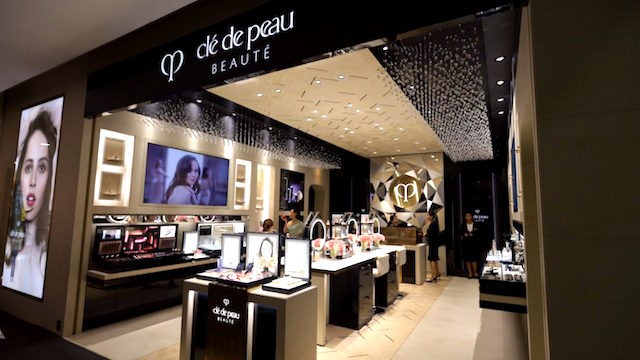
    Japanese luxury skincare brand Cle de Peau Beaute has opened its first location in Thailand. Launching in the Helix building, Emquartier, the new store expects to cater to the brand’s cult following in the market. The venue is designed to reflect the luxurious lifestyle of modern women, with a ‘Radiance Wall’ illuminating the entire retail space and a gallery with storied details of selected products.

    The launch is being marked with the announcement of the brand’s new influencer, actress, artist and director Manasnan Panlertwongskul, and the unveiling of its latest lipstick.

  • LG U+ expected to acquire CJ Hello this week

    LG U+ expected to acquire CJ Hello this week

    LG U+’s plan to acquire cable TV company CJ Hello could be finalized as early as this week. Progress with the deal has been slow since Korea’s smallest mobile carrier first began considering the acquisition early last year. Industry sources said Monday that the deal is mostly finalized and, with a board meeting scheduled on Thursday, is likely to be concluded this week.

    With the acquisition, LG U+ will become the second-largest player in the domestic paid TV market. KT, with both an internet protocol TV (IPTV) service and satellite subsidiary KT Skylife, is currently the market leader.

    Paid TV services in Korea include cable TV, satellite TV and IPTV.

    LG U+ will likely acquire a 53.92 percent stake in CJ Hello from CJ’s entertainment arm CJ ENM. The cost is expected to be around a trillion won ($888.6 million).

    The acquisition would give the mobile carrier more negotiating power when acquiring or producing content. The carrier could also be in a strong position to lure CJ Hello’s 4.16 million subscribers, as of the first half of 2018, to its mobile service by offering favorable rates.

    LG U+ is already using its partnership with Netflix to attract more customers to its mobile and IPTV service.

    Once the mobile carrier decides to go ahead with the deal, it then needs to be approved by the Fair Trade Commission (FTC), the Ministry of Science and ICT and the Korea Communications Commission. In 2016 when SK Telecom tried to acquire CJ Hello, then CJ HelloVision, the deal fell through as the antitrust body disapproved on the grounds that the acquisition could hurt fair market competition.

    This time, though, FTC head Kim Sang-jo hinted during a recent interview that the commission would take a more positive stance regarding the deal considering the rapid changes in the media market. Kim questioned whether broadcasting and telecommunications can be considered completely separate in a quickly changing market.

    It is still to be seen whether LG U+ will more explicitly announce its intent to acquire CJ Hello and expand its paid TV services. The carrier is holding a press briefing for the launch of a new IPTV service targeting senior citizens in Seoul. Many questions are expected to focus on the acquisition deal and future IPTV strategy.

    Competitors KT and SK Telecom are also considering acquiring cable broadcasting companies to counter LG U+’s move. KT is reportedly interested in acquiring cable broadcasting company D’Live, which has a 6.45 percent share of the Korean paid TV market as of the first half of 2018. KT and KT Skylife control more than 30 percent of the market while CJ Hello owns 13 percent and LG U+ has 11.41 percent.

  • Japan’s Zozo expects profit fall, cuts outlook

    Japan’s Zozo expects profit fall, cuts outlook

    Online fashion store Zozo reported its firs-ever profit decline since its launch, adding to the announcement that it plans to discontinue its innovative Zozo suit, as it moves away for custom-fit fashion. One of Japan’s fastest-growing start-ups, Zozo said it expects full-year for the fiscal year ending March 2019 to fall 12%, dipping to 17.8 billion yen ($164 million).

    Zozo said it expects full-year operating profit of 26.5 billion yen, down around 19% from a year earlier. It previously forecast profit to rise to 40 billion yen.

    Sales are still predicted to reach double-digit growth, up 20% to 118 billion yen. However, that’s much lower than an initial forecast of 247 billion yen.

    By category, private-brand revenues are forecast to total 3 billion yen, just 15% of the 20-billon yen prediction made last year. Profits at the new apparel brand will also be negative, registering a loss of 12.5 billion yen.

    Zozo holds close to a 50 percent share of Japan’s e-commerce market for mid to high-end fashion. The Tokyo-based retailer had tried to branch out by launching its private brand and a made-to-measure service. Dubbed the ‘Zozosuit’, a black-and-white spotted body suit that allowed user to take and upload personal body measurements, the suit was overhauled after complaints on how long the suits took to arrive, with some customers complaining the suit did not fit, causing more delays.

    “By distributing the ‘Zozosuit’ for free so that people could take measurements, we were hoping to create demand for the Zozotown business, including the private brand. But the impact did not have the scale that we had hoped for,” the company said in a statement.

    Zozo said it now expects to pay a year-end dividend of 10 yen per share instead of an original forecast of 22 yen.

  • Vogue opens first Tokyo wedding dress salon

    Vogue opens first Tokyo wedding dress salon

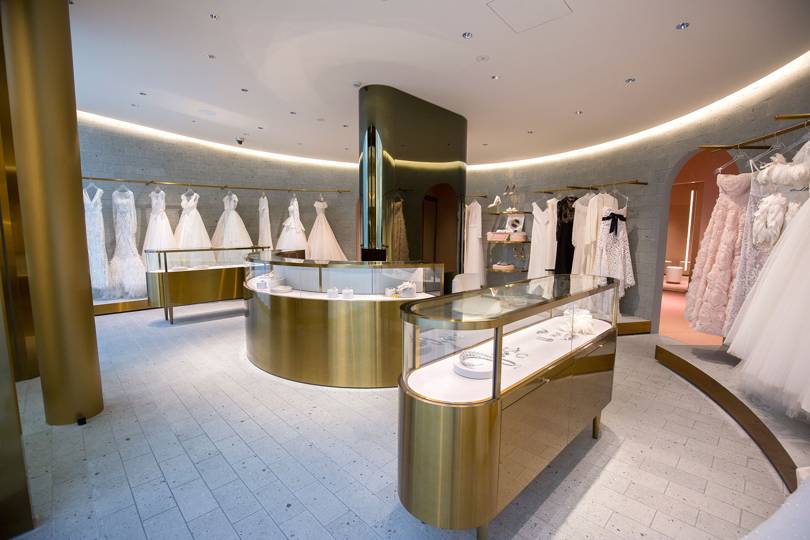
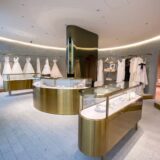
    International fashion magazine Vogue has opened its first wedding dress salon. Facing Aoyama Kotto-dori in Tokyo’s Omotesando district, the salon has hired specialist staff to offer tasteful suggestions not only with regard to dresses and accessories but also extending to hair, makeup and photography services.“The biggest single keyword for contemporary today’s weddings is ‘diversification of values’”, said Vogue Wedding creative director Mayumi Nakamura. “Now is a time for brides who embrace different values to rejoice in their individuality.


    “At Vogue Wedding Salon, in addition to traditional wedding dresses, we have prepared a wide variety of more adventurous styles. These items include stunning bridal gowns from popular designer brands that will be familiar to readers of Vogue such as Alexander McQueen, Giambattista Valli, Oscar de la Renta, Sergio Rossi, and so on. I hope that at Vogue Wedding Salon you will enjoy choosing a stylish dress that is not bound by existing rules.

    View the gallery below (4 images) :

    In addition to traditional wedding dresses, visitors can expect to encounter a variety of fashionably styled modern dresses selected by Vogue and created by top international designers based in the world’s fashion capitals beginning with Paris, New York, Milan, and London. Visitors will find a lineup of popular luxury bridal gown brands, as well as a selection of brands that are available exclusively from Vogue Wedding Salon.

    The salon is also equipped with a photo space where aspiring brides and grooms can take advantage of Vogue’s wedding photography services.

    In addition to wedding dresses, an extensive range of eveningwear and luxury brand shoes and accessories are available. The salon can also offer customers a luxury shoe brand custom order service.

  • YSL opens pop-up store to celebrates Valentine’s Day

    YSL opens pop-up store to celebrates Valentine’s Day

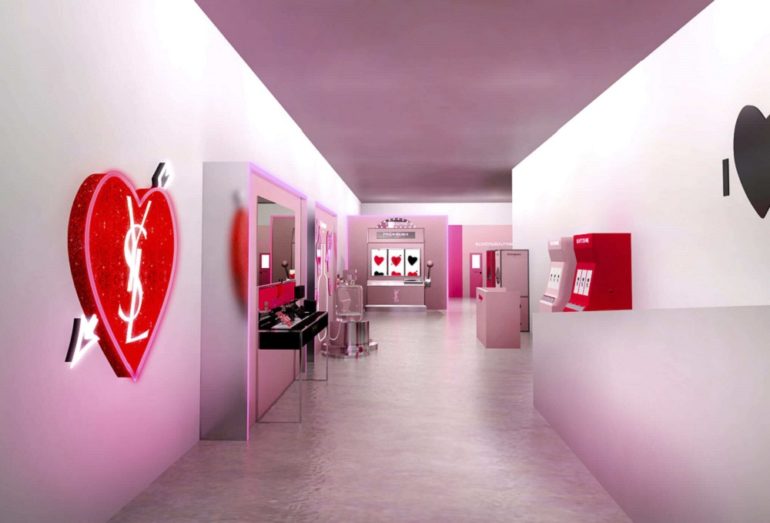
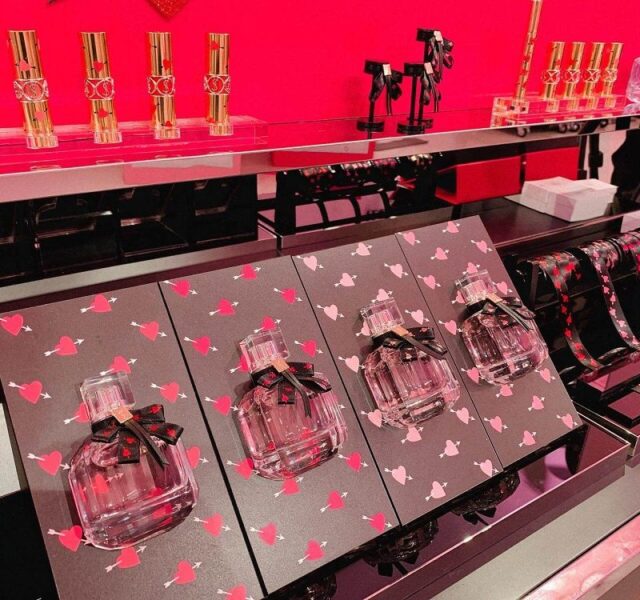
    YSL launched a limited store for Valentine’s Day 2019 in Central, Hong Kong, featuring on WhatsApp sticker, photo booth, and games. Obviously, pink and cosmetics are many girls’ favourite. So pink lovers will fall in love with YSL latest limited pop-up store in Central as the store is fully decorated in pink. Not only visitors will have the opportunity to get the cosmetics products, but they will also be able to take Instagrammable photos in front of different props and beautiful background.

    To participate in this event, visitor only need to register online to get a designated QR code and go during the reserved time slot. In addition to taking pretty pictures, visitors can also try YSL new collection of perfumes, blush, and lipsticks.

    One of the most attractive activities is to tailor-made unique WhatsApp stickers.

    In addition, making WhatsApp stickers, printing photos or buying any products in the pop-up provides points for playing the YSL’s clip doll machine. The higher the points, the more opportunities, so you can clip away YSL cosmetics products and take them home.

    The pop-up closes its doors just after Valentine’s Day.

  • Starbucks Malaysia celebrates Reserve’s success

    Starbucks Malaysia celebrates Reserve’s success

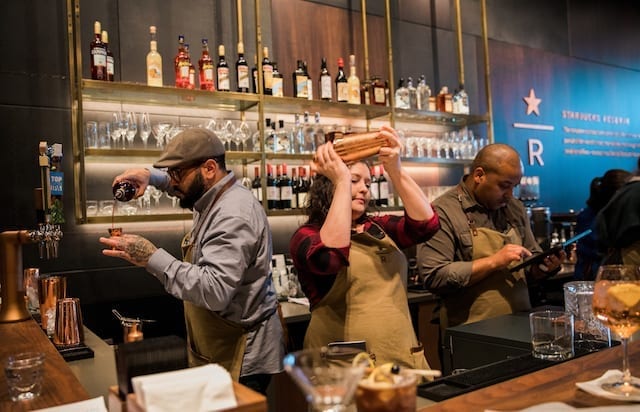
    Starbucks Malaysia plans to open two or three of its premium Reserve concept stores annually. The brand’s eighth Starbucks Reserve store opened at the end of last month, a 5000sqft flagship at Berjaya Times Square, three years after the first outlet launched at The Gardens Mall.

    “We did not anticipate such a strong reception for the new concept store”, said Starbucks Malaysia & Brunei MD Sydney Quays. “We were surprised because a lot of people were interested to learn about coffee and the various ways of brewing.

    “This is what inspired us to open more Starbucks Reserve stores. The opening of the Starbucks Reserve Berjaya Times Square amplifies our passion for coffee and our ongoing commitment to continue providing unprecedented coffee experiences and knowledge to the Malaysian community, while fostering a culture of human connection”, he said.

    The new rollout schedule aims to cater to Starbucks’ loyal customers’ burgeoning interest in coffee. The brand is planning 30 Starbucks outlets per year including the Reserve venues, as well as regular stores, drive-thrus and small-format stores.

  • Vietnam prosecutors support Grab appeal against Vinasun

    Vietnam prosecutors support Grab appeal against Vinasun

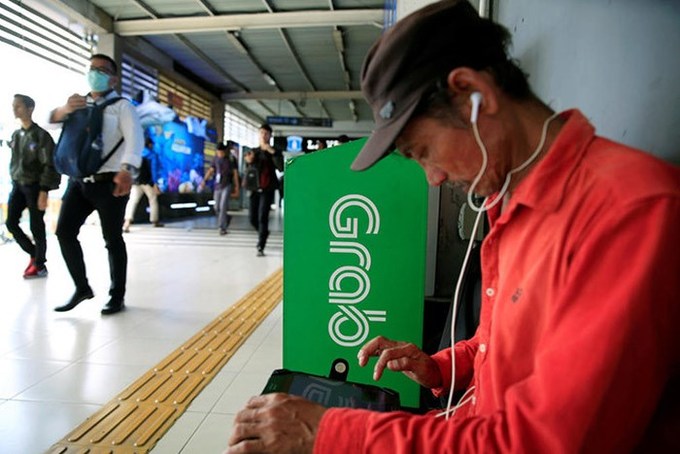
    Prosecutors in Ho Chi Minh City have appealed a verdict ordering Grab to pay compensation to domestic taxi firm Vinasun. They want the appeal court to quash the order requiring the Singapore ride-hailing firm to pay VND4.8 billion ($206,000) in compensation for alleged losses and reject all of Vinasun’s demands. Grab violated a pilot transport ministry scheme and government decree for ride-hailing services, according to the verdict.

    But the prosecutors argue this is groundless since Grab is a passenger transport firm licensed by competent authorities under the pilot scheme and its activities did not violate the law.

    They also dismiss the contention that Grab had caused Vinasun losses of nearly VND42 billion ($1.81 million) as one-sided with no practical or legal basis since it was based solely on an assessment by the court-appointed Cuu Long Inspection Company.

    “In reality, Vinasun’s decline in revenue involves many factors such as the corporate governance capability and the government’s policies and laws.”

    “Therefore, Vinasun’s demand for compensation from Grab is completely groundless.”

    They say Grab’s business activities are legal and Vinasun’s decline in revenues and profits have been partially due to consumers switching to Grab as they found the ride-hailing firm’s services to be superior to those provided by Vinasun and other traditional taxi firms.

    “Grab did not violate the law, there is no causal link between Grab’s allegedly illegal activities and Vinasun’s losses, Grab is not at fault.”

    Vinasun filed the suit against Grab at the HCMC People’s Court in June 2017, accusing it of abusing the Ministry of Transport’s pilot scheme and committing violations.

    The trial began last February, but was adjourned several times before the court last December accepted parts of Vinasun’s demands and ordered Grab to pay the compensation. Grab has appealed.

  • Vietnamese firm seeks main investor status in Long Thanh airport

    Vietnamese firm seeks main investor status in Long Thanh airport

    The Airports Corporation of Vietnam (ACV) desires to be the main investor in the Long Thanh International Airport. ACV, which operates 21 airports in the country, has proposed that it contributes more than a quarter of the $5.4 billion needed to build the new Long Thanh International Airport. Lai Xuan Thanh, chairman of ACV, said that the corporation is ready to contribute $1-1.5 billion needed for the first phase of the mega airport to be built in Dong Nai Province, neighboring HCMC.

    In a proposal to the Ministry of Transport, ACV has said that its initial contribution will be used for major components of the airport including the terminal, runways, parking lots and cargo areas, worth a total of $3.77 billion, according to the Vietnamese government’s website.

    The airport operator is currently working with the Ministry of Transport and Dong Nai authorities on acquiring about 1,800 hectares for the first phase of the airport.

    Most of the targeted area is now covered by plantations belonging to the Dong Nai Rubber Corporation where 200 families reside.

    The Ministry of Transport has asked the consultancy consortium of the airport, JFV, to finish an environmental impact report next month.

    The consortium, comprising of three Japanese, one French and two Vietnamese companies, will also need to submit the feasibility report for the airport by June.

    In turn, the ministry “will submit the feasibility report to the National Assembly in October. If it is approved, bidding will start in 2020 and construction in 2021,” Transport Minister Nguyen Van The told local media recently.

    The Long Thanh International Airport, to be built in three phases over three decades, is set to become Vietnam’s largest airport.

    The first part is scheduled for completion in 2025, when the new airport will be able to handle 25 million passengers a year. The next two phases will run from 2030 to 2035 and from 2040 to 2050.

    Experts have previously warned that the construction cost of the airport could double every five years.

    Lying 40 kilometers east of HCMC, the airport is expected to take up the overflow from the largest existing airport in the country, Tan Son Nhat International Airport.

    Once completed, Long Thanh International Airport will have an annual capacity of 100 million passengers and five million tons of cargo.

    The tourism surge of recent years in Vietnam has resulted in demands for an upgrade of existing airports and construction of new ones.

    The country welcomed 12.5 million air passengers last year, up 14.4 percent from 2017, according to the General Statistics Office.

  • JC Penney to stop selling home appliances

    JC Penney to stop selling home appliances

    Struggling department store chain JC Penney announced it will exit its home appliances business, and some of its furniture business, while revamping the layout of its stores to focus on clothing sales to boost profits. The company, which hasn’t turned a profit since 2010 and has forecast several more years of losses, said it would stop selling major appliances in February “to better meet customer expectations, improve financial performance and drive profitable growth.”

    JC Penney’s appliances business was a pet project of former CEO Marvin Ellison. The company will also stop selling furniture in majority of its stores and will now only be available in select stores in Puerto Rico and online.

    The announcement is the first major change by new CEO Jill Soltau since she joined the embattled retailer late last year.

    According to JC Penney, they are now finalising new layout options, including reduction of store space previously dedicated to appliance and furniture showrooms to maximise efficiencies, reduce inventory and create an enhanced shopping experience that inspires repeat shopping trips.

    “Optimising the allocation of store space will enable us to prioritise and focus on the company’s legacy strengths in apparel and soft home furnishings, which represent higher margin opportunities,” the company said.

    The company further announced customers can still purchase major appliances in stores and online until February 28 and receive free basic delivery and installation on new model purchases over $299. All protection plans and manufacturer’s warranty agreements will remain in effect for the applicable warranty period.

  • The Shilla Duty Free partners with comics strip artists

    The Shilla Duty Free partners with comics strip artists

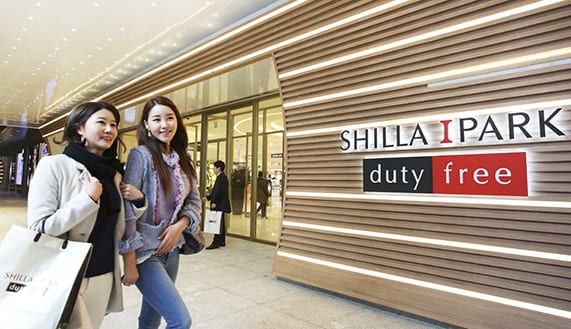
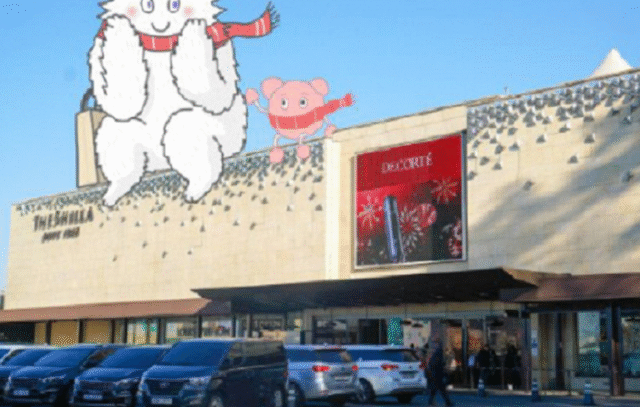
    The Shilla Duty Free is partnering with popular Chinese webtoon artists to boost its appeal to travelling Chinese shoppers. The travel retailer said that this is the first marketing partnership of its kind in the Korean duty free industry. Webtoons have become an increasingly influential media tool to connect closely with consumers, Shilla noted. “Unlike traditional advertisements, webtoons use storytelling that is easily relatable while utilising artists’ existing fandom.”

    The partnership with two webtoon artists, Niu Hong Hong (牛轰轰) and Ruo Guan (弱冠), specifically targets Chinese women in their 20s to 30s – The Shilla Duty Free’s main customer base (as the charts below show, visitors between 21 and 40 made up 57.3 percent of Chinese arrivals in South Korea last year and those between 21 and 30 almost 31 percent).

    Shilla’s stores are being featured in webtoons and the contents promoted through each artist’s social media platforms.

    Real-time comments such as “I would like to shop there”; “I should visit there during my next visit to Korea”; and “I like the store interior” appear on the webtoons.

    Besides introducing The Shilla Duty Free shops, the webtoons also highlight nine local eateries near the retailer’s flagship Seoul Store, showcasing the surrounding area as a local attraction. Since 2016, The Shilla Duty Free has promoted its local communities by introducing nearby restaurants through various channels such as The Shilla Online Duty Free in Chinese and its official Weibo account.

    A spokesperson said, “The partnership with Chinese webtoon artists is a first in the industry. We expect to be able to connect better with Chinese customers. Creative marketing like this will be continued during the peak seasons such as Chinese Lunar New Year, the Mid-Autumn Festival and the National Day of China, to broaden the communication with our customers.”

  • D&G opens boutique in Osaka Japan

    D&G opens boutique in Osaka Japan

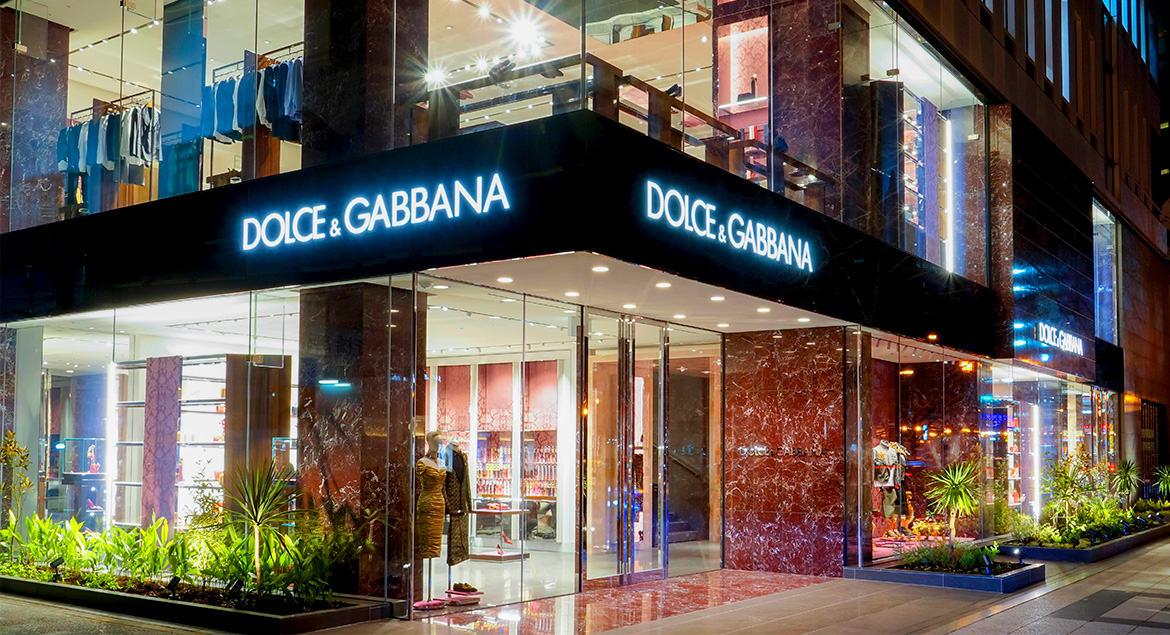
    Luxury brand Dolce & Gabbana has opened a new D&G Osaka store. The two-level, 905sqm #DGLovesOsaka boutique at Midosuji is designed to reflect the unique local features of Osaka while still representing the brand’s heritage, with red marble and pink onyx finishings touched off by pink rugs and wallpaper. A large baroque-styled mirror is a centrepiece of the decor.

    The #DGLovesOsaka boutique stocks ready-to-wear collections and accessories for men, women, and children.