Tag: lifestyle

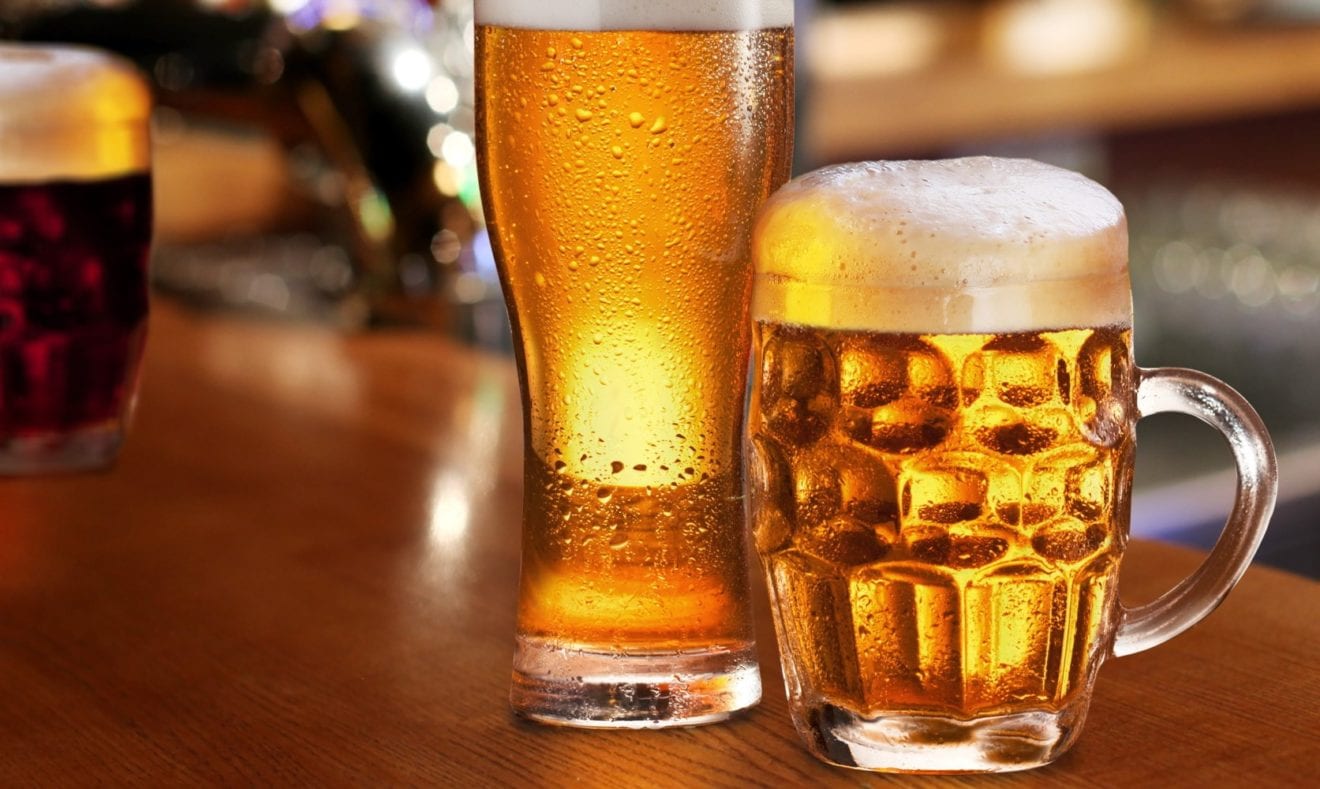
  • Habeco Vietnam reports another year of falling profits

    Habeco Vietnam reports another year of falling profits

    Habeco’s profits fell by 23 percent last year to VND667 billion ($28.71 million), the fourth straight year of decline. Hanoi Beer Alcohol and Beverage Corp, as it is formally known, one of Vietnam’s biggest brewers, also reported a 5 percent fall in revenues to VND9.4 trillion ($404.67 million). There was a sharp increase in operating expenses, especially cost of sales.

    After falling for four years profits are now less than half of the 2014 figure of VND1.44 trillion ($62.12 million).

    Habeco’s decline is contrary to the general growth trend as Vietnam remains one of Asia’s biggest beer consumers. According to Euromonitor statistics, while global beer consumption volume remains unchanged last year, the figure for Vietnam soared.

    According to data from the Vietnamese Beer, Alcohol and Beverages Association, on average a Vietnamese person drank nearly 45 liters of beer in 2017, an almost 50 percent jump in two years.

    Many securities firms believe that though Habeco still leads the beer market in the north, it faces challenges like changing consumer tastes and competitive pressure from foreign brands. It has only been able to maintain market share in the low-priced segment, ceding ground in the premium segment to brands such as Heineken, Saigon Beer (now a subsidiary of ThaiBev) and other foreign brands.

    Ban Viet Securities Company’s latest data shows Habeco’s share in the beer market has fallen continuously in the last six years, from nearly 20 percent in 2010 to 18 percent by the end of 2017.

    The reason for this is that the low-cost segment, its strength, is shrinking, said the securities company. The cheap beer segment now makes up of only 8 percent of the market compared to 14 percent seven years ago.

    Vietnam is famous for its beer drinking culture, and it is widely believed that business deals go more smoothly over a few drinks.

    The country is the biggest beer market in Southeast Asia, consuming nearly four billion liters in 2017. It spends on average $3.4 billion on alcohol each year, or $300 per capita, while spending on health averages $113 per person, according to the Ministry of Health.

  • Sales of imported vehicles in Korea fell 10 percent in January

    Sales of imported vehicles in Korea fell 10 percent in January

    Sales of imported vehicles in Korea declined by more than 10 percent in January from a year earlier due to typically low seasonal demand and supply shortage of some brands, industry data showed on Friday. The number of foreign cars sold last month reached 18,198 units, down 13.7 percent from a year earlier, according to the data compiled by the Korea Automobile Importers & Distributors Association (Kaida).

    The tally also marks an 11 percent drop from a month earlier, the data showed. In 2018, sales of foreign cars continued to rise, helped by firm demand for foreign brands and the resumption of sales of Audi Volkswagen.

    The number of newly registered foreign vehicles reached 260,705, up 11.8 percent from 2017.

    Foreign passenger cars made up 16.7 percent of all vehicles that were registered in the country last year, shattering the previous record high of 15.5 percent in 2015.

  • China retail earnings up 8.5% during new year holiday – ministry

    China retail earnings up 8.5% during new year holiday – ministry

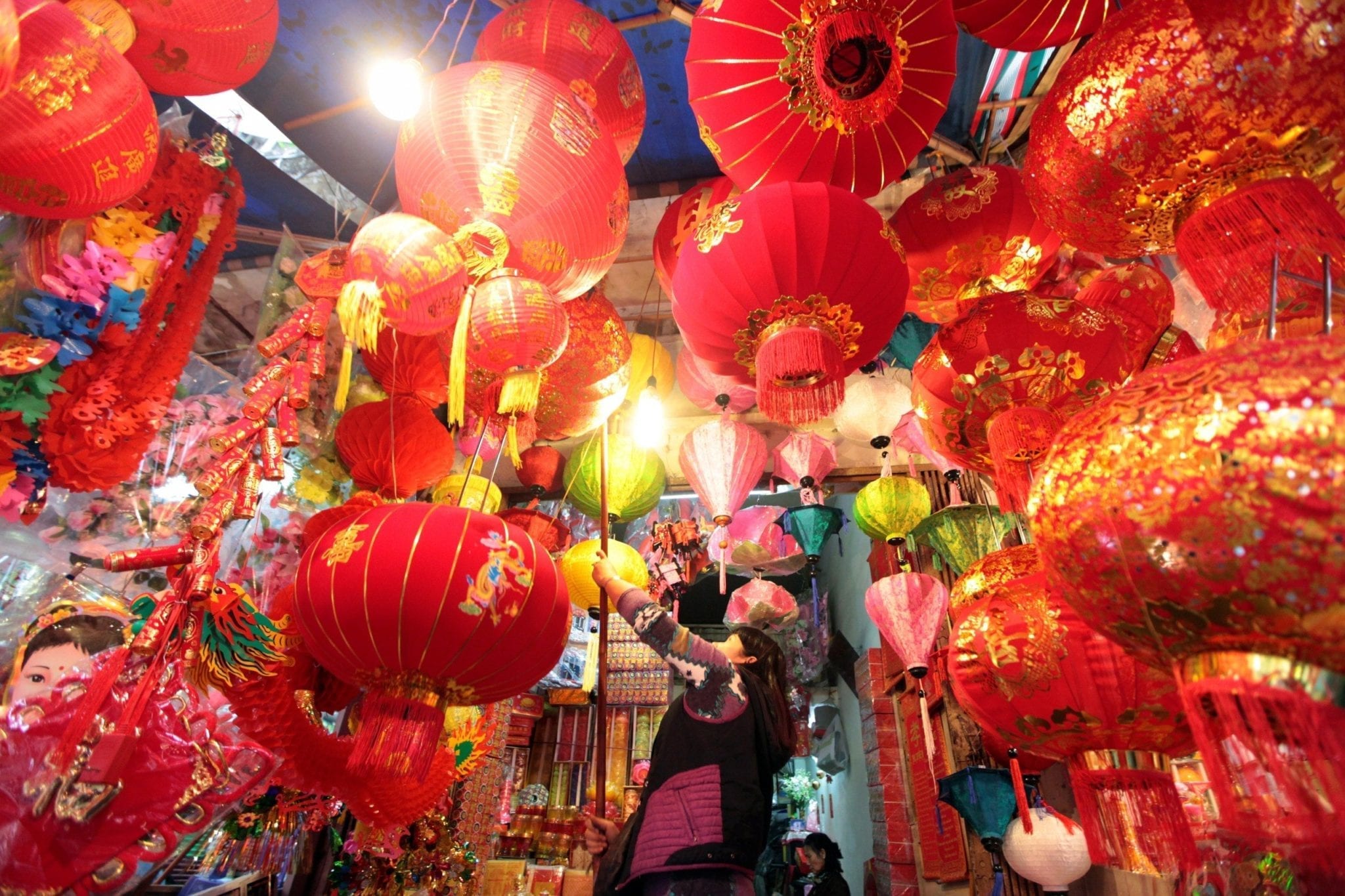
    China’s retailer and catering enterprises earned over 1 trillion yuan ($148.3 billion) during the Lunar New Year holiday, defying an economic slump to rise 8.5% from last year, the country’s commerce ministry said late on Sunday. The increase was down to the rapid growth in sales of new-year gifts, traditional foods, electronic products and local speciality products over a six-day holiday period ending on Saturday, the Ministry of Commerce said in a notice on its website.

    Domestic tourism during the new year break generated total revenues of 513.9 billion yuan, up 8.2% on the year, with the number of trips rising 7.6% to 415 million, the official Xinhua news agency said on Sunday, citing official data. ($1 = 6.7426 yuan)

  • Luxury goes local as Chinese shoppers gravitate towards home-grown brands

    Luxury goes local as Chinese shoppers gravitate towards home-grown brands

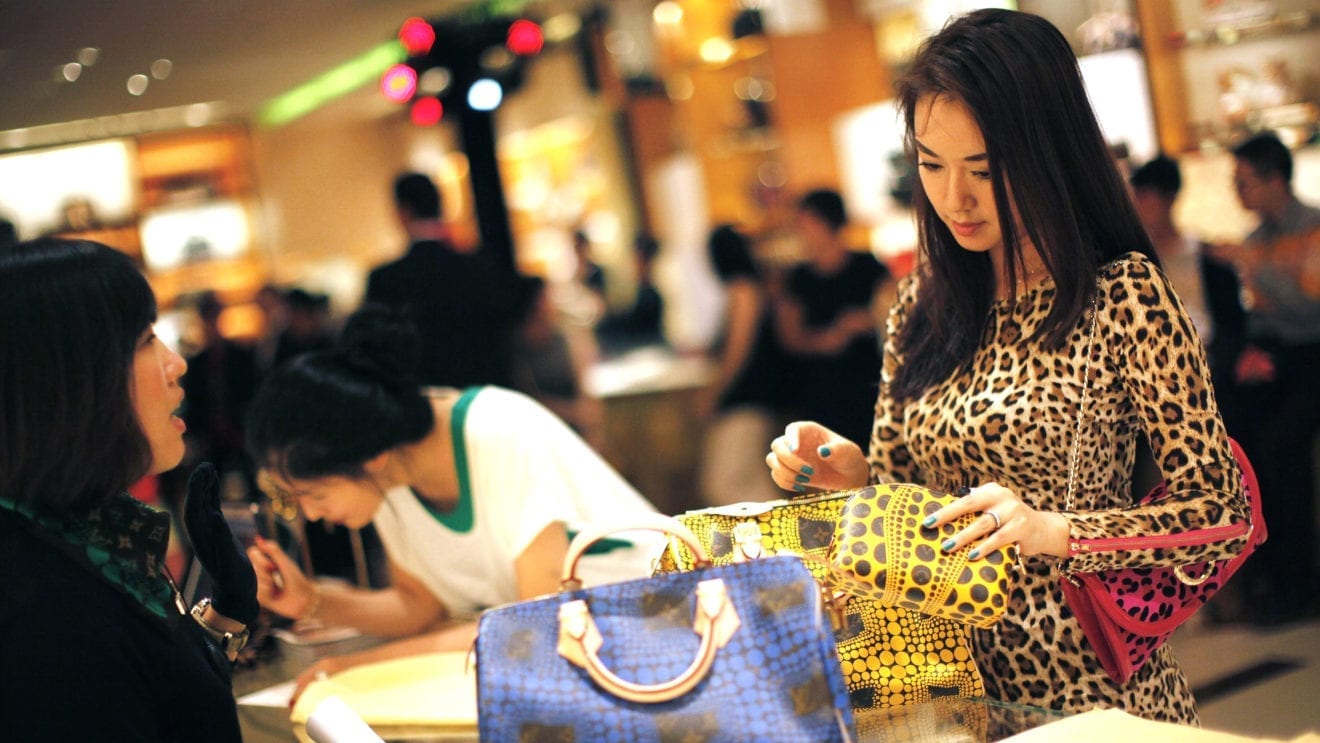
    Affluent Chinese consumers have for years shown a preference for global, well-known brands and labels. But with growing sophistication in tastes and a penchant for unique styles, the well-heeled are now increasingly gravitating towards high-end Chinese designers.

    “While global forces will continue to impact China’s luxury market, domestically there’s this whole new wave [of Chinese designers] that is coming through and is transforming the market,” said Simon Tye, executive director of Hong Kong-based market research company Consumer Search Group (CSG).

    In a report released last month along with US and China-based public relations company Ruder Finn Group, CSG found that 74 per cent of affluent Chinese consumers are aware of at least one Chinese designer, and 45 per cent intend to buy more Chinese designs over the next 12 months.

    According to report, titled “The 2019 China Luxury Forecast”, a shift in purchasing attitude from buying to “show-off to outsiders” to a “reflection of personal taste” is evident in 76 per cent of Chinese consumers. These respondents said they buy luxury items that reflect personal taste, up by about 30 per cent since 2012, according to the report.
    According to Mintel China, another market research company, niche luxury brands are particularly popular among women between the ages of 20 and 24, who are single and have a postgraduate or higher degree.

    Karen Zhang, 24, a banking professional from Beijing, said: “I still like my Gucci and Dior bags, but nowadays I like to explore luxury brands that have interesting stories and doesn’t shout extravagance. I also like to buy products by Chinese brands that have a unique twist.”

    The growing interest in Chinese designers is illustrated by a fivefold increase in the number of such brands featured by Hong Kong-headquartered luxury goods store chain Lane Crawford in recent years, according to strategy consultancy OC&C. Comme Moi, a brand founded by Chinese model Lu Yan, is among the fastest growing brands in Lane Crawford stores in China.

    JNBY, regarded as the most commercially successful Chinese designer brand, has more than 1,500 stores worldwide. Angel Chen, known for her colourful approach to fashion and fusion of eastern and western aesthetics, is stocked internationally by 30 retailers, including Lane Crawford, Luisa Via Roma, H. Lorenzo and Dong Liang. She is part of the “new wave” making an impact locally and globally, according to CSG.

    Unlike traditional brands, which spend on large-scale marketing and advertising campaigns, these new brands rely more on their unique designs and the power of celebrities and “key opinion leaders” for publicity.

    “For instance, Chictopia, founded by a local designer, Christine Lau, offers innovative and high-quality products with a clear story theme for each season,” said Veronica Wang, associate partner at OC&C. “The brand is followed by a group of top local celebrities, such as Fan Bingbing and Angelababy, which helps to establish awareness among the young generation.”

    The brand launched an official website in 2016, which provides an online sales channel and allows for the sharing of the brand’s latest collections through WeChat.

    Wilson Li, 28, a Chinese designer, said: “This is a very interesting time [for Chinese designers] right now. Around 20 years ago, Chinese clothing companies produced items that were extremely cheap, and they didn’t care much about quality. But this isn’t the case any more.”

    Li said the US-China trade war was pushing the market to improve its offering: “The only way for Chinese designers and companies to break out is to improve their standards.”

    Li, founder and head designer at Wilson PK, is known for his innovative fabrics and creative knitwear. He said a growing number of Chinese companies had been investing more in research and development as well as quality control over the past 10 years, with the aim of shaking off the image being of “cheap”.

    His brand, which has been around for five years, can count celebrities such as American singer Lady Gaga and British musician Lianne la Havas as its fans.

    “For custom fashion pieces, which are priced between US$960-US$3,830, we usually reach our target consumers through our online look book and stylists,” said Li. “Mass market customers can shop the ready-to-wear collection on our website, with prices starting from US$50.”

    Li, a fashion design graduate of Central Saint Martins Art and Design College, added: “Nowadays, Chinese consumers don’t just want luxury, they want the stories that come with it.”

    Industry experts say it is important for niche luxury brands to maintain a sense of exclusivity and rarity through storytelling. Scarlett Zhao, associate research analyst at Mintel China, said: “Niche brand lovers tend to be better informed and are willing to pay more for a brand’s unique meaning.”

    According to these experts, the biggest competitive edge Chinese designers have is their understanding of local preferences. And according to Wilson PK’s LI, while it is too early for local designers to be considered as rivals to established global fashion houses, there are more opportunities for Chinese brands in the current market.

    “Let’s be honest, calling it a competition would be too difficult. But as a Chinese designer, I definitely want to liberate my own culture,” he said.

  • Time for China’s smartphone brands to bloom

    Time for China’s smartphone brands to bloom

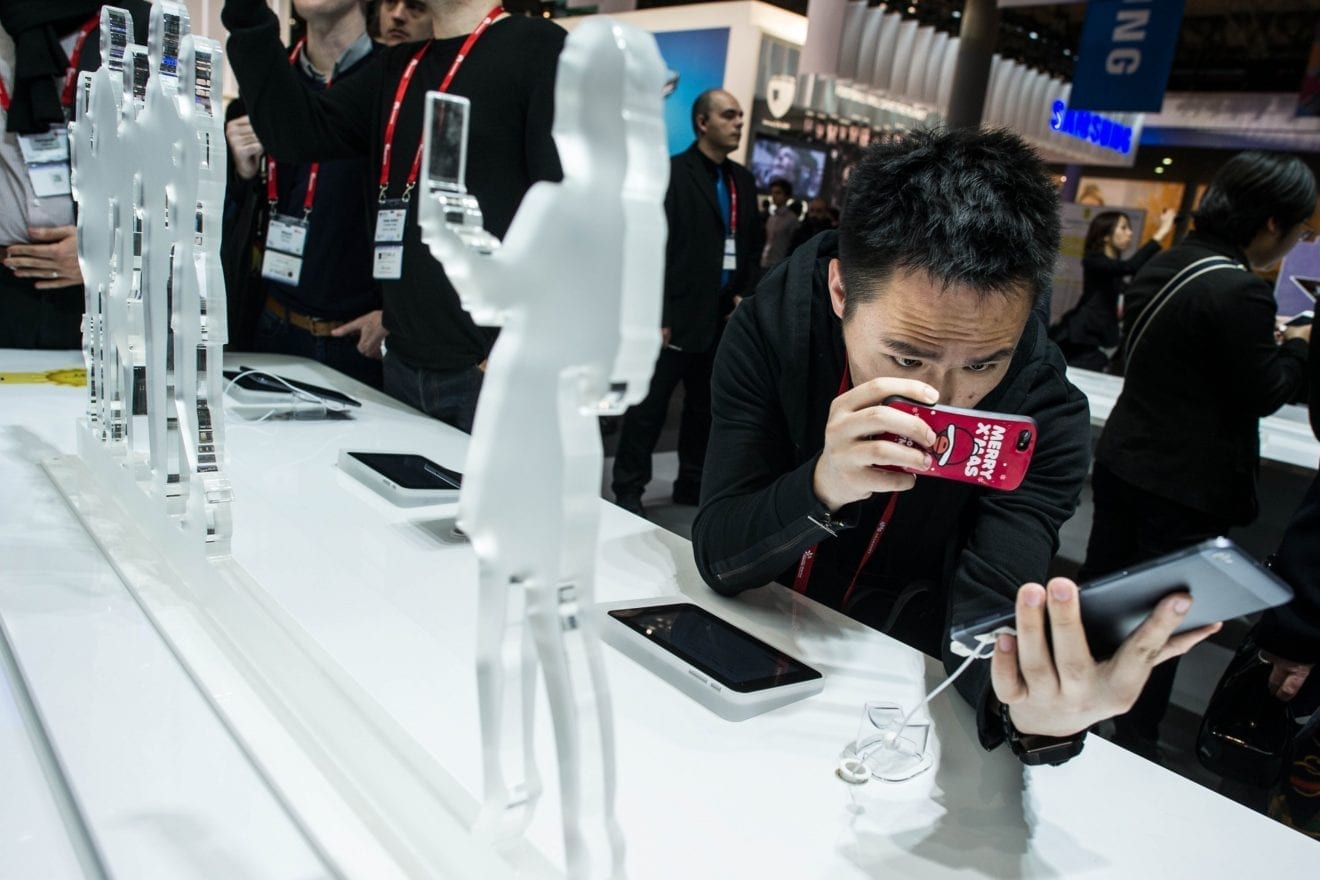
    Like many urban Chinese consumers, Shenzhen civil servant Gao Jian has had a long-held belief that the quality of domestic smartphone brands paled in comparison with foreign brands, especially Apple. But in December, Gao joined the growing number of mainland consumers who have made the switch from Apple’s iPhone to a premium Android smartphone from a major Chinese brand. He bought a Mate 20 Pro, the flagship model from the country’s largest smartphone supplier Huawei Technologies.

    “Its design and cameras are better than what I expected,” Gao said. “Also, iPhones have become increasingly unaffordable.”

    His experience reflects the broader success of the Chinese mobile phone industry in smashing people’s perception that domestic suppliers are only good for inexpensive, low-quality products.

    That stereotype has beset many Chinese brands in the home appliances, consumer electronics, personal computer, car and mobile phone markets, where products from more established brands in the US, Japan or Europe were preferred by mainland consumers for many years.

    But brands like Haier Group Corp, Lenovo Group and, more recently, Huawei, have expanded their operations, increased research and development, and made advanced products to change that impression around the world.

    China is now home to some of the most successful smartphone brands, which rival the likes of Samsung Electronics, Apple and LG Electronics.

    Shenzhen-based Huawei, the top global supplier of telecommunications network equipment, was ranked the world’s second biggest smartphone vendor – behind Samsung and ahead of Apple – for the second consecutive quarter in the three months ended September 30, according to research firm IDC. Xiaomi Corp and Oppo took the No 4 and 5 spots in the same quarter.

    The emergence of Chinese smartphone brands on the global stage has mirrored the rising competitiveness of the country’s telecoms network equipment suppliers, which have won market share with value-for-money offerings as well as on heavy investments in research and development.

    The gains have also sparked increasing pushback by the US, which is persuading its allies to boycott Chinese telecoms gear suppliers such as Huawei on grounds of national security.

    With the world’s biggest internet population and smartphone market, China had as many as 300 domestic mobile phone companies about three years ago. Cutthroat competition reduced that number to about 200 last year, as Chinese consumers bought fewer smartphones and the economy grew at a slower pace.

  • Gucci unveils fragrances collection ‘The Alchemist’s Garden’

    Gucci unveils fragrances collection ‘The Alchemist’s Garden’

    Gucci has revealed its luxury fragrances collection – The Alchemist’s Garden – with oud, amber, violet, iris, mimosa, rose and woods as the seven scents. The Alchemist’s Garden collection has seven scents – oud, amber, violet, iris, mimosa, rose and woods.

    The design of the bottles is inspired by vintage apothecary, pharmacy jars and the first perfumery containers, resonating with the nostalgic theme of the collection. All the bottles are white except for oud, which is black, and rose, which is in a shade of blue chosen by Michele.

  • Nintendo launches flagship store in Tokyo

    Nintendo launches flagship store in Tokyo

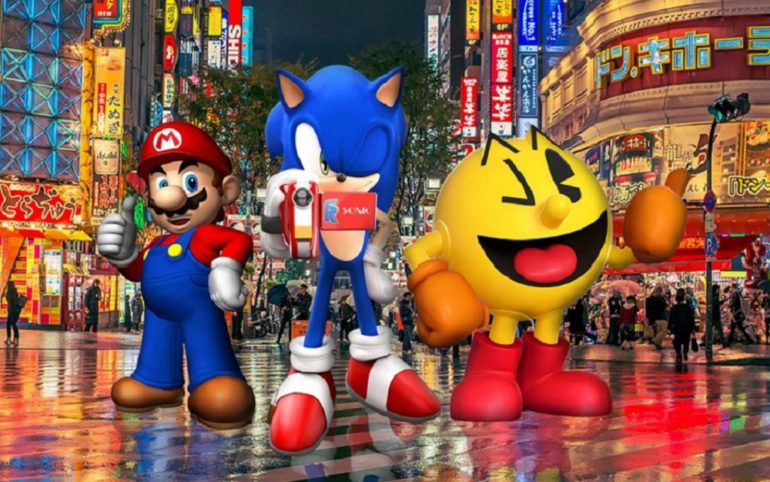
    Nintendo is opening a Tokyo flagship store, marking the iconic Japanese company’s first-ever domestic retail outlet. During Nintendo’s latest Corporate Management Briefing, the president of the Nintendo, Shuntaro Furukawa, announced the game company would be opening a store in the Japanese capital in 2019.

    The executive said that plans are set for Nintendo Toyko to be located in the tentatively named ‘Parco’, which is yet to be opened and will bow in the Shibuya district. The Nintendo store in Japan will have its own floor in a new department store and is targeted at teens and commuters.

    “We are hoping [the store] will be a new point of contact between consumers and Nintendo that a wide range of people, regardless of age, gender, or experience with games can enjoy,” explained Furukawa.

    The new store also hopes to attract shoppers to Nintendo Switch, which is struggling to draw a wider swath of users, according to Bloomberg. Last month, Nintendo cut its shipments forecast for the console, which can be used at home or on the go.

    “In addition to selling products such as video game systems, software and character-based merchandise, we plan to host events and offer opportunities to play games, and are preparing to make this shop a new base for communicating Nintendo information in Japan. We will announce further details on each of these initiatives at a later date.”

    Looking forward, Nintendo is also planning to open exhibits at Universal theme parks in Osaka, Orlando and Hollywood.

    Additionally, the company is looking to participate in more e-sports tournaments, where gamers get together and compete in stadiums

    Nintendo opened its first store in New York as Pokemon shop in 2005 in the city’s Rockefeller Centre, and has since rebranded as Nintendo New York.

    Nintendo Tokyo is scheduled to open in the fall of 2019.

  • From Gucci to Dolce & Gabbana: racism in fashion continues?

    From Gucci to Dolce & Gabbana: racism in fashion continues?

    Luxury fashion is all about breaking codes, creating a new, irresistible message that captivates consumers. But some of the globe’s top brands have raised eyebrows with designs that have seemingly racist undertones. The latest instance of that was Italian fashion designer Gucci, which produced a black wool balaclava jumper with an oversized collar that pulls over the chin and nose. It includes a slit where the mouth is, ringed with what look like giant red lips.

    Its similarity to blackface prompted an instant backlash from the public and forced the company to apologise publicly on Wednesday.

    Gucci also withdrew the offending garment from sale on websites and stores. It said the incident would be “a powerful learning moment for the Gucci team and beyond”.

    But the question persists: how can fashion houses that thrive on detail miss such critical social cues?

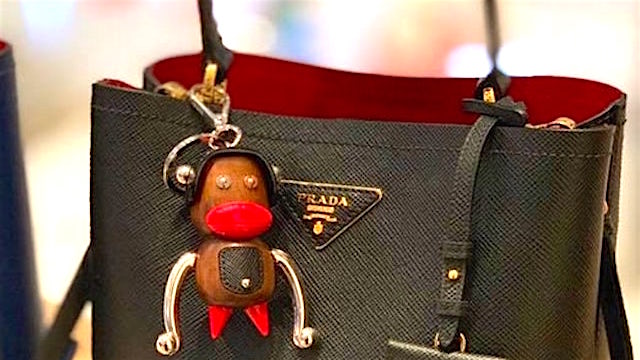
    Prada similarly withdrew a monkey bag charm that recalled blackface in December, saying it “abhors racist imagery.” And Dolce & Gabbana issued a video apology after one of the designers made insulting remarks about Chinese people in a private chat discussing the questionable depiction of a Chinese model in a campaign.

    “Luxury brands used to be able to get away with provocative and eccentric ads that push the boundaries of our society and culture in the name of being creative and cutting edge,” says Qing Wang, a professor of marketing at Warwick Business School in the United Kingdom.

    “However, a long list of recent incidents have caused public outrage, suggesting that era is now gone, or that luxury brands have lost touch with public sentiment. What used to be considered ‘creativity’ has now turned into ‘bad taste’ or even ‘racist’.

    He cited other fashion fails that evoked stereotypes, including Dolce & Gabbana’s “slave sandal” in its spring-summer 2016 collection and a recent Burberry campaign for the Chinese New Year that was compared to Asian horror films.

    While many of these incidents have caused immediate social media backlashes, the longer-term impact will take time to measure, and will depend on the brands’ reaction and future sensitivity.

    Dolce & Gabbana was forced to cancel its Shanghai runway show after the insulting remarks were publicised, top Asian influencers backed out of campaigns and Chinese websites dropped their line – a warning sign from a region that holds great sway in global luxury sales.

    The blackface images have particular resonance in the United States, where the governor of Virginia and his attorney general have been caught up in a scandal over blackface incidents from their college days in the 1980s. The offensive depictions are reminiscent of travelling entertainers from the 19th century, who would paint their faces black to portray African characters in a ridiculous and mocking fashion, spreading racial stereotypes along the way.

    Italian sociologist Michele Sorice at Rome’s Luiss university says that the evocation of blackface by Italian fashion houses signals “a mixture of good faith, and ignorance”. He notes that Italian society still isn’t fully aware of the racial charge in some words and images.

    “I imagine that they don’t truly think they are racist,” Sorice says. “I think they didn’t have the instruments to understand that these images are archetypes that were used to contrast the concept of blackness and make them ridiculous. I think that many simply don’t know. It is a cultural issue.”

    Paolo Cillo, a marketing professor at Milan’s Bocconi University, says the designer’s intent may have been taken out of context and amplified, and she credits Gucci with acting swiftly to quell the controversy.

    “I wouldn’t stigmatise fashion,” Cillo says, comparing the fashion designer process to artistic pursuits like filmmaking, painting or music. “There are artists in the world of culture that did more outrageous things and no one ever said a thing. There is a perception that fashion is ephemeral, or commercial. But from my point of view, it is not. It reflects the times, like all other artistic forms.”

    While the fashion world has been at the forefront of addressing sexual norms – Gucci has been redefining genderless dress codes under Alessandro Michele – it has lagged behind other industries in taking on social issues such as racial tolerance, climate change or women’s empowerment, according to Larry Chiagouris, a marketing professor at Pace University, US.

    “It is not clear why this is,” Chiagouris says, “but the evidence clearly points to the fashion industry’s need … to catch up with the rest of the world.”

  • Decathlon opens Singapore megastore

    Decathlon opens Singapore megastore

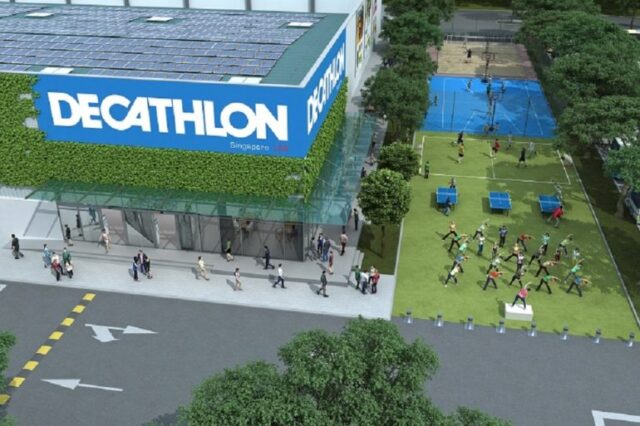
    French sports chain Decathlon opened its largest store in Singapore late last month, as the European retailer continues to build upon its popularity in the Asian market. Dubbed ‘Decathlon Singapore Lab’, the new experience store is located at Stadium Boulevard and covers 5,000 square metres of retail space, making it the biggest Singapore store. It is also opened 24 hours.

    In addition to Decathlon’s inventory of sports apparel, footwear and accessories, the new ‘Lab’ boasts a series of ‘experiential’ features including an indoor area of four different running surfaces wherein shoppers can test running shoes before purchasing, as well as a hiking path with a gravel surface for the testing products in-store.

    At a media briefing last month, Decathlon Singapore chief executive Yves Claude said the store has been named Decathlon Singapore Lab “because a lab is a disruptive and innovative place where we test new solutions.”

    The store also hosts an Active Health Lab in partnership with Sport Singapore, where users can take a free health assessment and there are free-to-play areas next to the store as well.

    To speed up the delivery process for shoppers, Decathlon has established an in-house conveyor built that transports products as soon as they are ordered online. Shoppers can also order online and collect their items at their preferred store within two hours for free.

    “We have to give new reasons for customers to come back to our store,” added Claude.

    The store is the latest in a string of ‘Decathlon Experience’ stores being rolled out across Singapore and is the fourth in the nation’s offering.

    Decathlon also has a 4,000-square-metre showroom in Joo Koon and two click-and-collect stores.

    In May last year, Decathlon signed a memorandum of understanding with Sport Singapore, which marked the announcement of this new Decathlon in Kallang.

    “We share a common purpose, which is to make sport accessible. They come with a good price point, high-quality products, (and) most importantly, they come with ideas on how to improve participation,” said Lim Teck Yin, Sport Singapore CEO.

  • The Shoppes at Marina Bay Sands hit record high in 2018

    The Shoppes at Marina Bay Sands hit record high in 2018

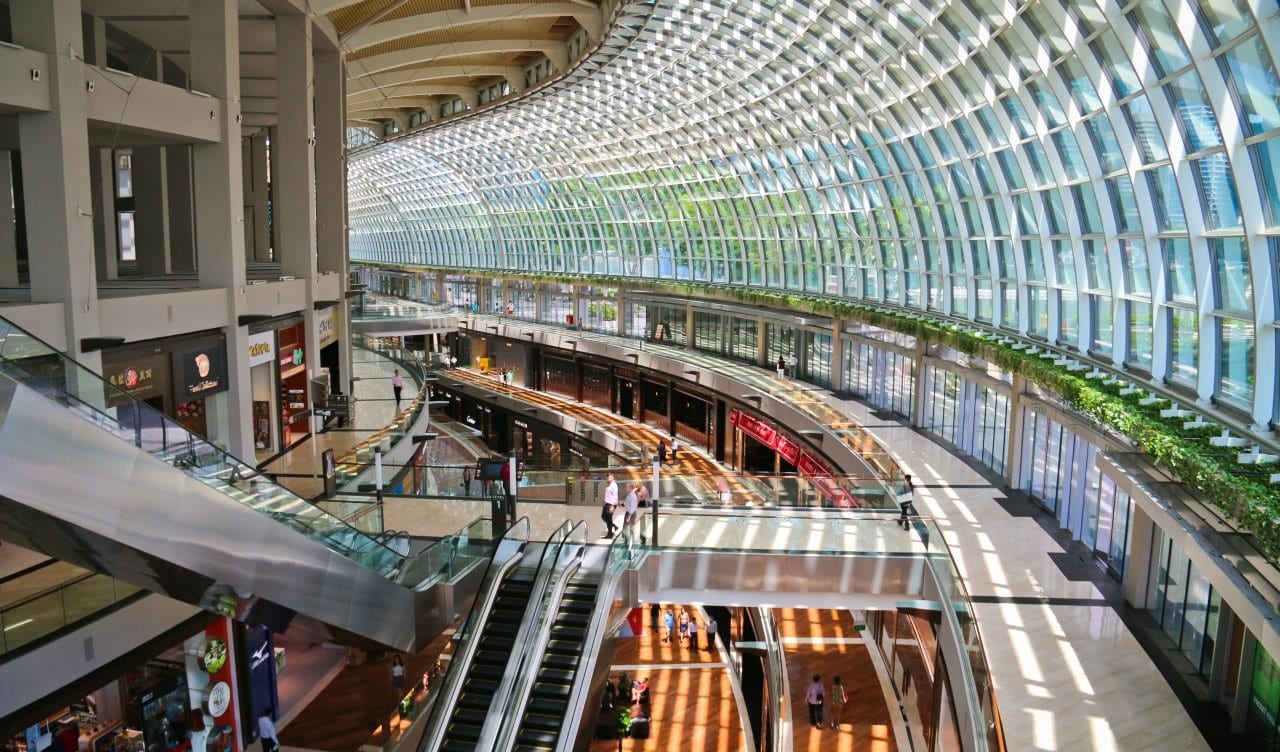
    The Shoppes at Marina Bay Sands has capped its most successful year ever, breaking revenue records in 2018 and strengthening its leading position as the luxury shopping destination in Singapore. The luxury mall, which enjoys an occupancy of 95.4%, rang in a record mall revenue of US$179 million last year, a 7 per cent rise against the same period in 2017 – by far its best performance since opening. In 2018, retail tenant sales at The Shoppes jumped 19 per cent to US$1,898 per square foot from the preceding year.

    The Shoppes also kept its top position in tourism shopping, capping a record year to represent an estimated 25 per cent of the tax-free tourist market in Singapore. This is based on industry metrics that track tax-refunded tourist receipts.

    John Postle, Senior Vice President of Retail, Marina Bay Sands, said, “2018 has been an exceptional year for the mall, as we not only achieved our highest sales revenue in history, but also solidified a leading position in tourism shopping. This is so rewarding, given the competitive retail landscape and growth of online shopping.”
    The performance is also the result of an ongoing retail remix strategy that started in 2012, which saw the mall double its footprint with luxury brands in the form of duplexes, as well as expansion into luxury childrenswear.

    This strategy, coupled with attractive programming such as late-night shopping, in-store exclusives, and one of the most generous loyalty programmes in Singapore, has resulted in 120,000 shoppers walking through the doors of the mall daily. This includes locals as well as its biggest tourism markets of China, Indonesia and Japan.

    Jan Moller, Country Managing Director, Singapore & APAC Sales, Global Blue, said, “As one of Asia’s leading shopping destinations, The Shoppes at Marina Bay Sands continues to outperform other luxury malls in Singapore to own the greatest share of inbound tourist spend in the luxury sector in 2018.”

  • Chinese demand for skincare products boosts sales of French cosmetics company L’Oreal

    Chinese demand for skincare products boosts sales of French cosmetics company L’Oreal

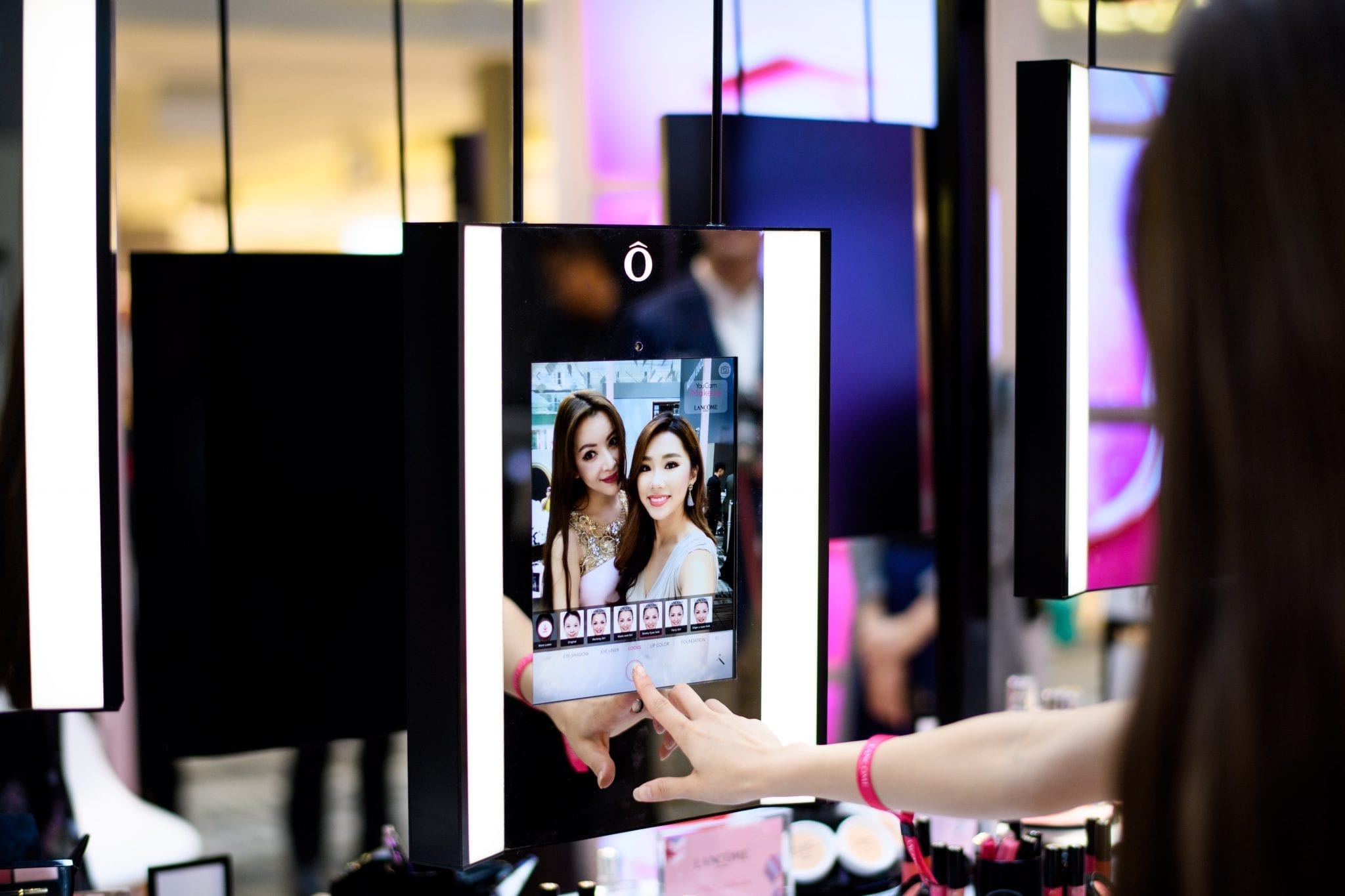
    Strong Chinese demand for luxury skin creams helped Lancome owner L’Oreal beat sales forecasts in the fourth quarter, as did a pickup in its lagging mass market division. Like rivals including US-based Estee Lauder, the French maker of Maybelline and Urban Decay make-up has thrived on strong demand from Chinese shoppers in recent years, especially for its higher-end products.

    Sales of L’Oreal’s top-flight brands exceeded analyst expectations in the last three months of the year thanks to this market, despite cooling economic growth in China, and fears over a Washington-Beijing trade war.

    Some heavy-hitters in the luxury fashion industry, such as LVMH’s Louis Vuitton, have also reported encouraging momentum in Asia. At L’Oreal Asia-Pacific overtook North America as its biggest region last year.

    But L’Oreal, which is due to detail its results at a news conference on Friday, also faces a challenge to keep improving revenue growth in other areas, including its consumer products unit, home to brands like Garnier shampoo.

    Sales rose 2.8 per cent in that division on a like-for-like basis in the fourth quarter, which strips out currency effects and acquisitions, up from 2.3 per cent a quarter earlier.

    That helped boost overall sales at the firm, up 7.7 per cent like-for-like and head of forecasts for a 6.4 per cent rise, and which came in at 7.1 billion euros ($8.1 billion).

    Yet the mass market segment still slightly lags the performance of peers like Nivea-maker Beiersdorf and Dove soap owner Unilever.

    L’Oreal said it was also facing a sluggish market in France and the United Kingdom.

    While the latter only makes up around 3 per cent of sales, the company has joined others in preparing for Britain’s potentially chaotic exit from the European Union, and has started stockpiling cosmetics.

    The company said it still expected to outperform the broader beauty market in 2019, though the tone of its outlook was a tad less bullish than last year, forecasting “growth in both sales and profits” rather than “significant growth”.

    For 2018 as a whole, the company’s operating profit rose 5.3 per cent to 4.7 billion euros, giving a margin of 18.3 per cent of sales, up from 18 per cent at the end of 2017.

    One of L’Oreal’s biggest shareholders with a 23 per cent stake, Switzerland’s Nestle, has come under pressure from an activist investor to sell off its stake in the French cosmetics firm. The firms have yet to signal whether such a move was in view.

  • The shares of Lululemon athletica have risen 90% in 2018

    The shares of Lululemon athletica have risen 90% in 2018

    Over the past 12 months, shares of lululemon athletica have risen 90%. The most recent surge came after an upgrade on 2018 holiday season guidance, helping the athletic-wear stock rebound from a slump brought on by a broad stock market sell-off at the end of the year. Lululemon has enjoyed several tailwinds. Athleisure (that is, activewear and sports-inspired clothing for all situations) has continued to grow in popularity, and consumers have been generously spending — to the tune of 4.9% more on clothing alone in 2018, according to the U.S. Census Bureau. After a blockbuster run, though, Lululemon may have a difficult time repeating that same success in the new year.

    It is easy to see why shares of the clothing company have come roaring back. During the all-important holiday shopping season, management updated revenue guidance to between $1.14 billion and $1.15 billion, up from previous guidance of $1.12 billion. Earnings per share also got an upgrade to a range of $1.72 to $1.74, up from a range of $1.64 to $1.67.

    The results are impressive, but Lululemon has been measured by how it approaches expansion. Through the third quarter of 2018, there were 426 physical stores, up a net 22 from the start of the year. Instead of growing primarily by new openings, the company has instead benefited from a surge in same-store sales at existing stores — which increased 6% during the third quarter — as well as directing traffic to the online store. Direct-to-consumer sales were 25.3% of revenue in the third quarter, compared with 21.2% in the same period in 2017.

    Lululemon is not alone in the athleisure-wear category, though. Gap and its Old Navy and Athleta brands continue to grow their presence in sportswear, and the largest sports-only chain, Dick’s Sporting Goods, has also launched its own branded lines of clothing. Yet in spite of the competition, Lululemon has continued to resonate with new and existing buyers, both here in the states and abroad.

    The maker of stretchy pants and other sports-inspired clothing could nevertheless continue to run higher. After all, Lululemon has momentum on its side, both on the top and bottom lines. Even should sales growth take a breather, management has said it thinks gross profit margin on product sold could continue to expand, especially as a result of the emphasis on direct selling online and new higher-margin products such as coats and sweaters.

    On the other hand, there is reason for investors to give pause before jumping on the bandwagon. Even after earnings nearly doubled in 2018, the stock still trades at a premium, largely because share performance matched that of earnings. The trailing-12-month price-to-earnings (P/E) ratio currently sits at 52.5, a metric that only slightly improves to 43.2 when using free cash flow — a better measure of profitability, as it factors only for basic operating expenses and capital expenditures and excludes items such as depreciation and amortization.

    On a one-year forward basis, the P/E is currently at 40. Paying for decades’ worth of profits that haven’t yet been realized only makes sense if the bottom line continues to expand at breakneck speeds, and that’s what is implied in the rich valuation. Thus, there’s little room for error, and if there’s any slowdown at Lululemon, the stock could suffer losses at current levels.

    Of course, for those looking to the long term, Lululemon looks like a solid bet on the apparel industry of the future. Nevertheless, after renewed investor optimism over new fourth-quarter guidance, the stock is too rich for my taste.

  • Emirates to fill pilot gap with exodus from Etihad, Norwegian airlines

    Emirates to fill pilot gap with exodus from Etihad, Norwegian airlines

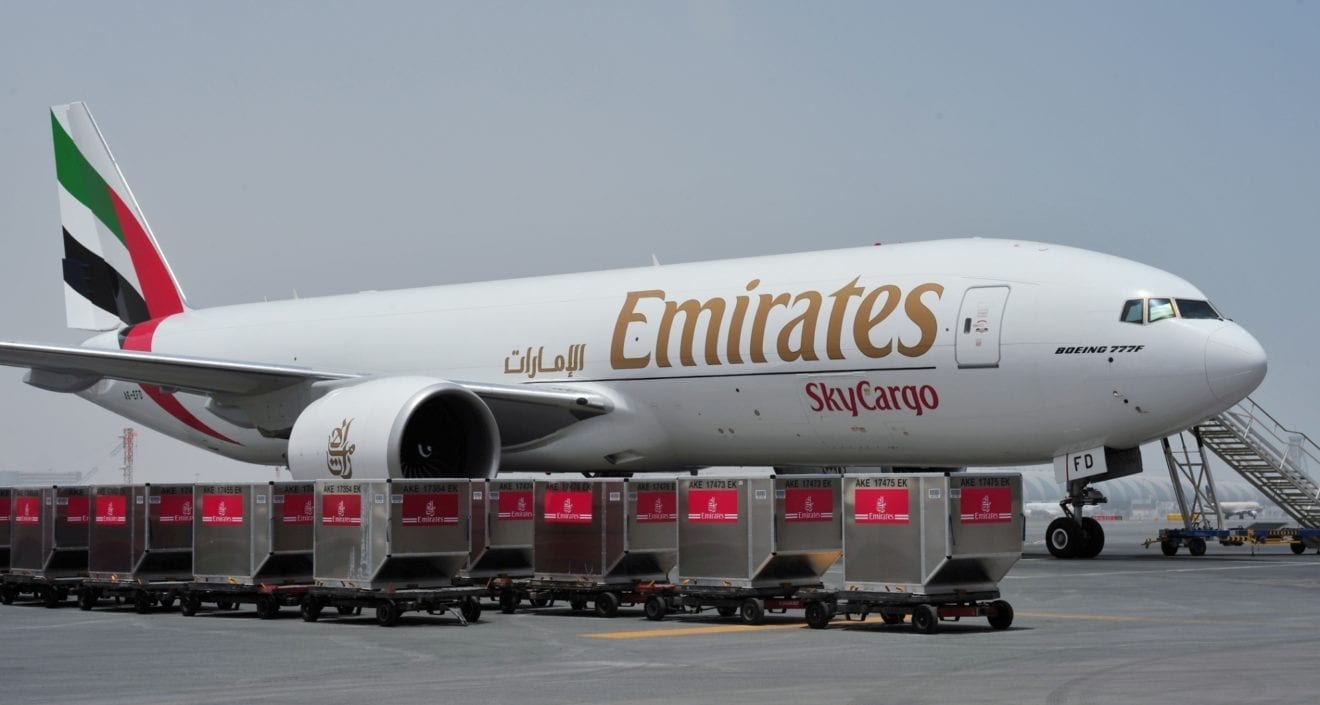
    Emirates, the world’s biggest long-haul airline, may feed its appetite for new pilots with recruits from ailing neighbor Etihad Airways and cash-strapped discounter Norwegian Air Shuttle ASA, according to an internal memo from the Gulf carrier. Hong Kong Airlines has also contacted Dubai-based Emirates about opportunities to temporarily transfer some cockpit crew, according to the document. Pilots at the unit of beleaguered HNA Group are Airbus SE-rated, meaning they could be trained to fly the Mideast company’s A380 superjumbos.

    “The current situation with several airlines in financial difficulty globally leaves Emirates in a good position to be sourcing and selecting good-quality pilots,” the memo says.

    It said the airline recruited 52 pilots last month, the highest number since August 2016, and that the number of viable applications it’s receiving “is higher than the number of candidates that can be invited.”

    Emirates declined to comment on the communication, which was dated Jan. 29 and appeared to be a meeting report. A spokeswoman said there are sufficient pilots for current operations, though the airline will “continue to welcome qualified candidates.”

    Norwegian Air said it’s not uncommon for members of any company’s workforce to seek opportunities elsewhere. Hong Kong Airlines couldn’t be reached during the Chinese New Year holiday, while Abu Dhabi-based Etihad didn’t respond to requests for comment.

    Hiring Challenge

    Emirates faces an annual hiring challenge to meet the needs of its expanding global network. President Tim Clark said last April that there would be a shortfall of 100 to 150 flight crew over 2018’s busy summer travel season.

    According to the memo, 499 crew have been deemed eligible to join from this coming April through the end of 2019.

    Applications from Norwegian Air and Etihad have been spurred by redundancies at the airlines, according to the Emirates memo.

    Norwegian, heavily indebted after one of the fastest growth spurts in aviation history, resorted to a 3 billion kroner ($354 million) rights issue last week after British Airways parent IAG SA walked away from a takeover bid.

    The Scandinavian carrier is also closing six bases and cutting routes to stem losses, proposing that pilots transfer to other locations.

    Etihad last June offered captains and first officers a two-year secondment, or temporary transfer, to Emirates. In January, it revealed plans to cut 50 pilot posts as it cancels jet orders and shrinks operations to stem losses.

    The Emirates memo said Hong Kong Air has identified a 10 percent surplus in pilot numbers. The carrier, whose debt-laden owner HNA is offloading $20 billion in assets, is being sued by a Macau-based lender for failing to pay $20 million in principal and interest, according to a court filing last month.


  • Loewe launches outdoor menswear collection

    Loewe launches outdoor menswear collection

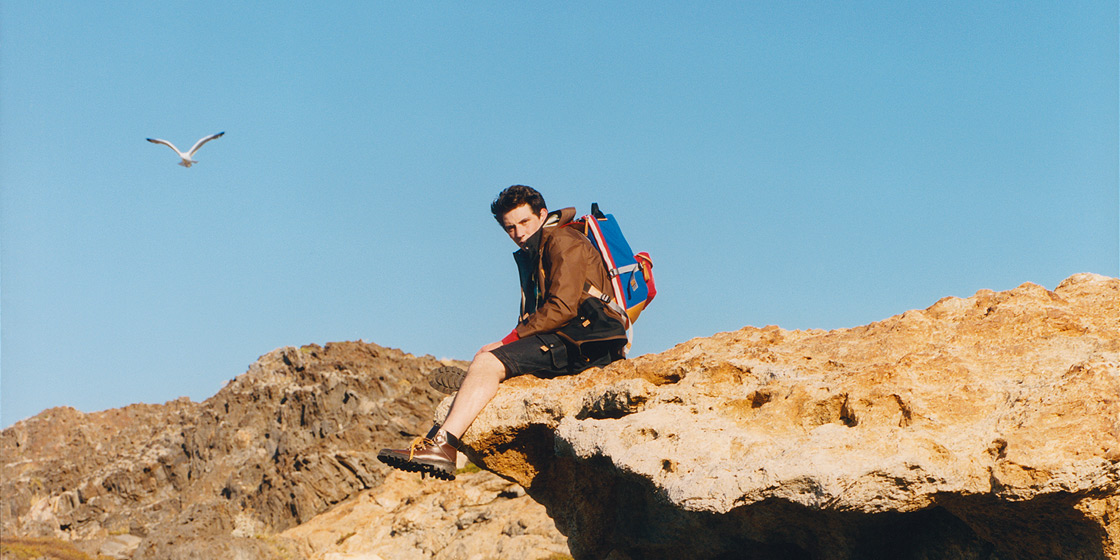
    Inspired by the great outdoors, Loewe has launched a new permanent collection of functional clothes and accessories for men. The campaign features British actor Josh O’Connor in the wilds of Cap de Creus, Spain. Loewe has launched a great outdoors-inspired collection of functional clothes and accessories for men. Featuring a wide range of vibrant colours, the collection – Eye/LOEWE/Nature – makes use of recycled materials, adding an innovative touch to conventional apparel.

    The ready-to-wear collection includes jumpers knit from partly recycled cotton fibre, parkas made of technical material, outerwear, shirts, trousers and cargo shorts.

    The accessories, manufactured in Japan, boast exclusive technology. Hand-sewn from quality canvas with calfskin trim, the Eye/LOEWE/Nature backpacks come with extra cushioning and support. There are interior zip pockets in which iPads can be stored. There are also tote bags and sling sacks for men to choose from.

  • Online grocery space likely to witness traction: Nielsen

    Online grocery space likely to witness traction: Nielsen

    With consumers being increasingly preferring digital channels for their purchases, the online grocery space is likely to witness traction, according to market research firm Nielsen. Grocery is definitely going to start seeing traction as e-commerce picks up, Nielsen Executive Director Ajay Macaden said at the India Food Forum here. He, however, did not quantify the size of online grocery market.

    As per reports the online grocery market in India is expected to be US$ 5 billion by 2020, from US$ 1 billion in 2017.

    Macaden noted that packaged grocery is 40 percent in India versus a global average of 30 percent, while fresh groceries is around 41 percent against a global average of 26 percent which indicates that people are definitely picking up food online.

    Rs 3.4 lakh crore Indian FMCG industry is growing at 14 percent, is largely dominated by food that accounts for 55 percent (Rs 2.2 lakh crore growing at 15.1 per cent).

    In terms of contribution, general trade accounts for 90 percent of FMCG sales, growing at 13 percent, while the remaining 10 percent is from modern trade that is growing at 22 percent.

    In the food category, general trade accounts for 90.1 percent at a growth rate of 14.7 percent, while modern trade is growing at 19 percent.

    He observed that the FMCG industry which grew at 13.8 percent growth in 2018 was largely a volume led growth that was 77 percent of the total growth.