Tag: lifestyle

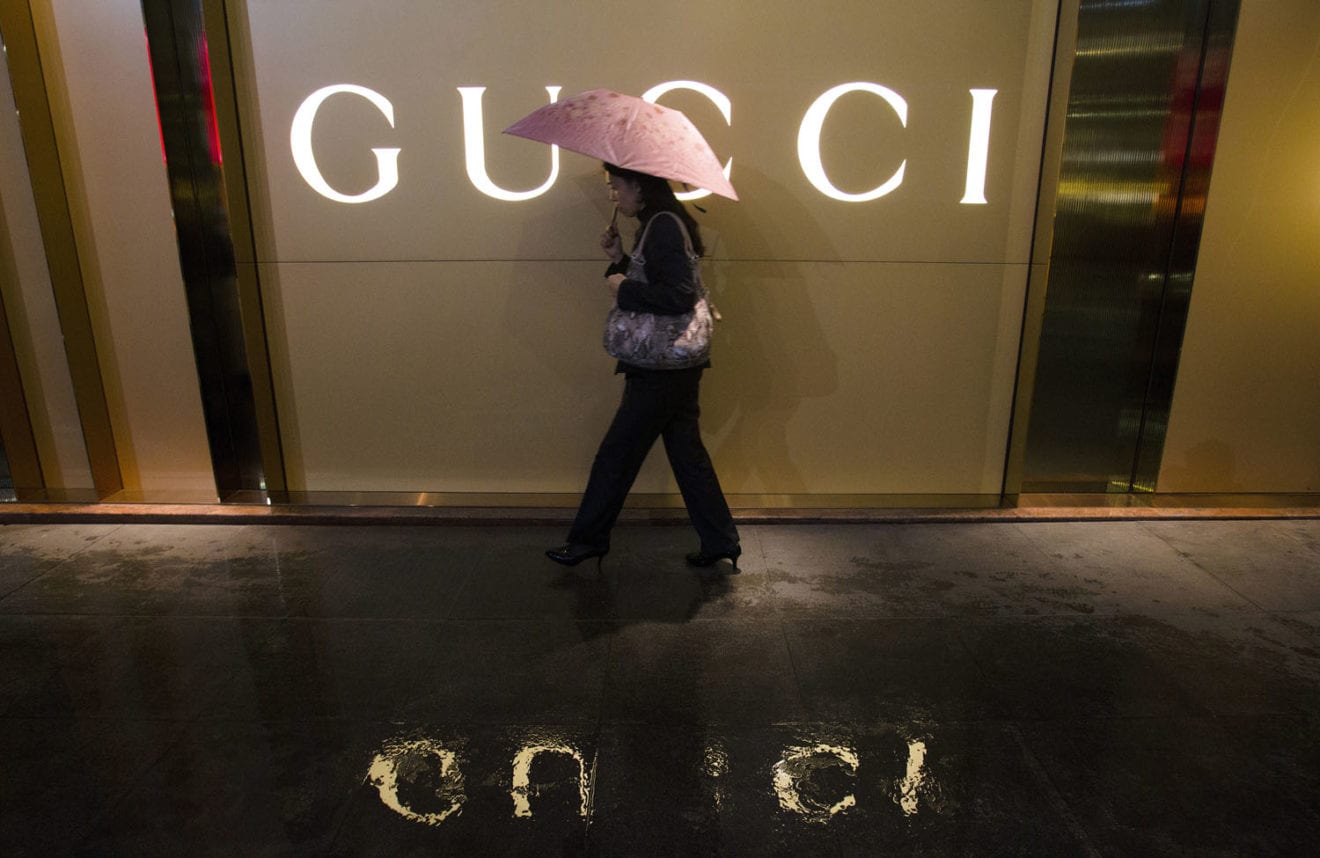
  • Dapper Dan is holding Gucci accountable for controversial “blackface sweater”

    Dapper Dan is holding Gucci accountable for controversial “blackface sweater”

    Renowned Harlem fashion designer and tailor Dapper Dan’s relationship with Gucci through the years has been a rocky road. After gaining notoriety for knocking off the Italian house’s logo in his designs throughout the ’80s and ’90s, the tables turned in 2017, when Alessandro Michele was taken to task for knocking off one of Dap’s designs in his Cruise 2018 collection.

    However, all’s well that ends well: Both parties made peace and began working together. Not only did Dapper Dan collaborate with Gucci on a vintage hip-hop-inspired capsule collection and lookbook, the Kering-owned luxury label underwrote his brand new studio and atelier in Harlem, also making him the face of a special tailoring campaign.

    As lovely of a story as this is, it might not wind up with a happy ending. Just last week, Gucci apologized for (and pulled from shelves) an $890 sweater that resembled blackface. After several days of impassioned conversation among fans on social media, the brand released a statement, saying: “Gucci deeply apologizes for the offense caused by the wool balaclava jumper … We consider diversity to be a fundamental value to be fully upheld, respected and at the forefront of every decision we make. We are fully committed to increasing diversity throughout our organization and turning this incident into a powerful learning moment for the Gucci team and beyond.”

    While acknowledging the misstep and the need to prioritize diversity is a step in the right direction, the situation did not sit well with Dapper Dan. On Sunday, he posted a statement of his own on Instagram, insinuating that his partnership with Gucci may be on thin ice. “I am a Black man before I am a brand,” he wrote. “Another fashion house has gotten it outrageously wrong. There is no excuse nor apology that can erase this kind of insult. The CEO of Gucci has agreed to come from Italy to Harlem this week to meet with me, along with members of the community and other industry leaders. There cannot be inclusivity without accountability. I will hold everyone accountable.”

    Gucci made a concerted effort to make things right with Dap — and, seemingly, to educate themselves about both his neighborhood and his culture — the last time they were at odds, but this understandably hits very close to home, and could certainly cause major issues within their business partnership.

    Whatever the outcome, this case only underscores the dire need for more inclusion and diversity in the industry, as the frequency with which fashion brands slip up in regards to racism only gets higher by the day. It’s a change that needs to be implemented immediately, and hopefully Gucci will set an example for its industry peers, as it’s already been known to do in other areas.
  • H&M profit drops due to online investment

    H&M profit drops due to online investment

    H&M profit dropped in the year to November 30, the Swedish fast-fashion retailer blaming investment in its online business for the decline. The world’s second largest clothing retailer embarked on a transformation program last year, investing heavily in logistics and digital technology aiming to improve the shopping experience and product range. This included an upgrade in its mobile app, faster deliveries and the rollout of click-and-collect.

    The company is also working on a new H&M concept store.

    In the last three months of its financial year, the company spent around US$48.5 million on logistics and technology, including resolving problems it flagged earlier last year.

    H&M CEO Karl-Johan Persson said the upgrade in the company’s logistics systems inevitably resulted in increased costs but will lead to a range of improvements for customers.

    “Against a backdrop of rapid changes in the fashion industry, in 2018 we accelerated our transformation to future proof our business, ending a challenging year for the H&M Group and the sector with strong signals that we are on track,” he said.

    Persson said it may have been a challenging year for H&M and the industry but after a difficult first half, there were signs the company’s transformation efforts were beginning to take effect.

    H&M posted a 5 per cent increase in full-year revenue to $22.7 billion, while in local currencies, net sales rose by 3 per cent. Profit fell by 21.8 per cent to $1.36 billion from the same period last year.

    Online sales rose 22 per cent to SEK 30 billion ($3.2 billion) and now comprise 14.5 per cent of the company’s total revenue.

    “With a stronger customer offering and the ongoing improvements in buying and logistics, we expect this trend to continue,” Persson said.

    “While this performance is still some way off the targets that we set at the beginning of 2018, these positive signals confirm we’re making progress across all our strategic focus areas: to create the best customer offering; a fast, efficient and flexible product flow; a stable scalable tech foundation; and adding new growth through store and online expansion.”

    According to Persson, the company opened three new fulfilment centres in the fourth quarter with a total of around 230,000sqm so it can offer customers faster deliveries and a wider assortment while reducing the capacity constraints that slowed them down in some markets in 2018.

    “We have also completed our online transition with investments in 2018, enabling us to successfully migrate online in Germany to the new platform earlier in January 2019,” he said. “With this, all H&M online markets are now on the new platform.”

    Persson said the difficulties with the logistics upgrade in some of their markets earlier in 2018 led to additional costs in the fourth quarter.

    “Applying lessons learned, we have not increased investments to secure upcoming transitions.”

    He added that while these initiatives have a short-term impact on margin, they will lead to continued improvements for their customers, driving increased profitability in the long term.

    “With the transformation now underway, capital expenditure will reduce this year compared to last and we will continue to shift the balance of our investments towards digital.

    “Changing consumer behaviour and technological innovation will continue to transform how and when people shop, we are building a business with the flexibility to respond to this constant evolution.”

  • HMV saved by Sunrise Records, but some stores will close

    HMV saved by Sunrise Records, but some stores will close

    Canadian firm Sunrise Records has emerged as the buyer of collapsed music chain HMV, beating competition including Sports Direct owner Mike Ashley. The firm will buy 100 stores out of administration, securing 1,487 jobs. But 27 stores will close, resulting in 455 redundancies. Sunrise Records chief executive Doug Putman said he was “delighted to acquire the most iconic music and entertainment business in the UK.”

    No price was given.

    Canadian entrepreneur Mr Putman, 34, bought the retail chain Sunrise Records in 2014. He previously bought HMV’s Canadian business in 2017, expanding his small chain into a national operation with 80 outlets.

    Mr Putman is also President of Everest Toys, the largest toys and games distribution company in North America. He said that HMV was a “fantastic, heritage brand”. He also said the chain would be looking to stock more vinyl records, in response to customer demand.

    HMV owner Hilco, which took the company out of its first administration in 2013, has blamed a “tsunami” of retail challenges for the latest collapse.

    These include business rate levels and the increasing use of streaming services to deliver music and movies.

    HMV sold 31% of all physical music in the UK in 2018 and 23% of all DVDs, with its market share growing month by month throughout the year.

    However, the music industry expects physical entertainment sales to shrink by another 17% this year.

    Will Wright, partner at KPMG and joint administrator said: “We are pleased to confirm this sale which, after a complex process, secures the continued trading of the majority of the business.

    “Our immediate concern is now to support those employees that have unfortunately been made redundant.”

  • Kendall Jenner signed agreement with Penshoppe

    Kendall Jenner signed agreement with Penshoppe

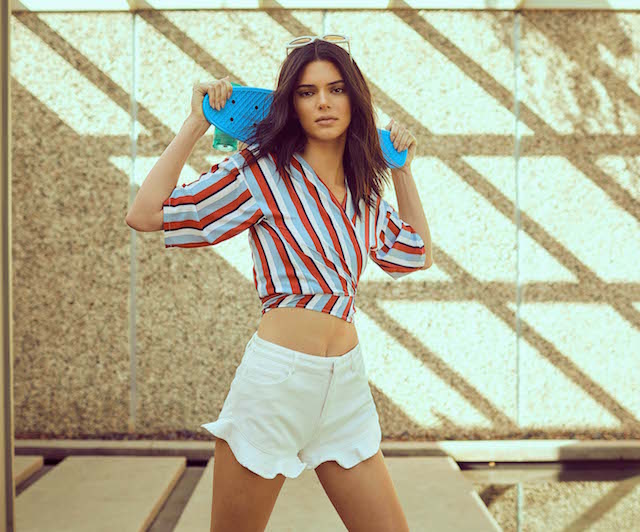
    Global fashion retail brand Penshoppe has unveiled the latest addition to its roster of international ambassadors – 23-year-old world’s highest-paid supermodel and one of the most followed celebrities on social media, Kendall Jenner. The model initially appeared on Penshoppe’s DenimLab campaign in 2015, and is now headlining the brand’s Spring Summer 2019 Campaign with Zayn Malik, Paris Jackson, Nam Joo Hyuk and Sandara Park.

    “As we move from strength to strength, we couldn’t think of a better addition to our growing list of global ambassadors”, said Golden ABC’s VP for brand management Jeff Bascon. “It’s good to have you back, Kendall!”


    Penshoppe has more than 400 locations across Bahrain, Cambodia, Indonesia, Saudi Arabia, Myanmar, Thailand, Vietnam and the Philippines. The brand is available online in Singapore, Malaysia, Hong Kong, Taiwan and Indonesia.

  • Rimowa collaborates with Alex Israel for its latest suitcase

    Rimowa collaborates with Alex Israel for its latest suitcase

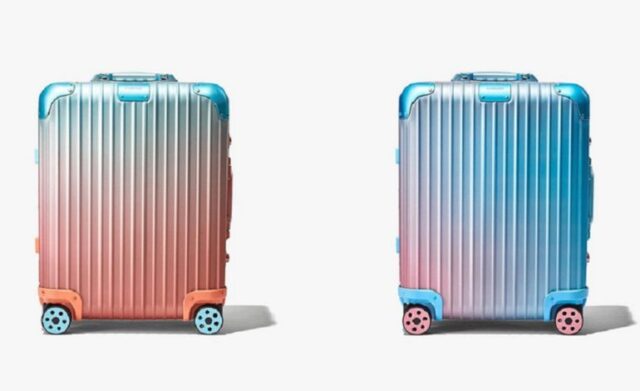
    Alexandre Arnault of Rimowa has just taken to Instagram to tease the luggage purveyor’s latest collaborative suitcase. Set for a full reveal at this year’s Frieze Art Fair, the suitcases are in collaboration with multimedia artist Alex Israel. Inspired by his home town of Los Angeles, the luggage sees the signature use of blue and red hues — inspired by the adored sunsets of the West Coast.

    The suitcases’ exterior shell and wheels are essentially treated with tones of blue, light purple, pink and light orange in a faded finish to reflect the colors of the vibrant sky in Los Angeles during sunset and sunrise.

    The suitcases will come in two color options. One will predominantly be in a gradient sky-blue – fading to flamingo-pink, while the other color option sees the complete opposite.

    Both suitcases will be officially unveiled at the Frieze Art Fair in Los Angeles via a pop-up beginning February 14.

  • French bakery Brioche Doree to debut in India

    French bakery Brioche Doree to debut in India

    French Bakery Brioche Doree on Saturday launched its first store in India in partnership with HR Bakers, promoted by Haldiram Managing Director (MD) Ashish Agarwal. The store is in Connaught Place. “Internationally acclaimed Parisian French Bakery Brioche Doree launched its first exclusive store in India with HR Bakers at Connaught Place, New Delhi,” the statement said.

    According to a HR Baker statement, the Haldiram MD entered into a “master franchise agreement” with the French brand.

    “Brioche Doree is known to be the second largest bakery/cafe chain in the world. The store of the brand in India has been curated in 100 percent vegetarian avatar,” it said.

    Agarwal has invested about Rs 4-5 crore in the brand and said HR Bakers is open to exploring more synergistic tieups with other brands.

    Agarwal said four more outlets in the National Capital Region and other markets are expected in the first year of operations.

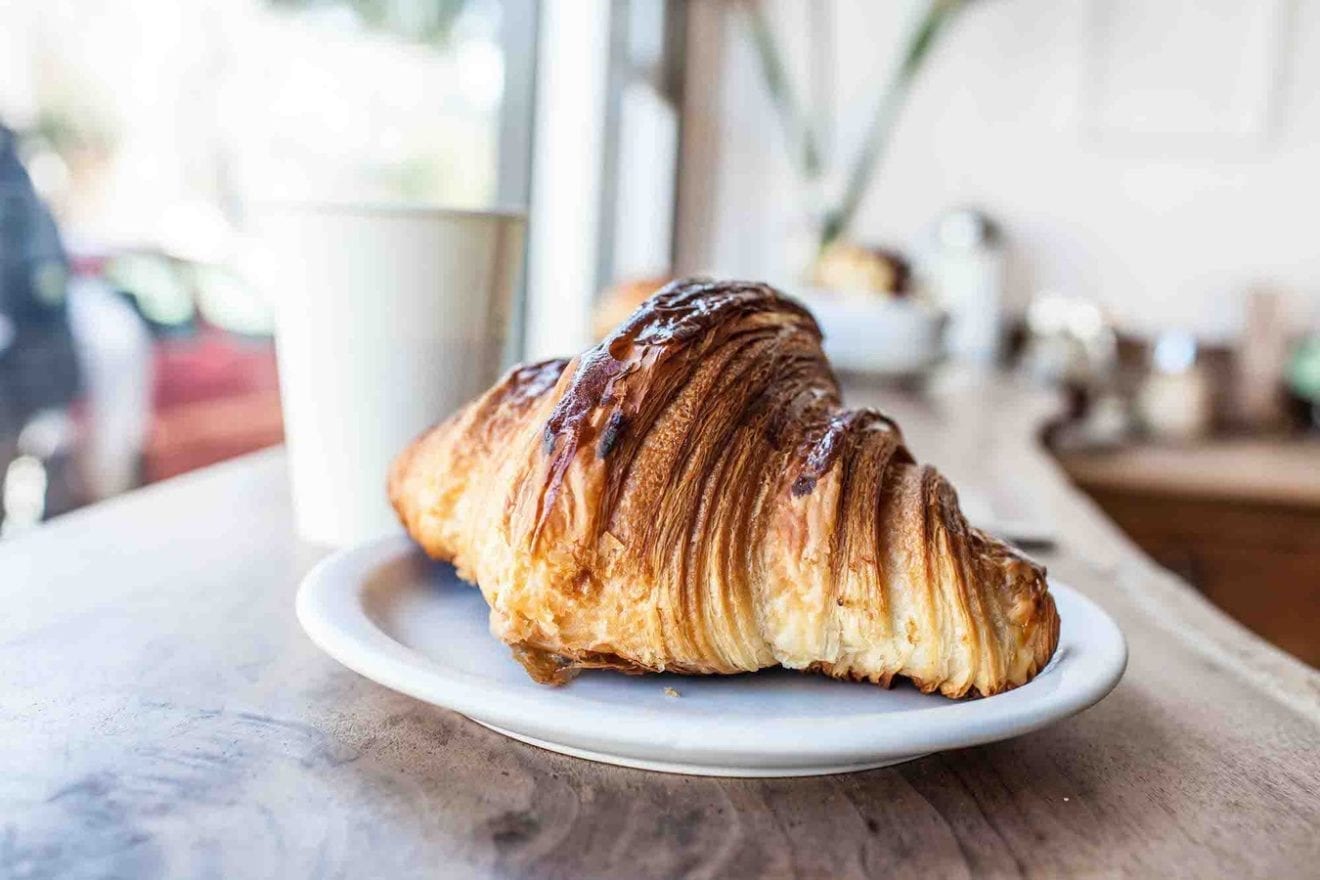
    The outlet has started serving delicacies French Bakery is known for.

  • Courts Asia continues negative trend as Malaysian sales tank

    Courts Asia continues negative trend as Malaysian sales tank

    Group sales fell 6.2 per cent to $175.3 million, largely due to a 22.2 per cent decline in Malaysian sales measured in ringgit with lower consumer demand for goods and services.  Singapore sales, which account for three-quarters of the business’ overall sales, slipped a negligible 0.7 per cent, while the company’s Indonesian woes continued. Although the market accounts for just 3.4 per cent of Courts Asia’s sales, revenue fell 7.3 per cent in local currency. Courts Asia is already taking steps to stem losses in Indonesia, recently announcing the closure of one of its megastores and the downsizing of another.

    Japanese electronics retailer Nojima Corp lodged a takeover bid for Courts Asia last month, conditional only on the formal acceptance by Courts Asia’s majority shareholder  Singapore Retail Group, which has already indicated its acceptance. The Japanese company plans a strategic review of the business and will consider delisting it.

    Meanwhile, Courts Asia says it will continue to endeavour to improve efficiencies in its Malaysian business to improve productivity and return to profit. Twelve underperforming stores have already been closed reducing the network to 54.

  • Marks & Spencer India to open six more stores in next 60 days

    Marks & Spencer India to open six more stores in next 60 days

    British multinational retailer Marks & Spencer (M&S) is on an aggressive pace here and is opening six more stores in the next two months alone, a top company official has said.

    According to a report, Marks & Spencer has opened its first store here way back in 2001 and in April 2008 signed a joint venture agreement with Reliance Retail to form Marks & Spencer Reliance India.

    It now has 71 stores across 30 cities like New Delhi, Amritsar, Mumbai, Pune, Kolkata, Bangalore, Chennai, Kochi, Bhopal, Kanpur, Hyderabad and Chandigarh among others.

    “India has become increasingly an important market for us. We are now the largest market for M&S outside of our home market. We are 71 stores today and we continue to invest in this market. We opened nine stores in the last six months and it is our intention to open six more in the next 60 days,” James Munson, managing Director, Marks & Spencer Reliance India said in an interview.

    Internationally, Marks & Spencer hawks its products in 57 markets across 400 stores and an online presence in 33 markets.

    Munson further said they would look to maintain that expansion pace in the next year as well and said, “there are no other markets which are expanding the way we are expanding here”.

    Of the 71 stores here, 10 are standalone beauty and lingerie stores , including two it opened in the last nine months and said half of the stores it plans to open in the next 60 days would also be for the same.

    The company clocked a revenue of Rs 908 crore last year and has been growing at a CAGR of 24 percent over the last five years, Munson said.

    It had clocked a 9 percent growth in the same store sales last year.

    A fifth of the turnover comes from outside the major metros, he said.

    It sources 30 percent of its products from locally and India is a sourcing base for the wider British market as well.

    M&S has partnered with other e-commerce players like Amazon and Flipkart over the last few years and he said its a strong area of growth and this year they are expecting 75 percent growth in online sales.

    However, the contribution from online to its revenues is still quite small here, unlike in Britain where it’s targeting 30 percent online sales.

    M&S has developed a rethink campaign specifically for this market, a first globally where a campaign has been designed for the local market.

    In Britain, food is a popular segment for the company but Munson said there are no plans at present to introduce food here.

  • Miniso teams up with cartoon network’s Adventure Time

    Miniso teams up with cartoon network’s Adventure Time

    Miniso has teamed up with Cartoon Network to present an epic 264-item collection of Adventure Time products in its stores across 62 territories around the world. From Europe to Asia, and Africa to North America and South America, the retailer is stacking its shelves with items featuring iconic characters including Finn, Jake, BMO and Lumpy Space Princess.

    Launching this month as part of a phased global rollout, Adventure Time fans will be able to enjoy an immersive in-store experience with the collection, which will be comprised of plushies, stationery, gifts and accessories such as backpacks and cosmetics. In the near future, the collection will add even more items as well as expand to additional territories.

    “The scale of this range demonstrates the popularity and enduring qualities of the Adventure Time franchise globally,” said Vikram Sharma, Vice President of Cartoon Network Enterprises, Asia Pacific.

    “Miniso has been a great partner for us. And when they wanted a brand that could provide young fans with an instantly-recognizable and fun association, Adventure Time was the obvious, mathematical choice!”

    Meanwhile, a new wave of merchandise from We Bare Bears – another Cartoon Network property – will also be in stores alongside Adventure Time.

    After impressive sales during the initial collaboration during 2018, more than 200 new and refreshed Bears’ items will be available in Miniso stores this month.

  • Walmart bets on India despite change in FDI norms

    Walmart bets on India despite change in FDI norms

    American retail giant Walmart and its Indian e-tail major Flipkart are betting big on India despite the revised norms for Foreign Direct Investment (FDI) in e-commerce, the companies said. “Walmart’s and Flipkart’s commitment to India is deep and long term. Despite the recent changes in regulations, we remain optimistic about the country,” the regional Chief Executive Officer of Walmart Asia and Canada Dirk Van den Berghe told IANS in a statement in New Delhi.

    The companies will continue to focus on creating “sustained economic growth and bringing sustainable benefits to India, including employment generation, supporting small businesses and farmers, and growing Indian exports to Walmart’s global markets”, added Berghe, who is also the retail giant’s Executive Vice President.

    Walmart’s assertion on the company’s commitment to India came after American investment bank Morgan Stanley in a report on Monday said the former might exit the country after the new FDI norms in e-commerce came into force on February 1.

    “An exit is likely, not completely out of the question, with the Indian e-commerce market becoming more complicated,” the New York-based financial services firm said in its report titled “Assessing Flipkart Risk to Walmart EPS (earnings per share)”.

    In May last year, Walmart bought 77 percent equity stake in Flipkart for a whopping US$ 16 billion (Rs 1,16,256 crore).

    The revised FDI norms in e-commerce, however, have tightened the noose around the businesses of the country’s leading e-tailers – Walmart-owned Flipkart and Indian arm of American e-commerce giant Amazon.

    The policy revisions, issued by the Ministry of Commerce and Industry on December 26, 2018, barred e-commerce platforms providing a marketplace from exercising control or ownership over the inventory and forbids any company to sell its products exclusively on an e-commerce platforms alone.

    The e-tail companies are now working towards changing the ownership of their inventory, so as to comply with the norms.

  • Reliance India buys additional stake in Future101, Genesis Colors

    Reliance India buys additional stake in Future101, Genesis Colors

    Billionaire Mukesh Ambani-led Reliance Industries has raised its stake in luxury apparel firms Future101 Design and Genesis Colors to strengthen its foothold in retail industry. Reliance Brands Ltd (RBL), a unit of RIL, “has acquired a further stake of 2.5 percent in Future101 Design Pvt Ltd on February 7, 2019, for a consideration of Rs 1.99 crore, taking its total stake in Future101 to 15 percent,” the company said in a regulatory filing.

    According to a report, also, Reliance Retail Ventures Ltd (RRVL), a separate subsidiary of the company, acquired a further stake of 9.44 percent in Genesis Colors Ltd (GCL), for Rs 45 crore taking its total stake in GCL to 29.07 percent on the enhanced capital.

    “Consequently, the stake of RBL in GCL shall be 43.66 percent and the aggregate equity shareholding of RRVL and RBL in GCL stands at 72.73 percent,” it said.

    Reliance said the acquisitions will help it to strengthen its foothold in the retail industry and support its long-term strategy to enhance its value in the industry.

    No regulatory approvals were required for the acquisition of shares and the investment does not fall within related party transaction, it added.

    The company had in July last year bought 12.5 percent stake in Future101, which is engaged in manufacturing, distribution, and sale of luxury apparels in India, for Rs 9.50 crore.

    Future101 reported an annual turnover of Rs 22.18 crore in 2017-18.

    In September 2018, RRVL had acquired a 16.31 percent stake in GCL, which owns fashion label Satya Paul, for Rs 34.80 crore. RRVL, through unit RBL, already held a 49.46 percent stake in GCL.

    That month, RRVL invested a total of Rs 57.03 crore in five other companies that sell branded readymade garments, bags, footwear, cosmetics and accessories.

    It bought a 2.07 percent stake in Genesis Luxury Fashion Pvt Ltd for Rs 3.37 crore, taking its holding in the company to 49.37 percent. Genesis Luxury Fashion distributes premium brands such as Jimmy Choo, Armani, Paul Smith and Bottega Veneta.

    It also bought 50 percent stake each in GLF Lifestyle Brands Pvt Ltd and Genesis La Mode Pvt Ltd for Rs 38.45 crore and Rs 10.57 crore, respectively.

    Besides, it acquired 50 percent each of GML India Fashion Pvt Ltd and GLB Body Care Pvt Ltd for Rs 4.48 crore and Rs 16 lakh, respectively.

  • Starbucks India to add around 10 stores this fiscal

    Starbucks India to add around 10 stores this fiscal

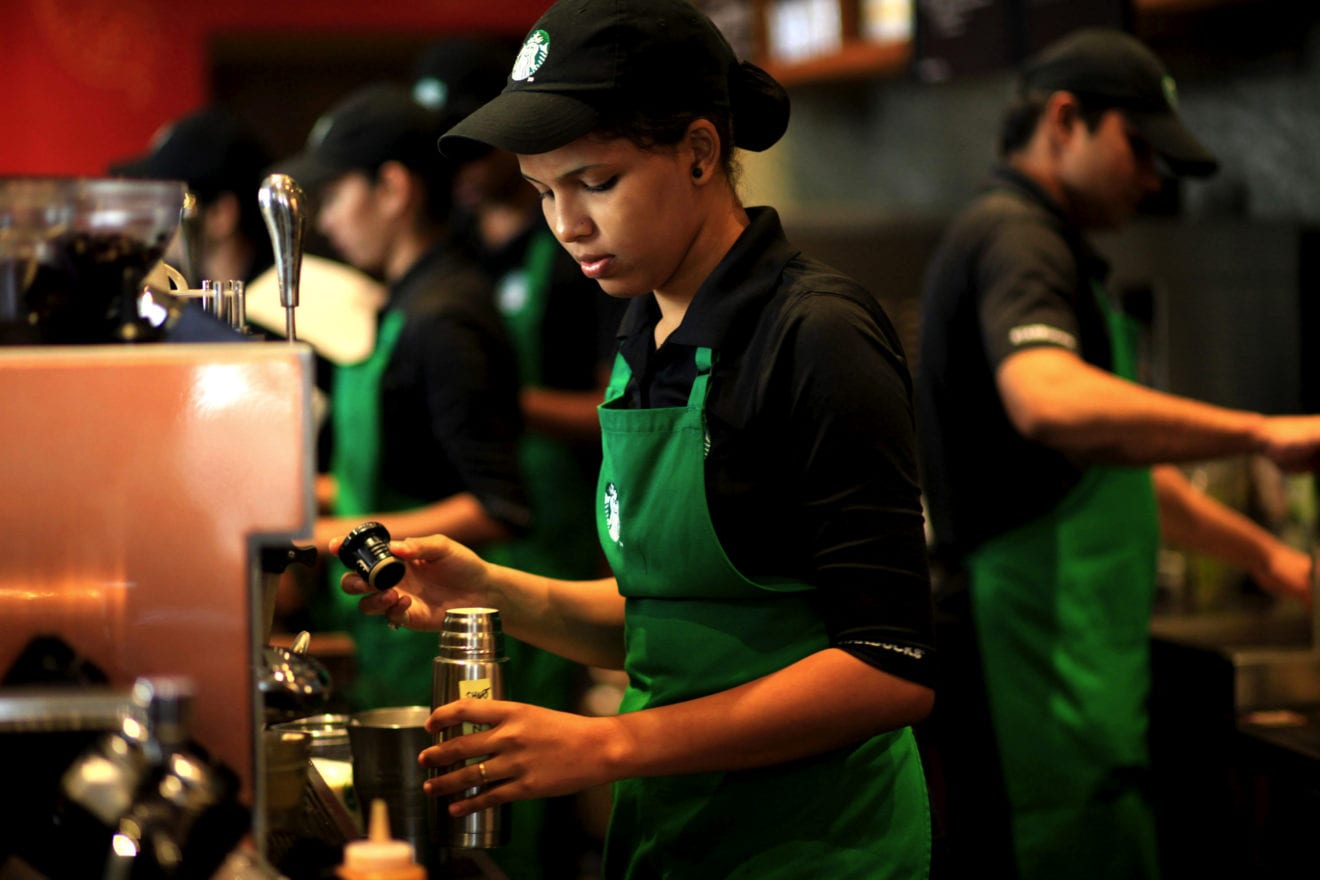
    Starbucks, a 50:50 joint venture between Tata Global Beverages and Starbucks Coffee of the US, is planning to add up to 10 new stores in the next two months, taking the total count to around 145 outlets, said a top company official. According to a report, the premium coffee chain is increasing the number of roll outs as it is getting overall good consumer response, said Tata Global Beverages (TGBL).

    “We currently have around 136 stores and we would open another between 5 to 10 stores by the end of the year (fiscal). We have seen an increase in the store roll out. We look at activating more stores roll out in the next few years, what we have seen in the past,” L Krishnakumar, CFO, TGBL Group said.

    Tata-Starbucks has recently started food delivery through online food aggregator apps like Swiggy.

  • Report urges auto industry to go electric

    Report urges auto industry to go electric

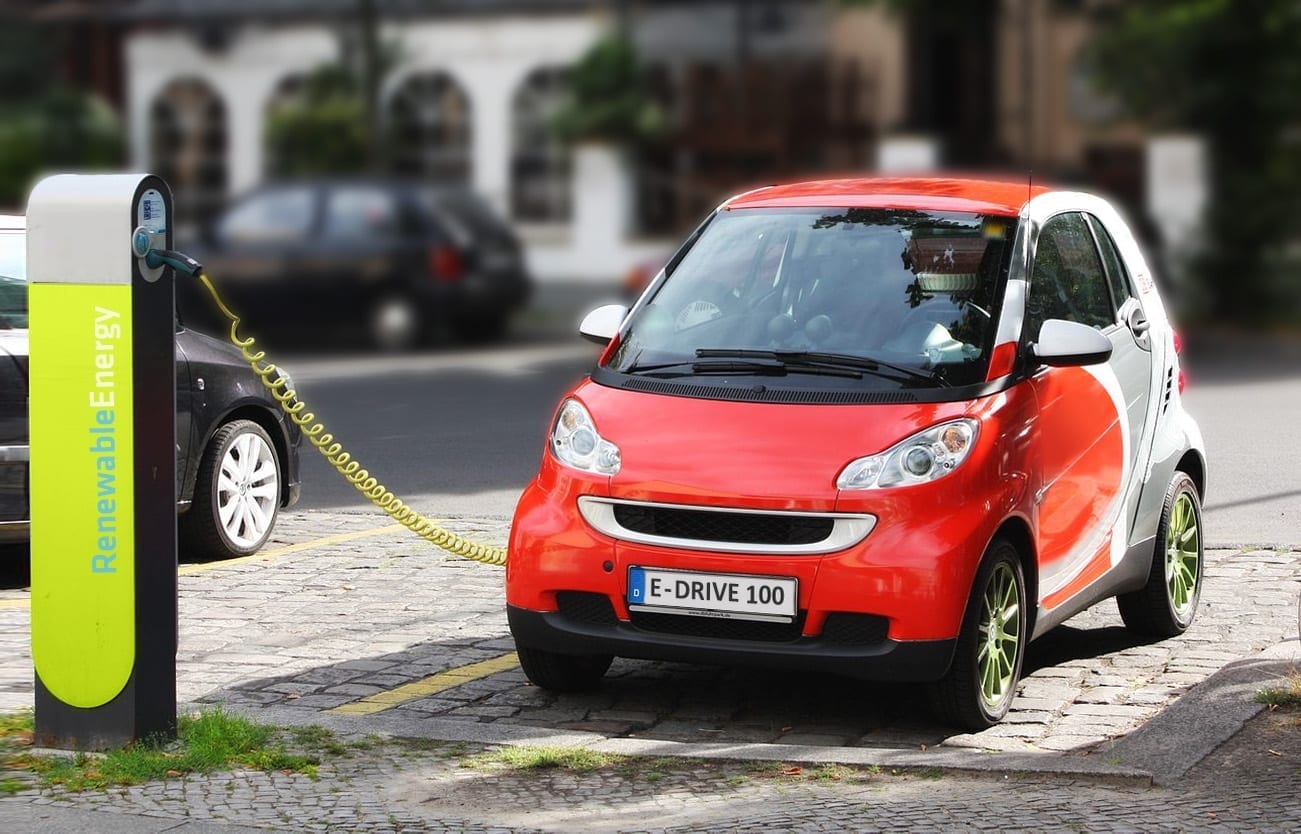
    Korea needs to give equal emphasis to the development of battery electric vehicles and fuel cell cars, considering the estimated future demand and the country’s competitiveness, a report said Thursday. “It’s a well-known fact that our car manufacturers have the mass-production technology for fuel cell automobiles,” the report from the Korea Institute for Industrial Economics & Trade (KIET) said. “However, the accumulated sales of fuel cell electric vehicles (FCEVs) worldwide stopped at 10,000 as of the end of 2018. The demand for fuel cell vehicles in 2030 will be less than 2 percent of the global sales of new automobiles.”

    In comparison, sales of battery electric vehicles (EVs) are estimated to exceed the demand for hybrids this year, 10 years since their commercialization, and show fast-paced growth, the report argued. Global rivals are due to market more than 100 different EV models by 2022, it noted.

    Korea’s high competitiveness in EV batteries is another reason why the government should not neglect investment in electric cars, the report said, warning that the relative weaknesses in the availability of charging stations and other networks could drag down the industry, despite efforts by local automakers to diversify their EV models. The report responded skeptically to the government announcement in December to give 2 trillion won ($1.79 billion) in assistance to reform the car parts industry.

    “If the auto industry, the recipient, is unable to fully accommodate, it could be difficult for the assistance to have the desired effect,” it said.

    The same report predicted hard times ahead for local auto companies, affected by the global slump in the car industry.

  • The cartoon cafe opens in South Korea

    The cartoon cafe opens in South Korea

    The interior of Cafe Yeonnam-dong 239-20 in Seoul, South Korea makes customers feel as though they’ have stepped into a cartoon world. Most cafe owners know it takes more than just great coffee to create a successful business. From an Instagram-worthy Wes Anderson-esque cafe in the Philippines to a coffee shop shaped like a Rolleiflex camera in South Korea, a space’s design is key to drawing in customers.

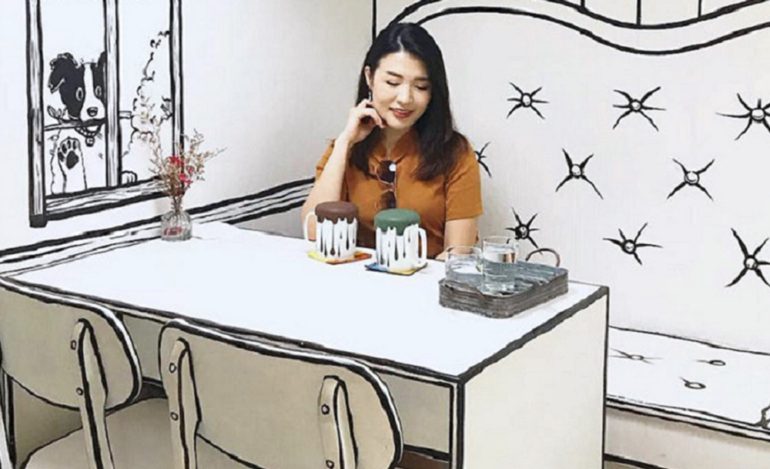
    One cafe to have recently received hype for its novelty interior is Cafe Yeonnam-dong 239-20 in Seoul. The eatery created an incredible space that makes customers feel as though they’ve stepped into a cartoon world.

    The artistic, monochrome design was inspired by Korea’s hit TV show, W by Lee Jong-suk and Han Hyo-joo, in which the characters clash between “two worlds”—the real world and a fantasy world inside a webtoon.

    The design of Cafe Yeonnam-dong 239-20 creates a 2D optical illusion, which makes customers feel as though they’ve crossed dimensions into a comic book illustration.

    When visitors step through the door, they’re greeted with black and white comic strip furniture, walls, and floors. Even the mugs, dishes, and cutlery look like flat line drawings.

    It helps that the owners have created a welcoming environment.

    If you want to experience this cafe for yourself, you can find it in the popular Yeonman-dong district in Seoul. If you can’t make it to South Korea, you can still feed your wanderlust by checking out the cafe’s Instagram.

  • F&B outlets get bigger bite in shopping malls Malaysia

    F&B outlets get bigger bite in shopping malls Malaysia

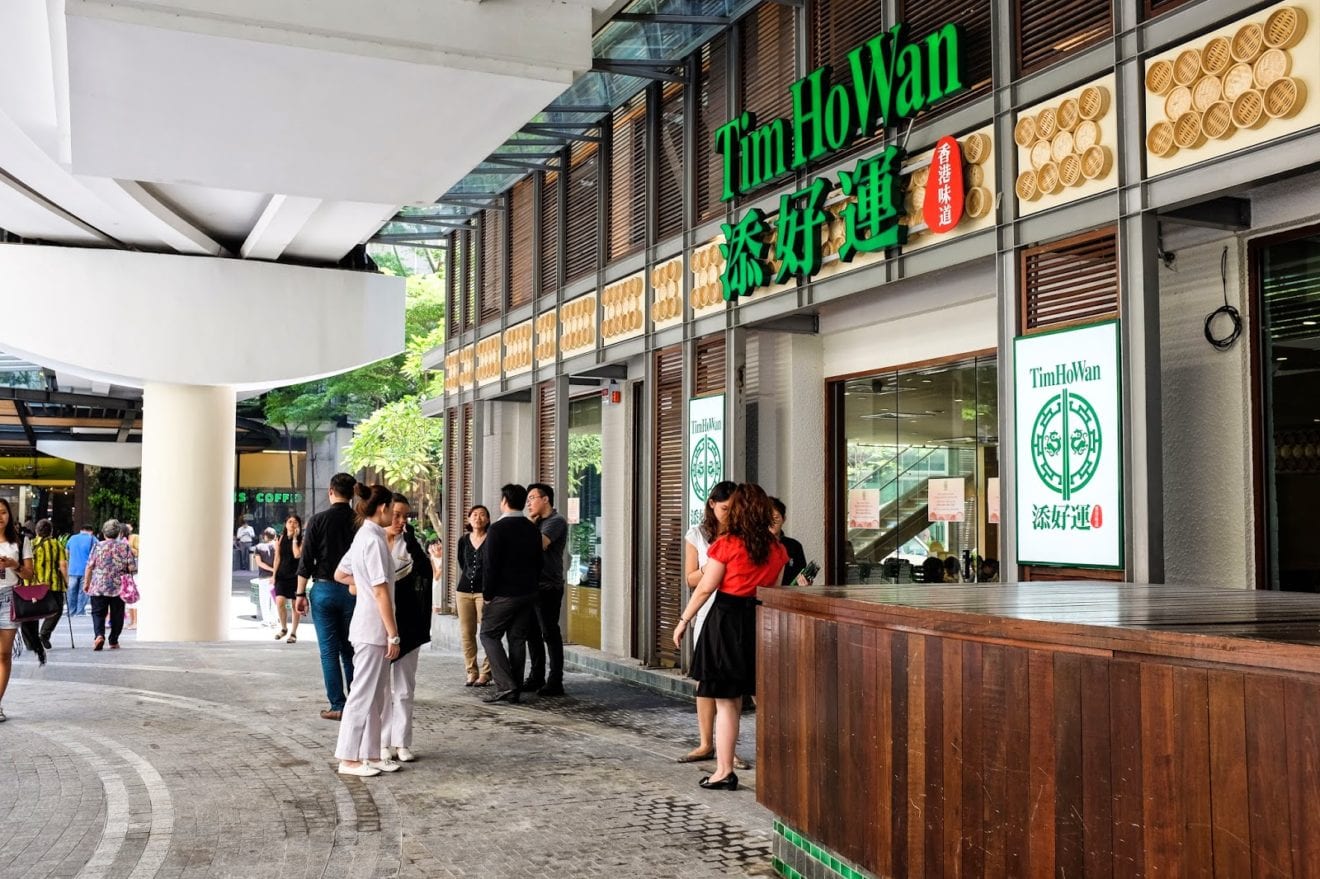
    Shopping malls are now allocating a higher percentage of their tenant mix (more space) to food & beverage (F&B) retailers, partly because competition from online platforms has impacted other types of retailers such as fashion, according to a market research and consulting firm. “Traditionally, F&B made up less than 20% of a mall’s tenant mix, but can go up to 40% nowadays,” Stratos Consulting Group Sdn Bhd managing director Tina Leong said.

    She said with the tenant mix now consisting of more F&B, this means that malls will need to design or renovate in such a way as to cater to the specific technical requirements that F&B retailers have, for example provisions for water, grease traps, storage, waste disposal and daily delivery.

    “F&B as a segment itself has become the anchor for some malls,” said Leong.

    She said malls that have a high F&B tenant mix include the refurbished 3 Damansara (formerly Tropicana City Mall), which now has more F&B compared to before. Similarly, Paradigm Mall in Petaling Jaya has refurbished its lower ground floor, which now consists of more F&B than previously.

    Sunway Velocity Mall general manager centre management Danny Lee said F&B makes up 27% of the mall’s tenant mix currently, and that it is targeting to have F&B reach 30%.

    “Naturally, F&B is doing better compared to others,” Lee said.

    Meanwhile, Leong noted that having more or certain types of F&B can also be part of experiential retailing.

    “For example, people nowadays, especially millennials, appreciate and are willing to spend on meals or drinks with friends and family, within nicer ambience restaurants or cafes, due to the memorable experiences this create.”

    She said to continue to draw shoppers (rather than them shopping online), more shopping malls are looking at creating engaging “experiences” for their customers. Experiential shopping simply means making the physical act of spending money more than simply handing over cash in exchange for goods and services.

    “More grocery stores are incorporating food and wine bars where people can enjoy a meal or a drink as well as a social experience before or instead of shopping,” said Leong, adding that some retailers have also integrated augmented reality into their stores, for example Starbucks Reserve Roastery in Shanghai and US-based fashion brand Reformation.

    Examples of experiential shopping are malls that have attractively themed or landscaped spots on every floor, where one can stop to take photographs with their friends or family, such as Aeon Mall Kuching. Some community malls in Bangkok, Thailand, have incorporated spaces for pet parks, children’s sand pits and jogging tracks.

    “Another recently opened mall, Kiara 163 in Mont Kiara, has incorporated the ‘experiential’ element into their mall design, with a central garden and water features for people to relax. Apart from design features, other ways of creating memorable shopper experiences are through interesting or unique events, activities, decorations, pop-up stores, technological innovations and customer service,” explained Leong.

    She said some of the major major malls have been doing this all along, such as Suria KLCC and Pavilion Kuala Lumpur that usually have attractive and unique festive decorations.

    “What is different is that nowadays, the customer experience aspect is becoming a focal point. It has become more important as malls and retailers try to attract and retain shoppers in the midst of competing options such as online shopping,” said Leong.