Tag: lifestyle

  • Hobbs London opens in IFC Mall

    Hobbs London opens in IFC Mall

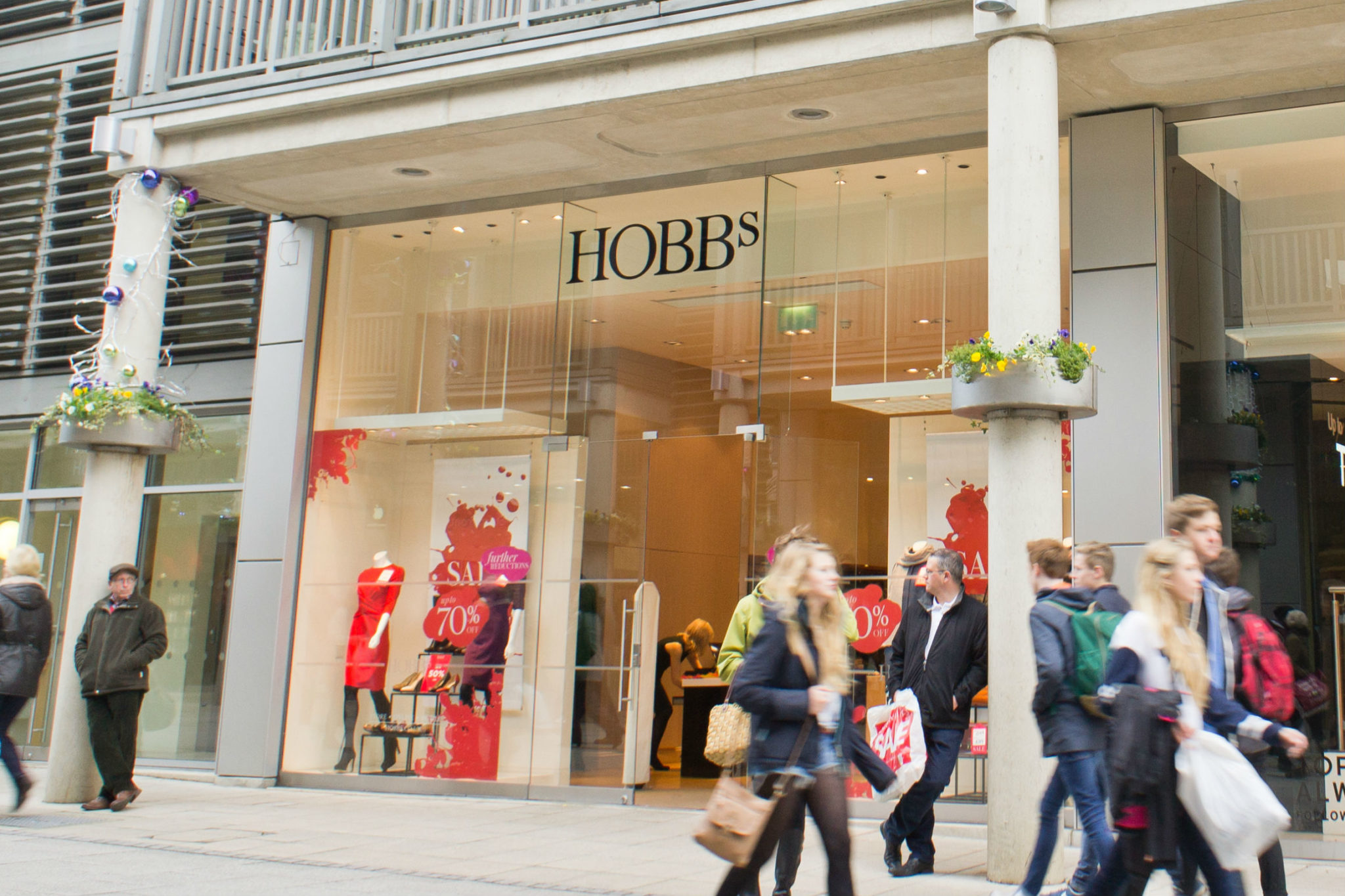
    Hobbs London, a brand for woman affordable luxury fashion, partnered with Rue Madame to unveil its first store at IFC Mall, situated amidst the city’s vibrant business and shopping district. Trading from 1150 square feet, the brand will showcase its collection of workwear, occasion dresses and casualwear, alongside its premium range of footwear and accessories.

    While visiting the store, customers can enjoy their shopping with style advisors on hand to help provide styling solutions for their individual needs.

    Each Hobbs store is designed to reflect the brand’s London heritage and contemporary sensibility.

    The clothing is displayed in easy-to-shop capsule collections, drawing upon the brand’s considered approach to womenswear.

  • Lacoste opens new travel retail store at Lotte Busan

    Lacoste opens new travel retail store at Lotte Busan

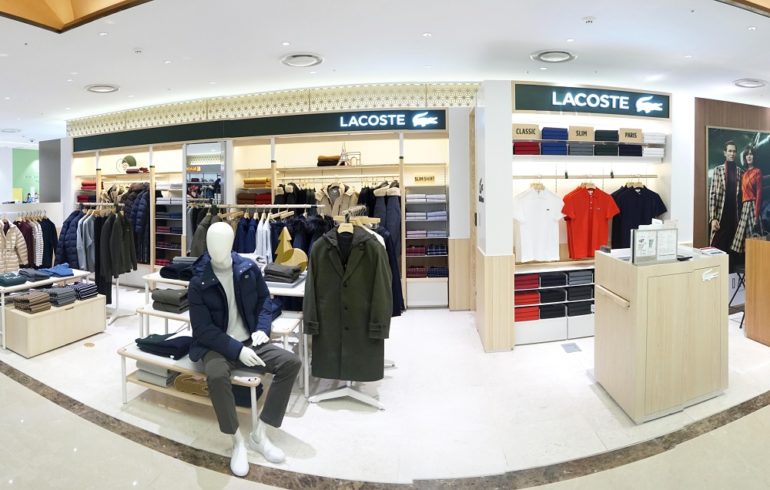
    LACOSTE has opened a new 30sqm duty-free store in Busan to further enhance their presence in Asia. This new store is located in LOTTE Duty Free, second largest duty free operator, in Busan, which is the second biggest city in South Korea.

    Travel Retail, often referred to as the “6th continent”, offers a unique opportunity to connect with consumers and highlight the brand all over the world.

    With over 170 boutiques worldwide, LACOSTE aims at reinforcing the
    consumer experience while enhancing channel specific product offering and visual merchandising.

    Looking to the future, the crocodile wants to continue to leverage the Travel Retail Channel strengthening or expand in new geographical areas and develop new channels (on-line duty free and cruises) and new ways of connecting with consumers before, during and after their trips.

  • Nome Sweden revealed massive expansion plan in China

    Nome Sweden revealed massive expansion plan in China

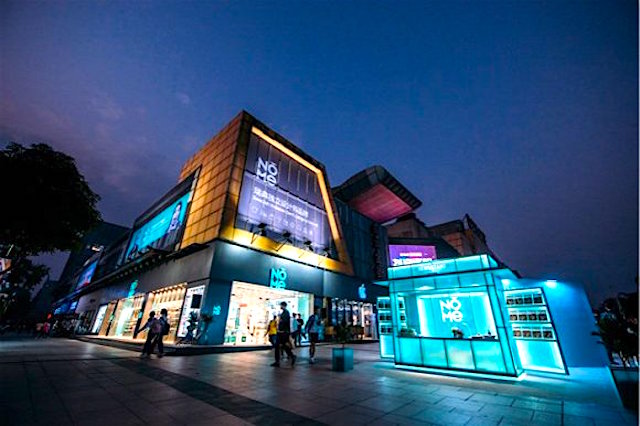
    Swedish designer brand Nome has launched a new store at Guangzhou Baiyun Wanda. The brand plans to open more than 300 stores in China’s most central shopping centres within a year, with a projected total turnover of more than RMB2 billion (US$290.6 million).

    In the next three to five years, Nome plans more than 2000 stores in China and in excess of 1000 stores overseas. The global business scale is planned to reach RMB50 billion ($7.265 billion), creating a global brand of home furnishing.

    To mark the Guangzhou launch, the brand installed a modernised version of a traditional Guangzhou postal kiosk outside the store. The reimagined newsstand featured a translucent shell emanating blue and white lights to evoke a Nordic style, perceived by the brand as having become more popular amongst Chinese consumers in recent years.

    Swedish designer brand Nome covers 10 categories and more than 3000 SKUs in store, including lifestyle, home, furniture, clothing, digital, beauty, food, shoes, luggage and travel items.

  • Owndays opens 2 new stores in Hong Kong

    Owndays opens 2 new stores in Hong Kong

    Following the opening of two stores in Tuen Mun and Tseung Kwan O in July, one in YOHO Mall in Yuen Long, one in Moko in Mong Kok in October, OWNDAYS HK opens its 5th and 6th store in Tsuen Wan and K11 respectively. The store in K11 is the biggest in HK. Located at the basement B2 floor, it covers a total of 1734 square feet. Aligning with the brand’s fashionable style and innovative concept, the spacious store features an open design allowing guests to choose frames freely and at the same time enjoying the videos shown on the LED Wall that are placed on the two sides of the store.

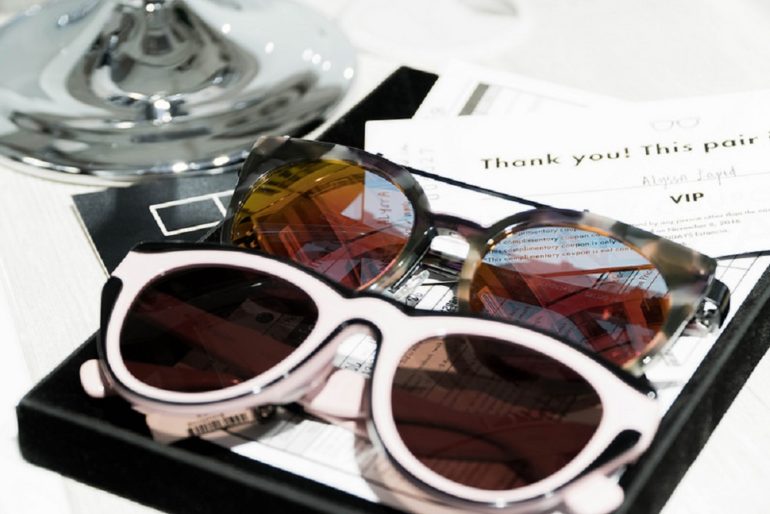
    In celebrating the grand opening of K11 store in Tsim Sha Tsui, a meaningful social platform contest to win a lifetime free eyeglasses rolled out on on 23 November. The contest aimed to collect user-generated visual content by customers playing with the stylish models available in HK. The content closed on 8th December with the announcement of the winners during a party. Alongside the exciting contest announcement, stylish and popular KOLs joined the event to interact with customers, together with a wide range of delicious treat and live hashtag printing service that opened to public throughout the weekend to make

    Owndays store opening aligned with the objective of the brand to create fun shopping destinations.

    OWNDAYS is an international optical retail concept founded in Tokyo, Japan. It currently has more than 120 stores in Japan and has successfully established stores in 10 overseas countries in Asia-Pacific.

    In consistency with the brand image, the retail concept is by an open shop front and extensive use of wooden panels aimed to create a sense of harmony. Display racks with mirrors are designed to accommodate the different collections of glasses and give customers the freedom to try them on in a relaxed shopping environment.

    OWNDAYS is characterized by a solid knowledge and professional skills. All staff is trained to process quality glasses within 20 minutes from optometry to delivery to ensure the best service. OWNDAYS lenses are manufactured by leading international lens makers and high index aspheric lenses come with UV protection and dust-resistant coating.

    OWNDAYS has a wide portfolio of products which include: Progressive Lenses, Polarised Lenses, Transitions Lenses, Colour Lenses, and PC Lenses. All glasses displayed in shop are original brands designed and manufactured by OWNDAYS. OWNDAYS’ brands range from stylish and fashionable to functional and are able to satisfy different customer profiles.


  • Genesis starts by-the-month car subscriptions

    Genesis starts by-the-month car subscriptions

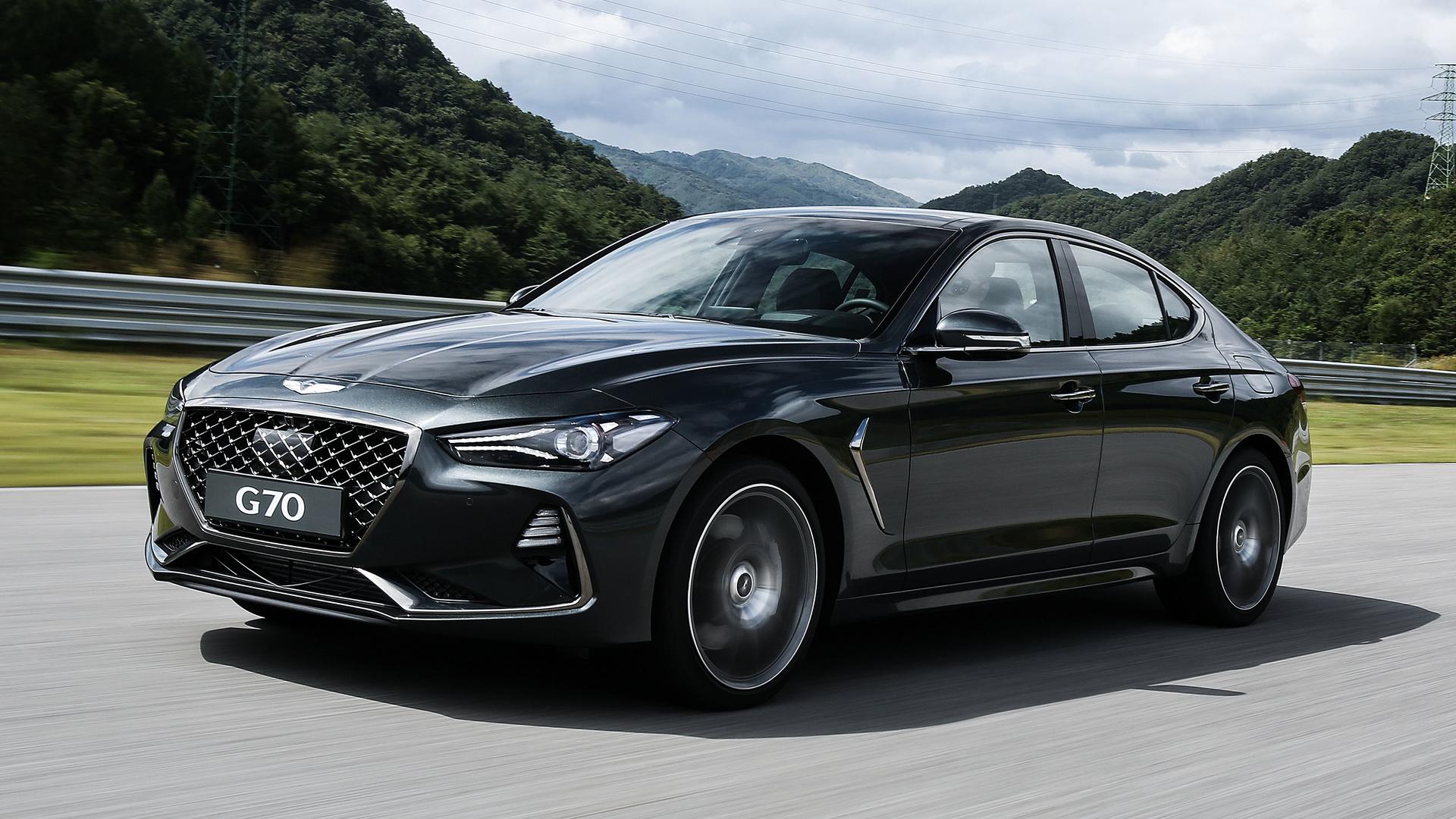
    Hyundai Motor luxury brand Genesis is starting a car subscription service, the first such effort by a domestic automaker in Korea. The company Thursday announced its Genesis Spectrum program. Under the program, subscribers can drive Genesis vehicles – including the G70, G80, G80 Sport and G90 – for 1.49 million won ($1,330) per month. The service is in collaboration with domestic rental-car companies and Hyundai Capital’s Deal Car.

    The fleet of available cars includes the 2018 G70 3.3 Sports Supreme, the G80 3.3 Premium Luxury, the 2019 G80 Sports 3.3T Premium Luxury and G90 3.8 Premium Luxury. The provided cars are relatively new, with fewer than 10,000 kilometers (6,213 miles) of accumulated driving, according to the carmaker. For those using the G70, G80 and G80 vehicles, cars can be switched twice a month. The G90 is available to subscribers only for test driving 48 hours a month.

    Subscribers will not have to pay any maintenance costs, including after-sales service and the purchase of replacement parts. They will have to renew their subscription every month, but no fee is charged for early termination of membership. The program offers pick-up and delivery in Seoul as long as the vehicles are reserved three days in advance.

    “Genesis has been researching opportunities our brand could offer customers,” an official at Genesis said. “One of the results of the survey is a subscription program, which is globally emerging as trend.”

    Genesis added that the subscription service will allow the brand to collect data about its customers and drivers, such as preferred models for certain age groups and car replacement cycles.

    While subscription services for cars are a global phenomenon, as fewer people opt for ownership, the concept hasn’t taken off in Korea yet.

    Hyundai Motor’s finance affiliate Hyundai Capital America has already launched a subscription service in the United States called Hyundai PLUS, where subscribers can use the Sonata, Tucson, Santa Fe and other models for a monthly fee. Other carmakers have been offering subscriptions in certain markets. Porsche runs Porsche Passport, Mercedes-Benz has Benz Collection and BMW has Access by BMW.

    Swedish carmaker Volvo recently started Care By Volvo, and has rolled out its “Don’t Buy This Car” campaign to promote the new service.

    “Subscription services are suitable especially for younger people who want to enjoy a diverse range of driving experiences while avoiding the financial burden of buying the car and then maintaining it,” said Kim Pil-soo, an automotive engineering professor at Daelim University.

    The Mini brand launched a subscription service in partnership with connected-car platform Epikar last month in Korea. Its membership fee is 1.79 million won, but it charges more depending on which model the customer wants to drive.

    The Genesis service started Thursday and will run for 10 months.

  • Popular Japanese ‘100-yen’ store Oomomo opens in Toronto Canada

    Popular Japanese ‘100-yen’ store Oomomo opens in Toronto Canada

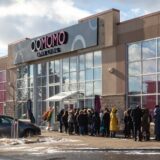
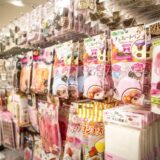
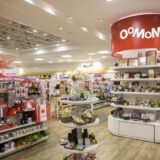
    Japanese discount retailer Oomomo has launched in Canada with plans for stores in most major cities. The first store opened in West Edmonton Mall in Alberta last month and was followed by another in Toronto this week, which attracted queues of customers to check out its eclectic mix of homewares, stationery, snacks and beauty products.

    More stores are planned in Vancouver, Burnaby in British Columbia and North Edmonton and Markham in Ontario.

    Oomomo translates into “big peach” in English and in Japan the chain is one of a group of retailers commonly referred to ‘100-yen’ stores. Most of its stock is priced at less than C$3.

    Some of the stock is sourced from Japanese retailer Daiso.

    View the gallery of the new store below (6 images) :

  • Cath Kidston Japan surges but not enough

    Cath Kidston Japan surges but not enough

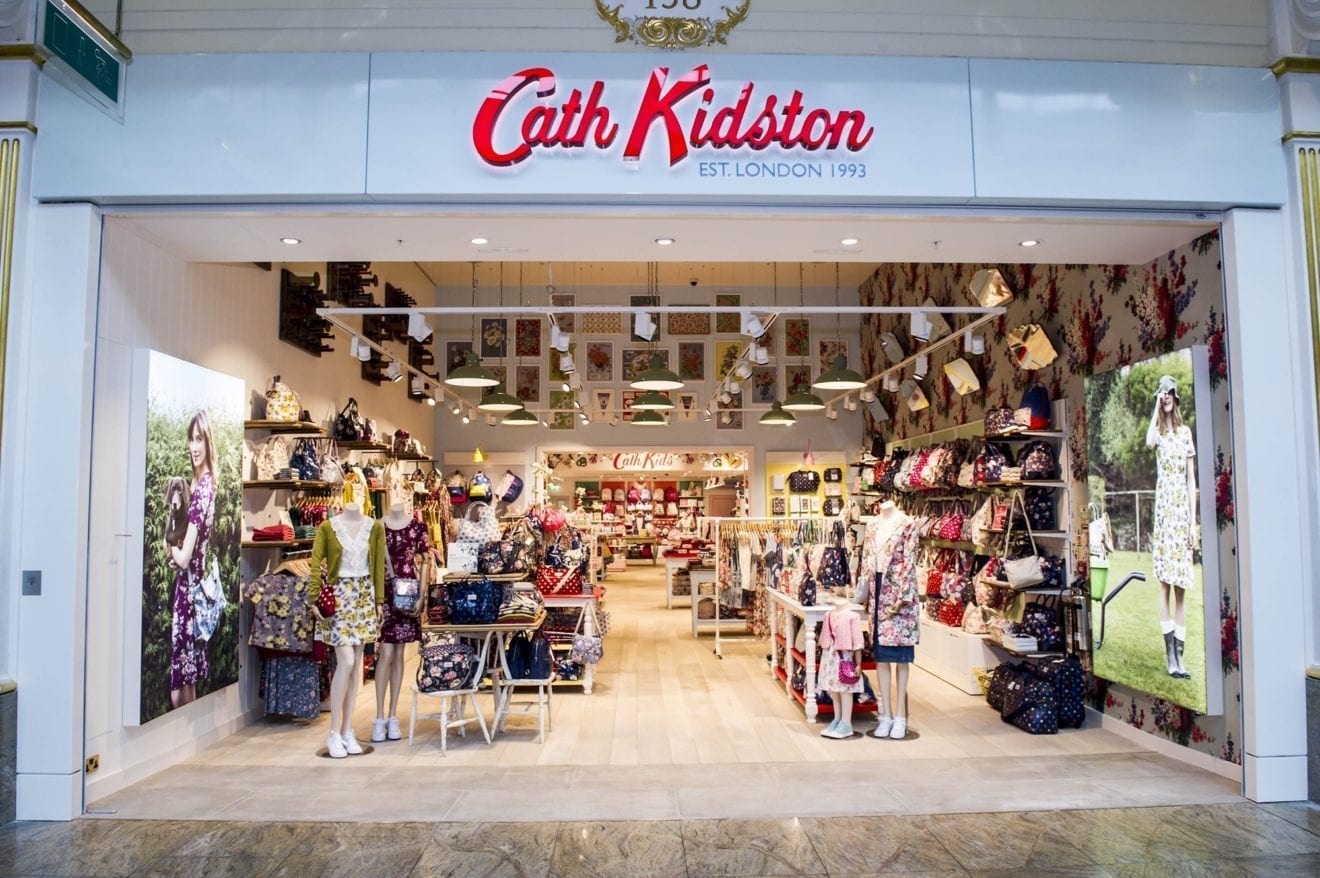
    Cath Kidston Japan sales outperformed every other market in the year to March, but not enough to stem losses by the UK-based company. Sales in Japan rose by 5.4 per cent after a net four new stores took the brand’s network there to 32. Ten more Cath Kidston Japan stores are planned there next year.

    In China, Cath Kidston also performed well, aided by a new franchise deal which will see 50 shops opened over the next five years.

    “The brand clearly continues to resonate with our loyal customer base, particularly in the UK and Asia,” said CEO Melinda Paraie.

    “During the period the group continued to grow top-line sales, despite significant headwinds in some of the markets in which we operate,” she said.

    “We are particularly pleased with the significant growth in ecommerce sales in both Japan and the UK, where a strong performance on Black Friday contributed to our best-ever week online.”

    Despite the positive Asian results, Cath Kidston’s loss rose from £8.4 million in the 2017 financial year to £10.5 million this year. Paraie blamed “increased cost pressures from the weaker sterling” since the Brexit vote for the result. Worldwide sales rose 1.2 per cent to £130.7 million, with UK sales up by 5.1 per cent.

  • Nike Korea blooms and upgraded its employees

    Nike Korea blooms and upgraded its employees

    Nike Korea’s revenue is forecast to exceed 1 trillion won ($884.27 million) in 2018. If all goes as expected, it will be the first sportswear company in Korea to achieve that milestone. Nike’s annual revenues in Korea have been rising by around 10 percent annually for the last two years, while competitors have only experienced average growth of 3 percent.

    Its sales have been strong across the board, both online and offline. But sales at the 15 company-owned offline stores were particularly strong, with revenues rising over 20 percent annually over the past two years.

    What’s behind the success? The company believes it was the decision to give permanent-employee status to its irregular workers.

    “Our company’s performance greatly improved after we upgraded irregular workers to permanent employees,” said a public relations officer at Nike Korea.

    Between November 2015 and May 2016, Nike Korea converted 654 of its irregular employees at company-owned stores to permanent employees.

    Prior to that, it had only had 310 permanent workers. The 654 new regular employees earned 20 percent more in wages after the change and gained access to a range of benefits, including tuition assistance for children. Labor costs for Nike Korea rose around 10 percent in total as a result of the move.

    Employees say that their new status as permanent workers made them more dedicated to the company.

    “Before, I used to say I work at a store when asked about my job, but now that I’m a regular employee, I confidently say I’m working for Nike Korea,” said 25-year-old Cho Hye-rim who works at a Nike outlet in Gimpo, Gyeonggi. “With a new sense of belonging and loyalty to the company, I began feeling a stronger sense of responsibility when dealing with customers.”
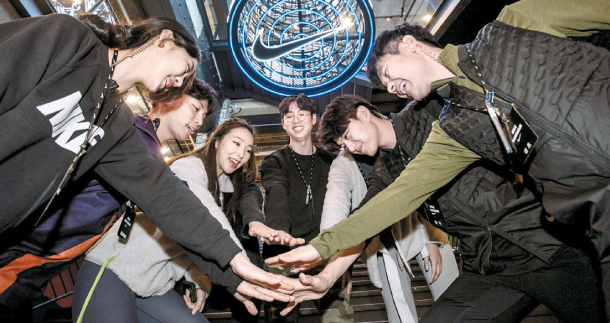
    “When I first heard that I was going to be a regular employee, I had to pinch my cheeks to check whether I was dreaming or not,” said 34-year-old Hwang Hyun-woo, who works at a Nike store in Myeong-dong, central Seoul. “With my experience working in sales at the store, I plan to try out an office job at the company headquarters as well.”

    Very few companies in Korea have converted irregular employees to permanent employees on the same scale as Nike.

    Exceptions include Homeplus, which converted around 1,000 cashiers and store assistants into regular workers this year, and SPC Group, which directly hired 800 workers from subcontracting firms.

    At Nike, the campaign to offer permanent-employee status to irregular workers was led by CEO David Wook-hwan Song, 48, after he took the top office at Nike Korea in 2015.

    He worked with the U.S. headquarters to achieve the transition.

    “I expected that performance would naturally improve if employees came together as a team and developed the pride and confidence that comes with being part of Nike, one the world’s best companies,” said Song.

    Song, who immigrated to Canada in his last year of high school, was hired by Nike Korea in 1994.

    He also earned an MBA from Harvard Business School and worked briefly at McKinsey.

    Last year, Nike included Seoul in its list of 12 key cities for growth.

    Seoul is Nike’s third-highest earning city after New York and LA.
  • China’s Proya opens 1000 smart stores

    China’s Proya opens 1000 smart stores

    Chinese cosmetics company Proya has ramped up its expansion on the heels of strong growth this year. In the first half of the year, Proya achieved revenue growth of 28 per cent, representing 89 per cent of the company’s total revenue for the period. At the same time, the firm’s e-commerce platform achieved sales growth of 58 per cent, while its Uzero brand accelerated its opening of single-brand retail outlets modelled as smart stores, signing agreements with more than 1000 locations.

    Since the beginning of the year, Proya has been driving sales growth across its cosmetics store-focused network by improving its incentive programs, providing more resources to employees, and encouraging employees to embrace change and continuously enhance skill sets.

    Based on shifts in market demand, the company has been focussing its product upgrades on the addition of new functionalities, higher levels of efficiency, as well as new and improved, higher-priced high-value items and a better appearance. It currently retails more than 1000 products under seven brands.

    Next year, the company plans to launch additional high-end products with functional and technological advantages that will serve as a cornerstone of a comprehensive product and brand upgrade.

    China’s beauty and makeup market was valued RMB361.6 billion (US$52.3 billion) in 2017, with a compound annual growth rate averaging 9.5 per cent over the last 10 years.

  • Ebay expands authentication platform to luxury jewelry

    Ebay expands authentication platform to luxury jewelry

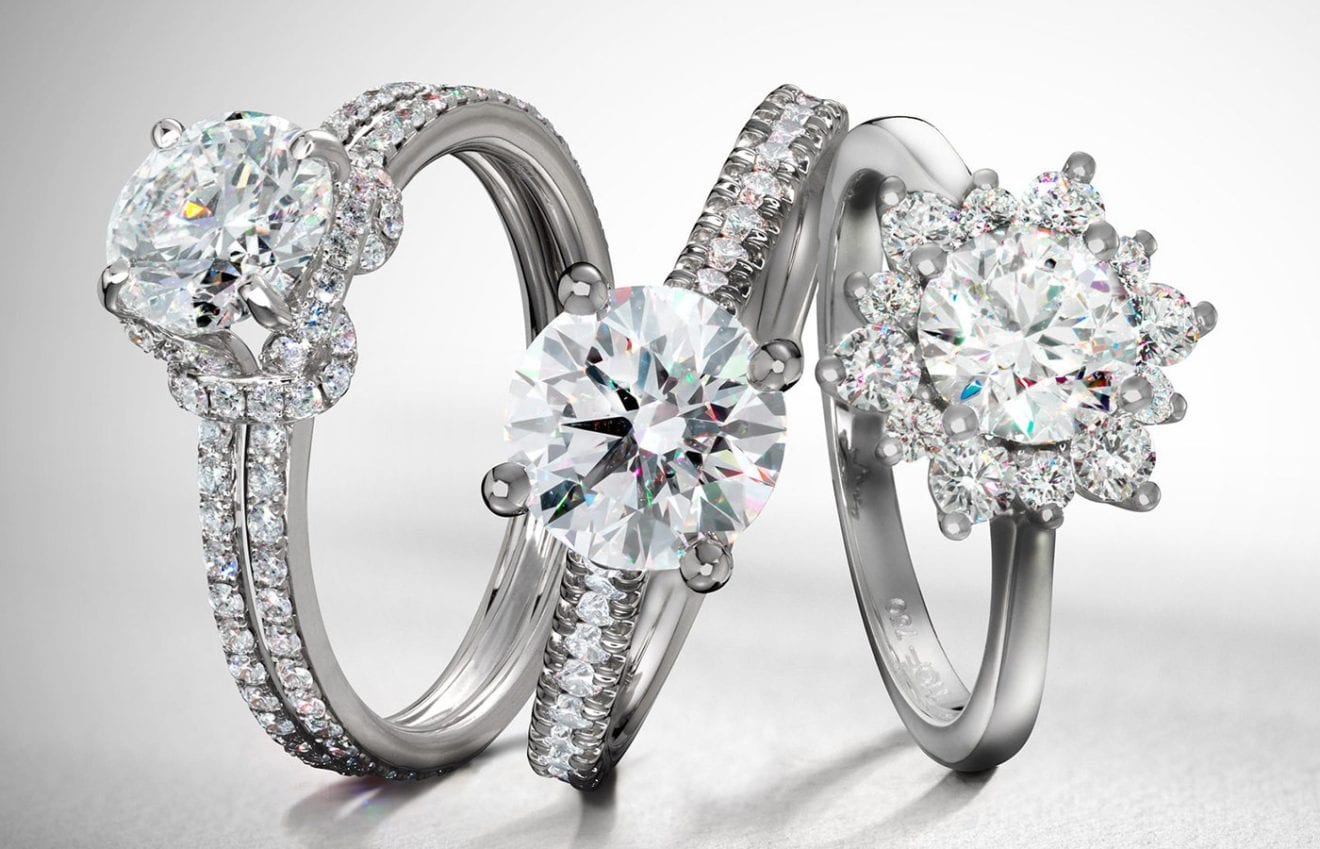
    U.S. e-commerce giant Ebay announced plans to extend its product authentication program to cover luxury jewelry, in a bid to stem the resale of counterfeit jewels across its global marketplace. Dubbed “EbayAuthenticate”, the luxury jewelry category is the newest addition to Ebay’s new verification platform, which first launched in 2017 with the resale of luxury handbags. Following its success, Ebay went on to add luxury watches to the authentication service in early 2018.

    This month, Ebay confirmed it wants to offer “holiday shoppers more than 45,000 high-end diamond and other gemstone jewelry, verified by professional authenticators,” according to press release.

    Ahead of the busy Christmas period, Ebay customers can browse for high-end necklaces, earrings, rings, and bracelets, which are now all marked with an “Authenticity Verified” label.

    That’s in addition to engagement and wedding bands, loose diamonds and gemstones, and fine, vintage and fashion jewelry.

    Much like the verification its luxury handbags and watches already go through, all jewelry items will be approved by third-party authentication experts and sourced from more than two dozen of Ebay’s top-rated sellers.

    “Ebay is home to the largest selection of luxury goods, which includes tens of thousands of jewelry items, fine watches, and rare and designer handbags,” said James Hendy, Senior Director of Ebay Authenticate.

    “Expanding the Ebay Authenticate service provides customers an added layer of trust and confidence as they shop for fine jewelry this holiday and beyond.”

    The popularity of Ebay’s jewellery, and an industry-wide crackdown on fake goods across online marketplaces, means the authentication of goods is fast-becoming a perquisite for customer satisfaction and therefore, sales growth.

    Some 50,000 jewelry items are sold per day on Ebay (approx. 2,000 item sold per hour), with one diamond ring sold every minute, according to figures released by Ebay.

    Ebay said its most popular jewelry stone is diamonds, followed by sapphires, acquamarine, amethysts and onyx rounding out the top five precious stones sold online.

  • Inditex suffers from late coming winter

    Inditex suffers from late coming winter

    Zara owner Inditex has posted slow like-for-like sales growth due to the unusually warm autumn and adverse currency moves. Inditex, which also owns upmarket label Massimo Dutti and teen label Bershka, posted a 3 per cent rise in like-for-like sales in the six months to the end of November after an “extraordinarily warm September”. Sales bounced back somewhat to 5 per cent in October and November.

    The fashion giant reported an increase in earnings before interest and tax of €3.07 billion from the previous corresponding period.

    In the first nine months of the year, the world’s largest fashion retailer reported a 3 per cent increase in sales to €18.4 billion and a 4 per cent rise in net profits to €2.4 billion.

    According to Inditex, the company didn’t have to cut clothing prices from September like its rivals, which resulted in margin growth of 108 basis points during the third quarter.

    The clothing retailer maintained sales and margin guidance for the rest of the year.

    Pablo Isla, Inditex chair and CEO, said the group’s strong business model, which continues to deliver solid structural growth in all markets, and its constant focus on developing the integrated store and online platform through continued enhancement of technology and systems, have contributed to its performance.

    The company announced last September that all products from all its brands will be made available online by 2020, including in markets where it does not have any stores.

    Isla had said that Inditex wants to make all fashion collections available to all customers wherever they are in the world.

    “Even in those markets which do not currently have our bricks-and-mortar stores,” Isla added.

    Other than Zara, Massimo Dutti and Bershka, Inditex also sells the brands Pull & Bear, Stradivarius, Oysho and Uterque across its network of almost 7500 physical shops. It operates online in 49 markets.

  • Homeplus hosts 1st beer sommelier competition

    Homeplus hosts 1st beer sommelier competition

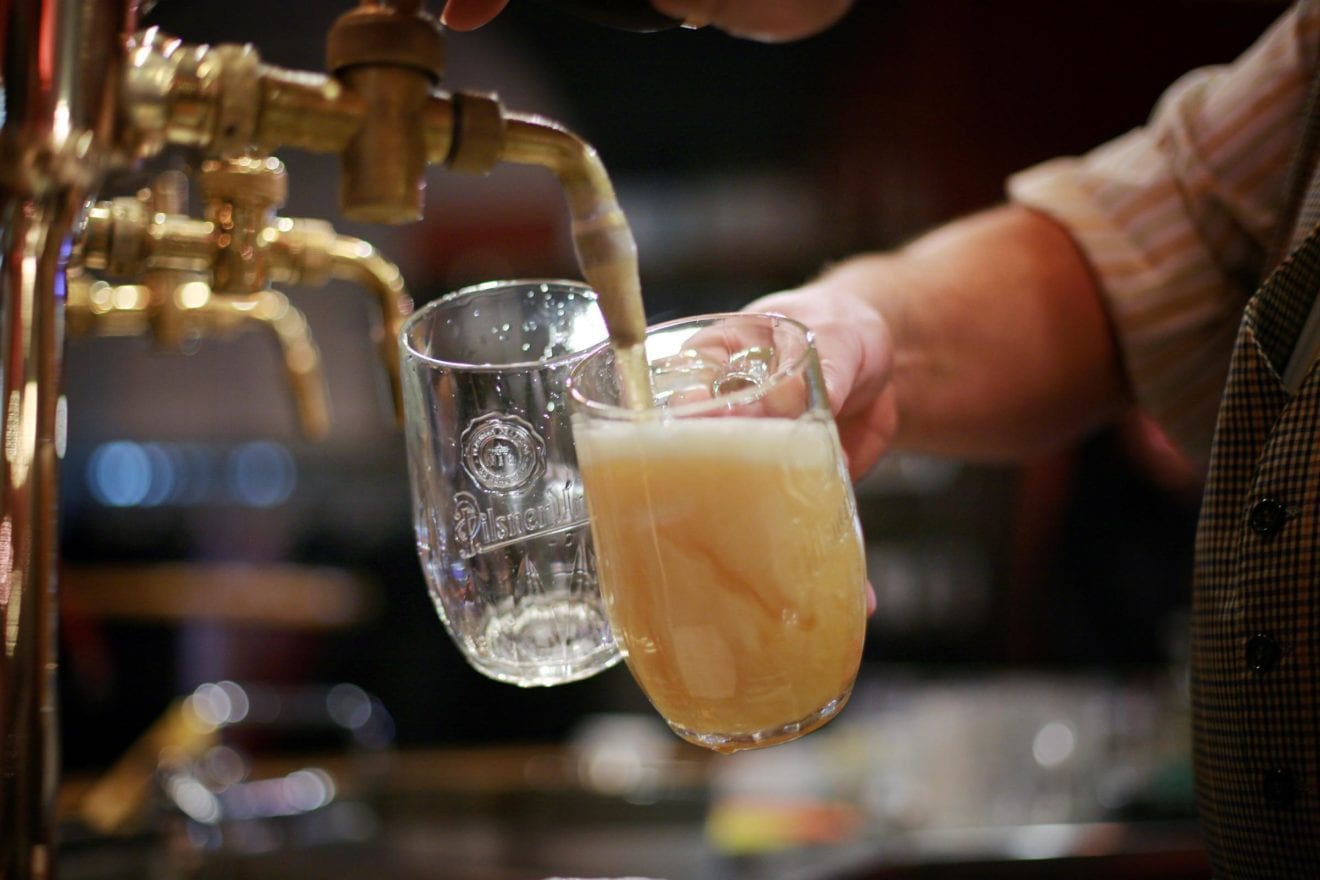
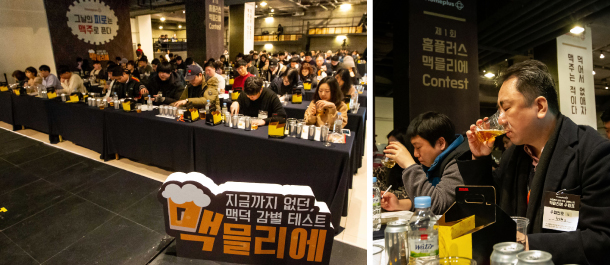
    Twenty-seven people have been awarded the auspicious title of beer sommelier by discount chain Homeplus. The discount chain’s first Macmelie Contest – macmelie is a portmanteau of the Korean word maekju, or beer, and sommelier – on Saturday saw 200 contestants gather at a convention center in Gangnam District, southern Seoul, to take a comprehensive test for a chance to become Homeplus-certified beer sommeliers.

    A total of 10,000 people had taken an online preliminary test to qualify to attend the Macmelie Contest.

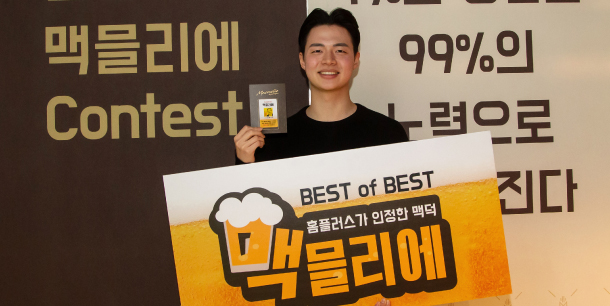
    The 27 contestants who passed the test on Saturday with over 70 points out of a 100 were awarded Macmelie ID cards. They were also given the opportunity to be the first to try out Homeplus’ newest beer imports and work together with the company to develop new beer products.

    The test included a written paper, worth 60 points, and a more interactive round – inevitably including a beer tasting test – worth 40 points.

    Some of the written questions tested contestants’ basic knowledge of beer, for example by asking for the German city that hosts Oktoberfest or the brew’s four core ingredients. Other questions were more difficult. One asked for the historic period when Duke Wilhelm IV of Bavaria adopted the German Beer Purity Law, while another asked for the number of indents that beer bottle caps have.

    The interactive questions were also challenging. Contestants had to guess how many milliliters of beer a cup held and also identify beer types by taste.

    Lee Ik-jin scored the highest out of all contestants with 84 points. “I didn’t expect to win first place, but I think my experience drinking a lot of beer in the past helped.”

    Homeplus currently offers around 690 types of local and foreign beer. The company says it hopes to enrich Korea’s beer consumption culture through its Macmelie contest.

    “We’ve been offering beer from around the world to meet rising demand that we are now even called the beer mecca,” said Kim Min-soo, a brand marketing manager at Homeplus.

  • Victoria’s Secret opens first flagship store in Australia

    Victoria’s Secret opens first flagship store in Australia

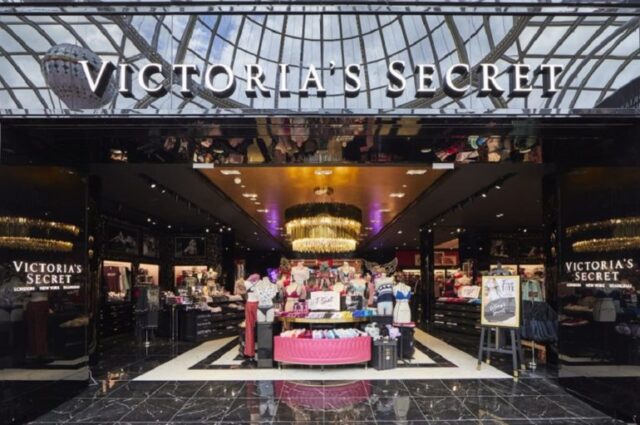
    Victoria’s Secret has opened its debut flagship store in Australia, the first store in the nation to offer the U.S. lingerie giant’s full range of apparel, innerwear and accessories. Located in Melbourne’s Chadstone Shopping Centre, the Victoria’s Secret store opened to much fanfare at 5:30 am local time, with a ribbon cutting ceremony last week.

    Some one thousand women camped outside and waited for a first look at the store, according to local media reports, with the first shoppers getting a $180 voucher.

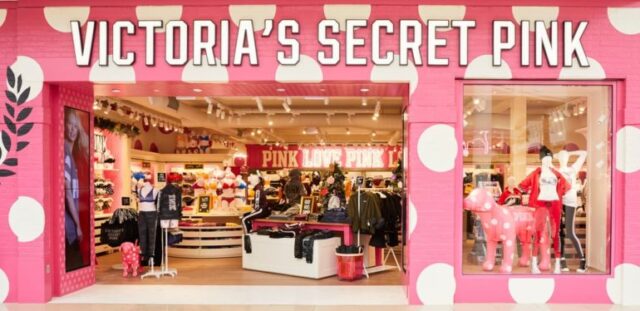
    Designed to reflect the firm’s New York flagship store on Fifth Avenue, Victoria’s SecretMelbourne is fitted out the brand’s recognised pink, and hosts an in-store display that holds approximately 12,000 pairs of panties.

    There’s also a separate entrance for its Victoria’s Secret Pink collections.

    The new Australian store in addition sells Body by Victoria, Very Sexy, Dream Angels, Bombshell, cotton lingerie and Victoria’s Sport athleisure line.

    The Melbourne opening marks the first official Victoria’s Secret store in Australia, separating itself from concession stores inside malls and Australian airports that are limited to selling fragrance and cosmetics.

    Victoria’s Secret recently announced it had appointed fashion executive John Mehas as its new lingerie chief executive.

    Mehas will take over in January, replacing Jan Singer, who has now resigned.

    “Our number one priority is improving performance,” L Brands chairman and chief executive officer Leslie Wexner said at the time of announcing.

    “I am confident that, under John’s leadership, Victoria’s Secret Lingerie…will continue to be a powerhouse and will deliver products and experiences.”

    Victoria’s Secret operates 1600 stores globally.

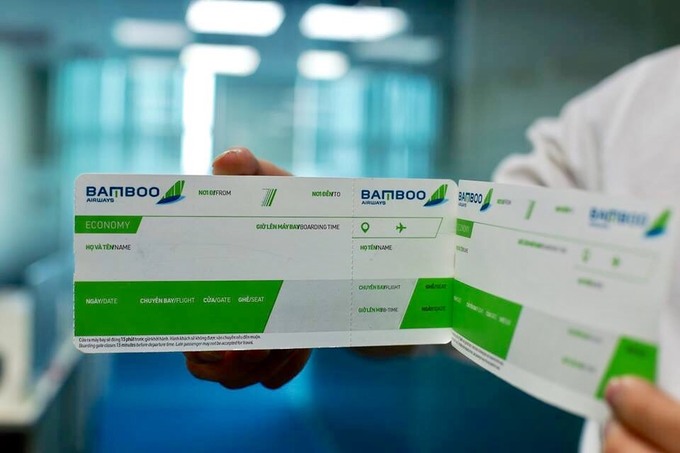
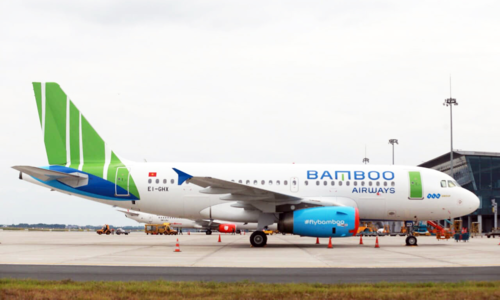
  • Bamboo Airways receives first aircraft, to take off earlier than planned

    Bamboo Airways receives first aircraft, to take off earlier than planned

    Vietnam’s newest airline, Bamboo Airways, has advanced its maiden flight by two days to December 27, its CEO said Sunday. Dang Tat Thanh said the private carrier’s first aircraft, an Airbus A319 leased from an Irish company, has arrived in Hanoi.

    Earlier, Trinh Van Quyet, chairman of FLC, the company that owns the airline, had said the first flight would be on December 29.

    Bamboo Airways received the aviation license to become Vietnam’s fifth airline early last month. But it is still awaiting an aircraft operator certificate and permissions for parking and selling tickets.

    It is also leasing an Airbus A320 from the same Irish company, and the airplane is expected to arrive later this month or early next month.

    Bamboo Airways is allowed to operate 10 aircraft on both domestic and international routes and to carry passengers and cargo on its flights.

    It plans to fly on 100 routes, connecting Vietnam’s major cities with popular domestic and international tourist destinations.

    The carrier was founded with a charter capital of VND700 billion ($30 million), which it increased recently to VND1.3 trillion ($55.68 million).

    It has signed deals to buy 24 Airbus A320neo and 20 Boeing B787-9 Dreamliner aircraft worth a total of $8.6 billion.

    The other four carriers in Vietnam are Vietnam Airlines, Vietjet Air, Jetstar Pacific and VASCO.

  • Global grocery markets growth fuelled by Asia, says IGD

    Global grocery markets growth fuelled by Asia, says IGD

    Global grocery markets are likely to generate an additional US$1.9 trillion in sales by 2023, led by Asian countries, according to new research data. The IGD forecast, based on IMF, World Bank, UN and Oanda base data, predicts Asia will see the strongest real growth – from population growth or consumers spending more on grocery – and is set to account for 47 per cent of the additional spend between 2018 and 2023. The forecast anticipates that nearly half (44 per cent) of extra sales will be created in Asia, which will add more than Africa, Europe and Latin America combined.

    Asia as a region will contain seven of the largest global grocery markets by 2023, with a combined market size of US$3.8 trillion.

    On growth in Asia, Nick Miles, head of Asia Pacific at IGD said: “China’s grocery market is expected to continue growing over the next five years, establishing itself as the largest grocery market globally. While growth varies between markets across Asia, countries such as India, Indonesia, Pakistan and Vietnam will continue to grow in importance for retailers and suppliers given the large populations, improving levels of GDP per capita and the development of modern trade. Retail partnerships have also in some cases helped retailers accelerate growth ahead of the market, and we expect more of these relationships to emerge and develop over the next year.

    “Grocery growth in Asia continues to benefit from a rapidly growing middle class, fast development and adoption of new technology, improved infrastructure and logistics networks, plus improvements to retail standards. Modern trade retailers continue to expand their store networks and improve existing operations.

    Meanwhile, traditional trade still plays a role, with mom-and-pop stores modernising their offerings and tailoring services to local communities. In countries like China and India this is being aided by online retailers such as Alibaba and Amazon.

    “Across Asia the pace of development and focus of retailing varies by market. However, online is expected to be the fastest growing channel regionally over the next five years,” said Miles.

    “Online grocery retailing is already well established in countries like South Korea, Japan and China and we expect the share of sales accounted for by channel in these markets to increase to over 10 per cent by 2023.

    While online grocery retailing is growing rapidly across Southeast Asia we expect it to still account for less than 2 per cent of sales in most markets in five years’ time.”