Tag: lifestyle

  • Vietnam’s Vsmart global market

    Vietnam’s Vsmart global market

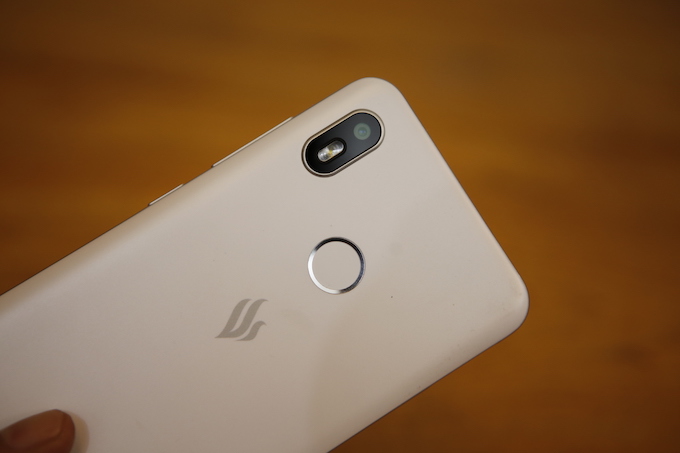
    Vietnam’s largest private firm Vingroup launched four new phone models Friday, saying it aims to sell them internationally. The four new Vsmart phones, manufactured at the group’s VinSmart factory in Vietnam’s northern city of Hai Phong, are priced from 2.49 million ($107.18) to 6.29 million ($270.76) in the introductory phase. The prices will later increase to VND2.59-6.59 million ($111.49-283.67).

    Tran Minh Trung, CEO of VinSmart, said at the launching event that his company wants to branch out to markets outside of Vietnam.

    “We will not stop at the Vietnam market. We will bring out products to the world with five business departments in five continents. A sixth department will be in charge of e-commerce. We are capable of competing and we want to be accepted in both local and international markets,” he said.

    VinSmart is set to be a new competitor in the Vietnam market of 95 million people, currently dominated by Samsung and Apple phones.VinSmart acquired the intellectual property rights for the four phones from Spanish technology firm BQ, in which VinSmart owns a 51 percent stake.

    Vietnam is the largest smartphone production base for Samsung, while key Apple supplier Foxconn is also considering setting up a factory in the country.

    The launching of the phones has happened at rapid speed, just six months after Vingroup established the VinSmart company in June to produce smartphones and other smart electronic devices with a registered capital of VND3 trillion ($131.54 million).

    Vingroup, once a real estate and retail focused conglomerate, also became the country’s first full-fledged domestic car maker in October, introducing three new car models.

    VinSmart factory is capable of making five million phones a year in its first phase of operations, the company has said.

    It has also said that the factory will produce smart TVs and other smart products in the future. VinSmart also signed a multimode global patent license deal on Friday with chip producer Qualcomm.
  • Swee Lee Music Malaysia reopened

    Swee Lee Music Malaysia reopened

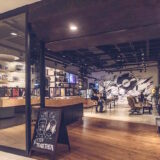
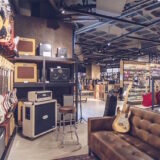
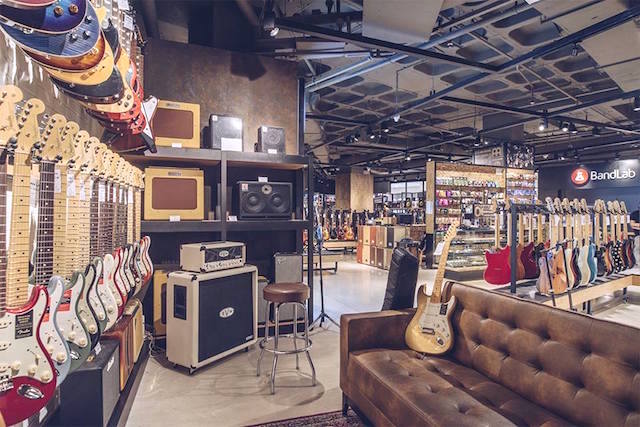
    Southeast Asian musical instruments retailer Swee Lee Music has opened a refurbished flagship in Malaysia. The 4995sqft location in Lot 10 Mall is Swee Lee’s 15th store in the region, and one of three in Malaysia. Beyond its range of instruments, the store sells vinyl records and curated lifestyle products, and has partnered with second-hand guitar retailer Well Played Gear to offer its products in store. High-end consumer audio goods are also available for purchase.

    The store represents the first build of Swee Lee’s retro-futuristic wood/concrete interior design aesthetic in Malaysia. It also reserves space for a cafe and performance events.

    Swee Lee’s MD of music Meng Ru Kuok said: “Since Swee Lee began operating in Malaysia three years ago, we’ve been delighted to support local musicians as they pursue their creative journeys.

    The refurbished KL flagship store is about taking this to the next level. In a dynamic city like Kuala Lumpur, which has a deep passion for music and incredibly talented artists, we want to establish a space where anyone can be inspired to connect and create.”

    View the gallery below (4 images) :

  • October Singapore retail sales static

    October Singapore retail sales static

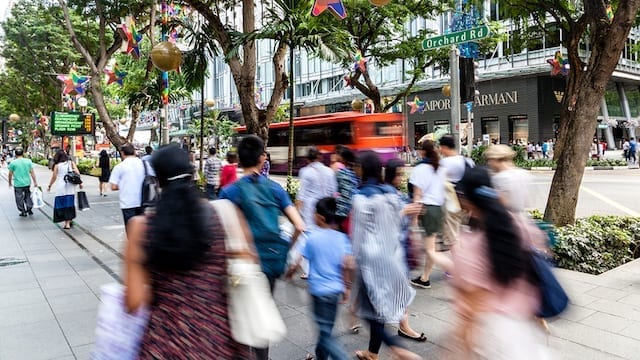
    October Singapore retail sales inched up by 0.5 per cent year on year, after excluding motor vehicle sales from the data.

    Month-on-month they fell by 2.1 per cent, reaching S$3.7 billion (US$2.69 billion).

    Online retail sales breached the 5 per cent threshold of total retail sales at 5.3 per cent for October.

    By category, sales by petrol stations soared the most, up 11.4 per cent year on year, however when the effects of price changes was removed from the data, the increase was a more moderate 1.5 per cent.

    Sales of medical goods and toiletries rose 3.4 per cent on the back of cosmetics, with furniture and homewares up 1.5 per cent.

    In contrast, sales in department stores and supermarkets decreased 3.6 per cent and 2.9 per cent respectively. Retailers of optical goods and books and recreational goods declined by 1.9 per cent and 1.8 per cent.

    Sales of food and beverage services rose 1.1 per cent, with food caterers recording a 5.6 per cent increase in turnover, other eating places (such as cafes) improving by 3.8 per cent, and fast-food outlets by 3.2 per cent.

    Restaurant turnover, however, was down 3 per cent.

  • Herschel teams up with Starbucks for launch in China

    Herschel teams up with Starbucks for launch in China

    Does a new new designer collaboration revealed this week represent growing Starbucks fashion cred? Accessories and apparel brand Herschel has created a capsule collection inspired by Starbucks China’s Sumatra coffee blends.

    It follows the release of two seasonal ranges of homewares designed by Los Angeles label Ban.Do in the coffee company’s Asia-Pacific stores, the first of them on sale in July last year.

    Vancouver-based Herschel established a headquarters in Shanghai this year and is currently working on expansion plans within the territory along with retail partners nationwide. A permanent store location will open in the third quarter, and 15–20 Herschel Supply stores are are expected to be open before the end of next year.

    Cofounder Lyndon Cormack said: “Coffee is significant in one aspect or another in just about every part of the world. Of course, it’s a huge part of our culture in Vancouver, here in the Northwest, just a few hundred kilometres away from Starbucks’ birthplace in Seattle.

    “To work with one of the most globally recognised brands and collaborate with them directly is an incredible opportunity to bring both of our stories to life in a unique and meaningful way. We’ve also been active in the market for years and certainly experienced robust growth.

    “To receive the stamp of approval, so to speak, from the Starbucks China team shows us we’re off to an amazing start and that there’s a lot of opportunity for us to expand in the territory.”

    The Starbucks fashion-influenced range, which is currently sold exclusively at Starbucks locations within China, includes carryalls, mugs and a Starbucks card featuring a custom Sumatra Cherry Woodland Camo print.

  • Hyundai Motor bets 6.7 billion dollars on hydrogen cells

    Hyundai Motor bets 6.7 billion dollars on hydrogen cells

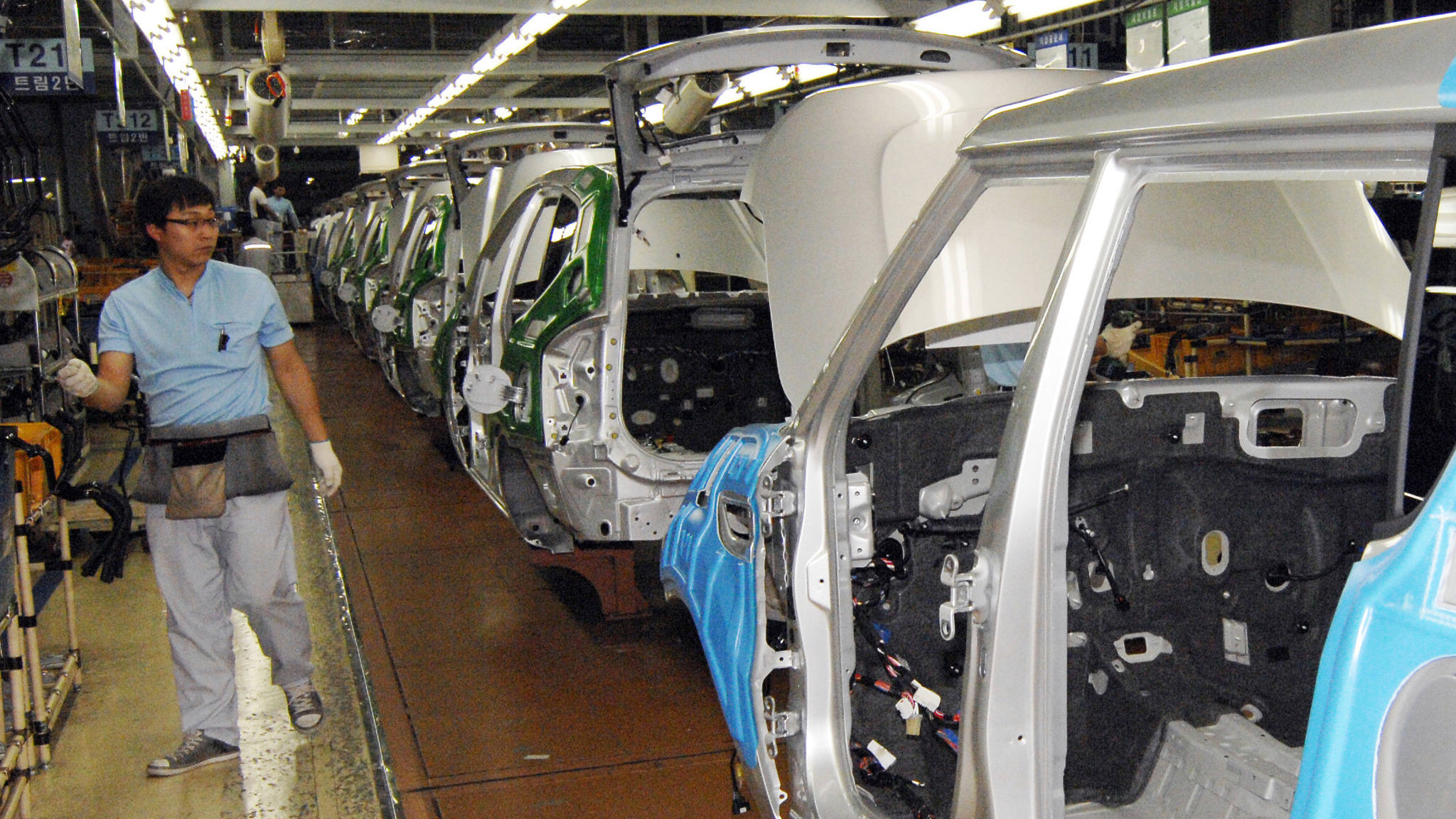
    Hyundai Motor Group said it will invest 7.6 trillion won ($6.7 billion) in fuel-cell electric vehicles (FCEV) by 2030, betting big on hydrogen as the energy source for the future. The group announced what it called its “FCEV Vision 2030” on Tuesday, promising to build production capacity of 500,000 FCEVs yearly by 2030 to take the lead in the fledgling industry. It added that the investment will generate some 51,000 new jobs by 2030.

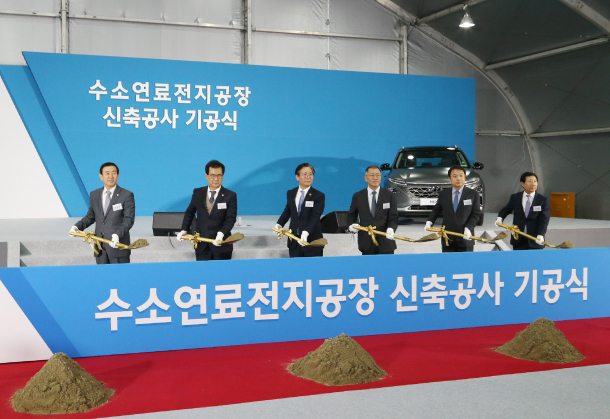
    As a first step, Hyundai Mobis, the auto parts and software affiliate of Hyundai Motor, held a groundbreaking ceremony for its second fuel cell stack factory in Chungju, North Chungcheong, on Tuesday.

    If the factory is completed in 2022, Hyundai Motor Group’s production capacity for fuel cell stack will expand from its current 3,000 units per year to 40,000 units.

    “Hyundai Motor Group will become the first mover in the new hydrogen society that will arrive soon,” said Chung Eui-sun, Hyundai Motor Group’s executive vice chairman, in a speech at the ceremony in Chungju on Tuesday.

    “The group plans to expand the fuel cell stack production capacity to 700,000 units by 2030, including for the 500,000 FCEVs we plan to make by that year.”

    The ceremony was attended by Minister of Trade, Industry and Energy Sung Yung-mo, Hyundai Motor President Chung Jin-haeng and Hyundai Mobis President Lim Young-deuk.

    Hyundai Mobis’ Chungju plant is focused on producing parts for eco-friendly vehicles like hybrid and electric cars.

    Last year, it constructed a new section dedicated to making fuel cell stacks with a capacity of 3,000 units per year.

    The carmaker forecasts that hydrogen will be used as an energy source in shipbuilding, railways and forklifts in the future and said it would start a business supplying fuel cell modules to other companies. The additional 200,000 units of FCEV modules that are not used in Hyundai Motor’s own FCEVs by 2030 will be sold elsewhere, the carmaker said.

    Executive Vice Chairman Chung said the FCEV industry will become a new growth engine for Korea.

    “Ninety-nine percent of auto parts in FCEVs are made domestically,” Chung said, “which is why its growth will have big ripple effects on other companies related to the industry. Through co-investment with partner companies, [Hyundai Motor] will try to build new growth engine for Korea’s future car industry.”

    Currently, some 130 partner companies are providing parts for fuel cell stacks made by Hyundai Mobis.

    Hyundai Motor has been making hefty investments in FCEVs along with rival Toyota. It was the first carmaker in the world to make a mass-produced FCEV model in 2013 called the Tucson ix35. It launched a hydrogen-powered Nexo SUV early this year.

    Since last year, the carmaker has been chairing the Hydrogen Council, a global lobbying group. Other companies represented on the council include Daimler, BMW and Air Liquide.

    The Korean government plans to supply 16,000 FCEVs and build 310 FCEV charging stations by 2022. There are currently only around 10 stations available to the public in Korea.

    China plans to supply 1 million FCEVs by 2030 and construct 1,000 charging stations. Japan plans to supply 40,000 FCEVs by 2020 and build 160 charging stations.

  • Lego opens its first official store in Thailand at Siam Paragon

    Lego opens its first official store in Thailand at Siam Paragon

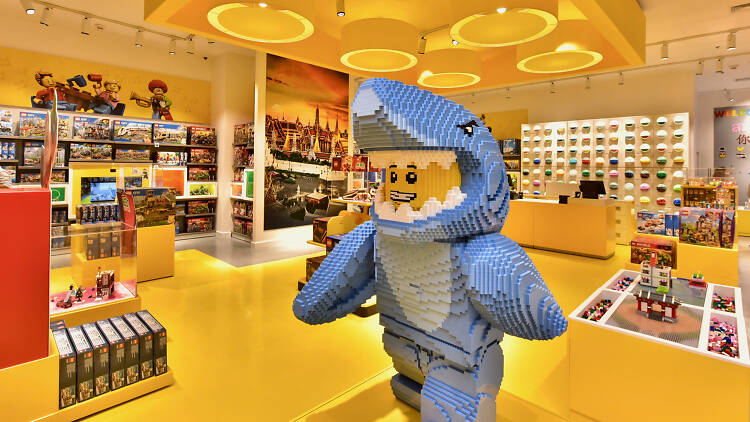
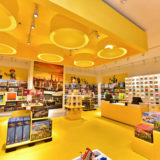
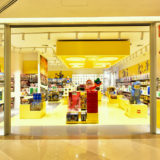
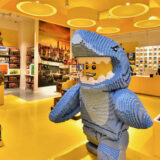
    The first certified Lego Thailand store has opened at Siam Paragon in Bangkok. The Danish building-toy manufacturer says the move is part of the brand’s strategic plan for Asian expansion. The new 170sqm Lego Thailand store has opened in a “co-sharing” partnership with DKSH (Thailand) Ltd. It  offers more than 300 Lego toys, 32 of which are exclusive to certified, branded Lego outlets.

    Lego Singapore GM for emerging Asia Atsushi Hasegawa said Thailand is an attractive market for Lego. “The country has an established economy, a large population and an established retail industry … We expect to see faster growth in Asia, including Thailand, and sustainable growth in Europe and America.”

    Hasegawa added that Lego’s targeting of the Asian market recognises that it is home to more than half of the world’s children. While Asia still has a low base for Lego toys compared to many established markets in the West, the company is seeing an opportunity to boost its sales by five or six times in the region.

    Gallery below (6 images) :

    According to Hasegawa, the company’s initial priority is not to increase the number of Lego stores, but to deliver the right brand experience to children at the right locations.

    DKSH’s director of commercial development Arden Feschuk said the company expects the Lego Thailand store will achieve THB100 million (US$3.05 million) in sales in its first year. There is also a plan to expand the number of Lego-certified stores in Thailand later.

    “During the first year of opening, more than 400,000 people are expected to visit the store, with Thais accounting for 60 per cent and foreigners 40 per cent. Due to the company’s one-price strategy, exclusive Lego sets will cost the same here as they do in neighbouring countries.

    “Due to this, Lego fans will no longer have to go overseas to buy Lego products. Also, new collections will be launched at the same time as in the US and Europe”.

    Sixty per cent of Lego’s Thailand sales are currently brought in via distribution in department stores, while more than 15 per cent is derived from specialist toy stores.

  • Grandeur is likely to be Korea’s 2018 best-selling car

    Grandeur is likely to be Korea’s 2018 best-selling car

    As a result of its successful attempt to attract younger drivers with a new design and cost effectiveness, Hyundai Motor’s large Grandeur sedan is likely to be the best-selling car in Korea for a second consecutive year. Its hybrid engine largely contributed to the triumph.

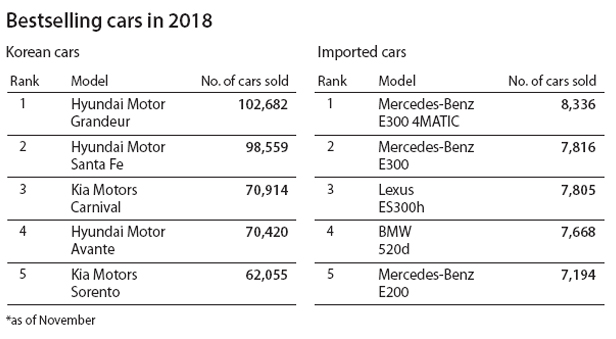
    The Grandeur IG sold a total of 102,682 in Korea units as of the end of November, becoming the first and only model this year to surpass the 100,000 mark.

    The sales figure fell slightly, however, compared to the 123,000 units sold last year during the same period.

    Hyundai Motor said the Grandeur’s hybrid engine towed sales for the model. In November, a total of 2,302 Grandeur Hybrids have been sold, the highest monthly sales since its launch.

    Closely trailing behind in second is Hyundai Motor’s large Santa Fe SUV, which climbed up eight spots from No. 10 last year.

    Last year, the Santa Fe sold a total of 54,334 units in Korea. After launching a fully revamped version early this year and riding on a global trend to prefer SUVs, a total of 98,559 Santa Fes have been sold this year, according to the carmaker.

    With the Grandeur pulling in the younger generation, its midsize Sonata sedan is losing ground.

    The Sonata, which was either the bestseller or runner up for more than five consecutive years, tumbled to the third spot last year among all passenger cars in Korea.

    This year, the midsize sedan tumbled to sixth, selling a little more than 60,000 units.

    The top 10 spots were all taken by either Hyundai Motor or its smaller affiliate Kia Motors.

    The other three Korean carmakers – GM Korea, Renault Samsung Motors and SsangYong Motor – struggled to sell their cars to Korean consumers. Internal issues and a lack of new vehicles has largely contributed to the automaker’s struggle.

    SsangYong Motor’s best-selling model was the small Tivoli SUV, which sold a total of 39,330 units as of the end of November. GM Korea’s best-selling car was the compact Spark, which sold a total of 34,616 units during the same period. For Renault Samsung Motors, which didn’t launch any new passenger car model this year, its best-selling model was the QM6 SUV, which sold a total of 28,180 units as of November.

    It was Mercedes-Benz’s year when it came to imports. The E300 4MATIC line topped the ranks as of the end of November, selling 8,336 units followed by the E300 trim with 7,816 units.

    In the third spot was Lexus’ hybrid ES300h, which sold 7,805 units. BMW’s 520d, which was the most popular import last year, was hurt by the burning engine crisis over the summer and fell to fourth spot with 7,668 units in sales.

  • Google plans a representative office in Vietnam

    Google plans a representative office in Vietnam

    A senior Google official says the tech behemoth is studying the process of opening a representative office in Vietnam. Google senior vice president Kent Walker told Deputy Prime Minister Vuong Dinh Hue at a meeting Tuesday that the opening of a rep office in the country would follow the principle of ensuring that host country regulations do not contradict the firm’s international commitments.

    A report on the government website chinhphu.vn also quoted Walker as saying that he agreed with the Vietnamese government on the need for cyber-security to ensure a stable society. Google will cooperate with authorities in achieving this goal, he said.

    The rep office announcement came as Vietnam’s cybersecurity law is set to take effect next month. The law requires digital businesses like Facebook and Google to open a representative office in Vietnam.

    Deputy PM Hue said that he appreciated Google’s contribution to a draft decree on guidelines to implement the law and ensure cyber-safety and security.

    “Vietnam’s market advantages and the adaptability of its young workforce will be attractive factors for Google to open a representative office in Vietnam,” he said.

    Meanwhile, a Google spokesperson said on Wednesday: “We remain very excited to see how technology is being used by businesses and people in Vietnam. There are a number of different factors we look at before opening an office, but we have nothing to announce at this time.”

    Vietnam’s Cybersecurity Law, which was passed in June, requires tech businesses to store the data of Vietnamese users in Vietnam, and to provide this data to the Ministry of Public Security upon receipt of requests in writing, in cases where any infringement of the cybersecurity law is being investigated.

    Seventeen U.S. lawmakers in July urged the CEOs of tech giants Facebook and Google to resist changes stipulated by the law.

    However, Vietnam’s Ministry of Foreign Affairs reasserted that the cybersecurity law is designed to protect rights of organizations and individuals.

  • Renault to start making Twizy cars in Korea from next year

    Renault to start making Twizy cars in Korea from next year

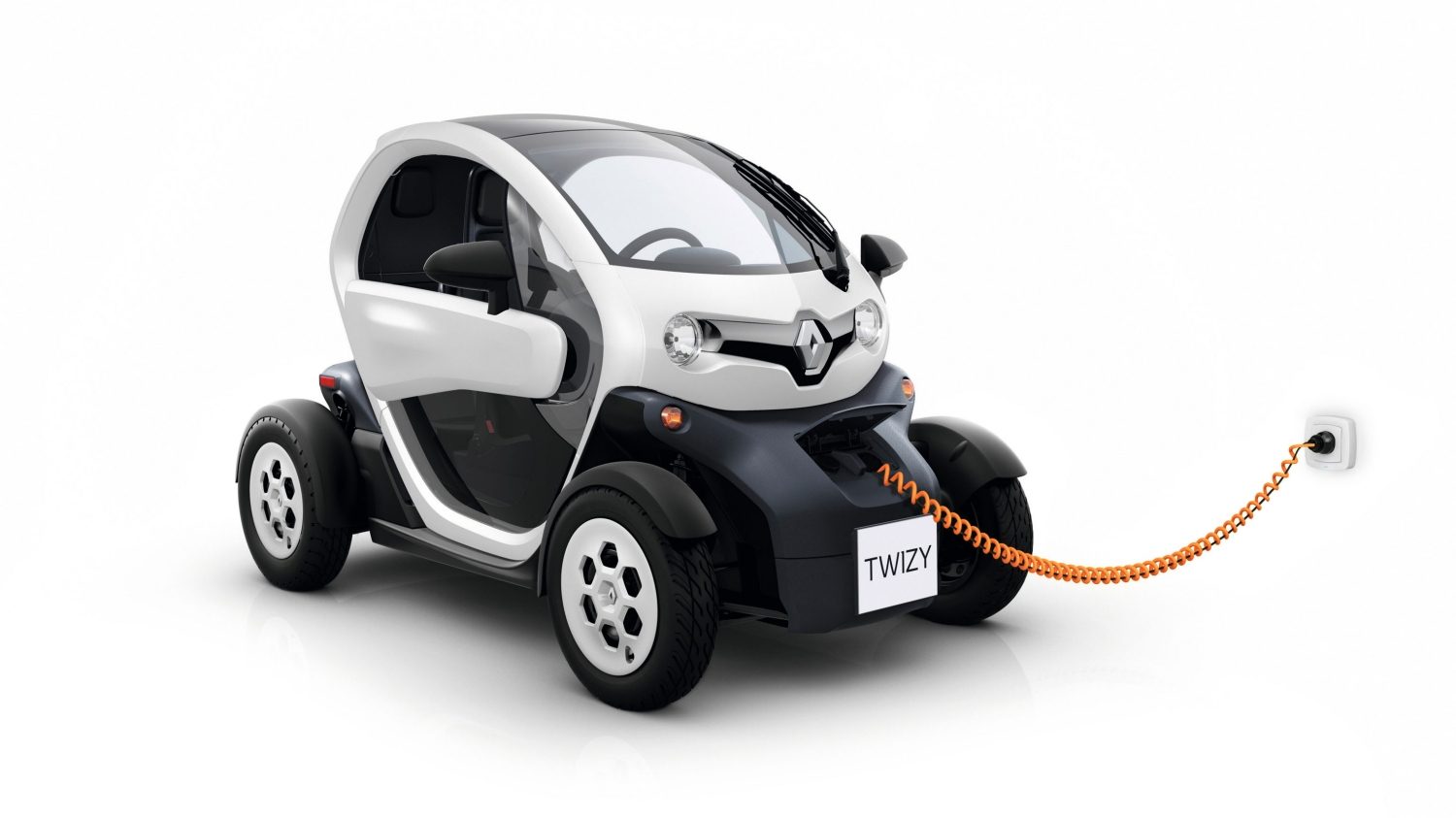
    Renault Samsung Motors, the Korean unit of French carmaker Renault S.A., is planning to start producing the Twizy ultra-small electric car in its sole domestic plant next year, industry sources said Monday. Renault Samsung, Busan Metropolitan City, and the Ministry of Trade, Industry and Energy are expected to sign an initial agreement this month to begin manufacturing Twizys, which are classified as heavy quadricycles in some countries, a person with direct knowledge of the matter said.

    He said assembly will begin “sometime during the 2019” at the carmaker’s plant in Busan, some 453 kilometers (281.5 miles) southeast of Seoul.

    This year, Renault Samsung has sold most of the 1,000 Twizys that were produced in its parent Renault’s plant in Valladolid, Spain, and shipped to Korea, a company spokesman said.

    The company plans to roll out up to 15,000 Twizys annually for domestic sales and exports to Asian markets, another person familiar with the matter said.

    Renault Samsung didn’t confirm the plan.

  • JD.com and Intel launch new research lab for smart retail

    JD.com and Intel launch new research lab for smart retail

    Chinese online retail platform JD has launched a joint lab with Intel that will explore the use of IoT in smart retail solutions. The Digitised Retail Joint Lab will develop next-generation vending machines, media and advertising solutions, and technologies to be used in the stores of the future, based on Intel architecture.

    Scientists at the new lab have so far integrated Intel’s technologies with JD’s computer vision algorithms to analyse customer traffic and in-store purchasing habits, working on solutions designed to help store owners provide a more personalised and convenient experience to their customers.

    Zhi Weng, VP of JD and head of JD Big Data Platform said: “This lab will combine our collective strengths to develop cutting-edge solutions to bring the precision of online shopping to offline players. We look forward to expanding our cooperation with Intel to deliver a best-in-class, personalised shopping experience wherever consumers shop.”

    Wei Chen, VP of Intel & GM of Intel IOTG China added: “As China’s most influential retailer and a leader in data-driven offline retail innovation, JD is an important partner for us to continue to develop a wide range of use cases for our latest technology developments. We are happy to take our partnership to the next level.”

    The new lab adds to JD’s “Retail as a Service” conceptual framework in a bid to share its technology and infrastructure with other retailers and industries. Other efforts include a suite of technology upgrades for brick-and-mortar store owners, including smart shelving, smart price tags, checkout solutions, and more.

  • Malaysia Airlines launches business suite

    Malaysia Airlines launches business suite

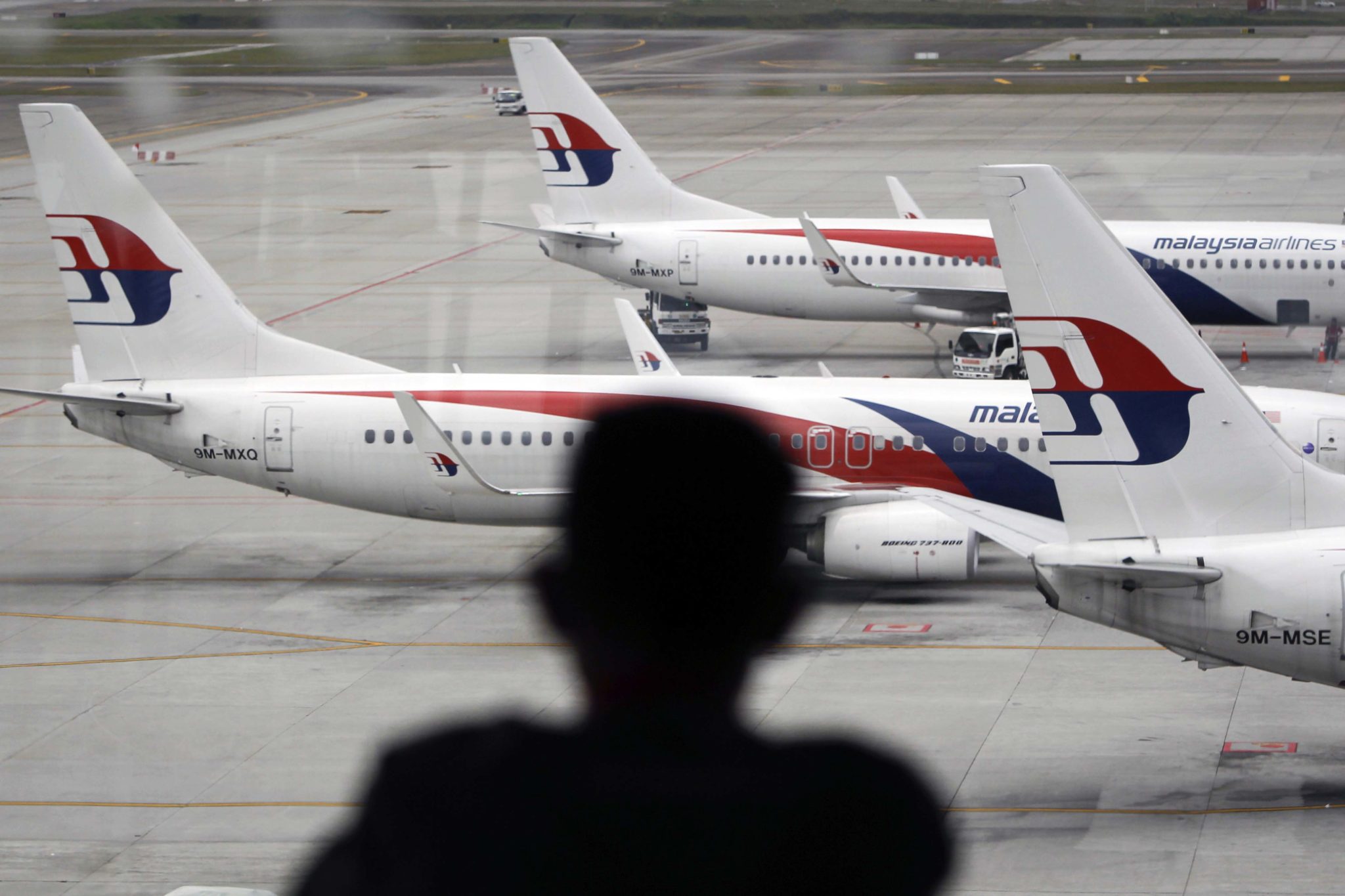
    Malaysia Airlines announced the rebranding of its First Class cabin to Business Suite offering passengers new levels of luxury with ample cabin space and privacy. “The new Business Suite was introduced in response to the growing demand of our guests. Our target is to enable the frequent flyer, looking for enhanced comfort, to now be able to enjoy a premium experience at competitive prices,” Malaysia Airlines group CEO Captain Izham Ismail said in a statement.

    “We are confident that our new Business Suite will change the way people travel in business class,” Izham added.

    Starting Dec 12, 2018, the Business Suite will be available on all of the airline’s A350-900 and A380-800s.

    The suite comes with a dedicated check-in counter, access to Malaysia Airlines premium First Class Lounge, 50kg baggage allowance as well as fine-dining experience onboard.

    The Business Suite cabin will be available on the London, Tokyo, Osaka route and on the Sydney and Seoul route during the winter season.

  • Lotteria burgers get 2.2% more expensive

    Lotteria burgers get 2.2% more expensive

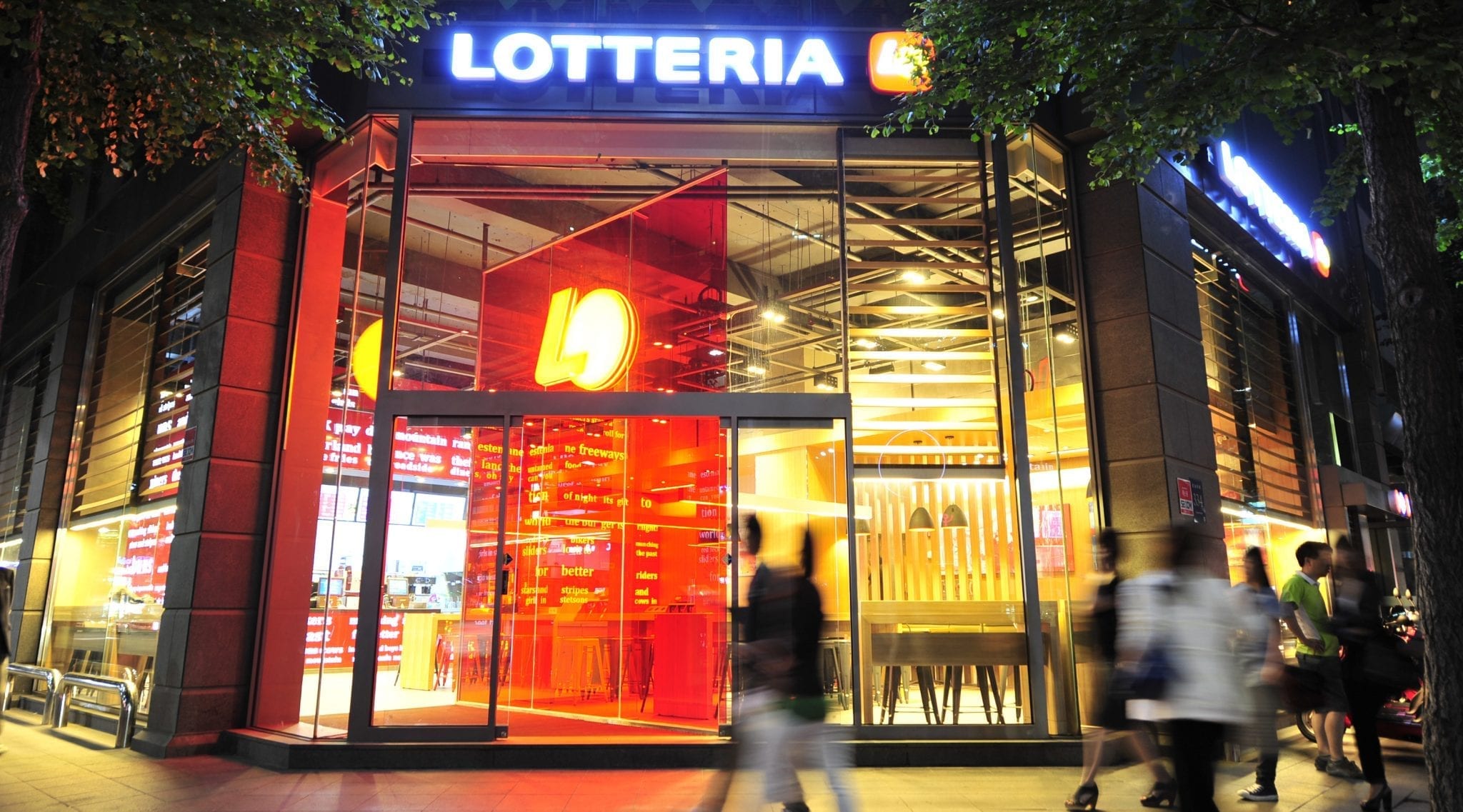
    Lotteria is raising burger prices. The fast food franchise announced Wednesday that it was going to raise the price of 11 of its burgers by an average of 2.2 percent. Its Teri Burger, for example, will now cost 2,300 won ($2.04), up from the original 2,000 won. The price of the Classic Cheese Burger will rise from 4,000 won to 4,200 won.

    “We have decided to increase prices due to economic factors, but hope to offer customers higher quality and service,” read a statement from the franchise.

    Cafe franchise Angel-in-us Coffee also announced it would raise prices of 17 of its beverages by an average of 2.7 percent, or 200 won. Both Lotteria and the cafe chain are operated by Lotte GRS, the food business subsidiary of Lotte Group.

    Angel-in-us cited higher prices of ingredients – like coffee beans and milk, as well as higher labor costs – for the beverage price hike.

  • Bo’s Coffee plans big expansion ahead

    Bo’s Coffee plans big expansion ahead

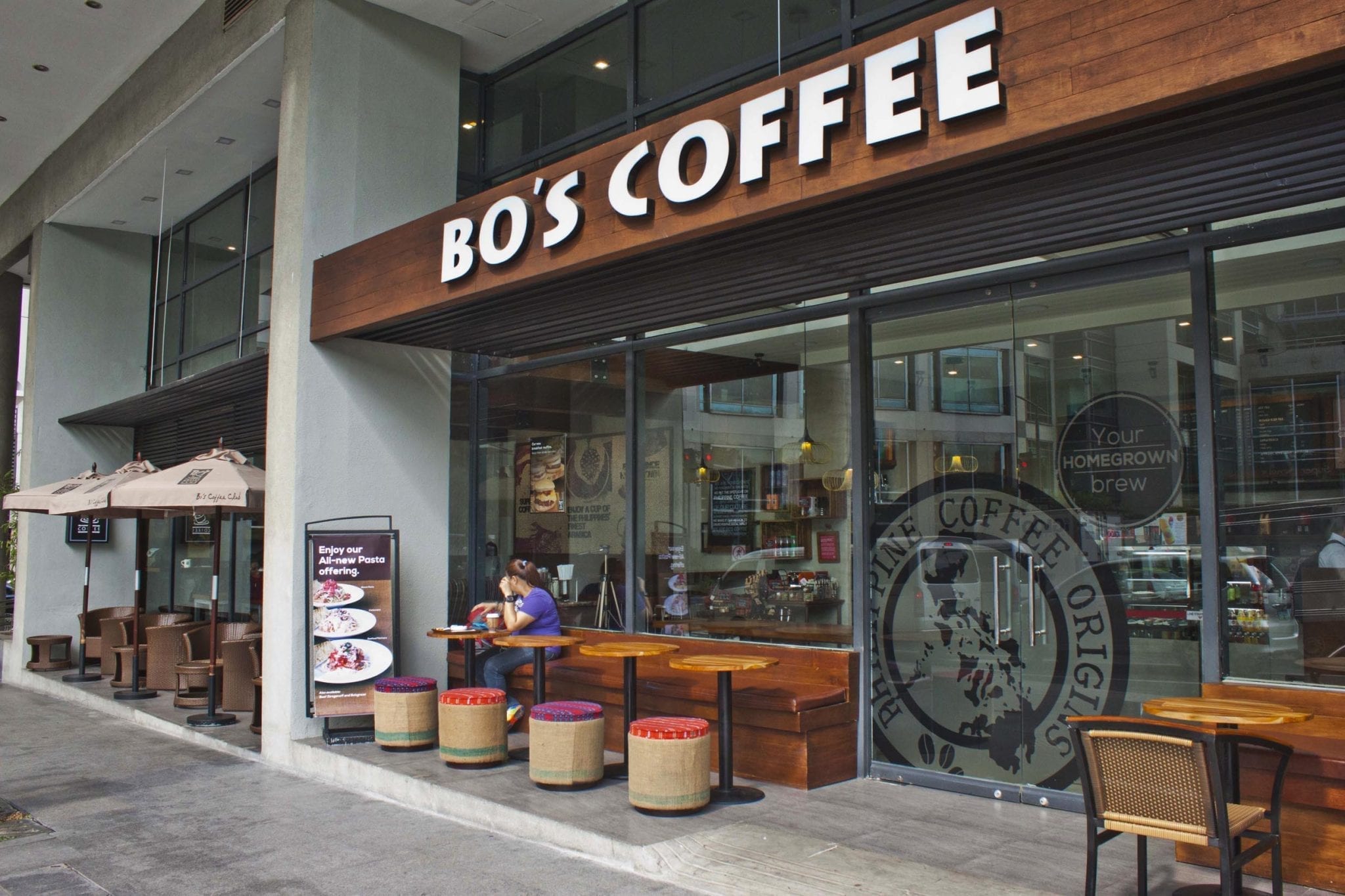
    Filipino cafe chain Bo’s Coffee plans to more than double its store network within four years and is also eyeing expansion into the Middle East. In an interview, founder Steve Benitez says the ambitious growth plan has been fuelled by strong local demand. With 103 cafes currently, Benitez is targeting between 200 and 250 by 2022.

    “Our job is to make sure that we are able to popularize coffee and be able to supply so much, not only in the Philippines but globally,” he said.

    In its home market, Bo’s Coffee, which was founded in 1996, will be targeting Luzon, especially given the brand has “only scratched the surface” there to date.

    In the Middle East, Bo’s Coffee plans to open a second store in Qatar shortly, followed by three more within two years. Other markets in the region are now in its sights.

    The expansion plans will be accelerated following an investment by Philippine-focused Navegar Fund which was attracted to Bo’s Coffee by its efforts to support local coffee-growing communities.

    “Seventy to 80 per cent of our coffee beans are sourced locally,” said Benitez. “We were trailblazers. We started featuring Philippine coffee and the other shops followed after.”

    Bo’s Coffee recently opened a 300sqm flagship store in Cebu which supports social enterprises by partnering with local micro-small entrepreneurs in their store interiors, products, and merchandise inside.

  • Pezzo Pizza debuts in Brunei

    Pezzo Pizza debuts in Brunei

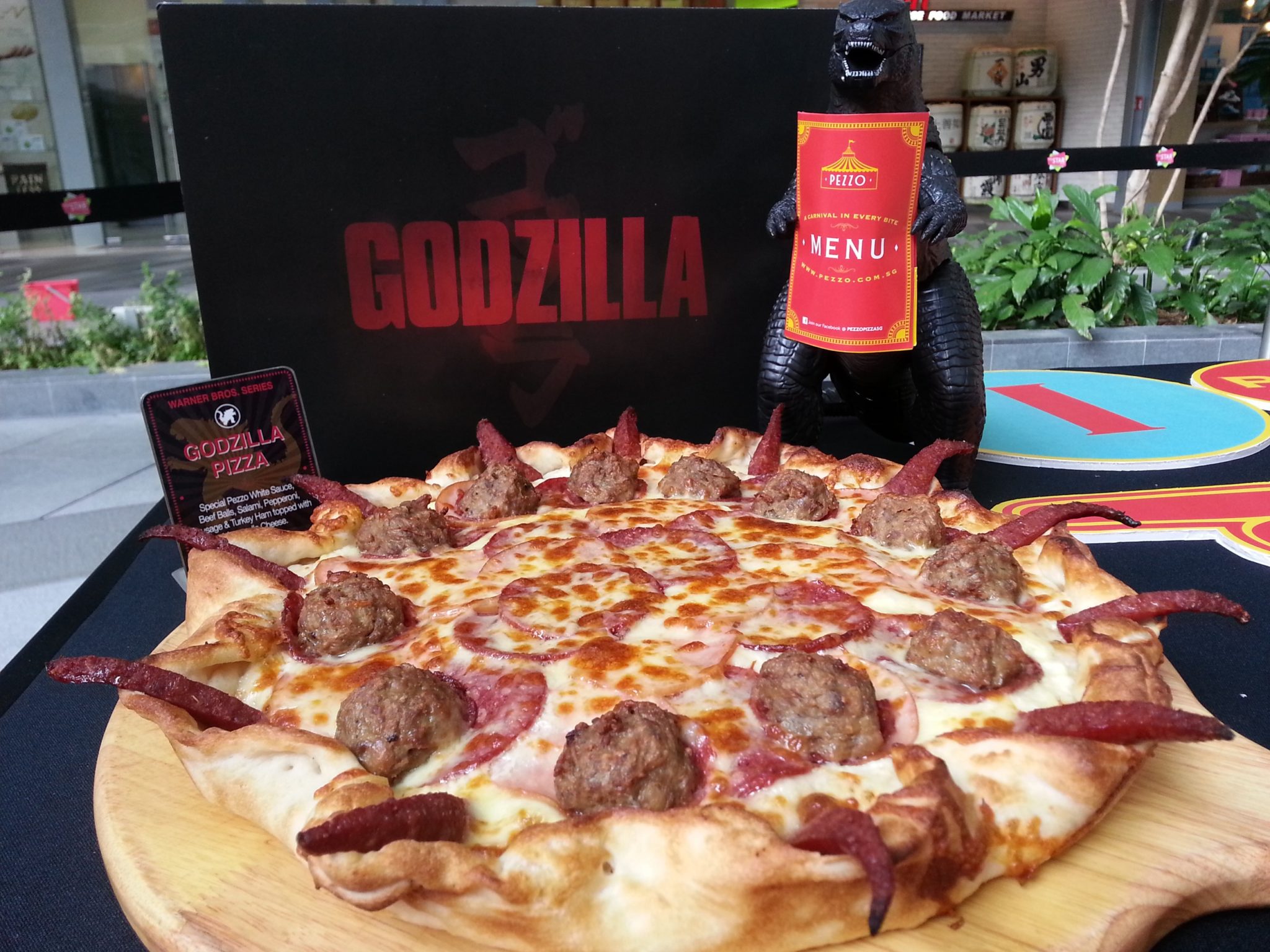
    International pizza franchise Pezzo has launched in Brunei Darussalam. The brand, operating under Satami Group of Companies, features a “Grab & Go” kiosk serving pizza by the slice for immediate purchase, and a “mix and match” pizza purchase option, whereby customers can collate their own pizza out of 12 different flavours. The brand stakes its reputation on generous toppings with shredded mozzarella cheese.

    Pezzo, best-known for its circus-themed design, is exclusively using ingredients certified under the Brunei Halal procedure in the store.

    In May of this year, Pezzo launched in Cambodia. The company now boasts more than 120 kiosk outlets, mainly in China, Indonesia, Malaysia, Myanmar, Philippines, Singapore and Thailand.

  • Li-Ning X EDG Joint Apparel Anounced

    Li-Ning X EDG Joint Apparel Anounced

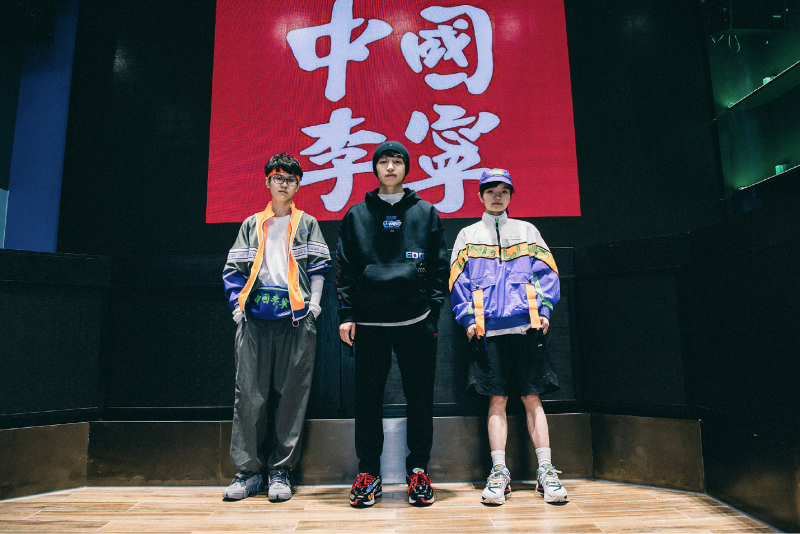
    Chinese sports apparel brand Li-Ning has released a collaboration with esports organisation Edward Gaming (EDG). The Li-Ning X EDG apparel line, which includes hoodies, jackets, tracksuits, and shoes, is now selling at its retail location in Shanghai’s Daning shopping complex.

    Li-Ning has become one of China’s largest sportswear brands, having signed multiple sponsorship deals with international-league athletes. EDG is best known for its League of Legends team, which competed in the world gaming championship earlier this year. It closed a funding round of close to RMB100 million (US$15.7 million) last May.