Tag: lifestyle

  • Kakao postpones carpooling service

    Kakao postpones carpooling service

    Kakao Mobility announced las week that it would postpone the official launch of its carpooling service after a week of fierce protests from the local taxi industry. The Kakao affiliate started offering a beta version of the service last Friday that was made available to a randomly selected pool of users nationwide. On the same day, it declared that the official launch date of its carpooling service would be on Dec. 17.

    “After much consideration, we decided to postpone the official launch in order to listen and apply a wider range of opinions from taxi drivers, users and many others,” Kakao said in an official statement Thursday afternoon.

    But it did not specify when the official launch will be delayed until. The statement sparked rumors that this may be the start of Kakao indefinitely postponing the service’s official release, which the company denied.

    “What we know for now is that it’s not going to happen this year,” said a Kakao spokesperson. “But this doesn’t mean the delay is going to be an indefinite one. The exact date is still a matter of discussion.”

    The beta service will continue to be offered to random users selected regardless of age and region. Kakao explained that the beta service was being offered to a very limited pool of users, just enough to examine the technology and check the effect it may have on taxi drivers.

    The announcement comes six days after the beta service and the official launch date were released.

    The backlash from taxi drivers has been fierce, with widespread protests that culminated in a 57-year-old taxi driver setting himself on fire in front of the National Assembly in western Seoul on Monday.

    Two days later, a committee that consists of two taxi company associations and two taxi driver labor unions announced plans to stage a protest in Seoul on Dec. 20, with more than 100,000 people expected to attend. This would be the third protest targeted at putting a stop to carpooling services.

    Regardless of Kakao’s decision to postpone the launch, a source from the committee said there is no change to the plans for the protest.

    Taxi drivers also launched a sleep-in protest in front of the National Assembly starting from Wednesday, with members of the four organizations continuing their vigil in shifts through the night.

    Kakao, the local taxi industry and government officials have been in talks for more than half a year, but are still failing to agree on a solution to the carpooling service issue.

    Kakao wants to introduce a carpooling service during busy commuting hours, but drivers say that even if rides are limited to twice a day, they will still eat up around 59 percent of all taxi demand.

  • Luckin Coffee worth $2.2 billion in quite short time

    Luckin Coffee worth $2.2 billion in quite short time

    Fast-growing Chinese cafe chain Luckin Coffee has raised US$200 million in its latest funding round, effectively valuing the company at a stunning $2.2 billion. That’s up to $700 million more than its value was estimated just one month ago when the quest for funding was announced.

    Launched only in January, the company had already opened more than 1700 outlets in 21 Mainland China cities by last month. Its rapid growth is based on an inexpensive delivery service concept and online ordering system.

    An aggressive competitive strategy involves an IT-focused approach whereby all customers must purchase coffee via an app, with which they can then monitor brewing progress via livestream. Its pricing is considerably less than Starbucks.

    Luckin said the latest funding round was led by Singapore Government sovereign wealth fund GIC and China International Capital Corp. They were likely attracted by a mid-term plan for an IPO of the Luckin business in either Hong Kong or New York. GIC was a participant in a similar capital raising in July.

  • ICONSIAM to launch event to boost Thai’s tourism

    ICONSIAM to launch event to boost Thai’s tourism

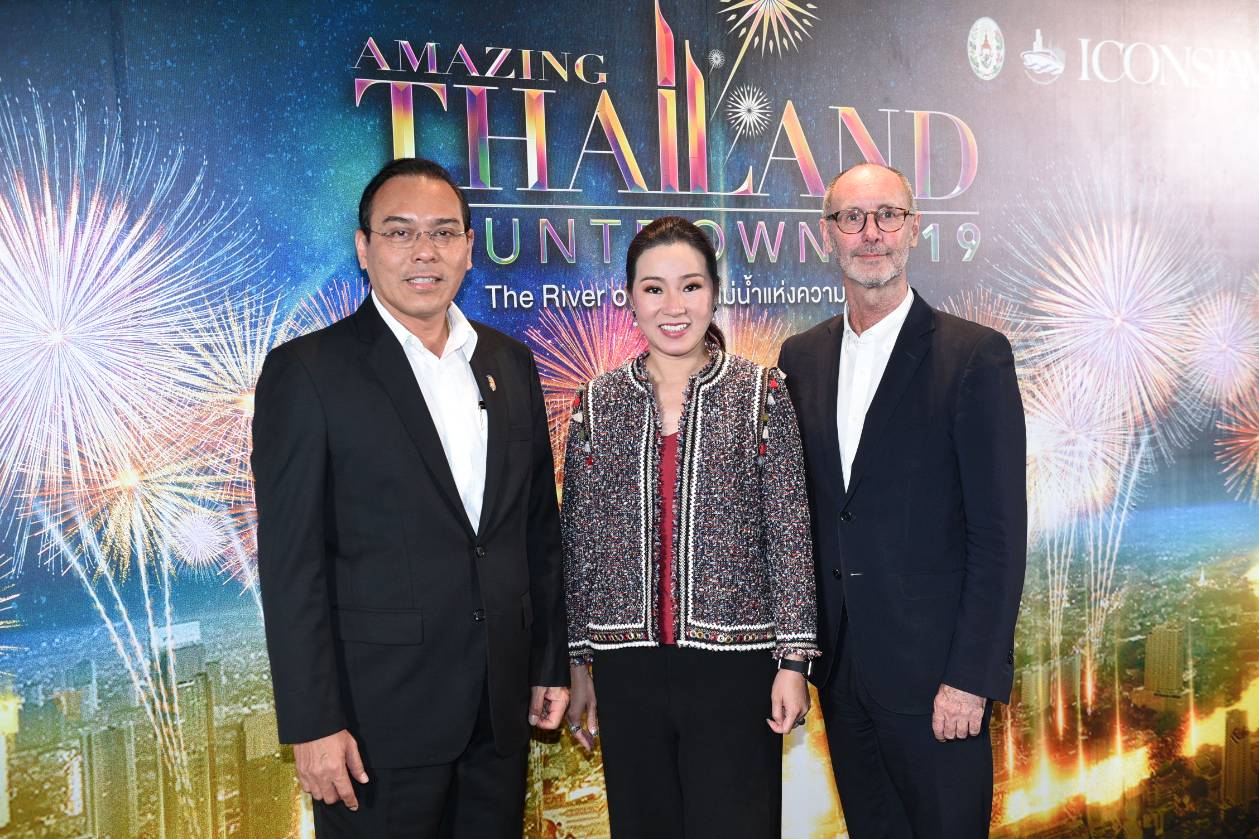
    Amazing Thailand Countdown 2019 at ICONSIAM is a truly amazing event of the country with a great collaboration of entities from the public and private sectors and surrounding communities to organize a New Year Celebration in a scale never before seen along the Chao Phraya riverside, the place that has become the NATIONAL ICONIC LANDMARK and ICON of Eternal Prosperity.

    Amazing Thailand Countdown 2019 under the theme of “The River of Prosperity” will make the New Year Celebration sensational on Monday, December 31, 2018, from 18:00 hrs. This New Year Celebration is jointly organized by the Tourism Authority of Thailand and ICONSIAM in collaboration with The ICONSIAM Superlux Residence Corporation Limited, The ICONSIAM Residences Corporation Limited. In addition, our partners both from the public and private sectors are also actively involved—including Association of Chao Phraya Commerce, Marine Department, Siam Commercial Bank, TRUE Corporation Public Company Limited, Kasikorn Bank, Thai Shipping Association, Bangkok River Partners, and Chao Phraya Riverside Communities.

    According to Yuthasak Supasorn, Governor of Tourism Authority of Thailand (TAT), said that “Amazing Thailand Countdown 2019 is a major event that TAT has consistently organized over the years at various destinations throughout the country. The purpose is to promote Thailand as the ultimate destination for Thai and overseas tourists alike. It’s also an effective way to help stimulate the economy and distribute income to people in every region in the country. More importantly, it supplements our effort to make tourism sustainable. This year we’ll organize the event in 5 different regions: Bangkok, NakornPanom, Chiangrai, Rajburi, and Satul.

    In Bangkok, TAT and ICONSIAM plus other partners have mapped out a plan to make the upcoming event a grand New Year Celebration by the Chao Phraya River on December 31, where the venue will be at the River Park of ICONSIAM. This very venue is characterized by diversity comprising, for example, a unique way of life and local culture that would satisfy all tourists alike. Furthermore, local business entrepreneurs and hotels on both sides of the River will take part in this celebration in various forms such as lighting and colouring their premises, and overnight Buddhist praying. Another spectacular event is a fireworks display along the Chao Phraya River which will brighten the water current and create a favourable image of Thailand as an attractive tourist destination for all people throughout the world.

    Tourism is a major income earner for the Thai economy. As such, TAT’s mission is to promote tourism in Thailand and, as a result, engaged in an extensive public relations activities both at home and overseas. It is anticipated that over one million people shall attend the New Year Celebration that will transmit to the world a favourable image of Thailand as a vibrant and dynamic country. Equally important is that substantial spending will keep the money flowing into our economy.”

    Moreover, Narong Chearavanont, Chairman of the Board of The ICONSIAM Superlux Residence Corporation Ltd., added that “we are proud to have organized the “Amazing Thailand Countdown 2019” with TAT and other partners. It is an effective way to present the beautiful image of the Chao Phraya River to the world and ICONSIAM as a riverside destination on the Chao Phraya River. We are honored to have been selected by TAT to organize the event. We are grateful for the active involvement of our partners who are committed to making the New Year Celebration event grand, impressive, and memorable for all tourists.” Here are major highlights of the upcoming Amazing Thailand Countdown 2019.

    A display of fireworks made from Thai sticker rice. These fireworks are an innovation that is      eco-friendly. This fireworks display is based on the concept of “The River of Prosperity.” It demonstrates the history of the Chao Phraya River pertaining to our way of life, tradition, and legends of Siam as a country. This 5-minute fireworks display is composed of 5 Acts.

    Act 1 – “The River of Prosperity” is a fireworks display in silver, gold, and bronze colours held together consecutively. Based on the beliefs of people, the three elements symbolize prosperity. As such, the first second of the New Year is to make the Chao Phraya River bright, beautiful, peaceful and prosperous as it has been over the years.

    Act 2 – “The Siam Treasure” is a fireworks display of multiple shapes and colours that reflect a close interconnection between our tradition, a way of life and the Chao Phraya River. Not only that the River was essential in daily human activities, it was also what people utilized for transportation, a naval route for diplomatic corps coming in to establish diplomatic relations with Siam, a way to transport products and conduct trade since Ayutthaya to present, a way to perform religious rites, and an attractive scenes that capture imagination of overseas tourists and generate income for our country.

    Act 3 – “The Blossom of Joy” is a fireworks display that creates excitement in more ways than one. The display is accompanied by Thai folk songs that reflect our uniqueness as fun-loving, friendly, and smiling people. Any overseas tourist visiting Thailand will become impressed with, for example, reciprocity of Thai people. Such an impression is enough to start a happy New Year by the Chao Phraya River-a bloodline of Thailand.

    Act 4 – “One World” is a fireworks display that highlights the flags of all countries. It also represents their connectivity through tourism, trade, education, cultural exchange based on equality that will flourish from the start of the New Year and in the years to come.

    Act 5 – “Thailand” is a fireworks display of the tricolours of the Thai flag along the Chao Phraya River. The tricolours of red, white and blue collectively represent our national identity as an independent country shielded by our solidarity and unity.

    The upcoming display of 5-Act fireworks will take place along the Chao Phraya River from                    5 different locations. The brightness of the fireworks can be seen within the vicinity of 1,400 meters, which is the longest and grandest display of fireworks ever on the Chao Phraya River.    The vicinity encompasses Peninsula Hotel, Millennium Hilton Hotel, Shangri-La Hotel, Mandarin Oriental Hotel, and Royal Orchid Sheraton Hotel. It is expected that over one million people will watch this display of fireworks within the 2-km vicinity.

    Furthermore, there will be a “Khon” performance (a type of Thai drama) at the event in honour of it being recognized by UNESCO as a World Heritage. The Khon performance will be a New Year present for visitors.  It will be magnificent owing to the great number of performers, composition, details relating to Thai classical dance, warrior costumes and weapons. All of these protocols are truly our cultural treasures that are worth watching.

  • Moncler open store in Changi Airport

    Moncler open store in Changi Airport

    DFS Group, the world’s leading luxury travel retailer, is pleased to introduce global luxury brand Moncler at Changi Airport Terminal 1. The opening of the new Moncler boutique adds an important presence within the DFS Group’s luxury fashion offerings that are housed within a world-class travel retail destination.

    The new Moncler boutique represents a new milestone that reflects the DFS Group’s focus on experiential shopping. It also complements the DFS Group’s impressive luxury retail line-up at Changi Airport, which is home to a prominent stable of premium fashion offerings. The latest collaboration with the fashion-forward and iconic outerwear leader underlines DFS Group’s commitment to deliver the finest product offerings and exclusive experiences to fashion-conscious shoppers.

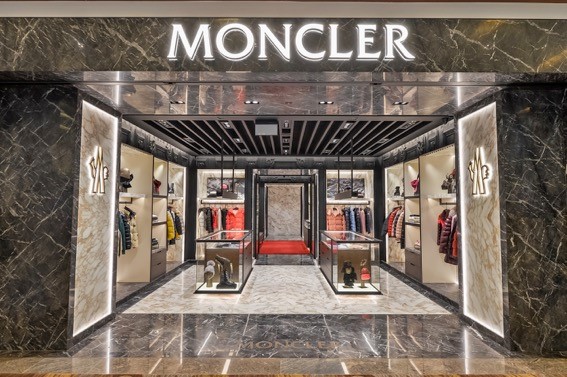
    The new boutique reflects Moncler’s haute montagne aesthetic and vision, at the same time keeping in tune with the maison’s roots and heritage. Boasting a floor area that measures around 110 square metres, the clever layout maximises the use of space while the addition of select materials adds a contemporary feel. A unique effect has been achieved with the marble flooring, which alternates herringbone white Calacatta Vagli with black Gricio Carnico, while sleek glass cases with black varnished wood complete the look. The boutique hosts the Moncler men’s, women’s and accessory collections.

    “We are very honoured to welcome a distinguished and respected heritage brand such as Moncler into our portfolio of fashion and watch brands. As part of the strategy to up the ante of the retail experience for our global travellers when they visit DFS Changi, Moncler has been carefully curated to offer a wide selection from their latest collection for savvy travellers.” Wilcy Wong, DFS Group Managing Director Singapore and Indonesia, shares.

    Teo Chew Hoon, Group Senior Vice President of Airside Concessions from Changi Airport Group adds, “We are pleased to open the first Moncler boutique with our valued partner DFS Group to offer passengers an exceptional shopping experience with fashion offerings from luxury to high street designs across a range of price points.”

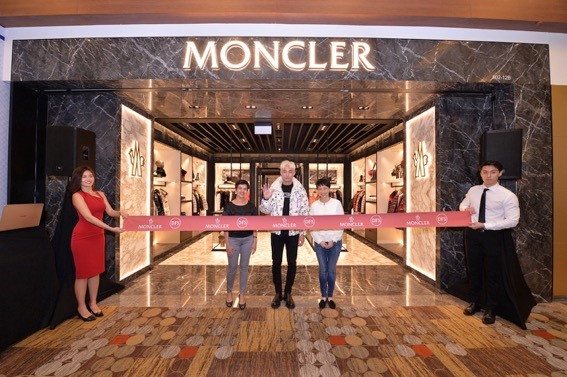
    The boutique was officially opened on 14th December with a grand opening ceremony. The festivities featured a ribbon cutting ceremony officiated by renowned local actor Desmond Tan with Wilcy Wong, DFS Group Managing Director Singapore and Indonesia and Chandra Mahtani, Changi Airport Group Vice-President of Terminal 5 Planning. Hosted by Constance Lau, the ribbon cutting ceremony and lion dancers kick-started the celebrations for esteemed guests, who were treated to a live nitrogen cocktail performance and styling tips by Celebrity fashion stylist and personality, Glenn Goh.

  • Alibaba powers Starbucks virtual store launch in China

    Alibaba powers Starbucks virtual store launch in China

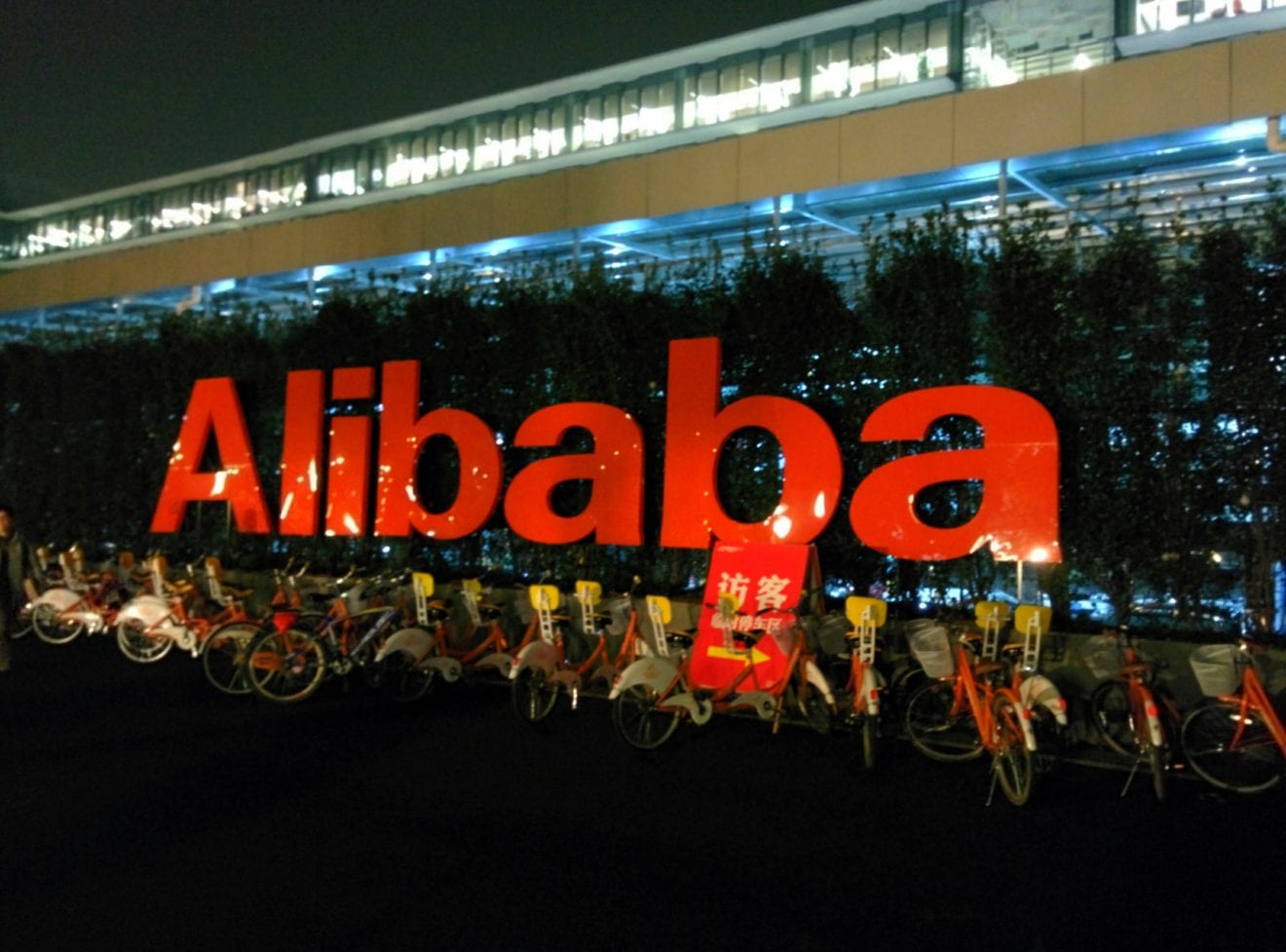
    Starbucks launched its first virtual store in China powered by technology from Alibaba Group, providing a unified, one-stop digital experience across the Starbucks app and mobile apps within the Alibaba ecosystem, including Taobao, Tmall, and Alipay.

    The first-of-its-kind virtual store leverages an online management hub developed specifically for Starbucks by Alibaba. It provides consumers integrated access to Starbucks’ digital offerings, including “Starbucks Delivers,” “Say it with Starbucks” social gifting and merchandise available from Starbucks’ Tmall flagship store.

    Alibaba’s technology streamlines the shopping process, pulling offers that were available in multiple digital apps into a single access point. Adopting a centralized approach to its mobile presence enabled by the Alibaba ecosystem, Starbucks now has a complete overview of its consumers’ actions online. Moreover, the integration of membership between Starbucks and the range of Alibaba apps is expected to fuel strong growth in Starbucks Rewards membership in China.

    The new virtual store steps up the collaboration announced by Alibaba and Starbucks in August 2018, when the companies agreed a deep, strategic “New Retail” partnership. Ele.me, China’s leading on-demand food delivery platform, owned by Alibaba, provides Starbucks delivery service for 2,000 stores across 30 Chinese cities.

    In October 2018, Starbucks also piloted its first “Star Kitchens” within two FRESHIPPO (previously known as Hema) supermarkets in Shanghai and Hangzhou. As the first retail brand to establish a dedicated back-of-house presence in FRESHIPPO locations, each Star Kitchen utilizes the distinct fulfilment and delivery capabilities on-site to complement the handcrafted beverages offered through existing Starbucks stores.

    The launch of Starbucks’ virtual store is also the latest example of how the so-called “Alibaba Operating System” empowering traditional retailers. After years of development in this digital age, Alibaba has created a unique system to support enterprises in the process of digital transformation that covers critical areas such as retail, marketing, finance and logistics.

  • Shopee wraps up a record-breaking 2018 on 12.12 Birthday Sale

    Shopee wraps up a record-breaking 2018 on 12.12 Birthday Sale

    Shopee, the leading e-commerce platform in Southeast Asia and Taiwan, wraps up a record-breaking year with its highly successful Shopee 12.12 Birthday Sale. On 12 December, Shopee saw ​over 12 million orders across the region, surpassing all past records including the recent Shopee 11.11 Big Sale.

    Supported by ​more than 450,000 brands and merchants​​, Shopee recorded ​48million visits as users shopped ​60 million deals across all categories, and the highest number of items sold in 1 minute was ​73,519​​. Shopee’s highly popular in-app game Shopee Shake was played 46 million times​​ throughout the campaign.

    In Singapore, Beauty & Personal Care, Home & Living and Mobile & Gadgets were the top three most popular categories. Leading brands including Laneige, Kao and JBL emerged as favourites amongst users.

    Zhou Junjie, Chief Commercial Officer, Shopee​​, said, “Shopee 12.12 Birthday Sale marks another significant milestone as Shopee celebrate a year of exponential growth. Following the success of Shopee 11.11 Big Sale in November and Shopee 9.9 Super Shopping Day in September, it has been an exciting and fulfilling quarter as past records are surpassed and set new benchmarks to reach next year.

    Since launching in 2015, Shopee has seen tremendous growth across its seven markets, achieving over 195 million downloads across Southeast Asia and Taiwan.

  • Party supplies sales surge in South Korea

    Party supplies sales surge in South Korea

    Demand for party supplies from South Korean retailers is soaring as a growing number of people prefer to host end-of-year celebrations at home instead of going out. According to E-Mart, wine and cake sales at six stores in Daegu last month soared 18.9 per cent and 16.1 per cent, respectively, year on year.

    Frozen foods sales jumped 16.3 per cent compared to last year.

    More South Koreans are choosing to cook at home using a variety of home meal products, as so-called ‘meokbang’ (eating shows) and ‘cookbang’ (cooking shows) are sweeping the country.

    Lotte Department Store’s Sangin Branch in Daegu also saw its kitchenware sales increase by more than 70 per cent compared to last year.

    Suppliers are coming up with various promotions to capture the attention of end-of-year party throwers.

    Lotte Department Store’s Daegu Branch is offering discounts of up to 60 per cent on dinnerware and is showcasing a variety of props to help decorate the perfect party.

    Lotte Department Store’s Sangin Branch is also holding a promotion event for Christmas-themed tableware.

  • Asia is leading the global digital retail market

    Asia is leading the global digital retail market

    Retail executives looking to understand the future of retail should take a close look at Asia, where retail is booming as Asia is leading in terms of retail growth. The growth rates are twice the rate of the rest of the world, and e-retail growing at three times the rate.

    Asia is followed by Europe and the US, with China, Korea, and India at the forefront.

    In 2017, China’s online retail penetration was 20 per cent and its CAGR (13-17) was 33 per cent. In comparison, the US achieved an online retail penetration rate of 12 per cent in 2017 and a CAGR (13-17) of only 11 percent. Most dramatic is India, which had a CAGR (13-17) of 53 percent, highlighting the rapid growth seen in the market.

    Market conditions have allowed for swifter digital penetration than any other region worldwide and have led to the creation of ecosystems for retailer and consumer ease, revealed Bain & Company’s latest Asia retail report.

    According to the report, retail ecosystems comprise vast communities of consumers, retailers and partners that are rapidly reshaping the retail landscape. Alibaba and Tencentlead the best-known Asian ecosystems; however this phenomenon is not limited to China.

    Ecosystems deliver a very sticky consumer proposition by combining services like e-commerce, chat, streaming, gaming or payments in a single platform or app, which is becoming almost universally adopted by shoppers, according to the report.

    A large customer base is incredibly attractive to retailers as a channel to a critical mass of customers. But more importantly, the ecosystem also provides retailers with access to hard-to-replicate capabilities, such as last mile fulfillment, data analytics and cloud services, through their platforms. Increasingly, these ecosystems are deploying their capabilities into bricks and mortar retailers as well as online, meaning they can exert significant influence over the retail sector.

    “What we are seeing is the emergence of scale open retail ecosystem platforms across the Asia Pacific region, that offer retailers a compelling alternative to building and scaling their own capabilities,” said report author Melanie Sanders, Bain & Company partner. “The scale of these ecosystems means that we are seeing a battle emerge between ecosystem platforms in key markets, with the potential for a winner-takes-all situation.

    However, the extent and pace of ecosystem development will not be uniform across geographic markets. The report has outlined ten market factors, which has explained why ecosystems have developed so rapidly for some Asian countries, including social factors such as urban density and age structure through to retail market conditions such as the scale/maturity of physical retailers in the country.

    “The emergence of retail ecosystems is raising a new set of choices for retailers about how to participate in this new retail landscape. The emergence of these ecosystems presents huge opportunities for those playing to win in these markets, but at the same time has the potential to completely change the rules of the game and may mean a loss of control,” the report said.

    “Retailers face a confronting set of choices around how to respond the rise of retail ecosystems. At the heart of the decision will be whether the retailer has the capabilities, capital and customer franchise to compete against an ecosystem,” said Jonathan Cheng, report author and principal at Bain & Company.

    As digitisation of the retail sector continues to expand in Asian and global markets, ecosystems will continue to evolve based on the needs of both the consumers and retailers, the report added.

  • Yamaha to invest $150 million in Grab Vietnam

    Yamaha to invest $150 million in Grab Vietnam

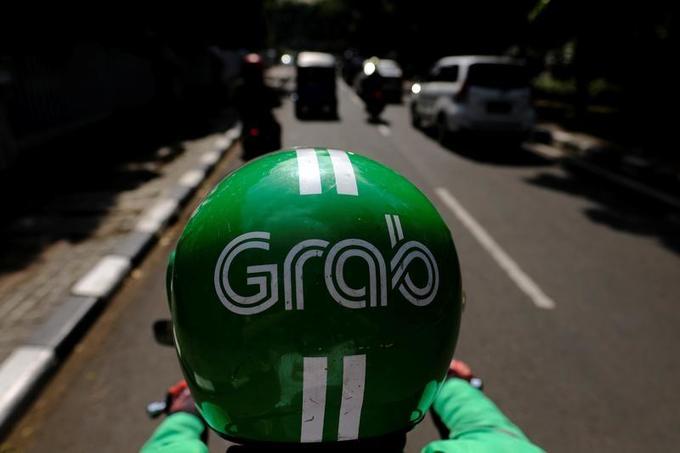
    Yamaha Motors has announced a $150 million investment in Grab to collaborate on motorcycle ride-haling. The collaboration will be for Southeast Asia in general and Indonesia in particular. Through this partnership, Yamaha Motors and Grab aim to “develop next-generation mobility services by implementing solutions and innovations,” Grab said in a press release issued Thursday.

    The two companies aim to leverage Yamaha Motor’s technology and knowhow to boost safety as well as make it easier for Grab’s driver partners to buy motorbikes.

    Yamaha Motors also aims to leverage Grab’s customer base in Southeast Asia and knowledge of the motorcycle ride-hailing business for future product development.

    The Southeast Asian ride-hailing firm is teaming up with global investors to expand its reach after forcing Uber out of Southeast Asia earlier this year.

    Toyota Motor Corp. had said in June it was investing $1 billion in Grab, and Hyundai Motor Co. last month agreed to put an additional $250 million into the company as well as sell Grab a fleet of electronic vehicles.

    The focus on Indonesia may mean that Grab is intensifying its push against local ride-hailing platform Go-Jek. Both companies now compete in the Vietnamese market after the Jakarta-based start-up commenced operations in Vietnam under the name Go-Viet some months ago.

    Grab entered Vietnam early in 2014, but is currently under an antitrust investigation after acquiring Uber’s services in March.

  • Deliveroo is opening first restaurant in Hong Kong

    Deliveroo is opening first restaurant in Hong Kong

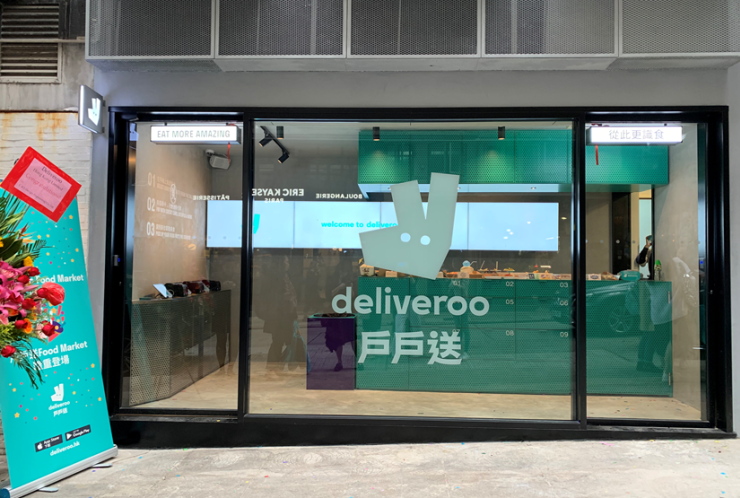
    A Deliveroo restaurant has opened in Hong Kong in a trial which, if successful, could see its own-branded eateries opened globally.

    Called Deliveroo Food Market, the outlet will serve as both a kitchen for delivering online orders, and a customer-facing storefront where diners can choose between 15 dining concepts.

    The 1500sqft kitchen which cost HK$7.5 million (US$960,000) to build, does not have seating for dine-in.

    “We find there is an opportunity to bring our online to offline model to our customers,” Brian Lo, Deliveroo GM said.

    With Hong Kong boasting some of the most expensive rental prices of any major international city, the pressure on restaurant operators to develop concepts which perform is very high.

    “This model works very well for them,” said Lo.

    The debut Deliveroo restaurant will open in Sai Ying Pun as an extension of the brand’s Editions program, where eateries share kitchen space to fulfil Deliveroo delivery orders.

    Five restaurant brands will share the Deliveroo restaurant space in Hong Kong, offering a combined 15 concepts: Chinese chain Crystal Jade, Pizza Express, Pololi Group, Beef & Liberty and Red Sauce Hospitality.

    Singapore-headquartered Crystal Jade is using the kitchen to launch Lao Er and Brother Kwok, two delivery-only virtual brands targeting younger consumers by offering a modern twist on traditional noodle and fried rice dishes.

    “This is a location we can have a closer touch with the residents nearby and understand their dining behaviour,” said Wincy Cheung, Crystal Jade’s assistant marketing & communications director. “It allows us to test our new brands. If we opened a physical store, we’d have to consider a lot of things. This delivery platform allows us to reach more customers at a location that we’re not already in,” she said.

    Another participant in the trial is Pizza Express which plans to test a new concept called The Pasta Project.

    “Deliveroo’s Food Market allows customer-facing trials of new concepts to launch in market much faster, just as we have done with The Pasta Project,” said Pizza Express MD of international, Liam Collette.

    He stressed that restaurants are not going to be eliminated by delivery and the company will continue to expand.

    Pololi Group will offer Shaka with American-style sushi rolls and Killer Golden Bird with fried chicken, while Beef & Liberty is debuting the vegetarian and vegan Leaves & Liberty concept, using Impossible Meat.

    Lo said virtual restaurant brands are already supporting the business of Deliveroo’s partner restaurants. Kai, which serves up customised poke bowls, and Blazed offering Hawaiian BBQ platters are both virtual brands launched by Pololi Limited at the first Deliveroo Editions site, a so-called ‘dark kitchen’ in Wan Chai cooking only for delivery orders, without a customer interface. Both brands have succeeded as a delivery concept, leading to brick-and-mortar stores.

    Sai Ying Pun appeal

    Deliveroo chose Sai Ying Pun as home for its first Food Market due to the neighbourhood’s fast-expanding food, drink and cafe scene, which is attracting local and expat foodies alike. Deliveroo is also working with partner restaurants to create new corporate-specific offerings for the growing number of businesses now moving into SYP and surrounding districts such as Kennedy Town and Sheung Wan.

    “Residential projects, business development and cultural sites are flourishing in the western districts of Hong Kong Island, and yet many popular restaurant brands have little presence in the area,” said Lo.

    “Sai Ying Pun is an exciting location for future growth and we are pleased to offer our partners restaurants more reach into this vibrant district and its surrounding areas. In the coming year, Deliveroo will be looking for more opportunities to expand into Kowloon and the New Territories to bring our Food Market concept to more customers across Hong Kong.”

    The Sai Ying Pun location is expected to employ up to 30 on-site staff in its kitchen and customer spaces.

    View the gallery below (5 images) :

  • What to learn from China’s Singles’ Day?

    What to learn from China’s Singles’ Day?

    Ever since the first Singles’ Day or 11.11 sale began in China in 2009, every year, there would be plenty of commentary explaining the phenomenon to an international audience. This doesn’t appear to be necessary any more.

    In its tenth edition, the event has grown into the world’s largest shopping festival where 180,000 brands participate and consumers take less than two hours to spend a phenomenal 100 billion yuan ($14.5 billion).

    It is an event in its own right. Not an imitation, but something that that consistently pushes the boundaries in terms of content, tie-ins and consumption. In 2012, sales for Singles’ Day first surpassed Cyber Monday and Black Friday in the US.

    And so effectively targeting buying power has been a focus for many international marketers. Given the volume of purchases and the willingness of Chinese consumers to embrace new technologies, it is also a true testing ground for brand owners.

    Three major changes are to take our from this year’s 11.11.

    Mini-programs take centre stage

    For brands and retailers, mini-programs have become a core marketing channel.

    Considering WeChat’s active user traffic of one billion, this comes as no surprise.

    Within WeChat’s ecosystem, mini-programs provide connectivity between social, content and payment. For example, retailers in a shopping mall can distribute free parking vouchers using mini-programs and they will be able to generate information on the arrival time and spending habits, as well as which customers own a car.

    According to official figures from WeChat, as of July 2018, it had over one million mini-programs with users opening them four times per day on average.

    A survey by China’s big data service provider QuestMobile has identified the most important functions of a mini-program: effectively combining online and offline activities; sharing customer information; serving as a standalone e-commerce platform; and the ability to combine the physical aspects of a promotional campaign with social marketing.

    Growth in short videos

    Data reveals companies using short video sharing platforms, such as TikTok and Kuaishou, received the majority of the 11.11 targeted advertising traffic.

    Community is king

    In China there are Social+ platforms that present a lucrative opportunity for both content and word-of-mouth marketing. Xiaohongshu, which is backed by Alibaba, has 150 million users consisting of the social media generation born in the 90s. They use the platform like Facebook and are highly influenced by shopping tips and insight from celebrities.

    A completely different interest group is Babytree, an online parenting platform that uses a similar vertical marketing model and presents another attractive opportunity for advertisers.

    These platforms provide an engaging forum for like-minded people and are realising the tangible benefits of teaming up with major e-commerce operators.

    All the above changes highlight how brands and consumers are moving away from purely a transactional shopping experience. Instead, it’s more collaborative and relationship-based, changing the dynamics of e-commerce. There is ample evidence of this phenomenon developing in other markets.

    Lessons from the East

    At $30.8 billion, the online sales of 11.11 surpassed this year’s figures for Black Friday ($6.22 billion) and Cyber Monday ($7.9 billion) in the US. But both these figures for the US represent a 24% and 20% respective increase on last year.

    While the results illustrate a gap in retail ecosystems between the two largest economies, there is clearly a growing preference by US consumers for digital channels rather than elbowing through crowded stores the day after their Thanksgiving dinner.

    In a poll by Periscope By McKinsey in October 2018, roughly a month before the sales, nearly half of the respondents (48%) said that they plan to shop more online while fewer (28%) said they plan to do so in-store.

    China’s highly sophisticated online shopping behaviour has leapfrogged the development of retail that has been commonplace in most Western countries. In doing so, it now sets the world standard in e-commerce.

    Any marketers who want to successfully compete in this huge and attractive market need to be digital and mobile led in their strategies. But 11.11 does not just represent an opportunity for sales in China. The trends and habits should be understood as they will provide the inspiration for other markets where online spending is also growing.

    Brands that can adapt these successful models may well be able to transfer success.

  • H&M to collaborate with EYTYS to launch a gender neutral collection

    H&M to collaborate with EYTYS to launch a gender neutral collection

    ashion giant H&M has teamed up with Swedish streetwear brand Eytys to launch a gender neutral fashion collection that will go on sale in selected stores worldwide on January 24. The new unisex collection, which is being designed in collaboration with H&M, will feature footwear, apparel and accessories for men, women and kids.

    The footwear collection will include new takes on a number of Eytys’ signature chunky-soled styles and will come in custom-designed boxes decorated by painter Zoe Barcza.

    “With this collaboration, we hope to introduce the H&M customer to our design philosophy of robust and fuss-free design where function triumphs embellishment and style spans genders,” said Max Schiller, creative director at Eytys.

    “The collection is all about proportions – creating a distinct unisex silhouette by playing around with loose silhouettes and chunky architectural footwear. It’s the Eytys idea of a ‘generic’ look, one that is meant to elevate integrity, attitude and confidence.”

    According to H&M, the Eytys design approach and overall ethos are rooted in the digital age, but also in freedom from restraints based on gender or age.

    “Together the brands have extracted the core of Eytys DNA and developed a unisex collection featuring a no- fuss and fashion-forward range of shoes and clothes.”

    Schiller said H&M admired Eytys’ distinct look and initially approached the company with the idea of creating a shoe collection.

    But after initial brainstorming, it was decided to create a full gender neutral fashion collection – shoes, clothes and accessories – and enable customers to experience the whole brand aesthetic and ethos, he said.

  • Grab Vietnam says Uber deal ‘no breach of competition laws’

    Grab Vietnam says Uber deal ‘no breach of competition laws’

    Ride-hailing firm Grab has asserted that it did not breach Vietnam’s competition laws, contesting authorities’ definitions and interpretations. The assertion was a response to the Ministry of Industry and Trade, which said Wednesday that it had evidence that Grab’s acquisition of Uber violated Vietnam’s Competition Law .

    In a statement released Thursday, Jerry Lim, country head of Grab Vietnam, said that the transaction between Grab and Uber earlier this year was conducted “in the good faith belief that there is no breach of competition laws, after diligent consultation with legal counsels.”

    Lim explained that the issue has become contentious because of differences in the authorities’ and Grab’s definitions of relevant market and what constitutes a competitive playing field.

    He said that the entrance of new ride-hailing companies into Vietnam shows that they believe there is a chance to succeed, with some of them claiming high market shares.

    In June, Vietnam’s first ride-hailing services FastGo and Aber were launched. Go-Viet, an affiliate of Indonesia’s Go-Jek, entered Vietnam in August, claiming to take 15 percent of the market share in Ho Chi Minh City within two weeks of launching.

    Vietnam’s top taxi operator Mai Linh and second-ranked Vinasun have also invested in a ride-hailing service to compete with Grab.

    Grab said that a ride-hailing app was just one of many options for customers. It cited a third-party survey, without revealing details, which said more than 59 percent of Vietnamese car ride-hailing users and 62 percent of motorbike ride-hailing users surveyed would switch to a different transport service other than ride-hailing if there was a 10 percent increase in prices.

    Lim also said that Grab was not the only ride-hailing company in the market, as the Vietnamese government has granted ride-hailing pilot licenses to nine other companies, including established taxi companies, to operate services in five cities and provinces.

    Both customers and drivers can respectively decide to switch to other forms of transport and join other companies if prevailing conditions such as pricing and income are not favorable to them.

    “The power of choice remains in the hands of customers,” Lim said.

    He said Grab has fully cooperated with the Vietnamese authorities for the purpose of a fair investigation and recommendation. “We fully understand that all governments seek to protect the best interests of consumers. Grab truly shares the same goals.”

    Lim said he hopes that the final verdict of the Vietnam Competition Committee will take into account the “vibrancy and contestability of the current Vietnamese market landscape and support the competitive business environment brought about by technology application and innovation.”

    Singapore-based Grab acquired Uber in Southeast Asia in return for a 27.5 percent stake in the U.S. company, with Uber CEO Dara Khosrowshahi joining Grab’s board.

    The 2004 Competition Law requires any merger or acquisition that results in a company gaining a 30 percent market share to be reported to competition authorities.

    If a company gains a 50 percent market share from the deal, it can only be implemented with express permission from the authorities.

    Preliminary investigations by Vietnamese authorities have found that Grab’s market share in Vietnam was in excess of 50 percent after Uber quit the market last April.

    But Grab has countered this, saying that since its combined market share with Uber in Vietnam was less than 30 percent, it did not have to “inform the competition authority before proceeding and completing this transaction in the country.”

  • Best companies for French citizens to work for in 2019

    Best companies for French citizens to work for in 2019

    In its fourth year of running a top employers list for France, Glassdoor has seen several companies — like Thales and Airbus — make a reappearance over the years. This December however, the company that’s been hailed as the best place to work for 2019 is a newcomer to France’s list: fashion designer Hermes.

    It’s fair to say that France is renowned for its luxury brands, yet Hermes is the only group from this field to make it into this year’s top 10, with Louis Vuitton and L’Oreal coming in at 11 and 16 respectively.

    Instead, a few other industries fill the top 10, including transportation and retail.

    To compile, Glassdoor assessed the input that workers give when offering feedback, in addition to recent ratings, which are on a scale from 1 to 5.

    The top 10 firms found in this Glassdoor list surpassed the average global rating of 3.4; with each group receiving a figure of 4.2 or higher.

    Below are the top 10 firms for this year’s ranking.

    10. Amazon

    Coming in at number 10 is e-commerce titan Amazon.

    With a global workforce of more than half a million, Amazon is renowned for its job creation with the e-commerce group stating that in the past five years, it’s created over 125 jobs every day in the States alone.

    While office perks vary from country to country, some benefits mentioned include access to medical care and career development programs.

    9. Leroy Merlin

    Another retailer that’s winning over workers as well as consumers is French-headquartered Leroy Merlin.

    The DIY group’s operations are featured in about a dozen countries, with 100,000 staff members employed to keep the retailer functioning around the clock.

    Having placed on Glassdoor’s “Best Employers” for France since the survey began in 2016, the retailer attributes one reason why it remains popular among employees, is that it sees people as the “central resource” of the business.

    8. Thales

    Moving up from last year’s no. 24 spot, Thales is all about being a responsible leader in the transport, security and defense spheres.

    While Thales has attributed “acting responsibly” as a crucial quality to its long-term success, it’s not the only qualities it aims to foster.

    Inside the firm, Thales is dedicated to supporting its staff, through promoting diversity, team collaboration and career development — it even has an in-house university to support employees through any part of their profession.

    7. AUTO1 Group

    From its small beginnings in 2012, AUTO1 Group has now become Europe’s leading car trading platform with its operations taking place in over 30 countries.

    Inside the company, more than 3,500 people from over 55 nationalities are employed — which AUTO1 attributes as one of its key strengths when it comes to keeping the company thriving on a financial level.

    6. onepoint

    When hiring, onepoint looks for talent that holds “cutting-edge skills, (a) strong commitment to the Group and an open frame of mind.”

    In return, onepoint dedicates a large amount of time on an employee’s first few weeks with its integration period strategy; which can include introducing them to partners, training and different teams.

    On Glassdoor, reviews indicate that the company offers an innovative atmosphere with a strong, upbeat culture.

    5. Saint-Gobain

    With more than 180,000 people hired worldwide, Saint-Gobain asks its large workforce to abide by five key values during each workday: to be agile, uphold the open and engaging culture, foster strong relationship with clients, constantly innovate and embrace their entrepreneurial abilities.

    In return, staff members have a range of work benefits on offer. In France, this can include personalized training and commercial discounts.

    4. Adrexo

    Making its debut in Glassdoor’s rankings for France, Adrexo is considered a leading private operator of advertising print in the country, having collaborated with the likes of McDonald’s and Haribo.

    Inside the firm, over 20,000 individuals in France have been employed by Adrexo and no matter what level they are at, the company wants to make sure it promotes each person’s leadership and entrepreneurial capabilities.

    3. Ubisoft

    The business that’s seen success from the likes of “Assassin’s Creed” and “Far Cry,” is winning over its employees as well as consumers.

    With more than 14,000 workers running its ship, Ubisoft is keen on hiring individuals who are innovative and ooze creativity.

    While game design is an important role at the videogaming firm, it’s not the only job in town, with Ubisoft offering a whole host of divisions including marketing, programming, finance and quality control.

    2. Criteo

    Last year’s winner Criteo has moved down to second place for 2019, yet the ad firm remains a top favorite — with employees applauding the staff who’ve been employed and the strong overall management seen, Glassdoor reviews reveal.

    From what began as a start-up in the mid-2000s, Criteo has now transformed into a business with dozens of international offices and several “success stories,” such as partnering up and helping the likes of Office Depot, Sephora, and Microsoft.

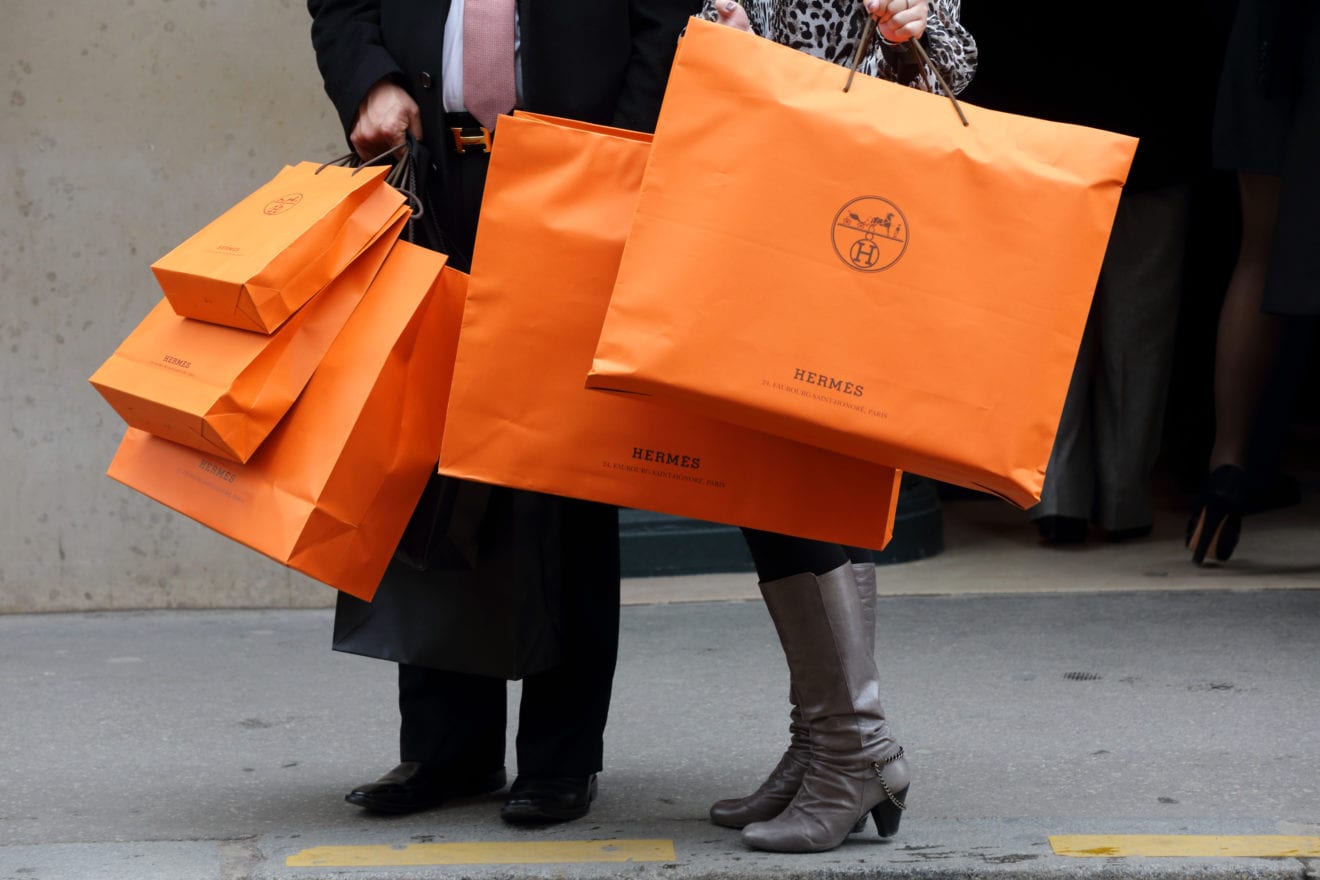
    1. Hermes

    When people think of this high-end luxury brand, the iconic, top-dollar Birkin bag often comes to mind. Yet that’s not the only product on offer at Hermes.

    The luxury group sells jewelry, fragrances, watches, accessories and more to customers across the globe, both in brick-and-mortar stores and online.

    Inside this designer world, over 12,000 people work hard to keep the brand running at full speed and are hired to keep true to its values: high standards and authenticity, imagination and daring, elegance and simplicity.

  • Samsung is No. 1 in world for R&D spending

    Samsung is No. 1 in world for R&D spending

    Samsung Electronics was the No. 1 investor in R&D in the world this year, according a report from the European Commission. The annual R&D Investment Scoreboard report released by the commission analyzes R&D indicators of top companies in the world, based on their most recent accounts and annual reports. The 2018 report studied 2,500 companies worldwide from 46 countries.

    Samsung Electronics invested a total of 13.44 billion euros ($15.2 billion) in R&D this year, an 11.5 percent year-on-year increase compared to last year’s report, when it took third place on the list. This is the first time a Korean company has come in first since the European Commission first published the report in 2004.

    Tailing Samsung in second place was Alphabet, Google’s holding company. It spent a total of 13.39 billion euros. Volkswagen was ranked third at 13.14 billion euros. The list went on to include Microsoft, Huawei, Intel and Apple, all having spent between 9.7 billion and 12.3 billion euros.

    Samsung was the only Korean company within the top 50 R&D spenders worldwide. However, the report showed that, in terms of the ratio of R&D investment to sales – which the report dubbed “R&D intensity” – Samsung fell behind other major companies higher up the list.

    The local company’s R&D intensity was 7.2 percent – lower than second rank Alphabet’s 14.5 percent and Chinese IT company Huawei’s 14.7 percent. It was slightly higher than Apple, however, which had a ratio of 5.1 percent.

    The report also showed that, apart from Samsung, Korea was falling behind in R&D investment compared to neighboring countries Japan and China.

    The 2,500 companies studied for the report had invested a combined 736.4 billion euros, with 14 percent of that total coming from Japan-based companies and 10 percent from China. The top contributors were the United States at 37 percent and the European Union at 27 percent.

    A total of 70 companies from Korea were included in the study. LG Electronics was the only other one mentioned by name, coming in third place in the “Top 3 companies by R&D for the main industries: Other” category after Japan’s Panasonic and Sony.