Tag: lifestyle

  • Starfield Korea opens dog lounges for shoppers

    Starfield Korea opens dog lounges for shoppers

    Starfield, a shopping and theme park franchise operated by South Korean retail giant Shinsegae Group, has opened the country’s first ‘dog lounges’ for customers and their pets. The dog lounges offer specially designed sofas for pets as well as their owners, restrooms for pets, and dog hooks where customers can temporarily leave their pets when they have to go to the restroom themselves.

    The lounge also provides separate resting areas for customers and pets divided by a glass wall. Resting areas for pets have house-shaped sofas, authentic grass floors and restrooms.

    “Starfield was South Korea’s first shopping mall chain to allow pets, but we were always aware of the lack of convenience facilities for customers and pets,” said Choi Jae-kyun, operations manager at Shinsegae Property.

    “Now, we can proudly present ourselves as a pet-friendly shopping mall that both customers and pets can enjoy.”

  • Heron Preston makes debut in Hong Kong

    Heron Preston makes debut in Hong Kong

    U.S. brand Heron Preston which, as Vogue defines it, finds the interface of luxury and streetwear has arrived in Hong Kong. The New York-based designer announced on Instagram that his Hong Kong debut also served as Heron Preston’s first-ever storefront anywhere.

    “I can’t believe I started hand printing t-shirts in San Francisco and now I’m here. I want to thank my amazing team for the love and support!” he said.

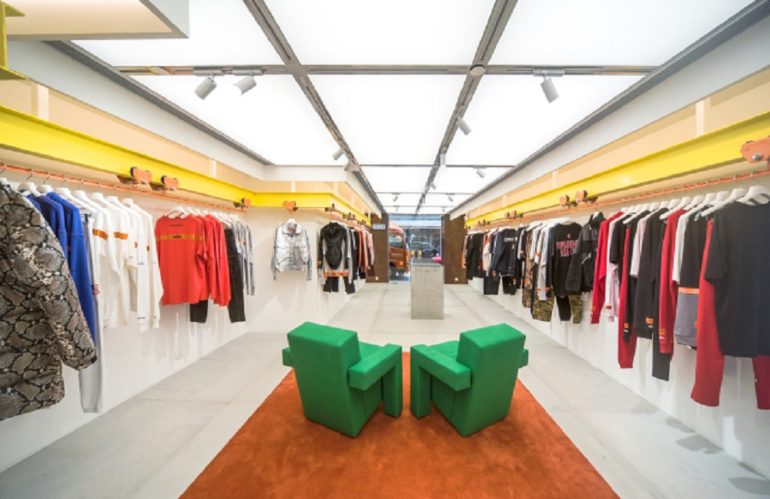
    Located on Paterson Street, Fashion Walk, in the city’s Causeway Bay area, the new Heron Preston store was designed by the contemporary designer too.

    Inside, Hong Kong shoppers are greeted by industrial interior fixtures such as steel shelving, painted wooden crates and licks of safety orange throughout.

    An emerald green chair is set up in the centre of the shop next to the concrete sales counter. The light is bright and remainder of the store minimal in design, allowing the Heron Preston collections to speak.

    Offering a full selection of the designer’s wares, clothes are displayed hanging from the racks, with accessories kept under the glass shelf of a table and hosted on shelves.

    Marking the store opening, Heron Preston has teamed up with fellow American and sportswear heavyweight Nike for a limited edition eyewear collection.

    Dubbed “Nike Tailwind HP Sunglasses”, the glasses are lightweight and wrap-around style, the frames mimicking the brand’s innovative rubber ventilation. The collection comes with interchangeable lenses too.

    A standout piece is the Nike MAX Optics glass, which comes with an anti-fog Flying Lens setting.

    The collection dropped worldwide November 29 and is available at Nike store and Heron Preston sales points.

  • Samsung Electronics gives stability a try

    Samsung Electronics gives stability a try

    The CEOs of Samsung Electronics semiconductors, smartphones and consumer electronics divisions all kept their jobs in the company’s annual corporate reshuffle announced Thursday. Kim Ki-nam, head of Samsung’s device solutions division, which includes semiconductors, retained his position but has been promoted from president to vice chairman. Samsung’s semiconductor business has seen operating profit grow for the past 11 quarters as of September.

    The other two division heads – Koh Dong-jin of IT and mobile communications and Kim Hyun-suk of consumer electronics – were reappointed as CEOs and will retain their current president job titles.

    Roh Tae-moon of the IT & mobile communications division was promoted from vice president to president and will continue to head the smartphone development team. Roh has been at the core of technology development for Samsung’s Galaxy smartphone brand since the range was first introduced.

    For a company well known for rapidly exchanging executives based on performance, the minor superficial changes at the top made this year suggest that Samsung is shifting instead to put more weight on stability rather than expansion next year.

    The company already went through a major generation change last year when it laid off older executives to replace them with younger ones. A total of 14 top executives were reshuffled at the time. Samsung said in a statement on Thursday that it “re-appointed business executives from last year to realize ‘innovation within stability.’”

    The drive for stability also comes at a time when Samsung faces several uncertain factors that analysts say will halt this year’s rally of record profits. The global chip market, which has been on an unusually long supercycle over the last few years, is anticipated to slow down in 2019.

    Outlooks on the global economy are also grim due to the remaining risk of the United States and China continuing their trade war.

    Samsung also stuck to its performance-based HR strategy by heavily compensating executives and managers in the device solutions division, including CEO Kim Ki-nam.

    Kim has been heading the semiconductor business at Samsung since December 2014. Under his lead, the company celebrated the last two years as the No. 1 chip manufacturer in the world. Chips were also a major contributor to Samsung’s record-high quarterly profits this year.

    Kim wasn’t the only one to be rewarded. Among a total of 158 senior executives promoted at Samsung, including those below president, 80 were from his division.

    Samsung employees in the device solutions division will receive bonuses between 300 to 500 percent of annual wages. Even external partners and suppliers for the division will reap incentives this year of up to 89.7 billion won ($79.8 million) in total.

    Meanwhile, this was the first time in three years that Samsung Electronics has released annual reshuffle results at the year’s end – a sign that Samsung is getting back on its feet after Vice President Lee Jae-yong’s return from prison in February.

    There were no annual reshuffles at all in 2016 when Lee was investigated for bribery charges regarding former President Park Geun-hye. It was only in October last year that the company announced a reshuffle plan among top executives.

    Other Samsung affiliates announced annual reshuffle results on Thursday. Samsung C&T Vice President Kim Myeong-soo was promoted to president. He was in charge of the task force in charge of improving competitiveness in engineering, procurement and construction.

    Vice Chairman Lee’s sister Lee Seo-hyun was appointed as chairman of the Samsung Foundation, which conducts social welfare projects. She was formerly president of the fashion division at Samsung C&T.

  • JD to grow its own vegetables for sale on and offline

    JD to grow its own vegetables for sale on and offline

    JD has partnered with Japanese chemical manufacturing giant Mitsubishi Chemical to open the largest hydroponic “plant factory” in China. The omnichannel retailer says the premium-quality, fresh produce produced at the new facility will provide its customers with new options for safe, nutritious and environmentally friendly food, online as well as offline at its 7Fresh supermarkets.

    The factory spans 11,040sqm and incorporates a hydroponic culturing system with solar light and a closed seedling production environment using artificial light. Currently it can produce spinach, cabbage, red and green lettuce, coriander, among others.

    All crops produced at the site are tracked from the time they are planted to when they are delivered, a step toward the future of food production and retail as consumers worldwide increasingly demand transparency. In China, in particular, consumers place high importance on food safety while the overuse of fertiliser, environmental deterioration, and rapid population increase have caused soil problems.

    In the new facility, temperature, humidity, light, and liquid fertiliser are automatically controlled by the factory’s management system, enabling more standardised production of high-quality vegetables without the challenge of seasonal changes. For example, spinach produced in the facility contains 80 per cent more folate, 32 per cent more vitamin C, 25 per cent more potassium and 37 per cent more phosphorus than if grown in the field. Meanwhile, the technology makes pesticides and agrochemicals unnecessary, reducing the need for washing.

    The factory can produce a higher output of vegetables than traditional agriculture systems; it can grow 19 batches of spinach in a year, compared to just four batches per year in a field or six per year in a greenhouse. It only requires half a litre of water to grow any of the factory’s vegetables. The factory is integrated with JD’s cold-chain logistics network, so vegetables can be delivered to consumers’ tables as soon as the same day they are harvested.

    “The JD Plant Factory in Tongzhou marks JD’s entry into the very beginning of the fresh-food production chain, allowing us to guarantee that the fresh goods we sell have been treated with the care JD applies to everything we do,” said Xiaosong Wang, president of JD FMCG and food businesses.

    “JD’s supply chain technology, logistics network and e-commerce expertise combined with Mitsubishi Chemical’s sophisticated growing technology puts us in an ideal position to create an entirely new model for agriculture, and cultivates a fresh and healthy lifestyle in China.”

    Fresh vegetables from the plant factory will be available on JD.com and at 7Fresh stores from this month. JD and Mitsubishi Chemical will cooperate to introduce more fruits and vegetables in the future.

  • Gucci fine jewelry new style revealed

    Gucci fine jewelry new style revealed

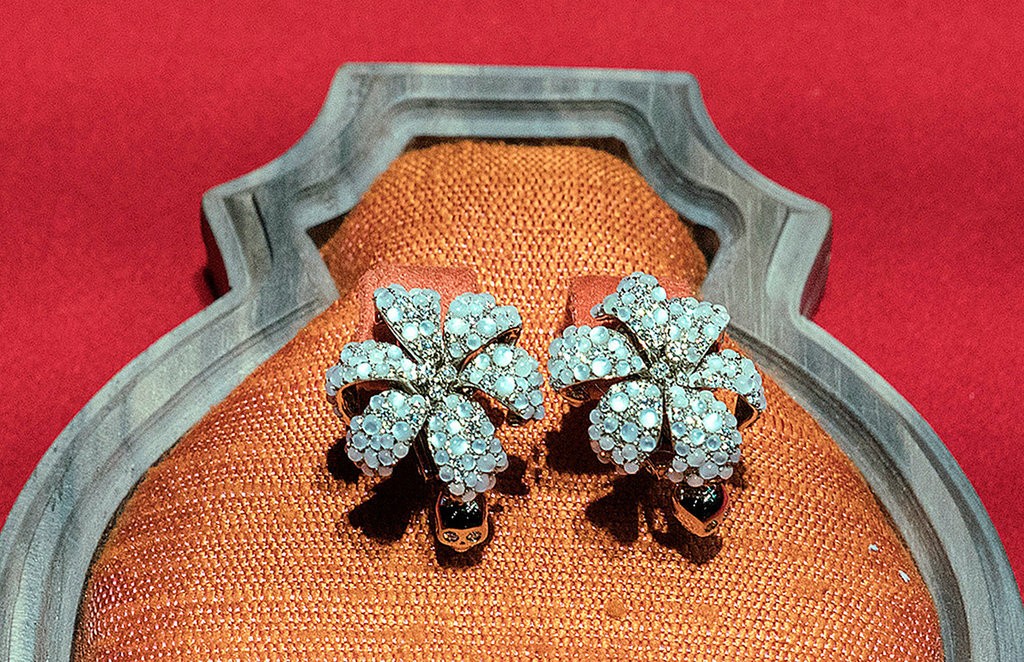
    These are flush times for Gucci, the 96-year-old house that in recent years has become fashion’s all-conquering luxury brand. And amid booming sales, Alessandro Michele, Gucci’s creative director since 2015, has introduced the brand’s first high-end fine jewelry line, a series of extravagant styles that present the designer’s florid evocations of flea market finds as gem-encrusted treasures.

    Talking of the nostalgic inspiration behind many of his creations, Mr. Michele said, “I’ve dressed a number of women in things that were gathering dust in vintage archives — they no longer existed.”

    “That includes jewelry as well,” he added. “It’s beautiful to bring them back to life and give them importance once again.”

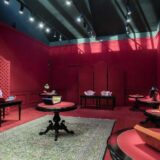
    At the Gucci Hub, a former aeronautical factory here where the brand opened its headquarters last year, the jewelry showroom reflects Mr. Michele’s opulent touch: red velvet-covered walls, red velvet room dividers, red velvet-topped tooled wood tables around a densely floral Oriental rug, and bright-toned velvet coffers lined in silk to showcase the designer’s well-established motifs rendered as precious jewels.

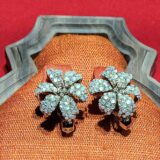
    Tigers, snakes, lions and foxes form necklaces, bracelets and rings, mirroring earlier versions that Mr. Michele created for both the costume and the mid-market fine jewelry lines at Gucci. But the new higher-end collection — which has no specific name — is more elaborate, its 25 design styles accented with a range of gemstones.

    The new line appears to expand the reach of Mr. Michele’s remarkably successful universe for his most ardent and wealthy collectors. It’s Gucci style for Cartier spenders — at a time when Gucci has pledged to go fur-free, eliminating what had been the brand’s biggest-ticket items.

    Mr. Michele, who calls himself “a passionate student of antique jewelry,” has resurrected animalier styles, like those of the midcentury American jewelry designer David Webb, and for this new collection he has employed some vintage techniques like the intricate hand engraving used to create the animals’ faces, skipping the rhodium plating now common on white gold so it retains a yellowish cast, and the use of old-fashioned raised settings for the tiny diamonds spangled across the fishtail of a ring.

    “When you see the way I combine things with each other, you perceive everything together as a new language,” he said, referring to his fashion aesthetic that mashes up the animal motifs with Chinese silks and Mexican embroideries, Renaissance gowns, Victoriana, disco drama, high ’80s glam, shades of Elton John and Dapper Dan, and more. “There’s a complete fusion of ideas. This ‘disruption’ that everyone’s talking about is found in the dialogue between these elements.”

    From the new collection, Marco Bizzarri, the chief executive of Gucci, wears a woven gold bracelet with black diamonds that is embossed with the phrase “Blind for Love” in capital letters across the top.

    Mr. Michele himself has a gold ring with a fox’s head, a large brown diamond set between its ears.

    Though the pieces look like styles that, in their antique forms, were made for women, in the Gucci context, anyone can wear them.

    “Clothes, like jewelry, don’t have very revolutionary roots, meaning that what’s revolutionary is the way you wear a piece of jewelry,” the designer said.

    So far the collection, with prices that mostly range from 15,000 euros to 70,000 euros (US$17,900 to US$83,500), has been offered only to favorite clients through private sales in Japan, China and the United States and private appointments that began in July.

    Gucci refers to the pieces, which are not high jewelry (typically starting in the $100,000 range and going into the millions), as “medium-high,” or as “unique pieces” when it repeats designs using different gems.

    However, the brand says it is considering a move into the bigger stones and larger price tags of true high jewelry for its next collection.

    Gucci is not the first fashion house to enter the upper echelons of jewelry.

    Chanel, Dior and Louis Vuitton have all made it big business, as the high jewelry market has flourished through and beyond the economic downturn of the last decade.

    And the brand’s fortunes have been growing at a clip that has shocked industry watchers.

    Kering, its parent group, reported that Gucci’s revenue soared 42 percent to €1.5 billion in the three months to the end of September. And its biggest boost has been coming from millennials, who, Kering says, account for at least half of its 2017 sales thus far.

    “The new generation is going to want a more modern jeweler,” said Maurizio Pisanu, the house’s director of jewelry merchandising. “So it’s up to the brand that realizes that first, and Gucci already had the right intuition two years ago — to break the rules.”

    Gucci has hired its first staff gemologist to search for stones worldwide and maintains a jewelry workshop with about 30 goldsmiths and stone-setters near Milan.

    All of the brand’s existing fine jewelry and now most of its high-end fine jewelry pieces are made there, with some help from an external atelier in Valenza, a center of Italian jewelry fabrication about 60 miles to the south.

    According to the brand, sales of the initial pieces have been brisk (although it won’t provide specifics).

    So if the collection does expand, Mr. Michele’s antique-tinged, everything-is-precious aesthetic might disrupt the higher stratospheres of the jewelry sector in the way that he has already reset Gucci and the fashion desires of a vast public.

    The collection has arrived at a moment when the codes of high jewelry are in flux — important stones are becoming more difficult to find, and a new generation of customers is more interested in showing off wearable (and possibly recognizably branded) design than owning the special occasion gem-encrusted parures of the past.

    Mr. Pisanu said design-driven jewelry customers “benefit a brand like Gucci, where jewelry isn’t our core business but we have the ability to make high-quality jewelry like the other brands — and with a different aesthetic that’s much more innovative than what a classic brand would ever dare to make.”

  • Remodeled M&M’S World Shanghai reopened

    Remodeled M&M’S World Shanghai reopened

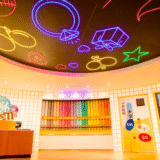
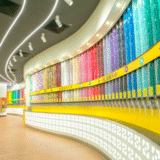
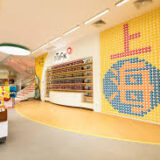
    M&Ms World Shanghai reopened yesterday in Shanghai Shimao International Plaza. The newly remodeled 1600sqm interactive store, which offers an immersive, personalised experience with the M&M brand to residents and tourists, remains the only one based in Asia.

    The store is part of the global M&Ms retail business, which includes My M&Ms’ e-commerce sites and a B2B channel in the US and Europe.

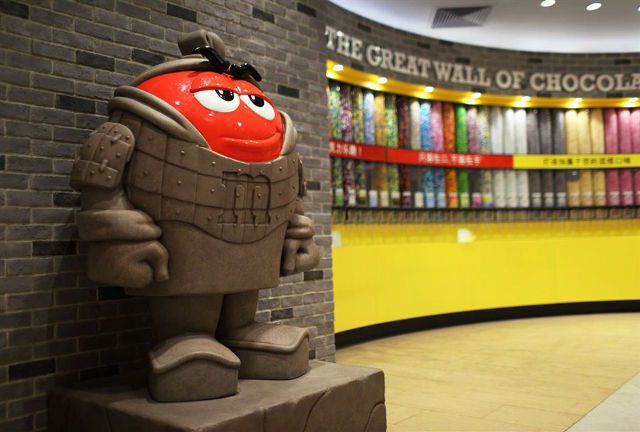
    The M&Ms World Shanghai experience store features a “Great Wall of Chocolate” made out of more than 1 million M&Ms, a personalised printer, and a device that scans customers to create a personalised M&Ms avatar. It also features an improved checkout experience that allows mobile payment options from Alipay, WeChat and Apple Pay.

  • Lotte opens premium outlet in Giheung

    Lotte opens premium outlet in Giheung

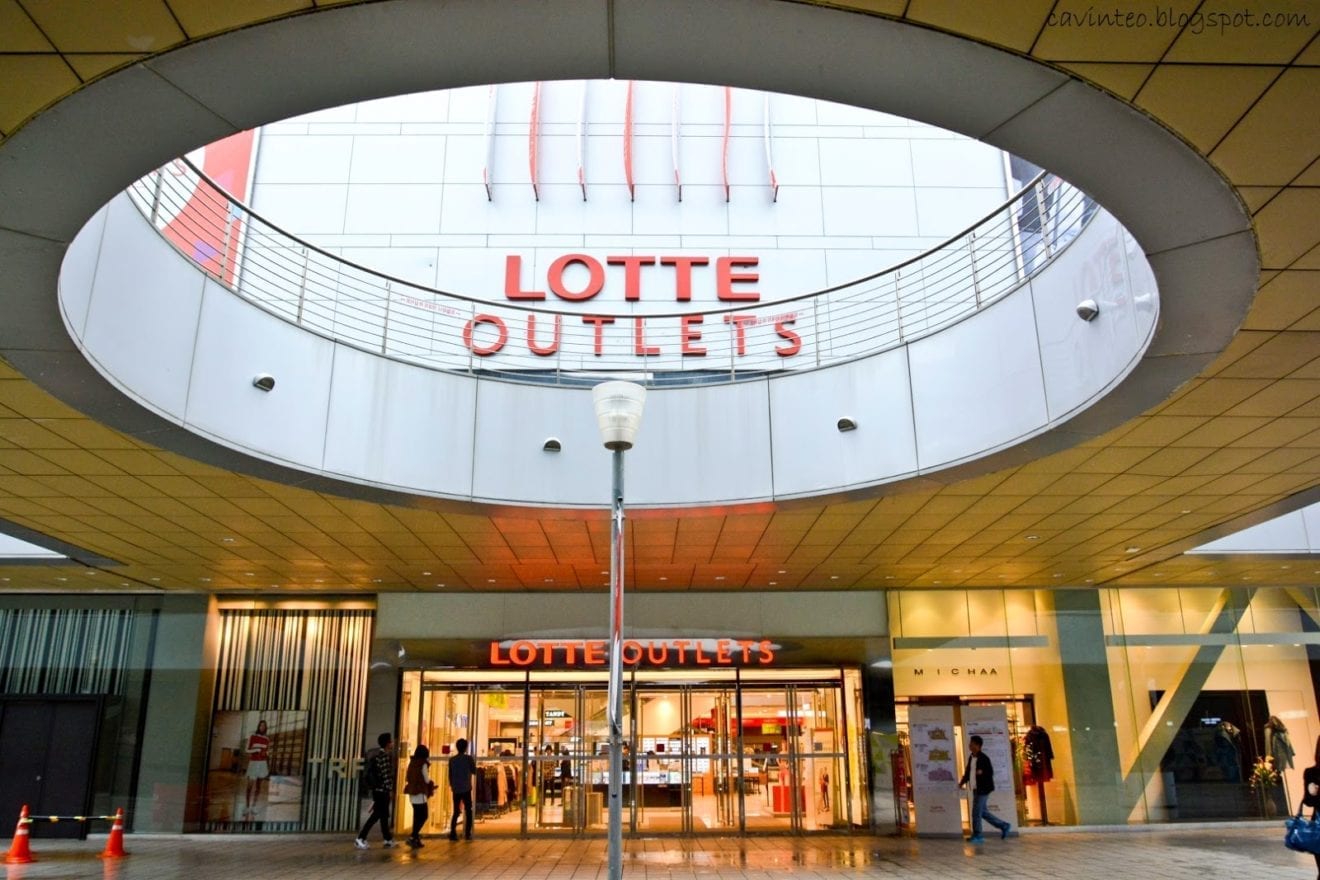
    South Korean retail giant Lotte opened this week a new premium outlet in Giheung, Gyeonggi Province – the second-largest among its branches nationwide and the latest addition to large-scale malls launched by retailers here in hopes of raising offline sales. Lotte is pinning hopes on the latest outlet’s location, citing three highways and five major roads passing through Giheung.

    It aims to attract some 25 million shoppers in and around the region including Yongin, Suwon, Dongtan and Bundang in Gyeonggi Province.

    Chung Hoo-sik, an official in charge of the Giheung outlet, said that the shopping mall is geared toward consumers in their 30s and 40s who have children and live in southern Gyeonggi Province.

    “We found that 30- and 40-something customers from those areas have strong spending power. To attract them, we put entertainment facilities like an outdoor playground and entertainment zones for their kids (inside the outlet),” said Chung at a press conference on the launch.

    Built on 150,000 square meters of land, Lotte’s premium outlet in Giheung features 300 brands and is equipped with 3,000 parking lots. It is Lotte’s sixth premium outlet.

    The outlet has an indoor surf shop, Flow House, spanning 490 square meters. Lotte said it also houses Asia’s biggest Nike store in a 1,983-square-meter space.

    With an increasing number of people visiting multiplexes or shopping malls, retail giants like Shinsegae and Lotte have been opening large-scale malls in the outskirts of Seoul.

    Lotte opened a premium outlet in Goyang, Gyeonggi Province, in October last year, two months after Starfield Goyang was launched. Lotte opened its premium outlet in Paju in 2011, nine months after Shinsegae opened its store.

    “We see it as an industry trend to open a mega mall or a premium outlet because there are consumer needs for convenient shopping and enhanced lifestyle,” said Lee Jung-hye, who designed the outlet, adding that Korea’s premium outlet market is valued at 20 trillion won (US$17 billion won).

  • Poltrona Frau has opened a new retail space in China

    Poltrona Frau has opened a new retail space in China

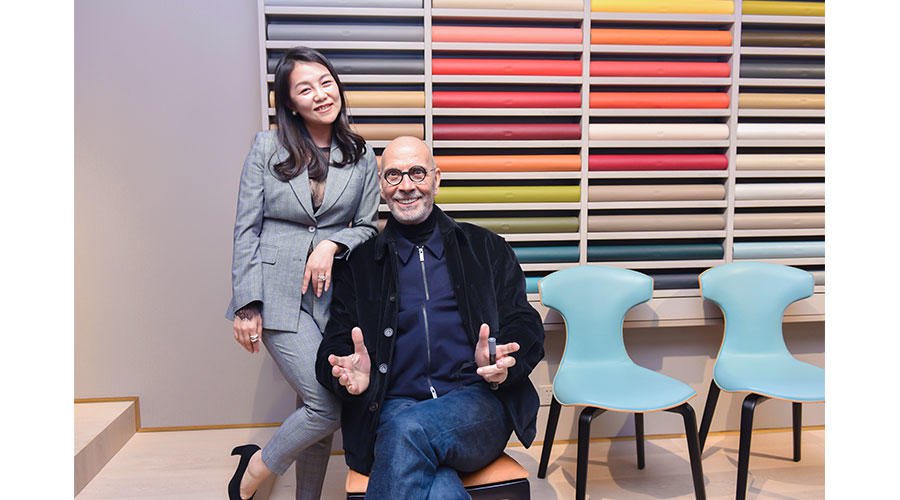
    Italian furniture maker Poltrona Frau has opened a new retail space in Ningbo, China. The new 340sqm, single-floor shop presents a range of living spaces that alternate between living area and bedroom, dining room and home office according to the Poltrona Frau philosophy.

    The retail concept is designed to convey the atmosphere of a real home.

    Pieces on display include classic and contemporary designs, from early 20th century armchairs to recent Chinese lighting collections. The store features an area dedicated to showcasing the brand’s leather bookcase.

  • Jeju Air co-CEO plans to depart

    Jeju Air co-CEO plans to depart

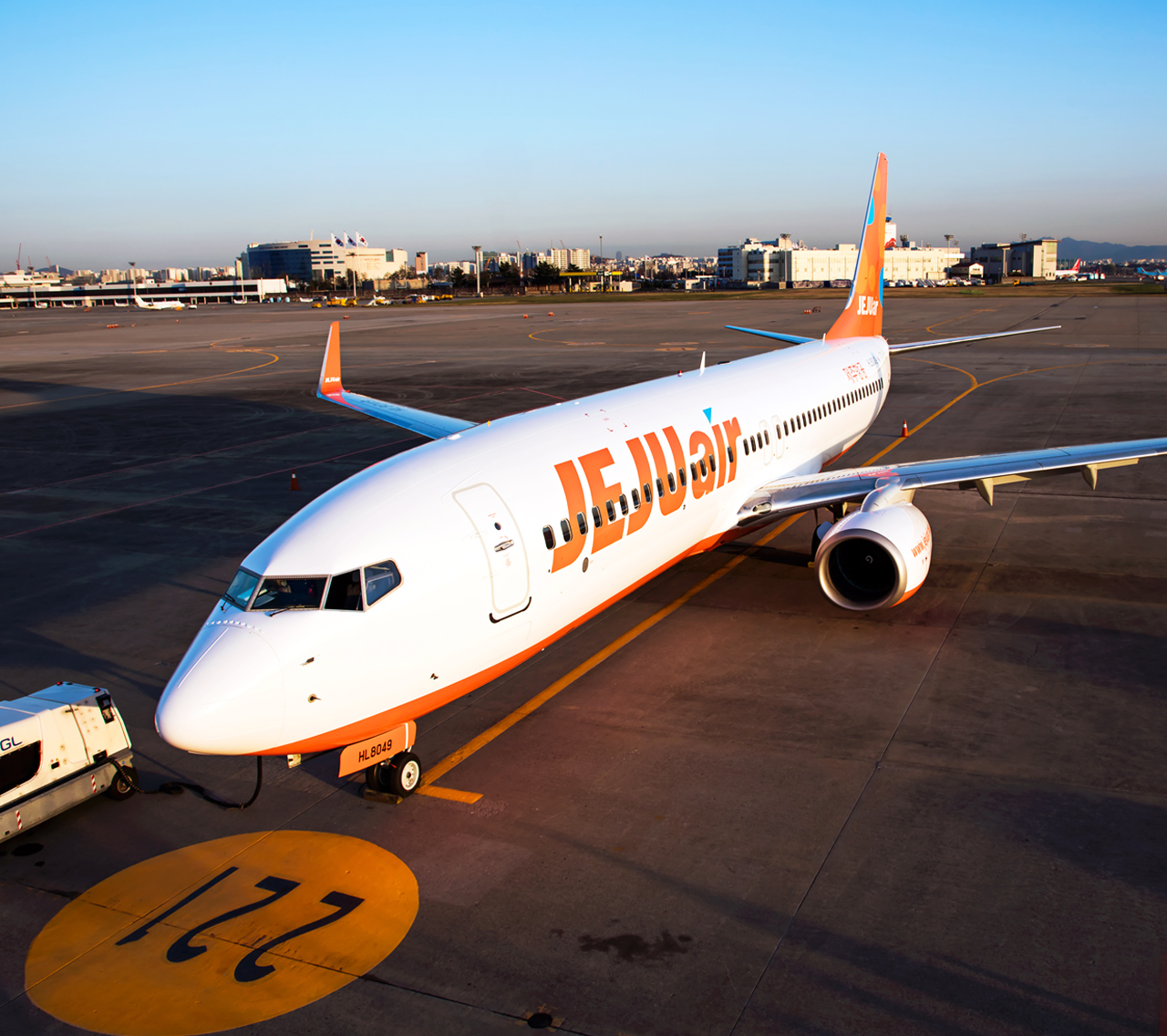
    Jeju Air said on Wednesday that co-CEO Ahn Yong-chan has expressed his intent to step down from his post, leaving the company to operate under the sole leadership of current co-CEO Lee Seok-ju. Ahn leaves Jeju Air after working under the company’s parent Aekyung Group since 1987.

    The co-CEO served in numerous positions at Jeju Air’s group affiliates such as in Aekyung Petrochemical and Aekyung Industry.

    The company said that Ahn served as CEO at the group’s affiliate companies for 23 years, and that he felt it was right to leave the company at a time when it is performing well, along with his original plan to retire at 61-years-old.

    Jeju Air has become a sizeable contender in the low-cost carrier industry in Korea. It reported 349.5 billion won ($311.6 million) in revenue in the third quarter this year, a 31 percent increase from the previous year.

    Ahn is the son-in-law of Aekyung Group’s Chairwoman, Chang Young-shin.

  • Valentino and Dior Men to run show in Japan?

    Valentino and Dior Men to run show in Japan?

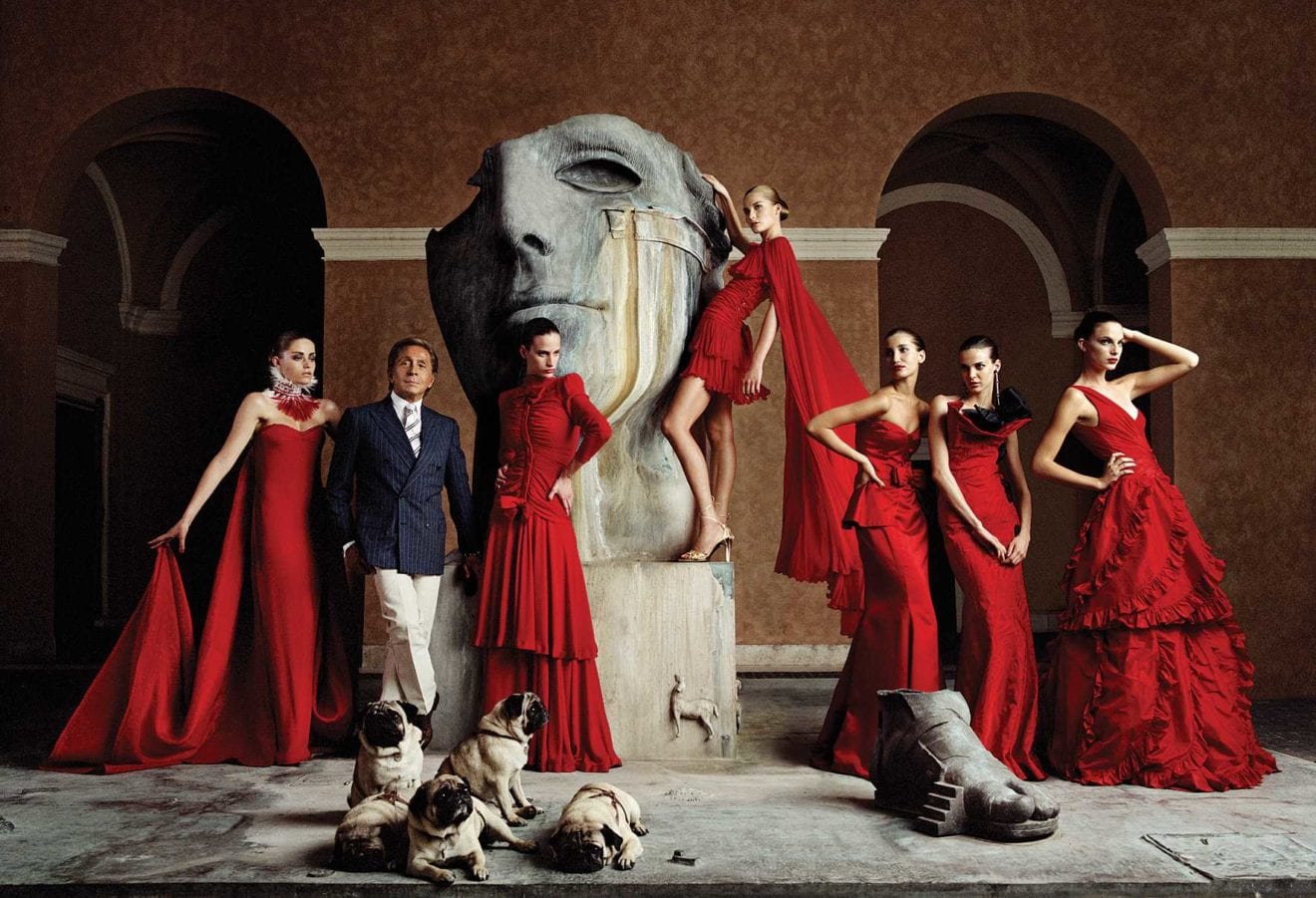
    Pierpaolo Piccioli, creative director of Valentino, was in Tokyo last week to celebrate the brand’s Ginza Six store opening and its Pre-Fall 2019 runway show, titled “Valentino TKY,” of which Japan’s wabi-sabi aesthetic was credited as one inspiration.

    Kim Jones was also in town to present Dior Men’s Pre-Fall 2019 collection and a pop-up store Thursday evening, although his nod to Japan was a fraction subtler, having mined the Dior womenswear archives for Japanese influences to reinterpret as men’s garments.

    It’s not the first time that luxury brands have turned to Japan: Last October, Tokyo was also the site of Valentino’s Resort 2018 pop-up, while Dior’s haute couture Spring/Summer 2017 show bowed in April. In May 2017, Louis Vuitton took their cruise collection a few hours away to Kyoto.

    It’s also not unexpected that most designers who stage their collections in Japan find a way to reference the country on the catwalk, however fleetingly.

    The nation is home to inspiration galore: eclectic street style subcultures, unparalleled artisanship, a thriving beauty industry and icons of design and architecture all makes the country a mecca for creatives of all persuasions.

    But beneath the surface of very real enthusiasm that fashion creatives harbour for Japan, there is of course a carefully calculated business rationale for their choice of locale.

    As Asian markets now account for a disproportionately large share of luxury sales, it is clear that brands need to find ways to launch meaningful marketing activations in the region on a regular basis. Such shows have become a tried-and-tested formula.

    Unlike Korea, whose popularity as a location for pre-collection shows appears to have peaked, Japan is emerging as a perennial favourite. And although China continues to attract many brands looking for a place to present their catwalk shows in the world’s largest luxury market, recent examples tend to be repeats of shows that already had a debut elsewhere like last week’s re-staging of Miu Miu Resort 2019 in Shanghai or Chanel’s Cruise 2018 collection reappearing in Chengdu after also debuting in the French capital.

    Japan, by contrast, is not in the habit of staging re-runs.

    The value that luxury brands gain by using Japan as a staging post between their shows in Europe comes from several sources.

    Logistical efficiency is one not-so-romantic reason for its popularity as a transseasonal show location. By bringing their pre-collection activation to Japan, brands embellish a requisite part of their global marketing strategy while creating an opportunity to meet local partners and management in Asia’s most mature luxury market — and the world’s third largest.

    Piggybacking off the show in this way sends an important message at the consumer level too.

    Having been eclipsed by the Chinese, Japanese consumers are no longer the object of affection and attention to the degree that they once were. Luxury brands are increasingly stretched, unable to devote as much time to Japanese activations as they once were. With so many emerging markets in Asia and around the world to tend to, they are less able to provide Japanese kokyaku (VIP consumers) with intimate access to designers or face time with the press.

    With China consuming a third of the global luxury market, brands have been investing in strategic WeChat campaigns, optimising retail channels and desperately finding new ways of understanding the proverbial Chinese luxury consumer.

    Yet unlike China, where brands are rapidly opening retail and digital storefronts, online luxury sales are less developed in Japan, with only 7 percent penetration, according to McKinsey & Co. With consumers preferring to shop offline, Japan’s department stores remain dominant luxury distributors.

    The icing on the cake is that Japan remains one of the most attractive destinations for other Asians — and Asian fashion industry leaders are no different.

    Whether they be the brands’ joint-venture partners from Vietnam, distributors from Singapore, fashion editors from Indonesia or influencers from Thailand, Japan has the magnetism needed to draw in brand stakeholders in a way that other markets can’t emulate across the continent.

    Omotenashi — the philosophy of Japanese hospitality — usually tips the scales for potential show-goers in the region who may be wavering over an invitation.

    According to the latest report by Bain & Company, luxury purchases in Japan softened slightly this year, pushing brands to find new solutions to bring consumers back to stores. Retail sales in Japan grew at 3 percent at current exchange rates to €22 billion ($25 billion).

    Bringing an olive branch in the form of a pop-up or capsule collection to Japan is a way of balancing out the China-heavy luxury narrative, and assuring local consumers that they are still a priority for foreign brands and retailers. It’s also worth noting that Japan is a favourite holiday destination for Chinese luxury consumers.

    In light of the 2020 Tokyo Olympics, tourists are expected to further boost the luxury market — especially if the Japanese government takes key measures to improve the nation’s attractiveness.

    However, following Beijing’s latest efforts to boost domestic consumption of imports, Chinese shoppers’ holiday purchases may see a drop. How this affects travel hotspots such as Japan remains to be seen.
  • Shanghai, Singapore is now Asia’s most expensive city

    Shanghai, Singapore is now Asia’s most expensive city

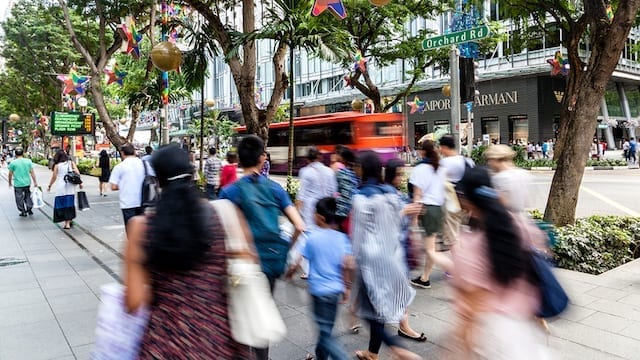
    Asia’s most expensive city for high net worth individuals is no longer Hong Kong. Both Shanghai and Singapore have overtaken it, with property costs alone pushing it beyond capital cities across the region. Wealth Report Asia, published annually by financial services company Julius Baer, measures the price of a basket of items including property prices, a degustation dinner, cars, a piano, wine, jewellery and even botox.


    Shanghai is now Asia’s most expensive city to buy six of the 22 items Julius Baer surveys (a hospital room, watch, handbag, wine, jewellery and skin cream). In addition, it has grown more pricey on a relative basis to buy property (from fifth to fourth most expensive), and legal fees have lept from 10th to second.

    Singapore is the most expensive city to buy a car or a degustation dinner, and ranks in the middle of the list on every other item, its best result eighth for a piano.

    Property prices and business class air fares have skewed Hong Kong’s position on the list – they are more expensive there than elsewhere. But in contrast, Hong Kong is cheapest city to buy skin cream, the second cheapest for wine and jewellery and the fourth cheapest for men’s suits, womens shoes and watches.

    The region’s least expensive city is Kuala Lumpur, Malaysia’s capital. According to Julius Baer, it is the most competitive city to buy property, wine, jewellery, a piano and cigars or to rent a hotel suite.

    Price deflation of items onshore such as legal fees (down four spots) and jewellery (down three spots) offset a recovery in the value of the ringgit against the US dollar.

    The data was calculated on a price-weighted basis.

    Chinese luxury consumption slowing

    Meanwhile, the report says the “China express” driving the world’s luxury retail market is slowing.

    Chinese nationals accounted for just 2 per cent of luxury spending in 2003 yet by last year that share had soared to 32 per cent – and they account for more than 70 per cent of global growth.

    But Julius Baer says recent signs “are pointing to an outlook that will be less spectacular”.

    “Amid the ongoing trade conflict with the US and a softening growth dynamic, the Chinese stock market has come under significant selling pressure this year. Chinese consumer confidence, which has been a good leading indicator for luxury goods performance trends, appears to have rolled over.

    The weakness in Chinese consumer confidence has weighed on the sector of late, and is likely to remain a drag going forward if Chinese consumption trends continue to slow.”

    The report also noted that Chinese retail sales growth has also been moderating in recent months.

    “We believe China is going through a self-induced slowdown as the economy transforms from investment-led to consumption-led growth. Reforms are currently taking a back seat in favour of selective and measured easing but [we] still expect 6.5 per cent growth this year, before a slowdown to 6.2 per cent next year.

    “Following a strong recovery since 2015, it is reasonable to expect global luxury consumption to slow in the near-term from a high base and moderating Chinese demand. Yet we remain upbeat in the longer term premised on structural growing demand from Chinese millennials and a more prominent female presence in the luxury market.”

  • Chanel to stop using exotic skin in its collection

    Chanel to stop using exotic skin in its collection

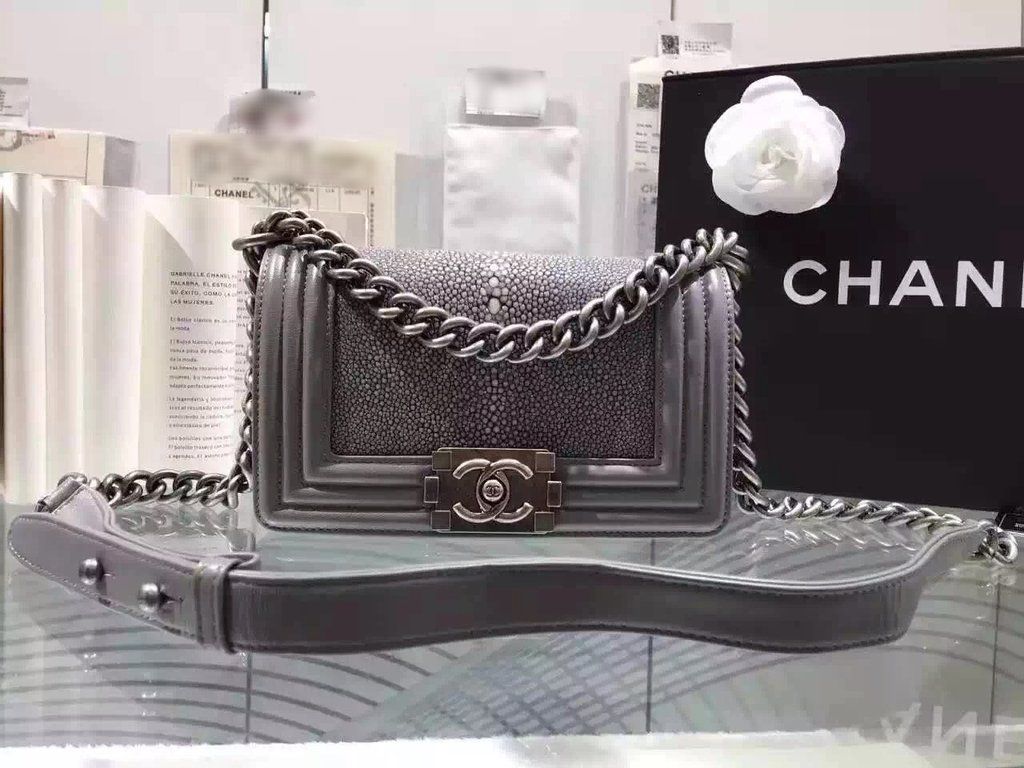
    Ahead of its pre-fall 2019 Métiers d’Art show in New York’s Metropolitan Museum of Art, Chanel has said it will “no longer use exotic skins in [its] future creations”. The exotic skins in question include crocodile, lizard, snake, stingray and fur, of which Chanel uses very little.

    The decision is down to the fact it is becoming increasingly difficult to source skins that meet the house’s quality and ethical standards. “There is a problem of supply and that was not Chanel’s business anyway,” Bruno Pavlovsky, president of Chanel fashion and president of Chanel SAS, commented. “We did it because it’s in the air, but it’s not an air people imposed to us. It’s a free choice.”

    The brand’s attention will shift to the research and development of materials and leathers generated by “agri-food” industries.

    “The future of high-end products will come from the know-how of what our atelier is able to do,” Pavlovsky continued. It will, however, take time for existing goods containing exotic skins to leave Chanel’s distribution network entirely.

    Chanel is the first luxury brand to join labels, including Asos, Nike, H&M, Puma, Arcadia Group and L Brands, which have already banned exotic skins from their product offering.

    The likes of Armani, Coach, Versace, Michael Kors, Gucci, Burberry and John Galliano have pledged to halt the use of fur, however, they have not made the leap to include skins in their entirety.

  • Hyundai Motor rejects renewed Gwangju plan

    Hyundai Motor rejects renewed Gwangju plan

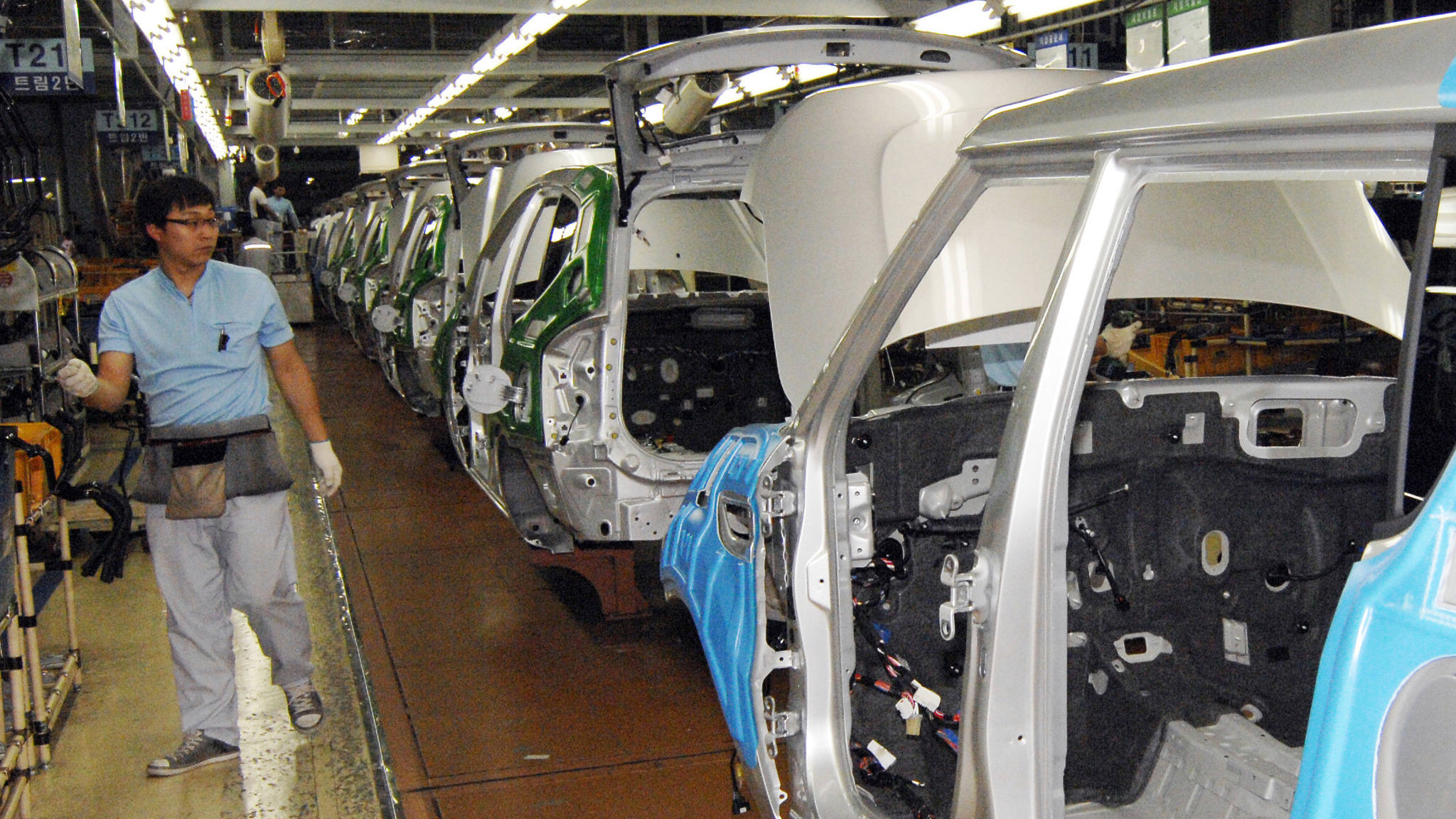
    Hyundai Motor refused a revised plan that removed a restriction on collective wage bargaining at a proposed plant in Gwangju, further complicating plans for the factory. A council with representatives from the local government and area employers, labor unions and citizens on Wednesday agreed to remove a clause from the agreement that would have suspended collective bargaining for about five years at the new joint venture between the Gwangju city government and Hyundai Motor.

    The new company will be hiring workers for a production plant to be built on 628,000 square meters (155 acres) of land in the Bitgreen National Industrial Complex. The venture is the first in Korea to bring government and private industry together in the formation of a new manufacturing facility.

    Union representatives strongly protested the clause, calling it toxic.

    Rather than pushing the clause, the council decided to offer three alternative proposals to Hyundai Motor. The city and the automaker will continue negotiations.

    “Over time, Hyundai Motor and the labor union have retreated in their demands,” said Lee Byung-hoon, Gwangju vice mayor. “But the suspension of the wage bargaining clause was the biggest issue.”

    After the announcement was made, it was Hyundai that refused the proposal.

    “We cannot help but to point out the repeated revisions and backtracking [done by the Gwangju government],” Hyundai said through a statement.

    In the first meeting held at 10:30 a.m., all nine labor representatives, including Yoon Jong-hae, head of the Federation of Korean Trade Union’s Gwangju office, refused to attend in protest of the wage bargaining ban.

    The agreement between Gwangju city and the Korean automaker had included a clause in which wage negotiations were to be suspended until the cumulative production of compact SUVs reached 350,000 units. As Hyundai Motor guaranteed a minimum of 70,000 units a year, the labor union estimated that it would take about five years before the employees at the new plant would be able to negotiate.

    The meeting resumed at 3 p.m., and Yoon joined, raising the number of attendees to 22 out of a possible 28.

    The plant proposal has been under a tight deadline as an agreement needs to be reached before the National Assembly passes the budget. The ruling Democratic Party has announced that it plans to pass next year’s budget soon.

    Meeting the budget deadline is crucial as the city needs government funding to build the necessary infrastructure, including housing that will cost roughly 300 billion won ($269 million).

    The Gwangju plant project, first proposed in June 2014, has generated significant public interest as it could keep manufacturing jobs in Korea and contribute to the revitalization of the regional economy. It would also help ease the burden of high labor costs.

    The plan is for the Gwangju government and Hyundai Motor to create a new joint-venture company. The new Hyundai Motor plant will have the capacity to produce 100,000 compact SUVs a year.

    One of the key factors in this new job creation model is that employees will receive an annual salary of 35 million won, 38 percent of the 92 million won average salaries of Hyundai Motor workers.

  • Central i-City to open on Jan 12

    Central i-City to open on Jan 12

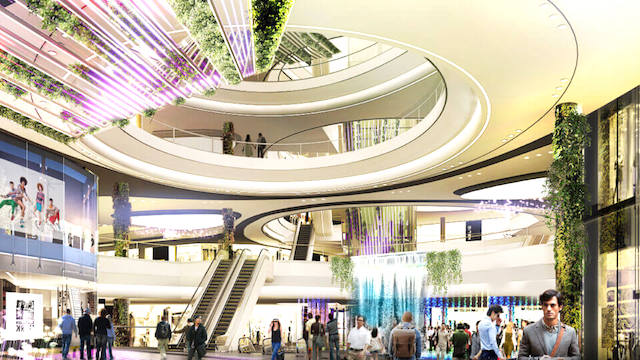
    Central i-City is scheduled to open on January 12 as the largest shopping mall in Selangor’s state capital of Shah Alam, Malaysia. A joint venture between Thai retail property developer CPN Ventures and Malaysian developer I-City Properties, the 940,000sqft mall was constructed on an investment of RM850 million (US$204 million) and features 350 lettable stores, three levels of basement parking and six retail levels. Some 73 per cent of available retail space has already been leased, with the remaining stores expected to be taken up by early next year.

    CPN Ventures assistant VP of marketing Siegfried Shaun Dela Pena Tan said: “The mall is expected to transform retail experience for Malaysians. [It caters] to a more affluent target segment attracting shoppers who will spend more, appreciate better and be driven by quality. We expect that the mall will serve more than 900,000 residents in Klang and a further 700,000 in Shah Alam.”

    Central i-City Shopping Centre is CPN’s flagship project in Malaysia and first international project.

    I-Berhad executive chairman Tan Sri Lim Kim Hong said: “We are bullish about the retail market.

    People are unfazed by the economy. They are still shopping and dining out. The mall has a good tenant mix and 25 per cent of the total number of retail shops comprises food and beverage outlets.”

  • “The Marc Jacobs” is launched

    “The Marc Jacobs” is launched

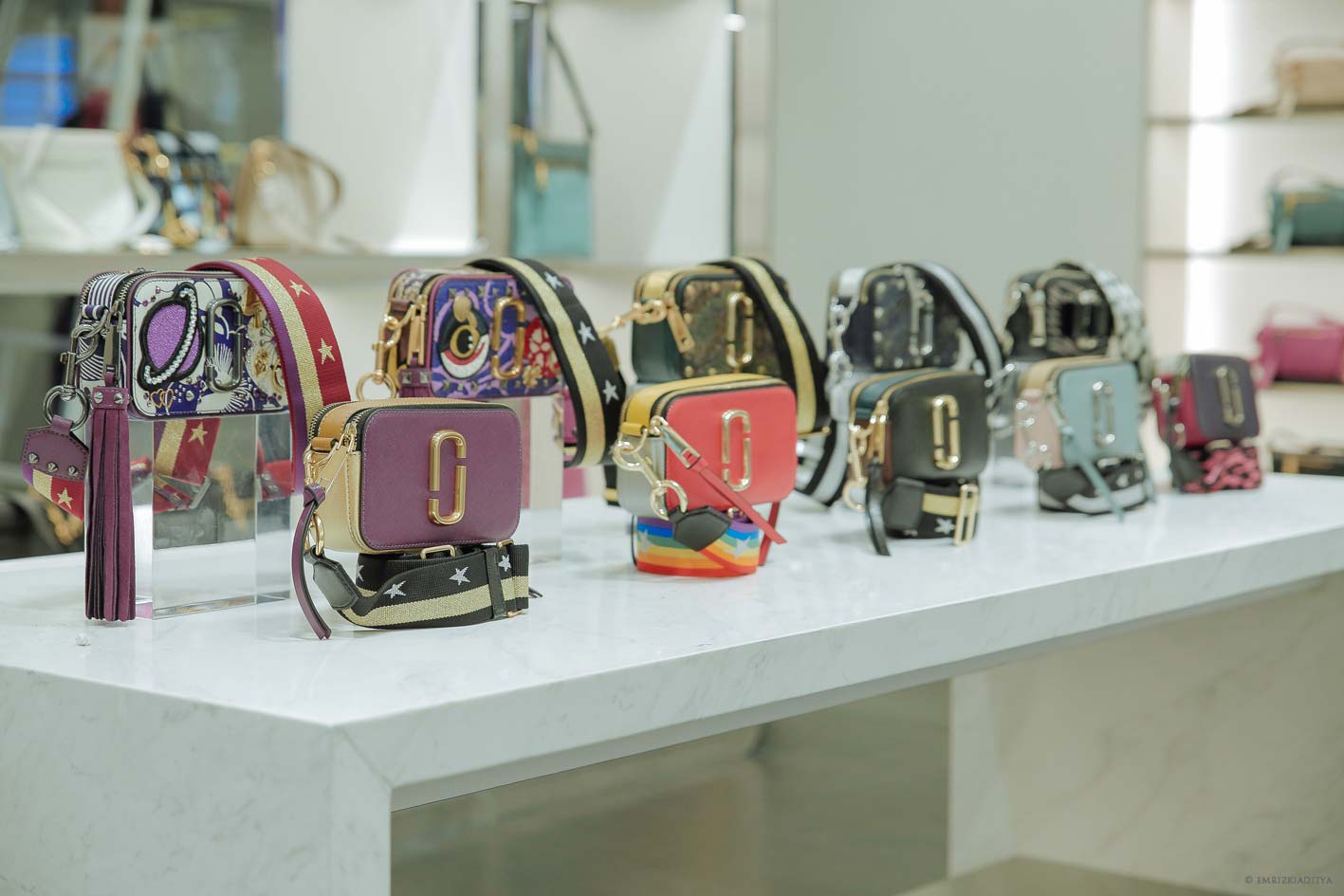
    A new era of Marc Jacobs is coming. Marc Jacobs is launching a new affordably priced label called “The Marc Jacobs.” The line will be introduced for pre-fall 2019. According to WWD, which saw an image from the line’s new look book, The Marc Jacobs will feature such items as colourful rugby sweaters, corduroy pants, and accessories.

    The designer also hired Russian stylist Lotta Volkova to style the look book, which was shot by Hugo Scott.

    While not much else is currently known about the new “democratically priced” label, a spokesperson for the brand did tell WWD that more images would be published in May – and that the line is part of a collection that also includes a “Runway” component.

    On Instagram, Jacobs acknowledged the existence of the new collection, writing that the image of the line was leaked.

    “Consider it a taste of things to come,” he wrote, before referring to the collections as “fantastic and fresh.”

    Although there has been no confirmation, The Marc Jacobs may resemble the former lower-priced Marc by Marc Jacobs label – which was discontinued in 2015.

    The announcement of the new brand comes after increasing speculation that the designer would leave his namesake brand amidst declining sales.

    In the beginning of the year, it was announced by Business of Fashion that the LVMH-owned company Jacobs would close its London store, as well as other European brick-and-mortar locations.

    This year the designer also announced the re-release of the Redux Grunge collection, a collection of 1993 looks that got him fired from Perry Ellis, and a collaboration with Dr Martens to create a range of limited-edition boots.