Tag: Logistics

  • Pierre Poignant succeeds Lucy Peng as Lazada Group CEO

    Pierre Poignant succeeds Lucy Peng as Lazada Group CEO

    Lazada Group has announced its new CEO this year, with group executive president Pierre Poignant taking the role immediately. The move is a leadership succession plan for both Lucy and Pierre where Lucy will remain as Executive Chairwoman and continue to be based in Singapore.

    In a media statement, Lazada described the change as “succession planning”.

    Poignant, who was appointed president in August, will lead the company’s strategic development into new growth pillars, while continuing to manage Lazada’s operations in Indonesia, Malaysia, the Philippines, Singapore, Thailand and Vietnam, working closely with country CEOs and regional functional team leaders.

    “Pierre is a well-respected Lazada co-founder, who has contributed tirelessly to the company for the past six years,” said Peng. “He and the team of other co-founders had the vision to build our logistics network from the ground up back in the days when no one in Southeast Asia believed in e-commerce – this valuable asset has now set us apart from the competition. Over the years, Pierre has consistently delivered beyond his call of duty and excelled in every role he has taken up.”

    Poignant said Lazada has benefitted from the Alibaba ecosystem, from the technological prowess to the logistics network.

    “This year is a turning point for Lazada. We have improved and evolved and now come out stronger, more efficient, and more agile than the start of the year. Our transformation has just begun and I am confident next year will be another watershed year,” said Poignant.

  • Looking at Omnichannel presence in India: IKEA

    Looking at Omnichannel presence in India: IKEA

    Swedish home furnishings major IKEA Thursday said it plans to have an Omnichannel presence in India going forward, reiterating its long-term commitment to the country. Last year, the company opened its first store in Hyderabad, spread over 13 acres of land and has a built up area of 4 lakh sq.ft. “We are long term committed to India. We are planning to have omni-channel presence here. We will have three formats — big stores, online and smaller stores here,” Peter Betzel, CEO, IKEA India said.

    According to a report, the presence in three formats is to bring the customers closer, he added. The Hyderabad store is the first of 25 such outlets planned to be set up in India by 2025.

    The company will be opening big stores in India, starting with a store in Mumbai this year, followed by one in Bengaluru in spring-2021 and then in Delhi-NCR, Betzel said.

    However, he did not provide any timeline for the opening of the store in Delhi.

    IKEA will have its online presence in Mumbai and will also expand smaller stores category there, he added.

    When asked how the company plans to fund the expansion, Betzel said: “It will be through our own money.”

    In 2013, IKEA received nod from the government to invest Rs 10,500 crore in single-brand retail out of which it had invested Rs 4,500 crore in its different ongoing projects in India.

    IKEA has been present in India for 30 years, sourcing many different products for IKEA stores worldwide.

  • Kerry Logistics expands e-commerce fulfilment through E-Services Group JV

    Kerry Logistics expands e-commerce fulfilment through E-Services Group JV

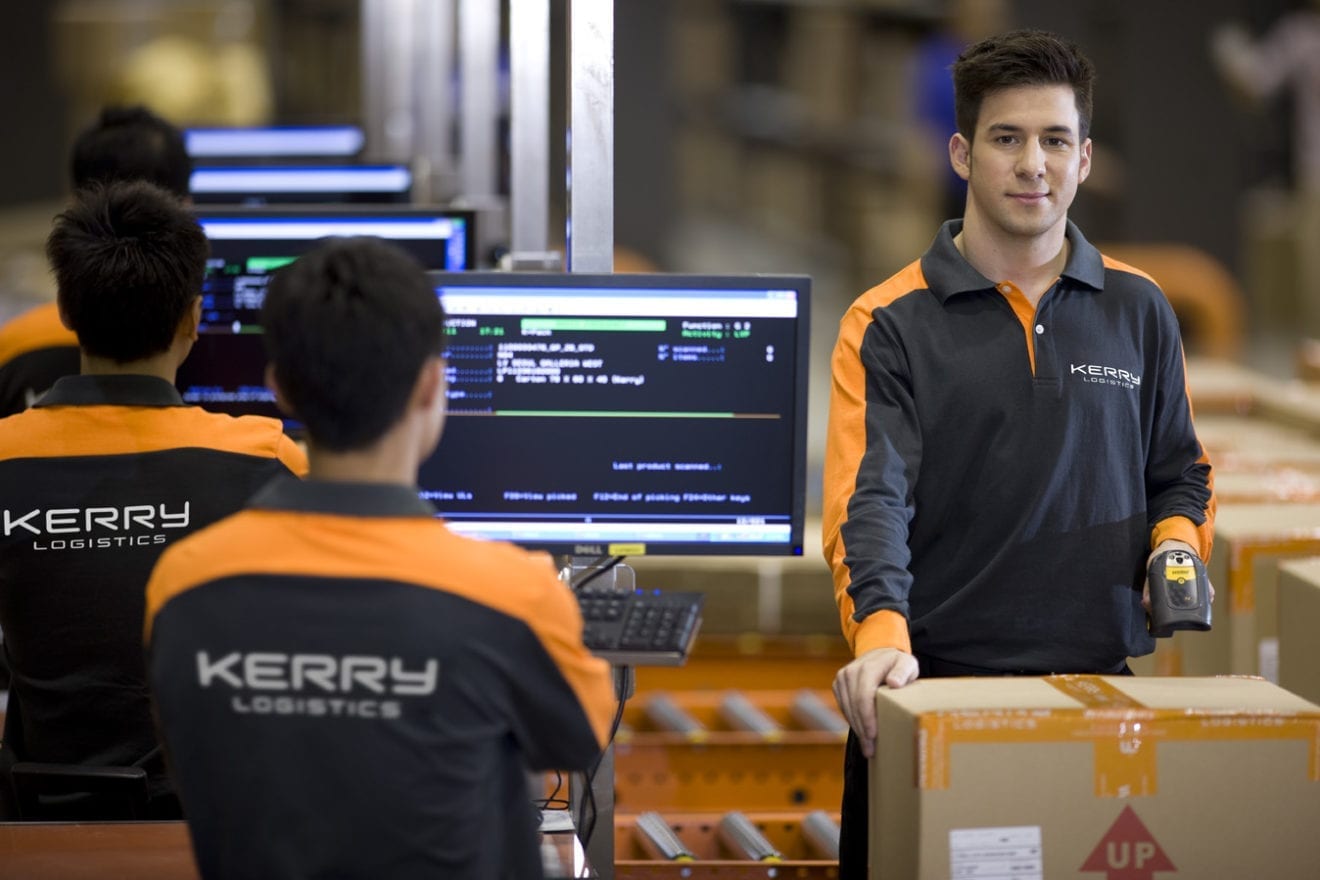
    Hong Kong-based Kerry Logistics is expanding its e-commerce fulfillment capabilities through a joint venture with Asian e-commerce specialist E-Services Group. Their joint venture, Kerry ESG (HK) Company Limited, will combine Kerry Logistics’ global supply chain capabilities with ESG’s technology platform, global marketplace networks, and e-commerce expertise to offer etailers cost-efficient solutions internationally.

    ESG, founded in 2002, claims to be ‘the leading international end-to-end e-commerce company in Asia’, headquartered in Hong Kong, with offices in China, Singapore, and Taiwan. As the strategic partner to over 20+ leading global marketplaces such as Rakuten, JD.id, and Cdiscount, ESG not only enables its 28,000+ etailers to grow their businesses internationally through marketplaces, but also supports them with comprehensive shipping solutions.

    Kerry ESG, set to debut in March 2019, aims to become one of the leaders in global e-commerce fulfillment solutions, enabling etailers to deliver products to customers anywhere in the world quickly and cost-effectively. Through direct integration with leading shopping carts and global marketplaces, etailers using Kerry ESG’s services will be able to seamlessly manage their order fulfillment, inventory, and returns to and from multiple logistics centres through one platform.

    William Ma, Group Managing Director of Kerry Logistics, said: “We are thrilled about the growth opportunities in global e-commerce. With Kerry ESG, we are creating a unique platform with total solutions from upstream marketing to downstream logistics that will capitalise on the booming international marketplace model to facilitate the exports for our international brand customers. Combining forces as industry leaders, Kerry Logistics and ESG are well-positioned to unlock the potential in the market with this new joint venture.”

    Alan Lim, Founder and CEO of ESG, added: “Winning at e-commerce means getting every piece of the puzzle right, and fast, reliable fulfillment is a critical component of success. This partnership gives etailers access to an extensive distribution network to support e-commerce fulfillment in every market and with every online channel. With Kerry Logistics we have found a great partner, whose capabilities complement ours and whose culture and vision matches that of our team. I am excited about how we can grow this business together.”

    Kerry Logistics said it has identified cross-border e-commerce, particularly between Greater China and ASEAN, as a major growth sector which plays to its strengths. The new partnership with ESG, which is the official partner of leading marketplaces including JD.id, Rakuten, and Newegg.com, will play a pivotal role in strengthening the foothold that the two companies have in this area.

    Kerry Logistics has a network covering 53 countries and territories, and is managing 53 million sq ft of land and logistics facilities worldwide.

  • Suning develops omnichannel smart retail through Wanda department stores

    Suning develops omnichannel smart retail through Wanda department stores

    Suning.com, the Fortune Global 500 retailer owned by Suning Holdings Group, one of the largest commercial enterprises in China, recently announced the establishment of its Department Store Group. It will focus on professional operations of fashion department store business to strengthen its full-scenarios development in online-and-offline smart retail and improve the shoppers’ experience.

    The Company will also acquire nationwide all Wanda Department Stores, belonging to Wanda Group, the large Chinese commercial real estate developer, to expand its bricks-and-mortar retail portfolios and facilitate the all-categories merchandise supply chain to satisfy more local consumers and boost Chinese retail market profits.

    As the leading omni-channel smart retailer in China, Suning.com has always been committed to building a full-scenarios retail ecosystem both online and offline to create diversified shopping experiences visible and ready to serve consumers anytime and anywhere. The establishment of the new group with acquisition of Wanda Department Store is expected to further reinforce Suning.com’s offline advantages, improving its overall retail network resources and increasing the business potential of the Company to develop new business opportunities of all-categories merchandise operation, especially of fashion, lifestyle products and fast-moving consumer goods.

    The 37 Wanda Department Stores are located in first- and second-tier cities in China, with more than 4 million registered customers. Through the deal, Suning.com will also bring its powerful technology capabilities such as data learning, artificial intelligence, IoT to accelerate the digitization of operation management for traditional department stores to increase the overall service experience and profitability of the industry.

    Zhang Jindong, Chairman of Suning Holdings Group said: “The prosperity of the physical retail industry must not only rely on the traditional model and experience. It needs to embrace innovative technology and market concepts to continuously create quality and customized services for consumers.”

    Suning and Wanda has built a strategic cooperation since 2015 and strengthened the partnership in 2018 with the former’s acquisition of a tiny stake in the latter’s commercial management subsidiary.

  • How technology shape the future of retail in India

    How technology shape the future of retail in India

    The Indian Retail Industry is considered one of the fastest growing industries in the world and technology has emerged as a helping hand to the industry. The world has seen a transition in retail planning –with the industry going from being product-centric to being customer-centric – and retailers are leveraging technologies to reach the modern shoppers.

    Over time, retail technology has transcended from an aspiration to an expectation and has wedged itself securely between consumer and experience to create an everyday interface. While it has definitely made life easier for consumers, retailers in India have spent a better part of the last decade on their heels, reacting to profound changes throughout the sectors of the industry.

    Retailers today are not fighting with retailers anymore; instead they’re fighting with different technological interventions in order to be the most competitive in the world. With growing competition, it has become extremely vital for retailers to innovate continuously and implement cutting-edge technologies to fulfil today’s demanding customers’ need.

    In order to stay relevant in a highly competitive market, every retailer needs to stay on top of technological advances and also learn how to exploit these technical innovations to forward their business goals.

    Over the past few years, a number of technology trends have evolved and dramatically altered the retail industry. The emergence and the transformational growth of the new economy has unleashed powerful forces which are eventually and successfully reshaping the retail industry at a transformational speed. In order to succeed, today’s retailers have to offer a seamless shopping experience across all channels – and should not lose track of their customers.

    Today, the entire retail ecosystem has smartened with technology. There are so many things one can experiment with if a retailer uses technology, for example: smart displays, in-store services, smart shelves, home delivery, brand optimization options, supply chain optimization, logistics automation to name just a few.

    Then there are wallets, point of sale data, social networking – where you can home in on complaints as well as get appreciated. All this is driven by the retailer into applications where the consumer sees, feels, asks the retailer questions and eventually buys the product.

    Giant players of the retail industry have accepted technology with arms wide open to captivate and secure customers and have made optimum use of technology to optimize their business. Whereas small retailers, most of them belonging to the unorganized sector, are yet to adopt technology to be adept with the changes and technological innovations taking place in the retail market. If the entire unorganized retail trade, which is 80 percent of the entire retail trade, adopts technology, the retail industry will usher in a new era providing a much-needed thrust to the Indian economy. Technology is the knight on the white horse that will ride the retail market towards prosperity and triumph.

    What took the year 2018 by storm is phrase ‘Experiential Retail’. It became the code of the moment; delivered through convenient accessibility, in-store features, customer engagement through ATL and BTL animation or out-of-the-box blends of the physical and digital shopping universe.

    Some other trends that impacted the retail industry in a big way in 2018 are:

    IoT (Internet of Things)

    IoT has big implications for in-store marketing efforts of retailers and brands. Connected devices aren’t just changing the way consumers live, work and play – they’re dramatically reshaping the entire industry. The IoT movement offers retailers opportunities in three critical areas: customer experience, supply chain and new channels-revenue streams.

    Leading retailers across the globe are already investing heavily in IoT. They are beginning to transform their business practices and recognize that, in time, IoT will touch nearly every area of retail operations and customer engagement. In the IoT of today, everything has the potential of coming under the IOT umbrella. From the lighting system in the store, the PoS (Point of Sales) system, to the electric switches and even garbage disposal units…IOT is at the heart of retail transformation. It connects people, machines, items, and services to streamline the flow of information, enable real-time decisions, and heighten consumer experiences.

    While the IoT may still seem like science fiction, it is becoming reality faster than most of us can comprehend. Retailers that hesitate to develop and execute an IoT strategy will open the door for competitors – old and new alike – to swoop in and capture early IOT mind and market share.

    SMAC (Social, Mobile, Analytics & Cloud)

    The relationship between consumers and enterprises has never been as intrigued as in the 21st century. As digital technologies augmented by SMAC are creating new touch points for enterprises to awe their consumers, there has been an evolution in consumer experiences. Social, mobile, analytics and cloud or SMAC are the nexus of forces, which are reshaping how consumers experience a brand.

    SMAC are currently driving business innovation. It creates an ecosystem that allows a business to improve its operations and get closer to the customer with minimal overhead and maximum reach. Digital is now an essential part of the whole shopping experience and the entire business of retail, inside as well as outside the store. You don’t need to leave a physical store to get your digital fix. Instead, retailers are leveraging a wide array of in-store technologies meant to draw consumers in the door. As the impact continues to increase, the way retailers think of digital and invest in it, besides addressing the digital wants and needs of their customers is changing dramatically.

    Big Data

    Today, retailers are constantly finding innovative ways to draw insights from the ever-increasing amount of structured and unstructured information available about their customers’ behaviour.

    Data gathering, and analytics are playing a key role in evolving business models in retail. Usage of data and analytics to better understand consumers in the form of branding, product management, leveraging loyalty card information to tracking customer buying behaviour and making better pricing decisions are the key factors. Collecting and leveraging customer information to provide personalized recommendations is the norm going forward.

    Retailers – large and small – have been reaping the benefits of analysing structured data for years but are only just starting to get to grips with unstructured data. There is undoubtedly still a great deal of untapped potential in social media, customer feedback comments, video footage, recorded telephone conversations and locational GPS data. Great benefits have come to those who put it to best work, and the best solutions have more likely come from innovative thinking and approaches to analytics, rather than those who simply try to collect as much data as possible and then see what it does.

    Omnichannel Retail Adaptation

    Omnichannel is a term that extends and supersedes multi-channel. Multi-channel (or cross-channel) refers to delivering content and considering consumer experience on more than one channel. Omnichannel is about understanding and optimizing for the entire journey across all channels.

    Omnichannel today is a necessity. Brick-and-mortar retailers have been left with no option but to add online channel to their offline operations in a bid to reach as many customers as possible, and quickly. Omnichannel retailing creates benefits for consumers and opportunities for retailers. For consumers, it empowers connected consumers by making it easier for them to access information and compare product details; by increasing choice; and by increasing convenience and the range of options for shopping. For retailers Omnichannel creates opportunities, ranging from potential extension of sales and increasing brand awareness and loyalty.

    A poorly executed Omnichannel or personalization strategy, however, can do more harm than good. Handling one or two channels discretely but satisfying expectations is better than disappointing your consumers when you fail to deliver added value — or worse still, confuse or frustrate — while tackling all channels. Personalization can be even more dangerous because of very real risks that your brand can be given the dreaded creepy label.

    To be successful at delivering a personalized experience in Omnichannel marketplace, adaptive content is a requirement. It is content that is designed for both personalization and delivery across many channels.

  • DHL Expands Green Fleet With New Electric Delivery Vans

    DHL Expands Green Fleet With New Electric Delivery Vans

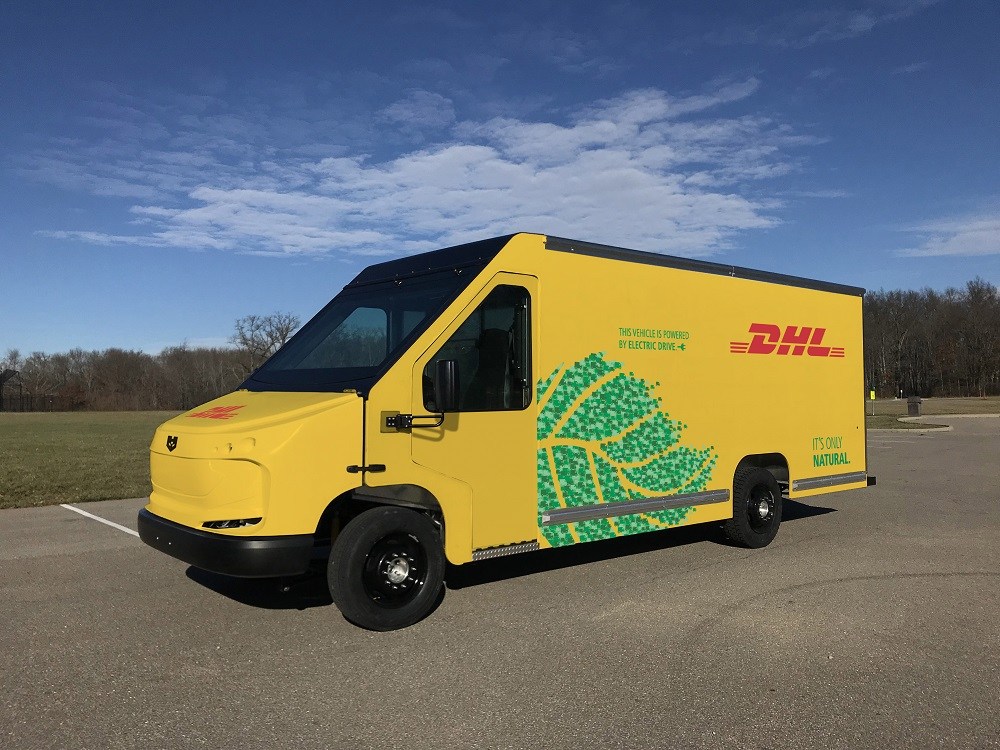
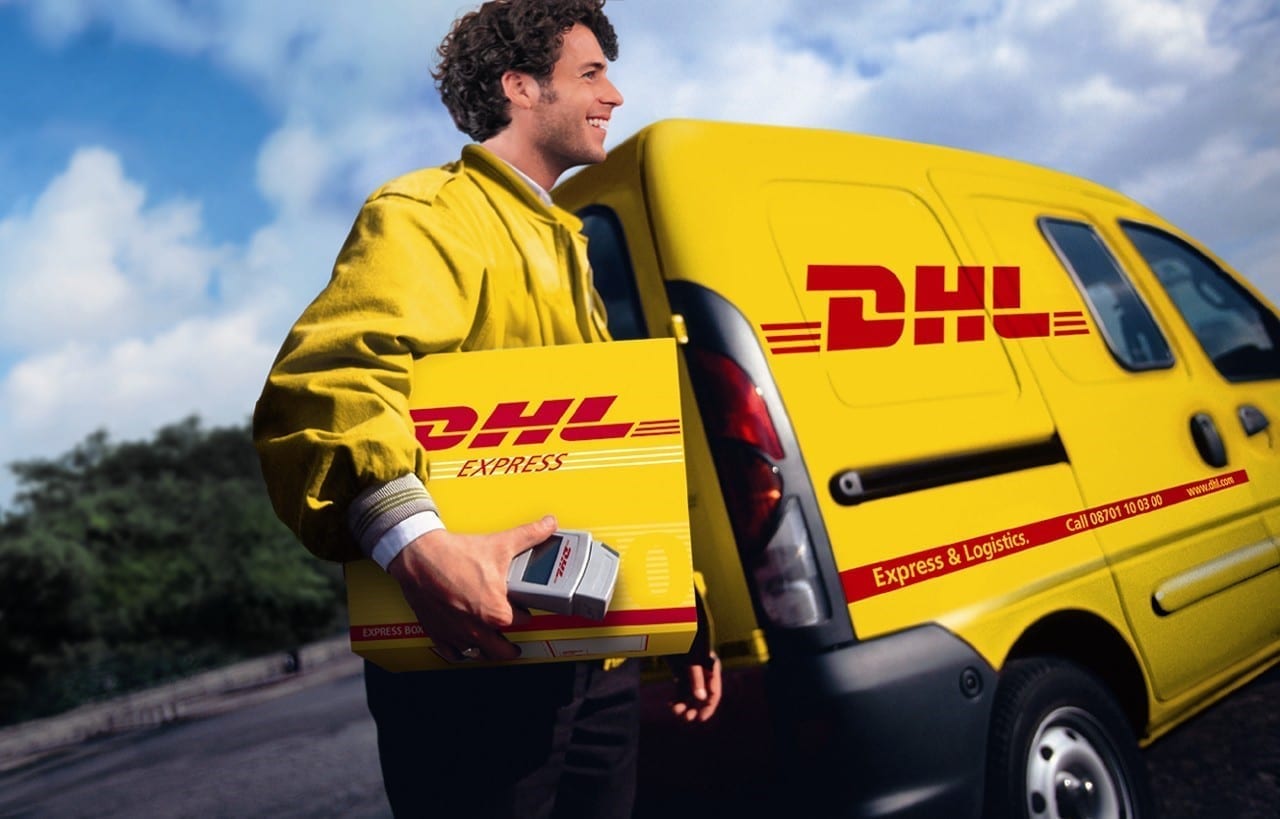
    DHL Express is rolling out a new fleet of 63 electric delivery vans in the United States as part of the German company’s goal to reduce logistics-related emissions to zero by 2050. Thirty battery-powered NGEN-1000 vehicles from Workhorse Group will be deployed in San Francisco with the remainder in other unspecified markets around the country later this year.

    The new vehicles have a range of 100 miles and 1,008 cubic feet of cargo capacity.

    DHL said its delivery fleet in the United States already includes electric, hybrid-electric, compressed natural gas and clean diesel-powered vehicles. The company has set a target of operating 70% of first- and last-mile delivery services with what it considers “clean transport” modes by 2025.

    “This year alone, nearly 30% of our new vehicles will be alternative fuel,” said Greg Hewitt, CEO of DHL Express U.S. in Plantation, Fla. “We’re excited about the technologies that continue to emerge in this area and how they are benefiting the logistics industry.”

    Workhorse Group launched commercial production of the NGEN-1000 and three smaller-capacity electric cargo vans in October 2018.

  • Li & Fung appoints Joseph Phi as new group president

    Li & Fung appoints Joseph Phi as new group president

    Li & Fung has appointed Joseph Phi as the company’s Group President. As Group President, Joseph will lead the company’s Supply Chain Solutions operating groups, including Business Development. He will continue as President, LF Logistics and to serve on the Board of Directors of Li & Fung. He will report to Spencer Fung, Group CEO.

    Joseph has a strong track record at tLFhe company having organically grown its logistics business over the past decade. He has nearly 20 years’ experience with the company and is well positioned to assume this important leadership role.

    Joseph joined Li & Fung in 1999 and was previously executive director of Integrated Distribution Services Group Limited from 2004 until its acquisition by Li & Fung in 2011. He is Chairman of GS1 Hong Kong and a Director of its Management Board and is a Member of Supply Chain 50.

    He is an advisory committee member of Hong Kong Trade Development Council’s Logistics Services and honorary advisor of the Asian Logistics and Maritime Conference. He also serves as an advisory committee member of Eye Fund, a charitable institution in HK.

    Joseph graduated magna cum laude from the University of The Philippines (UP) with a Bachelor of Science degree in Industrial Engineering and attained a Master of Business Administration degree with top honors also from the same university.

    He is a 2011 recipient of UP College of Business Administration Distinguished Alumnus Award and 2013 recipient of UP Industrial Engineering Alumni Award and UP Alumni Engineers Global Achievement Award for Logistics. Between 2014 and 2018, he was an Adjunct Professor in the School of Business and Management at The Hong Kong University of Science and Technology.

    Joseph takes over from Marc Compagnon, who served as Group President and Executive Director of Li & Fung Limited from July 2014 and has moved to the Fung Group as Senior Advisor while remaining on the Board of Li & Fung Limited as a Non-Executive Director.

    Fung Group is the major shareholder of Li & Fung, whose core businesses operate across the entire global supply chain for consumer goods including sourcing, logistics, distribution and retail.

    Spencer Fung, CEO of Li & Fung said, “Our goal is to build the supply chain of the future to help our customers navigate the digital economy and to improve the lives of one billion people in the supply chain, and I am confident Joseph is the right person to build on the solid foundation that Marc has built and to take this to the next stage of development.”

  • Myntra India taps 9,000 kirana stores to boost last-mile delivery

    Myntra India taps 9,000 kirana stores to boost last-mile delivery

    Flipkart-owned ecommerce platform Myntra that saw 80 percent revenue fall in FY2018 has doubled down on last-mile delivery, tapping into over 9,000 kirana stores across 50 cities to fast deliver packages. Today, nearly 60 percent of all Myntra’s product pick-ups and deliveries happen through its ‘Kirana Delivery Programme’ — helping the company reduce delivery costs, the company said on Tuesday.

    “Myntra’s ‘Kirana Delivery Programme’ is a successful model introduced by the company to accelerate order delivery in the most efficient way possible, while ensuring we provide a good partnership opportunity to our kirana partners,” a company spokesperson said.

    “We will continue to innovate, expand and hope to register more kirana partners in the future as well,” the spokesperson added.

    The ‘Kirana Delivery Programme’ is an ingenious model introduced by the company to accelerate order delivery, while creating a platform for kirana stores to have an additional source of income.

    “A mutually beneficial model, it has helped Myntra achieve greater consumer satisfaction and is enhancing the standard of living of the owners of several ‘mom & pop’ stores across the country,” said the company.

    Several tailors and beauty parlour owners, among others, have also signed up with Myntra for the programme.

    The online fashion retailer narrowed its consolidated losses to Rs 178.7 crore for 2017-18, compared with a loss of Rs 655.8 crore in the previous fiscal.

    According to business intelligence platform Tofler, the company saw its income growing nearly threefold to Rs 427.4 crore in 2017-18 as against Rs 155.6 crore in the previous financial year.

    Ananth Narayanan, Chief Executive of e-tail portals Myntra and Jabong, stepped down from the post on January 14 “to pursue external opportunities”.

    The 11-year-old Flipkart Group, owned by US retail giant Walmart, includes e-tail sites Flipkart, Myntra, Jabong and digital payment platform PhonePe.

    In May last year, Walmart bought a 77 percent equity stake in the company for a whopping US$ 16 billion.

  • GreyOrange to launch new products at LogiMAT 2019

    GreyOrange to launch new products at LogiMAT 2019

    Robotics and warehouse automation company, GreyOrange, will launch its new modular sortation system and demonstrate upgraded versions of its Butler and PickPal at LogiMAT 2019, the 17th International Trade Fair for Intralogistics Solutions and Process Management in Stuttgart, Germany on 19-21 February.

    Nowadays, retailers and logistics businesses face many new kinds of complexities and challenges due to the unprecedented growth in volumes, combined with the volatility of peak periods and increased pressure to cut operational costs. GreyOrange will present a portfolio of AI-powered solutions that bring Flexible Automation to life; it reduces complexities and delivers maximum productivity, from inventory management and picking to sortation.

    Sid Chatterjee, Vice President – Products, GreyOrange, said, “The GreyOrange solution portfolio offers a strong business case for Flexible Automation. In the past year it has been adopted globally by industry-leading players in retail, 3PL and e-commerce. At LogiMAT we will demonstrate how our new solutions can help address the complexities of retail distribution. We invite everyone to visit our booth to get a hands-on demo to see how higher throughput can be achieved.”

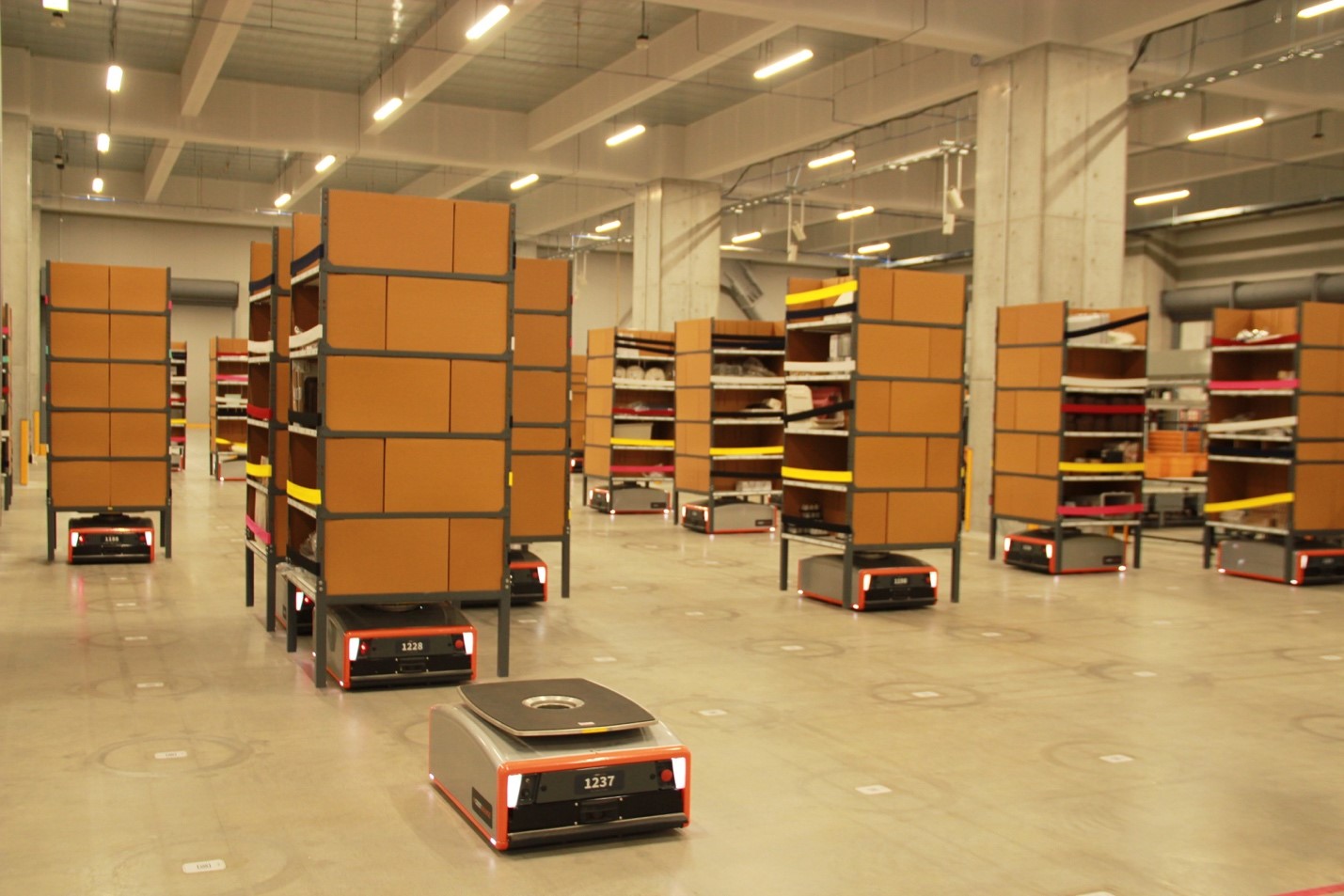
    The new GreyOrange modular sortation system, designed for flexibility and portability, comprises modular components that deliver significantly higher throughput per unit area; it improves space utilization and reduces operating costs. The AI-enabled robotics system can be easily scaled making it more investment-friendly and usable for a range of applications across retail and logistics industries.

    In the demo of the GreyOrange Butler goods-to-person system, visitors will see how this robotics solution uses an AI-first approach to optimize order fulfillment processes from inventory management to order picking. It has been deployed in distribution centres in Japan, India, Europe and the Americas across industries such as 3PL, e-commerce, electronics and retail. Additionally, the Butler PickPal handles high-speed auto-fulfillment with AI-powered shelf picking.

    GreyMatter, the Warehouse Execution System, is the software platform developed by GreyOrange to make flexible warehouse automation a reality, and address the complexities of warehouse operations caused by ever-changing retail trends. By connecting people, processes and material more efficiently using Artificial Intelligence and Machine Learning, it provides granular control and visibility across warehouse processes and enables systems to adapt flexibly to changing business demands.

  • Last-mile delivery investment will boost sales

    Last-mile delivery investment will boost sales

    Increased investment by retailers in last-mile delivery is essential to uncover new revenue streams, according to a new study released by the Capgemini Research Institute. According to the report, 97 per cent of organisations believe that current last-mile delivery models are not sustainable for full-scale implementation across all locations, and that free shipping costs cannot be maintained unless delivery costs are reduced through automation.

    “Today, customers are neither satisfied with the quality of delivery services, nor willing to bear the total cost of last-mile delivery,” said Tim Bridges, global sector leader, consumer products, retail and distribution at Capgemini.

    “Therefore, the dilemma facing retailers is to provide last-mile delivery services that customers value, without damaging their own profitability. If done right, and their last-mile experience can win over customer satisfaction, retailers stand to gain loyalty, increased purchase value and frequency, while mitigating profitability risk through automation and optimisation of fulfillment locations,” he said.

    Among its conclusions, the report stated that with warehouse and product sorting representing one-third of supply chain costs, there is a significant opportunity in automation. Recognising this opportunity, 89 per cent of organisations are investing in the mechanisation and automation of store back-rooms to expedite fulfillment and deliveries.

    Speed boosts sales

    Fast and effective last-mile delivery were also shown to increase customer spend and loyalty. Seventy-four per cent of satisfied customers intend to increase spend by as much as 12 per cent with retailers they frequently purchase from. The majority (82 per cent) of customers have shared positive experiences with friends and family, and just over half (53 per cent) would be willing to purchase a paid membership for a good delivery service. However, despite 55 per cent of customers expressing that offering two-hour deliveries would increase loyalty, only 19 per cent of firms currently provide this compared to 59 per cent of firms that offer a delivery timeframe of more than three days.

    The report found that consumers are not satisfied with the current state of last-mile delivery with high prices (59 per cent), non-availability of same-day delivery (47 per cent), and late deliveries (45 per cent) driving delivery dissatisfaction.

    According to the findings, 97 per cent of organisations believe that current last-mile delivery models are not sustainable for full-scale implementation across all locations. As such, they must be viewed as a key investment for this year, with only 1 per cent of customers willing to absorb the total cost incurred for last mile deliveries.

    Despite low delivery costs being the top priority for half of all customers, only 30 per cent of organisations considered it a top priority for themselves.

    Recommendations for retailers

    The report closes with the following recommendations for last-mile delivery success:

    Optimise fulfillment locations: Increasing store-based deliveries by 50 per cent could potentially lead profit margins to soar by as much as nine per cent. Dark stores – retail outposts with store-like layouts intended only to fulfil online orders – can also process high delivery volumes and are 23 per cent cheaper than conventional stores for same-day deliveries. Additionally, if 30 per cent of deliveries and returns are routed through parcel locker collection arrangements, organisations could expect an eight percent increase in profit margins.

    Automate delivery options: Back-room automation could increase profits by up to 14 per cent by reducing the cost of click-and-collect orders and deliveries from store. Furthermore, automation offers a range of benefits including reduction of fulfillment errors and managing returns (which forms 26 per cent of the delivery cost).

  • DHL’s five useful hacks for social media selling

    DHL’s five useful hacks for social media selling

    Logistics provider DHL Express enumerated a few hacks on social media selling. As Filipinos search for gift ideas especially this holiday season, it is crucial for social media sellers to get their products to stand out and top their customers’ feeds. Nailing these two can increase their chances of converting followers into customers. Distilled from experiences from helping other small businesses grow and readily available on DHL Discover, an online library of business and culture insights, here are the global logistics leader’s top recommendations.

    First, choose the right platform. If 94 percent of shoppers said that Facebook posts affect their holiday buying choices, then sellers would definitely want to be there. Go for social media channels that reach out to buyers and have free analytic tools. Facebook is able to give audience insights which may help sellers make informed decisions in scheduling content and targeting audience when they are most engaged.

    Second, #GetNoticed. Hashtags are a crucial way to link products to customers who are looking for it. An example of this is using the hashtags, #giftideas and #nochebuena to get the attention of potential customers.

    Third, work with advocates. Social media influencers may help because of their loyal follower-base. Through the content of bloggers and vloggers, consumers may get a firsthand opinion on products. This will make the endorsement more authentic and less of a hard sell, which makes brands more credible.

    Fourth, get your call to action right. Make the call to action clear and ensure the buying process is simple. Something as straightforward as adding a “click to buy” tab underneath that Instagram product photo they liked will help leverage positive leads.

    Lastly, encourage customer feedback. Leverage consumer reviews to create a space where happy consumers can share positive experiences of the product. Although not all reviews may be positive, sellers should be aware and respond to complaints quickly.

    As customers look forward to reviewing your product or service, keep in mind that their overall experience, from window-shopping to check-out to shipping, shapes their perception of your brand. By counting on a logistics provider like DHL for last mile requirements, you can deliver the best possible customer experience worth sharing on social media.

  • DHL announce ecommerce service expansion in Turkey

    DHL announce ecommerce service expansion in Turkey

    German based logistics firm DHL Express has said it will be investing more on ecommerce operations and infrastructure in Turkey in a bid to expedite parcels passing to and from Europe and several other parts of the world. A key part of the innovations and improvements will be a new operations hub at Istanbul airport but more developments are planned.

    The announcements were made at the DHL International Cross Border eCommerce Summit, which took place in Istanbul during December. And it was noted that the importance of Turkey is its strategic position as the meeting point between Europe, Africa and Asia. As a crucial trading hub, they reckon that DHL will be able to move consignments to numerous destinations in the Middle East and Africa more quickly by operating through Turkey.

    This makes Turkey a very important country for us, and we are working to make it a regional hub,” Leendert van Delft, VP Global Sales Programs DHL Express said. The operation center at the airport in Istanbul will be the first step in that direction the vice president announced. “Today, when you look at the world, everyone speaks of the US and China as ecommerce markets. But in the case of Turkey, you’re not at the initial phase of this journey, but you have actually moved from the infancy to the stage of walking. It is time for Turkey to run now.

    DHL says that their current share of global ecommerce deliveries is estimated to be in the region of 29% but they they hope to achieve something closer to between 40-50% by the end 2020. They also note that the DHL portion of same stood at 5% in 2016 and increased to 10% at the start of 2017 before rising to 15% in November 2017. And as competition and ecommerce increases, an ongoing share of business of roughly 25-30% is their reported aim.

  • FamilyMart expands Bangkok delivery service with Kerry

    FamilyMart expands Bangkok delivery service with Kerry

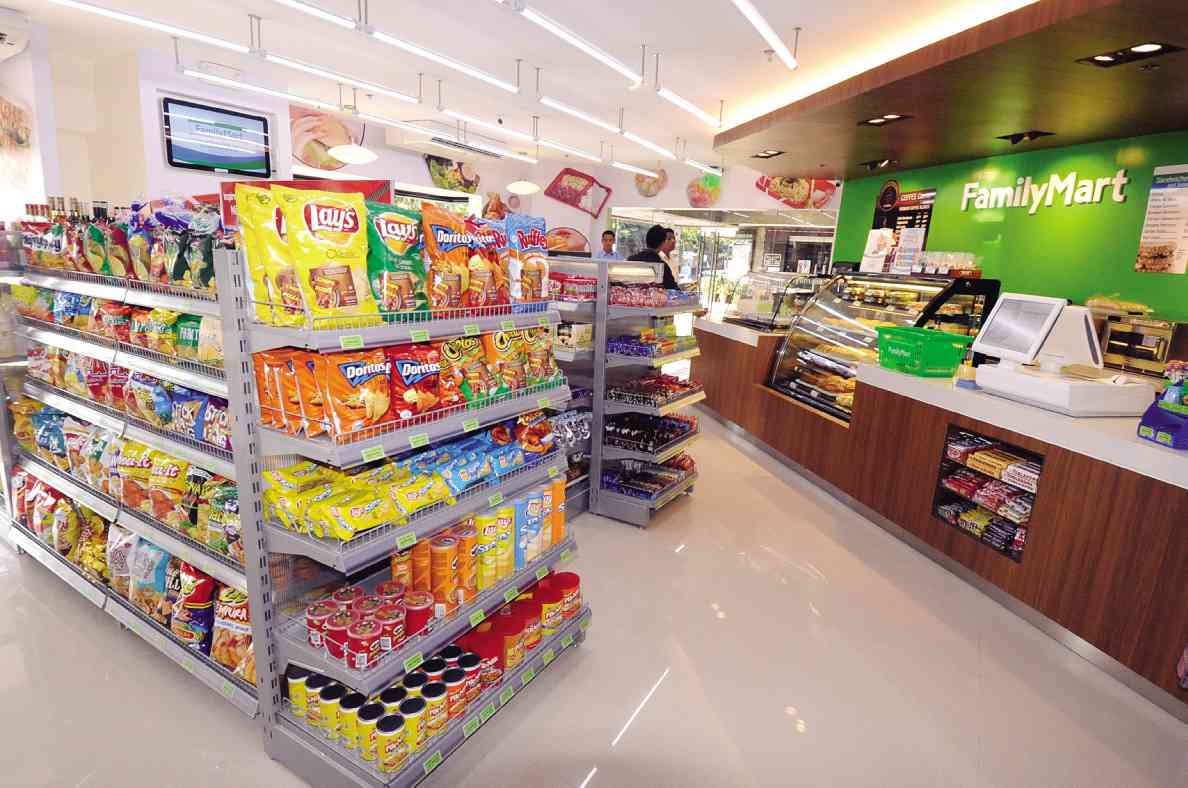
    Convenience store chain FamilyMart has partnered with logistics operator Kerry Express to expand its Bangkok delivery service. “Today, the e-commerce market has grown continuously for more than 20 per cent annually, and individual consumers have also had a greater demand for express delivery over the past three to five years,” said Central FamilyMart president Chiranun Poopat.

    “We have introduced Kerry Express, an express delivery service, available 24 hours a day at our FamilyMart stores in Bangkok and surrounding locations. The door-to-door express delivery will be provided to our individual customers so that they will be able to send their parcels to any locations throughout the Kingdom with fast and high-standard delivery process.”

    The new service is being promoted with a free limited-edition parcel delivery box available to customers during the Christmas period. The box will be provided to customer spending more than THB79 (US$2.42) via its express delivery service.

  • Bullet train to connect Hanoi with HCMC in five hours

    Bullet train to connect Hanoi with HCMC in five hours

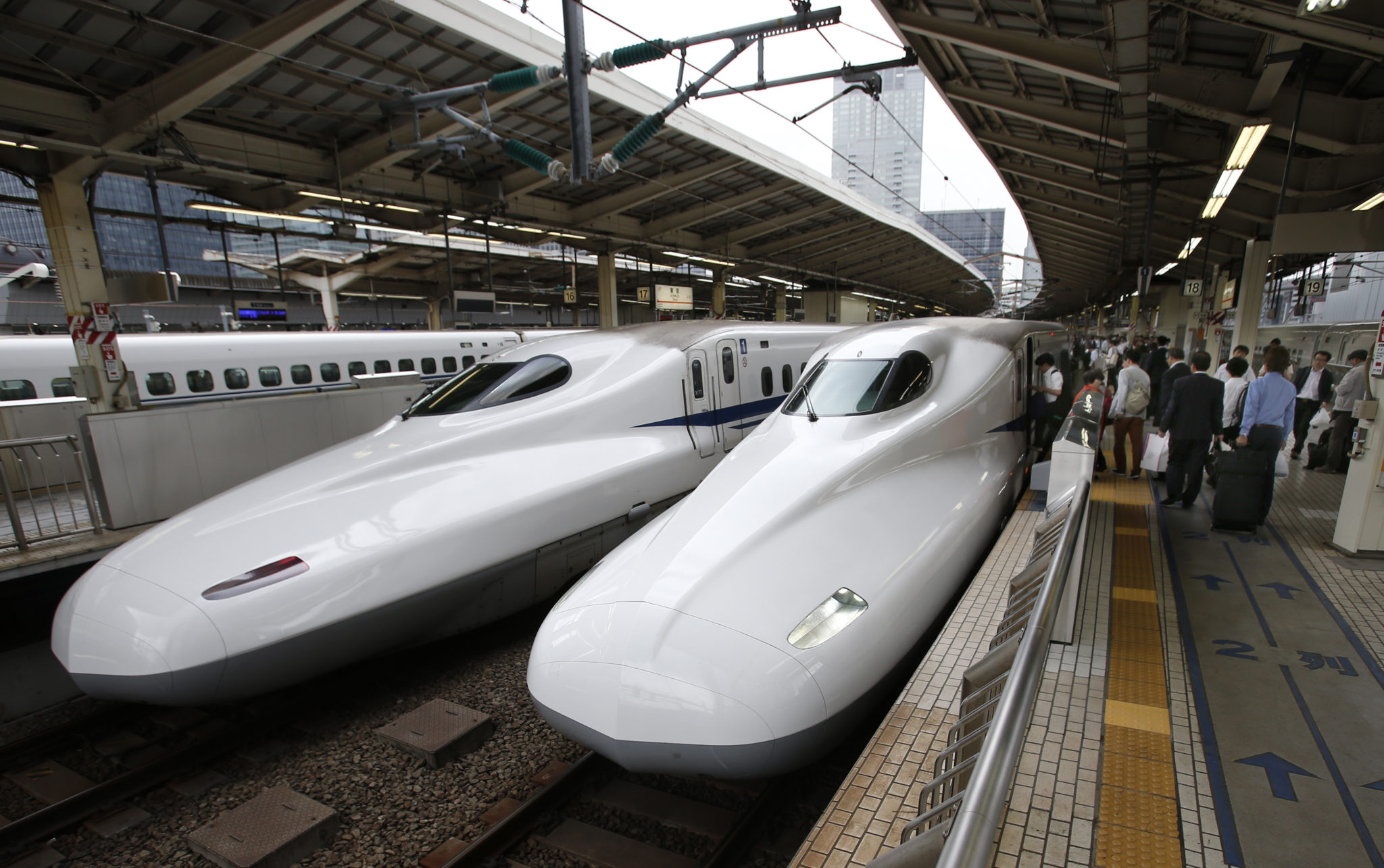
    Vietnam’s bullet train will cut travel time between Hanoi and Saigon to five hours from the current 24. The railway project management board has submitted a pre-feasibility study to the Ministry of Transport, which quotes transport consultants’ estimate that if the train travels at 320 km/h, its running time would be from 5 hours 17 minutes to 6 hours 50 minutes depending on the number of stops.

    The route from Hanoi Railway Station to Thu Thiem Station in HCMC’s District 2 will be 1,545 kilometers (960 miles) long and run through 20 provinces.

    Sixty percent of the tracks will be on viaducts, 10 percent underground and 30 percent on the surface, completely protected by fencing and without a single crossing.

    It will have double standard-gauge tracks of 1.435 meters width and 24 stations, according to a consultancy consortium comprising Vietnamese firms TEDI, TRICC and TEDIS.

    It will use the distributed traction technology used by Japanese high-speed trains.

    The project is estimated to cost a total of $58.7 billion, comprising $2.23 billion for land, $43.3 billion for construction and equipment and $4.3 billion for management, consulting and other costs.

    It will be undertaken as a public-private partnership (PPP), with the government accounting for 80 percent of the cost and private investors for the remaining 20 percent.

    Construction will be in two phases, with the 282-km Hanoi-Vinh section and 362-km Nha Trang-HCMC section built first in 2020-2030 at a cost of $24 billion. Commercial operations on these stretches are likely to begin in 2032. The second phase connecting Vinh and Nha Trang is expected to be built in 2030-2045.

    The consultants have estimated the project to cost 0.4 – 0.55 percent of the country’s GDP in 2020-2030 and 0.35 – 0.4 percent in 2030-2040.

    After being reviewed by the Ministry of Transport, the study will be submitted to the State Appraisal Council and the government for review and to the National Assembly for approval next October.

    Vietnam currently has over 3,000 kilometers of railway tracks, none of them high-speed. The railway accounts for just 1.9 percent of the transportation sector in the country, according to the Vietnam Railway Authority.

  • Miniso to set up warehouses in Delhi, Mumbai, Kolkata and Bengaluru

    Miniso to set up warehouses in Delhi, Mumbai, Kolkata and Bengaluru

    Japanese retail brand Miniso plans to source India-made products for its stores in the US and Australia, said a top company official. According to a report: Miniso India is also investing to set up its own warehouses in Delhi, Mumbai, Kolkata and Bengaluru to cater to its expanding network.

    “We are looking into getting more local purchase and we also want to sell Indian products to other countries,” Yang Liu, Chief Business Development Officer, Miniso Indi said.

    He further said, “We have built up a system. We do not only want to import here but also export from here to markets like Australia and the US.”

    The initial line-up of products to be sourced from India include socks and snacks, he said.

    About the local purchase, Liu said by December 2019, around one third products at Miniso India would be sourced locally.

    As per FDI norms, it is mandatory to source 30 per cent goods from India in single brand retail trade.

    “The products which are selling are not only from China but some cosmetics are from South Korea and Thailand also, and I think before the end of next year, we would be able to put our local purchase to 30 per cent,” Liu said.

    He further added that the company is working in this direction and has already signed contract with some local manufacturers.

    The company would also set up small warehouses around tier II & III cities for its new franchise stores.

    Miniso launched retail operations in India in August 2017 and clocked Rs 700 crore revenue in one year. It plans to take its store count to 800 by 2019.

    It operates around 3,000 stores in over 70 markets.