Tag: Logistics

  • UPS Enhances Asia Trade Connectivity As Region Looks Toward Growth

    UPS Enhances Asia Trade Connectivity As Region Looks Toward Growth

    The series of service enhancements UPS  revealed today impact almost 1.4 million postal codes in 41 countries and territories across the Asia Pacific region, enabling worldwide connectivity for over 22 million businesses.

    “At the root of the investments in our Smart Logistics Network is a simple desire to make global commerce easier for Asian businesses—because when they grow, we grow too,” said Ross McCullough, President, UPS Asia Pacific Region. “More UPS customers in the region will now be able to have their shipments sent and received in less time; they’ll be able to find us easily in more cities and towns, and they’ll be able to send shipments later in the day than before—all of which will open new opportunities for businesses in the region to trade more efficiently with the rest of the world.”

    In the first half of 2019, UPS completed the following as part of its strategy to bolster economic development in the region, which is projected to account for 63 percent of global GDP growth in 2019[1]:

    • Shenzhen Asia Pacific Air Hub upgrades increase the hub’s processing capacity by nearly 50 percent in preparation for volume gains in the coming three years.
    • Transit times reduced across 2,300 trade lanes: Intercontinental transit times reduced by up to 4 days, while shipments with destinations in Asia see transit times improved by up to 2 days.
    • Improved the geographic reach of UPS Worldwide Express®services, offering international shipping with time-definite deliveries in Australia, Hong Kong, Japan, Singapore, and South Korea; Customers in Xi An, China and new provinces in Vietnam can now access UPS Worldwide Express Freight™, a guaranteed door-to-door service for palletized shipments over 70kg.
    • Extended pick-up times by up to five hours for export shipments from China, Japan, Taiwan, and South Korea, widening production windows and giving businesses additional time to fulfil customer orders.
    • Strengthened supply chain flexibility with Saturday pick-up services in the U.S. enabling import shipments destined for eight markets in Asia to be delivered one day earlier than before.

    “We’re seeing new realities in this region that demand not only inventive solutions, but also higher levels of service,” said Wilfredo Ramos, Vice President of Strategy, UPS Asia Pacific Region. “Businesses have come to rely on UPS’s extensive experience to help them navigate the volatile highways of trade today. Together with our brokerage capabilities, upgrades like the one at our Shenzhen Hub will give UPS the flexibility to support increases in intra-Asia trade volumes in the coming years.”

    UPS’s Shenzhen Hub serves as a transfer point for shipments moving within the region, and the enhancements improve both reliability and quality of service provided to UPS customers in Asia. About 550 employees maintain round-the-clock operations at the hub, which houses separate sorting and handling facilities for express and cargo shipments, on-site customs office and processing – including China Inspection and Quarantine (CIQ) clearance for import commodities – and a dedicated 150,000 square meter ramp with 13 aircraft parking positions. Self-operated aircraft ground-handling provides UPS, as a logistics integrator, with greater control over the 86 weekly UPS flights in and out from the hub.

    UPS has operated in the Asia Pacific region since 1988, and has grown to service 41 countries and territories in the region over the past 30 years. In 2018, the company implemented the largest expansion of the UPS My Choice service since its launch, offering users enhanced visibility in 96 new countries and territories, including Australia, China, Japan, Malaysia, Philippines, Singapore, South Korea, Taiwan, Thailand and Vietnam in Asia Pacific.
  • E-commerce explosion driving worldwide warehouse Expansion

    E-commerce explosion driving worldwide warehouse Expansion

    Global analysis firm ABI Research has found that the global Warehouse Management System (WMS) market will be worth US$5 billion by 2025, growing at a CAGR of 13.9 per cent.

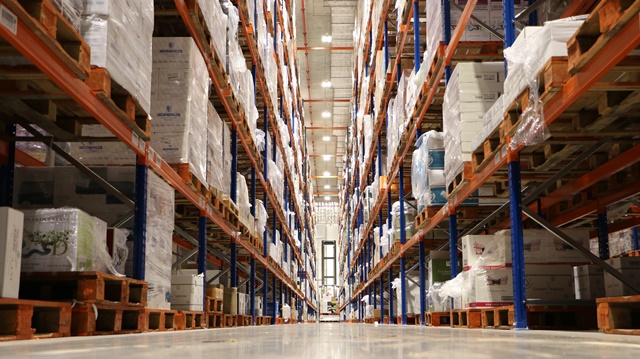
    The period will see a warehouse boom with some 57,000 more distribution centres in operation by then than last year. The continued growth of the e-commerce market and rising customer expectations are putting enormous pressure on warehouses to execute more rapid and flexible deliveries. This is driving investment in warehouse facilities, automation technologies, and warehouse management systems to coordinate and optimise operations.

    “The warehouse is becoming the engine room of the supply chain and is, therefore, a focal point for investment from retailers, manufacturers, and logistics service providers,” said ABI Research principal analyst Nick Finill.

    “As the warehouse technology ecosystem becomes increasingly complex, supply chain operators require more sophisticated management systems that can orchestrate the high volume and variety of intelligent, connected devices and systems within their facilities, as well as the flow of inventory.”

    The firm finds that as the e-commerce boom grows in and extends beyond the established economies of China, Japan, and Korea, the Asia-Pacific will experience the highest growth of warehouse facilities and WMS revenue, becoming the largest market for the software by 2023. The rapid adoption of WMS is also expected in the emerging economies of the Middle East, Africa, and Latin America. Europe and North America will experience strong growth as supply chain operators increase spending on upgraded software systems.

    WMS spending will also vary according to industry verticals. The retail, food and beverage, and manufacturing sectors will be responsible for the highest growth rate as they catch up with more mature verticals, such as logistics service providers.

    ABI’s data suggests AI-driven innovation from WMS market leaders such as JDA Software, High Jump, and Manhattan Associates is enabling substantial flexibility and functionality in WMS and Warehouse Execution Systems, an increasingly important orchestration layer linking high-level management with connected machines. At the device and machine level, greater automation is creating demand for more sophisticated Warehouse Control Systems from major automated material handling solution providers such as Bastian Solutions, Dematic, and Honeywell Intelligrated.

    “The increasing velocity of goods through the supply chain is driving demand for real-time decision making and optimisation,” said Finill. “As the margin for error in the warehouse decreases, AI and ML-enabled WMS solutions are becoming imperative for warehouses that rely on speed, efficiency, and intelligence to remain competitive.”

  • Kerry Logistics Forms Joint Venture with Spain’s National Postal Service Correos

    Kerry Logistics Forms Joint Venture with Spain’s National Postal Service Correos

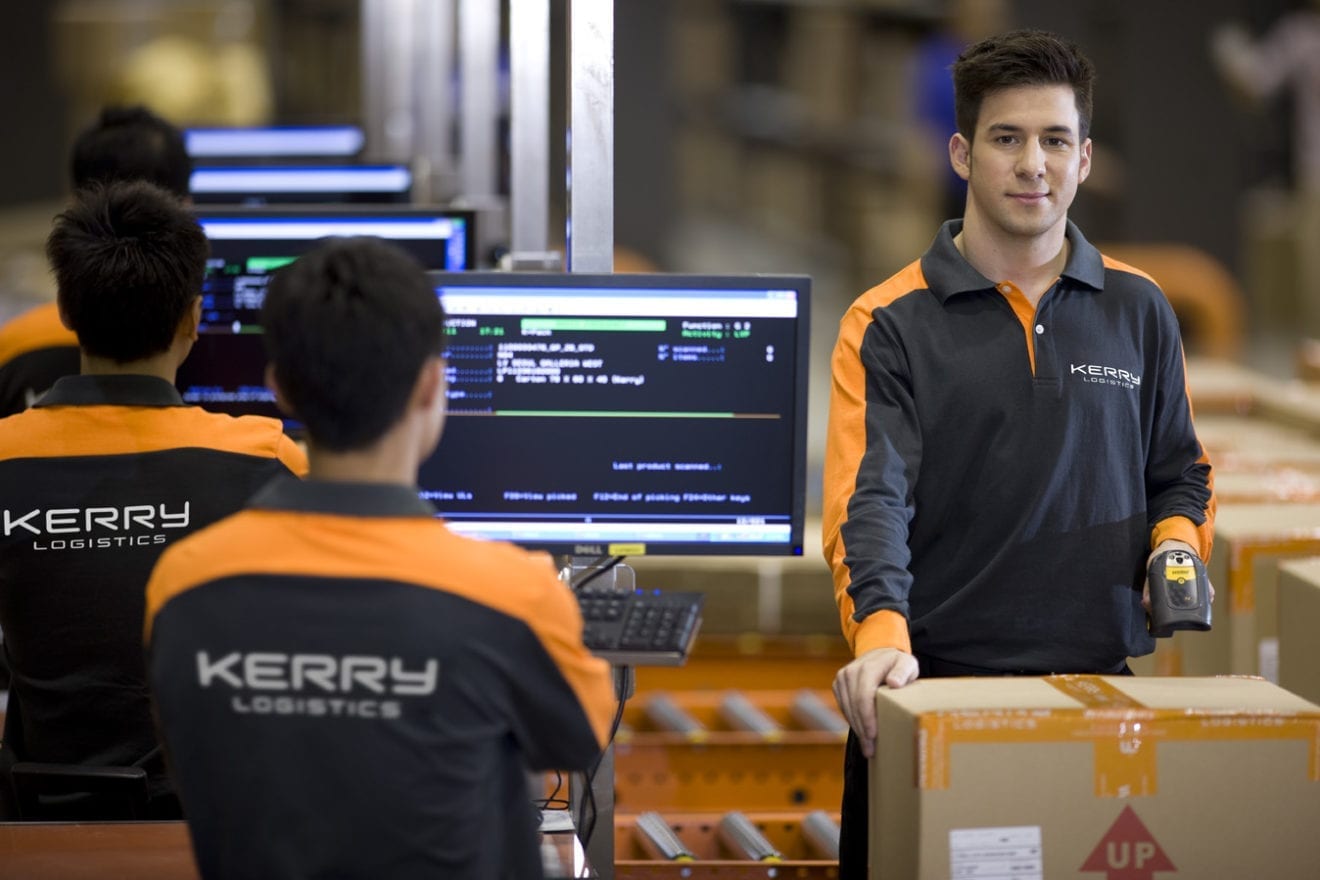
    Kerry Logistics Network Limited (‘Kerry Logistics’; Stock Code 0636.HK) is set to capitalise on the growing potential of China’s e-commerce exports by joining hands with Spain’s national postal service Sociedad Estatal de Correos y Telégrafos, S.A. (‘Correos’) to establish a joint venture (‘JV’) to provide end-to-end cross-border e-commerce solutions from China to worldwide destinations, in which Kerry Logistics holds a majority interest.

    Leveraging Kerry Logistics’ broad experience in origin sortation, line haul and Customs clearance, and Correos’ years of expertise in the postal services, the JV aims to bring service experience to the next level for customers including marketplaces and e-tailers.

    Cross-border e-commerce exports from China recorded a 67% year-on-year increase in 2018, amounting to RMB56.12 billion, according to China’s General Administration of Customs.

    To fulfil an increasing emphasis on e-commerce parcel security and compliance, a world-class sortation centre will be set up in Southern China under the new JV, equipped with an automated sorting system and stringent parcel screening and security controls to ensure speedy parcel handling and full compliance. The facility, targeting to open in 2019 Q4, will occupy an area of over 200,000 sq ft and have a sorting capacity of 500,000 parcels per day.

    William Ma, Group Managing Director of Kerry Logistics, said, “The JV combines the diverse capabilities of its two partners, each complementing the other to refine the process of e-commerce parcels handling and deliveries. As China’s cross-border e-commerce exports grow, we are determined to prepare ourselves for seizing emerging opportunities. Utilising our deep understanding of customers’ needs both in China and abroad, Kerry Logistics is confident in meeting the rapidly growing international demands through working closely with Correos.”

    Juan Manuel Serrano Quintana, President of the Board of Directors of Correos, said, “The new partnership with Kerry Logistics presents a unique opportunity for Correos to capture the outbound e-commerce parcel deliveries from China, which is the largest trade and economic partner for Spain in Asia. It also offers a way forward for Correos to create a sustainable business model to meet the growing demand in the booming e-commerce business and the ever-changing customer needs.”

    The fast-changing logistics landscape in China called for innovation and flexibility in order to capture and serve new and emerging business models and brands. Kerry Logistics will continue to broaden and deepen its reach in China selectively.

  • Kerry Logistics Continues Winning Streak at 2019 AFLAS Awards withBest 3PL and Best Logistics Service Provider

    Kerry Logistics Continues Winning Streak at 2019 AFLAS Awards withBest 3PL and Best Logistics Service Provider

    Kerry Logistics Network Limited (‘Kerry Logistics’; Stock Code 0636.HK) proudly continued its winning streak at the 2019 Asian Freight, Logistics and Supply Chain Awards (‘AFLAS’) by receiving the titles of Best 3PL for the fourth year running and the Best Logistics Service Provider – Air Freight for the fourth time. The awards presentation ceremony was held on 17 June 2019 in Hong Kong.

    Robert Berger, Executive Director – Fashion & Lifestyle of Kerry Logistics (Hong Kong), said, “We are thrilled to win the titles again and deeply grateful to the AFLAS organisers and readers of Asia Cargo News for their votes of confidence. Kerry Logistics has been steadily expanding its global network coverage and broadening its range of international freight and logistics solutions, working hard to help its customers to respond to the changes in the international logistics landscape. Leveraging our established network in Asia to take advantage of the booming intra-Asia trade, we are set to continue our business growth in Asia. The AFLAS accolades prove the industry’s trust in us and that, in times of trouble, we are the logistics provider for our customers to call on.”

    Aimed to commend top industry players for demonstrating leadership and consistency in service quality, innovation, customer-relationship management, and reliability, the AFLAS is presented annually by Asia Cargo News, the shipping and supply chain industry news platform for the Asia-Pacific region. The recipients of the awards were determined through the nominations and voting by over 10,000 Asia Cargo News readers, representing the consensus of the regional logistics industry.

    Kerry Logistics has been named the Best 3PL by AFLAS since 2016, and has previously won the Best Logistics Service Provider – Air Freight title in 2015, 2017, and 2018. In the ranking published by Transport Topics and Armstrong & Associates, Inc. for 2019, Kerry Logistics places sixteenth among the Top 50 Airfreight Forwarders and seventh among the Top 50 Ocean Freight Forwarders.

  • GreyOrange to showcase Flexible Automation solutions at the India Warehousing Show 2019

    GreyOrange to showcase Flexible Automation solutions at the India Warehousing Show 2019

    GreyOrange, a global  distribution automation software and robotics company will showcase its family of Flexible Automation solutions, including the new mobile and modular sortation system, FlexoTM and the AI-powered goods-to-person system, Butler, at the 9th edition of the India Warehousing Show 2019 from June 20-22 in New Delhi.

    The retail sector in India is expected to grow to US $1.2 trillion by 2021, up from US$795 billion in 2017. Modern supply chains must deliver the advanced productivity, efficiency and sophistication to handle omnichannel distribution models, exponential growth in the variety and volume of products shipped, and increasing volatility and unpredictability in order patterns. GreyOrange Flexible Automation solutions are specifically designed to help businesses master these complexities to optimize fulfilment performance while also controlling costs.

    Vivekanand, Country Manager- India and SAARC, GreyOrange said, “We are proud to associate with the India Warehousing Show, a leading event for the logistics and supply chain industry. We are excited to showcase our advanced solutions, technical expertise and innovation live at this event; and help customers understand the complexities of modern distribution, including those created by omnichannel pressures. With our multi-industry expertise and robust portfolio of products and services, we are leading Flexible Automation across the globe. At IWS, we invite everyone to visit our booth and witness our solutions in action and learn more about how they optimize performance and throughput.”

    Vivekanand will speak at IWS 2019 on 20th June at 12:30pm IST on “Flexible Automation: The Future of Fulfillment.” During the session, he will highlight how Flexible Automation solutions future-proof supply chains to create and extend operating advantages.

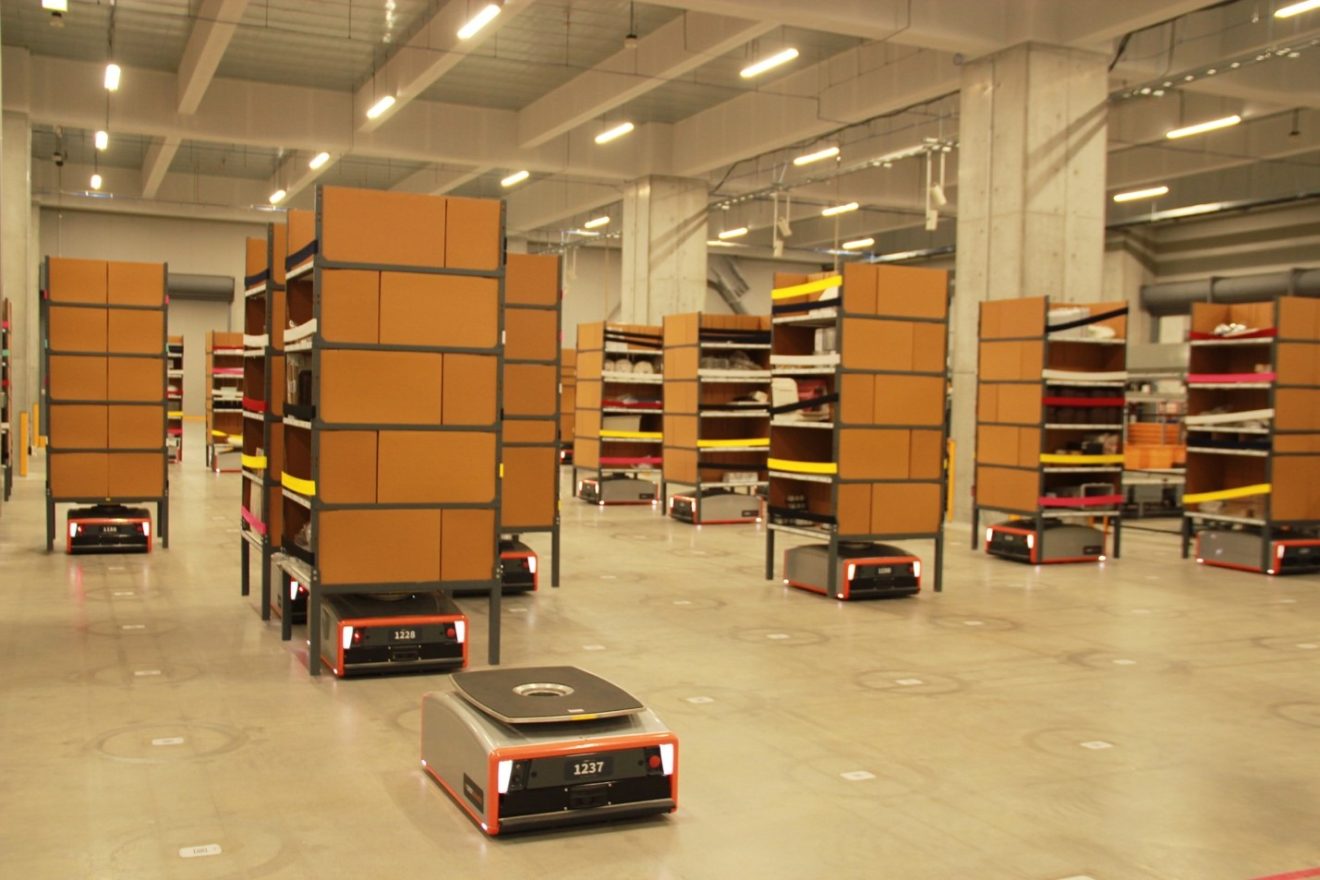
    The GreyOrange booth will showcase live demonstrations of its mobile and  modular sortation system, FlexoTM. Companies can deploy Flexo to enable inbound and outbound destination sortation  in fulfillment, distribution and logistics centers to better utilize space, reduce operating costs and flexibly adapt sortation to handle seasonal order patterns and spikes. This AI-enabled robotics system, which is capable of running 24/7, can be easily scaled making it investment-friendly and usable for a range of applications. GreyOrange also will showcase its globally deployed AI-enabled ButlerTM goods-to-person system, designed to handle high volumes, changing inventory profiles and fluctuating demand.

    Both the Butler and Flexo solutions are powered by GreyOrange’s warehouse execution software GreyMatter, which integrates multiple automation systems and drives higher efficiencies by leveraging Artificial Intelligence and Machine Learning in real-time.

    Visit GreyOrange at the India Warehousing Show 2019, stand C27, Hall 12, Pragati Maidan, from 20th to 22nd June 2019 to meet with Solutions Experts and experience a hands-on demo of GreyOrange high-performance solutions.

  • Deliveroo Hong Kong launches loyalty program

    Deliveroo Hong Kong launches loyalty program

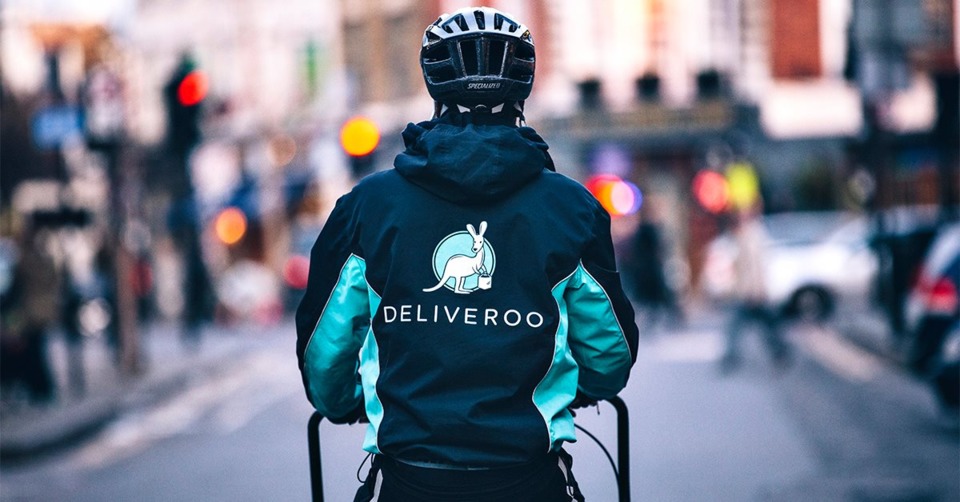
    Deliveroo Hong Kong believes a new loyalty program it has launched will drive retail-order growth by 75 per cent and increase order frequency by 85 per cent.

    Launched yesterday at the company’s Food Market in Sai Ying Pun, the program rewards customers who order food with an e-stamp for every HK$50 spent at Food Market. After they collect 10 stamps they can redeem a $100 coupon redeemable in store. Or they can save 20 stamps for a $150 in-store cash coupon; 30 stamps for $200. Members of the program can also enjoy birthday rewards of 10 per cent off any purchase during their birthday month.

    “Our aim is to reward customers with more opportunities to enjoy a delicious meal, support our restaurant partners via a new platform for sales, brand love and publicity; and to bolster Deliveroo’s bold expansion plans,” said Brian Lo, GM of Deliveroo Hong Kong.

    Food Market was launched last December, as the food-delivery service’s first direct-to-consumer location, letting customers walk in off the street and order their food for takeaway. Food Market also prepares food orders for delivery via the Deliveroo platform.

    Lo says the market has brought an additional 50 per cent in order volume and 26 per cent in new customer acquisition within the area during the past six months.

    It is currently home to five restaurant partners offering 15 dining concepts, including new virtual restaurant brands which are exclusively available via Deliveroo. Chinese restaurant Crystal Jade launched the delivery-only virtual brands Lao Er and Brother Kwok aimed at younger consumers. Other new brands launched through Food Market include The Pasta Project by Pizza Express, Shaka, Kai and Blazed by Pololi Group, and Leaves & Liberty and The Dogg Pound by Beef & Liberty.

    Deliveroo is now planning to expand Food Market, exploring new partnerships with student unions and looking at ways to further scale the concept’s success across the territory.

  • Farfetch opens flagship on JD.com China

    Farfetch opens flagship on JD.com China

    Farfetch China has opened a flagship store on JD, one of its strategic investors.

    The move follows Farfetch China’s purchase of Toplife announced in February and gives the global luxury-fashion technology platform access to more than 300 million customers in Mainland China.

    According to a statement, Farfetch now has a ‘Level 1’ entry point on the JD app, providing customers with instant access to more than 3000 brands via Farfetch’s network of more than 1000 luxury brand and boutique partners.

    “The partnership builds on the existing successful relationship between Farfetch and JD, started in July 2017,” said Farfetch China MD Judy Liu.

    Since then, the fashion platform has built its China presence by sharing JD’s logistics capabilities and its insights into the behaviour of Chinese luxury consumers.

    “Brands crave ever-better access to the Chinese market, and we are thrilled to deliver this for them,” said Liu.

    “This is an important expansion of our strategic partnership with JD, which strengthens the Farfetch China business as part of our truly global offering. Being able to offer the full suite of Farfetch’s technology and logistics platform to brands wanting to reach high-end Chinese consumers is a major competitive advantage as we seek to continue to grow market share in the rapidly expanding online luxury market.”

  • Amazon introducing 30 minute drone delivery

    Amazon introducing 30 minute drone delivery

    Amazon expects to offer customers drone delivery in under 30 minutes ‘within months’.

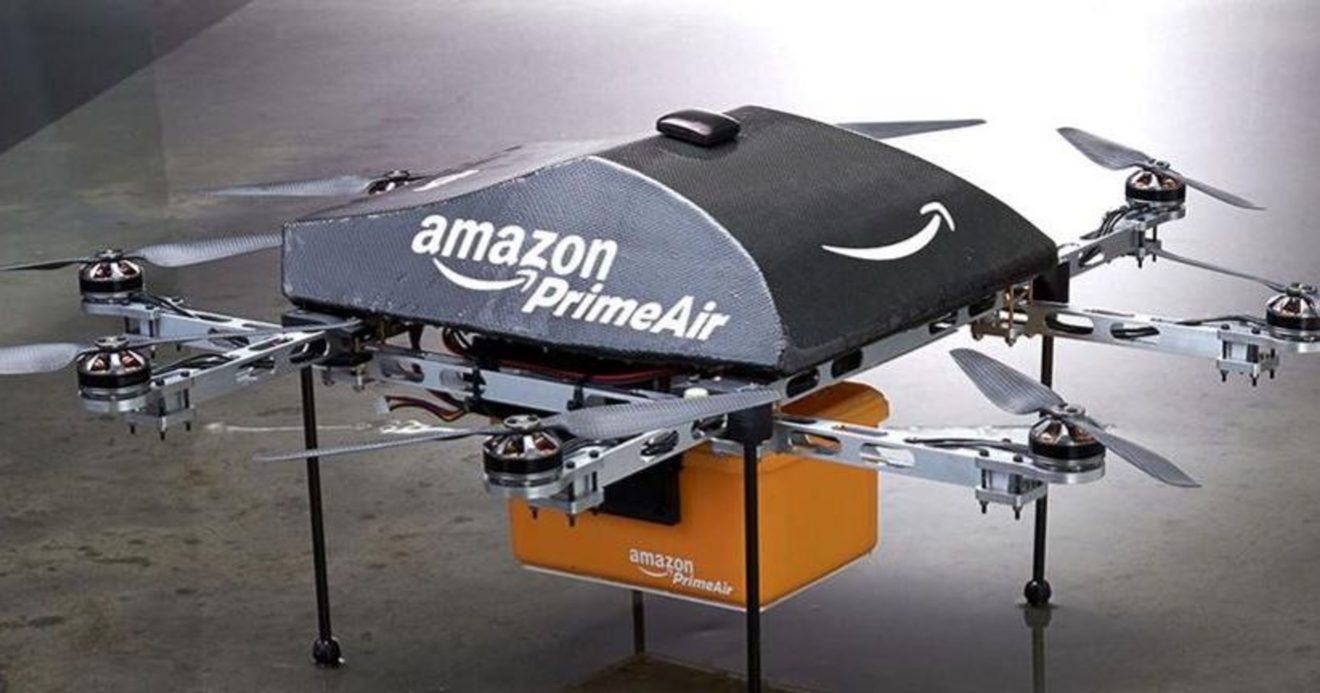
    The e-commerce giant unveiled the latest Prime Air drone design at its re:MARS Conference in Las Vegas last week.

    Jeff Wilke, CEO of global consumer at Amazon said in a blogpost that the company has been working hard at building “fully electric drones that can fly up to 15 miles and deliver packages under five pounds to customers in less than 30 minutes”.

    “With the help of our world-class fulfillment and delivery network, we expect to scale Prime Air both quickly and efficiently, delivering packages via drone to customers within months,” Wilke said.

    The Prime Air drone features a hybrid design and can do vertical takeoffs and landings.

    Wilke said that Prime Air is one of many sustainability initiatives to help achieve Shipment Zero, the company’s vision to make all Amazon shipments net zero carbon, with 50 per cent of all shipments net zero by 2030.

    “When it comes to emissions and energy efficiency, an electric drone, charged using sustainable means, traveling to drop off a package is a vast improvement over a car on the road,” Wilke said.

  • Tokopedia expands delivery promise Same Day Delivery

    Tokopedia expands delivery promise Same Day Delivery

    Indonesian e-commerce company Tokopedia is expanding its one-day delivery guarantee to almost all of its products as it prepares to battle Amazon and other foreign rivals.

    Backed by Alibaba Group and SoftBank, Tokopedia’s greatest strength might lie in the fact it is a 100-per-cent Indonesian focused company, unlike its rivals – and shareholder – which are simultaneously trying to build share in many different markets simultaneously.

    “We focus on Indonesia,” Tokopedia founder and CEO William Tanuwijaya said in an interview in Tokyo. “Our mission is really to solve the Indonesian customer problem. And we see the room for growth is still tremendous.”

    Online shopping in Indonesia is expected to grow by more than 400 percent within the next five or so years, to US$53 billion. That sort of growth is attracting Amazon, which opened in Singapore two years ago and subsequently launched in Australia, along with existing Indonesian rivals including Alibaba-backed Lazada and Shopee.

    Tokopedia already offers same-day or one-day delivery for about 65 percent of the products it sells. Expanding that to almost its entire catalog would be made possible by alliances with 11 logistics companies covering the most populous of the country’s 17,000 islands.

    The company is a marketplace, linking more than 5 million sellers with the nation’s largest database of online shoppers. It has no inventory of its own.

    Tanuwijaya admitted getting more than 90 per cent of goods delivered within 24 hours was a goal that might take two years or more to achieve.

  • Logistics heading to personalisation in digital era

    Logistics heading to personalisation in digital era

    The biggest trend in logistics right now is arguably not artificial intelligence, blockchain or even visibility, it’s hyper-personalization – which is ushering in a new era of delivery once only accessible to big global companies and corporates.

    For Asia’s legions of entrepreneurs and small businesses – more than 70 percent of whom are now exporting beyond Asia Pacific – personalization offers new opportunities to compete and create competitive advantage.

    Already, the transport and logistics industry is at a threshold moment in terms of the use of personalization – the ability to dynamically and uniquely tailor the shipping experience to any customer or individual.

    Yet while many micro-businesses believe in the power of personalisation for their brand – allowing consumers to choose the color of a dress, say, or add a monogram to a handbag – far fewer know that tapping new customization and personalization strategies in logistics is easier than ever.

    So just how can Asia’s small businesses deliver greater personalization in the shipping experience? And use logistics to gain ground against often older, larger or more established brands?

    Logistics made just for you

    FedEx, for example, has always operated beyond the norms of what’s expected for a shipping company. We know that our company is more than just packages shipped – it’s what we deliver that matters, such as dreams when a start-up sends out its first packages; joy at Chinese New Year; even hope when shipping relief supplies.

    What’s more, while the most important aspect of the growing US$4.5 trillion e-commerce economy is shipping, we recognize that to many, it’s largely invisible.

    So what’s changing and what’s important when it comes to customization and personalization, in a world where 11 percent of global GDP is already directly attributable to digital technologies?

    The first step is to change our mental model that logistics is something that happens after services and products are sold.

    Just as WeChathas evolved into a billion-dollar ecosystem of apps, products and services creating hyper-personalized experiences from start to finish – be it in food, clothing, paying utility bills or even shipping a package using the likes of FedEx, so too is the delivery experience starting sooner.

    For instance, we now help SME e-tailers at the frontend to close more business on their website, or on the backend in after-sales service, matching shipping strategies with customer needs.

    Innovation itself is also more mobile – it’s estimated that around 90 percent of logistics today happens behind the mobile phone – meaning that we must deliver differently.

    Our ‘new normal’ of personalized logistics is all about connecting customers with greater convenience – same-day deliveries, more ‘last mile” choices including self-collection locations; even new, advanced tracking that can nickname shipments and create personal ‘watch lists’.

    Visibility is yet another way to personalize the shipping experience – since knowing the status of packages and having control over them is at the top of any customer’s wish list. Take FedEx Delivery Manager for instance, which can request delivery notifications, sign for deliveries in advance, have shipments delivered to a secure location, suspend deliveries and more.

    Here, hyper-personalization is about driving greater flexibility – with the ability to customize and select day and delivery options – usually at no extra cost to an SME or its customers.

    More than ever, consumers want more from their supply chain and logistics – the ability to return goods to a physical location; the ability to get a text message saying goods are about to be delivered; track product requirements online; vary the delivery window and location, even the ability to “click and collect” – collecting goods from a secure location like a locker box or a 7-Eleven store.

    We’ve also seen growth in customisation and postponement which is giving SMEs more options to manage inventories more efficiently. By delaying product packaging and assembly for as long as possible, exact customer specifications can be met whenever products are needed.

    But that’s just the start. Our industry is at a tipping point, barely scratching the surface of what’s possible as customers expect more, and demand more.

    The personalisation of everything

    The future of logistics is set to be ‘personalised everything’.

    Already, shipping is moving further away from a generic or one-size-fits all approach to a highly personalised pattern of world commerce – with the ability to customise, flex and individualise delivery in ways that are just only beginning to become clear.

    Just as brands that create a personalised experience are growing two to three times faster than their peers – and seeing revenue increases of up to 10 per cent[4] – so too will small businesses be able to create one-of-a-kind supply chains that help them grow, compete and connect globally.

    As Alan Kay once said: “The best way to predict the future is to invent it” – so we are working on a number of technology innovations that will further change the way we do business and the way we serve our customers. But what can we expect to see?

    Among a multitude of on-demand style innovation, the day is coming where the ultimate personalised logistics accessory of the future will be the ability to book a shipment by talking to your digital personal assistant.

    Picture a small business customer initiating the process, answering questions from the digital assistant, hands-free and paper-free, to complete a booking with a courier – or robots, zipping to your home or SME office to pick up the package.

    So why should Asia’s entrepreneurs and SMEs care?

    Such hyper personalisation innovation – existing or futuristic – is impressive. We are at an unprecedented moment in history in terms of connectivity, where more and more consumers are becoming hyper-connected across multiple devices – ranging from mobiles to smart phones to wearables and even home appliances.

    This personalisation of connectivity – where we’ve moved from walking among 100,000 products in a store to accessing more than 10 million products on a phone – is giving today’s small businesses the opportunity to compete on customer experience on a scale never seen before.

    This year is shaping up to be a banner year for small businesses – four in five of whom are already using e-commerce, and 64 per cent of which expect to see an increase in e-commerce revenue in the next year.

    As we move closer to 2020 – a year when customer experience is expected to overtake price and product as the number the key brand differentiator – the opportunity for Asia’s SMEs is now.

    The ability to compete on customer experience using hyper personalisation is open to businesses of all sizes. And it may just be small businesses that win the future battle for personalisation.

  • Tigers delivers global B2B and B2C supply chain solutions for Rapha

    Tigers delivers global B2B and B2C supply chain solutions for Rapha

    Tigers is expanding its partnership with Rapha on both B2B and B2C delivery solutions as global e-commerce demand continues to grow for the cycling sportswear brand. Tigers UK is providing fulfillment services for Rapha, including distribution within the UK, the European Union, and Korea from its new Thurrock-based facility near London Gateway.

    Other markets in Asia will be served from Tigers’ Hong Kong warehouse, where the enterprise and e-commerce specialist is headquartered.

    Rapha was established in 2004 in London, UK, to address a need for stylish, high-performance cycling clothing, and continues to push the boundaries of innovation in cycle wear.

    “As e-commerce continues to grow globally, we are happy to welcome exciting brands such as Rapha to our portfolio, and to help them provide the highest-quality service to their customers around the world,” said Shahar Ayash, Managing Director – UK and Europe, Tigers.

    “Rapha not only produces sportswear clothing, they are also passionate cycling advocates with the aim to make road cycling the most popular sport in the world – and we are happy to support them in their mission.”

    Rapha is using Tigers’ Cloud-based SmartHub:Connect (SH:C) platform, which was launched last year and provides customers with end-to-end visibility of the global supply chain.

    “Customer experience is a core part of the logistics function today, and technology is a major lever in supporting this,” said Alex Bezer, Director of Technology, Rapha.

    “It was important to us that we found a partner who delivered on this promise, which Tigers put at the core of their proposition, with the guarantee of full visibility through the global supply chain and logistics cycle using SH:C.”

    SH:C is a single freight, e-commerce, and logistics platform with a built-in virtual warehouse solution.

    “Digital technology is the future of the logistics and supply chain industry, and Rapha is demonstrating how SH:C simplifies e-commerce, fulfillment, and distribution for organizations, especially for those with a global marketplace,” said Ayash.

  • Kerry Logistics Extends into Coffee Trading and Distribution

    Kerry Logistics Extends into Coffee Trading and Distribution

    Kerry Logistics Network Limited (‘Kerry Logistics’; Stock Code 0636.HK) announced the establishment of Kerry Coffee (Hong Kong) Limited (‘Kerry Coffee’) to extend its business into the trading of coffee and related products, as well as to further deepen its partnership with Italian coffee group illycaffè.

    Kerry Coffee will be the sole distributor of illycaffè’s complete product range in Hong Kong and Macau, including the iperEspresso coffee machines, capsules, coffee beans, and other coffee-making equipment and accessories.

    Kerry Logistics has been enjoying a partnership with illycaffè since 2017, providing total integrated logistics solutions for illycaffè and acting as the sole distributor of iperEspresso coffee machines and capsules in Hong Kong.

    The launch of Kerry Coffee will consolidate illycaffè’s entire product selection under one operator in Hong Kong to facilitate brand building and market penetration.

    It will also mark the expansion of Kerry Logistics’ food services business to capitalise on the growing coffee culture in the territory.

    Robert Berger, Executive Director – Fashion & Lifestyle of Kerry Logistics (Hong Kong), said, “We are thrilled to take our collaboration with illycaffè a step further.

    “The establishment of Kerry Coffee and the consolidation of illycaffè’s full product range under the new company will enhance the cost-efficiency of the sales and distribution operation, and enable illycaffè to increase its market share and brand recognition in Hong Kong and Macau.

    “The development also enriches Kerry Logistics’ food services business and allows greater product diversification to serve HORECA and club customers in Hong Kong and Macau.”

    Embodying the distinctive coffee culture in Italy, illycaffè is one of the world’s most global coffee brands.

    Kerry Coffee will provide total logistics solutions, sales, and marketing to ride on the flourishing coffee culture in Hong Kong and Macau, solidify the market position of the illy brand and establish Kerry Coffee as a major player in the coffee market.

  • Kerry Logistics Expands Food Cold Chain Business in China

    Kerry Logistics Expands Food Cold Chain Business in China

    Kerry Logistics Network Limited (‘Kerry Logistics’; Stock Code 0636.HK) has expanded its food-related cold chain capability in mainland China through the establishment of Kerry Cold Chain Solution Ltd (‘Kerry Cold Chain’), to tap into the fast-growing domestic market of niche food products.

    Kerry Cold Chain is a joint venture company formed with Shanghai Zhizhen Logistics Co Ltd (‘Zhizhen Logistics’) in which Kerry Logistics holds the majority interest. It provides comprehensive integrated cold chain logistics solutions from upstream to downstream. 

    Using self-owned cold chain facilities and partnering with local expertise, Kerry Cold Chain will handle a wide range of food products, from raw ingredients to dairy product additives.

    Edwardo Erni, Managing Director – China and North Asia of Kerry Logistics, said, “The market for food-related cold chain logistics in mainland China is immense with enormous growth potential. There is also ample room for technological growth to reach international standards.

    “Intending to fill a gap in the market, we welcome the collaboration with Zhizhen Logistics, which marks an important strategic step for Kerry Logistics to extend its footprint in the domestic cold chain logistics market, enhancing our service offerings and competitiveness.”

    Kerry Cold Chain currently operates more than 1 million sq ft of ambient and cold chain facilities in China, including a temperature-controlled facility of over 50,000 sq ft in Shanghai featuring automated storage and retrieval systems.

    Founded in 2008, Zhizhen Logistics serves the logistics needs of both domestic and international customers from locations across China including Beijing, Tianjin, Wuhan, Guangzhou, and Shenzhen. It commands a 90% market share for imported food essences in the Shanghai region.

    With a wealth of experience in cold chain logistics, Kerry Logistics offers seamless F&B solutions with complete cold chain integrity to food chain stores and restaurants in Hong Kong as well as hypermarkets and frozen food retailers in Taiwan.

    The Group also runs cold chain facilities of 70,000 sq ft in Oceania, serving supermarket chains, convenience stores, independent retailers, and food importers.

  • Honestbee CEO Departing to get more Funding

    Honestbee CEO Departing to get more Funding

    Interim replacement from cornerstone investor, suggesting much-needed funds will soon be injected to save the startup.

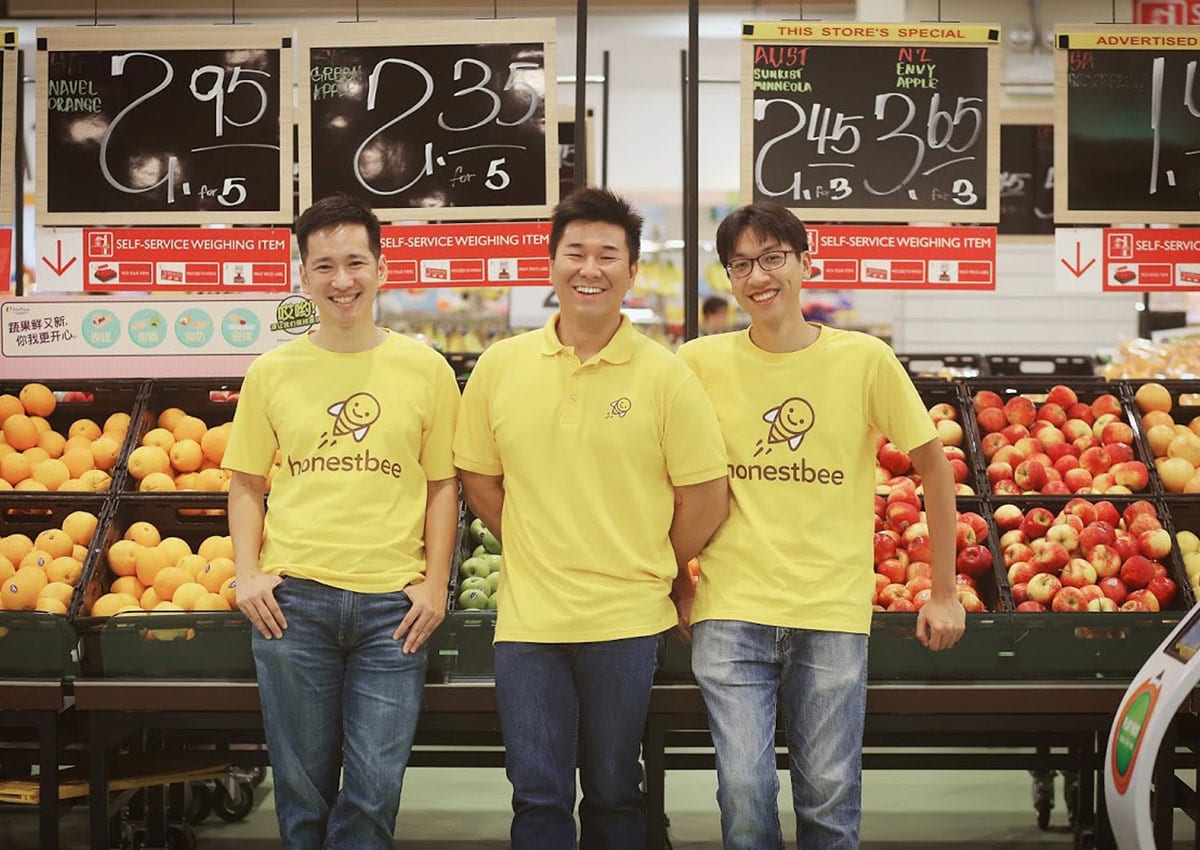
    Honestbee CEO and cofounder Joel Sng has stepped away from the business, clearing the way for a fresh round of investment which would ensure the startup’s survival.

    His place has been taken by Brian Koo, the grandson of the founder of South Korean industrial giant LG and who oversees US-headquartered investment fund Formation Group, one of the key investors and shareholders in Honestbee. Koo’s role has been termed “interim CEO”.

    While Honestbee in an unattributed statement said Sng was “stepping down” as Honestbee CEO the exact circumstances of his departure are less clear.

    The Straits Times reported early yesterday that Sng had sent an email to staff signalling his intention to leave the role, while TechCrunch, which has been reporting extensively on Honestbee’s challenges in recent weeks and is well connected with inside sources, said Sng had been fired and had vacated his desk on Tuesday.

    DealStreetAsia quoted an email from Sng which it had seen, in which Sng apologised to the Honestbee team: “Over the past year, our business has grown significantly, and operating and scaling across eight countries is not without its challenges. We acknowledge that the board could have provided the company more guidance and we apologise for not doing more.

    “…All of you have given blood, tears and sweat to get us this far. These are the moments when we have to be strong. I want all of you to know that I am in this with you, fighting every day beside you. We might be judged by our mistakes, but we will be remembered by our success in the future,” he said.

    Earlier reports had suggested concerns about financial decisions and management of the business had proved a major barrier to attracting urgently needed funds to keep the business running, in particular a scheduled funding round in January from a Japanese investor.

    Brian Koo took over the role yesterday in a move at least one observer is seeing as a precursor to Formation Group injecting more capital.

    Earlier this week, Honestbee confirmed it was shutting its operations in five markets – Thailand, Hong Kong, Japan, Indonesia and the Philippines. However a spokesperson in an emailasked to clarify that the company had not decided to exit those markets, rather it had “halted or temporarily suspended operations” in them.

    Regardless of the exact circumstances of Sng’s departure, Koo was magnanimous in recognising the cofounder’s role in establishing the business.

    “I would like to express my appreciation for Joel, as he steps away from his current role, for taking Honestbee from zero to one,” he said in a statement.

    “I will be working with the executive team to conduct an in-depth review of our business to focus and align our strategic interests across our various geographies and verticals, and take the opportunity to articulate a clear vision for the future of honestbee.”

    In the same statement Sng said Koo had been Honestbee’s earliest supporter and a key investor.

    “He was also instrumental in helping us define Honestbee’s purpose and mission from day one. I am confident that he would (sic) be able to bring the company to the next level, supported by the newly appointed executive team comprising key leaders of our organisation.”

    “We will continue to innovate and improve our business to stay relevant in today’s rapidly changing business environment. We remain committed to making great food experiences accessible to customers across Asia.”

  • Docomo, Itochu Logistics test IoT for delivery-fleet management in US

    Docomo, Itochu Logistics test IoT for delivery-fleet management in US

    Japan’s NTT Docomo and Itochu Logistics are planning to trial an IoT solution for delivery fleet management in the US.

    The solution uses devices compatible with low-power, wide-area LTE-M technology to track the status of outsourced trucks in their fleets.

    The trial will begin in the United States on May 1, 2019.

    According to the companies, the solution involves placing hand-held, battery- or solar-powered devices in trucks to collect data, such as truck locations and frequency of sudden braking, which will be sent through an LTE network to a dedicated website.

    The solution can also provide temperature, humidity, brightness, etc. data depending on delivery needs, as well as notify customers via email when the trucks approach their destinations.Itochu Logistics USA expects to save time using the solution compared to the conventional method of manually phoning drivers to confirm their locations and estimated delivery times.

    The solution will be tested for its effectiveness in supporting the management and safety of truck fleets at Itochu Logistics USA’s delivery-trick network and logistics system.

    “While most delivery trucks are equipped with GPS devices, the location data typically is available to the owner but not to logistics/transport companies that retain the trucks on an outsourced basis,” the companies said.

    “The solution’s easily deployed LTE-M devices, however, will give logistics/transport companies dedicated access to location and other useful information about trucks operating temporarily in their fleets.”

    The trial is part of the Globiot global-IoT initiative that Docomo launched on July 2, 2018.

    The Japanese mobile giant said it expects the solution will be marketed widely throughout US, Japan, and Asia.